The Physiology of Breathing: Muscle Functions and Their Impact on Well-Being

The Mechanics of Breathing: An In-Depth Look at Respiratory Muscles

Breathing involves various muscles throughout the body, working together to facilitate the intake of oxygen and the expulsion of carbon dioxide. This process is orchestrated by different muscle groups that support both relaxed respiration and the increased demands of exercise or stress. This article examines the primary and accessory muscles involved in breathing, including the diaphragm, neck, and chest muscles, and analyzes their contribution to respiratory efficiency and posture.

Primary Muscles of Respiration

The diaphragm plays a crucial role in respiration, accounting for approximately 75% of the effort during relaxed or “tidal” breathing. Situated below the lungs and above the abdominal cavity, this dome-shaped muscle contracts and flattens downward with each inhalation, creating negative pressure within the thoracic cavity and allowing air to enter the lungs. Upon exhalation, the diaphragm relaxes and returns to its dome shape, gently pushing air out as the lungs recoil. Efficient diaphragmatic function is essential for relaxed breathing and overall respiratory health, particularly when breathing through the nose.

The intercostal muscles work in conjunction with the diaphragm to expand and contract the rib cage, supporting respiration. Located between the ribs, these muscles are divided into two groups:

  • External intercostals, which are primarily active during inhalation, lift the rib cage up and outward, expanding the chest cavity and allowing more air into the lungs.
  • Internal intercostals, which are mainly involved during forced exhalation, pull the rib cage down and inward, compressing the chest to expel air forcefully.

Together, the diaphragm and intercostals comprise the primary muscles of breathing, efficiently managing inhalation and exhalation during quiet respiration without requiring assistance from other muscles. The costovertebral joints and sternocostal joints are important for respiration by enabling the movement of the rib cage during breathing.

  • Costovertebral Joints: These are the articulations between the ribs and the thoracic vertebrae. Each rib connects to the vertebral column at two points—the costovertebral joint (where the rib meets the vertebral body) and the costotransverse joint (where the rib meets the transverse process of the vertebra). These joints allow the ribs to move in a pump-handle (expanding the chest upward) and bucket-handle (widening the chest laterally) motion, which increases the volume of the thoracic cavity during inhalation.
  • Sternocostal Joints: These are the connections between the ribs and the sternum. The first rib forms a direct synchondrosis (cartilaginous joint) with the sternum, while ribs 2–7 have synovial joints that allow for slight gliding movements. These joints enable the sternum to elevate and expand along with rib movement, assisting in lung expansion.

Together, these joints provide flexibility and stability to the rib cage, supporting efficient breathing by accommodating the expansion and contraction required for proper lung function. Issues or stiffness in these joints can restrict breathing efficiency and contribute to postural problems.

The Role of Accessory Muscles in Breathing

During labored breathing, such as physical exertion, illness, or stress, additional muscles assist the diaphragm and intercostals in expanding and contracting the rib cage and chest. These accessory muscles of respiration include:

  • Sternocleidomastoid (SCM) and scalene muscles in the neck are particularly important accessory muscles. The SCM connects the base of the skull to the sternum and clavicle, helping lift the sternum and clavicle during inhalation to expand the upper chest. Similarly, the scalenes (anterior, middle, and posterior) attach from the cervical vertebrae to the first two ribs, assisting in lifting the upper chest and creating additional space in the lungs. During high-effort breathing, these muscles help maximize airflow but can lead to neck tension if overused, especially in those with shallow breathing patterns.
  • The pectoralis minor, located beneath the larger pectoralis major in the upper chest, attaches from the ribs to the scapula (shoulder blade). During forced inhalation, it helps lift the upper ribs, expanding the chest cavity.
  • The serratus anterior also supports respiration, particularly during heavy breathing. Attached to the ribs and scapula, it stabilizes the upper chest, allowing greater lung expansion. While effective in aiding respiration, overuse of the pectoralis minor and serratus anterior can cause tightness in the chest and shoulders, contributing to poor posture and reduced respiratory efficiency.

Other accessory muscles include the levator scapulae and upper trapezius, which elevate and stabilize the shoulders and engage in upper chest breathing in response to stress or poor posture. Although not intended specifically for breathing, these muscles often become involved when the diaphragm is not fully engaged, potentially leading to chronic tension in the neck and upper back.

The Role of Abdominal Muscles and Core Stabilizers

The abdominal muscles, including the rectus abdominis, transversus abdominis, and obliques, play essential roles in forceful exhalation by increasing abdominal pressure and pushing the diaphragm up, expelling air during activities such as coughing, singing, or exercising. While these muscles do not contribute to inhalation during quiet breathing, strong abdominal muscles support core stability and posture, indirectly promoting efficient diaphragm function.

Smaller, deeper muscles like the multifidus and deep cervical flexors support posture and spinal alignment, ensuring that the rib cage can expand without restriction. These muscles indirectly contribute to breathing by maintaining good posture, reducing unnecessary tension, and keeping the airway open.

Implications of Respiratory Muscle Engagement on Health and Posture

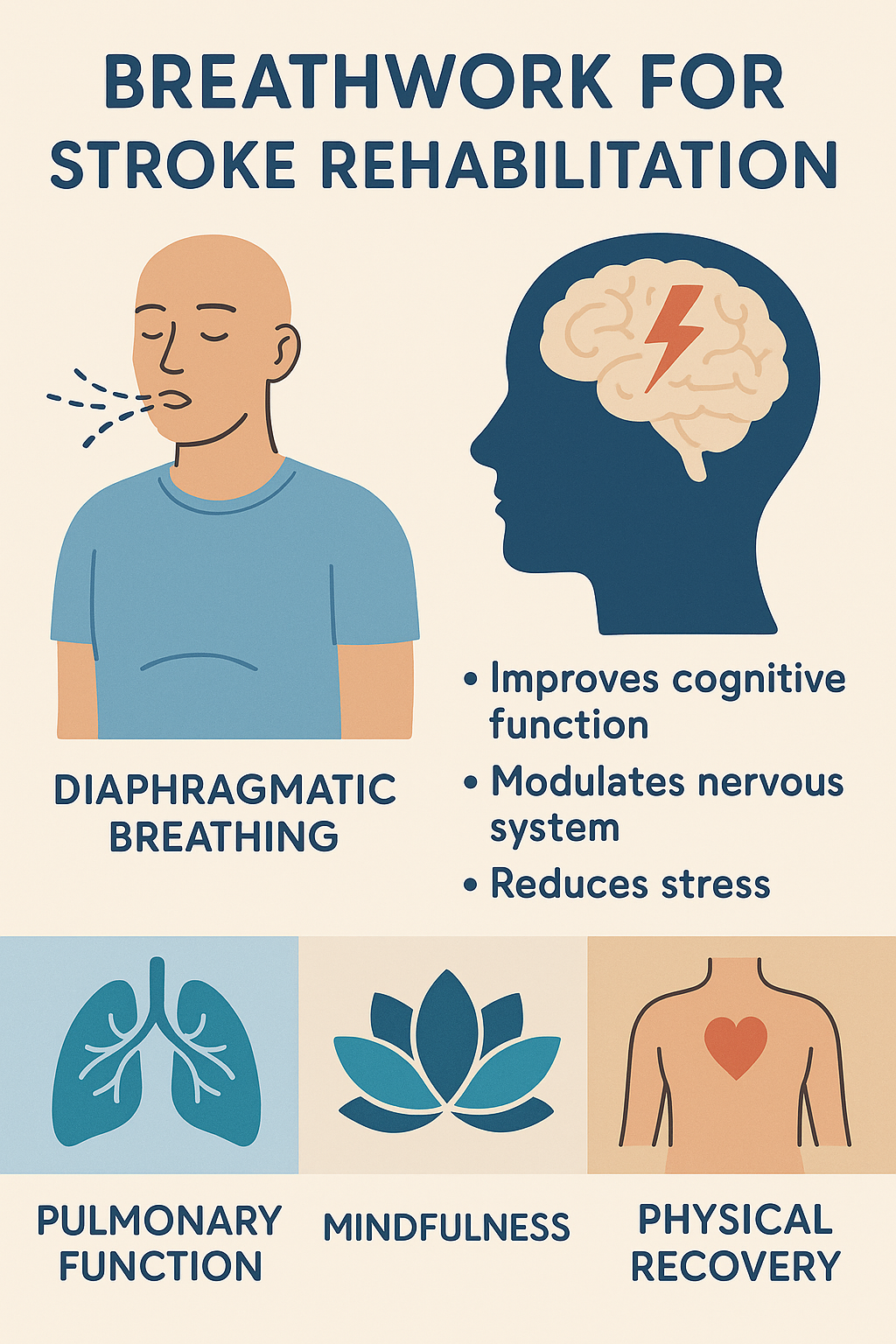
Efficient breathing relies on primary respiratory muscles, with the diaphragm and intercostals as key players. When these muscles are effectively engaged, the body maintains a relaxed, steady respiratory rhythm, promoting effective oxygenation and minimizing muscle tension in the neck and shoulders. Nasal breathing encourages diaphragmatic engagement, stimulating the parasympathetic nervous system and promoting relaxation.

However, many individuals develop shallow, chest-driven breathing patterns due to stress, poor posture, or habits like mouth breathing, which lead to over-reliance on accessory muscles and result in chronic neck, shoulder, and upper chest tension. Shallow breathing also activates the sympathetic nervous system, exacerbating stress and creating a cycle of inefficient respiration and muscular strain.

The Influence of Breath-Centered Movement Practices

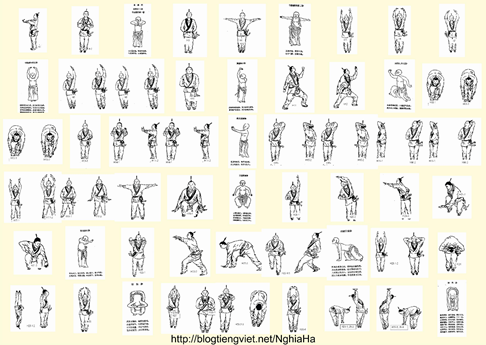
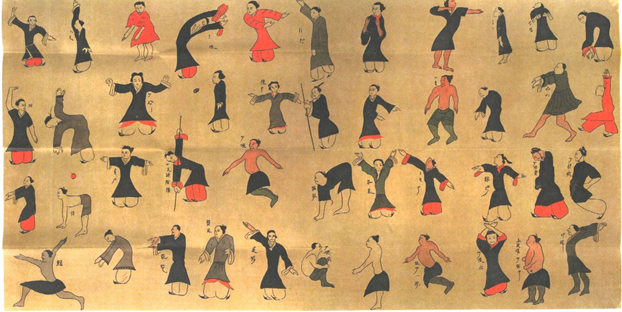
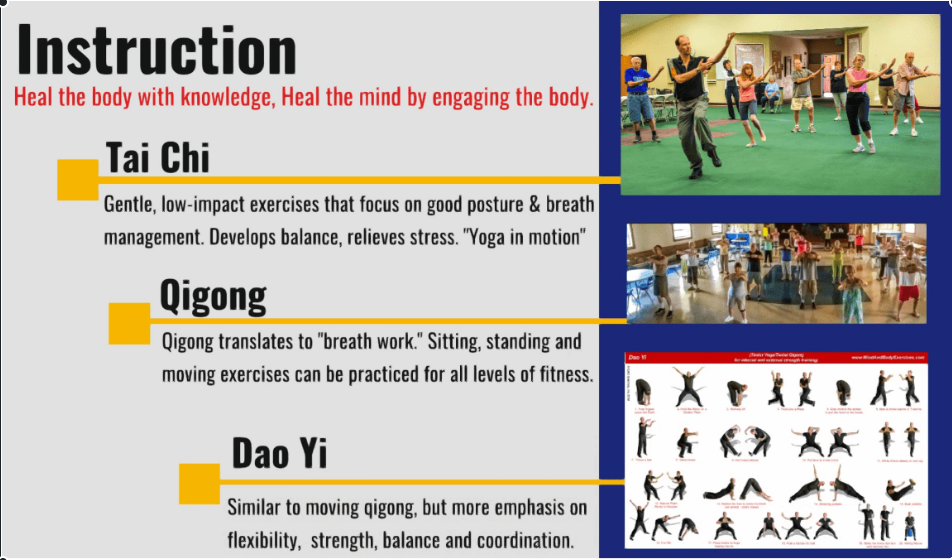
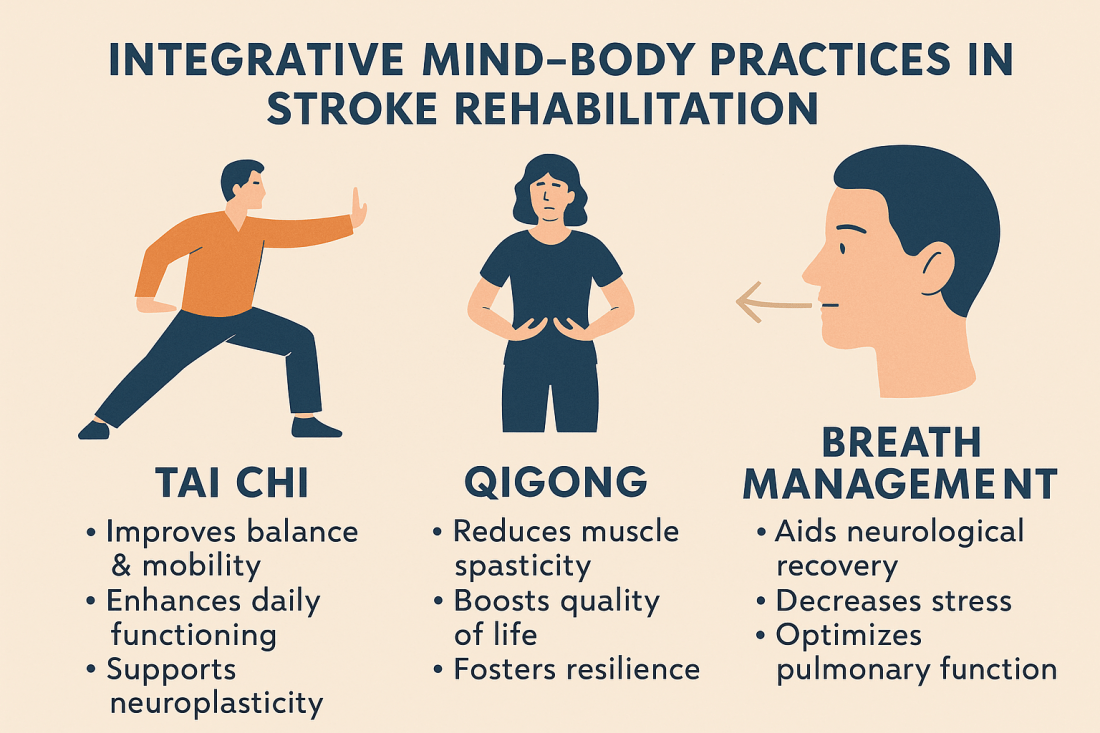
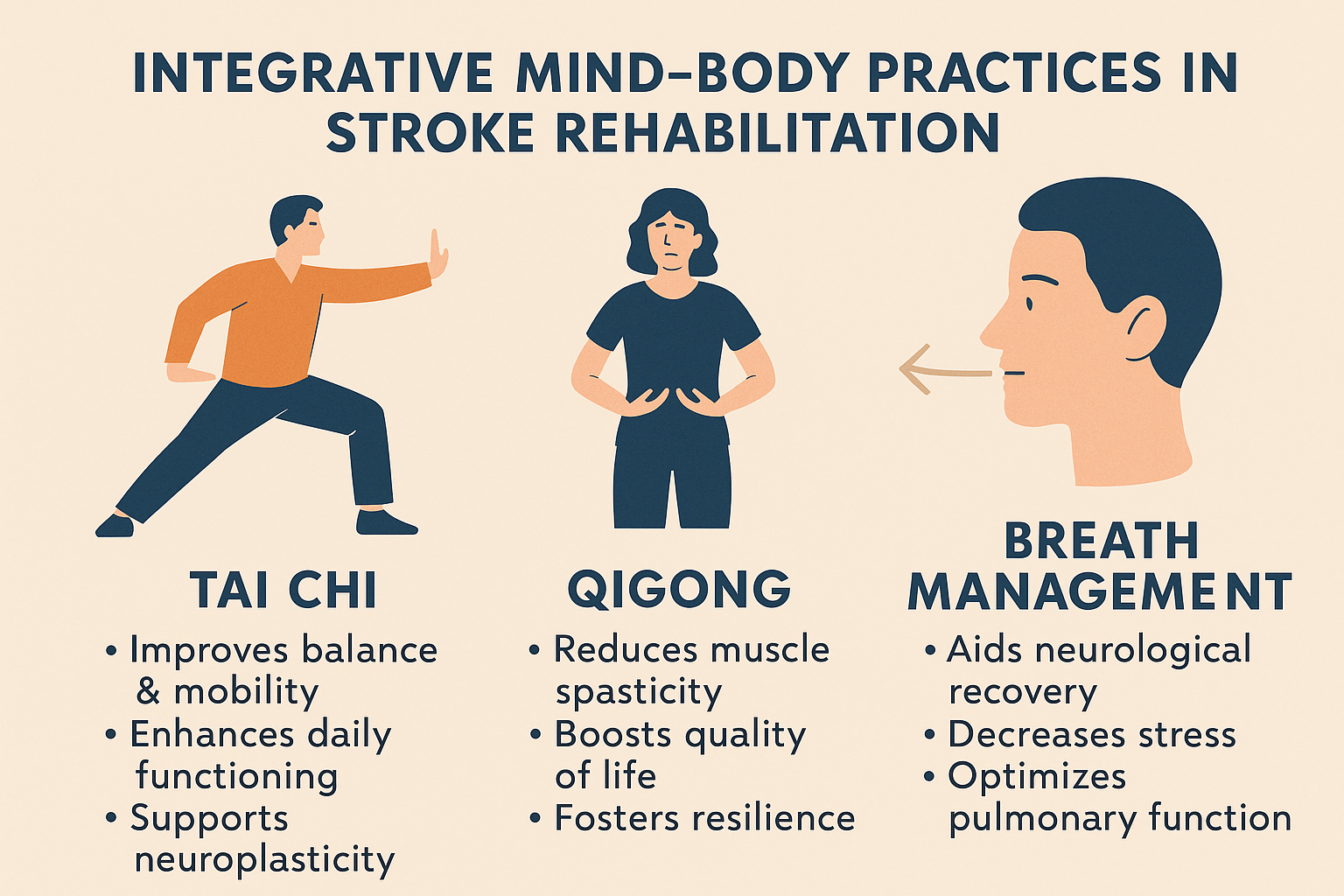
Exercise methods like yoga, tai chi, qigong, and martial arts use breathing techniques to optimize respiration and lung function. They focus on deep diaphragmatic breathing paired with slow, controlled movements, such as torso twists, to stretch the intercostal and oblique muscles, expand lung capacity, and fully engage the diaphragm. Practitioners often report increased energy or transformation, with physiological benefits including optimized oxygen intake, reduced tension, and improved respiratory efficiency. These practices promote nasal breathing, effective diaphragm engagement, and a balanced autonomic nervous system, leading to better respiratory health and less stress.

Conclusion

Breathing is supported by a complex system of muscles, with the diaphragm and intercostals playing primary roles in quiet, relaxed breathing, while accessory muscles like the SCM, scalenes, and pectoralis minor assist during times of physical exertion or respiratory distress. Maintaining balanced breathing patterns focused on diaphragmatic and nasal breathing minimizes tension in the neck, shoulders, and chest, promoting relaxation and better oxygenation. Understanding and nurturing this system can enhance respiratory health, reduce muscle tension, and improve overall well-being.

I teach and offer lectures about holistic health, physical fitness, stress management, human behavior, meditation, phytotherapy (herbs), music for healing, self-massage (acupressure), Daoyin (yoga), qigong, tai chi, and baguazhang.

Please contact me if you, your business, organization, or group, might be interested in hosting me to speak on a wide spectrum of topics relative to better health, fitness, and well-being.

I look forward to further sharing more of my message by partnering with hospitals, wellness centers, VA centers, schools on all levels, businesses, and individuals who see the value in building a stronger nation through building a healthier population.

I also have hundreds of FREE education video classes, lectures, and seminars available on my YouTube channel at:

https://www.youtube.com/c/MindandBodyExercises

Many of my publications can be found on Amazon at:

http://www.Amazon.com/author/jimmoltzan

My holistic health blog is available at:

https://mindandbodyexercises.wordpress.com/

http://www.MindAndBodyExercises.com

Mind and Body Exercises on Google: https://posts.gle/aD47Qo

Jim Moltzan

407-234-0119

Challenging the Narrative: Why Some Doctors Risk Their Careers to Question Mainstream Medicine

Public trust in physicians and hospitals has decreased significantly since the COVID-19 pandemic, with a notable drop from 71.5% in April 2020 to 40.1% in January 2024. This decline in trust is associated with factors like age, gender, lower educational level, income, and rural living (Hibbert, 2024). However, In recent years, a growing number of doctors and medical professionals have taken bold and often controversial stances that challenge mainstream medical paradigms. These individuals, many of whom have established careers and financial stability, risk their reputations and livelihoods to question the safety and efficacy of widely accepted interventions, particularly vaccination. Their actions raise an important question: Why would accomplished professionals jeopardize their careers when there is seemingly little to gain? The answer lies in a convergence of ethical convictions, clinical observations, and growing concerns about the influence of industry on public health.

Moral and Ethical Convictions

For many dissenting doctors, the decision to speak out is rooted in their ethical obligation to protect patient well-being. The Hippocratic Oath, which emphasizes “doing no harm,” compels these professionals to prioritize the safety of their patients, even when their views place them at odds with the medical establishment. Dr. Suzanne Humphries, a nephrologist and co-author of Dissolving Illusions: Disease, Vaccines, and the Forgotten History, is one such example. Humphries transitioned from conventional nephrology to integrative medicine after observing patterns in her patients that led her to question the safety and effectiveness of vaccines (Humphries & Bystrianyk, 2013). Her journey reflects a broader trend among doctors who feel morally compelled to share their findings despite the potential consequences.

Firsthand Experiences and Clinical Pattern Recognition

Many of these professionals cite their clinical experiences as the catalyst for their change in perspective. They report encountering unexpected adverse reactions, inconsistencies between patient outcomes and established guidelines, and patterns that contradict the mainstream narrative. When such observations accumulate, they often prompt these doctors to dig deeper into medical history, epidemiological data, and alternative research, leading them to challenge conventional wisdom. Humphries (2013) highlights that her shift in perspective began after observing kidney patients suffering from vaccine-related complications, which prompted her to investigate the history of vaccines and public health.

Disillusionment with the Medical System

A growing number of physicians have become disillusioned with the modern medical system, which they believe prioritizes pharmaceutical interventions over addressing the root causes of disease. These doctors argue that the system operates within a profit-driven framework that emphasizes symptom management rather than long-term health promotion. As medical protocols increasingly align with pharmaceutical interests, some professionals feel constrained by hospital policies and insurance limitations that discourage holistic or preventative approaches to care.

Scientific Integrity and the Spirit of Inquiry

Another motivating factor for these dissenting professionals is their commitment to scientific integrity and open inquiry. Science, by its very nature, thrives on questioning established paradigms and re-evaluating conclusions in light of new evidence. However, many of these doctors argue that the current medical landscape discourages open debate, often labeling dissenting voices as “misinformation” without addressing their concerns. Humphries and Bystrianyk (2013) emphasize the importance of revisiting historical data and re-examining the role of vaccines in disease decline, advocating for a more nuanced understanding of public health history.

Concerns About Censorship and Suppression

Many doctors who speak out also point to the growing suppression of alternative viewpoints in medicine and public health. They argue that meaningful scientific progress requires open dialogue and that silencing dissenting voices undermines public trust. When legitimate concerns about vaccine safety, adverse reactions, and long-term consequences are dismissed without consideration, these doctors feel compelled to advocate for a more balanced discussion.

Intrinsic Motivation and Legacy

For some, the decision to challenge mainstream medical practices stems from a profound sense of purpose and desire to make a lasting impact. After decades of practice, these professionals often feel they have little to lose but much to gain by advocating for what they believe is right. Their motivation extends beyond financial gain or career advancement, reflecting a genuine desire to protect public health and encourage informed decision-making.

(Gai & Gai, 2024)

Are They on to Something?

Given the risks involved, it is worth considering whether these professionals might be highlighting genuine gaps and biases in the medical establishment. Their critiques often align with concerns about:

  • Over-reliance on pharmaceutical interventions.
  • Insufficient emphasis on lifestyle, nutrition, and preventive care.
  • Long-term consequences of mass vaccination and immune system dysregulation.
  • Lack of informed consent and transparency regarding potential risks.

While their views challenge mainstream paradigms, history has shown that dissenting voices have often been instrumental in driving scientific progress. Galileo’s heliocentric theory and Semmelweis’s (1861) advocacy for handwashing were once considered heretical but eventually transformed scientific understanding. Likewise, today’s dissenting doctors may be raising critical questions that deserve serious consideration and further investigation.

Conclusion

The decision of respected doctors and medical professionals to challenge established medical norms is most often not driven by financial gain or career advancement. Rather, it is rooted in ethical convictions, clinical observations, and a commitment to scientific inquiry. As these voices grow louder, they encourage a much-needed conversation about medical interventions’ safety, efficacy, and long-term consequences. Their willingness to question prevailing narratives may lead to a more balanced, patient-centered approach to healthcare.

References

Gai, & Gai. (2024, August 1). When you’ve lost trust in doctors. . . » Global Autoimmune Institute. Global Autoimmune Institute ». https://www.autoimmuneinstitute.org/articles/when-youve-lost-trust-in-doctors/

Hibbert, C. M. (2024, August 7). Trust in physicians and hospitals plummeted since the COVID pandemic, Northeastern research says. Northeastern Global News. https://news.northeastern.edu/2024/08/07/trust-in-physicians-hospitals-research/

Humphries, S., & Bystrianyk, R. (2013). Dissolving illusions: Disease, vaccines, and the forgotten history. CreateSpace Independent Publishing Platform.

Semmelweis, I. (1861). Die Ätiologie, der Begriff und die Prophylaxis des Kindbettfiebers. C.A. Hartleben’s Verlags-Expedition.

I teach and offer lectures about holistic health, physical fitness, stress management, human behavior, meditation, phytotherapy (herbs), music for healing, self-massage (acupressure), Daoyin (yoga), qigong, tai chi, and baguazhang.

Please contact me if you, your business, organization, or group, might be interested in hosting me to speak on a wide spectrum of topics relative to better health, fitness, and well-being.

I look forward to further sharing more of my message by partnering with hospitals, wellness centers, VA centers, schools on all levels, businesses, and individuals who see the value in building a stronger nation through building a healthier population.

I also have hundreds of FREE education video classes, lectures, and seminars available on my YouTube channel at:

https://www.youtube.com/c/MindandBodyExercises

Many of my publications can be found on Amazon at:

http://www.Amazon.com/author/jimmoltzan

My holistic health blog is available at:

https://mindandbodyexercises.wordpress.com/

http://www.MindAndBodyExercises.com

Mind and Body Exercises on Google: https://posts.gle/aD47Qo

Jim Moltzan

407-234-0119

The Buddhist Eightfold Path & the Taoist 8 Keys of Wisdom

The Eightfold Path in Buddhism and the Eight Keys of Wisdom both emphasize self-awareness, ethical living, and inner transformation, but they approach wisdom from different angles. Buddhism focuses on liberation from suffering and Taoism emphasizes harmony with the Tao (the Way). Below are summaries and correlations between them.

The Buddhist Eightfold Path is a core teaching of the Buddha, forming the practical aspect of the Four Noble Truths. It guides ethical conduct, mental discipline, and wisdom, leading to the cessation of suffering and enlightenment (nirvana).

Wisdom (Prajñā / Panna)

  1. Right View (Sammā-diṭṭhi) – Understanding the Four Noble Truths and seeing reality as it is.
  2. Right Intention (Sammā-saṅkappa) – Cultivating thoughts of goodwill, and harmlessness, avoiding harmful desires and ill-will.

Ethical Conduct (Śīla / Sīla)

  1. Right Speech (Sammā-vācā) – Speaking truthfully, kindly, and avoiding lying, gossip, or harmful words
  2. Right Action (Sammā-kammanta) – Acting ethically by resisting from harming living beings, stealing, and engaging in improper sexual conduct.
  3. Right Livelihood (Sammā-ājīva) – Earning a living in a way that does not cause harm or exploit others.

Mental Discipline (Samādhi)

  1. Right Effort (Sammā-vāyāma) – Cultivating positive states of mind, preventing negative thoughts, and striving for self-improvement.
  2. Right Mindfulness (Sammā-sati) – Maintaining awareness of one’s body, feelings, thoughts, and phenomena through consistent mindfulness practice.
  3. Right Concentration (Sammā-samādhi) – Developing deep meditative states of focus to achieve insight and tranquility.

Like the Eightfold Path, The Eight Keys of Wisdom is a core teaching in ancient wisdom, drawing from Taoism, Buddhism, and Confucianism. It guides ethical conduct, mental discipline, and wisdom, leading to the cessation of suffering and enlightenment (nirvana).

  1. Reflection – See yourself as others see you
  2. Make correct choices (Hun & Po) – Discerning true, right, and correct. Dealing with the inner conflict
  3. Overcome your delusion – 5 agents, 7 distractions
  4. Turn on your light – See and be seen, plant good seeds
  5. Be the mountain – Attain honor rooted in principle
  6. Change your reality – Assume responsibility of your fate or destiny
  7. Become a vessel of wisdom – Practice what you preach, become a role model rather than a warning
  8. Water over fire – Draw from nature’s energies
  1. ReflectionRight View (Sammā-diṭṭhi)
    • Taoist Wisdom: See yourself as others see you.
    • Buddhist Parallel: The Right View teaches seeing reality as it is, free from illusion. In Buddhism, self-awareness includes understanding how others perceive us and recognizing our attachments and biases.
  2. True, Right and Correct (Hun & Po)Right Intention (Sammā-saṅkappa)
    • Taoist Wisdom: Manage and cope with inner conflicts.
    • Buddhist Parallel: Right Intention involves aligning thoughts with ethical and wholesome goals, reducing inner conflict between desire (Po) and higher wisdom (Hun). Both traditions emphasize balancing these opposing aspects of the psyche.
  3. Overcome Your Delusion – Right Effort (Sammā-vāyāma)
    • Taoist Wisdom: 5 agents, 7 distractions (Five Elements & Emotional Imbalances).
    • Buddhist Parallel: Right Effort means actively working to remove unwholesome states (such as greed, anger, and delusion) and cultivate wisdom. In Taoism, recognizing the interplay of the Five Elements and overcoming distractions aligns with maintaining mental clarity.
  4. Turn on Your Light – Right Mindfulness (Sammā-sati)
    • Taoist Wisdom: See and be seen. Plant good seeds to leave a legacy of knowledge.
    • Buddhist Parallel: Right Mindfulness is about clear awareness of one’s actions, emotions, and thoughts. “Turning on the light” in Taoism refers to conscious self-awareness, which aligns with the Buddhist practice of mindfulness meditation.
  5. Be the Mountain – Right Action (Sammā-kammanta)
    • Taoist Wisdom: Achieve honor and respect by being rooted in principle.
    • Buddhist Parallel: Right Action means living with integrity, abstaining from harm and unethical behavior. Being “the mountain” represents stability in virtue, just as Right Action is about unwavering moral conduct.
  6. Change Your Reality – Right Livelihood (Sammā-ājīva)
    • Taoist Wisdom: Assume responsibility for your fate or destiny.
    • Buddhist Parallel: Right Livelihood encourages earning a living ethically and shaping one’s future through right choices. Taoism’s view that we shape our destiny aligns with Buddhism’s emphasis on karma and responsibility for one’s path.
  7. Become the Vessel of Wisdom – Right Speech (Sammā-vācā)
    • Taoist Wisdom: Practice what you preach. Strive to live as an example and not a warning to others.
    • Buddhist Parallel: Right Speech teaches honest, compassionate communication. In Taoism, becoming a “vessel of wisdom” means embodying truth, much like Right Speech requires sincerity in words.
  8. Water Over Fire – Right Concentration (Sammā-samādhi)
    • Taoist Wisdom: Balance the elements; maintain peace in chaos.
    • Buddhist Parallel: Right Concentration cultivates mental stillness and deep meditative absorption, similar to Taoist teachings on harmonizing the forces of water (yin) and fire (yang) to maintain balance and clarity.

I teach and offer lectures about holistic health, physical fitness, stress management, human behavior, meditation, phytotherapy (herbs), music for healing, self-massage (acupressure), Daoyin (yoga), qigong, tai chi, and baguazhang.

Please contact me if you, your business, organization, or group, might be interested in hosting me to speak on a wide spectrum of topics relative to better health, fitness, and well-being.

I look forward to further sharing more of my message by partnering with hospitals, wellness centers, VA centers, schools on all levels, businesses, and individuals who see the value in building a stronger nation through building a healthier population.

I also have hundreds of FREE education video classes, lectures, and seminars available on my YouTube channel at:

https://www.youtube.com/c/MindandBodyExercises

Many of my publications can be found on Amazon at:

http://www.Amazon.com/author/jimmoltzan

My holistic health blog is available at:

https://mindandbodyexercises.wordpress.com/

http://www.MindAndBodyExercises.com

Mind and Body Exercises on Google: https://posts.gle/aD47Qo

Jim Moltzan

407-234-0119

Opening the Circle: How Wise Educators Welcome Outside Insight

As someone who has spent a lifetime immersed in holistic health, martial arts, qigong, and Eastern traditions, and authored 30 books on these subjects, I’ve encountered a curious dynamic when trying to share my work with fellow educators, programs, and organizations in the field.

Some colleagues and group leaders have wholeheartedly embraced my books, integrating them into their programs and recommending them to their students as complementary resources. These individuals and institutions see value in offering a broader lens and deeper tools, without fear of comparison or competition. They understand that true education isn’t about controlling a student’s learning but about nurturing it. However, not everyone responds this way.

Some instructors, schools, and even entire systems appear hesitant to recommend or promote my work or that of others outside of their bubble. In certain cases, there seems to be an unspoken fear. A fear that perhaps their students will see gaps in their own curriculum or discover new or more complete skills and insights not offered in their current learning path. It’s as though by acknowledging an external source of knowledge, they feel their authority or cohesion might be challenged.

This has raised an important question that others working in fields of mastery and personal development may also face:

Ego in the Path of Learning

In the very traditions many of us teach, ego is framed as the primary obstacle to growth. Yet even in practices designed to transcend ego, such as tai chi, meditation, and internal martial arts, ego often remains hidden in plain sight. A teacher or institution may subtly discourage external learning, not because the material lacks value, but because they feel exposed or threatened by it.

The deeper truth is this: a student’s growth should never be seen as a threat to a teacher’s role or a program’s identity. If anything, it’s a testament to the strength of their foundational guidance. When leaders cling to authority at the expense of their students’ evolution, they ultimately hinder the very progress their mission was meant to support.

The Role of Loyalty and Closed Systems

Another dimension that often goes unspoken is the role of loyalty. A quality that, while admirable, can sometimes limit a student’s growth when tied to overly hierarchical or ideologically rigid systems.

In some organizations, students are immersed in highly structured environments where authority is concentrated, hierarchies are strict, and questioning the curriculum is discouraged. These groups often cultivate a deep sense of allegiance, whether to a teacher, lineage, ideology, or system. This loyalty can create a powerful psychological barrier, making students feel that seeking information elsewhere is a form of betrayal.

When this dynamic becomes dominant, students may become hesitant to explore new resources, even when those resources are directly aligned with their path of growth. Out of respect or fear, they remain in a tightly controlled learning environment, sometimes unaware of how limited their exposure has become.

This kind of immersion often leads to echo chambers, where the same concepts, styles, and interpretations are reinforced over and over. While repetition is a valid and often necessary method of training, when it replaces diversity of thought and cross-pollination of ideas, the result is stagnation, both intellectually and spiritually.

From Competition to Collaboration

The mindset that views another’s work as a threat is rooted in scarcity: the idea that there’s only so much wisdom, attention, or recognition to go around. But those of us who have walked these paths know better. Real mastery breeds humility and a sense of abundance. There is always more to explore, more to share, and more to co-create together.

That’s why I’ve shifted my focus toward collaboration with those who operate from an open, growth-oriented paradigm. To teachers, schools, organizations, and systems that view education as a dynamic and shared mission, and not a personal or ideological pedestal. These “out of the box” thinkers are actively transforming how knowledge is shared, empowering their students with rich, multidimensional resources that enhance the learning journey.

Reframing the Message

To support this shift, I’ve worked to frame my books as teaching companions, not replacements. They’re meant to enhance the student experience, deepen understanding of nuanced principles, and provide historical and philosophical context that may not fit into the rhythm of regular classes or structured programs.

Some schools and instructors have even offered to write forewords for custom editions or bundle my books into their recommended reading lists, helping students understand how the material supports, not replaces their core instruction.

Creating Supportive Alliances

Rather than positioning my work as something to be adopted with hesitation, I aim to foster supportive alliances or mutual relationships with like-minded educators and organizations who are excited about sharing resources for the benefit of the student body. This spirit of collaboration builds trust and empowers everyone involved.

Sometimes, these collaborations emerge through casual conversations, mutual respect, or shared experiences. Other times, they’re sparked by a school or group seeking to expand its curriculum without reinventing the wheel. My books are here to serve those needs. They are carefully written and researched, richly illustrated, and grounded in lived experience.

Direct to the Seeker

At the same time, I recognize that today’s students are often independent seekers, driven not only by the structure of a school or system, but by curiosity and personal growth. These individuals pursue knowledge through other teachers, books, online resources, workshops, and direct inquiry. They are the ones finding my materials, using them to deepen their practice, and reaching out with appreciation and questions.

And that’s where my focus continues to grow in serving the serious student, the progressive educator, school, or wellness program that wants to support them.

Closing Thoughts

If anyone has created something meaningful, rooted in truth and cultivated through experience, it will find its audience. Not everyone will embrace it at first. Some may resist it. But the people and organizations that are ready will not only welcome it, but they’ll also help it flourish. In time, the strength of offering additional resources will speak louder than any insecurity.

I look forward to further sharing more of my message by partnering with hospitals, wellness centers, VA centers, schools on all levels, businesses, and individuals who see the value in building a stronger nation through building a healthier population.

I also have hundreds of FREE education video classes, lectures, and seminars available on my YouTube channel at:

https://www.youtube.com/c/MindandBodyExercises

Many of my publications can be found on Amazon at:

http://www.Amazon.com/author/jimmoltzan

My holistic health blog is available at:

https://mindandbodyexercises.wordpress.com/

http://www.MindAndBodyExercises.com

Mind and Body Exercises on Google: https://posts.gle/aD47Qo

Jim Moltzan

407-234-0119

The Eight Keys of Wisdom

The Eight Keys of Wisdom are rooted in Taoist, Confucian, and Buddhist principles, such as:

  • Wu Wei (Effortless Action) in Taoism, similar to “Be Like Bamboo” (flexibility and balance).
  • Right Conduct and Ethics in Confucianism, similar to “The True-Right-Correct Method.”
  • Mindfulness and Detachment from Thought in Buddhism are reflected in “Stop Being Drunk on Your Own Thoughts.”

The Eight Keys of Wisdom serve as guiding principles for integrating mindfulness and meditation into daily life. Here’s a deeper look at each:

1. Reflection (Know Your True Self)

  • This key emphasizes self-awareness and authenticity.
  • It encourages recognizing personal strengths, weaknesses, and emotional patterns.
  • Understanding oneself allows for conscious decision-making and alignment with one’s true nature.

2. Make Correct Choices (The True-Right-Correct Method)

  • Rooted in Eastern philosophy, this principle teaches the importance of seeking truth and making ethical choices.
  • “True” represents inner wisdom, “Right” signifies ethical action, and “Correct” ensures that actions align with both personal integrity and universal balance.

3. Overcome Delusion (Stop Being Drunk on Your Own Thoughts)

  • Encourages detachment from overthinking and emotional reactivity.
  • Teaches mindfulness techniques to observe thoughts without being consumed by them.
  • Helps develop clarity and inner calm by breaking free from habitual negative thinking.

4. How Will You Be Remembered? (Plant Good Seeds)

  • Invites reflection on one’s legacy and the impact of actions on others.
  • Encourages living with purpose, kindness, and awareness of how one’s presence affects the world.
  • Turn on your light, becoming an inspiration and not a warning to others

5. Seek Connectedness & Honor (Be Like a Mountain)

  • Focuses on building meaningful relationships through respect, integrity, and compassion.
  • Recognizes the interconnectedness of all people and the importance of honoring those connections.
  • Teaches that true strength comes from unity rather than isolation.

6. Change Your Reality for the Better

  • Encourages personal responsibility in shaping one’s experiences.
  • Highlights the power of perspective—choosing optimism and proactive behavior over victimhood.
  • Teaches how shifting internal attitudes can influence external circumstances.

7. Become a Vessel of Wisdom (It Only Takes One Match to Light a Thousand)

  • Demonstrates the power of small actions in creating widespread change.
  • Encourages leading by example, where one positive act can inspire many others.
  • Stresses that transformation begins with individual effort, no matter how small.

8. Draw from Nature’s Energies (Be Like Bamboo)

  • Symbolizes resilience, flexibility, and strength.
  • Encourages adaptability in the face of challenges while maintaining inner strength.
  • Teaches that true power lies in balance, being strong yet flexible, firm yet yielding.

I look forward to further sharing more of my message by partnering with hospitals, wellness centers, VA centers, schools on all levels, businesses, and individuals who see the value in building a stronger nation through building a healthier population.

I also have hundreds of FREE education video classes, lectures, and seminars available on my YouTube channel at:

https://www.youtube.com/c/MindandBodyExercises

Many of my publications can be found on Amazon at:

http://www.Amazon.com/author/jimmoltzan

My holistic health blog is available at:

https://mindandbodyexercises.wordpress.com/

http://www.MindAndBodyExercises.com

Mind and Body Exercises on Google: https://posts.gle/aD47Qo

Jim Moltzan

407-234-0119