The Detriments of Social Media: A Closer Look at Polarizing Behavior

Social media has become an integral part of modern life, offering a platform for self-expression, networking, and information sharing. However, when individuals, especially those with professional careers, use social media to constantly post their political and social views, it can lead to unintended consequences. This behavior, particularly when it involves posting dozens of times a day with little engagement, can be polarizing and may negatively impact both personal and professional relationships. Beyond the social and professional risks, this kind of behavior can also have significant psychological and physiological effects, including stress, cortisol imbalances, and even obsessive-compulsive tendencies.

The Professional Risks

One of the most immediate detriments of excessive posting of polarizing views is the potential harm to one’s professional reputation. For individuals with established careers, social media often extends their professional identity. When their online presence is dominated by divisive political or social commentary, it can overshadow their expertise and accomplishments. Colleagues, clients, or professional networks with differing views may feel alienated, leading to strained relationships or missed opportunities. In extreme cases, this behavior can even result in job loss or damage to one’s career trajectory, as employers increasingly scrutinize employees’ online activity.

Engagement and Feedback

Another notable issue is the lack of engagement these posts often receive. When individuals post frequently and assertively, framing their views as absolute truths, it can discourage others from responding. People may find the content unrelatable, exhausting, or confrontational, leading to a lack of meaningful dialogue. Over time, this can create an echo chamber where the individual only hears their own voice, further entrenching their beliefs and isolating them from diverse perspectives. This lack of engagement can also be a sign that their approach is counterproductive, as it fails to foster the kind of constructive conversations that could lead to mutual understanding.

A Shift in How We Engage with Perspectives

In the past, before the advent of social media, people often engaged in face-to-face conversations where curiosity about others’ perspectives was more common. There was a natural inclination to ask questions, listen, and seek to understand differing viewpoints. Social media, however, has fundamentally altered this dynamic. Today, we are freely able and often inundated with the thoughts and opinions of others, sometimes to the point of oversaturation. While this transparency can foster connection, it can also lead to fatigue, especially when those opinions are expressed aggressively or excessively. The mystery and curiosity that once fueled meaningful dialogue are often replaced by a sense of overexposure, where the sheer volume of content can make it difficult to engage thoughtfully.

Psychological and Emotional Impact

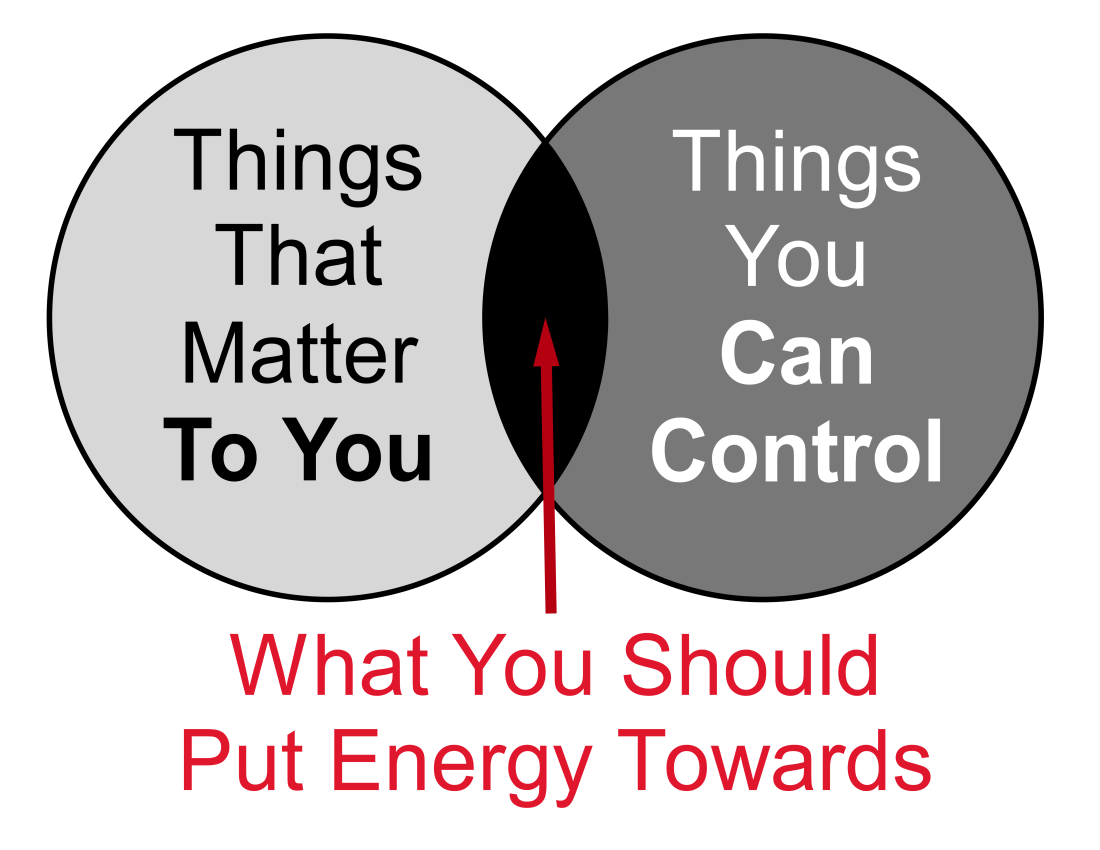
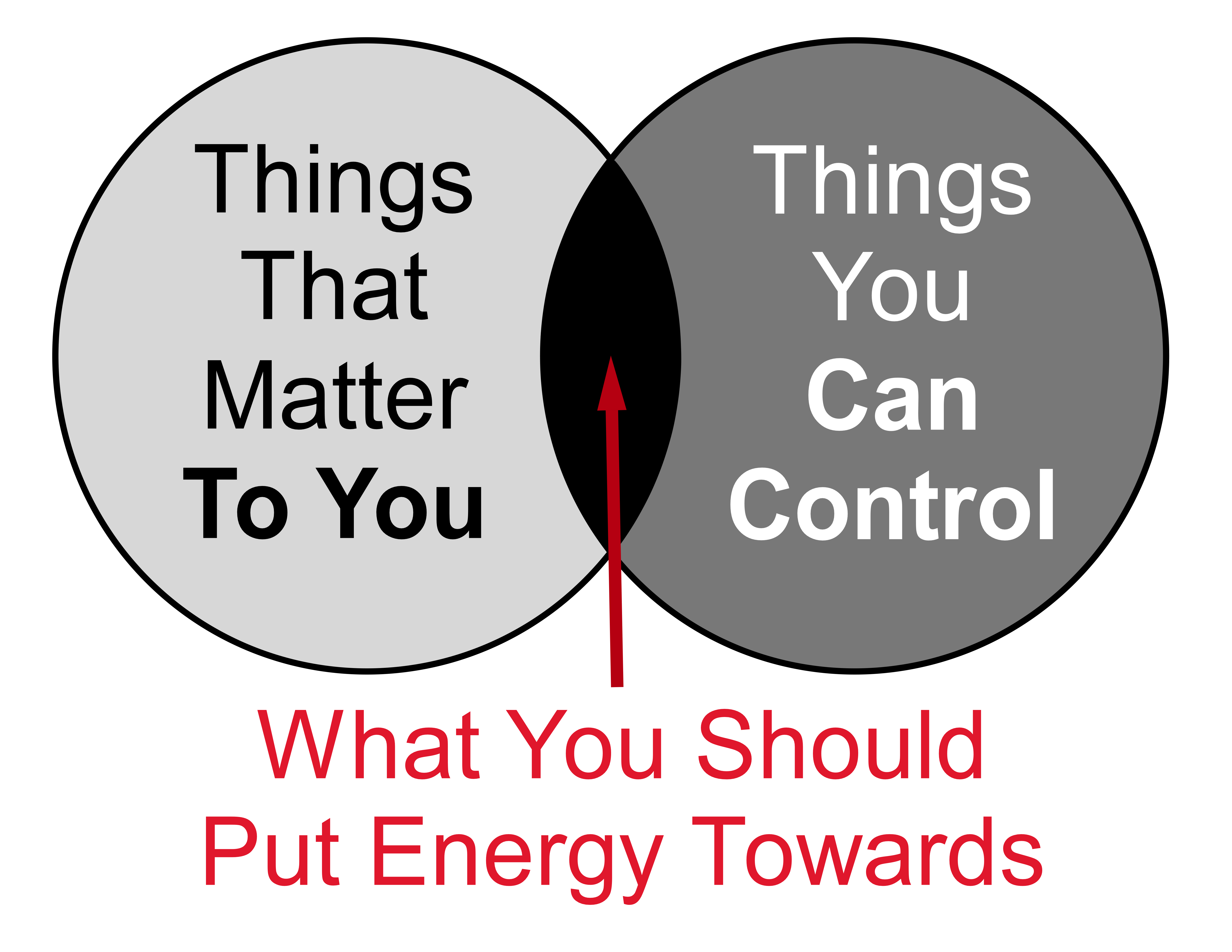
The psychological and emotional toll of this behavior cannot be overlooked. Constantly posting polarizing content may stem from a deep-seated need for validation or a desire to influence others. However, when these posts go unnoticed or unacknowledged, it can lead to feelings of frustration, inadequacy, or even anger. Over time, this cycle can contribute to heightened stress levels and emotional exhaustion. Moreover, the act of repeatedly sharing strong opinions can become compulsive, resembling obsessive-compulsive tendencies. The individual may feel an uncontrollable urge to post, even when it no longer serves a constructive purpose. If someone has the time, effort, and energy to blame others for all of the world’s ills, they also have the time to reflect and focus on becoming a better version of themselves. Rather than dwelling on external problems, shifting some of that energy toward self-improvement could yield far more positive and constructive outcomes.

Respecting Passion Without Sharing It

It’s worth noting that while someone’s efforts to advocate for a cause may appear noble or well-intentioned, not everyone will share their passion or agree with their methods. Social media often amplifies the visibility of these efforts, making it seem as though everyone should be equally invested. However, it’s important to recognize that people have different priorities, values, and capacities for engagement. What one person sees as a critical issue worthy of relentless advocacy, another may view as less pressing or outside their sphere of interest. This disconnect doesn’t diminish the value of the cause itself, but it highlights the importance of respecting boundaries and understanding that not everyone will share the same level of enthusiasm or commitment.

Physiological Effects: Stress, Cortisol, and Chemical Imbalances

The psychological stress associated with excessive social media use can also manifest physiologically. Chronic stress triggers the release of cortisol, a hormone that, in excess, can disrupt the body’s natural balance. Elevated cortisol levels have been linked to a range of health issues, including anxiety, depression, sleep disturbances, and weakened immune function. For individuals who are constantly engaged in online debates or who feel compelled to post frequently, this stress response can become a persistent state, leading to long-term health consequences.

Additionally, the dopamine-driven nature of social media can exacerbate these issues. The anticipation of likes, shares, or comments triggers dopamine release, reinforcing a habit loop. Over time, this can contribute to compulsive posting, as individuals seek continued validation through online interactions. This chemical imbalance can make it difficult for individuals to step away from social media, even when they recognize its negative impact on their lives.

Constructive Approaches for Change

For individuals who find themselves caught in this cycle, there are steps they can take to create a healthier and more balanced online presence. First, they might consider diversifying their content to include professional achievements, personal interests, or neutral topics that encourage broader engagement. Framing opinions in a way that invites dialogue—such as asking, “What are your thoughts on this?”—can also foster more respectful and productive conversations. Additionally, limiting the frequency of posts and focusing on quality over quantity can help reduce the compulsive urge to share and create a more thoughtful online presence.

For Observers: Setting Boundaries and Offering Support

For those who are on the receiving end of this behavior, it’s important to set boundaries. If the constant stream of polarizing posts becomes overwhelming, muting or unfollowing the individual on social media can help maintain mental well-being while preserving professional relationships. It’s also helpful to remember that their behavior is likely a reflection of their own experiences and beliefs, not a personal attack. In some cases, offering constructive feedback—if the relationship allows—can encourage them to reflect on their approach and its impact on others.

Conclusion

While social media offers a powerful platform for self-expression, its misuse can have far-reaching consequences. For individuals who post their political and social views excessively, the risks include professional alienation, strained relationships, and psychological and physiological harm. By adopting a more balanced and thoughtful approach to social media, individuals can mitigate these detriments and create a more positive and productive online presence. For observers, setting boundaries and offering support can help navigate these challenging dynamics. Ultimately, social media is a tool, and its impact depends on how it is used. By using social media intentionally—fostering meaningful discussions rather than divisive debates—we can create a digital space that informs rather than isolates.

References:

Mims, C., & Holcroft, J. (2020, October 19). Why social media is so good at polarizing us. WSJ. https://www.wsj.com/articles/why-social-media-is-so-good-at-polarizing-us-11603105204

Professional Risks of Social Media Use

Brown, V. R., & Vaughn, E. D. (2011). The writing on the (Facebook) wall: The use of social networking sites in hiring decisions. Journal of Business and Psychology, 26(2), 219-225.

  • This study explores how employers evaluate candidates’ social media presence and the potential impact of polarizing content.

Echo Chambers and Engagement Issues

Pariser, E. (2011). The Filter Bubble: What the Internet Is Hiding from You. Penguin Press.

  • Discusses how social media algorithms reinforce pre-existing beliefs and limit exposure to diverse perspectives.

Psychological and Emotional Effects of Social Media Overuse

Twenge, J. M., Joiner, T. E., Rogers, M. L., & Martin, G. N. (2017). Increases in depressive Symptoms, Suicide-Related Outcomes, and suicide rates among U.S. adolescents after 2010 and links to increased new media screen time. Clinical Psychological Science, 6(1), 3–17. https://doi.org/10.1177/2167702617723376

  • Examines how excessive screen time and social media use contribute to stress, anxiety, and depression.

Physiological Impact: Stress, Cortisol, and Dopamine

Sapolsky, R. M. (2004). Why Zebras Don’t Get Ulcers. Holt Paperbacks.

  • Explains how chronic stress and elevated cortisol levels affect mental and physical health.

Montag, C., & Reuter, M. (2017). Internet Addiction: Neuroscientific Approaches and Therapeutical Implications Including Smartphone Addiction. Springer.

  • Discusses dopamine-driven social media addiction and its effect on brain function.

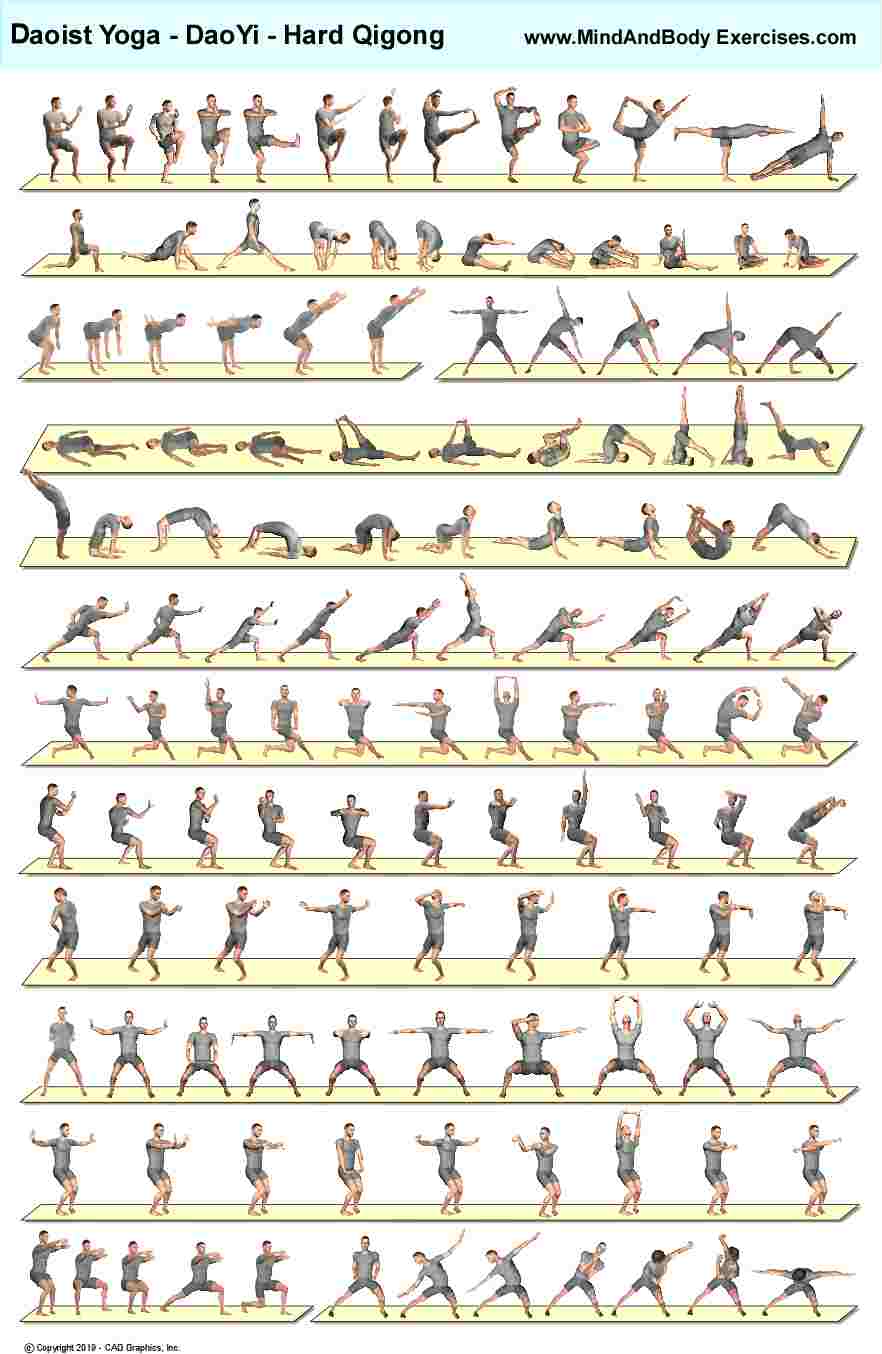
I teach and offer lectures about holistic health, physical fitness, stress management, human behavior, meditation, phytotherapy (herbs), music for healing, self-massage (acupressure), Daoyin (yoga), qigong, tai chi, and baguazhang.

Please contact me if you, your business, organization, or group, might be interested in hosting me to speak on a wide spectrum of topics relative to better health, fitness, and well-being.

I look forward to further sharing more of my message by partnering with hospitals, wellness centers, VA centers, schools on all levels, businesses, and individuals who see the value in building a stronger nation through building a healthier population.

I also have hundreds of FREE education video classes, lectures, and seminars available on my YouTube channel at:

https://www.youtube.com/c/MindandBodyExercises

Many of my publications can be found on Amazon at:

http://www.Amazon.com/author/jimmoltzan

My holistic health blog is available at:

https://mindandbodyexercises.wordpress.com/

http://www.MindAndBodyExercises.com

Mind and Body Exercises on Google: https://posts.gle/aD47Qo

Jim Moltzan

407-234-0119

Wind and Water, Makes Fire

The human mind and body are integral parts of nature, constantly interacting with its energies. There is a direct correlation between the systems of nature and those of the body, with three key elements of wind, fire, and water, serving as points of connection.

  • Wind corresponds to the respiratory system, as the air we breathe sustains life.
  • Fire represents body temperature, which plays a vital role in all physiological functions.
  • Water relates to the circulatory system, essential for vitality and well-being.

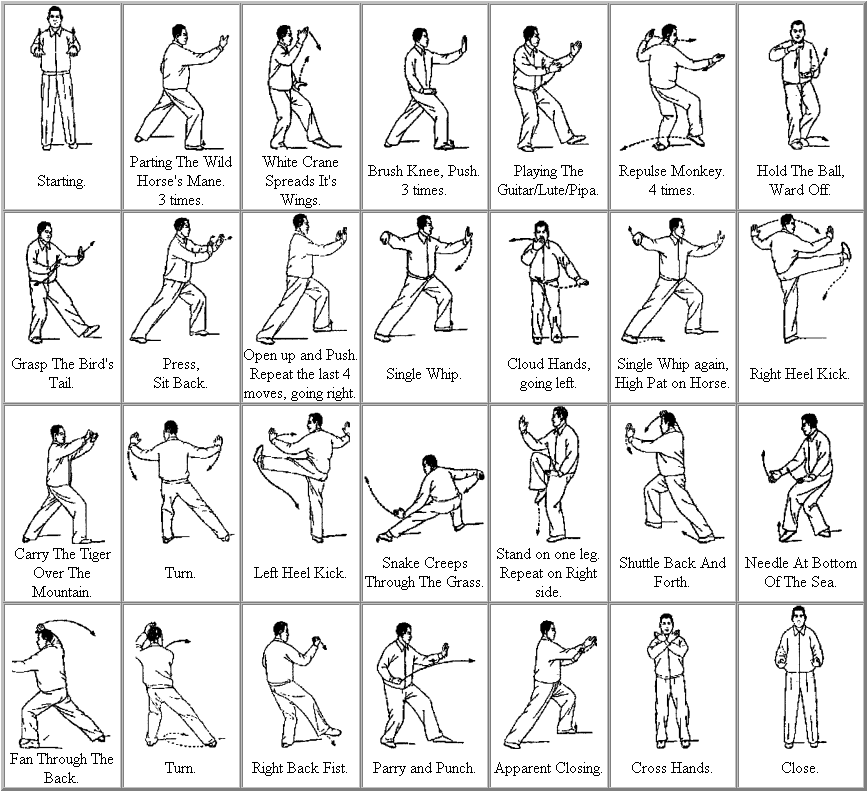
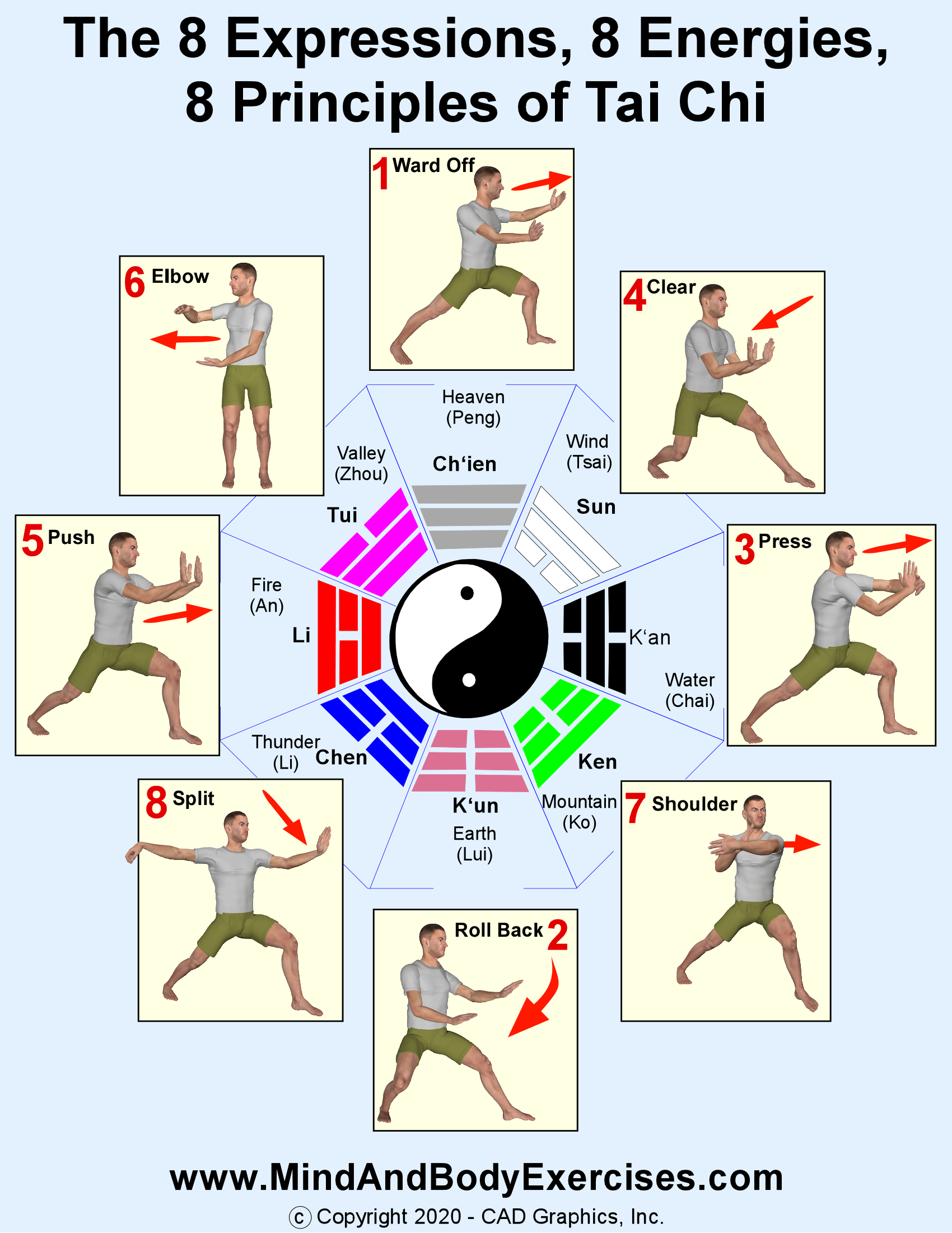
Practices such as Tai Chi, Qigong, and Bagua Zhang profoundly influence the body, impacting the organs, joints, and muscles at a deep level. In Taoist alchemy, the philosophical phrase “wind and water make fire” metaphorically represents the dynamic interactions of the Five Elements (Wu Xing) and the internal processes of self-cultivation.

Here’s a breakdown of how this concept fits into Taoist thought:

  1. Five Elements Correspondence:
    • Wind (Feng, 风) is often associated with Wood (Mu, 木), which represents growth, movement, and expansion.
    • Water (Shui, 水) corresponds to the Kidneys and the essence (Jing), which serves as the foundation for transformation.
    • Fire (Huo, 火) corresponds to Yang energy, warmth, and spirit (Shen).
    • The idea is that the interaction of movement (Wind/Wood) and nourishment (Water) can generate Fire (Yang energy, transformation).
  2. Neidan (Internal Alchemy) Interpretation:
    • Wind (Wood) and Water represent Qi and Jing, respectively.
    • Their controlled interaction through breathwork, meditation, and energy circulation can generate the internal “alchemy fire” needed to refine essence into Qi and Qi into Shen.
    • This fire is not literal but the internal warmth and energetic transformation that happens in deep meditation or Qigong.
  3. Martial & Qigong Perspective:
    • In advanced Qigong and martial arts, regulated breath (Wind) and internal fluid movement (Water) manifest into internal heat (Fire), leading to refined power and vitality.
    • This aligns with practices of Tai Chi, Qigong and BaguaZhang, where breath, body movement, and mind-intent cultivate the internal fire for vitality and martial efficiency.

I teach and offer lectures about holistic health, physical fitness, stress management, human behavior, meditation, phytotherapy (herbs), music for healing, self-massage (acupressure), Daoyin (yoga), qigong, tai chi, and baguazhang.

Please contact me if you, your business, organization, or group, might be interested in hosting me to speak on a wide spectrum of topics relative to better health, fitness, and well-being.

I look forward to further sharing more of my message by partnering with hospitals, wellness centers, VA centers, schools on all levels, businesses, and individuals who see the value in building a stronger nation through building a healthier population.

I also have hundreds of FREE education video classes, lectures, and seminars available on my YouTube channel at:

https://www.youtube.com/c/MindandBodyExercises

Many of my publications can be found on Amazon at:

http://www.Amazon.com/author/jimmoltzan

My holistic health blog is available at:

https://mindandbodyexercises.wordpress.com/

http://www.MindAndBodyExercises.com

Mind and Body Exercises on Google: https://posts.gle/aD47Qo

Jim Moltzan

407-234-0119
Inside the Circle: The Power and Peril of Closed Groups

The Role and Risks of Closed Social Groups in Martial Arts, Yoga, Clubs, and Other Exclusive Communities

Closed social groups, such as private yoga or martial arts schools, serve a unique purpose within their respective disciplines. Depending on the intent behind their structure, their exclusivity can have advantages and drawbacks. Similar dynamics can be found in other exclusive communities, such as religious orders, secret societies, and elite academic circles.

  1. Focused Learning Environment
    • By restricting access, students or members can focus on their objectives without outside distractions or feeling self-conscious under public scrutiny. This is particularly important for traditional martial arts, esoteric yoga practices, or spiritual communities that require deep practices of observation, contemplation, and meditation as their main focus.
  2. Preservation of Tradition
    • Many closed schools and societies follow lineages that prioritize secrecy or direct transmission from teacher to student. This can help to maintain authenticity, ensuring knowledge isn’t diluted or misrepresented.
  3. Community and Trust
    • A closed structured system can encourage a strong sense of belonging, loyalty, and trust among members. This is very important for practices that involve partner training, deep introspection, or energy work, as well as in religious and esoteric orders.
  4. Safety and Progression
    • Some disciplines involve physical conditioning or internal energy cultivation such as with advanced qigong, martial techniques, or breath control methods. Restricting access ensures students have proper guidance and do not attempt techniques without foundational preparation.

  1. Exclusivity Can Limit Growth
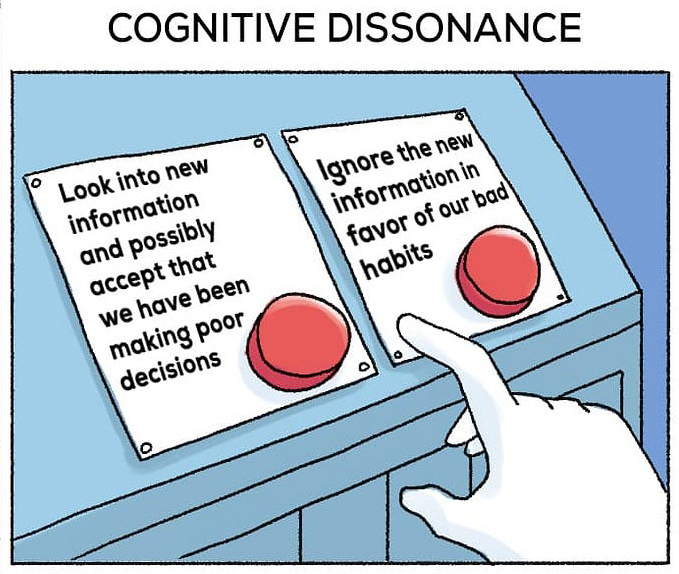
    • While privacy may support depth, it may also prevent potential new students from finding and benefiting from these practices. A highly restricted group may unintentionally create an echo chamber.
  2. Loss of Cultural Exchange
    • Martial arts, yoga, and many esoteric traditions have deep historical roots but have evolved through cultural exchange. Over-restricting access could hinder the natural development of these traditions.
  3. Risk of Elitism or Dogmatism
    • If not managed well, closed groups can sometimes lead to rigid, authoritarian-type hierarchies, where senior members become resistant to new ideas or outsiders. This can lead to stagnation rather than growth.
  4. Barrier to Understanding
    • In some cases, secrecy can lead to stigma, misinformation, or misinterpretation from outsiders of the group who speculate about what happens within the group.

Closed groups, whether in martial arts, yoga, religious sects, secret societies, or elite academic circles, can sometimes encourage an “us vs. them” mentality, especially if they become overly insular. Various terms refer to these types of groups such as, but not limited to:

  • Dogmatic Communities
  • Ideological Isolation
  • Rigid Group Mentality
  • Sectarian Influence
  • Closed-System Thinking
  • Insulated Hierarchies
  • Excessive Group Loyalty
  • Echo Chamber Environments
  • Insular Traditions
  • Cult-like

Groupthink & Echo Chambers

  • Critical or objective thinking can diminish in highly insular groups as members conform to a singular worldview.
  • If a martial arts school, spiritual order, or elite academic group never questions its methods, or principles or refuses outside perspectives, it risks stagnation, stigma, and dogma.
  • Some groups discourage members from engaging with alternative viewpoints, reinforcing a “this is the only way” mindset.

Isolationism & “Us vs. Them” Mentality

  • If those outside of the group are viewed with hesitation, suspicion, or unworthiness, the group can become exclusionary rather than welcoming.
  • Some esoteric circles, religious sects, or martial arts schools forbid interactions with non-members, creating psychological dependence.
  • Over time, this can erode personal autonomy and discourage critical reflection.

Loaded Language & Indoctrination

  • Exclusive terminology or redefined words, such as “true knowledge,” “higher-level students,” “the only,” the original,” etc., can create a psychological barrier between insiders and outsiders.
  • Language may be used to elevate the in-group while dismissing external knowledge as inferior, dangerous or subversive.
  • In more extreme cases, dissenting members may be labeled as “unenlightened,” “not loyal,” “not ready,” “not qualified,” or “not clear” to justify exclusion.

Leader Worship & Hierarchical Control

  • Some martial arts or yoga masters, religious leaders, or academic figures present themselves as the sole gatekeeper of knowledge, discouraging students or disciples from questioning authority.
  • Strict obedience without space for personal growth can create an authoritarian dynamic, where members fear questioning the instructor, leader or those in authority.
  • This is especially risky in some of the internal arts and esoteric traditions, where progress is subjective and can be manipulated through metaphysical, mystical or vague claims.

How to Avoid or Become Aware of Insular Dynamics in Closed Groups

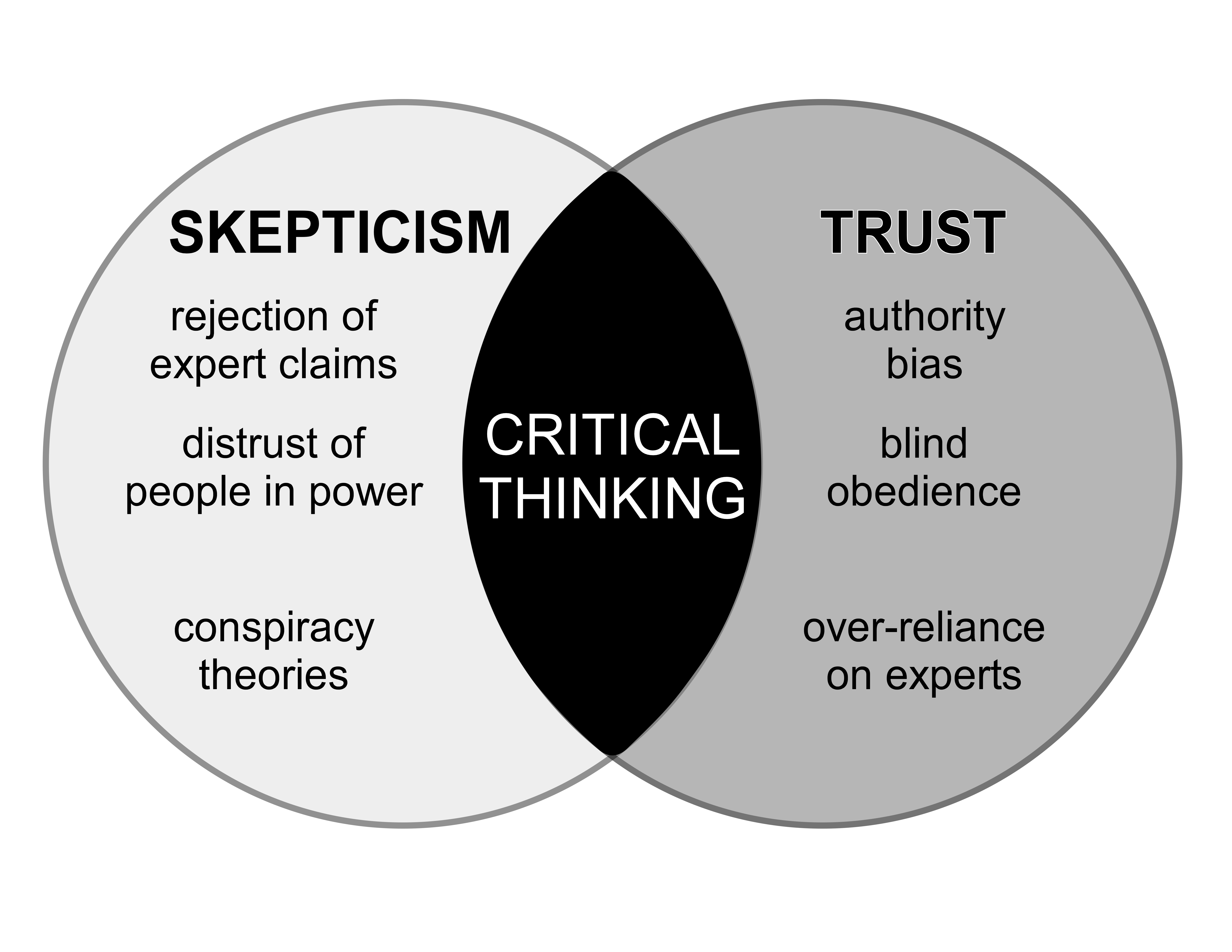
  • Encourage Critical Thinking: Healthy groups welcome questions and debate rather than discouraging independent thought.
  • Allow Cross-Training and Exchange: Exposure to other traditions, teachers, perspectives and resources keeps members from falling into dogma.
  • Maintain Ethical Boundaries: If the group expects extreme devotion, secrecy, or control over members’ lives, it’s a huge red flag.
  • Avoid Fear-Based Loyalty: No legitimate school or organization should use fear, guilt, or manipulation to keep members from leaving.
  • Foster Openness Without Dilution: A “semi-closed model,” where serious training is protected but knowledge is not hoarded, may be able to better balance tradition with accessibility.

Are Closed Groups Always Bad?

Not necessarily. Some amount of exclusivity can be beneficial for:

✅ Protecting advanced knowledge from misuse
✅ Maintaining depth and focus while training
✅ Creating a dedicated, distraction-free environment

However, if a group starts demanding absolute loyalty, rejecting all outsiders, or discouraging independent thinking, then it risks cult-like tendencies. Striking a balance between exclusivity and openness is key to ensuring that these groups remain places of learning, growth, and genuine tradition rather than echo chambers of control and manipulation.

With over 20 years of firsthand experience training, studying, and teaching in various closed groups across different settings, I have observed both their strengths and challenges. I then dedicated an additional 25 years to studying the underlying dynamics that shape these environments, recognizing both their positive and negative consequences. To deepen my understanding, I further invested four years into the study of psychology, religion, Eastern philosophy, sociology, psychophysiology, and other related fields, allowing me to analyze closed group behavior with a broader and more informed perspective.

I teach and offer lectures about holistic health, physical fitness, stress management, human behavior, meditation, phytotherapy (herbs), music for healing, self-massage (acupressure), Daoyin (yoga), qigong, tai chi, and baguazhang.

Please contact me if you, your business, organization, or group, might be interested in hosting me to speak on a wide spectrum of topics relative to better health, fitness, and well-being.

I look forward to further sharing more of my message by partnering with hospitals, wellness centers, VA centers, schools on all levels, businesses, and individuals who see the value in building a stronger nation through building a healthier population.

I also have hundreds of FREE education video classes, lectures, and seminars available on my YouTube channel at:

https://www.youtube.com/c/MindandBodyExercises

Many of my publications can be found on Amazon at:

http://www.Amazon.com/author/jimmoltzan

My holistic health blog is available at:

https://mindandbodyexercises.wordpress.com/

http://www.MindAndBodyExercises.com

Mind and Body Exercises on Google: https://posts.gle/aD47Qo

Jim Moltzan

407-234-0119
“Prolonged Sitting is the New Smoking”

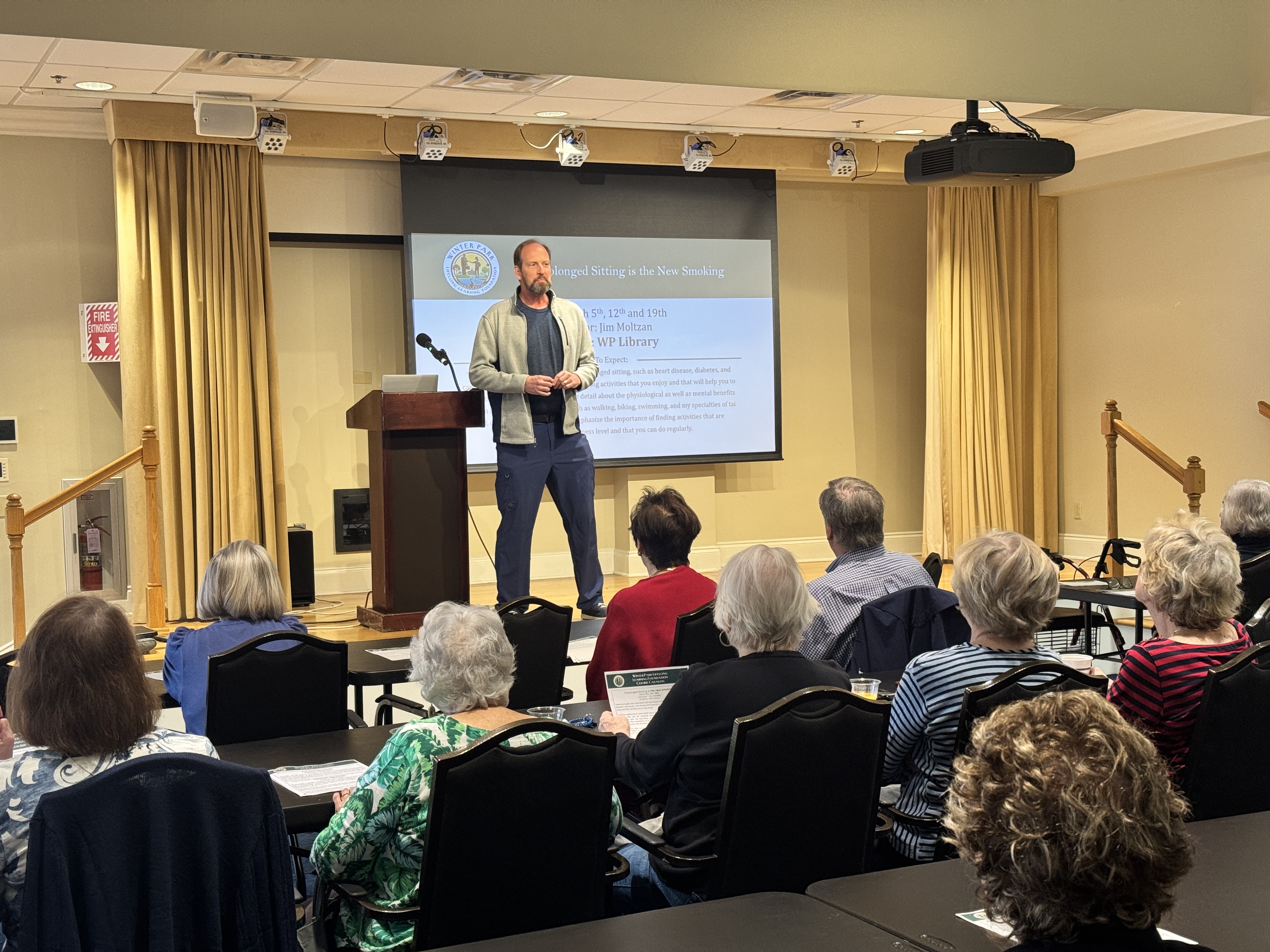
I spoke this week for a few minutes at The Mayflower at Winter Park, along with The Winter Park Lifelong Learning Foundation, regarding my upcoming course in March on:

“Prolonged Sitting is the New Smoking”

Three sessions that build upon the first, starting on March 5th, 12th, 19th (10:30-11:45am)

Instructor – Jim Moltzan, BS degree in holistic health

Location – WP Library near the Winter Park Village on 17-92.

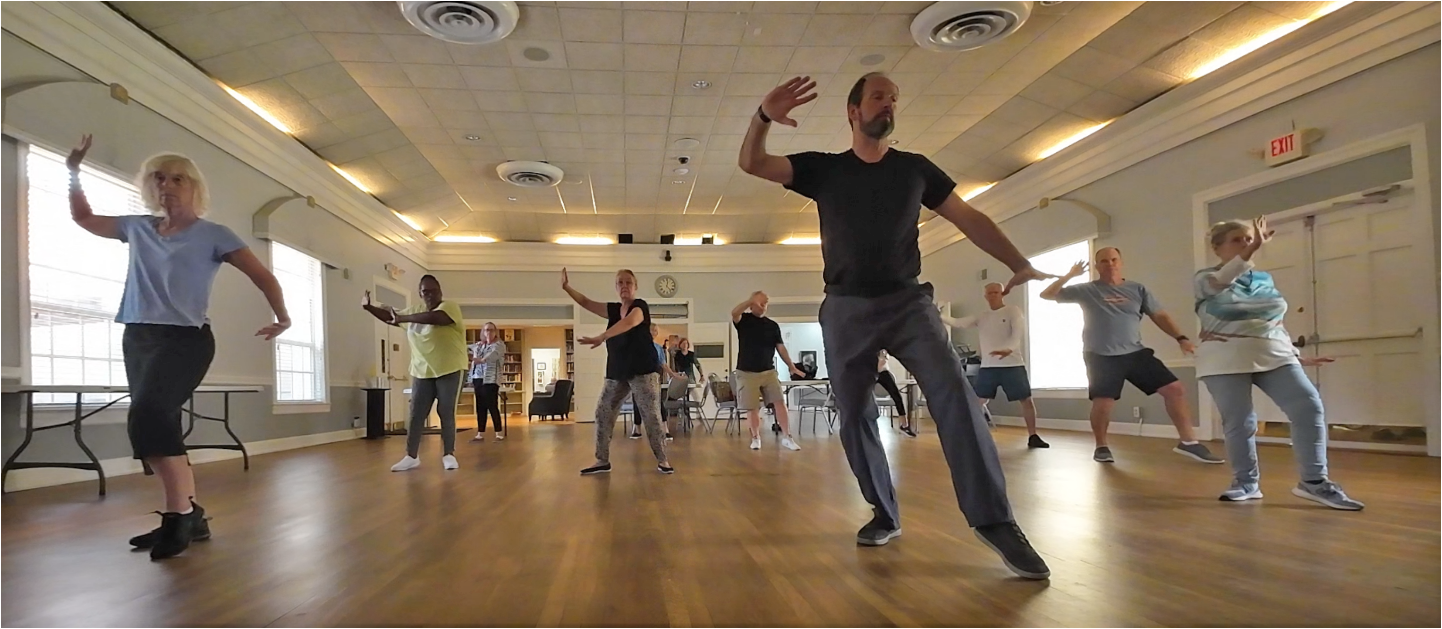
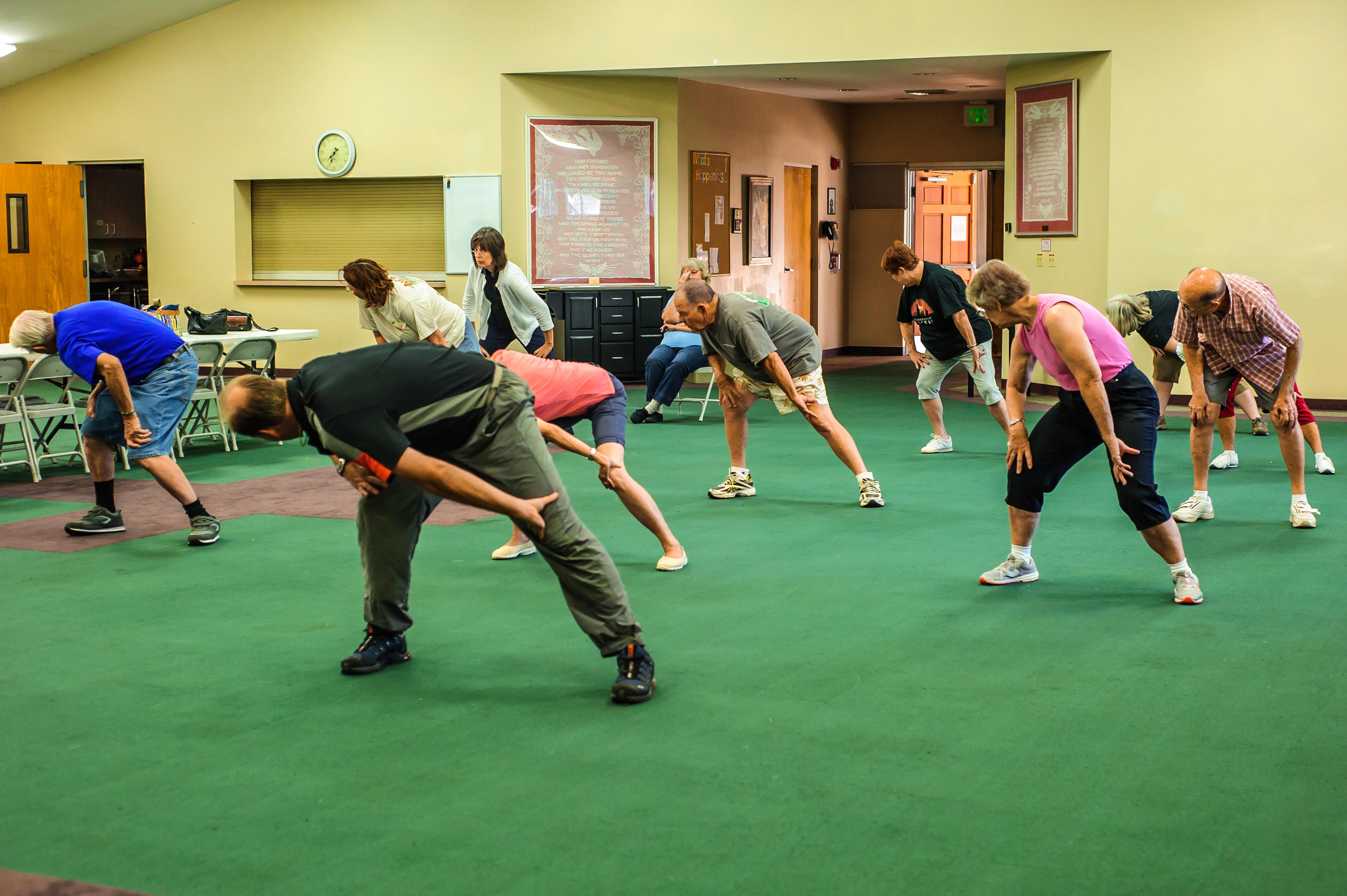
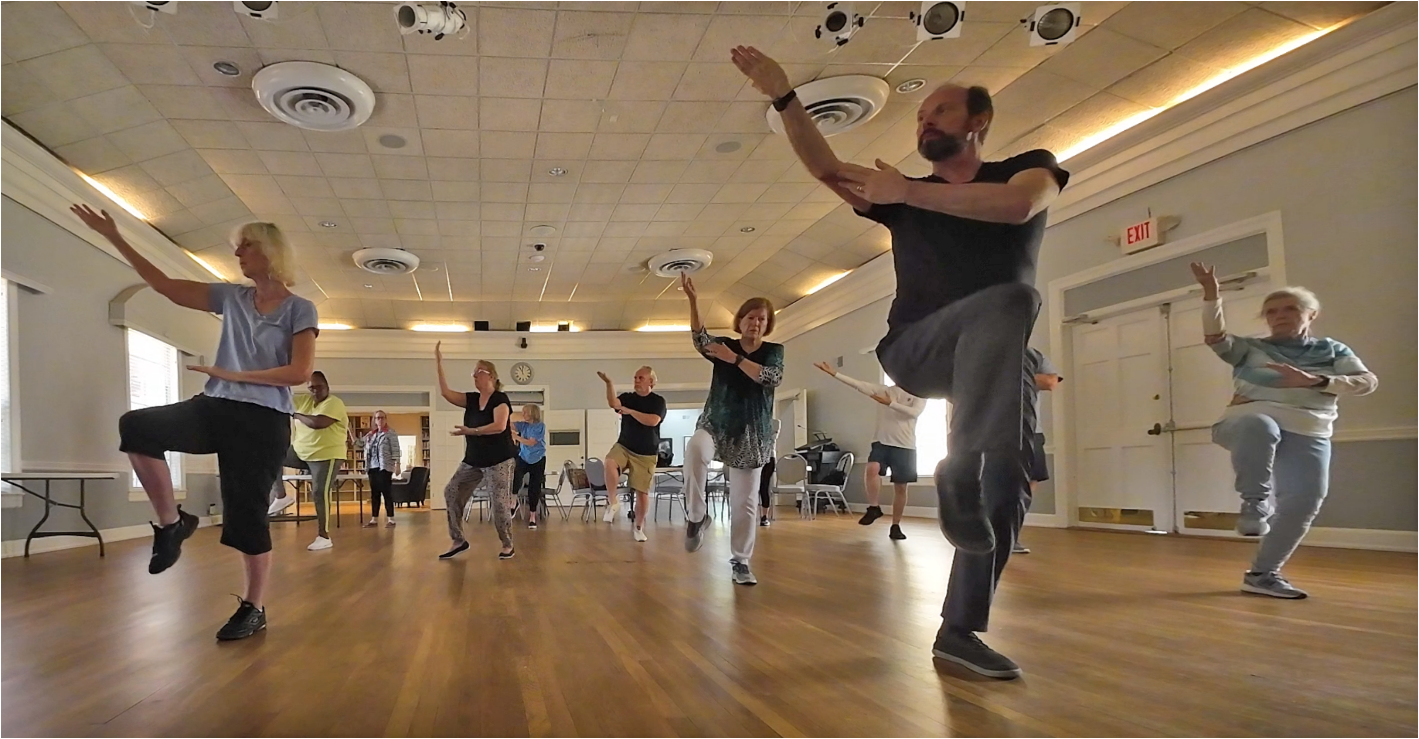
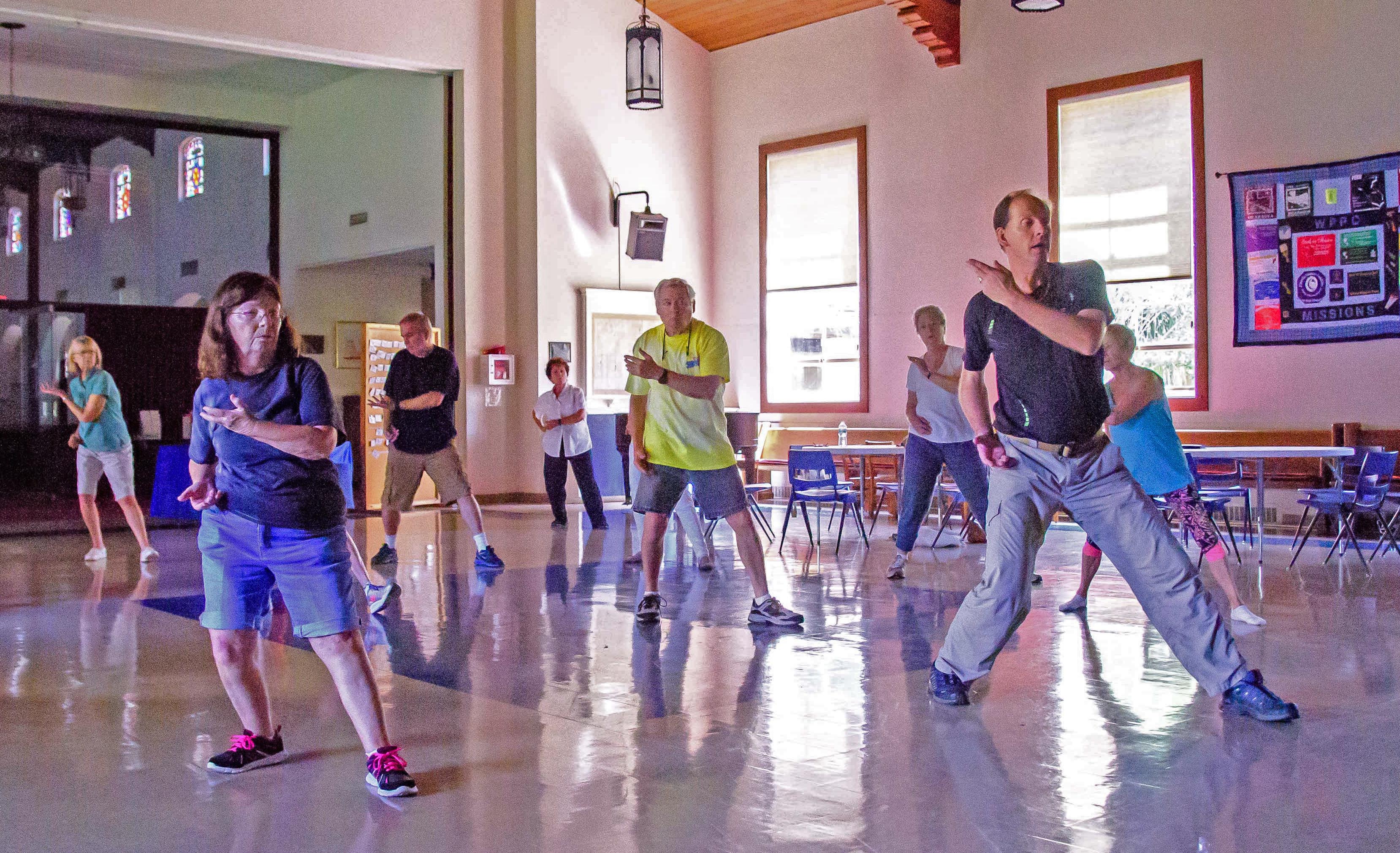
At each session, I will discuss the physical, mental, and spiritual (self-awareness) aspects of remaining in a seated position for extended periods. Each session will also include about a 1/2-hour of instruction in qigong, tai chi, or other methods that can help to get the body moving, engage one’s mind, and offer for some, meaning and purpose to get out of that chair on a daily basis.

__________

A $35.00 registration is required to attend all three sessions, which goes toward supporting college scholarships through the Lifelong Learning Foundation: https://winterparklifelong.org/register-courses

I teach and offer lectures about holistic health, physical fitness, stress management, human behavior, meditation, phytotherapy (herbs), music for healing, self-massage (acupressure), Daoyin (yoga), qigong, tai chi, and baguazhang.

Please contact me if you, your business, organization, or group, might be interested in hosting me to speak on a wide spectrum of topics relative to better health, fitness, and well-being.

I look forward to further sharing more of my message by partnering with hospitals, wellness centers, VA centers, schools on all levels, businesses, and individuals who see the value in building a stronger nation through building a healthier population.

I also have hundreds of FREE education video classes, lectures, and seminars available on my YouTube channel at:

https://www.youtube.com/c/MindandBodyExercises

Many of my publications can be found on Amazon at:

http://www.Amazon.com/author/jimmoltzan

My holistic health blog is available at:

https://mindandbodyexercises.wordpress.com/

http://www.MindAndBodyExercises.com

Mind and Body Exercises on Google: https://posts.gle/aD47Qo

Jim Moltzan

407-234-0119
Muscles Aren’t Everything: Why Your Organs Need Exercise Too

Most popular physical exercise methods (running, walking, weights, swimming, etc.) are designed to engage the musculoskeletal and cardiovascular systems, through movement of the arms and legs. However, the internal organs, composed of specialized similar cellular tissues, can also benefit indirectly from physical activity. How and why it makes sense to “exercise” the internal organs is a topic for deeper discussion.

1. Indirect Engagement of Internal Organs Through Physical Activity

  • Cardiovascular System: Aerobic exercises such as running, walking, and swimming help increase blood circulation, deliver oxygen and nutrients to internal organs, and remove waste products more efficiently.
  • Respiratory System: Deep breathing during exercise engages and strengthens the diaphragm, improving lung capacity.
  • Digestive System: Physical activity stimulates peristalsis (the rhythmic contraction of digestive muscles), improving digestion and potentially reducing issues like constipation.
  • Lymphatic System: Movements that engage large muscle groups, increase lymphatic flow, which is critical for immune function and detoxification.

2. Why Exercise Internal Organs?

  • Internal organs, like muscles, rely on regular stimulation to maintain optimal function. Physical exercise promotes:
    • Improved cellular metabolism and regeneration.
    • Enhanced detoxification processes involving the liver and kidneys.
    • Maintenance of healthy organ size and function, especially in the heart and lungs.

3. Direct Stimulation of Organs

While many popular exercises don’t directly target internal organs, some practices focus on this concept:

  • Abdominal breathing or Pranayama: Directly engages the diaphragm, stimulating internal organs, and improving their function.
  • Torso-twisting poses From yoga, Pilates, and some martial arts: These poses gently compress and release organs like the liver and kidneys, thought to stimulate their function.
  • Qigong or Tai Chi: These methods at their root. emphasize mindful movement of the breath and torso, resulting in an increase of internal energy flow, believed to “massage” internal organs.

4. Specific Targeting of Organs

  • Hydration and Nutrition: Essential for organ health, as they provide the components for cell repair and energy.
  • Stress Management: Techniques such as deep breathing, and meditation reduce the impact of stress hormones on organs like the heart, lungs, stomach and adrenal glands.
  • Interoception Practices: Awareness of internal organs and bodily functions and their relative signals can lead to better care and prevent strain on specific organs.

What I have suggested aligns with holistic practices that seek to treat the body as one interconnected system. We can broaden the definition of “exercise” to include practices that target internal organs, where we can promote a deeper level of health and vitality.

I teach and offer lectures about holistic health, physical fitness, stress management, human behavior, meditation, phytotherapy (herbs), music for healing, self-massage (acupressure), Daoyin (yoga), qigong, tai chi, and baguazhang.

Please contact me if you, your business, organization, or group, might be interested in hosting me to speak on a wide spectrum of topics relative to better health, fitness, and well-being.

I look forward to further sharing more of my message by partnering with hospitals, wellness centers, VA centers, schools on all levels, businesses, and individuals who see the value in building a stronger nation through building a healthier population.

I also have hundreds of FREE education video classes, lectures, and seminars available on my YouTube channel at:

https://www.youtube.com/c/MindandBodyExercises

Many of my publications can be found on Amazon at:

http://www.Amazon.com/author/jimmoltzan

My holistic health blog is available at:

https://mindandbodyexercises.wordpress.com/

http://www.MindAndBodyExercises.com

Mind and Body Exercises on Google: https://posts.gle/aD47Qo

Jim Moltzan

407-234-0119