Media Hysteria vs. Medical Reality: The Overlooked Crisis of Iatrogenic Injuries

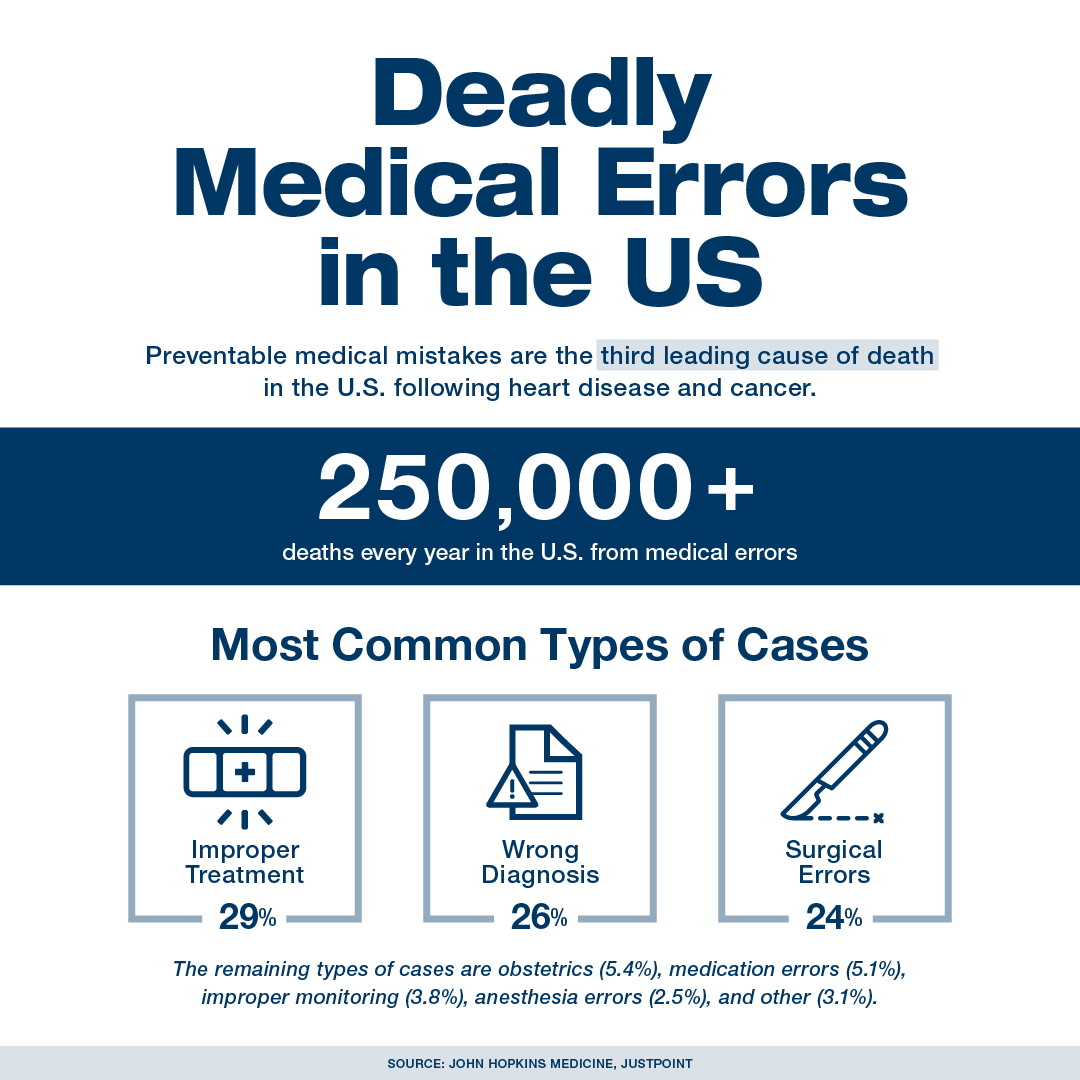
Public health discussions often concentrate on contagious diseases such as measles, especially in light of recent outbreaks. In early 2025, the passing of a 6-year-old girl in Seminole, Texas, represented the first measles-related death in the United States in a decade (Bartlett, 2025). This event rekindled debates concerning vaccination and disease prevention strategies. Nonetheless, the significant focus on measles, despite its relatively low mortality rate, starkly contrasts with the limited dialogue surrounding iatrogenic injuries, which result in a substantial number of roughly 250,000 fatalities each year.

The Scope of the Issue: Measles vs. Iatrogenic Injuries

Measles: A Preventable Yet Overemphasized Disease

Measles, a highly contagious viral disease, was declared eliminated in the U.S. in 2000 but has resurfaced in communities with low vaccination rates. The recent Texas case highlighted the risks associated with vaccine hesitancy (Bartlett, 2025). Allopathic medical professionals consider measles preventable through the MMR (Measles, Mumps, and Rubella) vaccine, which is reported as 97% effective with two doses (CDC, 2025). However, concerns over vaccine safety and accountability persist. In 1986, Congress and President Reagan enacted the National Childhood Vaccine Injury Act (NCVIA), which created a system for compensating individuals harmed by vaccines while granting pharmaceutical companies immunity from lawsuits related to vaccine injuries. This legislation has led to debates about vaccine mandates, corporate accountability, and public trust in immunization programs. Many feel that if the vaccines are safe and effective, why should a multi-billion dollar industry not be held accountable for their products?
Iatrogenic Injuries: A Silent Epidemic

  • 12,000 from unnecessary surgery
  • 7,000 from medication errors in hospitals
  • 20,000 from other hospital errors
  • 80,000 from hospital-acquired infections
  • 106,000 from adverse drug effects when taken as prescribed (Starfield, 2000).

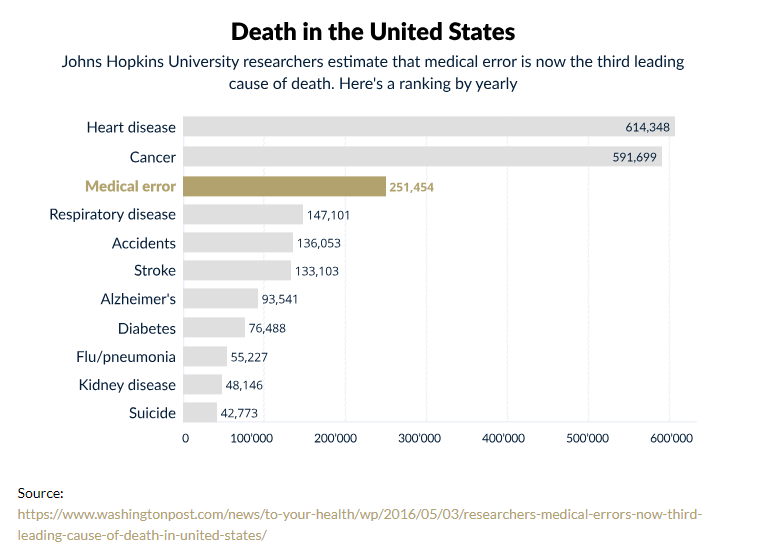
Despite these alarming figures, public awareness and policy efforts remain disproportionately low compared to diseases like measles.
Why the Disparity in Media and Political Attention?

1. Media Sensationalism and Public Perception

Media outlets prioritize stories that generate fear and engagement. “If it bleeds, it leads” has been a media mission statement for decades. Measles outbreaks with their visible symptoms and high contagion make for dramatic headlines, while iatrogenic injuries occur behind hospital doors, lacking visual appeal for mass media (Bartlett, 2025).

2. Political and Public Health Priorities

Governments focus on highly contagious diseases like measles because they can cause widespread outbreaks. Vaccination campaigns offer a clear solution (WHO, 2024), whereas fixing medical errors needs systemic healthcare reforms, which are less appealing politically.

3. Institutional Interests and Liability

Acknowledging the extent of iatrogenic injuries necessitates systemic accountability from hospitals, pharmaceutical companies, and regulatory agencies, potentially resulting in legal implications and diminished public trust. Conversely, messaging regarding measles often supports pharmaceutical and public health objectives by promoting vaccination initiatives (WHO, 2024).

4. Public vs. Private Accountability

Measles outbreaks are often presented as a matter of public responsibility, with an emphasis on vaccine compliance. Conversely, iatrogenic injuries tend to be regarded as individual incidents rather than indicative of systemic issues, thus enabling healthcare institutions to evade thorough scrutiny (James, 2013).

5. Psychological Bias and Fear Appeal

Individuals tend to exhibit greater fear towards external, unpredictable threats, such as infectious diseases, compared to systemic risks, including medical errors. When measles is presented as an imminent crisis, it triggers a heightened fear response. In contrast, despite their significant impact, medical errors are frequently understated (Slovic, 2000).

The Need for a Balanced Approach

While any death is unfortunate, addressing measles outbreaks is vital. However, the focus on these outbreaks compared to iatrogenic injuries highlights an imbalance in public health priorities. Increasing transparency, implementing patient safety protocols, and facilitating discussions about medical errors are essential to reduce deaths and restore confidence in the US healthcare system.

The significant number of fatalities resulting from iatrogenic injuries highlights the critical need for enhanced patient safety protocols. A robust healthcare strategy must encompass both external health threats and internal systemic deficiencies to ensure better protection of patients’ lives.

References

Bartlett, T. (2025, March 11). His daughter was America’s first measles death in a decade. The Atlantic. https://www.theatlantic.com/health/archive/2025/03/texas-measles-outbreak-death-family/681985/

Centers for Disease Control and Prevention (CDC). (2025, March 7). Measles cases and outbreaks. https://www.cdc.gov/measles/data-research/index.html

H.R.5546 – 99th Congress (1985-1986): National Childhood Vaccine Injury Act of 1986. (n.d.). Congress.gov | Library of Congress. https://www.congress.gov/bill/99th-congress/house-bill/5546

James, J. T. (2013). A new, evidence-based estimate of patient harms associated with hospital care. Journal of Patient Safety, 9(3), 122-128. https://doi.org/10.1097/PTS.0b013e3182948a69

Makary, M. A., & Daniel, M. (2016). Medical error—the third leading cause of death in the US. BMJ, 353, i2139. https://doi.org/10.1136/bmj.i2139

Starfield, B. (2000). Is US health really the best in the world? JAMA, 284(4), 483-485. https://doi.org/10.1001/jama.284.4.483

Slovic, P. (2000). The perception of risk. Earthscan Publications.

World Health Organization (WHO). (2024, November 14). Measles fact sheet. https://www.who.int/news-room/fact-sheets/detail/measles

I look forward to further sharing more of my message by partnering with hospitals, wellness centers, VA centers, schools on all levels, businesses, and individuals who see the value in building a stronger nation through building a healthier population.

I also have hundreds of FREE education video classes, lectures, and seminars available on my YouTube channel at:

https://www.youtube.com/c/MindandBodyExercises

Many of my publications can be found on Amazon at:

http://www.Amazon.com/author/jimmoltzan

My holistic health blog is available at:

https://mindandbodyexercises.wordpress.com/

http://www.MindAndBodyExercises.com

Mind and Body Exercises on Google: https://posts.gle/aD47Qo

Jim Moltzan

407-234-0119

Why is Spinal Movement Important for CSF Circulation?

The brain and spinal cord use a specialized fluid known as cerebrospinal fluid (CSF) to transport nutrients, remove waste, and offer protection. Unlike blood, which the heart actively pumps, CSF circulation relies on movement, respiration, and sleep-related brain activity. Maintaining adequate CSF flow is important for brain health, detoxification, and reducing the risk of neurological conditions such as Alzheimer’s, Parkinson’s, and cognitive decline.

This article examines the enhancement of cerebrospinal fluid circulation and activation of the brain’s glymphatic system, the body’s inherent “brain cleansing” process, through spinal movement, breathwork, and quality sleep.

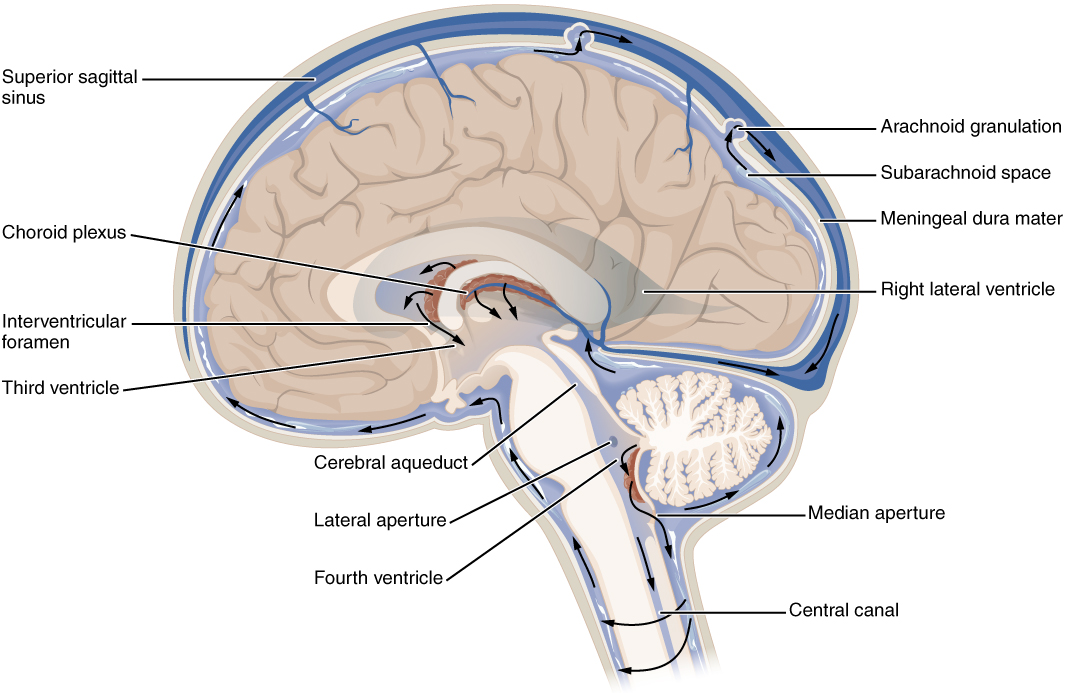
Cerebrospinal fluid (CSF) is produced by the choroid plexuses within the brain’s ventricles and circulates through the ventricular system before entering the subarachnoid space, which envelops both the brain and spinal cord. This circulation adheres to a defined pathway:

From the Brain to the Spinal Cord – CSF proceeds down the spinal canal, reaching the lumbar cistern near the sacral region.

Return Flow to the Brain – CSF is ultimately reabsorbed into the venous system via arachnoid granulations located in the superior sagittal sinus.

In the absence of a dedicated pump for CSF, its circulation depends on spinal movement, respiratory mechanics, and sleep-related pressure fluctuations.

The spine houses the spinal cord and dural tube, and movement of the spine serves as a natural pump for CSF circulation. Restricted mobility, due to factors such as sedentary lifestyles, poor posture, or aging, can contribute to stagnant CSF flow, which may affect waste clearance from the brain.

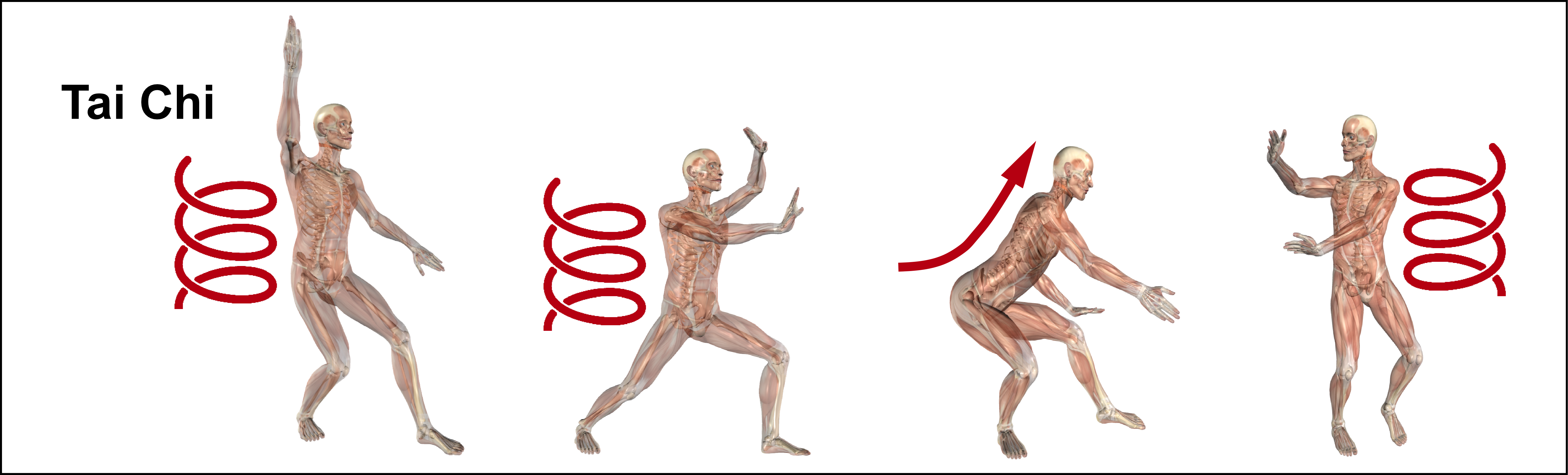
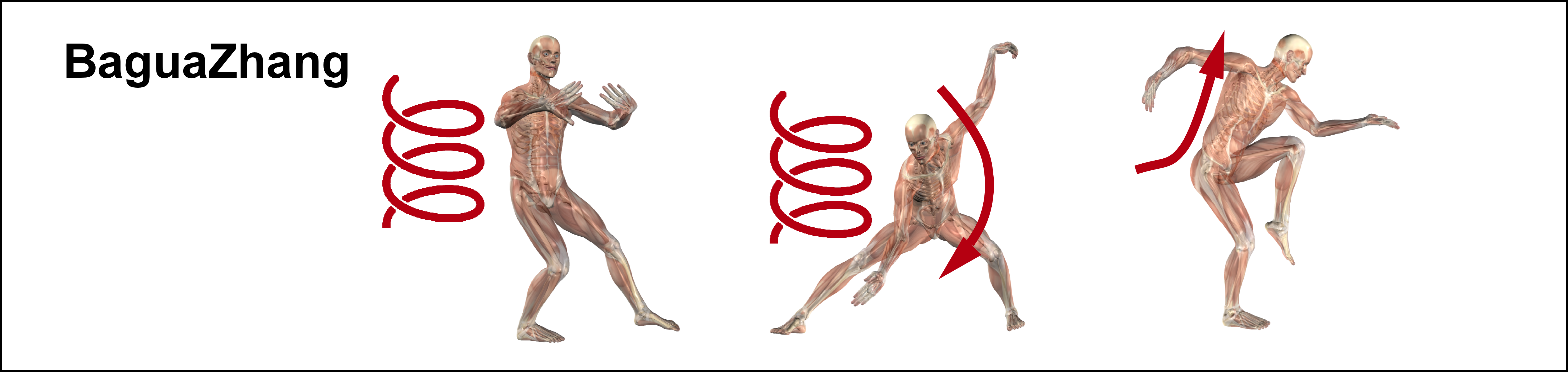
Holistic movement practices such as yoga, qigong, tai chi and BaguaZhang, are particularly effective in promoting CSF flow. Key spinal movements include:

  1. Flexion and Extension (Forward & Backward Bending)
    • Cat-Cow Pose (Yoga): Alternating between spinal flexion and extension helps mobilize CSF.
    • Spinal Rocking (Qigong): Gentle rocking movements from the pelvis stimulate lumbar and sacral CSF flow.
  2. Rotation and Twisting Movements
    • Seated Spinal Twists: Compresses and releases different regions of the spinal column, enhancing CSF dynamics.
    • Dragon Whips Its Tail (Tai Chi): A controlled twisting motion that supports fluid movement in the spine.
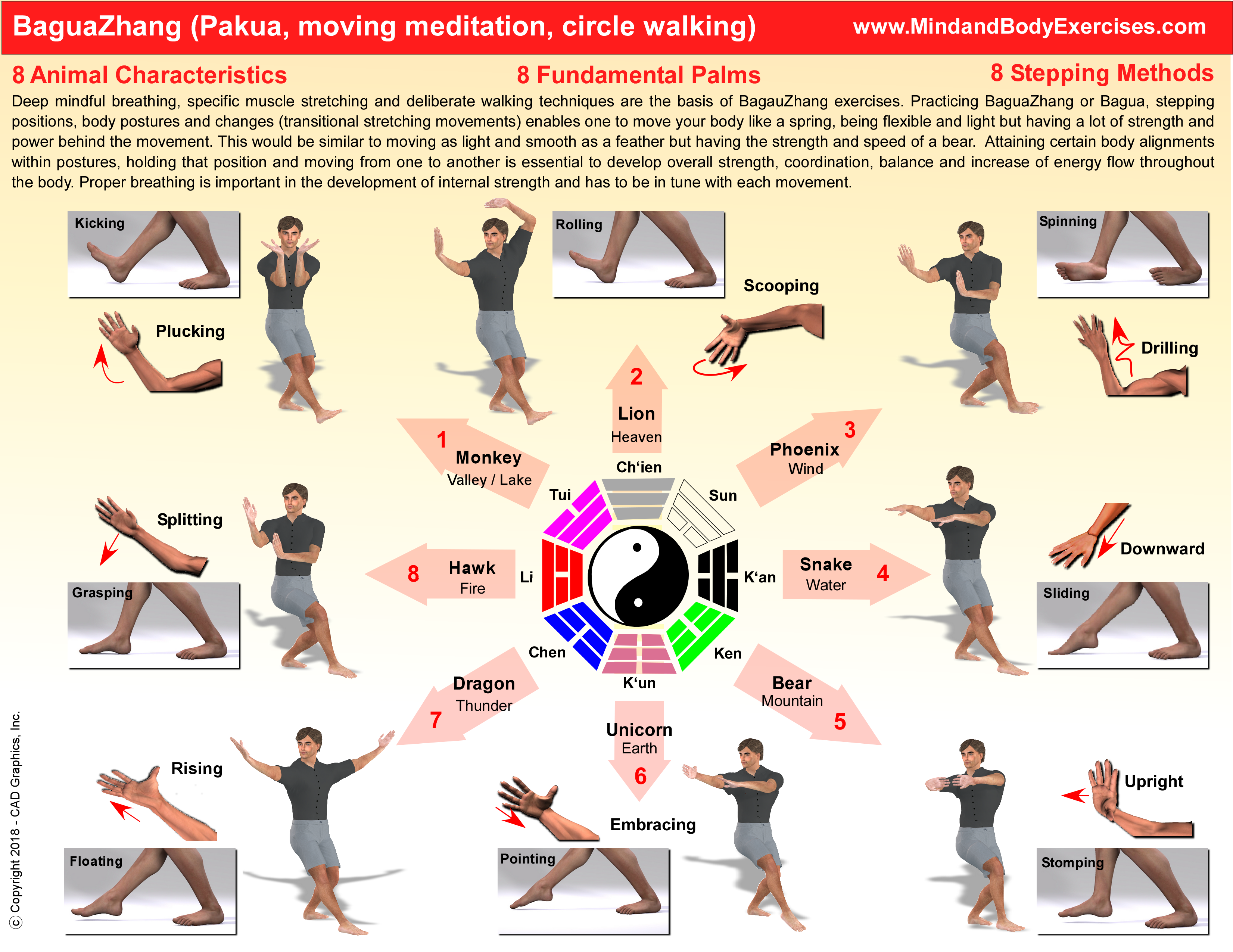
    • BaguaZhang: The whole mind and body martial art practice is based upon the coiling and spiraling of the waist, spine and upper extremities.
  3. Inversions and Gravity-Assisted Flow
    • Downward Dog (Yoga): Allows gravity to assist CSF movement back toward the brain.
    • Rebounding (Mini-Trampoline Exercise): Rhythmic spinal compression enhances CSF pulsation.

These movements maintain the openness of the spinal canal, alleviate tension within the dura mater, and promote proper cerebrospinal fluid circulation, thereby optimizing the functioning of the brain and nervous system.

One of the most critical aspects of CSF circulation occurs during sleep, when the glymphatic system, the brain’s built-in waste removal process, becomes highly active.

Why Does the Glymphatic System Work Best During Sleep?

  1. Brain Cell Shrinkage Increases CSF Flow
    • During deep sleep (slow-wave sleep), brain cells shrink by up to 60%, increasing the space between them.
    • This expansion allows CSF to flow more freely, flushing out toxic waste, including beta-amyloid plaques, which are linked to Alzheimer’s disease.
  2. Reduced Sympathetic Nervous System Activity
    • While awake, the sympathetic nervous system (fight-or-flight mode) restricts CSF flow.
    • During deep sleep, the parasympathetic nervous system takes over, allowing CSF to circulate more efficiently.
  3. Slow-Wave Brain Activity Acts as a CSF Pump
    • Research shows that slow-wave brain activity (delta waves) coincides with pulses of CSF flow, helping clear waste from the brain.
  4. Melatonin Enhances Glymphatic Function
    • The sleep hormone melatonin has been linked to increased glymphatic activity and improved beta-amyloid clearance.

As the glymphatic system becomes fully active only during sleep, insufficient sleep can result in the accumulation of toxins in the brain. This increases the risk of several conditions, including:

  • Alzheimer’s and Parkinson’s diseases
  • Cognitive decline and memory impairment
  • Mental fatigue and reduced clarity of thought

Breathing directly influences intracranial and spinal pressure, aiding in the movement of cerebrospinal fluid (CSF). Intentional breathwork practices may support brain detoxification and enhance relaxation, facilitating glymphatic function.

Diaphragmatic Breathing (Dantien Breathing in Qigong/Tai Chi/BaguaZhang): Deep, slow abdominal breathing creates rhythmic pressure changes that affect CSF flow.

Alternate Nostril Breathing (Pranayama, Yoga): May help regulate intracranial pressure and improve brain function.

Box Breathing (4-4-4-4 pattern): A structured breath cycle that can enhance CSF pulsation and balance the nervous system.

To ensure efficient CSF flow, glymphatic activation, and brain detoxification, incorporate the following habits:

Prioritize deep sleep – Aim for 7-9 hours of quality sleep each night.


Move your spine daily – Engage in yoga, qigong, tai chi, BaguaZhang or other spinal exercises to keep CSF circulating.


Sleep on your side – Studies suggest the lateral sleeping position improves glymphatic drainage.


Practice breathwork – Deep breathing techniques help regulate CSF dynamics and nervous system function.


Stay hydrated – Proper hydration supports CSF production and circulation.

In summary, spinal movement, proper breathing, and deep sleep are important for maintaining brain and nervous system health. By incorporating holistic movement practices and optimizing sleep quality, it is possible to enhance CSF circulation, support the glymphatic system, and reduce the risk of neurological disease.

A healthy spine, mindful breath, and restful sleep contribute to a clearer, healthier mind.

Contact me if you’d like a detailed movement and breathwork routine designed to enhance CSF circulation and brain detox.

References:

Xu, Q., Shao, C., Zhang, Y., Zhang, Y., Liu, C., Chen, Y., Wang, X., Chi, Y., Yu, S., & Sui, H. (2021). Head-nodding: a driving force for the circulation of cerebrospinal fluid. Scientific Reports, 11(1). https://doi.org/10.1038/s41598-021-93767-8

Xu, Q., Yu, S., Zheng, N., Yuan, X., Chi, Y., Liu, C., Wang, X., Lin, X., & Sui, H. (2016). Head movement, an important contributor to human cerebrospinal fluid circulation. Scientific Reports, 6(1). https://doi.org/10.1038/srep31787

Wichmann, T. O., Damkier, H. H., & Pedersen, M. (2022). A brief overview of the cerebrospinal fluid system and its implications for brain and spinal cord diseases. Frontiers in Human Neuroscience, 15. https://doi.org/10.3389/fnhum.2021.737217

Yogic breathing affects cerebrospinal fluid dynamics during breathing practice. (n.d.). NCCIH. https://www.nccih.nih.gov/research/research-results/yogic-breathing-affects-cerebrospinal-fluid-dynamics-during-breathing-practice?utm_source=chatgpt.com

Cui, L., Yin, H., Lyu, S., Shen, Q., Wang, Y., Li, X., Li, J., Li, Y., & Zhu, L. (2019). Tai Chi Chuan vs General Aerobic Exercise in Brain Plasticity: A Multimodal MRI Study. Scientific Reports, 9(1). https://doi.org/10.1038/s41598-019-53731-z

I look forward to further sharing more of my message by partnering with hospitals, wellness centers, VA centers, schools on all levels, businesses, and individuals who see the value in building a stronger nation through building a healthier population.

I also have hundreds of FREE education video classes, lectures, and seminars available on my YouTube channel at:

https://www.youtube.com/c/MindandBodyExercises

Many of my publications can be found on Amazon at:

http://www.Amazon.com/author/jimmoltzan

My holistic health blog is available at:

https://mindandbodyexercises.wordpress.com/

http://www.MindAndBodyExercises.com

Mind and Body Exercises on Google: https://posts.gle/aD47Qo

Jim Moltzan

407-234-0119
The Wellness Chronicles

I am excited to present The Wellness Chronicles, a culmination of insights gathered from my many years of writing on holistic health. These books distill key concepts from hundreds of my articles, offering a practical and thought-provoking guide to achieving well-being through a balanced approach to life.

In today’s fast-paced world, where stress and pharmaceutical dependency often overshadow self-care and preventative health, The Wellness Chronicles serves as a beacon for those seeking a deeper understanding of the mind-body-spirit connection. Each volume explores a broad spectrum of topics, including nutrition, physiology, healthcare modalities, meditation, psychology, and philosophy, all with an underlying focus on empowering individuals to take charge of their own well-being.

Readers will discover time-honored healing traditions such as Traditional Chinese Medicine (TCM) and Ayurveda alongside modern holistic approaches emphasizing balance and harmony. These books encourage self-awareness and practical application, addressing injuries and ailments through natural, non-pharmaceutical solutions while advocating for movement, breathwork, and mindfulness as essential tools for health.

Beyond physical well-being, The Wellness Chronicles delves into the intricate connections between the mind and body, and how emotions, thought patterns, and beliefs influence our nervous system, stress responses, and overall vitality. These principles are supported by both ancient wisdom and contemporary insights, illustrating the profound interplay between psychology, philosophy, and personal transformation.

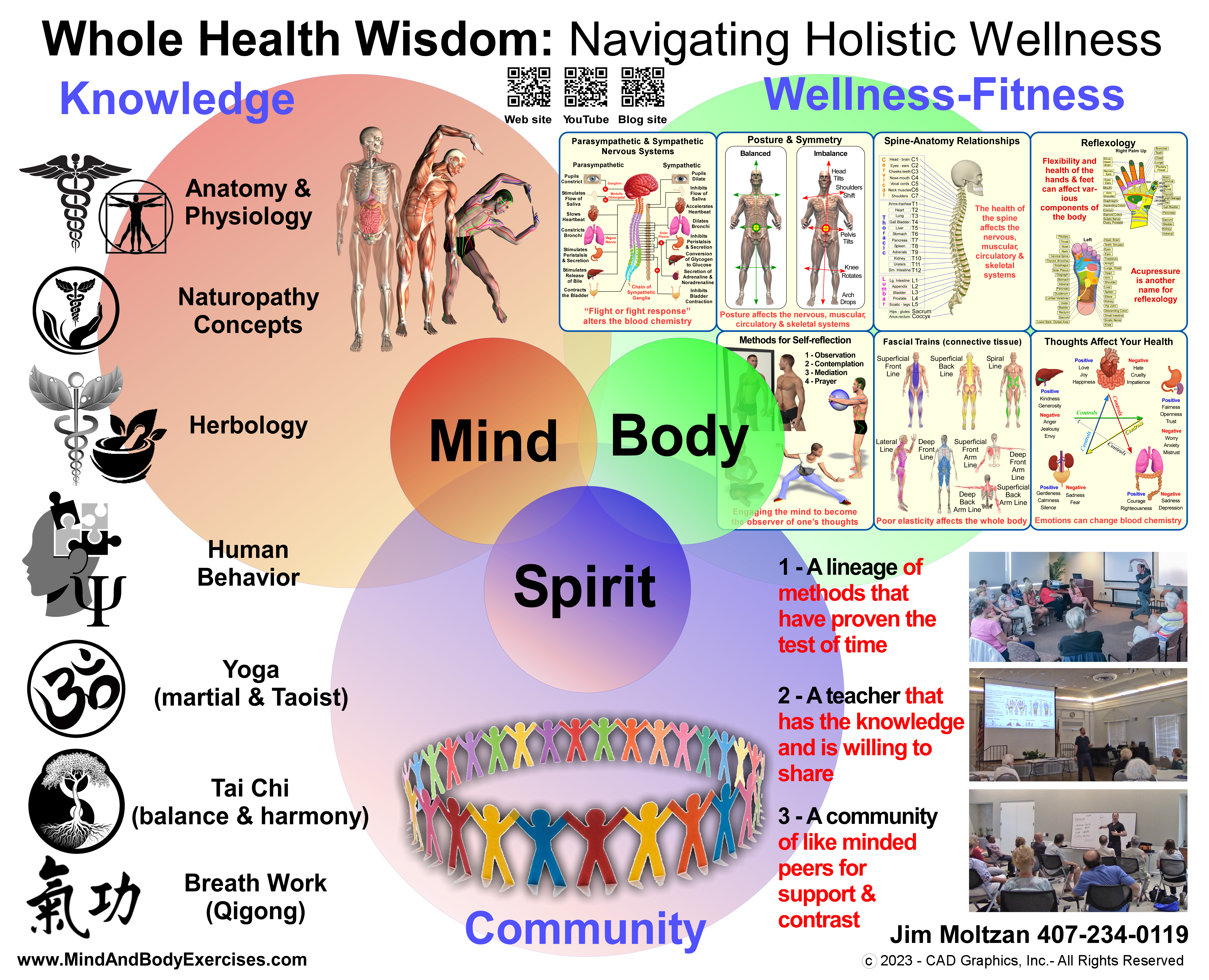
As a visual complement to these insights, I have included many of my original graphics throughout these books. These illustrations highlight self-regulation techniques, eclectic exercises, and Eastern methodologies, demonstrating how the intentional control of breath (wind), circulation (water), and mental focus can cultivate resilience, restore balance, and increase vitality (fire)—a reflection of the Taoist concept that “wind and water create fire.”

The Wellness Chronicles are more than just a guide; they are an invitation to reflect, explore, and apply holistic principles in everyday life. My hope is that this book serves as both a resource and an inspiration, encouraging deeper inquiry into the art of living well.

Thank you for your engagement with this work. I am eager to share this journey with you and contribute to the collective pursuit of enduring health, happiness, and fulfillment.

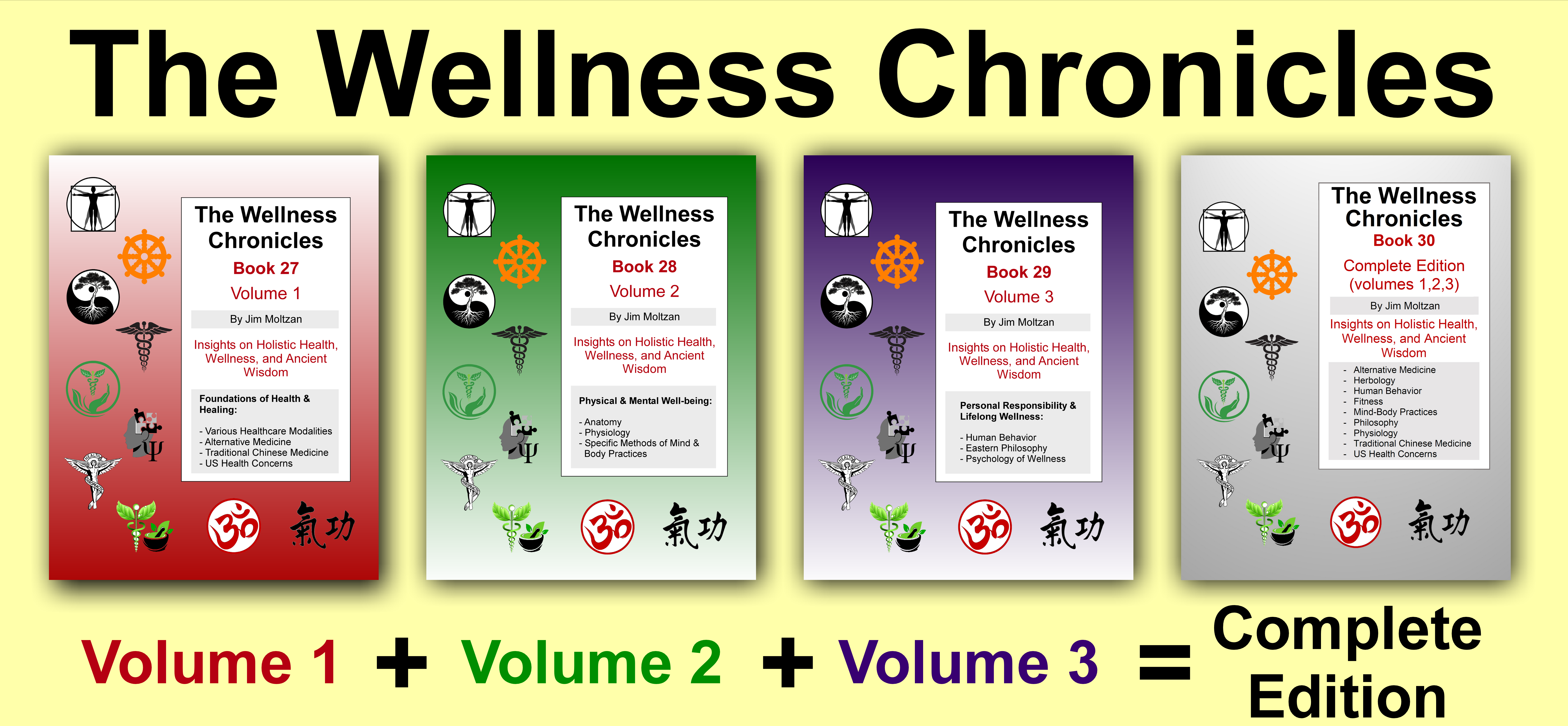
Thus far, I have volumes 1, 2 & 3, which are available individually or currently as one complete edition of all 3 in one book. Additional volumes may be added as I compose more content. Books are available at: https://www.amazon.com/dp/B0DYPFZ46F?binding=hardcover&searchxofy=true

The Wellness Chronicles is a comprehensive exploration of holistic health, offering practical insights into achieving balance in mind, body, and spirit.

Complete Edition: The Definitive Guide – All three volumes combined in one masterwork, providing a full-spectrum resource for lifelong health and transformation. (515 pages)

I teach and offer lectures about holistic health, physical fitness, stress management, human behavior, meditation, phytotherapy (herbs), music for healing, self-massage (acupressure), Daoyin (yoga), qigong, tai chi, and baguazhang.

Please contact me if you, your business, organization, or group, might be interested in hosting me to speak on a wide spectrum of topics relative to better health, fitness, and well-being.

I look forward to further sharing more of my message by partnering with hospitals, wellness centers, VA centers, schools on all levels, businesses, and individuals who see the value in building a stronger nation through building a healthier population.

I also have hundreds of FREE education video classes, lectures, and seminars available on my YouTube channel at:

https://www.youtube.com/c/MindandBodyExercises

Many of my publications can be found on Amazon at:

http://www.Amazon.com/author/jimmoltzan

My holistic health blog is available at:

https://mindandbodyexercises.wordpress.com/

http://www.MindAndBodyExercises.com

Mind and Body Exercises on Google: https://posts.gle/aD47Qo

Jim Moltzan

407-234-0119
Gong De Wei Shen

The term Gong De Wei Shen (功德为神) could loosely be interpreted as “acquiring karmic merit for spiritual elevation or connection to the divine.” It’s a phrase that might not appear in ancient texts directly but captures the concept of dedicating good deeds or spiritual work to elevate one’s spiritual state, aligning with Chinese philosophies of moral virtue influencing one’s spiritual development. Gong De Wei Shen is indeed rooted in Chinese philosophical and spiritual traditions, though the exact expression isn’t commonly cited. I will break it down to the best of my understanding:

  1. Gong (功): This translates to merit, achievement, accomplishment, or work.
  2. Gong de (功德): This translates to “merit” or “karmic merit” or virtuous deeds as used in Buddhist and Taoist traditions in the sense of virtue accumulated through good deeds and moral actions of generosity and compassion towards others. In traditional Chinese thought and in Buddhism, gong de is the spiritual merit or positive karma gained through altruistic actions, spiritual practice, and moral conduct. These merits are believed to contribute to spiritual growth and favorable outcomes in this life or future lives
  3. Wei (为): This can mean “for” or “as” in this context, often used to imply that the merit serves or benefits something.
  4. Shen 神 : This translates to “spirit” or “divine” and can suggest a higher spiritual state or connection with the divine.

While gong de wei shen itself isn’t a phrase widely cited in ancient texts, some numerous classical works and studies delve into the related concepts of gong de (karmic merit), the role of shen (spirit or divine), and the accumulation of spiritual merit through virtuous actions. Here are some references that explore these themes:

  1. Dao De Jing (Tao Te Ching) by Lao Tzui: One of the foundational texts of Daoism, the Dao De Jing discusses concepts of virtue (de, 德) and alignment with the Dao (道) as a path to spiritual harmony. While it may not explicitly use gong de, it emphasizes the moral conduct and inner qualities that create harmony with the universe.
  2. The Avatamsaka Sutra (Huayan Sutra): In Mahayana Buddhism, which has heavily influenced Chinese thought, the Avatamsaka Sutra (华严经, Huayan Jing) explores the concept of merit (功德, gong de) in spiritual practice and its effect on one’s path toward enlightenment. This text connects good deeds and moral actions with spiritual progression.
  3. The Book of Changes (I Ching): Though more symbolic, the I Ching reflects on the harmony between human actions and spiritual forces, suggesting that righteous behavior impacts one’s fate and connection with higher powers.
  4. Zhuangzi: This Daoist text, attributed to the philosopher Zhuang Zhou, explores spiritual transformation and the concept of shen as something cultivated through inner clarity and virtue.

The concepts of 功德 (gong de, karmic merit) and 神修 (shen xiu, spiritual cultivation) are deeply relevant to everyday life, even for those who don’t actively follow Taoist or Buddhist traditions. Here’s why they can be important:

1. Actions Shape Our Lives and Mindset

Every small act of kindness, generosity, or ethical behavior accumulates gong de not just in a spiritual sense but in how it influences your relationships, reputation, and self-perception. Helping a friend, being honest in business, or treating people with respect builds trust and goodwill, which can often return in unexpected ways.

2. Inner Peace Comes from Spiritual Awareness

Spiritual cultivation (shen xiu) isn’t about being religious, but rather developing self-awareness, clarity, and emotional balance. In daily life, this may be practiced as:

  • Pausing before reacting negatively in a stressful situation.
  • Practicing mindfulness or gratitude to reduce anxiety.
  • Seeking wisdom in challenges rather than reacting impulsively.

3. Good Energy Attracts Good Outcomes

Many people unconsciously follow the idea of karma or energetic reciprocity. When you consistently act with integrity and positive intention, life tends to reflect that back. We sometimes call this “what goes around, comes around.” This is why some who choose to cultivate gong de often experience more fulfilling relationships, career success, and personal growth.

4. Resilience in Hard Times

Practicing gong de and shen xiu helps you build inner strength. When facing setbacks, those who have cultivated patience, kindness, and wisdom may be better equipped to manage challenges with grace, rather than feeling like a victim of circumstances.

5. A Sense of Purpose

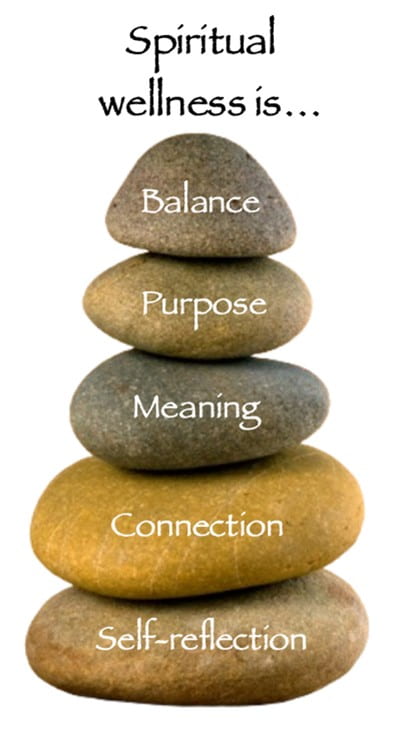
Beyond material success, many people seek meaning in their daily lives. Spiritual cultivation (shen xiu) can provide a sense of meaning or purpose, whether through meditation, learning, creative expression, or simply striving to be a better person.

In Summary

These aren’t just ancient ideas, but rather practical tools for striving to live a more peaceful, balanced, and fulfilling life. By cultivating merit (gong de) and refining your inner spirit (shen xiu), one may naturally create a more harmonious life, both for themselves and those around them.

I teach and offer lectures about holistic health, physical fitness, stress management, human behavior, meditation, phytotherapy (herbs), music for healing, self-massage (acupressure), Daoyin (yoga), qigong, tai chi, and baguazhang.

Please contact me if you, your business, organization, or group, might be interested in hosting me to speak on a wide spectrum of topics relative to better health, fitness, and well-being.

I look forward to further sharing more of my message by partnering with hospitals, wellness centers, VA centers, schools on all levels, businesses, and individuals who see the value in building a stronger nation through building a healthier population.

I also have hundreds of FREE education video classes, lectures, and seminars available on my YouTube channel at:

https://www.youtube.com/c/MindandBodyExercises

Many of my publications can be found on Amazon at:

http://www.Amazon.com/author/jimmoltzan

My holistic health blog is available at:

https://mindandbodyexercises.wordpress.com/

http://www.MindAndBodyExercises.com

Mind and Body Exercises on Google: https://posts.gle/aD47Qo

Jim Moltzan

407-234-0119
The Detriments of Social Media: A Closer Look at Polarizing Behavior

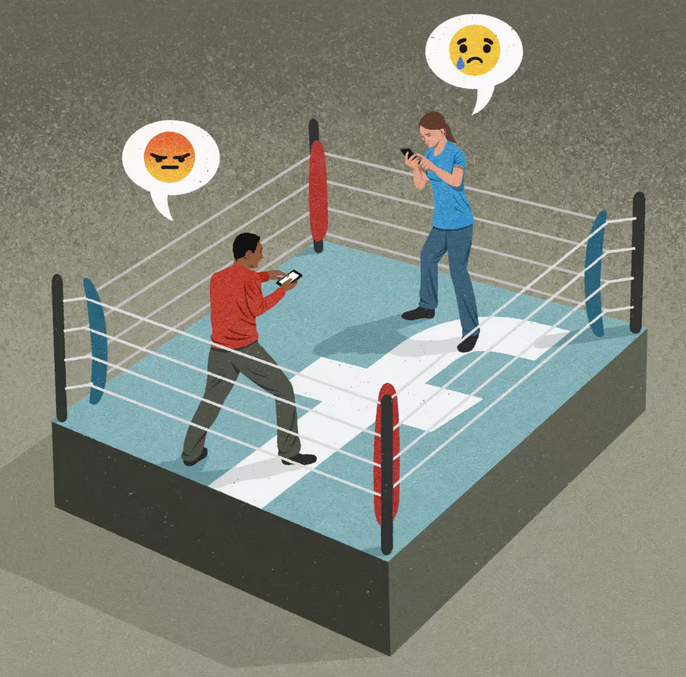
Social media has become an integral part of modern life, offering a platform for self-expression, networking, and information sharing. However, when individuals, especially those with professional careers, use social media to constantly post their political and social views, it can lead to unintended consequences. This behavior, particularly when it involves posting dozens of times a day with little engagement, can be polarizing and may negatively impact both personal and professional relationships. Beyond the social and professional risks, this kind of behavior can also have significant psychological and physiological effects, including stress, cortisol imbalances, and even obsessive-compulsive tendencies.

The Professional Risks

One of the most immediate detriments of excessive posting of polarizing views is the potential harm to one’s professional reputation. For individuals with established careers, social media often extends their professional identity. When their online presence is dominated by divisive political or social commentary, it can overshadow their expertise and accomplishments. Colleagues, clients, or professional networks with differing views may feel alienated, leading to strained relationships or missed opportunities. In extreme cases, this behavior can even result in job loss or damage to one’s career trajectory, as employers increasingly scrutinize employees’ online activity.

Engagement and Feedback

Another notable issue is the lack of engagement these posts often receive. When individuals post frequently and assertively, framing their views as absolute truths, it can discourage others from responding. People may find the content unrelatable, exhausting, or confrontational, leading to a lack of meaningful dialogue. Over time, this can create an echo chamber where the individual only hears their own voice, further entrenching their beliefs and isolating them from diverse perspectives. This lack of engagement can also be a sign that their approach is counterproductive, as it fails to foster the kind of constructive conversations that could lead to mutual understanding.

A Shift in How We Engage with Perspectives

In the past, before the advent of social media, people often engaged in face-to-face conversations where curiosity about others’ perspectives was more common. There was a natural inclination to ask questions, listen, and seek to understand differing viewpoints. Social media, however, has fundamentally altered this dynamic. Today, we are freely able and often inundated with the thoughts and opinions of others, sometimes to the point of oversaturation. While this transparency can foster connection, it can also lead to fatigue, especially when those opinions are expressed aggressively or excessively. The mystery and curiosity that once fueled meaningful dialogue are often replaced by a sense of overexposure, where the sheer volume of content can make it difficult to engage thoughtfully.

Psychological and Emotional Impact

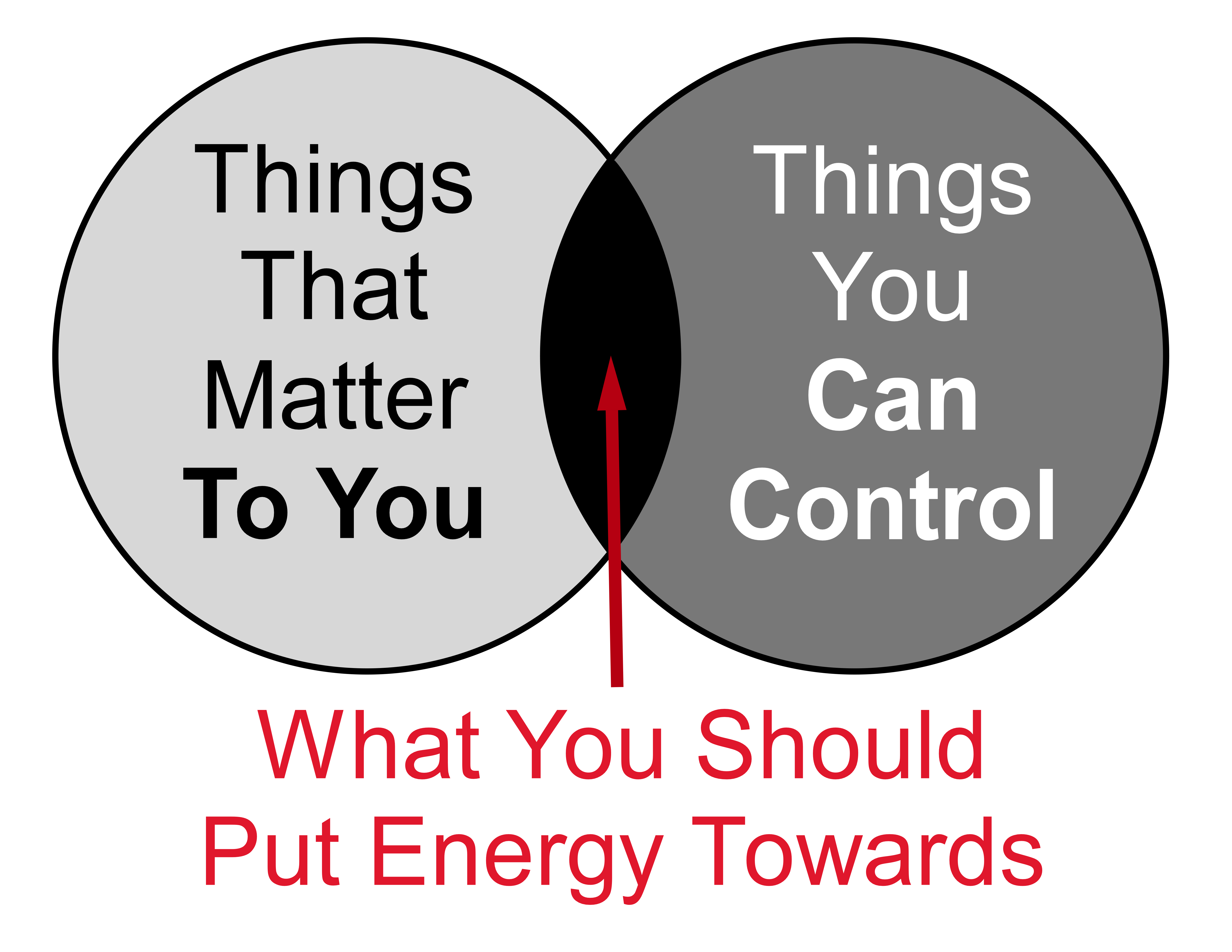
The psychological and emotional toll of this behavior cannot be overlooked. Constantly posting polarizing content may stem from a deep-seated need for validation or a desire to influence others. However, when these posts go unnoticed or unacknowledged, it can lead to feelings of frustration, inadequacy, or even anger. Over time, this cycle can contribute to heightened stress levels and emotional exhaustion. Moreover, the act of repeatedly sharing strong opinions can become compulsive, resembling obsessive-compulsive tendencies. The individual may feel an uncontrollable urge to post, even when it no longer serves a constructive purpose. If someone has the time, effort, and energy to blame others for all of the world’s ills, they also have the time to reflect and focus on becoming a better version of themselves. Rather than dwelling on external problems, shifting some of that energy toward self-improvement could yield far more positive and constructive outcomes.

Respecting Passion Without Sharing It

It’s worth noting that while someone’s efforts to advocate for a cause may appear noble or well-intentioned, not everyone will share their passion or agree with their methods. Social media often amplifies the visibility of these efforts, making it seem as though everyone should be equally invested. However, it’s important to recognize that people have different priorities, values, and capacities for engagement. What one person sees as a critical issue worthy of relentless advocacy, another may view as less pressing or outside their sphere of interest. This disconnect doesn’t diminish the value of the cause itself, but it highlights the importance of respecting boundaries and understanding that not everyone will share the same level of enthusiasm or commitment.

Physiological Effects: Stress, Cortisol, and Chemical Imbalances

The psychological stress associated with excessive social media use can also manifest physiologically. Chronic stress triggers the release of cortisol, a hormone that, in excess, can disrupt the body’s natural balance. Elevated cortisol levels have been linked to a range of health issues, including anxiety, depression, sleep disturbances, and weakened immune function. For individuals who are constantly engaged in online debates or who feel compelled to post frequently, this stress response can become a persistent state, leading to long-term health consequences.

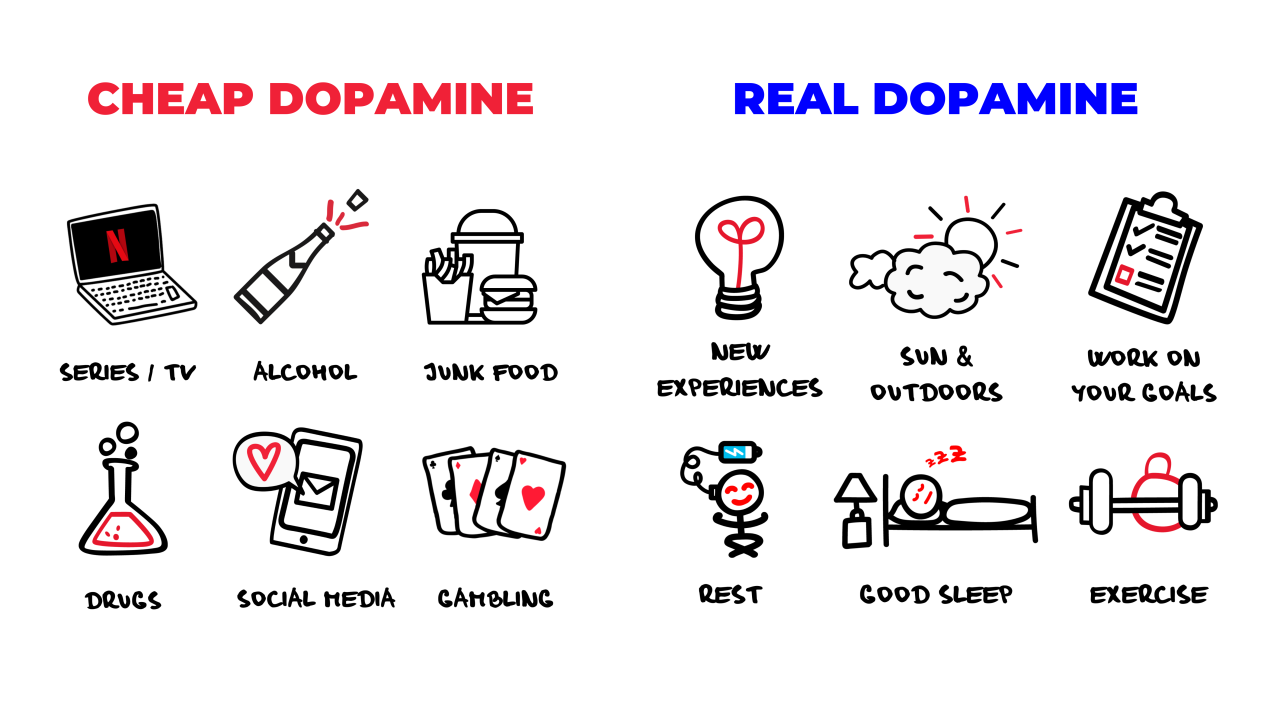
Additionally, the dopamine-driven nature of social media can exacerbate these issues. The anticipation of likes, shares, or comments triggers dopamine release, reinforcing a habit loop. Over time, this can contribute to compulsive posting, as individuals seek continued validation through online interactions. This chemical imbalance can make it difficult for individuals to step away from social media, even when they recognize its negative impact on their lives.

Constructive Approaches for Change

For individuals who find themselves caught in this cycle, there are steps they can take to create a healthier and more balanced online presence. First, they might consider diversifying their content to include professional achievements, personal interests, or neutral topics that encourage broader engagement. Framing opinions in a way that invites dialogue—such as asking, “What are your thoughts on this?”—can also foster more respectful and productive conversations. Additionally, limiting the frequency of posts and focusing on quality over quantity can help reduce the compulsive urge to share and create a more thoughtful online presence.

For Observers: Setting Boundaries and Offering Support

For those who are on the receiving end of this behavior, it’s important to set boundaries. If the constant stream of polarizing posts becomes overwhelming, muting or unfollowing the individual on social media can help maintain mental well-being while preserving professional relationships. It’s also helpful to remember that their behavior is likely a reflection of their own experiences and beliefs, not a personal attack. In some cases, offering constructive feedback—if the relationship allows—can encourage them to reflect on their approach and its impact on others.

Conclusion

While social media offers a powerful platform for self-expression, its misuse can have far-reaching consequences. For individuals who post their political and social views excessively, the risks include professional alienation, strained relationships, and psychological and physiological harm. By adopting a more balanced and thoughtful approach to social media, individuals can mitigate these detriments and create a more positive and productive online presence. For observers, setting boundaries and offering support can help navigate these challenging dynamics. Ultimately, social media is a tool, and its impact depends on how it is used. By using social media intentionally—fostering meaningful discussions rather than divisive debates—we can create a digital space that informs rather than isolates.

References:

Mims, C., & Holcroft, J. (2020, October 19). Why social media is so good at polarizing us. WSJ. https://www.wsj.com/articles/why-social-media-is-so-good-at-polarizing-us-11603105204

Professional Risks of Social Media Use

Brown, V. R., & Vaughn, E. D. (2011). The writing on the (Facebook) wall: The use of social networking sites in hiring decisions. Journal of Business and Psychology, 26(2), 219-225.

  • This study explores how employers evaluate candidates’ social media presence and the potential impact of polarizing content.

Echo Chambers and Engagement Issues

Pariser, E. (2011). The Filter Bubble: What the Internet Is Hiding from You. Penguin Press.

  • Discusses how social media algorithms reinforce pre-existing beliefs and limit exposure to diverse perspectives.

Psychological and Emotional Effects of Social Media Overuse

Twenge, J. M., Joiner, T. E., Rogers, M. L., & Martin, G. N. (2017). Increases in depressive Symptoms, Suicide-Related Outcomes, and suicide rates among U.S. adolescents after 2010 and links to increased new media screen time. Clinical Psychological Science, 6(1), 3–17. https://doi.org/10.1177/2167702617723376

  • Examines how excessive screen time and social media use contribute to stress, anxiety, and depression.

Physiological Impact: Stress, Cortisol, and Dopamine

Sapolsky, R. M. (2004). Why Zebras Don’t Get Ulcers. Holt Paperbacks.

  • Explains how chronic stress and elevated cortisol levels affect mental and physical health.

Montag, C., & Reuter, M. (2017). Internet Addiction: Neuroscientific Approaches and Therapeutical Implications Including Smartphone Addiction. Springer.

  • Discusses dopamine-driven social media addiction and its effect on brain function.

I teach and offer lectures about holistic health, physical fitness, stress management, human behavior, meditation, phytotherapy (herbs), music for healing, self-massage (acupressure), Daoyin (yoga), qigong, tai chi, and baguazhang.

Please contact me if you, your business, organization, or group, might be interested in hosting me to speak on a wide spectrum of topics relative to better health, fitness, and well-being.

I look forward to further sharing more of my message by partnering with hospitals, wellness centers, VA centers, schools on all levels, businesses, and individuals who see the value in building a stronger nation through building a healthier population.

I also have hundreds of FREE education video classes, lectures, and seminars available on my YouTube channel at:

https://www.youtube.com/c/MindandBodyExercises

Many of my publications can be found on Amazon at:

http://www.Amazon.com/author/jimmoltzan

My holistic health blog is available at:

https://mindandbodyexercises.wordpress.com/

http://www.MindAndBodyExercises.com

Mind and Body Exercises on Google: https://posts.gle/aD47Qo

Jim Moltzan

407-234-0119