Learn How Stress Affects Our Bodies, to Better Manage Our Well-being

How do you deal with stress?

  • take a few deep breaths
  • drink a few alcoholic beverages
  • take pharmaceuticals
  • consume some form of Marijuana, hallucinogen, or psychedelic
  • physical exercise
  • listen to soothing music
  • do nothing

In order to better manage stress, wouldn’t it help to better understand what stress is, and how it affects our bodies physiologically? Do we truly manage our stressors or just go with the “band-aid” approach of treating symptoms rather than addressing root causes?

Life and the experiences that it offers, is constantly changing and evolving for all that exist. Our senses are continuously receiving and interpreting stimulus to determine what is good or bad for our survival. Consequently, this input often manifests into what we call stress. We deal with stress through our thoughts and emotions. Our emotions directly affect how our brain processes information that affects all of our physiological mechanism and organ functions through the autonomic nervous and endocrine systems. Basically, thoughts and emotions affect our health and well-being whether with positive or negative outcomes.

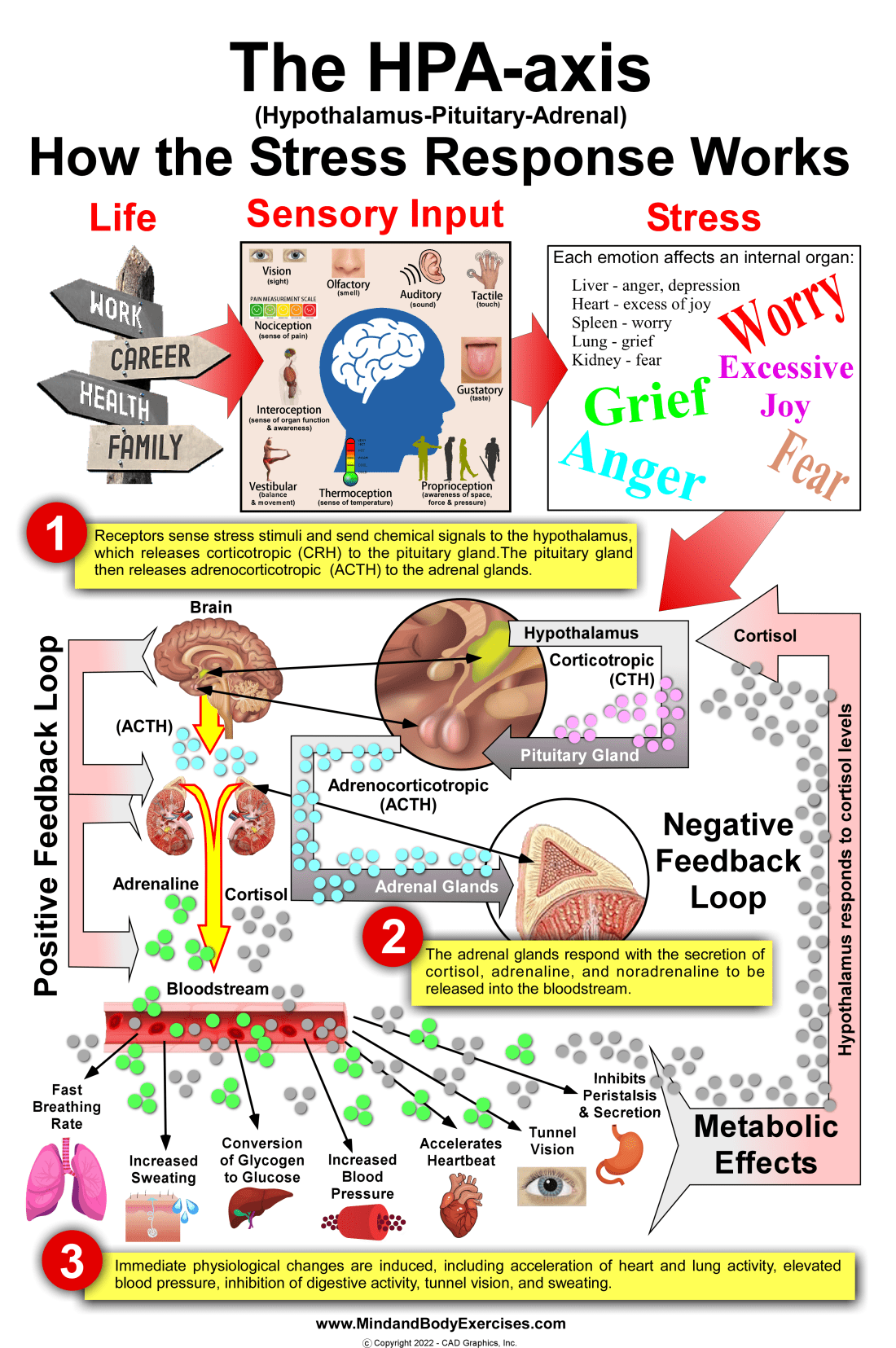
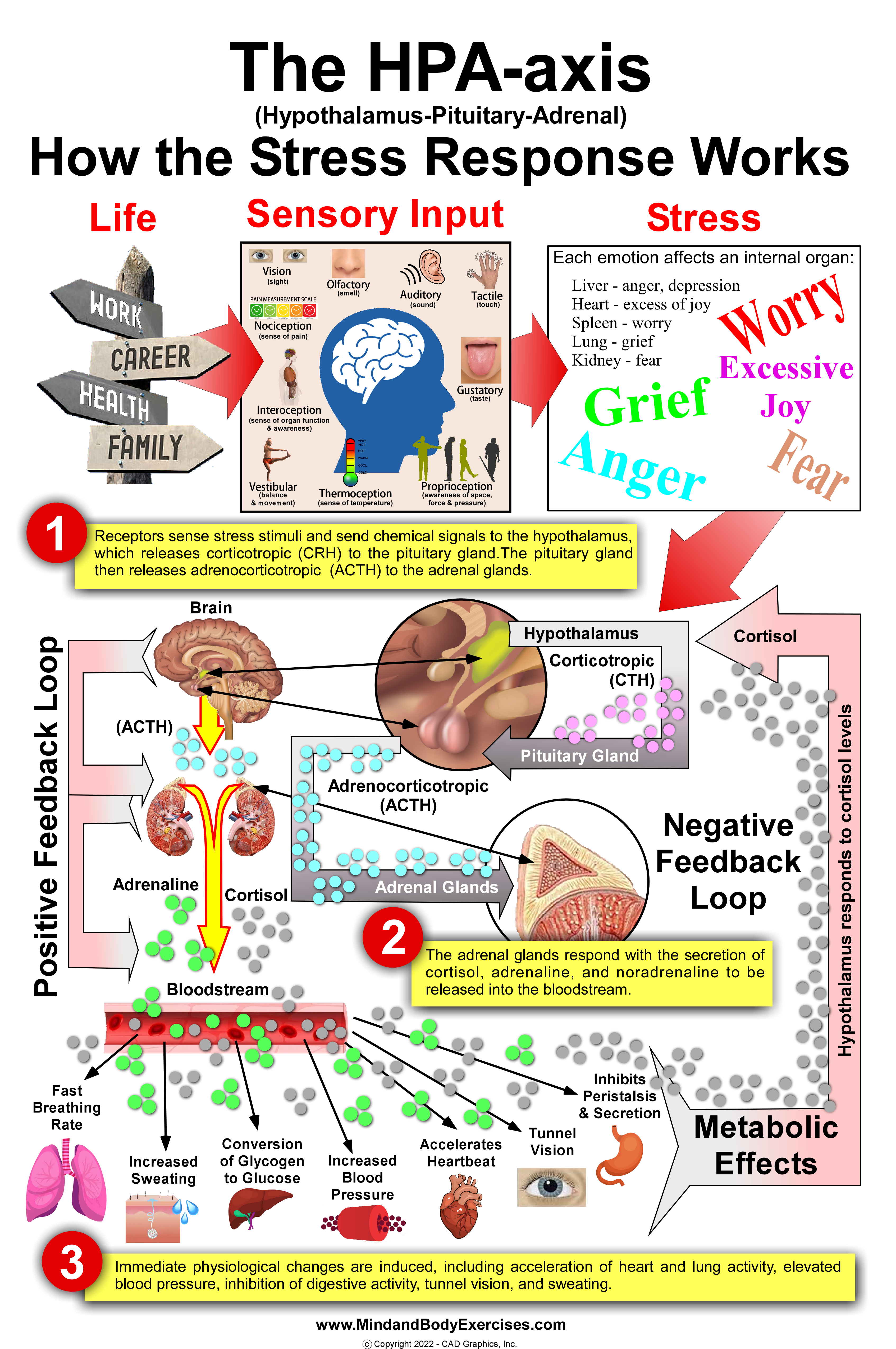
The HPA-Axis is the physiological mechanism for how the mind and body respond to stress.

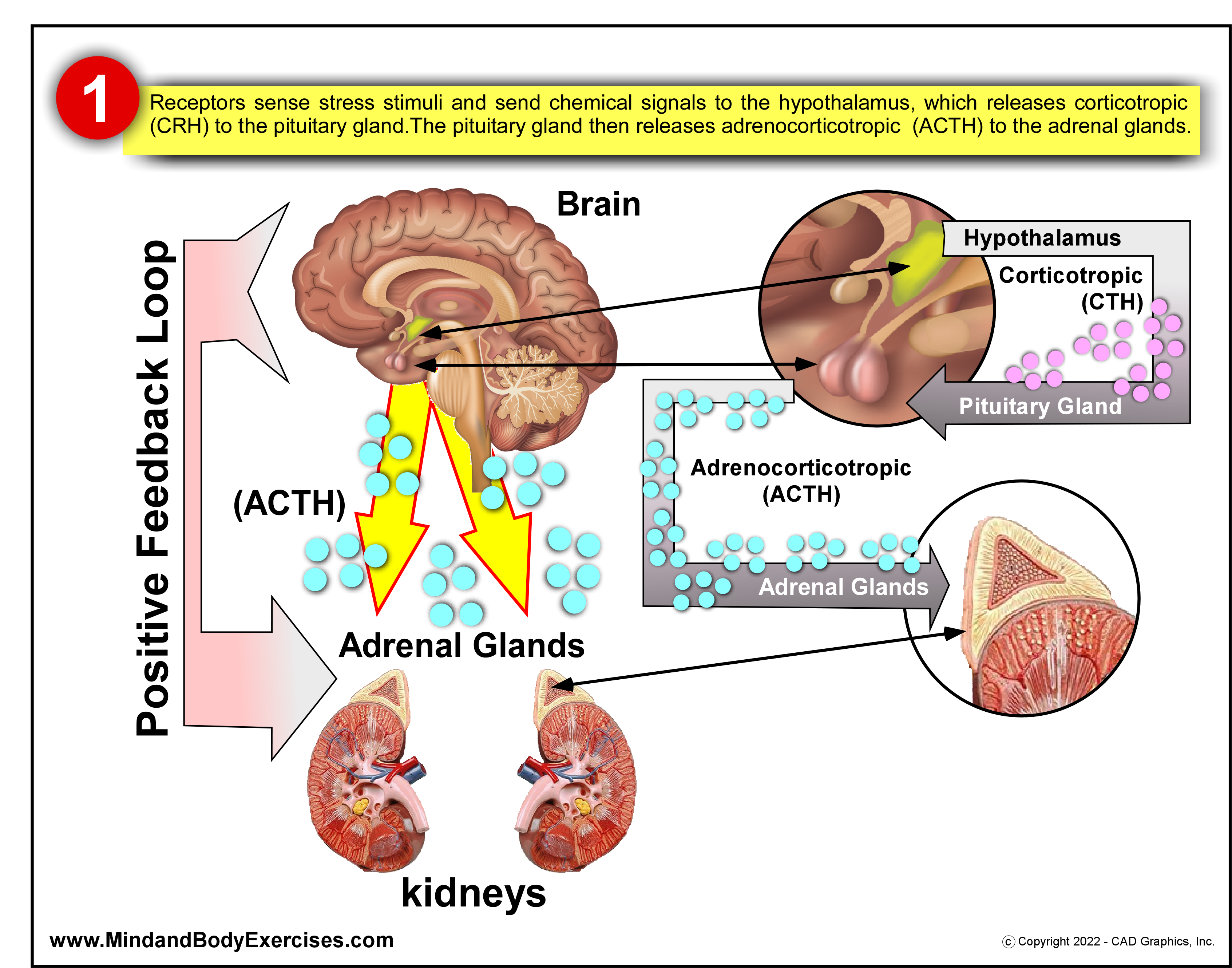
1 – Receptors sense stress stimuli and send chemical signals to the hypothalamus, which releases corticotropic (CRH) to the pituitary gland. The pituitary gland then releases adrenocorticotropic (ACTH) to the adrenal glands.
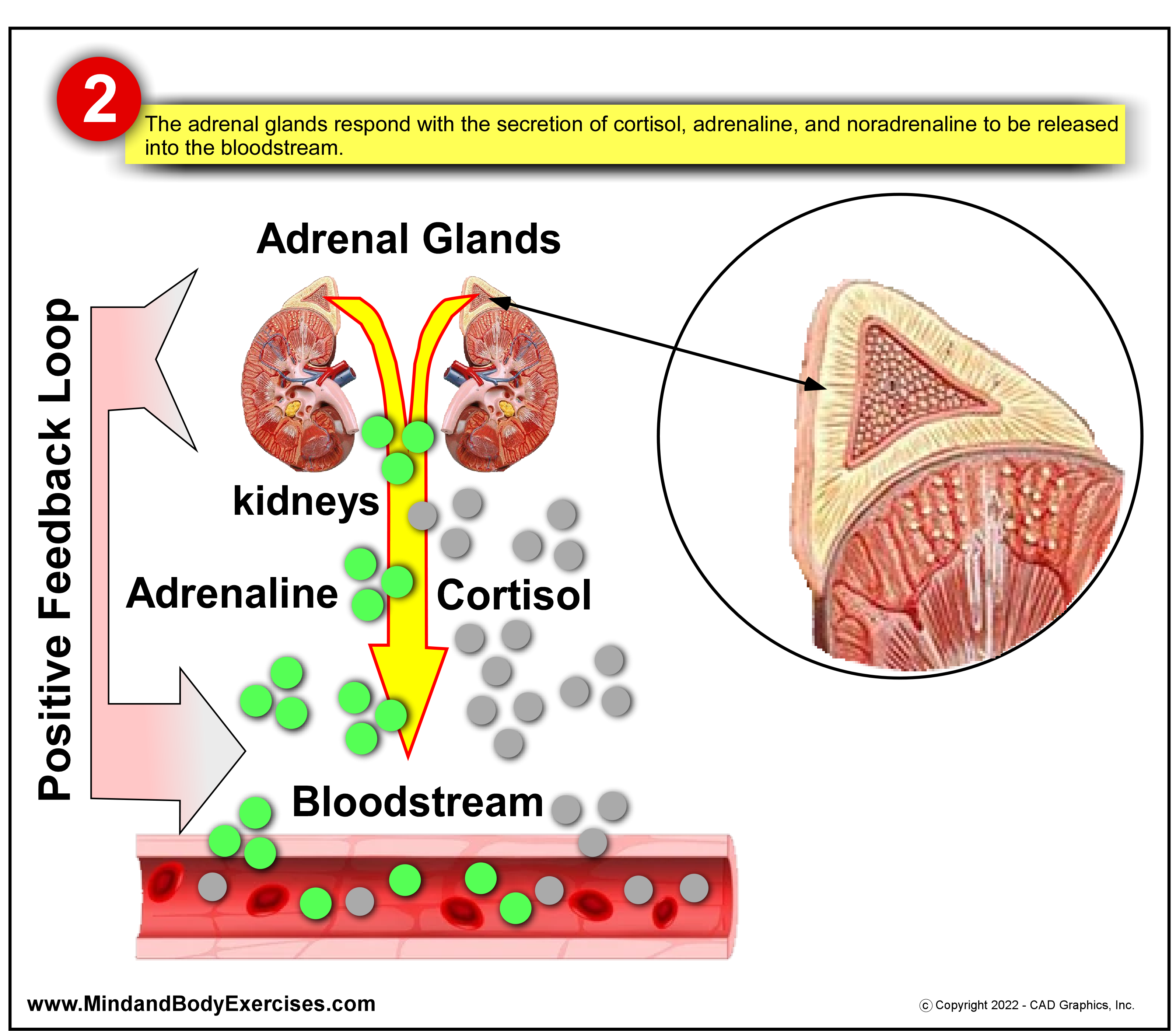
2 – The adrenal glands respond with the secretion of cortisol, adrenaline, and noradrenaline to be released into the bloodstream.
3 – Immediate physiological changes are induced, including acceleration of heart and lung activity, elevated blood pressure, inhibition of digestive activity, tunnel vision, and sweating. Cortisol levels are then reported back to the hypothalamus completing a negative feedback loop to repeat the whole process as necessary.

Why is this important to understand? Because when cortisol levels are too high for prolonged periods of time, other physiological mechanisms become impaired. When levels are balanced cortisol plays in important role in regulating blood chemistry:

  • Increases gluconeogenesis
  • Mobilizes fatty acids from adipose
  • Breaks down stored proteins
  • Enhances SNS response
  • Puts brakes on inf‌lammation/immune response

Negative effects would include:

  • Increased insulin resistance
  • Altered perception & emotion in the central nervous system
  • Suppressed GH release
  • Suppressed TSH and inhibits peripheral activation of T4 into T3
  • Inhibited bone remodeling
  • Suppressed reproductive function

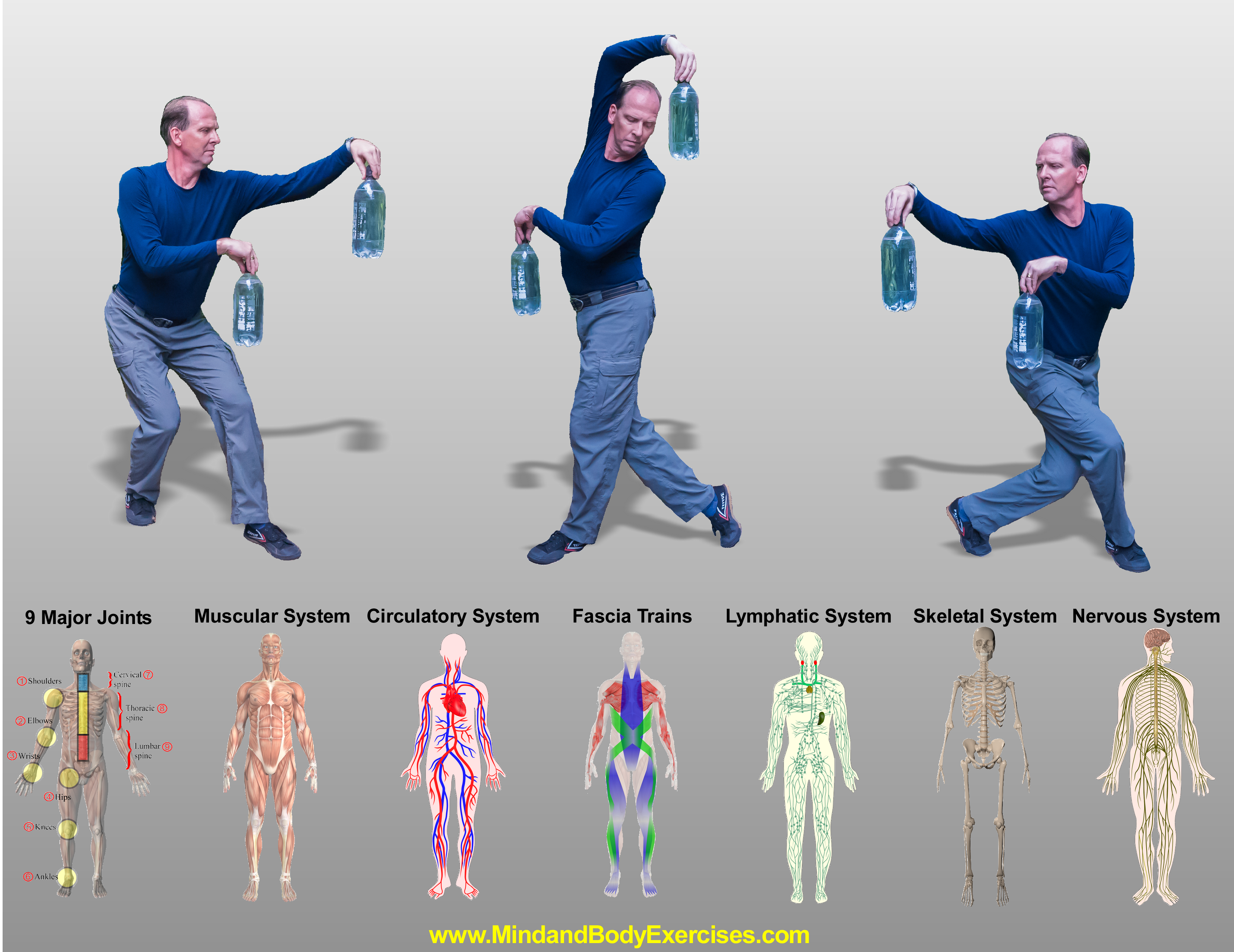
We do have the ability to consciously control and manage our stress whether through lifestyle choices, diet & nutrition, physical activity and attitude. A key component of managing stress is managing the parasympathetic (rest & digest) and sympathetic (fight or flight) nervous system through consistent regulation of our breathing frequency and relative volume of each breath. This is a topic addressed in many of my other posts. Yoga, tai chi, qigong, meditation, martial arts and other methods have been proven to help to proactively manage stress and relative cortisol levels.
________________

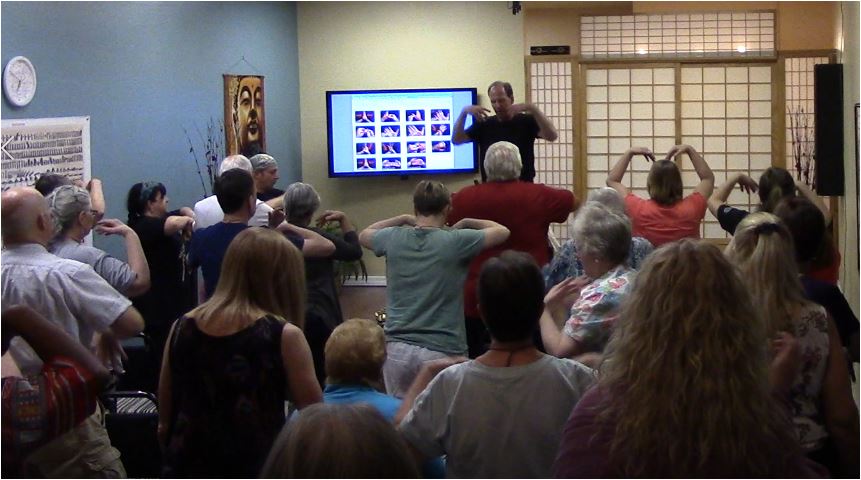
I write often about topics that affect our health and well-being. Additionally, I teach and offer lecture about qigong, tai chi, baguazhang, and yoga.

For more info, contact Jim Moltzan at info@mindandbodyexercises.com, 407-234-0119 or through my site at http://www.mindandbodyexercises.com

www.Amazon.com/author/jimmoltzan
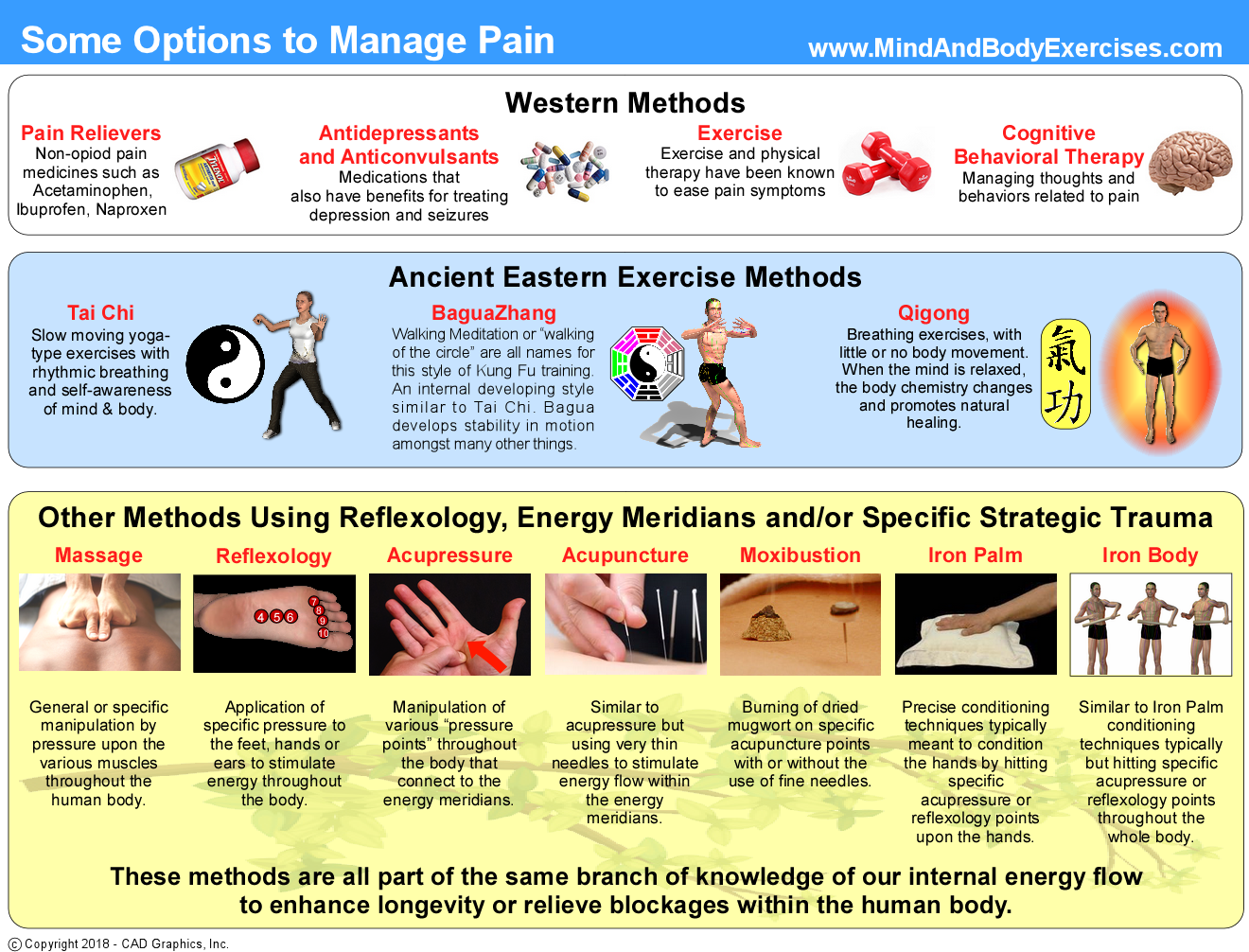
Methods Used Within Traditional Chinese Medicine

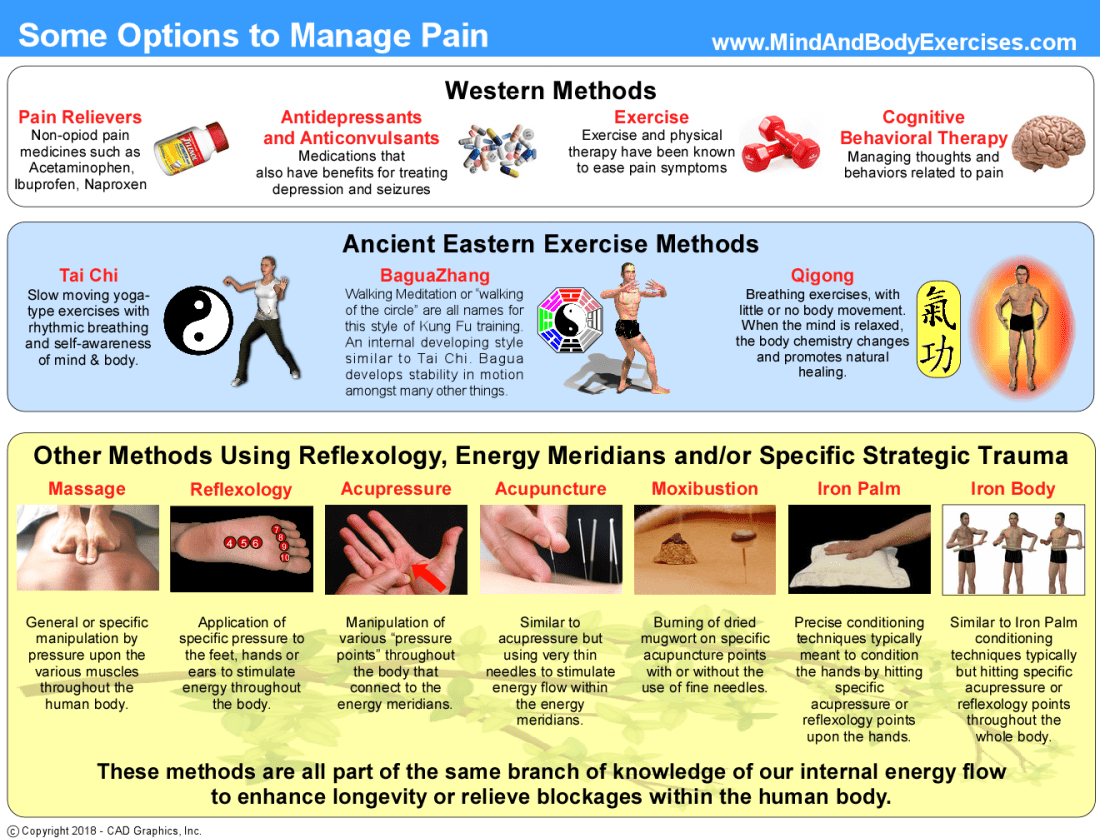
One of the various methods often prescribed in TCM is exercise/movement. Meditation, Tai chi and qigong are methods that affect the breathing patterns which in Western medicine would be connected to stimulation of the vagus nerve and the parasympathetic nervous system.  TCM recognizes these methods as a way to balance the qi in the energy meridians and consequently the organs. Management of the breath while practicing these methods are a way to balance emotion and psychological issues.

Various TCM methods of pain management:

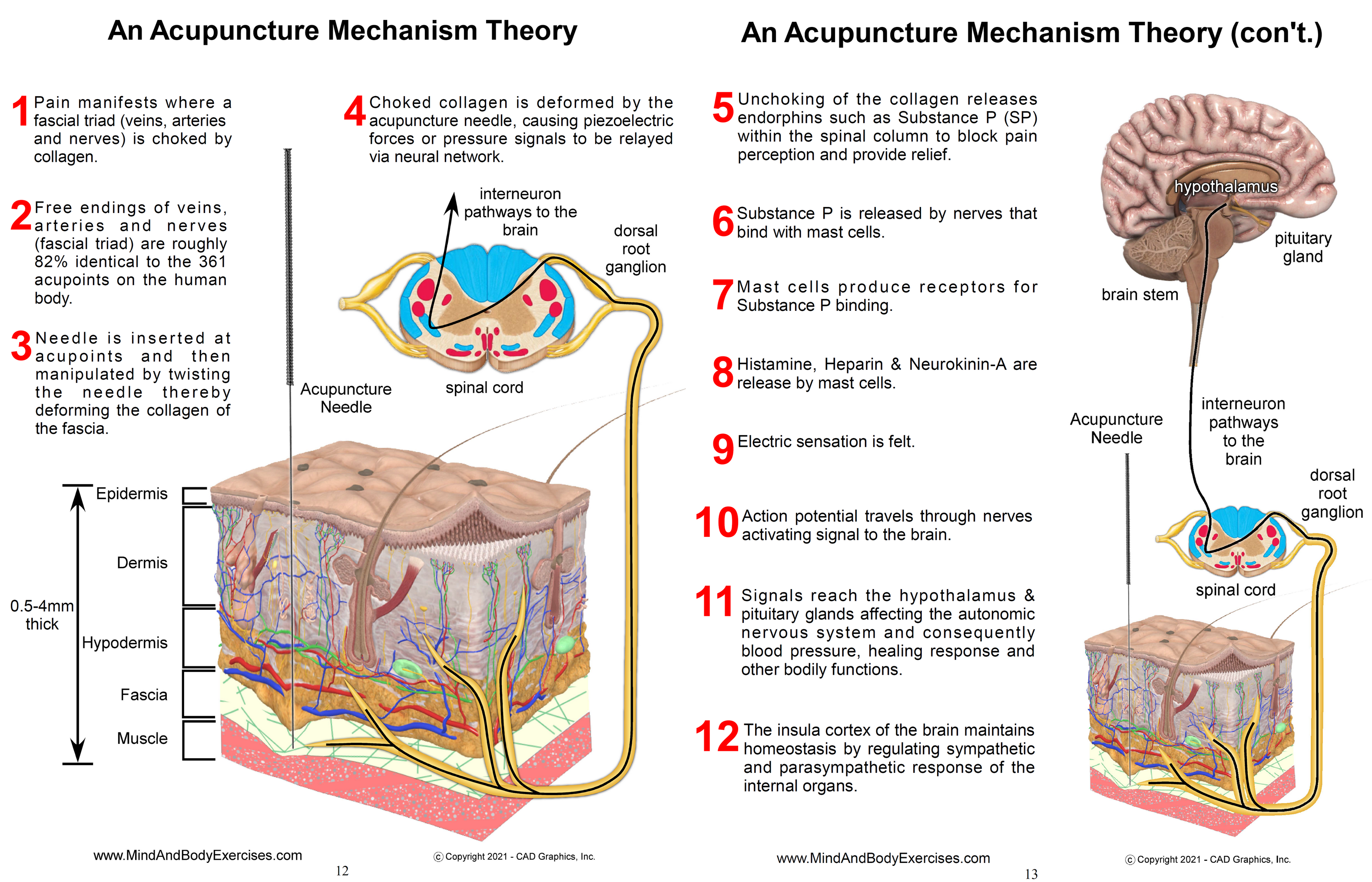
  • Acupuncture: very fine needles placed gently in the skin
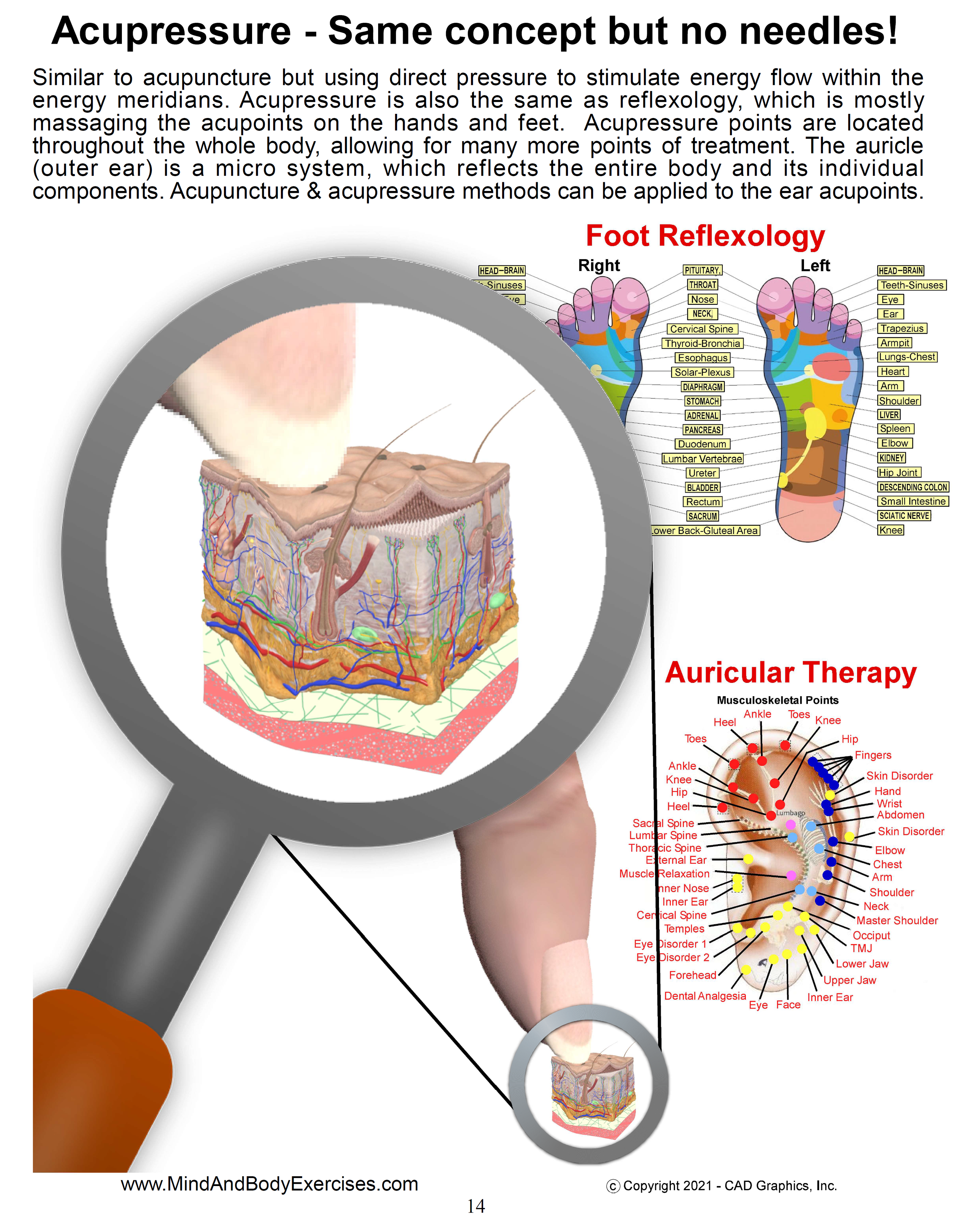
  • Acupressure, reflexology and/or massage
  • Cupping: heated cups that create suction on your skin
  • Herbs: teas, powders, and capsules made mostly from plants
  • Meditation: a way to sit quietly and calm your mind
  • Moxibustion: dried herbs burned near the skin
  • Tai chi/qigong; exercises with slow movements and focus on the breath

I write often about topics that affect our health and well-being. Additionally, I teach and offer lecture about qigong, tai chi, baguazhang, and yoga.

For more info, contact Jim Moltzan at info@mindandbodyexercises.com, 407-234-0119 or through my site at http://www.mindandbodyexercises.com

www.Amazon.com/author/jimmoltzan
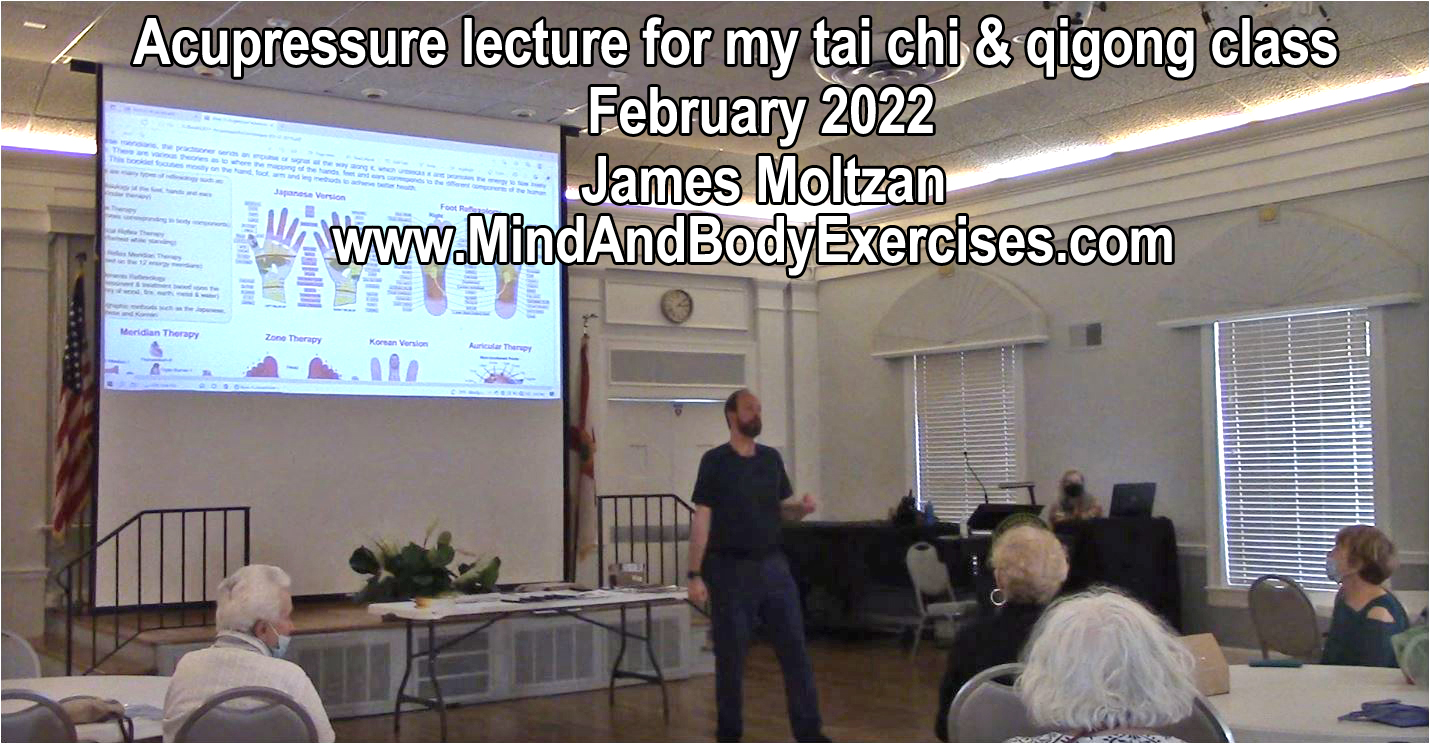
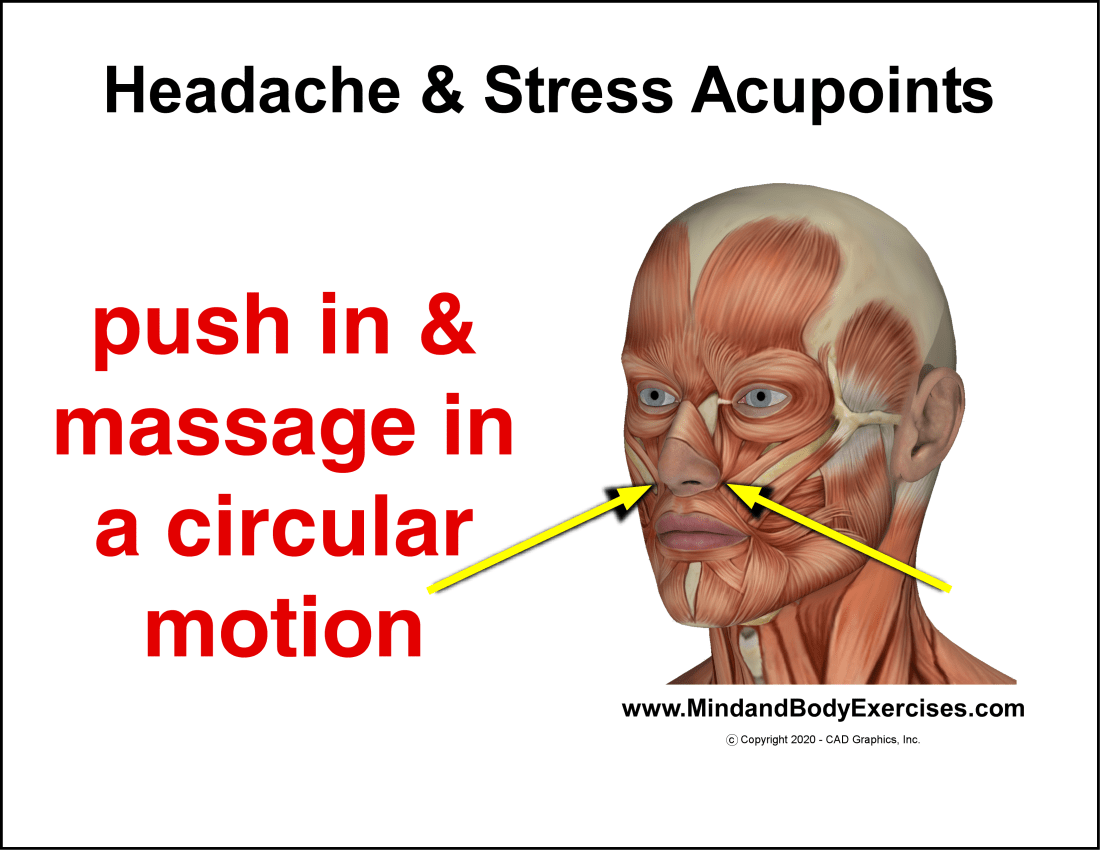
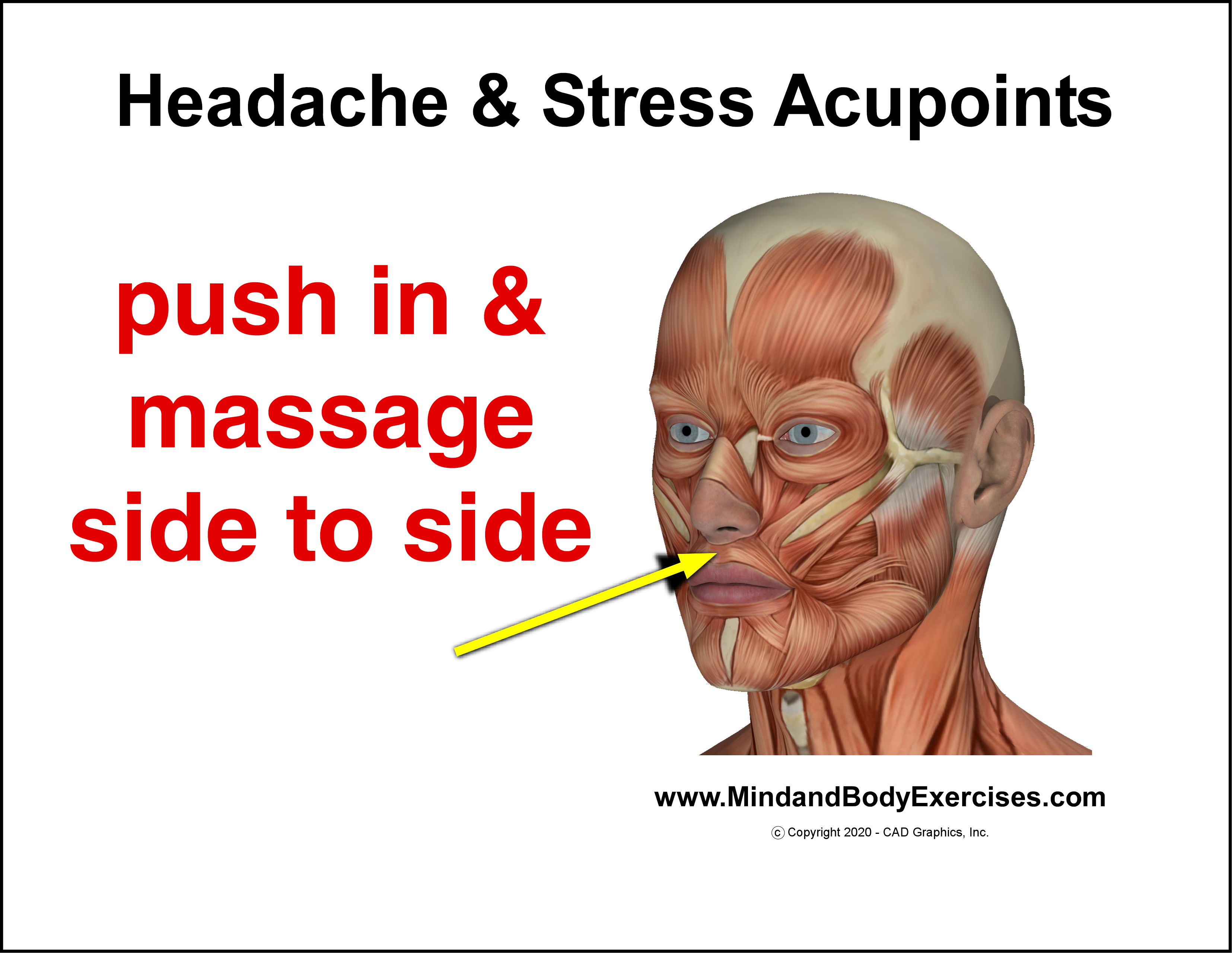
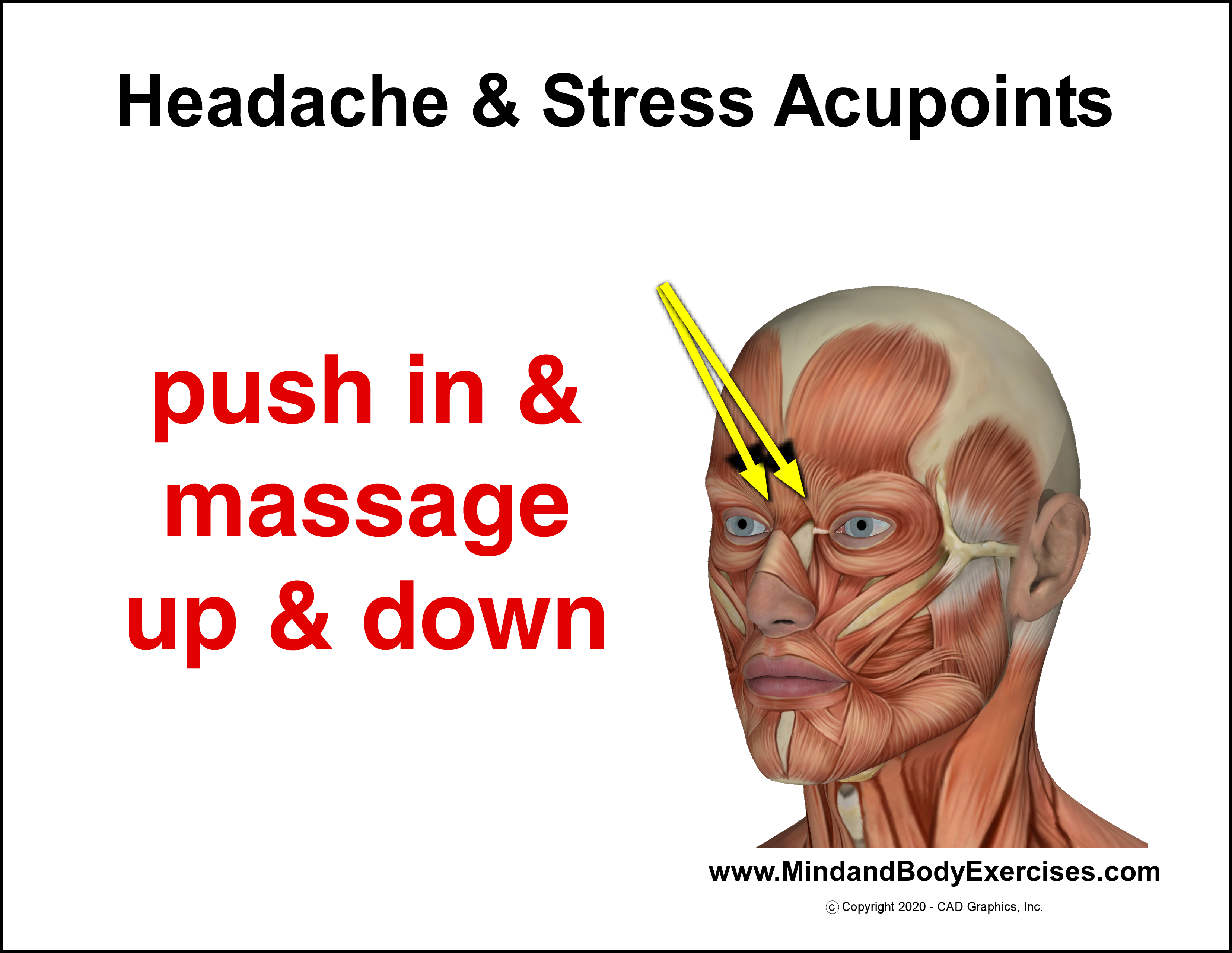
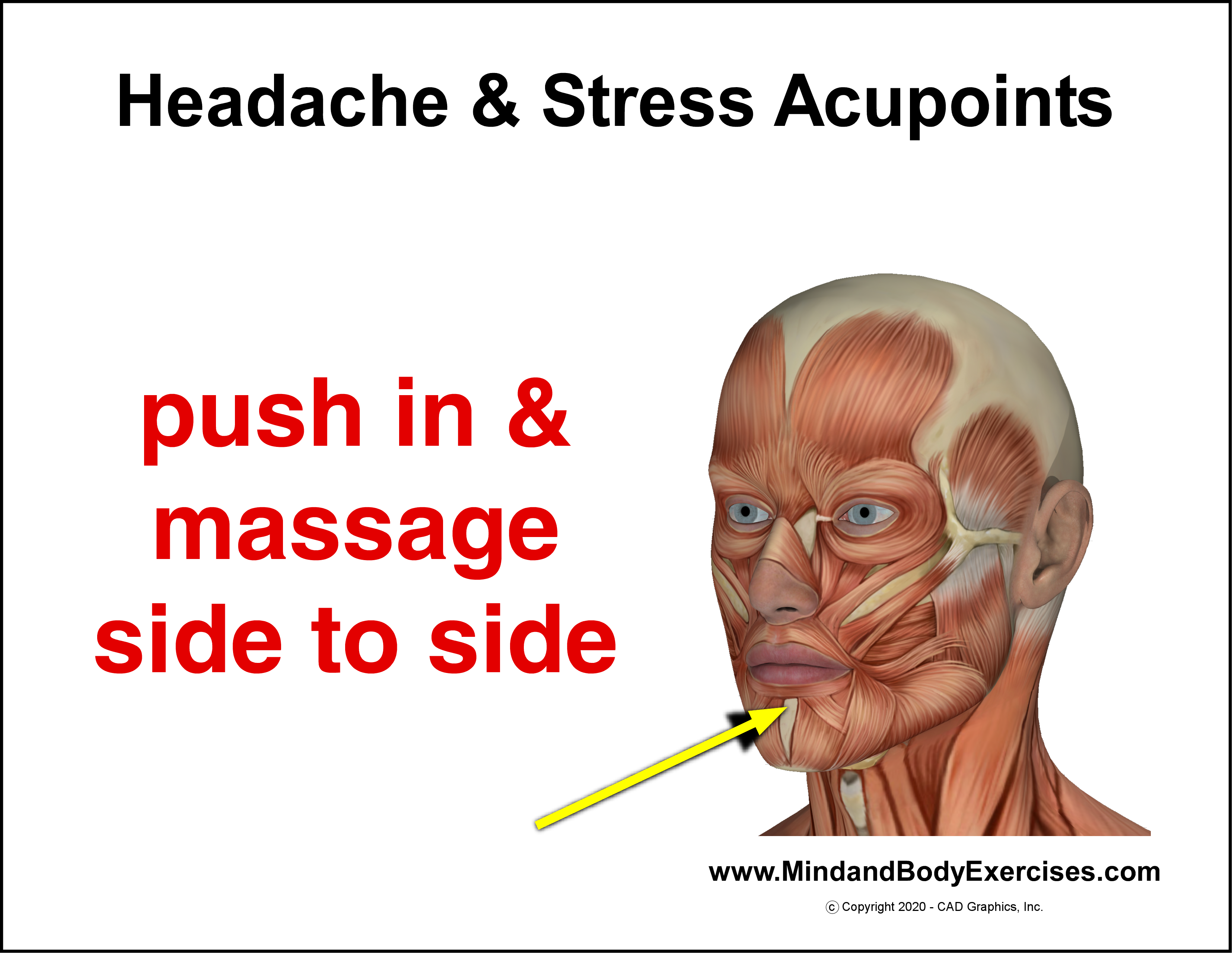
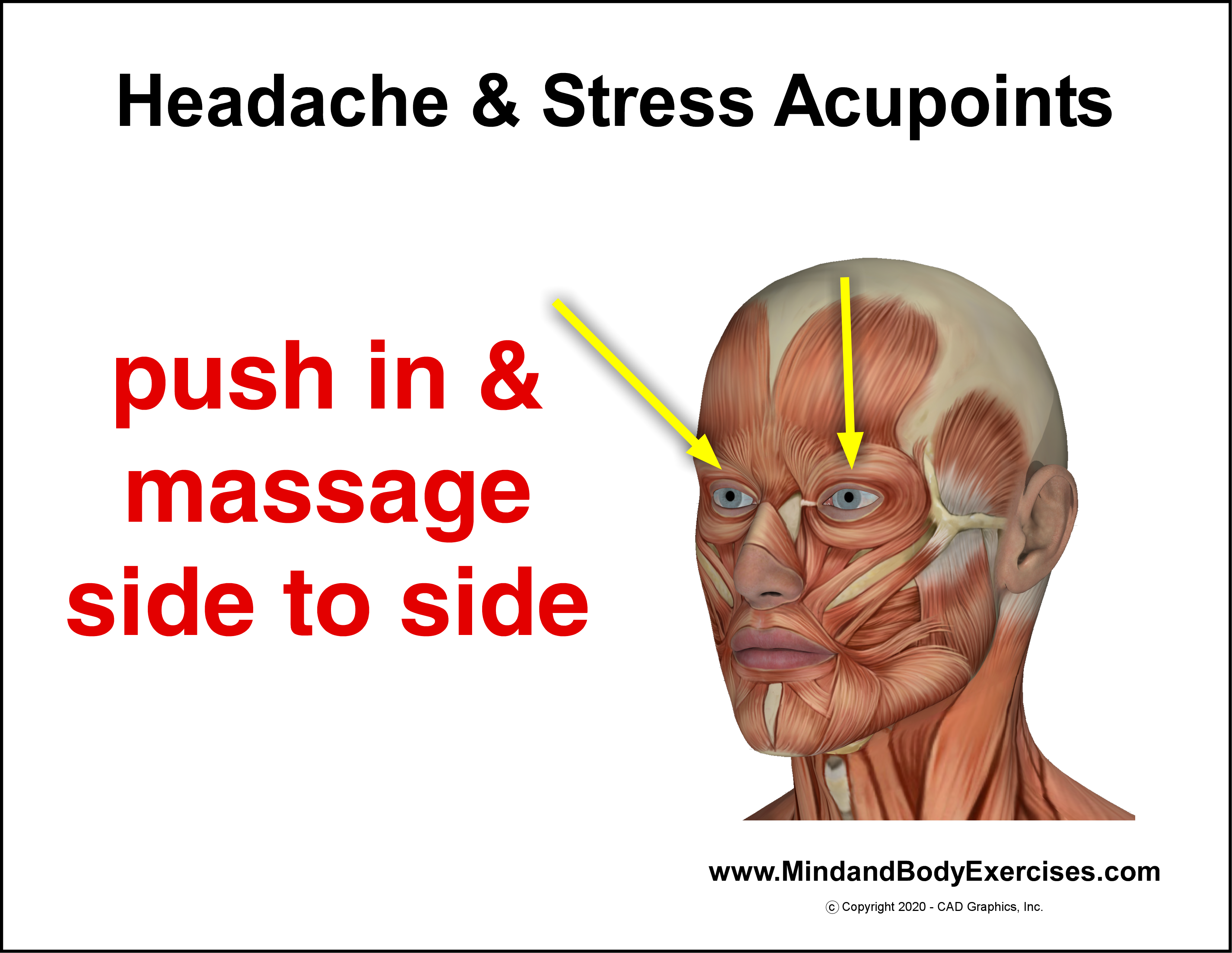
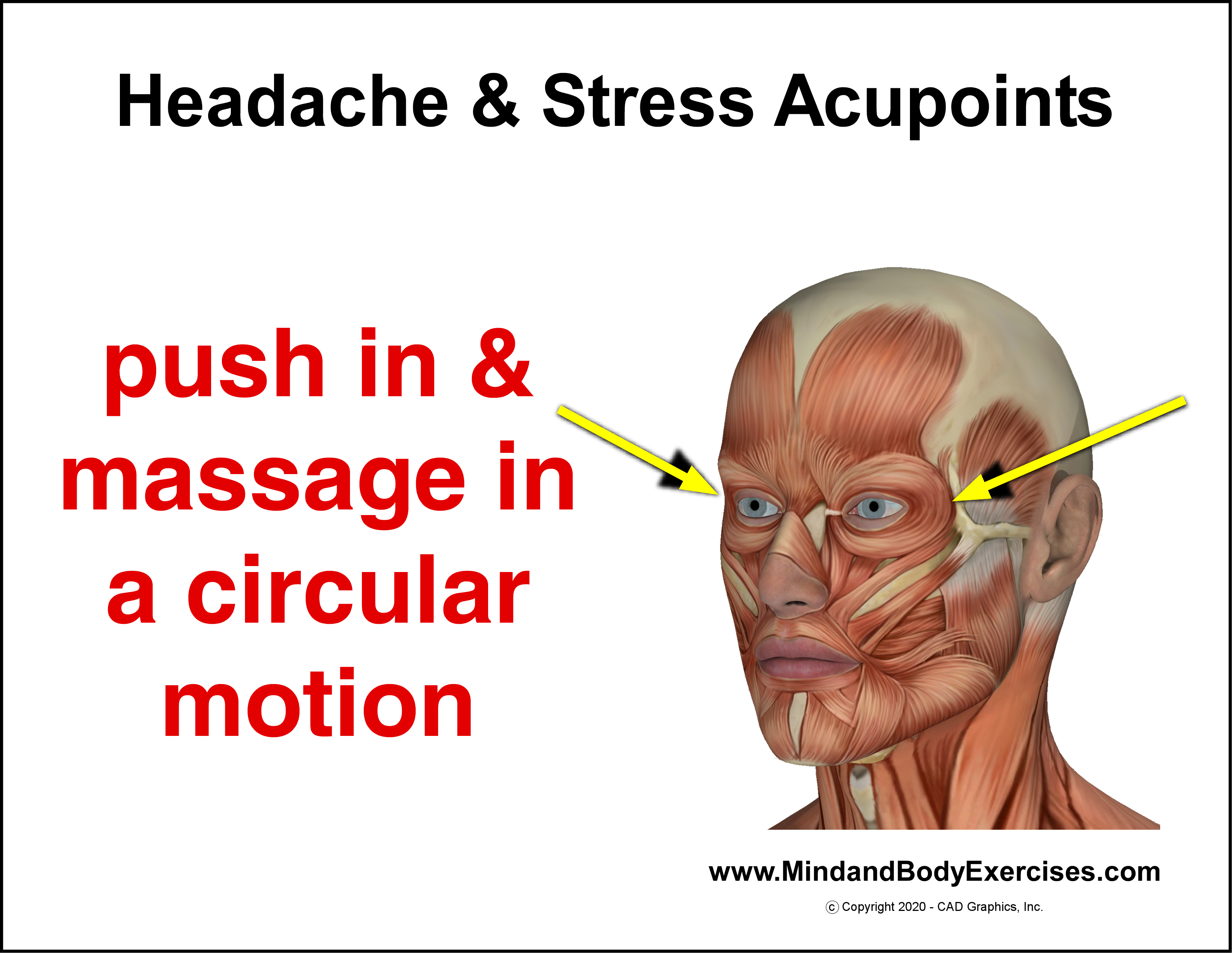
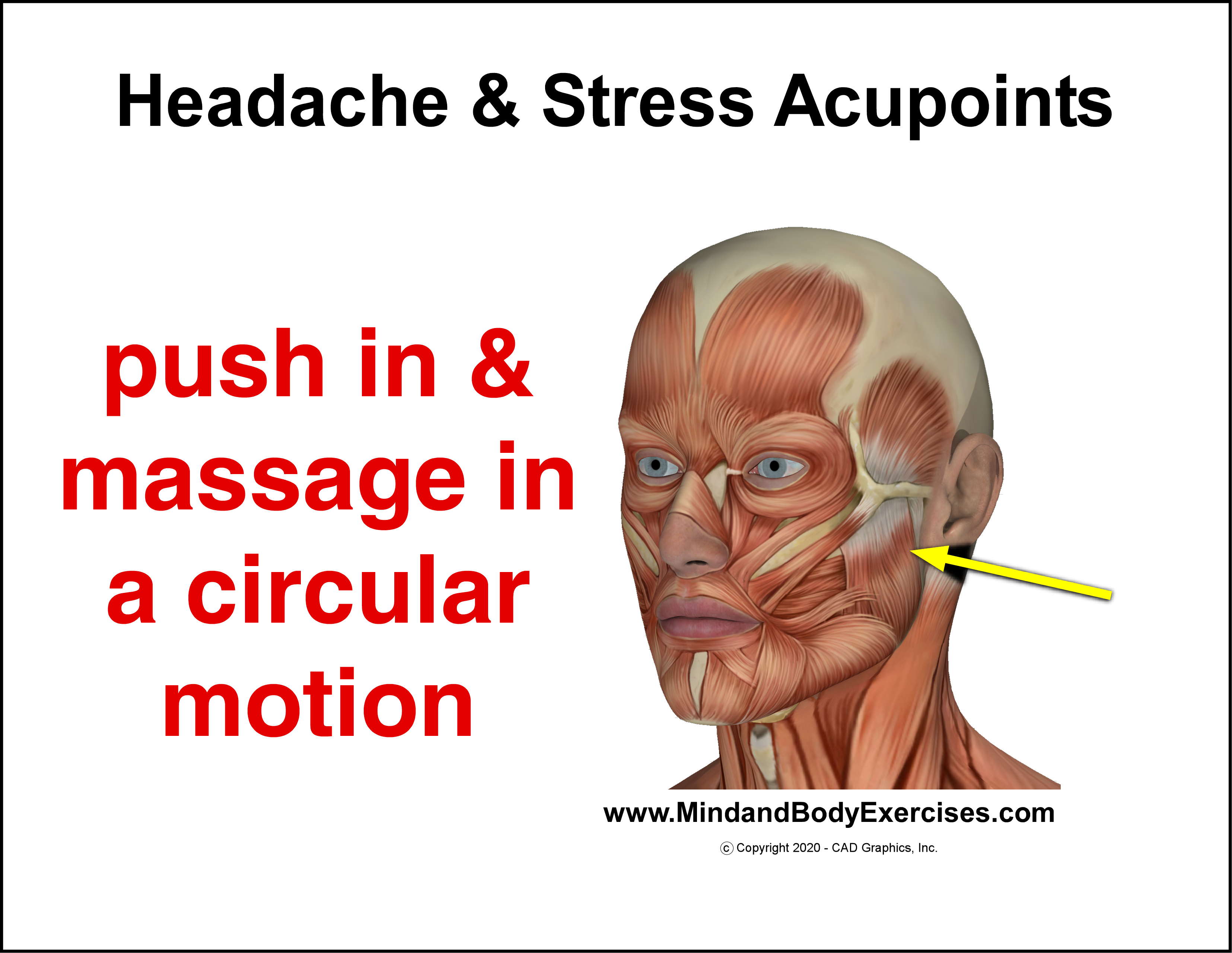
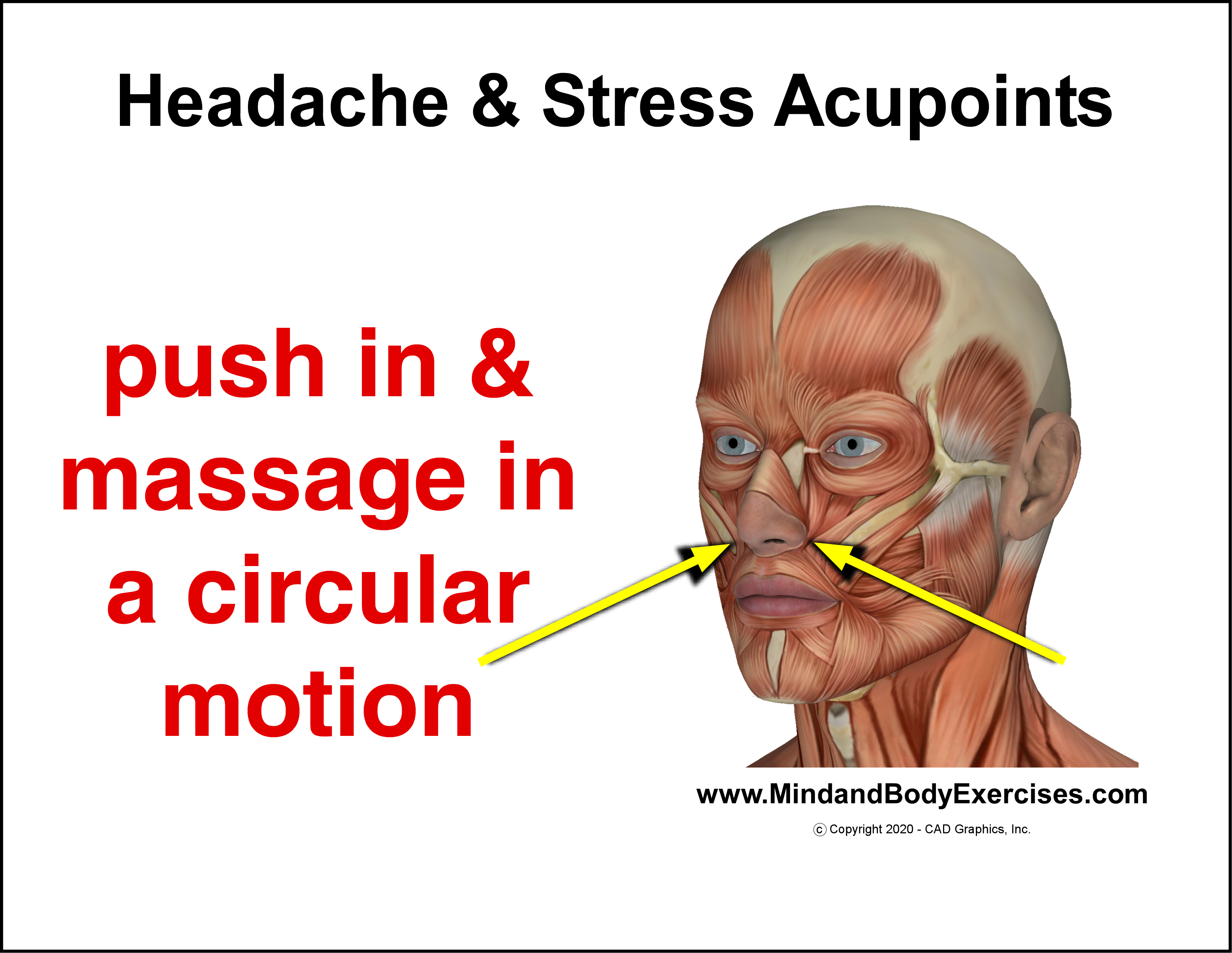
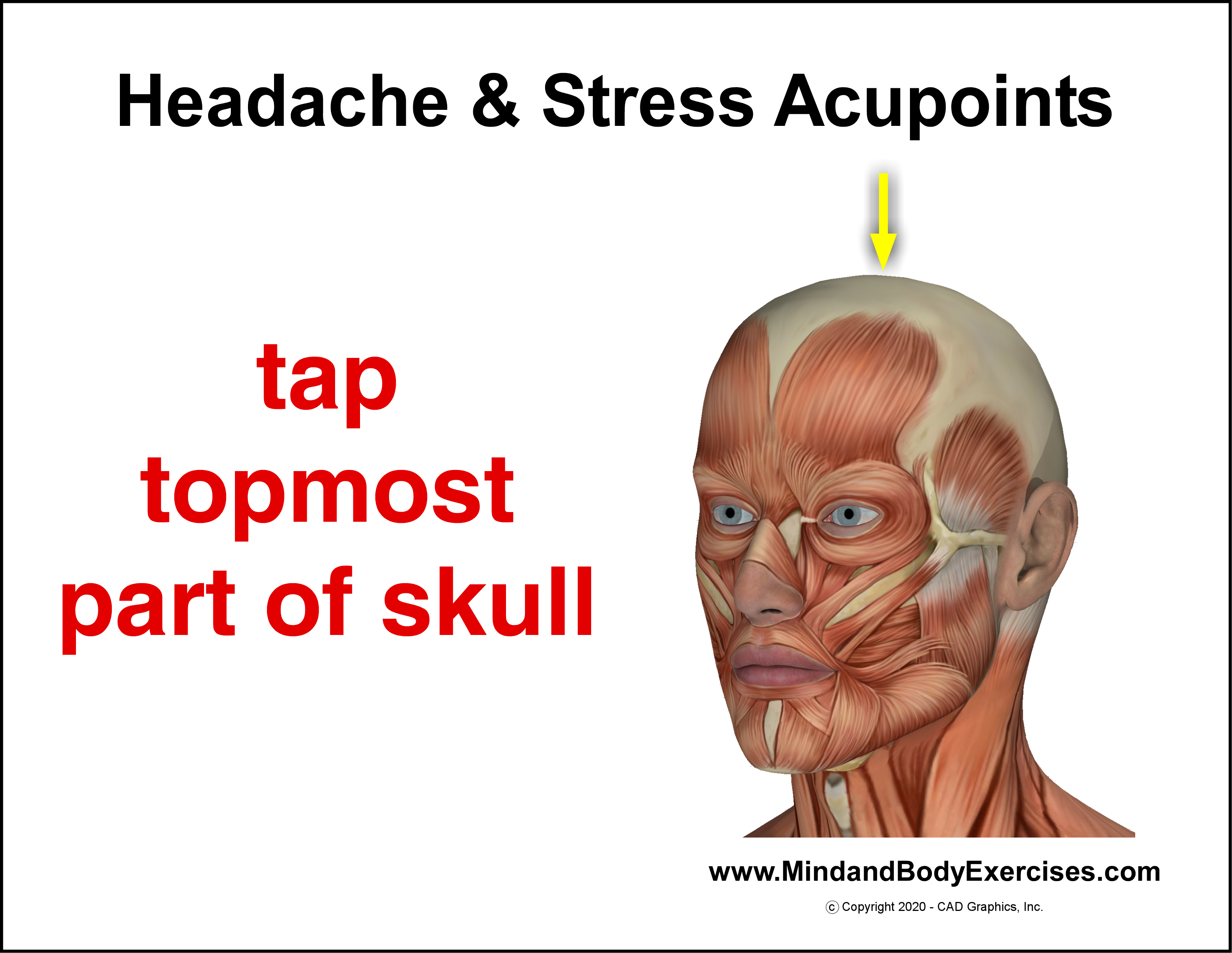
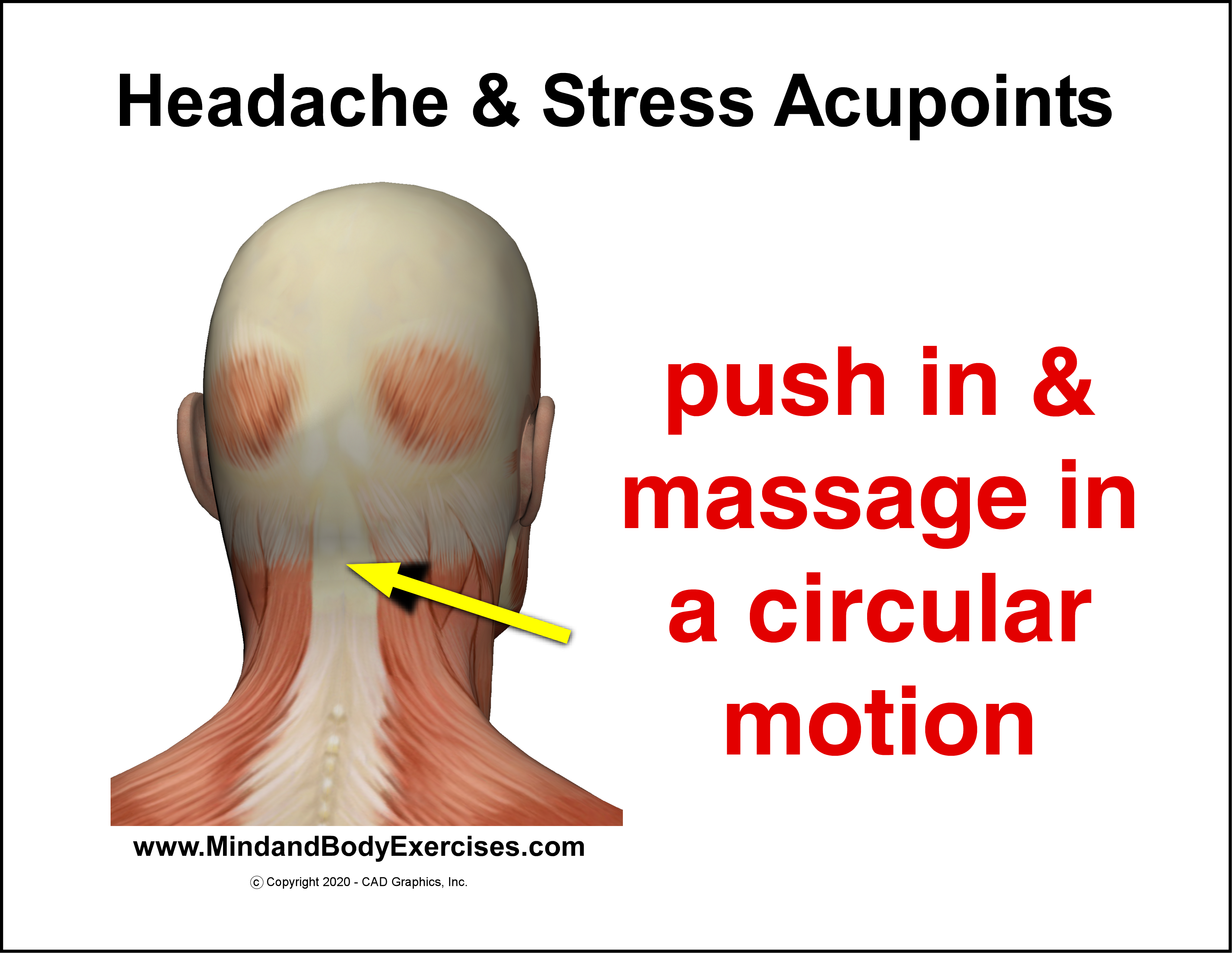
Relieve Stress, Tension and Headaches – Acupressure Methods

Acupressure (no needles) and its parent of acupuncture (needles) from Traditional Chinese medicine, has been around for a few thousand years.

These is an amazing amount of knowledge, methods and alternative options to manage chronic pain beyond surgery, opiates and anti-inflammatories.

These are techniques that I was taught over 40 years ago from my martial arts masters and teachers.  The key factor is consistency – practicing the techniques on a regular basis can help relieve the chronic pain associated with headaches and the stress that often accompanies these issues.

I teach classes, seminars, and private instruction focusing on methods of wellness from Traditional Chinese Medicine, Tai Chi, Qigong, acupressure and exercises from martial arts for fitness and improved health. 407-234-0119.

More education products can be found at:

https://www.mindandbodyexercises.com/f825576692

________

I write often about topics that affect our health and well-being. Additionally, I teach and offer lecture about qigong, tai chi, baguazhang, and yoga.

For more info, contact Jim Moltzan at info@mindandbodyexercises.com, 407-234-0119 or through my site at http://www.mindandbodyexercises.com

www.Amazon.com/author/jimmoltzan
How to Build Strong Bones

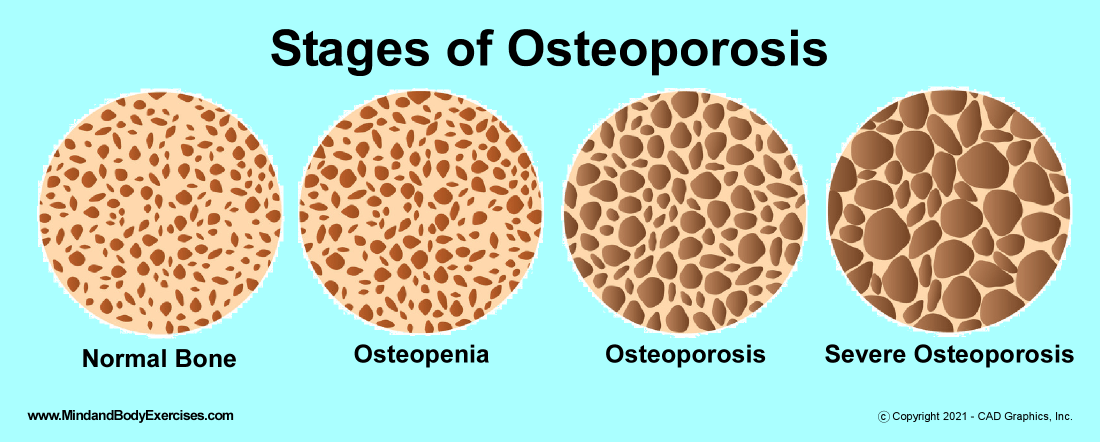
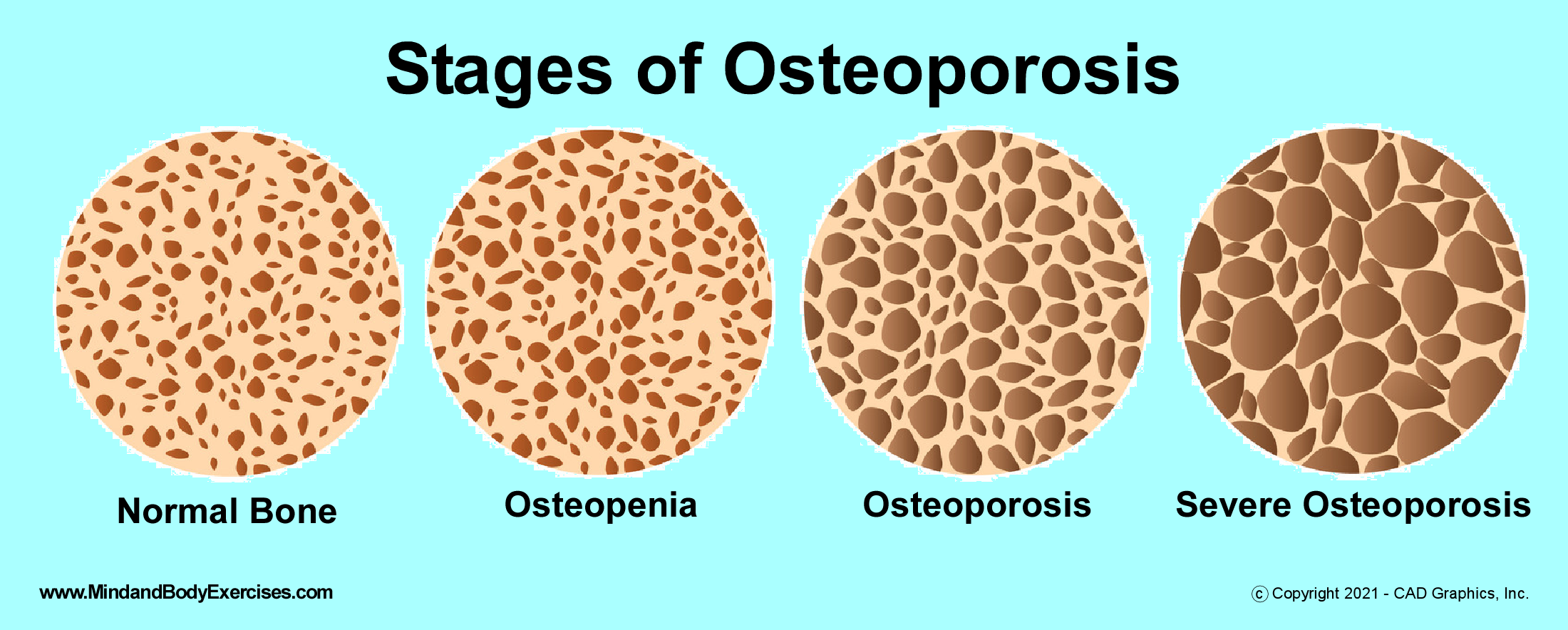
Often people seek Western medicine (also known as allopathic or biomedicine) and its strong usage of pharmaceuticals to manage bone density and relative ailments of osteopenia and osteoporosis. I have discussed in other posts about the link to how the autonomic nervous system manages stress, blood chemistry and relative physiological organ functions. However, this post will address more on how a root cause of all types of disease and illness, being the lack of physical weight-bearing activities.

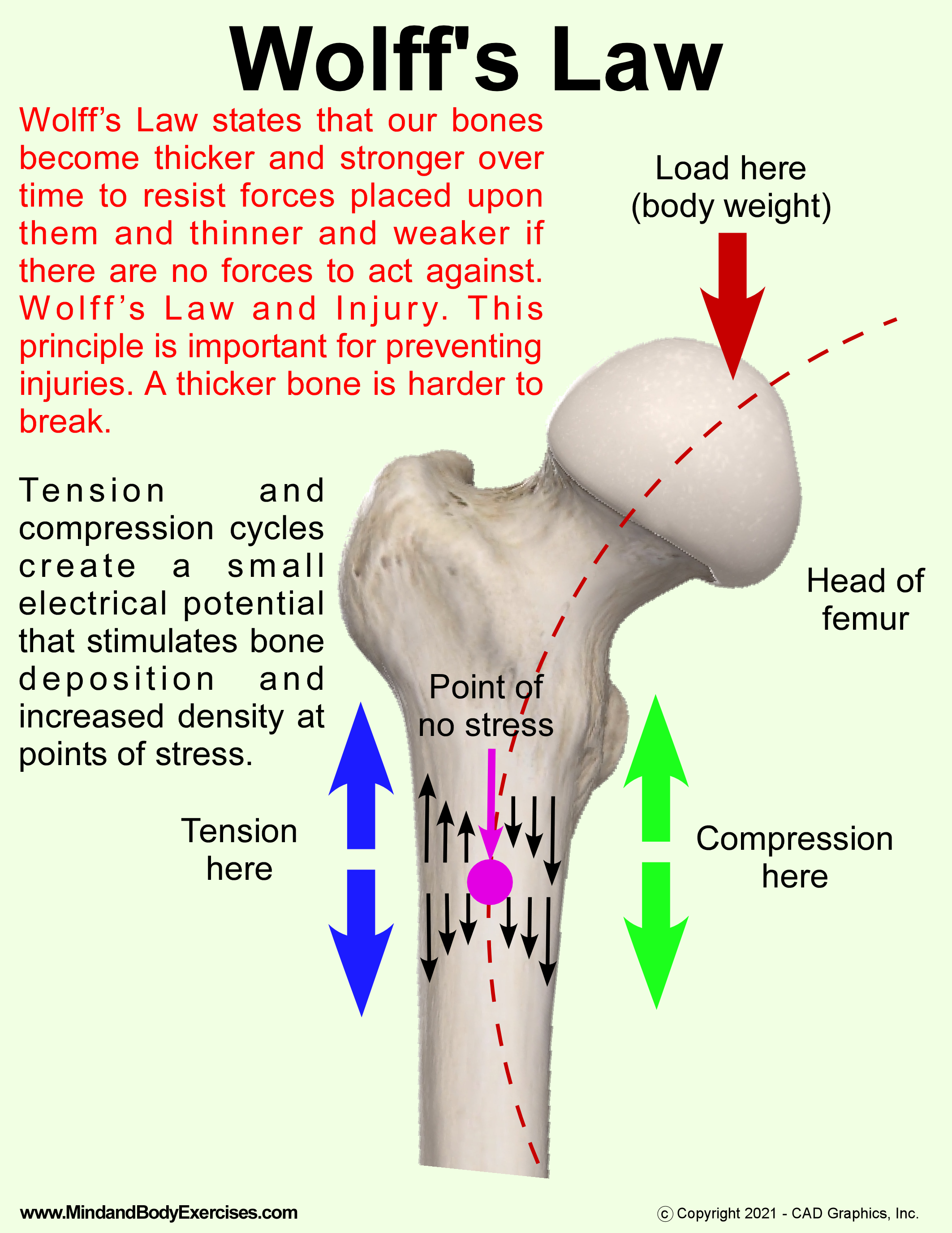
The joints of our body are composed of two or more bones joining together, along with the muscles, tendons, cartilage, synovium and ligaments that hold the whole structure together. The shape of our bones reflect the forces applied to them. For example, small bumps, ridges and other features on the surface of our bones are the attachment sites for tendons. When muscles are put under more load through activities, stress or exercises, the corresponding attachment sites enlarge to withstand the increased forces. Bones that are under more stress become thicker and stronger, while in contrast bones that are not subjected to ordinary stresses tend to become weaker, thin and more brittle. Wolff’s law, developed by anatomist & surgeon Julius Wolff in the 19th century, states that “bone in a healthy person or animal will adapt to the loads under which it is placed.”

By engaging our bones with strategic trauma exercise methods (or specific stress without injury) that can be regulated by the individual to make bones stronger and prevent osteopenia and/or osteoporosis. These types of exercises fall into 3 different categories of tension, impact and vibration exercises. Ironically, while some of these methods improve bone and muscular strength, they sometimes can cause pain and injury to the same joints that the individual might be trying to strengthen. Fox example, jumping rope, hiking and tennis might cause more injury to a 60+ than the benefits that might be gained from these practices.

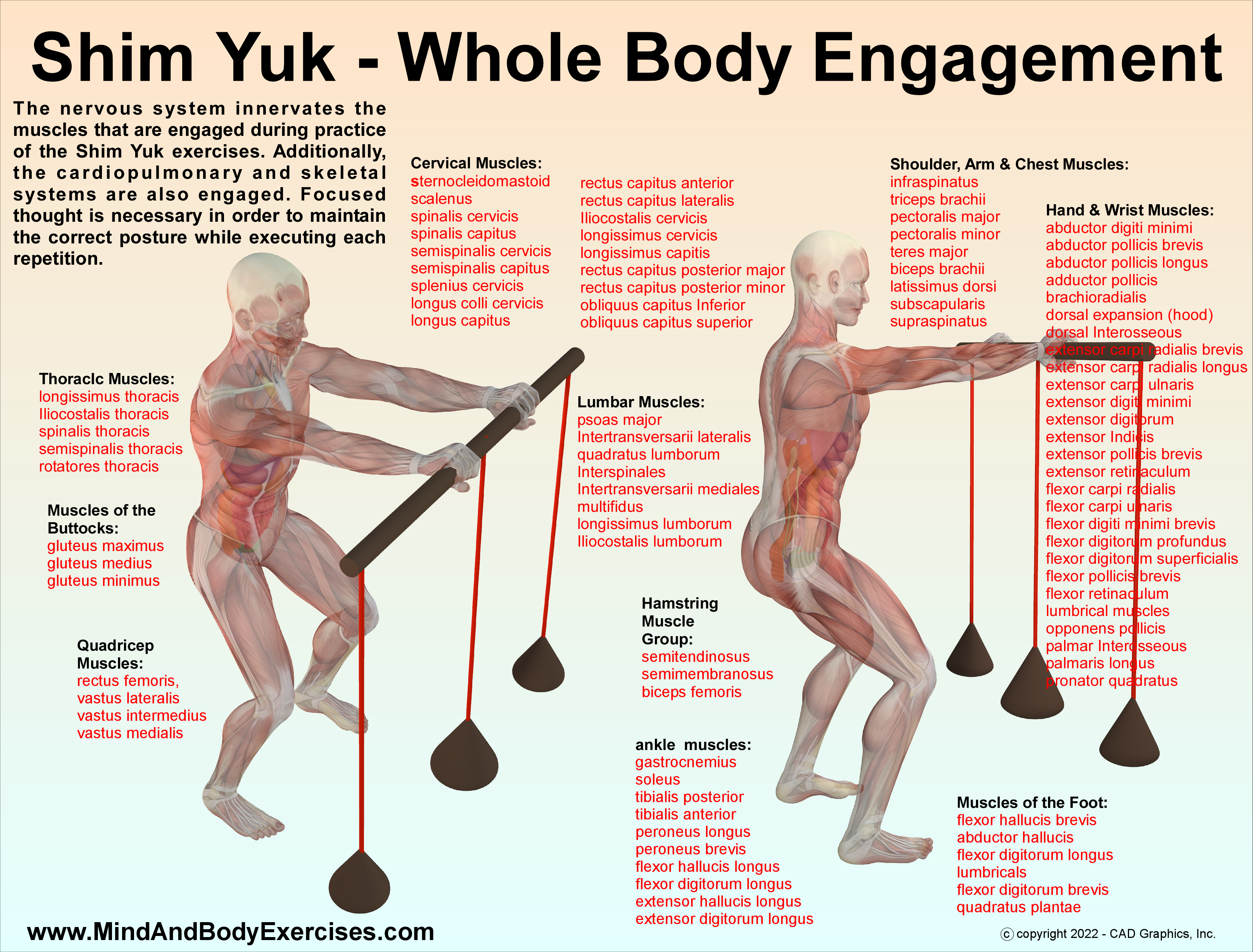
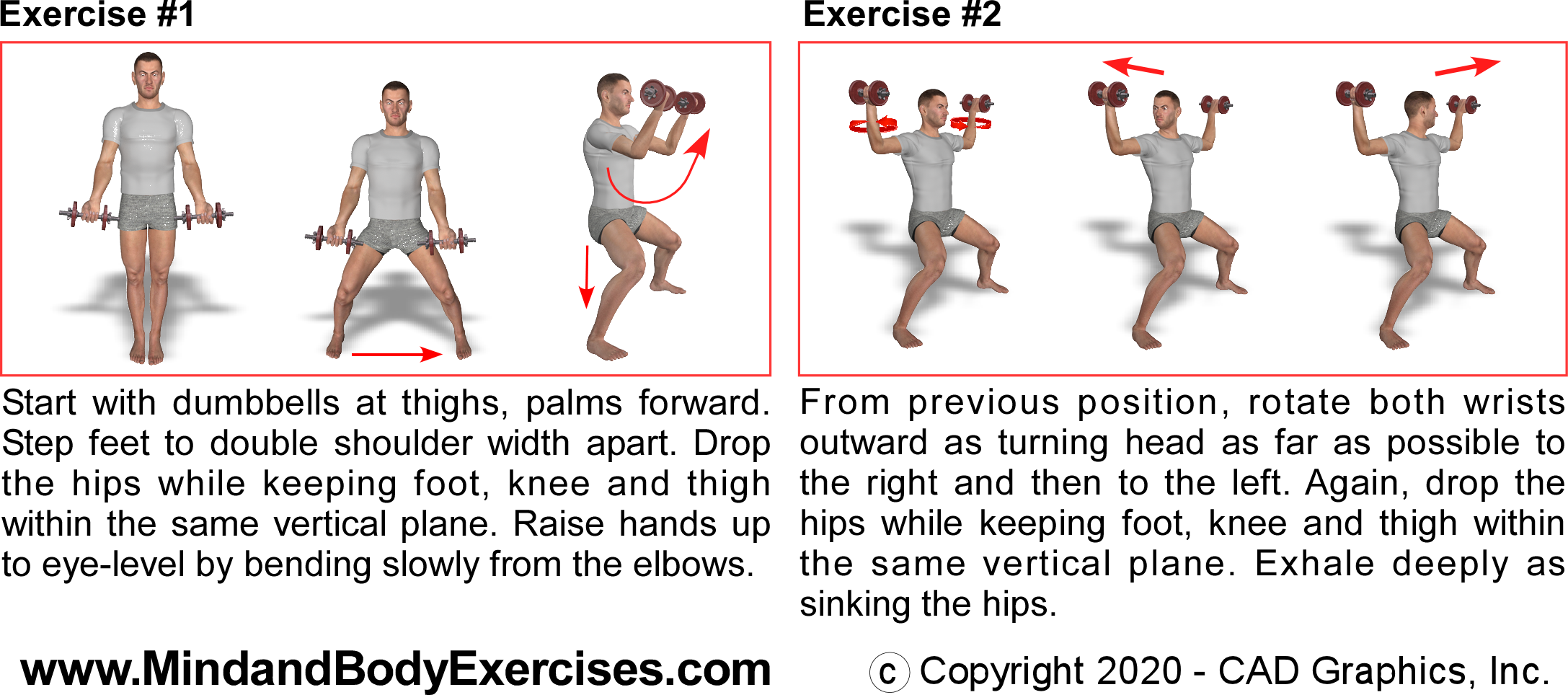
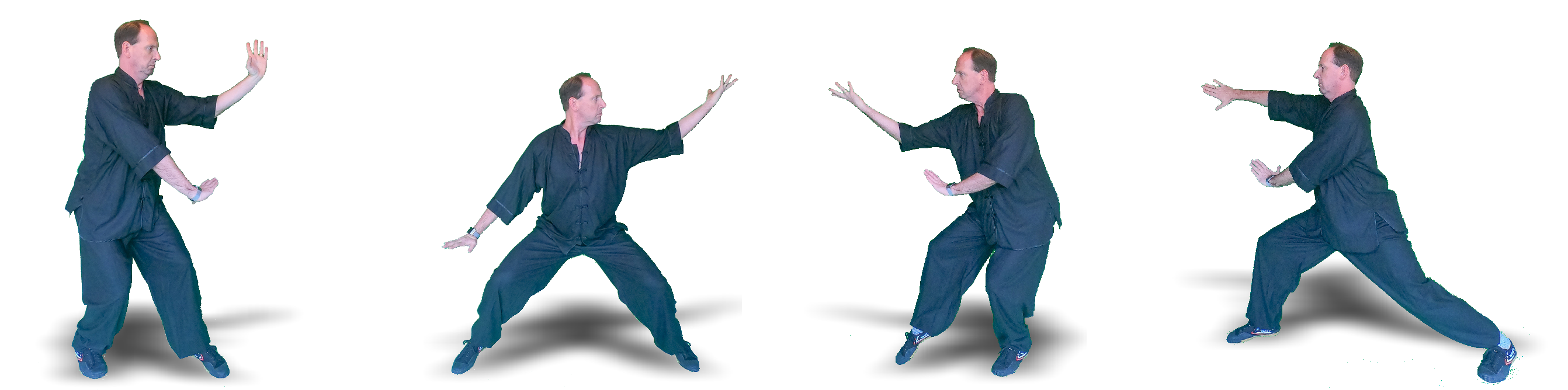
Regular weight-bearing exercise is an important component for maintaining healthy bone structure. Avid weight lifters often have thick bones with very prominent ridges. Non-athletes or those who have little to moderate amounts of physical activity will find weight-bearing activities are imperative for stimulating normal bone metabolism of maintenance as well as maintaining bone strength. Below are some examples of weight-bearing exercises that require very little equipment beyond ones own body weight. Proper instruction is recommended over learning from a graphic, book or video. Contact me for further information.

_______________

Be more active, eat healthier, sleep better, stress less these are the key components to maintaining a strong immune system.

I am currently offering lectures and classes for group, small group & private instruction in Wekiva, Longwood and Winter Park.Mind and Body Exercises on Google: https://posts.gle/aD47Qo

I also have hundreds of FREE education video classes, lectures and seminars available on my YouTube channel at: https://www.youtube.com/c/MindandBodyExercises

Mind and Body Exercises on Google: https://posts.gle/aD47Qo

Jim Moltzan

407-234-0119

www.MindAndBodyExercises.com

www.Amazon.com/author/jimmoltzan
What is Health?

“Health is more than the absence of disease symptoms. The true goal is sustainable balance, as recognized by chiropractors and other holistically oriented health practitioners.”

Micozzi, Marc S.. Fundamentals of Complementary, Alternative, and Integrative Medicine – E-Book (p. 544). Elsevier Health Sciences. Kindle Edition.

“The low-grade viral or fungal infections, the persistent catarrhal state, recurrent headaches or migraines, allergies, skin and arthritic disease and other chronic inflammatory diseases, stress problems and anxiety neuroses and cancer are all marked by a failure to cope or adequately to defend. One perspective on this development is that modern medicine has so effectively neutered the acute disease, especially in the too frequent use of antibiotics and anti-inflammatories, that most people in developed countries have never had to muster their defenses. Life is also much easier in these societies and there is generally less rigorous testing of physiological functions.”

Bone, Kerry; Mills, Simon. Principles and Practice of Phytotherapy (p. 85). Elsevier Health Sciences. Kindle Edition.

_______________

I write often about topics that affect our health and well-being. Additionally, I teach and offer lecture about qigong, tai chi, baguazhang, and yoga.

For more info, contact Jim Moltzan at info@mindandbodyexercises.com, 407-234-0119 or through my site at http://www.mindandbodyexercises.com

www.Amazon.com/author/jimmoltzan