Fascia and Energy Flow: Unlocking the Link Between Myofascial Trains and TCM Meridians

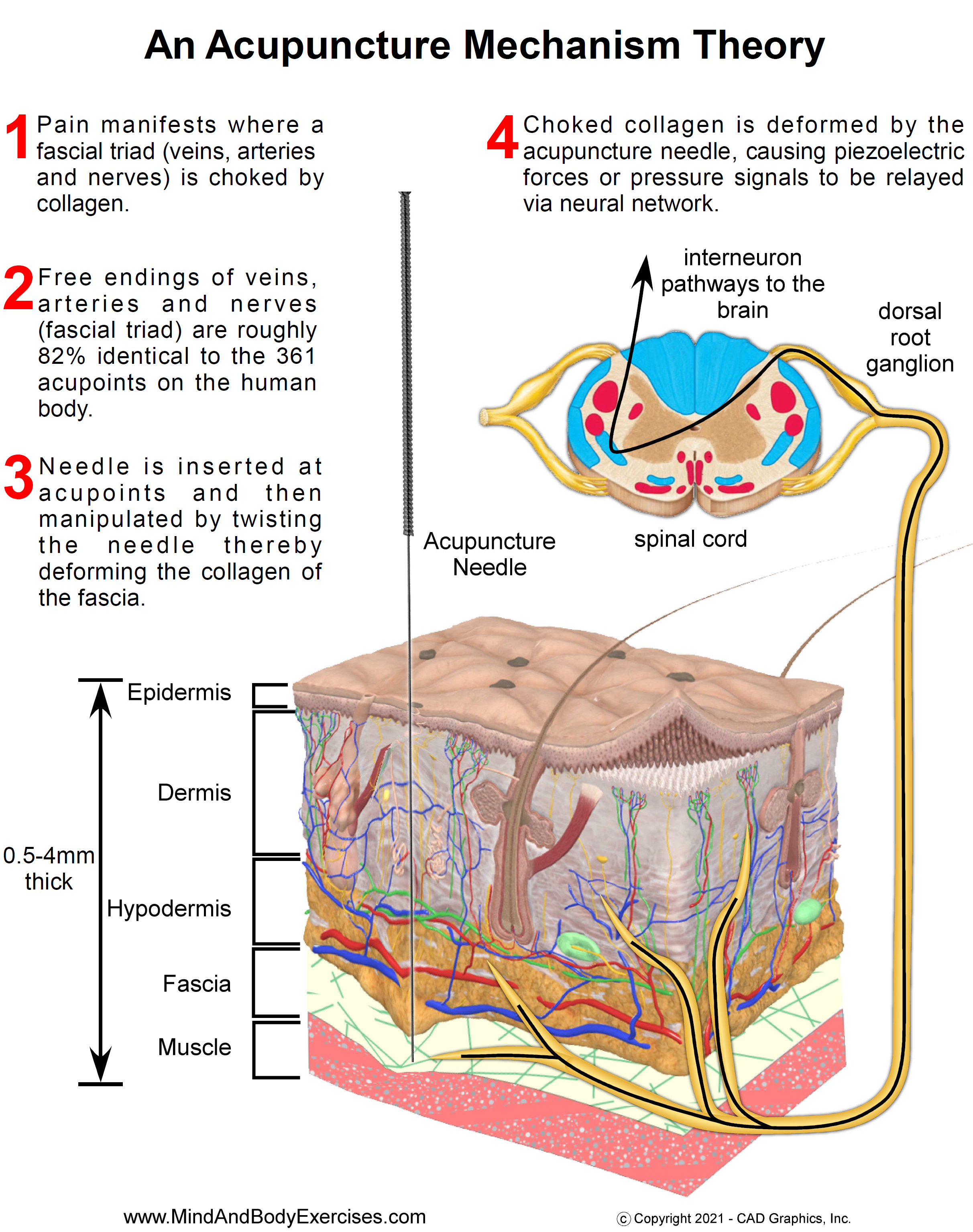
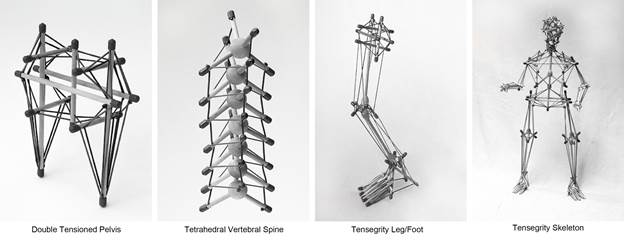
Recent research has found links in form and function between the interactions of the fascial network and acupuncture. Health and fitness researchers have discovered that connective tissue, along with collagen fibers and fibroblasts, wraps around the end of the acupuncture needle when it is rotated in place. These effects have been seen at up to 4cm away from the site of needle insertion. Researchers have surmised that acupuncture energy meridians may follow the intermuscular or intramuscular myofascial lines (Yunshan et al., 2025).

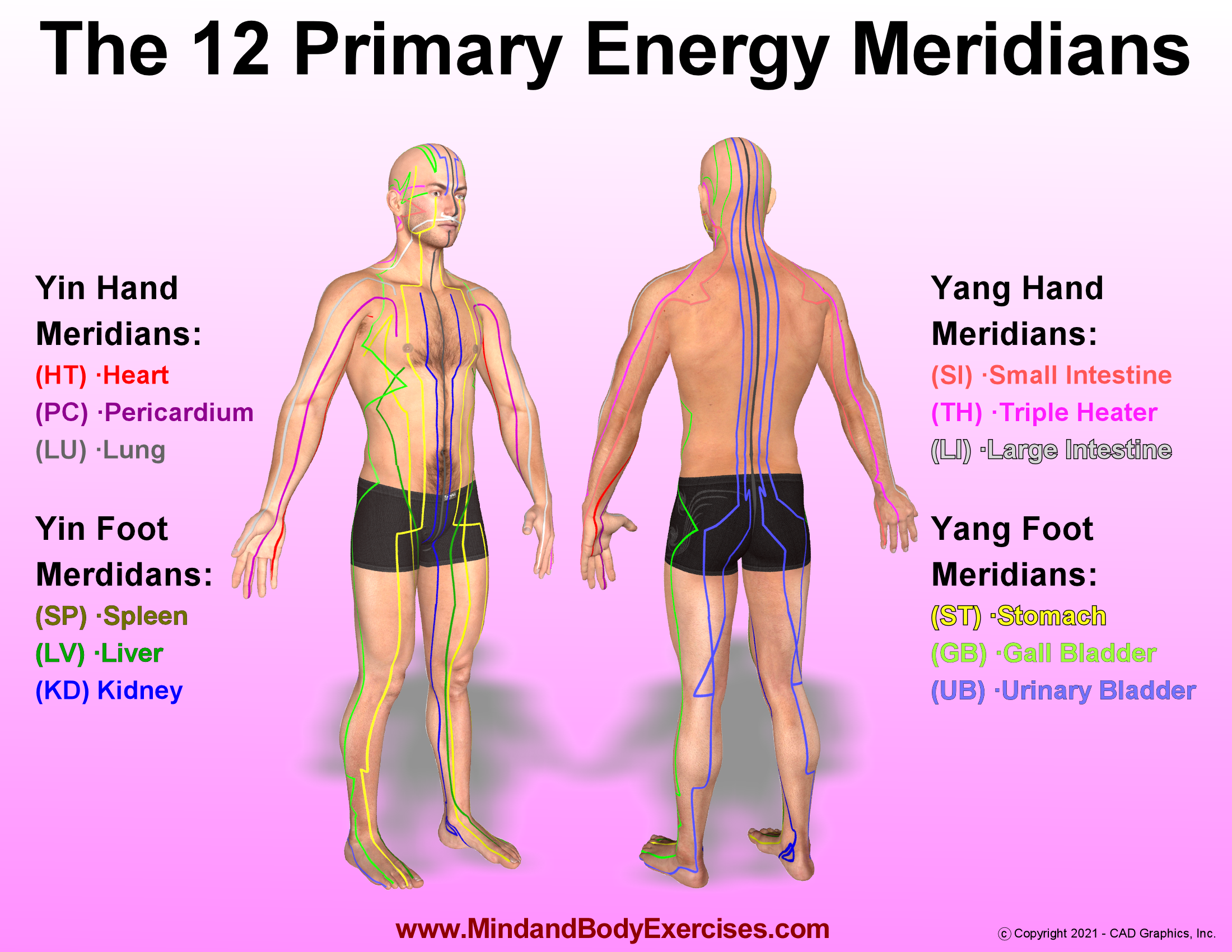
The myofascial meridians do not follow the precise lines of the Chinese energy meridians, which are an energetic connection rather than physical. However, there is some definite overlap. The unrestricted movement, taught in the Chinese internal martial arts, involves the free flow of Qi and aligning the myofascial lines.
The connection between Traditional Chinese Medicine (TCM) meridians and the myofascial trains described in modern anatomy, particularly by Thomas Myers in Anatomy Trains (2016), is a fascinating area of study. This relationship bridges ancient wisdom with contemporary science, offering insights into how energy and structure interact within the human body.
1. Structural Similarities

  • Meridians in TCM – In TCM, meridians are pathways through which qi (vital energy) flows, connecting organs, tissues, and systems. These pathways follow predictable routes along the body and influence both physical and energetic health.
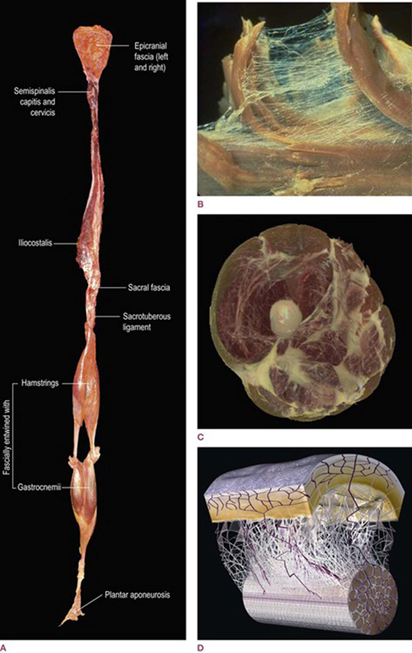
  • Myofascial Trains –  Myofascial trains, as described by Myers, are continuous lines of fascia and connective tissue that transmit tension, force, and movement throughout the body. Myers identified 12 major myofascial lines, many of which mirror the flow of energy described by TCM meridians.

Overlap: Many of the fascial lines align quite well with the primary TCM meridians:

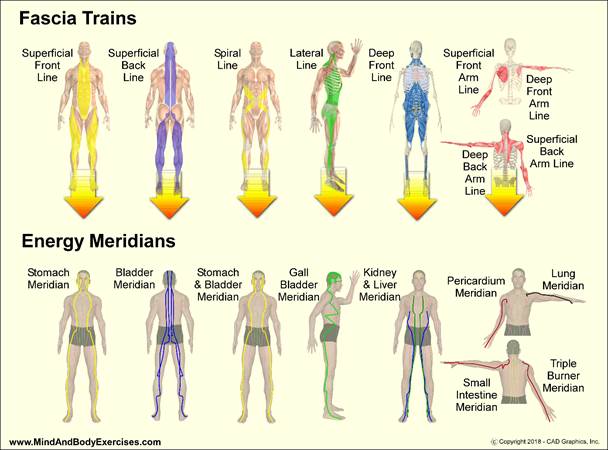
  • The Superficial Back Line aligns with the Bladder Meridian running down the back.
  • The Superficial Front Line aligns the Stomach and Spleen Meridians.
  • The Lateral Line aligns with the Gallbladder Meridian.
  • The Deep Front Line aligns with the Kidney and Liver Meridians, especially in the connection between the psoas and diaphragm.
2. Fascia’s High Water Content and Conductivity

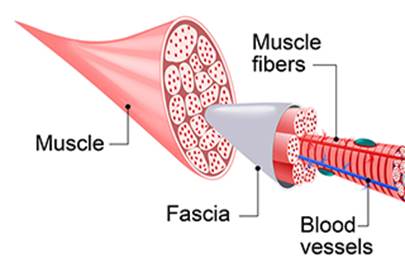
  • Hydrophilic Nature: Fascia is composed primarily of collagen and elastin fibers suspended in a gel-like ground substance known as the extracellular matrix (ECM), which is about 70-80% water. This high water content allows fascia to conduct electrical signals efficiently.
  • Structured Water and Bioelectricity: Within the fascia, water exists in a structured or “exclusion zone” (EZ) state, where the water molecules align in a crystalline lattice. This structured water behaves like a semiconductor, facilitating the transmission of bioelectric signals, which closely parallels the movement of qi in TCM.
  • Fascia’s Role –  Fascia is highly innervated and acts as a communication network, responding to mechanical, chemical, and energetic stimuli. It conducts bioelectricity, making it a potential medium for the flow of qi.
  • Piezoelectric Effect –  When fascia is stretched or moved, it generates electrical charges through the piezoelectric effect. This phenomenon may correspond to the concept of qi moving through the meridians, providing a scientific basis for the energetic flow described in TCM.
3. Points of Intersection

  • Acupuncture Points and Fascial Crossroads –  Many acupuncture points are located where fascial planes intersect or where fascia connects with nerves, vessels, and muscles. Stimulating these points may influence both the fascia and the flow of energy, restoring balance in structure and energy flow
  • Trigger Points and Ashi Points – rigger points in fascia often correspond to Ashi points in TCM. This overlap highlights a deep connection between fascial dysfunction and energy stagnation, further supporting the integration of these systems.
4. Dynamic Interplay of Movement and Energy

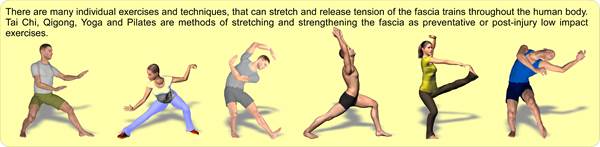
  • Tai Chi, Dao Yin and Qigong –  Practices like dao yin and qigong manipulate both fascial tension and qi circulation, encouraging smooth flow along these pathways. The slow, mindful stretching and holding in these exercises release fascial restrictions while restoring balance to the meridians.

5. Scientific Validation Growing

  • Studies using fMRI and infrared thermography have shown that needling acupuncture points activate areas along predictable pathways, which often align with fascial lines.

Research on fascia’s bioelectric properties suggests that it may serve as the “physical” counterpart to the meridian system described in ancient texts. This growing body of evidence bridges the gap between TCM and modern anatomy.
(Themes 2016)

6. Potential Implications

  • Holistic Therapies

Combining myofascial release with acupressure or acupuncture can enhance therapeutic outcomes by addressing both the structural and energetic dimensions of the body. This integrated approach allows practitioners to work more holistically, benefiting patients on multiple levels.

  • Blending Ancient and Modern Knowledge

Understanding the correlation between fascia and meridians helps modern therapists—such as osteopaths, physiotherapists, and acupuncturists apply ancient wisdom in a contemporary context. This connection exemplifies how ancient practices anticipated discoveries that Western science is only beginning to explore. In essence, fascia may serve as the physical matrix through which the meridian system operates, blending ancient wisdom with modern anatomy. This connection is a prime example of how ancient practices anticipated discoveries that Western science is just beginning to explore.

Fascia may serve as the physical matrix through which the meridian system operates, blending ancient TCM principles with modern anatomical insights. This evolving understanding highlights the profound interplay between structure and energy, offering a unified perspective on health and healing.
References:

Myers, T. W. (2020). Anatomy trains: Myofascial meridians for manual and movement therapists (4th ed.). Elsevier.

Themes, U. (2016, June 11). Fascia and biomechanical regulation. Basicmedical Key. https://basicmedicalkey.com/fascia-and-biomechanical-regulation/

Yunshan, L., Chengli, X., Peiming, Z., Haocheng, Q., Xudong, L., & Liming, L. (2025). Integrative research on the mechanisms of acupuncture mechanics and interdisciplinary innovation. BioMedical Engineering OnLine, 24(1), 1–24. https://doi.org/10.1186/s12938-025-01357-w

I look forward to further sharing more of my message by partnering with hospitals, wellness centers, VA centers, schools on all levels, businesses, and individuals who see the value in building a stronger nation through building a healthier population.

I also have hundreds of FREE education video classes, lectures, and seminars available on my YouTube channel at:

https://www.youtube.com/c/MindandBodyExercises

Many of my publications can be found on Amazon at:

http://www.Amazon.com/author/jimmoltzan

My holistic health blog is available at:

https://mindandbodyexercises.wordpress.com/

http://www.MindAndBodyExercises.com

Mind and Body Exercises on Google: https://posts.gle/aD47Qo

Jim Moltzan

407-234-0119

“True words are seldom kind. Kind words are seldom true”

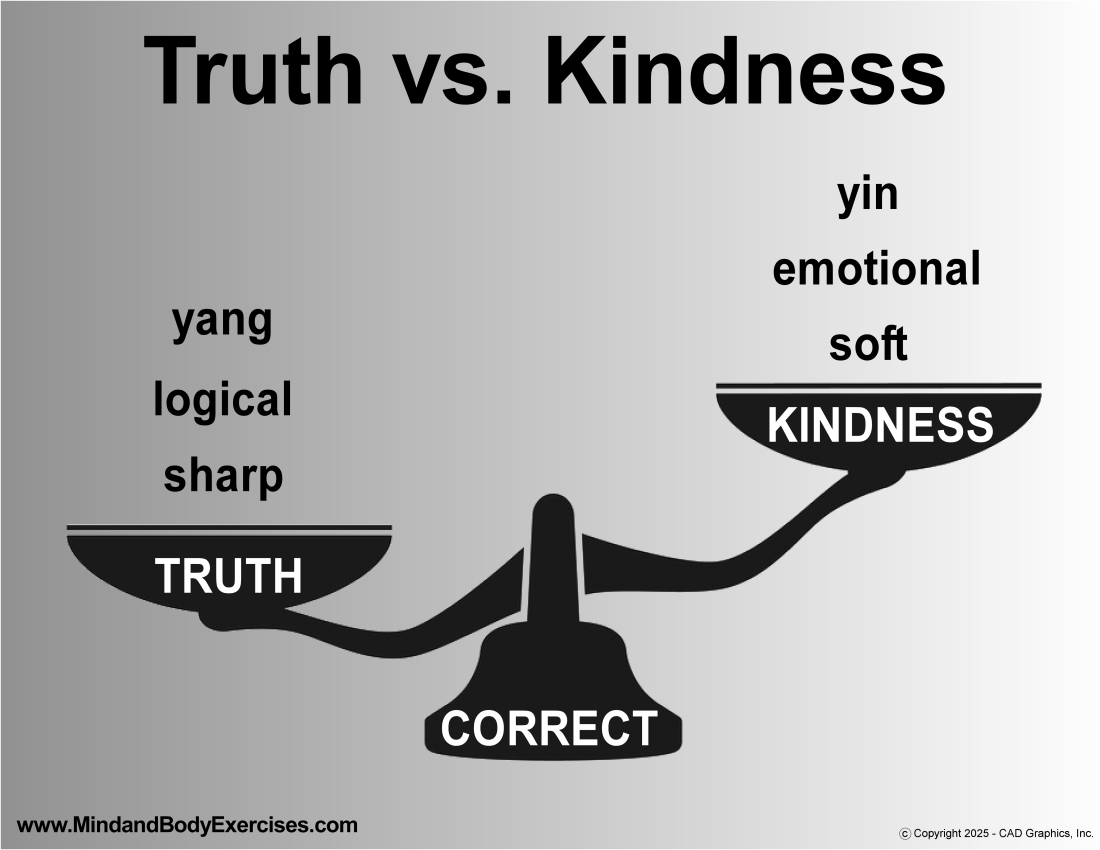
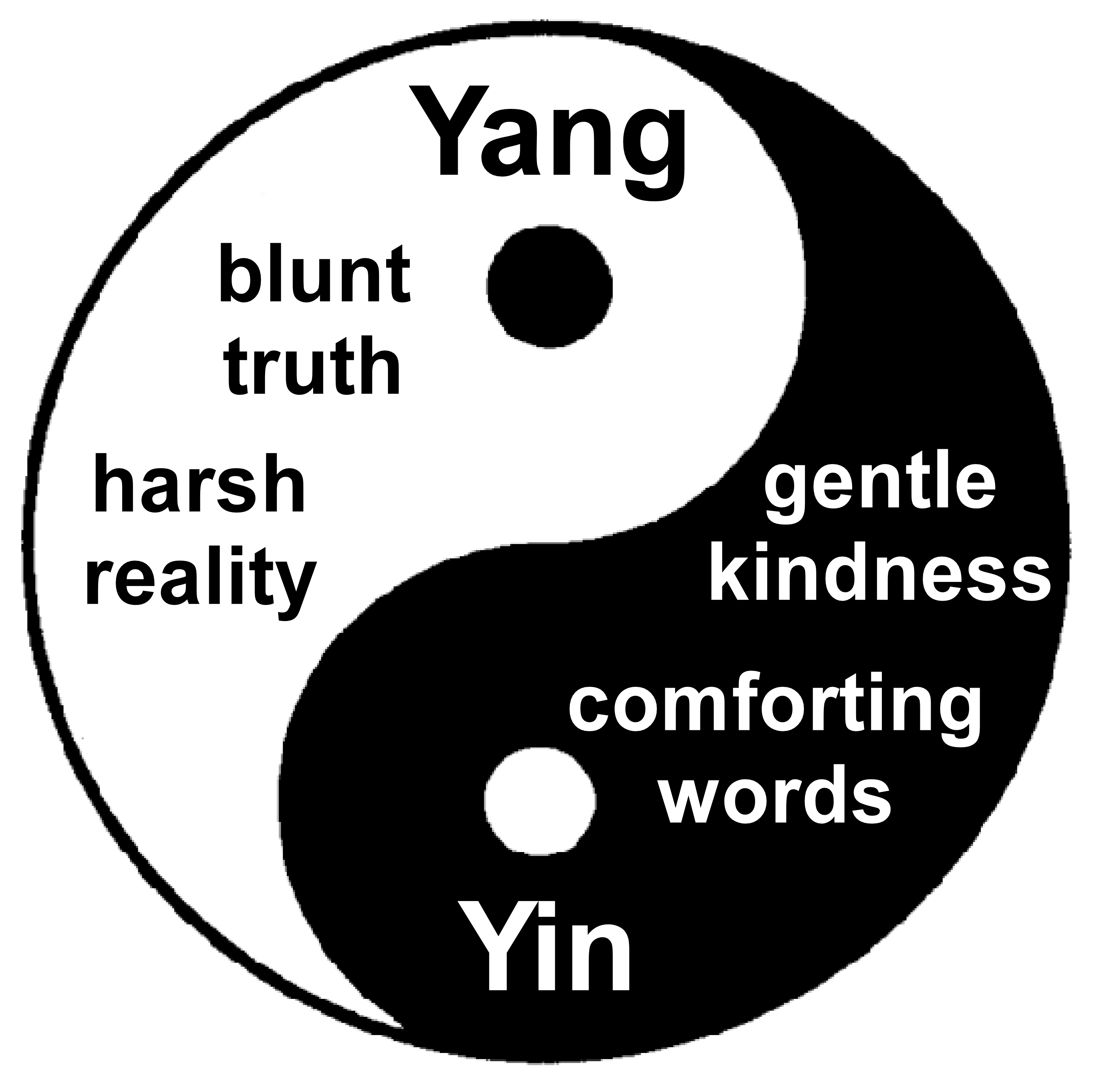
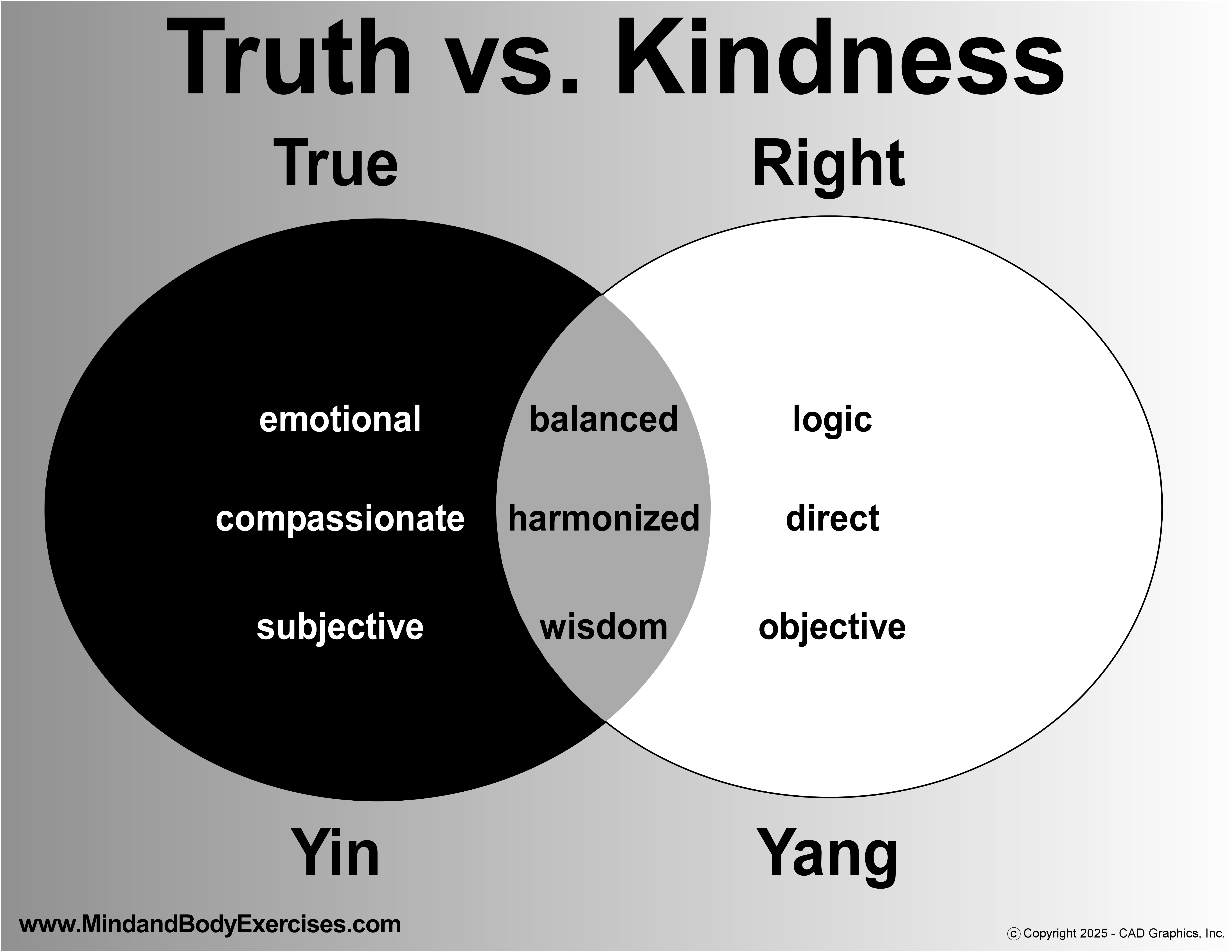
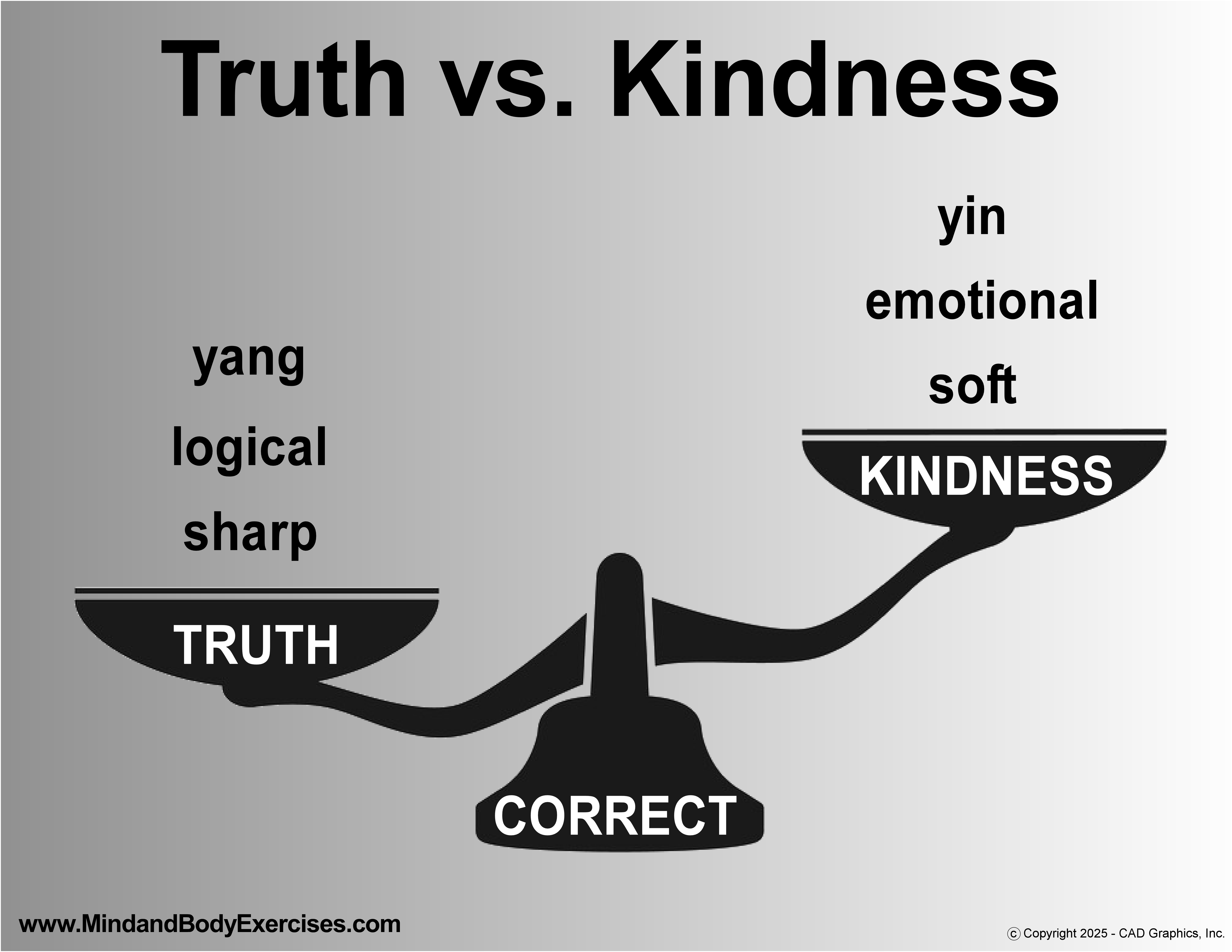
The statement, “True words are seldom kind. Kind words are seldom true,” reflects the dynamic interplay of yin and yang, as well as the balance between truth (emotion) and rightness (logic), with correctness emerging as their synthesis.

Yin and Yang in Truth and Kindness

  • Truth (Yang – Hard, Objective, Direct): Truth is clear and straightforward, focusing on facts rather than perceptions. It aligns with the logical aspect of “rightness,” emphasizing what is accurate over emotional considerations. Similar to yang, truth clarifies reality without prioritizing comfort.
  • Kindness (Yin – Soft, Subjective, Nurturing): Kindness is based on empathy and the emotional aspect of interactions. It often aims to soften the impact of truth to maintain harmony and relationships. This relates to the emotional side of “truthfulness,” focusing on how something feels rather than its factual accuracy. Similar to yin, kindness nurtures and soothes, sometimes prioritizing comfort over complete disclosure.

Correctness as Balance

Neither extreme of blunt truth nor gentle avoidance leads to effective communication. The optimal form of communication balances emotional sensitivity and logical correctness. Wisdom involves knowing when to emphasize accuracy, when to offer empathy, and how to integrate both aspects. Similar to how yin and yang transform under specific conditions, truth can be softened by kindness without compromising its integrity, while kindness can convey truth without becoming misleading. The skill of achieving balance lies in articulating what is true appropriately, ensuring it is both logically accurate and emotionally resonant.

Real-Life Examples of Truth vs. Kindness

Balanced (Correct – Yin-Yang): “I see your potential, and I think with some focused effort in these areas, you could perform at a higher level. I’d love to help you get there.”

Health & Well-Being:

Pure Truth (Yang): A doctor bluntly tells a patient, “You are dangerously overweight, and you need to lose weight immediately, or you risk serious health issues.”

Pure Kindness (Yin): “You’re perfect just the way you are. Don’t worry about your weight.”

Balanced (Correct – Yin-Yang): “Your health is important, and I want to support you in making changes that will help you feel better and live longer.”

Relationships & Personal Growth:

Pure Truth (Yang): A friend tells another, “Your behavior is selfish, and that’s why people distance themselves from you.”

Pure Kindness (Yin): “You’re wonderful just as you are. Everyone should accept you without question.”

Balanced (Correct – Yin-Yang): “I value you as a friend, and I’ve noticed that some of your actions push people away. Would you be open to talking about ways to strengthen your relationships?”

Work & Professional Feedback:

Pure Truth (Yang): A boss tells an employee, “Your work is subpar, and you might not last here if you don’t improve.”

Pure Kindness (Yin): “You’re doing just fine, no worries!” (even when the work needs improvement).

Balanced (Correct – Yin-Yang): “I see your potential, and I think with some focused effort in these areas, you could perform at a higher level. I’d love to help you get there.”

I look forward to further sharing more of my message by partnering with hospitals, wellness centers, VA centers, schools on all levels, businesses, and individuals who see the value in building a stronger nation through building a healthier population.

I also have hundreds of FREE education video classes, lectures, and seminars available on my YouTube channel at:

https://www.youtube.com/c/MindandBodyExercises

Many of my publications can be found on Amazon at:

http://www.Amazon.com/author/jimmoltzan

My holistic health blog is available at:

https://mindandbodyexercises.wordpress.com/

http://www.MindAndBodyExercises.com

Mind and Body Exercises on Google: https://posts.gle/aD47Qo

Jim Moltzan

407-234-0119
Tai Chi in the US: Tradition, Truth, and the Illusion of Authenticity

Tai chi, one of the most well-known Chinese martial arts, has evolved significantly as it has spread beyond China. Originally developed as an internal martial art (neijia) integrating martial applications, health benefits, and Daoist philosophical principles, tai chi has often been misrepresented in the United States. While many instructors have contributed positively to promoting its health benefits, others have mischaracterized the art, not necessarily by teaching bad practices, but by presenting something entirely different under the tai chi name.

Having practiced, studied, and researched martial arts for over 40 years and legitimate tai chi for the last 25 years, I have personally witnessed the “bait-and-switch” tactics used to market tai chi to Western audiences. Some instructors, either due to a lack of proper training or deliberate deception, have claimed to teach authentic tai chi while actually presenting simplified qigong exercises, unrelated movement drills, or incomplete systems. While qigong and tai chi are both respected Chinese internal arts, they are not interchangeable. All tai chi is qigong, but not all qigong is tai chi. This misrepresentation undermines the integrity of an institution built on discipline, honesty, and tradition.

This article examines the philosophical foundations of tai chi, its key physical components, and the ways to identify authentic practice, particularly within the Chen, Yang, and Wu styles, which are three prominent traditional lineages.

Firsthand Observations of Tai Chi’s Migration and “Bait-and-Switch”

When tai chi was first introduced in the United States, several Asian martial artists took advantage of the limited understanding of internal martial arts among Western practitioners. Some presented adjusted qigong sequences or simplified slow-motion movements as “tai chi,” presuming that American students would not discern the difference.

A fitting analogy for this phenomenon can be seen in the restaurant industry. Imagine going to a Chinese restaurant and ordering the Korean dish “bi bim bop.” The menu lists it clearly, so you expect to receive the correct dish. But when the server brings your meal, you are given “lo mein” noodles instead, and they insist that this is bi bim bop. While lo mein is still an Asian dish, and perhaps even delicious, it is NOT what you ordered.

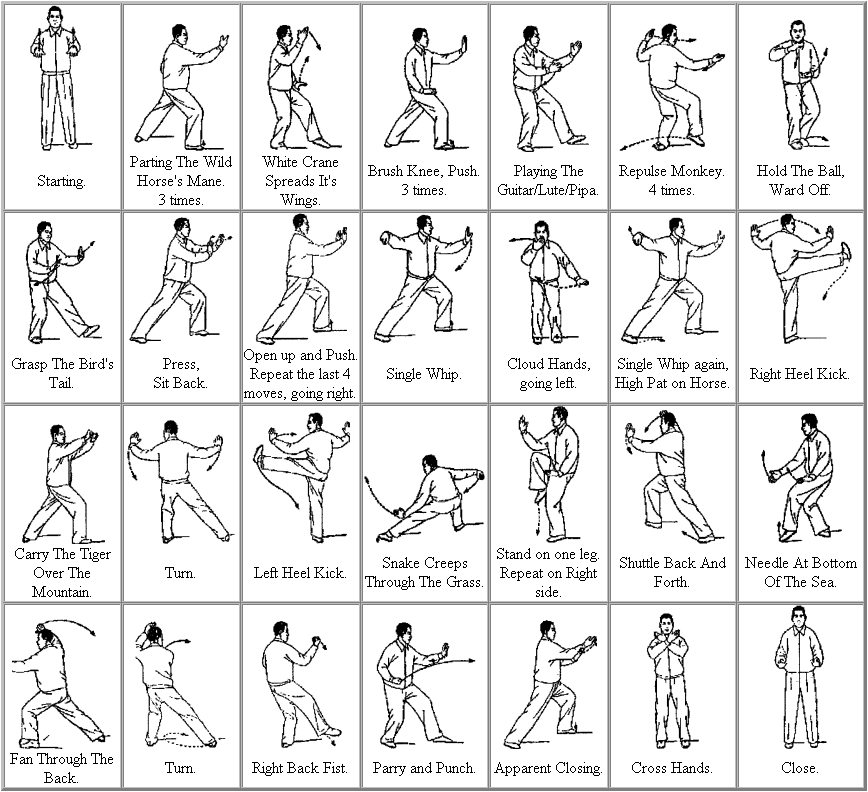
Yang style 24 – This IS tai chi, complete with names for each exercise

This is exactly what has happened with tai chi in the West. Many students sign up for classes expecting to learn a legitimate tai chi lineage, yet what they receive is a completely different system, usually a generic set of slow movements, breathwork, or unrelated qigong exercises.

Another analogy would be a student enrolling in a college program to earn a degree in Cantonese. They spend four years diligently studying, assuming they are learning the language they signed up for. However, upon graduation, they realize they have actually been taught Mandarin instead. While Mandarin is still a valuable language, the fact remains that the institution misled the student about what they were learning.

Similarly, in the world of tai chi, many instructors have claimed to teach legitimate Chen, Yang, or Wu styles tai chi, but in reality, what they teach lacks core structural components, martial applications, key internal mechanics and the philosophy of these arts as a whole. While what they offer may still provide health benefits, students deserve transparency about what they are actually learning.

I have personally encountered numerous instructors who claimed to teach authentic tai chi but omitted core elements such as silk-reeling energy (Chan Si Jin), fajin (explosive power), and martial applications. Similarly, other teachers abandoned tai chi’s rooting, structural integrity, and push hands training, reducing the practice to mere choreographed relaxation exercises or maybe physical fitness methods at best.

This misrepresentation, while sometimes unintentional and at other times deliberately misleading, is problematic because martial arts in general and tai chi in particular are institutions that pride themselves on high moral standards, integrity, and character. The issue is not that what these instructors teach is inherently bad or ineffective. Many of these adapted forms still provide great health and self-defense benefits. However, they have misrepresented their systems as part of a legitimate lineage when they are not.

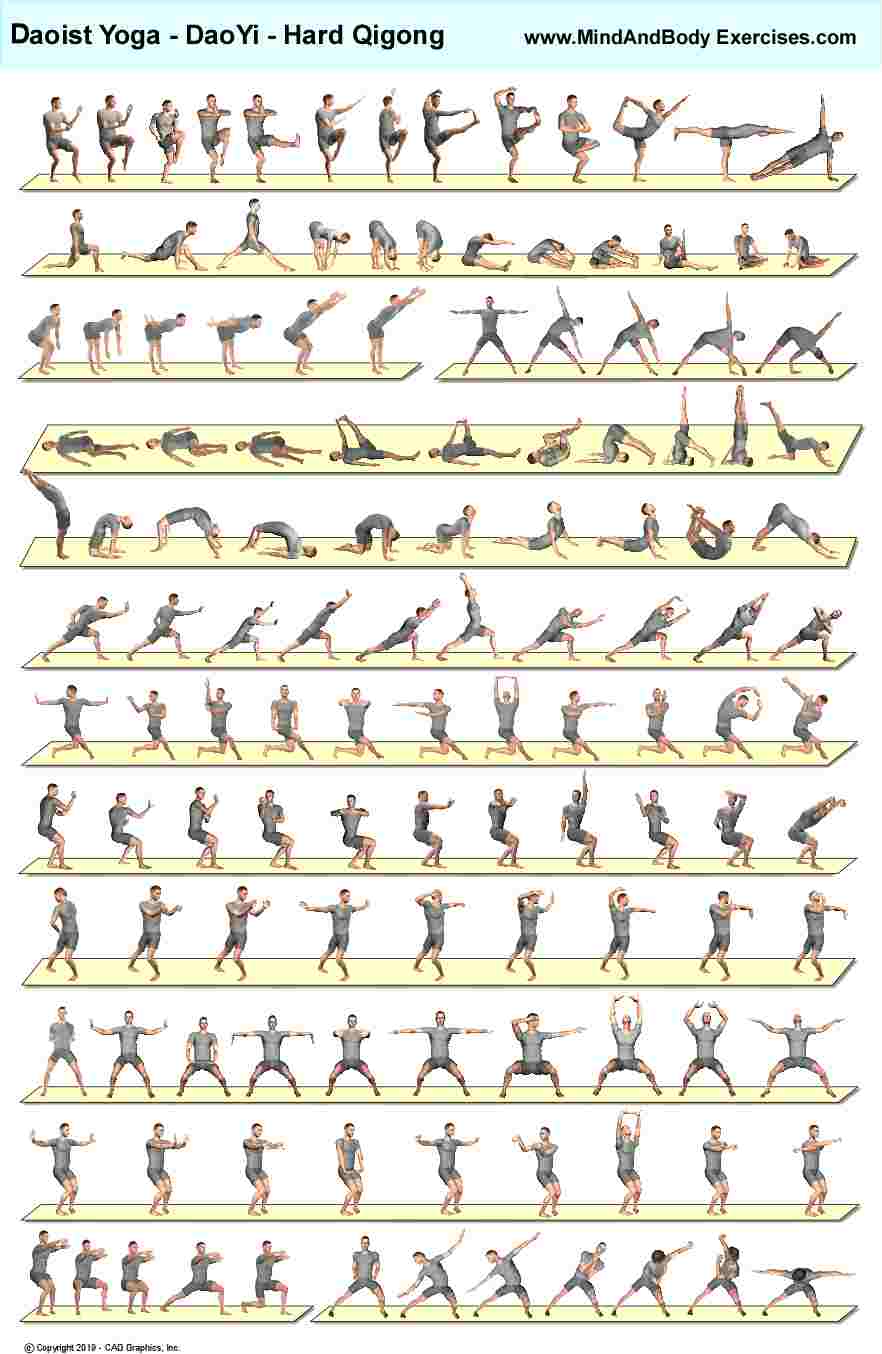
This is mostly NOT Tai Chi – however, legitimate static exercises of qigong or dao yin

With greater access to legitimate sources, historical records, and international training opportunities, modern practitioners can now recognize the discrepancies between traditional tai chi and commercialized adaptations. However, the impact of this bait-and-switch phenomenon still lingers in the tai chi landscape today.

Philosophical Foundations of Tai Chi

Tai chi is deeply rooted in Daoist and Confucian philosophy, incorporating yin-yang theory, Five Element Theory (Wu Xing), and Bagua (Eight Trigrams theory). These principles shape both the physical movements and the strategic martial applications of the art.

Yin and Yang: The Balance of Softness and Strength

Tai chi, literally translated as “Supreme Ultimate”, embodies the interplay of yin (softness, receptivity) and yang (hardness, action). Movements transition fluidly between yielding and attacking, expansion and contraction, in accordance with these principles.

This balance is evident across all major styles:

  • Chen-style integrates sudden explosive releases of energy (fajin) alongside soft, coiling movements.
  • Yang-style, derived from Chen, smooths out the transitions but retains the root structure and internal power.
  • Wu-style, known for its compact, small-frame movements, emphasizes yielding and subtle redirections over forceful exchanges.

The Five Elements (Wu Xing) in Tai Chi Practice

The Five Element Theory (Wu Xing) describes dynamic interactions in nature, which tai chi integrates into its movement and energy principles. Each element correlates with essential aspects of tai chi’s execution:

  • Metal (condensing, refining force) – The precision of structure and economy of movement, particularly in Wu-style’s compact footwork.

Bagua (Eight Trigrams) and Cycles of Transformation

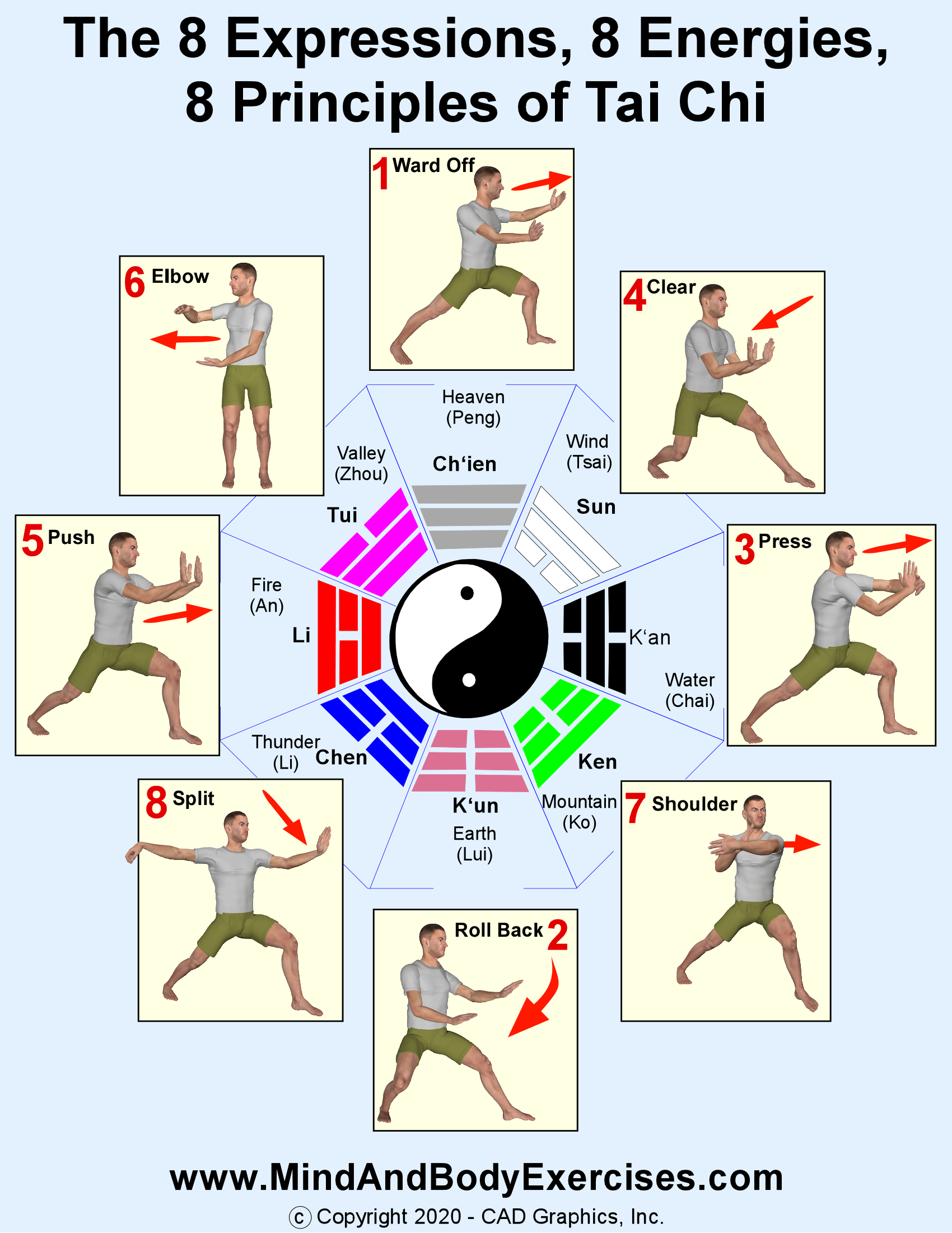
Tai chi shares conceptual similarities with Bagua Zhang (Eight Trigrams Palm), particularly in its circular stepping and understanding of transformation in combat. The eight trigrams (Bagua) symbolize the natural forces of heaven, earth, wind, thunder, water, fire, mountain, and valley, each influencing different movement qualities. The 8 energies of fundamental tai chi principles correspond with the 8 trigrams of the bagua:

  • Peng (heaven) – Ward Off: This energy is about expanding outwards and destabilizing an opponent, likened to a filling balloon.
  • Lu (earth) – Roll Back: This energy involves a rolling or drawing action while grounding and stabilizing, like drawing a line with a brush.
  • Ji (water) – Press: This energy involves a squeezing or pressing action, often used to control an opponent’s movement.
  • An (fire) – Push: This energy is a direct pushing action that moves an opponent away or creates an opening.
  • Tsai (wind) – Pluck: This energy is a plucking, pulling or grabbing action, used to disrupt an opponent’s balance.
  • Lieh (thunder) – Split: This energy involves a splitting or parting action, used to create space or to separate an opponent.
  • Zhou (valley) – Elbow: This energy uses the elbow as a weapon, either for striking or for blocking.
  • Kao (mountain) – Shoulder: This energy uses the shoulder to bump or lean into an opponent, creating an opportunity for attack or defense.

Physical Components of Authentic Tai Chi

Having personally trained with high-level practitioners from traditional tai chi lineages, I can confirm that authentic practice requires adherence to specific biomechanical principles. Many modern adaptations focus solely on relaxation, neglecting the essential physical structure required for both internal energy development and combat application.

Kinetic Linking: The Chain of Movement

Tai chi follows the principle of kinetic linking, where movement flows seamlessly through the entire body. This structure applies across all major styles:

  1. The feet root  – Power originates from the ground.
  2. The waist and spine direct  – The dantian (energy center) leads all movement.
  3. The arms and hands express – Energy manifests outward through an integrated whole-body structure.

Recognizing Authentic Chen, Yang, and Wu Tai Chi

Chen-Style Tai Chi

  • Alternating slow and fast movements – Not just slow-motion practice.
  • Silk-reeling drills – Without these, it is not real Chen-style tai chi.
  • Explosive fajin strikes – Demonstrating internal power expression.

Yang-Style Tai Chi

  • Large, flowing postures – Emphasis on balance and smoothness.
  • No abrupt power releases – Unlike Chen-style, Yang-style minimizes fajin.

Wu-Style Tai Chi

  • Smaller movements and compact footwork – Close-range efficiency.
  • Subtle redirections – Making use of yielding and sensitivity.

Conclusion

As someone who has spent over four decades practicing, studying, and researching tai chi and other martial arts, I have personally witnessed both authentic and misrepresented versions of tai chi in the United States. While many well-intentioned teachers have promoted tai chi’s health benefits, others have knowingly or unknowingly diluted the art, leading to confusion among students seeking traditional training. If a martial arts master, expert, or instructor is going to invest their time, effort, and passion in teaching others, why not spend that time learning one of the original, legitimate styles? Perhaps it is easier for them to perpetuate the deception rather than embrace the challenge of learning an authentic style. Is it pride, unwillingness to admit there’s more to learn, or simply a lack of access to true knowledge? Whatever the case, commit to authenticity and honor the lineage of the art.

The bait-and-switch marketing model has been a persistent issue, with many instructors selling qigong exercises as tai chi, stripping the art of its core biomechanical principles and martial applications. However, today’s practitioners have more access to knowledge than ever before. By asking the right questions, studying traditional principles, and seeking qualified lineage-based instruction, students can ensure they are learning true, authentic tai chi, rather than an imitation product rebranded for unknowing students and even healthcare professionals who associate with these practices.

This issue extends beyond martial arts circles. Healthcare professionals, wellness coaches, and others who incorporate tai chi into their practices should be held to a higher standard of ethical responsibility. Professions that pride themselves on education and evidence-based care must ensure that what they promote aligns with authentic traditions, not diluted versions repackaged for commercial appeal. By failing to verify authenticity, they risk misleading their patients and clients, ultimately undermining trust and diminishing the effectiveness of these ancient practices. In a world where information is readily available, there is little excuse for perpetuating misconceptions. Upholding the integrity of both martial arts and healthcare professions requires a commitment to truth, accountability, and respect for the original systems that have endured for centuries.

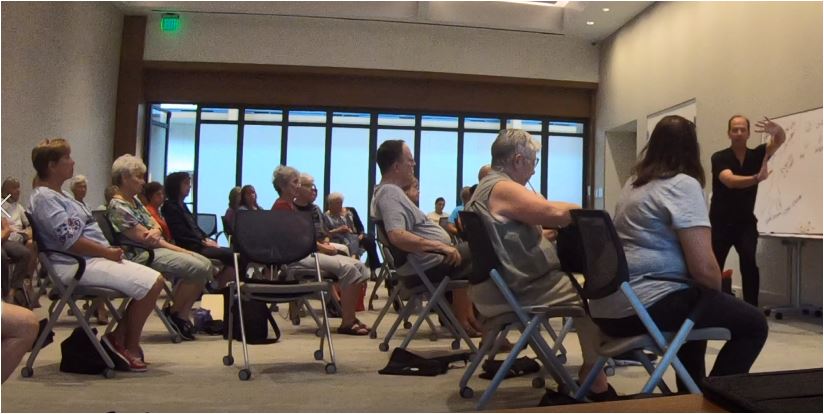
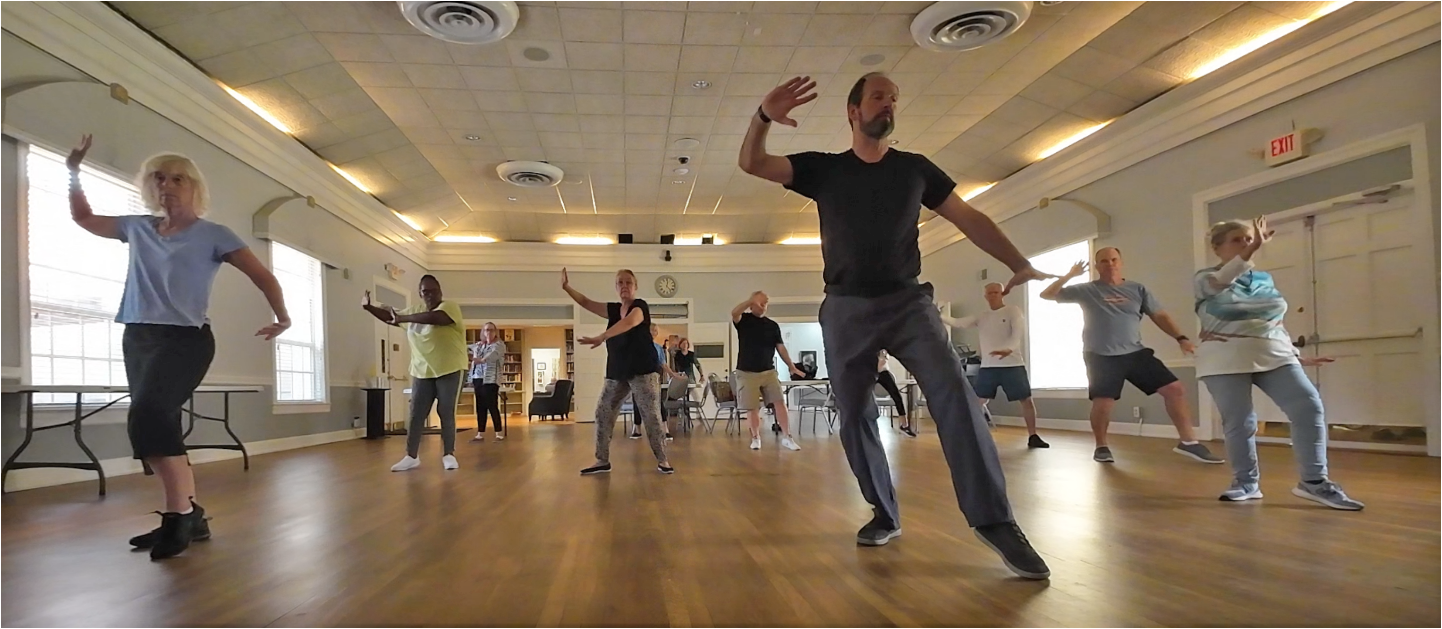
Qigong class
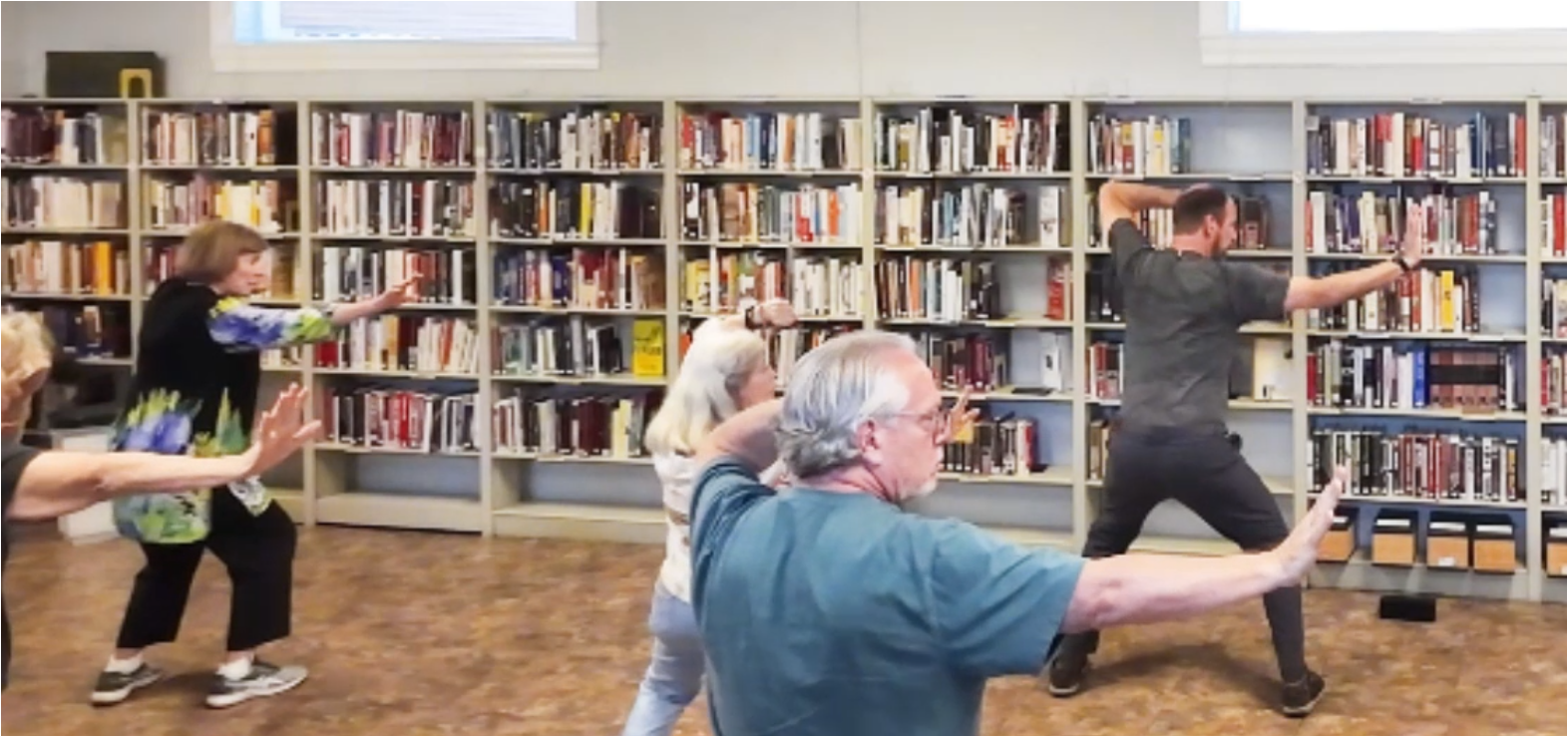
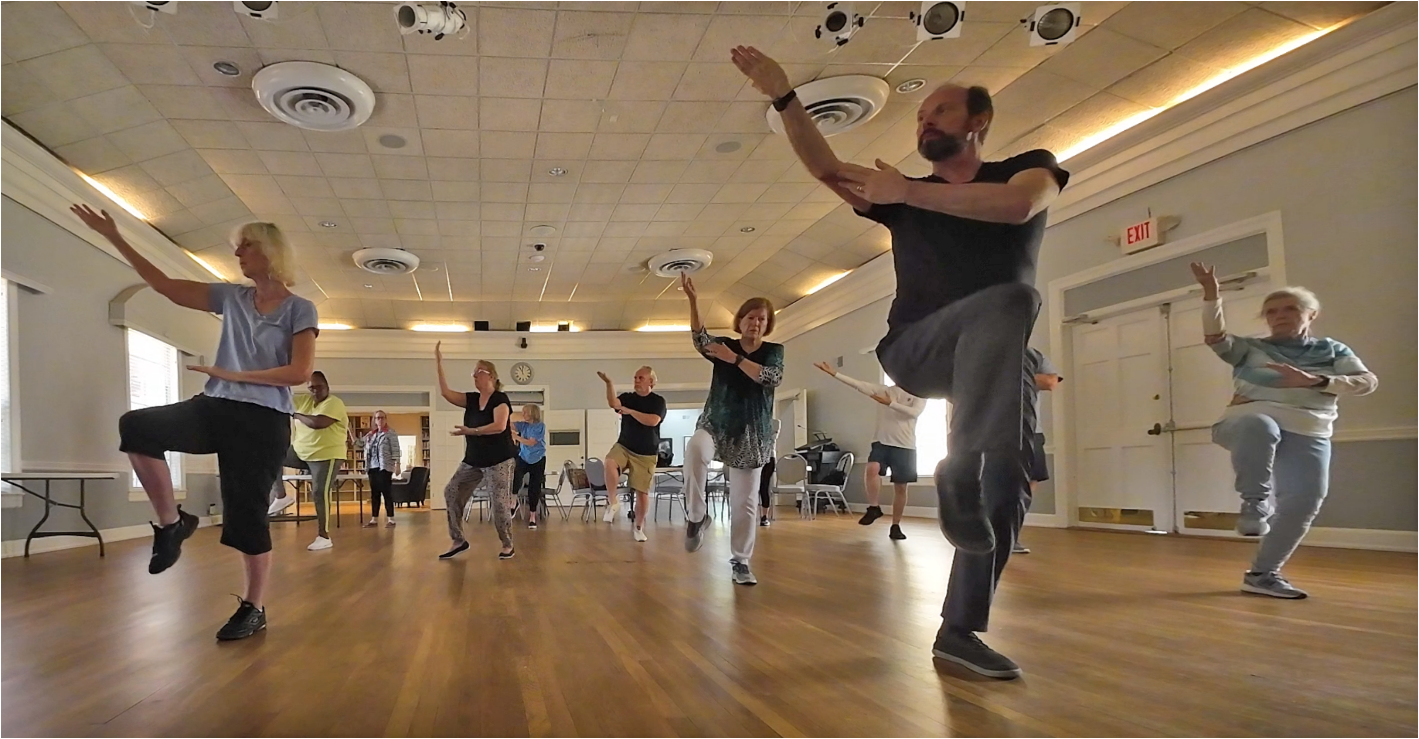
Tai Chi class
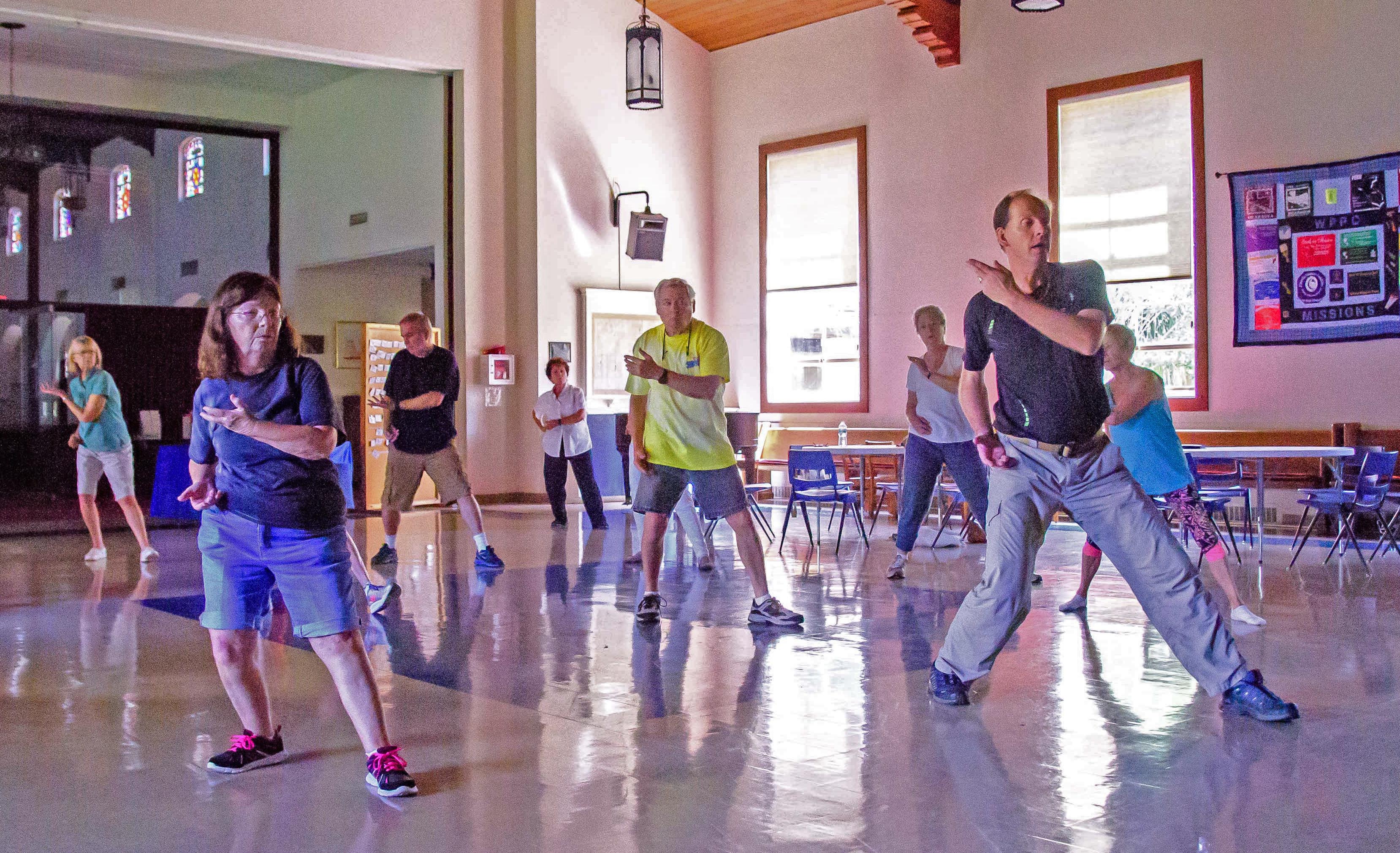
Silk Reeling – Tai Chi class
Qigong class- 8 Pieces of Brocade

Science, Skepticism, and Self-Care: Navigating Modern Medicine

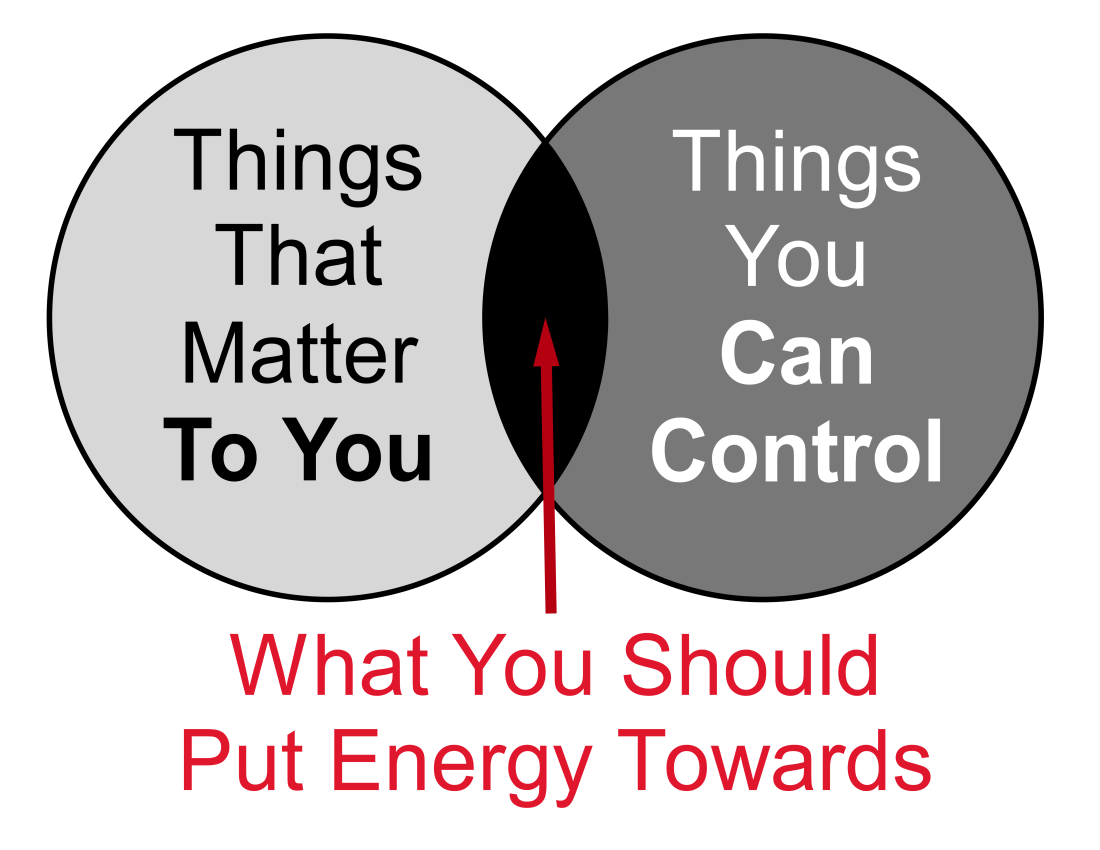
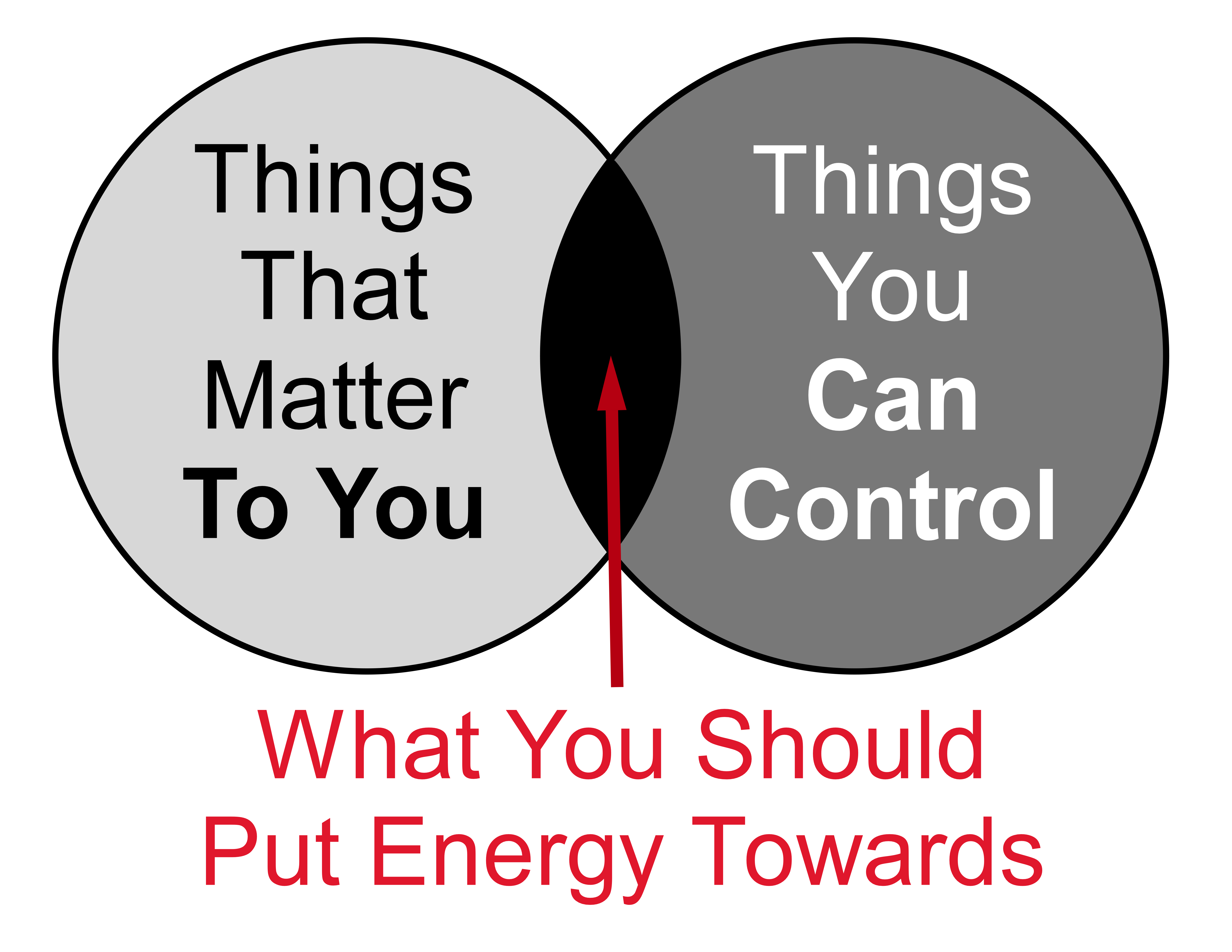
“Change what you can, don’t sweat what you can’t control.”

In contemporary society, the credibility of the healthcare system is frequently called into question. Despite significant investment in U.S. healthcare, exceeding $4 trillion annually, the system often prioritizes profit over prevention and wellness. This profit-driven approach, heavily influenced by pharmaceutical companies, insurance corporations, and healthcare systems, has resulted in patients being viewed as long-term customers rather than individuals empowered to manage their own health. Although emergency and acute care services in the U.S. are commendable, there is a concerning trend regarding the prevention of chronic diseases and the maintenance of long-term well-being (Hurley et al., 2024).

The Role of Trust in Healthcare

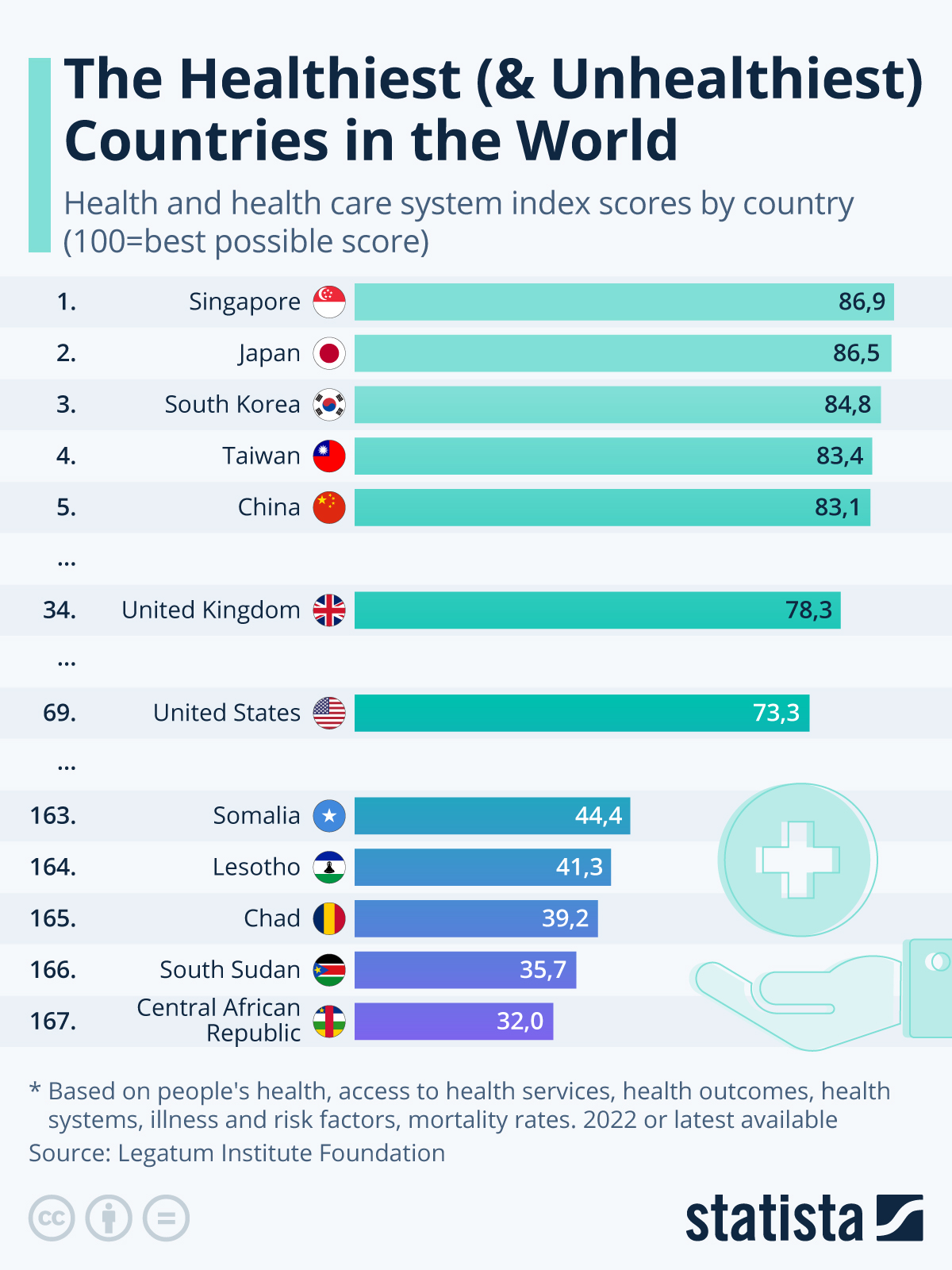
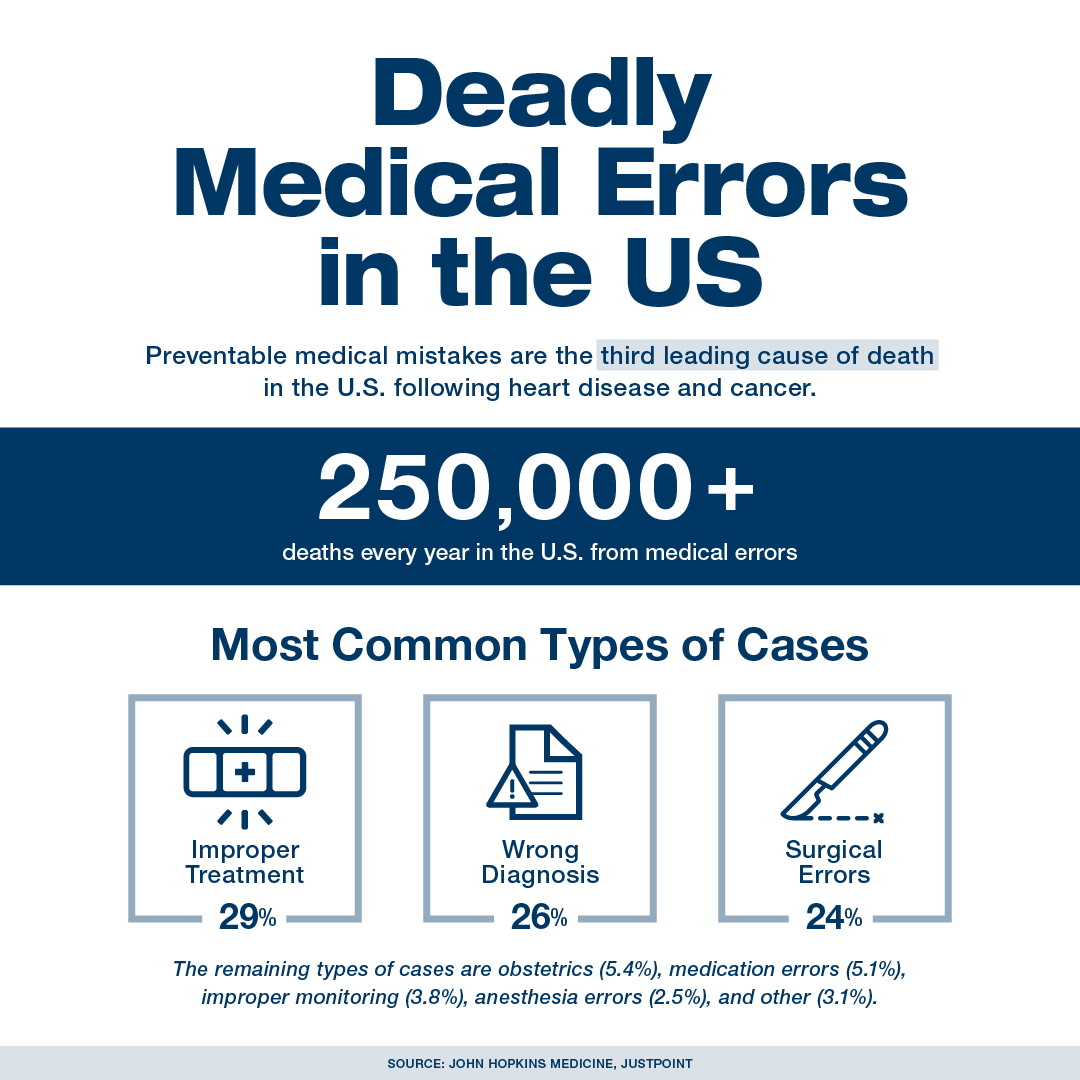
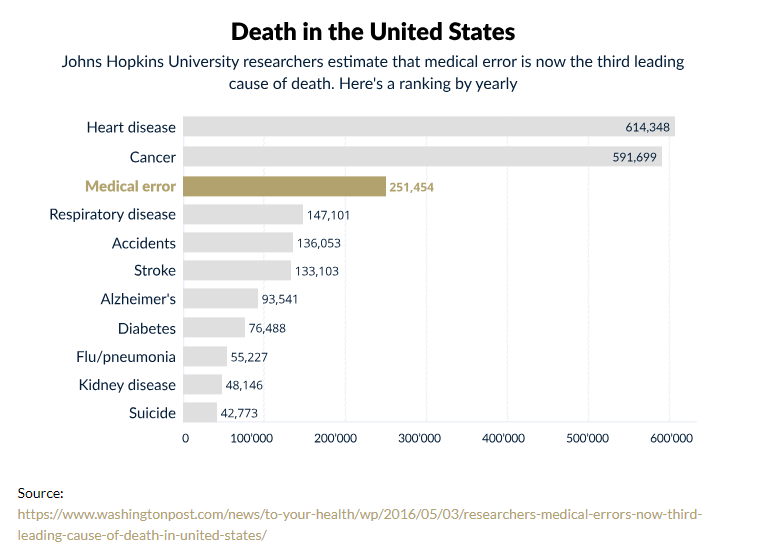
Skepticism regarding healthcare is understandable when one examines the statistics. For instance, the U.S. experiences a concerning 250,000 to 400,000 iatrogenic deaths annually, those resulting from medical intervention (Makary & Daniel, 2016). However, this represents only one perspective. The other perspective highlights that despite significant healthcare expenditure, the system performs poorly in terms of life expectancy and chronic disease management compared to other affluent nations (Health at a Glance 2019, 2019). Numerous factors contribute to this issue, including an over-reliance on medications and surgeries, which frequently result in complications rather than the prevention of diseases (Sackett, 2000).

Medical Dissent and the Cost of Speaking Out

Historically, medical professionals who question prevailing narratives have frequently encountered scrutiny, censorship, and professional consequences. Recently, numerous highly esteemed doctors and scientists have expressed concerns regarding public health policies, vaccine mandates, and the influence of pharmaceutical companies only to face discreditation or suppression.

While healthcare professionals with solid credentials have raised concerns about the current state of medicine, many have encountered backlash. Distinguished doctors such as Dr. Daniel Neides have questioned the safety and efficacy of certain medical interventions (Dyer, 2017), and Dr. Peter McCullough despite being one of the most published cardiologists in the world, had his medical board certifications challenged due to him expressing his concerns regarding the medical industry’s response to the COVID-19 pandemic (Hulscher et al., 2023). Despite their efforts to initiate important discussions, these professionals often experience a loss of credibility among the public and their peers, being labeled as outliers or conspiracy theorists (Hoffman et al., 2021).

Dr. Robert Malone, a scientist important in developing mRNA vaccine technology, has raised concerns about the safety and long-term effects of these vaccines. Despite his contributions, Malone was de-platformed from major social media platforms after questioning the COVID-19 vaccine rollout and advocating for caution (In-Depth: Did Robert Malone Invent mRNA Vaccines in San Diego? 2022). His case highlights the issue of scientists facing professional ostracization when their views diverge from mainstream policies.

Dr. Mary Talley Bowden, a specialist in ear, nose, and throat medicine, became involved in controversy due to her public support for alternative early treatments and her criticism of vaccine mandates. Consequently, she was suspended from Houston Methodist Hospital. Undeterred, she established her own independent practice, where she continues to treat patients based on her medical observations and research (Bowden, 2022). Her experience highlights the increasing divide between institutional medicine and the physicians who advocate for personalized care.

Dr. Alex Cole, a medical researcher and clinician, has expressed concerns about the transparency of vaccine safety data. He has emphasized the importance of open scientific debate and the inclusion of alternative viewpoints. The key issue is whether medical professionals should experience professional consequences for participating in legitimate scientific discussions (Professional, 2024).

Other doctors, including Dr. Pierre Kory, a critical care specialist, and Dr. Paul Marik, an intensive care expert, have discussed the perceived limitations of the mainstream approach to COVID-19 treatments. They have supported the use of repurposed drugs and alternative treatment protocols, which resulted in professional examination and debate. Dr. Kory and Dr. Marik encountered resistance when promoting these alternative COVID-19 treatment strategies (Marik et al., 2020).

These cases highlight a trend in modern medicine where differing opinions, even those from individuals with significant experience and expertise, are often dismissed rather than discussed. Scientific progress relies on thorough discussion and analysis, yet the current environment frequently favors conformity over inquiry. Regardless of individual perspectives on these particular matters, the marginalization of seasoned professionals poses ethical and scientific questions about transparency, accountability, and the impact of influential industries on medical dialogue.

The Case for Personal Responsibility in Health

With the system seemingly failing at times, many individuals are choosing to take responsibility for their own health. Rejecting the mainstream “sick care” model, which often prioritizes a “pill for every ill,” people are turning to alternative practices that emphasize prevention, self-care, and holistic wellness. Taking responsibility for one’s own health through practices like tai chi, qigong (VA Office of Patient Centered Care and Transformation, n.d.), martial arts, yoga, meditation, and even weight training have become powerful ways for individuals to manage stress, improve physical fitness, and maintain mental clarity.

For me, personally, the approach is clear: read labels, carefully monitor what goes in, on, and around the body, practice daily exercises to strengthen the body, and employ stress management techniques for the mind and soul. I limit my mental intake by reducing exposure to the news and social media, focusing instead on the bigger picture. While I cannot change the world, I know I can change myself and influence those around me in a positive way.

The Need for Change

Moving toward a preventative and holistic healthcare approach is crucial, despite challenges in a profit-driven system. The influence of pharmaceutical companies, insurance, and large healthcare interests often overlooks patient well-being (Dickinson, 2014). A shift to a system that rewards prevention, empowers individuals, and values overall well-being over chronic condition management is needed.

However, comprehensive change may be challenging to achieve at the national level. At the individual level, however, transformation is feasible. By taking personal responsibility for our health instead of solely relying on a system that may prioritize profit over care, we make an empowering choice. Engaging in alternative and preventive practices, such as tai chi, qigong, yoga, resistance training, or daily meditation, enables us to regain control over our wellness incrementally.

References

Bowden, M. T. (2022, March 6). Fighting Methodist Hospital — BREATHEMD | Optimal Airway Health. BREATHEmd | Optimal Airway Health. https://breathemd.org/blog/2022/2/27/the-story-behind-why-im-suing-the-hospital-who-suspended-me-for-prescribing-ivermectin

Dickinson, J. (2014, April 1). Deadly medicines and organised crime: How big pharma has corrupted healthcare. https://pmc.ncbi.nlm.nih.gov/articles/PMC4046551/

Dyer, O. (2017). Cleveland Clinic to re-evaluate its Wellness Institute after director questions vaccines. BMJ, j253. https://doi.org/10.1136/bmj.j253

Fleck, A. (2023, July 5). The healthiest (& unhealthiest) countries in the world. Statista Daily Data. https://www.statista.com/chart/30313/health-and-healthcare-systems-index-scores/

Health At a Glance 2019. (2019, November 7). OECD. https://www.oecd.org/en/publications/health-at-a-glance-2019_4dd50c09-en.html

Hoffman, D., Stewart, A., Breznay, J., Simpson, K., & Crane, J. (2021). Vaccine hesitancy narratives. Voices in Bioethics, 7. https://doi.org/10.52214/vib.v7i.8789

Hulscher, N., Procter, B. C., Wynn, C., & McCullough, P. A. (2023). Clinical Approach to Post-acute Sequelae After COVID-19 Infection and Vaccination. Cureus, 15(11), e49204. https://doi.org/10.7759/cureus.49204

Hurley, B., Lovett, S., D’Urso, J., & Smith, E. (2024, December 14). Three medical bills that show true cost of America’s ‘broken’ healthcare. The Times. https://www.thetimes.com/world/us-world/article/us-healthcare-insurance-companies-ceo-shooting-z597qlq2n?utm_source=chatgpt.com®ion=global

In-Depth: Did Robert Malone invent mRNA vaccines in San Diego? (2022, January 27). UC Irvine News. https://news.uci.edu/2022/01/27/in-depth-did-robert-malone-invent-mrna-vaccines-in-san-diego/

Makary, M. A., & Daniel, M. (2016). Medical error—the third leading cause of death in the U.S. BMJ, 353, i2139. https://doi.org/10.1136/bmj.i2139

Marik, P. E., Kory, P., Varon, J., Iglesias, J., & Meduri, G. U. (2020). MATH+ protocol for the treatment of SARS-CoV-2 infection: the scientific rationale. Expert Review of Anti-infective Therapy, 19(2), 129–135. https://doi.org/10.1080/14787210.2020.1808462

Professional, C. C. M. (2024, December 4). Informed consent. Cleveland Clinic. https://my.clevelandclinic.org/health/articles/24268-informed-consent

Sacket, D. (2000) Evidence-based medicine : how to practice and teach EBM : Free Download, Borrow, and Streaming : Internet Archive. (2000). Internet Archive. https://archive.org/details/evidencebasedmed00davi/mode/2up?q=reliance

VA Office of Patient Centered Care and Transformation. (n.d.). TAI CHI AND QI GONG. In VA Office of Patient Centered Care and Cultural Transformation (pp. 1–7). https://www.va.gov/WHOLEHEALTHLIBRARY/docs/Tai-Chi-and-Qi-Gong.pdf

I look forward to further sharing more of my message by partnering with hospitals, wellness centers, VA centers, schools on all levels, businesses, and individuals who see the value in building a stronger nation through building a healthier population.

I also have hundreds of FREE education video classes, lectures, and seminars available on my YouTube channel at:

https://www.youtube.com/c/MindandBodyExercises

Many of my publications can be found on Amazon at:

http://www.Amazon.com/author/jimmoltzan

My holistic health blog is available at:

https://mindandbodyexercises.wordpress.com/

http://www.MindAndBodyExercises.com

Mind and Body Exercises on Google: https://posts.gle/aD47Qo

Jim Moltzan

407-234-0119
Media Hysteria vs. Medical Reality: The Overlooked Crisis of Iatrogenic Injuries

Public health discussions often concentrate on contagious diseases such as measles, especially in light of recent outbreaks. In early 2025, the passing of a 6-year-old girl in Seminole, Texas, represented the first measles-related death in the United States in a decade (Bartlett, 2025). This event rekindled debates concerning vaccination and disease prevention strategies. Nonetheless, the significant focus on measles, despite its relatively low mortality rate, starkly contrasts with the limited dialogue surrounding iatrogenic injuries, which result in a substantial number of roughly 250,000 fatalities each year.

The Scope of the Issue: Measles vs. Iatrogenic Injuries

Measles: A Preventable Yet Overemphasized Disease

Measles, a highly contagious viral disease, was declared eliminated in the U.S. in 2000 but has resurfaced in communities with low vaccination rates. The recent Texas case highlighted the risks associated with vaccine hesitancy (Bartlett, 2025). Allopathic medical professionals consider measles preventable through the MMR (Measles, Mumps, and Rubella) vaccine, which is reported as 97% effective with two doses (CDC, 2025). However, concerns over vaccine safety and accountability persist. In 1986, Congress and President Reagan enacted the National Childhood Vaccine Injury Act (NCVIA), which created a system for compensating individuals harmed by vaccines while granting pharmaceutical companies immunity from lawsuits related to vaccine injuries. This legislation has led to debates about vaccine mandates, corporate accountability, and public trust in immunization programs. Many feel that if the vaccines are safe and effective, why should a multi-billion dollar industry not be held accountable for their products?

Iatrogenic Injuries: A Silent Epidemic

  • 12,000 from unnecessary surgery
  • 7,000 from medication errors in hospitals
  • 20,000 from other hospital errors
  • 80,000 from hospital-acquired infections
  • 106,000 from adverse drug effects when taken as prescribed (Starfield, 2000).

Despite these alarming figures, public awareness and policy efforts remain disproportionately low compared to diseases like measles.

Why the Disparity in Media and Political Attention?

1. Media Sensationalism and Public Perception

Media outlets prioritize stories that generate fear and engagement. “If it bleeds, it leads” has been a media mission statement for decades. Measles outbreaks with their visible symptoms and high contagion make for dramatic headlines, while iatrogenic injuries occur behind hospital doors, lacking visual appeal for mass media (Bartlett, 2025).

2. Political and Public Health Priorities

Governments focus on highly contagious diseases like measles because they can cause widespread outbreaks. Vaccination campaigns offer a clear solution (WHO, 2024), whereas fixing medical errors needs systemic healthcare reforms, which are less appealing politically.

3. Institutional Interests and Liability

Acknowledging the extent of iatrogenic injuries necessitates systemic accountability from hospitals, pharmaceutical companies, and regulatory agencies, potentially resulting in legal implications and diminished public trust. Conversely, messaging regarding measles often supports pharmaceutical and public health objectives by promoting vaccination initiatives (WHO, 2024).

4. Public vs. Private Accountability

Measles outbreaks are often presented as a matter of public responsibility, with an emphasis on vaccine compliance. Conversely, iatrogenic injuries tend to be regarded as individual incidents rather than indicative of systemic issues, thus enabling healthcare institutions to evade thorough scrutiny (James, 2013).

5. Psychological Bias and Fear Appeal

Individuals tend to exhibit greater fear towards external, unpredictable threats, such as infectious diseases, compared to systemic risks, including medical errors. When measles is presented as an imminent crisis, it triggers a heightened fear response. In contrast, despite their significant impact, medical errors are frequently understated (Slovic, 2000).

The Need for a Balanced Approach

While any death is unfortunate, addressing measles outbreaks is vital. However, the focus on these outbreaks compared to iatrogenic injuries highlights an imbalance in public health priorities. Increasing transparency, implementing patient safety protocols, and facilitating discussions about medical errors are essential to reduce deaths and restore confidence in the US healthcare system.

The significant number of fatalities resulting from iatrogenic injuries highlights the critical need for enhanced patient safety protocols. A robust healthcare strategy must encompass both external health threats and internal systemic deficiencies to ensure better protection of patients’ lives.

References

Bartlett, T. (2025, March 11). His daughter was America’s first measles death in a decade. The Atlantic. https://www.theatlantic.com/health/archive/2025/03/texas-measles-outbreak-death-family/681985/

Centers for Disease Control and Prevention (CDC). (2025, March 7). Measles cases and outbreaks. https://www.cdc.gov/measles/data-research/index.html

H.R.5546 – 99th Congress (1985-1986): National Childhood Vaccine Injury Act of 1986. (n.d.). Congress.gov | Library of Congress. https://www.congress.gov/bill/99th-congress/house-bill/5546

James, J. T. (2013). A new, evidence-based estimate of patient harms associated with hospital care. Journal of Patient Safety, 9(3), 122-128. https://doi.org/10.1097/PTS.0b013e3182948a69

Makary, M. A., & Daniel, M. (2016). Medical error—the third leading cause of death in the US. BMJ, 353, i2139. https://doi.org/10.1136/bmj.i2139

Starfield, B. (2000). Is US health really the best in the world? JAMA, 284(4), 483-485. https://doi.org/10.1001/jama.284.4.483

Slovic, P. (2000). The perception of risk. Earthscan Publications.

World Health Organization (WHO). (2024, November 14). Measles fact sheet. https://www.who.int/news-room/fact-sheets/detail/measles

I look forward to further sharing more of my message by partnering with hospitals, wellness centers, VA centers, schools on all levels, businesses, and individuals who see the value in building a stronger nation through building a healthier population.

I also have hundreds of FREE education video classes, lectures, and seminars available on my YouTube channel at:

https://www.youtube.com/c/MindandBodyExercises

Many of my publications can be found on Amazon at:

http://www.Amazon.com/author/jimmoltzan

My holistic health blog is available at:

https://mindandbodyexercises.wordpress.com/

http://www.MindAndBodyExercises.com

Mind and Body Exercises on Google: https://posts.gle/aD47Qo

Jim Moltzan

407-234-0119