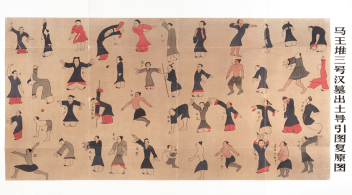
Sanskrit, Chinese and Korean terminology:
– Qi, Chi or Gi = air, energy or breath
– Gong or Kung = work or effort
– Qigong = energy or breath work
– Yoga = to join or unite
– Tao Yin / Tao Yi = guide the Qi, stretch the body (sometimes referred to as Taoist Yoga)
______________
Yoga, Qigong & DaoYin are very different names that share the same origin. Taoist Yoga is sometimes referred to as “Yoga in motion” or Tai Chi. Either way, it is all the same type of exercises that use mindful breathing with deliberate body positioning. The mind is focused inward on one’s thoughts, breathing and posture. All have elements for mind, body & spiritual (or higher consciousness) development.
These practices have been around for thousands of years (origins between 5000-1500 BC), and Tai Chi originated in the 12th century. But does that matter?
Well, yes! These methods have proven the test of time. The “new” health care program is actually the “old” program that has worked for millions of people over the years.

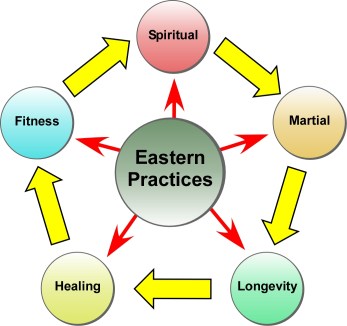 I feel that much of the yoga, qigong and tai chi, being currently taught in the United States to the general public through health clubs, wellness centers, community rec centers,etc. is a watered-down version of these practices focusing merely on fitness and sometimes some health aspects. What is being left out is the actual mind and body integration that can lead to the higher levels of consciousness and self-awareness. One will find it difficult to achieve a better understanding of self when they are not challenged to self-critique the inner dialogue that is part of the human condition. However, there are still many teachers and schools/centers that still teach the mind/body/spirit aspects; but one needs to seek them out.
Our thoughts effect our emotions; emotions effect blood chemistry; blood chemistry effects our internal organs which determine the quality of our health; our health effects our thoughts to complete the cycle.
All of these methods can be taught or practiced as “yoga-light” or “tai chi-easy” but the reality is that it takes time, physical effort and deliberate thought to achieve beyond the basic fitness benefits.
What used to take years of physical training, observation, contemplation and meditation, is now packaged in weekend seminars or 200 or 500 hour programs that take a few months to a year or two to become “certified”. This is great that so many more people have more access to what was previously kept to yogis, monks and royalty.
Qigong is sometimes referred to as standing-yoga, but really qigong and yoga share the same root origin. Often people think of qigong as standing or sitting still for hours in meditation, and it can be for the advanced practitioner. People often think of yoga as sitting or lying on the ground for most of the exercises. Well, yoga and qigong are pretty much the same but can differ based upon the teacher and the goals in practice. Qigong has moving exercises and yoga has standing exercises. It all depends on who is teaching and what their background for learning is.
Many martial arts and Eastern methods (tai chi, yoga, qigong, baguazhang, etc.) incorporate the principles of balance and harmony. Tai chi & qigong (yoga) offers a wide spectrum for the beginner to the advanced practitioner. This is not religious but rather awareness.
Many of these exercises focus on stretching of the connective tissues, also known as the fascia trains. The fascia is the tissue that holds the muscles in place gliding between the muscles and the skin. There are theories that this how qi is transported throughout the body by way of the fascia trains.
This slideshow requires JavaScript.
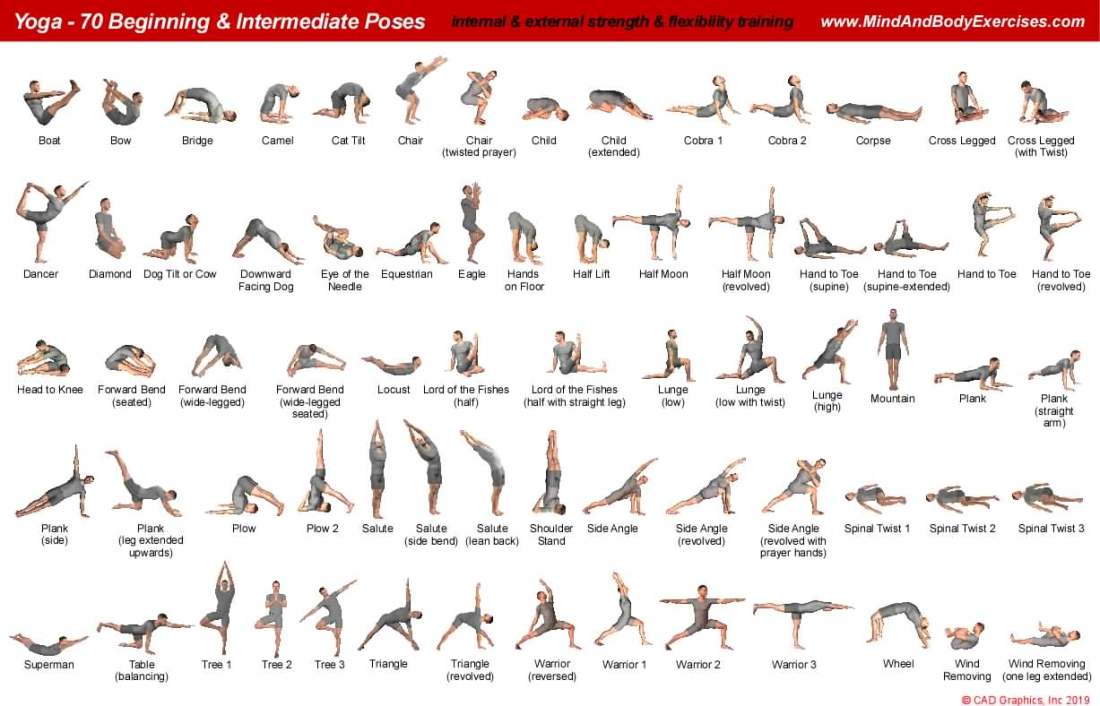
Hundreds of different exercises, poses, forms, sets, etc. Some of these exercises are thousands of years old. Low-impact and all with various levels of difficultly allow everyone to benefit from practicing. All poses have physical, mental and self-awareness aspects, depending on the individual’s goals and interests.
For more information contact Jim Moltzan at info@MindAndBodyExercises.com or http://www.MindAndBodyExercises.com
Master teacher Jim Moltzan has nearly 40 years of ‘walking the walk’. He began his warrior, scholar, sage journey at the age of 16 and continues to inspire his students through his teachings and weekly classes.
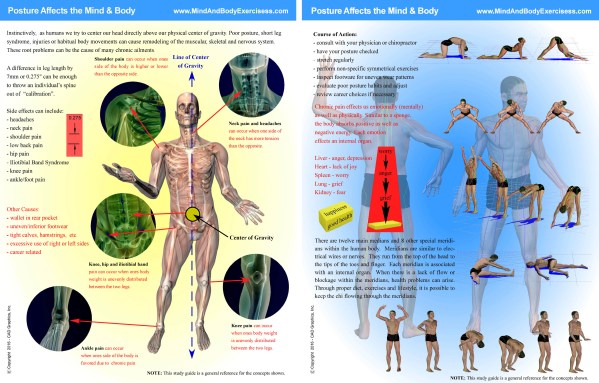
Also a graphic designer, Jim use his skills to put together graphics with anatomical views of the protocols to help with specific contraindications.


 United Martial Arts Association