Where the Rubber Hits the Road – Personal Responsibility

Personal Responsibility

We are here…right here where the rubber hits the road.

When the action really begins, is when you begin the job, when you really get serious.

So the question I have is, how serious are you folks about doing anything? Likes and smiley faces are nice, but really don’t make us healthier, more fit or more connected.

None of us really have “extra” time but rather “make” time for what we prioritize in our lives. True is true, either we walk the talk, or we talk the walk.

Talk is cheap, time is priceless.

If every person in American spent 5 minutes (or more) every day by exercising, more people could better manage their weight and suffer less from related illnesses.

If every person in American spent 5 minutes (or more) every day calming their mind by practicing deep breathing exercises, more people would be less stressed and suffer less from related illnesses.

If every person in American spent every day becoming more conscious of their nutrition habits, more people would be able to maintain their health through the choices they make while eating and drinking, and suffer less from related illnesses.

If everyone could assume personal responsibility for their own health, our nation would not have to spend as much time, effort, energy and money trying to keep people healthy.

These concepts seem easy enough, but in reality, most people lack the desire or self-discipline to take the effort and do what it takes to stay healthy, prevent illness or cure their own ailments. Self-discipline is one of five steps known to help achieve better mental and physical wellness.

1) Respect – This is where values begin. You must understand and have respect for yourself (self-respect) before you can demonstrate it to others. Taking the steps to take care of your physical and mental well-being effects you first and then those closest to you second.

2) Discipline – Developing control of one’s own desires, commitments, and ultimately your own actions, leads to self-discipline. Control of physical exercises can lead to management of thought and emotion.

3) Self-Esteem – As you review your achievements of respect and discipline, your sense of worth is elevated and appreciated.

4) Confidence – Understanding and accepting your weak areas as well as your stronger aspects removes insecurity. When you feel that you are physically well and mentally sharp, confidence can fill your personality. You can accomplish whatever goal you set out to achieve.

5) Determination to Achieve Goals – The positive sum of the previous aspects leads to one’s determination. Good judgment and focused effort toward positive goals result in true personal success.

Qigong, Tai Chi and Yoga all are methods to achieve these traits.

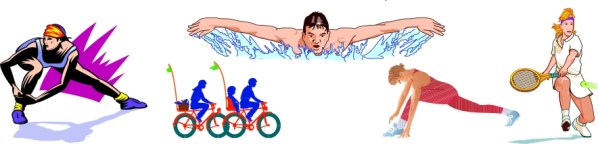
It doesn’t matter so much that you do these exercises, as much as it matters that you do some type of exercise.  Walk, jog, swim or whatever – just get going and do something.  5 minutes here and there can quickly turn into 15 or 30 minutes at one time or over the course of a day.  Once you are moving or mentally engaged, it is much easier to stay motivated and try a few more exercises for a few more minutes.

Be well, become healthier, be wise.
Various Exercise Methods.jpg

___________

I write often about topics that affect our health and well-being. Additionally, I teach and offer lecture about qigong, tai chi, baguazhang, and yoga.

For more info, contact Jim Moltzan at info@mindandbodyexercises.com, 407-234-0119 or through my site at http://www.mindandbodyexercises.com
Vitamin D Metabolism & Deficiency

Vitamin D Metabolism

Vitamin D3 or cholecalciferol is produced in the skin initiated from sunlight UVB radiation or absorbed from specific foods. The vitamin D3 is absorbed into the bloodstream and then into the liver where it changes to calcidiol. From the liver to the kidneys the calcidiol changes to calcitriol. Calcitriol then goes on to affect metabolic functions such as absorption in the intestines of calcium and phosphorus, bone regulation and cell regulation. As we age, vitamin D3 production can decline up to 75% leading to at the very least, muscle weakness and a reduction in bone strength and density.

Vitamin D Deficiency

Causes:

  • Winter side-effects (less sun exposure)
  • Sunscreen
  • Air pollution
  • High altitude
  • Poor diet

Imbalances:

  • Hypertension
  • Heart disease
  • Urinary infections
  • Tuberculosis
  • Depression
  • Schizophrenia
  • Liver disease
  • Rental failure
  • Crohn’s disease
  • Cystic fibrosis
  • Celiac disease
  • Muscular aches & weakness
  • Osteoporosis
  • Osteoarthritis
  • Rickets
  • Diabetes
  • Obesity

Solutions:

  • Sunlight on skin
  • Diet
  • Vitamin supplements

I have learned, studied, practiced and teach literally hundreds of various low-impact exercises that can build stronger bones, muscles and joints. Private, small or group instruction.

Be well!

Jim Moltzan

407-234-0119

http://www.MindAndBodyExercises.com

https://www.facebook.com/MindAndBodyExercises/

https://www.youtube.com/c/MindandBodyExercises

https://mindandbodyexercises.wordpress.com/

Masters Council

The Effects of Exercise on Joint & Bone Strength

The Effects of Exercise on Joint & Bone Strength

The joints of our body are composed of two or more bones joining together, along with the muscles, tendons, cartilage, synovium and ligaments that hold the whole structure together. The shape of our bones reflect the forces applied to them. For example, small bumps, ridges and other features on the surface of our bones are the attachment sites for tendons. When muscles are put under more load through activities, stress or exercises, the corresponding attachment sites enlarge to withstand the increased forces. Bones that are under more stress become thicker and stronger, while in contrast bones that are not subjected to ordinary stresses tend to become weaker, thin and more brittle. Wolff’s law, developed by anatomist & surgeon Julius Wolff in the 19th century, states that “bone in a healthy person or animal will adapt to the loads under which it is placed.”

Regular weight-bearing exercise is an important component for maintaining healthy bone structure. Avid weight lifters often have thick bones with very prominent ridges. Non-athletes or those who have little to moderate amounts of physical activity will find weight-bearing activities are imperative for stimulating normal bone metabolism of maintenance as well as maintaining bone strength.

Changes in bones of the skeleton can take place in relatively short periods of inactivity. For example, someone uses crutches to take weight off an injured leg while they wear a cast. Within a few weeks, the unstressed bones can lose up to a third of their mass. When normal weight loading resume the bones rebuild. However, it takes longer to rebuild bone than to lose bone density. The removal of calcium salts can be a serious health hazard for long-term bedridden patients or paralyzed individuals who cannot put normal stress on their skeleton.

Bones of the skeleton become thinner and weaker as a normal part of the human aging process. Inadequate ossification is called osteopenia. Everyone of us usually become slightly osteopenic as we age. Bone mass reduction begins between ages 30 and 40. Around this age, osteoblast (bone building) activity begins to decline, while osteoclast (bone breakdown) activity continues at the previous level. Women tend to lose about 8 percent of their bone mass every decade. Men often lose less, but around 3 percent per decade. The epiphyses or ends of the long bones, the vertebrae of the spine, and our jaws lose more bone mass than other locations. Side effects of low bone mass are more fragile limbs, loss in height, and sometimes the loss of teeth.

Osteoporosis is the further reduction in bone mass that inhibits normal functions. Bones become fragile and brittle making them more likely to break when exposed to stresses that healthier individuals could easily adjust to. This can be seen when an elderly person can suffer a hip fracture when simply attempting to sit or stand. A loss of mobility, independence and consequently self-confidence can occur when fractures result in older individuals leading to further weakening of the skeleton as they become less active and fearful of future injuries.

Hormonal balances are important in maintaining bone deposition. If and when hormone levels decline, bone mass also declines. After age 45, about 29 percent of women and 18 percent of men will develop osteoporosis. With women the condition increases after menopause, from a decrease in estrogen production. Men in the same age group tend to have less severe osteoporosis due to continued production of testosterone into their later years of life.

Osteoporosis can sometimes develop into the secondary effect of many cancers. Cancers within the bone marrow, breast cancer, and other tissues release a chemical called osteoclast-activating factor. This chemical increases the number and activity of osteoclasts and produces severe osteoporosis.

By engaging our bones with strategic trauma exercise methods (or specific stress without injury) that can be regulated by the individual to make bones stronger and prevent osteopenia and/or osteoporosis. These types of exercises fall into 3 different categories of tension, impact and vibration exercises. Ironically, while some of these methods improve bone and muscular strength, they sometimes can cause pain and injury to the same joints that the individual might be trying to strengthen. Fox example, jumping rope, hiking and tennis might cause more injury to a 60+ than the benefits that might be gained from these practices.

Tension Exercises:

  • Dancing
  • Elastic Bands
  • Qigong (Chi Kung)
  • Pilates
  • Stair-Step machine
  • Tai Chi
  • Treadmill
  • Weights
  • Yard Work
  • Yoga

Impact:

  • Aerobics
  • Hiking
  • Jump rope
  • Running
  • Stair climbing
  • Tennis
  • Walking – brisk

Vibration:

  • Machine therapy
  • Tapping methods

Reference(s):

1. Martini, F., Nath, J. L., Bartholomew, E. F., Ober, W. C., Ober, C. E., Welch, K., & Hutchings, R. T. (2018). Fundamentals of anatomy & physiology. New York: Pearson Education.

————-

I have learned, studied, practiced and teach literally hundreds of various low-impact exercises that can build stronger bones, muscles and joints. Private, small or group instruction.

Be well!

Jim Moltzan

407-234-0119

http://www.MindAndBodyExercises.com

https://www.facebook.com/MindAndBodyExercises/

https://www.youtube.com/c/MindandBodyExercises

https://mindandbodyexercises.wordpress.com/

Masters Council

Self-awareness Can be Developed

Self-awareness Can be Developed!

How aware are you, of seeing yourself for who your truly are? Can you see every line, mark or feature on your face in your thoughts without looking in the mirror? If no one is around to see your actions, do you still keep your morals and values in check? Seeing yourself as others see you, and not caring what others think of you are two entirely different discussions. This post is about the ongoing cultivation of trying to become the best version of yourself and not about how to justify our poor behavior or actions towards those we interact with. Now then, how can we become more self-aware to be the best we can be?

I have found from my almost 40 years of studying, practicing and teaching of martial arts and other Eastern wellness methods, that it is much easier to become aware of our physical body than to know how our mind works. Therefore, the body is the key into the mind. The mind controls the body. Our body protects our mind. We are not our thoughts, but rather the observer of our thoughts or consciousness. Our body doesn’t move on its own, other than for reflexes and autonomic functions. Our body doesn’t make the decisions to get up, open the refrigerator, and put something to eat in our mouth. Junk food or healthy snack? You as the observer makes these choices. Our thoughts do not make these decisions either, but rather our consciousness. Once one becomes self-aware of their consciousness, now they can observe their thoughts and choose to direct them with our without emotion. For example, after opening the refrigerator and accidentally dropping a glass container that shatters, we choose how to react to this maybe by experiencing regret, anger, frustration, sadness, etc. Or maybe you really didn’t like that container to begin with and now you are happy, relieved or indifferent after all it was only a glass container and not your house catching on fire or someone being seriously injured.

You are not your thoughts!

For most people, it is very difficult to train or discipline their mind and consequently, their body. People often say or do things they regret only to realize later that they lacked the self control and self awareness to make good decisions to begin with. By gaining control of the physical anatomy, a relationship with the physical body is developed. Attention to the details of your body positioning, is what trains the mind to become more self-aware. When aligning the limbs and joints to stretch and strengthen them, while also maintaining deep and deliberate breathing rhythms, an individual can cultivate a more harmonious link between the mind, body and spirit (self-awareness). Practice of exercises that truly engage the mind and body, (very much like yoga, tai chi, isometrics) to improve health & wellness. The mind directs the body, while the body protects the mind.

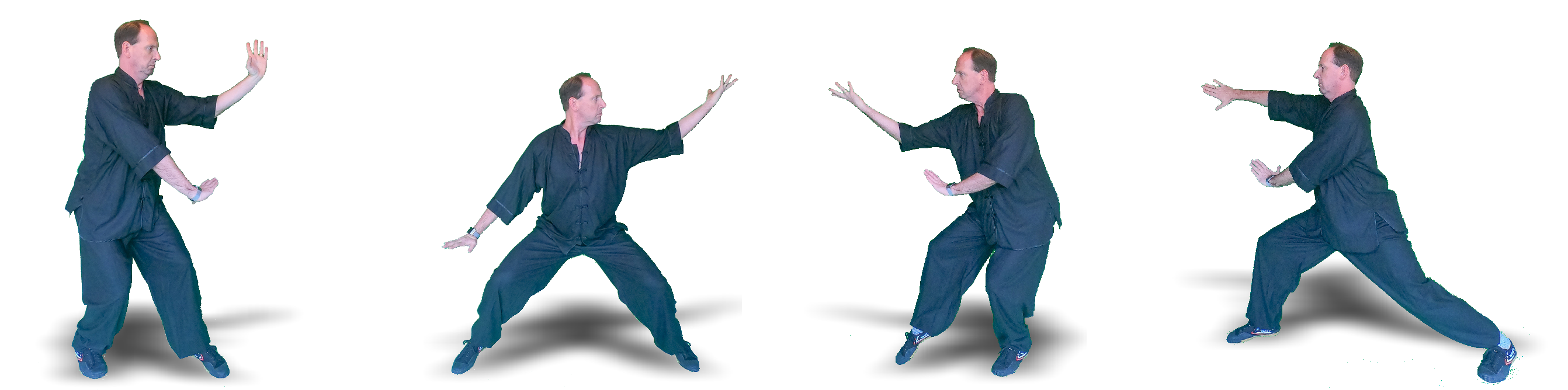
Ship Pal Gye, Taoist yoga or the “Filling the 8 Vessels”

Ship Pal Gye, Taoist yoga or the “Filling the 8 Vessels” are methods to increase the capacity of your nervous system. By holding the body in specific alignments, the nervous system is strengthened to endure more pain, stress and discomfort. Think of tempering steel in fire to strengthen the metal. Building self-discipline of the mind and body simultaneously!

When engaging the muscles, tendons, bones and fascia, the 12 regular energy meridians are engaged plus the 8 extraordinary meridians are opened and filled as reservoirs to adjust the ebb and flow of energy throughout the body and thereby strengthening the immune system among other bodily functions.

Exercise methods like these have been known for centuries, but are considered new or “alternative” to modern western culture.

Often times people will ask me, “where did you learn this?” Well…almost 40 years ago I began studying Korean kung fu, then Traditional Chinese Medicine, medical qigong, fitness, wellness and anatomy. It didn’t happen overnight or from a weekend seminar. It took me decades of learning, studying and teaching from and with high level masters and teachers. And I’m not done learning yet, are you?

Learn how this all works from private, small or group instruction.

Be well!

Jim Moltzan

407-234-0119

http://www.MindAndBodyExercises.com

https://www.facebook.com/MindAndBodyExercises/

https://www.youtube.com/c/MindandBodyExercises

https://mindandbodyexercises.wordpress.com/

Masters Council

Discipline the Mind to Discipline the Body

Self-discipline Can be Developed.

Anything of value is always going to require some amount of sacrifice of time, effort and resources.

For most people, it is very difficult to train or discipline their mind and consequently, their body. People often say or do things they regret only to realize later that they lacked the self control and self awareness to make good decisions to begin with.

By gaining control of the physical anatomy, a relationship with the physical body is developed. When aligning the limbs and joints to stretch and strengthen them, while also maintaining deep and deliberate breathing rhythms, an individual can cultivate a more harmonious link between the mind, body and spirit (self awareness). Practice of exercises that truly engage the mind and body, (very much like yoga) to improve health & wellness. The mind directs the body, while the body protects the mind.

Discipline the mind in order to discipline the body!

Ship Pal Gye, Taoist yoga or the “Filling the 8 Vessels” are methods to increase the capacity of your nervous system. By holding the body in specific alignments, the nervous system is strengthened to endure more pain, stress and discomfort. Think of tempering steel in fire to strengthen the metal. Building self-discipline of the mind and body simultaneously!

When engaging the muscles, tendons, bones and fascia, the 12 regular energy meridians are engaged plus the 8 extraordinary meridians are opened and filled as reservoirs to adjust the ebb and flow of energy throughout the body and thereby strengthening the immune system among other bodily functions.

Exercise methods like these have been known for centuries, but are considered new or “alternative” to modern western culture.

Watch the video to get a sample of what this type of instruction entails. Often times people will ask me, “where did you learn this?” Well…almost 40 years ago I began studying Korean kung fu, then Traditional Chinese Medicine, medical qigong, fitness, wellness and anatomy. It didn’t happen overnight or from a weekend seminar. It took me decades of learning, studying and teaching from and with high level masters and teachers. And I’m not done learning yet, are you?

Learn how this all works from private, small or group instruction.

Be well!

Jim Moltzan

407-234-0119

http://www.MindAndBodyExercises.com

https://www.facebook.com/MindAndBodyExercises/

https://www.youtube.com/c/MindandBodyExercises

https://mindandbodyexercises.wordpress.com/

Masters Council