Basic Shoulder Anatomy & Low Impact Exercises to Increase Strength & Range of Motion

Basic Shoulder Anatomy & Low Impact Exercises to Increase Strength & Range of Motion

Often people experience shoulder issues such as injuries, weakness and poor range of motion. Some exercise with running, stretching and weight training with little or no knowledge of how they should proceed with improving their particular issues. By practicing low impact exercises that focus more on strength and flexibility of the shoulder joint and its components, one can improve many issues without taking more drastic options such as pain medicines or surgery.
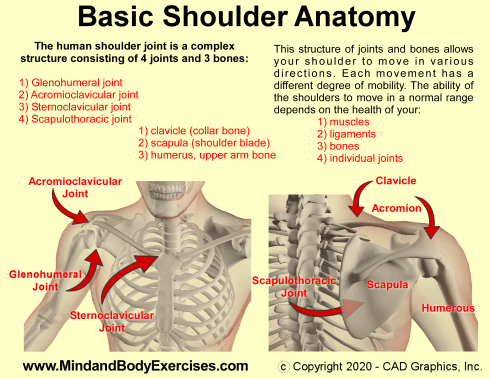
Basic Shoulder Anatomy

Additionally, having some knowledge of how the shoulder joint is composed and the natural range of motion, can help the individual to have a better understanding of what the exercises are doing and set better goals and expectations.

8 Directions of mobility

Shoulder Exercises Using Dynamic Tension and/or Light Weights

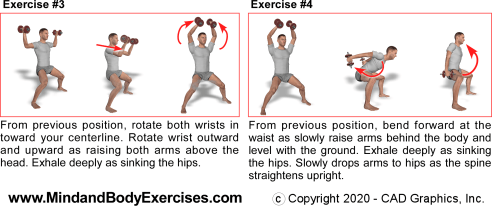
The below exercises are fairly simple and can be performed with or without dumbbells. The main goal is to increase strength within the natural range of motion in the neck, shoulders, arms, spine, hips, thighs and ankles. Light weights can help to tone muscles as well as provide increased strength in lesser used muscle groups. Weight training, even with lighter weights, has been known to help prevent osteoporosis. These exercises take up very little space and a few minutes of time to gain benefits. There should be a deep inhale at the start of each exercise, lasting about 4 seconds, followed by a deep 4 second exhalation as finishing the exercise. The muscles should remain relaxed while moving and flexed at the end position.
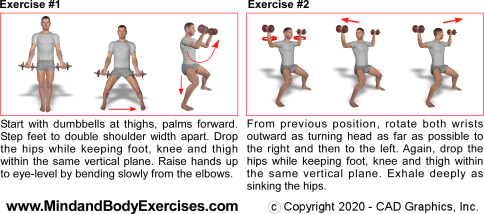
exercise 1&2

exercise 3&4

Here are a few somewhat more advance exercises.  Try and use a bean bag or a sock filled with small pebbles. Then you can adjust the amount of weight as you gain more strength in the muscles and joints. Lighter weight is always better than too heavy, which often can lead to more pain or discomfort.
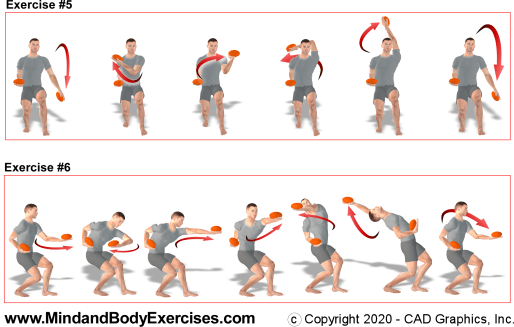
exercise 5&6

One on one instruction is often the best option for learning and practicing these types of exercises.  If interested in  learning more, contact me at 407-234-0119 or  info@MindAndBodyExercises.com

Be well, stay healthy, be wise.

Jim Moltzan

www.MindAndBodyExercises.com

https://www.facebook.com/MindAndBodyExercises/

https://www.youtube.com/c/MindandBodyExercises

https://mindandbodyexercises.wordpress.com/

How Deep Breathing Affects Your Health

How Deep Breathing Affects Your Health

Deeper breathing is a key component to having a long and healthy life. Through focused and deliberate breathing methods, many positive mental and physical benefits can be achieved.

Most people breathe too shallow and too quickly!

Much recent research has linked stress to poor breathing habits and consequently many ailments. Many modern chronic conditions can be traced back to insufficient cell oxygenation otherwise known as cell hypoxia.

Breathing is one of the few bodily rhythms that we can consciously adjust, along with sleep and elimination. All of these rhythms directly effect our body’s delicate blood chemistry. However, our breath is the root power in bringing oxygen (qi) into our body to nourish it down to the cellular level.

Faster breathing is necessary when experiencing truly stressful situations, like being chased by an animal, running from a fire or similar life-threatening situations. However, continued breathing at this pace for an extended period of time puts accumulative stress on all of the body’s systems.

Breathing Frequency

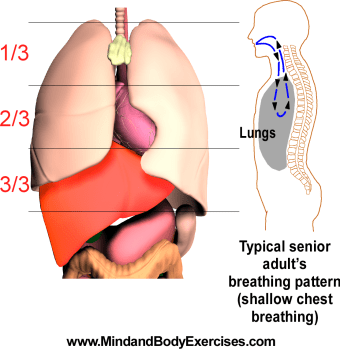
Most humans are breathing on the average, with normal activity about 12-18 breaths per minute (BPM). This amounts to very shallow breaths, using primary the top 1/3 of the lung’s capacity. Shallow chest breathing fills only the upper portion of the lungs. This reduces the ability to effectively oxygenate the circulation system.

Shallow breathing graphic

This “over-breathing” and “under-inhaling” causes an imbalance in oxygen/carbon dioxide gas exchange. This further leads to a ripple effect of other chemical (and hormonal) imbalances.

Poor oxygenation is linked to many modern chronic conditions such as asthma, COPD, obesity, diabetes, insomnia and cancer.

Emotions affects breathing rhythms.

Emotions effect the sympathetic nervous system which changes the blood chemistry.

The body releases cortisol into the bloodstream to counter stress.

Chronic elevation of cortisol effects other bodily functions in a negative manner.

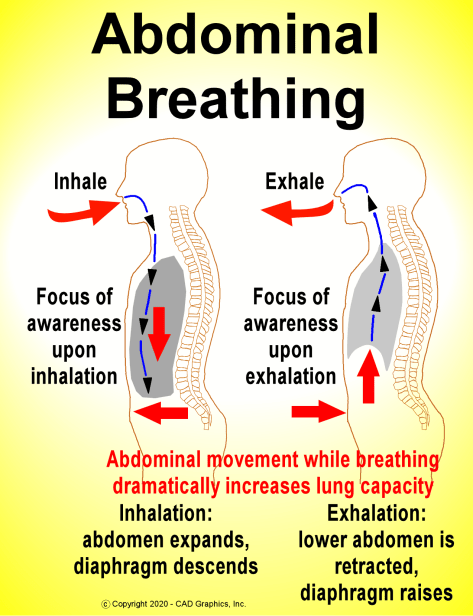
Abdominal Breathing graphic

Abdominal Breathing

Deep and deliberate breathing can be improved with practicing abdominal breathing. Diaphragm movement pushes lymph throughout the body, eliminating toxic waste consequently strengthening the immune system.

Other benefits of deep breathing include:

– Improves blood circulation and oxygenation of cells

– Changes the blood chemistry to produce “happy” hormones beneficial to organs

– Toxic C02 waste is eliminated through your breath

– Stimulates the parasympathetic nervous system

– Abdominal breathing acts as a pump to massage internal organs

– Reduces mental and physical fatigue

Learn more about these incredible wellness methods by practicing tai chi, qigong and many other ancient methods.


Be well, stay healthy, be wise.

Jim Moltzan

407-234-0119

www.MindAndBodyExercises.com

https://www.facebook.com/MindAndBodyExercises/
https://www.youtube.com/c/MindandBodyExercises

https://mindandbodyexercises.wordpress.com/


Effects of Stress on the Body

Effects of Stress on the Body

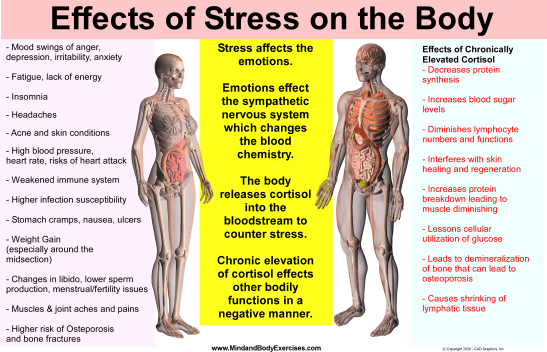
Stress effects the emotions.
Emotions effect the sympathetic nervous system which changes the blood chemistry.
The body releases cortisol into the bloodstream to counter stress.
Chronic elevation of cortisol effects other bodily functions in a negative manner.

Effects of Chronically Elevated Cortisol
– Decreases protein synthesis

– Increases blood sugar levels

– Diminishes lymphocyte numbers and functions

– Interferes with skin healing and regeneration

– Increases protein breakdown leading to muscle diminishing

– Lessons cellular utilization of glucose

– Leads to demineralization of bone that can lead to osteoporosis

– Causes shrinking of lymphatic tissue

Cortisol Side Effects

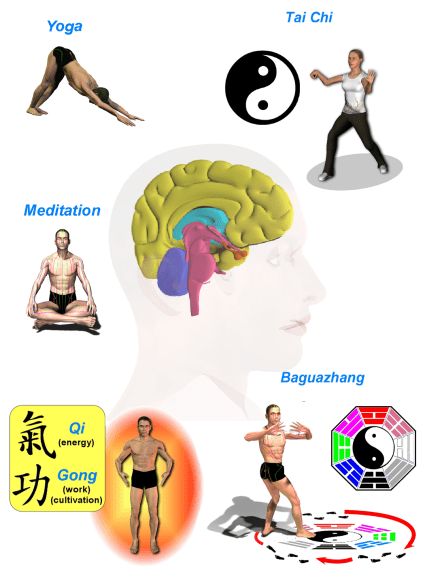
Tai Chi, yoga and qigong are all methods that regulate stress and increase the flow of energy ( and blood flow) within the body improving health and well-being.
Be well, stay healthy, be wise!

Is Our Health Really a Priority in the US?

Ask any citizen in the US if their health and their family’s is a priority and the response will be something like, “well of course our health is my top priority!” “And we are the healthiest country in the world!” Ehhh…no, not true for both statements based upon data from supposedly reputable news outlets.  View the charts at the bottom.

In reality how many Americans exercise on a regular basis? How many manage their nutrition by monitoring their sugar, salt, trans fat, alcohol, etc. intake? Or what about managing stress and emotional health? Not many.

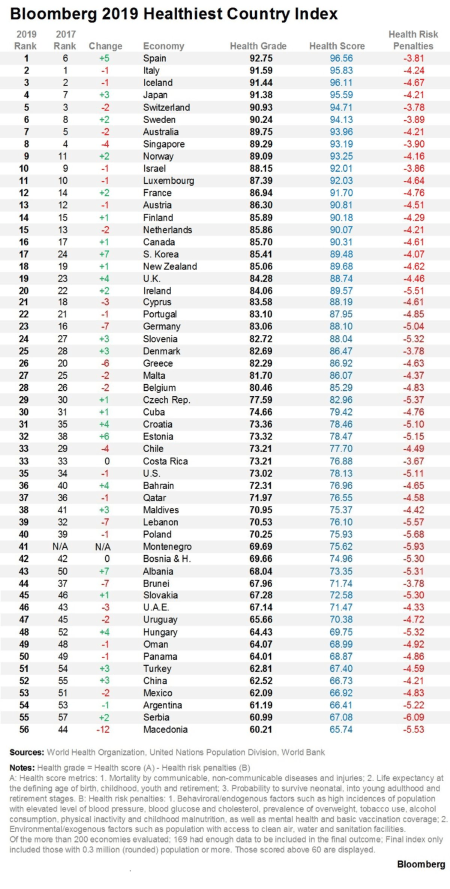
Americans might say or think that we are very health conscious but the statistics show that we really are not.  The US ranked 35th in the world in 2019 from a report from Bloomberg.  Meanwhile Forbes ranked the US #1 worldwide for the amount of money spent on healthcare in 2018. Made obvious from the data is that investing more money in healthcare, doesn’t make a country or the person healthier.  If someone has great healthcare coverage but eats junk food everyday, doesn’t exercise regularly and has a negative outlook, they will probably experience health issues sooner than later.

Our actions support the facts that we don’t truly put exercise, nutrition and stress as high priorities deserving more action than conversation. Healthy living and habits are a choice, or a mindset that we as Americans as a whole, fail terribly at practicing. True is true.

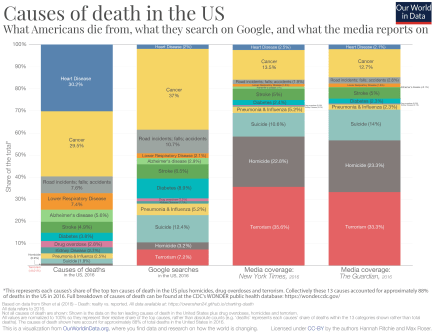
When the research is done, we can also determine that the leading causes of death in the US are all very much influenced by our diet, our sedentary lifestyle (lack of exercise and excessive sitting) and our attitudes towards managing stress or lack thereof. Heart disease, cancer, diabetes and respiratory issues (all leading causes of death by far) can all be much less if we made it a priority to do so.

Which brings us to another issue.  Our media in the US, love it or hate it, usually focuses mostly on reporting deaths relative to terrorism and homicide. So far this year has been the doom and gloom of Covid19. The media, the government and healthcare leaders fail to promote personal responsibility for the individuals’ own actions and how that can affect on a much broader level the health of our nation. Instead there is a strong focus on wearing masks and social distancing as a way to make an unhealthy nation, somehow immune to disease and illnesses that affect most those that have health issues to begin with.

Even typically healthy people do get sick.  Athletes and health enthusiast can get sick too. Nobody gets a free ride, but why don’t we start to look at the root causes for our health issues, instead of looking to politics or others to blame for our own personal accountability. We are where we are, because of our choices. We need to own this. Blaming others will not make us healthier.

Get moving more, eat healthier foods and try to stress less.  These are the keys to a healthier nation.

Be well, stay healthy, be wise.

Healthiest Countries 2019-Bloomberg

The-National

Cost for Healthcare 2018

pasted-image-0Causes-of-death-in-USA-vs.-media-coverage

Neuroplasticity – Reroute, Rewire, Reorganize Your Brain

The brain has the ability to continuously form, change and relocate new neural connections to different neural networks throughout our lives. This phenomenon is called neourplasticity.
– This occurs at the beginning of life
– After experiencing a brain injury
– When new learning and memories are observed

Neural connections

Benefits of increase neuroplasticity or brain rerouting:
– Enhanced memory abilities
– More effective learning
– Recovery from brain events like strokes
– Recovery from traumatic brain injuries
– Ability to rewire functions in the brain
– Function loss in one area may enhance functions in other areas

Methods


Methods that have been known to enhance neuroplasticity include:

– Dancing, yoga, tai chi and other mind and body practices increases neural connectivity

– Expanding ones vocabulary increase memory processing and the visual and auditory processes

– Quality sleep enhances learning retention through the growth of the dendritic spines that serve as connections between neurons

– Creating artwork enhances the connectivity of the brain at rest which can boost introspection, memory, empathy, attention, and focus

– Occasional fasting can increases synaptic adaptation, promoting neuron growth

– Use of mnemonic devices with memory training can enhance connections in the prefrontal parietal network and help to prevent memory loss

– Learning musical instruments may increase connections between brain regions helping form new neural networks

– Non-dominant hand exercises can form new neural pathways strengthening the connectivity between neurons

– Reading fiction may increase and enhance connectivity in the brain

– Travel exposes the brain to new environments and various stimuli that forms new pathways and brain activity


Be well, stay healthy, be wise!

www.MindAndBodyExercises.com

https://www.facebook.com/MindAndBodyExercises/
https://www.youtube.com/c/MindandBodyExercises

https://mindandbodyexercises.wordpress.com/