Peaks and Valleys

Staying Centered Amid Life’s Peaks and Valleys: A Holistic Perspective on Emotional Regulation and Meaningful Progress

Life unfolds not as a straight line, but as a repeating rhythm of ascent and descent, wins and losses, happiness and sadness, success and failure. The image below captures this fundamental reality with clarity: oscillations occur, yet forward movement remains possible when one stays centered. The message is not to suppress emotion or ambition, nor to deny disappointment or grief, but rather to cultivate a steady internal reference point that allows movement through life’s inevitable fluctuations without becoming destabilized by them. This concept of remaining centered is deeply supported by psychology, neuroscience, and Eastern contemplative traditions alike.

From a physiological and psychological standpoint, emotional highs and lows are natural consequences of a nervous system designed to respond to changing environmental demands. Human beings are wired for reactivity where dopamine surges accompany perceived wins and successes, while losses and perceived failures activate stress-related systems such as the hypothalamic–pituitary–adrenal (HPA) axis (McEwen, 2007). These responses are adaptive in the short term; however, problems arise when individuals become excessively identified with either pole of experience. Chronic overexcitement, just like prolonged despair, pulls the individual away from internal balance and impairs judgment, health, and long-term well-being.

Psychological research consistently demonstrates that emotional extremes, whether positive or negative, can compromise decision-making and self-regulation. Heightened emotional arousal narrows attention, biases perception, and increases impulsivity (Gross, 2015). In moments of success, individuals may overestimate their abilities, take unnecessary risks, or become dependent on external validation. Conversely, during periods of failure or sadness, individuals may catastrophize, withdraw, or internalize defeat as a reflection of personal worth, rather than situational circumstances. The oscillating wave depicted in the image symbolizes this reality, while the arrow moving forward through the center represents the capacity to remain oriented despite these fluctuations.

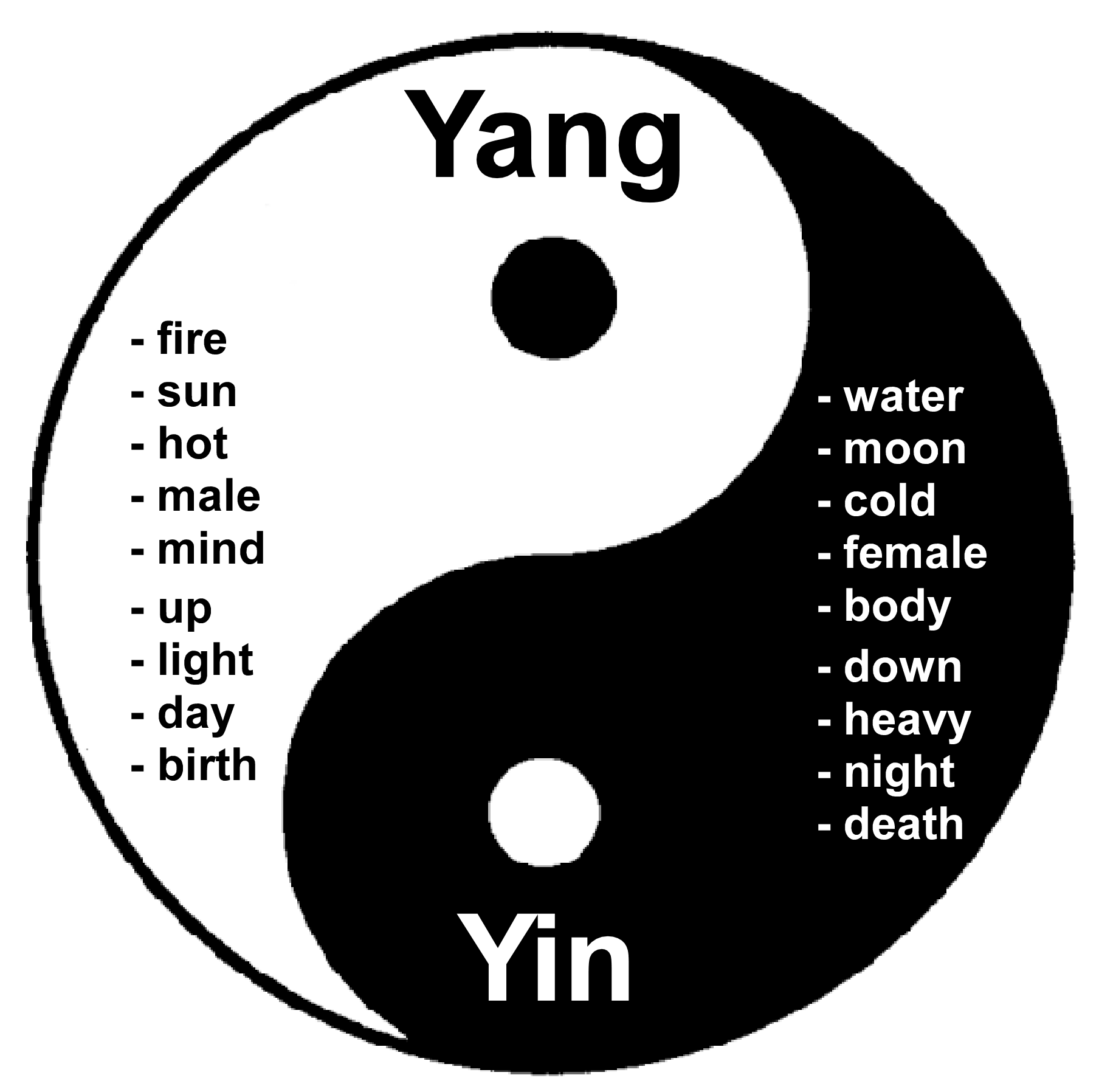
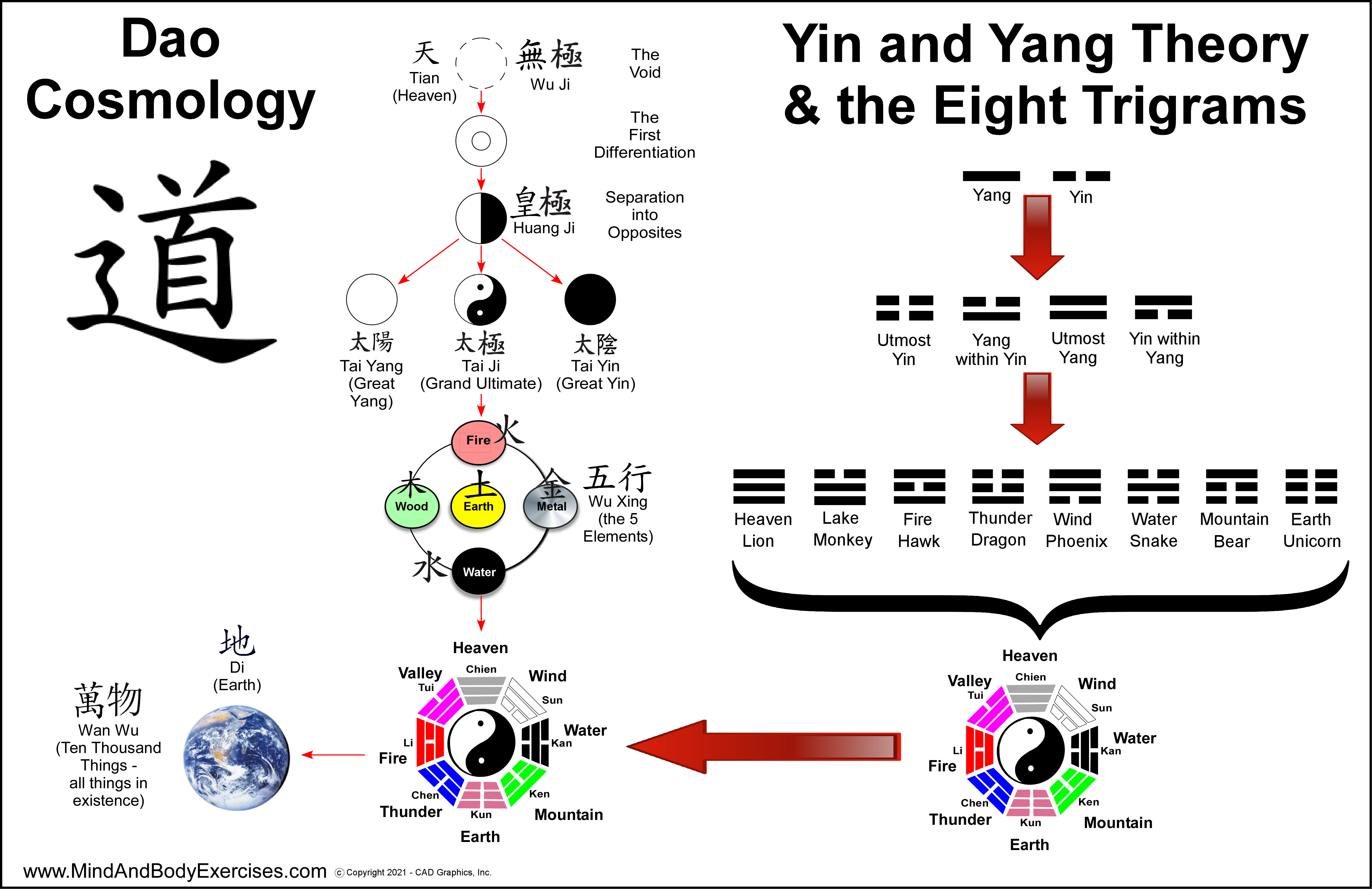
Eastern philosophical traditions have long emphasized this principle of equanimity. In Daoist thought, harmony arises not from eliminating opposites, but from maintaining balance between them. Yin and Yang are not moral categories of good and bad, but complementary forces that continuously transform into one another (Kohn, 2009). Excessive yang, manifested as overexcitement, ambition, or emotional inflation, inevitably gives rise to yin states such as depletion, exhaustion, or emotional collapse. Likewise, prolonged yin conditions of withdrawal, stagnation, or despair, contain the seed of renewed movement and growth. The centered path, therefore, is not a static midpoint but a dynamic alignment that allows one to pass through change without being consumed by it.

Modern psychology echoes this insight through the study of emotional regulation and psychological flexibility. Acceptance and Commitment Therapy (ACT), for example, emphasizes the importance of maintaining values-based direction while allowing emotions to rise and fall without excessive attachment or avoidance (Hayes et al., 2006). The forward-pointing arrow in the image reflects this principle: progress is not contingent upon emotional state but upon consistent alignment with purpose and values. One can experience sadness without abandoning direction, just as one can experience success without losing humility or restraint.

Remaining centered also has direct implications for resilience and post-traumatic growth. Research indicates that individuals who are able to contextualize adversity, rather than becoming defined by it, are more likely to extract meaning and experience long-term psychological growth following hardship (Tedeschi & Calhoun, 2004). The lows depicted in the image are not endpoints; they are part of the terrain. When individuals resist the urge to over-identify with failure or loss, they preserve the cognitive and emotional bandwidth necessary for adaptation, learning, and eventual renewal.

Importantly, staying centered does not mean emotional suppression. Emotional numbing and forced positivity are forms of imbalance in themselves. Rather, centering involves awareness, regulation, and proportional response. Practices such as mindful breathing, posture awareness, contemplative movement, and reflective inquiry help anchor the nervous system and restore coherence between body and mind (Porges, 2011). These practices create a physiological and psychological “center” from which individuals can observe emotional oscillations without being overwhelmed by them.

The image’s concluding message of “Stay centered, balanced and on your course” captures a profound truth: life will oscillate, but direction is a choice. Success and failure are transient states, not identities. Happiness and sadness are experiences, not destinations. When individuals learn to remain centered, they are less reactive, more discerning, and better equipped to navigate complexity with integrity. Over time, this centered approach fosters not only resilience but wisdom with the capacity to move forward with clarity regardless of circumstance.

Ultimately, the goal is not to eliminate life’s peaks and valleys, but to pass through them consciously. By cultivating internal balance, individuals transform volatility into momentum and uncertainty into opportunity. In doing so, they honor the full spectrum of human experience while remaining grounded, purposeful, and aligned with their deeper course.

References

Gross, J. J. (2015). Emotion regulation: Current status and future prospects. Psychological Inquiry, 26(1), 1–26. https://doi.org/10.1080/1047840X.2014.940781

Hayes, S. C., Luoma, J. B., Bond, F. W., Masuda, A., & Lillis, J. (2006). Acceptance and commitment therapy: Model, processes, and outcomes. Behaviour Research and Therapy, 44(1), 1–25. https://doi.org/10.1016/j.brat.2005.06.006

Kohn, L. (2009). Daoism and Chinese culture. Three Pines Press.

McEwen, B. S. (2007). Physiology and neurobiology of stress and adaptation: Central role of the brain. Physiological Reviews, 87(3), 873–904. https://doi.org/10.1152/physrev.00041.2006

Porges, S. W. (2011). The polyvagal theory: Neurophysiological foundations of emotions, attachment, communication, and self-regulation. W. W. Norton & Company.

Tedeschi, R. G., & Calhoun, L. G. (2004). Posttraumatic growth: Conceptual foundations and empirical evidence. Psychological Inquiry, 15(1), 1–18. https://doi.org/10.1207/s15327965pli1501_01

Metacognition and the Inner Dialogue

Their Role in Holistic Health and Wellness

Holistic health emphasizes the integration of mind, body, and spirit. Within this framework, the ways in which we think about our thoughts and talk to ourselves internally play a central role in overall well-being. Two important but distinct psychological constructs, metacognition and the inner dialogue, form the foundation of self-awareness and self-regulation. While inner dialogue reflects the ongoing commentary of the mind, metacognition is the reflective process that evaluates and guides those thoughts. Understanding the distinction and interplay between the two provides powerful insight into mental, physical, and spiritual health.

Defining Metacognition

Metacognition, often described as “thinking about thinking,” refers to the awareness and regulation of one’s cognitive processes (Flavell, 1979). It includes both:

  • Metacognitive knowledge: recognizing one’s strengths, weaknesses, and strategies for thinking and learning.
  • Metacognitive regulation: the ability to plan, monitor, and adapt thought patterns and behaviors to reach goals (Schraw & Dennison, 1994).

For example, when someone recognizes they are struggling to focus and decides to change their study method or environment, they are applying metacognition. It functions as a higher-order system of self-observation, enabling intentional choices rather than automatic reactions.

Understanding the Inner Dialogue

The inner dialogue, also known as self-talk or inner speech, represents the continuous stream of words and judgments we silently direct toward ourselves. This internal commentary can be supportive (“I am capable of handling this challenge”) or critical (“I’ll never succeed at this”) (Morin, 2009). Unlike metacognition, which is strategic and reflective, inner dialogue is often spontaneous, shaped by prior experiences, beliefs, and emotional states (Beck, 2011).

Because inner dialogue can strongly influence emotion and physiology, triggering stress responses or enhancing motivation. It plays a direct role in daily wellness.

The Relationship Between Metacognition and Inner Dialogue

Although related, these two processes serve distinct roles:

  • Inner dialogue is the content of thought, with words, judgments, and narratives playing out in the mind.
  • Metacognition is the process that monitors and evaluates that content, determining whether it is useful, accurate, or aligned with one’s values and goals.

For example, a negative inner dialogue may say, “I am too tired to exercise.” Metacognition, however, can step in to evaluate this thought: “Is this fatigue physical exhaustion or just lack of motivation? What choice best supports my health goals?” This oversight allows individuals to reshape self-talk into a more adaptive pattern, such as: “I will start with a light walk to see how I feel.”

In this way, metacognition acts as a regulator of the inner dialogue, creating a feedback loop in which self-awareness leads to more balanced decisions.

Implications for Holistic Health and Wellness

Mental Wellness

Unchecked inner dialogue can amplify stress, worry, or self-doubt. Metacognition provides the awareness needed to identify unhelpful thought patterns, reduce rumination, and foster cognitive reappraisal (Wells, 2002). Metacognitive therapy, for example, helps individuals gain distance from destructive inner dialogue, improving resilience and emotional balance (Normann & Morina, 2018).

Physical Health

Health behaviors such as exercise, nutrition, and sleep are influenced by the interplay between self-talk and metacognition. Inner dialogue may discourage healthy action (“I don’t have time to cook tonight”), but metacognition allows for reflection and redirection (“If I prepare something simple now, I will feel better tomorrow”). Research suggests that higher levels of metacognitive awareness correlate with proactive health behaviors (Frazier et al., 2021).

Spiritual Growth

In the spiritual dimension of wellness, metacognition and inner dialogue intersect through practices such as meditation and prayer. Inner dialogue may be quieted, observed, or transformed during these practices, while metacognition supports discernment of which thoughts are distractions, and which carry deeper meaning (Vago & Silbersweig, 2012). This reflective process nurtures clarity, purpose, and transcendence—core elements of holistic health.

Practical Applications

  1. Mindfulness and Meditation – Strengthen awareness of the inner dialogue and cultivate metacognitive observation without judgment.
  1. Reflective Journaling – Encourage conscious monitoring of thought patterns, helping distinguish helpful from harmful self-talk.
  1. Cognitive-Behavioral Practices – Use metacognition to challenge negative self-talk and reinforce positive, health-supporting narratives.
  1. Holistic Disciplines (e.g., Tai Chi, Qigong, Yoga) – Integrate body awareness with reflective thought, aligning physical sensations with mindful inner regulation.

Metacognition and inner dialogue are distinct yet complementary processes that shape human experience. Inner dialogue provides the immediate content of thought, while metacognition serves as the higher-order process that monitors and reshapes those thoughts. Together, they influence mental clarity, physical choices, and spiritual insight, making them central to holistic health and wellness. By cultivating both awareness of the inner dialogue and the reflective power of metacognition, individuals can foster resilience, self-regulation, and a deeper sense of integration across mind, body, and spirit.

References:

21andsensory, V. a. P. B. (2022, February 15). The constant autistic internal monologue. 21andsensory. https://21andsensory.wordpress.com/2022/02/15/the-constant-autistic-internal-monologue/

Beck, J. S. (2011). Cognitive behavior therapy: Basics and beyond (2nd ed.). Guilford Press. https://psycnet.apa.org/record/2011-22098-000

Flavell, J. H. (1979). Metacognition and cognitive monitoring: A new area of cognitive–developmental inquiry. American Psychologist, 34(10), 906–911. https://doi.org/10.1037/0003-066x.34.10.906

Frazier, L. D., Schwartz, B. L., & Metcalfe, J. (2021). The MAPS model of self-regulation: Integrating metacognition, agency, and possible selves. Metacognition and Learning, 16(2), 297–318. https://doi.org/10.1007/s11409-020-09255-3

Getting Started with Metacognition. (n.d.). https://theteachingthief.blogspot.com/2012/09/getting-started-with-metacognition.html

Morin, A. (2009). Self-awareness deficits following loss of inner speech: Dr. Jill Bolte Taylor’s case study. Consciousness and Cognition, 18(2), 524–529. https://doi.org/10.1016/j.concog.2008.09.008

Normann, N., & Morina, N. (2018). The efficacy of metacognitive therapy: A systematic review and meta-analysis. Frontiers in Psychology, 9, 2211. https://doi.org/10.3389/fpsyg.2018.02211

Schraw, G., & Dennison, R. S. (1994). Assessing metacognitive awareness. Contemporary Educational Psychology, 19(4), 460–475. https://doi.org/10.1006/ceps.1994.1033

Vago, D. R., & Silbersweig, D. A. (2012). Self-awareness, self-regulation, and self-transcendence (S-ART): A framework for understanding the neurobiological mechanisms of mindfulness. Frontiers in Human Neuroscience, 6, 296. https://doi.org/10.3389/fnhum.2012.00296

Wells, A. (2002). Emotional disorders and metacognition. https://doi.org/10.1002/9780470713662

Just Because We Can Be Offended, Doesn’t Mean We Have to Be

Cultivating Emotional Sovereignty in a Reactive Culture

In contemporary society, offense has become both a currency and a contagion. Social media platforms amplify outrage, news cycles thrive on indignation, and personal identity is increasingly intertwined with ideological positioning. In such an environment, the mere possibility of being offended is often treated as justification for emotional reactivity. Yet the capacity to feel offended does not obligate us to live offended. The distinction between stimulus and response, between what happens to us and how we choose to interpret and embody that experience, lies at the heart of psychological maturity, emotional resilience, and personal sovereignty.

The statement “Just because we can be offended doesn’t mean we have to be offended” is not a call to emotional suppression or moral indifference. Rather, it reflects a deeper philosophy of self-regulation, discernment, and conscious agency. It invites individuals to reclaim authorship over their internal states rather than surrendering that authority to external forces.

Offense as a Psychological Reflex

Offense is not merely a moral judgment; it is a psychological reaction shaped by cognition, emotion, identity, and conditioning. From a cognitive perspective, offense arises from appraisal processes, our interpretations of meaning, intent, and threat (Lazarus, 1991). When a statement, behavior, or symbol is perceived as violating one’s values or identity, the nervous system often responds defensively, activating the stress response.

Neuroscientifically, perceived social threat activates the same brain regions associated with physical danger, including the amygdala and anterior cingulate cortex (Eisenberger et al., 2003). The body reacts as though under attack, even when the “threat” is symbolic or ideological. In this sense, offense is not merely an opinion, but rather it is a somatic experience.

However, cognitive-behavioral research demonstrates that emotional reactions are not caused directly by events, but by our interpretations of those events (Beck, 1976; Ellis, 1962). Two people can encounter the same stimulus and respond in radically different ways. One becomes enraged; the other remains curious. One feels attacked; the other feels unmoved. The difference lies not in the event, but in the meaning assigned to it.

The Illusion of Emotional Obligation

Modern culture increasingly frames emotional reactions as moral imperatives. If something is offensive, one is expected to be offended. If one is not offended, one may be accused of apathy, complicity, or ignorance. This creates a form of emotional coercion in which outrage becomes a social requirement rather than a personal choice.

Yet emotional autonomy is a cornerstone of psychological well-being. Self-determination theory emphasizes that autonomy, or the ability to regulate one’s own internal states and behavior, is essential for mental health and resilience (Deci & Ryan, 2000). When individuals surrender their emotional regulation to external narratives, they become psychologically reactive rather than self-directed.

Viktor Frankl (1959), writing from the extreme conditions of Nazi concentration camps, articulated this principle with profound clarity:

Offense collapses that space. It replaces reflection with reflex. It trades discernment for reaction.

Identity, Ego, and the Architecture of Offense

Offense is often less about the external stimulus and more about the internal structure of identity. When beliefs become fused with the ego, disagreement feels like annihilation. When narratives become moral absolutes, questioning feels like betrayal.

Social identity theory explains how individuals derive self-concept from group membership, which can intensify defensiveness when group values are challenged (Tajfel & Turner, 1979). In such contexts, offense becomes a mechanism for protecting identity boundaries.

However, psychological flexibility, or the ability to hold beliefs lightly and remain open to new perspectives, is strongly associated with well-being and adaptive functioning (Kashdan & Rottenberg, 2010). Rigid identity structures create fragile egos. Fragile egos seek offense.

The Stoic philosophers understood this dynamic long before modern psychology. Epictetus wrote:

In Taoist philosophy, offense is seen as an expression of imbalance, a disturbance of inner harmony caused by attachment to form, opinion, and self-image (Laozi, trans. 2003). The Tao Te Ching repeatedly emphasizes softness, yielding, and non-contention as expressions of true strength.

The Cost of Chronic Offense

Living in a constant state of offense is physiologically and psychologically costly. Chronic emotional reactivity sustains activation of the hypothalamic-pituitary-adrenal (HPA) axis, elevating cortisol levels and contributing to inflammation, anxiety, cardiovascular strain, and immune dysregulation (McEwen, 2007).

Psychologically, habitual offense fosters rumination, polarization, and cognitive rigidity. It narrows perception, reduces empathy, and erodes social cohesion. Over time, it becomes a form of self-imposed imprisonment or leaned helplessness, a mental posture of perpetual conflict.

From a social perspective, outrage culture rewards emotional escalation rather than thoughtful dialogue. Nuance is punished. Complexity is flattened. The loudest voices dominate, while reflective voices retreat.

Yet human flourishing depends not on ideological purity, but on psychological resilience, moral humility, and relational intelligence.

Emotional Sovereignty and the Practice of Non-Offense

To choose not to be offended is not to abandon values. It is to embody them with maturity.

Emotional sovereignty means reclaiming authority over one’s internal state. It means recognizing that while we cannot control what others say or do, we can control how we metabolize those experiences.

Mindfulness research consistently demonstrates that cultivating present-moment awareness reduces emotional reactivity and increases cognitive flexibility (Kabat-Zinn, 2003; Tang et al., 2015). When individuals observe their reactions without immediately identifying with them, the emotional charge dissipates.

In Taoist internal cultivation practices, emotional regulation is viewed as an essential aspect of health. Excessive anger is believed to disturb liver qi, excessive fear weakens kidney essence, and excessive rumination burdens the spleen (Kaptchuk, 2000). Emotional moderation is not merely ethical, it is physiological.

Similarly, in classical Stoicism, the goal is not emotional numbness, but emotional mastery. One learns to respond rather than react, to act from reason rather than impulse, and to maintain inner stability amid external chaos.

Choosing Power Over Fragility

To be easily offended is to live at the mercy of others. To be unoffendable is to live from inner authority.

This does not mean tolerating injustice or abandoning moral clarity. It means engaging with the world from a position of grounded strength rather than reactive fragility. It means speaking when speech is necessary, acting when action is required, and walking away when engagement serves no constructive purpose.

In a culture addicted to outrage, non-offense is a radical act of sovereignty.

The capacity to feel offended is part of being human. The wisdom to choose not to be offended is part of becoming whole.

References

Beck, A. T. (1976). Cognitive therapy and the emotional disorders. International Universities Press. https://psycnet.apa.org/record/1976-28303-000

Deci, E. L., & Ryan, R. M. (2000). The “what” and “why” of goal pursuits: Human needs and the self-determination of behavior. Psychological Inquiry, 11(4), 227–268. https://doi.org/10.1207/S15327965PLI1104_01

Eisenberger, N. I., Lieberman, M. D., & Williams, K. D. (2003). Does rejection hurt? An fMRI study of social exclusion. Science, 302(5643), 290–292. https://doi.org/10.1126/science.1089134

Ellis, A. (1962). Reason and emotion in psychotherapy. Lyle Stuart. https://psycnet.apa.org/record/1963-01437-000

Epictetus. (2008). The Enchiridion (N. P. White, Trans.). Hackett Publishing. https://archive.org/details/epictetus-the-enchiridion

Frankl, V. E. (1959). Man’s search for meaning. Beacon Press. https://antilogicalism.com/wp-content/uploads/2017/07/mans-search-for-meaning.pdf

Kabat-Zinn, J. (2003). Mindfulness-based interventions in context: Past, present, and future. Clinical Psychology: Science and Practice, 10(2), 144–156. https://doi.org/10.1093/clipsy/bpg016

Kaptchuk, T. J. (2000). The web that has no weaver: Understanding Chinese medicine (2nd ed.). McGraw-Hill.

Kashdan, T. B., & Rottenberg, J. (2010). Psychological flexibility as a fundamental aspect of health. Clinical Psychology Review, 30(7), 865–878. https://doi.org/10.1016/j.cpr.2010.03.001

Laozi. (2003). Tao Te Ching (D. C. Lau, Trans.). Penguin Classics.

Lazarus, R. S. (1991). Emotion and adaptation. https://doi.org/10.1093/oso/9780195069945.001.0001

McEwen, B. S. (2007). Physiology and neurobiology of stress and adaptation: Central role of the brain. Physiological Reviews, 87(3), 873–904. https://doi.org/10.1152/physrev.00041.2006

Tajfel, H., & Turner, J. C. (1979). An integrative theory of intergroup conflict. In W. G. Austin & S. Worchel (Eds.), The social psychology of intergroup relations (pp. 33–47). Brooks/Cole.

Tang, Y.-Y., Hölzel, B. K., & Posner, M. I. (2015). The neuroscience of mindfulness meditation. Nature Reviews Neuroscience, 16(4), 213–225. https://doi.org/10.1038/nrn3916

Sleep Deprivation

Sleep is a natural regularly occurring physiological function, where humans and other animals reduce physical and mental activity, lessen responsiveness to stimuli, and particular patterns of brain activity occur (Ettinger 2018). Prolonged lack of sleep or sleep deprivation can cause impaired memory formation as well as adverse effects on the brain’s other cognitive functions such as learning, language, reason, and perception. Sleep deprivation has also been linked to significant mental diseases, such as depression, psychosis, and bipolar disorder (Horowitz, 2020). Physical problems attributed to consistent lack of sleep include weakening of the immune system, headaches, heart disease, fainting, weight gain or weight loss, blurred vision, and hernias. Other related ailments may include obesity, cancer, stroke, asthma, high blood pressure, diabetes, arthritis, and kidney failure. Severe sleep deprivation in humans can also be fatal, where a rare neurological ailment called fatal familial insomnia, results in damage to areas of the thalamus
(Horowitz, 2020).


Studies with REM-deprived sleep participants showed the effects of decreased ability to concentrate on tasks, increased irritability, hostility, anxiousness, and aggressiveness. Studies also showed that REM-starved participants entered into REM sleep almost as soon as they were permitted to nod off, over the course of a one-week experiment. Participants experienced a REM rebound effect, where they spent roughly 50 percent more time in REM than they did before the start of the experiment. This REM rebound effect seems to occur immediately after a duration of forced wakefulness during a night’s sleep. Physiological changes in animals have been observed in other studies regarding REM deprivation, with effects of weight loss, deteriorated appearance, skin lesions, increased energy expenditure, decreased body temperature, and even death. Researchers think that if humans experienced similar circumstances of sleep deprivation used in animal studies, similar outcomes would present (Ettinger 2018).

Studies show that sleep is necessary, but exactly why is not clear. Theories exist that we require sleep to conserve energy, avoid predation, and memory aid. However, none of these theories are widely accepted by psychologists. Another theory is that sleep helps in mental and physical restoration. Sleep is thought to restore resources that are drained during our daily activities. Studies show that people often sleep longer after particularly tiring events helps to support this theory. Unsettled evidence shows that specific types of tissue restoration might happen during sleep. Growth hormone is secreted at increased levels during Stage 4 sleep as well as brain neurotransmitters possibly being restored during sleep. Other research indicates that sleep is essential for brain homeostasis. Additionally, research suggests that metabolic waste that accumulates from neural activity is eliminated from the brain and cerebral spinal fluid, while only occurring during sleep (Ettinger 2018). This theory has merit, as other relative studies offer further evidence of sleep quality affecting health and well-being, specifically with intensive care unit (ICU) patients (Pisani, 2015). I find it hard to discredit this theory, just based on personal experience with almost everyone I have ever known or met, expressing how much more restored, refreshed, and energetic they are when they have regular quality sleep.


I feel that American culture in general, does not pay much attention to preventing disease and illness, let alone the specific issue of sleep deprivation. We have gradually grown into a nation where we live for our pleasures today, with little regard for the consequences that will come tomorrow. Many see modern allopathic medicine and its many pharmaceutical options, as the only path to fix all of our ills. There is a plethora of medications that we can take to keep us awake when we don’t get enough sleep. Conversely, we also have a wide variety of other pharmaceuticals to help us sleep when we are too awake, anxious, or stressed.

I see many college-aged kids, who are learning how to manage and navigate their college lives of studies and social life, while also trying to stay safe and healthy in the process. I don’t really think the issue of college student sleep deprivation has changed much over the last few decades, as far as young adults exercising their independence and learning of their limits. What has changed, I believe is the acceptance of legal as well as illegal drugs being used to manage the ups and downs of coping with the on-campus “college life”. Additionally, the last 2 years of dealing with the COVID-19 pandemic have greatly added to the recipe for potential psychological issues. Many people of all ages have experienced stress as they attempt to balance their relative circumstances. Many people were inside more which may have led to a more sedentary lifestyle, eating more poor-quality food, drinking more alcohol, consuming more recreation and medicinal drugs, and other issues that can affect the quality of sleep. Consequently, I think the more relative issue that is yet to unfold, is how has the management of the pandemic affected sleep quality across many demographics? This topic will probably take years to study in order to draw any logical conclusions.

References:
Ettinger, R. H. (2018). Psychology: The Science of Behavior (6th ed.). BVT Publishing.


Horowitz, D. (2020). Sleep deprivation. Salem Press Encyclopedia of Health.


Pisani, M. (2015). Sleep in the intensive care unit: An oft-neglected key to health restoration.


Heart & Lung : The Journal of Critical Care, 44(2), 87. https://doi-org.northernvermont.idm.oclc.org/10.1016/j.hrtlng.2015.01.007

I teach and offer lectures about holistic health, physical fitness, stress management, human behavior, meditation, phytotherapy (herbs), music for healing, self-massage (acupressure), Daoyin (yoga), qigong, tai chi, and baguazhang.

Please contact me if you, your business, organization, or group, might be interested in hosting me to speak on a wide spectrum of topics relative to better health, fitness, and well-being.

I look forward to further sharing more of my message by partnering with hospitals, wellness centers, VA centers, schools on all levels, businesses, and individuals who see the value in building a stronger nation through building a healthier population.

I also have hundreds of FREE education video classes, lectures, and seminars available on my YouTube channel at:

https://www.youtube.com/c/MindandBodyExercises

Many of my publications can be found on Amazon at:

http://www.Amazon.com/author/jimmoltzan

My holistic health blog is available at:

https://mindandbodyexercises.wordpress.com/

http://www.MindAndBodyExercises.com

Mind and Body Exercises on Google: https://posts.gle/aD47Qo

Jim Moltzan

407-234-0119

The Breath of Insight: Everyday Tools to Awaken the Vagus Nerve

I often reflect on how our breath, movement, and embodied practices unlock intelligence that’s deeper than thought alone. I’ve discovered that the vagus nerve, also known as cranial nerve X, is far more than a static anatomical cord. It is a sprawling, bidirectional highway connecting brain with body, from lungs and heart to gut and even immune activity (Huberman, 2025). About 85 % of its fibers are sensory (body to brain), while 15 % are motor (brain to body), making it a master regulator of heart rate, digestion, mood, learning, and immune responses (Huberman, 2025; Wikipedia, 2025).

The vagus nerve gets its name from the Latin word “vagus,” which means wandering. This is a fitting name because the vagus nerve has an unusually long and far-reaching path through the body. It originates in the medulla oblongata of the brainstem and “wanders” through the neck, thorax, and abdomen, innervating a wide array of organs, including the heart, lungs, stomach, intestines, and more (Wikipedia, 2025).

Its full name is often “nervus vagus”, emphasizing its meandering and expansive nature, unlike most cranial nerves, which are typically more localized to the head and neck. Because of this extensive distribution, the vagus plays a central role in regulating autonomic functions, such as heart rate, digestion, and respiratory rate, and serves as a vital communication link between the brain and the body’s internal environment.

One of the most empowering revelations for me was how intertwined vagal tone is with breathing. Specifically tailored breathwork of the physiological sigh (two inhales, followed by a long exhale) activates parasympathetic vagal fibers via the nucleus ambiguous, slowing heart rate and enhancing heart‑rate variability (HRV), a gold‑standard biomarker of autonomic balance (Huberman, 2025; Leggett, 2023).

Yet, the vagus nerve isn’t only a conduit for calm. I have found that physical movement,especially full‑body activation, triggers adrenal adrenaline, which then stimulates vagal sensory fibers. Those fibers feed into brainstem centers like the locus coeruleus and nucleus basalis, releasing norepinephrine and acetylcholine. The result is heightened focus, enhanced neuroplasticity, and a robust alertness without external stimulants (Huberman, 2025).

Nutrition plays a role too. Most serotonin resides in the gut; it doesn’t cross into the brain, but it influences mood via vagal pathways, sensing gut serotonin that signals the dorsal raphe nucleus which then boosts central serotonin (Huberman, 2025). So, adopting a tryptophan‐rich diet and nurturing one’s microbiome (e.g., low‑sugar fermented foods) can become part of one’s daily routine.

I have learned that simple practices like humming, gargling, or gentle neck stretches can become non‑drug tools to engage vagal branches in the throat and chest, mechanically activating fibers that foster parasympathetic tone (Tourino Collinsworth, 2025; Huberman, 2025). A simple low hum can reliably bring a drop in heart rate and stress.

One of the most profound insights has been the nuance in that the vagus isn’t “just” the rest‑and‑digest nerve. Depending on which branches are engaged, it can equally support alertness. Choosing breath‑focused tools (long exhales) yields calm; choosing exercise taps into alerting pathways. Recognizing this dynamic allows one to consciously steer their physiological and mental states in real time.

Neuroplasticity, Focus, and the Vagal-Cholinergic Pathway

Beyond its role in autonomic balance, the vagus nerve also supports cognitive performance by enhancing the brain’s neurochemical environment for learning and attention. When vagal afferents stimulate brainstem centers like the locus coeruleus and nucleus basalis, they help trigger the release of norepinephrine and acetylcholine, two neurotransmitters essential for focus, motivation, and neuroplastic change (Huberman, 2025; Nieuwenhuis, Aston-Jones, & Cohen, 2005).

These chemicals enhance activity in key regions like the dorsolateral prefrontal cortex (DLPFC), which governs executive function, attention, and working memory (Hasselmo & Sarter, 2011). This means that when vagal tone is elevated, such as after breathwork, movement, or focused exertion, this prefrontal region becomes more efficient and better able to regulate thought, emotion, and decision-making.

Acetylcholine is especially powerful in this context. It increases the brain’s signal-to-noise ratio, allowing it to more precisely encode meaningful information while filtering distractions (Hasselmo & Sarter, 2011). Physical exercise and deliberate vagal stimulation naturally boost acetylcholine levels. Some individuals also explore cholinergic support via compounds like Alpha-GPC (a choline donor that crosses the blood-brain barrier), or low-dose nicotine, which binds to nicotinic acetylcholine receptors and has shown benefits for working memory and attention when used carefully in clinical settings (Bellar et al., 2015; Newhouse, Singh, & Potter, 2004). These are not necessary tools, but they highlight the role of the vagus nerve in modulating the very systems that underlie learning and cognitive agility. By consciously engaging this vagal-cholinergic loop through natural means, such as breath, movement, or vocalization, we can support neuroplasticity, deepen focus, and foster resilience in both mind and body

Complex Dual Functionality of the Vagus Nerve: The vagus nerve is not just a calming parasympathetic nerve but a mixed nerve containing both sensory and motor fibers. About 85% of its fibers transmit sensory information from organs to the brain, while 15% send motor commands from the brain to the body. This dual role is crucial for its broad influence on bodily homeostasis, mood, and alertness. Understanding this mixed functionality is essential for designing interventions targeting specific vagal pathways to achieve desired physiological or psychological outcomes (Huberman, 2025).

Heart Rate Variability and Autoregulation: The vagus nerve’s motor fibers originating in the nucleus ambiguous regulate heart rate by acting on the sinoatrial node, slowing heartbeats during exhalation. This mechanism underlies heart rate variability (HRV), a key biomarker of autonomic flexibility and health. Deliberate breathing techniques that emphasize prolonged exhales strengthen this pathway, improving HRV and autonomic balance over time. This pathway’s plasticity means that behavioral practices can enhance or degrade vagal control, impacting stress resilience and longevity (Huberman, 2025).

Exercise as a Vagal Alertness Stimulus: Movement of large muscle groups triggers adrenal release of adrenaline, which activates vagal sensory fibers. These fibers relay signals to the brainstem’s nucleus tractus solitarius (NTS), which then activates the locus coeruleus to release norepinephrine, increasing brain-wide alertness. This pathway explains why engaging in high-intensity physical activity can overcome lethargy and brain fog by activating endogenous neurochemical systems without pharmacology. It also highlights the vagus nerve’s role in coupling body and brain states, facilitating motivation and cognitive performance (Huberman, 2025).

Gut Serotonin and Brain Mood Regulation via Vagus: While 90% of the body’s serotonin is produced in the gut, it does not enter the brain directly. Instead, serotonin in the gut binds to receptors on vagal sensory neurons, which signal the dorsal raphe nucleus in the brainstem to release brain serotonin. This gut-brain serotonin axis is influenced by dietary tryptophan and the microbiome’s health, linking nutrition and gut health to mood and neuroplasticity. This insight supports dietary and probiotic interventions as adjunctive strategies for mood disorders and general well-being (Huberman, 2025).

Physiological Sigh and Rapid Vagal Activation: The physiological sigh, or a double inhale through the nose followed by a prolonged exhale through the mouth, leverages both mechanical and chemical vagal pathways to rapidly decrease sympathetic nervous system activity and increase parasympathetic tone. This breathing method can be used on-demand to calm the nervous system faster and more robustly than simpler breathing or ear-rubbing techniques, demonstrating a powerful non-pharmacological tool for stress regulation (Huberman, 2025).

Vocalization Techniques for Vagal Engagement: Humming and gargling produce vibrations in the throat that mechanically stimulate vagal fibers innervating the larynx and related structures. Extending the ‘H’ sound in humming particularly engages these fibers, promoting parasympathetic activation and heart rate deceleration similar to breathing techniques. This finding validates traditional practices in yoga and meditation, offering accessible methods to induce relaxation and improve autonomic regulation (Huberman, 2025).

Context-Dependent Vagal Effects on Alertness and Calm: The vagus nerve’s effects are context-dependent and branch-specific. Some vagal pathways promote calm and rest, while others enhance alertness and sympathetic activity. This nuanced understanding dispels the myth that vagal activation always induces relaxation. It emphasizes the importance of targeting specific branches or using appropriate behaviors (e.g., breathing exercises vs. physical activity) to achieve the desired physiological or psychological state (Huberman, 2025).

Key Practical Tools

  • Physiological sigh: two inhales through the nose + long exhale through the mouth. Use this on‑demand to swiftly enhance HRV and calm the nervous system (Huberman, 2025).
  • Full‑body movement (especially high‑intensity): activates vagal‑mediated alertness via adrenal‑vagal pathways, great for focus and learning (Huberman, 2025).
  • Diet support: tryptophan‑rich and fermented foods support gut‑based serotonin → vagal → central serotonin signaling (Huberman, 2025).
  • Vocalization: humming, gentle chanting, gargling activates laryngeal vagal branches; even ~3–5 minutes/day yields calming effects (Tourino Collinsworth, 2025).
  • Neck stretch: stimulating vagal fibers mechanically via gentle stretches along carotid sheath aids parasympathetic activation (Huberman, 2025).

References:

Andrew Huberman. (2025, June 23). Control your vagus nerve to improve mood, alertness & neuroplasticity [Video]. YouTube. https://www.youtube.com/watch?v=CLbVW3Pj46A

Bellar, D., LeBlanc, N. R., & Campbell, B. (2015). The effect of 6 days of alpha glycerylphosphorylcholine on isometric strength. Journal of the International Society of Sports Nutrition, 12(1). https://doi.org/10.1186/s12970-015-0103-x

File:Blausen 0703 Parasympathetic innervation.png – Wikimedia Commons. (2013, September 5). https://commons.wikimedia.org/wiki/File:Blausen_0703_Parasympathetic_Innervation.png

Hasselmo, M. E., & Sarter, M. (2011). Modes and models of forebrain cholinergic neuromodulation of cognition. Neuropsychopharmacology, 36(1), 52–73. https://doi.org/10.1038/npp.2010.104

Leggett, H. (2023, February 9). ‘Cyclic sighing’ can help breathe away anxiety. Stanford Medicine News. med.stanford.edu

Newhouse, P., Singh, A., & Potter, A. (2004). Nicotine and nicotinic receptor involvement in neuropsychiatric disorders. Current Topics in Medicinal Chemistry, 4(3), 267–282. https://doi.org/10.2174/1568026043451401

Nieuwenhuis, S., Aston-Jones, G., & Cohen, J. D. (2005). Decision making, the P3, and the locus coeruleus–norepinephrine system. Psychological Bulletin, 131(4), 510–532. https://doi.org/10.1037/0033-2909.131.4.510

Tourino Collinsworth, R. (2025, March 30). How to use your voice to reduce your stress and feel calmer. The Washington Post. verywellhealth.com+14washingtonpost.com+14hubermanlab.com+14 Wikipedia. (2025). Vagus nerve. Retrieved June 26, 2025. en.wikipedia.org+1