Tai Chi in the US: Tradition, Truth, and the Illusion of Authenticity

Tai chi, one of the most well-known Chinese martial arts, has evolved significantly as it has spread beyond China. Originally developed as an internal martial art (neijia) integrating martial applications, health benefits, and Daoist philosophical principles, tai chi has often been misrepresented in the United States. While many instructors have contributed positively to promoting its health benefits, others have mischaracterized the art, not necessarily by teaching bad practices, but by presenting something entirely different under the tai chi name.

Having practiced, studied, and researched martial arts for over 40 years and legitimate tai chi for the last 25 years, I have personally witnessed the “bait-and-switch” tactics used to market tai chi to Western audiences. Some instructors, either due to a lack of proper training or deliberate deception, have claimed to teach authentic tai chi while actually presenting simplified qigong exercises, unrelated movement drills, or incomplete systems. While qigong and tai chi are both respected Chinese internal arts, they are not interchangeable. All tai chi is qigong, but not all qigong is tai chi. This misrepresentation undermines the integrity of an institution built on discipline, honesty, and tradition.

This article examines the philosophical foundations of tai chi, its key physical components, and the ways to identify authentic practice, particularly within the Chen, Yang, and Wu styles, which are three prominent traditional lineages.

Firsthand Observations of Tai Chi’s Migration and “Bait-and-Switch”

When tai chi was first introduced in the United States, several Asian martial artists took advantage of the limited understanding of internal martial arts among Western practitioners. Some presented adjusted qigong sequences or simplified slow-motion movements as “tai chi,” presuming that American students would not discern the difference.

A fitting analogy for this phenomenon can be seen in the restaurant industry. Imagine going to a Chinese restaurant and ordering the Korean dish “bi bim bop.” The menu lists it clearly, so you expect to receive the correct dish. But when the server brings your meal, you are given “lo mein” noodles instead, and they insist that this is bi bim bop. While lo mein is still an Asian dish, and perhaps even delicious, it is NOT what you ordered.
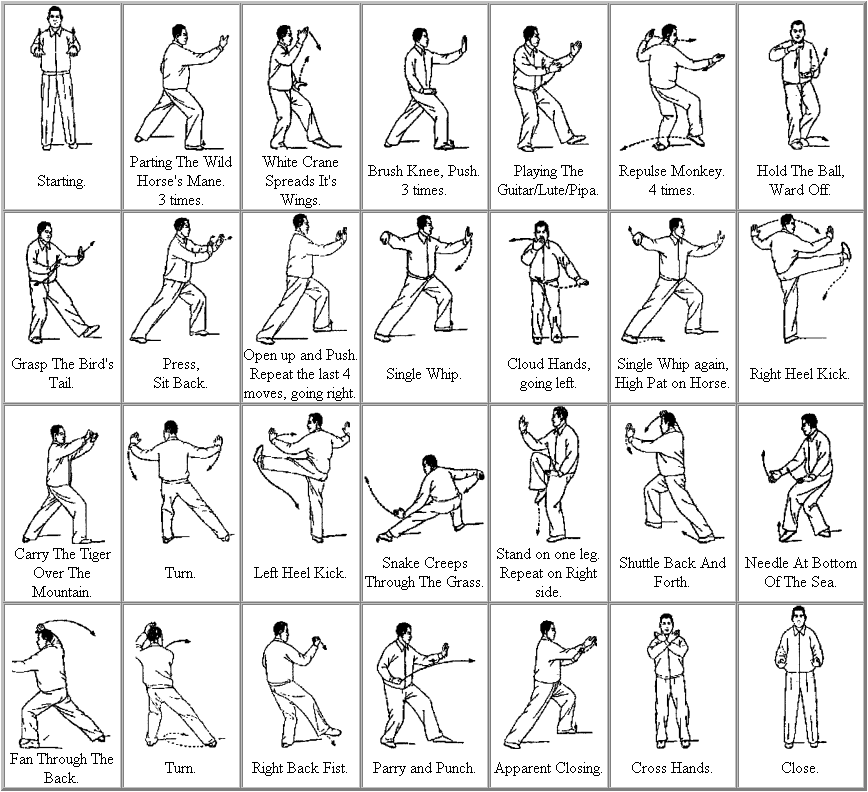
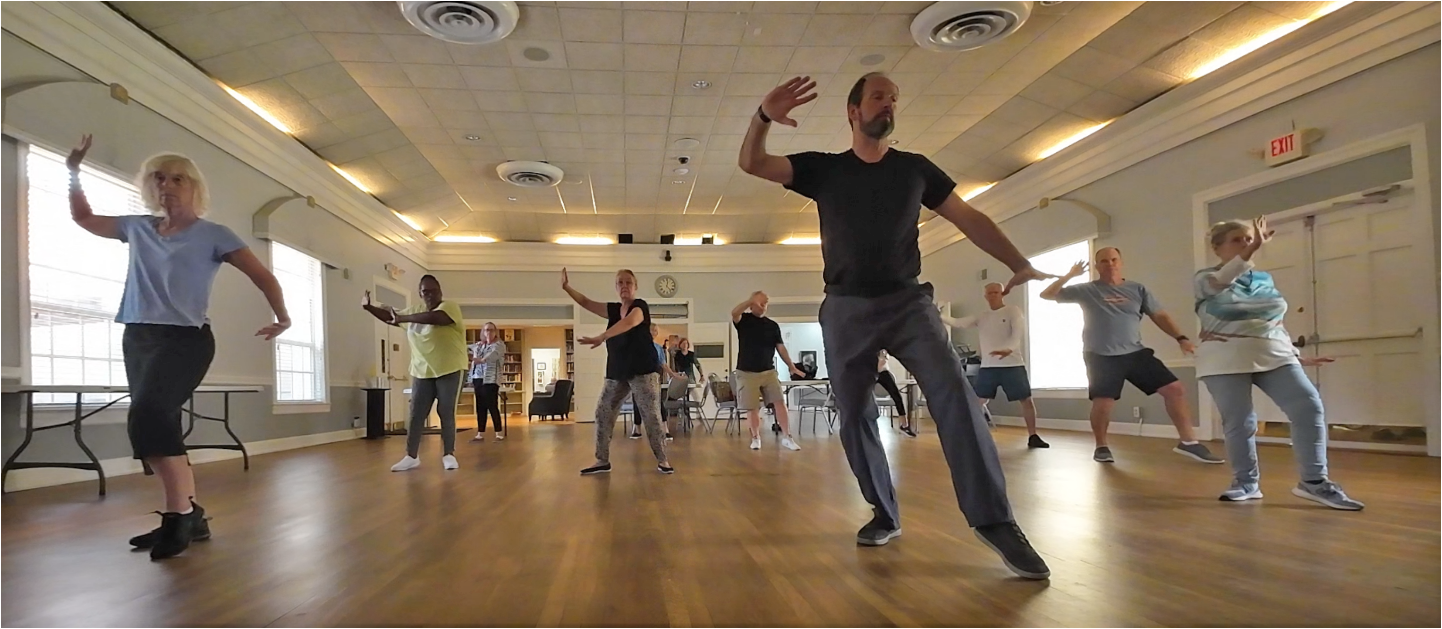
Yang style 24 – This IS tai chi, complete with names for each exercise

This is exactly what has happened with tai chi in the West. Many students sign up for classes expecting to learn a legitimate tai chi lineage, yet what they receive is a completely different system, usually a generic set of slow movements, breathwork, or unrelated qigong exercises.

Another analogy would be a student enrolling in a college program to earn a degree in Cantonese. They spend four years diligently studying, assuming they are learning the language they signed up for. However, upon graduation, they realize they have actually been taught Mandarin instead. While Mandarin is still a valuable language, the fact remains that the institution misled the student about what they were learning.

Similarly, in the world of tai chi, many instructors have claimed to teach legitimate Chen, Yang, or Wu styles tai chi, but in reality, what they teach lacks core structural components, martial applications, key internal mechanics and the philosophy of these arts as a whole. While what they offer may still provide health benefits, students deserve transparency about what they are actually learning.

I have personally encountered numerous instructors who claimed to teach authentic tai chi but omitted core elements such as silk-reeling energy (Chan Si Jin), fajin (explosive power), and martial applications. Similarly, other teachers abandoned tai chi’s rooting, structural integrity, and push hands training, reducing the practice to mere choreographed relaxation exercises or maybe physical fitness methods at best.

This misrepresentation, while sometimes unintentional and at other times deliberately misleading, is problematic because martial arts in general and tai chi in particular are institutions that pride themselves on high moral standards, integrity, and character. The issue is not that what these instructors teach is inherently bad or ineffective. Many of these adapted forms still provide great health and self-defense benefits. However, they have misrepresented their systems as part of a legitimate lineage when they are not.
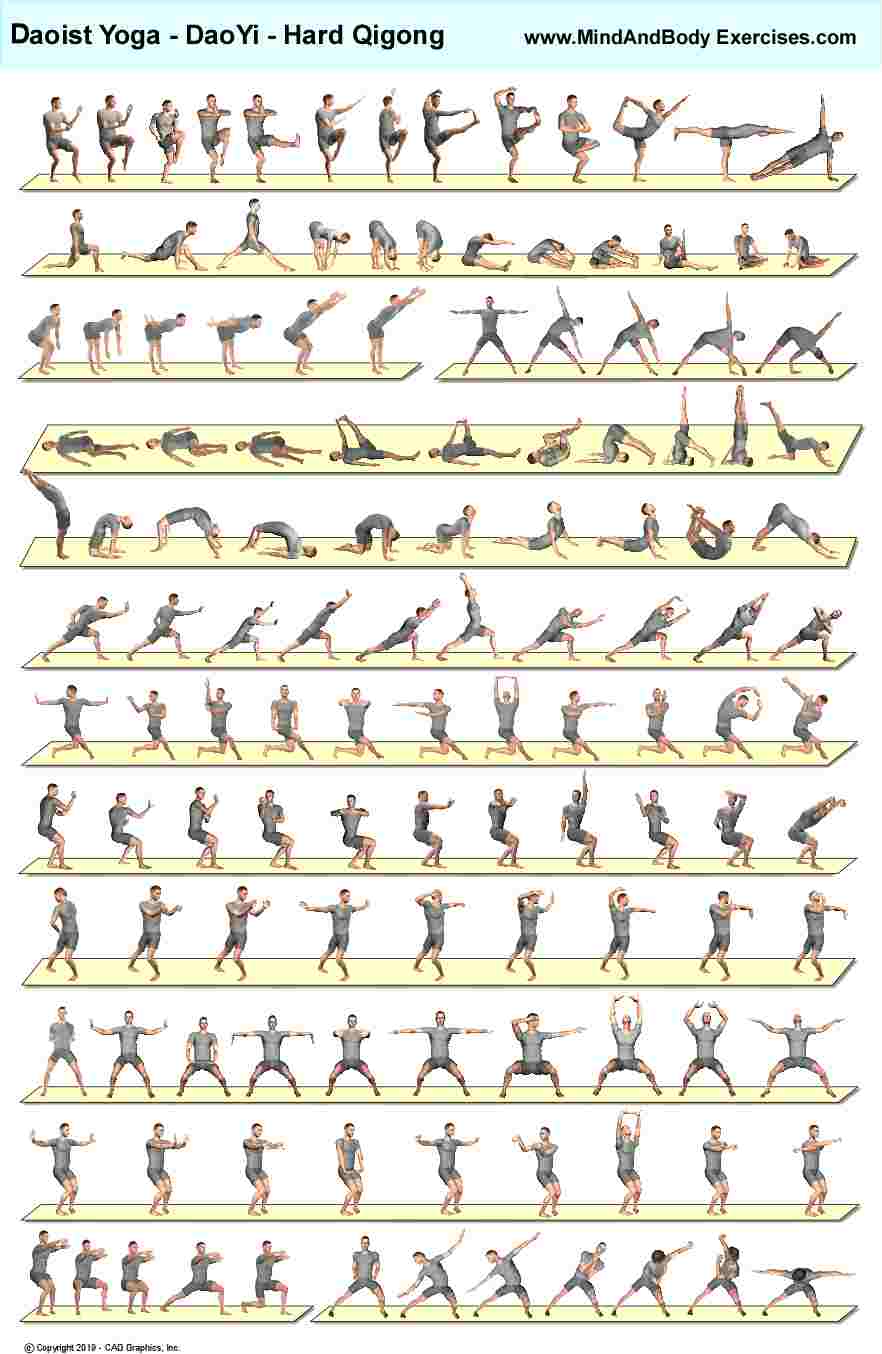
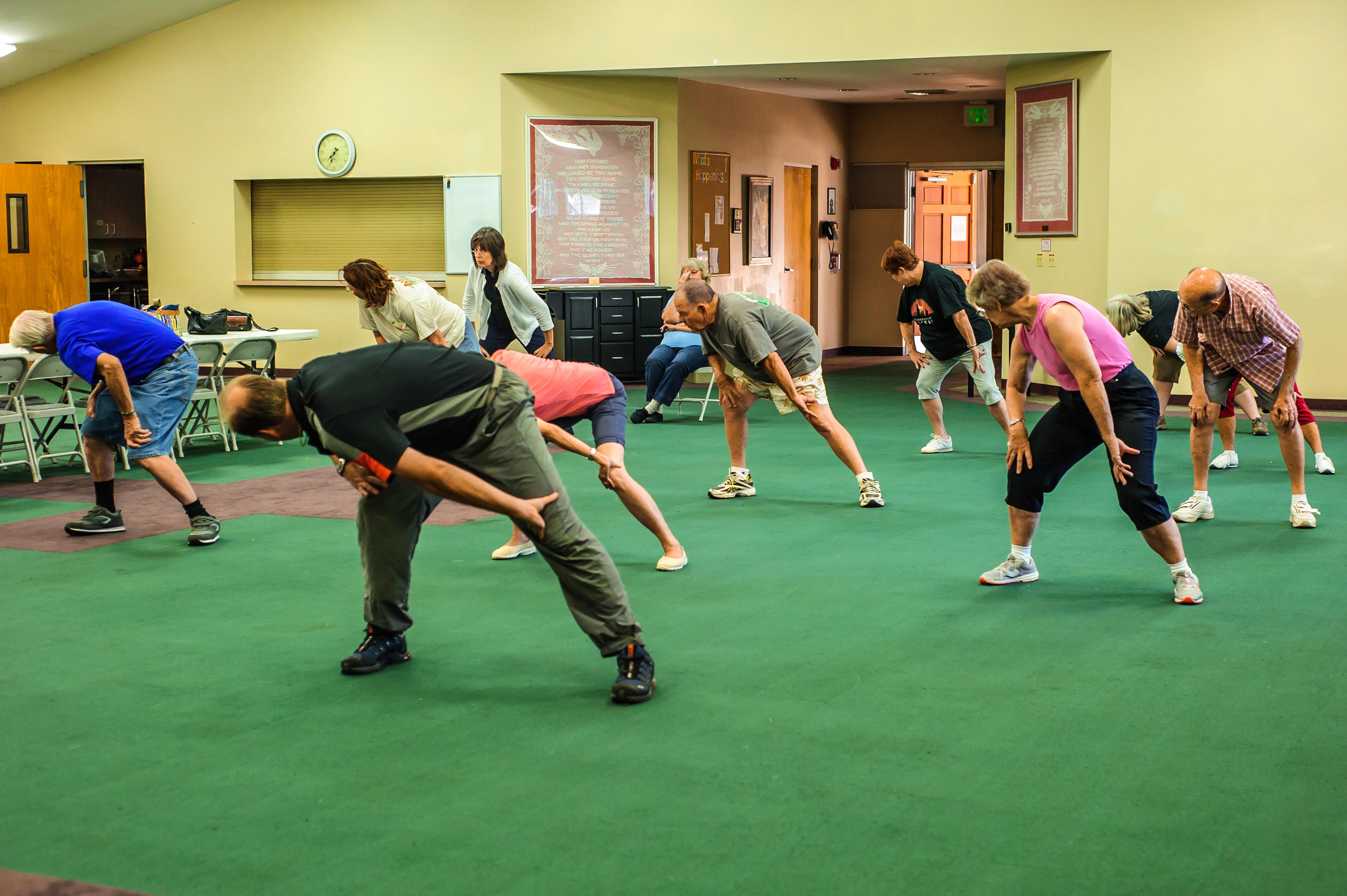
This is mostly NOT Tai Chi – however, legitimate static exercises of qigong or dao yin

With greater access to legitimate sources, historical records, and international training opportunities, modern practitioners can now recognize the discrepancies between traditional tai chi and commercialized adaptations. However, the impact of this bait-and-switch phenomenon still lingers in the tai chi landscape today.

Philosophical Foundations of Tai Chi

Tai chi is deeply rooted in Daoist and Confucian philosophy, incorporating yin-yang theory, Five Element Theory (Wu Xing), and Bagua (Eight Trigrams theory). These principles shape both the physical movements and the strategic martial applications of the art.

Yin and Yang: The Balance of Softness and Strength

Tai chi, literally translated as “Supreme Ultimate”, embodies the interplay of yin (softness, receptivity) and yang (hardness, action). Movements transition fluidly between yielding and attacking, expansion and contraction, in accordance with these principles.

This balance is evident across all major styles:

  • Chen-style integrates sudden explosive releases of energy (fajin) alongside soft, coiling movements.
  • Yang-style, derived from Chen, smooths out the transitions but retains the root structure and internal power.
  • Wu-style, known for its compact, small-frame movements, emphasizes yielding and subtle redirections over forceful exchanges.

The Five Elements (Wu Xing) in Tai Chi Practice

The Five Element Theory (Wu Xing) describes dynamic interactions in nature, which tai chi integrates into its movement and energy principles. Each element correlates with essential aspects of tai chi’s execution:

  • Metal (condensing, refining force) – The precision of structure and economy of movement, particularly in Wu-style’s compact footwork.

Bagua (Eight Trigrams) and Cycles of Transformation

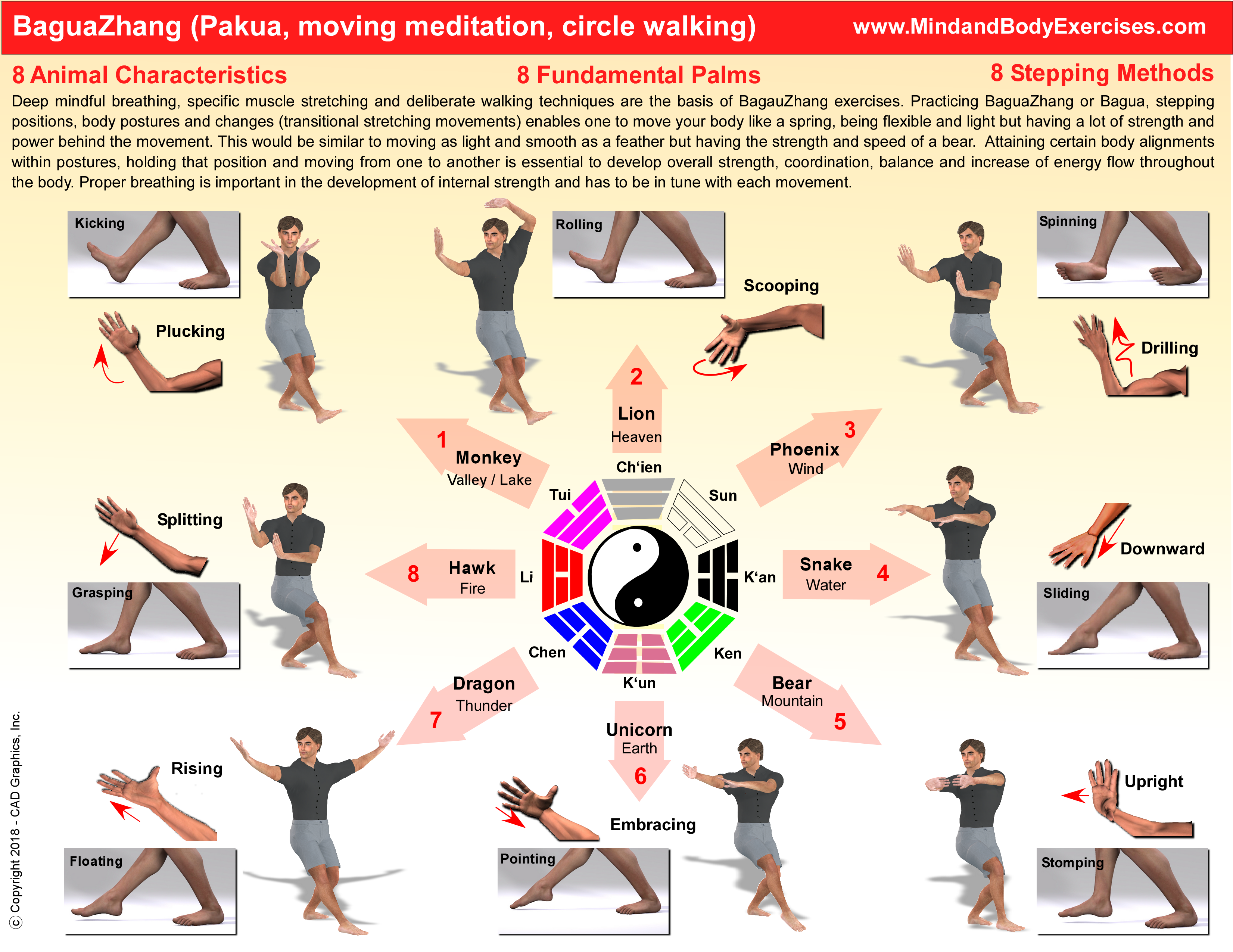
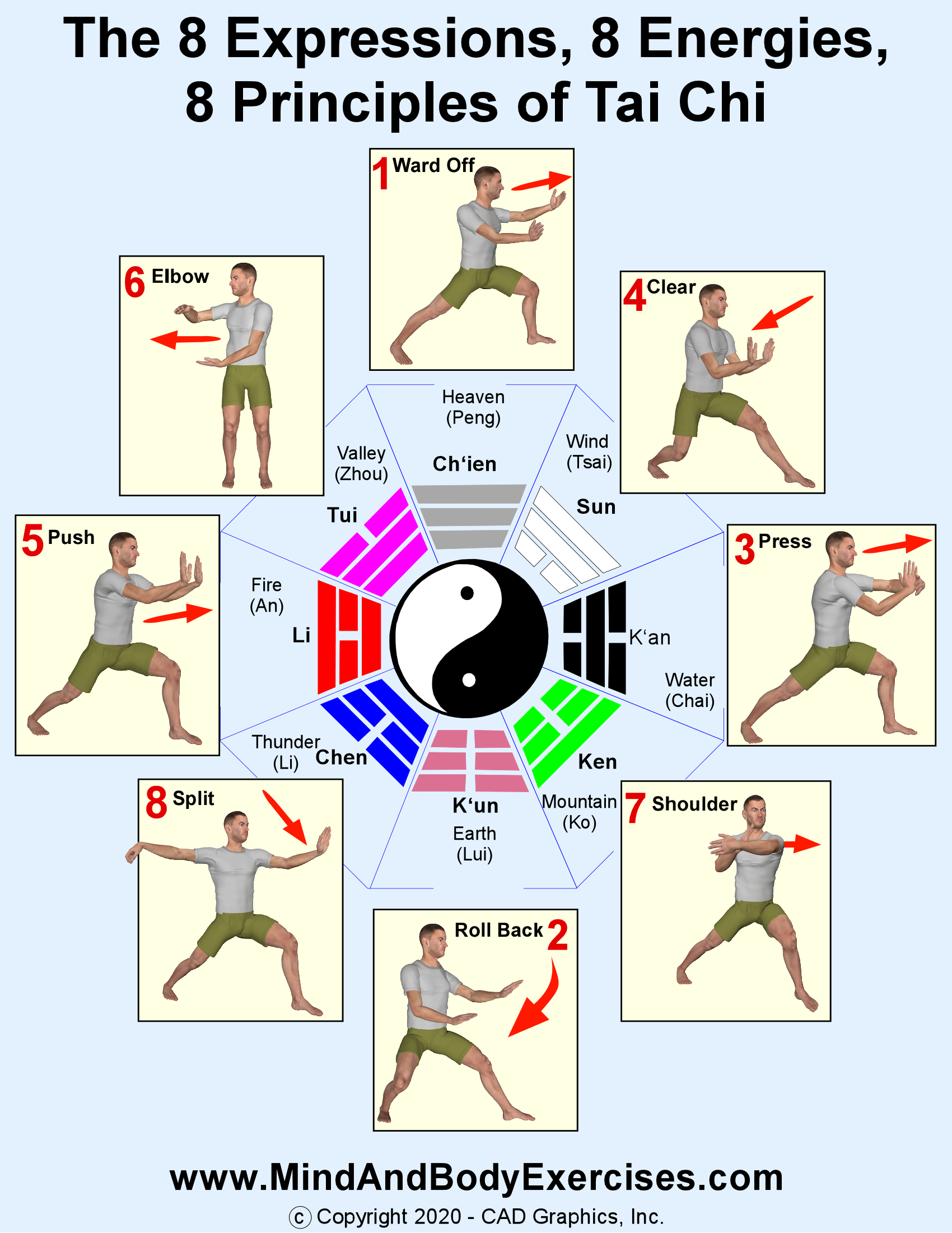
Tai chi shares conceptual similarities with Bagua Zhang (Eight Trigrams Palm), particularly in its circular stepping and understanding of transformation in combat. The eight trigrams (Bagua) symbolize the natural forces of heaven, earth, wind, thunder, water, fire, mountain, and valley, each influencing different movement qualities. The 8 energies of fundamental tai chi principles correspond with the 8 trigrams of the bagua:

  • Peng (heaven) – Ward Off: This energy is about expanding outwards and destabilizing an opponent, likened to a filling balloon.
  • Lu (earth) – Roll Back: This energy involves a rolling or drawing action while grounding and stabilizing, like drawing a line with a brush.
  • Ji (water) – Press: This energy involves a squeezing or pressing action, often used to control an opponent’s movement.
  • An (fire) – Push: This energy is a direct pushing action that moves an opponent away or creates an opening.
  • Tsai (wind) – Pluck: This energy is a plucking, pulling or grabbing action, used to disrupt an opponent’s balance.
  • Lieh (thunder) – Split: This energy involves a splitting or parting action, used to create space or to separate an opponent.
  • Zhou (valley) – Elbow: This energy uses the elbow as a weapon, either for striking or for blocking.
  • Kao (mountain) – Shoulder: This energy uses the shoulder to bump or lean into an opponent, creating an opportunity for attack or defense.
Physical Components of Authentic Tai Chi

Having personally trained with high-level practitioners from traditional tai chi lineages, I can confirm that authentic practice requires adherence to specific biomechanical principles. Many modern adaptations focus solely on relaxation, neglecting the essential physical structure required for both internal energy development and combat application.

Kinetic Linking: The Chain of Movement

Tai chi follows the principle of kinetic linking, where movement flows seamlessly through the entire body. This structure applies across all major styles:

  1. The feet root  – Power originates from the ground.
  2. The waist and spine direct  – The dantian (energy center) leads all movement.
  3. The arms and hands express – Energy manifests outward through an integrated whole-body structure.

Recognizing Authentic Chen, Yang, and Wu Tai Chi

Chen-Style Tai Chi

  • Alternating slow and fast movements – Not just slow-motion practice.
  • Silk-reeling drills – Without these, it is not real Chen-style tai chi.
  • Explosive fajin strikes – Demonstrating internal power expression.

Yang-Style Tai Chi

  • Large, flowing postures – Emphasis on balance and smoothness.
  • No abrupt power releases – Unlike Chen-style, Yang-style minimizes fajin.

Wu-Style Tai Chi

  • Smaller movements and compact footwork – Close-range efficiency.
  • Subtle redirections – Making use of yielding and sensitivity.

Conclusion

As someone who has spent over four decades practicing, studying, and researching tai chi and other martial arts, I have personally witnessed both authentic and misrepresented versions of tai chi in the United States. While many well-intentioned teachers have promoted tai chi’s health benefits, others have knowingly or unknowingly diluted the art, leading to confusion among students seeking traditional training. If a martial arts master, expert, or instructor is going to invest their time, effort, and passion in teaching others, why not spend that time learning one of the original, legitimate styles? Perhaps it is easier for them to perpetuate the deception rather than embrace the challenge of learning an authentic style. Is it pride, unwillingness to admit there’s more to learn, or simply a lack of access to true knowledge? Whatever the case, commit to authenticity and honor the lineage of the art.

The bait-and-switch marketing model has been a persistent issue, with many instructors selling qigong exercises as tai chi, stripping the art of its core biomechanical principles and martial applications. However, today’s practitioners have more access to knowledge than ever before. By asking the right questions, studying traditional principles, and seeking qualified lineage-based instruction, students can ensure they are learning true, authentic tai chi, rather than an imitation product rebranded for unknowing students and even healthcare professionals who associate with these practices.

This issue extends beyond martial arts circles. Healthcare professionals, wellness coaches, and others who incorporate tai chi into their practices should be held to a higher standard of ethical responsibility. Professions that pride themselves on education and evidence-based care must ensure that what they promote aligns with authentic traditions, not diluted versions repackaged for commercial appeal. By failing to verify authenticity, they risk misleading their patients and clients, ultimately undermining trust and diminishing the effectiveness of these ancient practices. In a world where information is readily available, there is little excuse for perpetuating misconceptions. Upholding the integrity of both martial arts and healthcare professions requires a commitment to truth, accountability, and respect for the original systems that have endured for centuries.

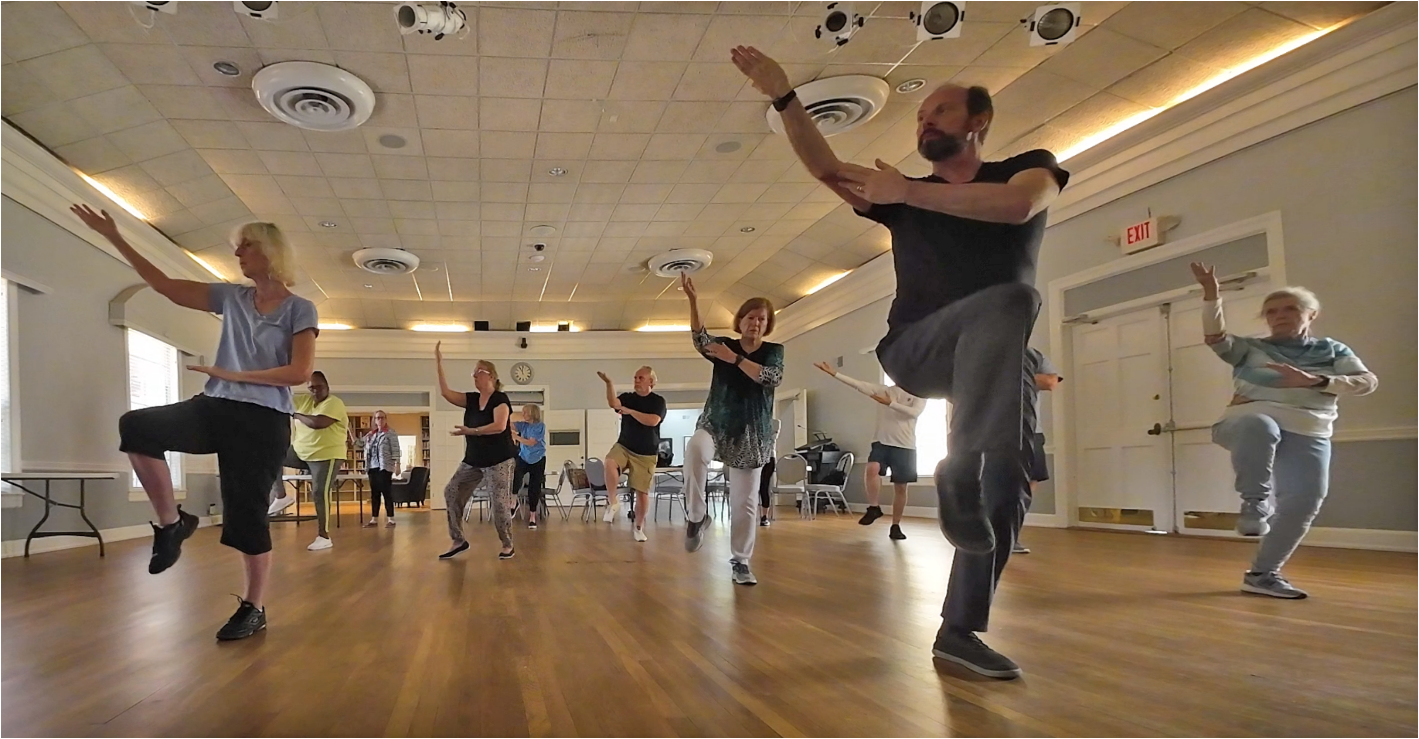
Qigong class
Tai Chi class
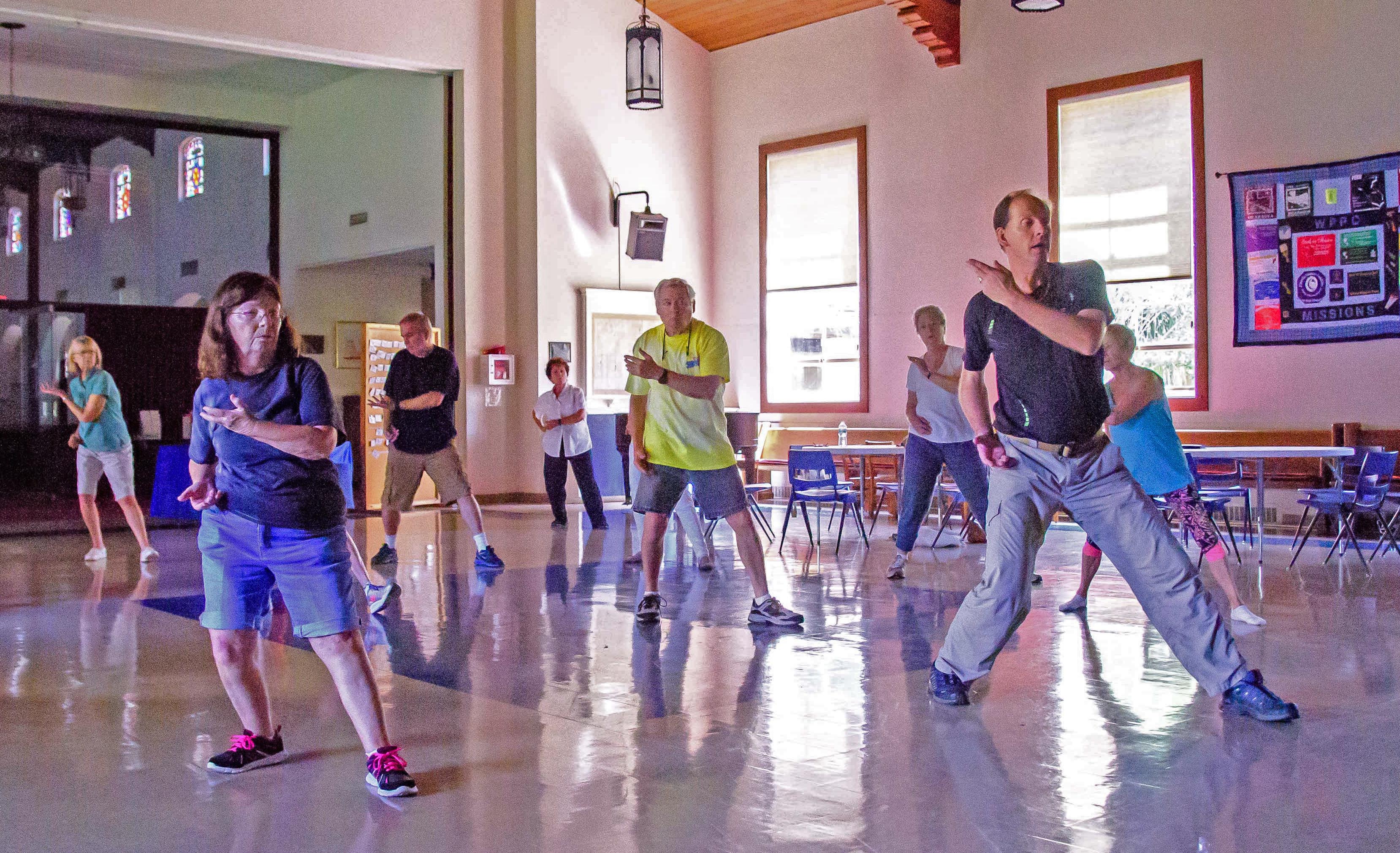
Silk Reeling – Tai Chi class
Qigong class- 8 Pieces of Brocade

Why is Spinal Movement Important for CSF Circulation?

The brain and spinal cord use a specialized fluid known as cerebrospinal fluid (CSF) to transport nutrients, remove waste, and offer protection. Unlike blood, which the heart actively pumps, CSF circulation relies on movement, respiration, and sleep-related brain activity. Maintaining adequate CSF flow is important for brain health, detoxification, and reducing the risk of neurological conditions such as Alzheimer’s, Parkinson’s, and cognitive decline.

This article examines the enhancement of cerebrospinal fluid circulation and activation of the brain’s glymphatic system, the body’s inherent “brain cleansing” process, through spinal movement, breathwork, and quality sleep.

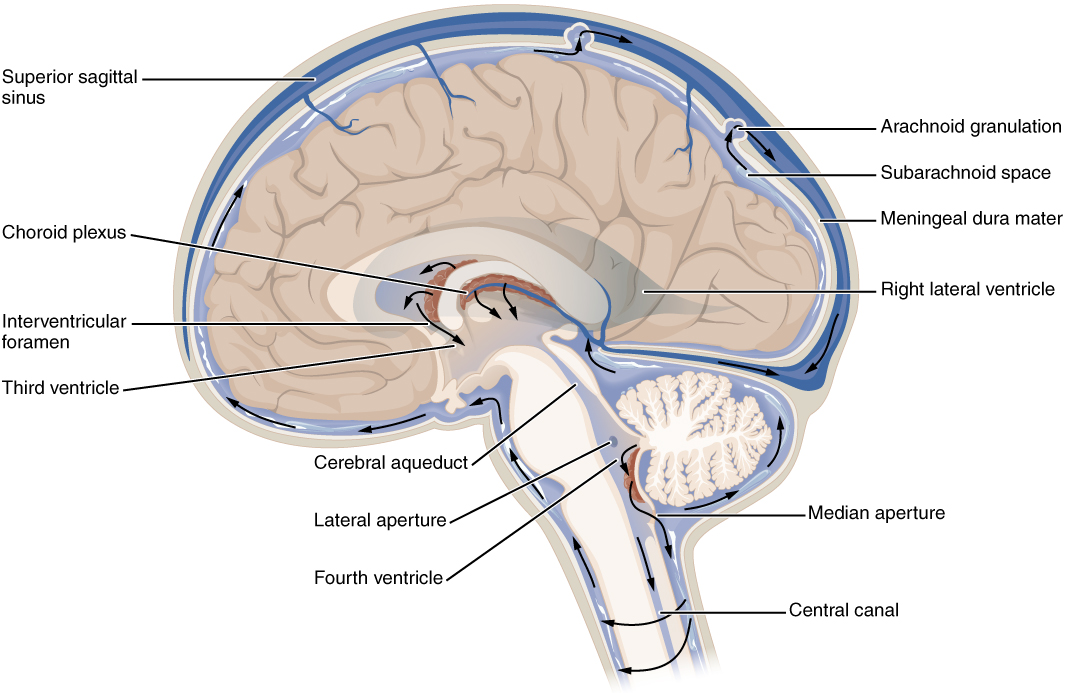
Cerebrospinal fluid (CSF) is produced by the choroid plexuses within the brain’s ventricles and circulates through the ventricular system before entering the subarachnoid space, which envelops both the brain and spinal cord. This circulation adheres to a defined pathway:

From the Brain to the Spinal Cord – CSF proceeds down the spinal canal, reaching the lumbar cistern near the sacral region.

Return Flow to the Brain – CSF is ultimately reabsorbed into the venous system via arachnoid granulations located in the superior sagittal sinus.

In the absence of a dedicated pump for CSF, its circulation depends on spinal movement, respiratory mechanics, and sleep-related pressure fluctuations.

The spine houses the spinal cord and dural tube, and movement of the spine serves as a natural pump for CSF circulation. Restricted mobility, due to factors such as sedentary lifestyles, poor posture, or aging, can contribute to stagnant CSF flow, which may affect waste clearance from the brain.

Holistic movement practices such as yoga, qigong, tai chi and BaguaZhang, are particularly effective in promoting CSF flow. Key spinal movements include:

  1. Flexion and Extension (Forward & Backward Bending)
    • Cat-Cow Pose (Yoga): Alternating between spinal flexion and extension helps mobilize CSF.
    • Spinal Rocking (Qigong): Gentle rocking movements from the pelvis stimulate lumbar and sacral CSF flow.
  2. Rotation and Twisting Movements
    • Seated Spinal Twists: Compresses and releases different regions of the spinal column, enhancing CSF dynamics.
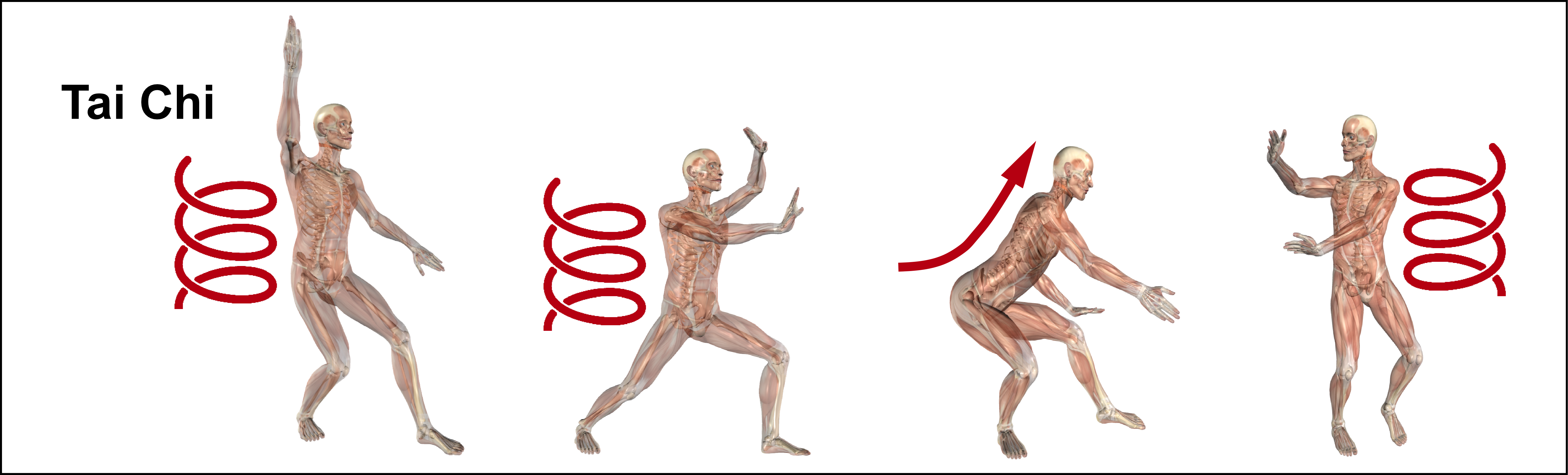
    • Dragon Whips Its Tail (Tai Chi): A controlled twisting motion that supports fluid movement in the spine.
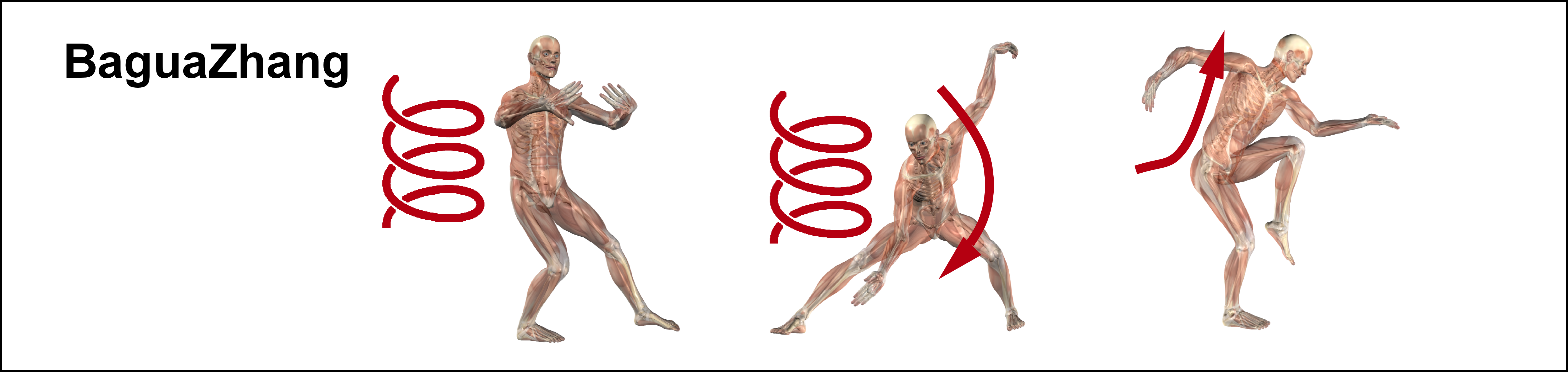
    • BaguaZhang: The whole mind and body martial art practice is based upon the coiling and spiraling of the waist, spine and upper extremities.
  3. Inversions and Gravity-Assisted Flow
    • Downward Dog (Yoga): Allows gravity to assist CSF movement back toward the brain.
    • Rebounding (Mini-Trampoline Exercise): Rhythmic spinal compression enhances CSF pulsation.

These movements maintain the openness of the spinal canal, alleviate tension within the dura mater, and promote proper cerebrospinal fluid circulation, thereby optimizing the functioning of the brain and nervous system.

One of the most critical aspects of CSF circulation occurs during sleep, when the glymphatic system, the brain’s built-in waste removal process, becomes highly active.

Why Does the Glymphatic System Work Best During Sleep?

  1. Brain Cell Shrinkage Increases CSF Flow
    • During deep sleep (slow-wave sleep), brain cells shrink by up to 60%, increasing the space between them.
    • This expansion allows CSF to flow more freely, flushing out toxic waste, including beta-amyloid plaques, which are linked to Alzheimer’s disease.
  2. Reduced Sympathetic Nervous System Activity
    • While awake, the sympathetic nervous system (fight-or-flight mode) restricts CSF flow.
    • During deep sleep, the parasympathetic nervous system takes over, allowing CSF to circulate more efficiently.
  3. Slow-Wave Brain Activity Acts as a CSF Pump
    • Research shows that slow-wave brain activity (delta waves) coincides with pulses of CSF flow, helping clear waste from the brain.
  4. Melatonin Enhances Glymphatic Function
    • The sleep hormone melatonin has been linked to increased glymphatic activity and improved beta-amyloid clearance.

As the glymphatic system becomes fully active only during sleep, insufficient sleep can result in the accumulation of toxins in the brain. This increases the risk of several conditions, including:

  • Alzheimer’s and Parkinson’s diseases
  • Cognitive decline and memory impairment
  • Mental fatigue and reduced clarity of thought

Breathing directly influences intracranial and spinal pressure, aiding in the movement of cerebrospinal fluid (CSF). Intentional breathwork practices may support brain detoxification and enhance relaxation, facilitating glymphatic function.

Diaphragmatic Breathing (Dantien Breathing in Qigong/Tai Chi/BaguaZhang): Deep, slow abdominal breathing creates rhythmic pressure changes that affect CSF flow.

Alternate Nostril Breathing (Pranayama, Yoga): May help regulate intracranial pressure and improve brain function.

Box Breathing (4-4-4-4 pattern): A structured breath cycle that can enhance CSF pulsation and balance the nervous system.

To ensure efficient CSF flow, glymphatic activation, and brain detoxification, incorporate the following habits:

Prioritize deep sleep – Aim for 7-9 hours of quality sleep each night.


Move your spine daily – Engage in yoga, qigong, tai chi, BaguaZhang or other spinal exercises to keep CSF circulating.


Sleep on your side – Studies suggest the lateral sleeping position improves glymphatic drainage.


Practice breathwork – Deep breathing techniques help regulate CSF dynamics and nervous system function.


Stay hydrated – Proper hydration supports CSF production and circulation.

In summary, spinal movement, proper breathing, and deep sleep are important for maintaining brain and nervous system health. By incorporating holistic movement practices and optimizing sleep quality, it is possible to enhance CSF circulation, support the glymphatic system, and reduce the risk of neurological disease.

A healthy spine, mindful breath, and restful sleep contribute to a clearer, healthier mind.

Contact me if you’d like a detailed movement and breathwork routine designed to enhance CSF circulation and brain detox.

References:

Xu, Q., Shao, C., Zhang, Y., Zhang, Y., Liu, C., Chen, Y., Wang, X., Chi, Y., Yu, S., & Sui, H. (2021). Head-nodding: a driving force for the circulation of cerebrospinal fluid. Scientific Reports, 11(1). https://doi.org/10.1038/s41598-021-93767-8

Xu, Q., Yu, S., Zheng, N., Yuan, X., Chi, Y., Liu, C., Wang, X., Lin, X., & Sui, H. (2016). Head movement, an important contributor to human cerebrospinal fluid circulation. Scientific Reports, 6(1). https://doi.org/10.1038/srep31787

Wichmann, T. O., Damkier, H. H., & Pedersen, M. (2022). A brief overview of the cerebrospinal fluid system and its implications for brain and spinal cord diseases. Frontiers in Human Neuroscience, 15. https://doi.org/10.3389/fnhum.2021.737217

Yogic breathing affects cerebrospinal fluid dynamics during breathing practice. (n.d.). NCCIH. https://www.nccih.nih.gov/research/research-results/yogic-breathing-affects-cerebrospinal-fluid-dynamics-during-breathing-practice?utm_source=chatgpt.com

Cui, L., Yin, H., Lyu, S., Shen, Q., Wang, Y., Li, X., Li, J., Li, Y., & Zhu, L. (2019). Tai Chi Chuan vs General Aerobic Exercise in Brain Plasticity: A Multimodal MRI Study. Scientific Reports, 9(1). https://doi.org/10.1038/s41598-019-53731-z

I look forward to further sharing more of my message by partnering with hospitals, wellness centers, VA centers, schools on all levels, businesses, and individuals who see the value in building a stronger nation through building a healthier population.

I also have hundreds of FREE education video classes, lectures, and seminars available on my YouTube channel at:

https://www.youtube.com/c/MindandBodyExercises

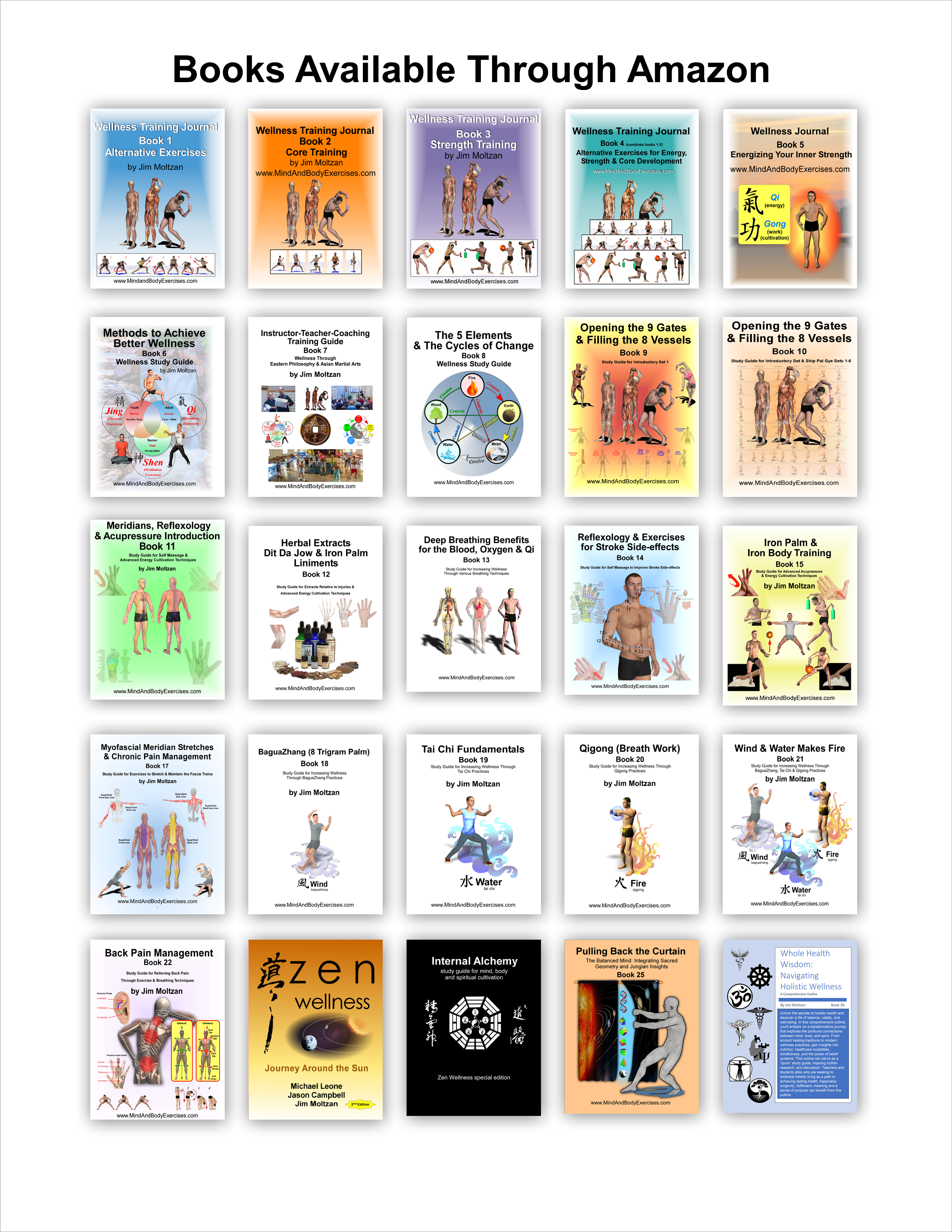
Many of my publications can be found on Amazon at:

http://www.Amazon.com/author/jimmoltzan

My holistic health blog is available at:

https://mindandbodyexercises.wordpress.com/

http://www.MindAndBodyExercises.com

Mind and Body Exercises on Google: https://posts.gle/aD47Qo

Jim Moltzan

407-234-0119

The Detriments of Social Media: A Closer Look at Polarizing Behavior

Social media has become an integral part of modern life, offering a platform for self-expression, networking, and information sharing. However, when individuals, especially those with professional careers, use social media to constantly post their political and social views, it can lead to unintended consequences. This behavior, particularly when it involves posting dozens of times a day with little engagement, can be polarizing and may negatively impact both personal and professional relationships. Beyond the social and professional risks, this kind of behavior can also have significant psychological and physiological effects, including stress, cortisol imbalances, and even obsessive-compulsive tendencies.

The Professional Risks

One of the most immediate detriments of excessive posting of polarizing views is the potential harm to one’s professional reputation. For individuals with established careers, social media often extends their professional identity. When their online presence is dominated by divisive political or social commentary, it can overshadow their expertise and accomplishments. Colleagues, clients, or professional networks with differing views may feel alienated, leading to strained relationships or missed opportunities. In extreme cases, this behavior can even result in job loss or damage to one’s career trajectory, as employers increasingly scrutinize employees’ online activity.

Engagement and Feedback

Another notable issue is the lack of engagement these posts often receive. When individuals post frequently and assertively, framing their views as absolute truths, it can discourage others from responding. People may find the content unrelatable, exhausting, or confrontational, leading to a lack of meaningful dialogue. Over time, this can create an echo chamber where the individual only hears their own voice, further entrenching their beliefs and isolating them from diverse perspectives. This lack of engagement can also be a sign that their approach is counterproductive, as it fails to foster the kind of constructive conversations that could lead to mutual understanding.

A Shift in How We Engage with Perspectives

In the past, before the advent of social media, people often engaged in face-to-face conversations where curiosity about others’ perspectives was more common. There was a natural inclination to ask questions, listen, and seek to understand differing viewpoints. Social media, however, has fundamentally altered this dynamic. Today, we are freely able and often inundated with the thoughts and opinions of others, sometimes to the point of oversaturation. While this transparency can foster connection, it can also lead to fatigue, especially when those opinions are expressed aggressively or excessively. The mystery and curiosity that once fueled meaningful dialogue are often replaced by a sense of overexposure, where the sheer volume of content can make it difficult to engage thoughtfully.

Psychological and Emotional Impact

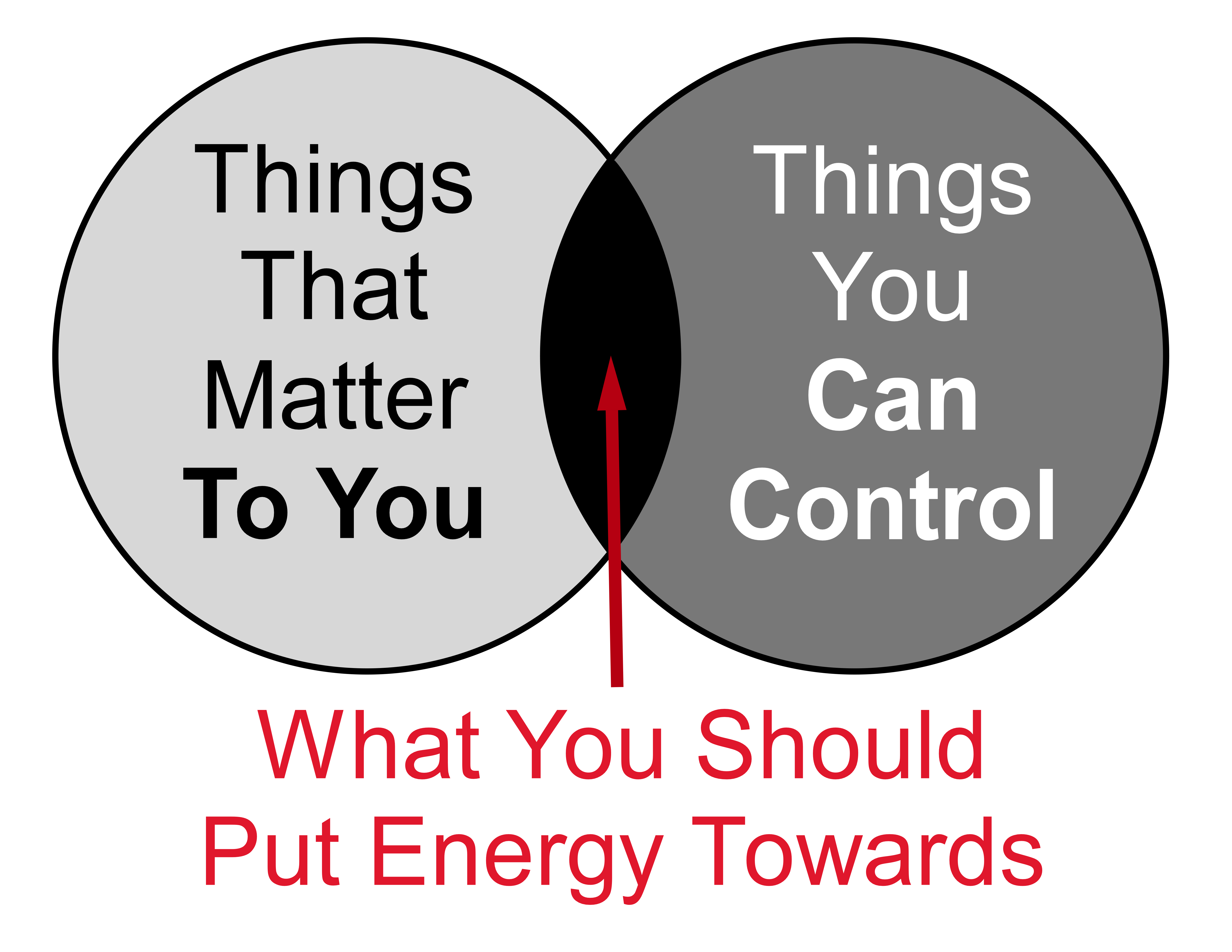
The psychological and emotional toll of this behavior cannot be overlooked. Constantly posting polarizing content may stem from a deep-seated need for validation or a desire to influence others. However, when these posts go unnoticed or unacknowledged, it can lead to feelings of frustration, inadequacy, or even anger. Over time, this cycle can contribute to heightened stress levels and emotional exhaustion. Moreover, the act of repeatedly sharing strong opinions can become compulsive, resembling obsessive-compulsive tendencies. The individual may feel an uncontrollable urge to post, even when it no longer serves a constructive purpose. If someone has the time, effort, and energy to blame others for all of the world’s ills, they also have the time to reflect and focus on becoming a better version of themselves. Rather than dwelling on external problems, shifting some of that energy toward self-improvement could yield far more positive and constructive outcomes.

Respecting Passion Without Sharing It

It’s worth noting that while someone’s efforts to advocate for a cause may appear noble or well-intentioned, not everyone will share their passion or agree with their methods. Social media often amplifies the visibility of these efforts, making it seem as though everyone should be equally invested. However, it’s important to recognize that people have different priorities, values, and capacities for engagement. What one person sees as a critical issue worthy of relentless advocacy, another may view as less pressing or outside their sphere of interest. This disconnect doesn’t diminish the value of the cause itself, but it highlights the importance of respecting boundaries and understanding that not everyone will share the same level of enthusiasm or commitment.

Physiological Effects: Stress, Cortisol, and Chemical Imbalances

The psychological stress associated with excessive social media use can also manifest physiologically. Chronic stress triggers the release of cortisol, a hormone that, in excess, can disrupt the body’s natural balance. Elevated cortisol levels have been linked to a range of health issues, including anxiety, depression, sleep disturbances, and weakened immune function. For individuals who are constantly engaged in online debates or who feel compelled to post frequently, this stress response can become a persistent state, leading to long-term health consequences.

Additionally, the dopamine-driven nature of social media can exacerbate these issues. The anticipation of likes, shares, or comments triggers dopamine release, reinforcing a habit loop. Over time, this can contribute to compulsive posting, as individuals seek continued validation through online interactions. This chemical imbalance can make it difficult for individuals to step away from social media, even when they recognize its negative impact on their lives.

Constructive Approaches for Change

For individuals who find themselves caught in this cycle, there are steps they can take to create a healthier and more balanced online presence. First, they might consider diversifying their content to include professional achievements, personal interests, or neutral topics that encourage broader engagement. Framing opinions in a way that invites dialogue—such as asking, “What are your thoughts on this?”—can also foster more respectful and productive conversations. Additionally, limiting the frequency of posts and focusing on quality over quantity can help reduce the compulsive urge to share and create a more thoughtful online presence.

For Observers: Setting Boundaries and Offering Support

For those who are on the receiving end of this behavior, it’s important to set boundaries. If the constant stream of polarizing posts becomes overwhelming, muting or unfollowing the individual on social media can help maintain mental well-being while preserving professional relationships. It’s also helpful to remember that their behavior is likely a reflection of their own experiences and beliefs, not a personal attack. In some cases, offering constructive feedback—if the relationship allows—can encourage them to reflect on their approach and its impact on others.

Conclusion

While social media offers a powerful platform for self-expression, its misuse can have far-reaching consequences. For individuals who post their political and social views excessively, the risks include professional alienation, strained relationships, and psychological and physiological harm. By adopting a more balanced and thoughtful approach to social media, individuals can mitigate these detriments and create a more positive and productive online presence. For observers, setting boundaries and offering support can help navigate these challenging dynamics. Ultimately, social media is a tool, and its impact depends on how it is used. By using social media intentionally—fostering meaningful discussions rather than divisive debates—we can create a digital space that informs rather than isolates.

References:

Mims, C., & Holcroft, J. (2020, October 19). Why social media is so good at polarizing us. WSJ. https://www.wsj.com/articles/why-social-media-is-so-good-at-polarizing-us-11603105204

Professional Risks of Social Media Use

Brown, V. R., & Vaughn, E. D. (2011). The writing on the (Facebook) wall: The use of social networking sites in hiring decisions. Journal of Business and Psychology, 26(2), 219-225.

  • This study explores how employers evaluate candidates’ social media presence and the potential impact of polarizing content.

Echo Chambers and Engagement Issues

Pariser, E. (2011). The Filter Bubble: What the Internet Is Hiding from You. Penguin Press.

  • Discusses how social media algorithms reinforce pre-existing beliefs and limit exposure to diverse perspectives.

Psychological and Emotional Effects of Social Media Overuse

Twenge, J. M., Joiner, T. E., Rogers, M. L., & Martin, G. N. (2017). Increases in depressive Symptoms, Suicide-Related Outcomes, and suicide rates among U.S. adolescents after 2010 and links to increased new media screen time. Clinical Psychological Science, 6(1), 3–17. https://doi.org/10.1177/2167702617723376

  • Examines how excessive screen time and social media use contribute to stress, anxiety, and depression.

Physiological Impact: Stress, Cortisol, and Dopamine

Sapolsky, R. M. (2004). Why Zebras Don’t Get Ulcers. Holt Paperbacks.

  • Explains how chronic stress and elevated cortisol levels affect mental and physical health.

Montag, C., & Reuter, M. (2017). Internet Addiction: Neuroscientific Approaches and Therapeutical Implications Including Smartphone Addiction. Springer.

  • Discusses dopamine-driven social media addiction and its effect on brain function.

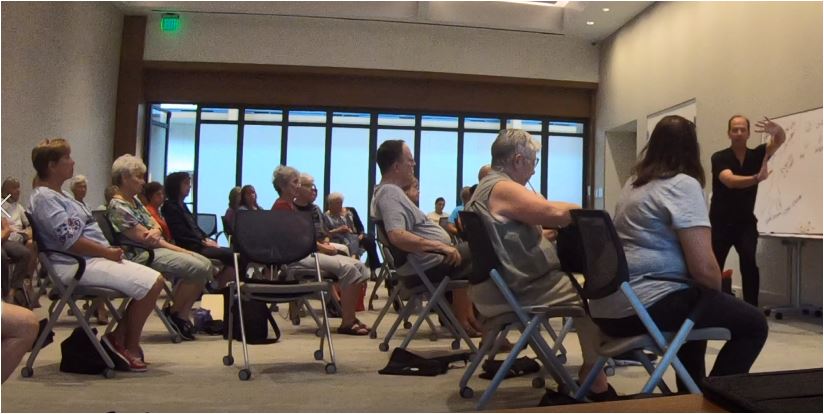
I teach and offer lectures about holistic health, physical fitness, stress management, human behavior, meditation, phytotherapy (herbs), music for healing, self-massage (acupressure), Daoyin (yoga), qigong, tai chi, and baguazhang.

Please contact me if you, your business, organization, or group, might be interested in hosting me to speak on a wide spectrum of topics relative to better health, fitness, and well-being.

I look forward to further sharing more of my message by partnering with hospitals, wellness centers, VA centers, schools on all levels, businesses, and individuals who see the value in building a stronger nation through building a healthier population.

I also have hundreds of FREE education video classes, lectures, and seminars available on my YouTube channel at:

https://www.youtube.com/c/MindandBodyExercises

Many of my publications can be found on Amazon at:

http://www.Amazon.com/author/jimmoltzan

My holistic health blog is available at:

https://mindandbodyexercises.wordpress.com/

http://www.MindAndBodyExercises.com

Mind and Body Exercises on Google: https://posts.gle/aD47Qo

Jim Moltzan

407-234-0119

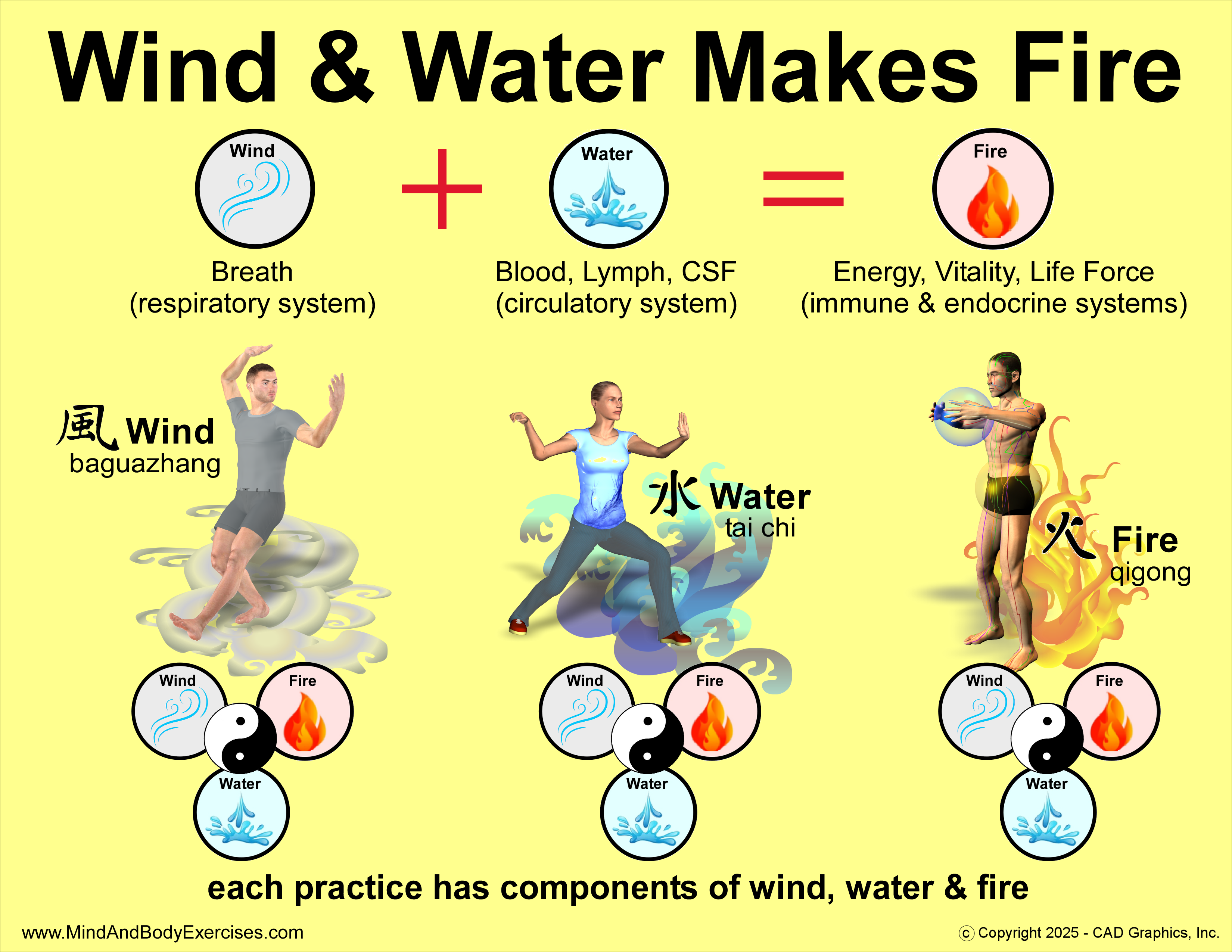
Wind and Water, Makes Fire

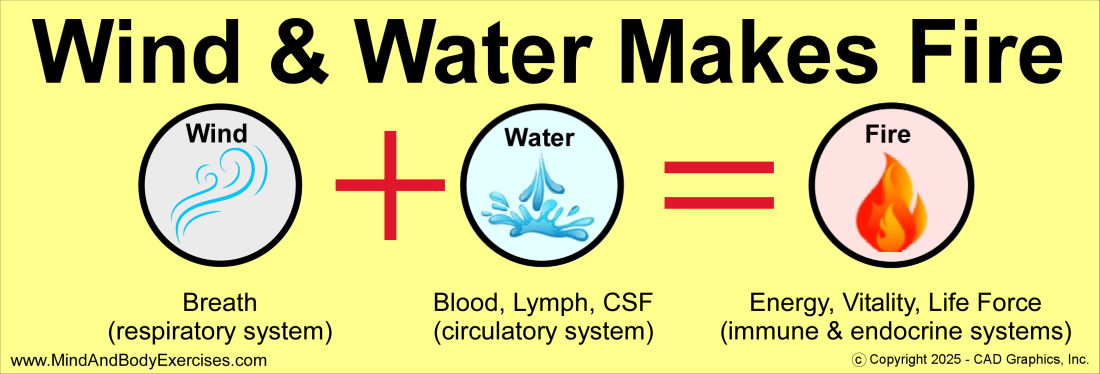
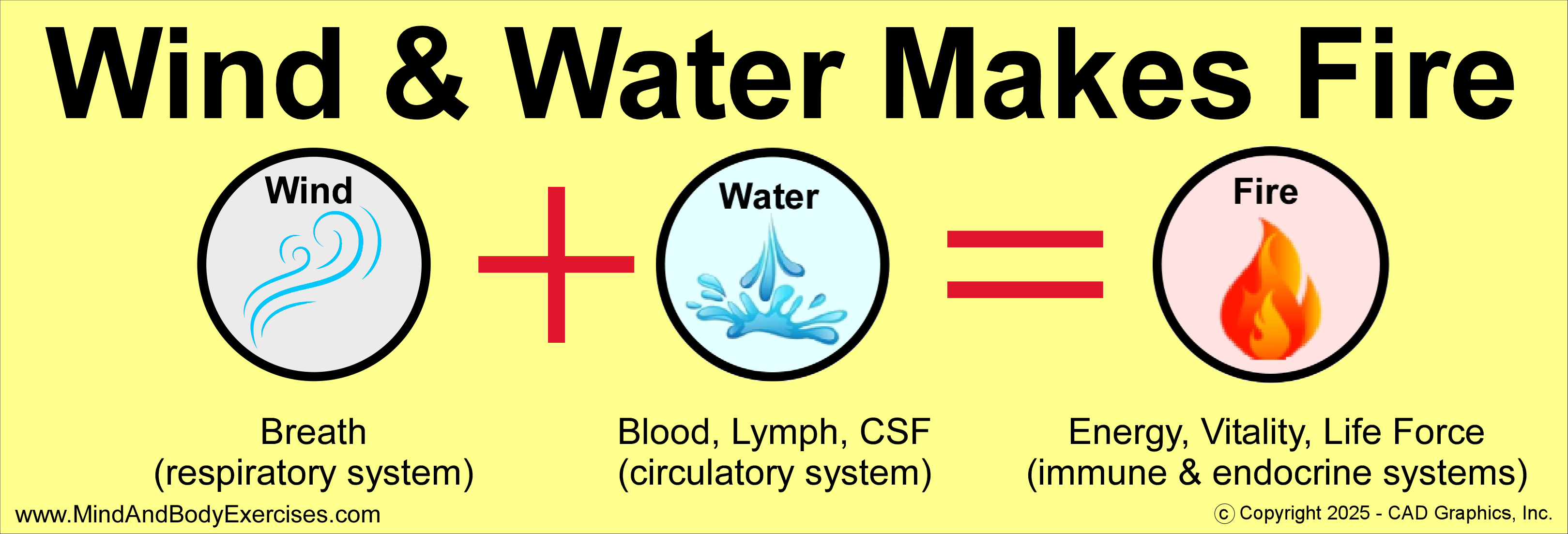
The human mind and body are integral parts of nature, constantly interacting with its energies. There is a direct correlation between the systems of nature and those of the body, with three key elements of wind, fire, and water, serving as points of connection.

  • Wind corresponds to the respiratory system, as the air we breathe sustains life.
  • Fire represents body temperature, which plays a vital role in all physiological functions.
  • Water relates to the circulatory system, essential for vitality and well-being.

Practices such as Tai Chi, Qigong, and Bagua Zhang profoundly influence the body, impacting the organs, joints, and muscles at a deep level. In Taoist alchemy, the philosophical phrase “wind and water make fire” metaphorically represents the dynamic interactions of the Five Elements (Wu Xing) and the internal processes of self-cultivation.

Here’s a breakdown of how this concept fits into Taoist thought:

  1. Five Elements Correspondence:
    • Wind (Feng, 风) is often associated with Wood (Mu, 木), which represents growth, movement, and expansion.
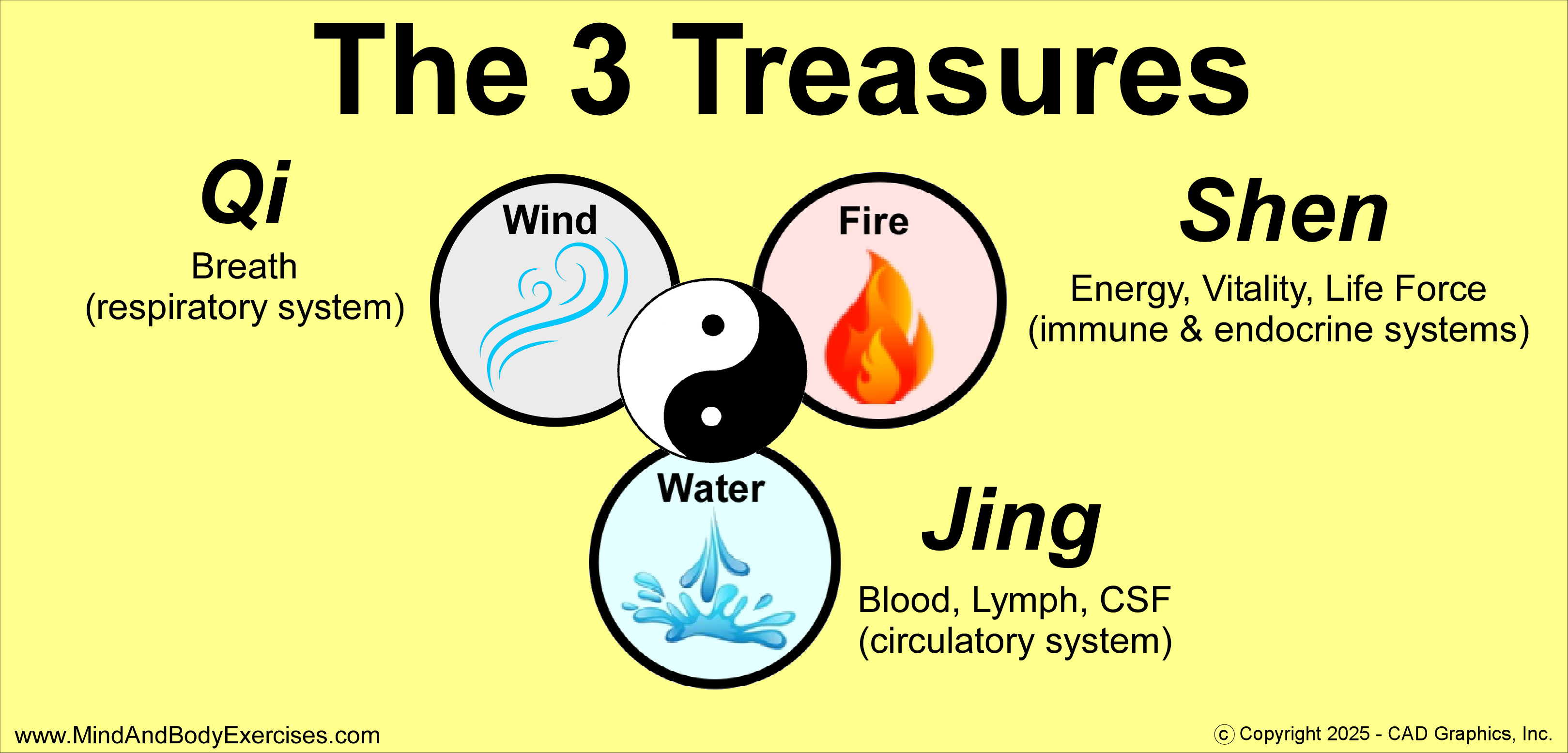
    • Water (Shui, 水) corresponds to the Kidneys and the essence (Jing), which serves as the foundation for transformation.
    • Fire (Huo, 火) corresponds to Yang energy, warmth, and spirit (Shen).
    • The idea is that the interaction of movement (Wind/Wood) and nourishment (Water) can generate Fire (Yang energy, transformation).
  2. Neidan (Internal Alchemy) Interpretation:
    • Wind (Wood) and Water represent Qi and Jing, respectively.
    • Their controlled interaction through breathwork, meditation, and energy circulation can generate the internal “alchemy fire” needed to refine essence into Qi and Qi into Shen.
    • This fire is not literal but the internal warmth and energetic transformation that happens in deep meditation or Qigong.
  3. Martial & Qigong Perspective:
    • In advanced Qigong and martial arts, regulated breath (Wind) and internal fluid movement (Water) manifest into internal heat (Fire), leading to refined power and vitality.
    • This aligns with practices of Tai Chi, Qigong and BaguaZhang, where breath, body movement, and mind-intent cultivate the internal fire for vitality and martial efficiency.

I teach and offer lectures about holistic health, physical fitness, stress management, human behavior, meditation, phytotherapy (herbs), music for healing, self-massage (acupressure), Daoyin (yoga), qigong, tai chi, and baguazhang.

Please contact me if you, your business, organization, or group, might be interested in hosting me to speak on a wide spectrum of topics relative to better health, fitness, and well-being.

I look forward to further sharing more of my message by partnering with hospitals, wellness centers, VA centers, schools on all levels, businesses, and individuals who see the value in building a stronger nation through building a healthier population.

I also have hundreds of FREE education video classes, lectures, and seminars available on my YouTube channel at:

https://www.youtube.com/c/MindandBodyExercises

Many of my publications can be found on Amazon at:

http://www.Amazon.com/author/jimmoltzan

My holistic health blog is available at:

https://mindandbodyexercises.wordpress.com/

http://www.MindAndBodyExercises.com

Mind and Body Exercises on Google: https://posts.gle/aD47Qo

Jim Moltzan

407-234-0119

Inside the Circle: The Power and Peril of Closed Groups

The Role and Risks of Closed Social Groups in Martial Arts, Yoga, Clubs, and Other Exclusive Communities

Closed social groups, such as private yoga or martial arts schools, serve a unique purpose within their respective disciplines. Depending on the intent behind their structure, their exclusivity can have advantages and drawbacks. Similar dynamics can be found in other exclusive communities, such as religious orders, secret societies, and elite academic circles.

  1. Focused Learning Environment
    • By restricting access, students or members can focus on their objectives without outside distractions or feeling self-conscious under public scrutiny. This is particularly important for traditional martial arts, esoteric yoga practices, or spiritual communities that require deep practices of observation, contemplation, and meditation as their main focus.
  2. Preservation of Tradition
    • Many closed schools and societies follow lineages that prioritize secrecy or direct transmission from teacher to student. This can help to maintain authenticity, ensuring knowledge isn’t diluted or misrepresented.
  3. Community and Trust
    • A closed structured system can encourage a strong sense of belonging, loyalty, and trust among members. This is very important for practices that involve partner training, deep introspection, or energy work, as well as in religious and esoteric orders.
  4. Safety and Progression
    • Some disciplines involve physical conditioning or internal energy cultivation such as with advanced qigong, martial techniques, or breath control methods. Restricting access ensures students have proper guidance and do not attempt techniques without foundational preparation.

  1. Exclusivity Can Limit Growth
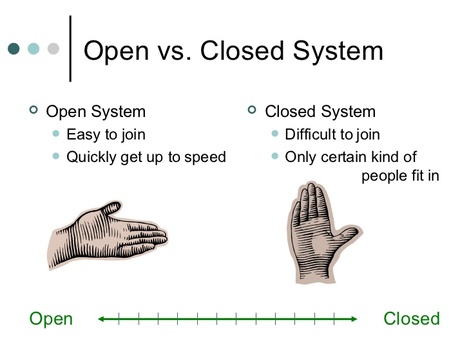
    • While privacy may support depth, it may also prevent potential new students from finding and benefiting from these practices. A highly restricted group may unintentionally create an echo chamber.
  2. Loss of Cultural Exchange
    • Martial arts, yoga, and many esoteric traditions have deep historical roots but have evolved through cultural exchange. Over-restricting access could hinder the natural development of these traditions.
  3. Risk of Elitism or Dogmatism
    • If not managed well, closed groups can sometimes lead to rigid, authoritarian-type hierarchies, where senior members become resistant to new ideas or outsiders. This can lead to stagnation rather than growth.
  4. Barrier to Understanding
    • In some cases, secrecy can lead to stigma, misinformation, or misinterpretation from outsiders of the group who speculate about what happens within the group.

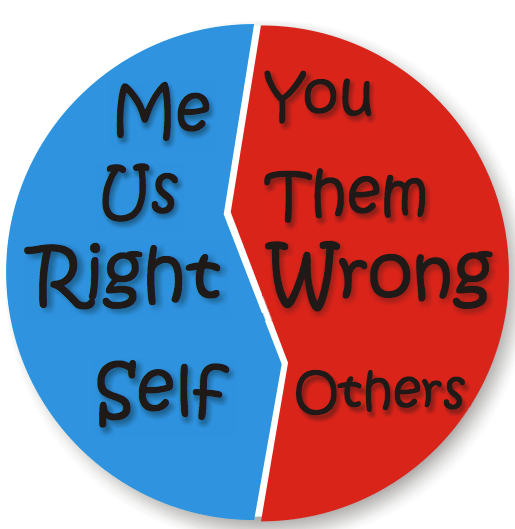
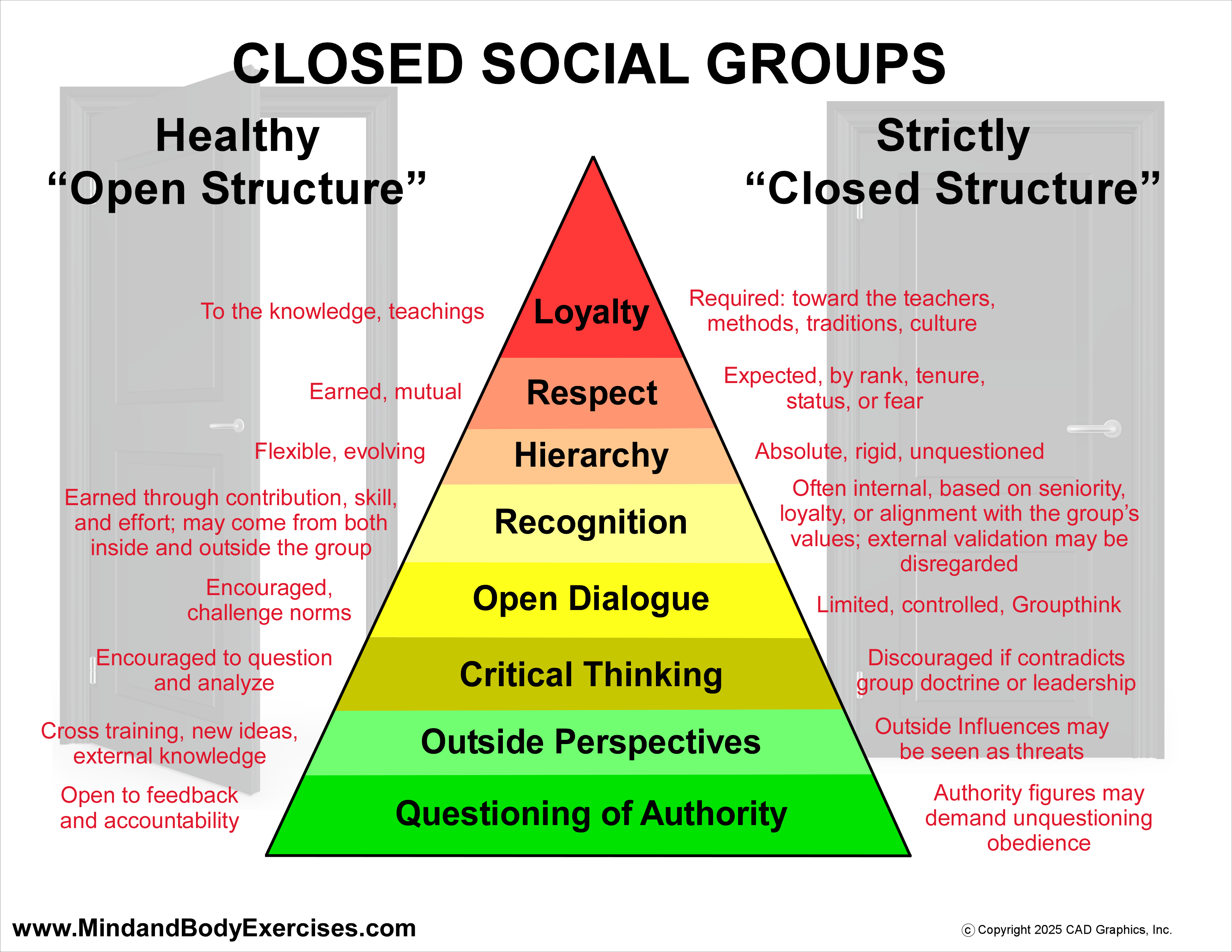
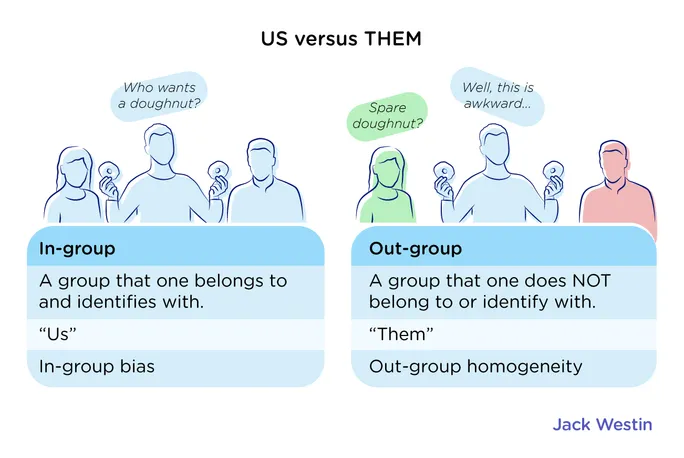
Closed groups, whether in martial arts, yoga, religious sects, secret societies, or elite academic circles, can sometimes encourage an “us vs. them” mentality, especially if they become overly insular. Various terms refer to these types of groups such as, but not limited to:

  • Dogmatic Communities
  • Ideological Isolation
  • Rigid Group Mentality
  • Sectarian Influence
  • Closed-System Thinking
  • Insulated Hierarchies
  • Excessive Group Loyalty
  • Echo Chamber Environments
  • Insular Traditions
  • Cult-like

Groupthink & Echo Chambers

  • Critical or objective thinking can diminish in highly insular groups as members conform to a singular worldview.
  • If a martial arts school, spiritual order, or elite academic group never questions its methods, or principles or refuses outside perspectives, it risks stagnation, stigma, and dogma.
  • Some groups discourage members from engaging with alternative viewpoints, reinforcing a “this is the only way” mindset.

Isolationism & “Us vs. Them” Mentality

  • If those outside of the group are viewed with hesitation, suspicion, or unworthiness, the group can become exclusionary rather than welcoming.
  • Some esoteric circles, religious sects, or martial arts schools forbid interactions with non-members, creating psychological dependence.
  • Over time, this can erode personal autonomy and discourage critical reflection.

Loaded Language & Indoctrination

  • Exclusive terminology or redefined words, such as “true knowledge,” “higher-level students,” “the only,” the original,” etc., can create a psychological barrier between insiders and outsiders.
  • Language may be used to elevate the in-group while dismissing external knowledge as inferior, dangerous or subversive.
  • In more extreme cases, dissenting members may be labeled as “unenlightened,” “not loyal,” “not ready,” “not qualified,” or “not clear” to justify exclusion.

Leader Worship & Hierarchical Control

  • Some martial arts or yoga masters, religious leaders, or academic figures present themselves as the sole gatekeeper of knowledge, discouraging students or disciples from questioning authority.
  • Strict obedience without space for personal growth can create an authoritarian dynamic, where members fear questioning the instructor, leader or those in authority.
  • This is especially risky in some of the internal arts and esoteric traditions, where progress is subjective and can be manipulated through metaphysical, mystical or vague claims.

How to Avoid or Become Aware of Insular Dynamics in Closed Groups

  • Encourage Critical Thinking: Healthy groups welcome questions and debate rather than discouraging independent thought.
  • Allow Cross-Training and Exchange: Exposure to other traditions, teachers, perspectives and resources keeps members from falling into dogma.
  • Maintain Ethical Boundaries: If the group expects extreme devotion, secrecy, or control over members’ lives, it’s a huge red flag.
  • Avoid Fear-Based Loyalty: No legitimate school or organization should use fear, guilt, or manipulation to keep members from leaving.
  • Foster Openness Without Dilution: A “semi-closed model,” where serious training is protected but knowledge is not hoarded, may be able to better balance tradition with accessibility.

Are Closed Groups Always Bad?

Not necessarily. Some amount of exclusivity can be beneficial for:

✅ Protecting advanced knowledge from misuse
✅ Maintaining depth and focus while training
✅ Creating a dedicated, distraction-free environment

However, if a group starts demanding absolute loyalty, rejecting all outsiders, or discouraging independent thinking, then it risks cult-like tendencies. Striking a balance between exclusivity and openness is key to ensuring that these groups remain places of learning, growth, and genuine tradition rather than echo chambers of control and manipulation.

With over 20 years of firsthand experience training, studying, and teaching in various closed groups across different settings, I have observed both their strengths and challenges. I then dedicated an additional 25 years to studying the underlying dynamics that shape these environments, recognizing both their positive and negative consequences. To deepen my understanding, I further invested four years into the study of psychology, religion, Eastern philosophy, sociology, psychophysiology, and other related fields, allowing me to analyze closed group behavior with a broader and more informed perspective.

I teach and offer lectures about holistic health, physical fitness, stress management, human behavior, meditation, phytotherapy (herbs), music for healing, self-massage (acupressure), Daoyin (yoga), qigong, tai chi, and baguazhang.

Please contact me if you, your business, organization, or group, might be interested in hosting me to speak on a wide spectrum of topics relative to better health, fitness, and well-being.

I look forward to further sharing more of my message by partnering with hospitals, wellness centers, VA centers, schools on all levels, businesses, and individuals who see the value in building a stronger nation through building a healthier population.

I also have hundreds of FREE education video classes, lectures, and seminars available on my YouTube channel at:

https://www.youtube.com/c/MindandBodyExercises

Many of my publications can be found on Amazon at:

http://www.Amazon.com/author/jimmoltzan

My holistic health blog is available at:

https://mindandbodyexercises.wordpress.com/

http://www.MindAndBodyExercises.com

Mind and Body Exercises on Google: https://posts.gle/aD47Qo

Jim Moltzan

407-234-0119