Metabolic Dysfunction and Concerns over Processed Food, Endocrine-Disrupting Chemicals (EDCs), and Toxins

People in the US are experiencing many mental and physical diseases, ailments, and chronic conditions that were not nearly as prominent in years past. Some experts believe there is a definite link between chemicals and the state of poor health in the US.
Metabolic Dysfunction Statistics: 93.2% of Americans have at least one marker of metabolic dysfunction according to a study published in the Journal of the American College of Cardiology. The study analyzed health data from over 55,000 Americans and found that only 6.8% were metabolically healthy. This alarming statistic highlights widespread issues like insulin resistance, high cholesterol, and high blood pressure, all linked to poor diet and lifestyle choices​. The study concluded that U.S. cardiometabolic health has been poor and worsening between 1999 and 2000 and 2017 and 2018, with only 6.8% of adults having optimal cardiometabolic health.

Processed Foods: Their concerns about the impact of ultra-processed foods are backed by extensive research in nutritional science. A 2019 study published in The BMJ found that higher consumption of ultra-processed foods was associated with an increased risk of all-cause mortality. Ultra-processed foods are often rich in refined sugars, unhealthy fats, and chemical additives, which have been linked to insulin resistance and chronic inflammation—key drivers of metabolic syndrome. The study concluded that “higher consumption of ultra-processed foods (>4 servings daily) was independently associated with a 62% relatively increased hazard for all-cause mortality. For each additional serving of ultra-processed food, all-cause mortality increased by 18%.”

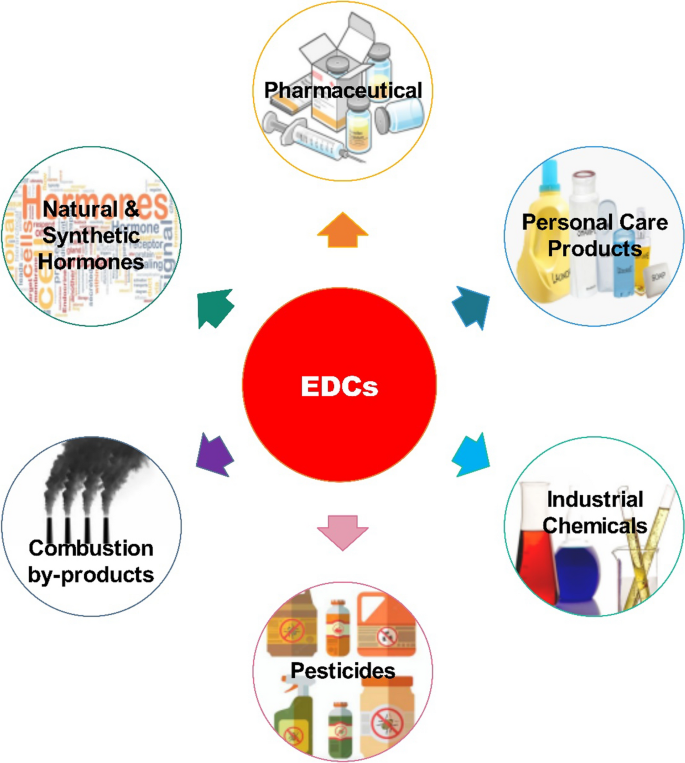
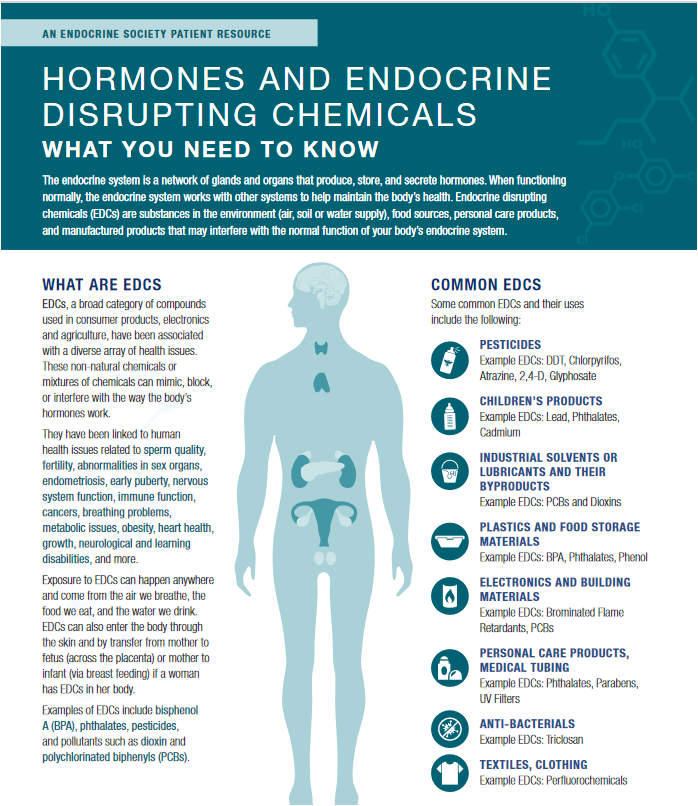
Endocrine-Disrupting Chemicals (EDCs): The risks associated with chemicals like BPA and phthalates are well-documented. The Endocrine Review has published multiple position papers discussing how EDCs interfere with the body’s hormonal systems, contributing to obesity, diabetes, and reproductive health issues. The thyroid’s hormone signaling plays a critical role in metabolism, growth, and development. EDCs impact endocrine disruptors, from chemicals like bisphenol A (BPA), phthalates, and industrial pollutants like polychlorinated biphenyls (PCBs) and polybrominated diphenyl ethers (PBDEs). These substances, along with herbicides and pesticides like atrazine and DDT, can interfere with thyroid function, leading to various health issues.

Environmental Toxins: Heavy metals, pesticides, and airborne pollutants have been linked to numerous health issues, including mitochondrial dysfunction. A 2014 review in Environmental Research connected chronic exposure to environmental toxins like arsenic, lead, mercury, cadmium, chromium, aluminum, iron, and pesticides to metabolic diseases through their detrimental effects on mitochondrial function and oxidative stress. Failure to better manage the exposure of heavy metals will ultimately result in severe complications in the future, due to the adverse effects imposed by these elements and relative substances.
(Society, 2022)

References:

Metabolic Dysfunction Statistics:

  • O’Hearn, M., Lauren, B. N., Wong, J. B., Kim, D. D., & Mozaffarian, D. (2022). Trends and Disparities in Cardiometabolic Health among U.S. adults, 1999-2018. Journal of the American College of Cardiology, 80(2), 138–151. https://doi.org/10.1016/j.jacc.2022.04.046

Processed Foods:

  • Rico-Campà, A., Martínez-González, M. A., Alvarez-Alvarez, I., De Deus Mendonça, R., De La Fuente-Arrillaga, C., Gómez-Donoso, C., & Bes-Rastrollo, M. (2019). Association between consumption of ultra-processed foods and all cause mortality: SUN prospective cohort study. BMJ, l1949. https://doi.org/10.1136/bmj.l1949

Endocrine-Disrupting Chemicals (EDCs):

Environmental Toxins:

  • Jaishankar, M., Tseten, T., Anbalagan, N., Mathew, B. B., & Beeregowda, K. N. (2014). Toxicity, mechanism and health effects of some heavy metals. Interdisciplinary Toxicology, 7(2), 60–72. https://doi.org/10.2478/intox-2014-0009

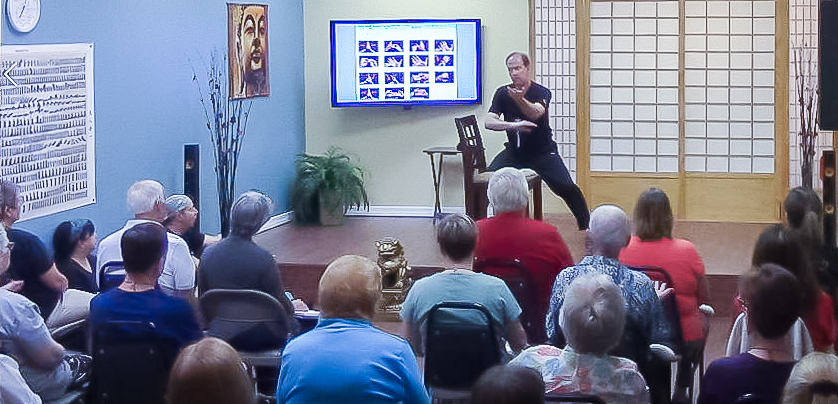
I teach and offer lectures about holistic health, physical fitness, stress management, human behavior, meditation, phytotherapy (herbs), music for healing, self-massage (acupressure), Daoyin (yoga), qigong, tai chi, and baguazhang.

Please contact me if you, your business, organization, or group might be interested in hosting me to speak on a wide range of topics related to better health, fitness, and well-being.

I look forward to further sharing my message by partnering with hospitals, wellness centers, VA centers, schools on all levels, businesses, and individuals who see the value in building a stronger nation through a healthier population.

I also have hundreds of FREE education video classes, lectures, and seminars available on my YouTube channel at:

https://www.youtube.com/c/MindandBodyExercises

Many of my publications can be found on Amazon at:

http://www.Amazon.com/author/jimmoltzan

My holistic health blog is available at:

https://mindandbodyexercises.wordpress.com/

http://www.MindAndBodyExercises.com

Mind and Body Exercises on Google: https://posts.gle/aD47Qo

Jim Moltzan

407-234-0119
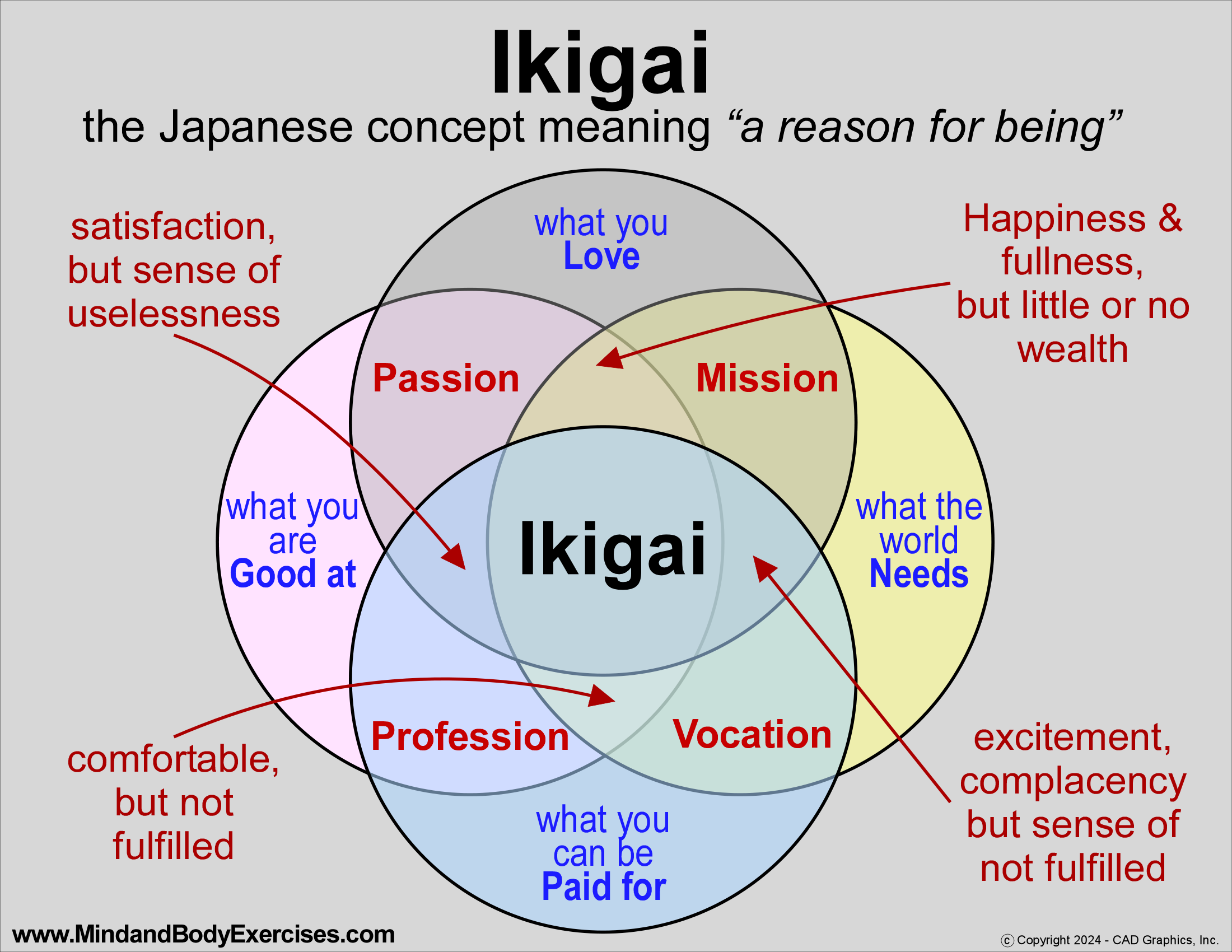
“Ikigai” – A Reason for Getting Out of Bed Each Day

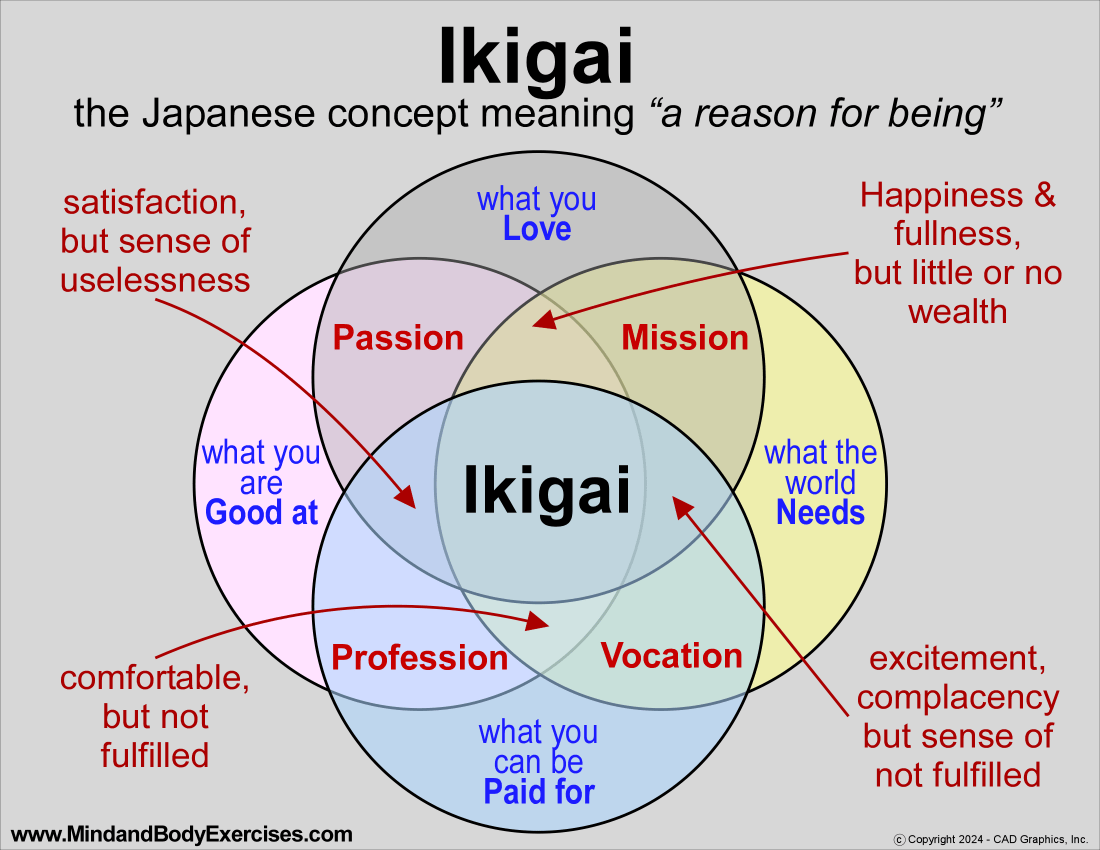
Ikigai is a Japanese concept representing the pursuit of balance among purpose, meaning, self-awareness, and self-realization (PMSS). It’s the harmony of these elements that leads to a fulfilling life, especially when one’s work aligns with them. Often referred to as finding one’s bliss, calling, or “inner genius,” the four elements of PMSS are interrelated yet unique. Together, they give us a reason to get out of bed each day, guiding our lives and enriching our connections to others. Without these components, people often face a life of confusion, chaos, pain, and even a sense of emptiness and perhaps suffering.

Historically, career choice has often shaped a person’s identity, with individuals feeling invisible or inadequate when career titles are lost, changed, or remain unachieved. This pressure is intensified in American culture, where respect is frequently tied to socioeconomic status, adding to the struggle of those who may feel disconnected from their purpose. Many Americans experience a lack of purpose and meaning, often heightened in later life stages. Retirees, for instance, may struggle to redefine themselves when they leave careers that once framed their identities, impacting their sense of place at home and in family life. Similarly, losing a spouse or loved one can erode this sense of purpose. For some, volunteering or public service becomes a way to revive their meaning and direction.

I remember many of my martial arts mentors speaking of the importance of understanding that we “earn” our lives through service to others. Demanding respect through fear or gaining recognition without earning, does not produce true meaning or purpose. Participation trophies usually don’t help to pay the bills. We earn the life we till, seed, and harvest. What can be considered as a higher calling other than helping, teaching, and nurturing others to become better versions of themselves? To take this concept to another level of meaning and purpose in terms of spirituality, I have learned the term gong dao wei shen (功德为神) which is rooted in Chinese philosophical and spiritual traditions. However, the exact expression isn’t commonly cited. I can attempt to break it down:

  1. 功德 (gong de) — This translates to “merit” or “karmic merit” in the sense of virtue accumulated through good deeds and moral actions. In traditional Chinese thought and in Buddhism, gong de is the spiritual merit or positive karma gained through altruistic actions, spiritual practice, and moral conduct.
  2. 为 (wei) — This can mean “for” or “as” in this context, often used to imply that the merit serves or benefits something.
  3. 神 (shen) — This translates to “spirit” or “divine” and can imply a higher spiritual state or connection with the divine.

功德 为 神

Consequently, gong dao wei shen could be loosely interpreted as “acquiring karmic merit for spiritual elevation or connection to the divine.” This phrase might not appear in ancient texts directly but reflects the concept of dedicating good deeds or spiritual work to elevate one’s spiritual state, aligning with Chinese philosophies of moral virtue impacting one’s spiritual development.

Grasping these aspects of PMSS early on benefits not only individuals but also communities and society as a whole. However, finding this balance isn’t something that can be bought or easily read about; it takes time, life experiences, a genuine desire, and self-reflection to develop. In this way, one’s personal sense of ikigai or PMSS truly takes shape through a lifelong journey of discovery and growth.

I teach and offer lectures about holistic health, physical fitness, stress management, human behavior, meditation, phytotherapy (herbs), music for healing, self-massage (acupressure), Daoyin (yoga), qigong, tai chi, and baguazhang.

Please contact me if you, your business, organization, or group might be interested in hosting me to speak on a wide range of topics related to better health, fitness, and well-being.

I look forward to further sharing my message by partnering with hospitals, wellness centers, VA centers, schools on all levels, businesses, and individuals who see the value in building a stronger nation through a healthier population.

I also have hundreds of FREE education video classes, lectures, and seminars available on my YouTube channel at:

https://www.youtube.com/c/MindandBodyExercises

Many of my publications can be found on Amazon at:

http://www.Amazon.com/author/jimmoltzan

My holistic health blog is available at:

https://mindandbodyexercises.wordpress.com/

http://www.MindAndBodyExercises.com

Mind and Body Exercises on Google: https://posts.gle/aD47Qo

Jim Moltzan

Benefits of Nose-breathing

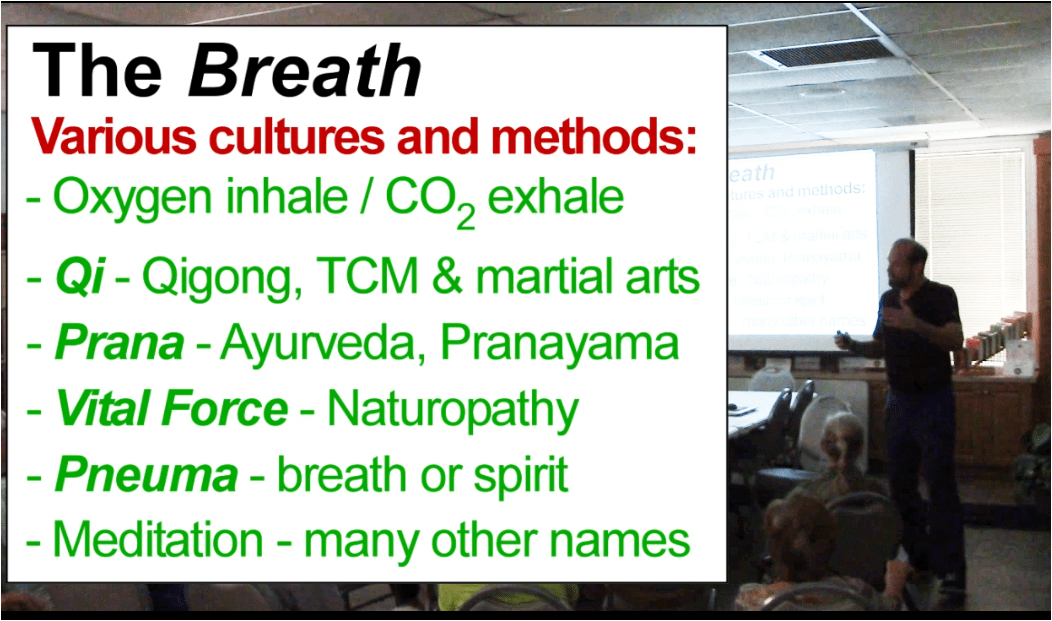
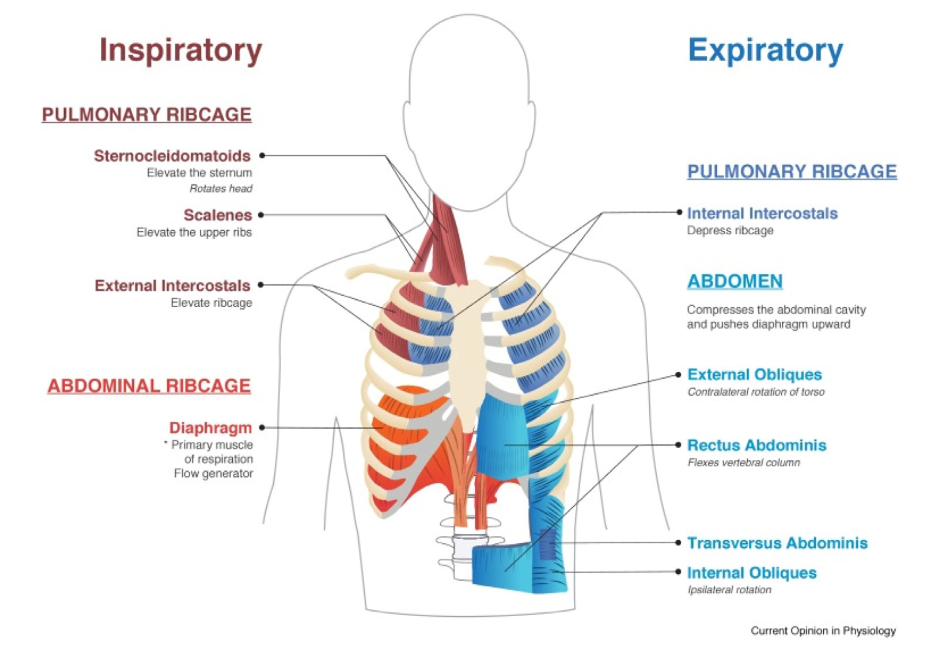
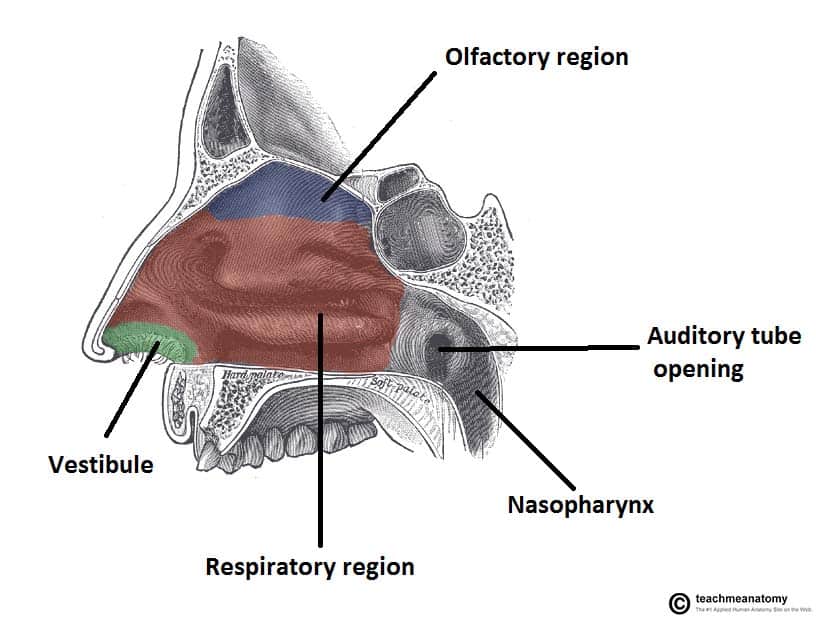
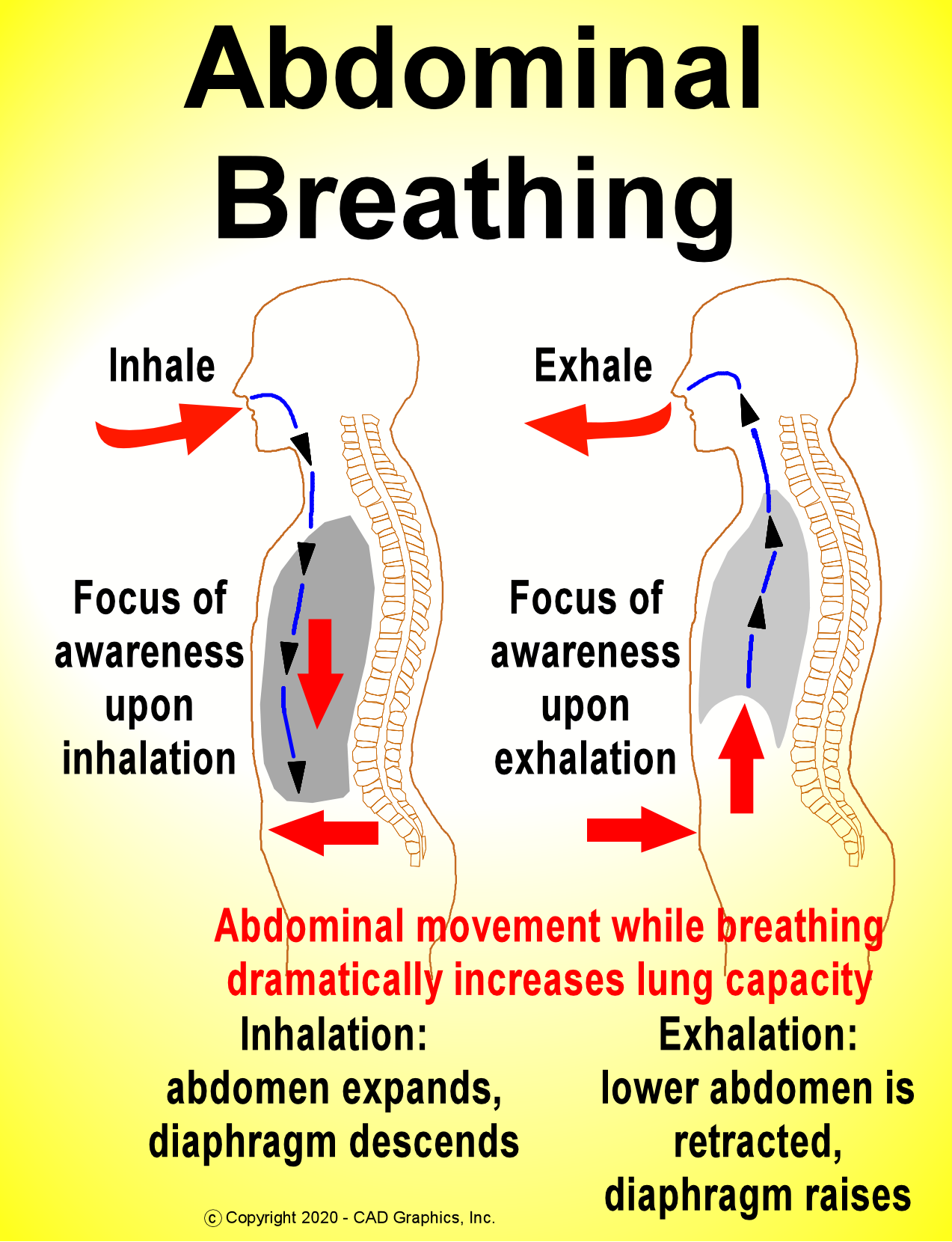
Breathing through the nose (nasal breathing) is a scientifically proven coping mechanism that helps to manage stress and has many other physiological benefits. Nasal breathing promotes more effective diaphragm engagement than mouth breathing. Nasal breathing encourages diaphragmatic breathing by allowing a slower, deeper breath, which supports the downward movement of the diaphragm. This type of breathing activates the lower part of the lungs, which have a higher blood flow and oxygen exchange concentration, resulting in more efficient oxygen delivery throughout the whole body.

I led a discussion on this topic and better breathing methods last week at the University Club of Winter Park. View the full hour-long talk here at: https://youtu.be/C9xL2k-Eosk?si=9At8PXiV8nXQutPR

When you breathe through the nose, other respiratory muscles are also engaged more fully, helping to maintain core stability and improve posture. Nasal breathing encourages parasympathetic (rest and digest) activity, which can help to reduce stress, promotes relaxation and natural healing.

Breathing through the nose has a wide range of additional physiological benefits:

  • Air Filtration and Humidification: The nasal passages filter out pollen, allergens, dust, and other particles, while also humidifying and warming the air prior to it reaching the lungs. This mechanism reduces respiratory tract irritation and keeps lung tissues moist and better protected against environmental irritants.
  • Nitric Oxide Production: Nasal breathing produces nitric oxide (NO), a messenger molecule that has powerful vasodilating effects, which means that it helps dilate blood vessels and improve circulation. This in turn, allows for more efficient oxygen delivery throughout the body, supporting cardiovascular health and enhancing physical endurance.

  • Increased Lung Capacity and Respiratory Efficiency: Nasal breathing helps to promote a slower, more regulated intake of air, which can improve respiratory efficiency and lung capacity over time. This action enables the lungs to expand more fully, contributing to a better exchange of oxygen and carbon dioxide, thus promoting more effective overall oxygenation.
  • Increased Diaphragmatic Muscle Tone: Nasal breathing exercises the diaphragm, improving respiratory efficiency and also stabilizing core muscles. This can improve posture and reduce the occurrence of back and neck tension, as the diaphragm works in tandem with abdominal and pelvic floor muscles.

  • Lowered Stress and Anxiety Levels: Breathing through the nose activates the parasympathetic nervous system, which helps to reduce stress. Deeper, slower breathing stimulates the vagus nerve, associated with calming the body, by lowering heart rate and cortisol (stress hormone) levels.

  • Improved Sleep Quality: Breathing through the nose helps regulate a more consistent breathing rhythm and encourages higher oxygen levels during sleep, reducing the risk of sleep disorders such as snoring and sleep apnea.

Understanding how these mechanisms operate can be highly beneficial for health, fitness, and well-being, as consistent nasal breathing can bring about both short-term benefits such as relaxation, long-term respiratory efficiency and cardiovascular health.

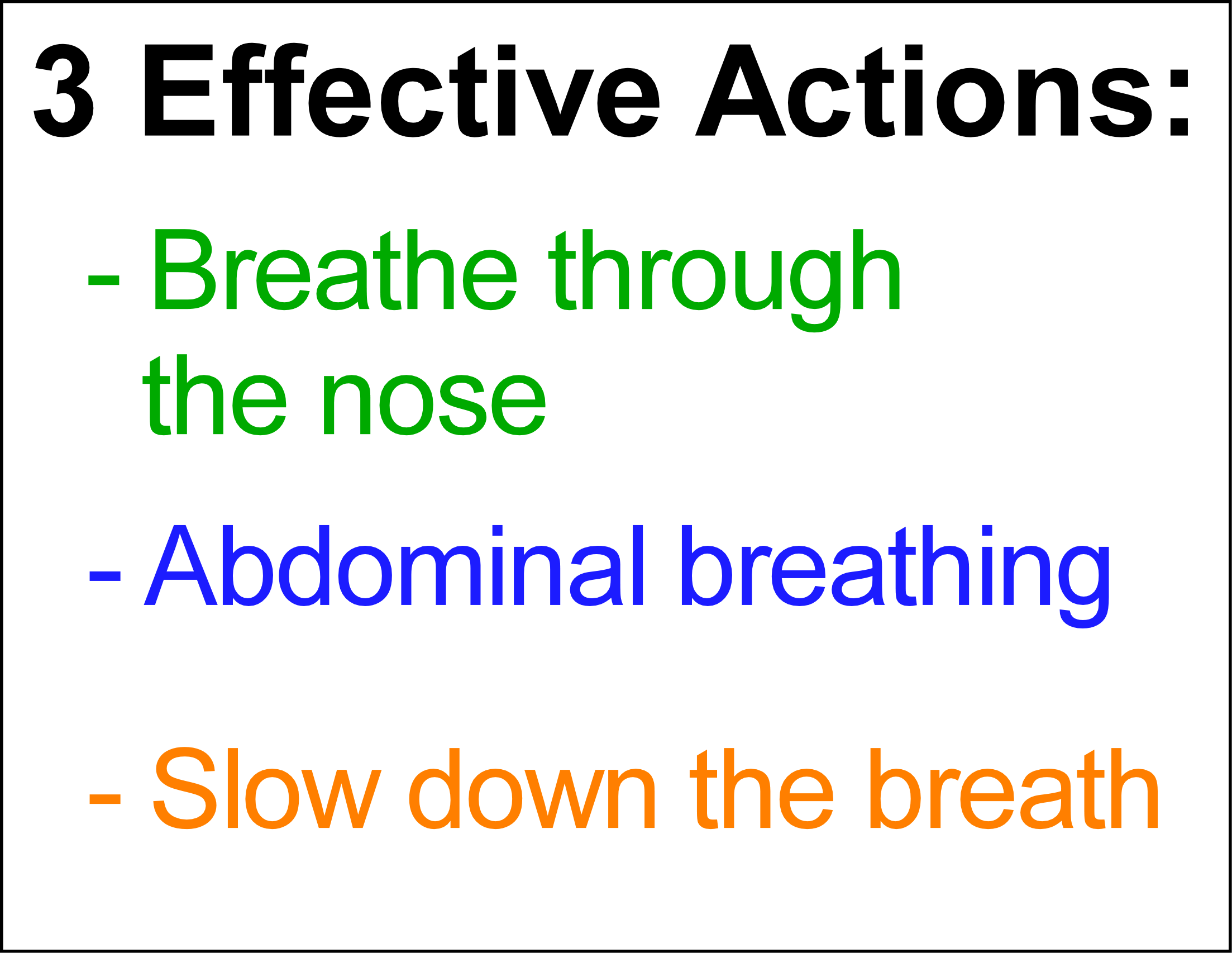
Three effective methods to breathe more efficiently:

  • Breathe through the nose
  • Breathe deeper by moving the abdominal area to engage the diaphragm
  • Become mindful of your breathing rate or breaths per minute (BPM)

I teach and offer lectures about holistic health, physical fitness, stress management, human behavior, meditation, phytotherapy (herbs), music for healing, self-massage (acupressure), Daoyin (yoga), qigong, tai chi, and baguazhang.

Please contact me if you, your business, organization, or group might be interested in hosting me to speak on a wide range of topics related to better health, fitness, and well-being.

I look forward to further sharing my message by partnering with hospitals, wellness centers, VA centers, schools on all levels, businesses, and individuals who see the value in building a stronger nation through a healthier population.

I also have hundreds of FREE education video classes, lectures, and seminars available on my YouTube channel at:

https://www.youtube.com/c/MindandBodyExercises

Many of my publications can be found on Amazon at:

http://www.Amazon.com/author/jimmoltzan

My holistic health blog is available at:

https://mindandbodyexercises.wordpress.com/

http://www.MindAndBodyExercises.com

Mind and Body Exercises on Google: https://posts.gle/aD47Qo

Jim Moltzan

Harnessing the Zeigarnik Effect: From To-Do Lists to Closing Circles on Apple Watches

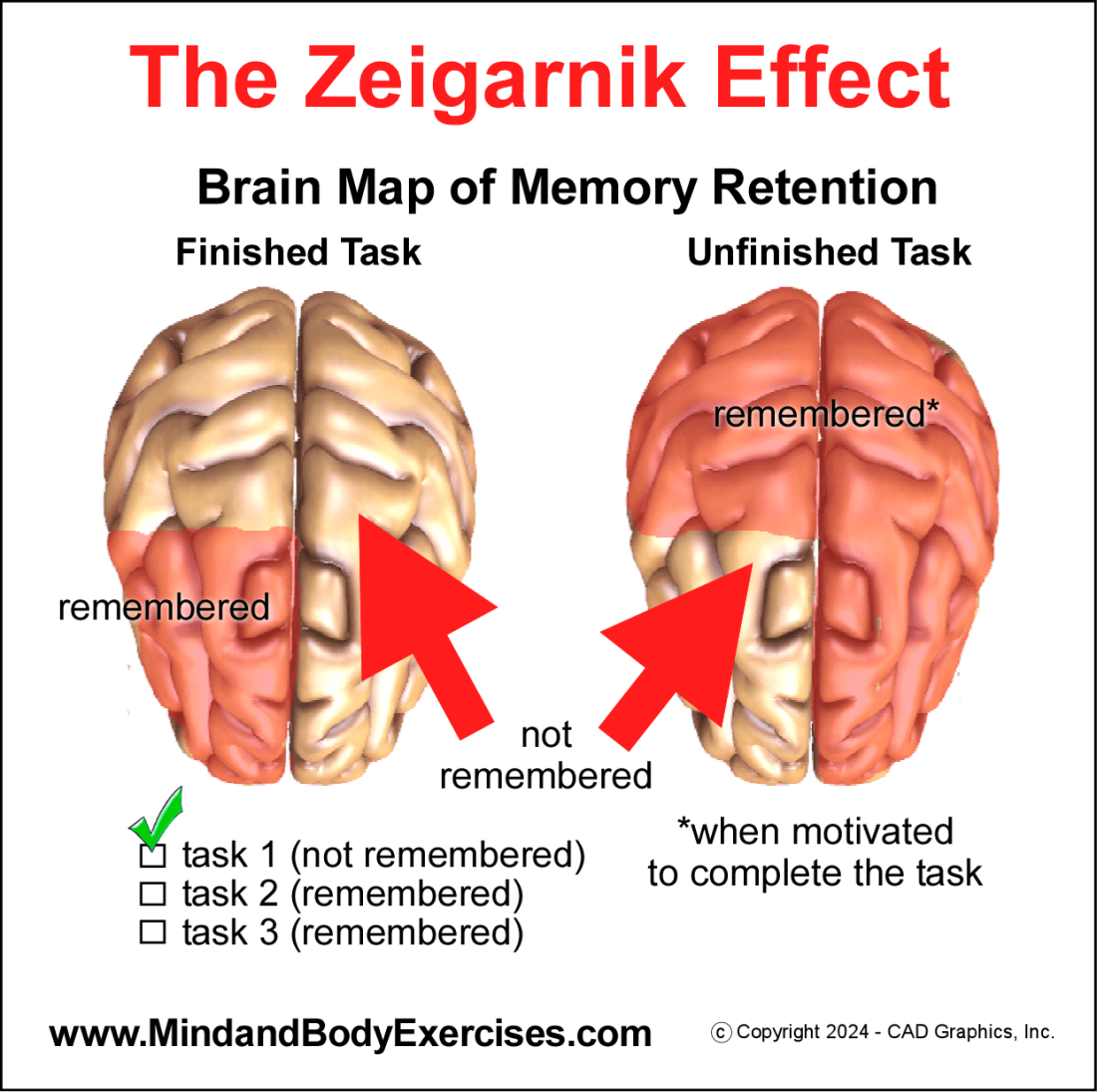
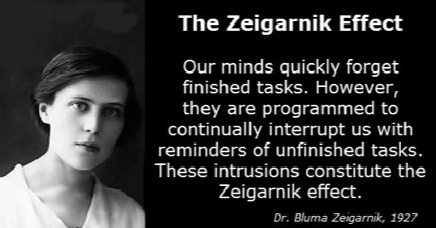
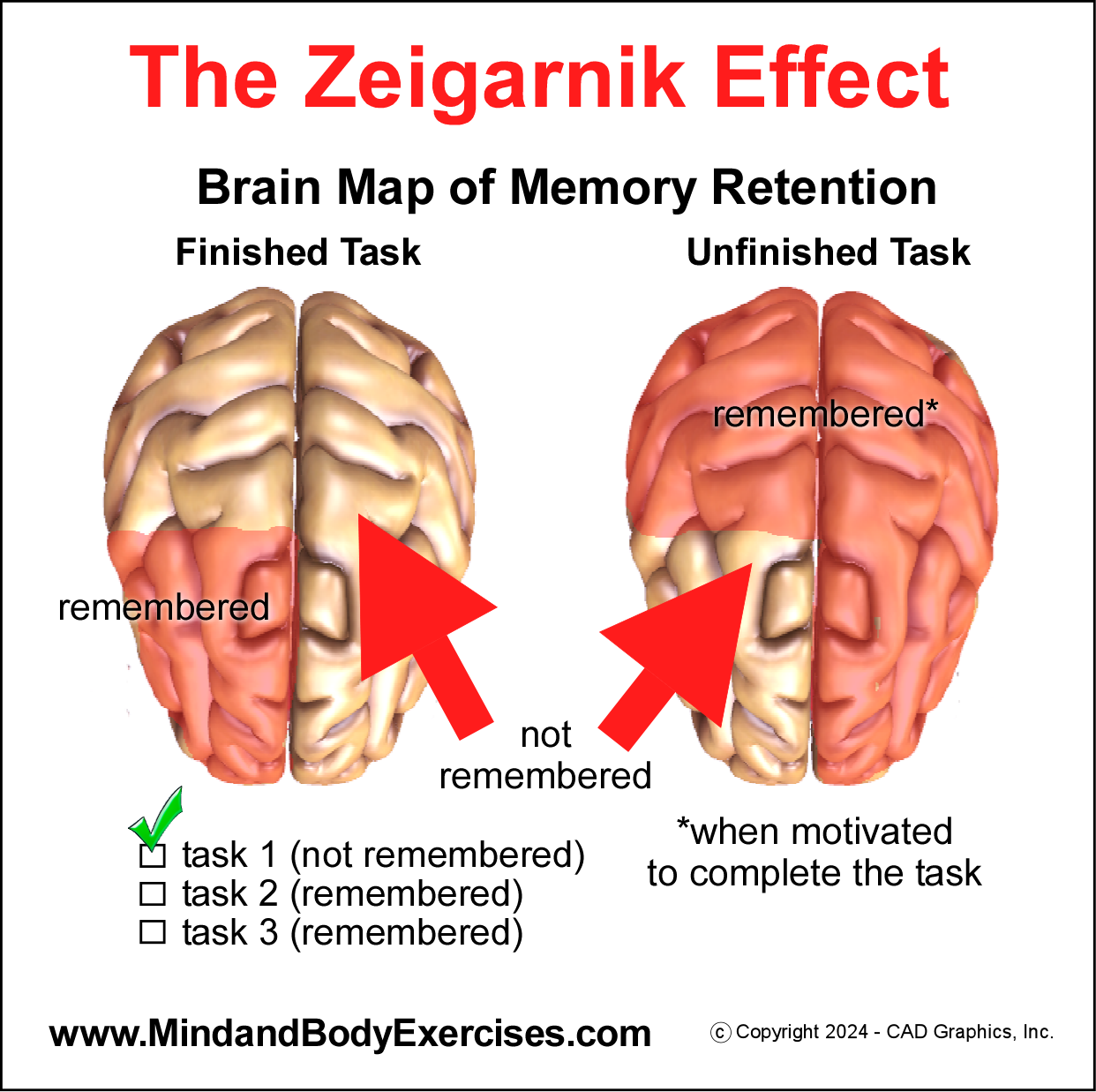
The Zeigarnik Effect is a psychological phenomenon discovered by Lithuanian-Soviet psychologist Bluma Zeigarnik. It describes the tendency for people to remember unfinished tasks more vividly than completed ones. This effect arises because incomplete tasks generate a state of mental tension and mild cognitive dissonance, enhancing recall ability. Once a task is completed, this tension dissipates, and details gradually fade from memory.

Several factors can amplify the Zeigarnik Effect, such as the perceived difficulty of a task, an individual’s drive or ambition, task engagement, and proximity to completion. This effect can be harnessed to improve memory retention, enhance productivity, engage audiences, or even aid in recalling people’s names. For instance, individuals often remember ongoing projects or partially finished tasks more readily than completed ones.

Positive Applications and Modern Use

The Zeigarnik Effect can be a powerful tool for boosting productivity and maintaining motivation. For instance, to-do lists have become a popular method for leveraging this effect. When people see tasks that aren’t yet crossed off, they’re more likely to feel a psychological pull to complete them. Modern task management apps also rely on this principle, where unchecked boxes serve as gentle reminders that something is left undone, encouraging users to finish their lists.

Similarly, Apple Watches use the concept of “closing the rings” to motivate users toward daily goals. By visualizing physical activity through rings that need to be closed, the watch creates an incentive to finish tasks (such as standing, moving, or exercising) and promotes consistency. This concept reinforces the Zeigarnik Effect by keeping users aware of unfinished goals and making task completion visually rewarding.

Incremental Teaching Techniques

In educational settings, many instructors use incremental teaching strategies that encourage students to keep progressing through a course. By breaking lessons into smaller, manageable steps, teachers create a continuous sense of “incomplete tasks” that keeps students engaged without overwhelming them. Each small achievement provides a sense of accomplishment while still presenting another step to tackle. This method aligns well with the Zeigarnik Effect, as the feeling of “not quite being done” nudges students to complete the next part of the material. I can relate having experienced this effect many times throughout my martial arts training, spanning over 4o years. When my peers and were first introduced to a particular form (a deliberate sequence of exercises), we most often would only learn a few steps of the overall sequence. Parts of this was because the exercises were usually quite complex not only in the static positioning of the body but also in the elaborate transitions from one exercise to the next. Learning a chunk (chunking, in one of my other posts on memory retention) was a time-proven method to help memorize the sequences. When we learned the whole set, we were ready to move onto the next or different set to follow.

Potential Drawbacks

While the Zeigarnik Effect can be beneficial, there are downsides. The constant mental reminder of incomplete tasks can lead to stress, cognitive overload, and even procrastination if the list feels too daunting. Individuals who struggle with a high number of unfinished projects may find themselves avoiding tasks instead of completing them. Understanding how to balance the effect—by setting achievable goals and taking breaks when needed—can help in maximizing its benefits while minimizing stress.

In summary, the Zeigarnik Effect remains a relevant psychological principle with applications in productivity tools, wearable tech, and educational approaches. By understanding this effect, we can better harness its potential to improve focus and task completion while recognizing and managing any drawbacks it may bring.

I teach and offer lectures about holistic health, physical fitness, stress management, human behavior, meditation, phytotherapy (herbs), music for healing, self-massage (acupressure), Daoyin (yoga), qigong, tai chi, and baguazhang.

Please contact me if you, your business, organization, or group might be interested in hosting me to speak on a wide range of topics related to better health, fitness, and well-being.

I look forward to further sharing my message by partnering with hospitals, wellness centers, VA centers, schools on all levels, businesses, and individuals who see the value in building a stronger nation through a healthier population.

I also have hundreds of FREE education video classes, lectures, and seminars available on my YouTube channel at:

https://www.youtube.com/c/MindandBodyExercises

Many of my publications can be found on Amazon at:

http://www.Amazon.com/author/jimmoltzan

My holistic health blog is available at:

https://mindandbodyexercises.wordpress.com/

http://www.MindAndBodyExercises.com

Mind and Body Exercises on Google: https://posts.gle/aD47Qo

Jim Moltzan

The Power of Being Watched: The Hawthorne Effect in the Workplace, Fitness, and Family Life

The Hawthorne Effect in Modern Contexts: Workplace, Gym, and Family Dynamics

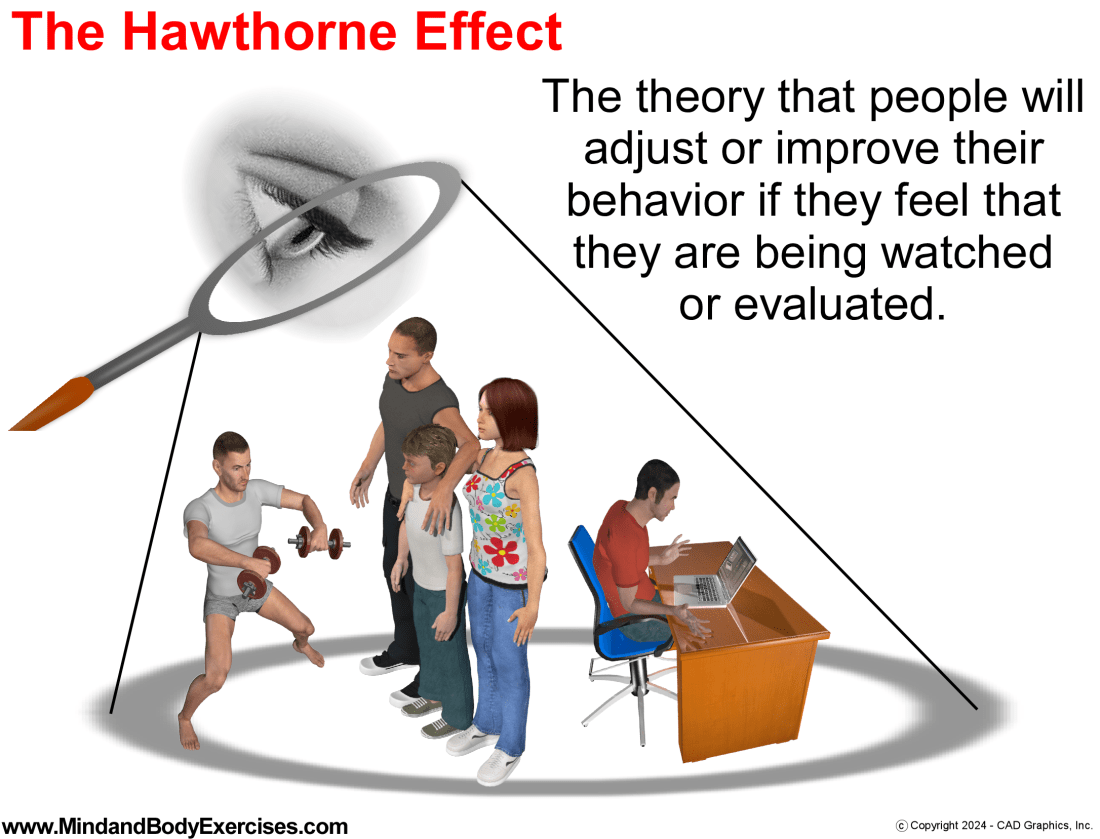
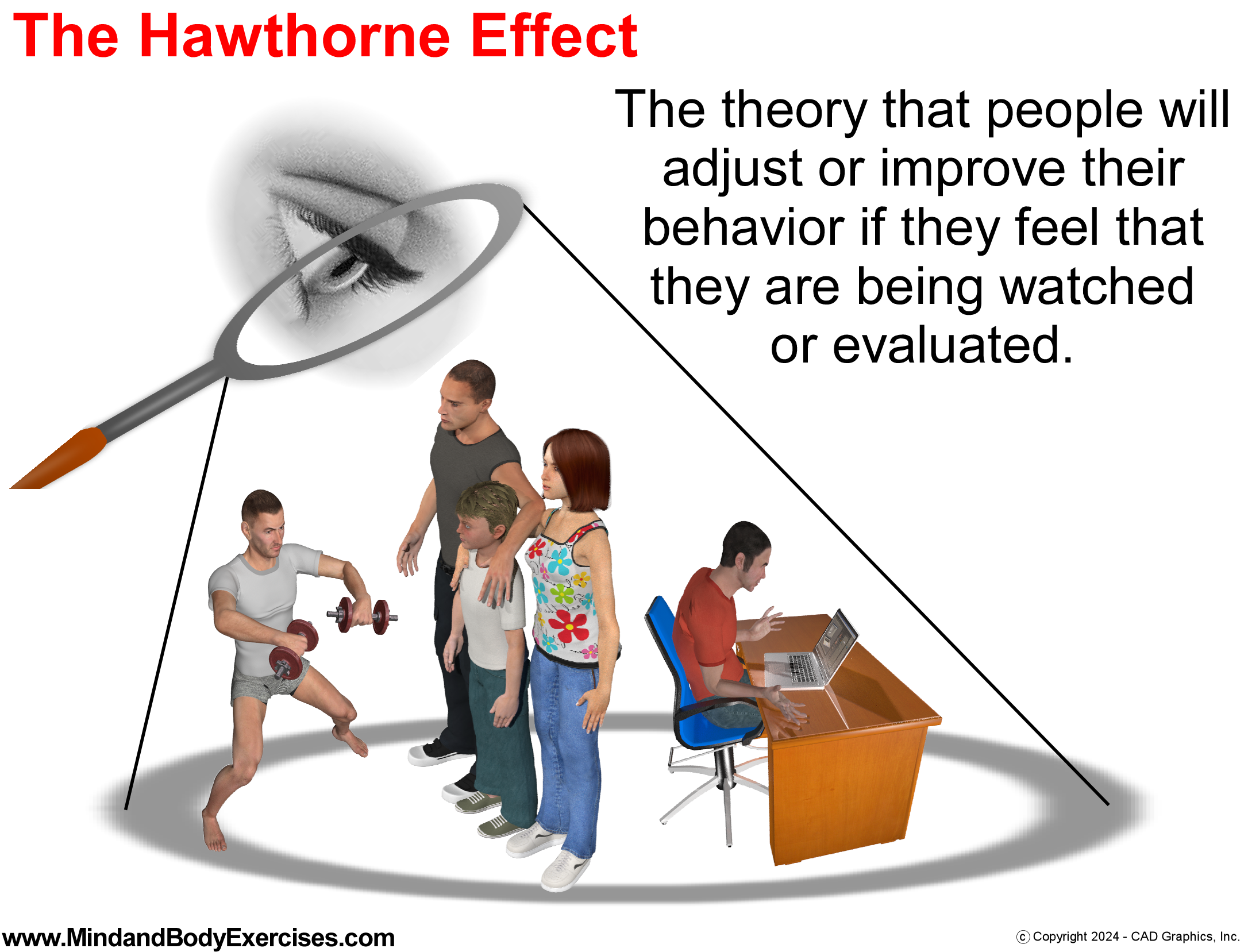
The Hawthorne Effect refers to the tendency for individuals to alter their behavior when they are aware they are being observed. This aspect of human behavior was discovered during the Hawthorne Studies conducted at the Western Electric Company in Chicago, Illinois during the 1920s. This effect highlights how observation can influence performance and attitudes (McCambridge et al., 2014). In today’s interconnected and highly surveillance society, this phenomenon has notable implications for various environments, ranging not only in the workplace, but at the gym, in social settings, and even within family settings in public.

I can relate this back to my personal experiences while training in martial arts as a young adult. My teachers would often drive the point home that it was important and recognized when students worked hard and diligently while at the school in the group training environment. However, it was even more important how we trained on our own individually when no one else was around us or watching our work ethic in the solo setting. Similarly, the famous psychologist Carl Jung proposed the concept of each of us having our “shadow” or the hidden aspects of our behavior that we don’t usually show in public. When we know we are being observed the shadow part of one’s character hides and in place, various “personas” step up to match the situation and relative environment. In some settings, this may be perceived by others as “putting on an act,” or being a hypocrite.

Workplace Applications of the Hawthorne Effect

The Hawthorne Effect remains highly relevant to today’s workplace environment, especially as business organizations emphasize performance management and workplace culture. When employees are aware that their supervisors or peers are watching, they are more likely to engage in positive behaviors, such as increasing productivity and adhering to company protocols and policies. Studies have shown that the awareness of being observed can nurture a temporary boost in motivation and morale (Sedgwick & Greenwood, 2015). However, too heavily relying on this effect for performance enhancement may lead to superficial compliance rather than sustained engagement, consequently masking underlying workplace issues that affect productivity (McCambridge et al., 2014).

The Hawthorne Effect at the Gym

The Hawthorne Effect is also prevalent in fitness settings. Individuals at the gym, yoga studio or other fitness venues often push themselves harder or adopt better form when they believe others are observing them. This phenomenon is especially evident in both group exercise classes and during personal training sessions. The effect of observation may enhance short-term effort, but it can also create unrealistic standards of performance and an environment of comparison. Research suggests that social comparison in gym settings can both motivate and hinder progress, depending on the individual’s self-perception and fitness goals (Diel et al., 2021).

Family Dynamics in Public Spaces

The Hawthorne Effect extends to family dynamics in public as well, where the presence of other people can influence how family members interact with each other. Parents may become more patient or attentive to their children, and couples may show more affection. This effect speaks to the human tendency to present an idealized version of oneself in front of others, often reflecting societal expectations (Sedgwick & Greenwood, 2015). Although the intent may be positive, consistently modifying behavior based on external perceptions can hinder authentic interactions and create strain within relationships, as it sets up expectations that may not align with everyday family dynamics.

Conclusion

This phenomenon of human behavior demonstrates how the awareness of observation can influence temporary changes in behavior across various settings. While it can serve as a motivator in the workplace and gym, or encourage positive family or social network interactions in public, over-reliance on this effect may lead to superficial or unsustainable behavior changes. Realizing the implications of the Hawthorne Effect can encourage more genuine engagement and support environments that encourage authenticity over performative behaviors.

References

Diel, K., Broeker, L., Raab, M., & Hofmann, W. (2021). Motivational and emotional effects of social comparison in sports. Psychology of Sport and Exercise, 57, 102048. https://doi.org/10.1016/j.psychsport.2021.102048

McCambridge, J., Witton, J., & Elbourne, D. R. (2013). Systematic review of the Hawthorne effect: New concepts are needed to study research participation effects. Journal of Clinical Epidemiology, 67(3), 267–277. https://doi.org/10.1016/j.jclinepi.2013.08.015

Sedgwick, P., & Greenwood, N. (2015). Understanding the Hawthorne Effect. BMJ, 351, h4672. https://doi.org/10.1136/bmj.h4672

I teach and offer lectures about holistic health, physical fitness, stress management, human behavior, meditation, phytotherapy (herbs), music for healing, self-massage (acupressure), Daoyin (yoga), qigong, tai chi, and baguazhang.

Please contact me if you, your business, organization, or group might be interested in hosting me to speak on a wide range of topics related to better health, fitness, and well-being.

I look forward to further sharing my message by partnering with hospitals, wellness centers, VA centers, schools on all levels, businesses, and individuals who see the value in building a stronger nation through a healthier population.

I also have hundreds of FREE education video classes, lectures, and seminars available on my YouTube channel at:

https://www.youtube.com/c/MindandBodyExercises

Many of my publications can be found on Amazon at:

http://www.Amazon.com/author/jimmoltzan

My holistic health blog is available at:

https://mindandbodyexercises.wordpress.com/

http://www.MindAndBodyExercises.com

Mind and Body Exercises on Google: https://posts.gle/aD47Qo

Jim Moltzan