The 3 Treasures (1 of 3)

(part 1 in a series of 3 posts)

Post 1 – The 3 Treasures: Mind, Body & Spirit

Post 2 – The 5 Pillars of Health

Post 3 – The 8 Dimensions of Wellbeing
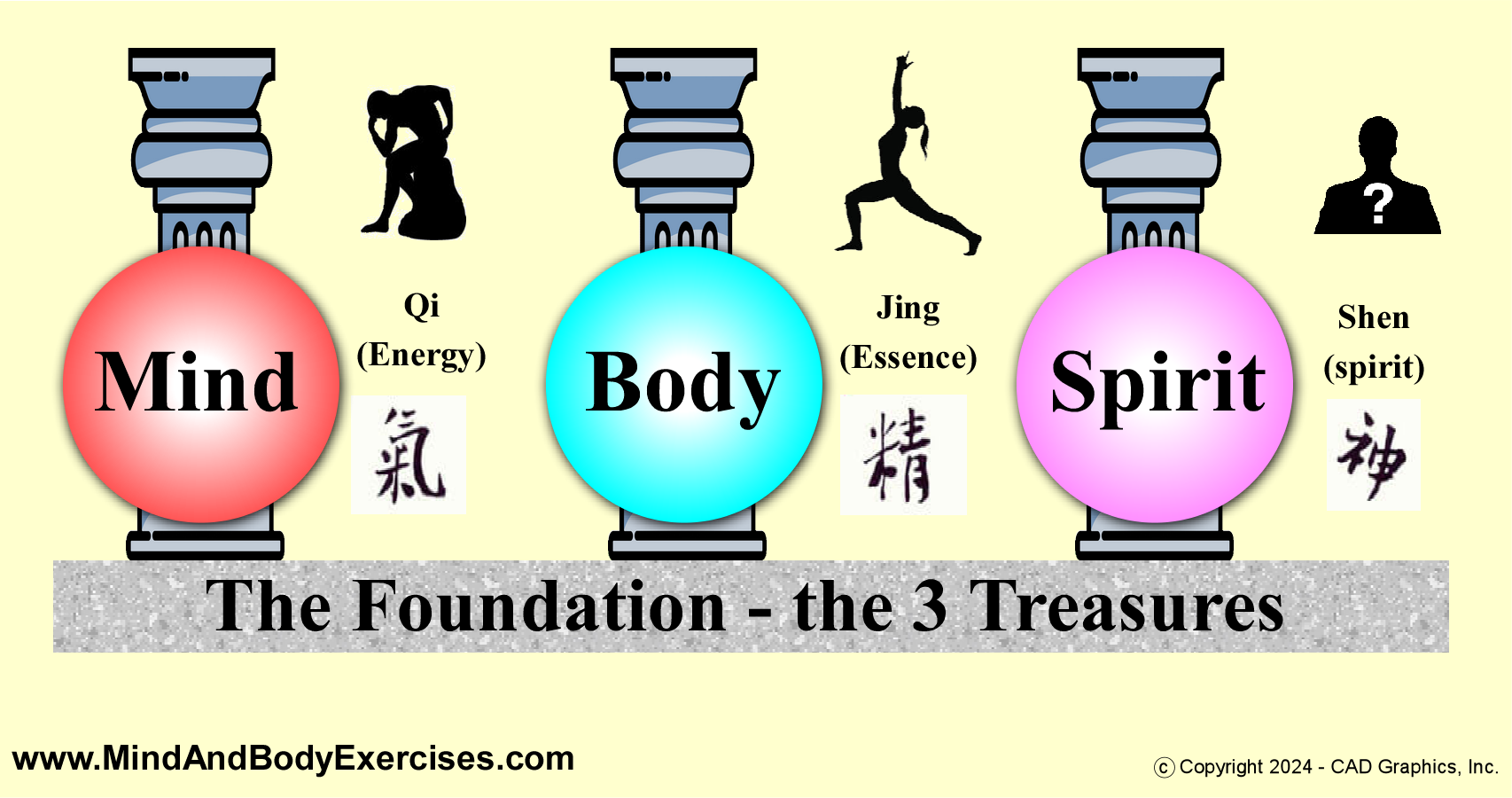
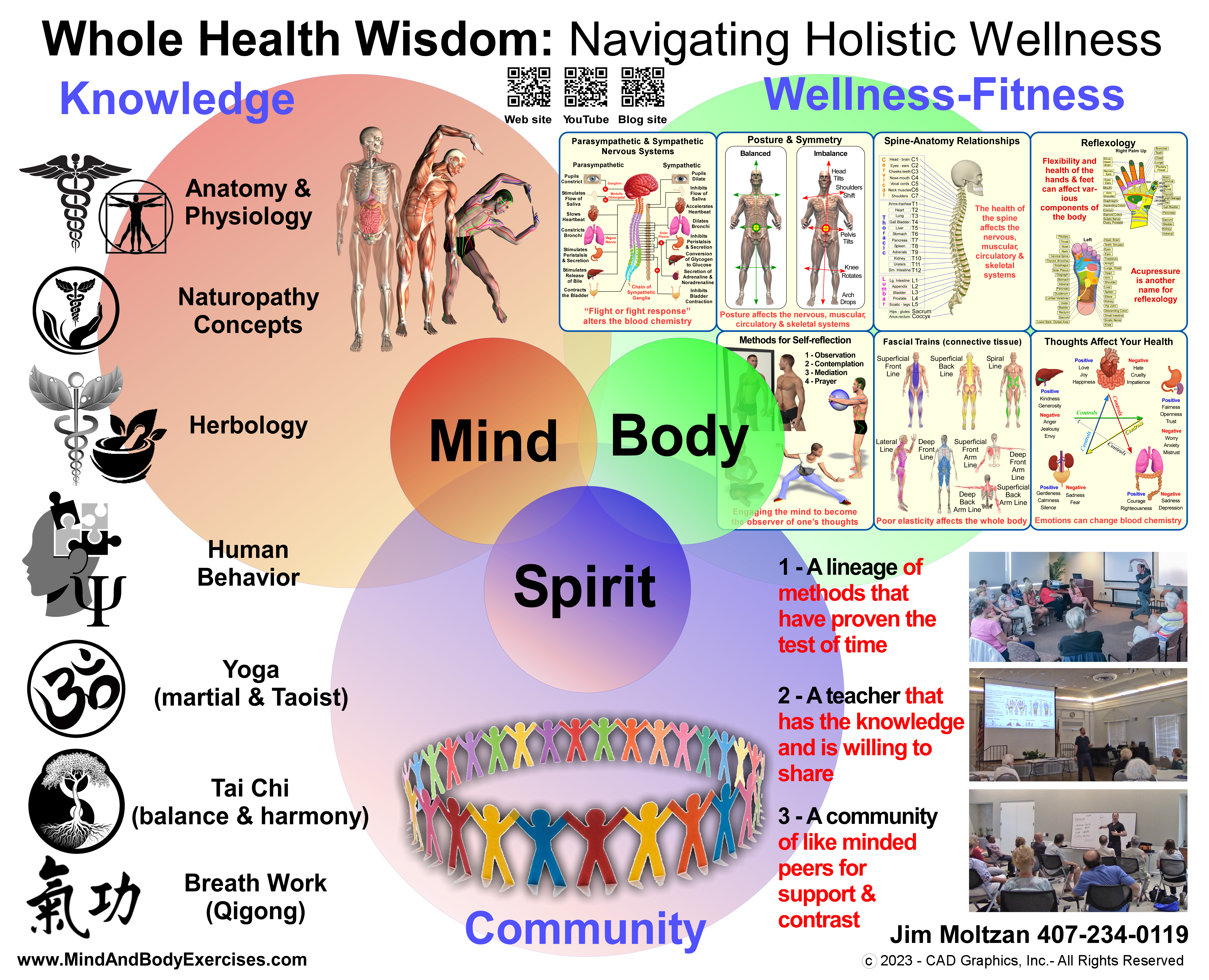
Mind (Qi)– How and what you think about and how you process information from sensory input. From the Traditional Chinese Medicine TCM) perspective, the mind is related to the vitality of the breath. Responsible for the blueprint of internal and external functions of the energy force within the body. Qi can be equated to the flame which is the source of the light that illuminates from the candle. The flame eventually consumes the candle. Qi is one’s energy or vitality. When Qi is used wisely, one’s Jing can last longer. Qi is loss through regular daily activities but gained back through good habits of diet, exercise, breathing, and sleep.

Body (Jing) – The physical matter that makes up you and how well it functions. The physical structure of the body’s tissue. Responsible for the developmental processes of the body. Jing can be equated to the wick and the wax which is the fuel for the source of the flame. Better quality wax determines the longevity of the candle. One’s Jing is determined by genetic inheritance. Jing is depleted over one’s lifetime and is not easily replenished.

Spirit (Shen) – What you believe as far as beliefs in the unknown, faith, morals, a purpose, etc. The refined level of the mind and higher consciousness. Consists of the spirit, soul, and mind. Responsible for the interaction of destiny & fate. Maintains internal and external functions. Shen can be equated to the light that illuminates a candle. A candle’s purpose is to light the darkness. One’s Shen is the illumination of their spirit. When one’s Jing and Qi are in abundance, Shen is released. Shen is divided further into the mind (shen), the intellect (yi), the corporeal soul (po), willpower (zhi) and the ethereal soul (hun). These 5 shen are a topic for another discussion.

These three treasures are the most valuable things that we all possess. Without these 3, we have no family, no friends, no career, no big house, no internet. What we sometimes see today as “new” is indeed rather old. This concept of the 3 Treasures comes from Taoism, a philosophy that is over 2000 years old, originating around 500 BCE. These are universal truths that are hard to debate. We all need to take care of our own “treasures” before we can be of benefit to those around us. Breathe deeper, exercise more, eat better, and earn a good night’s sleep by being active and relieving stress during the day.

Modern science and research seek to label and dissect any and all things, intending to assign a name or label to all that is and sometimes that which is not. With this realization, we can see from the graphic below the many sub-categories that are now thought to be parts of the original concept of mind, body, and spirit.
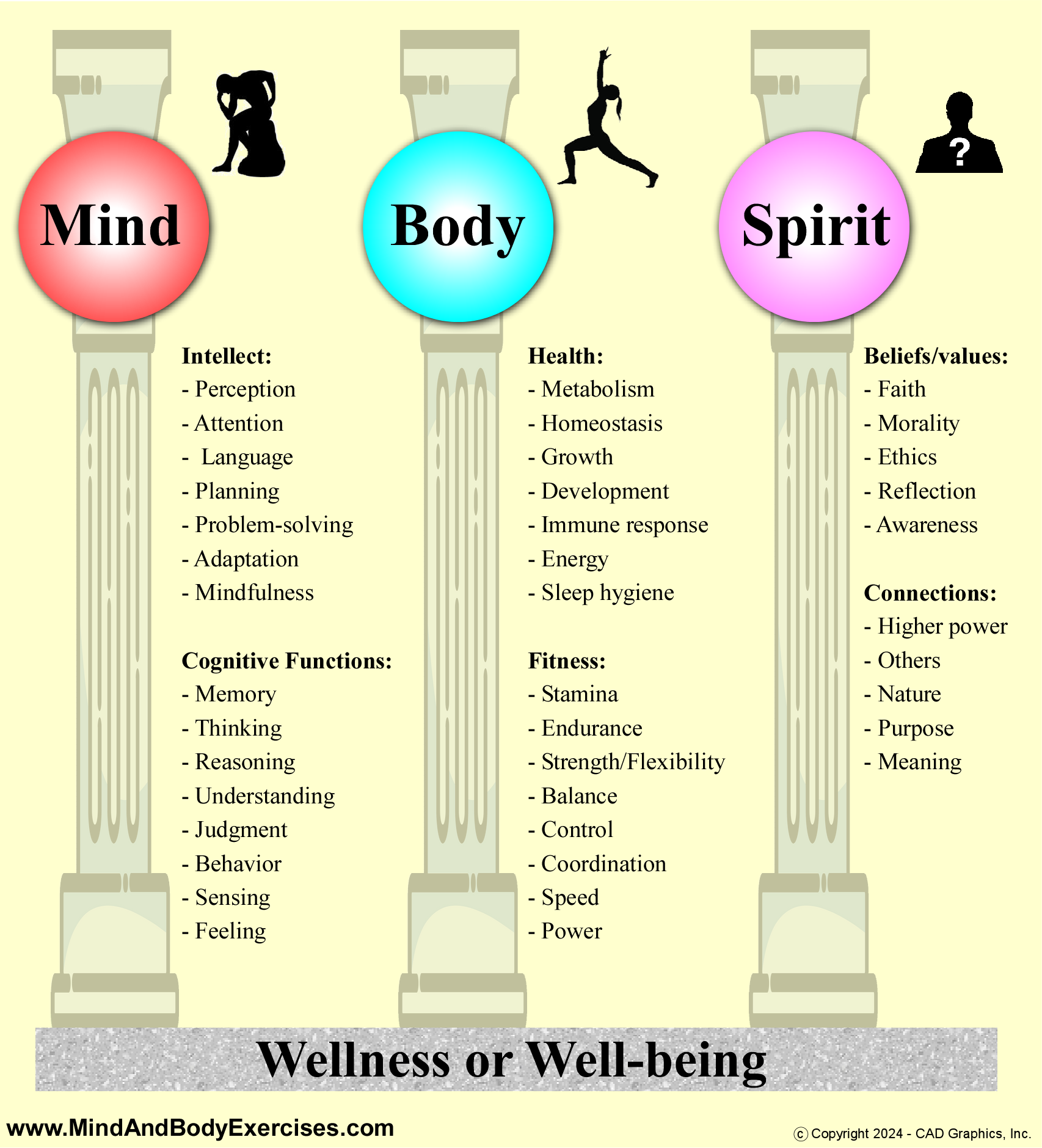
Intellect:

  • Perception – recognizing and acknowledging sensory stimuli.
  • Attention – ability to focus on specific thoughts and stimuli.
  • Language – understanding and producing speech and writing.
  • Planning – ability to formulate a strategy or process.
  • Problem-solving – finding solutions to complex issues.
  • Decision-making – making choices among options.
  • Adaptation – being able to change and adjust thoughts, feelings, and actions.
  • Mindfulness – an awareness of current thoughts, feelings, and surroundings.

Cognitive Functions:

  • Memory – storage and retrieval of information.
  • Thinking – the mental process of considering or reasoning about something.
  • Reasoning – the process of drawing conclusions or making inferences based on evidence and logical principles.
  • Understanding – to comprehend the meaning or significance of something.
  • Judgment – the ability to make considered decisions or come to sensible conclusions.
  • Behavior – the actions or reactions of an individual in response to external or internal stimuli.
  • Sensing – the process of detecting and responding to stimuli through the sensory organs.
  • Feelings – experiences of emotions.

Health:

  • Metabolism – chemical processes that occur within living organisms.
  • Homeostasis – the body’s ability to manage and regulate stable internal bodily functions and conditions.
  • Growth/development – physical changes throughout a living organism’s lifespan.
  • Immune response – ability of the body to defend against pathogens.
  • Energy – the amount of physical power that can be drawn upon.
  • Sleep hygiene – the quality of an individual’s ability to rest and recover.

Fitness:

  • Survival – on the most basic level, the ability to stay alive.
  • Stamina – ability to sustain prolonged physical for an extended time without fatigue.
  • Endurance – the muscular system’s capacity to sustain activity.
  • Strength – the ability of muscles to exert force against resistance
  • Flexibility – the range of motion available at a joint or group of joints
  • Balance – the ability to maintain the body’s position, whether stationary or while moving.
  • Control – to manage and direct the body’s movements precisely and efficiently.
  • Coordination – ability to use different parts of the body together smoothly and efficiently.
  • Speed – to move quickly across the ground or move limbs rapidly for a specific purpose.
  • Power – ability to exert maximum force in the shortest amount of time.

Beliefs/values:

  • Faith – belief in principles of an organized religion or spiritual practice.
  • Morality – the ability to differentiate between what is considered right and wrong.
  • Ethics – a system of moral principles.
  • Reflection – the ability to be aware of one’s own thoughts and actions.
  • Awareness – a sense of one’s self, surroundings, and relative environment.

Connections:

  • Higher power – a sense of a greater presence beyond themselves.
  • Others – relationships with people, and community.
  • Nature – relationships with all living creatures and the environment.
  • Purpose – a reason to wake up every day.
  • Meaning – realization of one’s reason for existing.

Part 2 of this series will delve into the concept of The Five Pillars of Health.

What type of pillars have you built your foundation of health, fitness, and well-being upon? Watch my view below for further discussion.

www.MindAndBodyExercises.com
https://www.facebook.com/MindAndBodyExercises/
https://www.youtube.com/c/MindandBodyExercises
https://mindandbodyexercises.wordpress.com/
https://umareg.com/masters-council/
Walking is Great Exercise, and it’s Free!

Having difficulty getting started on a fitness routine? No local gyms? No money in the budget for managing your health, fitness, and overall wellness?

How about adding more walking into your day? Walk your neighborhood. Hike in the woods or local parks, or try “nature bathing,” a topic for another post. Climb stairs in your home, apartment, or at nearby malls, offices, and other businesses. The options are abundant if one is motivated. Other types of exercise might offer more benefits than walking and are perhaps more appropriate for specific body types and issues. However, walking is the most available form of exercise that most people are already doing daily, to some degree. Walking can be therapeutic for some as a way to manage stress and anxiety, a much-needed tool in our current hectic society.

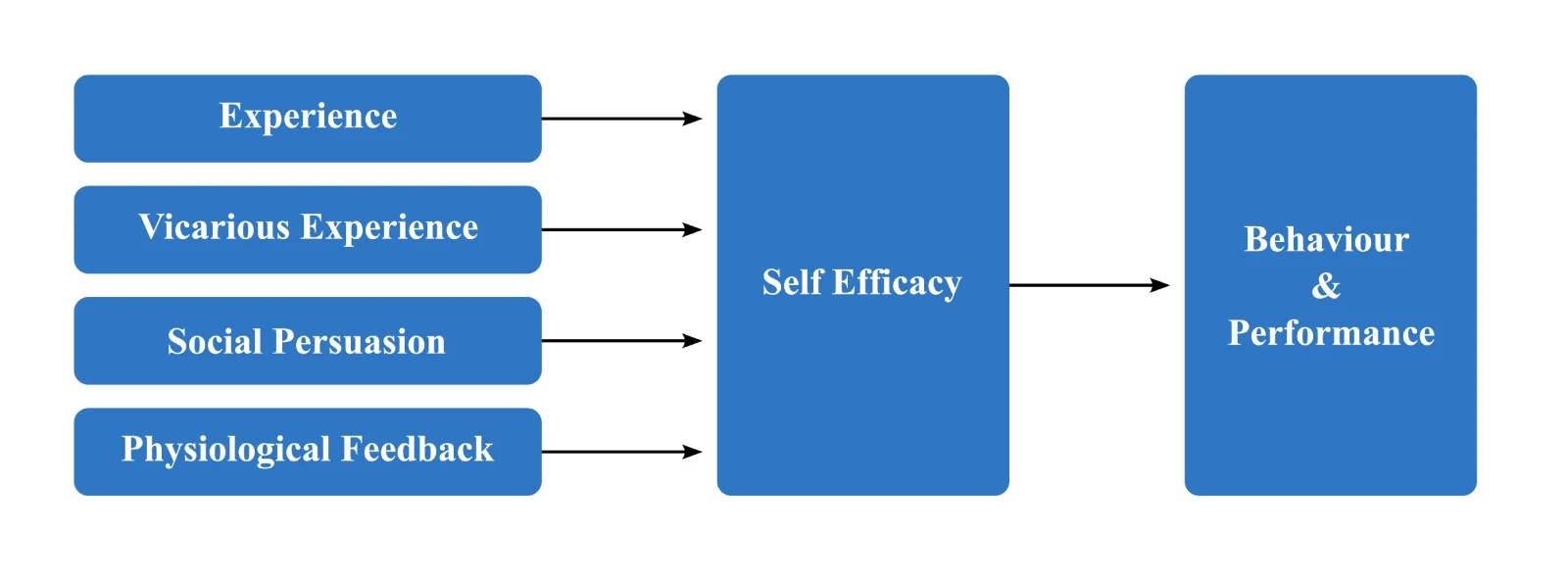
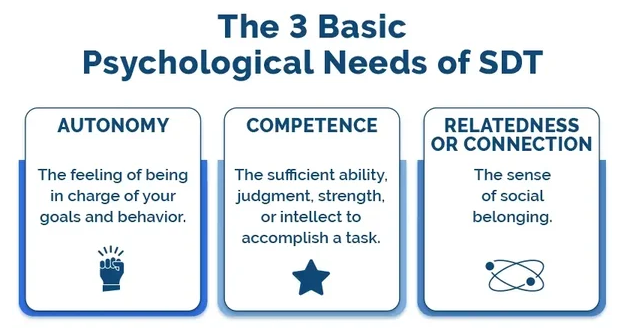
Here is a step-by-step method that offers some of the psychological mechanisms that can help someone to become motivated to get started with a fitness routine. By implementing the Self-Efficacy Theory (SET) I encourage any individual’s belief in their ability to perform specific behaviors relative to personal fitness and well-being. With the goal of increasing an individual’s health (young and old alike) through physical activities, I suggest expounding upon this goal by using appropriate, safe, and effective methods, such as walking. Why not implement more walking into your day? Consistent walking has many potential health benefits. Walking can help to increase overall physical health and mental well-being, as can be seen in adults of all ages who walk regularly. Some communities offer organized group walks where people can join and see others in similar health being able to engage in regular physical activity.

Once an individual becomes engaged in more simple and easily obtainable goals of walking activities, they can begin tracking and recording walking sessions on a daily basis. As the person increases their consistency of walking, they can gradually increase the distance and/or amount of time walking. As the individual sees their own progress increase through self-recording, they can further increase their own goals and consequently begin to achieve mastery in their own ability to maintain their health. Later they may invest in a fitness tracker, which could encourage more self-mastery of the individual’s health goals. Fitness trackers like Fitbit or Apple Watch can offer the person other ways to track not only their walking but also heart rate and calories burned in the process of walking. By acknowledging and celebrating their own achievements of specific goals, the individual again is receiving a feeling of mastery in their own achievements helping to instill their confidence and determination to continue further with their program of walking.

After some amount of time walking regularly, an individual will most likely begin to feel and experience somatic or emotional responses as they may feel less emotional stress after walking. They may even begin to feel the “runners’ high” where endorphins are released into their bloodstream, thus giving them a sense of temporary euphoria. By adding in some additional activities such as gentle stretching or warmup exercises at the beginning and/or end of each walking session, an individual may be able to better manage physical soreness, muscle tightness, or even emotional stress. As a person improves their own health, loved ones may offer emotional and maybe physical support if needed. An individual then may also begin to feel that others do indeed care about their health and well-being. This can further help them to become more intrinsically motivated to continue their exercise program knowing and believing that they can do it on their own but have more support if necessary. I think that all of the constructs that I discussed from SET and also with the self-determination theory (SDT), will give an individual over a short amount of time, the tools that they need to have more self-control, agency, and autonomy over their own health and well-being.

The Physiology of Walking for Fitness

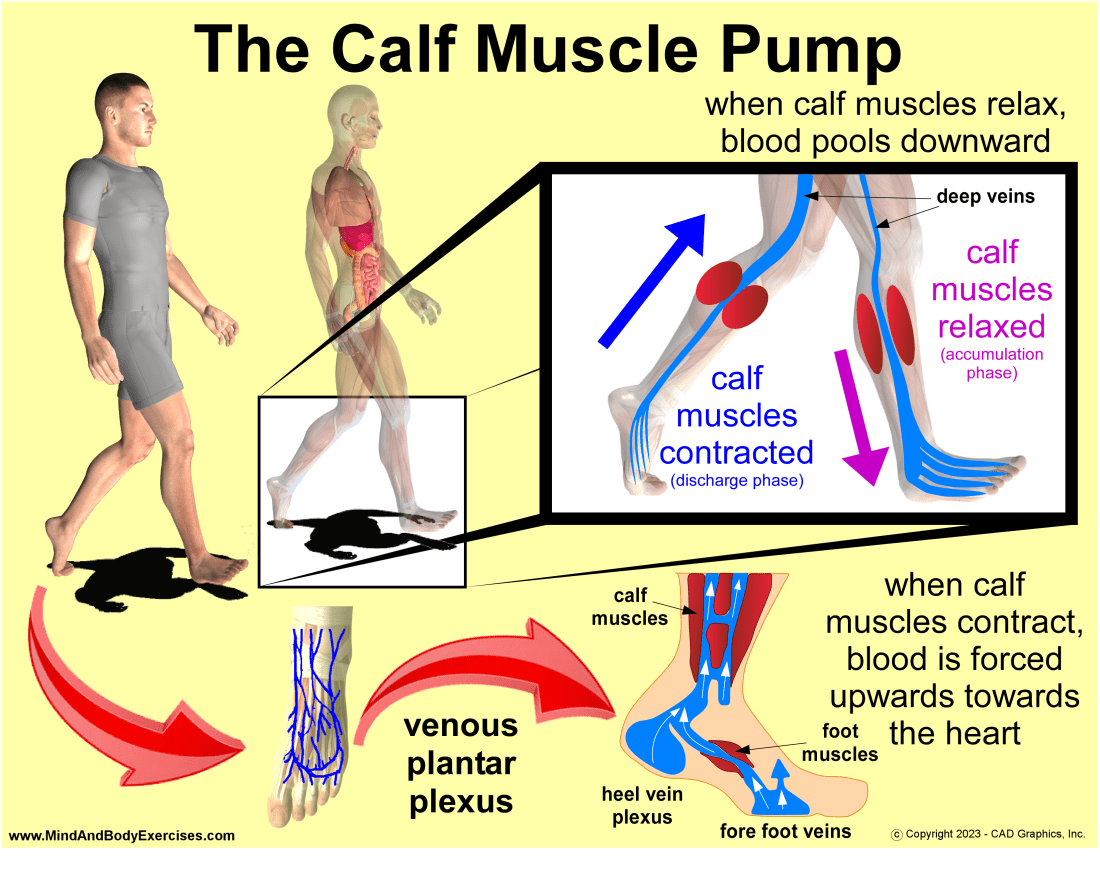
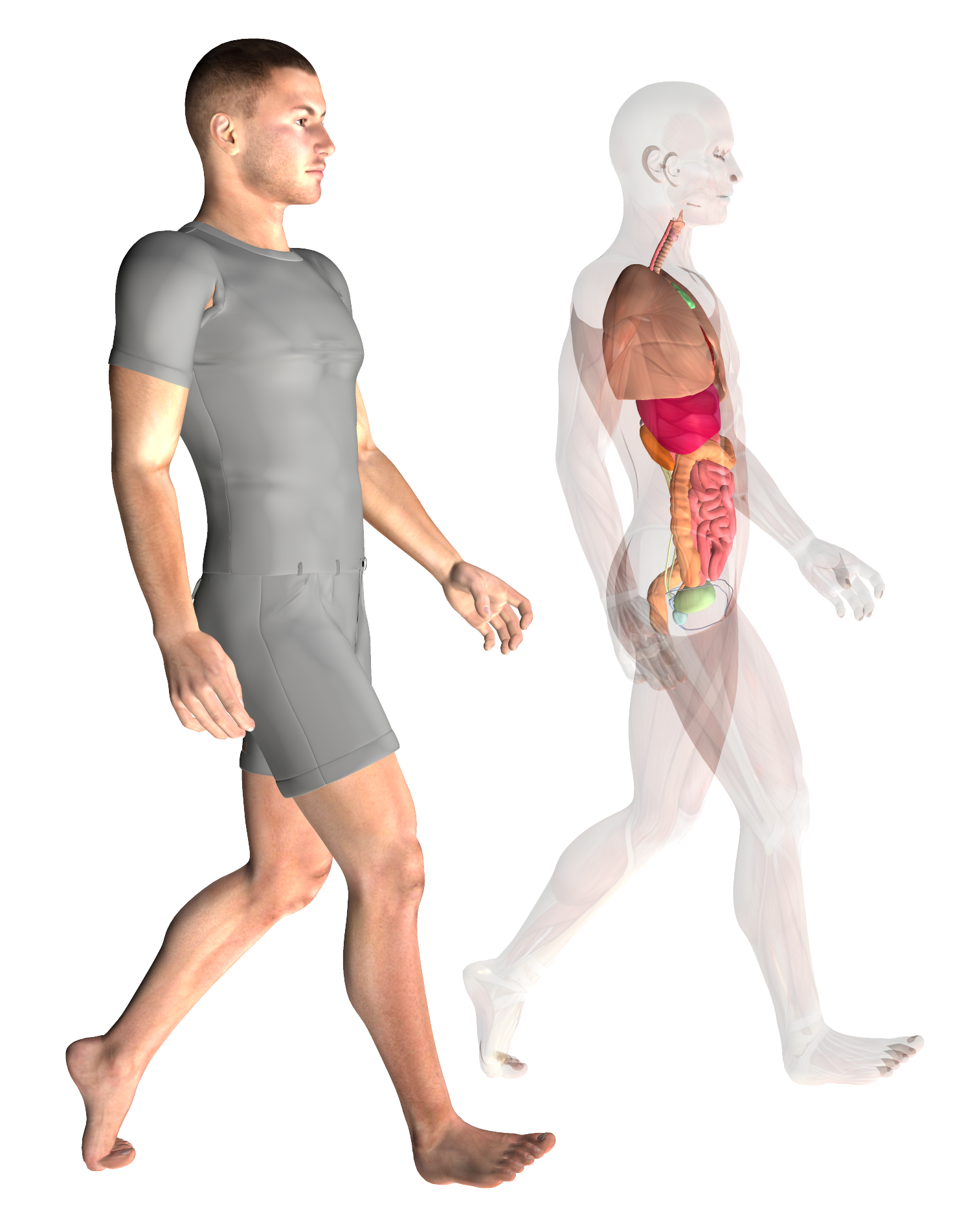
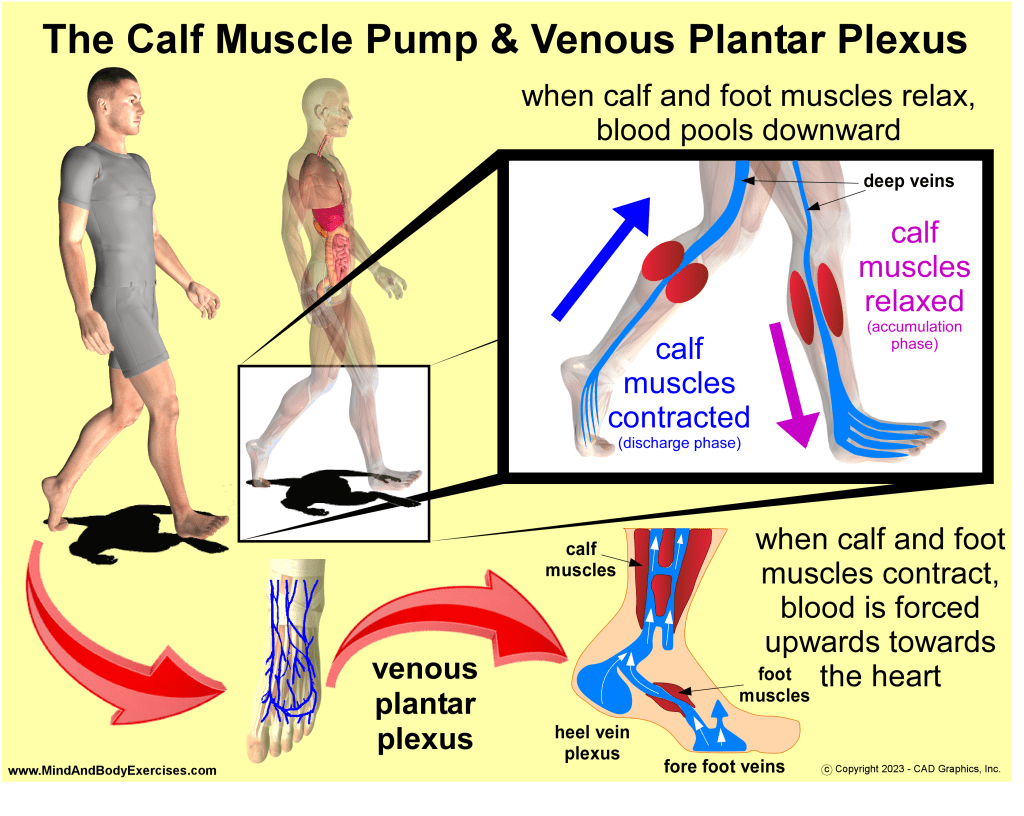
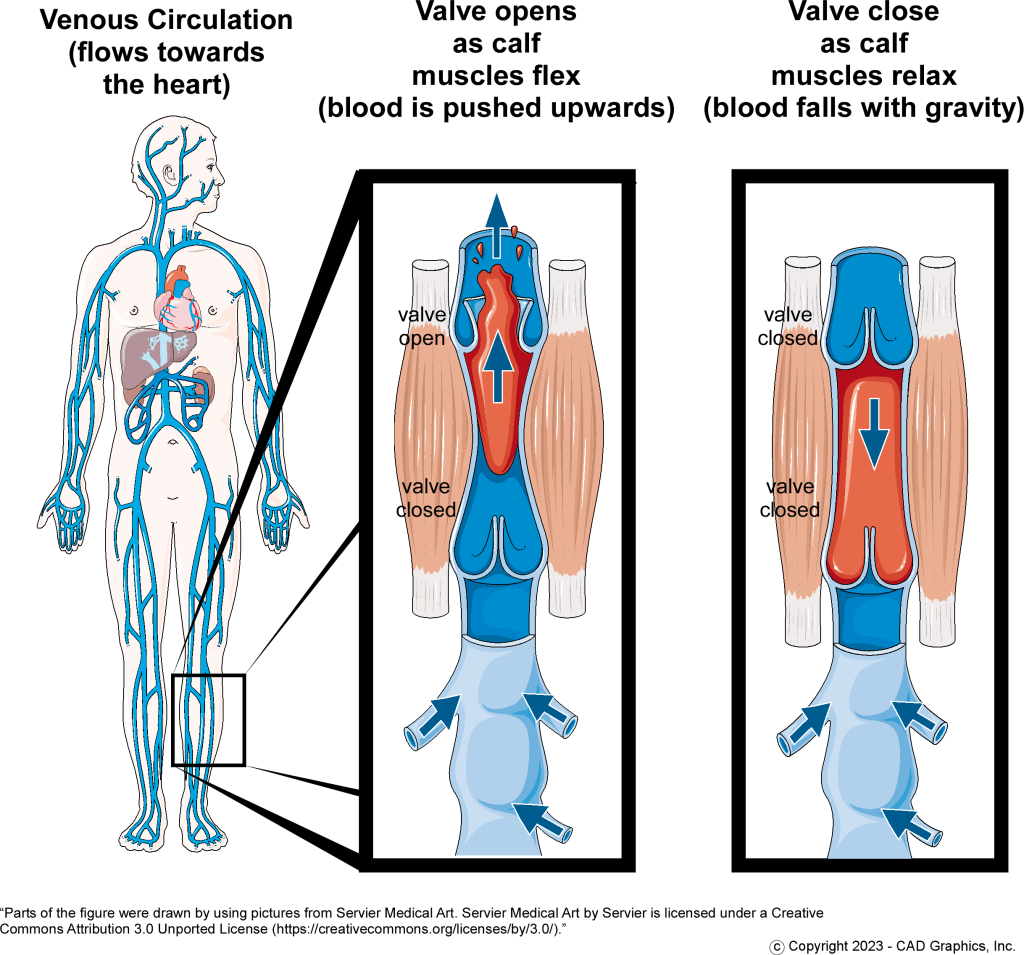
Walking and other weight-bearing activities that engage the muscles in the feet, calves, and thighs illicit a pumping effect that aids in moving blood back to the heart. Rhythmic patterns of relaxation and contraction of these muscles, in addition to the movement of the ankle and toe joints, help to increase venous return and help prevent blood pooling in the lower extremities. Lack of physical movement such as walking and an increase in sitting within our modern American sedentary lifestyle, are major factors that are contributing to the drastic decline in physical and mental wellness of our population within the last decades. More sitting for hours on end at work, behind computer screens, playing video games, and engaging with social media are the norm now. In past years physical activity was more prevalent whether from occupations, recreation, social interactions, or other reasons. A return to a more active lifestyle is what is necessary to get our nation back on track for better health and wellness, instead of harsh pharmaceuticals for all that ails us (a pill for every ill), and pursuing living a life without consequences. We are the architects of our own well-being and relative health and happiness.

The venous plantar plexus of the foot, the venous pump of the calf, and the thigh muscle pump all work together as part of the venous return mechanism, which sends blood back to the heart. The venous pump of the calf, also referred to as the calf muscle pump, is a very important component of this whole mechanism involving the relaxation and contraction of the calf and foot muscles during specific activities such as walking, climbing, exercising, and others. The primary muscles of the calf muscle pump are the gastrocnemius and soleus. This engagement of the calf muscles compresses the veins and pushes blood upwards against gravity. The venous plantar plexus is a bundle of veins found in the sole of the foot, having a primary function of collecting deoxygenated blood from tissues within the foot and moving it back upwards towards the heart. Other muscles in the foot, such as the flexor hallucis brevis, flexor digitorum brevis, and lumbrical muscles, influence toe flexion and extension and consequently help with increasing blood circulation. Both of these mechanisms within the calves and feet contribute to providing efficient blood circulation back up to the heart, as well as preventing blood pooling (edema) in the lower extremities.

Nose-breathing while walking also helps the body to produce nitric oxide (NO) a now well-known messenger molecule that is produced in the nasal cavity and other tissues throughout the body and more specifically in the veins as arteries. NO increases blood flow through dilation of the veins and arteries.

References:

Parts of the figure were drawn by using pictures from Servier Medical Art. Servier Medical Art by Servier is licensed under a Creative Commons Attribution 3.0 Unported License (https://creativecommons.org/licenses/by/3.0/).

___________

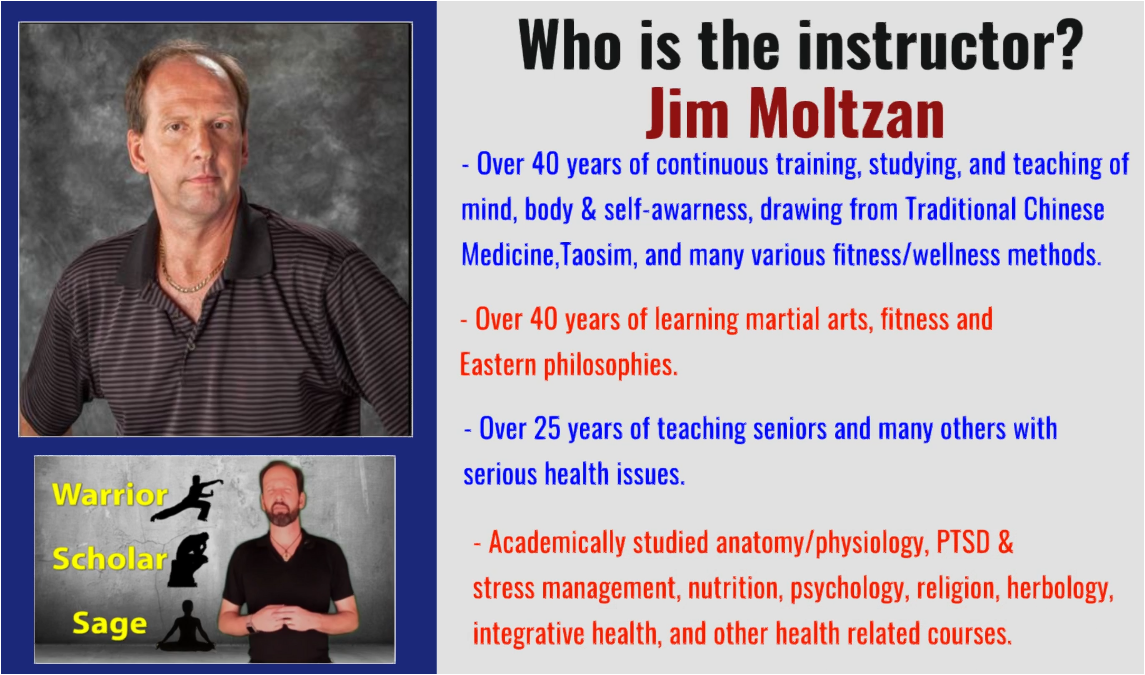
I teach and offer lectures about holistic health, stress management, qigong, tai chi, baguazhang, meditation, phytotherapy (herbs), music for healing, self-massage, and Daoyin (yoga).

I look forward to further sharing more of my message by partnering with hospitals, wellness centers, VA centers, schools on all levels, businesses and individuals that see the value in building a stronger nation through building a healthier population. I also have hundreds of FREE education video classes, lectures and seminars available on my YouTube channel at:

https://www.youtube.com/c/MindandBodyExercises

www.MindAndBodyExercises.com

www.Amazon.com/author/jimmoltzan

Mind and Body Exercises on Google: https://posts.gle/aD47Qo

Jim Moltzan

407-234-0119

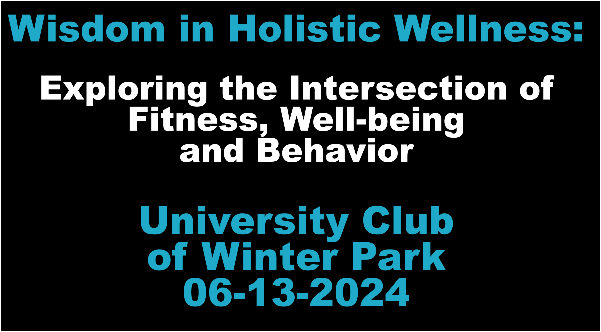
“Wisdom in Holistic Wellness: Exploring the Intersection of Fitness, Well-being and Behavior”

This video discussion covers many topics, such as:

  • whole vs holistic health
  • fitness vs. health vs. wellness
  • the tensegrity model
  • the Three Treasures (jing, qi & shen)
  • 3, 5, 7 pillars of health
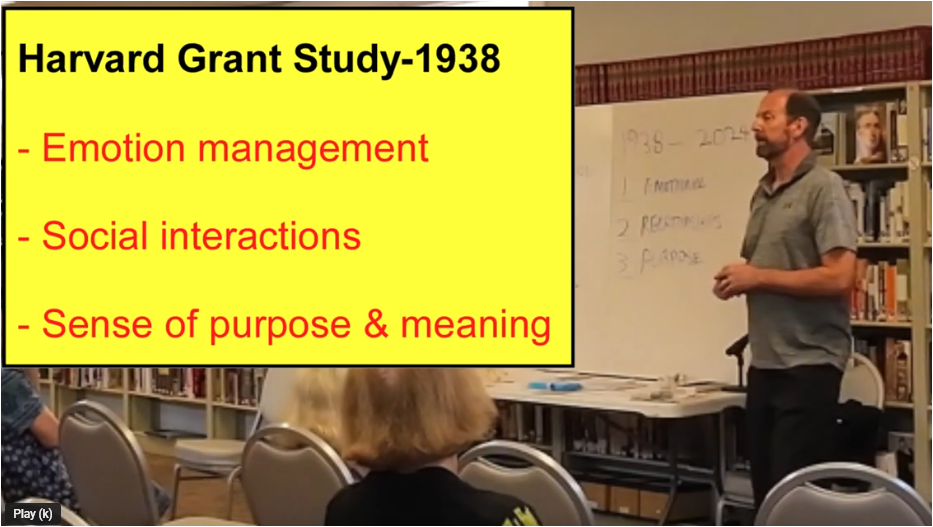
  • the Harvard Grant Study of 1938-present
  • resting heart rate vs. heart rate variability
  • how breathing rate (BPM) affects the parasympathetic nervous system
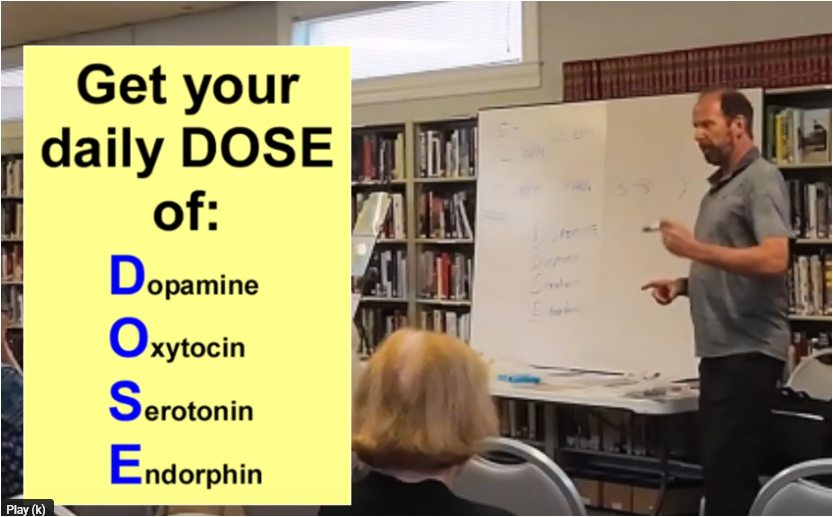
  • DOSE – dopamine, oxytocin, serotonin, endorphins
  • abdominal or diaphragm breathing
  • “Box breathing”
  • energy suns vs. energy vampires
  • restoration, longevity & cultivation
  • yin & yang
  • TCM, the 5 elements, and Ayurveda’s doshas or constitutions
  • living with a sense of purpose & meaning (ikigai)
  • motivation vs. desire

My goal is to present an education for holistic health to increase longevity and quality of life (heathspan), that brings awareness to these time-proven methods. With an intent to de-mystify and simplify explanations, hopefully, more people can come to realize that we are all accountable for our own well-being. Contact me at info@mindandbodyexercises.com if you’re interested in hosting me for speaking events for fitness, holistic health and wellness.

More video clips, books, posters & resources at:
http://www.mindandbodyexercises.com
https://mindandbodyexercises.wordpres…
https://www.facebook.com/MindAndBodyE…
http://www.Amazon.com/author/jimmoltzan

Journey Through Utah’s Mighty Five: A Transformative Experience

Motivation: The Key to Transformation

Motivation played a critical role in my recent journey to hike Utah’s “Mighty Five” national parks. With the right motivation, one can literally achieve new heights in mental, physical, and spiritual development. The desire to explore these majestic parks and push my limits fueled my determination. This motivation helped me overcome physical challenges, stay mentally focused, and experience profound spiritual moments. When properly motivated, the potential for personal growth is limitless. Visiting Utah’s renowned “Mighty Five” national parks—Arches, Bryce Canyon, Canyonlands, Capitol Reef, and Zion—was an adventure that profoundly impacted me on mental, physical, and spiritual levels. Each park offered unique landscapes and challenges that pushed my limits and transformed my perspective on life. Additionally, a hike to the Lower Calf Creek Falls in Grand Staircase-Escalante added a refreshing and memorable experience to our journey.

Preparation and Training

Before embarking on this journey, I increased the intensity of my physical training three months prior. Although I have been practicing and teaching martial arts, tai chi, and qigong for over 40 years, I knew that I needed further mental and physical strength. Consequently, I added in 1-1/2 hour weight training, treadmill, and stairmaster routines 5-6 days per week for 12 weeks. This preparation was crucial for building more stamina, and endurance, and aiding the rehab of an old injured ACL on one knee and a torn meniscus on the other. The rigorous training paid off immensely, allowing me to tackle the demanding hikes with confidence and resilience. Additionally, some other minor chronic aches and pains resolved themselves after a few weeks of this increased schedule. My martial arts training greatly helped me with my self-discipline, overall flexibility, and core strength.

Mental Renewal

  1. Arches National Park: Home to over 2,000 natural stone arches, this park sparked a sense of wonder and creativity. The iconic Delicate Arch, standing alone against a backdrop of fiery sunsets, inspired introspection and clarity. The surreal landscapes made me reflect on the passage of time and the enduring beauty of nature’s creations.
  2. Bryce Canyon National Park: The vibrant hoodoos—tall, thin spires of rock—stood like sentinels in the amphitheater. Hiking among these geological formations felt like stepping into another world. The silence and majesty of Bryce Canyon offered a space for meditation, helping me to clear my mind of everyday clutter and focus on the present moment.
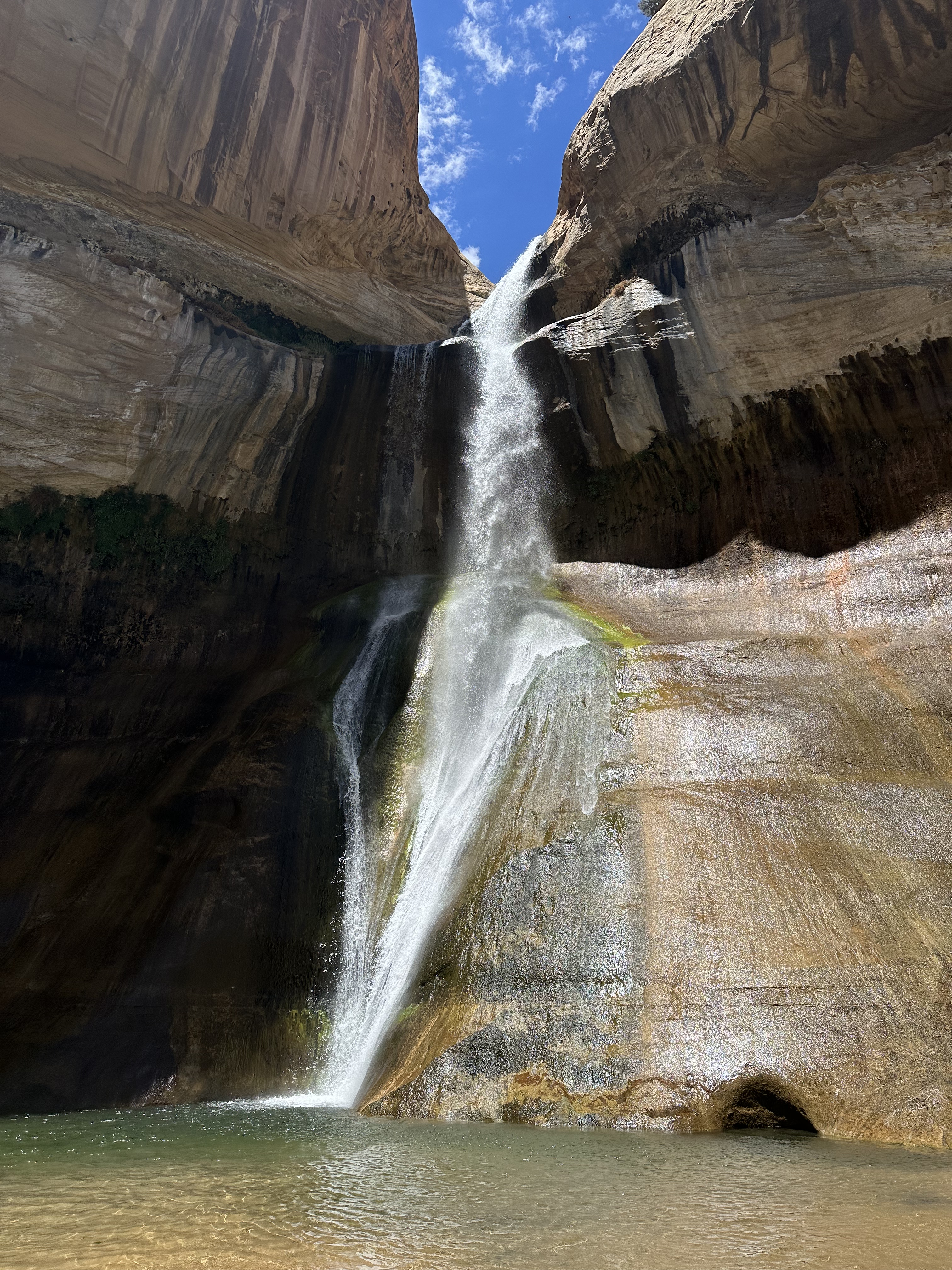
  3. Lower Calf Creek Falls: The hike to Lower Calf Creek Falls was a refreshing mental escape. The sound of cascading water and the lush, green surroundings contrasted sharply with the arid landscapes of the other parks. This serene oasis provided a perfect spot for contemplation and mental rejuvenation.

Physical Challenges

  1. Canyonlands National Park: This vast park, divided into four districts, tested my endurance and resilience. The Island in the Sky region, known for its challenging terrain, pushed me to my physical limits. Navigating the rugged paths and towering mesas required strength and determination, reinforcing the importance of perseverance and preparation.
  2. Capitol Reef National Park: Hiking the Waterpocket Fold, a 100-mile-long wrinkle in the Earth’s crust, was a physical feat. The diverse trails, ranging from easy walks to strenuous climbs, improved my fitness and coordination. The sense of accomplishment after conquering these trails boosted my confidence and physical well-being.

Spiritual Awakening

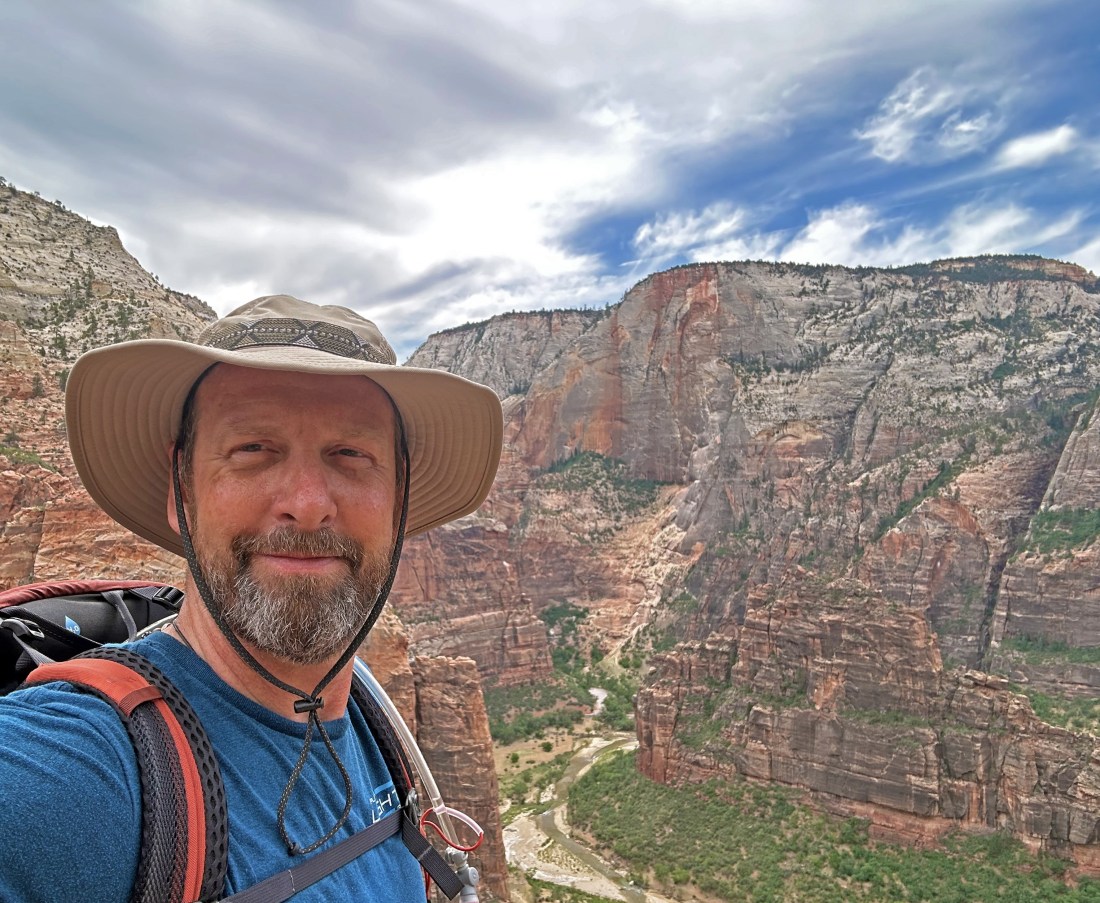
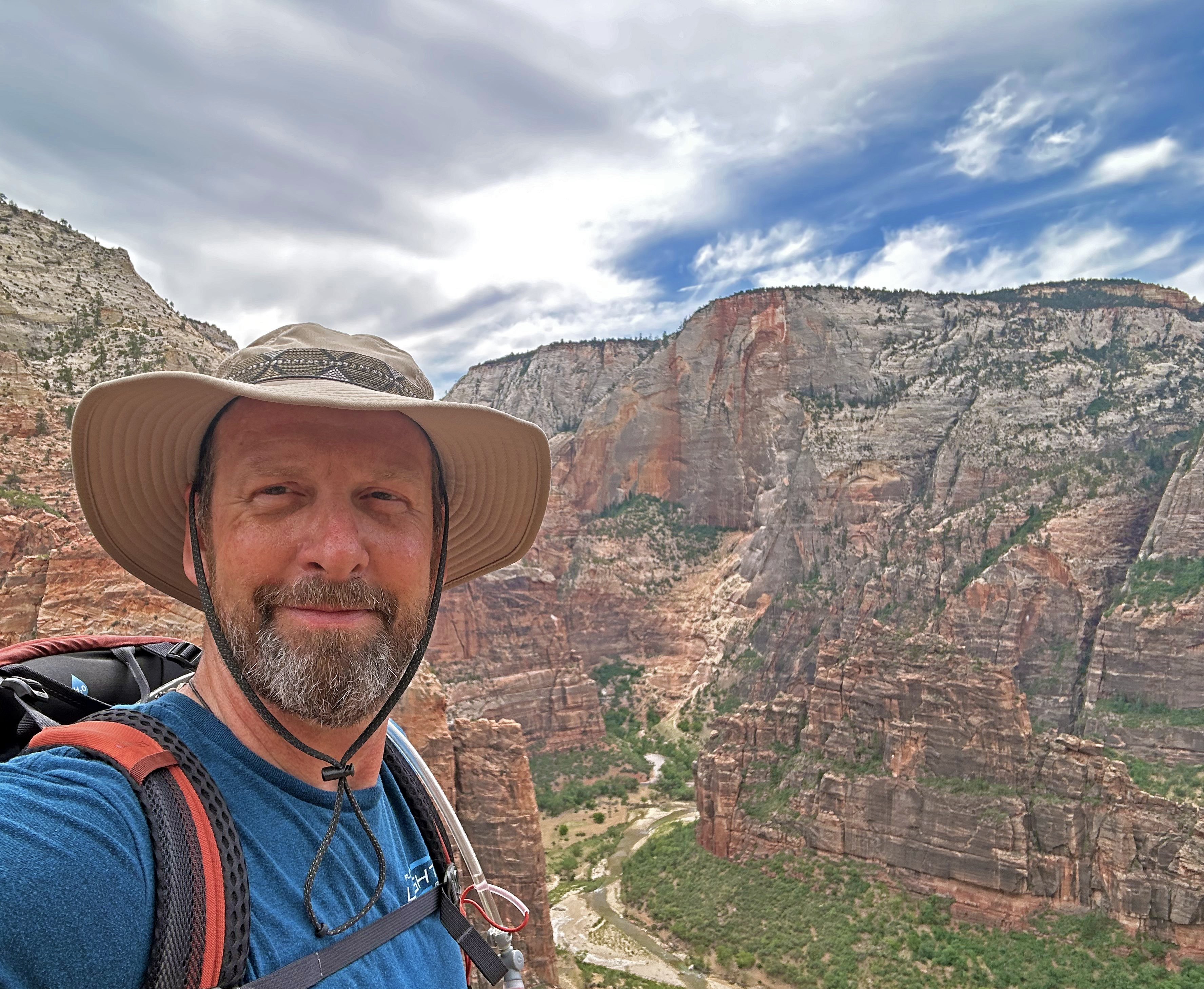
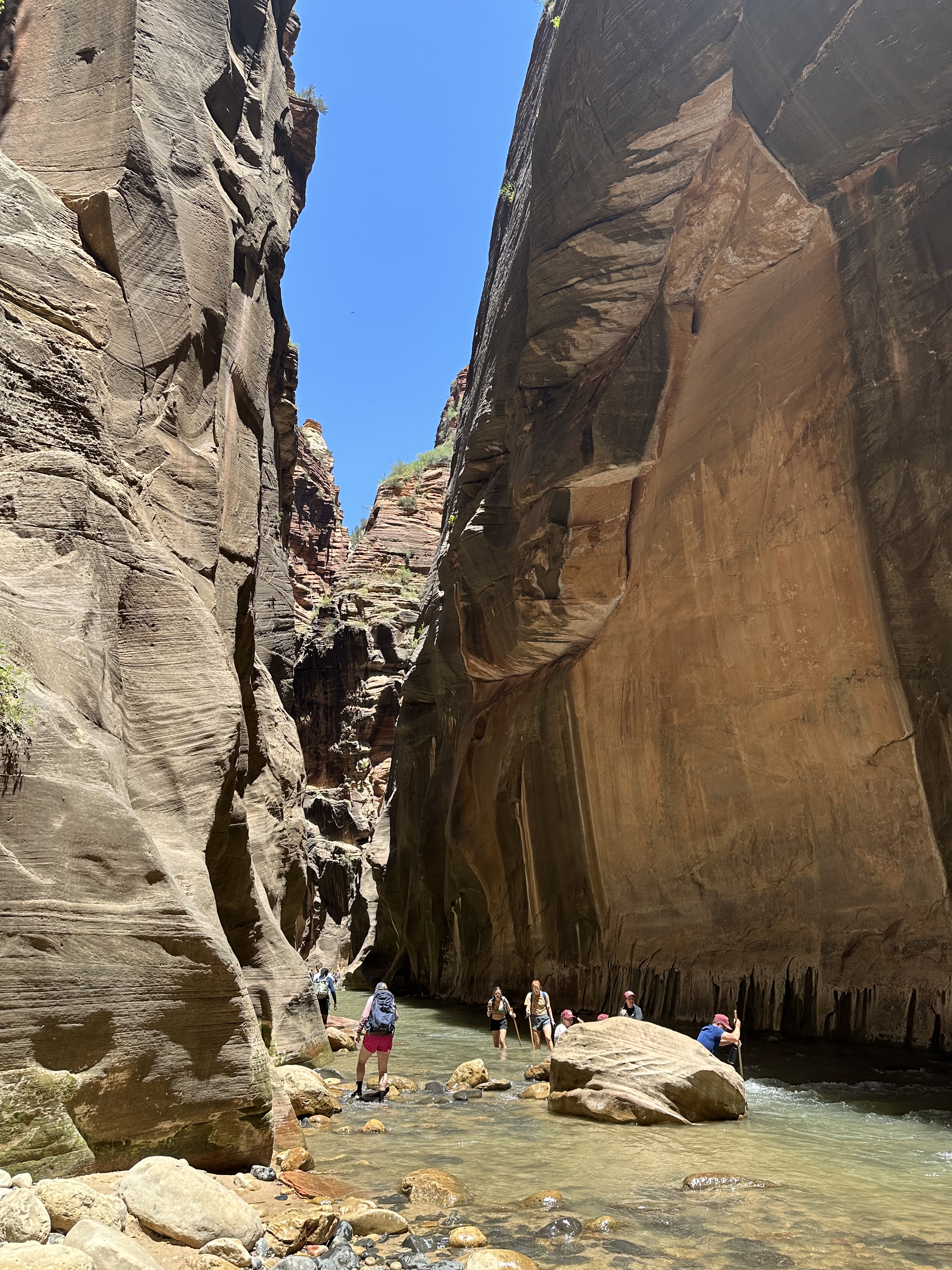
  1. Zion National Park: The soaring cliffs and deep canyons of Zion are awe-inspiring. We hiked the Narrows, wading through the Virgin River with towering canyon walls on either side, which was both a physically and spiritually invigorating experience. Additionally, the hike to Scout’s Landing, with its panoramic views, invoked a sense of humility and connection to something greater than myself. These trails offered a profound sense of peace and spiritual renewal.

Conclusion

The “Mighty Five” national parks of Utah, along with the Lower Calf Creek Falls, are not just destinations for outdoor enthusiasts; they are sanctuaries for personal growth and transformation. The mental clarity gained from Arches and Bryce Canyon, the physical challenges met in Canyonlands and Capitol Reef, and the spiritual awakening experienced in Zion have left an indelible mark on my life. These parks reminded me of the beauty, strength, and resilience inherent in nature—and within myself.

I encourage everyone to explore these natural wonders, not just to witness their breathtaking beauty but to embark on a journey of self-discovery and transformation.

Tips for Future Visitors

  • Preparation is Key: Ensure you have the right gear and physical conditioning for the hikes.
  • Respect Nature: Stay on designated trails, pack out all trash, and respect wildlife.
  • Take Your Time: Allow yourself to fully experience the beauty and serenity of each park.
  • Reflect and Journal: Take notes or journal your thoughts and feelings during your visit to capture the transformative moments.

Embarking on this journey through Utah’s Mighty Five is more than just a travel experience; it’s an opportunity to reconnect with yourself and the natural world in a deeply meaningful way. Feel free to reach out to me if you have more questions about this adventure or how to prepare to undertake the challenge.

I teach and offer lectures about holistic health, stress management, qigong, tai chi, baguazhang, meditation, phytotherapy (herbs), music for healing, self-massage, and Daoyin (yoga).

Please contact me if you, your business, organization, or group, might be interested in hosting me to speak on a wide spectrum of topics relative to better health, wellness, and fitness.

I look forward to further sharing more of my message by partnering with hospitals, wellness centers, VA centers, schools on all levels, businesses and individuals that see the value in building a stronger nation through building a healthier population. I also have hundreds of FREE education video classes, lectures and seminars available on my YouTube channel at:

https://www.youtube.com/c/MindandBodyExercises

www.MindAndBodyExercises.com

www.Amazon.com/author/jimmoltzan

Mind and Body Exercises on Google: https://posts.gle/aD47Qo

Jim Moltzan

407-234-0119

Navigating Holistic Health

51-minute discussion on holistic health

I teach and offer lectures about holistic health, stress management, qigong, tai chi, baguazhang, meditation, phytotherapy (herbs), music for healing, self-massage, and Daoyin (yoga).

Please contact me if you, your business, organization, or group, might be interested in hosting me to speak on a wide spectrum of topics relative to better health, wellness, and fitness.

I look forward to further sharing more of my message by partnering with hospitals, wellness centers, VA centers, schools on all levels, businesses and individuals that see the value in building a stronger nation through building a healthier population. I also have hundreds of FREE education video classes, lectures and seminars available on my YouTube channel at:

https://www.youtube.com/c/MindandBodyExercises

www.MindAndBodyExercises.com

www.Amazon.com/author/jimmoltzan

Mind and Body Exercises on Google: https://posts.gle/aD47Qo

Jim Moltzan

407-234-0119