What is Qi?

Qi is pronounced as “chee” and means “breath” in Chinese. Other definitions are vitality, energy, force, air, vapor. Qi is the life energy that all living creatures require in order to exist. Different cultures call this energy Chi (English), Ki (from Japanese), Gi (Korean) or Prana (Indian).

Qi is a type of energy in the human body and circulates within the blood, cells, and tissues throughout. “When qi moves, blood follows” is a root concept with Traditional Chinese Medicine (TCM). Qi flows in a specific pattern, at specific times from one organ to the next through meridians within the body. These meridians or channels might best be described as something similar to the electrical lines on a printed circuit board. There are 12 main meridians, with 2 for each organ (situated bilaterally from head to toe) for 12 organs. Zang Fu Zhi qi, is that which circulates through the organs. Jing Luo Zhi qi is that which circulates through the meridians.

Qi has mass the same way smoke or vapor has mass; both are transitional states of form. Qi (energy) is regarded as one of the 3 Treasures (San Jiao) or essential components of life, with essence (Jing) and spirit (Shen) being the other two. When energy, essence and spirit are in harmony with one another, the person finds themselves alert, healthy, and vibrant. Or the opposite if their treasures are in imbalance. If this harmonious flow is disrupted, illness occurs.

• Physically (jing): energetically manifesting as the body’s cells and tissues into form, bone marrow, blood and bodily fluids.

• Energetically (qi): as resonant vibration, heat, sound, light and electromagnetic fields.

• Spiritually (shen): energetically manifesting through subtle vibrations which extend through space or Wu Ji.

The following graphic shows how qi can be conceptualized into the Chinese ideogram of rice cooking atop a heat source and producing the wisps of vapor (energy) that we see rising above the cooking rice.

The amount of qi in one’s body and the quality of it determines whether an individual is generally healthy or prone to illness. There is a finite amount in our bodies and is gradually exhausted due to age and possible abuses. When it decreases so does the lifespan of the individual.

A proper balance of nutrition, exercise and a healthy lifestyle directly affect the quality and abundance of qi. Emotions and their balance or lack thereof, affects the quality of an individual’s qi. The emotions of joy, anger, sadness, grief and fear affect our qi within specific organs.

I write often about topics that affect our health and well-being. Additionally, I teach and offer lecture about qigong, tai chi, baguazhang, and yoga. I also have hundreds of FREE education video classes, lectures and seminars available on my YouTube channel at:

https://www.youtube.com/c/MindandBodyExercises

Mind and Body Exercises on Google: https://posts.gle/aD47Qo

Jim Moltzan

407-234-0119

www.MindAndBodyExercises.com

www.Amazon.com/author/jimmoltzan

Excessive Sitting Can Cause Chronic Pain

Many people have been sitting much more this last year while working at home, online classes and in general less physical activity. Consequently, long hours of sitting is also a known cause for lower back, leg and neck issues. Most people in the United States will experience back pain at some time in their lives. Causes of back pain are many ranging from poor posture, heavy lifting and lack of exercise amongst others. Some find relief through chiropractic or acupuncture therapy. Most pain goes away within a few days or weeks only to return at a later date.

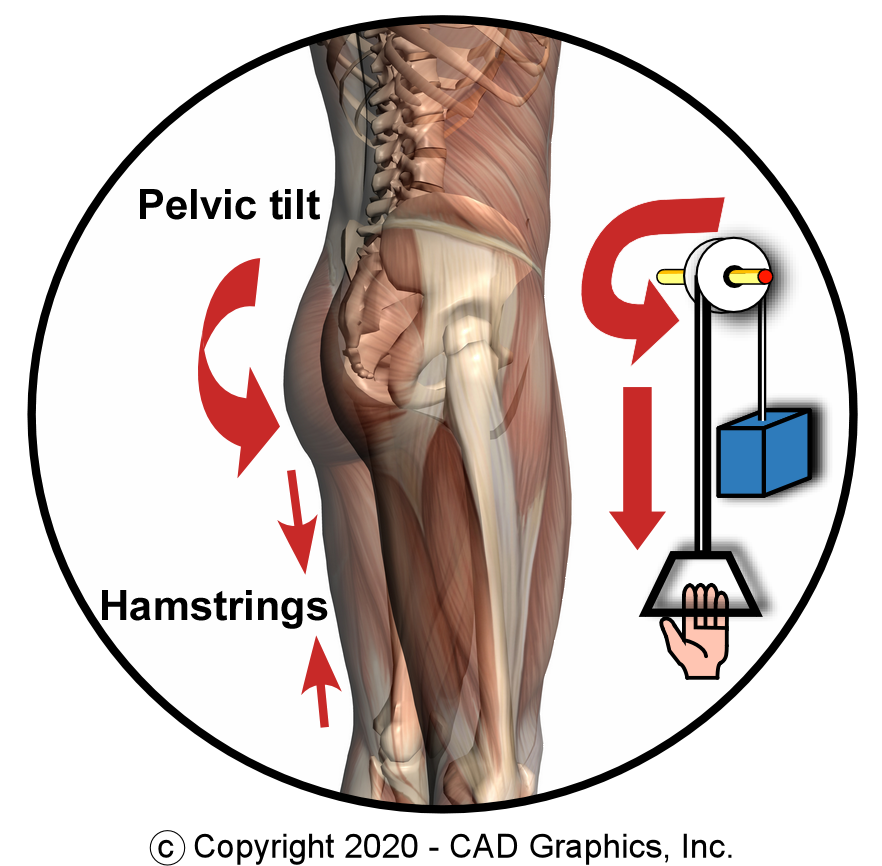
Unless the root cause is fixed, most treatments only offer temporary relief. In many cases, the root cause of back pain is tight hamstring and/or quadricep muscles. Excessive sitting can tighten these muscles as well as lack of proper stretching on a regular basis.

I have learned, studied, practiced and teach literally hundreds of various low-impact exercises that can build stronger bones, muscles and joints. Private, small or group instruction.

Be well!

Jim Moltzan407-234-0119

http://www.MindAndBodyExercises.comhttps://www.facebook.com/MindAndBodyExercises/https://www.youtube.com/c/MindandBodyExerciseshttps://mindandbodyexercises.wordpress.com/

What Type of House Have We Built?

It is almost always easier to maintain something than to fix it once it has broken. The same is true for maintaining health. Why wait for someone to “fix” your health when you have the tools in your own garage? Proper diet, active lifestyle, positive attitude, social interaction – these are the keys to your healthy house.

I have learned, studied, practiced and teach literally hundreds of various low-impact exercises that can build stronger bones, muscles and joints. Private, small or group instruction.

Be well!

Jim Moltzan

407-234-0119

www.MindAndBodyExercises.com

http://www.facebook.com/MindAndBodyExercises/

http://www.youtube.com/c/MindandBodyExercises

https://mindandbodyexercises.wordpress.com/

40 Minutes of Exercise to Offset 10 Hours of Sitting

“Up to 40 minutes of “moderate to vigorous intensity physical activity” every day is about the right amount to balance out 10 hours of sitting still, the research says – although any amount of exercise or even just standing up helps to some extent.”

https://www.sciencealert.com/getting-a-sweat-on-for-30-40-minutes-could-offset-a-day-of-sitting-down

https://bjsm.bmj.com/content/54/24/1451

Long hours of sitting is also a known cause for lower back issues. Most people in the United States will experience back pain at some time in their lives. Causes of back pain are many ranging from poor posture, heavy lifting and lack of exercise amongst others. Some find relief through chiropractic or acupuncture therapy. Most pain goes away within a few days or weeks only to return at a later date. Unless the root cause is fixed, most treatments only offer temporary relief. In many cases, the root cause of back pain is tight hamstring muscles. Excessive sitting can tighten these muscles as well as lack of proper stretching on a regular basis.

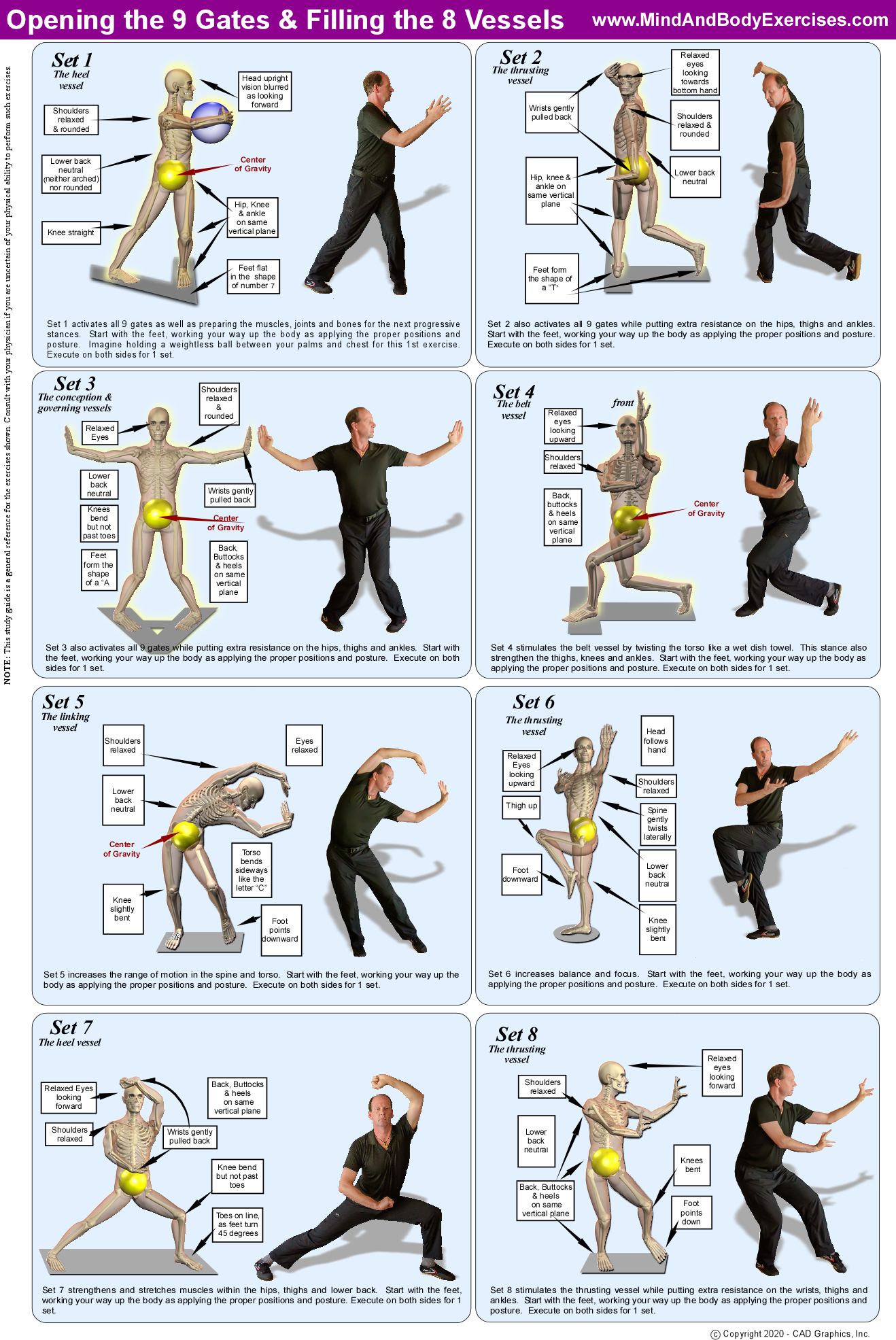
The following set of exercises develop strength and flexibility which improve posture. Good health of the lower back starts with good posture. Strength in the back, hips and abdomen provide a strong cage that houses the internal organs. Flexibility in these areas helps to maintain good blood circulation to the organs and lower body. Lengthening of the spine while exercising reduces stress and tension on the nervous system. Relax the body into the positions in spite of any tension in the muscles. Deep and relaxed breathing is essential while performing these exercises.

————-

I have learned, studied, practiced and teach literally hundreds of various low-impact exercises that can build stronger bones, muscles and joints. Private, small or group instruction.

Be well!

Jim Moltzan

407-234-0119

http://www.MindAndBodyExercises.com

https://www.facebook.com/MindAndBodyExercises/

https://www.youtube.com/c/MindandBodyExercises

https://mindandbodyexercises.wordpress.com/

Masters Council

The 6 Stages of Fever Related Diseases (from a TCM perspective)

Ancient Chinese scholars of the time approximately from 1600-1000 BC, recognized continuous patterns of change and transformation. Initially, these patterns were interpreted using yin-yang (balance) logic, but later these interpretations were expanded to the theory called The Five Elements. The 5 Elements Theory is based on observation, contemplation and meditation of the natural world and the environment we exist within.

The Five Elements Theory evolved from the observation of various processes, functions, and phenomena of nature. The theory proclaims that aspects of matter, can be divided into one of five basic elements of wood, fire, earth, metal and water. Each element contains their own specific characteristics and interrelationships. In modern times, the five elements theory is still used as a tool for grouping substances, as well as a method for studying changes of natural phenomena.

The 5 Elements Theory is a major component of thought within TCM or traditional Chinese medicine. These elements have corresponding relationships within our environment as well as within our own being.

The Six Levels or Six Stages is a theory that is thought to have originated from Shang Han Lun (translated into “On Cold Damage”) by Zhang Zhongjing in 220 CE or about 1800 years ago.

The six stages are:
Tai Yang or Greater Yang Yang Ming or Bright Yang
Shao Yang or Lesser Yang Tai Yin or Greater Yin
Shao Yin or Lesser Yin Jue Yin or Terminal Yin

The names of the syndrome levels are the same as the names of the head and foot pairs of acupuncture meridians. The order is roughly the order that a disease takes as an individual goes from healthy to death. Some disease levels are skipped or the order changed depending upon the person and their individual conditions.

Traditional Chinese Medicine has many relationships to Tai Chi, qigong and other martial as well as wellness practices. I have learned, studied, practiced and teach literally hundreds of various low-impact exercises that can build stronger bones, muscles and joints. Private, small or group instruction.

Be well!

Jim Moltzan

407-234-0119

http://www.MindAndBodyExercises.com

https://www.facebook.com/MindAndBodyExercises/

https://www.youtube.com/c/MindandBodyExercises

https://mindandbodyexercises.wordpress.com/

Masters Council