Flu Season is Really Vitamin D Deficiency Season

Yes, it is that time of year again. Become educated, become healthy and be in control of your health and well-being. Nobody else will care more about YOUR health than YOU!

Temperatures drop. People stay inside. Many wear more layers of clothing to stay warm. Those in warmer climates cover their skin to avoid too much sun exposure. For a big chunk of the year, many people do not receive enough sunlight on their skin to produce their own vitamin D. Nationwide vitamin D deficiency overall prevalence rate is 41.6%, with the highest rate seen in blacks (82.1%), followed by Hispanics (69.2%)2.
https://pubmed.ncbi.nlm.nih.gov/21310306/

Vitamin D is a fat-soluble vitamin that plays a crucial role in several physiological processes, including bone health and immune system function.

Bone Physiology:

  1. Calcium Absorption:
    • Vitamin D is essential for the absorption of calcium from the intestines. Calcium is a critical mineral for bone health, and its absorption is necessary for the development and maintenance of strong and healthy bones.
  2. Bone Mineralization:
    • Vitamin D helps regulate the levels of calcium and phosphorus in the blood, facilitating the mineralization of bone. This process is essential for the formation and maintenance of the bone structure.
  3. Preventing Rickets and Osteomalacia:
    • Severe vitamin D deficiency can lead to conditions such as rickets in children and osteomalacia in adults. These conditions result in weakened and deformed bones due to impaired mineralization.

Immune System:

  1. Immune Cell Function:
    • Vitamin D has been shown to modulate the function of immune cells, including T cells and macrophages. It helps regulate the immune response, promoting the appropriate response to infections while preventing excessive inflammation.
  2. Antimicrobial Properties:
    • Vitamin D has antimicrobial properties and can enhance the production of antimicrobial peptides. These peptides play a role in the body’s defense against various pathogens, including bacteria and viruses.
  3. Autoimmune Diseases:
    • There is evidence suggesting a link between vitamin D deficiency and an increased risk of autoimmune diseases. Adequate vitamin D levels may help modulate the immune system and reduce the risk of autoimmune conditions.

Sources of Vitamin D:

  1. Sun Exposure:
    • The skin can produce vitamin D when exposed to ultraviolet B (UVB) radiation from sunlight. Spending time outdoors and getting sunlight on the skin is a natural way to produce vitamin D.
  2. Dietary Sources:
    • Some foods are good sources of vitamin D, including fatty fish (such as salmon and mackerel), fortified dairy products, fortified cereals, and egg yolks.
  3. Supplements:
    • In cases where it’s challenging to obtain enough vitamin D from sunlight and diet, supplements may be recommended, especially in regions with limited sunlight or for individuals with conditions that affect vitamin D absorption.

Maintaining adequate levels of vitamin D is crucial for both bone health and a well-functioning immune system. It’s important to strike a balance, as both deficiency and excess of vitamin D can have adverse effects on health. If you have concerns about your vitamin D levels, it’s advisable to consult with a healthcare professional for personalized guidance.

_________________

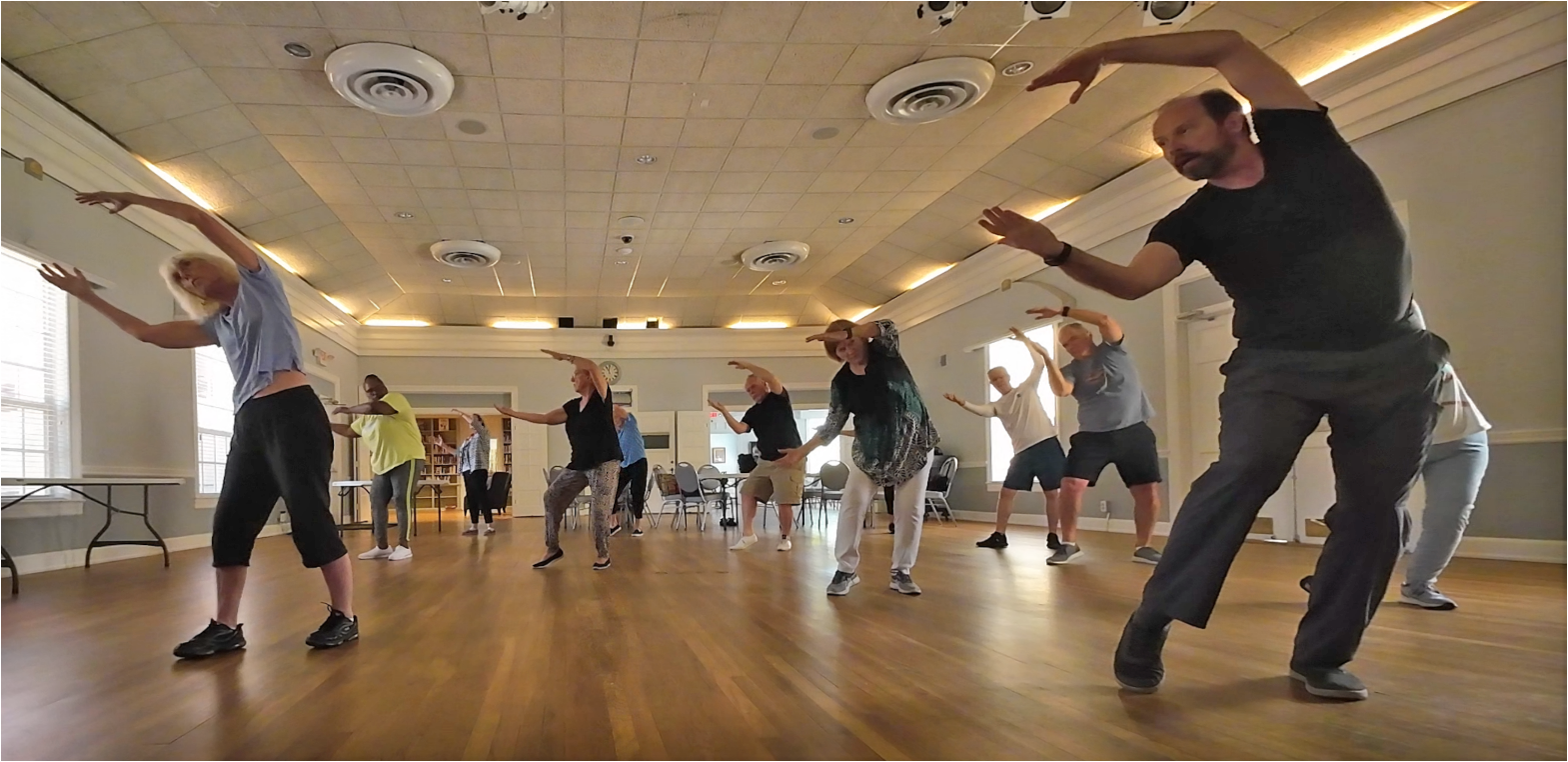
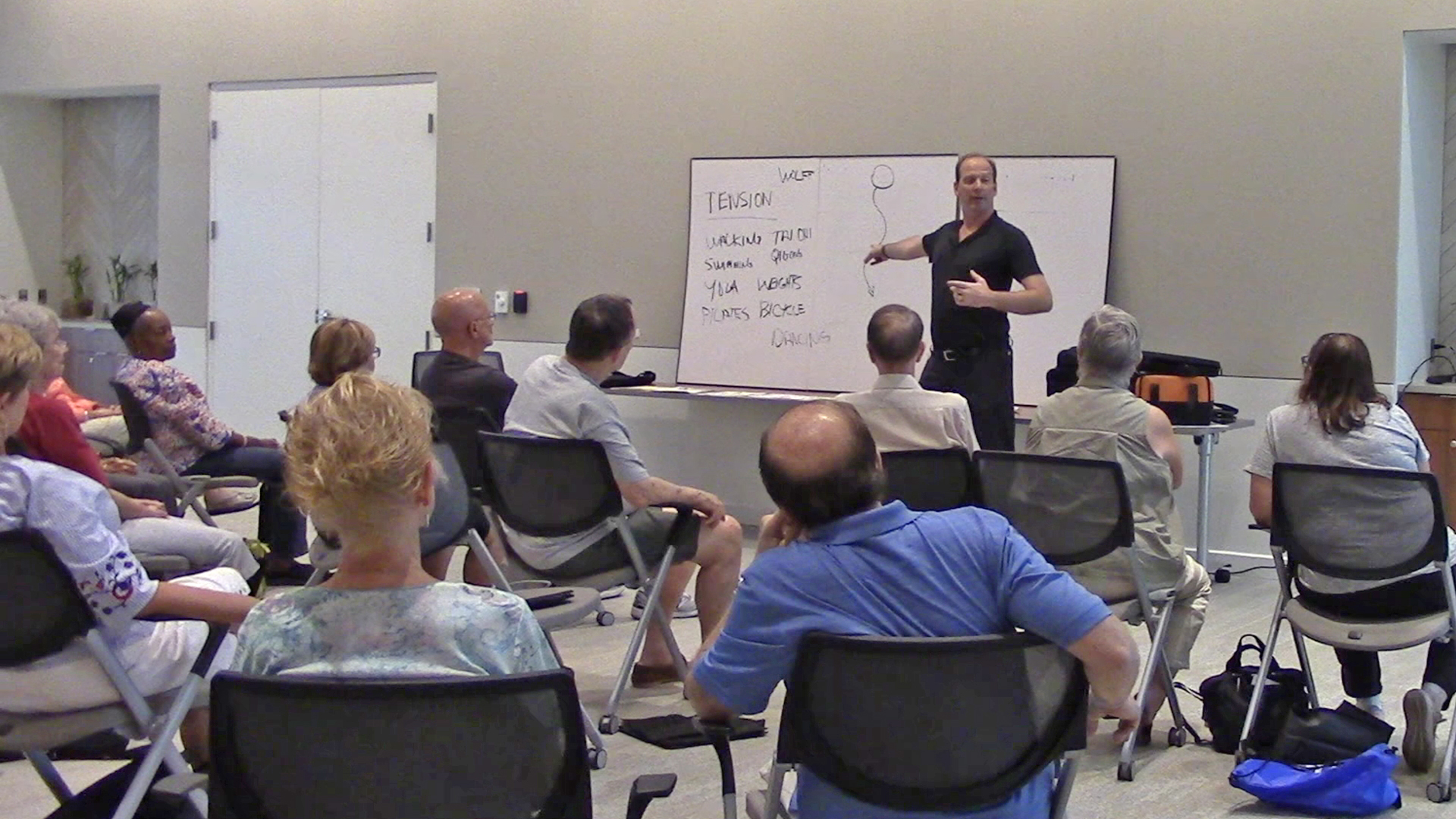
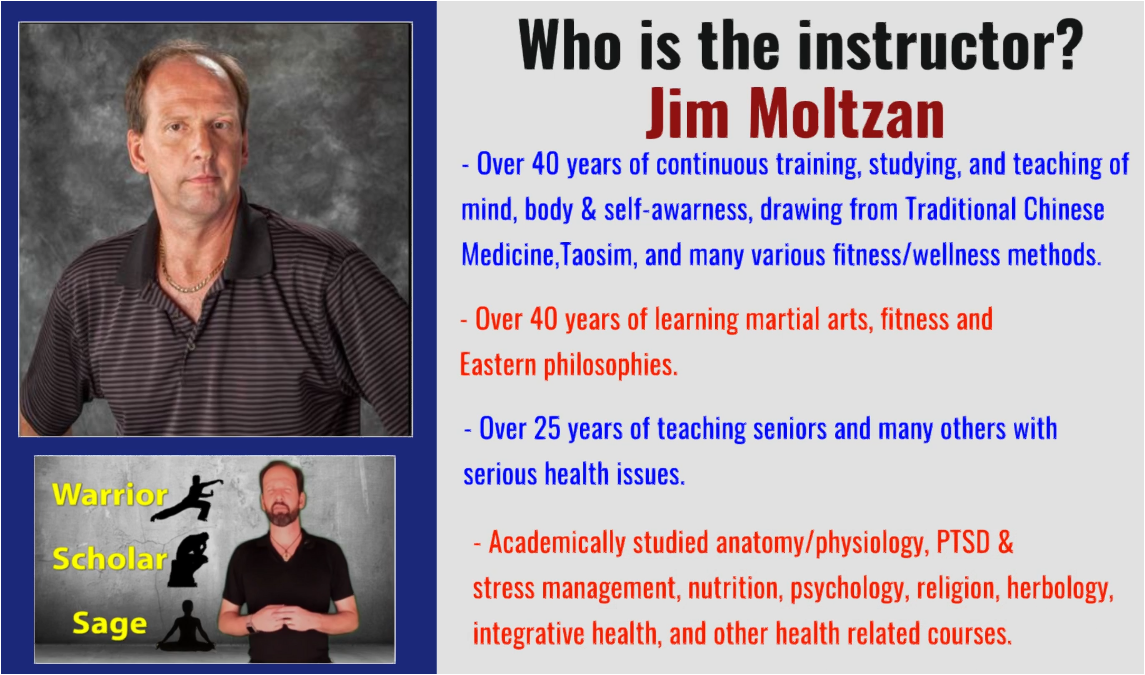
I teach and offer lectures about holistic health, qigong, tai chi, baguazhang, meditation, phytotherapy (herbs), music for healing, self-massage, and yoga. I also have hundreds of FREE education video classes, lectures and seminars available on my YouTube channel at:

https://www.youtube.com/c/MindandBodyExercises

www.MindAndBodyExercises.com

www.Amazon.com/author/jimmoltzan

Mind and Body Exercises on Google: https://posts.gle/aD47Qo

Jim Moltzan

407-234-0119

An Ultra-Processed Diet – we truly “are what we eat”

Most of us were taught a very long time ago, that we truly “are what we eat.” Well here we are decades later and it is quite evident what our population has been eating. Specifically, junk and crap foods that have helped to lead our people to have:

  • Nearly 1 in 3 adults (30.7%) are overweight.
  • More than 1 in 3 men (34.1%) and more than 1 in 4 women (27.5%) are overweight.
  • More than 2 in 5 adults (42.4%) have obesity (including severe obesity).
  • About 1 in 11 adults (9.2%) have severe obesity.
  • Nearly 40% of all adults over the age of 20 in the U.S. – about 93.3 million people – are currently obese.
  • Every state in the U.S. has more than 20% of adults with obesity.
  • The U.S. adult obesity rate stands at 42.4 percent, the first time the national rate has passed the 40 percent mark.
    https://www.niddk.nih.gov/health-information/health-statistics/overweight-obesity

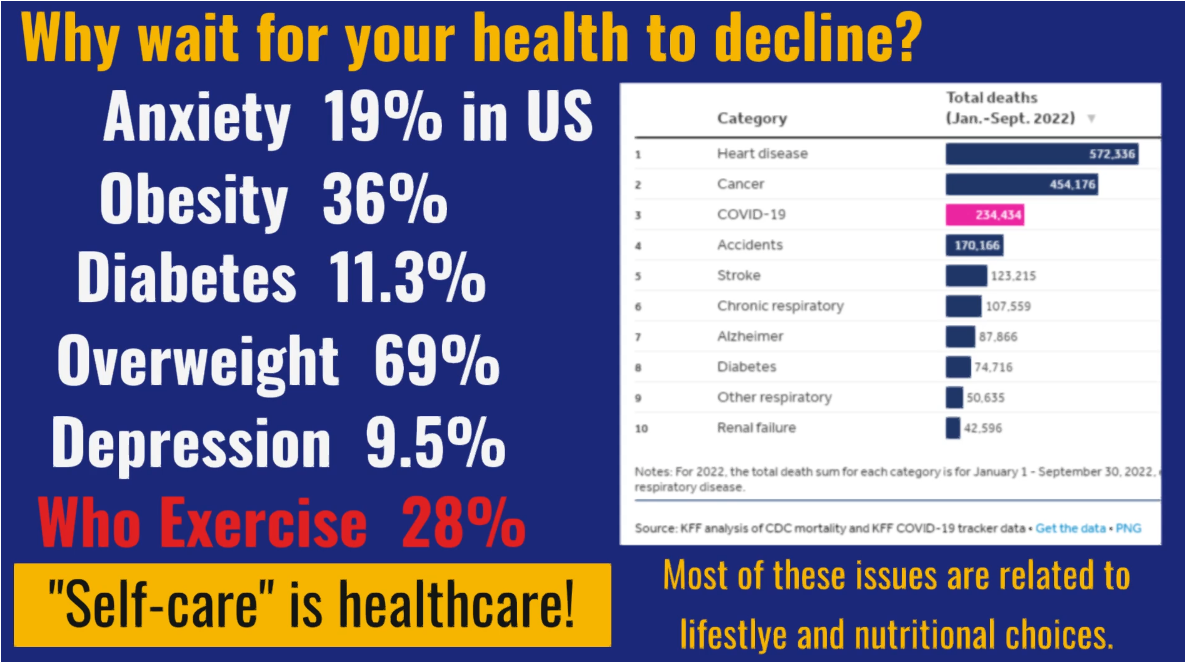
And let’s also note the other issues of:

Maybe now is the right time to re-evaluate what we are putting into our bodies, and more importantly what kids are eating today will determine what type of health they will have later as adults. Plant good seeds, not weeds.

Be well, Get healthy, Be wise.

_________________

I teach and offer lectures about holistic health, qigong, tai chi, baguazhang, meditation, phytotherapy (herbs), music for healing, self-massage, and yoga. I also have hundreds of FREE education video classes, lectures and seminars available on my YouTube channel at:

https://www.youtube.com/c/MindandBodyExercises

www.MindAndBodyExercises.com

www.Amazon.com/author/jimmoltzan

Mind and Body Exercises on Google: https://posts.gle/aD47Qo

Jim Moltzan

407-234-0119

Whole Heath Wisdom: Navigating Holistic Wellness

Be well, become healthy, become wiser. You are the architect of your health and happiness!

Holistic wellness encompasses not only physical exercises but proper nutrition, social interactions, self-regulation of stress & emotions and many other facets of well-being. Holistic health practices seem like they are something new, sometimes thanks to savvy marketers looking to ride the next wave of healthcare fads. Ironically, many holistic methods have roots deep in Buddhism, Taoism, Ayurveda, Traditional Chinese Medicine and other ancient cultures from around the world. Phytotherapy (herbology), naturopathy, chiropractic and even biomedicine/allopathic medicine owe these origins to the ancients.

So many people in pain and suffering, that don’t need to be. I am looking forward to partnering with more wellness centers, hospitals, VA facilities, schools, other groups and venues that can see the value in promoting mind, body and self-awareness. Most know that we have been in a mental and physical healthcare crisis, for many decades now.

I teach and offer lectures about holistic health, qigong, tai chi, baguazhang, meditation, phytotherapy (herbs), music for healing, self-massage, and yoga. I also have hundreds of FREE education video classes, lectures and seminars available on my YouTube channel at:

https://www.youtube.com/c/MindandBodyExercises

Mind and Body Exercises on Google: https://posts.gle/aD47Qo

Jim Moltzan

407-234-0119

_________

Meditation Practices – (the non-pharmaceutical pill you can take today, to ward off your illness of tomorrow)

I have some observations from practicing and teaching meditation methods from over my last 40 years. There has been much stigma in the US regarding meditation going back to when the Maharishi introduced it to the Beatles rock band from 1959 and into the 60’s, and consequently the whole American counterculture of “hippies” of that era. I was quite young at this time but remember how adults around me would comment on how meditation was religious, cultish, and maybe even related to drug use. Some of these factors may actually be true for some people but definitely don’t need to be. Meditation and its many, many various methods can stand alone from any of my previous mentioned groups. Once people become informed and more educated, then they can logically determine for themselves that meditation is more of a mental type of exercise than anything threatening or unusual. Once someone realizes that meditation can come in many ways other than sitting still for long periods of time, such as playing or listening to music, walking, hiking, cooking, walking, producing artwork and many other skillful means, meditation can become less weird, unusual, or threatening. Moving meditation through yoga, tai chi/qigong, dance, and some others are a great way to get away from the stationary methods of sitting and standing meditation. However, if someone is closed minded to the whole idea of learning and trying something new, then it doesn’t really matter how hard another tries to convince them.

Time is another big deterrent to regular and consistent practice of meditation. Many people have the false assumption that if one is not sitting in the lotus position for hours on end, then they are not meditating or may not be doing it long enough to benefit. Studies have reported that some college students who practice mindfulness as part of their coursework, showed cognitive and wellbeing benefits, even when practicing for as little as five minutes twice a week, depending upon the type of mindfulness method implemented (O’Hare et al., 2023).

I have come to understand that it takes about 3 minutes of regulated slow breathing to engage the parasympathetic nervous system and its relative benefits of slower heart rate which affects metabolic functions, helping to induce stress relief, relaxation, and mental clarity. I have come to call the “foot in the door” approach seems to work best for beginners. This is when I suggest to someone with an interest in trying meditating, to start with using a timer set for 5 minutes. Almost everyone can agree that 5 minutes is quite easy to carve out and into one’s schedule. Often after the 5 minutes goes by relatively quicky and without incident, a beginner can easily add another 5 minutes, and then another of they feel better from the initial starting. Our mind has this interesting ability to adjust our perspectives on time and relative priorities as our thoughts and emotions level off to see what truly is more important.

Other challenges that I have encountered either with myself or others are physical discomfort, inability to relax and/or quiet the mind, boredom and even some people become so relaxed that they fall asleep. Practice, practice and more practice. Meditation is a slow path to a greater reward, that will pay off over time of the effort is invested. If you were to eat a salad once a month, this will not make you healthy. Similarly, meditating once in a while will not yield much results. Slow and steady wins the game.

Reference:

O’Hare, A. J., & Gemelli, Z. T. (2023). The effects of short interventions of focused-attention vs. self-compassion mindfulness meditation on undergraduate students: Evidence from self-report, classroom performance, and ERPs. PLoS ONE, 17(1), 1–20. https://doi.org/10.1371/journal.pone.0278826

Some other tips regarding meditation:

Meditation can offer numerous benefits for mental, emotional, and even physical well-being, but it’s not always an easy practice to master. Common challenges people face with meditation include:

  1. Restlessness and Impatience: Many beginners struggle with restlessness and impatience, finding it difficult to sit still and quiet the mind.
  2. Monkey Mind: This refers to the constant stream of thoughts that can make it hard to concentrate or find a sense of calm during meditation.
  3. Physical Discomfort: Sitting in one position for an extended period can lead to discomfort or even pain, distracting from the meditation experience.
  4. Lack of Time: Finding time to meditate regularly can be a challenge in our busy lives, leading to inconsistency in the practice.
  5. High Expectations: Some people expect immediate results from meditation, leading to disappointment when the benefits don’t manifest right away.
  6. Doubt and Skepticism: It’s common to doubt the effectiveness of meditation, especially if the benefits aren’t immediately apparent.
  7. Boredom: Sitting in silence can sometimes lead to feelings of boredom, making it harder to stay engaged in the practice.
  8. Difficulty Focusing: People often struggle to maintain focus on a single point of attention, such as the breath or a mantra.

To overcome these challenges and improve your meditation practice, consider these recommendations:

  1. Start Small: Begin with shorter meditation sessions and gradually increase the duration as your focus and comfort improve. Even a few minutes of meditation can be beneficial.
  2. Be Patient: Understand that meditation is a skill that takes time to develop. Results may not be immediate, but consistent practice will yield benefits over time.
  3. Accept Thoughts: Instead of trying to forcefully push away thoughts, acknowledge them without judgment and gently bring your focus back to your chosen point of meditation (e.g., your breath).
  4. Use Guided Meditations: Guided meditations, available through apps or online, can provide structure and support, making it easier to stay focused.
  5. Experiment with Techniques: There are various meditation techniques (mindfulness, loving-kindness, body scan, etc.). Experiment with different techniques to find the one that resonates with you.
  6. Create a Routine: Set a regular meditation schedule. Consistency is key to reaping the benefits of meditation.
  7. Adjust Your Posture: If physical discomfort is an issue, try different sitting positions or consider practicing walking meditation to reduce the strain.
  8. Lower Expectations: Approach meditation with an open mind and without lofty expectations. Focus on the process rather than the outcome.
  9. Join a Group: Meditating with a group or participating in meditation classes can provide accountability and a sense of community.
  10. Cultivate Patience: Patience is crucial. Like any skill, meditation improves with time and practice. Be kind to yourself as you navigate the challenges.

Remember that meditation is a personal journey, and everyone’s experience is unique. It’s okay to face challenges along the way; these challenges are often opportunities for growth and learning.

________________

I teach and offer lectures about holistic health, qigong, tai chi, baguazhang, and yoga. I also have hundreds of FREE education video classes, lectures and seminars available on my YouTube channel at:

https://www.youtube.com/c/MindandBodyExercises

Mind and Body Exercises on Google: https://posts.gle/aD47Qo

Jim Moltzan

407-234-0119
Contact for times, locations and costs.

www.MindAndBodyExercises.com

www.Amazon.com/author/jimmoltzan

Try to Avoid Being “Triggered” by the Overused Word “Trigger”

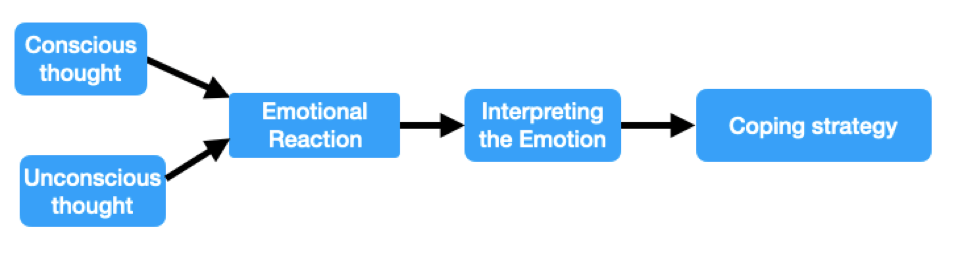
“Triggered” has become a more recent buzzword, relative to emotional interoception and self-regulation and use of coping mechanisms. Almost anything can be a perceived trigger to an individual depending upon genetics, upbringing, environment, experiences, etc. Burnt toast may be a trigger to a child or adult, where they express disgust, disappointment, anger and other negative emotions. Loud noises may be a trigger for a soldier experiencing PTSD from combat and relative life and death circumstances. Everyone interprets stimuli uniquely to their own circumstances. However, trigger is not too often being associated with positive scenarios. We don’t hear much of people being “triggered” into helping someone in need, triggered to complete a task, or offer a compliment. Triggered is becoming a bit overused and taking on a negative definition within our culture.

Doctor Erik Messamore speaks in some detail about how the word “trigger” itself can become overused and actually trigger its own negative emotional responses. The word often connects to definitions attached to weapons or a state of lack of control. Once the trigger is pulled or engaged, there is no way to un-pull the trigger (Ask A Psychiatrist, 2020). I have discussed this concept in other venues, where the topic came up about how it is possible to manipulate someone to remember any particular thought. For example, if we were to perform an online Google search asking for “cars other than blue ones” and then click images, all we will see our blue cars presented. So, regardless of us asking for no blue cars, artificial intelligence only picks up on the “blue” with no context of the surrounding words. If we ask a produce worker at the grocery store to find us some unbruised bananas, their attention goes towards finding the bruised ones and not choosing those. Regardless, their thoughts and ours gravitate towards not wanting bruised bananas. Similarly, if we are discussing something that is negative, stressful or triggering, but seemingly not personally affecting us, our words and attached thoughts will on some level affect our emotions and relative psychophysiological responses.

Alternative words instead of using triggering could be:

  • stressors
  • elicit
  • produce
  • bring about
  • manifest
  • cause
  • produce

Psychologist John Cacioppo states that “the processing of a word, like any other sensory stimulus is sensitive to experience,” (Cacioppo & Tassinary, 2016, p.515). I think that this brings us to the understanding that specific areas of the brain play roles in the processing of sensory stimuli which may be perceived as bringing us happiness, stress, or other emotional states in between. While all humans may have the same components within the brain, each person processes stimuli and relative happiness or stress somewhat unique to their own genetics, life circumstances, and behaviors and/or lifestyle choices (DocMikeEvans, 2016). When we choose to speak words, the Wernicke’s area of the brain is engaged to help formulate within our thoughts, what we will verbally say. Neuron signals are then transmitted to the Broca’s area of the brain in order to produce the strategy for the motor cortex to put together the sounds that will become words and sentences. From here we use our language to communicate our thoughts (Andrew Scott, 2013). I think that this process is the result of how each individual perceives stimuli and responds uniquely depending upon their own availability of coping mechanisms, resources, and life experiences. If someone is exposed to mostly negative experiences throughout their life, they may have a different “calibration” for what they perceive as happiness. Conversely, someone who has very little stress in their lives may see themselves as quite happy, until something they perceive as a major stressor forces them to re-calibrate their thinking.

So, I think that happiness and stress are both relative terms to the present moment. Perceptions of happiness and stress will continue to ebb and flow as we learn, grow, and then adapt to whatever we experience under whatever circumstances. Words have meaning, impact and influence. Choose words wisely.

References:

Ask A Psychiatrist. (2020, May 12). Emotion Regulation. What causes emotional reactions and how can we modify them? [Video]. YouTube. https://www.youtube.com/watch?v=YUPIhzHa-68

Cacioppo, J. T., Tassinary, L. G., & Berntson, G. G. (2016). Handbook of Psychophysiology. P. 515. Cambridge University Press. Kindle Edition.

DocMikeEvans. (2016, August 18). The science of Subjective Well Being, a.k.a Happiness. [Video]. YouTube. https://www.youtube.com/watch?v=PPbjK3MmjL0

Andrew Scott. (2013, March 24). Broca’s area vs. Wernicke’s area – VCE Psychology [Video]. YouTube. https://www.youtube.com/watch?v=2iHDF5twkcE

_________

I teach and offer lectures about holistic health, qigong, tai chi, baguazhang, and yoga. I also have hundreds of FREE education video classes, lectures and seminars available on my YouTube channel at:

https://www.youtube.com/c/MindandBodyExercises

Mind and Body Exercises on Google: https://posts.gle/aD47Qo

Jim Moltzan

407-234-0119

Contact for times, locations and costs.

www.MindAndBodyExercises.com

www.Amazon.com/author/jimmoltzan