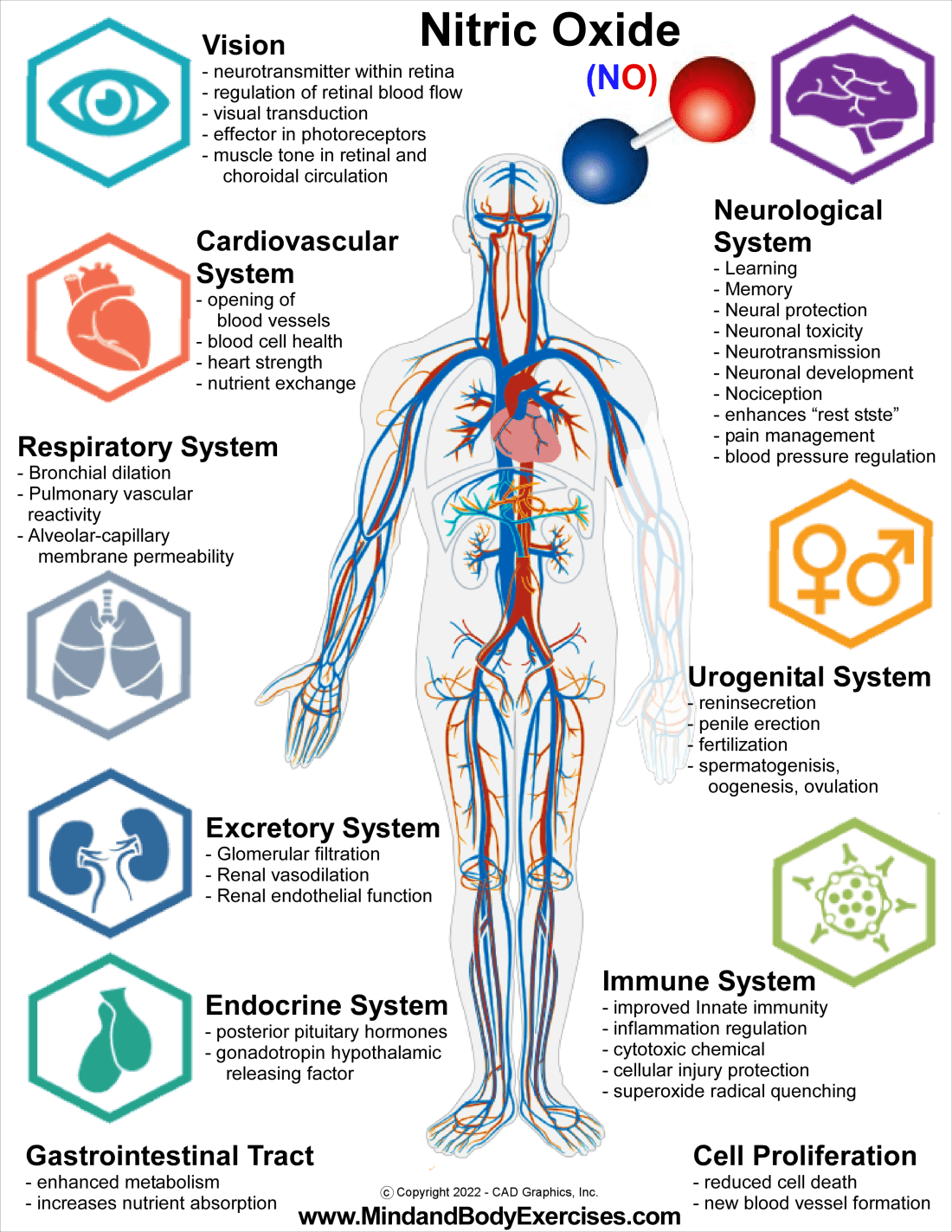
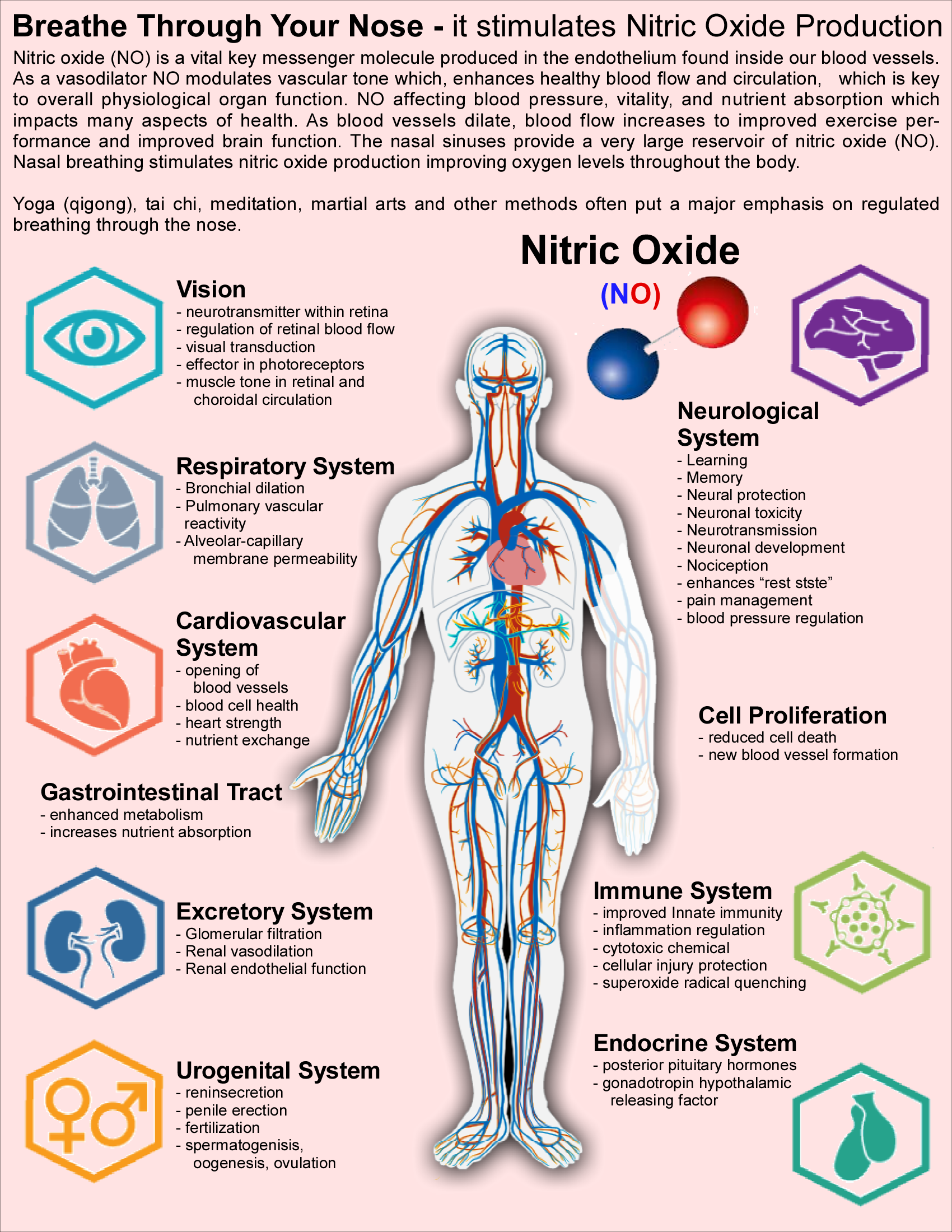
Nitric oxide (NO) is a vital key messenger molecule produced in the endothelium found inside our blood vessels. As a vasodilator NO modulates vascular tone, which enhances healthy blood flow and circulation, and is a key to overall physiological organ function. NO affects blood pressure, vitality, and nutrient absorption which impacts many aspects of health. As blood vessels dilate, blood flow increases to improved exercise performance and improved brain function. The nasal sinuses provide a very large reservoir of nitric oxide (NO). Nasal breathing stimulates nitric oxide production improving oxygen levels throughout the body.
Yoga (qigong), tai chi, meditation, martial arts and other methods often put a major emphasis on regulated breathing through the nose.
_____________
Be more active, eat healthier, sleep better, stress less these are the key components to maintaining a strong immune system.
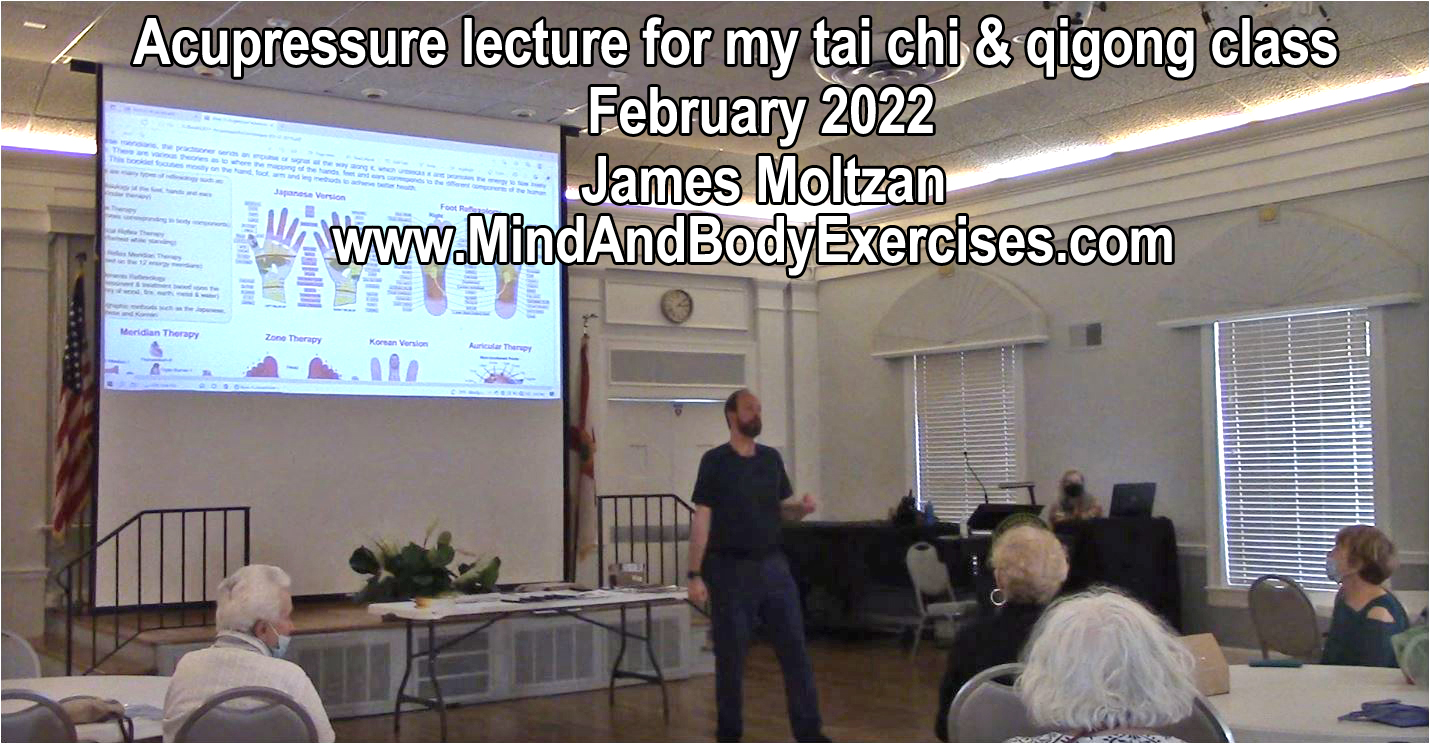
I am currently offering lectures and classes for group, small group & private instruction in Wekiva, Longwood and Winter Park.Mind and Body Exercises on Google: https://posts.gle/aD47Qo
I find it very interesting how there are so many herbs, that we as humans push the limits of their benefits versus their toxicity. I feel that herbs do sometimes get a bad reputation for this fact, but allopathic pharmaceuticals have been in this same position for the last century.. Too much or too little of any particular herb or pharmaceutical can have devastating side effects or even death.
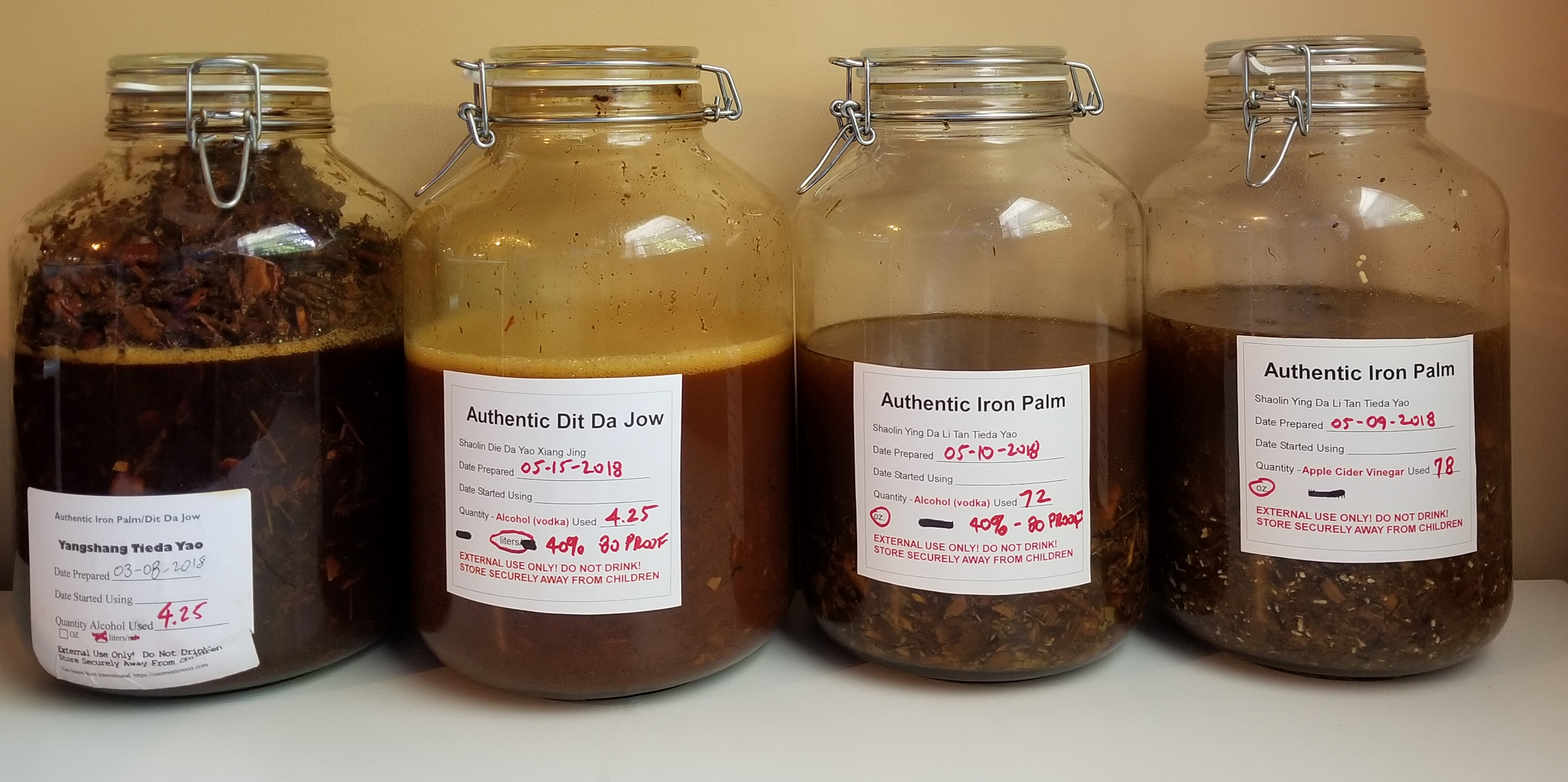
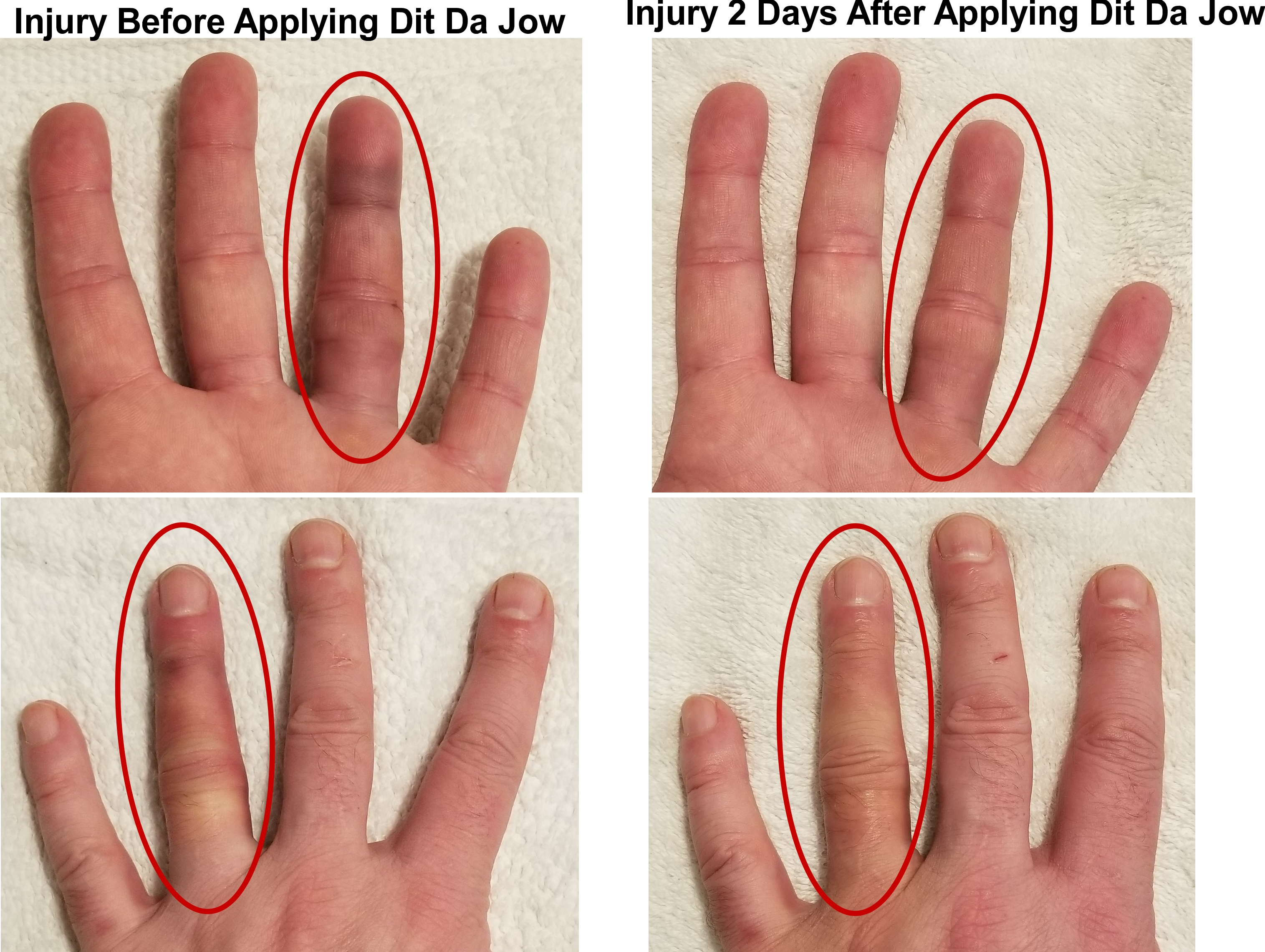
I have come across aconite previously with my learning preparations of dit da jow, (recipes for external bruising and inflammation) along with my martial arts and qigong training. Aconite is considered a pungent ingredient within Traditional Chinese Medicine and is used by martial artists to promote the circulations of qi and bodily fluids. I came to understand that aconite needed to be “prepared” in order to neutralize its toxicity, such as treating it with salt and then boiling with licorice and black soya beans, for at least 1 hour (Prepared Aconite (Zhi Fu Zi) in Chinese Medicine, n.d.).
I feel compelled to ask why some of these herbs would still be continued to be used, with such potentially toxic side-effects? Many people might respond with “just use Western allopathic pharmaceuticals, they are proven safe and effective to use.”
Plants and their natural ingredients are the producers of chemical substances, used to produce synthetic drugs. For most of history, herbal remedies were the only available medicine. Current estimates report that one third to one half of drugs in use today, originally derived from plants. Safety and efficacy in the use of herbs used in traditional and modern medicine are features that may apply to some herbs and patients, but not necessarily to others. Similar negative issues are known from conventional chemical drugs, which also are not always effective in all patients. There are risks of rare adverse reactions occurring in various organs relating to both, herbs and synthetic drugs (Teschke & Eickhoff, 2015).
There are many over-the-counter, as well as prescription drugs that have the potential for dangerous side effects. Although in most cases, the risk of serious side effects is very rare, at less than 1% of the time. Some of these medicines would include ACE inhibitors, where there is the risk of an allergic-type reaction called angioedema. This is a rapid swelling under the skin that may lead to swelling of the throat and tongue and difficulty breathing. Some diabetes medications may cause lactic acidosis, an accumulation of lactic acid in the blood that can lead to hypothermia (low body temperature). Over-the-counter painkillers such as Acetaminophen (Tylenol) and NSAIDs like ibuprofen (Advil, Motrin) or naproxen (Aleve) in large daily doses can damage the liver and lead to liver failure. Alcohol consumption while taking acetaminophen can also lead to liver damage. Long-term and sometimes short-term NSAID use, is linked to kidney issues, ulcers, high blood pressure, stomach bleeding, and increased risk for stroke and heart attack (5 common medications that can have serious side effects, 2020).
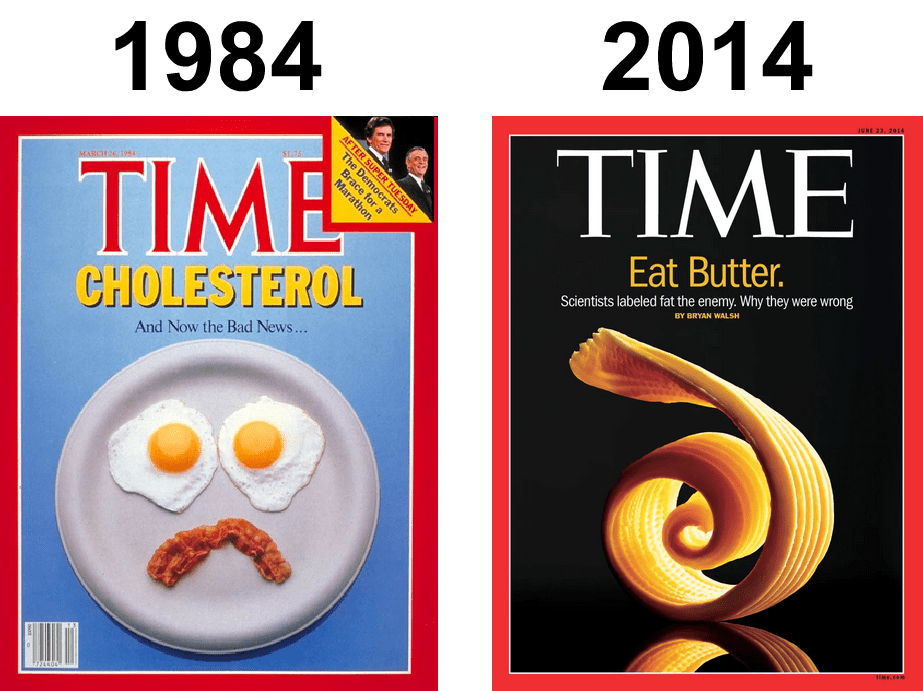
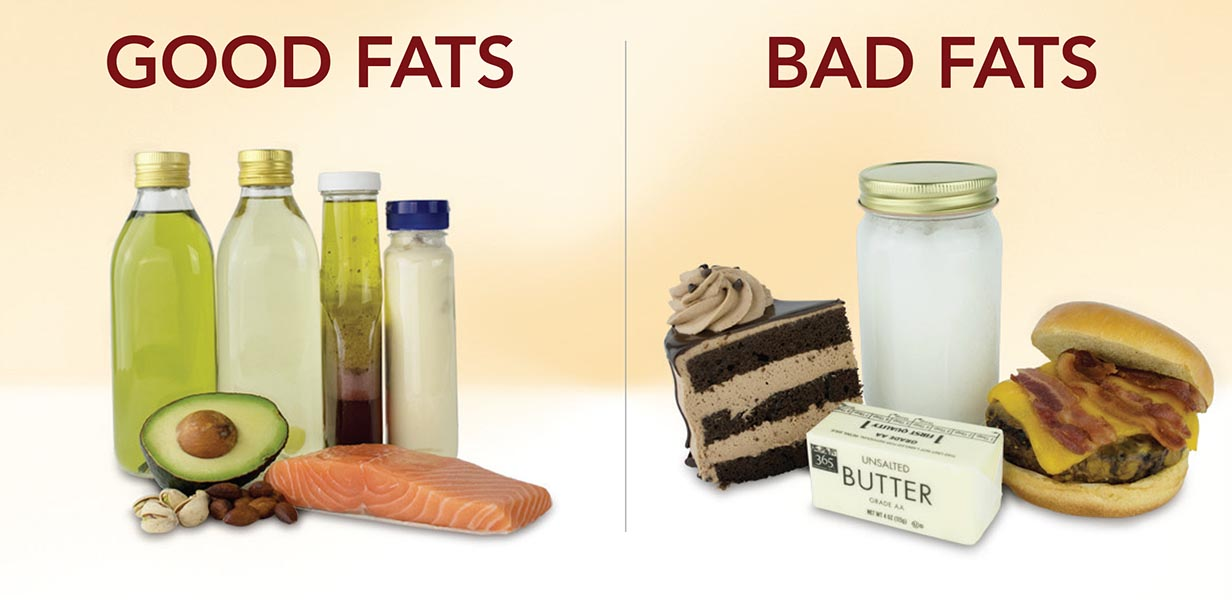
Nutritional information has been evolving and accessible for decades, but we need to look to many diverse sources to find the most accurate information for any particular topic. Particular fats such as saturated, mono-saturated and polyunsaturated fats, all have specific health benefits when consumed in moderation. Saturated fats contain cholesterol that the cells within our bodies rely upon for structure and barriers.1 Over the last few decades, trans fats have been known to mostly have little or no positive health benefits.
I think it so very important that we seek education in our personal nutrition as to become more aware of exactly what we are putting into our bodies. Over the last decades, consumers have relied upon the scientific and medical industries to inform the general public about what is healthy or unhealthy to consume. Depending on the source of the information, fat and consequently cholesterol are possibly the source of all of our health-related issues or the cure to all that ails us.1 Perhaps the truth lies somewhere in between and realizing that we as humans do need specific fats in our diet, albeit in moderation. Additionally, what may be deemed as healthy or beneficial for someone, may not be for another. Everyone has their own health constitution relative to genetics, lifestyle, environment, and maybe other components.
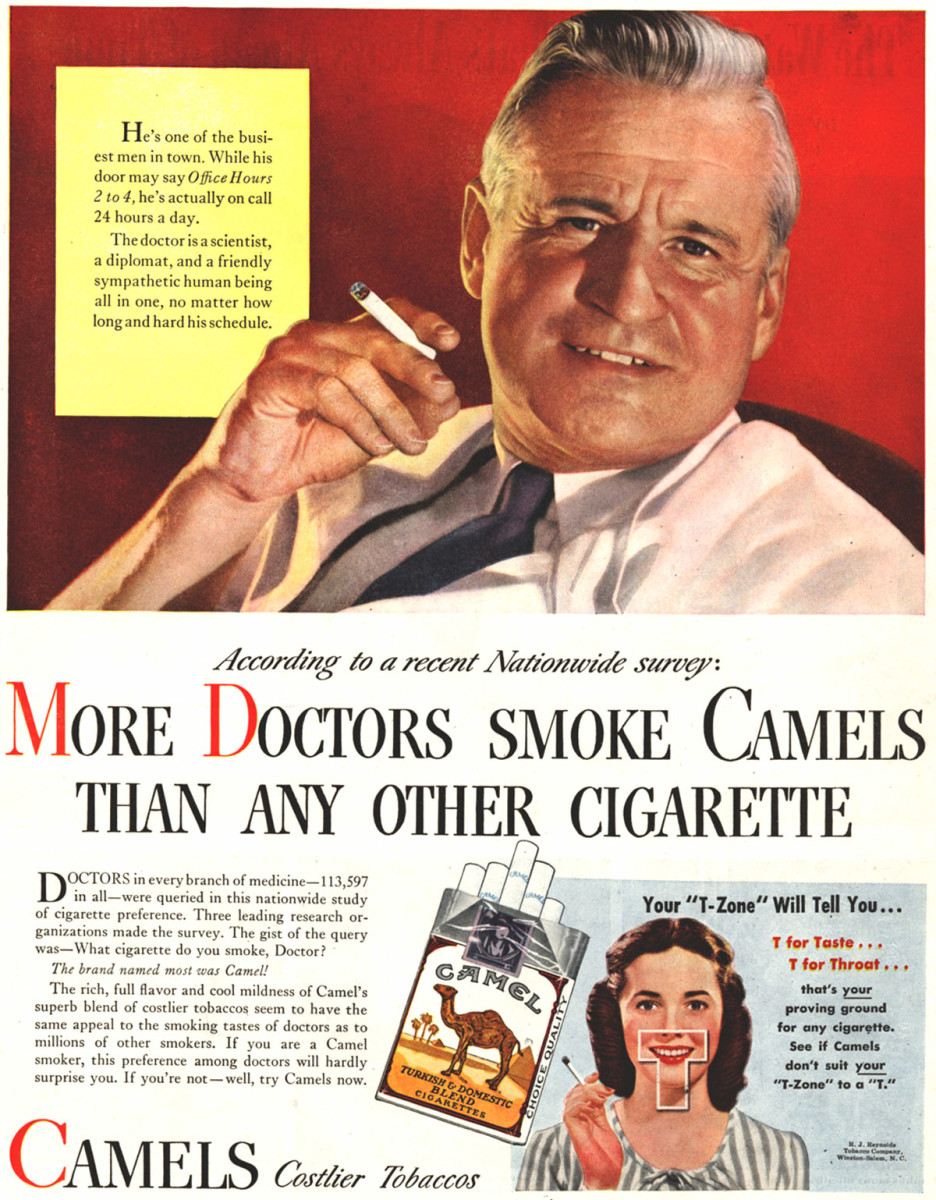
We have seen phases or trends in US health culture evolve over time. We can rationalize this by realizing that science has continuously been evolving and data has become more accurate due to many technological advances since the early part of the 20th century. Unfortunately, many of the trends have been affected by big corporations and associations that have the vast resources to sway not only the medical and science communities but also the public as well. Cigarettes were promoted by doctors, then they were not but the FDA still regulates and allows their detrimental usage.2 Coffee and its ingredient of caffeine seems to ebb and flow ever year between being good or bad for us. 3 A few decades ago, eggs and beef where demonized as having little positive health benefits to outweigh their negative effects such as high cholesterol and relative higher risk of heart disease from high consumption.
In the 70’s a diet filled with eggs, bacon, beef, salt and sugar was desired as it was a symbol of social status to be able to afford these items and provide for one’s family. I think this was a side effect of my parent’s having grown up during the Great Depression, where jobs and food were somewhat limited. When I was a teen back in the 80’s, I saw the beginning of the shift from the eggs, bacon and pancake breakfast and steak and potatoes dinners to an awareness that these foods were high in fat and relative cholesterol. With my own pursuit of better health and well-being, I have found that nutrition is highly relative to the individual’s lifestyle choices and awareness that even seemingly healthy foods may not be so much, especially if they have been heavily processed, have pesticides or other chemicals added to them. So I read labels more and consume in moderation.
Be more active, eat healthier, sleep better, stress less these are the key components to maintaining a strong immune system.
I am currently offering lectures and classes for group, small group & private instruction in Wekiva, Longwood and Winter Park.Mind and Body Exercises on Google: https://posts.gle/aD47Qo
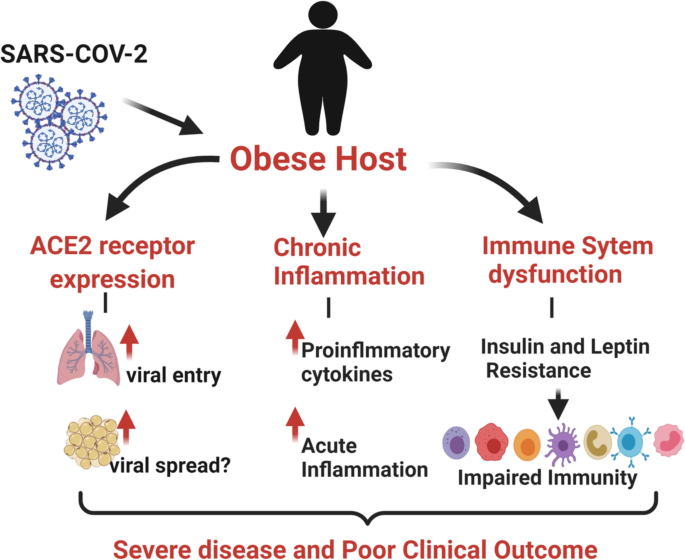
Many months have gone by with the world and the United States dealing with the COVID-19 pandemic. Much has been learned as more data has been compiled to determine patterns of who has been infected. This data is of utmost importance in finding solutions to contain and diminish this severe contagion. In order to produce effective prophylactic and therapeutic strategies, future research needs to understand the sources of severity and complications.What has been determined is that specific demographics of people seem to have been affected much more than other groups. Certain factors such as individuals with comorbidities (multiple chronic illnesses), specific ethnic backgrounds and older aged people have had a greater risk of contracting the disease. Being obese puts someone more at risk for many serious chronic diseases. Over the last 3 years, obesity is one of the issues that has trended towards making an individual most susceptible to becoming affected by COVID-19 (Mal, et al., 2022).
There is much scientific data that supports why biological and physiological mechanisms that fight off disease and illness become compromised due to the various health issues associated with obesity. COVID-19 and its relevance to adiposity are major predictors of severe disease and illness. Hypercytokinemia, immunological, endothelial dysfunction, dysregulation, and cardiovascular impairments are all possible mechanisms, where excess adipose tissue can increase an acute hyper-inflammatory state. This condition is typical of major SARSCoV-2 infections and relative negative symptoms. Increased levels of the pro-inflammatory adipokine leptin, in combination with the anti-inflammatory-acting ACE2 receptors in the lung epithelium of infected individuals, inhibit the innate immune response from being cleared, resulting in a ripple effect of tragic consequences for patients. When adipose tissue and associated immune cells increased cytokine secretion, the immune system can potentially overcompensate as a side-effect of pro-inflammatory “priming,” resulting in a cytokine storm. As a consequence of the immune system’s inability to produce a sufficient immunological response, virus clearance is compromised. High-risk patients that are at an advance age and/or those with obesity, may be more affected from a less robust immune system response and a lower lasting immunological memory, resulting in limited vaccine effectiveness (Mal, et al., 2022).
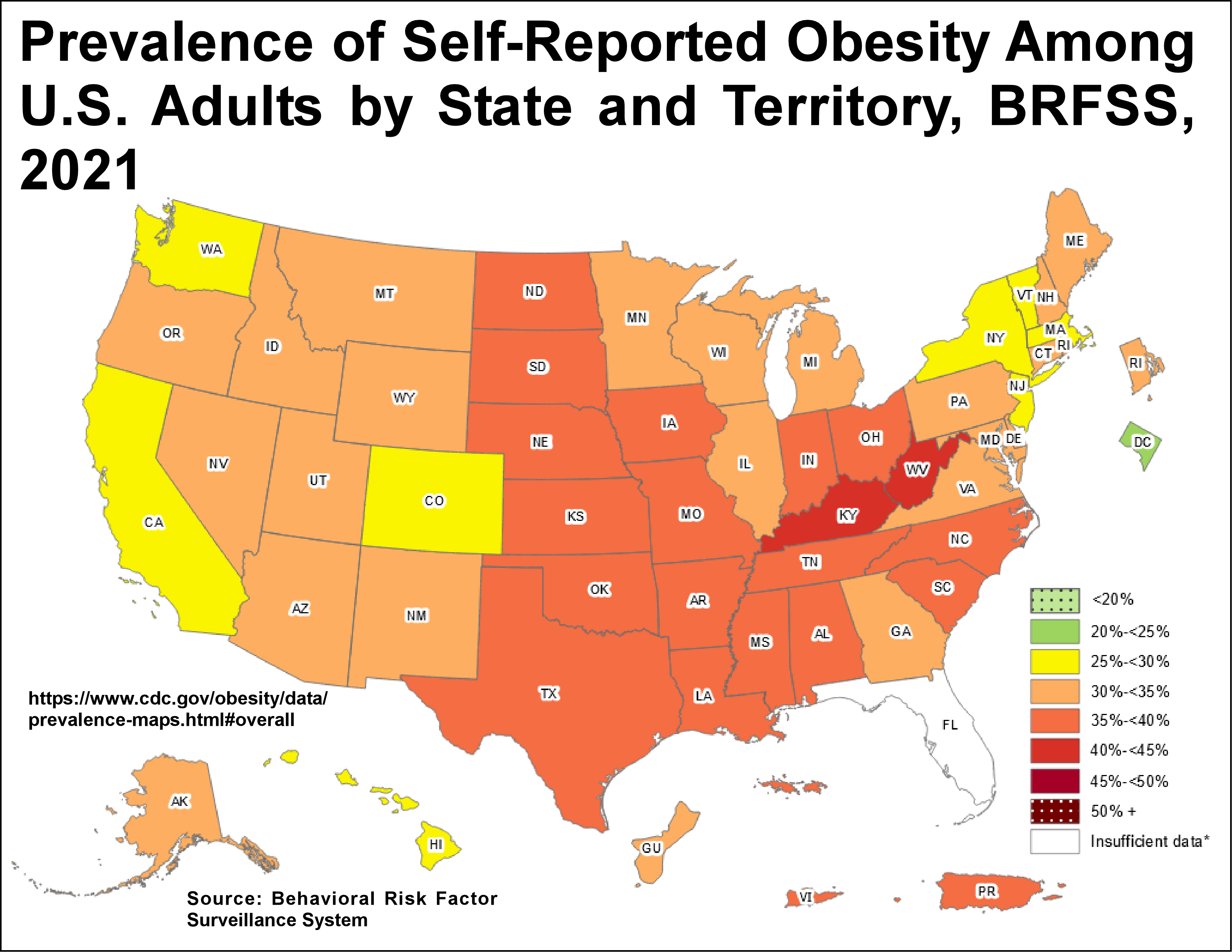
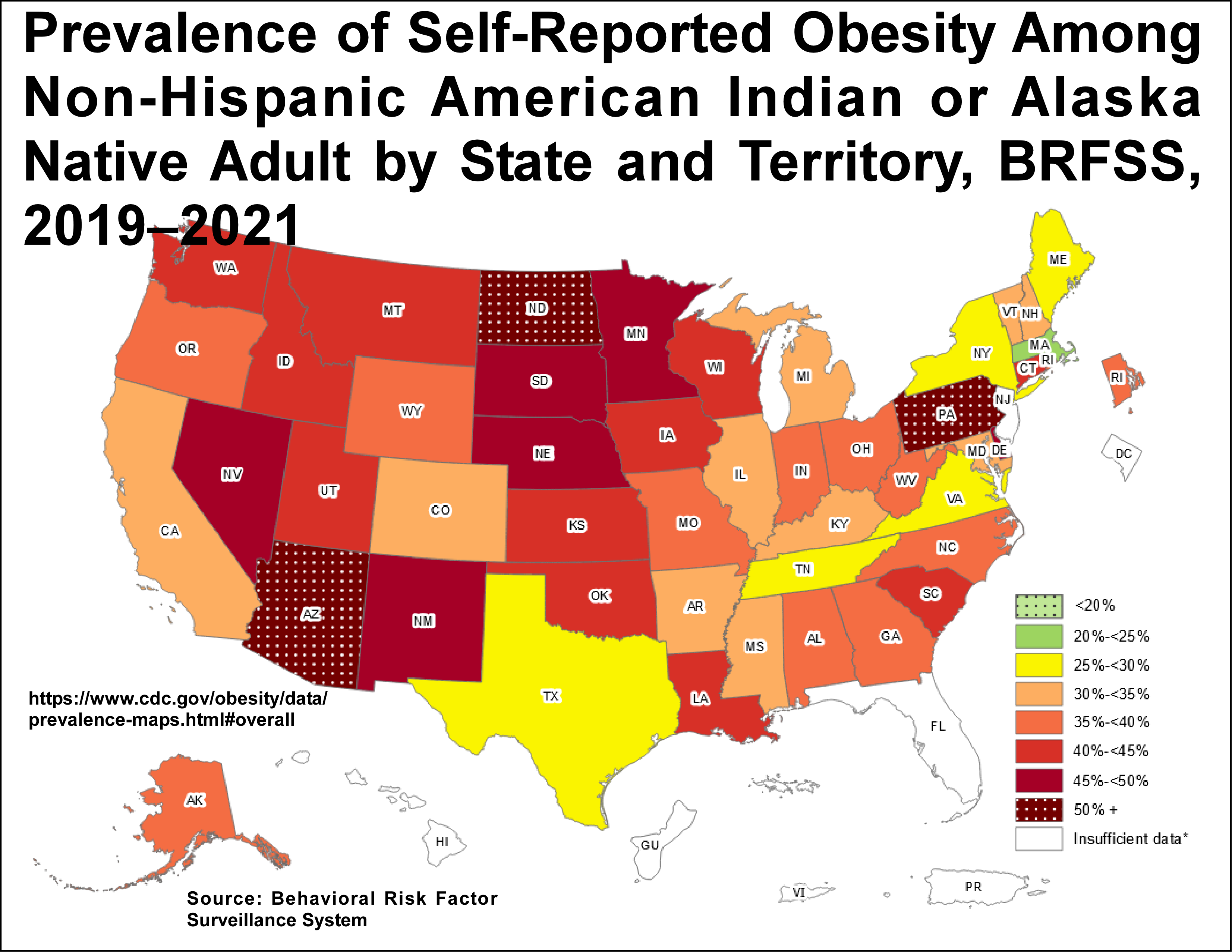
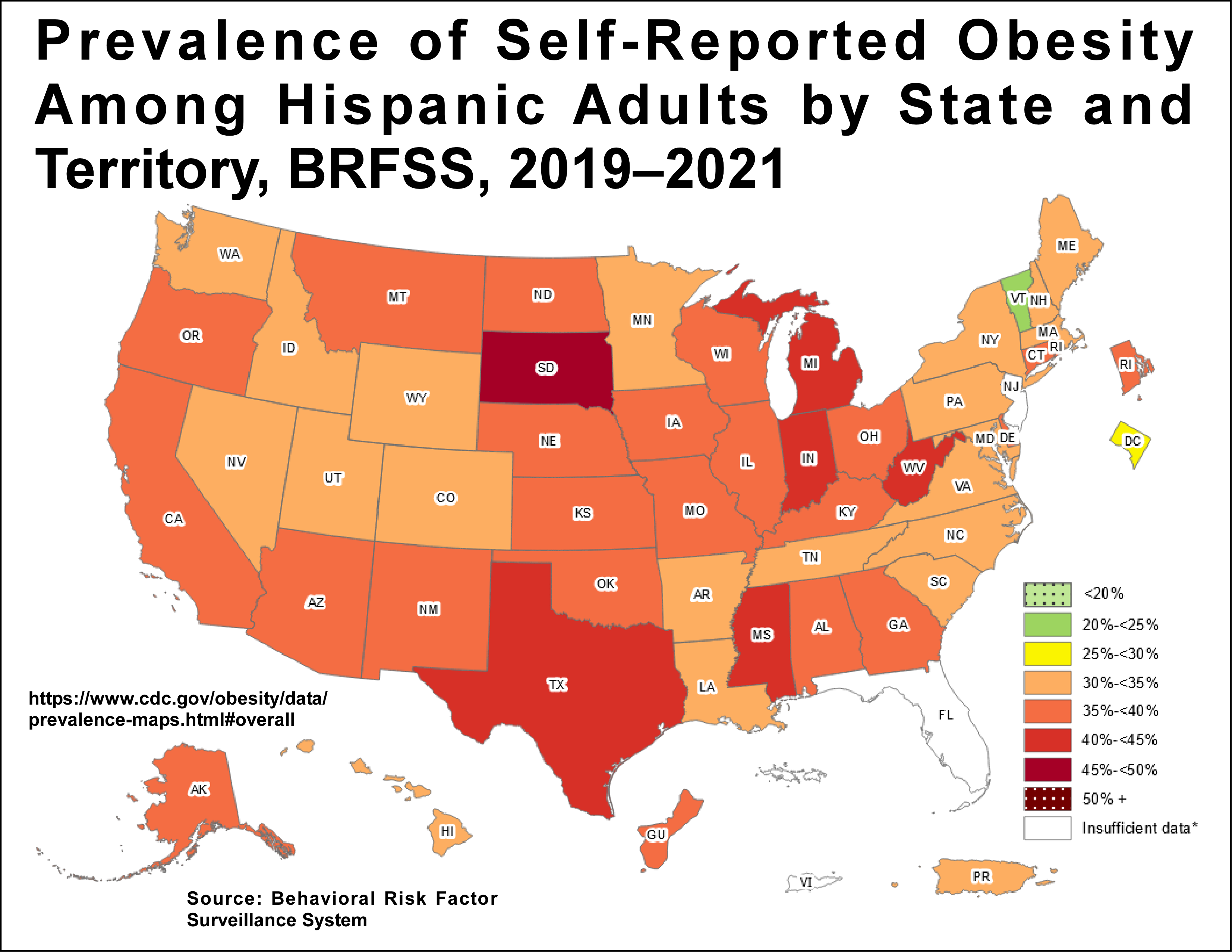
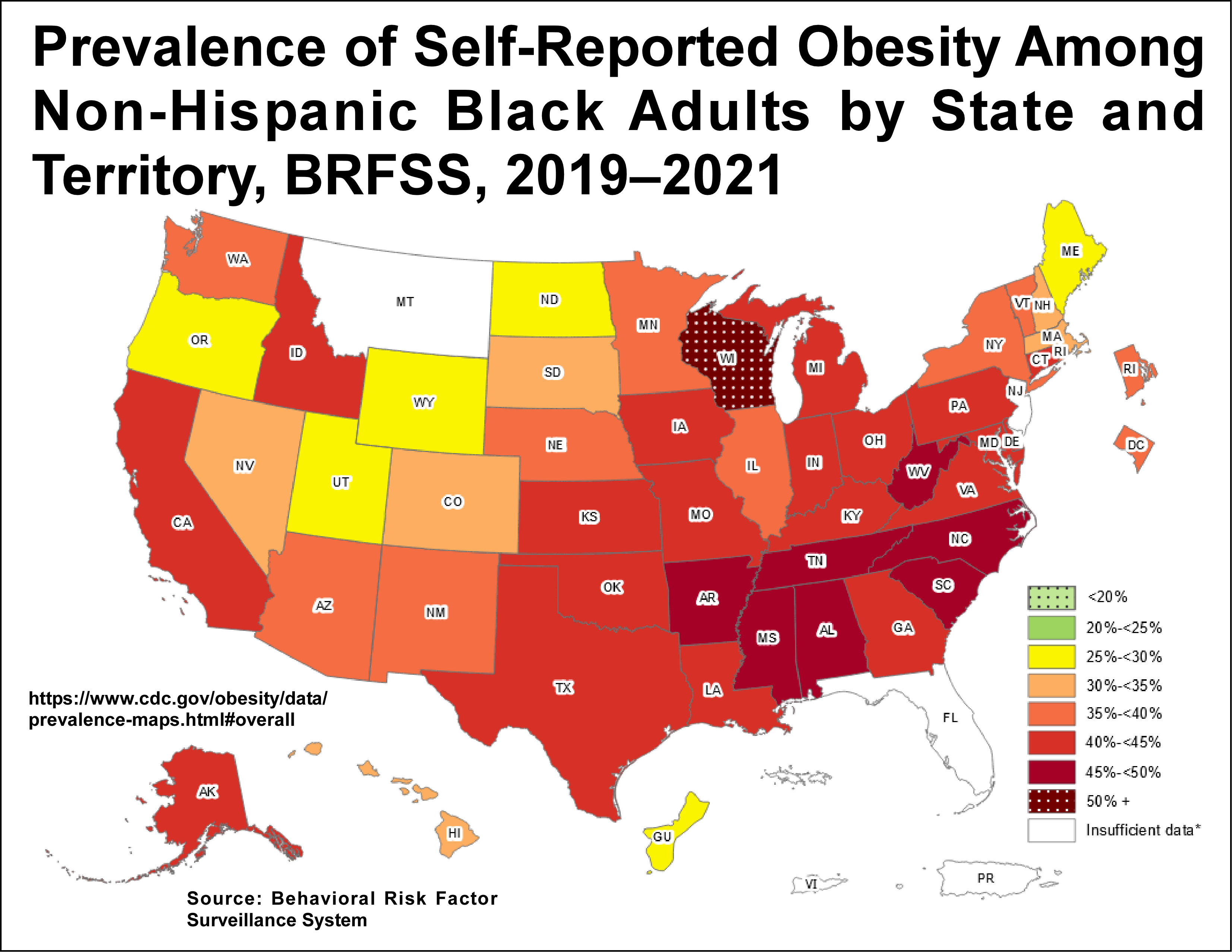
The CDC has stated “Hispanic, non-Hispanic Black, and Native American adults have a higher prevalence of obesity and are more likely to suffer worse outcomes from COVID-19. Racial and ethnic minority groups have historically not had broad opportunities for economic, physical, and emotional health, and these inequities have increased the risk of getting sick and dying from COVID-19 for some groups. Many of these same factors are contributing to the higher level of obesity in some racial and ethnic minority groups.”
The pursuit of a healthy lifestyle that can impact the trajectory of COVID-19 disease, has been one of the most important insights reaped from this catastrophe. Hopefully, this insight will not be squandered until the next public health crisis. Government and political leaders stress that everyone should take action to slow the spread of COVID-19, for the benefit of all. We seem to have major public health issues occurring every few years. Personal accountability for ones own health, is indeed a way to change our current “sickcare” system to more of a “selfcare” system where people don’t wait to become sick before adopting a healthy lifestyle.
Systemic change does not happen overnight. Long-term weight loss is a work in progress. Some immediate steps that individuals can do to help protect themselves as well as their families during a pandemic are:
Eat a healthy diet
Use supplements as necessary and not as a substitute
Become more active
Execute regular physical activity
Get adequate sleep
Learn how to cope better with stress
Get adequate sun exposure to promote vitamin D production and natural immunity
These actions can help most individuals with obesity by improving their overall health. These actions can help to lower blood pressure, lower blood cholesterol, and lower blood sugars. With a lower body mass index or BMI, the risk of severe illnesses contributing to contracting COVID-19, as well as many other common diseases and illness can be reduced.
Mal, P., Mukherjee, T., Upadhyay, A. K., Mohanty, S., & Pattnaik, A. K. (2022). Connecting the dots between inflammatory cascades of obesity and COVID-19 in light of mortal consequences-a review. Environmental science and pollution research international, 29(38), 57040–57053. https://doi.org/10.1007/s11356-022-21461-x
Mohammad, S., Aziz, R., Al Mahri, S. et al. Obesity and COVID-19: what makes obese host so vulnerable?. Immun Ageing18, 1 (2021). https://doi.org/10.1186/s12979-020-00212-x
_______________
Be more active, eat healthier, sleep better, stress less these are the key components to maintaining a strong immune system.
I am currently offering lectures and classes for group, small group & private instruction in Wekiva, Longwood and Winter Park.Mind and Body Exercises on Google: https://posts.gle/aD47Qo
consume some form of Marijuana, hallucinogen, or psychedelic
physical exercise
listen to soothing music
do nothing
In order to better manage stress, wouldn’t it help to better understand what stress is, and how it affects our bodies physiologically? Do we truly manage our stressors or just go with the “band-aid” approach of treating symptoms rather than addressing root causes?
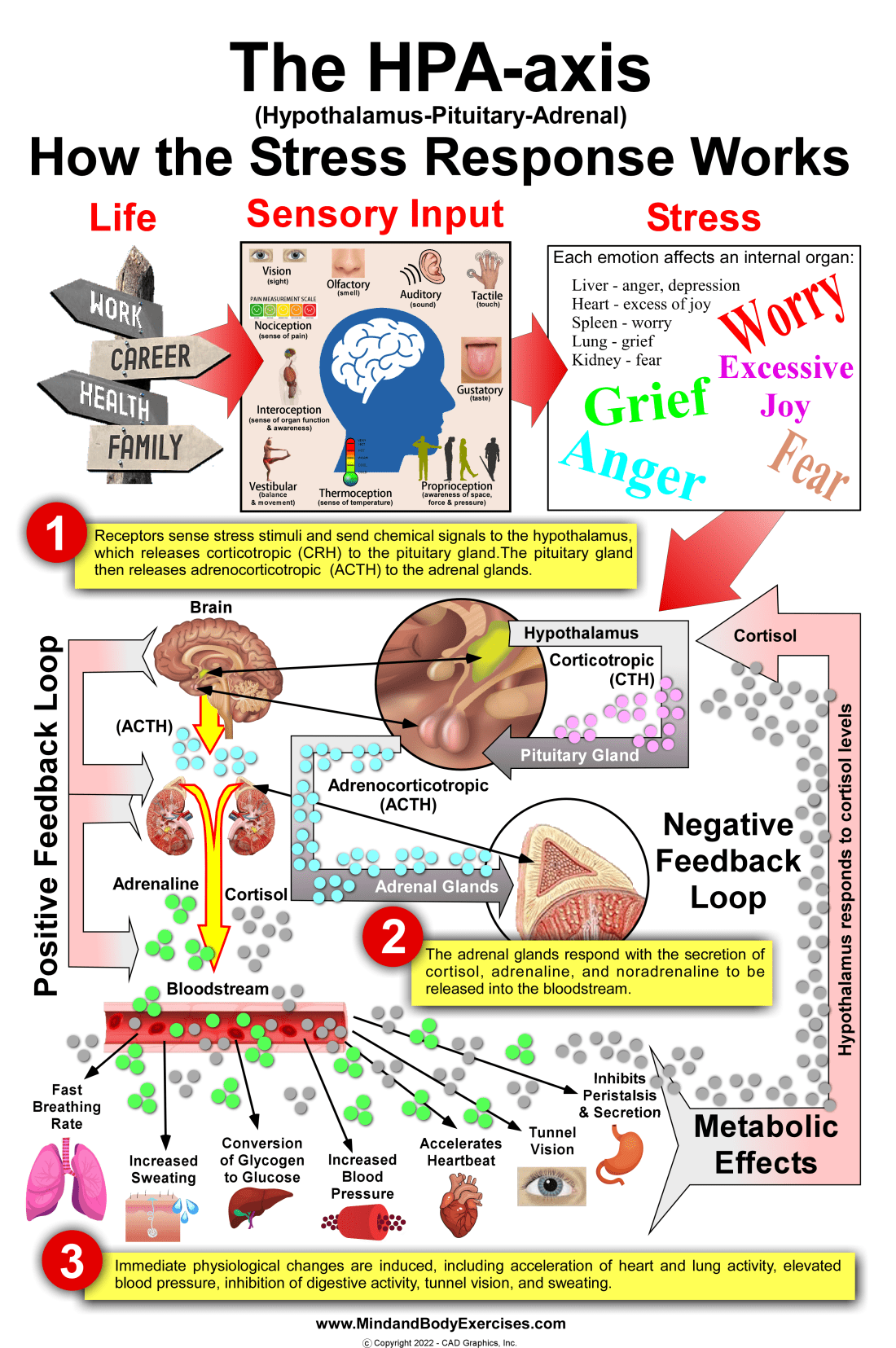
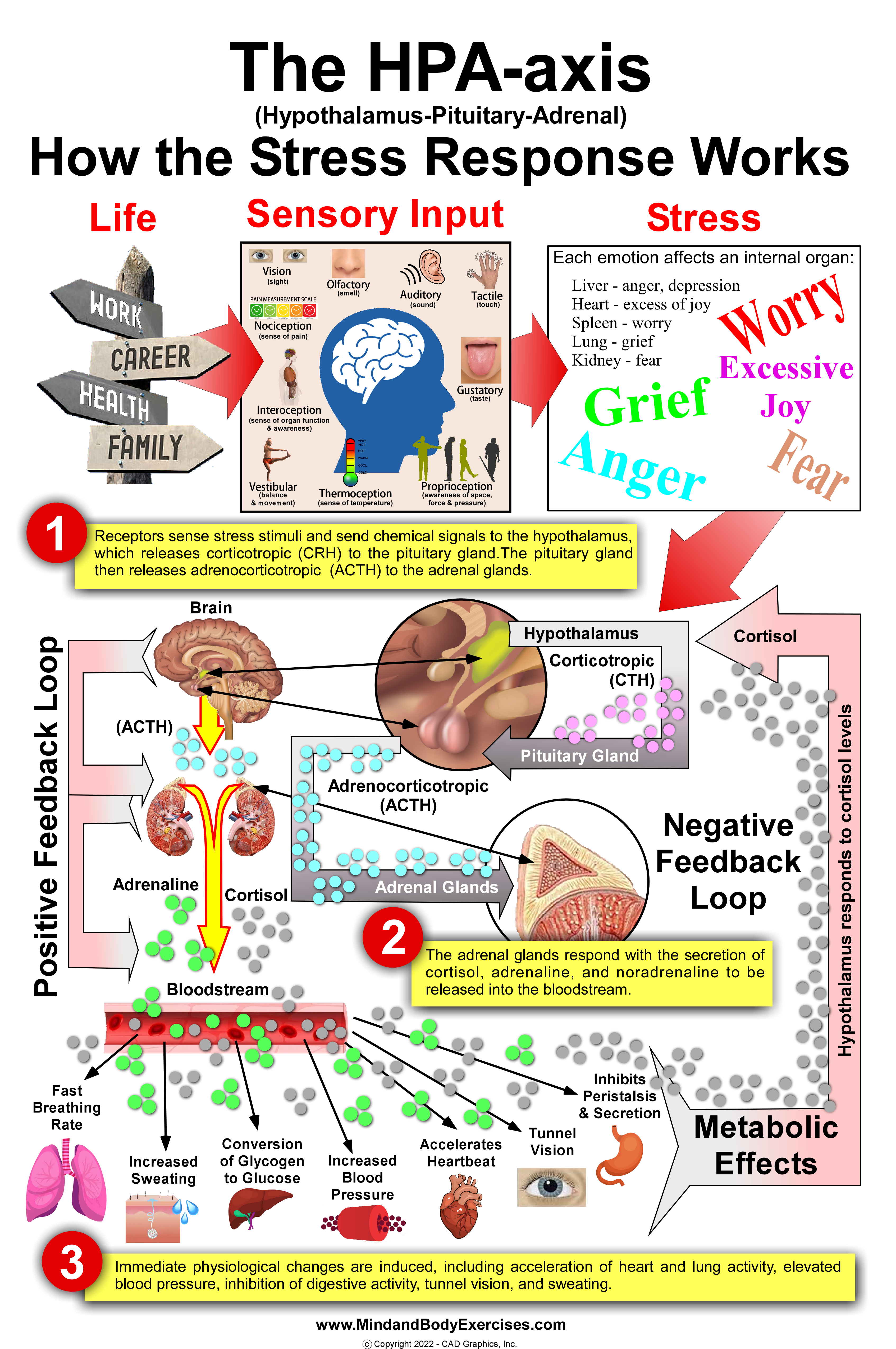
Life and the experiences that it offers, is constantly changing and evolving for all that exist. Our senses are continuously receiving and interpreting stimulus to determine what is good or bad for our survival. Consequently, this input often manifests into what we call stress. We deal with stress through our thoughts and emotions. Our emotions directly affect how our brain processes information that affects all of our physiological mechanism and organ functions through the autonomic nervous and endocrine systems. Basically, thoughts and emotions affect our health and well-being whether with positive or negative outcomes.
The HPA-Axis is the physiological mechanism for how the mind and body respond to stress.
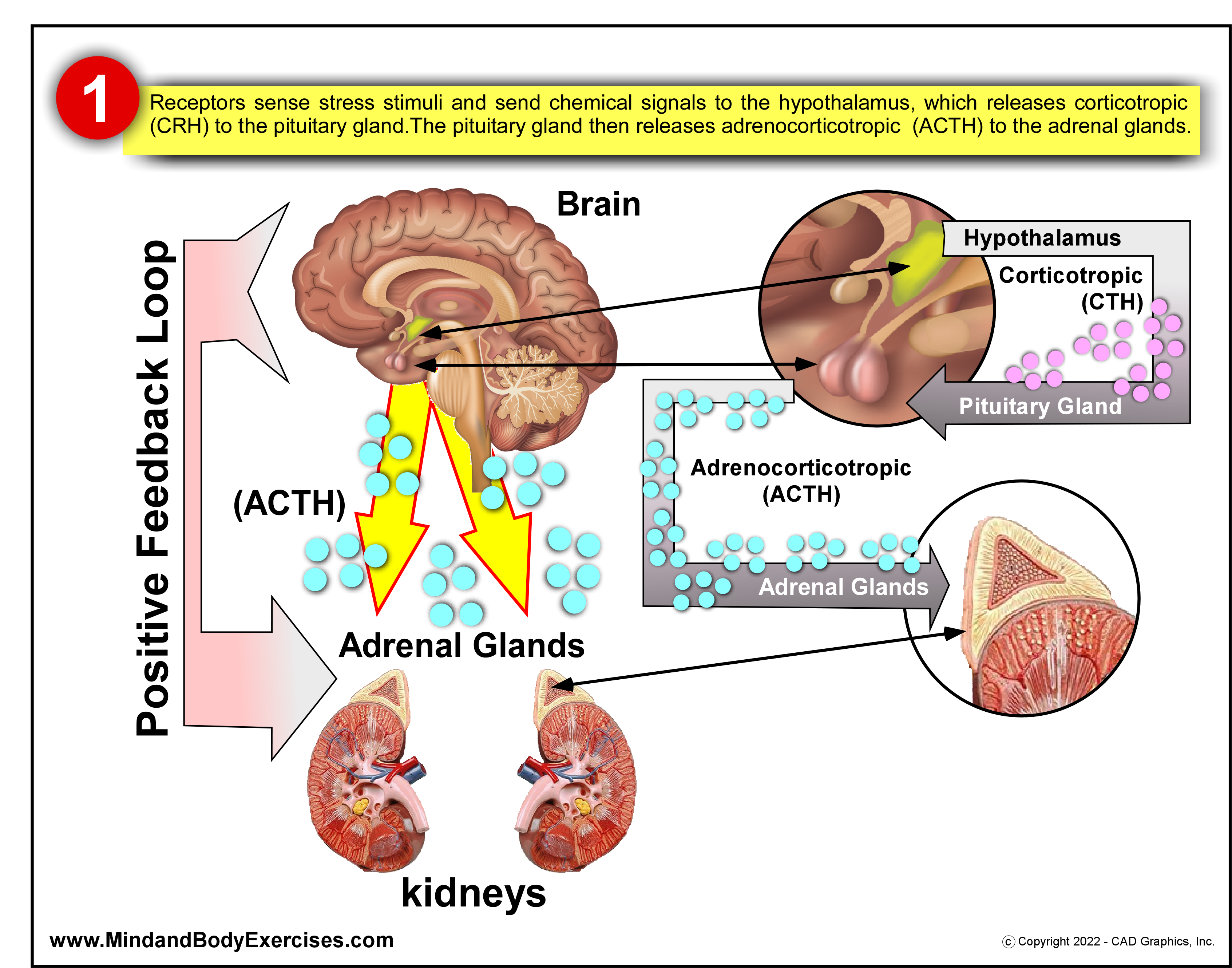
1 – Receptors sense stress stimuli and send chemical signals to the hypothalamus, which releases corticotropic (CRH) to the pituitary gland. The pituitary gland then releases adrenocorticotropic (ACTH) to the adrenal glands.
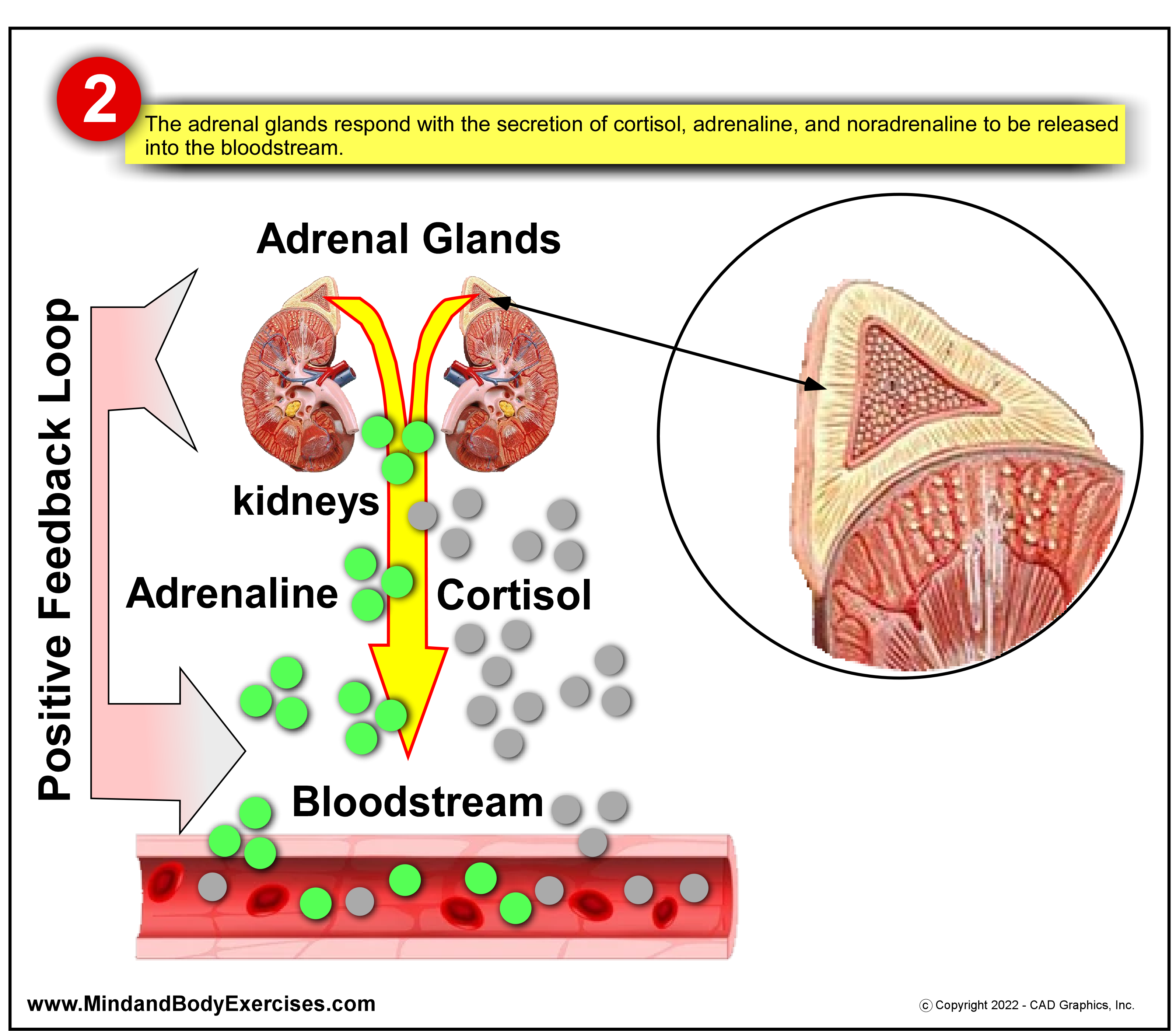
2 – The adrenal glands respond with the secretion of cortisol, adrenaline, and noradrenaline to be released into the bloodstream.
3 – Immediate physiological changes are induced, including acceleration of heart and lung activity, elevated blood pressure, inhibition of digestive activity, tunnel vision, and sweating. Cortisol levels are then reported back to the hypothalamus completing a negative feedback loop to repeat the whole process as necessary.
Why is this important to understand? Because when cortisol levels are too high for prolonged periods of time, other physiological mechanisms become impaired. When levels are balanced cortisol plays in important role in regulating blood chemistry:
Increases gluconeogenesis
Mobilizes fatty acids from adipose
Breaks down stored proteins
Enhances SNS response
Puts brakes on inflammation/immune response
Negative effects would include:
Increased insulin resistance
Altered perception & emotion in the central nervous system
Suppressed GH release
Suppressed TSH and inhibits peripheral activation of T4 into T3
Inhibited bone remodeling
Suppressed reproductive function
We do have the ability to consciously control and manage our stress whether through lifestyle choices, diet & nutrition, physical activity and attitude. A key component of managing stress is managing the parasympathetic (rest & digest) and sympathetic (fight or flight) nervous system through consistent regulation of our breathing frequency and relative volume of each breath. This is a topic addressed in many of my other posts. Yoga, tai chi, qigong, meditation, martial arts and other methods have been proven to help to proactively manage stress and relative cortisol levels.
________________
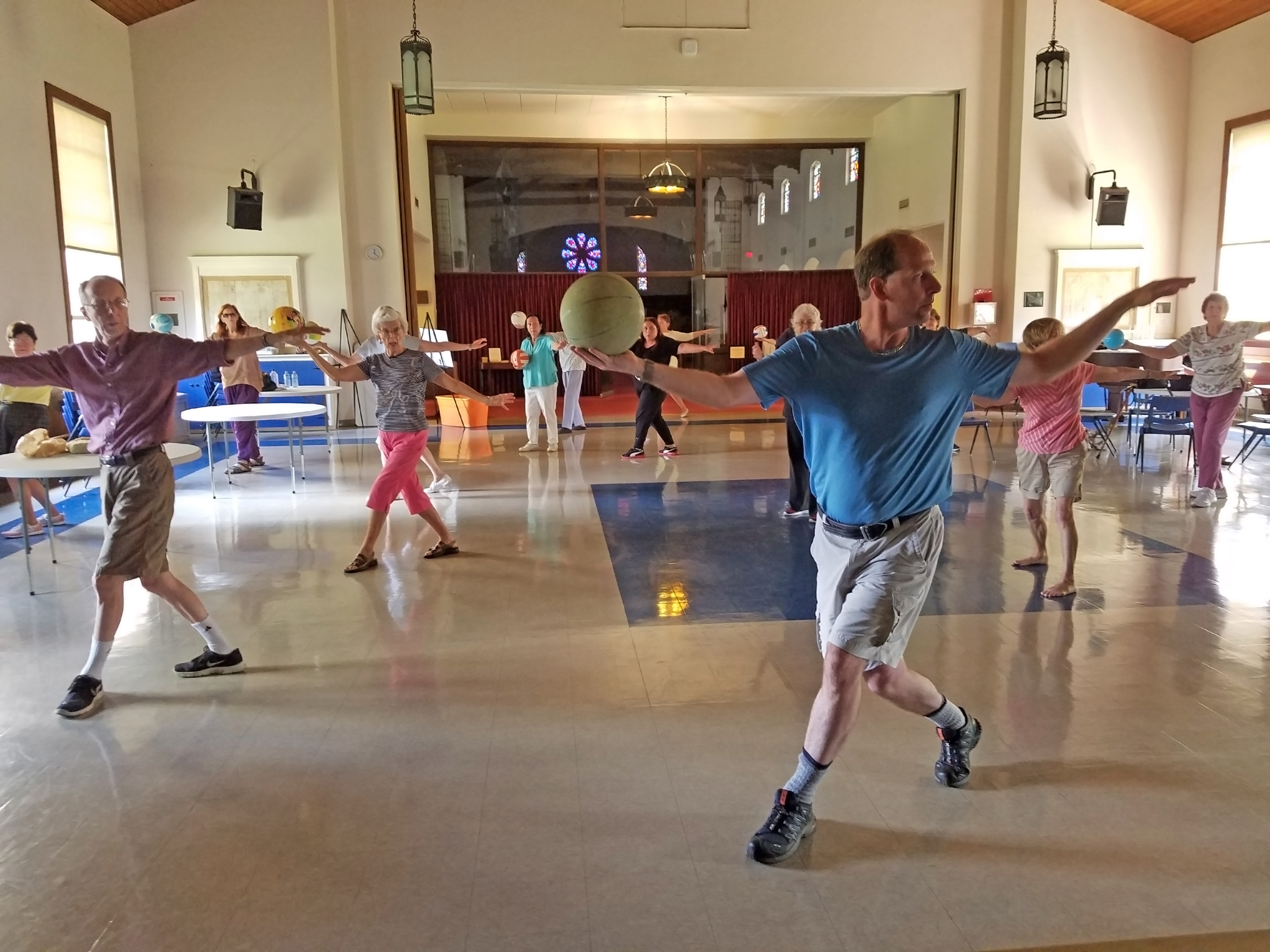
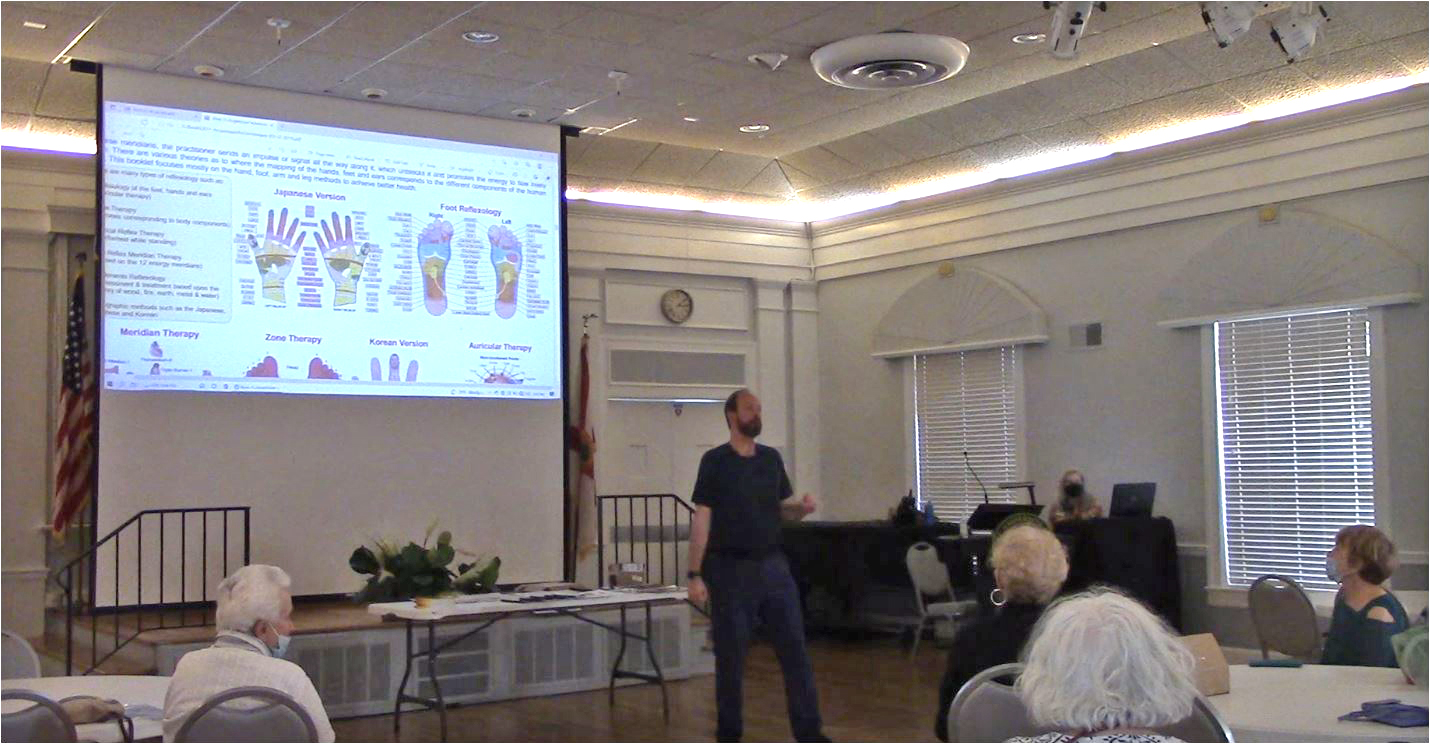
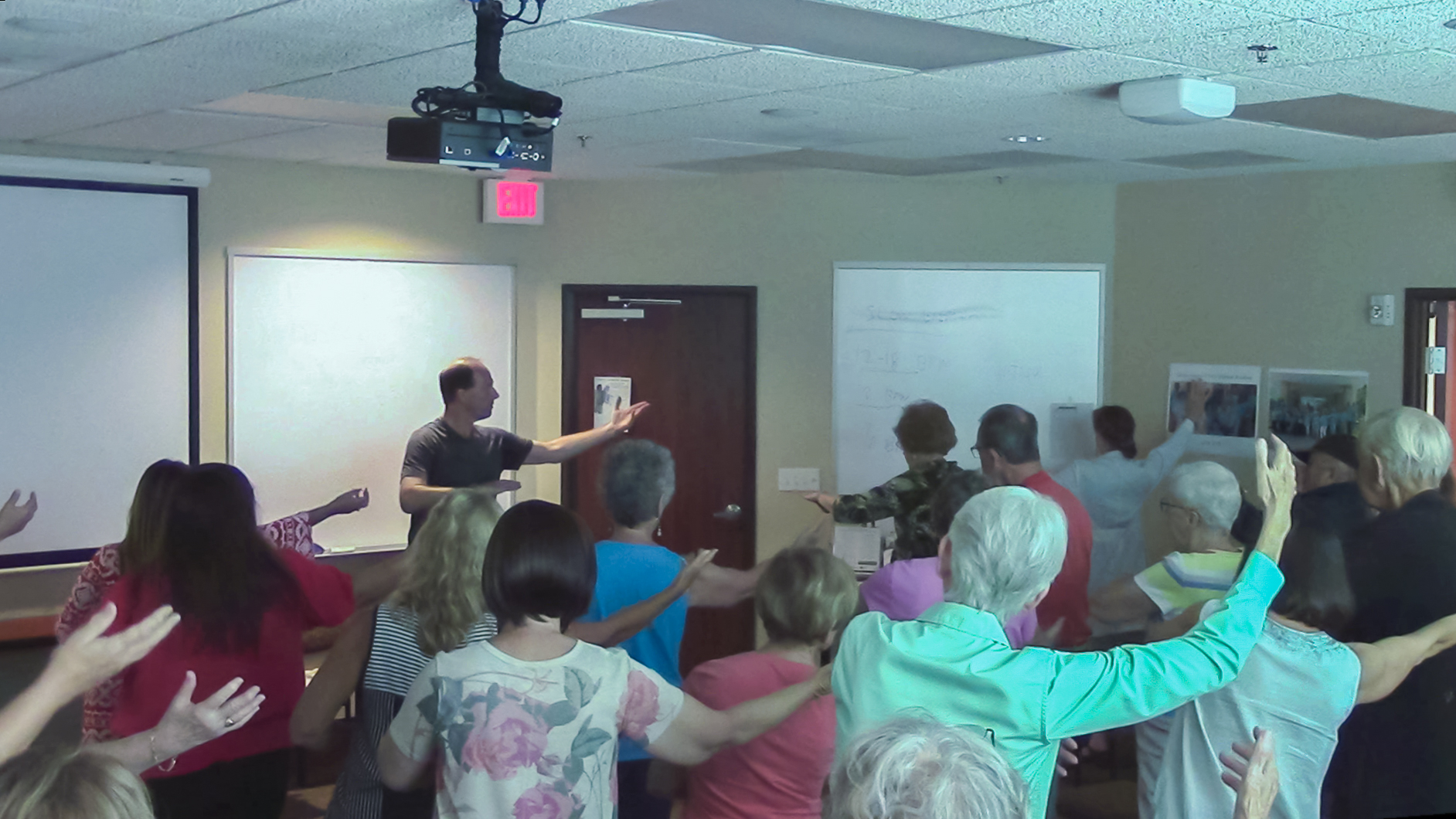
I write often about topics that affect our health and well-being. Additionally, I teach and offer lecture about qigong, tai chi, baguazhang, and yoga.










 United Martial Arts Association