Self-defense Skills – Becoming a Thing of the Past

Most people cannot defend themselves in a physical confrontation.


Few people exercise or stay active (only about 23% CDC 2018) let alone practice the physical and mental skills that can protect themselves or loved ones.
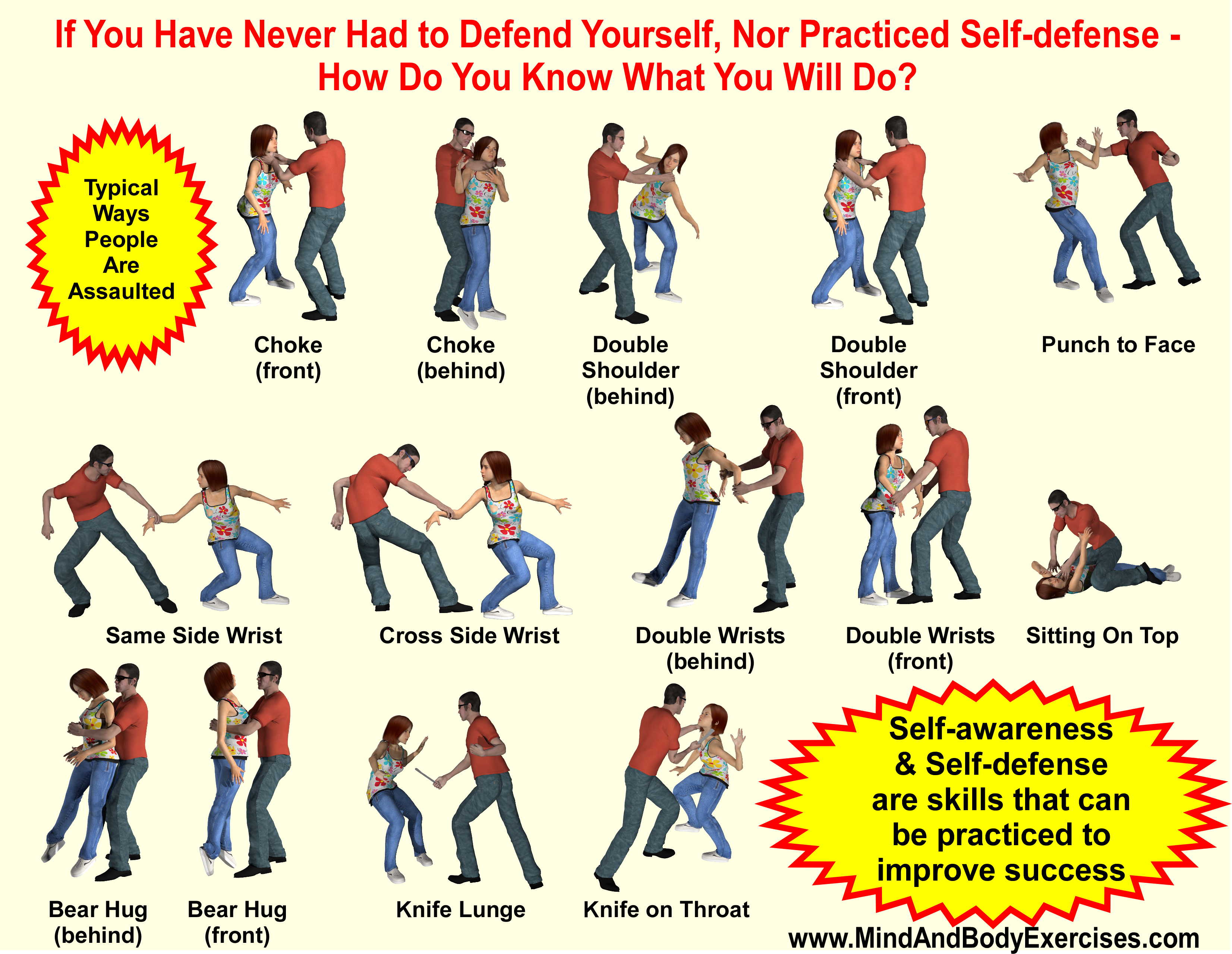
 

Basic Attacks


Kids don’t play outside or together as much as they use to. Video games and smartphones are the substitute for physical activity and developing social skills. Both of which are needed to avoid physical confrontations. In reality, most kids (and adults) never learn how to defend themselves these days until after the actual need arises – which unfortunately could be too late.

We live in a very different world than when we did a a few decades back. If you believe television and movies, everyone knows kung fu, boxing or mixed martial arts (MMA). However, this is not reality.

Good skills to learn:

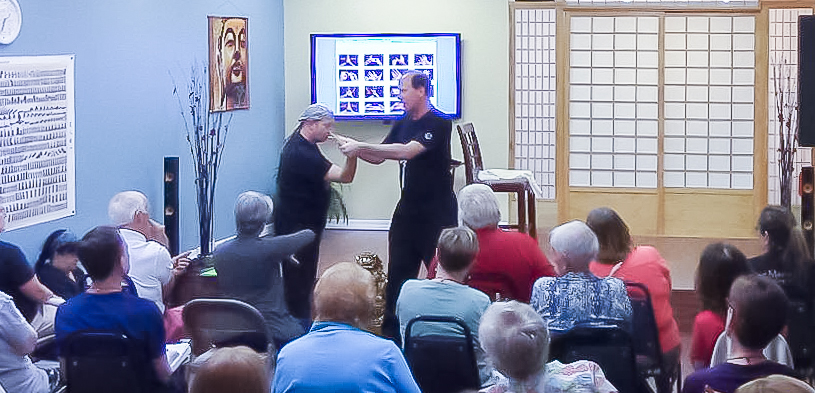
  • Basic defense skills against being grabbed, touched, punched, kicked, etc.
  • Anatomy relative to “pressure points” or key body parts to defend or attack if necessary.
  • Situational awareness relative to options before and after someone finds themselves in a potentially dangerous and life changing event.
  • Balance, coordination and strength exercises to develop self-esteem and confidence that one does not need to be a victim or rely upon others for their own personal safety.

Contact Jim Moltzan at info@mindandbodyexercises.com, 407-234-0119  

(almost 40 years of practicing and teaching of wellness, self-defense and a martial arts)

www.MindAndBodyExercises.com

https://www.facebook.com/MindAndBodyExercises/

https://www.youtube.com/c/MindandBodyExercises

https://mindandbodyexercises.wordpress.com/

News Flash – Our health is ultimately our own individual responsibility!

For at least the last few decades, we have known that in order to maintain wellness we need a healthy mind, body and spirit. The state of our health directly impacts our body’s innate (natural) immunity against disease, illness and injury.


Eat quality food, be active, avoid stress, sleep soundly, drink alcohol responsibility, don’t smoke, maintain positive relationships, enjoy life – these are known and science-proven components to maintain wellness. Why did these concepts lose popularity and credibility?


For whatever reasons, our society for the last year and half, has pretty much disconnected the key components of health, fitness and wellness from personal responsibility. We have grown accustomed to blaming somebody, anybody, and everybody for our health issues, when we ultimately make the decisions of what we put into our bodies and the lifestyle we live.


Obviously not everyone’s socioeconomic situation allows for the Utopia of the perfect society many seek. But overall, our US citizens possess the freedom and ability to change the exact things that make us sick and dis-“ease”d.


“Normal” in the US:

– 12.2% of adults meet the daily fruit intake recommendation (CDC 2018)

– 9.3% of adults meet the daily vegetable intake recommendation (CDC 2018)

– 23% Exercise regularly (CDC 2018)

– 42% vitamin D deficiency (CDC 2018)

– 73% overweight (CDC 2018)

– 42% obese (CDC 2018)

– 18% obesity age 2-18 (CDC 2018)

– 70% on prescriptions (CDC 2019)

– 60% have chronic issues (CDC 2019)

– 40% have more than one chronic issues (comorbidities) (CDC 2019)

– 14% Smoke (CDC 2019)

These are the reasons why the US spends the most $$$ of all nations on healthcare but does not even rank in the top 30 nations for quality of life.


I am adamantly pursuing opportunities to share and teach methods of mind, body and self-awareness to open and willing health-conscious individuals. I teach and encourage people how to live a healthy lifestyle. Learn how this works and relates to your health and well being.


Be well, be healthy, be wise!


Jim Moltzan
407-234-0119
http://www.MindAndBodyExercises.com
https://www.youtube.com/c/MindandBodyExercises
https://mindandbodyexercises.wordpress.com/

Viscious Cycle of Healthcare Mentality

Allopathic medicine or allopathy is a health care system in which medical doctors, nurses, pharmacists, and other healthcare professionals are licensed to practice and treat symptoms of ailments and diseases. Treatment protocols generally address the symptoms of particular issues, often regardless of the root cause of the condition. For example, treating chronic headaches with pharmaceuticals, rather than a change in lifestyle factors such as stress or poor diet. Obesity might be treated with Lap-band gastric surgery to restrict the size of the stomach rather than the individual adjusting their diet.

Allopathic medicine came to dominate health care over the span of the nineteenth century. This new scientific path to health was attributed to the increase of university medical training to guarantee practitioners were experts in the science of medicine. Consequently, the laboratory became the desired venue for medical research.

Doctors and medical professionals saw their social status increase as they established their own associations to set rules and standards regarding who they felt could or should not be allowed to practice health care methods. As the American Medical Association (AMA) formed in 1847, it gained its influence in society, as healers of various medical models, such as osteopaths, chiropractors, herbalists and midwives were discredited as not being “based on science”. The first chiropractic organization was the American Chiropractic Association (ACA), and was founded in 1905.

The American Medical Association is an extremely powerful organization with its political influences as well as vast financial resources. The association and many of its members previously (and maybe currently) did not want to give away patients to other methods that the public sees as more effective, cheaper, less invasive and sometimes easier to obtain. For example, up until 1976, the AMA labeled chiropractic as unethical and unscientific and conspired to destroy chiropractic medicine.  A lawsuit in this year revealed that the AMA’s intent was to decrease competition for financial reasons rather than to protect the public from unethical practitioners.1

During the proceedings it was shown that the AMA attempted to:

  • Undermine Chiropractic schools
  • Undercut insurance programs for Chiropractic patients
  • Conceal evidence of the effectiveness of Chiropractic care
  • Subvert government inquires into the effectiveness of Chiropractic
  • Promote other activities that would control the monopoly that the AMA had on health care2

To have CAM practitioners and their methods become more integrated within the US healthcare system, things need to change with how the AMA recognizes these other healthcare systems.

Allopathic medicine is the most common healthcare model in the United States. Other names for allopathic medicine are:

  • Western medicine
  • biomedicine
  • mainstream medicine
  • conventional medicine
  • orthodox medicine

Typical treatments consist of:

  • medications
  • surgery
  • radiation
  • chemotherapy
  • other therapies and procedures

Other approaches to health care are sometimes called complementary alternative medicine (CAM), integrative medicine or alternate medicine. Western and alternative approaches often disregard any integration with one another. However, some more open-minded practitioners of Western allopathic medicine are beginning to integrate alternative and complementary methods along with their treatment protocols. These include:

  • homeopathy
  • naturopathy
  • chiropractic care
  • Chinese medicine
  • ayurveda

Many people have grown weary of the amount of time, money and effort they spend at their allopathic doctors with little or no improvement of their chronic or occasional conditions. However, the US system of biomedicine does seem quite miraculous when it comes to treating trauma such as re-attaching a severed limb, re-setting of broken bones, reconstructive surgery, diagnostics and other immediate types of injuries. However, chronic issues like lower back pain and sciatica, allergies and headaches being treated entirely with pharmaceuticals have lost some recent market share to CAM options such as exercise, herbs and lifestyle changes.

1https://journalofethics.ama-assn.org/article/chiropractics-fight-survival/2011-06

2https://chiro.org/Wilk/

Be well!

Learn how this works and relates to your health and well being.

.Jim Moltzan

407-234-0119

http://www.MindAndBodyExercises.com

https://www.facebook.com/MindAndBodyExercises

https://www.youtube.com/c/MindandBodyExercises

https://umareg.com/masters-council/

What is Qi?

Qi is pronounced as “chee” and means “breath” in Chinese. Other definitions are vitality, energy, force, air, vapor. Qi is the life energy that all living creatures require in order to exist. Different cultures call this energy Chi (English), Ki (from Japanese), Gi (Korean) or Prana (Indian).

Qi is a type of energy in the human body and circulates within the blood, cells, and tissues throughout. “When qi moves, blood follows” is a root concept with Traditional Chinese Medicine (TCM). Qi flows in a specific pattern, at specific times from one organ to the next through meridians within the body. These meridians or channels might best be described as something similar to the electrical lines on a printed circuit board. There are 12 main meridians, with 2 for each organ (situated bilaterally from head to toe) for 12 organs. Zang Fu Zhi qi, is that which circulates through the organs. Jing Luo Zhi qi is that which circulates through the meridians.

Qi has mass the same way smoke or vapor has mass; both are transitional states of form. Qi (energy) is regarded as one of the 3 Treasures (San Jiao) or essential components of life, with essence (Jing) and spirit (Shen) being the other two. When energy, essence and spirit are in harmony with one another, the person finds themselves alert, healthy, and vibrant. Or the opposite if their treasures are in imbalance. If this harmonious flow is disrupted, illness occurs.

• Physically (jing): energetically manifesting as the body’s cells and tissues into form, bone marrow, blood and bodily fluids.

• Energetically (qi): as resonant vibration, heat, sound, light and electromagnetic fields.

• Spiritually (shen): energetically manifesting through subtle vibrations which extend through space or Wu Ji.

The following graphic shows how qi can be conceptualized into the Chinese ideogram of rice cooking atop a heat source and producing the wisps of vapor (energy) that we see rising above the cooking rice.

The amount of qi in one’s body and the quality of it determines whether an individual is generally healthy or prone to illness. There is a finite amount in our bodies and is gradually exhausted due to age and possible abuses. When it decreases so does the lifespan of the individual.

A proper balance of nutrition, exercise and a healthy lifestyle directly affect the quality and abundance of qi. Emotions and their balance or lack thereof, affects the quality of an individual’s qi. The emotions of joy, anger, sadness, grief and fear affect our qi within specific organs.

I write often about topics that affect our health and well-being. Additionally, I teach and offer lecture about qigong, tai chi, baguazhang, and yoga. I also have hundreds of FREE education video classes, lectures and seminars available on my YouTube channel at:

https://www.youtube.com/c/MindandBodyExercises

Mind and Body Exercises on Google: https://posts.gle/aD47Qo

Jim Moltzan

407-234-0119

www.MindAndBodyExercises.com

www.Amazon.com/author/jimmoltzan

Excessive Sitting Can Cause Chronic Pain

Many people have been sitting much more this last year while working at home, online classes and in general less physical activity. Consequently, long hours of sitting is also a known cause for lower back, leg and neck issues. Most people in the United States will experience back pain at some time in their lives. Causes of back pain are many ranging from poor posture, heavy lifting and lack of exercise amongst others. Some find relief through chiropractic or acupuncture therapy. Most pain goes away within a few days or weeks only to return at a later date.

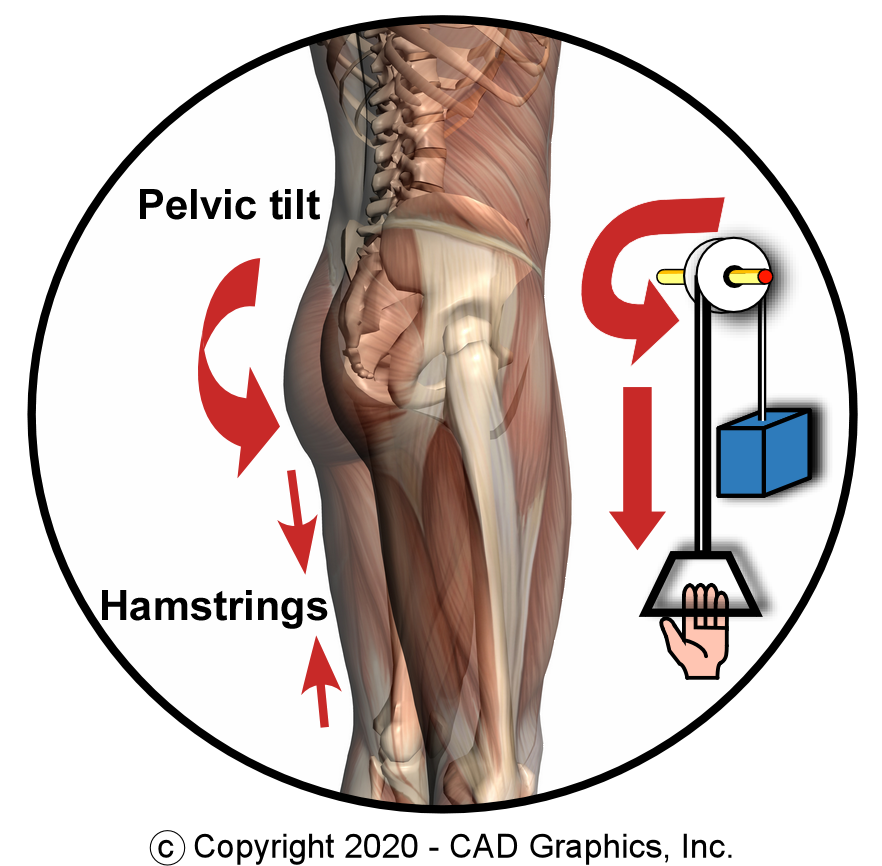
Unless the root cause is fixed, most treatments only offer temporary relief. In many cases, the root cause of back pain is tight hamstring and/or quadricep muscles. Excessive sitting can tighten these muscles as well as lack of proper stretching on a regular basis.

I have learned, studied, practiced and teach literally hundreds of various low-impact exercises that can build stronger bones, muscles and joints. Private, small or group instruction.

Be well!

Jim Moltzan407-234-0119

http://www.MindAndBodyExercises.comhttps://www.facebook.com/MindAndBodyExercises/https://www.youtube.com/c/MindandBodyExerciseshttps://mindandbodyexercises.wordpress.com/