Slower Breathing & How Physiologically it is a Key Component in Longevity

How Deep Breathing Affects Your Health

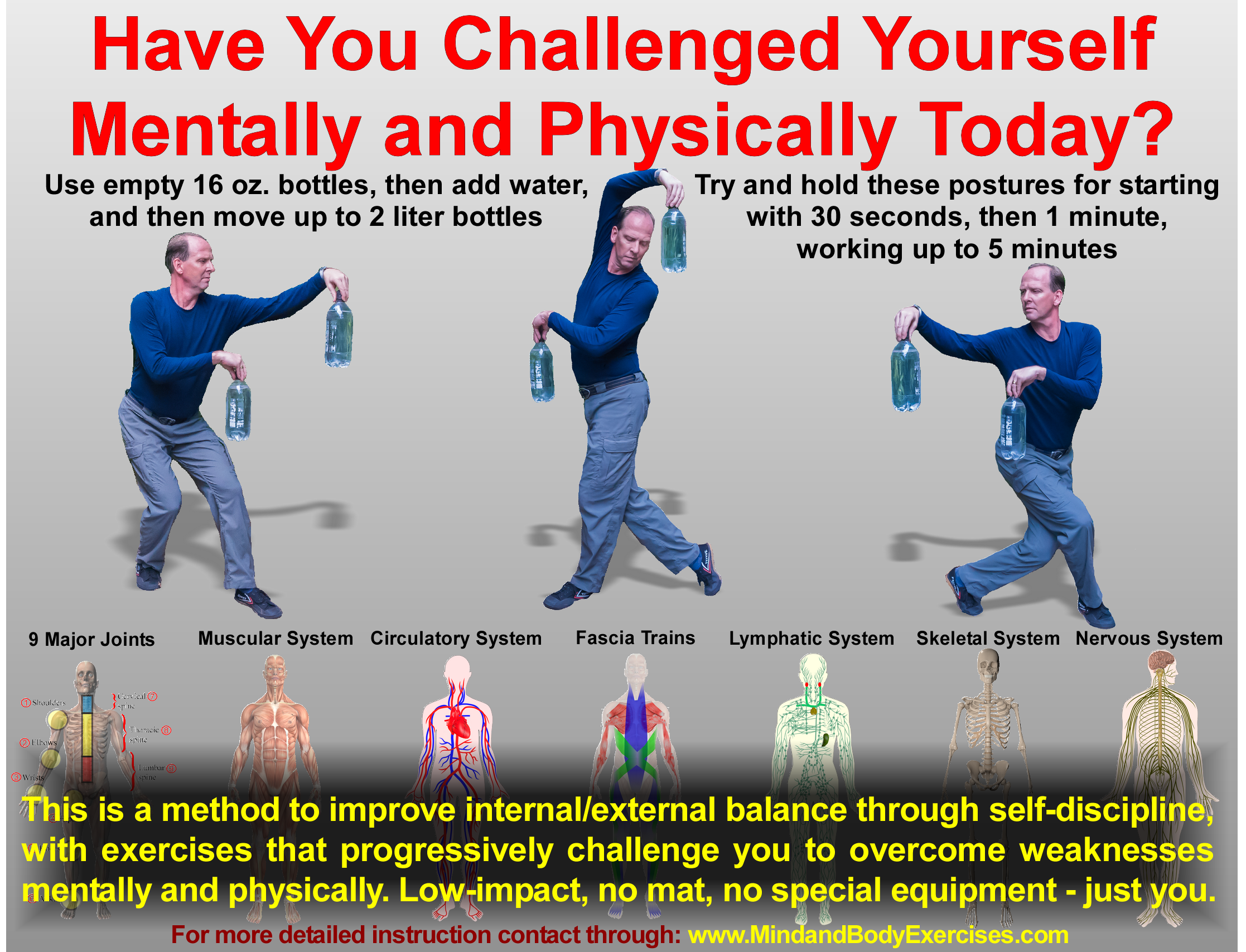
Deeper breathing is a key component to having a long and healthy life. Through focused and deliberate breathing methods, many positive mental and physical benefits can be achieved.

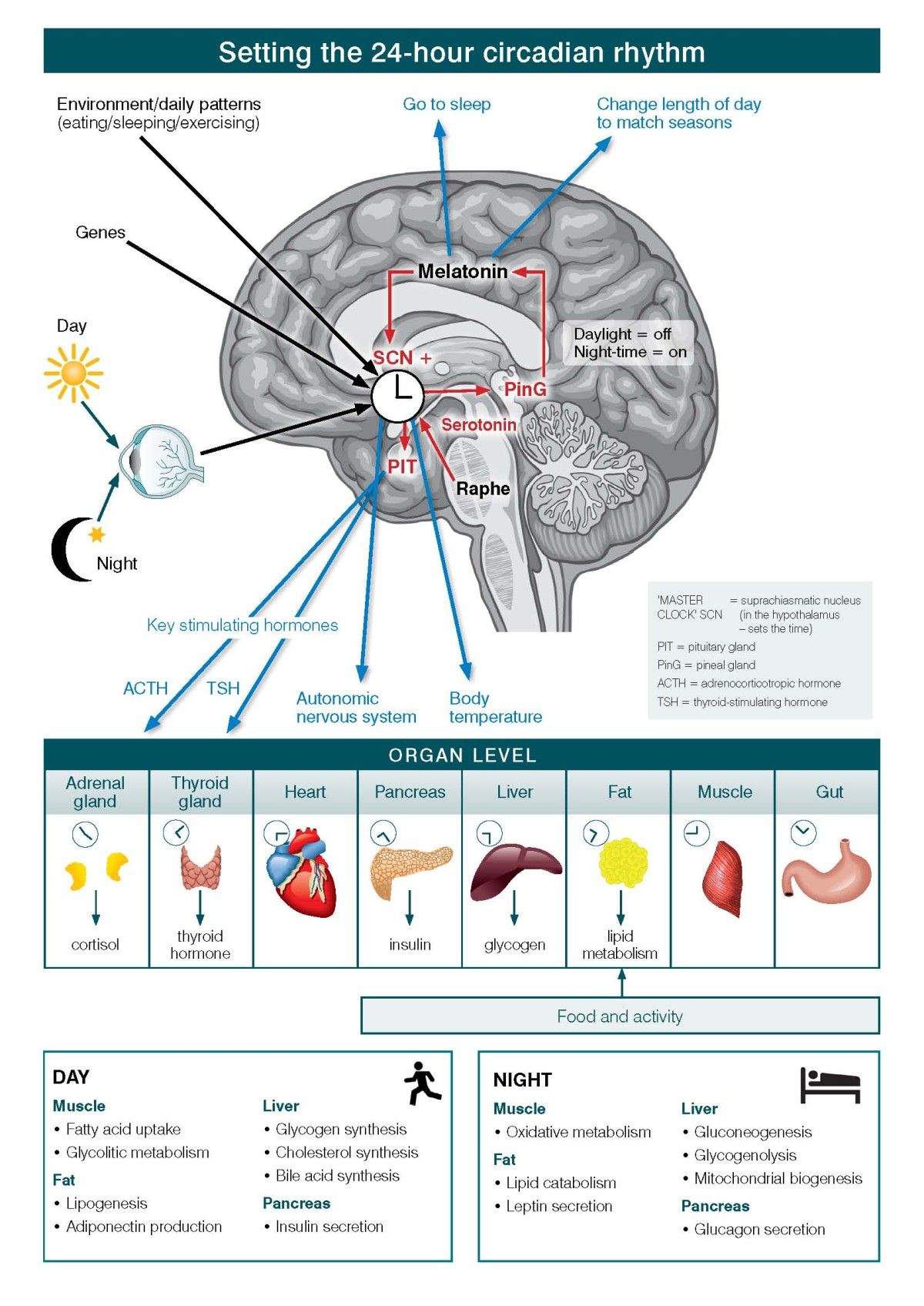
The average person breathes 12-18 breathes per minute (BPM) during regular activity of standing, sitting & walking, engaging the sympathetic nervous system (SNS). Constant duration in the SNS dumps neurotransmitters of cortisol and norepinephrine into the blood stream putting the vital organs in a state of constant high alert and stress. Health and fitness experts suggest that 6 BPM is optimal for the lungs to properly oxygenate the whole body, balance the blood chemistry and also remove toxins. The lungs are responsible for removing 70% of the body’s waste by-products through exhalation. This is more easily accomplished through mindful breathing patterns from exercises such as mediation, qigong, tai chi and yoga.

Most people breathe too shallow and too quickly!

Much recent research has linked stress to poor breathing habits and consequently many ailments. Many modern chronic conditions can be traced back to insufficient cell oxygenation otherwise known as cell hypoxia.

Breathing is one of the few bodily rhythms that we can consciously adjust, along with sleep and elimination. All of these rhythms directly affect our body’s delicate blood chemistry. However, our breath is the root power in bringing oxygen (qi) into our body to nourish it down to the cellular level.

Faster breathing is necessary when experiencing truly stressful situations, like being chased by an animal, running from a fire or similar life-threatening situations. However, continued breathing at this pace for an extended period of time puts accumulative stress on all of the body’s systems.

The following link has more information from the US National Library of Medicine, National Institutes of Health that goes a bit deeper into the science of why lower breaths per minute (BPM) is so beneficial.

https://www.ncbi.nlm.nih.gov/pmc/articles/PMC5709795/

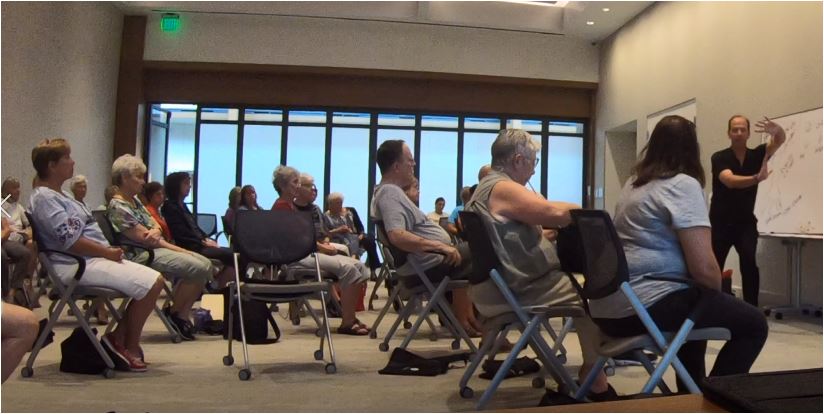
I can help. I have almost 40 years worth of experience in practicing and teaching others to take control of their health and well-being. Wellness lectures, classes, study guides & booklets.For more information, contact Jim Moltzan at 407-234-0119 or www.MindAndBodyExercises.com

Be well!

Jim Moltzan

407-234-0119

http://www.MindAndBodyExercises.com

https://www.facebook.com/MindAndBodyExercises/

https://www.youtube.com/c/MindandBodyExercises

https://mindandbodyexercises.wordpress.com

/https://umareg.com/masters-council/

Happy New Year! Now get to work.

Happy New Year!

New Year’s resolutions are seldom kept. Rather, make a promise or commitment to yourself to maintain a healthy lifestyle.

I can help. I have almost 40 years worth of experience in practicing and teaching others to take control of their health and well-being. Wellness lectures, classes, study guides & booklets.For more information, contact Jim Moltzan at 407-234-0119 or www.MindAndBodyExercises.com

Almost 40 years ago, I began taking notes of what I was learning from my teachers of martial arts, fitness and wellness practices.

Then I started taking graphical notes from doctors, chiropractors, Traditional Chinese Medicine practitioners, acupuncturists, professors and my other health-related teachers.

As technology evolved, so did my note taking.

The video below shows part of my collection of graphical notes from my years of training, studying and learned life lessons.

I have created over 300 graphics depicting various topics or concepts.

I have composed over 20 journals each with a particular health-related theme.

And I have co-authored a book, The Journey Around the Sun.

All of these graphics represent the following topics that I passionately teach in lectures and classes.

  • Anatomy and physiology
  • Body mechanics
  • Wellness concepts
  • Learning concepts
  • Stress management
  • Chronic pain management
  • Physical rehabilitation
  • Functionally specific exercise sets
  • Self awareness
  • Traditional Chinese Medicine
  • Eastern philosophy
  • Energetic anatomy

Never stop learning. Be well, stay healthy, be wise.

Obesity and COVID-19

Science shows that obesity leads to comorbidities (multiple chronic ailments), and those most at risk of contracting COVID-19 are people with comorbidities (3 times greater risk). Why then, is our country not more focused on preventing or reducing obesity? https://www.cdc.gov/coronavirus/2019-ncov/need-extra-precautions/people-with-medical-conditions.html

Obesity and all its causes, are the elephants in the room that few people want to discuss for fear of offending those whom have these issues or suffering the backlash from companies that employ millions of US workers, while also profiting from the illnesses connected to their products. The fast food industry generates about $240 billion annually.

The CDC reports, the US adult obesity rate is now at 42% and rising each year, we need to get past being offended or the denial of this and truly see it for what it is. We can argue that seemingly healthy people can get Covid19 also, just as doctors get ill sometimes and dentist themselves get cavities. What is different though, is healthier individuals usually recover faster or experience less severe symptoms. https://www.cdc.gov/obesity/data/adult.html

People want to believe in science, or so they say. Often, we will agree with science when it supports our own viewpoint. Not so much when science makes us think more, work smarter or self-discipline. Science has proven that a healthy immune system is a definite issue in preventing illnesses, viruses or otherwise. https://www.health.harvard.edu/staying-healthy/how-to-boost-your-immune-system

Eating healthier foods, being active, managing stress, quality sleep are all proven by science to help fight illnesses, but this is not the message being conveyed to the public. Masks, social distancing and vaccines will not make those prone to disease any healthier. Safer maybe? These methods help short-term but they are just a band-aid for the bigger issues of unhealthy lifestyles. Many people sit all day long, kids have little or no PE and/or recess in schools, there is less unorganized playtime for younger kids to explore and enjoy, and we often eat low-quality foods contributing to a 42% obesity rate in the US. To sum it all up: we have a general lack of public education of how to live a healthy lifestyle. Fix the root problems and let’s see the healthy tree grow to new heights!

  • Americans consume a ton of low quality junk food every day. Our economy relies upon the fast food industry to provide jobs and profits to investors. Makers of soft drinks, alcoholic beverages, processed foods, fried foods, cigarettes, candy and many others would not be too happy if the president, CDC, or surgeon general made a public service announcement calling for Americans to reduce or reconsider the mass consumption of these items and instead eat healthier meals at home. The healthcare industry also profits from Americans being healthy enough to produce in the workforce but being unhealthy enough to need medications, procedures and surgeries that might be avoided from a healthier diet mentality encouraged at an earlier age. US annual healthcare spending is about 3.5 trillion. The US ranks about 35 in the world for quality of healthcare while spending far more than any other country. More spending does not equal healthier people; the US has proven this for much of the last decades. https://www.forbes.com/sites/niallmccarthy/2019/08/08/how-us-healthcare-spending-per-capita-compares-with-other-countries-infographic/?sh=241349ea575d
  • A large majority of US workers now sit for many hours a day whether working, watching TV or engaged in computer activities, all leading to a more sedentary lifestyle than what was experienced in decades past. The CDC reports that kids are sitting in front of a screen average 7.5 hours per day, every day. https://www.cdc.gov/nccdphp/dnpao/multimedia/infographics/getmoving.html
  • US citizens have more stress and anxiety than years past, trying to cope with the COVID-19 pandemic, politics and other economic uncertainties. Most have little or no understanding of self-stress management often resorting to alcohol and drugs to relieve depression, anxiety and other emotional issues. https://www.apa.org/news/press/releases/stress/2019/stress-america-2019.pdf
  • Schools have been trimming back on physical education and recess in past years, in place of the seemingly more important time dedicated to academics, resulting in over-stressed overweight young adults. If a strong fitness ethic is not developed in earlier years of development, it is often difficult to recoup once an individual heads into adulthood with college, careers, social and family life. https://thebestschools.org/magazine/death-of-recess/

These factors and others have contributed to a recipe for an unhealthy nation that has been baking in the oven for that last decades. DING!! The recipe is now complete and the cake is done baking! Here we our with a hot and fresh pandemic. In spite of masks, social distancing and new vaccines, Americans will continue to suffer in the future. If not from COVID-19, then COVID-20 or the next manifestation of disease that grows in unhealthy bodies. We need to stop trying to fix the root problems with temporary band-aids!

Discipline the mind in order to discipline the body!

Learn how this all works from private, small or group instruction.

Be well!

Jim Moltzan

407-234-0119

http://www.MindAndBodyExercises.com

https://www.facebook.com/MindAndBodyExercises/

https://www.youtube.com/c/MindandBodyExercises

https://mindandbodyexercises.wordpress.com

/https://umareg.com/masters-council/

Yang Style 24 tai chi

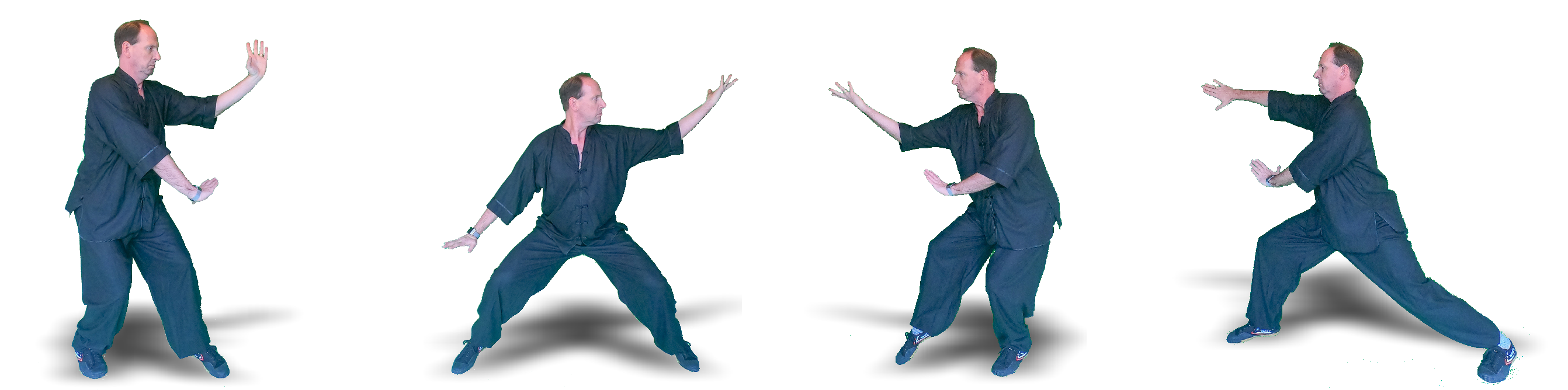
Tai Chi is a powerful art of immense depth consisting of exercise, self-defense and philosophy. The “sets” or “forms” are the structure or the foundation. Forms are individual exercises linked together to form a long flowing series of movements. According to Yang Chan Fu (who is known as the modern father of Tai Chi) “to start learning Tai Chi you have to start with the forms”. There are many styles of Tai Chi, and within each style, each has its different Forms. Even with one well-known form, there are many versions. Students might feel confused facing so many options, or one could take it as an advantage to have so many choices available.

Be well, stay healthy, be wise!

Jim Moltzan

www.MindAndBodyExercises.com

https://www.facebook.com/MindAndBodyExercises/

https://www.youtube.com/c/MindandBodyExercises

https://mindandbodyexercises.wordpress.com/

Protect Your Bones With Tai Chi

As people continue to stay indoors more, many are becoming less active and also more susceptible to vitamin D3 deficiency from lack of sunlight. Both issues can lead to loss of the bone density (osteopenia) and eventually osteoporosis (porous & brittle bones). Bones are not just for structure but also stores minerals and produce blood cells. We need healthy bones!

Click on the image below to read a more detailed explanation of tai chi and bone health, from Harvard Medical School.

https://www.health.harvard.edu/womens-health/protect-your-bones-with-tai-chi
Bone Disease – Osteoporosis

Tai chi and qigong are my recommendations as they provide weight-bearing exercises that are low-impact on the joints. Plus, you can practice outside (or almost anywhere) and get some sunlight. Regardless of how you exercise – stay active, get some sun and fresh air everyday.

Weak bones affect body posture, leading to other chronic issues.


If you need help getting started, contact me through http://www.MindandBodyExercises.com or 407-234-0119.

Be well, stay healthy, be wise!

Jim Moltzan

407-234-0119

www.MindAndBodyExercises.com

https://www.facebook.comMindAndBodyExercises

https://www.youtube.com/c/MindandBodyExercises

https://mindandbodyexercises.wordpress.com/