A Method to Pursue Mind, Body & Spirit Harmony – The 8-Step Path

A Method to Pursue Mind, Body & Spirit Harmony – The 8-Step Path

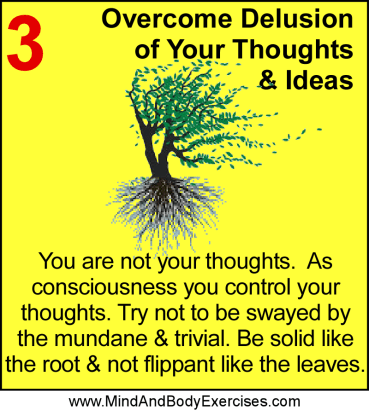
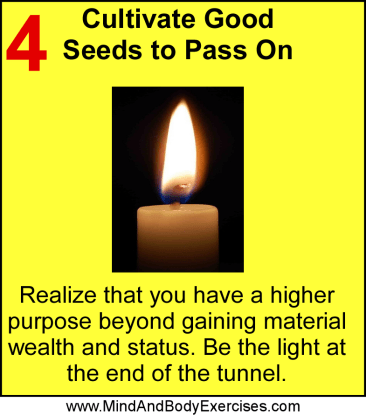
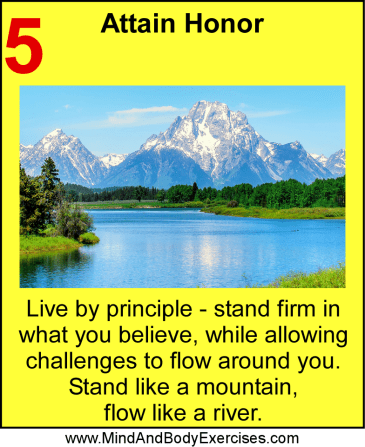
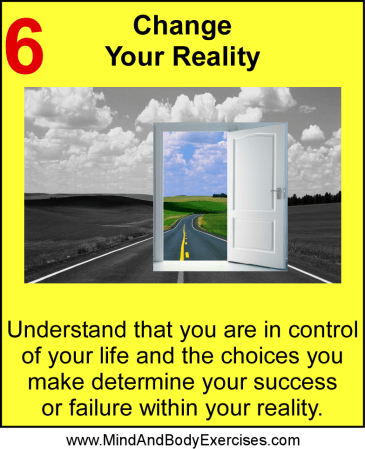
A long-understood method of achieving harmony between one’s mind, body and spirit, is this 8-Step Path. It has its origin in the ancient Chinese philosophy of Daoism but is highly relative to modern culture. The figure “8″ is important to understand that as the infinity circle, there is no beginning nor end to entering into this process. It is a journey of self-awareness that can be entered into at any point throughout one’s lifetime. Life is a challenge, and so is staying on this path of self-improvement. The reward is at the end of one’s journey, knowing that they have pursued a meaningful life with direction and purpose.

Spirituality and religion are often lumped together but have rather distinctly different meanings. So let’s look at spiritually more as a level of self-awareness, purpose and life direction and not necessarily a membership to any particular religion or belief system.

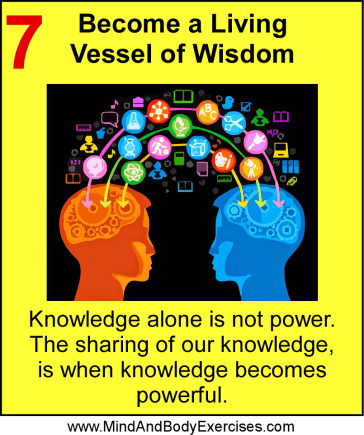
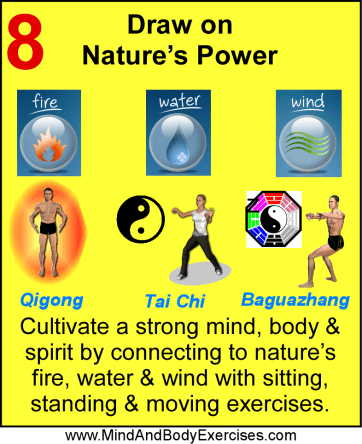
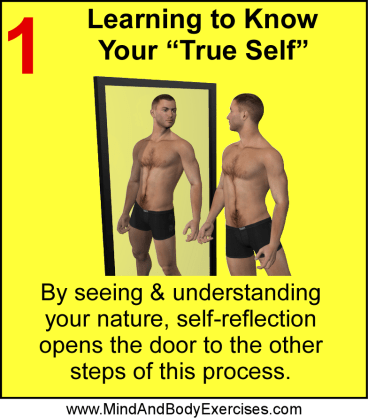
The graphic immediately below shows how the 8 are all interconnected. Below that are the brief descriptions of each of the 8 steps.  This is by no means the only method to find this harmony of mind, body and spirit. It is a time-proven method that I have learned and have tried to cultivate for many years.
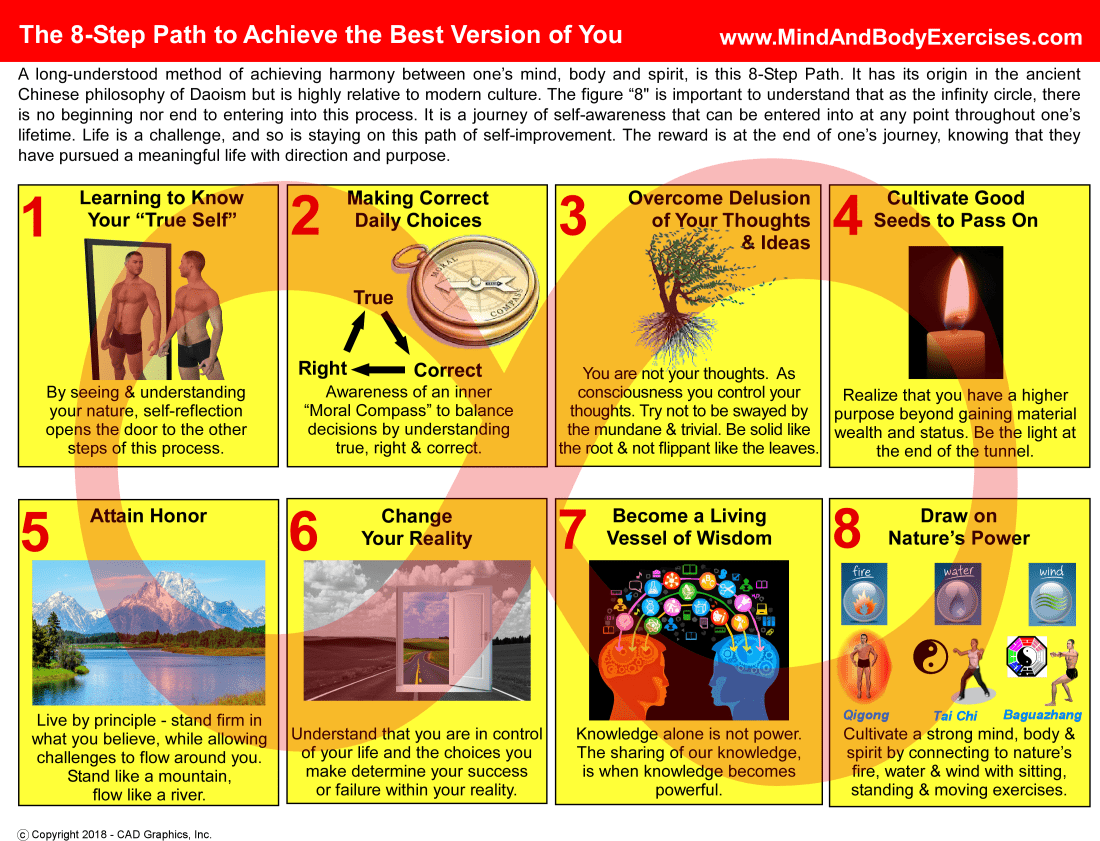
8-Step Path

1-8-fold path2-8-fold path3-8-fold path4-8-fold path5-8-fold path6-8-fold path7-8-fold path8-8-fold path

Qigong, tai chi, baguazhang, and yoga are not the only methods that can be used within this formula but have proven the test of time as methods to cultivate harmony of the mind, body and spirit. These exercise practices offer a wide spectrum of physical wellness benefits, stress relief as well as means of self-awareness.  Not all teachers nor students practice these for the same goals.

_______________

For more info, contact Jim Moltzan at info@mindandbodyexercises.com, 407-234-0119 or through my site at http://www.mindandbodyexercises.com

 

Jim

vs181006-004cropped-header-image2.jpg

Jim Moltzan started his martial arts training at the age of 16, starting with Korean martial arts and evolving into BaguaZhang, Tai Chi, and Qigong. Jim has been training, studying and teaching for almost 40 years effectively educating hundreds of students.

Master Instructor Jim Moltzan has trained with a diverse group of masters and high-level martial arts teachers of many different disciplines. Jim’s specialty is teaching exercises to improve chronic conditions, working with people of all ages, especially senior adults. Offering guidance and instruction, Jim has also worked with Parkinson Disease patients through Florida Hospital. Jim gives regular lectures as requested by AdventHealth (Florida Hospital) regarding the benefits of Eastern practices.

He is the author and graphic artist of numerous journals, graphic charts and study guides relative to the mind and body connection and how it relates to martial arts, fitness and self-improvement.

Jim continues his training and teaching in the Orlando, Florida area conducting classes, seminars and lectures as his schedule allows. He balances his teachings and businesses with his own personal cultivation and time spent with his wife and two college-age kids.

People Don’t Ail From Lack of Muscle Tone

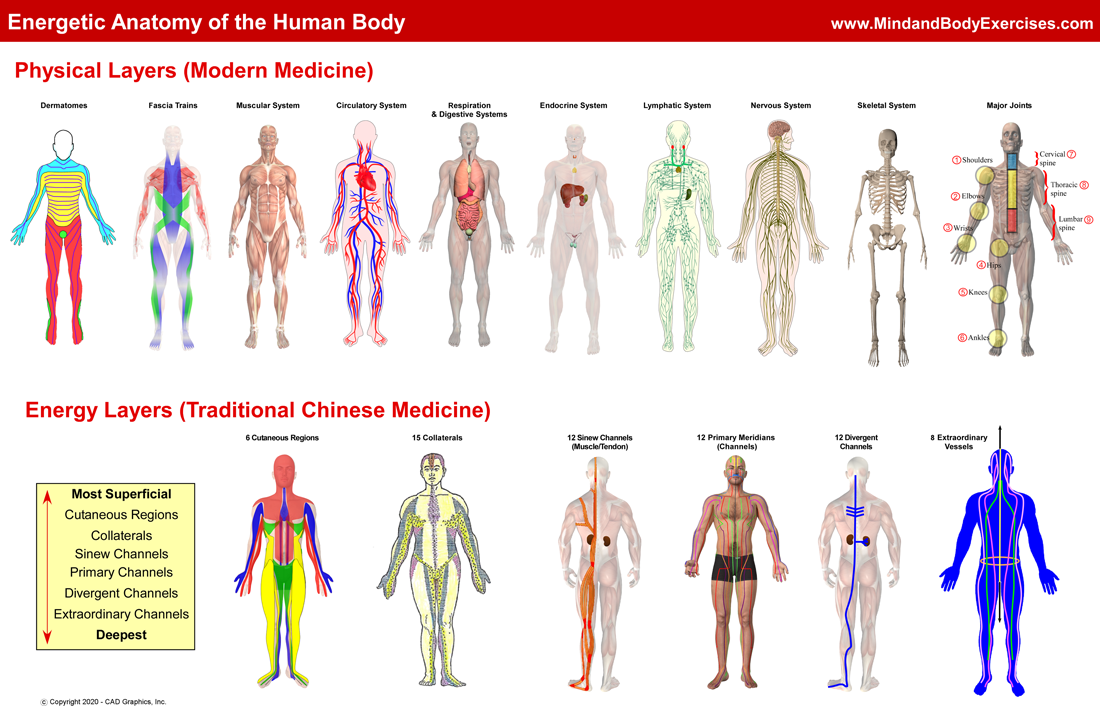
Toned arms, a flat stomach, a well sculpted physique – are all very nice to have, at the very least on the cosmetic level. However, lack of these are not the leading causes of death. Healthy internal organs and their various bodily functions are the foundation of wellness.
Energetic Anatomy-summary graphic copy
There are major difference between fitness, health and wellness.

Fitness focuses on your physical health including nutrition, strength, conditioning, flexibility, and body composition with specific markers based on body size, gender, body type, training style, and training age. Fitness is a component of wellness, but wellness isn’t a component of fitness.

Health is a state of being – physical, mental, and social well-being. Primary determinants of health include the social, economic, and physical environments, and individual characteristics and behaviors.

Wellness (well-being) includes fitness but it’s broader. Wellness considers all of your choices and how they create your entire lifestyle. Wellness includes many facets, and looks at the way they interact to create balance or imbalance. Think of wellness as a web, then plucking it one part creates reverberations across the rest.

Wellness is the state of living a healthy lifestyle. Wellness is considered a conscious, self-directed and evolving process of achieving full potential. Wellness is multidimensional and holistic, encompassing lifestyle, mental and spiritual well-being, and the environment. Wellness is finding a balance between all of these and enhancing a sense of happiness.

The leading causes of death in the US for 2017-2018 (from the CDC):
1) Heart Disease
2) Cancer
3) Unintentional injuries
4) Chronic lower respiratory disease
5) Stroke and cerebrovascular diseases
6) Alzheimer’s disease
7) Diabetes
8) Influenza and pneumonia
9) Kidney disease
10) Suicide
Causes of death 2018
The path to good or poor health doesn’t happen overnight.

Which Path Are You On

_______________

For more info, contact Jim Moltzan at info@mindandbodyexercises.com, 407-234-0119 or through my site at http://www.mindandbodyexercises.com

Jim

vs181006-004cropped-header-image2.jpg

Jim Moltzan started his martial arts training at the age of 16, starting with Korean martial arts and evolving into BaguaZhang, Tai Chi, and Qigong. Jim has been training, studying and teaching for almost 40 years effectively educating hundreds of students.

Master Instructor Jim Moltzan has trained with a diverse group of masters and high-level martial arts teachers of many different disciplines. Jim’s specialty is teaching exercises to improve chronic conditions, working with people of all ages, especially senior adults. Offering guidance and instruction, Jim has also worked with Parkinson Disease patients through Florida Hospital. Jim gives regular lectures as requested by AdventHealth (Florida Hospital) regarding the benefits of Eastern practices.

He is the author and graphic artist of numerous journals, graphic charts and study guides relative to the mind and body connection and how it relates to martial arts, fitness and self-improvement.

Jim continues his training and teaching in the Orlando, Florida area conducting classes, seminars and lectures as his schedule allows. He balances his teachings and businesses with his own personal cultivation and time spent with his wife and two college-age kids.
Stress & the Benefits of Deep Deliberate Breathing

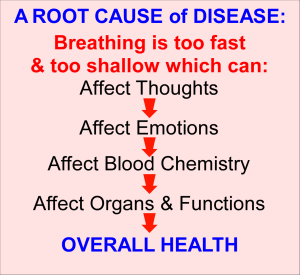
Most people breathe too shallow and too quickly!

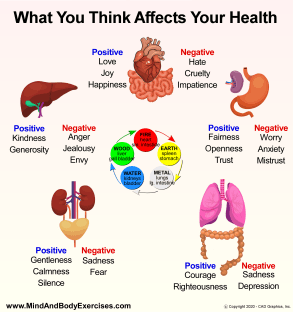
Western medicine has acknowledged in recent years, that stress has an effect on the internal organs and consequently the immune system.

Thoughts-affecting the organs2

When humans are confronted with trauma or extreme stress, the body adjusts with rapid, shallow breathing that changes to the blood chemistry to deal with the tasks at hand. When the “flight or flight response” or the parasympathetic nervous system activates, adrenaline and cortisol dump into the blood stream. Prolonged adrenaline & cortisol in the blood is thought to cause deterioration of the internal organs and systems of the human body.


Much recent research has linked stress to poor breathing habits and consequently many ailments. Many modern chronic conditions can be traced back to insufficient cell oxygenation otherwise known as cell hypoxia.


Lung capacity


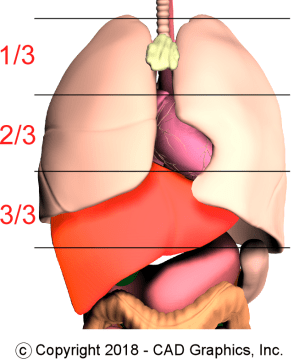
Most humans are breathing on the average, with normal activity of standing, sitting, walking, etc. about 12-18 breaths per minute (BPM). This amounts to very shallow breaths, using primary the top 1/3 of the lung’s capacity.

Fitness experts suggest that 6 BPM is optimal for the lungs to properly oxygenate the whole body while also removing toxins. The lungs are responsible for removing 70% of the body’s waste by-products through exhalation. This is best accomplished by mindful breathing patterns through exercises such as mediation, qigong, tai chi and yoga.


Root ProblemShallow chest breathing fills only the upper portion of the lungs. This reduces the ability to effectively oxygenate the circulation system.
This “over-breathing” and “under-inhaling” causes an imbalance in oxygen/carbon dioxide gas exchange. This further leads to a ripple effect of other chemical (and hormonal) imbalances.

Poor oxygenation is linked to many modern chronic conditions such as asthma, COPD, obesity, diabetes, insomnia and cancer.

Faster breathing is necessary when experiencing truly stressful situations, like being chased by an animal, running from a fire or similar life-threatening situations. However, continued breathing at this pace for an extended period of time puts accumulative stress on all of the body’s systems.

Root Solution


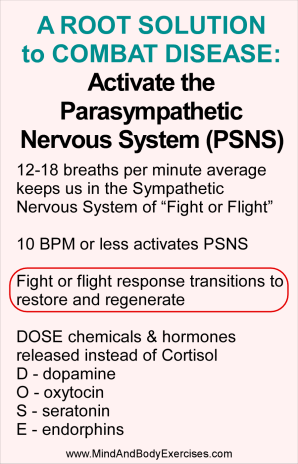
Too much activity within the sympathetic nervous system causes the body to constantly respond as if in the “fight” or flight” mentally eventually deteriorating many body systems.

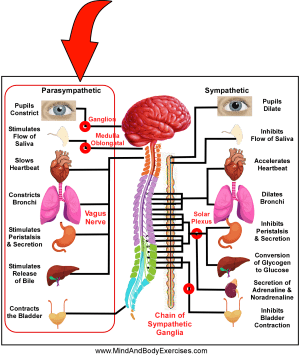
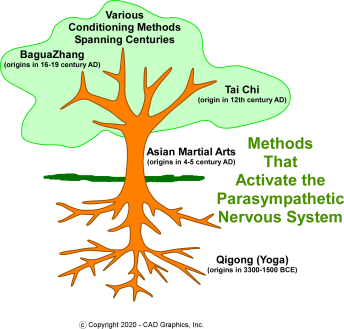
When respiration slows to 10 breaths per minute or slower, the parasympathetic nervous system is activated. Qigong, tai chi, baguazhang, yoga, etc. are all effective methods of exercise that activate this nervous system.  These techniques have proven the test of time in being an option to remove or manage the inner critical dialogue and learn to regulate the fast-paced modern existence we all experiencing.


Parasympathetic Graphic

Breathing is one of the few bodily rhythms that we can consciously adjust, along with sleep and elimination. All of these rhythms directly affect our body’s delicate blood chemistry. However, our breath is the root power in bringing oxygen (qi) into our body to nourish it down to the cellular level.

Deep breathing encourages pumping of cerebrospinal fluid (fluid around the spinal cord). This increases brain metabolism while promoting feelings of physical and mental well-being, as well as enhanced mental alertness.

When the parasympathetic nervous system is activated, “happy” hormones are released, decreasing heart rate and blood pressure. This relaxes the nervous system, slows and calms all the body systems. This process then promotes regeneration through decreasing metabolic rate at all levels.

Qigong balances breathing and promotes conditions in your body for it to be able to regenerate and heal itself. Qigong does not treat symptoms, but rather solves the problem at its root.

Meditation, tai chi, qigong and yoga are time-proven methods that help regulate thoughts, emotions and the resulting blood chemistry.

Methods to Slow BreathingBenefits

For more info, contact Jim Moltzan at info@mindandbodyexercises.com, 407-234-0119 or through my site at http://www.mindandbodyexercises.com


Jim

vs181006-004cropped-header-image2.jpg

Jim Moltzan started his martial arts training at the age of 16, starting with Korean martial arts and evolving into BaguaZhang, Tai Chi, and Qigong. Jim has been training, studying and teaching for almost 40 years effectively educating hundreds of students.

Master Instructor Jim Moltzan has trained with a diverse group of masters and high-level martial arts teachers of many different disciplines. Jim’s specialty is teaching exercises to improve chronic conditions, working with people of all ages, especially senior adults. Offering guidance and instruction, Jim has also worked with Parkinson Disease patients through Florida Hospital. Jim gives regular lectures as requested by AdventHealth (Florida Hospital) regarding the benefits of Eastern practices.

He is the author and graphic artist of numerous journals, graphic charts and study guides relative to the mind and body connection and how it relates to martial arts, fitness and self-improvement.

Jim continues his training and teaching in the Orlando, Florida area conducting classes, seminars and lectures as his schedule allows. He balances his teachings and businesses with his own personal cultivation and time spent with his wife and two teenage kids.

Opening of the Small Circulation Exercises

Stress is known to compromise the immune system. Tai Chi and qigong (yoga) are exercises that have passed the test of time. By relieving stress and balancing body movements, deliberate deep breathing and control of ones thoughts and emotions these methods work.

No need for a gym. No need for special equipment. No treadmill, Peleton nor Mirror to make the user dependent upon the device rather than self-disciple to do the work. YOU are the health care program. You are accountable to yourself to maintain YOUR health and well-being.

I am providing many FREE online classes to educate people to the wide spectrum of health benefits available through tai chi, qigong and various martial arts practices.

Now is a great time to realize that we are in control and responsible for our health and well-being. We have been all along, but crisis puts our priorities back in proper focus. Proactive rather than reactive.

For more info, contact Jim Moltzan at info@mindandbodyexercises.com, 407-234-0119 or through my site at http://www.mindandbodyexercises.com  

or https://www.youtube.com/c/MindandBodyExercises

Enjoy, get moving and stay healthy!


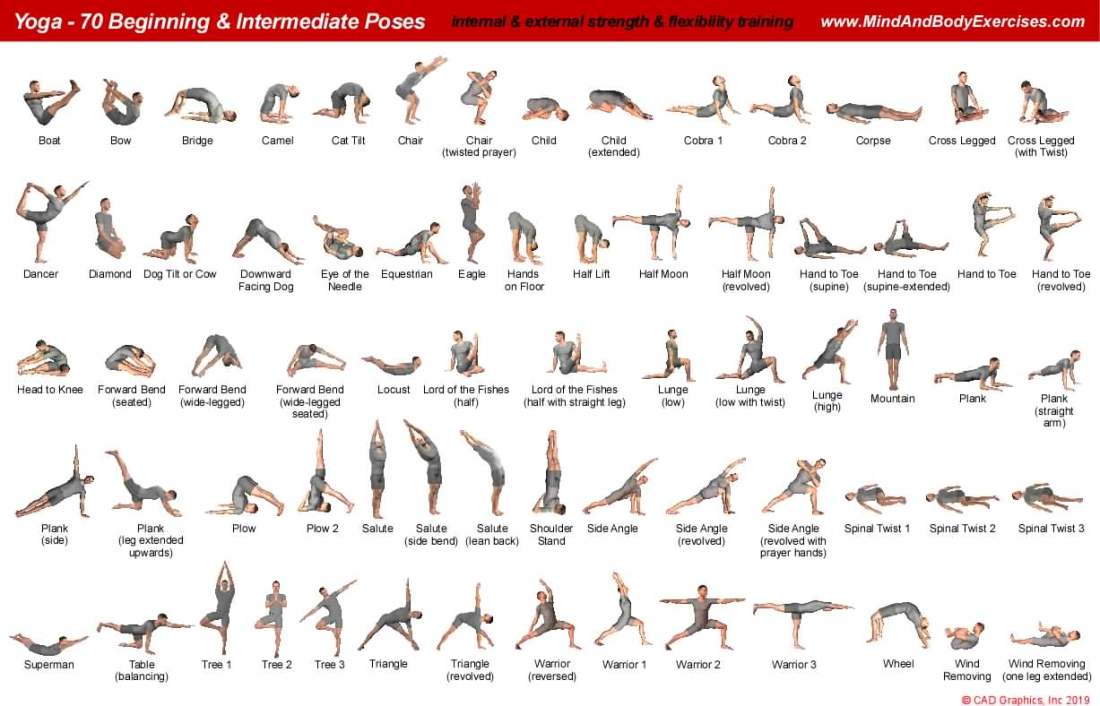
Yoga – 70 Beginning & Intermediate poses

70 Yoga Poses (beginner & intermediate)

When I first stated learning these almost 40 years in a martial arts school, they weren’t called yoga exercises but rather “warmups”, “group lesson exercises” or in general just “stretching”. Well after years of practice and study I found that the exercises from martial arts, yoga and qigong are so greatly inter-related, that it is sometimes difficult to differentiate which is which. In the bigger scheme of things, I found that it really doesn’t matter as they are all parts of the same tree or more specifically the same root. Yoga has standing postures as well as the sitting and lying exercises. Qigong has static sitting, standing and moving exercises. Martial arts draws from both to build internal and external strength.

Regardless, it is all in the presentation of the teacher or interpretation by the student whether to practice or label the exercises as yoga, qigong, martial arts or otherwise.
People often get so caught up on the name or type of label for the exercise. Maybe just practice the exercises and explore for oneself what the variations and the depth of the benefits can be achieved.

#qigong, #chikung, #yoga


Yoga Stances-2