We are here…right here where the rubber hits the road.
When the action really begins, is when you begin the job, when you really get serious.
So the question I have is, how serious are you folks about doing anything? Likes and smiley faces are nice, but really don’t make us healthier, more fit or more connected.
None of us really have “extra” time but rather “make” time for what we prioritize in our lives. True is true, either we walk the talk, or we talk the walk.
Talk is cheap, time is priceless.
If every person in American spent 5 minutes (or more) every day by exercising, more people could better manage their weight and suffer less from related illnesses.
If every person in American spent 5 minutes (or more) every day calming their mind by practicing deep breathing exercises, more people would be less stressed and suffer less from related illnesses.
If every person in American spent every day becoming more conscious of their nutrition habits, more people would be able to maintain their health through the choices they make while eating and drinking, and suffer less from related illnesses.
If everyone could assume personal responsibility for their own health, our nation would not have to spend as much time, effort, energy and money trying to keep people healthy.
These concepts seem easy enough, but in reality, most people lack the desire or self-discipline to take the effort and do what it takes to stay healthy, prevent illness or cure their own ailments. Self-discipline is one of five steps known to help achieve better mental and physical wellness.
1) Respect– This is where values begin. You must understand and have respect for yourself (self-respect) before you can demonstrate it to others. Taking the steps to take care of your physical and mental well-being effects you first and then those closest to you second.
2) Discipline– Developing control of one’s own desires, commitments, and ultimately your own actions, leads to self-discipline. Control of physical exercises can lead to management of thought and emotion.
3) Self-Esteem– As you review your achievements of respect and discipline, your sense of worth is elevated and appreciated.
4) Confidence– Understanding and accepting your weak areas as well as your stronger aspects removes insecurity. When you feel that you are physically well and mentally sharp, confidence can fill your personality. You can accomplish whatever goal you set out to achieve.
5) Determination to Achieve Goals– The positive sum of the previous aspects leads to one’s determination. Good judgment and focused effort toward positive goals result in true personal success.
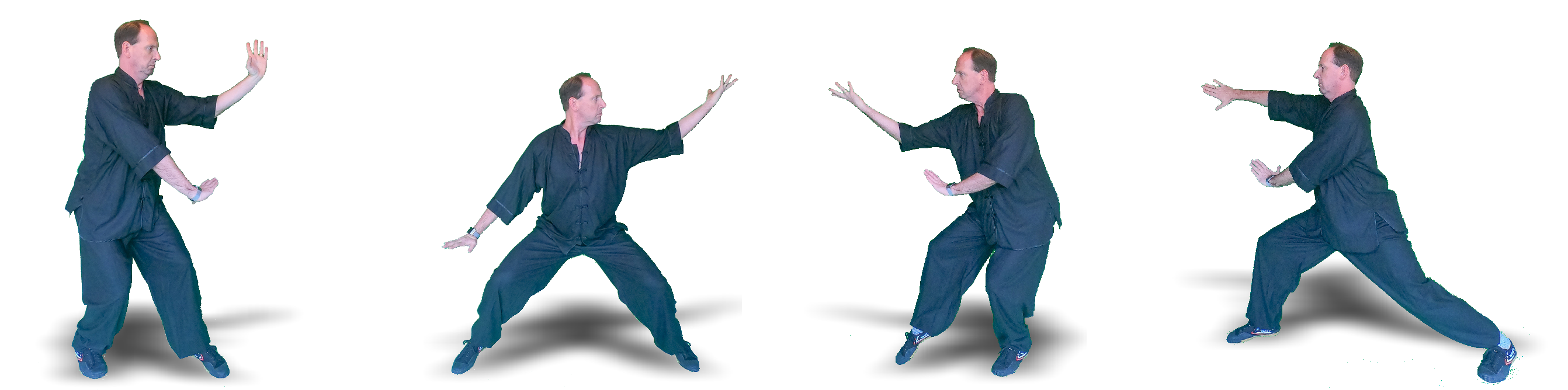
Qigong, Tai Chi and Yoga all are methods to achieve these traits.
It doesn’t matter so much that you do these exercises, as much as it matters that you do some type of exercise. Walk, jog, swim or whatever – just get going and do something. 5 minutes here and there can quickly turn into 15 or 30 minutes at one time or over the course of a day. Once you are moving or mentally engaged, it is much easier to stay motivated and try a few more exercises for a few more minutes.
Be well, become healthier, be wise.
___________
I write often about topics that affect our health and well-being. Additionally, I teach and offer lecture about qigong, tai chi, baguazhang, and yoga.
Is Modern Western Medicine any better than Traditional Chinese Medicine?
By James Moltzan
People in general, do not like change. Allopathic medicine also known as traditional medicine or Western medicine has been firmly ingrained in American culture for only about 200 years. It is what most people in the United States have grown up with and have come to understand as science-based healthcare. Traditional Chinese Medicine or TCM has been in existence for thousands of years. Why is it then, often considered as a new “alternative medicine” within the United States?
Western medicine is actually at least a few hundred years old based upon using science to treat a person’s individual symptoms. This includes the use of technology, pharmaceuticals, and scientific data to treat diseases and illnesses. If a person has headaches, Western medicine addresses the symptoms of pain in the forehead and treats this by relieving the pain, possibly through a chemical that reduces inflammation throughout the body. Traditional Chinese medicine would look at headaches as an imbalance and look for the root cause of possibly stress that could be relieved with herbal teas, massage to the forehead and neck muscles or deep breathing qigong exercises to relax muscle tension.
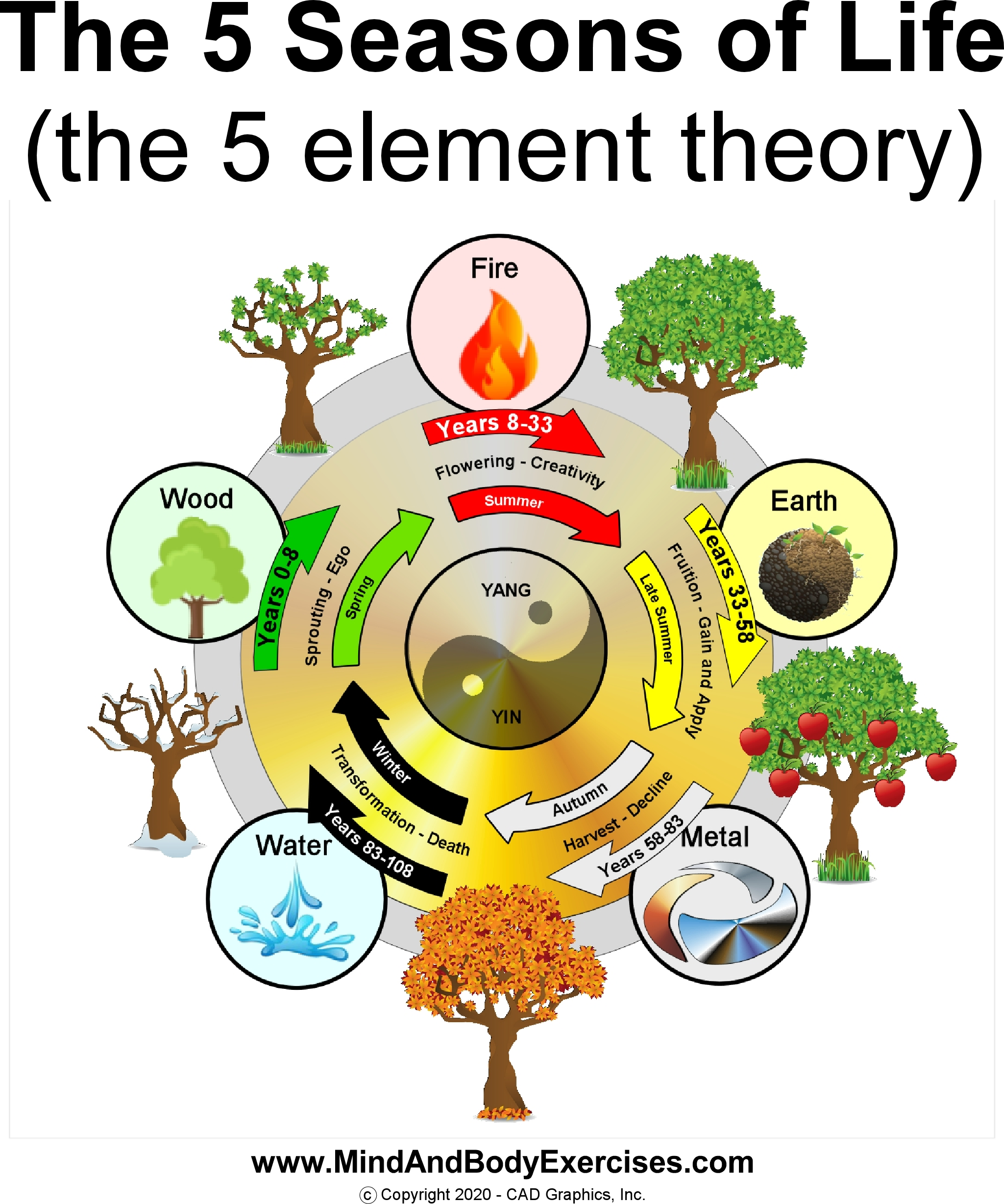
TCM has over 3000 years of maturity from scholars observing naturally occurring patterns or cycles within the earth, and consequently within the human body. TCM is based upon treating the body as a whole by trying to balance all of the systems within the body and mind together. For example, we adjust our clothing throughout the year to adjust with the seasons being hot, warm, or cold. TCM suggests that the foods we eat should also be adjusted per the seasons of the year similarly. This could be the reason why we like a cool and refreshing drink during steamy hot days and a foamy hot chocolate or warming tea during the winter months. TCM goes ways beyond food consumption for the seasons to include what type of herbs, medicines, exercises, and even what emotions are affected by the cycles of the year.
In Western medicine each internal organ is independent and is treated separately. Each organ has a specific function unique to itself that may or may not affect other organs. The stomach has no direct connection to the spleen; the heart has no special relationship to the small intestines beyond providing blood flow. Our emotions of worry, fear, angry, joy and grief are not usually considered for affecting the functions of the organs other than stress affecting the heart more so than the other organs.
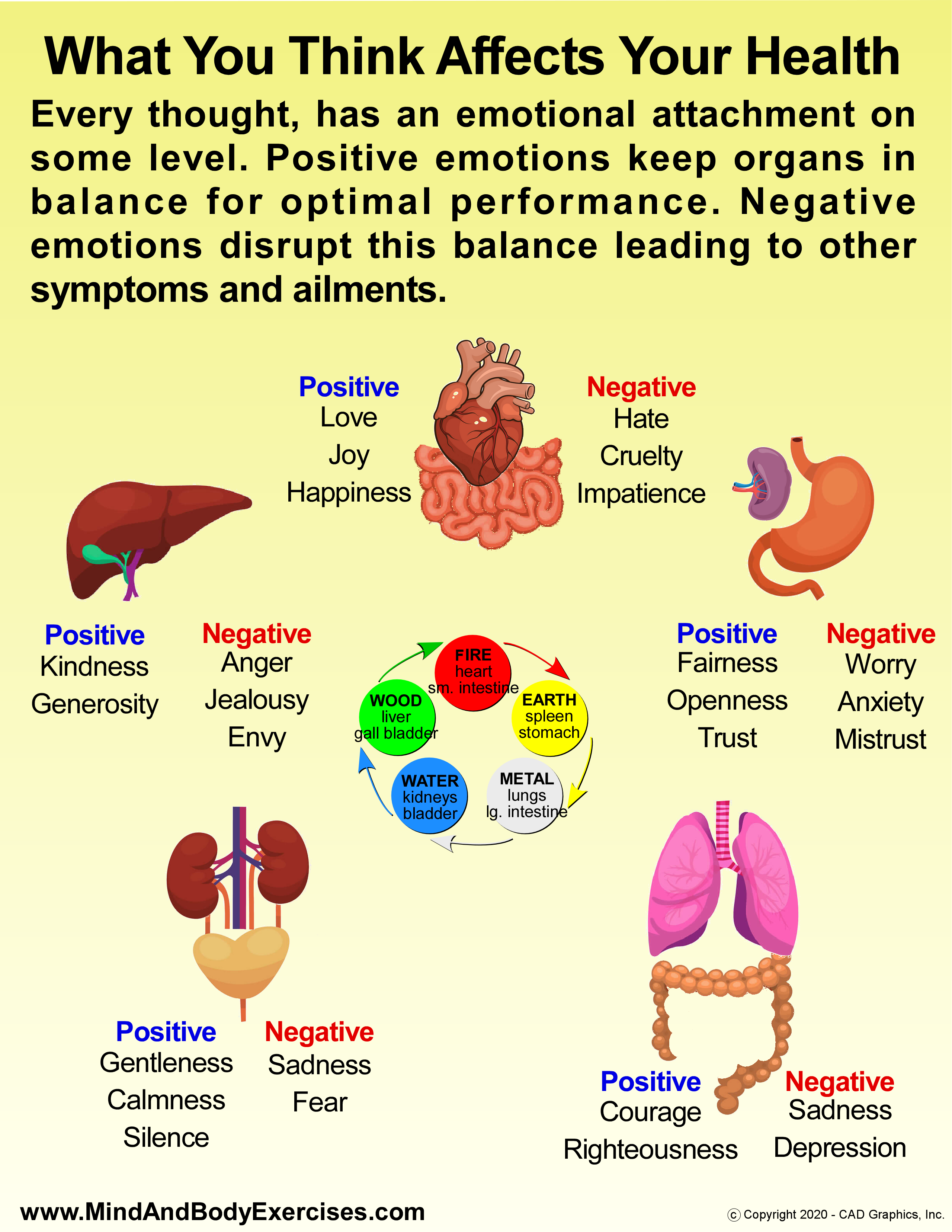
TCM views the lungs and large intestine, stomach and spleen, kidneys and bladder, liver and gall bladder, heart and small intestine as organ pairings that need to be in balance. This balance is slightly similar to Western medicine’s homeostasis or ability for the body to maintain a stable internal environment. When one organ is out of balance, this can cause the others one by one to all fall out of balance. Each organ relates to one or more emotions. Excessive worrying is thought to affect the functioning of the stomach. Fear is thought to affect the bladder.
Western medicine is based upon recognizing symptoms of an illness, usually relying upon questioning and then technology to confirm a patient’s condition. Methods include x-rays, test instrumentation, biopsies (a surgical procedure), blood and fluid tests. Instrumentation that tests certain organ functions are not always reliable. Such as an electrocardiogram (ECG or EKG) only detecting heartbeat rhythm but not heartbeat strength which also can cause severe heart problems.1 Western medicine diagnosis can sometimes be considered invasive by involving the instruments or other objects into the body or body cavities for inspection. However, these methods definitely can offer insights to internal conditions unseen on the surface.
There are four main TCM diagnostic methods2:
Inspection – to observe visible signs and external conditions of a patient which can include vitality, color, appearance as well as secretions, and excretions.
Auscultation and olfaction – utilizing the listening and smelling to gather information about a patient’s voice, breathing, coughing, and odor.
Interrogation – to ask various questions about patients’ family history, major complaints, living states, diets, sleeping habits, and such like these physical conditions
Palpation (pulse examination) – Palpation examines a patient’s pathological changes of internal organs by using three fingers touching three specific positions upon the radial artery pulse at the anterior wrist.
The methods of TCM diagnosis are generally considered to be non-invasive, but also cannot see exactly below the surface of the skin.
If a person has stomach pain, they often are prescribed antacids to counter the discomfort. More severe ailments might warrant more aggressive options. Western medicine relies upon some of the following methods to treat the symptoms of disease and illnesses:
Drugs, medicines, or pharmaceuticals – chemical substances that relieve or mask the symptoms or certain ailments but can also have severe adverse effects if used more than what might be determined as the proper amount or dosage.
Radiation therapy – using beams of intense radiation energy to kill damaged or mutated cells.
Chemotherapy – drug treatment that utilizes powerful chemicals to destroy mutated or cancerous cells in your body.
Surgery – treatment of injuries, diseases, and deformities by physically removing, repairing, or readjusting of specific structures such as organs or tissues, most often involving cutting within the body.
TCM includes the following treatment methods:
Acupuncture – the use of exceptionally fine needles to stimulate energy flow at the surface of the skin.
Moxibustion – the burning of herbs on or near the surface of the body to stimulate energy flow.
Cupping – the use of glass jars to create suction on the surface of the body to draw blood flow to specific acupoints.
Massage – manipulation of the skin, fascia and muscles to break up adhesions within the tissue and enhance healing
Herbal remedies – includes internal teas from natural herbs as well as external liniments and poultices.
Movement and concentration exercises – such as tai chi and qigong (yoga-type breathing exercises)
A TCM doctor might treat a patient’s stomach pain by looking for the root cause and possibly find that an excess of eating spicy foods causing an imbalance in the stomach’s function of processing nutrients. Or possibly the patient has an emotional imbalance due to excessive worrying which affects the stomach function. The treatment might be to stop eating spicy foods and exercises to distract the mind from the constant thoughts of worry.
I do not necessarily believe that either Western medicine or Traditional Chinese medicine is better or worse than the other. However, I do think that there is much to be gained from the integration of the differing methods to achieve what is best for the individual and not a “one size fits all” solution for all of our various health issues. New and alternative might be how Americans perceive TCM because it has been relatively unknown within the United States up until a few decades ago. 3000 years ago, people could not imagine that an x-ray or magnetic resonance imaging (MRI) could allow one to “see” within the human body. Modern day doctors have a hard time believing that traditional Chinese medicine practitioners could perform surgery thousands of years ago. The most famous surgeon in Chinese history is Hua T’o having lived from 141–208AD.3
References:
1 A Wealth of Health by Frieda Mah, L.Ac., International Speaker
Jim Moltzan started his martial arts training at the age of 16, starting with Korean martial arts and evolving into BaguaZhang, Tai Chi, and Qigong. Jim has been training, studying and teaching for almost 40 years effectively educating hundreds of students.
Master Instructor Jim Moltzan has trained with a diverse group of masters and high-level martial arts teachers of many different disciplines. Jim’s specialty is teaching exercises to improve chronic conditions, working with people of all ages, especially senior adults. Offering guidance and instruction, Jim has also worked with Parkinson Disease patients through Florida Hospital. Jim gives regular lectures as requested by AdventHealth (Florida Hospital) and other groups regarding the benefits of Eastern practices.
He is the author and graphic artist of numerous journals, graphic charts and study guides relative to the mind and body connection and how it relates to martial arts, fitness and self-improvement.
Jim continues his training and teaching in the Orlando, Florida area conducting classes, seminars and lectures as his schedule allows. He balances his teachings and businesses with his own personal cultivation and time spent with his wife and two college-age kids.
_______________
Be more active, eat healthier, sleep better, stress less these are the key components to maintaining a strong immune system.
I am currently offering lectures and classes for group, small group & private instruction in Wekiva, Longwood and Winter Park.Mind and Body Exercises on Google: https://posts.gle/aD47Qo
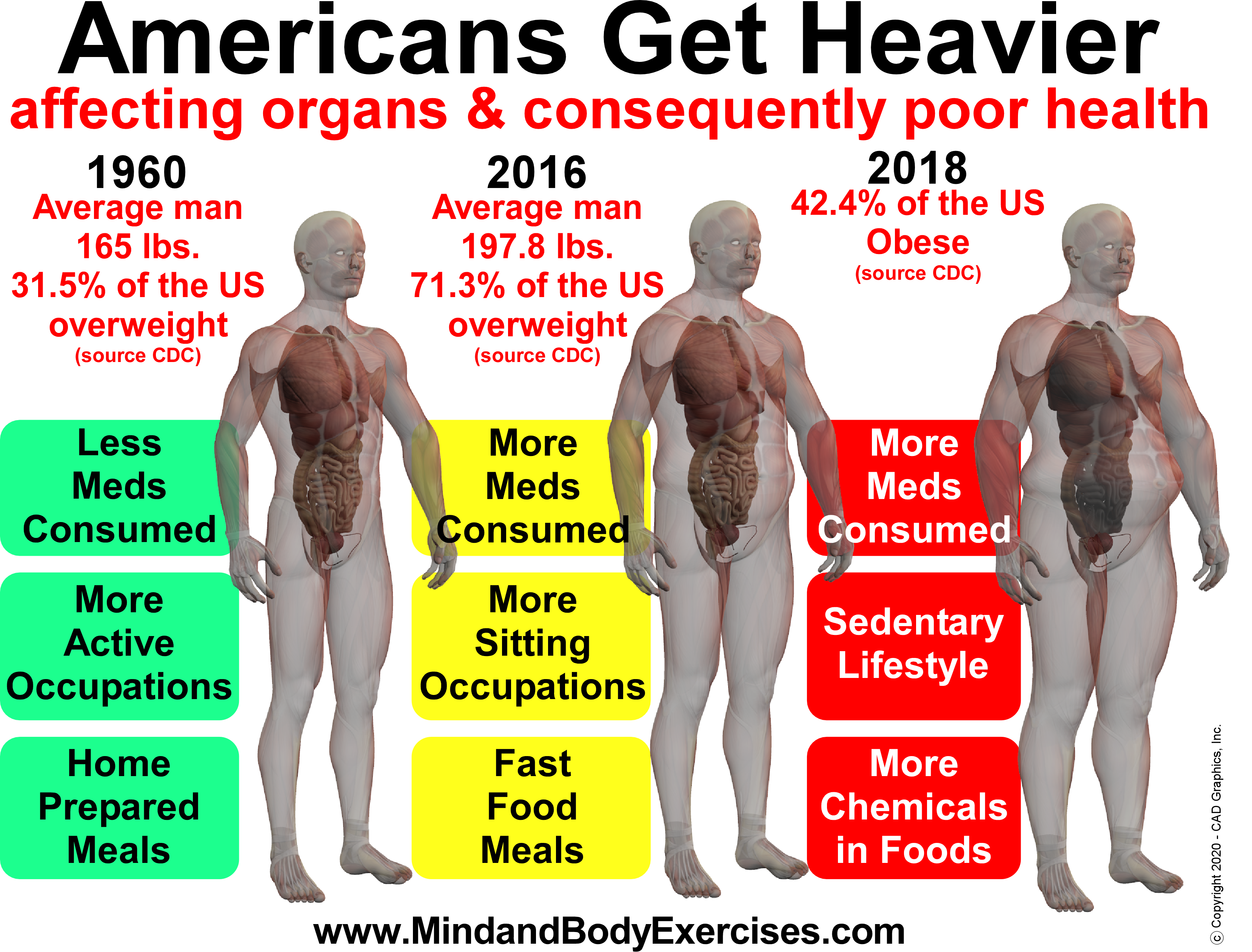
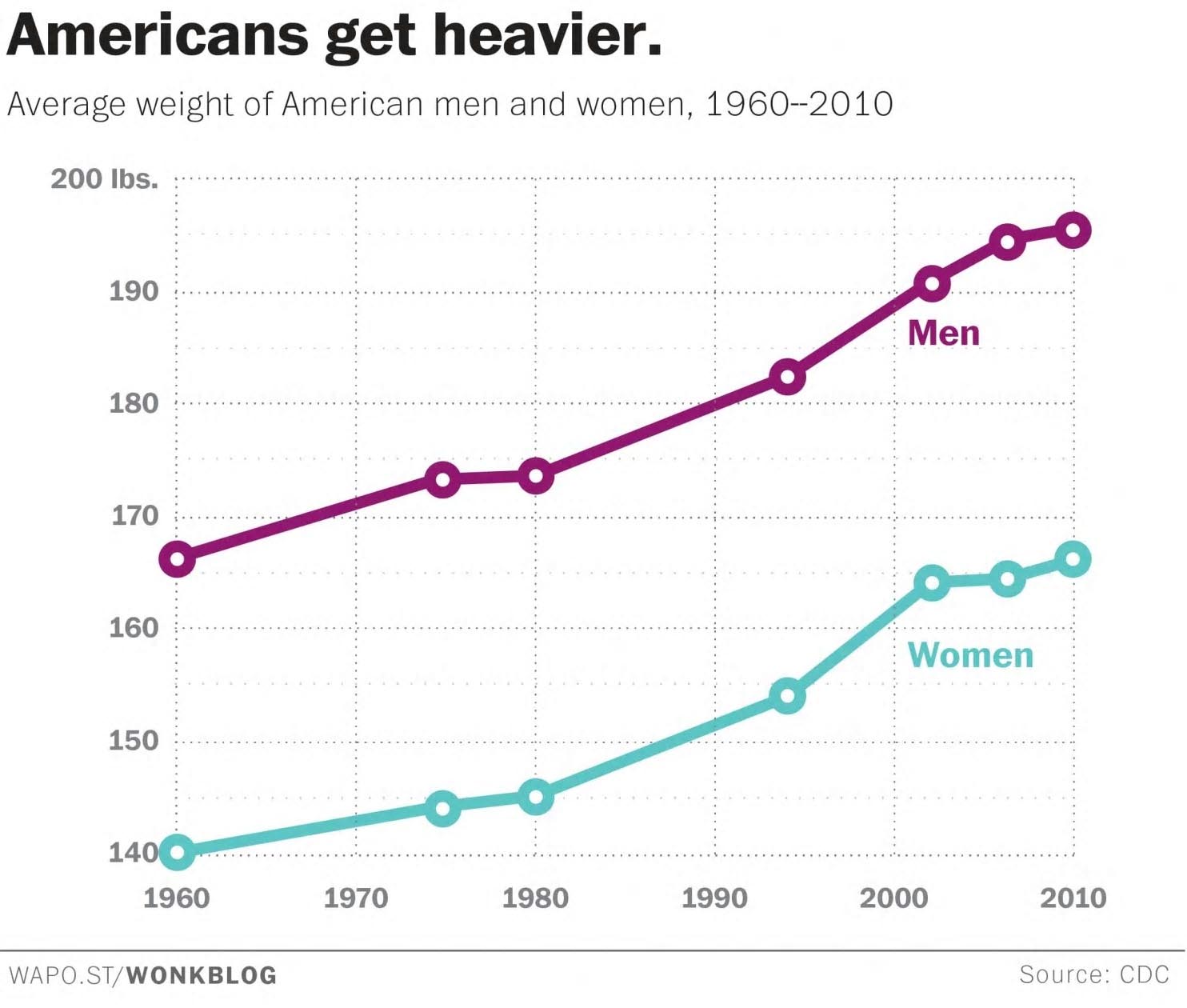
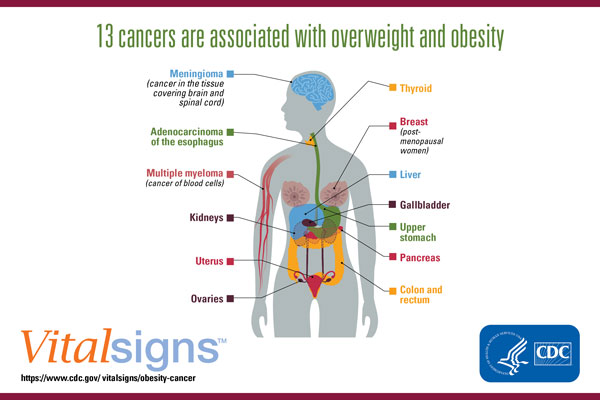
A root cause of the health issues in the U.S. is the poor quality of food and the amount we consume. This is complicated even more so with the sedentary lifestyle and laissez-faire attitude towards individuals accepting responsibility for their own health. These factors help contribute to the increase of obesity over the last 60 years. Obesity is a key factor in many health issues as can be seen by the graphics below from the CDC and other reputable sources.
_
The CDC, believe their data or don’t. I would hope their numbers are accurate if we are to believe in their guidance. Take a look at their stats for the US population when it comes to not only obesity, but also the lack of consistent exercise, and low consumption of fruits and vegetables.
_
These numbers are truly pathetic. Stats for kids (not shown) are just as appalling. The current guidance of wearing masks, wash your hands often and keep social distancing is a band-aid response to a very unhealthy nation. I can’t understand why more direction isn’t stressed on eating better, relieving stress, sleeping better and becoming more active in addition to other measures?
_
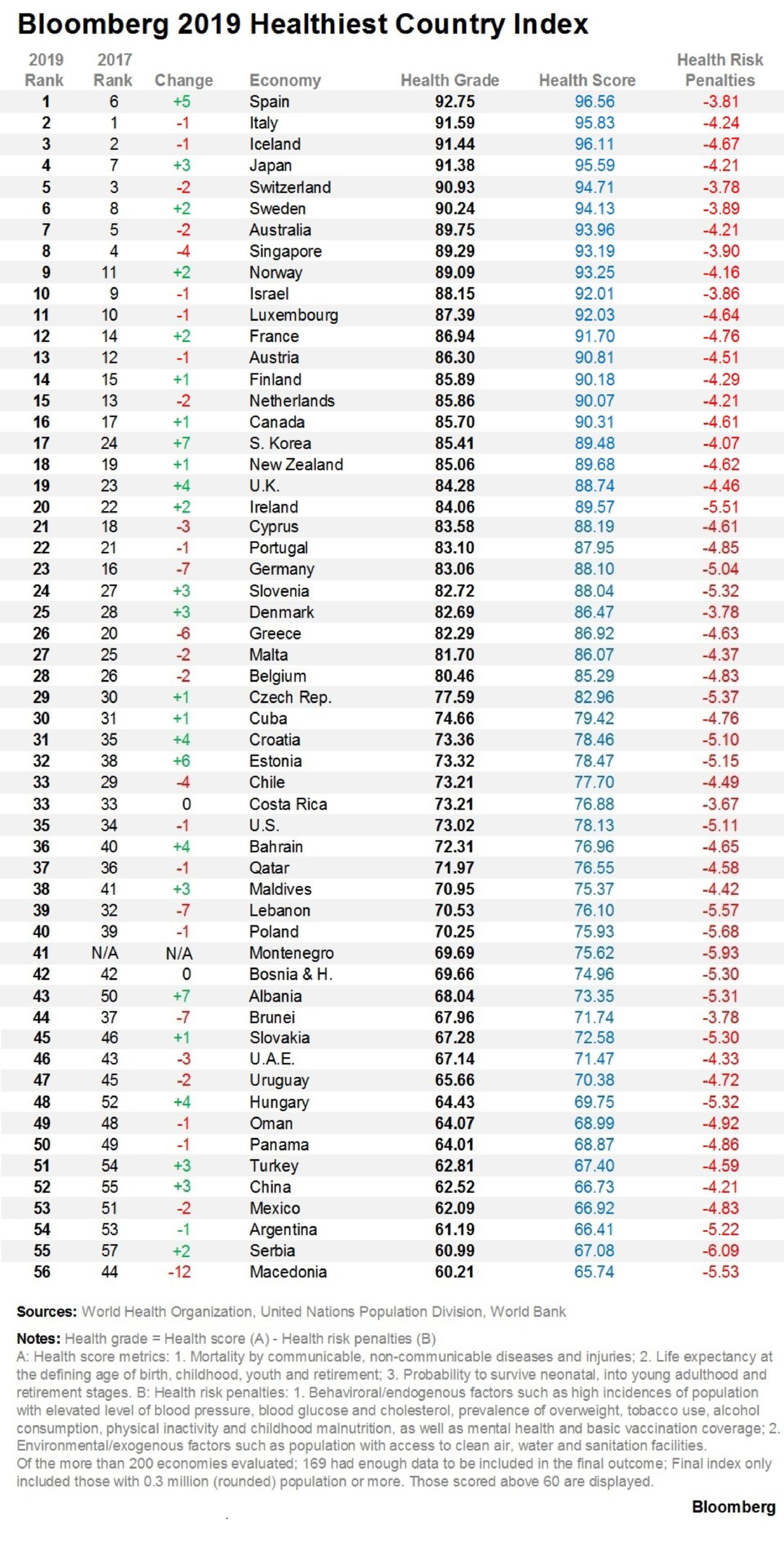
We rank #35 in the world for overall quality of health but rank #1 for healthcare spending. As a nation, we eat a extremely high amount of junk food and then sit on our butts hoping to efficiently digest what will eventually cause our illnesses and death. This is our reality that many choose to deny. True is true.
_
Money doesn’t change our health. Education and a healthy mindset are what is needed. So strange to see people become so angry about wearing a mask or not; keeping the 6ft separation (MIT research shows a sneeze or cough can travel 20-26 feet) when they are not trying to maintain good health to begin with. Do the research. Follow the numbers. Follow the money. Just my .02.
_
Eat better, move more, stress less. Be well please.
Jim Moltzan started his martial arts training at the age of 16, starting with Korean martial arts and evolving into BaguaZhang, Tai Chi, and Qigong. Jim has been training, studying and teaching for almost 40 years effectively educating hundreds of students.
Master Instructor Jim Moltzan has trained with a diverse group of masters and high-level martial arts teachers of many different disciplines. Jim’s specialty is teaching exercises to improve chronic conditions, working with people of all ages, especially senior adults. Offering guidance and instruction, Jim has also worked with Parkinson Disease patients through Florida Hospital. Jim gives regular lectures as requested by AdventHealth (Florida Hospital) regarding the benefits of Eastern practices.
He is the author and graphic artist of numerous journals, graphic charts and study guides relative to the mind and body connection and how it relates to martial arts, fitness and self-improvement.
Jim continues his training and teaching in the Orlando, Florida area conducting classes, seminars and lectures as his schedule allows. He balances his teachings and businesses with his own personal cultivation and time spent with his wife and two college-age kids.
I post many video clips and other resource materials to help educate people about these time-proven methods. It is usually pretty difficult to learn this material from videos or books, but for some it is another option. I’d rather people would just come to my classes and learn in person. Either way, you can’t buy your health – you need to earn it by putting in the time, effort, resources and/or sacrifice; or some combination of the former.
My goal is to present an education that brings awareness to these time-proven methods. With an intent to de-mystify and simplify explanations, hopefully more people can come to realize that we are all accountable for our own well-being.
If you need help getting moving or for more info, contact Jim Moltzan at 407-234-0119 or info@MindAndBodyExercises.com
Sanskrit, Chinese and Korean terminology: – Qi, Chi or Gi = air, energy or breath
– Gong or Kung = work or effort
– Qigong = energy or breath work
– Yoga = to join or unite
– Tao Yin / Tao Yi = guide the Qi, stretch the body (sometimes referred to as Taoist Yoga)
______________
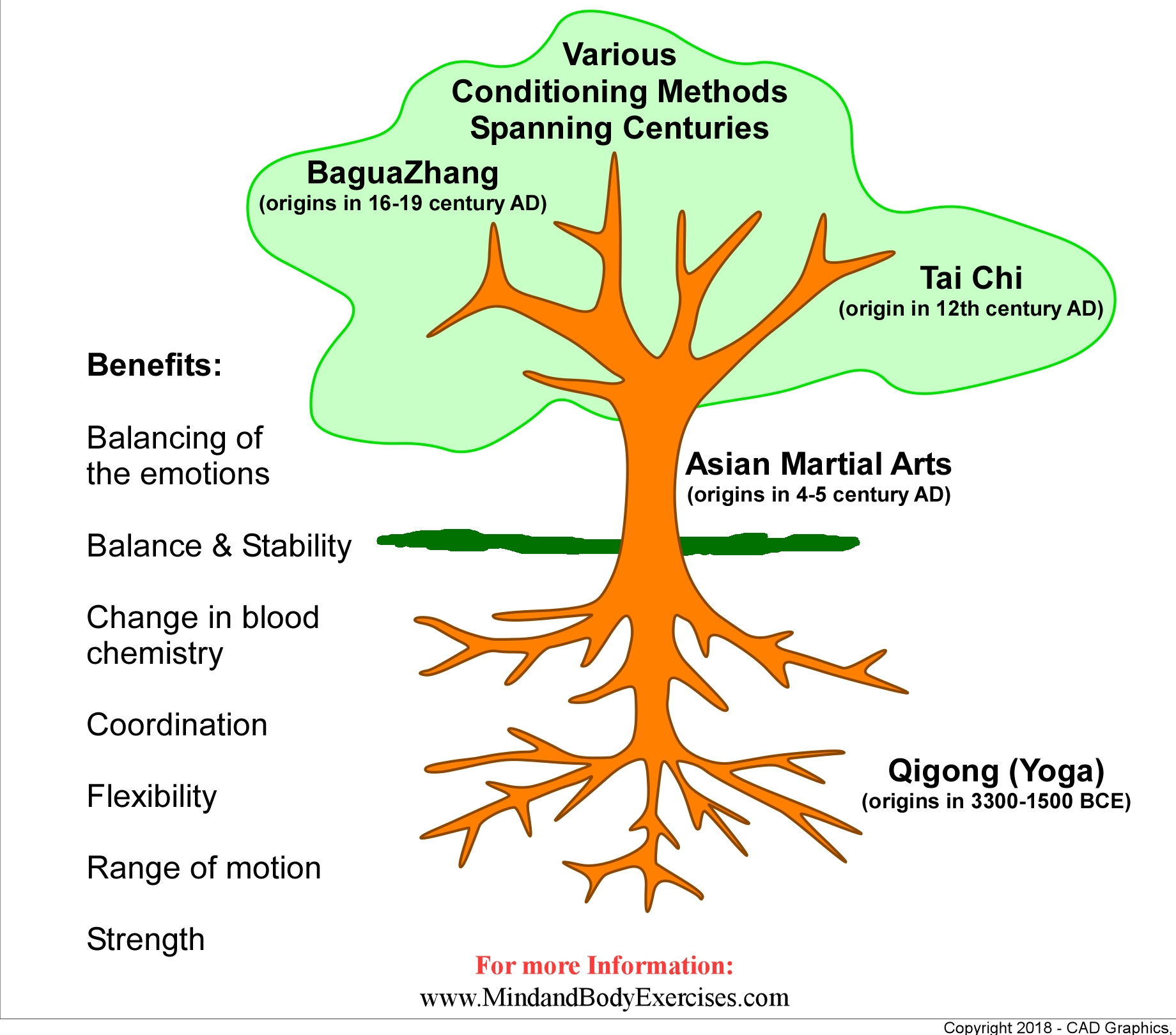
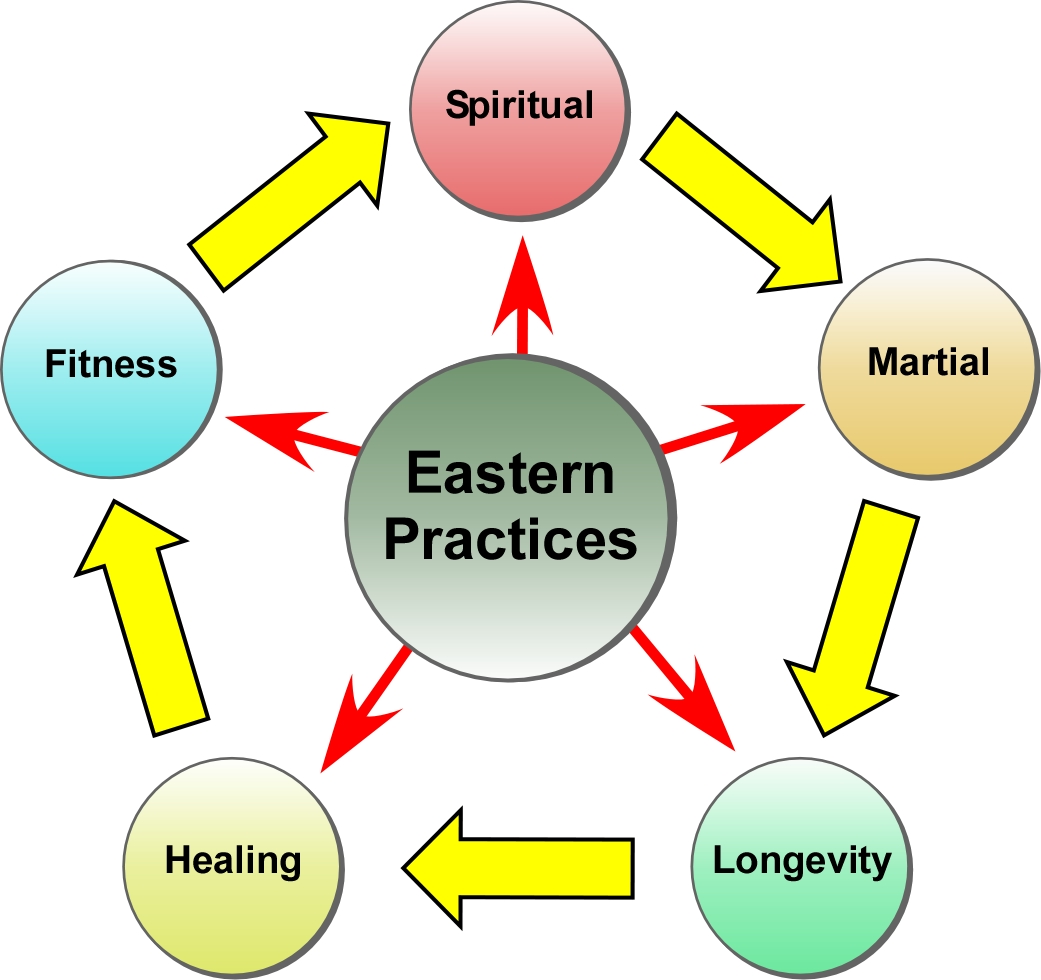
Yoga, Qigong & DaoYin are very different names that share the same origin. Taoist Yoga is sometimes referred to as “Yoga in motion” or Tai Chi. Either way, it is all the same type of exercises that use mindful breathing with deliberate body positioning. The mind is focused inward on one’s thoughts, breathing and posture. All have elements for mind, body & spiritual (or higher consciousness) development.
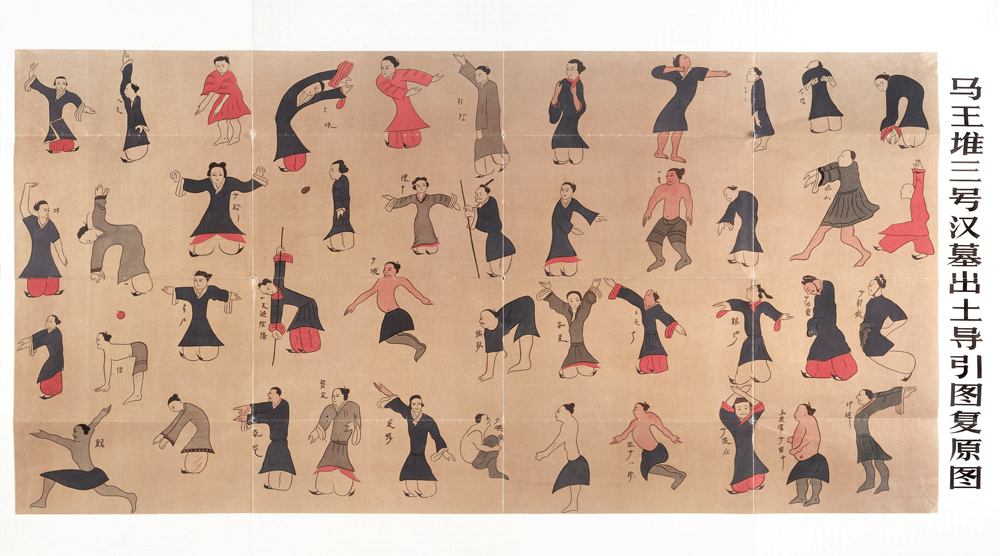
These practices have been around for thousands of years (origins between 5000-1500 BC), and Tai Chi originated in the 12th century. But does that matter?
Well, yes! These methods have proven the test of time. The “new” health care program is actually the “old” program that has worked for millions of people over the years.
I feel that much of the yoga, qigong and tai chi, being currently taught in the United States to the general public through health clubs, wellness centers, community rec centers,etc. is a watered-down version of these practices focusing merely on fitness and sometimes some health aspects. What is being left out is the actual mind and body integration that can lead to the higher levels of consciousness and self-awareness. One will find it difficult to achieve a better understanding of self when they are not challenged to self-critique the inner dialogue that is part of the human condition. However, there are still many teachers and schools/centers that still teach the mind/body/spirit aspects; but one needs to seek them out.
Our thoughts effect our emotions; emotions effect blood chemistry; blood chemistry effects our internal organs which determine the quality of our health; our health effects our thoughts to complete the cycle.
All of these methods can be taught or practiced as “yoga-light” or “tai chi-easy” but the reality is that it takes time, physical effort and deliberate thought to achieve beyond the basic fitness benefits.
What used to take years of physical training, observation, contemplation and meditation, is now packaged in weekend seminars or 200 or 500 hour programs that take a few months to a year or two to become “certified”. This is great that so many more people have more access to what was previously kept to yogis, monks and royalty.
Qigong is sometimes referred to as standing-yoga, but really qigong and yoga share the same root origin. Often people think of qigong as standing or sitting still for hours in meditation, and it can be for the advanced practitioner. People often think of yoga as sitting or lying on the ground for most of the exercises. Well, yoga and qigong are pretty much the same but can differ based upon the teacher and the goals in practice. Qigong has moving exercises and yoga has standing exercises. It all depends on who is teaching and what their background for learning is.
Many martial arts and Eastern methods (tai chi, yoga, qigong, baguazhang, etc.) incorporate the principles of balance and harmony. Tai chi & qigong (yoga) offers a wide spectrum for the beginner to the advanced practitioner. This is not religious but rather awareness.
Many of these exercises focus on stretching of the connective tissues, also known as the fascia trains. The fascia is the tissue that holds the muscles in place gliding between the muscles and the skin. There are theories that this how qi is transported throughout the body by way of the fascia trains.
This slideshow requires JavaScript.
Hundreds of different exercises, poses, forms, sets, etc. Some of these exercises are thousands of years old. Low-impact and all with various levels of difficultly allow everyone to benefit from practicing. All poses have physical, mental and self-awareness aspects, depending on the individual’s goals and interests.
Master teacher Jim Moltzan has nearly 40 years of ‘walking the walk’. He began his warrior, scholar, sage journey at the age of 16 and continues to inspire his students through his teachings and weekly classes.
Also a graphic designer, Jim use his skills to put together graphics with anatomical views of the protocols to help with specific contraindications.












 United Martial Arts Association