Just because food labels say the product is healthy, is it so?
A concise glossary of food-label terminology:
Natural: This means a product is free of artificial or synthetic dyes, coloring, flavorings and preservatives. Items labeled “natural” can still contain GMOs, as well as ingredients grown using agricultural chemicals or synthetic fertilizers.
Free-range: Use of this term only requires that animals have access to the outdoors—no stipulation as to whether they do, in fact, spend any time there.
Cage-free: This designation, typically applied to eggs, means just what it says: The animals cannot be kept in cages. But they can still be heavily crowded into a single barn.
Pasture-raised: This descriptor implies that animals spend their lives roaming outdoors and eating grasses, but there is no federal standard for it, and no regular inspections (Dunn, 2022).
Educate yourself. Don’t rely upon others like the government, the FDA, the CDC, the EPA, schools, the grocery stores and other to watch out for you and your loved ones well-being. Do the work, read the labels, read credible sources. Know what you put in and on your bodies. YOU are your most valuable investment.
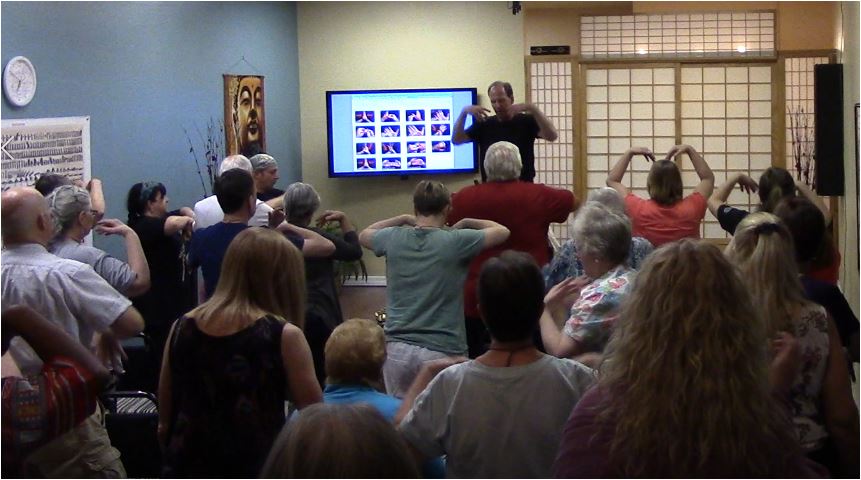
I write often about topics that affect our health and well-being. Additionally, I teach and offer lecture about qigong, tai chi, baguazhang, and yoga. I also have hundreds of FREE education video classes, lectures and seminars available on my YouTube channel at:
Depletion of vitamins and minerals in the soil have lead to lower nutritional quality in fruits and vegetables.
It takes more quantity of fruits and vegetables we consume, in order to obtain the same amount of nutrients, than we did in years past. So if we need to eat 8 oranges to gain out nutrients, instead of one, we are probably consuming to much volume. Most people in the US currently are not eating the recommended amounts to begin with. And we wonder why are population has become so unhealthy.
Become educated to what exactly you put in and on your bodies. No one else should care more about your own health and well-being that you.
I write often about topics that affect our health and well-being. Additionally, I teach and offer lecture about qigong, tai chi, baguazhang, and yoga. I also have hundreds of FREE education video classes, lectures and seminars available on my YouTube channel at:
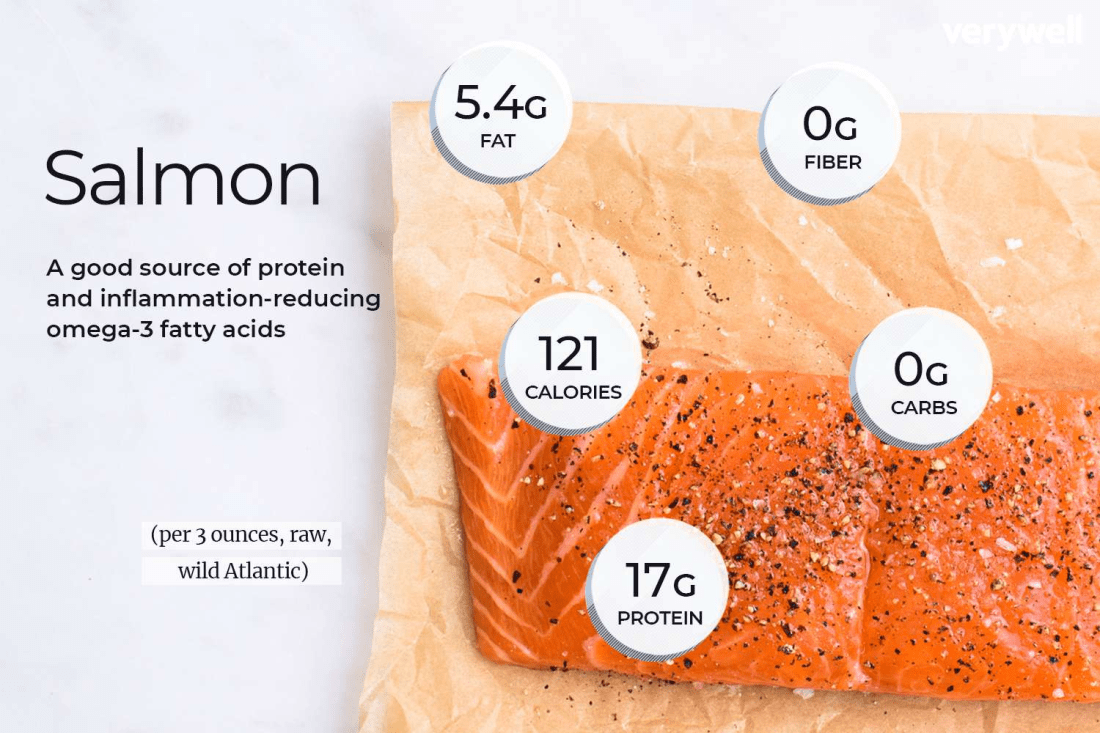
I try to pursue a healthy and nutritional diet, with salmon as a source of protein, fats and other vitamins. I do eat salmon 1-2 days per week. Choosing to purchase hormone-free, antibiotic-free salmon from either my local grocer (Publix) or Costco which both claim to sell these types of fish. I recently reviewed an article regarding salmon, that seems very relative to today’s current public debates over what is considered healthy or not. Or how, big corporations have become demonized (sometimes rightfully so) for promoting food or healthcare products with questionable health benefits. I have previously known about most of these issues that the article brought up, but thought it would be good information to share to a wider audience. We only have so many options for our food products, so we need to be even more diligent in reading labels and doing the research on foods in question.
The article I chose to review is entitled “Salmon – The way they live, the food they eat, and the effect on us” by Douglas Frantz and his wife Catherine Collins. Both authors seem to have strong journalism credentials where Frantz was a managing editor at the Los Angeles Times and where he shared a Pulitzer Prize as a foreign correspondent at the New York Times. Later he was chief investigator for the Senate Foreign Relations Committee and an assistant secretary of state in the Obama administration. Collins was a reporter and foreign correspondent for the Chicago Tribune and also a contributor to the New York Times and Los Angeles Times. She later became a private investigator where she specialized in international financial fraud. I could not find any personal reasons or information as to why these two chose to investigate the salmon industry.
The article attempts to bring some light onto the discussion of how salmon consumption has been promoted by doctors and the U.S. Department of Agriculture (USDA) for its health benefits. The authors state that there often exists false marketing of salmon, as being a certified-natural product, organic, sustainable, and naturally raised. The USDA has no approve definition of what exactly is organic salmon. Sustainability comes into question when we learn that salmon are carnivores that feed on other fish. In order to farm salmon on a large commercial scale, salmon need their diet supplemented from other sources that require more acquisition of proteins from larvae, algae or bacteria. Natural is questionable as the ground fish feed used to sustain the salmon, contains chemicals and antibiotics. Salmon are farmed in crowded cages for years that have parasites within them.1
Salmon comes to the US mostly from far away. A whopping 90% of our salmon is farmed Atlantic salmon, raised then and then flown in from Chile, Canada, Norway, and Scotland. The remaining 10% is mostly wild-caught Pacific salmon commercially harvested from Alaska. Alaska is one of the few places that wild salmon are still fished commercially.1
I think that Frantz and Collins offered a fairly neutral stance as far as presenting the information. One can debate this as being more or less sensationalized depending upon your viewpoint on this particular issue. I did not get the feeling of sensationalism however it is quite sobering to hear that farmed salmon have their own health risks of disease, parasites, and predators. In 2020 the government of Norway reported that 52 million fish died before harvest and in 2019 the figure was 53 million. The government of Scotland reported the mortality rate for farmed salmon quadrupled between 2002 and 2019. And in 2019, Newfoundland had more salmon died in cages than were harvested.1
The authors do report that there are some positive tentative actions being done to hopefully move to change the salmon industry to being more reputable in regard to natural, organic, and sustainable. This would include a contest of some sort, by a collaboration of governments, academic researchers, nutritionists and the private sector, with the goal of enticing fish feed companies to develop alternatives to the existing feed products.1 This issue of how to feed the salmon that will eventually feed humans seems to be a major issue in regard to sustainability, and at what cost?
This article does give many insights at how far the salmon industry has veered off from years back where salmon were not farm raised with chemicals and antibiotics. Going back to the late 1700’s and the Industrial Revolution, the decline in salmon consumption was due to waste being dumped directly into rivers and streams. By the mid-1800’s, the salmon population was reduced further by commercial fishing. Additionally, construction of dams and mills destroyed fish habitats and blocked salmon rivers.1 The authors do not come off as experts in the field of nutrition but rather as experts in investigative reporting as noted in their background information.
There is is good and bad in everything (yin and yang) and it is our individual responsibility to research what food or healthcare products with questionable health benefits, we consume or use.
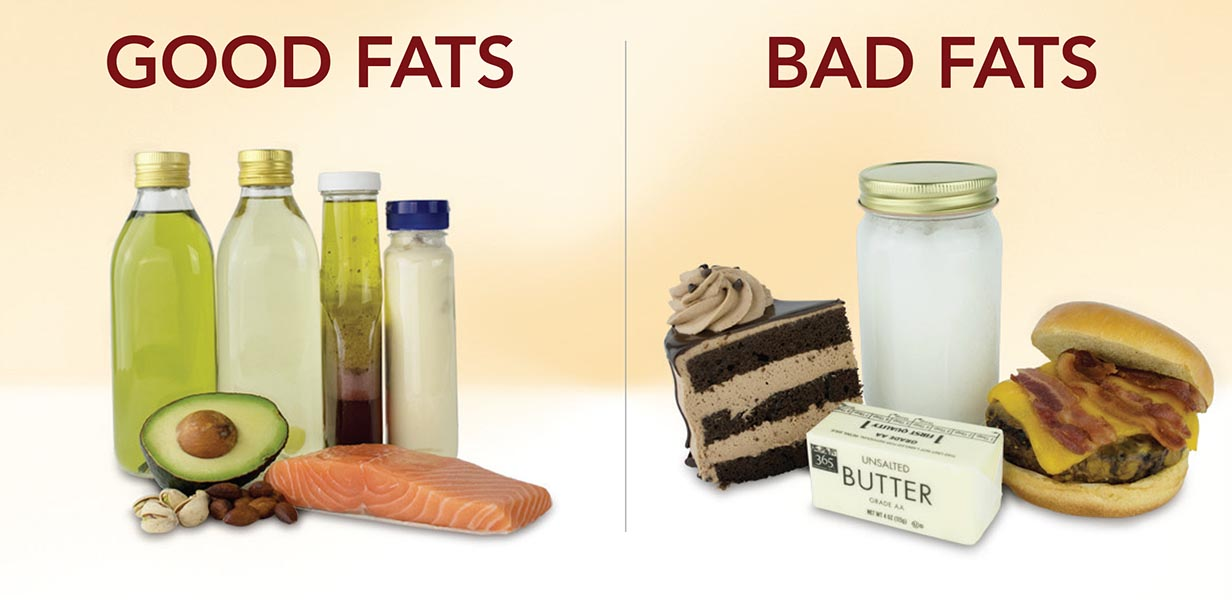
Nutritional information has been evolving and accessible for decades, but we need to look to many diverse sources to find the most accurate information for any particular topic. Particular fats such as saturated, mono-saturated and polyunsaturated fats, all have specific health benefits when consumed in moderation. Saturated fats contain cholesterol that the cells within our bodies rely upon for structure and barriers.1 Over the last few decades, trans fats have been known to mostly have little or no positive health benefits.
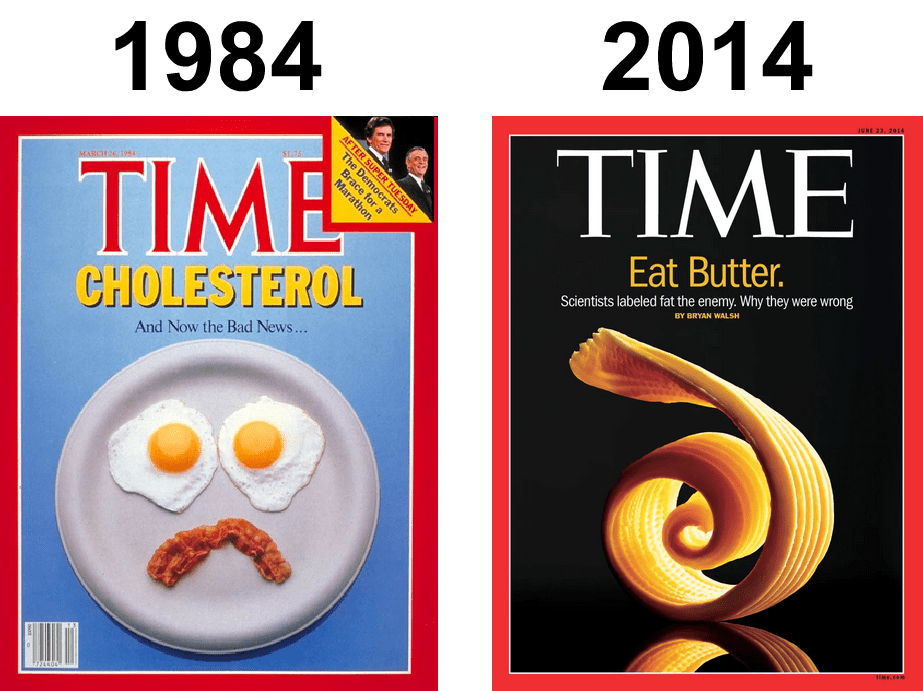
I think it so very important that we seek education in our personal nutrition as to become more aware of exactly what we are putting into our bodies. Over the last decades, consumers have relied upon the scientific and medical industries to inform the general public about what is healthy or unhealthy to consume. Depending on the source of the information, fat and consequently cholesterol are possibly the source of all of our health-related issues or the cure to all that ails us.1 Perhaps the truth lies somewhere in between and realizing that we as humans do need specific fats in our diet, albeit in moderation. Additionally, what may be deemed as healthy or beneficial for someone, may not be for another. Everyone has their own health constitution relative to genetics, lifestyle, environment, and maybe other components.
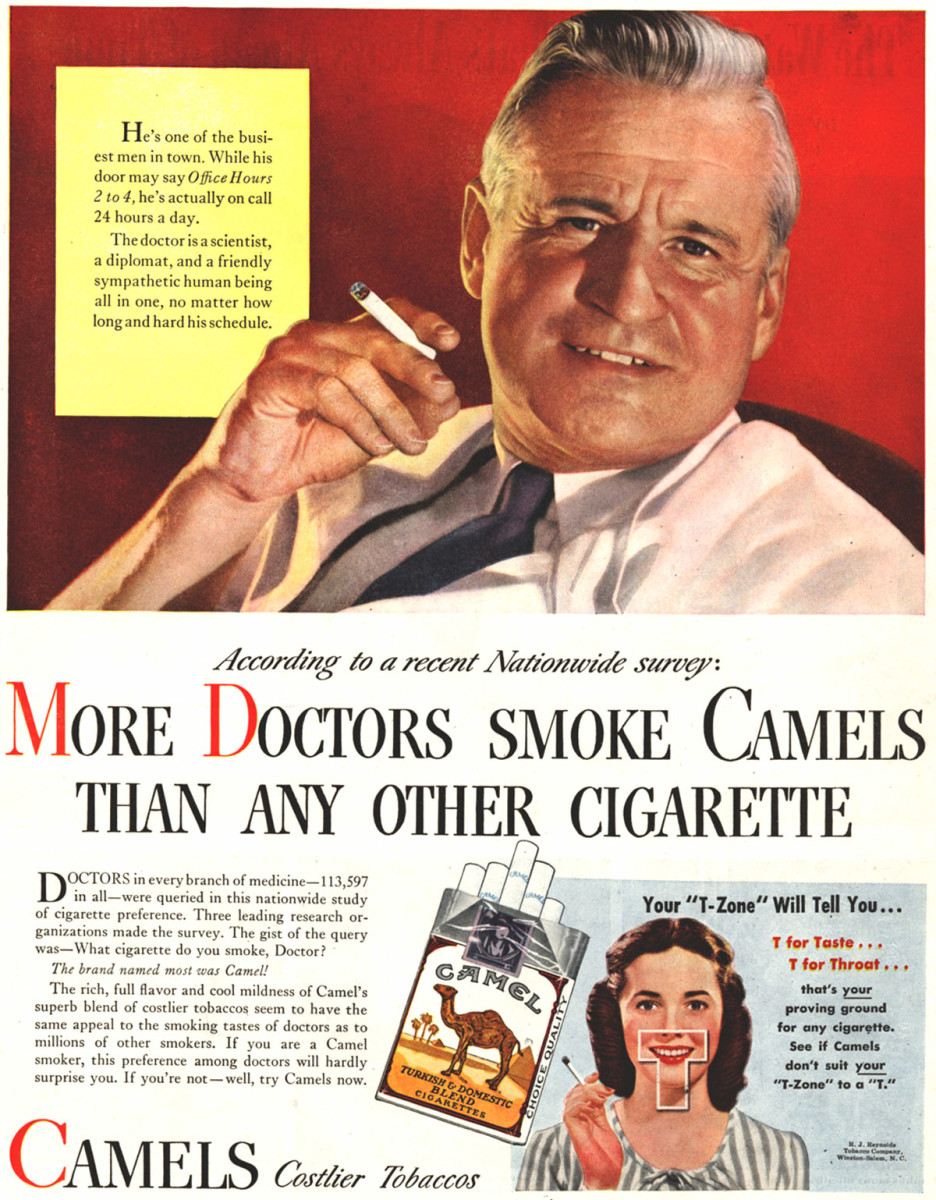
We have seen phases or trends in US health culture evolve over time. We can rationalize this by realizing that science has continuously been evolving and data has become more accurate due to many technological advances since the early part of the 20th century. Unfortunately, many of the trends have been affected by big corporations and associations that have the vast resources to sway not only the medical and science communities but also the public as well. Cigarettes were promoted by doctors, then they were not but the FDA still regulates and allows their detrimental usage.2 Coffee and its ingredient of caffeine seems to ebb and flow ever year between being good or bad for us. 3 A few decades ago, eggs and beef where demonized as having little positive health benefits to outweigh their negative effects such as high cholesterol and relative higher risk of heart disease from high consumption.
In the 70’s a diet filled with eggs, bacon, beef, salt and sugar was desired as it was a symbol of social status to be able to afford these items and provide for one’s family. I think this was a side effect of my parent’s having grown up during the Great Depression, where jobs and food were somewhat limited. When I was a teen back in the 80’s, I saw the beginning of the shift from the eggs, bacon and pancake breakfast and steak and potatoes dinners to an awareness that these foods were high in fat and relative cholesterol. With my own pursuit of better health and well-being, I have found that nutrition is highly relative to the individual’s lifestyle choices and awareness that even seemingly healthy foods may not be so much, especially if they have been heavily processed, have pesticides or other chemicals added to them. So I read labels more and consume in moderation.
Be more active, eat healthier, sleep better, stress less these are the key components to maintaining a strong immune system.
I am currently offering lectures and classes for group, small group & private instruction in Wekiva, Longwood and Winter Park.Mind and Body Exercises on Google: https://posts.gle/aD47Qo
“Killing Us Sweetly: How to Take Industry out of the FDA”
“For more than a century, the Food and Drug Administration has claimed to protect the public health. During that time, it has actually been placing corporate profits above consumer safety. Nowhere is this corruption more evident than in the approval of artificial sweeteners. FDA leaders’ close ties to the very industry they were supposed to be regulating present a startling picture. Ignoring warnings from both independent scientists and their own review panels, FDA decision makers let greed guide their actions. They approved carcinogenic sweeteners such as saccharin, aspartame, and sucralose while simultaneously banning the natural herb stevia because it would cut into industry profits. This Article proposes two reforms that can end these corrupt practices and take industry out of the FDA. By strengthening conflict of interest regulations and preventing companies from participating in safety trials, the FDA will be able to gain the independence it needs in order to regulate the food and drug industries.”
Good essay to read if your are concerned about what you put into your body.Iuliano, J. (2021). Killing Us Sweetly: How to Take Industry out of the FDA. Journal of Food Law & Policy, 6(1). Retrieved from https://scholarworks.uark.edu/jflp/vol6/iss1/4













 United Martial Arts Association