Health and Wellness Issues Have Worsened in Recent Decades

People in the US are experiencing many mental and physical diseases, ailments, and chronic conditions that were not nearly as prominent in years past. Many diseases and issues previously experienced by adults, are now seen in children. Some experts believe there is a definite link between our food, lack of physical activity, chemicals, other lifestyle choices, and the state of poor health in the US.

https://www.ncoa.org/article/the-top-10-most-common-chronic-conditions-in-older-adults/

General Prevalence:

  • Approximately 60 million adults (23.08%) in the U.S. experienced a mental illness in the past year, and nearly 13 million adults (5.04%) reported serious thoughts of suicide ​NAMIMental Health America.
  • Among youth aged 12-17, one in five experienced at least one major depressive episode, with over 56% not receiving any treatment ​Mental Health America.

Specific Disorders:

  • Anxiety Disorders: Affect 19.1% of U.S. adults ​NAMI.
  • Major Depressive Disorder: Approximately 8.3% of adults experience a major depressive episode ​NAMI.
  • Bipolar Disorder: Affects about 2.8% of the population ​NAMI.
  • Substance Use Disorders:
  • Over 45 million adults (17.82%) and 2.3 million youth (8.95%) are experiencing substance use disorders Mental Health America.

Barriers to Treatment:

  • The ratio of people to mental health providers is concerning, with around 340 individuals for every provider in many areas ​Mental Health America.
  1. Chronic Conditions:
    • Obesity: Over 42% of U.S. adults are classified as obese​ National Institute of Mental Health. This condition is linked to various other health issues, including diabetes and heart disease.
    • Cardiovascular Diseases: Conditions like hypertension and heart disease remain prevalent, contributing to high morbidity and mortality rates ​National Institute of Mental Health.
  2. Diabetes:
  3. Respiratory Conditions:
  4. Musculoskeletal Disorders:
  1. Prevalence of Mental Health Conditions:
    • Approximately 1 in 5 children (19%) aged 3-17 years has a diagnosed mental, emotional, or behavioral disorder ​CDCNAMI.
    • Mental health issues, including anxiety and depression, are particularly prominent, with anxiety disorders affecting 9.4% and major depressive episodes affecting 7.8% of this age group​PediatricsAmerican Psychological Association.
    • Developmental Disorders: Conditions such as ADHD and autism spectrum disorder are becoming more commonly diagnosed. Approximately 9.4% of children aged 2-17 have been diagnosed with ADHD, while around 1 in 36 children are diagnosed with autism​ HHS.govCDC.
  2. Suicidal Thoughts and Behaviors:
    • In 2023, 29% of high school students reported experiencing persistent feelings of sadness or hopelessness, and 14% reported seriously considering suicide​ CDCPediatrics.
    • Among LGBTQ+ youth, rates of suicidal ideation are alarmingly high, with 20% having attempted suicide ​CDCAmerican Psychological Association.
  3. Impact of Socioeconomic Factors:
    • Factors such as food insecurity, housing instability, and exposure to community violence contribute significantly to mental health challenges ​PediatricsAmerican Psychological Association. Structural racism also plays a critical role, particularly affecting Indigenous and Black children, who face higher rates of mental health issues and trauma ​Pediatrics.
  4. Access to Treatment:
    • Despite the high prevalence of mental health conditions, many children lack access to necessary care. For instance, 50.6% of youth aged 6-17 with mental health disorders received treatment​NAMI. There are significant disparities based on socioeconomic status and race​ PediatricsAmerican Psychological Association.
  5. Improvements and Challenges:
    • Some improvements have been noted recently, such as a decrease in persistent sadness among students overall, but increases in experiences of bullying and school safety concerns have been observed ​CDC. The ongoing challenges underscore the need for more comprehensive support systems in schools and communities ​PediatricsNAMI.
  1. Obesity: Childhood obesity is a significant concern, affecting approximately 19.7% of children aged 2 to 19 years as of 2020. This prevalence is higher among Hispanic (26.2%) and Black (24.8%) children compared to their White (16.6%) and Asian (9.0%) counterparts​ CDC. The annual medical costs related to obesity for U.S. children is estimated to be $1.3 billion CDC.
  2. Asthma: Approximately 7.5% of children in the U.S. have asthma, making it one of the most common chronic respiratory diseases. Asthma rates have been shown to vary with socioeconomic status, with children from lower-income families more likely to be affected​ CDC.
  3. Allergies: Allergic conditions, including food allergies and allergic rhinitis (hay fever), are prevalent among children. It’s estimated that 8% of children have food allergies, with increases seen in recent years​ CDC.
  4. Diabetes: The prevalence of diagnosed diabetes (both Type 1 and Type 2) among children is around 1.5%. There has been a notable increase in Type 2 diabetes, attributed to rising obesity rates​ CDC.
  5. Sleep Disorders: Conditions such as sleep apnea affect an estimated 2% to 5% of children, often linked to obesity and resulting in various physical and mental health issues​ CDC.
  6. Vision and Hearing Impairments: Around 5% of children have some form of visual impairment, while 1.4% experience hearing loss​ CDC.
  7. Injuries: Unintentional injuries remain a leading cause of morbidity among children, with thousands of emergency department visits annually related to accidents​ CDC.

The combined rise in mental health issues and chronic physical conditions points to a pressing health crisis in the U.S. The COVID-19 pandemic has exacerbated these challenges, leading to increased stress, anxiety, and social isolation, which further complicate access to care and treatment​

Mental Health America. It’s crucial for healthcare systems and policymakers to address these issues, focusing on improving access to mental health resources and integrating physical health strategies to support overall well-being.

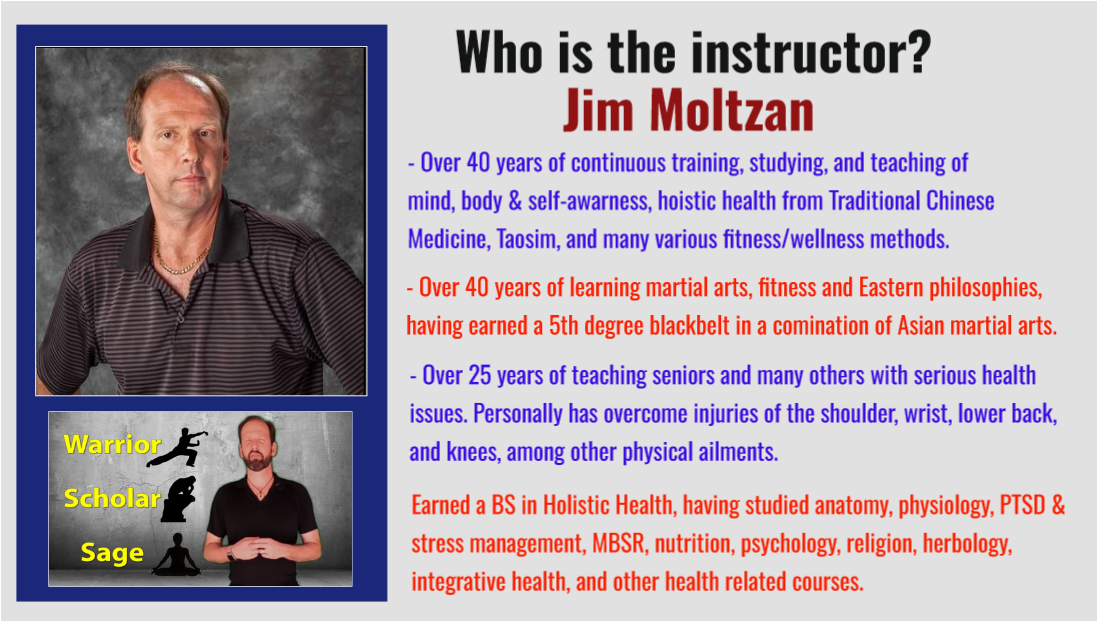
I teach and offer lectures about holistic health, physical fitness, stress management, human behavior, meditation, phytotherapy (herbs), music for healing, self-massage (acupressure), Daoyin (yoga), qigong, tai chi, and baguazhang.

Please contact me if you, your business, organization, or group might be interested in hosting me to speak on a wide range of topics related to better health, fitness, and well-being.

I look forward to further sharing my message by partnering with hospitals, wellness centers, VA centers, schools on all levels, businesses, and individuals who see the value in building a stronger nation through a healthier population.

I also have hundreds of FREE education video classes, lectures, and seminars available on my YouTube channel at:

https://www.youtube.com/c/MindandBodyExercises

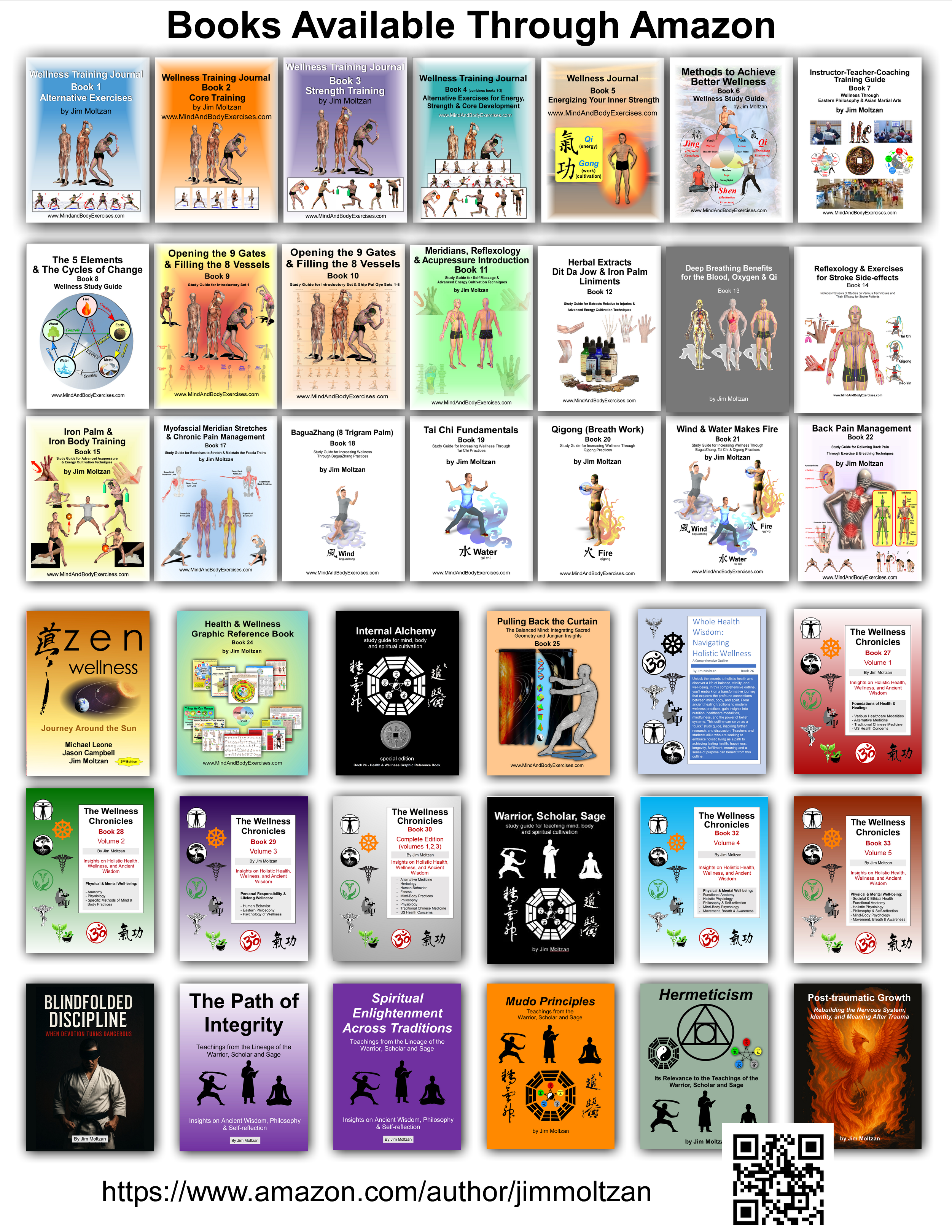
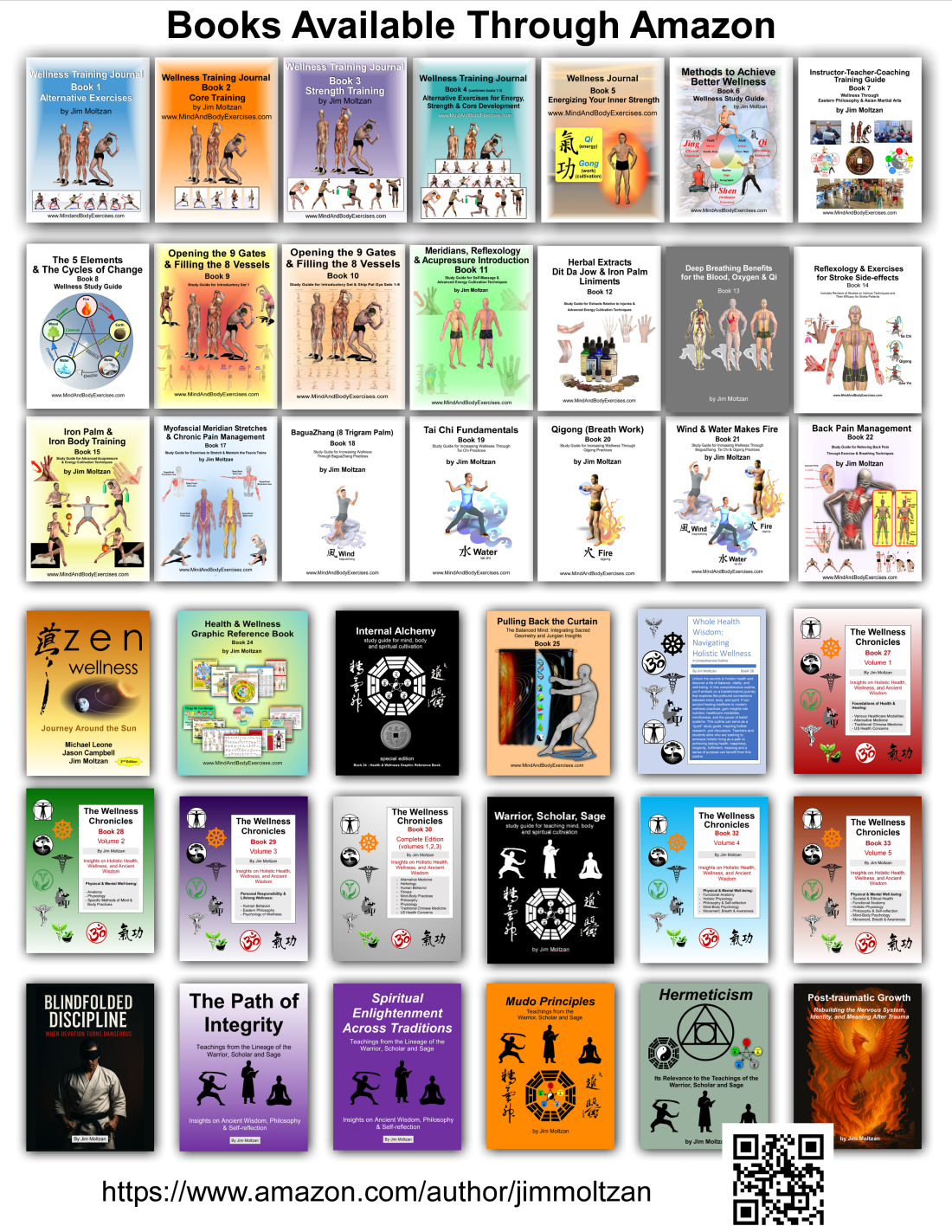
Many of my publications can be found on Amazon at:

http://www.Amazon.com/author/jimmoltzan

My holistic health blog is available at:

https://mindandbodyexercises.wordpress.com/

http://www.MindAndBodyExercises.com

Mind and Body Exercises on Google: https://posts.gle/aD47Qo

Jim Moltzan

US Youth Experiencing Adult Health Issues at Earlier Ages

Here are some summaries of factors that are leading the US younger population to be experiencing major health issues of obesity, diabetes, anxiety, depression, suicide, and other issues, typically considered as adult issues in years past:

Obesity

  • Childhood obesity is a serious and growing problem in the United States. It affects almost 20% of children and teens ages 2 to 19.
  • Increased consumption of processed foods and sugary drinks: The rise of fast food, sugary drinks, and processed snacks has contributed to a significant increase in calorie intake and a decrease in nutrient intake among young people.
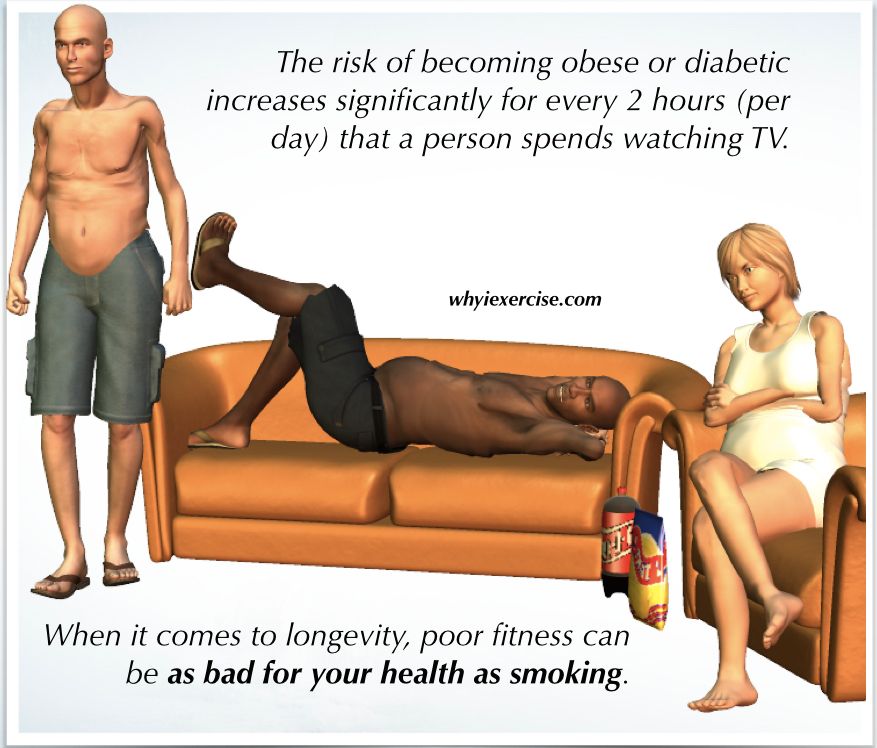
  • Decreased physical activity: The increased prevalence of sedentary lifestyles, due to factors such as television, video games, and computer use, has led to a decrease in physical activity among young people.
  • Marketing of unhealthy foods: Children and adolescents are bombarded with advertisements for unhealthy foods, which can influence their dietary choices.
(Joyner, 2023)

Diabetes

  • Genetic predisposition: Type 2 diabetes has a strong genetic component, and a family history of the disease increases the risk of developing it.
  • Obesity: Obesity is a major risk factor for type 2 diabetes.
  • Unhealthy diet: A diet that is high in processed foods, sugary drinks, and red meat can increase the risk of developing type 2 diabetes.
  • Lack of physical activity: Physical activity helps to control blood sugar levels and can reduce the risk of developing type 2 diabetes.

Anxiety and depression

  • Increased academic pressure: Young people today face a lot of pressure to succeed in school, which can lead to stress and anxiety.
  • Social media: Social media can be a source of both positive and negative social interactions. For some young people, social media can lead to feelings of isolation, inadequacy, and anxiety.
  • Cyberbullying: Cyberbullying is a growing problem that can have a serious impact on the mental health of young people.
  • Fear of violence: Young people today are more likely to be exposed to violence, both in their communities and in the media. This exposure can lead to feelings of fear, anxiety, and stress.

Suicide

  • Mental health disorders: Mental health disorders are a major risk factor for suicide.
  • Substance abuse: Substance abuse is another major risk factor for suicide.
  • Exposure to violence: Young people who are exposed to violence are more likely to attempt suicide.
  • Lack of access to mental health care: Many young people who need mental health care do not receive it, which can increase their risk of suicide.

Other issues

  • Sleep deprivation: Young people today are more likely to be sleep deprived, which can lead to a variety of health problems, including obesity, diabetes, anxiety, and depression.
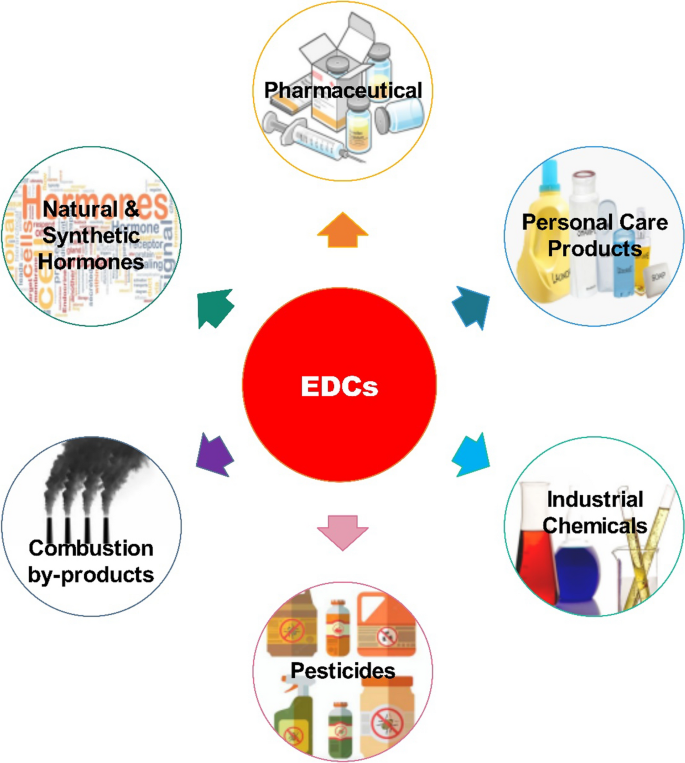
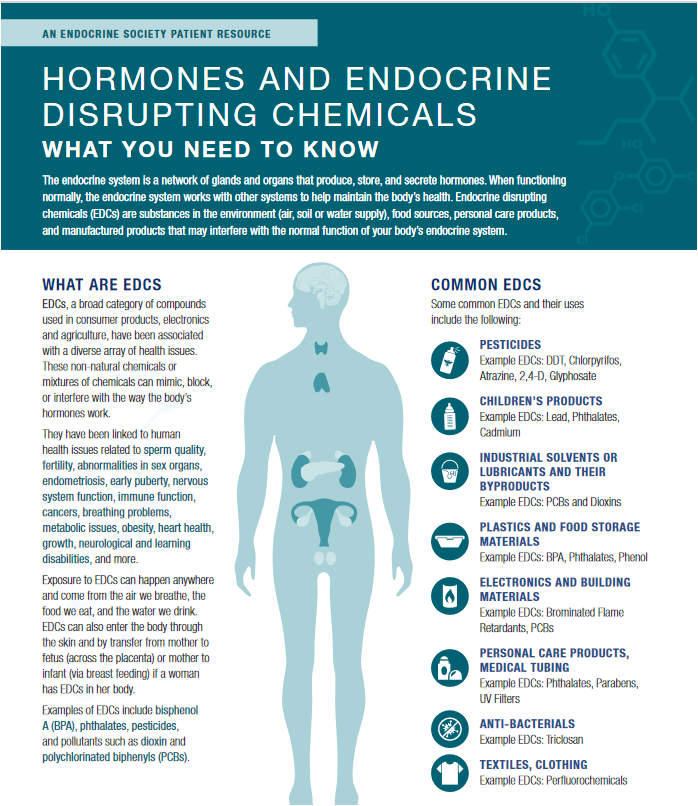
  • Exposure to environmental toxins: Young people are more likely to be exposed to environmental toxins, such as lead and air pollution, which can have a negative impact on their health.
  • Lack of access to healthy food: Many young people do not have access to healthy food, which can lead to a variety of health problems, including obesity, diabetes, and heart disease.

These are just some of the factors that are leading the US younger population to be experiencing major health issues. It is important to address these issues to promote the health and well-being of young people. I think that we are way past thinking and talking about these issues as maybe being a concern, and rather look at them as a harbinger of what is soon to come. More doing and less pondering. Just below is the link to my YouTube video, introducing a strategy to help address this issue of combating youth mental and physical decline:

References:

Infographics | DASH | CDC. (n.d.). https://www.cdc.gov/healthyyouth/multimedia/infographics_posters/infographics.htm

Covert, D., & Fraire, M. G. (2019). The role of anxiety for youth experiencing suicide-related behaviors. Children’s Health Care, 48(4), 351–371. https://doi.org/10.1080/02739615.2019.1630284

Chen, M., Padmapriya, N., Chua, X. H., Escobosa, L. L. T., Tay, A. E., Tai, B. C., Petrunoff, N., & Müller-Riemenschneider, F. (2024). Screen viewing patterns and their association with mental wellbeing and psychological distress: a cross-sectional study amongst university students. BMC Public Health, 24(1), 1–12. https://doi.org/10.1186/s12889-024-19608-1

Dalton, E. D., Hammen, C. L., Brennan, P. A., & Najman, J. M. (2016). Pathways maintaining physical health problems from childhood to young adulthood: The role of stress and mood. Psychology & health31(11), 1255–1271. https://doi.org/10.1080/08870446.2016.1204448

Jones, L. C., Mrug, S., Elliott, M. N., Toomey, S. L., Tortolero, S., & Schuster, M. A. (2017). Chronic Physical Health Conditions and Emotional Problems From Early Adolescence Through Midadolescence. Academic pediatrics17(6), 649–655. https://doi.org/10.1016/j.acap.2017.02.002

Joyner, J. (2023, December 9). CDC updates tool to help treat childhood obesity. Healthnews. https://healthnews.com/news/cdc-updates-tool-to-help-treat-childhood-obesity/

Scheiner, C., Grashoff, J., Kleindienst, N., & Buerger, A. (2022). Mental disorders at the beginning of adolescence: Prevalence estimates in a sample aged 11-14 years. Public health in practice (Oxford, England)4, 100348. https://doi.org/10.1016/j.puhip.2022.100348

I teach and offer lectures about holistic health, physical fitness, stress management, human behavior, meditation, phytotherapy (herbs), music for healing, self-massage (acupressure), Daoyin (yoga), qigong, tai chi, and baguazhang.

Please contact me if you, your business, organization, or group, might be interested in hosting me to speak on a wide spectrum of topics relative to better health, fitness, and well-being.

I look forward to further sharing more of my message by partnering with hospitals, wellness centers, VA centers, schools on all levels, businesses, and individuals who see the value in building a stronger nation through building a healthier population.

I also have hundreds of FREE education video classes, lectures, and seminars available on my YouTube channel at:

https://www.youtube.com/c/MindandBodyExercises

Many of my publications can be found on Amazon at:

http://www.Amazon.com/author/jimmoltzan

My holistic health blog is available at:

https://mindandbodyexercises.wordpress.com/

http://www.MindAndBodyExercises.com

Mind and Body Exercises on Google: https://posts.gle/aD47Qo

Jim Moltzan

407-234-0119

Most Have Choices, but Don’t Like the Options

Often people feel that they have no choices regarding their own health. This is true for some people, but mostly I see people having choices that they don’t like. An individual may have little control or lose their ability to take personal responsibility for their own health, due to that individual’s unique set of circumstances. Children are often subject to the habits and actions of their parents until they learn about nutrition, fitness, and wellness. Those who suffer from mental illness or are injured may be unable to take control of their own health, where others or government agencies are needed to intervene. Those in prisons are also not really in much control of what they consume, physical activity, and violence that may affect their health and well-being. Some individuals have their own unique socioeconomic factors that may affect or lead to their inability to have proper nutrition or access to healthcare and fitness options. I think this is where society needs to make a distinction between providing help to those who cannot take care of themselves and those who choose not to take care of themselves.

We live in a time where behavior contradictions abound. Such as taking the time and effort to buy and prepare their own foods of a healthier variety; fast food is often cheaper and tastes better they may justify. Or people will have no budget for nutritious foods or a gym membership but will visit Starbucks daily for $5.00+ sugar-loaded coffee drinks. Despite this current mentality, some with little resources still may find time to walk, run, swim, practice calisthenics, or watch free YouTube exercise classes for almost every type of exercise method. These options are available for free, but many choose not to exercise or pursue a healthy diet. We as a society need to get past looking at health and well-being as a luxury, privilege, or commodity. Rather we can see health, fitness, and wellness as basic life skills that need to be taught at the grade school level, so we can become a better nation. Become healthy.

From a holistic health point of view, everything influences and affects healthy or unhealthy behaviors. What we think, what we eat, and how we move, are what I see as the root components of our health and wellbeing. Everything else basically branches off from these factors. If I must pick one aspect of behavior that is most important, I will highlight personal responsibility. Over many decades, our American society has gradually eroded from people feeling and being responsible for their own health and well-being, to that where many people feel that it is the government, their doctors, their employers, and everyone else’s responsibility to keep the individual healthy.  The state of Vermont has implemented a program called the Vermont 3-4-50, which offers the potential for people to become more self-empowered to seek out the resources to become better educated regarding better nutrition, physical activity, and mental health (HealthVermont, 2019). The program seems to be based on politicians, employers, and schools all promoting the program. The key component here is that schools need to play a major role in teaching the youth how to live a healthy lifestyle. It is so cliché, but the youth of today are indeed the leaders of tomorrow. There has been much media attention in the last year on how the recent generation, or Gen Z, is now being labeled as the “anxious” or “depressed” generation. This program and mindset are exactly what is needed not just for Gen Z but for people of all ages. Hopefully, the 3-4-50 program can spread more awareness and become implemented on a national level.  

Make good choices. Be wise in your decisions, as your life and those you care about are most affected by your thoughts and actions.

Reference: HealthVermont. (2019, July 1). 3-4-50 Vermont: Standing together to reduce chronic disease [Video]. YouTube. https://www.youtube.com/watch?v=GGlv0aC86HU

I teach and offer lectures about holistic health, physical fitness, stress management, human behavior, meditation, phytotherapy (herbs), music for healing, self-massage (acupressure), Daoyin (yoga), qigong, tai chi, and baguazhang.

Please contact me if you, your business, organization, or group, might be interested in hosting me to speak on a wide spectrum of topics relative to better health, fitness, and well-being.

I look forward to further sharing more of my message by partnering with hospitals, wellness centers, VA centers, schools on all levels, businesses, and individuals who see the value in building a stronger nation through building a healthier population.

I also have hundreds of FREE education video classes, lectures, and seminars available on my YouTube channel at:

https://www.youtube.com/c/MindandBodyExercises

Many of my publications can be found on Amazon at:

http://www.Amazon.com/author/jimmoltzan

My holistic health blog is available at:

https://mindandbodyexercises.wordpress.com/

http://www.MindAndBodyExercises.com

Mind and Body Exercises on Google: https://posts.gle/aD47Qo

Jim Moltzan

407-234-0119

An Ultra-Processed Diet – we truly “are what we eat”

Most of us were taught a very long time ago, that we truly “are what we eat.” Well here we are decades later and it is quite evident what our population has been eating. Specifically, junk and crap foods that have helped to lead our people to have:

  • Nearly 1 in 3 adults (30.7%) are overweight.
  • More than 1 in 3 men (34.1%) and more than 1 in 4 women (27.5%) are overweight.
  • More than 2 in 5 adults (42.4%) have obesity (including severe obesity).
  • About 1 in 11 adults (9.2%) have severe obesity.
  • Nearly 40% of all adults over the age of 20 in the U.S. – about 93.3 million people – are currently obese.
  • Every state in the U.S. has more than 20% of adults with obesity.
  • The U.S. adult obesity rate stands at 42.4 percent, the first time the national rate has passed the 40 percent mark.
    https://www.niddk.nih.gov/health-information/health-statistics/overweight-obesity

And let’s also note the other issues of:

Maybe now is the right time to re-evaluate what we are putting into our bodies, and more importantly what kids are eating today will determine what type of health they will have later as adults. Plant good seeds, not weeds.

Be well, Get healthy, Be wise.

_________________

I teach and offer lectures about holistic health, qigong, tai chi, baguazhang, meditation, phytotherapy (herbs), music for healing, self-massage, and yoga. I also have hundreds of FREE education video classes, lectures and seminars available on my YouTube channel at:

https://www.youtube.com/c/MindandBodyExercises

www.MindAndBodyExercises.com

www.Amazon.com/author/jimmoltzan

Mind and Body Exercises on Google: https://posts.gle/aD47Qo

Jim Moltzan

407-234-0119

Food Label Ambiguity

Labeling on foods can often be misleading, vague, or complicated for the uninformed. I feel that this is a way that food companies can be dishonest by perhaps changing the serving size to be half the portion, making it seem that the fat content is half as much. Food labeling can be like a shell game where if you don’t pay attention to the wording and amounts, it is easy to believe whatever the food companies wish one to believe in order to purchase their products.

It appears to me that the US government (FDA) that regulates the food companies, have more rights than the consumers buying their products. Unless one becomes well versed in the product labeling, which most people are not in my opinion, it is very easy to think that we are purchasing and ultimately consuming healthy food products where in reality we are not.

I am in favor of total transparency on food labeling, as to what the nutritional values are, what actual ingredients are included naturally and what is chemically added in the process of preparing for resale. Then let the consumer decide for themselves if they want to purchase a product that is loaded with whatever additives or preservatives. There is a reason why the shelf life for some processed foods is literally years. Why would I think otherwise that these same chemicals would not end up “preserving” something within my body that should not be preserved?

I have a relative who is a food chemist. Years back he shared with me that one of the most common food colorings, called carmine is a natural red dye also labeled as cochineal extract, E120 or natural red 4, that comes from the female cochineal bug. Even if crushed bugs are not toxic, I think consumers should be able to find this fact more easily than having to research every ingredient for alternative names.

I read food labels constantly when I shop. I choose to monitor how much sodium and other additives are in foods that I purchase and prepare. Anything frozen, processed, prepared in advance or in a can are often the worst for us as they are at least loaded with salt as a natural preservative and often other chemicals to add shelf life. I have dabbled in the organic food labels also. These can be misleading also as there are various classifications for what can be considered as organic. One really has to take the self-responsibility to pursue the due diligence if one wants to better manage what they consume.

References:

https://recipes.howstuffworks.com/food-science/carmine.htm

https://www.usda.gov/media/blog/2012/03/22/organic-101-what-usda-organic-label-means?page=1

I write often about topics that affect our health and well-being. Additionally, I teach and offer lecture about qigong, tai chi, baguazhang, and yoga. I also have hundreds of FREE education video classes, lectures and seminars available on my YouTube channel at:

https://www.youtube.com/c/MindandBodyExercises

Mind and Body Exercises on Google: https://posts.gle/aD47Qo

Jim Moltzan

407-234-0119

www.MindAndBodyExercises.com

www.Amazon.com/author/jimmoltzan