Flu Season is Really Vitamin D Deficiency Season

Yes, it is that time of year again. Become educated, become healthy and be in control of your health and well-being. Nobody else will care more about YOUR health than YOU!

Temperatures drop. People stay inside. Many wear more layers of clothing to stay warm. Those in warmer climates cover their skin to avoid too much sun exposure. For a big chunk of the year, many people do not receive enough sunlight on their skin to produce their own vitamin D. Nationwide vitamin D deficiency overall prevalence rate is 41.6%, with the highest rate seen in blacks (82.1%), followed by Hispanics (69.2%)2.
https://pubmed.ncbi.nlm.nih.gov/21310306/

Vitamin D is a fat-soluble vitamin that plays a crucial role in several physiological processes, including bone health and immune system function.

Bone Physiology:

  1. Calcium Absorption:
    • Vitamin D is essential for the absorption of calcium from the intestines. Calcium is a critical mineral for bone health, and its absorption is necessary for the development and maintenance of strong and healthy bones.
  2. Bone Mineralization:
    • Vitamin D helps regulate the levels of calcium and phosphorus in the blood, facilitating the mineralization of bone. This process is essential for the formation and maintenance of the bone structure.
  3. Preventing Rickets and Osteomalacia:
    • Severe vitamin D deficiency can lead to conditions such as rickets in children and osteomalacia in adults. These conditions result in weakened and deformed bones due to impaired mineralization.

Immune System:

  1. Immune Cell Function:
    • Vitamin D has been shown to modulate the function of immune cells, including T cells and macrophages. It helps regulate the immune response, promoting the appropriate response to infections while preventing excessive inflammation.
  2. Antimicrobial Properties:
    • Vitamin D has antimicrobial properties and can enhance the production of antimicrobial peptides. These peptides play a role in the body’s defense against various pathogens, including bacteria and viruses.
  3. Autoimmune Diseases:
    • There is evidence suggesting a link between vitamin D deficiency and an increased risk of autoimmune diseases. Adequate vitamin D levels may help modulate the immune system and reduce the risk of autoimmune conditions.

Sources of Vitamin D:

  1. Sun Exposure:
    • The skin can produce vitamin D when exposed to ultraviolet B (UVB) radiation from sunlight. Spending time outdoors and getting sunlight on the skin is a natural way to produce vitamin D.
  2. Dietary Sources:
    • Some foods are good sources of vitamin D, including fatty fish (such as salmon and mackerel), fortified dairy products, fortified cereals, and egg yolks.
  3. Supplements:
    • In cases where it’s challenging to obtain enough vitamin D from sunlight and diet, supplements may be recommended, especially in regions with limited sunlight or for individuals with conditions that affect vitamin D absorption.

Maintaining adequate levels of vitamin D is crucial for both bone health and a well-functioning immune system. It’s important to strike a balance, as both deficiency and excess of vitamin D can have adverse effects on health. If you have concerns about your vitamin D levels, it’s advisable to consult with a healthcare professional for personalized guidance.

_________________

I teach and offer lectures about holistic health, qigong, tai chi, baguazhang, meditation, phytotherapy (herbs), music for healing, self-massage, and yoga. I also have hundreds of FREE education video classes, lectures and seminars available on my YouTube channel at:

https://www.youtube.com/c/MindandBodyExercises

www.MindAndBodyExercises.com

www.Amazon.com/author/jimmoltzan

Mind and Body Exercises on Google: https://posts.gle/aD47Qo

Jim Moltzan

407-234-0119

Whole Heath Wisdom: Navigating Holistic Wellness

Be well, become healthy, become wiser. You are the architect of your health and happiness!

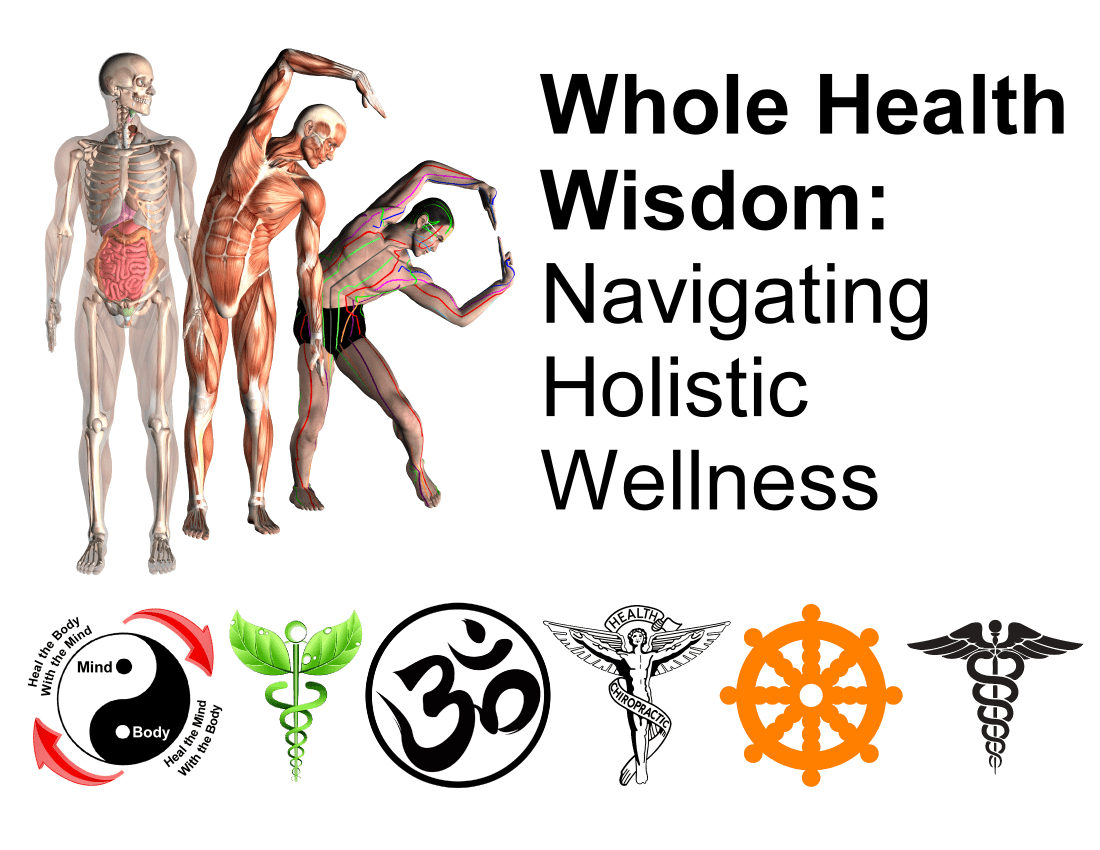
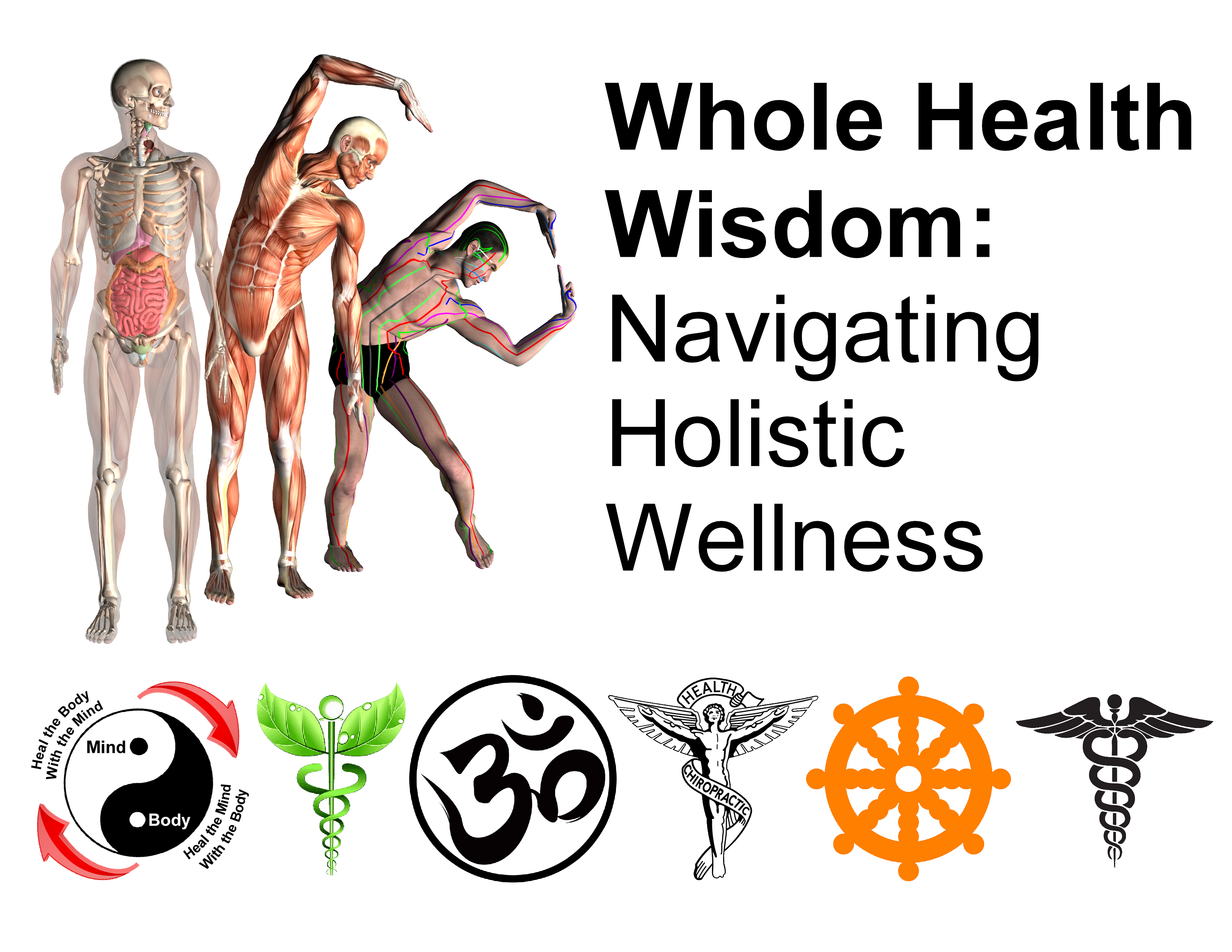
Holistic wellness encompasses not only physical exercises but proper nutrition, social interactions, self-regulation of stress & emotions and many other facets of well-being. Holistic health practices seem like they are something new, sometimes thanks to savvy marketers looking to ride the next wave of healthcare fads. Ironically, many holistic methods have roots deep in Buddhism, Taoism, Ayurveda, Traditional Chinese Medicine and other ancient cultures from around the world. Phytotherapy (herbology), naturopathy, chiropractic and even biomedicine/allopathic medicine owe these origins to the ancients.

So many people in pain and suffering, that don’t need to be. I am looking forward to partnering with more wellness centers, hospitals, VA facilities, schools, other groups and venues that can see the value in promoting mind, body and self-awareness. Most know that we have been in a mental and physical healthcare crisis, for many decades now.

I teach and offer lectures about holistic health, qigong, tai chi, baguazhang, meditation, phytotherapy (herbs), music for healing, self-massage, and yoga. I also have hundreds of FREE education video classes, lectures and seminars available on my YouTube channel at:

https://www.youtube.com/c/MindandBodyExercises

Mind and Body Exercises on Google: https://posts.gle/aD47Qo

Jim Moltzan

407-234-0119

_________

Which “Care” do You Invest Upon?

__________________________________________________________

Tired of being tired?

Low self-esteem, anxiety, depression, PTSD?

Feel tight, weak or unable to enjoy activities that you used to be able to do?

Are you interested in managing stress, improving balance, while learning low-impact strength and flexibility exercises?

Or maybe just get out of the house and meet some new people.

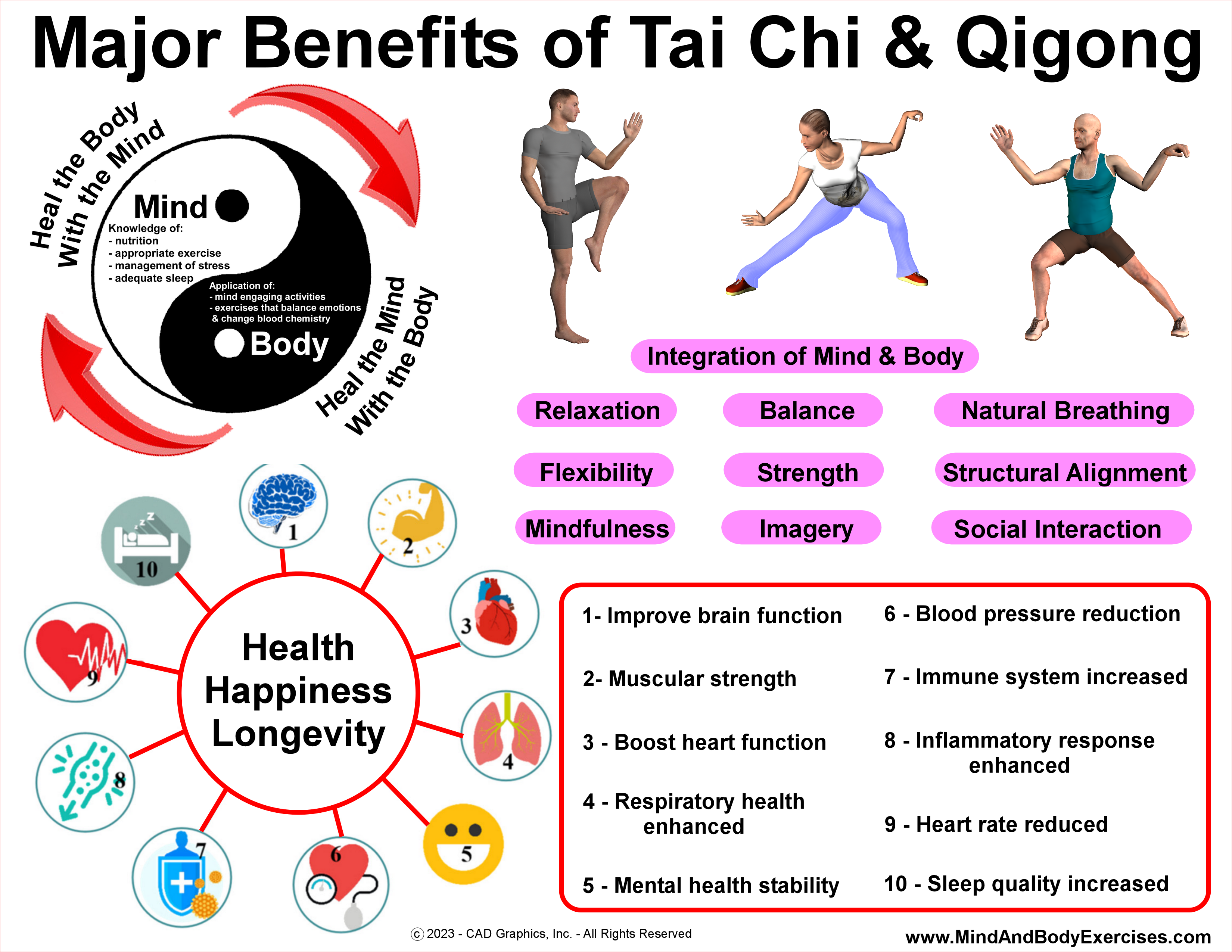
These particular exercises are done standing, and then moving into yoga-like postures called Tai chi and qigong. By aligning the bones and relative joints, muscles become engaged making both the bones and muscles stronger and consequently more stable. Putting focus on one’s physical body is how one can occupy their mind with positive thoughts rather than the typical chaos, confusion and other negative issues that distract us from enjoying life to its fullest.

I teach and offer lecture about qigong, tai chi, baguazhang, and yoga. I also have hundreds of FREE education video classes, lectures and seminars available on my YouTube channel at:

https://www.youtube.com/c/MindandBodyExercises

Mind and Body Exercises on Google: https://posts.gle/aD47Qo

Jim Moltzan

407-234-0119
Contact for times, locations and costs.

www.MindAndBodyExercises.com

www.Amazon.com/author/jimmoltzan

_______________

Migraines – Triggered by Bright Light

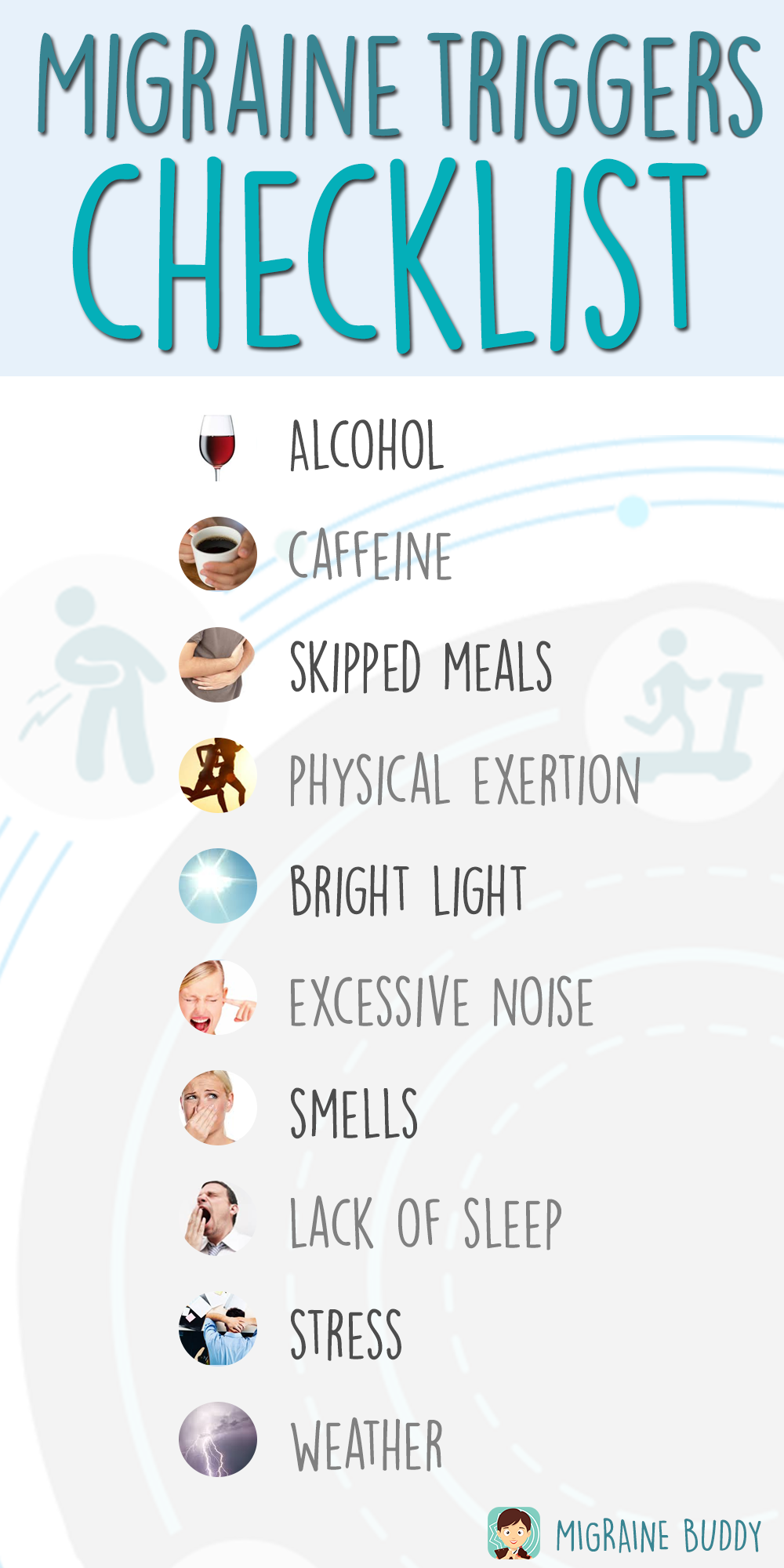
Bright light can be a triggering factor for migraine headaches in some individuals. The underlying physiological mechanisms are not fully understood, but several theories have been proposed to explain this relationship.

One theory suggests that the visual cortex, the part of the brain responsible for processing visual information, becomes hyperexcitable during a migraine attack. Bright light, particularly certain wavelengths such as blue light, can stimulate the visual cortex and lead to an overstimulation of the neurons, triggering a migraine episode.

Another theory focuses on the role of the trigeminal nerve, a major cranial nerve involved in migraine pathology. It is believed that exposure to bright light can cause the trigeminal nerve to release certain neuropeptides, such as calcitonin gene-related peptide (CGRP), which are known to be involved in migraine pain signaling. The release of these substances may trigger inflammation and dilation of blood vessels in the brain, leading to a migraine headache.

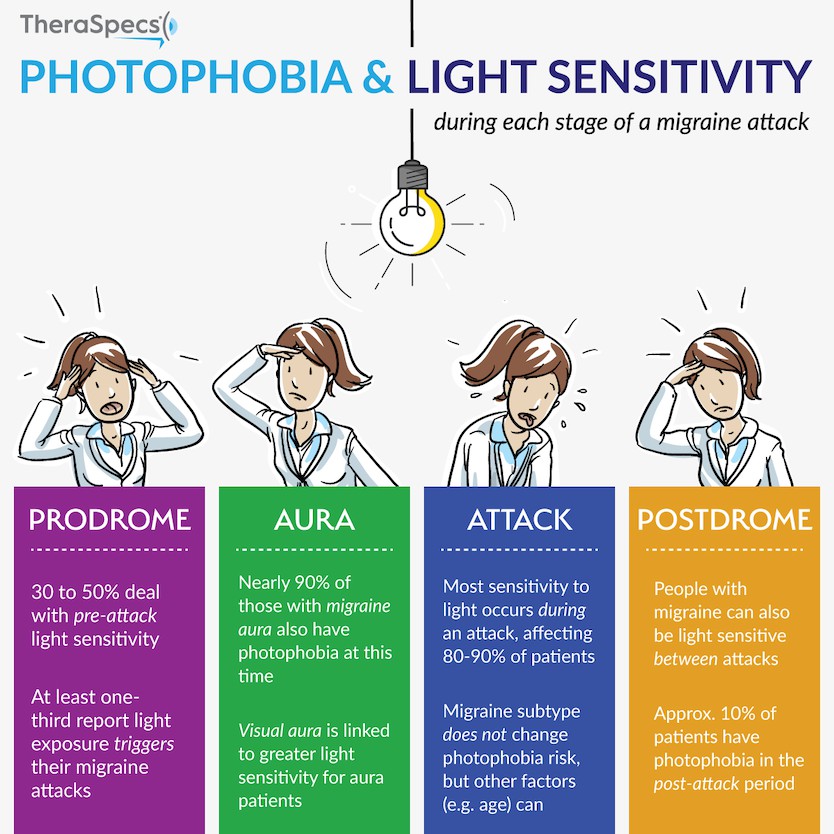
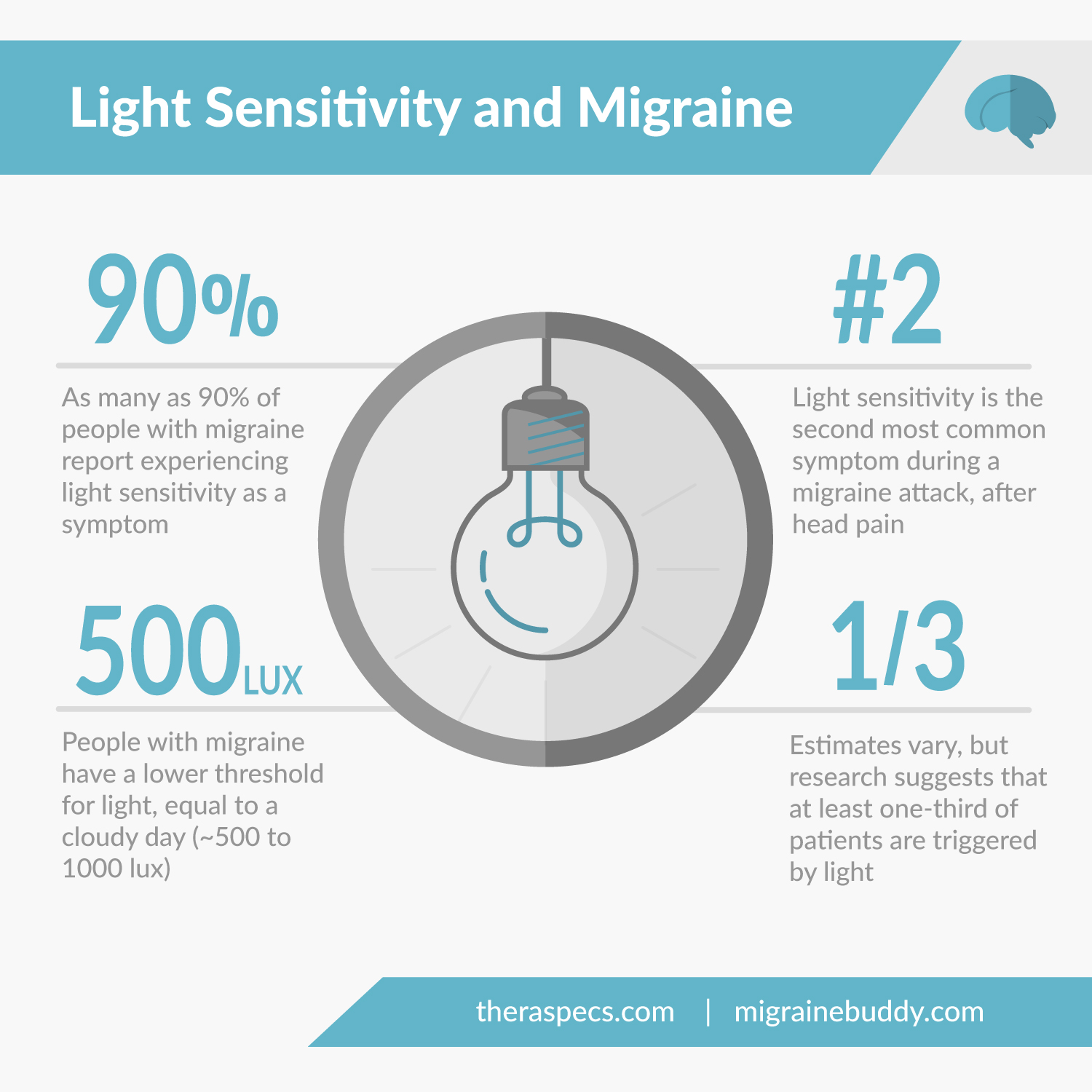
Additionally, people with migraines often have heightened sensitivity to light, a condition known as photophobia. This sensitivity can cause discomfort and pain when exposed to bright light, making it a potential trigger for migraine attacks.

It is important to note that not all individuals with migraines are sensitive to bright light, and triggers can vary widely among individuals. Migraine triggers can also include other factors such as stress, certain foods, hormonal changes, lack of sleep, and environmental factors. Therefore, the relationship between bright light and migraines can be complex and may vary from person to person.

If you experience migraines triggered by bright light, it can be helpful to manage your environment by wearing sunglasses, using tinted lenses, or reducing exposure to bright screens or lights when possible. Consulting with a healthcare professional or a headache specialist can also provide personalized advice and treatment options for managing migraines.

Personally, I have managed headaches for many years varying from migraines, stress-related and triggered from allergies to food and environment. I am not a medical doctor nor claim to be. However, I have found that with the physical and mental practices of qigong/yoga, tai chi, martial arts, meditation and other mind & body practices, I can not only prevent debilitating headaches, but be more self-aware so as not to contribute to the triggering of such ailments. Acupressure has also brought me much benefit for myself as well as my clients as well (see my graphic below).

References:

Bluebird, O. &., & Bluebird, O. &. (2021, May 5). Discovering your migraine triggers with Migraine Buddy – Migraine Buddy. Migraine Buddy – Track Your Headache and Migraine – Find your Triggers and Relief – -Take Control. https://migrainebuddy.com/discovering-your-migraine-triggers-with-migraine-buddy/

Light sensitivity at EVERY stage of a migraine attack. (n.d.). TheraSpecs. https://www.theraspecs.com/blog/light-sensitivity-migraine-attack-stages/

I write often about topics that affect our health and well-being. Additionally, I teach and offer lecture about qigong, tai chi, baguazhang, and yoga. I also have hundreds of FREE education video classes, lectures and seminars available on my YouTube channel at:

https://www.youtube.com/c/MindandBodyExercises

Mind and Body Exercises on Google: https://posts.gle/aD47Qo

Jim Moltzan

407-234-0119
www.MindAndBodyExercises.com

www.Amazon.com/author/jimmoltzan

Unhealthy Healthcare Providers – An Irony That Needs to Change

It is way past the time to take off the blinders and see US healthcare for what it is – SICKCARE

There has been a slow, albeit deliberate evolution of America becoming a cult(ure) of pharmacology as our main healthcare system. Long ago are the days where Americans strived to be well, fit and overall healthy regardless of occasionally becoming sick or ill. Today it is widely acceptable for the majority of people to not really worry about being sick until it happens. And then a trip to the doctor for a prescription is usually the answer instead of making dietary or lifestyle adjustments. With these observations in mind, let’s contemplate the following:

Would you take your car to a mechanic who cannot fix your vehicle?

Trust a dentist who has rotten teeth?

Hire a lawyer with legal problems themselves?

Exercise with a trainer who is not in great shape?

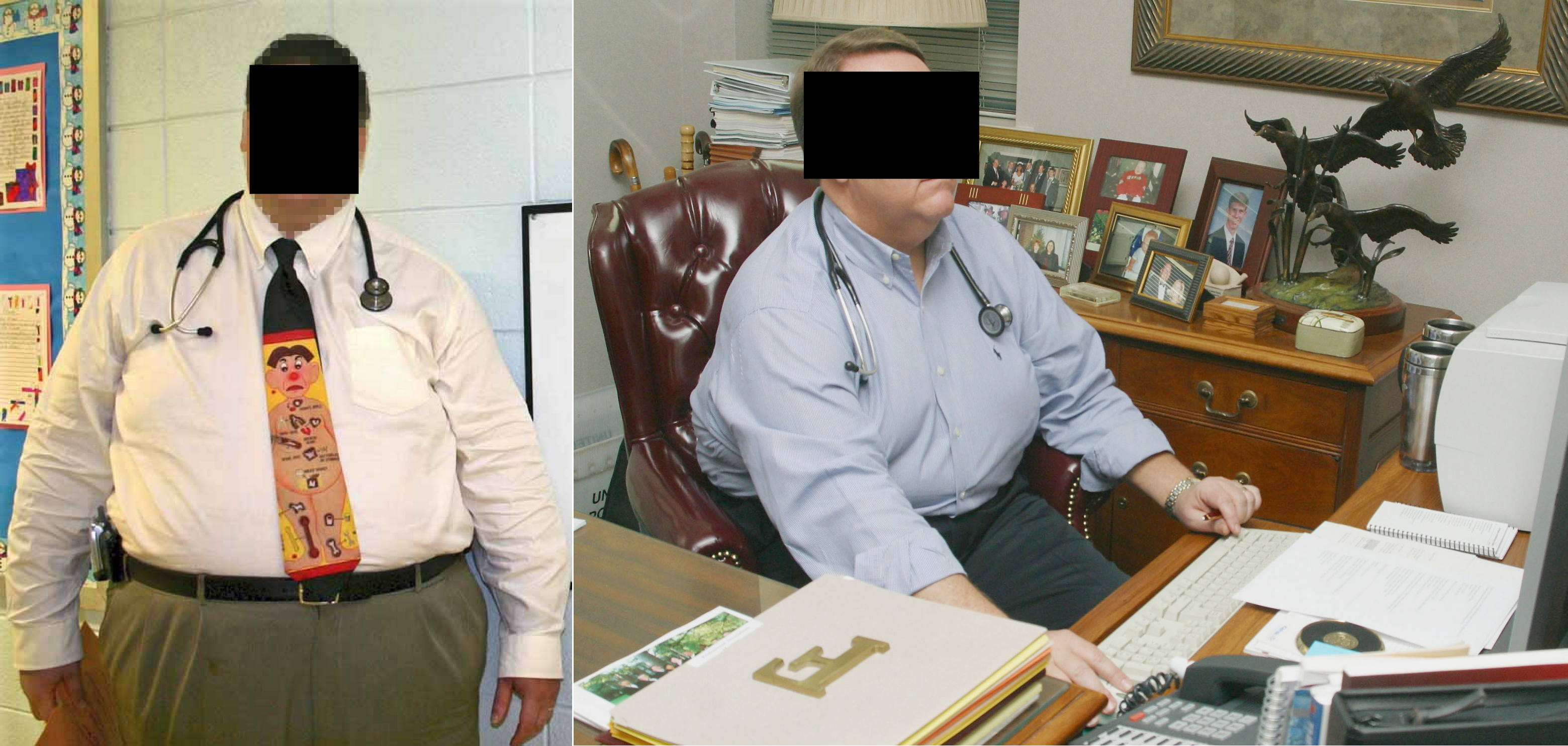
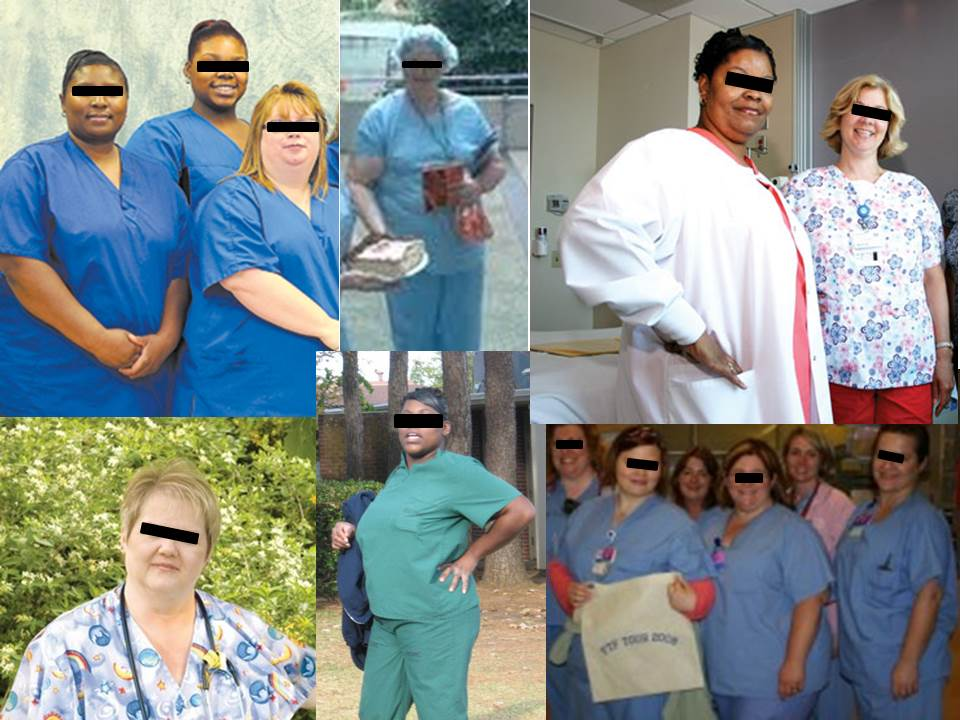
Listen to a healthcare provider who is obviously unhealthy?

Don’t confuse the message. This is not about one particular health issue such as obesity, stress, depression, etc. It is about the mindset that in the US we seem to think that it is fine to not be responsible for being out of shape, sickly, or stressed because we can always rely upon a doctor for pharmaceuticals, surgery and other invasive procedures to fix our lifestyle choices. For immediate physical trauma, I would seek and except help from anyone willing to offer. Other chronic issues, not so much. Many healthcare workers enter the workforce with the intent to help others. Ironically, due to the stress and lifestyle spawned from their professions, many find themselves in the same vicious circle of poor health choices they advise others to avoid. Health care professionals can serve a higher calling or sense of purpose if they were actually striving to be a good example of health and wellness instead of just collecting a paycheck. An inspiration or warning to others, we can all choice what we have to offer regardless of our career path. Physician heal thyself.

The correlation we are observing between healthcare providers in the US and their seemingly poor physical and mental health can be attributed to several factors. It is important to note that while this correlation exists, it does not necessarily apply to every healthcare provider, as individual experiences can vary.

  • Demanding Work Environment: Healthcare providers often work in high-stress and demanding environments, which can take a toll on their physical and mental well-being. Long working hours, irregular shifts, and the pressure to provide quality care to patients can lead to chronic stress and burnout.
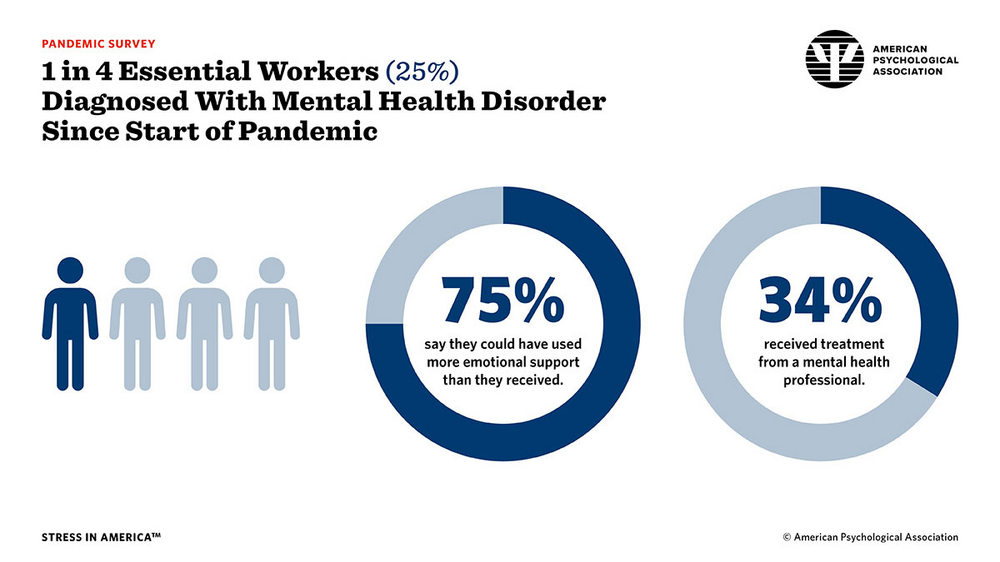
  • Emotional Toll: Healthcare providers frequently deal with emotionally challenging situations, such as witnessing patient suffering, providing end-of-life care, or facing difficult ethical decisions. These experiences can contribute to emotional exhaustion, compassion fatigue, and mental health issues like depression and anxiety.
  • High Workload: The US healthcare system often faces under-staffing and resource constraints, which can result in healthcare providers taking on heavy workloads. This can lead to increased stress levels, fatigue, and limited time for self-care activities.
  • Lack of Support and Recognition: Healthcare providers may not always receive adequate support from their organizations or superiors. Lack of recognition, insufficient resources, and limited opportunities for professional growth can contribute to feelings of frustration and job dissatisfaction.
  • Stigma around Seeking Help: There can be a stigma associated with seeking help for mental health issues among healthcare providers. This stigma, coupled with the pressure to maintain a professional image, may discourage individuals from seeking the support they need.
  • Work-Life Imbalance: The demanding nature of healthcare work can make it challenging for providers to maintain a healthy work-life balance. Long hours, shift work, and irregular schedules can affect their ability to engage in self-care activities, spend time with loved ones, or pursue hobbies, leading to physical and mental health challenges.

Addressing these issues requires systemic changes within the healthcare industry, such as improving working conditions, promoting a culture of self-care and mental health support, and providing resources for healthcare providers to manage stress and prevent burnout. Organizations can play a crucial role in implementing policies that prioritize the well-being of their employees, including access to mental health services and support programs.

Additionally, healthcare providers themselves should be encouraged to prioritize self-care, seek support when needed, and engage in activities that promote their physical and mental well-being. Taking breaks, seeking therapy or counseling, engaging in regular exercise, maintaining social connections, and practicing stress management techniques can all contribute to better overall health.

Read and research some of my referenced links below if you care to delve further into this topic.

References:

One Year On: Unhealthy Weight Gains, Increased Drinking Reported By Americans Coping With Pandemic Stress. (n.d.). NEWS-Line  for Mental Health Professionals. https://www.news-line.com/SY_news30737_One-Year-On:-Unhealthy-Weight-Gains,-Increased-Drinking-Reported-By-Americans-Coping-With-Pandemic-Stress

Can Overweight Docs Really Give Credible Weight Loss Advice? (2021, July 7). WebMD. https://www.webmd.com/diet/news/20210707/overweight-doctors-credible-weight-loss-advice (ARTICLE NO LONGER AVAILABLE)

Reilly, J. M. (2007, March 1). Are Obese Physicians Effective at Providing Healthy Lifestyle Counseling? AAFP. https://www.aafp.org/pubs/afp/issues/2007/0301/p738.html

American Medical Association. (2021, November 5). What doctors wish patients knew about physician burnout. https://www.ama-assn.org/practice-management/physician-health/what-doctors-wish-patients-knew-about-physician-burnout

Battling the bulge — why nurses are prone to obesity. (2017, September 13). Financial Times. https://www.ft.com/content/ab4559ee-371f-11e7-99bd-13beb0903fa3

Shute, N. (2013, June 5). NPR Cookie Consent and Choices. NPR. https://choice.npr.org/index.html?origin=https://www.npr.org/sections/health-shots/2013/06/05/188920874/fat-doctors-make-fat-patients-feel-better-and-worse

Cody, S. (2014, February 25). Where have all the healthy health care workers gone? Rep Man. https://www.repmanblog.com/repman/2014/02/where-have-all-the-healthy-health-care-workers-gone.html

______________

I write often about topics that affect our health and well-being. Additionally, I teach and offer lecture about qigong, tai chi, baguazhang, and yoga.

For more info, contact Jim Moltzan at info@mindandbodyexercises.com, 407-234-0119 or through my site at http://www.mindandbodyexercises.com