How Career and Income Define Respect in American Society

“What do you do for a living?” Isn’t this a typical icebreaker that many Americans use when first meeting someone? For many, this question can carry hidden judgments about education. income and social status. Are you a soldier, a doctor, a lawyer, a judge, a firefighter, a teacher, a law enforcement officer, an athlete, or a celebrity deserving more respect than others due to your level of contributions to society? Or a janitor, garbage collector, starving but aspiring artist, stay-at-home parent, and other professions or callings that maybe don’t garner much respect? Does the retired general or surgeon still expect others to jump to their requests, once they are no longer “in service?” I used to command… I used to manage…

Historically, career choice has often defined an individual’s identity, leading to feelings of invisibility or inadequacy when career titles are lost, changed, or unachieved. This pressure is magnified by America’s long-standing tendency to measure respect towards another based on their socioeconomic status. Psychologist Carl Jung proposed decades ago the concept of personas, which helps to shed light on this behavior. Jung theorized that personas are a type of social mask we wear in society to fulfill various roles that align with expectations for a particular social environment. In the context of the workplace, one’s professional roles become personas that they inhabit. When at home or in other social circles, one’s persona may change to fit the situation, circumstances and environment. The manager at work may also be the caring, understanding but disciplined parent at home. Likewise, the firefighter might also be a great cook or confident to others in need. When people ask, “What do you do?” they’re often asking about the persona or mask you wear in society, expecting a concise answer that reflects status or identity. However, for those in transition such as laid-off workers, retirees, or stay-at-home parents, answering this question can become challenging as their personas shift, blur or dissolve. These individuals may struggle to accept their current selves with their former, socially validated personas, which can lead to psychological issues, such as identity crises and feelings of inadequacy. due to feeling “unmoored” or disconnected from a former identity.

This career-centric perspective, sometimes referred to as “workism,” is deep-seated in American culture. It may have roots in the Protestant work ethic, which values hard or complex work as a measure of morality and worth. The result is a societal obsession with careers that often substitute family, community, and religion as the primary marker of value. In the US, socioeconomic status is quite often related to job titles and income, meaning that the “What do you do?” question also functions as a shortcut for determining respect and the perceived value of a person. This respect, or lack thereof, can create social friction, where those without distinguished titles feel slighted.
To reduce the unhealthy dependence on a career path as identity, experts suggest reframing the question or focusing on aspects of life outside and beyond one’s career. Jung’s approach would encourage developing a deeper understanding of one’s self beyond the persona, encouraging individuals to explore other aspects of their identities that are not dependent on professional success and/or recognition. Questions like, “What do you enjoy?” or “What are you passionate about?” may spark more meaningful conversations about who a person is, without linking the value of their character to their economic or social standing.
The American perspective on work and its complex culture has been slowly evolving. Younger generations are adopting a more open, less judgmental approach to non-traditional career paths. However, the stigma of defining oneself by a job title still lingers, leading to challenges in self-worth, especially when careers are in flux, disrupted, or ended for various reasons. As people move beyond “work enmeshment”— an unhealthy co-dependence on career identity — and begin to separate their self-value from their professional personas, they can cultivate new ways to contribute and find purpose. This might involve creative endeavors, personal growth, volunteering, or other areas of interest.

One valuable lesson I learned years ago from martial arts training is that “one must learn before they can earn,” along with the reminder that “happiness comes from within, not from mere recognition from others.”

I teach and offer lectures about holistic health, physical fitness, stress management, human behavior, meditation, phytotherapy (herbs), music for healing, self-massage (acupressure), Daoyin (yoga), qigong, tai chi, and baguazhang.

Please contact me if you, your business, organization, or group might be interested in hosting me to speak on a wide range of topics related to better health, fitness, and well-being.

I look forward to further sharing my message by partnering with hospitals, wellness centers, VA centers, schools on all levels, businesses, and individuals who see the value in building a stronger nation through a healthier population.

I also have hundreds of FREE education video classes, lectures, and seminars available on my YouTube channel at:

https://www.youtube.com/c/MindandBodyExercises

Many of my publications can be found on Amazon at:

http://www.Amazon.com/author/jimmoltzan

My holistic health blog is available at:

https://mindandbodyexercises.wordpress.com/

http://www.MindAndBodyExercises.com

Mind and Body Exercises on Google: https://posts.gle/aD47Qo

Jim Moltzan

407-234-0119
The Nature of Well-being: Insights and Biases in Recent Studies

I think that legitimate research studies can help support a particular perspective. However, we can often find studies that support our own beliefs, viewpoints, and agendas.

Recently I read an article titled Spending Time In Nature Is Good for You. New Research Explains Why, published at Healthline.com by Chantelle Pattemore, reports why spending time in nature is beneficial to our mental and physical well-being and specifically why (Pattemore, 2022).

This article was based on another article reporting new research coming from the University of Tokyo, where researchers found at least 10 new mechanisms that can positively affect mental and physical health (Huynh et al., 2022). These would include satisfactive, formative cohesive, and transcendent. Satisfactive would be a feeling that one’s needs and expectations are satisfied by way of interactions with nature. Formative would be where following interactions with nature, factors of attitude, behaviors, mood, and values change either instantly or over a short duration of time. Cohesive is the growth of significant human relationships through activities engaging with nature. Transcendent refers to obtaining spiritual or religious benefits after interacting with nature (Pattemore, 2022). This particular article references the observational research having come from a systematic review and analysis of 301 relevant peer-reviewed pieces of literature from 62 different countries. Most of the studies included and focused on local communities, followed by tourists, indigenous communities, farmers, fishers, and business owners (Huynh et al., 2022).

I feel that there definitely was the potential for research bias as the studies that were reviewed were mostly from Europe, Asia, and North America. Obviously, there are other regions of the world where people not only live near or within nature but may more or less embrace doing so depending upon many variables. Studies from Europe comprised 42.1% of articles, Asia comprised 21.7% of articles and North America comprised 18.5% of articles reviewed. Central and South America offered 6.5% of articles, Africa had 5.8% of articles, and Oceania had 5.4% of articles reviewed. Additionally, the studies focused on various locations of particular cultural ecosystem services (CESs) within each country. CESs are also referred to as the non-material or “intangible contributions” to well-being that nature provides. The reviewed studies focused on CESs from urban and semiurban ecosystems (26.2% of articles), forests and woodlands (20.2% of articles), inland water (12.5% of articles), and coastal areas (8.9% of articles) (Huynh et al., 2022).

I think that if the majority of the studies reviewed came from regions that are directly located near nature, such as coastal areas, mountainous areas, locations near some type of body of water, wooded areas, and others, people will probably have reasons why they think they receive benefits from the nature available in these types of areas. Conversely, I think that if the studies reviewed came from people dwelling happily within city buildings, separate from plant life or areas with less access to nature, they might be more inclined to report that they are not as concerned with access to nature. For this reason, I think this article might be considered as reviewing a captive audience knowing that people living close to nature are going to report positively about the benefits of doing so.

I do feel that this article has merit overall based on the reviewed data, but I actually find myself biased in favor of the results. I have lived within areas where I had much, as well as little easy access to nature and therefore have the benefit of being able to draw a comparison for myself as to what is better for my health and well-being. Another individual may find that living in a mostly concrete and metal environment, that offers them income and other resources, that may contribute to their own peace and satisfaction, is better for their own health and well-being. In conclusion, while I think that legitimate research studies can help support our own beliefs, viewpoints, and agendas particular perspective, there are often just as many studies that support contradictory viewpoints.

References:

Pattemore, C. (2022, August 5). Spending Time In Nature Is Good for You. New Research Explains Why. Healthline. Retrieved September 10, 2022, from https://www.healthline.com/health-news/spending-time-in-nature-is-good-for-you-new-research-explains-why

Huynh, L. T. M., Gasparatos, A., Su, J., Dam Lam, R., Grant, E. I., & Fukushi, K. (2022, August 5). Linking the nonmaterial dimensions of human-nature relations and human well-being through cultural ecosystem services. Science Advances, 8(31). https://doi.org/10.1126/sciadv.abn8042

I teach and offer lectures about holistic health, physical fitness, stress management, human behavior, meditation, phytotherapy (herbs), music for healing, self-massage (acupressure), Daoyin (yoga), qigong, tai chi, and baguazhang.

Please contact me if you, your business, organization, or group, might be interested in hosting me to speak on a wide spectrum of topics relative to better health, fitness, and well-being.

I look forward to further sharing more of my message by partnering with hospitals, wellness centers, VA centers, schools on all levels, businesses, and individuals who see the value in building a stronger nation through building a healthier population.

I also have hundreds of FREE education video classes, lectures, and seminars available on my YouTube channel at:

https://www.youtube.com/c/MindandBodyExercises

Many of my publications can be found on Amazon at:

http://www.Amazon.com/author/jimmoltzan

My holistic health blog is available at:

https://mindandbodyexercises.wordpress.com/

http://www.MindAndBodyExercises.com

Mind and Body Exercises on Google: https://posts.gle/aD47Qo

Jim Moltzan

407-234-0119
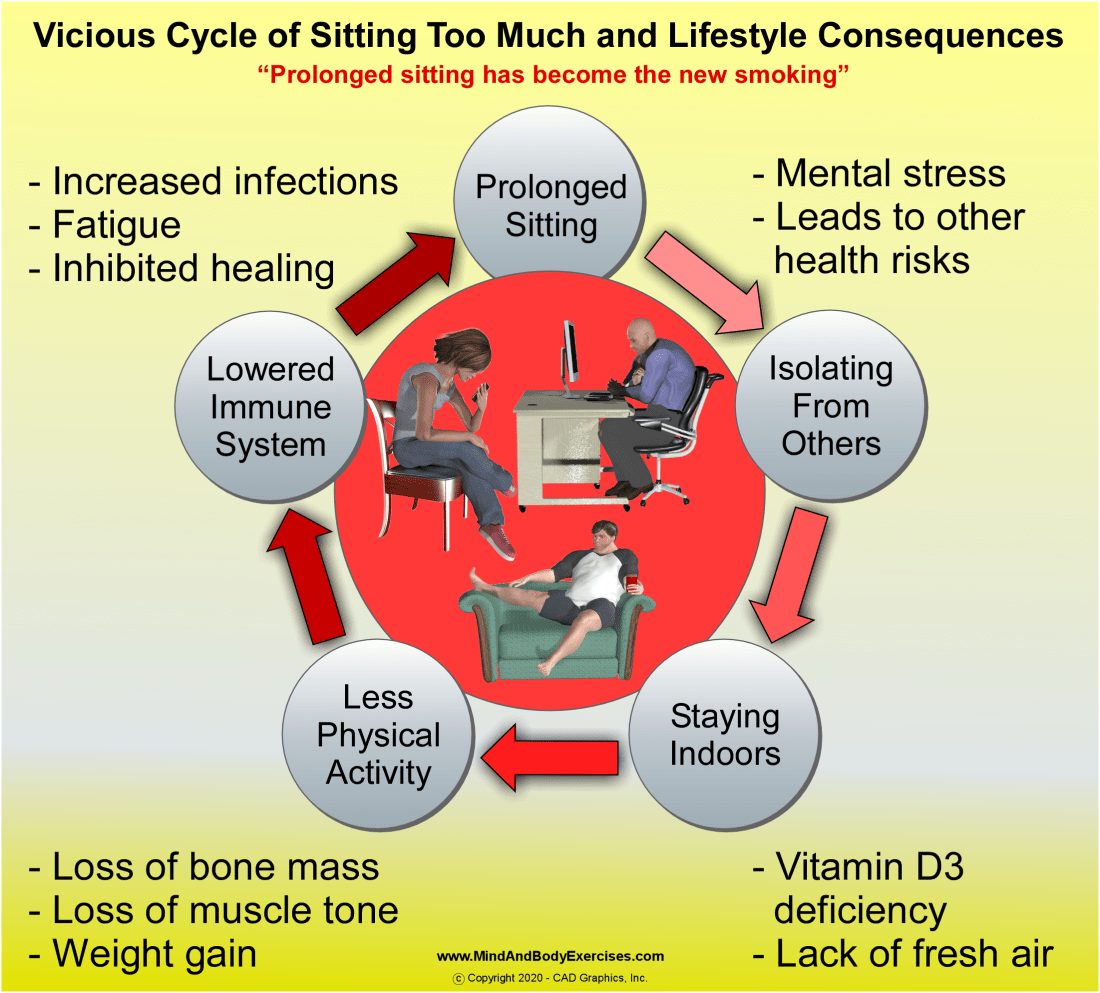
Prolonged Sitting is the “New Smoking”

View my recent discussion on the detrimental effects of prolonged sitting. I detail the health risks associated with prolonged sitting, such as heart disease, diabetes, and cancer. I also talked about the importance of finding activities that you enjoy and that will help you to stay active.

Health risks associated with prolonged sitting:

  • Heart disease: Prolonged sitting can lead to several cardiovascular problems, including high blood pressure, high cholesterol, and heart disease.
  • Diabetes: Prolonged sitting can increase your risk of developing type 2 diabetes.
  • Cancer: Prolonged sitting has been linked to an increased risk of several types of cancer, including colon cancer and breast cancer.
  • Prolonged sitting can also lead to several other health problems, such as obesity, back pain, and depression.

I suggest several activities, such as walking, biking, swimming, tai chi, qigong, and yoga. I also emphasize the importance of finding activities that are appropriate for your fitness level and that you can do regularly.

Finally, I offered some tips on how to reduce the amount of time you spend sitting. These tips include getting up and moving around every 30 minutes, taking the stairs instead of the elevator, and using a standing desk.

I teach and offer lectures about holistic health, physical fitness, stress management, human behavior, meditation, phytotherapy (herbs), music for healing, self-massage (acupressure), Daoyin (yoga), qigong, tai chi, and baguazhang.

Please contact me if you, your business, organization, or group, might be interested in hosting me to speak on a wide spectrum of topics relative to better health, fitness, and well-being.

I look forward to further sharing more of my message by partnering with hospitals, wellness centers, VA centers, schools on all levels, businesses, and individuals who see the value in building a stronger nation through building a healthier population.

I also have hundreds of FREE education video classes, lectures, and seminars available on my YouTube channel at:

https://www.youtube.com/c/MindandBodyExercises

Many of my publications can be found on Amazon at:

www.Amazon.com/author/jimmoltzan

My holistic health blog is available at:

https://mindandbodyexercises.wordpress.com/

www.MindAndBodyExercises.com

Mind and Body Exercises on Google: https://posts.gle/aD47Qo

Jim Moltzan

Balancing Mind, Body & Spirit Awareness – a graphical presentation

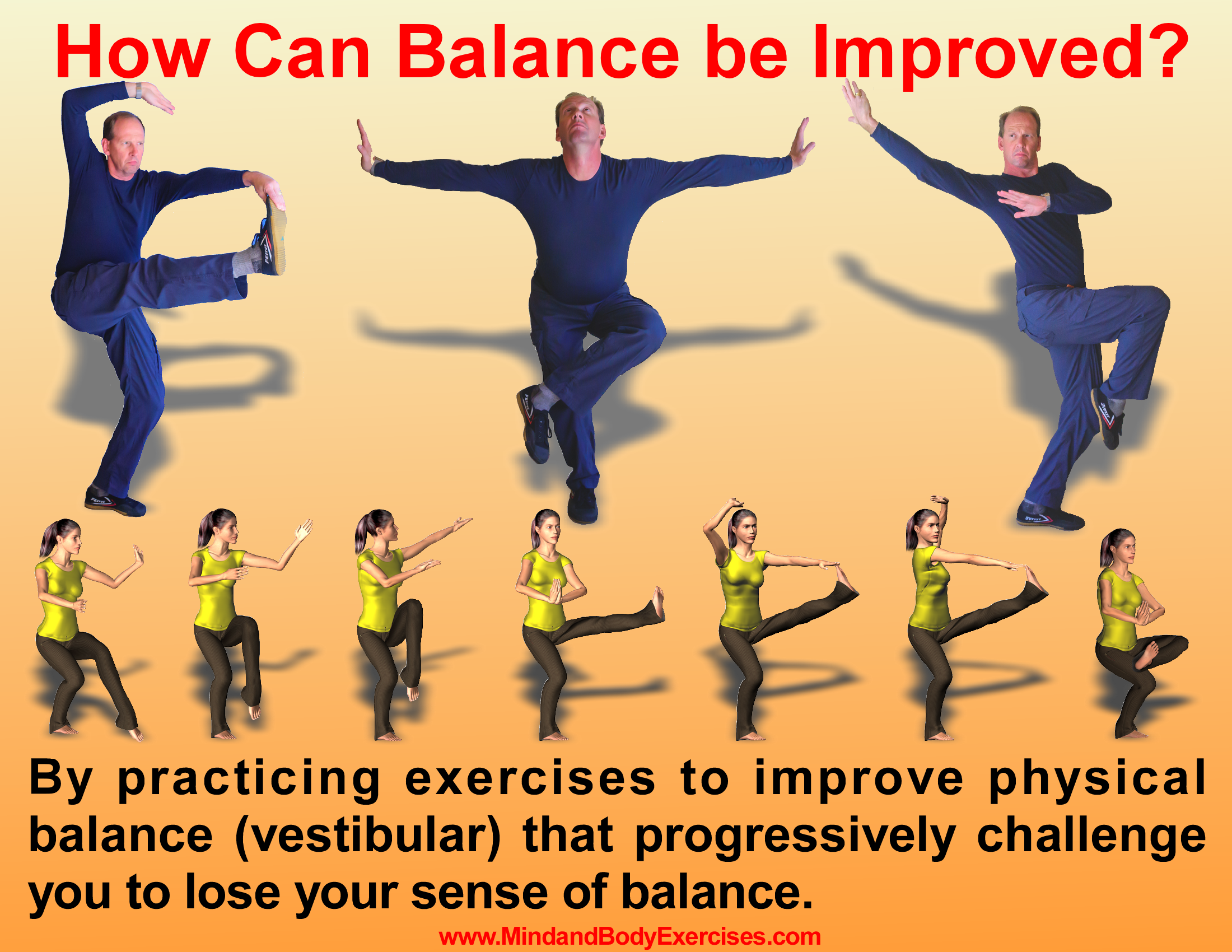
This is a graphical summary of my recent public discussion emphasizing the interconnectedness of physical, mental, and spiritual health in maintaining balance. A large portion of my discussion touched upon vestibular balance and how to prevent falls not just by cleaning up your walkways, but by increasing one’s ability to manage their center of gravity, increase leg strength, improving range of motion and the need to become more self-aware of one’s attention, one’s physical body as well as surrounding envirnment.

The role of knowledge, intelligence, and cognitive processes in balance.

The connection between beliefs, morals, values, and spiritual awareness.

The impact of mental health and emotional well-being on balance.

The concept of “deep roots” and their connection to physical balance.

The influence of diet, medications, and lifestyle choices on balance.

The potential negative effects of recreational drug use.

The importance of environmental factors and injury prevention.    

The relationship between the feet and overall health, including the concept of “death begins in the big toe.”

The importance of sleep hygiene and quality sleep for overall health.

The use of technology, such as LED lights, and its potential impact on sleep and well-being.

The role of the feet in overall balance and stability.

The impact of injuries and falls on balance, particularly the “fracture cascade.”

The importance of maintaining physical fitness and strength for balance.

Engaging in regular physical activity, such as tai chi or yoga.

Improving posture and body alignment.

Being mindful of surroundings and potential hazards.

Practicing deep breathing exercises to regulate the nervous system.

Use “3 points of contact” when standing, sitting, climbing, hiking, etc. for a more stable structure.

Understand that the human body is very similar to a tree with roots (lower body), trunk (middle or core), and branches and leaves (arms and hands).

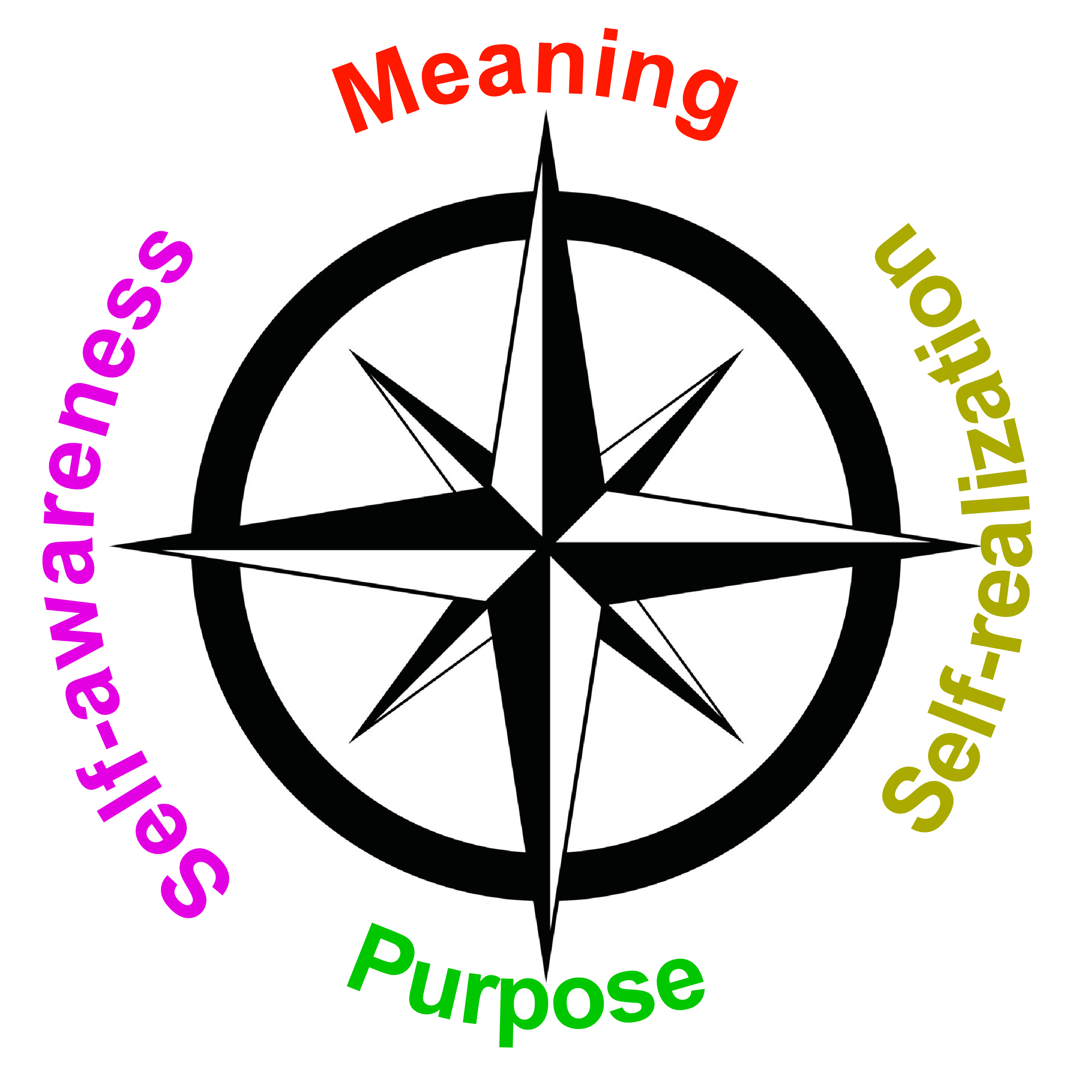
Become more self-aware that you have a purpose, a calling, bliss or “ikigai,” a Japanese term for a sense of purpose and meaning that can affect others beyond the self.

One has to put in the time and effort to achieve anything of value. One can be non-active, proactive, or reactive, depending upon their attitude, goals, and resources. Physical exercises to improve balance can consist of a combination of static, dynamic, and locomotive movements and methods.

I teach and offer lectures about holistic health, physical fitness, stress management, human behavior, meditation, phytotherapy (herbs), music for healing, self-massage (acupressure), Daoyin (yoga), qigong, tai chi, and baguazhang.

Please contact me if you, your business, organization, or group, might be interested in hosting me to speak on a wide spectrum of topics relative to better health, fitness, and well-being.

I look forward to further sharing more of my message by partnering with hospitals, wellness centers, VA centers, schools on all levels, businesses, and individuals who see the value in building a stronger nation through building a healthier population.

I also have hundreds of FREE education video classes, lectures, and seminars available on my YouTube channel at:

https://www.youtube.com/c/MindandBodyExercises

Many of my publications can be found on Amazon at:

www.Amazon.com/author/jimmoltzan

My holistic health blog is available at:

https://mindandbodyexercises.wordpress.com/

www.MindAndBodyExercises.com

Mind and Body Exercises on Google: https://posts.gle/aD47Qo

Jim Moltzan

The Complex Dependency on Petroleum in America and the Start of the Anthropocene

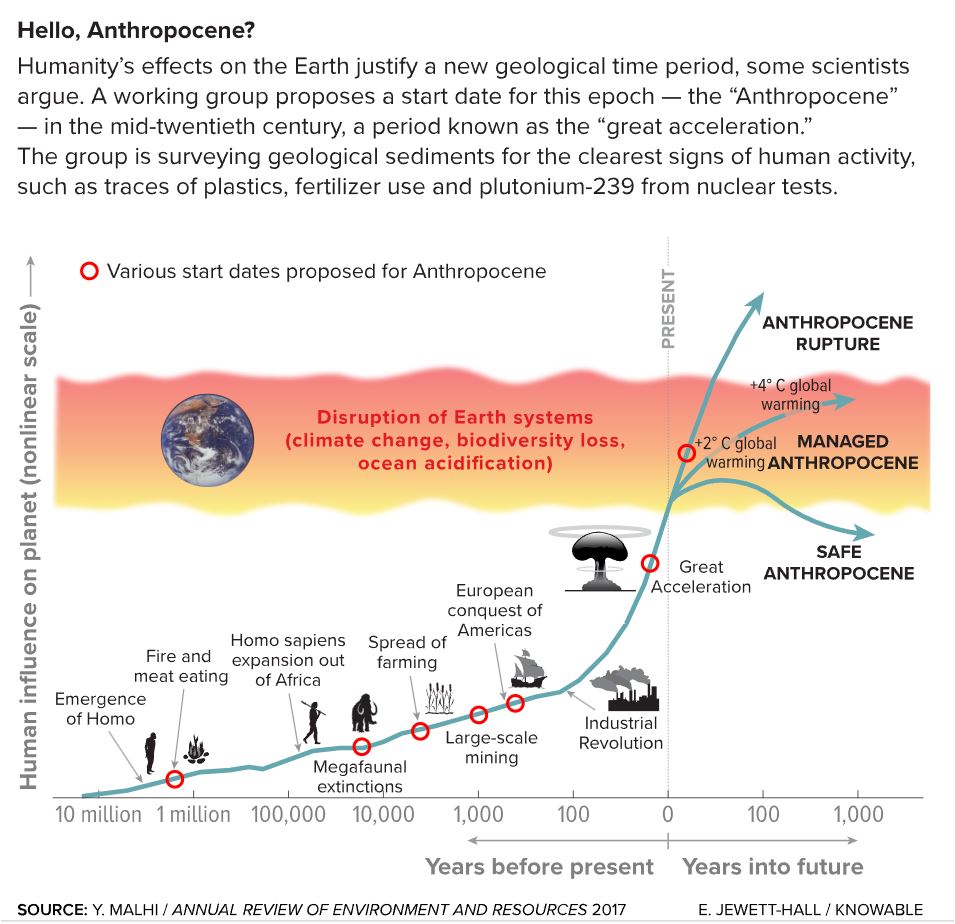
The Anthropocene is a term for a geological epoch following the Holocene, dating from the starting point of significant human impact on Earth up to the present day. Some people may see this as having begun with the colonization of the Americas around 1610 or with the years of the Industrial Revolution around 1760-1840. The 1940s and 1950s brought the “Great Acceleration” with major technological advances with nuclear weapons and the use of petroleum products.

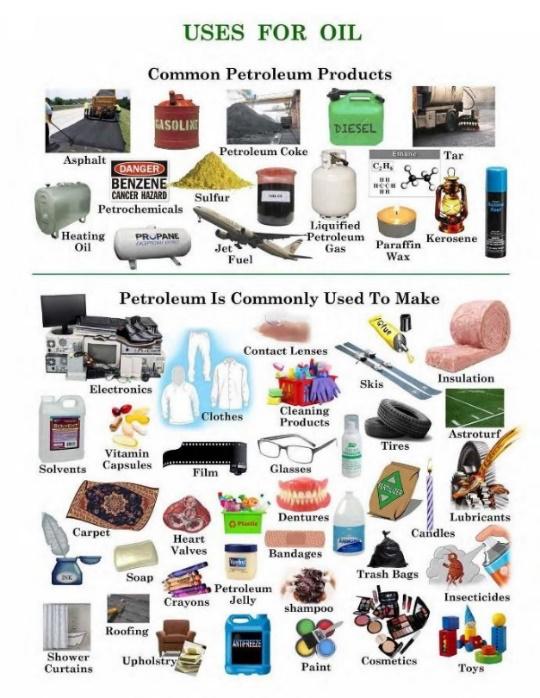
In recent years, there has been an increased interest among Americans to reduce the use of petroleum-based products. A desire to minimize climate change and other environmental concerns has driven this shift. Many concerned citizens, activists, and politicians, advocate for reducing the nation’s dependence on petroleum, looking for a future where alternative sources of energy may replace fossil fuels. While this goal is commendable, it often ignores the deeply embedded role that petroleum and its based products play in almost every aspect of daily life. Way beyond fueling combustion vehicles and equipment of many types, petroleum is fundamental to the production of countless products that Americans and the rest of the world use daily. Consequently, reducing petroleum use is more complex than it appears, and to ignore this reality may be, in many ways, delusional.

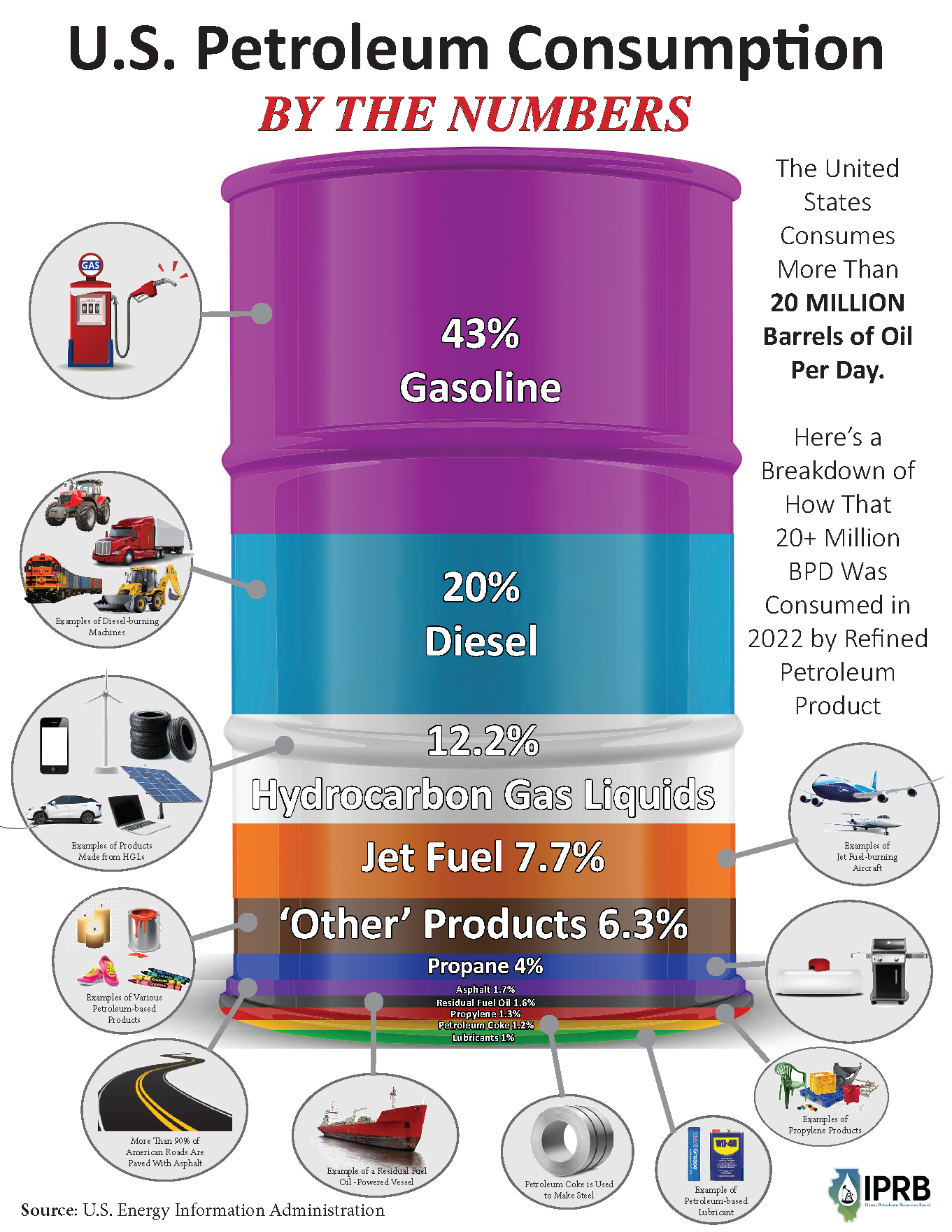
One of the most commonly seen and experienced uses of petroleum is in transportation. Gasoline and diesel power are still the majority of vehicles on the road despite the rise of electric cars and hybrid vehicles. Gas combustion engines remain the primary method of transportation for most Americans. The infrastructure supporting these gas vehicles is also dependent upon petroleum. Roads are paved with asphalt, which is a petroleum byproduct, as vehicles themselves run on tires made from petroleum-derived materials. Even with a focused push toward electric transportation, roads, and tires remain essential to everyday living, along with countless other petroleum-based components.

Beyond transportation, petroleum’s contribution to consumer goods is far-reaching. Many Americans might not know that much of the clothing they wear consists of synthetic fabrics like polyester and nylon, which are both made from petroleum. The decades-old popularity of athletic and leisurewear, known for its comfort and durability, further binds the average consumer to petroleum-based products. The dependency doesn’t end there. Plastic packaging, found in almost every store, business, office, and household, is made from petroleum. From food containers to household and industrial cleaning supplies, petroleum-based plastics make daily life more convenient, despite their environmental impact. Single-use plastics such as grocery bags, fast-food containers, and water bottles are common examples of how petroleum has become embedded into our daily routines.

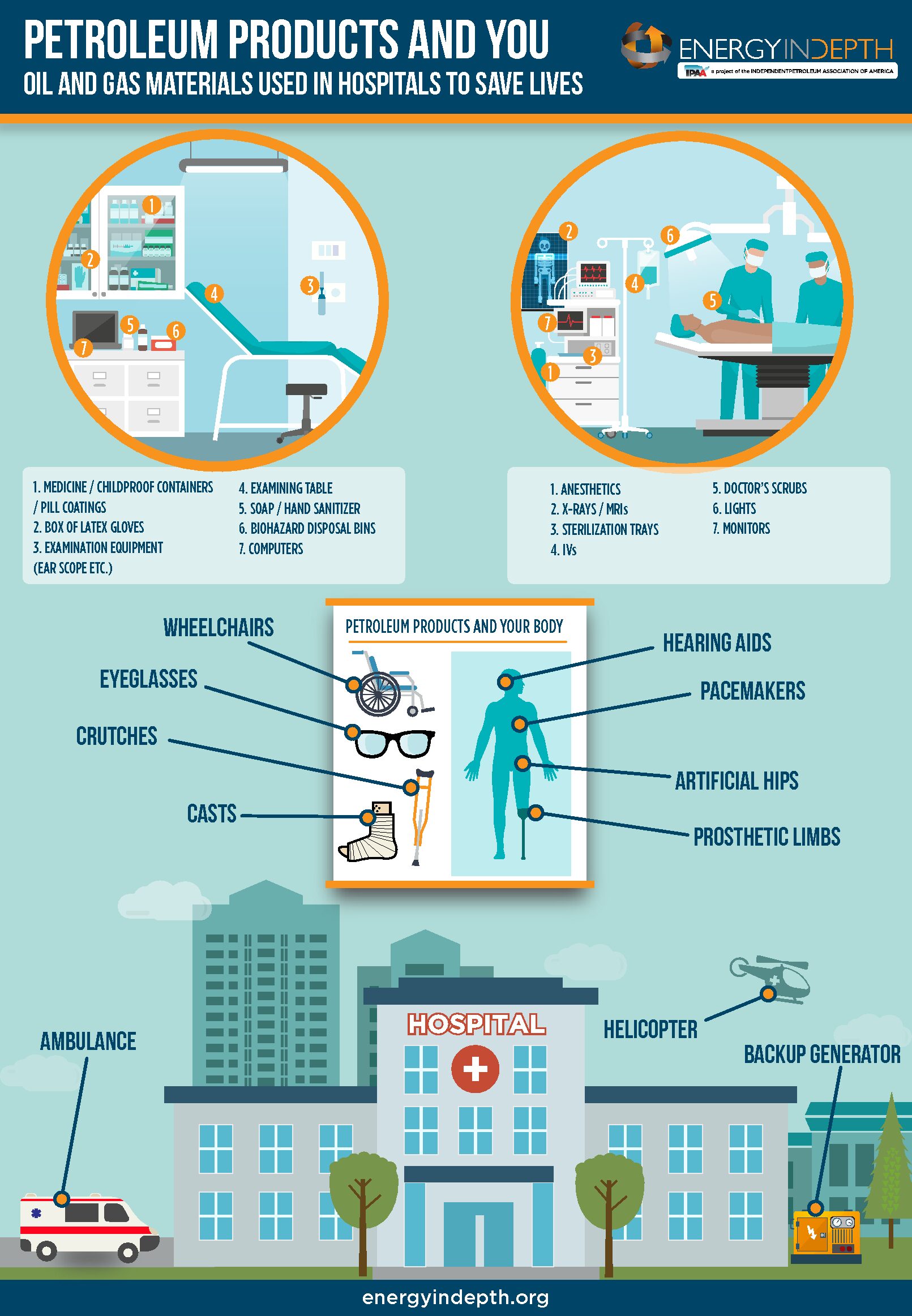
Petroleum is also vital to the healthcare and pharmaceutical industries. Plastics are fundamental for the packaging of healthcare products, cosmetics, pharmaceuticals, and medical devices. Various synthetic drugs depend on petrochemicals for their production, and plastic-based medical equipment and instruments are vital to maintaining sterile environments in hospitals and clinics. Healthcare as we know it, would not exist without the use of petroleum-based products. American society’s dependency on this resource is far more complex than simply putting gas in a car.

Petroleum’s importance also extends into the technology sector. From smartphones to computers, electronics are filled with various components made from petroleum-based plastics. Household and office wiring use insulation materials, necessary for transmitting electricity and data, which also come from petroleum. This technology in electronics is used by activists to spread awareness about climate change, ironically using petroleum products in their design and functionality. This creates quite a paradox where there is a desire to eliminate petroleum use, but where one of the fastest-growing sectors of the economy, technology, remains deeply intertwined with it.

Understanding this complex network of petroleum dependencies, the ongoing demonization of petroleum companies by some individuals, activists, and politicians seems somewhat disconnected from reality. Petroleum extraction and its usage indeed have significant environmental consequences. However, the idea that we can simply eliminate petroleum from our lives without enduring major disruptions and/or changes to our daily routines, technological advancements, and healthcare systems is quite unrealistic. The thrust to demonize petroleum companies often disregards the benefits petroleum provides in many various sectors of society, extending well beyond just transportation and energy.

Renewable energy sources have increased and hopefully will continue to grow, however, the transition away from petroleum will be a long and expensive evolution. Actions that will reduce petroleum use should be based on valid information and on the reality that petroleum plays an irreplaceable role in many critical industries. Instead of focusing only on eliminating petroleum, perhaps a more balanced approach is needed. Advocacy actions should bring to light the need to reduce unnecessary wasteful petroleum consumption while also acknowledging its key applications in areas like public healthcare and technology.

To completely abandon petroleum is somewhat delusional. The transition toward a more sustainable future will require significant changes in habits, infrastructure, manufacturing, and attitudes. It will also require a more broad view of petroleum, where its environmental impacts are managed through logic, innovation, and compromise. Instead of demonizing petroleum in its entirety, actions should focus on lessening the environmental footprint of its extraction and use, while simultaneously encouraging the development of realistic alternatives.

In conclusion, the push to reduce petroleum use in America is understandable and necessary for addressing climate change as well as other environmental concerns. However, the reality is that petroleum is deeply rooted in the fabric of modern life. From the vehicle we drive to the clothes and shoes we wear, the healthcare we receive, and the technology we are reliant on and often addicted to, petroleum touches almost every aspect of society. Moving away from petroleum will be a very complicated and gradual evolutionary process, requiring foresight, logic, innovation, balance, and a realistic understanding of its current function in our daily lives. The path to a sustainable future must address both the need for change and the reality of our current dependence on petroleum.

References:

Malhi, Y., Environmental Change Institute, School of Geography and the Environment, & University of Oxford. (2017). The concept of the anthropocene. In Annual Review of Environment and Resources (p. 25.1-25.28). http://www.zeeli.pro.br/wp-content/uploads/2018/04/2017-MALHI-The-concept_of_the_anthrop.pdf

Petroleum products – Illinois Petroleum Resources Board. (2023, September 27). Illinois Petroleum Resources Board. https://iprb.org/industry-facts/petroleum-products/

McDaniel, W. (2024, May 14). Fact Sheet: Everyday Products & Uses — COGA. COGA. https://www.coga.org/factsheets/everyday-products-uses

I teach and offer lectures about holistic health, physical fitness, stress management, human behavior, meditation, phytotherapy (herbs), music for healing, self-massage (acupressure), Daoyin (yoga), qigong, tai chi, and baguazhang.

Please contact me if you, your business, organization, or group, might be interested in hosting me to speak on a wide spectrum of topics relative to better health, fitness, and well-being.

I look forward to further sharing more of my message by partnering with hospitals, wellness centers, VA centers, schools on all levels, businesses, and individuals who see the value in building a stronger nation through building a healthier population.

I also have hundreds of FREE education video classes, lectures, and seminars available on my YouTube channel at:

https://www.youtube.com/c/MindandBodyExercises

Many of my publications can be found on Amazon at:

www.Amazon.com/author/jimmoltzan

My holistic health blog is available at:

https://mindandbodyexercises.wordpress.com/

www.MindAndBodyExercises.com

Mind and Body Exercises on Google: https://posts.gle/aD47Qo

Jim Moltzan