Mastery in the World of Form: Integrating Wealth, Health, and Spirit

In the pursuit of personal evolution, many traditions emphasize the renunciation of material wealth as a path to spiritual enlightenment. Yet this view may overlook an essential truth: the mastery of life requires full engagement with both the spiritual and material realms. Rather than rejecting worldly success, a more holistic path invites individuals to develop discipline, embrace responsibility, and integrate spiritual realization with material abundance.

A balanced life requires strength across physical, emotional, and spiritual dimensions. True power, especially in men, is not measured by dominance or accumulation alone, but by maturity and restraint. Without discipline, power can become dangerous, giving rise to instability and harm. Therefore, self-mastery begins with a commitment to personal responsibility, training the body, focusing the mind, and cultivating inner peace.

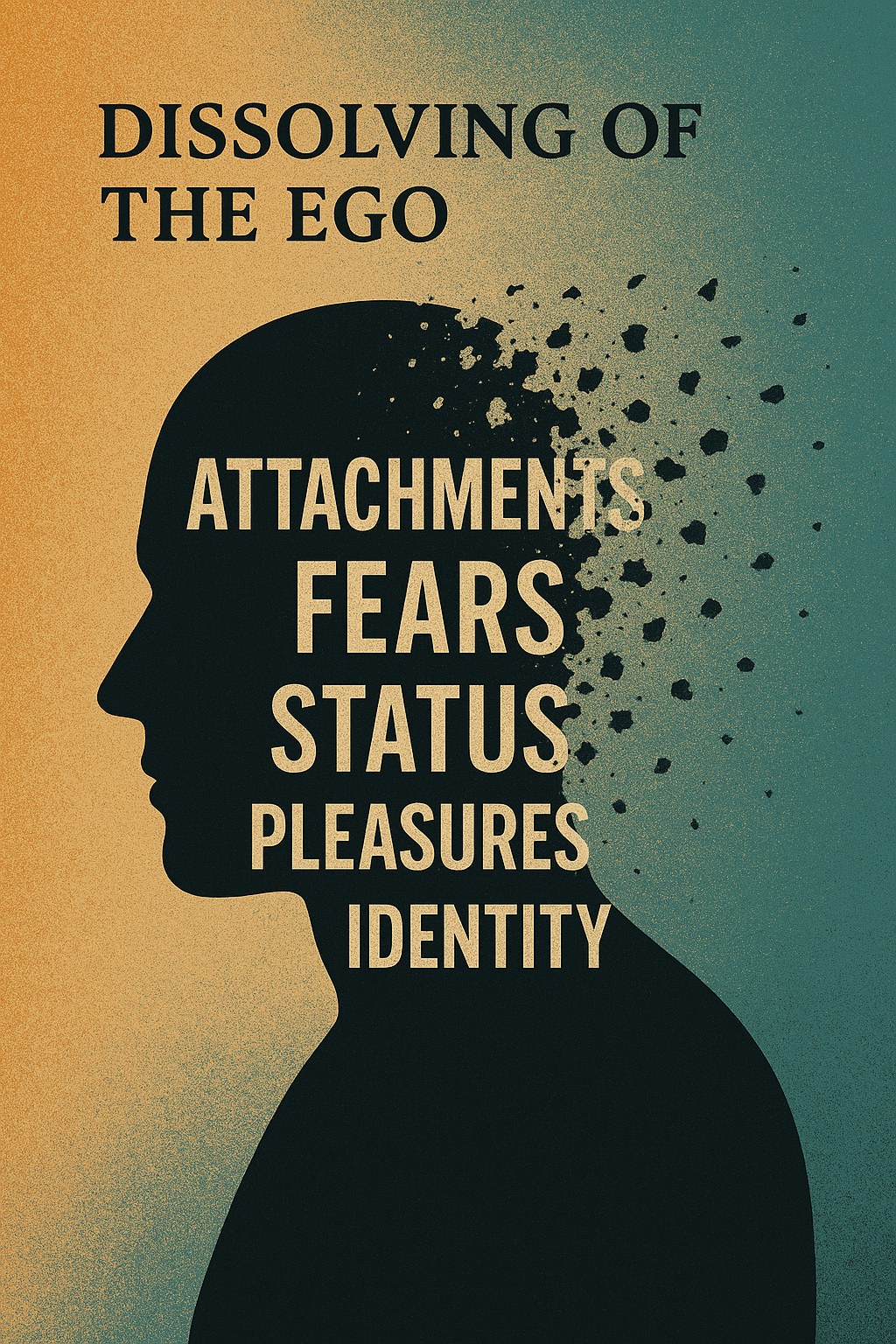
One foundational concept in this approach is the idea that wealth and health are not opposites of spiritual life but necessary stages in the ladder of awakening. Through conscious acquisition and enjoyment of material pleasures—followed by the ability to release attachment—one gains not only experience but freedom from the cycles of craving and aversion. This path requires mastering the “world of form,” learning to participate in it fully without being controlled by it. Those who avoid or bypass this stage may find themselves spiritually incomplete. If one believes in reincarnation, this situation may lead to further experiences in future lifetimes to fully integrate these unlearned lessons.

Conscious development can be mapped through the lens of energy centers or chakras, where each stage corresponds to an essential life lesson: from physical grounding and pleasure to peace, joy, love, compassion, and ultimately ecstatic or blissful states of awareness. These are not mere metaphors but practical tools for tracking one’s evolution. A person who cannot access joy or inner peace may need to revisit the foundations of health, safety, and stability before advancing into higher spiritual states.

Central to this journey is the rejection of victimhood. Blaming society, circumstances, or others for one’s failures hinders growth. Only by accepting full responsibility for one’s health, finances, relationships, and spiritual development can one initiate true transformation. This principle applies across life stages, which can be seen as cycles: childhood (0–8), adolescence and young adulthood (8–33), fruition (33–58), correction (58–83), and ultimately the sage or spirit phase (83–108). Each phase carries its own lessons and demands appropriate effort and reflection.

In later life, aging should not be viewed as decay, but as a biological and spiritual opportunity. With proper practice through breathwork, meditation, physical cultivation, and mental clarity, many signs of aging can be reversed or mitigated. The aim is to remain vibrant, focused, and spiritually prepared for death, which, when acknowledged consciously, becomes a motivator for authentic living.

The role of family, lineage, and tradition is also pivotal. Respect for one’s parents and ancestors does not require blind obedience or emotional entanglement but calls for honoring their place in one’s development. This maturity fosters generational healing and sets an example for those who follow.

Integration of spiritual wisdom with material responsibility is not unique to any one culture. Whether through Christian parables, Taoist discipline, or Buddhist insight, timeless truths emerge: the value of discipline, the importance of presence, the need for compassion, and the certainty of death. When viewed through this inclusive lens, spirituality becomes less about belief and more about the embodiment of universal principles.

The ideal individual, a strong, wise, and compassionate being, embodies the archetype of the strategist and warrior. Not through brute strength or spiritual aloofness, but through the unification of effort, enjoyment, reflection, and humility. Mastery is not found in a cave or an office alone, but in the weaving of both. When one lives fully, without excuses or illusions, the path reveals itself not above the world, but through it.

Degrees of Control: Psychological Lessons from a Closed Community

Humans often have short memories for uncomfortable truths we’d rather not acknowledge. When we fail to remember or record history, we invite it to repeat. Revisiting these experiences today helps us confront patterns that could otherwise recur unchallenged. While most people grow older, they do not necessarily grow wiser. Physical age and mental growth or wisdom do not always increase together. I want to believe that people and their behaviors can change and evolve for the better. A caterpillar eventually transforms into a butterfly. Yet we must also recognize that, as the saying goes, “a tiger cannot change its stripes.”

I am not sharing this to assign blame, demand accountability, or even to provide perfect clarity. Everyone who was involved knows, to some degree, what transpired. I do not see myself as a victim; I, too, was a willing participant for two decades, rationalizing along the way that the “ends would justify the means,” until I chose to stop being compliant. Today, it matters less to me whether others have changed or evolved, as that is their path, their journey, and their challenge to resolve within themselves. What matters most is what I have learned and earned. Inner transformation and self-mastery, ironically, can emerge in spite of, or perhaps because of, the very circumstances we experience firsthand.

What makes me qualified to speak on this topic?

I was deeply involved in a high-control closed martial arts group for 20 years, serving in positions of authority as a senior-level instructor, mid-to-upper management, and as an owner of multiple locations. Years later, after decades of research, conducting numerous interviews with individuals from diverse backgrounds both within and beyond the martial arts world, and pursuing higher education, I believe I am a credible resource to speak on this topic.

The Bait: Personal Desires and the Illusion of Fulfillment

High-control groups thrive by mirroring what potential members most deeply want: mastery, inner peace, community, etc. They craft an environment that reflects those desires, creating a powerful sense of destiny and belonging. As described in one firsthand account:

Different Experiences, Different Interpretations

It’s essential to recognize that not everyone in a high-control environment shares the same experience, even when standing in the same room. Individual memories and interpretations are shaped by personal histories, perceptions, and expectations, like siblings recalling the same childhood differently as adults. Many members gained meaningful benefits from training in this system, including friendships, exposure to Asian culture, and valuable traits such as cultivating a “can-do attitude.” Others, however, experienced harm and disillusionment. Ironically, one of my own most significant lessons was learning how not to treat or interact with other people, especially recognizing the importance of never taking advantage of others for personal gain. Both positive and negative perspectives are real, valid, and necessary to understand the full picture.

The Con: How Desire Enables Entrapment

The foundation of any effective con is mutual participation: it cannot succeed unless the “mark” wants what’s being offered. In high-control martial arts environments, the leadership uses students’ own goals to pull them deeper. It’s not that people don’t see the red flags; it’s that they rationalize them away because the group appears to offer what they crave most. This is why even highly educated professionals, trained to think critically, can fall prey. They are often convinced they’re fulfilling a noble or enlightened purpose.

High Achievers Are Not Immune
Doctors, lawyers, college professors, firefighters, law enforcement, and other accomplished and educated professionals are just as susceptible to immersion in high-control environments as anyone else. This group strived to bring these types of people into the fold, not only for their income but also their access to power, influence, and other resources. It is a mistake to assume that education or social status alone shields a person from manipulation. In fact, those with strong ambitions, high standards, or deep desires for excellence can be especially vulnerable when a group appears to promise fulfillment of those ideals.

Overconfidence and the Dunning-Kruger Effect

Another factor that can blind even intelligent, capable individuals to a high-control group’s manipulation is the Dunning-Kruger Effect, a cognitive bias in which people with limited knowledge or experience overestimate their competence (Dunning & Kruger, 1999). This misplaced confidence can lead new members, or even seasoned instructors who’ve gained some amount of knowledge, to believe they fully understand martial arts, philosophy, or personal development more deeply than they actually do, leaving them vulnerable to manipulation.

The Immersion by Degrees: Small Steps Toward Total Commitment

High-control groups rarely show their true face at first. They escalate demands gradually. Small favors become hours of service; a few classes become total life dedication. This mirrors the boiling frog metaphor: a frog placed in cool water that is slowly heated will fail to notice the danger until it is too late (Hoffer, 1951). In high-control groups, each incremental step normalizes the next, shifting members’ sense of what is acceptable and desirable. One signs up to become stronger, better, more confident. But in time, they find themselves painting houses, fixing cars, cutting lawns, and picking apples from trees. Others, even those considered high-level 7th- and 8th-degree martial arts practitioners, found themselves at the grandmaster’s beck and call, running errands, picking up his children from school, or maintaining homes late into the night for other members of the grandmaster’s family. And even others would come to find out that their wives were being violated by the grandmaster (as alleged by multiple high-level former members) while they were away handling other school business. But they all originally signed up because they just wanted to be better

The Demand: Conformity and Life Domination

A high-control environment crosses a critical line when it demands:

  • Adoption of the group’s beliefs as absolute truth.
  • Isolation from family, friends, and outside perspectives.
  • Complete control over finances, living arrangements, and time.

As one former member described:

The Tests: Can You Be Controlled?

Early tests appear benign: running errands, buying lunch/dinner, staying late, or accepting unusual requests. Compliance opens the door to greater demands such as:

Each act reinforces members’ willingness to surrender autonomy.

Indoctrination Through Exhaustion

After grueling physical sessions, mental and emotional defenses are lowered. Doctrinal messages “Only we know the truth,” “Others won’t understand,” are then delivered. This alternating pattern of exhaustion and indoctrination is a hallmark of high-control environments (Lifton, 1961). Intense physical exhaustion impairs critical thinking by depleting cognitive resources (Hockey, 2013), while acetylcholine enhances selective attention to salient stimuli, such as a leader’s directives (Sarter et al., 2006). Under fatigue, chaotic neural dynamics further disrupt prefrontal cortex function (Freeman, 1994), reducing skepticism and increasing reliance on group authority. This neurobiological triad (exhaustion + hyperfocus + disrupted judgment) creates fertile ground for compliance.

Financial Exploitation

High-control martial arts and self-help groups often sell an endless series of advanced courses, each promising unique secrets and requiring ever-larger payments. Promotions and rank tests become both a symbol of loyalty and a financial trap. Students believe they are climbing a ladder to mastery when in reality they are climbing deeper into dependence.

Shifts from Enthusiasm to Dependency

  • When training becomes the center of identity, eclipsing other relationships and interests.
  • When intuitive feelings of unease are rationalized away: “I’ve come too far to turn back now.”

Isolation from Outside Perspectives

  • Members are discouraged or forbidden from studying with other teachers or seeking alternative viewpoints.
  • Outsiders are framed as confused, ignorant, misguided, or even enemies.
  • This dynamic reflects classic groupthink theory, where pressure for conformity and insulation from dissenting voices fosters poor decision-making and blind loyalty (Janis, 1972).

Hierarchy and Absolute Authority

  • A central leader portrayed as infallible.
  • This reflects what sociologist Max Weber described as “charismatic authority,” where devotion to an individual perceived as extraordinary cements hierarchical control (Weber, 1947).
  • Senior members policing behavior and loyalty.

Total Lifestyle Control

  • Living with fellow members to ensure surveillance and group reinforcement.
  • Careers guided or manipulated to keep members financially tied to the group.

When the Most Loyal Turned Away

Fourteen upper-management instructors, including the master at the top of this organization, were incarcerated for federal crimes. Most served approximately 4.5 years in federal prison. Upon their release, only four members returned to the master’s tutelage. The other eight former managers broke with the organization entirely, with some going on to mentor others about the abuses they once participated in or witnessed. Some of those have seemingly fallen off the face of the earth and want no contact with anyone ever connected to this group.

This is significant because these individuals were among the most loyal to the founder and considered the most qualified high-level practitioners. Many who once enforced the system’s harshest controls were later speaking out against it or at least demonstrating their rejection by refusing to return to the “old school ways.”

I personally knew and learned from most of the top instructors who were later incarcerated. For some, I trained with them only occasionally, but with others, I studied under them extensively for many years. I benefited greatly from these individuals, as I genuinely liked them and deeply respected their martial arts abilities and knowledge. However, as I grew wiser and recognized that many of them lacked a moral compass or treated serious ethical matters flippantly, it became increasingly difficult to accept their guidance on life, direction, or any discussions of morality and ethics.

Over time, I came to respect those who left the group at this level, realizing they had developed a better ability to distinguish between what was true, right, and correct.

Addressing “That Was Then, This Is Now”
Some current leaders of this organization may claim, “That was then; this is now,” suggesting that the abuses of the past are no longer relevant because the individuals responsible are gone. Yet a closer look reveals a different reality: today’s upper management includes original managers who were themselves incarcerated for their roles in the organization’s wrongdoing, or others who, while not imprisoned, were fully aware of or complicit in the questionable practices that occurred.

There was an overwhelming degree of coercion, deception, and manipulation originating from the top members of this organization. Whether the grandmaster directly orchestrated this behavior, actively encouraged it, was complicit by turning a blind eye, or though least likely, was entirely oblivious to these actions, the result is deeply troubling. Regardless of the explanation, such widespread misconduct stands in stark contrast to the image of someone claiming to embody high moral character or serve as a spiritual leader.

This continuity of leadership raises important questions about whether the group has truly changed, or whether the same patterns of control, secrecy, and abuse remain embedded in its structure. If behaviors have truly changed, how sad that self-reflection only came about due to so many sincere, good-hearted and well-meaning people having left this organization.

A key insight from my experiences is the conflict between gut instinct and self-justification. Early in immersion, most members sense subtle discomfort. Something feels “off.” But instead of heeding this intuition, they explain it away:

This process of cognitive dissonance causes people to ignore warning signs and deepen their commitment (Festinger et al., 1956). The greater the investment, the harder it becomes to acknowledge the truth.

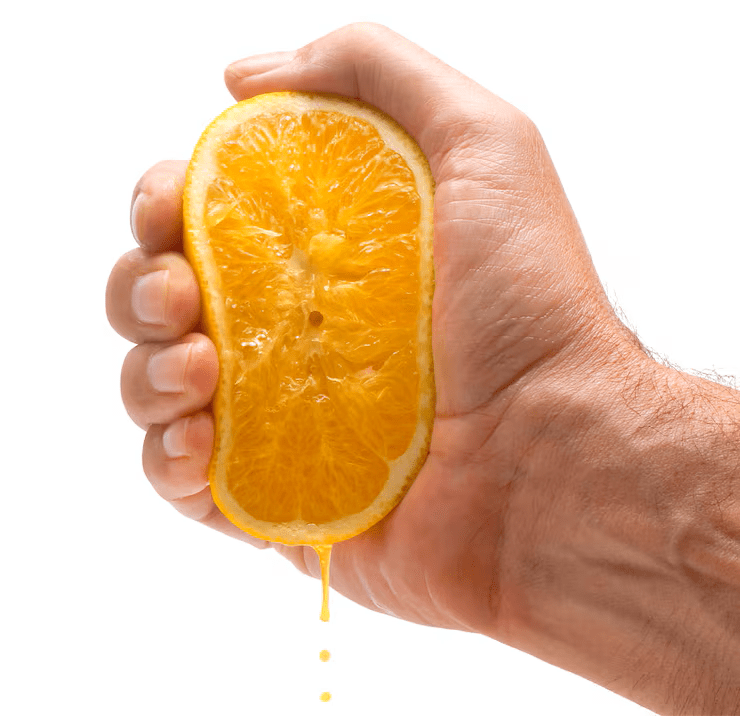
The vivid use of the boiling frog metaphor deserves emphasis:

This gradualism makes high-control groups especially dangerous: they do not demand total loyalty overnight, but cultivate it through subtle, cumulative steps. This pattern of gradual escalation aligns with the “foot-in-the-door” technique described in social psychology, where compliance with small requests increases the likelihood of agreeing to larger ones over time (Freedman & Fraser, 1966).

It’s important to recognize the significant difference between incremental indoctrination or grooming, where gradual exposure is used to normalize harmful or abusive dynamics and incremental training of the mind, body, and spirit, which is a deliberate progression designed to foster genuine improvement and self-mastery. True martial arts and self-mastery types of instruction should guide students through gradual challenges to build skills, confidence, and character, not to manipulate or erode their autonomy.

This saying captures how rituals, loyalty, and hierarchical structures can feel like supportive traditions to some, yet oppressive or manipulative to others. Recognizing these parallels helps us understand that intense commitment or exclusive practices are not inherently abusive, but can become dangerous when questioning is discouraged, outsiders are demonized, and absolute loyalty is demanded.

Reflections on sports and religion show similarly how rituals, specialized jargon, uniforms, and passionate loyalty exist in many groups that are not inherently harmful. Sports fans, military units, and religious communities often foster unity through shared traditions. Yet, as we can observe, these elements can be twisted when groups:

  • Discourage outside perspectives.
  • Frame dissenters as unworthy.
  • Require absolute loyalty.

This parallels research showing that when group dynamics become rigid, they can turn into echo chambers where questioning is stifled (Kottak, 2019; Peretz & Fox, 2021).

Seeing the Truth

Admitting a group’s true nature can be harder than enduring it. Even overwhelming external evidence (e.g., investigative exposés) may initially be rejected. As one former member recounted:

Reassessing the Dream

Leaving often requires reassessing the fantasy that drew one in. This is difficult, as these dreams shape identity. Letting go feels like losing oneself, but it is a necessary step toward recovery.

Rebuilding Identity

Breaking free means redefining oneself outside the group’s narratives:

  • Recognizing what skills and lessons can be retained without toxic elements.
  • Building new relationships.
  • Pursuing goals based on personal values, not imposed ideology.

Experiences in high-control groups can leave scars but also forge strength. Discipline, perseverance, and mental resilience gained through hardship can serve individuals well after they leave. As one survivor noted:

Post-Traumatic Growth: Transforming Adversity into Strength
While surviving a high-control environment can leave lasting scars, it can also create an opportunity for post-traumatic growth (PTG). PTG refers to positive psychological change experienced as a result of struggling with challenging circumstances (Tedeschi & Calhoun, 2004). For some, leaving an abusive or manipulative group can spur a newfound personal strength, deeper relationships, openness to new possibilities, and a greater appreciation for life. Recognizing these possibilities can empower survivors to move beyond their past, knowing their experiences do not define who they are, but can shape them into wiser, more resilient individuals.

Not every passionate or exclusive group is dangerous. Closed groups can preserve traditions and foster focused learning, but also exist within ethical communities:


✅ Encourage critical thinking and questions.
✅ Allow members to seek outside perspectives.
✅ Balance loyalty with autonomy.
✅ Maintain transparency about teachings and leadership.

Conclusion

Those that need to hear of this information will have read this far. Those unwilling to consider these facts may remain in denial, but this work is here for those ready to see. High-control dynamics can emerge in any setting, from martial arts schools to religious organizations or corporate cultures. Recognizing signs of manipulation, immersion by degrees, discouraging outside viewpoints, financial exploitation, etc. Authentic communities foster growth through openness, humility, and respect, not fear or blind loyalty. They seek to empower individuals to protect themselves and others.

If this article resonates with you, considering reading my book that elaborates on these topics but with more depth for personal growth and self-transformation. Find it at: https://a.co/d/hxPahVX

References

Dunning, D., & Kruger, J. (1999). Unskilled and unaware of it: How difficulties in recognizing one’s own incompetence lead to inflated self-assessments. Journal of Personality and Social Psychology, 77(6), 1121–1134. https://doi.org/10.1037/0022-3514.77.6.1121

Festinger, L., Riecken, H. W., & Schachter, S. (1956). When Prophecy Fails. Harper-Torchbooks.

Freeman W. J. (1994). Role of chaotic dynamics in neural plasticity. Progress in brain research, 102, 319–333. https://doi.org/10.1016/S0079-6123(08)60549-X

Freedman, J. L., & Fraser, S. C. (1966). Compliance without pressure: The foot-in-the-door technique. Journal of Personality and Social Psychology, 4(2), 195–202. https://doi.org/10.1037/h0023552

Hockey, R. (2013). The psychology of fatigue. Cambridge University Press.
DOI: 10.1017/CBO9781139015394

Hoffer, E. (1951). The True Believer: Thoughts on the Nature of Mass Movements. Harper.

Janis, I. L. (1972). Victims of groupthink: A psychological study of foreign-policy decisions and fiascoes. Houghton Mifflin.

Kottak, C. P. (2019). Mirror for Humanity: A Concise Introduction to Cultural Anthropology. McGraw-Hill.

Peretz, E., & Fox, J. A. (2021). Religious discrimination against groups perceived as cults in Europe and the West. Politics, Religion & Ideology, 22(3-4), 415–435. https://doi.org/10.1080/21567689.2021.1969921

Sarter, M., Gehring, W. J., & Kozak, R. (2006). More attention must be paid: the neurobiology of attentional effort. Brain research reviews, 51(2), 145–160. https://doi.org/10.1016/j.brainresrev.2005.11.002

Statista. (2023, May 4). Sports fans share in the U.S. 2023. https://www.statista.com/statistics/300148/interest-nfl-football-age-canada/

Tedeschi, R. G., & Calhoun, L. G. (2004). Posttraumatic growth: Conceptual foundations and empirical evidence. Psychological Inquiry, 15(1), 1–18. https://doi.org/10.1207/s15327965pli1501_01

YPulse. (2023, June 15). NA vs WE: Who Are the Bigger Sports Fans? https://www.ypulse.com/article/2022/05/19/we-na-vs-we-who-are-the-bigger-sports-fans/

Options for Managing Chronic Pain #1

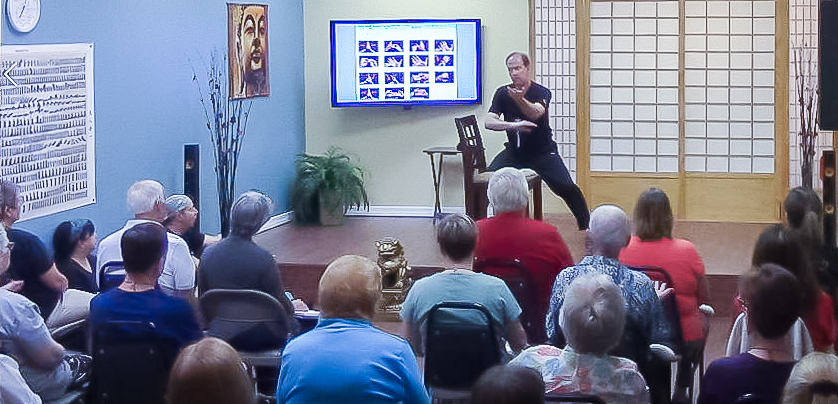
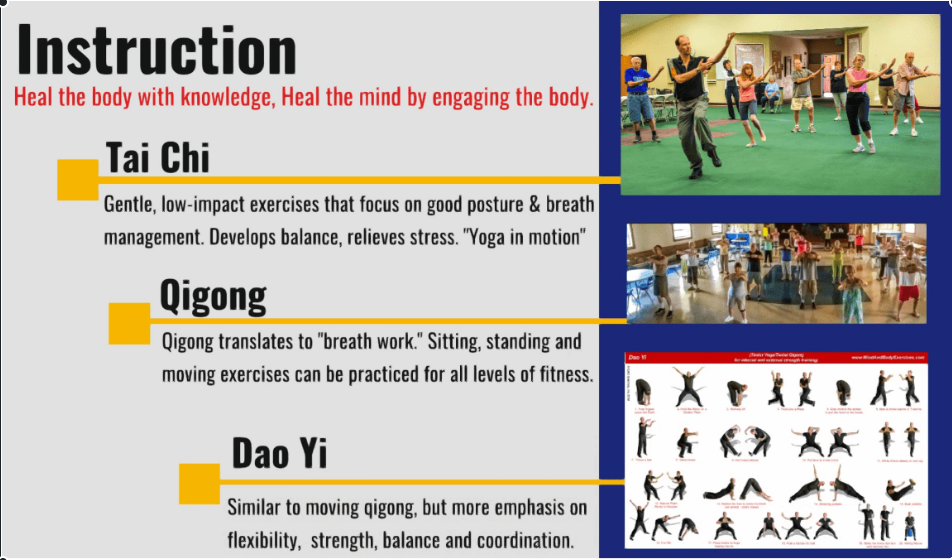
Recently I presented a 3-session discussion of managing chronic pain and various health conditions without relying heavily on pharmaceuticals. Drawing on over four decades of experience in fitness, wellness, and martial arts, I shared practical alternatives for alleviating chronic pain, enhancing overall health, and addressing root causes of illness through natural and holistic methods. The presentation emphasizes lifestyle changes such as regular exercise, proper nutrition, adequate sleep, positive mindset, and maintaining good posture. In addition to physical activity, I introduced various therapies from traditional Chinese medicine like acupuncture, cupping, and herbal treatments, alongside modern tools such as massage guns, acupressure blankets, TENS units, and topical applications like Biofreeze and herbal extracts and oils.

This talk also highlights the important role of breathing techniques and managing thoughts and emotions to influence bodily health, noting the body-mind connection reflected in how emotions such as fear and anger affect organ function. I stressed the importance of building health-supportive habits, acknowledged the challenge of post-traumatic growth, and discussed the nuanced use of heat and cold therapies. Practical advice on selecting and safely using equipment and topical treatments is interwoven with cautions about chemical ingredients and the need for professional guidance when appropriate.

Traditional Chinese medicine explanations include the theory of meridians and fascia as pathways for energy and healing, while acknowledgment of the placebo effect underscores individual variability in treatment success. The presentation culminates with a discussion on herbal remedies and CBD products, encouraging personal experimentation with proper research and awareness of one’s unique constitution. Finally, I outlined future classes focusing on exercises for specific pain areas, breathing techniques, and addressing common ailments such as headaches.

Highlights

  • 🌿 Emphasis on managing chronic pain naturally through lifestyle changes and holistic methods.
  • 🧘‍♂️ Importance of regular exercise, stretching, and posture correction to alleviate joint and muscle pain.
  • 🌞 Balanced exposure to sunlight recommended for overall health despite skin cancer concerns.
  • 🌬️ Deep, nasal breathing techniques help regulate hormones and reduce stress.
  • 💆‍♀️ Overview of traditional Chinese medicine therapies such as acupuncture, cupping, and reflexology.
  • ⚡ Introduction of modern tools like massage guns and TENS units for targeted pain relief.
  • 🌱 Discussion of herbal remedies and CBD products with a focus on personal research and safety.

Key Insights

  • 🌟 Holistic Approach to Chronic Pain Management: The presentation advocates a multi-faceted strategy that goes beyond drugs, focusing on physical activity, nutrition, sleep, mental health, and social connection. Chronic pain is not treated solely as a symptom requiring pills but as a condition that benefits from addressing root causes like posture, mobility, and emotional well-being.

  • 💪 Exercise as a Foundation of Health: Regular, thoughtful exercise not only builds strength and flexibility but also aids in maintaining joint integrity and reducing inflammation. Tailored rehabilitation exercises for injury-prone areas such as knees and back show how specific movements can promote healing and prevent surgery, underscoring the preventive value of physical training.

  • 🌞 Sunlight’s Dual Role: Despite warnings about sun exposure, moderate sunlight early in the day is beneficial for vitamin D synthesis and overall well-being. This nuanced advice counters extreme avoidance and highlights how balanced choices support immune function and energy metabolism.

  • 🧠 Mind-Body Connection Through Thought and Emotion: The concept that emotions influence physical health is grounded in both traditional Asian medicine and modern science. Chronic fear, anger, and depression affect hormone and nervous system balance, which in turn impacts organ health and pain perception. Cultivating positive attitudes is presented as an essential part of holistic health care.

  • 🧘 Breathing as a Regulatory Tool: Emphasizing nasal breathing, I explained its biological effects on the nervous system’s fight-or-flight response and hormone regulation. It’s a simple, often overlooked method to enhance relaxation, improve circulation, and support natural healing processes by shifting the body into a rest-and-digest state.

  • 🌿 Traditional Chinese Medicine and Modern Integration: The explanation of meridian theory in relation to fascia and connective tissue bridges ancient concepts with current anatomical understanding. Techniques like acupuncture, cupping, and acupressure stimulate circulation and nervous system responses, and while their scientific basis is still debated, many find them effective. The placebo effect is recognized as a legitimate contributor to therapeutic outcomes.

  • ⚙️ Safe and Informed Use of Therapeutic Tools and Topicals: Modern devices like massage guns and TENS units can provide effective relief when used properly, but self-education and professional guidance are critical to avoid injury. Similarly, topical treatments like Biofreeze and traditional herbal liniments are recommended with caveats regarding chemical content and appropriate application to prevent adverse reactions.

  • 🌱 Individual Variability and Habit Formation: Chronic pain management is highly personalized. What works for one person might not work for another, which places importance on trying different methods and establishing consistent habits to evaluate effectiveness. The 21-day habit-building model is cited to encourage persistence and gradual lifestyle change.

  • 🌿 Herbal Medicine and CBD’s Mixed Efficacy: Herbal remedies such as ashwagandha and valerian root, alongside emerging treatments like CBD oil, show promise but require careful individual assessment and research. The overlap with placebo effects means patients must remain open-minded yet discerning, guided by their body’s responses and external advice.

  • 🩺 Discerning Between Muscle and Nerve Pain: Understanding the distinction between muscular discomfort and nerve-related pain is key to selecting appropriate therapies. For example, nerve pain may radiate and be treated with different techniques compared to localized muscle soreness, necessitating professional diagnosis to optimize treatment choices.

  • 🔥 Heat vs. Cold Therapy Nuances: The presentation challenges simplistic views on hot and cold treatment by discussing recent medical perspectives on risks and timing. Cold is beneficial immediately post-injury to reduce inflammation but can cause cell damage if prolonged, while heat aids recovery after inflammation subsides, supporting personalized and time-sensitive application.

  • 🌱 Post-Traumatic Growth Emphasized Over Syndrome: Rather than dwelling on trauma as a limiting factor, I frame it as an opportunity for growth. Adopting this mindset fosters resilience, encouraging individuals to engage in rehabilitation, self-care, and lifestyle changes despite past injuries or stressors contributing to chronic pain.

  • 🤝 Value of Social Connection and Mental Health Support: Being part of a supportive community, such as a health class or social network, can distract from pain and enhance feelings of well-being. This social support acts synergistically with physical treatment and mental health practices to bolster overall recovery and health maintenance.

In conclusion, my video offers a rich and practical resource for anyone seeking alternatives or complements to pharmaceutical pain management. It integrates ancient wisdom with contemporary tools and scientific insights, advocating for an active, informed, and individualized approach to chronic pain and health challenges. The emphasis on self-care, preventive habits, and understanding the body-mind interplay positions viewers to take more control of their well-being without over-dependence on medication.

Deep Breathing Benefits for the Blood, Oxygen & Qi

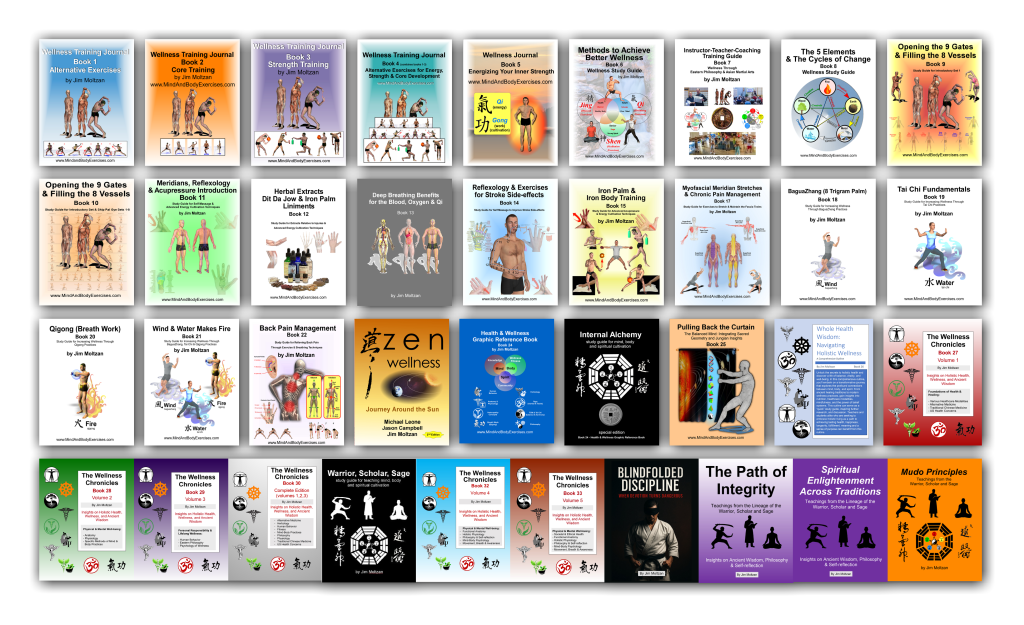
My latest book is the result of more than four decades of study, practice, healing, teaching, and reflection. It has been shaped through a lifetime of learning, from the grind of physical training to the quiet revelations of stillness. I’ve experienced injury and recovery, frustration and discovery, disillusionment and renewal. I’ve worked with athletes and seniors, martial artists and skeptics, students in pain and seekers of peace. And in all of this, I’ve come to a clear and powerful truth: how we breathe determines how we live.

Breath is our most intimate connection to life. It is the first thing we do when we are born and the last act of the physical body before death. In between, we take tens of thousands of breaths each day yet few of us are ever taught how to breathe well. Breath is assumed, automatic, and too often ignored until it becomes impaired. But for those who learn to pay attention, the breath is also a teacher, a tool, and a gateway to better health, greater awareness, and inner strength.

Available on Aamzon

From physiology to philosophy, Eastern medicine to Western science, every tradition I’ve explored acknowledges the power of breath. What this book offers is a bridge between those worlds. It is not just a technical manual or a philosophical essay, it is a lived map. It charts what I’ve seen work, what I’ve tested, and what I’ve returned to again and again, both for myself and my students.

This book is also a response to a culture that too often seeks complex fixes while ignoring the fundamentals. We have machines that track every heartbeat, yet people feel exhausted. Medications suppress symptoms but rarely resolve the cause. In contrast, breathing with awareness costs nothing, requires no equipment, and is available to you at any moment. It can regulate blood pressure, balance hormones, release chronic tension, improve digestion, enhance mental clarity, and restore emotional balance. It can return you to yourself.

Whether you’re new to breathwork or a seasoned practitioner, this book is designed to meet you where you are. It begins with the body, your physiology and posture, then moves through traditional practices, energetic systems, and meditative tools. By the end, you’ll understand not just how to breathe better, but why doing so changes everything.

My hope in writing this is not just to inform, but to awaken, to stir in you a sense of curiosity, empowerment, and agency. You do not need to be a guru, athlete, or mystic to reclaim your breath. You only need to begin. Each chapter in this book is an invitation to return to that beginning again, more skillfully each time.

Joy and the Heart in Traditional Chinese Medicine: A Double-Edged Emotion

In Traditional Chinese Medicine (TCM), the human body is seen not merely as a collection of parts but as an interconnected system of energy, spirit, emotion, and function. One of the most profound concepts in TCM is that each major organ system is linked to a particular emotion. Among these, the Heart is associated with the season of summer and the emotion of Joy, a connection that is both beautiful and cautionary.

 (Vanbuskirk, 2024)

The Heart: Emperor of the Organ Systems

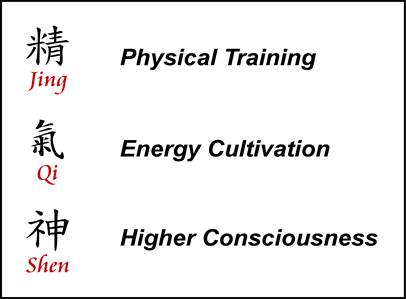
According to classical TCM, the Heart is not just a mechanical pump. It is the “Emperor” of the body’s organ systems. It governs the blood and blood vessels, controls the tongue, and most significantly, houses theShen the mind or spirit.

Heart Correspondences:

  • Element: Fire
  • Season: Summer
  • Color: Red
  • Flavor: Bitter
  • Tissue: Blood vessels
  • Sense Organ: Tongue
  • Emotion: Joy
  • Spirit: Shen (Mind/Spirit)

When the Heart is balanced, we experience mental clarity, restful sleep, appropriate excitement, and the capacity for deep connection with others.

Joy: The Nourishing Emotion

In appropriate doses, joy is a deeply nourishing force. Joy:

  • Soothes the nervous system and eases emotional tension
  • Promotes circulatory warmth and a sense of connection
  • Lifts the Shen, resulting in laughter, optimism, and creativity
  • It is vital to a healthy spiritual life

Joy reflects the expansive nature of the Fire element. Like the sun in summer, it radiates outward, illuminating relationships and animating the spirit.

When Joy Becomes Excessive

Paradoxically, the very emotion that nourishes the Heart can also harm it when excessive or poorly regulated. In TCM, “excess joy” includes:

  • Overexcitement, mania, or hysteria
  • Hyperactivity, constant stimulation
  • Overindulgence in pleasure or celebration

Physiological Consequences of Excess Joy:

  • Scattering of the Shen: The mind becomes ungrounded or erratic.
  • Heart Qi disruption: Can result in palpitations, insomnia, anxiety.
  • Mental-emotional disturbances: Talkativeness, inappropriate laughter, dream-disturbed sleep.

In modern terms, this may resemble bipolar mania, panic disorder, or emotional exhaustion. Prolonged joy without rest can overheat the system, especially in individuals already constitutionally “hot” or deficient in Yin.

The Importance of Emotional Balance in TCM

TCM recognizes no emotion as inherently negative. Emotions are considered physiological energies that must move freely, but in balance.

EmotionOrgan SystemIn BalanceIn Excess
JoyHeartWarmth, clarity, connectionScattered mind, insomnia, palpitations
AngerLiverMotivation, assertivenessIrritability, tension, high blood pressure
WorrySpleenCompassion, thoughtfulnessObsession, overthinking, fatigue
GriefLungReverence, releaseDepression, breathlessness
FearKidneyCaution, intuitionPanic, low back pain, adrenal fatigue

All five emotions (and their corresponding organ systems) influence one another. For example, chronic over-stimulation (excess joy) may weaken the Heart and eventually impact on the Kidneys (fear) or the Spleen (overthinking), leading to broader emotional and physical disharmony.

Recognizing Heart-Shen Imbalance

Signs that joy has turned from nourishing to disruptive may include:

  • Insomnia or difficulty falling asleep
  • Restlessness or excessive chatter
  • Palpitations or fluttering heartbeat
  • Red tip of the tongue (Heart Fire sign)
  • Vivid or disturbing dreams
  • Uncontrollable laughter or emotional outbursts

Practitioners aim to calm the Shen, clear Heart Fire, and nourish Heart Yin with techniques such as:

  • Acupuncture (e.g., Heart 7, Pericardium 6)
  • Herbal formulas (e.g., Tian Wang Bu Xin Dan)
  • Meditation and breathwork
  • Avoidance of overstimulation, especially in summer

A Holistic Reflection

In the West, joy is often pursued as a goal in itself. But TCM offers a subtle reminder: true wellness lies not in constant happiness but in dynamic balance. Joy, like fire, is beautiful but unchecked, it can burn.

Instead of constant excitement, TCM encourages us to cultivate:

  • Contentment
  • Presence
  • Inner peace

By anchoring our joy in stillness, we allow the Shen to rest peacefully in the Heart, just as the sun sets each day to allow the body to restore.

References

Kaptchuk, T. J. (2000). The Web That Has No Weaver: Understanding Chinese Medicine. McGraw-Hill.

Vanbuskirk, S. (2024, October 25). How emotions and organs are connected in traditional Chinese medicine. Verywell Mind. https://www.verywellmind.com/emotions-in-traditional-chinese-medicine-88196

I look forward to further sharing more of my message by partnering with hospitals, wellness centers, VA centers, schools on all levels, businesses, and individuals who see the value in building a stronger nation through building a healthier population.

I also have hundreds of FREE education video classes, lectures, and seminars available on my YouTube channel at:

https://www.youtube.com/c/MindandBodyExercises

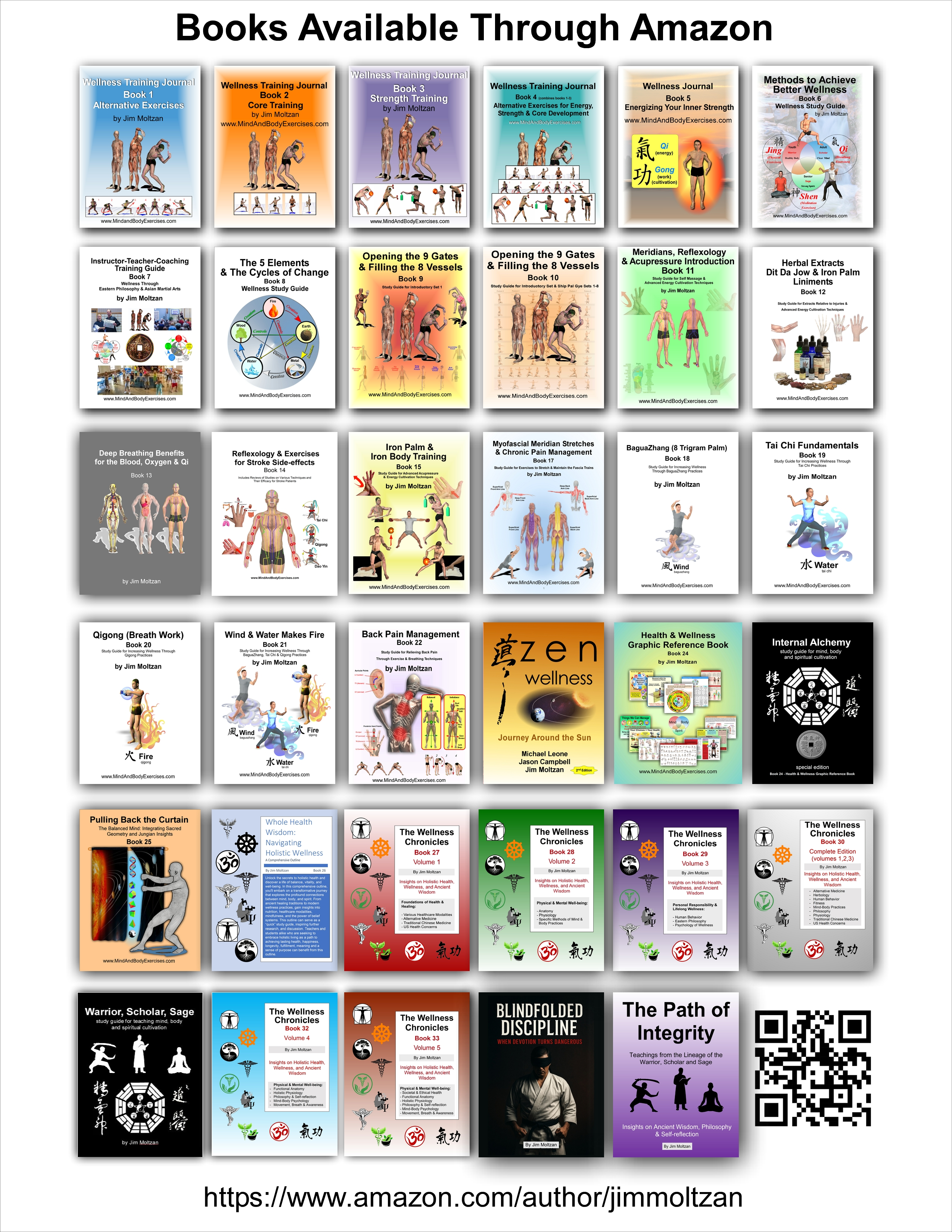
Many of my publications can be found on Amazon at:

http://www.Amazon.com/author/jimmoltzan

My holistic health blog is available at:

http://www.mindandbodyexercises.wordpress.com

http://www.MindAndBodyExercises.com

Mind and Body Exercises on Google: https://posts.gle/aD47Qo

Jim Moltzan

407-234-0119