Managing Our Inner Dialogue

Ancient philosophies and belief systems of Buddhism and Taoism have long understood a state of consciousness of mind wandering, however referring to it as the “monkey mind.” This term is quite appropriate as it defines a state of one’s thoughts jumping from one thought to the next, as a monkey can jump from one tree to the next. William James, the founder of psychology in the United States coined the term “the stream of consciousness.” He saw our thoughts similar to a film reel, where we have individual thoughts that linked together in a sequence to form somewhat of a moving story or movie in our minds. The story moves or “streams” as we are constantly moving from one thought to the next as we process external and internal stimuli. William James theorized that human consciousness does not occur in bits or fragmented segments but rather flows more like a river, or a stream of consciousness. (Benjamin, 2018).

Our inner dialogue consist of basically two separate modes of awake thought processing and associated cognitive brain functions. The first mode of the brain is called the default mode network (DMN), the turbid mind, the incessant inner dialogue, or the monkey mind. In this mode we occupy 50-80 percent of our time with this wandering attention, juggling about 150 undone tasks at any particular time. When we perform mundane tasks, such as getting dressed, taking a shower, brushing our teeth, driving to work, or maybe jogging around the block, our mind is often wandering elsewhere. Our brain is not really focusing much on the physical task at hand but rather thinking of other issues or events elsewhere. We sometimes refer to this as multitasking. Our mind is constantly wandering in and out of the past, present, and future. Becoming and staying focused on specific tasks is a large challenge for the human brain.

The second mode of the awake brain is the task positive network (TPN) or focused mode (Dal Lin et al., 2015). Focused mode is engaged when we are actively paying attention, in the present moment, or concentrating upon tasks using short-term memory, as the brain processes information deemed as very important, interesting, or even sometimes dangerous. For example, if you are engaged in an interesting movie, you may not notice time passing by because your thoughts are focused on what is happening in the movie. If one’s life was to be threatened by a venomous snake, they might become extremely focused upon not moving too quickly, while also keeping their focus on the movement of that snake. Playing a musical instrument, riding a bike, taking a test, or using a knife while cooking are other examples of using this first mode of the brain – focused mode. We often enjoying being in this mode, in spite of not spending the majority of our time here. However, too much time in focus mode left unchecked, can often lead to stress and relative psychological and physiological disorders.

So, how can we better manage and deliberately engage the mode of our choosing? The first step is understanding that we are exposed to various types of stimuli at any given movement. Stimuli comes to us in differing amounts through either external or internal sources. Stimuli is received through our primary sense organs of the eyes, ears, nose, tongue and touch receptors throughout skin on the entire body. Internal stimuli is received through baroreceptors as well as pain, temperature and other types of receptors that tell us when we are hungry, thirsty, and off balance. Often this input manifests into various emotions, whether deemed as positive or negative in their nature.

Psychologist George Miller proposed his theory in his 1956 paper entitled The Magical Number Seven, Plus or Minus Two: Some Limits on our Capacity for Processing Information, that the human brain’s short-term or working memory (STM) has an upper limit referred to as the “magical number seven.” Miller’s paper detailed his theoretical description of how STM brain might be capable of managing 7 objects, or bits of information.  However, the upper limit could be as many as 9 or as little as 5. Miller’s article reported that memory span is not limited by small bits of information, but rather limited by that of a few bits of information grouped together, or “chunks” (p. 349). Cowan (2015) wrote a review of Miller’s (1956) article titled George Miller’s Magical Number of Immediate Memory in Retrospect: Observations on the Faltering Progression of Science. Years after Miller’s paper, Cowan and Baddeley conducted their own studies on human memory and information processing, where both surmised that the real magic number is actually four and not seven. This concept of the limits of STM affect everyday tasks and interactions, ranging from reading menus on a website, driving a vehicle, and even holding a conversation with one another.

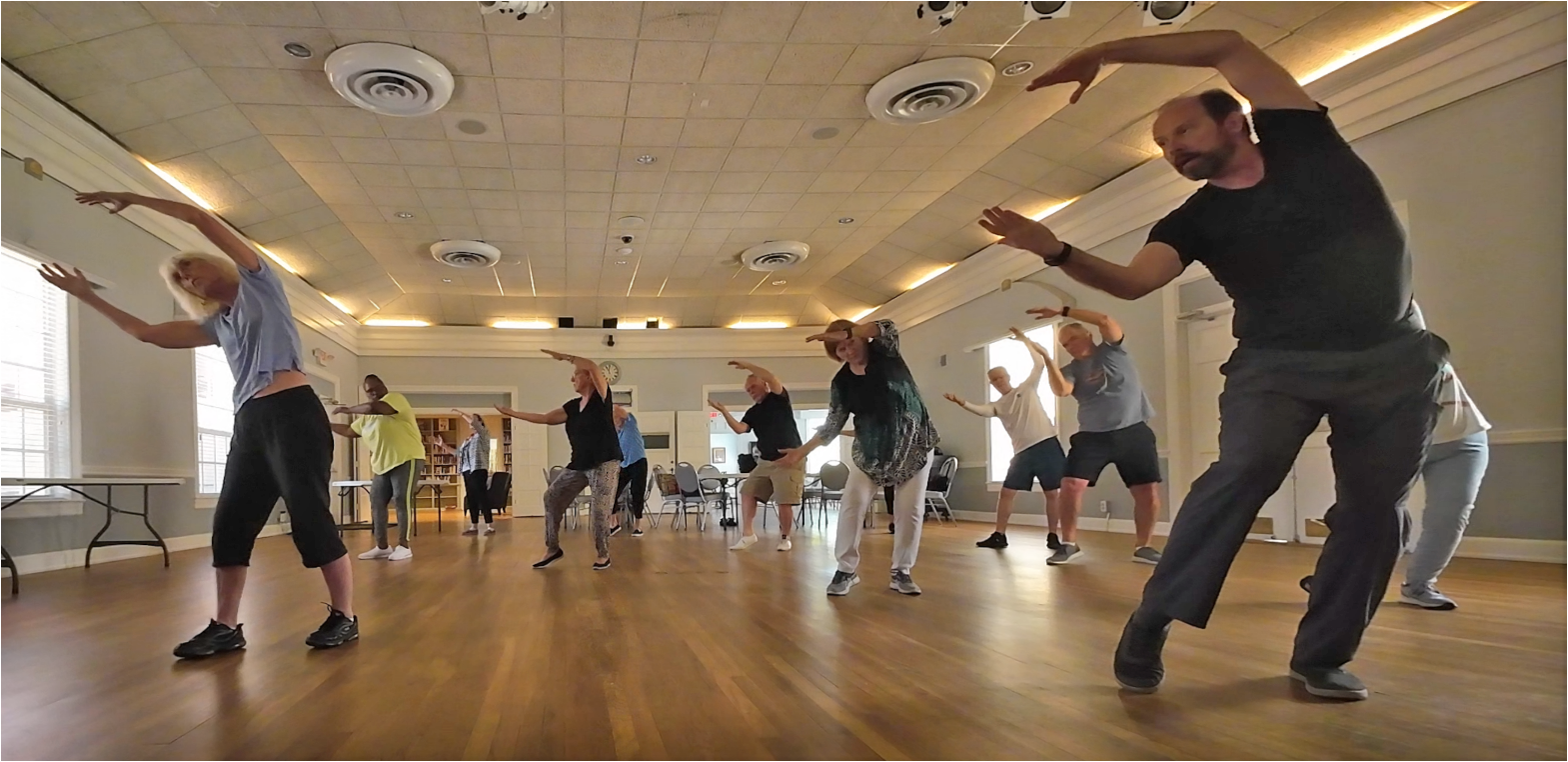
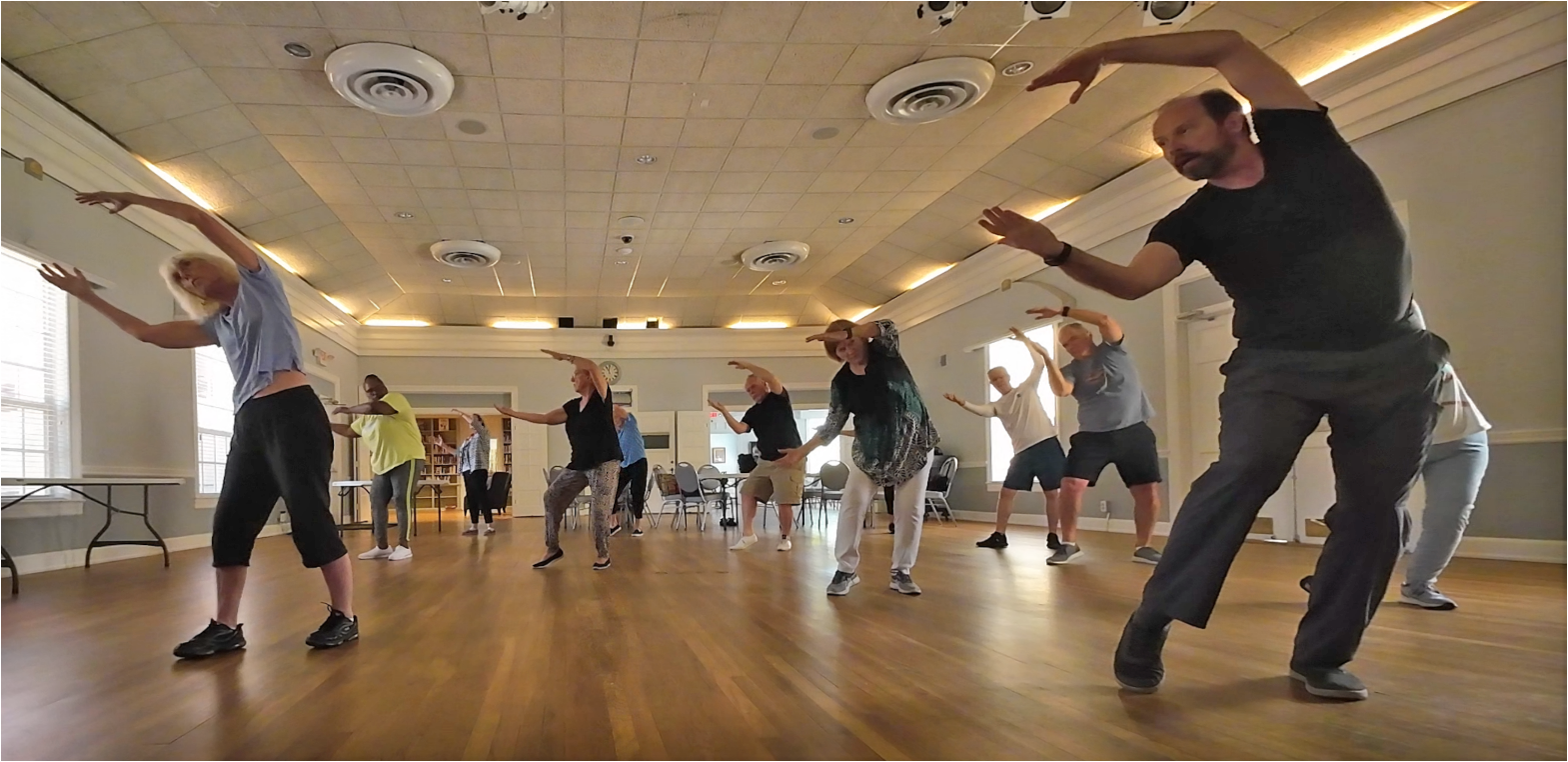
If we can deliberately choose to occupy our thoughts with stimuli that engages our short-term memory along with our breath and physical body alignments and sometimes movement, we can actually learn to better manage our thoughts and emotions. The physical body is a conduit into understanding our mind. The mind is tasked with directing and protecting the body. Conversely, the body protects the user’s mind. Yoga and its sibling of qigong, and its offspring of tai chi, offer many options of sitting, standing and moving exercises that can help to move the practitioner into a meditative state of mind that can help to tame our incessant inner dialogue. Other methods that can engage this cognitive process of managing thoughts can be playing instruments, gardening, and other skillful means however, not all offer the same benefits such as the physical health benefits of yoga, qigong and tai chi.

References:

Benjamin, T., Jr. (2018). A Brief History of Modern Psychology. Wiley.

Cowan, N. (2015). George Miller’s magical number of immediate memory in retrospect: Observations on the faltering progression of science. Psychological Review122(3), 536–541. https://doi.org/10.1037/a0039035

Miller, G. A. (1956). The magical number seven, plus or minus two: Some limits on our capacity for processing information. Psychological Review63(2), 81–97. https://doi-org.northernvermont.idm.oclc.org/10.1037/h0043158

____________________

I teach and offer lectures about holistic health, stress management, qigong, tai chi, baguazhang, meditation, phytotherapy (herbs), music for healing, self-massage, and Daoyin (yoga).

I look forward to further sharing more of my message by partnering with hospitals, wellness centers, VA centers, schools on all levels, businesses and individuals that see the value in building a stronger nation through building a healthier population. I also have hundreds of FREE education video classes, lectures and seminars available on my YouTube channel at:

https://www.youtube.com/c/MindandBodyExercises

www.MindAndBodyExercises.com

www.Amazon.com/author/jimmoltzan

Mind and Body Exercises on Google: https://posts.gle/aD47Qo

Jim Moltzan

407-234-0119
Physically close, mentally far; physically far, mentally close.


“Physically close, mentally far; physically far, mentally close” is a philosophical concept that reflects a paradoxical aspect of human relationships. We can be physically close to others, but still feel mentally distant. Conversely, we may be physically distanced, but still feel mentally close.

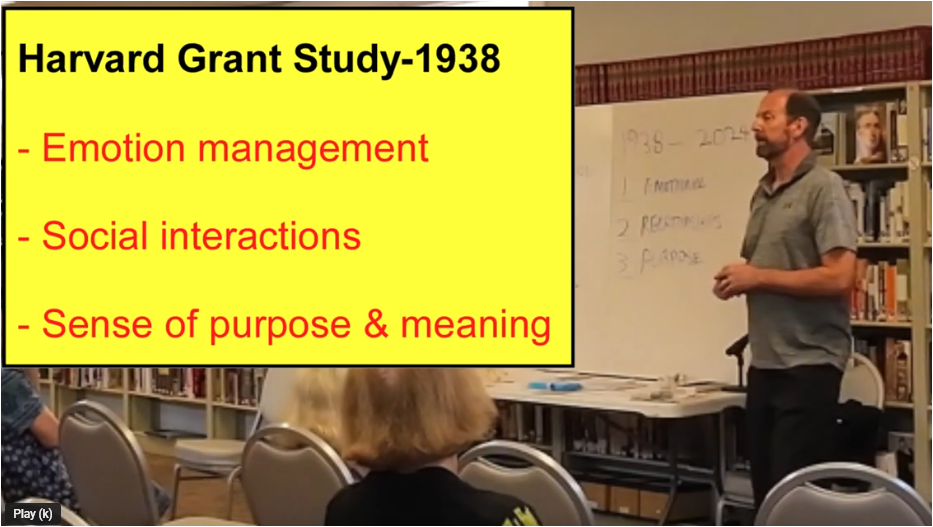
The Harvard Study of Adult Development (the Grant/Glueck Study) started in 1938 with 724 men, and women added in later, has been ongoing for 80 years. Key findings of this study were the following:
(a) Relationships are key to happiness and well-being
(b) Mental and physical health are synergistically in twined
(c) Stress management is essential for long term health and wellness
(d) Gratitude is also a key component to living a longer and happier life
(e) No one size fits all” approach, as everyone’s situation is somewhat unique from another

Human relationships are often quite complex, nudging us to recognize the multi-dimensional nature of closeness and connection beyond the limitations of physical space. Further contemplation on this might bring us to a deeper understanding and appreciation for those in our lives.

  1. Proximity:
    • Being physical next to or in close proximity to another, does not necessarily guarantee emotional or intellectual connection. Individuals can be physically close as in the same room, office, vehicle, or sharing the same space, while being distant in their own thoughts, emotions, and deeper understanding of one another.
  2. The Nature of Connection:
    • Authentic connections transcend physical presence. Mental closeness consists of a deeper understanding that can exist regardless of physical distance, focusing upon the importance of not only emotional but also intellectual connections in relationships.
  3. Communication and Understanding:
    • Open and truthful communication and mutual understanding are imperative for genuine closeness. Physical proximity by itself cannot make up for a lack of communication or comprehend of another’s perspectives.
  4. Technology:
    • Recent advancements in technology have increased the options to stay in touch while being physically far apart. Smartphones, computers and other electronic communication tools have enabled more people to be able to maintain relationships across vast distances, demonstrating the ever changing nature of relationships in our world.
  5. Existential Reflection:
    • Our minds are not bound by mere physical constraints as we can transcend the limitations of space if we desire to do so with our relationships.
  6. Emotional Distance:
    • Physical closeness can be seen as a reflection of our geographical location. Mental distance can be a result of emotional barriers. People may find themselves physically close to other, while emotionally distant due to differences of values, morals, opinions, unresolved conflicts, or emotional walls.
  7. Authentic Connections:
    • Authenticity in relationships requires a deeper understanding of shared values, principles, and emotional empathy for meaningful connections.
  8. Temporal Evolution:
    • Relationships most often change and evolve over time. Physical closeness that once nurtured mental proximity can change, where physical distance coexists with either a stronger or weaker mental connection.
    • Physical distance can actually strengthen relationships, because it may cause people to miss and appreciate each other more giving people time to reflect on their relationship and grow closer.

If people strive to have a strong emotional bond where they feel they are supported and deeply understood by each other, their relationship will be strong regardless of the physical proximity between them.

__________________

I teach and offer lectures about holistic health, stress management, qigong, tai chi, baguazhang, meditation, phytotherapy (herbs), music for healing, self-massage, and Daoyin (yoga). I also have hundreds of FREE education video classes, lectures and seminars available on my YouTube channel at:

https://www.youtube.com/c/MindandBodyExercises

www.MindAndBodyExercises.com

www.Amazon.com/author/jimmoltzan

Mind and Body Exercises on Google: https://posts.gle/aD47Qo

Jim Moltzan

407-234-0119
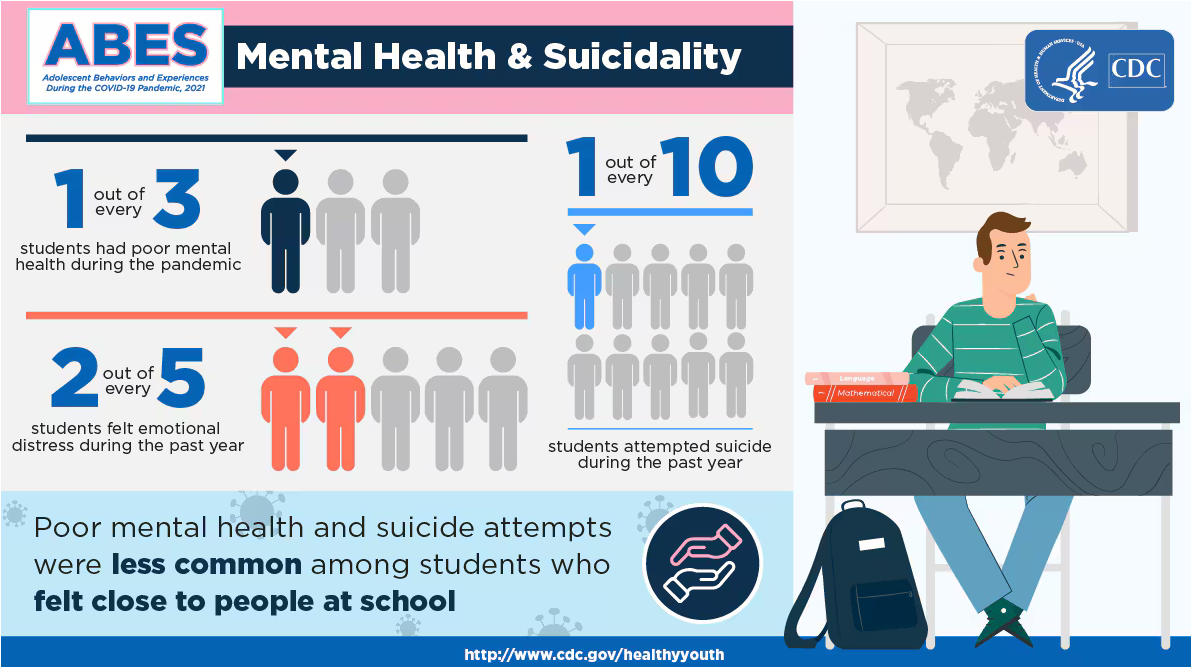
Suicide Rates Spike…. Again in the US

Here I am again, discussing mental health care in the US. The Wall Street Journal just dropped an article reporting that “U.S. Suicides Reached a Record High Last Year.” It doesn’t need to be this way.

I find this so frustrating that we know our nation’s people are in distress, due to many manageable root issues of poor diet, lack of physical activity (sedentary lifestyle), addiction to electronics, lack of patriotism and maybe most important. loss of meaning and purpose in our lives. Most of us know these are major issues, but do we really care enough to make changes that will actually have a lasting effect? Having vast resources in the way of dollars, and throwing more money to healthcare facilities that often prescribe strong pharmaceuticals cannot be the only answer to this problem that has been on the rise for the last decades. As we can see today, these methods are not making much of a dent.

If we continue to only treat the symptoms of mental health issues, such as anxiety, depression, PTSD, etc. we will never truly address the root causes of these ailments.

Here is the link for the Wall Street Journal article:

There are many options that we can implement, we just need to pierce the veil of delusion and fix the root causes of most of our problems. Most start with our youth and never end as they grow into adults. Education and self-discipline are key.

  • Improve the diet in schools. No more crap junk foods at school or at home.
  • Get recess and PE back in the daily school schedule. What good are cramming advanced courses in the schedule when a kid can’t even self-regulate their emotions with some recess and physical activity?
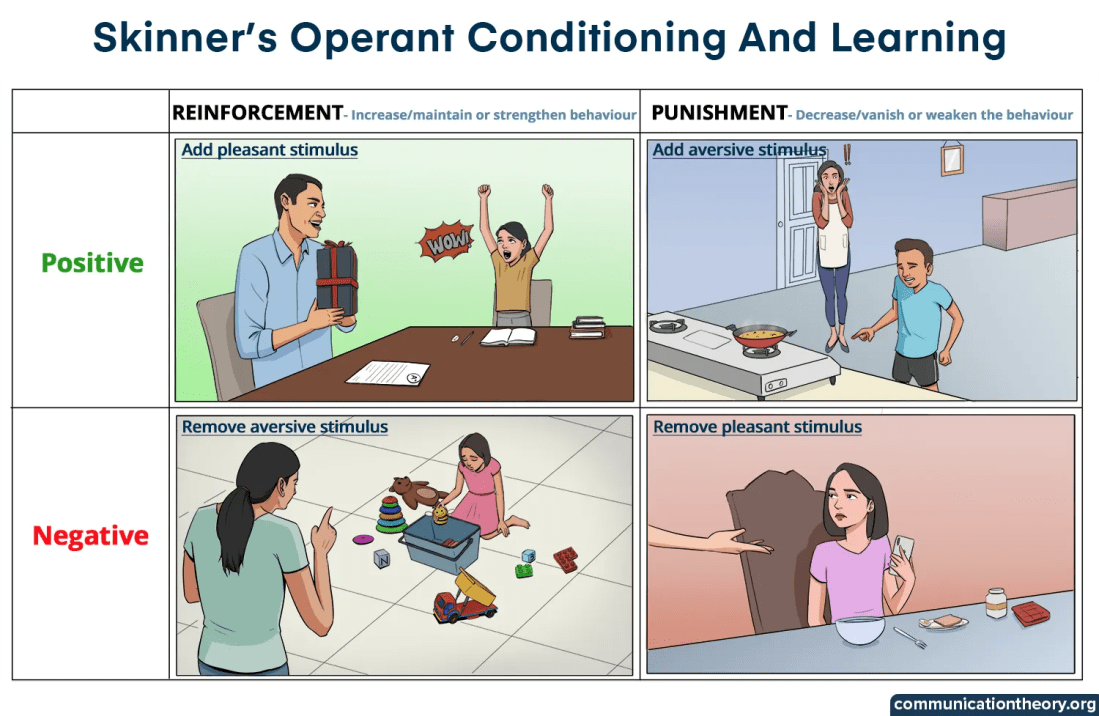
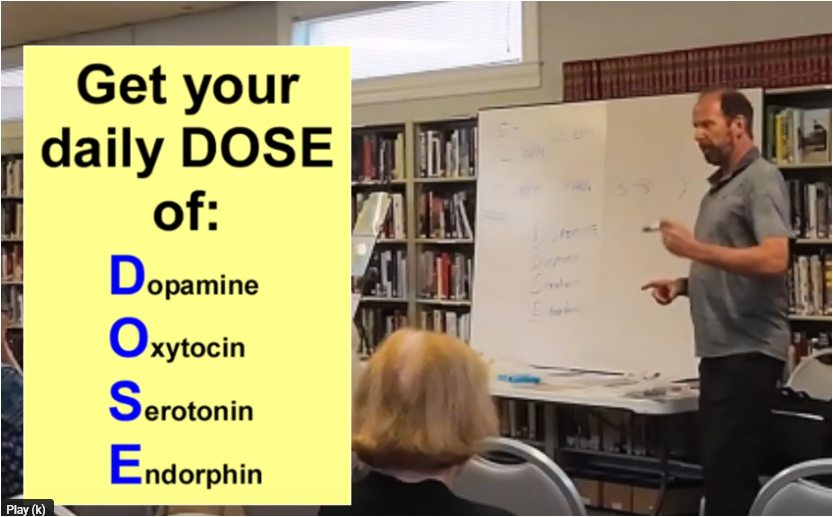
  • Better manage this smartphone, TV, PC internet/gaming addiction. Basic physiology classes explain this is all about our inner chemistry that is way out of balance with all of the dopamine and cortisol rollercoastering up and down, all day long.
  • Give our people a place to be proud of. If people don’t have a home. a community, a city, a nation, what’s the desire to live in these places?
  • Let’s better educate people to have purpose, something that makes us want to get up and out of bed because the world needs each of us in order to become a better place for everyone.
  • Show those that you love and care about, and even those that you don’t, that the world is a better place for them not only for being in it, but being part of it. This gives meaning to someone and their life.

In addition to these root issues being addressed, there are other options for people to try just in order to manage and self-regulate their own stress. Some are absolutely free or available for minimal costs such as:

(1) Education – books, documentaries, libraries, online


(2) Support – from family, friends, local support groups, online, on the phone (dumps oxytocin into the blood flow)


(3) Mindfulness – pursue becoming aware about what you think, how you react, your actions

(4) Meditation – take a break, a walk, listen to calming music, garden, exercise – these are all types of activities that can elicit a meditative state of mind (adjusts serotonin levels in the bloodstream)


(5) Exercise – the conduit to the mind is through the physical body. Physical movement either gets endorphins and dopamine flowing or epinephrine, adrenaline and cortisol if you are running from a tiger. Walk, run, swim, stretch, hike, etc. These are mostly free.

Other methods may have a cost, but are stiller cheaper in the long run than pills, therapy, a trip to the hospital or ultimately to the morgue.

Be well, become healthier, become wiser.

_____

I teach and offer lectures about holistic health, stress management, qigong, tai chi, baguazhang, meditation, phytotherapy (herbs), music for healing, self-massage, and Daoyin (yoga). I also have hundreds of FREE education video classes, lectures and seminars available on my YouTube channel at:

https://www.youtube.com/c/MindandBodyExercises

www.MindAndBodyExercises.com

www.Amazon.com/author/jimmoltzan

Mind and Body Exercises on Google: https://posts.gle/aD47Qo

Jim Moltzan

407-234-0119
Why is the US Younger Population in Crisis?

Well, this did not just happen overnight and for no apparent reason. There are many factors that are leading the US younger population to be experiencing major health issues, such as obesity, diabetes, anxiety, depression, suicide, and other issues, typically considered as adult issues in years past.

Obesity

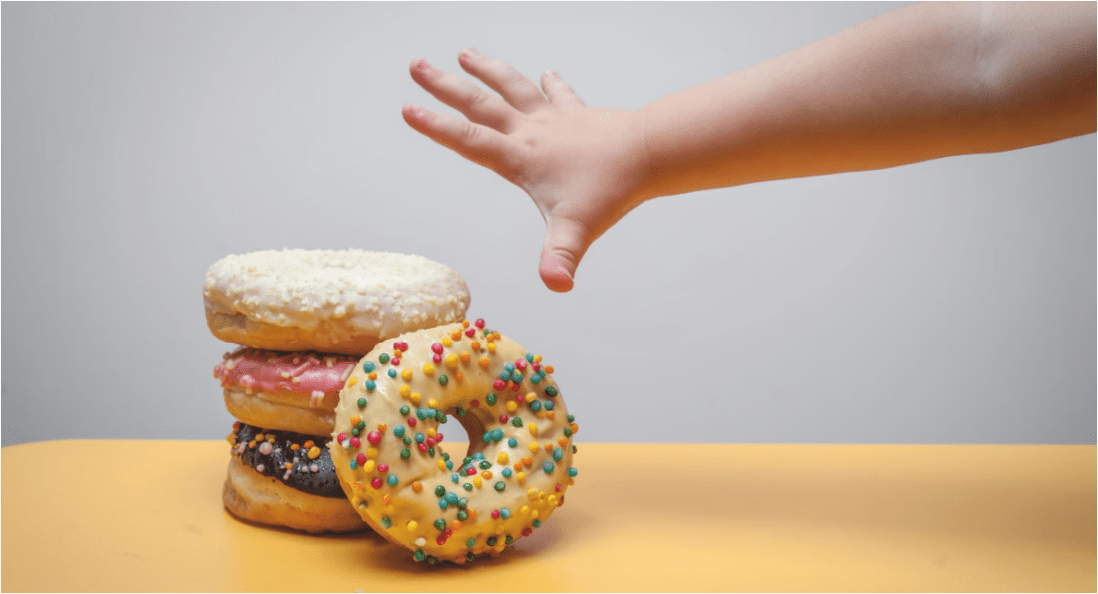
  • Increased consumption of processed foods and sugary drinks: The rise of fast food, sugary drinks, and processed snacks has contributed to a significant increase in calorie intake and a decrease in nutrient intake among young people.
  • Decreased physical activity: The increased prevalence of sedentary lifestyles, due to factors such as television, video games, and computer use, has led to a decrease in physical activity among young people.
  • Marketing of unhealthy foods: Children and adolescents are bombarded with advertisements for unhealthy foods, which can influence their dietary choices.

Diabetes

  • Genetic predisposition: Type 2 diabetes has a strong genetic component, and a family history of the disease increases the risk of developing it.
  • Obesity: Obesity is a major risk factor for type 2 diabetes.
  • Unhealthy diet: A diet that is high in processed foods, sugary drinks, and red meat can increase the risk of developing type 2 diabetes.
  • Lack of physical activity: Physical activity helps to control blood sugar levels and can reduce the risk of developing type 2 diabetes.

Anxiety and depression

  • Increased academic pressure: Young people today face a lot of pressure to succeed in school, which can lead to stress and anxiety.
  • Social media: Social media can be a source of both positive and negative social interactions. For some young people, social media can lead to feelings of isolation, inadequacy, and anxiety.
  • Cyber-bullying: Cyber-bullying is a growing problem that can have a serious impact on the mental health of young people.
  • Fear of violence: Young people today are more likely to be exposed to violence, both in their communities and in the media. This exposure can lead to feelings of fear, anxiety, and stress.

Suicide

  • Mental health disorders: Mental health disorders are a major risk factor for suicide.
  • Substance abuse: Substance abuse is another major risk factor for suicide.
  • Exposure to violence: Young people who are exposed to violence are more likely to attempt suicide.
  • Lack of access to mental health care: Many young people who need mental health care do not receive it, which can increase their risk of suicide.

Other issues

  • Sleep deprivation: Young people today are more likely to be sleep deprived, which can lead to a variety of health problems, including obesity, diabetes, anxiety, and depression.
  • Exposure to environmental toxins: Young people are more likely to be exposed to environmental toxins, such as lead and air pollution, which can have a negative impact on their health.
  • Lack of access to healthy food: Many young people do not have access to healthy food, which can lead to a variety of health problems, including obesity, diabetes, and heart disease.

These are just some of the factors that are leading the US younger population to be experiencing major health issues. It is important to address these issues in order to promote the health and well-being of young people.

Solutions

  • Put physical education (PE) back into schools as a priority: Young and old people today need physical activity, not just for the body but their brains. Physical activity is known to help reduce and manage obesity, diabetes, anxiety, and depression.
  • Keep the environmental poisons away from the kids: Get the young people off the couch and computer screens and outdoors to get some fresh air and appreciation for the nature that is all around us.
  • Remove the crap junk food from the diet: Young people eat what schools offer, whether healthy or not. Just as they will eat what their parents buy and put in their homes. If adult parents cannot be disciplined themselves to eat healthier, how can we expect the kids to do the same. Lead by example.
  • Be parents to your children, and stop being their friends: DO YOUR JOB! Give your kids love, guidance, direction, compassion and boundaries. Be better advocates for their health and well-being. Plant good seeds, not bad weeds!

___________

I teach and offer lectures about holistic health, qigong, tai chi, baguazhang, meditation, phytotherapy (herbs), music for healing, self-massage, and yoga. I also have hundreds of FREE education video classes, lectures and seminars available on my YouTube channel at:

https://www.youtube.com/c/MindandBodyExercises

www.MindAndBodyExercises.com

www.Amazon.com/author/jimmoltzan

Mind and Body Exercises on Google: https://posts.gle/aD47Qo

Jim Moltzan

407-234-0119
What is the PERMA-V Model for Flourishing?

Dr. Martin Seligman, a psychologist and one of the founders of positive psychology, introduced the concept of PERMA as a framework for understanding and cultivating well-being and happiness. PERMA is an acronym that represents five essential elements of a fulfilling and meaningful life. Here’s a brief summary of each component:

  1. Positive Emotions (P): This refers to experiencing and cultivating positive feelings such as joy, gratitude, serenity, interest, hope, pride, amusement, and love. Fostering positive emotions is seen as a crucial aspect of overall well-being.
  2. Engagement (E): Also known as “flow,” engagement involves being fully absorbed and immersed in activities that challenge and utilize one’s skills. When individuals are engaged in what they’re doing, they often lose track of time and experience a sense of deep satisfaction.
  3. Relationships (R): Positive social connections and meaningful relationships contribute significantly to well-being. Maintaining healthy and supportive relationships with friends, family, and community fosters a sense of belonging and social support.
  4. Meaning (M): Finding meaning and purpose in life is essential for well-being. This involves understanding one’s strengths and values and using them to contribute to something larger than oneself, whether it be through work, relationships, or other pursuits.
  5. Accomplishment (A): Achieving goals and accomplishments, both big and small, contributes to a sense of competence and mastery. Setting and reaching goals provides a sense of purpose and fulfillment.
  6. Vitality (V): There has been an update to Seligman’s PERMA model, and the “V” for Vitality has been added. This addition expands the model to include physical well-being as a crucial component. Vitality encompasses the importance of a healthy and energized body. It involves paying attention to nutrition, exercise, sleep, and other factors that contribute to physical well-being.

The PERMA-V model suggests that these six elements work together to enhance overall well-being, and individuals can focus on cultivating each aspect in their lives to lead a more flourishing and satisfying existence.

_________________

I teach and offer lectures about holistic health, qigong, tai chi, baguazhang, meditation, phytotherapy (herbs), music for healing, self-massage, and yoga. I also have hundreds of FREE education video classes, lectures and seminars available on my YouTube channel at:

https://www.youtube.com/c/MindandBodyExercises

www.MindAndBodyExercises.com

www.Amazon.com/author/jimmoltzan

Mind and Body Exercises on Google: https://posts.gle/aD47Qo

Jim Moltzan

407-234-0119