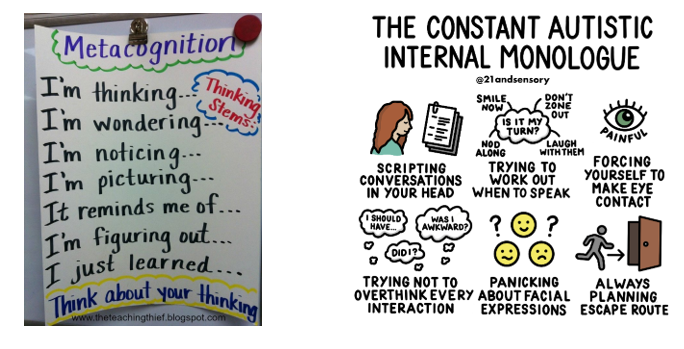
Holistic health emphasizes the integration of mind, body, and spirit. Within this framework, the ways in which we think about our thoughts and talk to ourselves internally play a central role in overall well-being. Two important but distinct psychological constructs, metacognition and the inner dialogue, form the foundation of self-awareness and self-regulation. While inner dialogue reflects the ongoing commentary of the mind, metacognition is the reflective process that evaluates and guides those thoughts. Understanding the distinction and interplay between the two provides powerful insight into mental, physical, and spiritual health.
Defining Metacognition
Metacognition, often described as “thinking about thinking,” refers to the awareness and regulation of one’s cognitive processes (Flavell, 1979). It includes both:
Metacognitive knowledge: recognizing one’s strengths, weaknesses, and strategies for thinking and learning.
Metacognitive regulation: the ability to plan, monitor, and adapt thought patterns and behaviors to reach goals (Schraw & Dennison, 1994).
For example, when someone recognizes they are struggling to focus and decides to change their study method or environment, they are applying metacognition. It functions as a higher-order system of self-observation, enabling intentional choices rather than automatic reactions.
Understanding the Inner Dialogue
The inner dialogue, also known as self-talk or inner speech, represents the continuous stream of words and judgments we silently direct toward ourselves. This internal commentary can be supportive (“I am capable of handling this challenge”) or critical (“I’ll never succeed at this”) (Morin, 2009). Unlike metacognition, which is strategic and reflective, inner dialogue is often spontaneous, shaped by prior experiences, beliefs, and emotional states (Beck, 2011).
Because inner dialogue can strongly influence emotion and physiology, triggering stress responses or enhancing motivation. It plays a direct role in daily wellness.
The Relationship Between Metacognition and Inner Dialogue
Although related, these two processes serve distinct roles:
Inner dialogue is the content of thought, with words, judgments, and narratives playing out in the mind.
Metacognition is the process that monitors and evaluates that content, determining whether it is useful, accurate, or aligned with one’s values and goals.
For example, a negative inner dialogue may say, “I am too tired to exercise.” Metacognition, however, can step in to evaluate this thought: “Is this fatigue physical exhaustion or just lack of motivation? What choice best supports my health goals?” This oversight allows individuals to reshape self-talk into a more adaptive pattern, such as: “I will start with a light walk to see how I feel.”
In this way, metacognition acts as a regulator of the inner dialogue, creating a feedback loop in which self-awareness leads to more balanced decisions.
Implications for Holistic Health and Wellness
Mental Wellness
Unchecked inner dialogue can amplify stress, worry, or self-doubt. Metacognition provides the awareness needed to identify unhelpful thought patterns, reduce rumination, and foster cognitive reappraisal (Wells, 2002). Metacognitive therapy, for example, helps individuals gain distance from destructive inner dialogue, improving resilience and emotional balance (Normann & Morina, 2018).
Physical Health
Health behaviors such as exercise, nutrition, and sleep are influenced by the interplay between self-talk and metacognition. Inner dialogue may discourage healthy action (“I don’t have time to cook tonight”), but metacognition allows for reflection and redirection (“If I prepare something simple now, I will feel better tomorrow”). Research suggests that higher levels of metacognitive awareness correlate with proactive health behaviors (Frazier et al., 2021).
Spiritual Growth
In the spiritual dimension of wellness, metacognition and inner dialogue intersect through practices such as meditation and prayer. Inner dialogue may be quieted, observed, or transformed during these practices, while metacognition supports discernment of which thoughts are distractions, and which carry deeper meaning (Vago & Silbersweig, 2012). This reflective process nurtures clarity, purpose, and transcendence—core elements of holistic health.
Practical Applications
Mindfulness and Meditation – Strengthen awareness of the inner dialogue and cultivate metacognitive observation without judgment.
Reflective Journaling – Encourage conscious monitoring of thought patterns, helping distinguish helpful from harmful self-talk.
Cognitive-Behavioral Practices – Use metacognition to challenge negative self-talk and reinforce positive, health-supporting narratives.
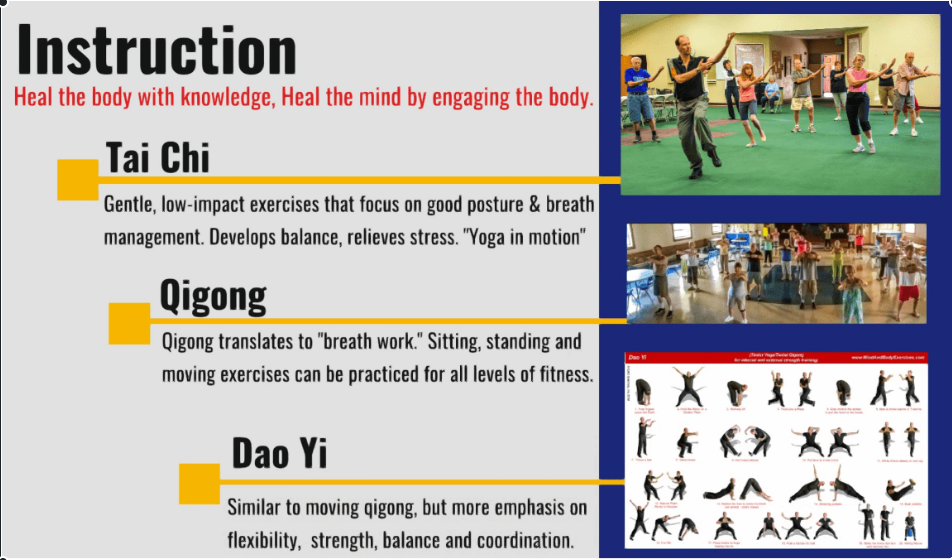
Holistic Disciplines (e.g., Tai Chi, Qigong, Yoga) – Integrate body awareness with reflective thought, aligning physical sensations with mindful inner regulation.
Metacognition and inner dialogue are distinct yet complementary processes that shape human experience. Inner dialogue provides the immediate content of thought, while metacognition serves as the higher-order process that monitors and reshapes those thoughts. Together, they influence mental clarity, physical choices, and spiritual insight, making them central to holistic health and wellness. By cultivating both awareness of the inner dialogue and the reflective power of metacognition, individuals can foster resilience, self-regulation, and a deeper sense of integration across mind, body, and spirit.
Flavell, J. H. (1979). Metacognition and cognitive monitoring: A new area of cognitive–developmental inquiry. American Psychologist, 34(10), 906–911. https://doi.org/10.1037/0003-066x.34.10.906
Frazier, L. D., Schwartz, B. L., & Metcalfe, J. (2021). The MAPS model of self-regulation: Integrating metacognition, agency, and possible selves. Metacognition and Learning, 16(2), 297–318. https://doi.org/10.1007/s11409-020-09255-3
Morin, A. (2009). Self-awareness deficits following loss of inner speech: Dr. Jill Bolte Taylor’s case study. Consciousness and Cognition, 18(2), 524–529. https://doi.org/10.1016/j.concog.2008.09.008
Normann, N., & Morina, N. (2018). The efficacy of metacognitive therapy: A systematic review and meta-analysis. Frontiers in Psychology, 9, 2211. https://doi.org/10.3389/fpsyg.2018.02211
Schraw, G., & Dennison, R. S. (1994). Assessing metacognitive awareness. Contemporary Educational Psychology, 19(4), 460–475. https://doi.org/10.1006/ceps.1994.1033
Vago, D. R., & Silbersweig, D. A. (2012). Self-awareness, self-regulation, and self-transcendence (S-ART): A framework for understanding the neurobiological mechanisms of mindfulness. Frontiers in Human Neuroscience, 6, 296. https://doi.org/10.3389/fnhum.2012.00296
Cultivating Emotional Sovereignty in a Reactive Culture
In contemporary society, offense has become both a currency and a contagion. Social media platforms amplify outrage, news cycles thrive on indignation, and personal identity is increasingly intertwined with ideological positioning. In such an environment, the mere possibility of being offended is often treated as justification for emotional reactivity. Yet the capacity to feel offended does not obligate us to live offended. The distinction between stimulus and response, between what happens to us and how we choose to interpret and embody that experience, lies at the heart of psychological maturity, emotional resilience, and personal sovereignty.
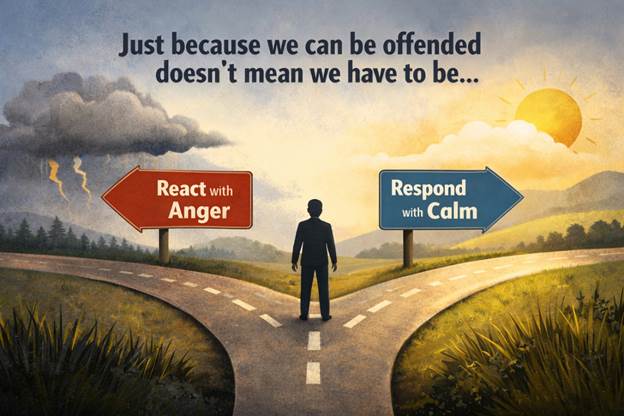
The statement “Just because we can be offended doesn’t mean we have to be offended” is not a call to emotional suppression or moral indifference. Rather, it reflects a deeper philosophy of self-regulation, discernment, and conscious agency. It invites individuals to reclaim authorship over their internal states rather than surrendering that authority to external forces.
Offense as a Psychological Reflex
Offense is not merely a moral judgment; it is a psychological reaction shaped by cognition, emotion, identity, and conditioning. From a cognitive perspective, offense arises from appraisal processes, our interpretations of meaning, intent, and threat (Lazarus, 1991). When a statement, behavior, or symbol is perceived as violating one’s values or identity, the nervous system often responds defensively, activating the stress response.
Neuroscientifically, perceived social threat activates the same brain regions associated with physical danger, including the amygdala and anterior cingulate cortex (Eisenberger et al., 2003). The body reacts as though under attack, even when the “threat” is symbolic or ideological. In this sense, offense is not merely an opinion, but rather it is a somatic experience.
However, cognitive-behavioral research demonstrates that emotional reactions are not caused directly by events, but by our interpretations of those events (Beck, 1976; Ellis, 1962). Two people can encounter the same stimulus and respond in radically different ways. One becomes enraged; the other remains curious. One feels attacked; the other feels unmoved. The difference lies not in the event, but in the meaning assigned to it.
The Illusion of Emotional Obligation
Modern culture increasingly frames emotional reactions as moral imperatives. If something is offensive, one is expected to be offended. If one is not offended, one may be accused of apathy, complicity, or ignorance. This creates a form of emotional coercion in which outrage becomes a social requirement rather than a personal choice.
Yet emotional autonomy is a cornerstone of psychological well-being. Self-determination theory emphasizes that autonomy, or the ability to regulate one’s own internal states and behavior, is essential for mental health and resilience (Deci & Ryan, 2000). When individuals surrender their emotional regulation to external narratives, they become psychologically reactive rather than self-directed.
Viktor Frankl (1959), writing from the extreme conditions of Nazi concentration camps, articulated this principle with profound clarity:
“Between stimulus and response there is a space. In that space is our power to choose our response. In our response lies our growth and our freedom.”
Offense collapses that space. It replaces reflection with reflex. It trades discernment for reaction.
Identity, Ego, and the Architecture of Offense
Offense is often less about the external stimulus and more about the internal structure of identity. When beliefs become fused with the ego, disagreement feels like annihilation. When narratives become moral absolutes, questioning feels like betrayal.
Social identity theory explains how individuals derive self-concept from group membership, which can intensify defensiveness when group values are challenged (Tajfel & Turner, 1979). In such contexts, offense becomes a mechanism for protecting identity boundaries.
However, psychological flexibility, or the ability to hold beliefs lightly and remain open to new perspectives, is strongly associated with well-being and adaptive functioning (Kashdan & Rottenberg, 2010). Rigid identity structures create fragile egos. Fragile egos seek offense.
The Stoic philosophers understood this dynamic long before modern psychology. Epictetus wrote:
“It is not things themselves that disturb people, but their judgments about those things.” (Epictetus, trans. 2008)
In Taoist philosophy, offense is seen as an expression of imbalance, a disturbance of inner harmony caused by attachment to form, opinion, and self-image (Laozi, trans. 2003). The Tao Te Ching repeatedly emphasizes softness, yielding, and non-contention as expressions of true strength.
The Cost of Chronic Offense
Living in a constant state of offense is physiologically and psychologically costly. Chronic emotional reactivity sustains activation of the hypothalamic-pituitary-adrenal (HPA) axis, elevating cortisol levels and contributing to inflammation, anxiety, cardiovascular strain, and immune dysregulation (McEwen, 2007).
Psychologically, habitual offense fosters rumination, polarization, and cognitive rigidity. It narrows perception, reduces empathy, and erodes social cohesion. Over time, it becomes a form of self-imposed imprisonment or leaned helplessness, a mental posture of perpetual conflict.
From a social perspective, outrage culture rewards emotional escalation rather than thoughtful dialogue. Nuance is punished. Complexity is flattened. The loudest voices dominate, while reflective voices retreat.
Yet human flourishing depends not on ideological purity, but on psychological resilience, moral humility, and relational intelligence.
Emotional Sovereignty and the Practice of Non-Offense
To choose not to be offended is not to abandon values. It is to embody them with maturity.
Emotional sovereignty means reclaiming authority over one’s internal state. It means recognizing that while we cannot control what others say or do, we can control how we metabolize those experiences.
Mindfulness research consistently demonstrates that cultivating present-moment awareness reduces emotional reactivity and increases cognitive flexibility (Kabat-Zinn, 2003; Tang et al., 2015). When individuals observe their reactions without immediately identifying with them, the emotional charge dissipates.
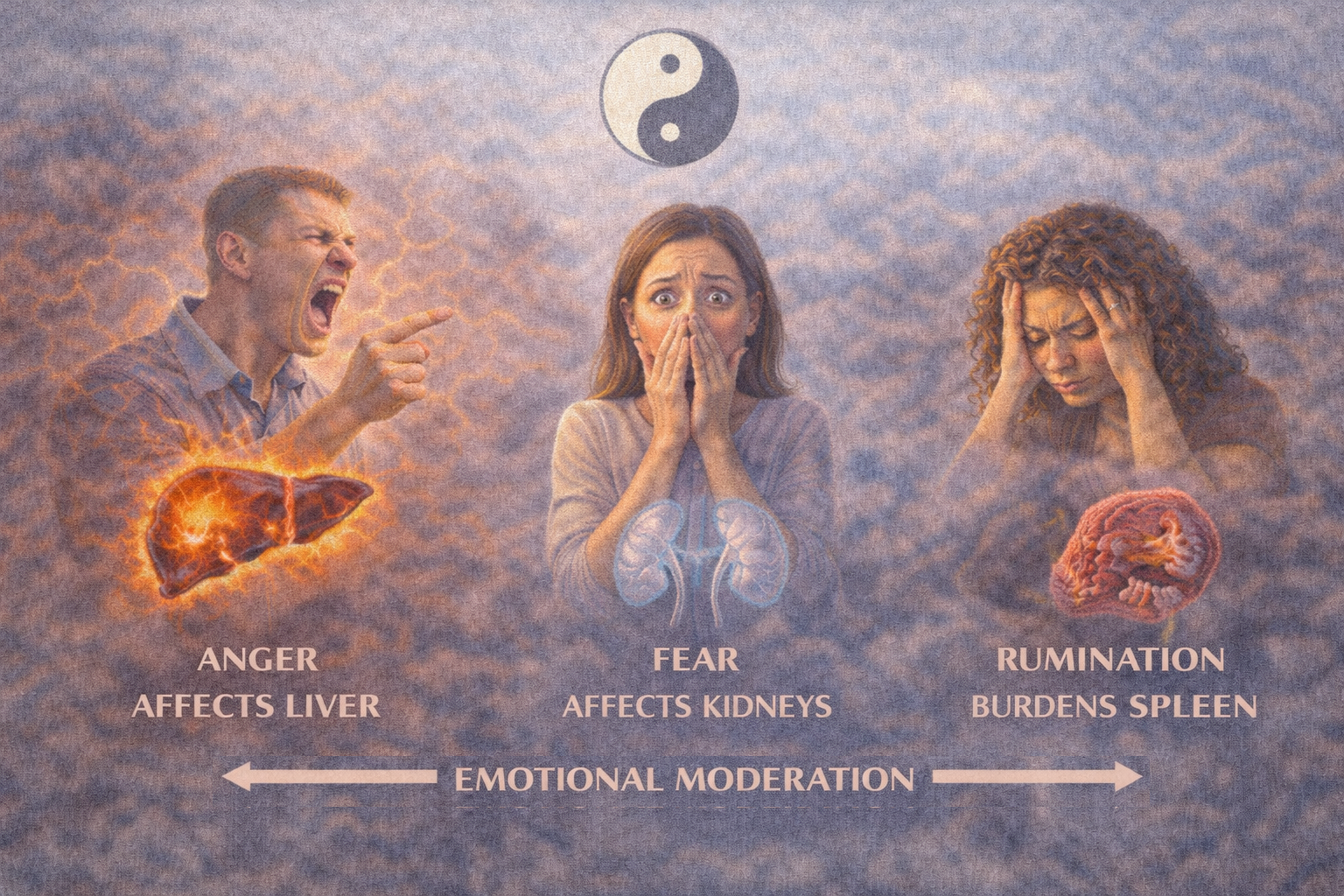
In Taoist internal cultivation practices, emotional regulation is viewed as an essential aspect of health. Excessive anger is believed to disturb liver qi, excessive fear weakens kidney essence, and excessive rumination burdens the spleen (Kaptchuk, 2000). Emotional moderation is not merely ethical, it is physiological.
Similarly, in classical Stoicism, the goal is not emotional numbness, but emotional mastery. One learns to respond rather than react, to act from reason rather than impulse, and to maintain inner stability amid external chaos.
Choosing Power Over Fragility
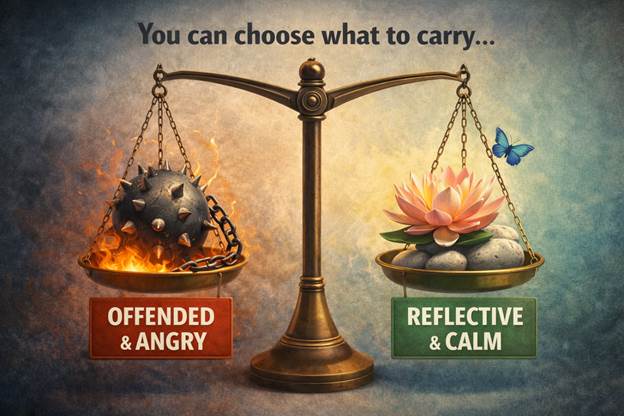
To be easily offended is to live at the mercy of others. To be unoffendable is to live from inner authority.
This does not mean tolerating injustice or abandoning moral clarity. It means engaging with the world from a position of grounded strength rather than reactive fragility. It means speaking when speech is necessary, acting when action is required, and walking away when engagement serves no constructive purpose.
In a culture addicted to outrage, non-offense is a radical act of sovereignty.
The capacity to feel offended is part of being human. The wisdom to choose not to be offended is part of becoming whole.
Deci, E. L., & Ryan, R. M. (2000). The “what” and “why” of goal pursuits: Human needs and the self-determination of behavior. Psychological Inquiry, 11(4), 227–268. https://doi.org/10.1207/S15327965PLI1104_01
Eisenberger, N. I., Lieberman, M. D., & Williams, K. D. (2003). Does rejection hurt? An fMRI study of social exclusion. Science, 302(5643), 290–292. https://doi.org/10.1126/science.1089134
Kabat-Zinn, J. (2003). Mindfulness-based interventions in context: Past, present, and future. Clinical Psychology: Science and Practice, 10(2), 144–156. https://doi.org/10.1093/clipsy/bpg016
Kaptchuk, T. J. (2000). The web that has no weaver: Understanding Chinese medicine (2nd ed.). McGraw-Hill.
Kashdan, T. B., & Rottenberg, J. (2010). Psychological flexibility as a fundamental aspect of health. Clinical Psychology Review, 30(7), 865–878. https://doi.org/10.1016/j.cpr.2010.03.001
Laozi. (2003). Tao Te Ching (D. C. Lau, Trans.). Penguin Classics.
McEwen, B. S. (2007). Physiology and neurobiology of stress and adaptation: Central role of the brain. Physiological Reviews, 87(3), 873–904. https://doi.org/10.1152/physrev.00041.2006
Tajfel, H., & Turner, J. C. (1979). An integrative theory of intergroup conflict. In W. G. Austin & S. Worchel (Eds.), The social psychology of intergroup relations (pp. 33–47). Brooks/Cole.
Tang, Y.-Y., Hölzel, B. K., & Posner, M. I. (2015). The neuroscience of mindfulness meditation. Nature Reviews Neuroscience, 16(4), 213–225. https://doi.org/10.1038/nrn3916
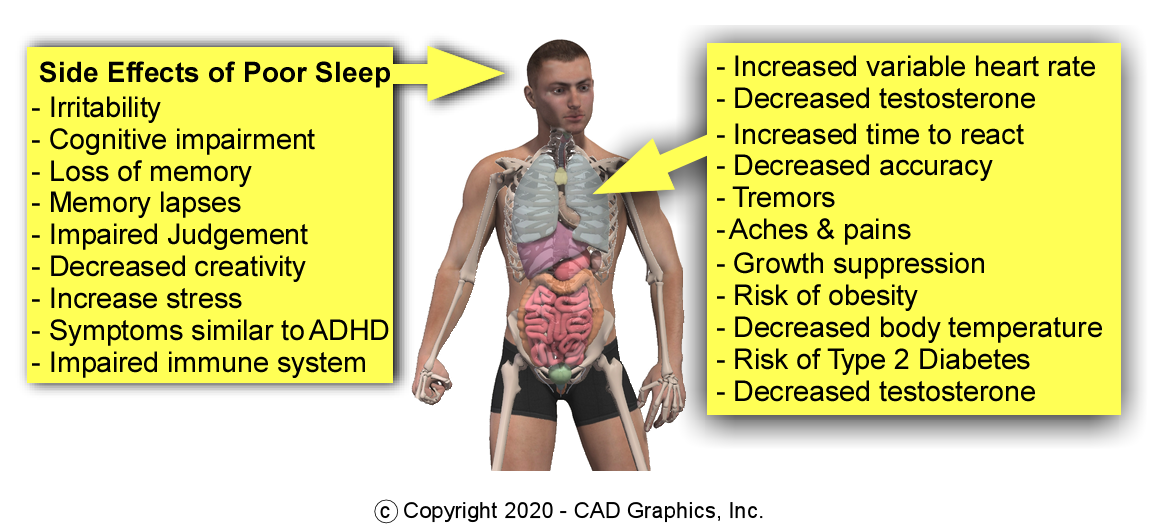
Sleep is a natural regularly occurring physiological function, where humans and other animals reduce physical and mental activity, lessen responsiveness to stimuli, and particular patterns of brain activity occur (Ettinger 2018). Prolonged lack of sleep or sleep deprivation can cause impaired memory formation as well as adverse effects on the brain’s other cognitive functions such as learning, language, reason, and perception. Sleep deprivation has also been linked to significant mental diseases, such as depression, psychosis, and bipolar disorder (Horowitz, 2020). Physical problems attributed to consistent lack of sleep include weakening of the immune system, headaches, heart disease, fainting, weight gain or weight loss, blurred vision, and hernias. Other related ailments may include obesity, cancer, stroke, asthma, high blood pressure, diabetes, arthritis, and kidney failure. Severe sleep deprivation in humans can also be fatal, where a rare neurological ailment called fatal familial insomnia, results in damage to areas of the thalamus (Horowitz, 2020).
Studies with REM-deprived sleep participants showed the effects of decreased ability to concentrate on tasks, increased irritability, hostility, anxiousness, and aggressiveness. Studies also showed that REM-starved participants entered into REM sleep almost as soon as they were permitted to nod off, over the course of a one-week experiment. Participants experienced a REM rebound effect, where they spent roughly 50 percent more time in REM than they did before the start of the experiment. This REM rebound effect seems to occur immediately after a duration of forced wakefulness during a night’s sleep. Physiological changes in animals have been observed in other studies regarding REM deprivation, with effects of weight loss, deteriorated appearance, skin lesions, increased energy expenditure, decreased body temperature, and even death. Researchers think that if humans experienced similar circumstances of sleep deprivation used in animal studies, similar outcomes would present (Ettinger 2018).
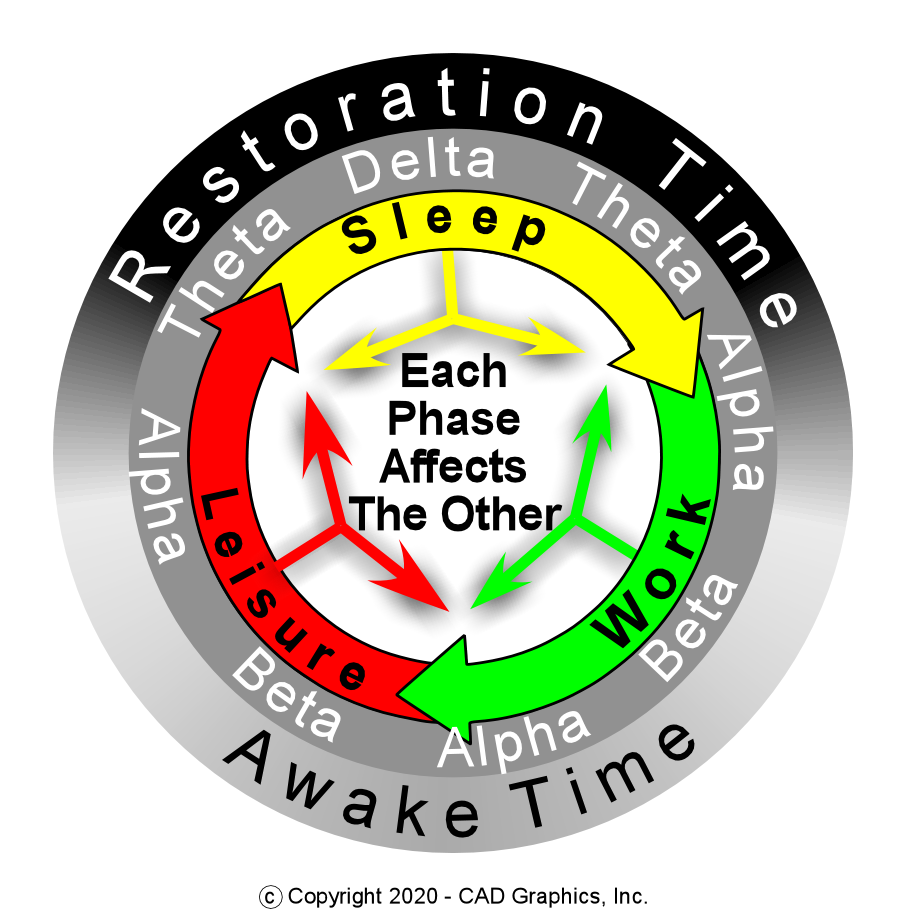
Studies show that sleep is necessary, but exactly why is not clear. Theories exist that we require sleep to conserve energy, avoid predation, and memory aid. However, none of these theories are widely accepted by psychologists. Another theory is that sleep helps in mental and physical restoration. Sleep is thought to restore resources that are drained during our daily activities. Studies show that people often sleep longer after particularly tiring events helps to support this theory. Unsettled evidence shows that specific types of tissue restoration might happen during sleep. Growth hormone is secreted at increased levels during Stage 4 sleep as well as brain neurotransmitters possibly being restored during sleep. Other research indicates that sleep is essential for brain homeostasis. Additionally, research suggests that metabolic waste that accumulates from neural activity is eliminated from the brain and cerebral spinal fluid, while only occurring during sleep (Ettinger 2018). This theory has merit, as other relative studies offer further evidence of sleep quality affecting health and well-being, specifically with intensive care unit (ICU) patients (Pisani, 2015). I find it hard to discredit this theory, just based on personal experience with almost everyone I have ever known or met, expressing how much more restored, refreshed, and energetic they are when they have regular quality sleep.
I feel that American culture in general, does not pay much attention to preventing disease and illness, let alone the specific issue of sleep deprivation. We have gradually grown into a nation where we live for our pleasures today, with little regard for the consequences that will come tomorrow. Many see modern allopathic medicine and its many pharmaceutical options, as the only path to fix all of our ills. There is a plethora of medications that we can take to keep us awake when we don’t get enough sleep. Conversely, we also have a wide variety of other pharmaceuticals to help us sleep when we are too awake, anxious, or stressed.
I see many college-aged kids, who are learning how to manage and navigate their college lives of studies and social life, while also trying to stay safe and healthy in the process. I don’t really think the issue of college student sleep deprivation has changed much over the last few decades, as far as young adults exercising their independence and learning of their limits. What has changed, I believe is the acceptance of legal as well as illegal drugs being used to manage the ups and downs of coping with the on-campus “college life”. Additionally, the last 2 years of dealing with the COVID-19 pandemic have greatly added to the recipe for potential psychological issues. Many people of all ages have experienced stress as they attempt to balance their relative circumstances. Many people were inside more which may have led to a more sedentary lifestyle, eating more poor-quality food, drinking more alcohol, consuming more recreation and medicinal drugs, and other issues that can affect the quality of sleep. Consequently, I think the more relative issue that is yet to unfold, is how has the management of the pandemic affected sleep quality across many demographics? This topic will probably take years to study in order to draw any logical conclusions.
References: Ettinger, R. H. (2018). Psychology: The Science of Behavior (6th ed.). BVT Publishing.
Horowitz, D. (2020). Sleep deprivation. Salem Press Encyclopedia of Health.
Pisani, M. (2015). Sleep in the intensive care unit: An oft-neglected key to health restoration.
I teach and offer lectures about holistic health, physical fitness, stress management, human behavior, meditation, phytotherapy (herbs), music for healing, self-massage (acupressure), Daoyin (yoga), qigong, tai chi, and baguazhang.
Please contact me if you, your business, organization, or group, might be interested in hosting me to speak on a wide spectrum of topics relative to better health, fitness, and well-being.
I look forward to further sharing more of my message by partnering with hospitals, wellness centers, VA centers, schools on all levels, businesses, and individuals who see the value in building a stronger nation through building a healthier population.
I also have hundreds of FREE education video classes, lectures, and seminars available on my YouTube channel at:
The spiritual histories of Europe and Asia between the ninth and eighteenth centuries reveal both stark contrasts and surprising parallels. While the Holy Roman Empire represented a distinctly Christian civilization in Europe, Asia contained a vast spiritual mosaic shaped by Buddhism, Hinduism, Daoism, Confucianism, and emerging new traditions. Examining them side by side highlights not only their differences, but also their shared struggles with orthodoxy, reform, and the search for direct spiritual experience.
Early Medieval Period (800–1000 CE)
In Europe, the coronation of Charlemagne in 800 marked the symbolic beginning of the Holy Roman Empire, embedding Christianity as the unifying spiritual and political authority. Benedictine monasteries flourished, emphasizing discipline, prayer, and scholarship (McKitterick, 2008). Missionaries spread Christianity into Central and Northern Europe, solidifying the Church’s cultural dominance.
At the same time, Asia was undergoing significant transformations. In India, the philosopher Śaṅkara refined Advaita Vedānta, a non-dualistic vision of ultimate reality that would remain influential for centuries (Deutsch, 1988). Buddhism continued to flourish in China and Tibet, with Chan (Zen) Buddhism emphasizing meditation and direct awakening (Faure, 1993). In Japan, esoteric Buddhist schools such as Shingon and Tendai were introduced, while in Tibet royal patronage ensured Buddhism’s lasting establishment (Kapstein, 2006).
High Medieval Period (1000–1200 CE)
The Holy Roman Empire entered the high medieval period with expanding papal authority and the rise of scholastic theology. Thinkers such as Anselm of Canterbury laid the groundwork for reasoned approaches to faith (Southern, 1990). The First Crusade (1095) demonstrated the deeply spiritual yet militant expression of medieval Christianity, as the Church sought to extend its influence beyond Europe (Tyerman, 2005).
Across Asia, parallel movements of spiritual renewal were unfolding. In India, devotional currents of the Bhakti movement began to emerge, stressing heartfelt devotion over ritual and caste (Hawley, 2015). In China’s Song dynasty, Neo-Confucianism was synthesized by Zhu Xi, blending moral philosophy with metaphysics (De Bary, 1981). In Japan, Pure Land Buddhism spread among commoners, offering salvation through simple faith, while Zen Buddhism began its ascent (Suzuki, 1996). Korea’s Goryeo dynasty witnessed the maturation of Seon (Zen) Buddhism, and in Tibet, the Kagyu and Sakya schools gained structure and prestige (Samuel, 2012).
Later Medieval Period (1200–1400 CE)
By the thirteenth century, scholasticism reached its height in Europe with Thomas Aquinas, while Gothic cathedrals symbolized the union of beauty, architecture, and faith (Le Goff, 1988). Alongside official orthodoxy, Christian mystics such as Meister Eckhart and Hildegard of Bingen emphasized direct union with God, reflecting a deep hunger for personal spiritual experience (McGinn, 2006). At the same time, inquisitorial structures were established to guard orthodoxy and suppress deviation.
In Asia, spiritual life was equally dynamic. India witnessed the flowering of Bhakti poets such as Kabir, who challenged caste divisions and stressed unity with the divine (Hawley & Juergensmeyer, 1988). Chan Buddhism continued in China, alongside Daoist inner alchemy (neidan), which cultivated the transformation of essence, energy, and spirit (Robinet, 1993). In Japan’s Kamakura period, Zen influenced art, poetry, and even the martial discipline of the samurai (Addiss, 1989). Korea maintained its Buddhist culture, while Tibet received Mongol patronage that elevated the Sakya school to prominence (Kapstein, 2006).
Early Modern Period (1400–1600 CE)
Europe’s spiritual climate shifted dramatically between the fifteenth and sixteenth centuries. The Renaissance revived humanist inquiry, while the Protestant Reformation, beginning with Martin Luther’s theses in 1517, fractured Catholic unity across the Holy Roman Empire (MacCulloch, 2003). Wars of Religion ensued, and the Catholic Counter-Reformation sought to reclaim spiritual authority through renewed discipline, missionary zeal, and the Jesuit order (O’Malley, 1993).
In Asia, this same era was one of remarkable religious synthesis and renewal. In India, the Bhakti movement expanded further, and Sikhism was founded by Guru Nanak, offering a new synthesis of devotion and ethical practice (McLeod, 2009). In Ming China, Neo-Confucianism became the dominant ideology, though often blended with Buddhist and Daoist practices (Angle & Tiwald, 2017). Japan’s Zen traditions flourished in art, gardening, and tea ceremony, intermingling with Shinto rituals (Suzuki, 1996). Korea’s Joseon dynasty elevated Neo-Confucianism as state orthodoxy, though Buddhism persisted among common people (Deuchler, 1992). Tibet saw the rise of the Gelug school, and the institution of the Dalai Lama emerged as both spiritual and political authority (Samuel, 2012). Across Southeast Asia, Theravāda Buddhism spread and took firm root as the primary spiritual framework (Skilling, 2024).
Late Early Modern Period (1600–1800 CE)
In the Holy Roman Empire’s final centuries, the Thirty Years’ War (1618–1648) devastated Central Europe and redefined the balance between faith and politics. The Enlightenment further challenged ecclesiastical authority by placing reason and empirical science above dogma (Israel, 2001). By 1806, the Holy Roman Empire had dissolved, marking the end of a millennium of Christian-imperial identity.
Meanwhile, Asia entered an age of spiritual consolidation. In Mughal India, Emperor Akbar experimented with religious syncretism, while Sikhism solidified into a distinct faith (Eaton, 2019). In Qing China, Confucian orthodoxy reigned, but Jesuit missionaries introduced Christianity and Western science, leading to cultural exchanges and tensions (Brockey, 2007). Japan’s Edo period tightly regulated Buddhism but saw a revival of Shinto and Neo-Confucian ethics (Najita, 1987). Korea remained staunchly Confucian while underground Catholicism began to spread (Grayson, 2013). Tibet’s Gelug school solidified its control under successive Dalai Lamas, while Theravāda monasteries remained the heart of spiritual life in Southeast Asia (Skilling, 2024).
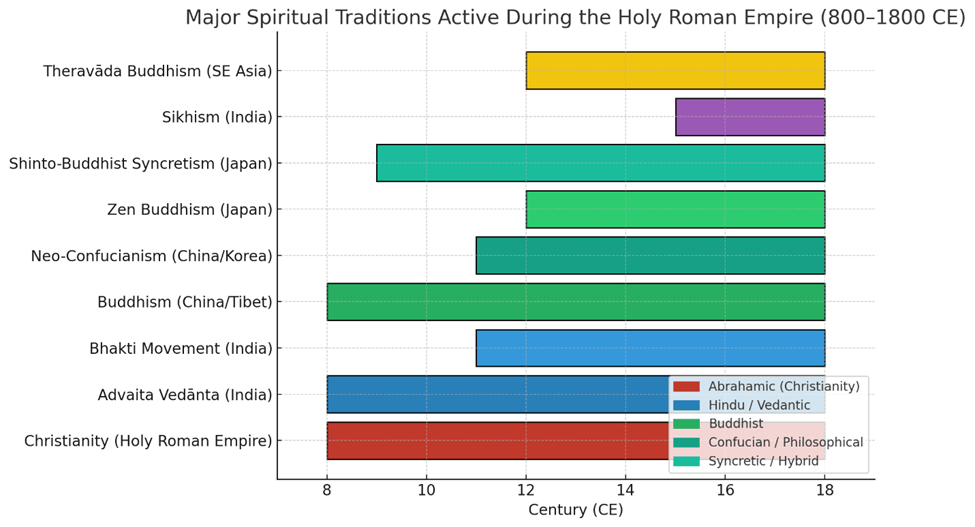
Each bar represents the approximate centuries during which each spiritual or philosophical system was prominent:
Christianity throughout the entire Holy Roman Empire period.
Advaita Vedānta, Buddhism, and Neo-Confucianism maintained long continuous influence.
The Bhakti and Zen movements arose in the middle centuries.
Sikhism appeared later in the 15th century.
Theravāda Buddhism spread widely across Southeast Asia beginning around the 12th century.
Epilogue: Why This Historical Comparison Matters Today
Understanding the spiritual evolution of Europe and Asia between 800 and 1800 CE is not just an academic exercise; it is a mirror reflecting the origins of our modern worldviews, ethical systems, and inner struggles. The lessons drawn from these historical traditions are profoundly relevant to the 21st century in several ways.
1. Revealing the Roots of Modern Ethics and Culture
The Holy Roman Empire’s Christian moral codes and Asia’s pluralistic philosophies, Confucianism, Daoism, Hinduism, and Buddhism, remain embedded in global culture today. Western concepts of justice, duty, and conscience evolved from medieval Christian theology, while Asian societies continue to be guided by Confucian filial values and Buddhist compassion. These differing spiritual foundations still influence how nations prioritize community, governance, and moral responsibility (Wei-ming, 1996). By tracing these roots, we better understand the moral diversity that defines global civilization.
2. Recognizing Cycles of Reform and Awakening
Every civilization has faced moments when inherited belief systems no longer sufficed. Europe’s Protestant Reformation and Enlightenment paralleled Asia’s Bhakti, Zen, and Neo-Confucian renewals, each reasserting inner experience over rigid dogma. In today’s world, the modern wellness movement, mindfulness training, and the integration of Eastern practices into Western medicine echo these cycles of rediscovery (Wallace, 2011). History shows that when spirituality grows stale, humanity instinctively turns inward for renewal.
3. Encouraging Cross-Cultural Understanding
Globalization has brought humanity into daily contact with belief systems that once evolved in isolation. Knowing how religions and philosophies once intersected through the Silk Road, the Jesuit missions, and early global trade, builds empathy and intercultural awareness (Said, 2001). In an era of cultural polarization, this understanding promotes tolerance and cooperation. Recognizing that different civilizations have wrestled with the same existential questions, of identity, morality, and transcendence, reminds us of our shared human story.
4. Balancing Science and Spirituality
The Enlightenment’s elevation of reason and Asia’s cultivation of experiential wisdom represent complementary, not conflicting, pathways to truth. Modern neuroscience’s validation of meditation, quantum physics’ exploration of interconnectivity, and psychology’s adoption of mindfulness bridge these once-divided worlds. Revisiting their historical interplay invites a more integrated model of consciousness, one where empirical knowledge and inner experience are seen as allies in understanding human potential (Wallace, 2011).
5. Guiding Personal and Collective Transformation
From Christian mystics and Zen monks to Confucian scholars and yogic sages, these traditions emphasized transformation through discipline, awareness, and service. The same principles now inform stress reduction, leadership development, and modern psychotherapy (Kabat-Zinn, 2013). Their enduring message is that the path to mastery of body, mind, and soul, requires both inner stillness and outer effort. As in the past, growth today demands the integration of reflection with action, intellect with humility, and spirituality with practicality.
Conclusion
The parallel journeys of the Holy Roman Empire and the diverse spiritual traditions of Asia reveal the ongoing dance between order and enlightenment, faith and reason, structure and spontaneity. Both East and West pursued truth through different means, yet their destinies converged in one universal search: to refine the human being. By studying these epochs, we rediscover not only where humanity has been but also where it might go next, a synthesis of ancient wisdom and modern understanding, offering hope for a more conscious, compassionate, and balanced future.
Europe (Holy Roman Empire) vs. Asia (800–1800 CE)
Time Period
Europe (Holy Roman Empire)
Asia (India, China, Japan, Korea, Tibet, SE Asia)
800–1000 CE
Charlemagne crowned (800); Christianity consolidated as imperial identity; Benedictine monasticism thrives; missionary expansion across Europe.
India: Advaita Vedānta refined by Śaṅkara; China: Chan (Zen) Buddhism develops; Japan: Shingon & Tendai introduced; Tibet: royal patronage of Buddhism.
1000–1200 CE
Growth of papal authority; Gregorian reforms; rise of scholastic theology (Anselm); First Crusade (1095).
India: Bhakti movement emerging; China (Song): Neo-Confucianism (Zhu Xi); Japan: Pure Land & early Zen; Korea: Seon Buddhism develops; Tibet: Kagyu and Sakya schools form.
1200–1400 CE
Scholasticism peaks (Aquinas); Gothic cathedrals as symbols of faith; Christian mystics (Hildegard, Eckhart); Inquisition enforces orthodoxy.
India: Bhakti poets (Kabir); China: Chan Buddhism and Daoist Neidan (alchemy); Japan (Kamakura): Zen shapes arts and samurai culture; Korea: Buddhist texts, Seon tradition strong; Tibet: Sakya dominance under Mongol patronage.
1400–1600 CE
Renaissance humanism; Protestant Reformation (1517); Wars of Religion; Catholic Counter-Reformation (Jesuits, Council of Trent).
India: Bhakti expands; Sikhism founded (Guru Nanak); China (Ming): Neo-Confucian orthodoxy; Japan: Zen aesthetics (tea, gardens), Shinto-Buddhist syncretism; Korea (Joseon): Neo-Confucian state ideology; Tibet: Gelug school rises, Dalai Lama institution begins; SE Asia: Theravāda Buddhism dominant.
1600–1800 CE
Thirty Years’ War (1618–1648); Enlightenment challenges Church authority; decline and dissolution of Holy Roman Empire (1806).
India: Mughal syncretism (Akbar); Sikhism consolidates; China (Qing): Confucian orthodoxy, Jesuit missions; Japan (Edo): Buddhism regulated, Neo-Confucian and Shinto revival; Korea: Confucian dominance, underground Catholicism; Tibet: Gelug Dalai Lama authority; SE Asia: Theravāda monastic centers central to society.
References:
Addiss, S. (1989). The art of Zen: Paintings and calligraphy by Japanese monks 1600–1925. Abrams.
Angle, S., & Tiwald, J. (2017). Neo-Confucianism: A philosophical introduction. Polity Press.
Brockey, L. M. (2007). Journey to the East: The Jesuit Mission to China, 1579–1724. Harvard University Press. https://doi.org/10.2307/j.ctv1pncnfv
De Bary, W. T. (1981). Neo-Confucian orthodoxy and the learning of the mind-and-heart. Columbia University Press.
Deutsch, E. (1988). Advaita Vedānta: A philosophical reconstruction. University of Hawaii Press.
Deuchler, M. (1992). The Confucian Transformation of Korea: A Study of Society and Ideology (1st ed., Vol. 36). Harvard University Asia Center. https://doi.org/10.2307/j.ctt1dnn8zj
Eaton, R. M. (2019). India in the Persianate age, 1000–1765. University of California Press.
Suzuki, D. T. (1996). Zen Buddhism: Selected writings of D. T. Suzuki. Doubleday.
Wei-ming, T. (1996). Confucian Traditions in East Asian Modernity. Bulletin of the American Academy of Arts and Sciences, 50(2), 12–39. https://doi.org/10.2307/3824246
In today’s fast-paced world, stress-related conditions are on the rise. Autogenic therapy, also known as autogenic training, offers a powerful way to counterbalance modern stress through a simple, structured set of mental exercises. Developed by German psychiatrist Johannes Heinrich Schultz and coined the term in 1928, this self-regulation technique continues to help people worldwide regain calm, reduce anxiety, and improve overall well-being.
What Is Autogenic Therapy?
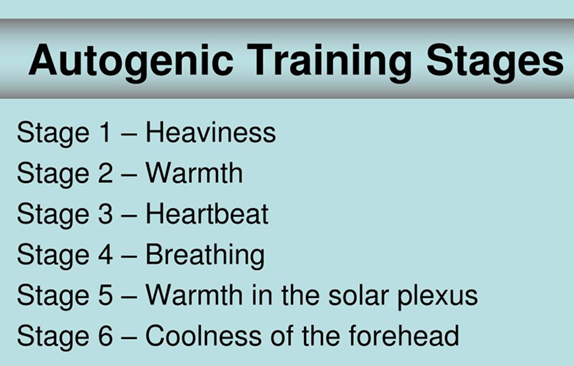
Autogenic therapy is a relaxation technique that uses self-suggestions to bring about physical and emotional calmness. The practice involves six standardized exercises focusing on sensations like:
Heaviness and lightness in the limbs
Warmth
Heartbeat regulation
Breathing awareness
Abdominal warmth
Forehead cooling (Luthe & Schultz, 1969)
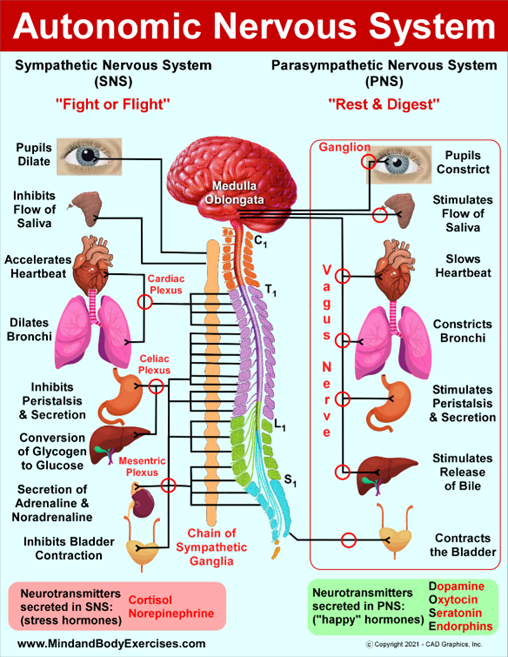
These exercises promote a shift in the autonomic nervous system toward the parasympathetic or “rest and digest” mode, reducing the physiological effects of stress.
Although not usually classified as meditation, autogenic therapy shares similar traits with meditative and mindfulness-based practices:
Present-moment awareness
Regulation of breath and heart rate
Promotion of internal balance and nervous system calm (Melnikov, 2021)
A Shared Language: Body Awareness in Mind–Body Disciplines
What’s especially fascinating is that autogenic therapy aligns with ancient mind–body traditions found in:
Tai Chi
Qigong
Yoga
Martial Arts
These disciplines often guide practitioners to cultivate bodily sensations that echo those used in autogenic training:
Feelings of lightness or heaviness in the limbs
Generating internal warmth (often associated with breath or energy flow)
Focusing on the heartbeat or breath rhythm
Stimulating abdominal heat (known in some traditions as dantian activation)
Creating a sense of coolness or spaciousness in the head or forehead
These parallels suggest that human self-regulation, through structured inner awareness, is a timeless and cross-cultural approach to stress relief, energy balance, and health.
Benefits of Autogenic Training
When practiced consistently, autogenic therapy has been shown to:
Its simplicity and accessibility make it a popular choice for those looking for holistic, non-invasive ways to manage daily pressures and improve health.
How It Works
Each autogenic session involves repeating mental phrases such as, “my arms are heavy and warm,” while reclining or sitting in a quiet space. The mind’s focus on these specific body cues leads to a measurable shift in physiology, lowering stress hormones, heart rate, and muscle tension (Luthe & Schultz, 1969; Stetter & Kupper, 2002).
Many people practice autogenic training independently, with audio guidance, or under the supervision of a certified therapist.
⚠️Caution: Autogenic Training and Psychotic Disorders
While autogenic therapy is safe for most individuals, it may not be appropriate for people with psychotic disorders, such as schizophrenia or bipolar disorder with psychotic features (Fletcher, 2023. Here’s why:
1. Exacerbation of Symptoms
The use of self-suggestion and imagery can potentially worsen hallucinations or delusional thinking in vulnerable individuals (Kanji, 2006; Stetter & Kupper, 2002).
2. Potential for Dissociation
The deep relaxation states achieved may induce altered consciousness or dissociation, which can be unsettling or unsafe for those with psychotic tendencies.
3. Difficulty in Reality Testing
Psychotic conditions often impair one’s ability to distinguish between internal experience and external reality. Autogenic training might blur these lines further (Stetter & Kupper, 2002).
4. Medication Disruption Risk
Some individuals may believe that relaxation practices can replace essential medication, potentially leading to non-compliance and relapses (Mueser & Jeste, 2008).
Because of these risks, it’s essential that individuals with psychotic disorders engage in any form of relaxation training only under professional medical supervision. More recent research has suggested that autogenic therapy may actually help those suffering from schizophrenia (Breznoscakova et al., 2023).
Final Thoughts
Autogenic therapy offers a safe, evidence-based, and self-directed method to reduce stress and promote relaxation. Its emphasis on internal sensations such as warmth, breath, heartbeat, and mental stillness, places it in harmony with long-standing Eastern practices like tai chi, yoga, and qigong.
For most people, autogenic therapy can serve as a cornerstone of a healthy lifestyle, but those with complex mental health conditions should consult with trained professionals to ensure it is suitable.
References:
Breznoscakova, D., Kovanicova, M., Sedlakova, E., & Pallayova, M. (2023). Autogenic Training in Mental Disorders: What Can We Expect? International Journal of Environmental Research and Public Health, 20(5), 4344. https://doi.org/10.3390/ijerph20054344
Luthe, W., & Schultz, J. H. (1969). Autogenic therapy (Vol. 1–6). New York: Grune & Stratton.
Mueser, K. T., & Jeste, D. V. (2008). Clinical handbook of schizophrenia. New York: Guilford Press.
Melnikov, M. Y. (2021). The Current Evidence Levels for Biofeedback and Neurofeedback Interventions in Treating Depression: A Narrative review. Neural Plasticity, 2021, 1–31. https://doi.org/10.1155/2021/8878857
Stetter, F., & Kupper, S. (2002). Autogenic training: a meta-analysis of clinical outcome studies. Applied Psychophysiology and Biofeedback, 27(1), 45–98. https://doi.org/10.1023/a:1014576505223
I teach and offer lectures about holistic health, physical fitness, stress management, human behavior, meditation, phytotherapy (herbs), music for healing, self-massage (acupressure), Daoyin (yoga), qigong, tai chi, and baguazhang.
Please contact me if you, your business, organization, or group, might be interested in hosting me to speak on a wide spectrum of topics relative to better health, fitness, and well-being.
I look forward to further sharing more of my message by partnering with hospitals, wellness centers, VA centers, schools on all levels, businesses, and individuals who see the value in building a stronger nation through building a healthier population.
I also have hundreds of FREE education video classes, lectures, and seminars available on my YouTube channel at:














 United Martial Arts Association