Why People Have Lost Faith in the CDC, FDA & the US Healthcare System

I rely on a diverse array of reliable sources for my research, including peer-reviewed studies, medical journals, and databases like PubMed and BMJ. I choose Google Scholar and other sites as a means to finding other sources of information knowing that information needs to be quantified. As far as the CDC and the FDA websites are concerned, my skepticism is that they will not post their own shortcomings on their own websites. Instead, we need to look towards more reputable and non-biased news or research sources that are not connected financially to these government agencies. For example, the American Medical Association has recognized the public’s lack of trust in the CDC, highlighting the need for greater transparency (American Medical Association, 2020) where it will carry more weight if the CDC actually acknowledges what many have already felt was a lack of transparency of information during the recent COVID-19 pandemic. Similarly, I believe that The Washington Post is considered a legitimate and reliable news source. The Post reported that the CDC experienced “technical blunders and botched messaging” that were brought to public attention by friends, supporters, and even some professionals within the CDC’s own Atlanta headquarters (Sun & Achenbach, 2020).
Evidence-based Medicine? 

Dr. Jon Jureidini, a child psychiatrist in Australia and a member of the Critical and Ethical Mental Health (CEMH) research group, authored ‘The Illusion of Evidence-based Medicine’ (2022). The CEMH conducts critical appraisal, meta-research, teaching, and advocacy, with the goal of promoting safer, more effective, and more ethical research and practice in the field of mental health (Staff Directory | Dr Jon Jureidini, n.d.).

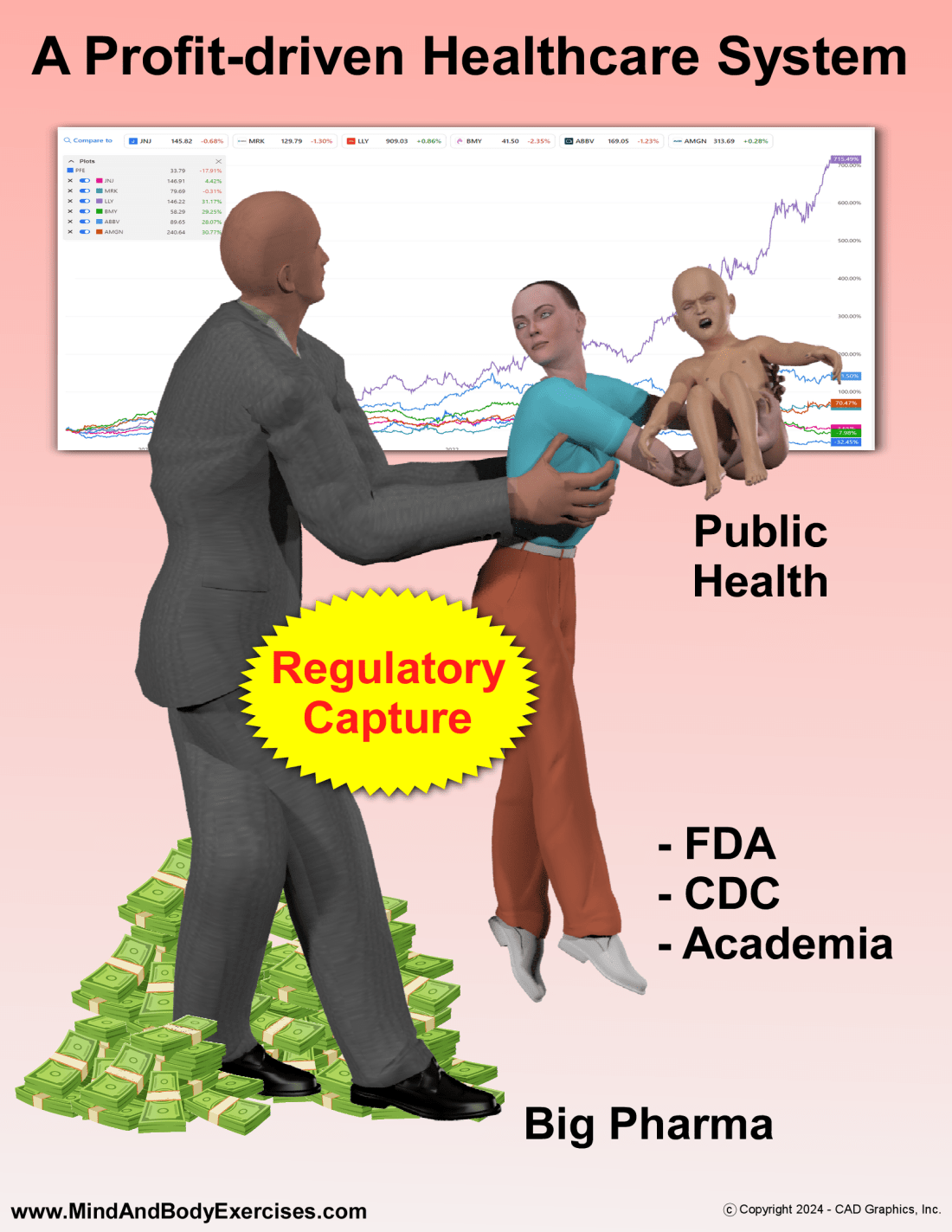
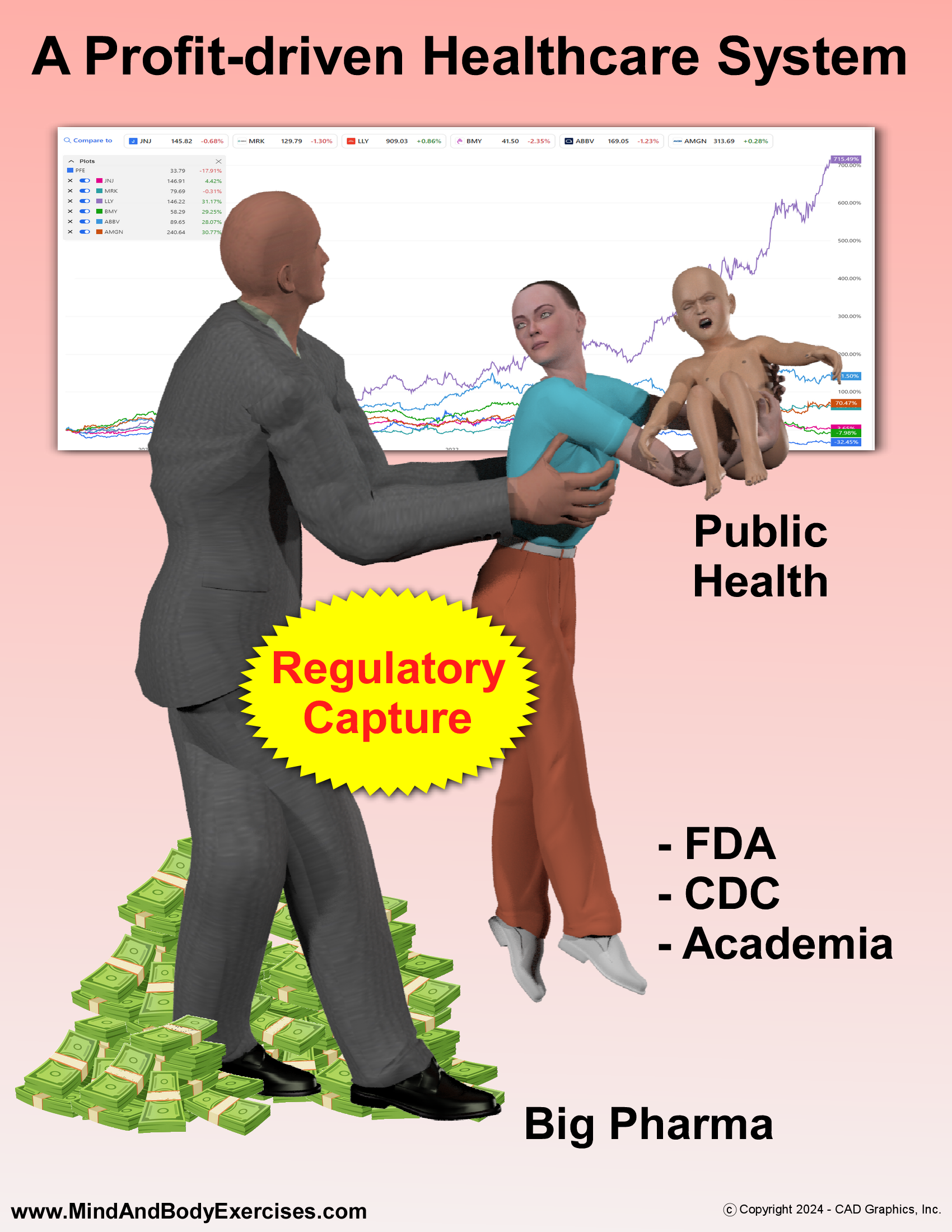
Dr. Jon Jureidini reports that medicine is mostly dominated by a few very large and competing pharmaceutical companies, that are quite aligned in their methods to expand their profits. He reports on the issues of evidence-based medicine being compromised by the commercialization of academia, failed regulation, and other corporate influences. This doctor sees the scientific progress being abused by the medical industry and its relationship with academic researchers, as they often do not share raw data, suppress negative trial results, and fail to report adverse events. Because of this, there is a greater potential for patient death, due to commercial interests’ influence upon regulators, research agenda, and universities. He strongly suggests that reforms need to be made in all of these areas, in order to bring trust and legitimacy back to evidence-based medicine. Jureidini calls for a separation of regulators from drug company funding, due to regulators often accepting funding and industry-funded trials to approve drugs that a particular company is trying to market (Jureidini, 2022).
Why Drug Marketing Rules America 

Lydia Green, a pharmacist, and former pharmaceutical advertising copywriter speaks about her goals of decreasing the sway of influence of pharmaceutical marketing and misinformation on the American healthcare industry. America contributes only 5% to the population of the world yet spends 1/3 of the world’s $1.4 trillion pharmaceutical healthcare marketplace. In spite of spending the most, the US often ranks low on the overall health of its population. Medicine often prioritizes profit over patient well-being. These pharmaceutical companies are businesses that at their root, just like all businesses, operate to make a profit. Again, it is all about the money. When healthcare and its relative components of pharmaceuticals, doctors, and the profits that both can gain from promoting their products, despite actual need – this whole system is severely corrupt and broken and in need of drastic reform. Green proposes a need for a 3rd party agency to help return trust, regarding the pharmaceutical industry. This alliance would be made up of communicators, marketers, former pharma-ad writers, medical and pharmacy schools, and doctors who have no influence from companies with profits as their sole motivation. However, Green suggests that such an organization could be funded through payments, but once again from fees attached to monies that pharmaceutical and medical device companies make to doctors (TEDx Talks, 2020b).

DTC Pharmaceuticals

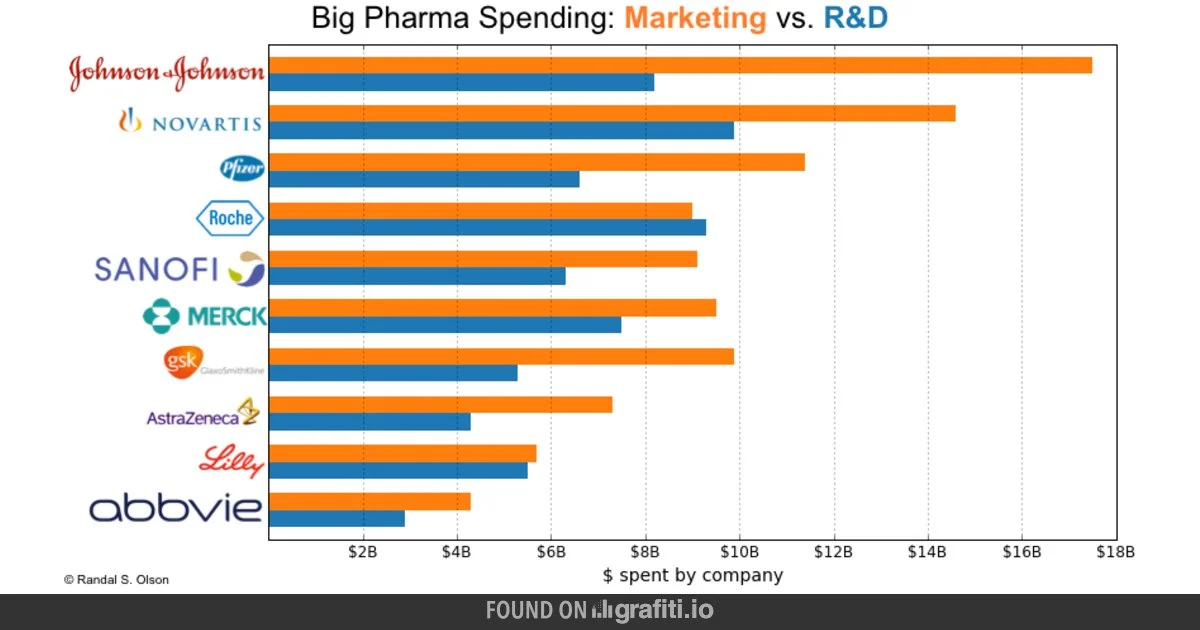
In 2015, the US pharmaceutical industry spent $5.4 billion on direct-to-consumer (DTC) advertisements. The U.S. is one of only 2 countries that legally allow DTC for drug companies. New Zealand is the other. Not coincidently, Americans pay more for drugs and medical devices than any other country in the world (Drugwatch, 2022).

Michelle Llamas, a Board Certified Patient Advocate (BCPA) has a long list of experience, but what makes her credible to this article is her almost a decade of medical writing and research experience. She is a trusted source for information on high-risk prescriptions, health conditions, drugs, and medical devices (Drugwatch, 2023).

Drug companies often invest billions of dollars in their attempts to promote off-labeling of their drugs and/or devices that are not approved for other uses by the Food and Drug Administration (FDA). Companies try to convince doctors to prescribe their brand-name drugs or devices, for uses other than their original approval. Additionally, drug companies sometimes create clinical trials focused on swaying doctors and educational courses to highlight expensive drugs for non-FDA-approved uses, despite having no scientific evidence of efficacy or safety. Drug and device companies spent in 2015, about $4 billion on television ads, and about $1.5 billion in magazine advertising. Radio, theaters, newspapers, billboards, and some other types of marketing took up an additional few million dollars. It paid off for these companies to advertise, as every dollar spent on advertising generated increased sales of prescription drugs by $4.40. Big pharmaceutical companies are willing to gamble on being fined for a few hundred million dollars, despite their product being found to cause adverse effects if they know that they can market a product that may generate billions of dollars in profit (Drugwatch, 2022). From a business perspective, this is a good business model. From an ethical perspective, this is downright criminal and inhumane.

Another area of concern is that the CDC often receives funding from the exact same pharmaceutical companies that it is tasked with regulating. The ASH Clinical News, a magazine for the American Society of Hematology, reported that the CDC Foundation received $79.6 million from companies like Pfizer, Biogen, and Merck between 2014 and 2018. The CDC responded that the agency doesn’t accept commercial support, but its own media office has stated that “the CDC claims its public-private partnerships are synergistic and beneficial” (CDC Pressed to Acknowledge Industry Funding, 2021).
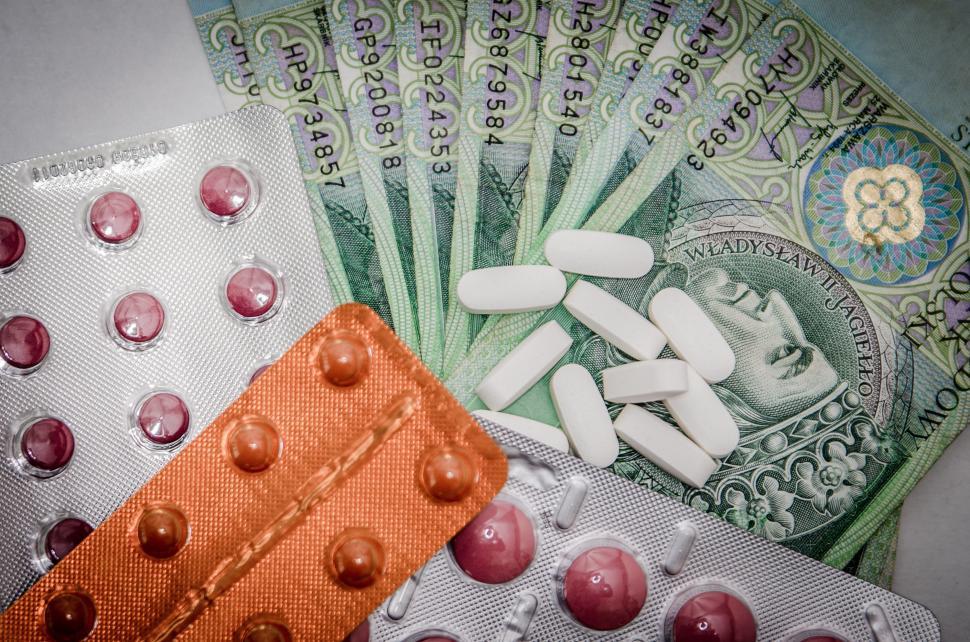
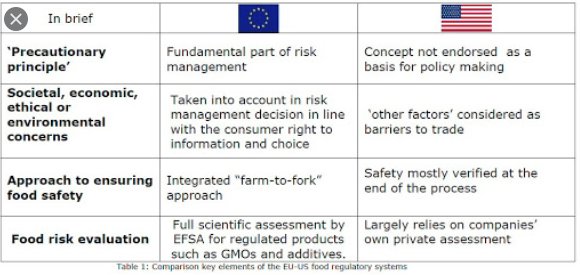
FDA Allows Toxic Ingredients in the US, But Other Countries Ban Them

“The FDA has once again failed the public by ignoring the harmful effects of phthalates on our health,” said Kristina Sinclair, associate attorney at the Center for Food Safety. “The agency’s refusal to pay attention to scientific evidence will have detrimental health effects for years to come” (Earthjustice: FDA Approves Use of Toxic Chemicals Leaping Into Food and Beverages, (2023).

“Despite its nearly $7 billion annual operating budget, the U.S. Food and Drug Administration (FDA) isn’t analyzing every shampoo or supplement on sale at your local drugstore. In fact, the FDA does not approve most cosmetics before they hit shelves—let alone assess how they’ll affect human health after years of regular use. This information vacuum has given rise to a network of nonprofits, consumer-protection groups, and independent scientists dedicated to informing the public about potential hazards lurking in their products.” (Ducharme, 2024).

Red Dye No. 3, brominated vegetable oil, potassium bromate, propylparaben, titanium dioxide, and other chemicals are banned in other countries, where the FDA allows these to be added to food products in the US (Worthington, 2024).
Don’t Burn Bridges With Your Future Employer

Lastly, I find it disturbing that there is a merry-go-round of employment where high-level pharmaceutical executives and directors of the FDA go to work for one another, whereas in other types of business, these interactions would be considered conflicts of interest. For this issue, I found that NPR, National Public Radio (considered a reputable news source) reported that from 2001 through 2010 about 27% of its FDA employees who approved cancer and hematology drugs, went on to work for the pharmaceutical companies. The potential conflict of interest here is that FDA employees may have a career goal of later working in the public sector at pharmaceutical companies that they are in charge of regulating. Will these FDA regulators give pharma companies the benefit of the doubt for their products or be more critical of them by using poor comparisons in drug studies?  The article did bring up the idea that having former FDA officials on the pharmaceutical industry payroll can offer some benefits to the general public. Former FDA employees having knowledge of the drug approval process can help facilitate the processes and relevant research that needs to be completed, and where the most current pathways to approval are followed (Lupkin, 2016). Another more recent peer-reviewed article from the Stanford Law School addressed this exact issue in further detail (Karas, 2023). We all know these issues are wrong and continue to go along with the societal cognitive dissonance, hoping that it will all work out and the general population will be fine.

Be well, become healthier, and be wise. Do your research.

References:

American Medical Association & American Medical Association. (2020, September 15). Words and actions that erode trust in the CDC hurt us all. American Medical Association. https://www.ama-assn.org/about/leadership/words-and-actions-erode-trust-cdc-hurt-us-all

Sun, L. H., & Achenbach, J. (2020, September 28). CDC’s credibility is eroded by internal blunders and external attacks as coronavirus vaccine campaigns loom. Washington Post. https://link.gale.com/apps/doc/A636718930/HWRC?u=vol_vsc&sid=bookmark-HWRC&xid=505e0540

CDC pressed to acknowledge industry funding. (2021, December 30). ASH Clinical News | American Society of Hematology. https://ashpublications.org/ashclinicalnews/news/4797/CDC-Pressed-to-Acknowledge-Industry-Funding

Lupkin, S. (2016, September 28). A look at how the revolving door spins from FDA to industry. NPR. https://www.npr.org/sections/health-shots/2016/09/28/495694559/a-look-at-how-the-revolving-door-spins-from-fda-to-industry

Karas, L. (2023). Fda’s Revolving Door: Reckoning and Reform. Stanford Law & Policy Review, 34(1), 1.

Drugwatch. (2022, November 21). Selling Side Effects – Big Pharma’s Marketing Machine. Drugwatch.com. https://www.drugwatch.com/featured/big-pharma-marketing/

Drugwatch. (2023, February 23). Michelle Llamas – Drugwatch Senior Writer. Drugwatch.com. https://www.drugwatch.com/authors/mllamas/

Jureidini, J. (2022, March 16). The illusion of evidence based medicine. The BMJ. https://www.bmj.com/content/376/bmj.o702

Staff Directory | Dr Jon Jureidini. (n.d.). https://www.adelaide.edu.au/directory/jon.jureidini

TEDx Talks. (2020b, November 23). Why Drug Marketing Rules American Healthcare and What We Can Do About it | Lydia Green | TEDxMcphs. YouTube. https://www.youtube.com/watch?v=Jh7rQbknPyE

Earthjustice: FDA Approves Use of Toxic Chemicals Leaping Into Food and Beverages. (2023, July 23). Targeted News Service, NA. https://link.gale.com/apps/doc/A758209943/STND?u=vol_vsc&sid=ebsco&xid=6ec0ba16

Ducharme, J. (2024). Scientists Are Finding Out Just How Toxic Your Stuff Is. Time.Com, N.PAG

Worthington, L. (2024, April 3). These common U.S. snack ingredients are banned or restricted abroad. Science. https://www.nationalgeographic.com/science/article/additives-artificial-flavors-us-snacks-banned

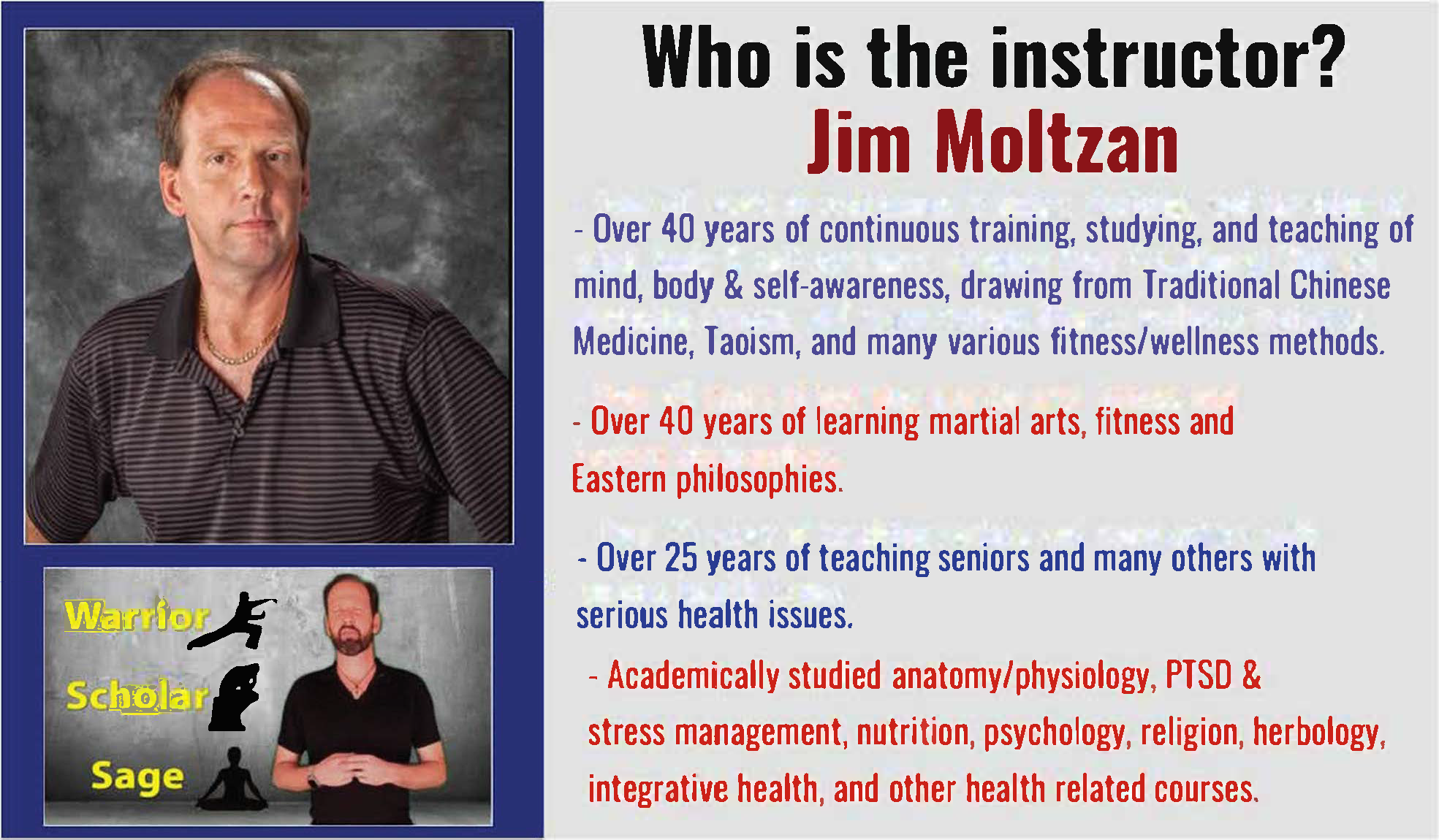
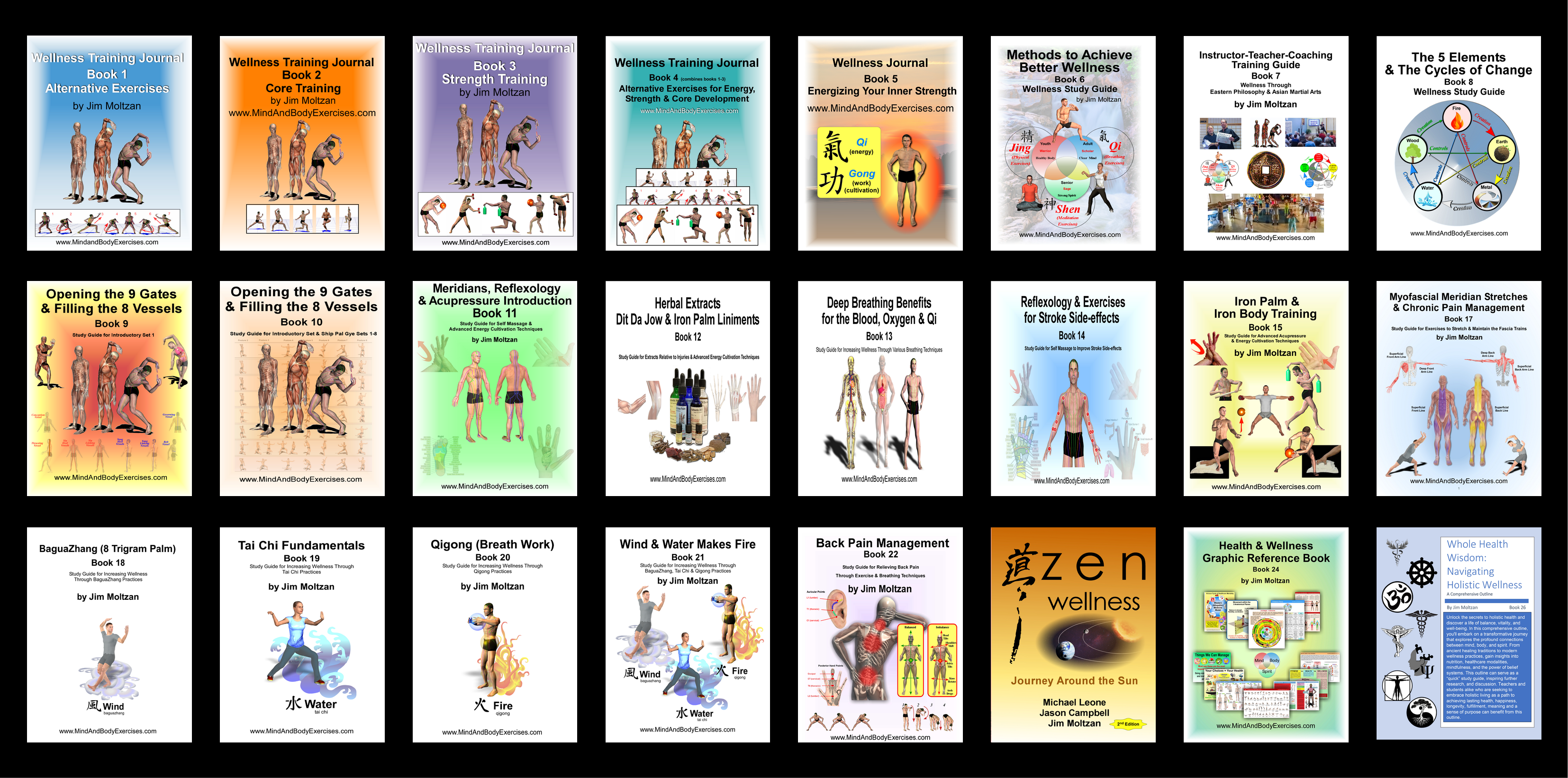
I teach and offer lectures about holistic health, stress management, qigong, tai chi, baguazhang, meditation, phytotherapy (herbs), music for healing, self-massage, and Daoyin (yoga).

Please contact me if you, your business, organization, or group, might be interested in hosting me to speak on a wide spectrum of topics relative to better health, wellness, and fitness.

I look forward to further sharing more of my message by partnering with hospitals, wellness centers, VA centers, schools on all levels, businesses and individuals that see the value in building a stronger nation through building a healthier population. I also have hundreds of FREE education video classes, lectures and seminars available on my YouTube channel at:

https://www.youtube.com/c/MindandBodyExercises

www.MindAndBodyExercises.com

www.Amazon.com/author/jimmoltzan

Mind and Body Exercises on Google: https://posts.gle/aD47Qo

Jim Moltzan

407-234-0119
Profit vs. Ethics in the Big Pharma View of Business

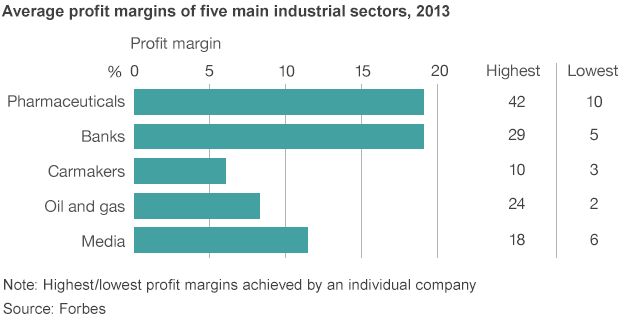
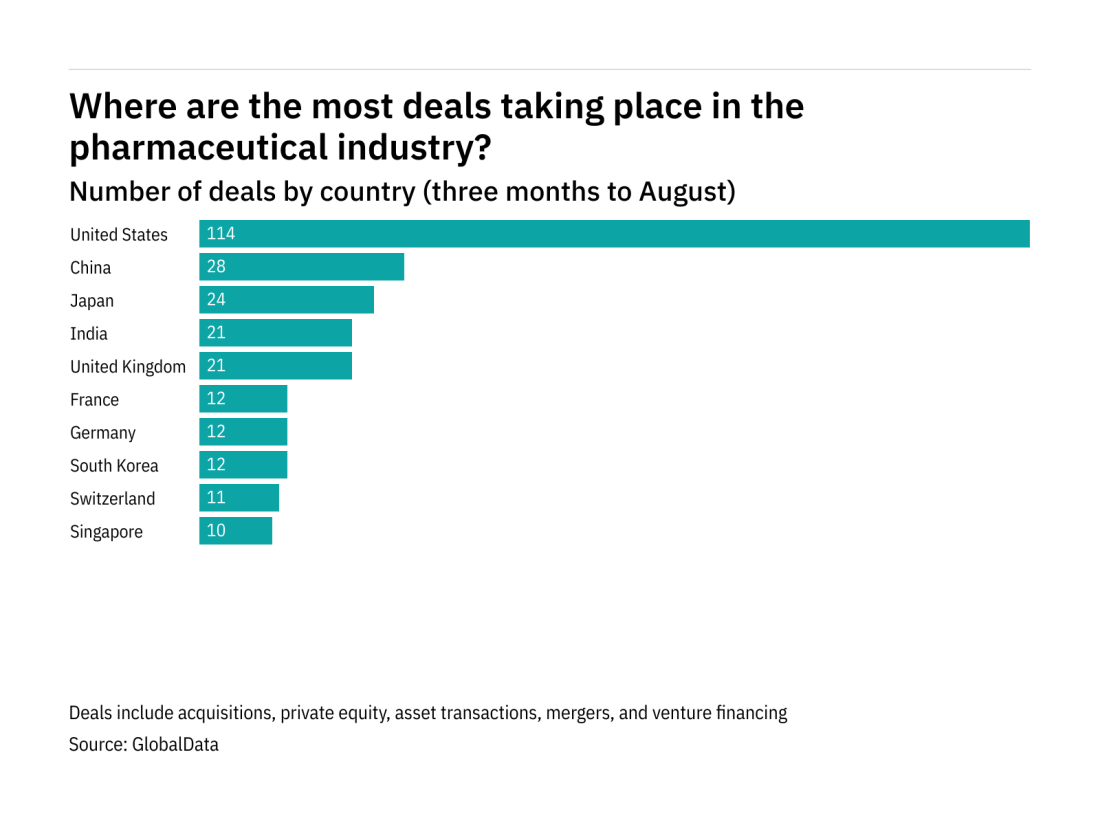
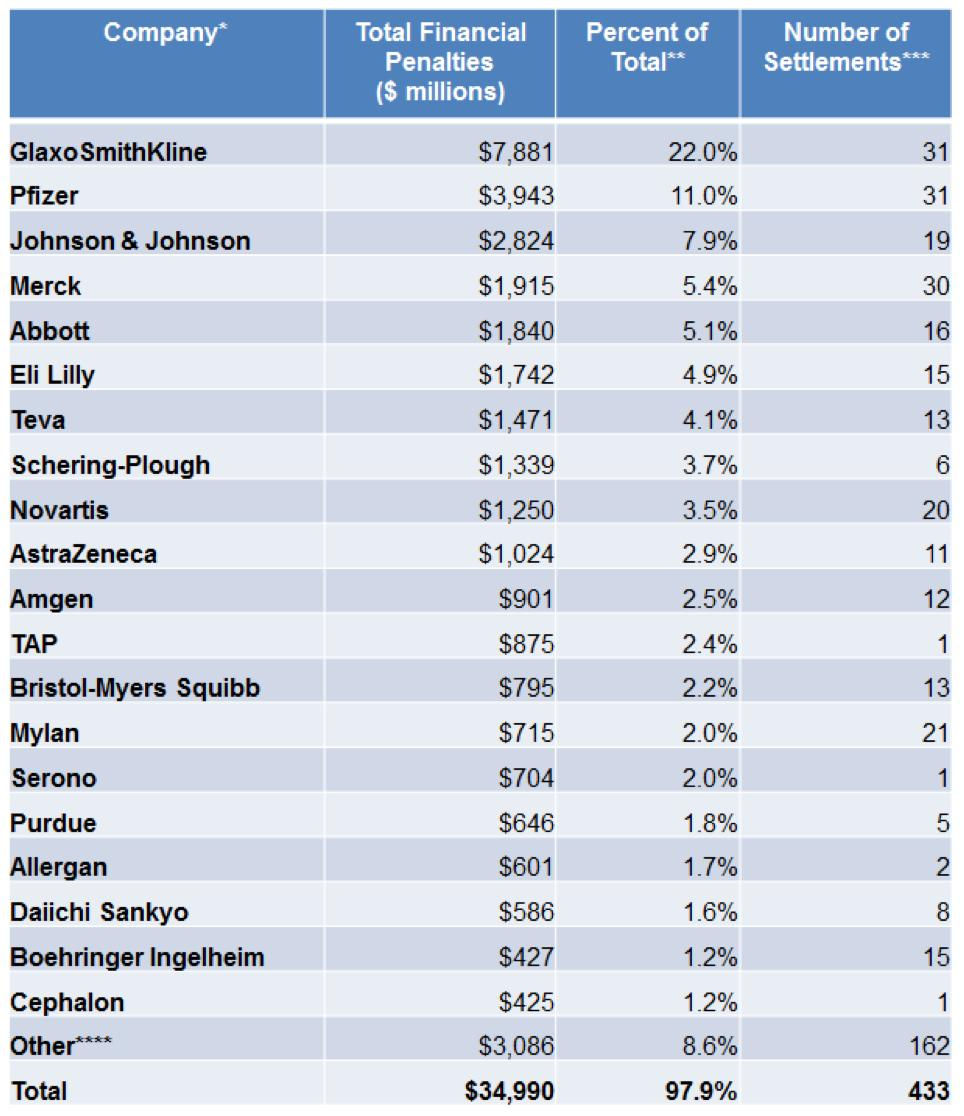
From a strictly financial perspective, it may be considered a good business strategy for a pharmaceutical company to generate billions of dollars in profits for a particular product, even if they end up paying millions of dollars in fines or lawsuits. However, this viewpoint does not take into account the ethical considerations and potential harm that may result from the company’s actions. We have seen this play out many times in recent years as some very large pharma corps have been fined substantial amounts, but are still allowed to operate and profit. I am not sure how this works exactly, so I did some research.

I would think that it is important for companies to operate with integrity and ethical principles, and to prioritize the safety and well-being of their customers. When companies engage in practices that result in harm or violate regulations, they may face legal consequences and negative publicity that can damage their reputation and erode public trust.

Furthermore, paying fines or settling lawsuits does not necessarily address the underlying issues that led to the misconduct in the first place. Companies should focus on improving their practices and ensuring that their products are safe and effective, rather than solely on maximizing profits. However, we all pretty much know that in the US world of healthcare, most of the money is gained in treating the sick rather than preventing illness. Money talks and bullshit walks.

In summary, while generating significant profits may be a goal for many companies, it is important to consider the ethical implications of their actions and prioritize the safety and well-being of their customers. Engaging in misconduct that results in fines or lawsuits may not be a sustainable or ethical business strategy in the long run. In spite of this concept, big pharma has done pretty well for itself, especially during the recent COVID-19 pandemic where record profits were reported, while being exempt from any liability from its mass distribution of products to counter its infection.

Pharmaceutical industry gets high on fat profits - BBC News

References:

https://www.bbc.com/news/business-28212223

https://www.bizjournals.com/triangle/news/2016/03/31/gsk-pfe-bms-nvs-pay-most-in-fines.html

https://www.pharmaceutical-technology.com/features/these-were-the-biggest-pharmaceutical-deals-in-early-2022/

I write often about topics that affect our health and well-being. Additionally, I teach and offer lecture about qigong, tai chi, baguazhang, and yoga. I also have hundreds of FREE education video classes, lectures and seminars available on my YouTube channel at:

https://www.youtube.com/c/MindandBodyExercises

Mind and Body Exercises on Google: https://posts.gle/aD47Qo

Jim Moltzan

407-234-0119

www.MindAndBodyExercises.com

www.Amazon.com/author/jimmoltzan

All Working Together – The FDA, Big Pharma and US Academia – It’s All About the Money Baby!

Dr. Jon Jureidini is a child psychiatrist in Australia. He is part of the Critical and Ethical Mental Health (CEMH), which is a research group within the Robinson Research Institute. The CEMH conducts critical appraisal, meta-research, teaching, and advocacy, with the goal of promoting safer, more effective and more ethical research and practice in the field of mental health (Staff Directory | Dr Jon Jureidini, n.d.). Dr. Jon Jureidini reports that medicine is mostly dominated by a few very large and competing pharmaceutical companies, that are quite aligned in their methods to expand their profits. He reports on the issues of evidence-based medicine being compromised by the commercialization of academia, failed regulation and other corporate influences. This doctor sees the scientific progress being abused by the medical industry and its relationship with academic researchers, as they often do not share raw data, suppress negative trial results, and fail to report adverse events. Because of this, there is a greater potential for patient death, due to commercial interests influence upon regulators, research agenda, and universities. He strongly suggests that reforms need to be made in all of these areas, in order to bring trust and legitimacy back to evidence-based medicine. Jureidini calls for a separation of regulators from drug company funding, due to regulators often accept funding and industry funded trials in order to approve drugs that a particular company is trying to market (Jureidini, 2022).

Lydia Green, a pharmacist, and former pharmaceutical advertising copywriter speaks about her goals of decreasing the sway of influence of pharmaceutical marketing and misinformation on the American healthcare industry. America contributes only 5% to the population of the world yet spends 1/3 of the world’s $1.4 trillion pharmaceutical healthcare marketplace. In spite of spending the most, the US often ranks low on the overall health of its population. Medicine is all about the money, and a patient’s well-being maybe second. These pharmaceutical companies are businesses that at their root, just like all business, operate to make a profit. Again, it is all about the money. When healthcare and its relative components of pharmaceuticals, doctors, and the profits that both can gain from promoting their products, in spite of actual need – this whole system is severely corrupt and broken and in need of drastic reform. Green proposes a need for a 3rd party agency to help return trust, in regard to the pharmaceutical industry. This alliance would be made up of communicators, marketers, former pharma-ad writers, medical and pharmacy schools, and doctors that have no influence from companies with profits as their sole motivation. However, Green suggests that such an organization could be funded through payments, but once again from fees attached to monies that pharmaceutical and medical device companies make to doctors (TEDx Talks, 2020b).

I found an article containing much information on how direct-to-consumer (DTC) ads for the US pharmaceutical industry, proliferated a $5.4 billion marketing campaign back in 2015. The U.S. is one of only 2 countries that legally allow DTC for drug companies. New Zealand is the other. Not coincidently, Americans pay more for drugs and medical devices than any other country in the world (Drugwatch, 2022). Michelle Llamas, a Board-Certified Patient Advocate (BCPA) has a long list of experience, but what makes her credible to this article is her almost a decade of medical writing and research experience. She is a trusted source for information on high-risk prescriptions, health conditions, drugs and medical devices (Drugwatch, 2023).

Drug companies often invest billions of dollars in their attempts to promote off-labeling of their drugs and/or devices that are not approved for other uses by the Food and Drug Administration (FDA). Companies try to convince doctors to prescribe their brand-name drugs or devices, for uses other than their original approval. Additionally, drug companies sometimes create clinical trials focused on swaying doctors and educational courses to highlight expensive drugs for non-FDA-approved uses, in spite of having no scientific evidence of efficacy nor safety. Drug and device companies spent in 2015, about $4 billion on television ads, and about $1.5 billion in magazine advertising. Radio, theaters, newspapers, billboards, and some other types of marketing took up an additional few million dollars. It paid off for these companies to advertise, as every dollar spent on advertising generated increased sales of prescription drugs by $4.40. Big pharmaceutical companies are willing to gamble on being fined for a few hundred million dollars, in spite of their product being found to cause adverse effects, if they know that they can market a product that may generate billions of dollars in profit (Drugwatch, 2022). From a business perspective, this is a good business model. From an ethics perspective, this is downright criminal and inhumane.

“The approval of rofecoxib (Vioxx) by the US Food and Drug Administration has led to the “single greatest drug safety catastrophe in the history of this country or the history of the world,” charged one of the agency’s own experts, Dr David Graham, in US Senate hearings last Thursday.

Dr Graham, associate director in the FDA’s Office of Drug Safety, said an estimated 88,000 to 139,000 Americans had heart attacks and strokes as a result of taking rofecoxib. The number, he said, far exceeds earlier disasters such as the 100 children killed in the United States by an elixir of sulfanilamide in the 1930s and the 5000 to 10,000 children born in the 1960s with birth defects related to thalidomide. Both events led to sweeping regulatory changes in the United States.”

A forthcoming article for the special issue of the Journal of Law, Medicine and Ethics (JLME), edited by Marc Rodwin and supported by the Edmond J. Safra Center for Ethics, presents evidence that about 90 percent of all new drugs approved by the FDA over the past 30 years are little or no more effective for patients than existing drugs.

References:

Lenzer J. (2004). FDA is incapable of protecting US “against another Vioxx”. BMJ (Clinical research ed.), 329(7477), 1253. https://doi.org/10.1136/bmj.329.7477.1253

Risky Drugs: Why The FDA Cannot Be Trusted. (2013, July 17). Edmond & Lily Safra Center for Ethics. https://ethics.harvard.edu/blog/risky-drugs-why-fda-cannot-be-trusted

Hidden conflicts? Pharma payments to FDA advisers after drug approvals spark ethical concerns. (2023, February 22). Science | AAAS. https://www.science.org/content/article/hidden-conflicts-pharma-payments-fda-advisers-after-drug-approvals-spark-ethical

Drugwatch. (2022, November 21). Selling Side Effects – Big Pharma’s Marketing Machine. Drugwatch.com. https://www.drugwatch.com/featured/big-pharma-marketing/Links to an external site.

Drugwatch. (2023, February 23). Michelle Llamas – Drugwatch Senior Writer. Drugwatch.com. https://www.drugwatch.com/authors/mllamas/Links to an external site.

Jureidini, J. (2022, March 16). The illusion of evidence based medicine. The BMJ. https://www.bmj.com/content/376/bmj.o702Links to an external site.

Staff Directory | Dr Jon Jureidini. (n.d.). https://www.adelaide.edu.au/directory/jon.jureidiniLinks to an external site.

TEDx Talks. (2020b, November 23). Why Drug Marketing Rules American Healthcare and What We Can Do About it | Lydia Green | TEDxMcphs. YouTube.https://www.youtube.com/watch?v=Jh7rQbknPyE

I write often about topics that affect our health and well-being. Additionally, I teach and offer lecture about qigong, tai chi, baguazhang, and yoga. I also have hundreds of FREE education video classes, lectures and seminars available on my YouTube channel at:

https://www.youtube.com/c/MindandBodyExercises

Mind and Body Exercises on Google: https://posts.gle/aD47Qo

Jim Moltzan

407-234-0119
www.MindAndBodyExercises.com

www.Amazon.com/author/jimmoltzan

Natural immunity to COVID ‘at least as high, if not higher’ than that from mRNA vaccine, study finds

Not that long ago, even suggesting that natural immunity from previous COVID-19 infection would label someone as anti-vax, uninformed, selfish, a conspiracy theorist and many other derogatory terms. Now, just recently as of February 16, 2023 a medical review published in The Lancet, and funded by the Bill & Melinda Gates Foundation, J Stanton, T Gillespie, and J and E Nordstrom, suggests that the data and the “science” support that natural immunity to COVID ‘at least as high, if not higher’ than that from mRNA vaccine. Most recently, mainstream media news sources such as MSN, CBS, WebMD and Newsweek have finally found this idea to be somewhat newsworthy and reported their own perspective on this highly controversial subject.

The natural immunity provided by a COVID infection protects a person against severe illness on a par with two doses of mRNA vaccine, a new study says. People who’ve been infected with COVID reduced their chances of hospitalization and death by 88% over 10 months compared to somebody who hasn’t been infected, says the study, published in The Lancet (Ellis, 2023).

“Our findings show that immunity from COVID-19 infection confers substantial protection against infection from pre-omicron variants. By comparison, protection against re-infection from the omicron BA.1 variant was substantially reduced and wanes rapidly over time. Protection against severe disease, although based on scarce data, was maintained at a relatively high level up to 1 year after the initial infection for all variants. Our analysis suggests that the level of protection from past infection by variant and over time is at least equivalent if not greater than that provided by two-dose mRNA vaccines.” (Stein et al., 2023)

References:

MSN. (n.d.). https://www.msn.com/en-us/health/medical/natural-immunity-to-covid-at-least-as-high-if-not-higher-than-that-from-mrna-vaccine-study-finds/ar-AA17CrCZ

Stein, C., Nassereldine, H., Sorensen, R. J. D., Amlag, J. O., Bisignano, C., Byrne, S., Castro, E., Coberly, K., Collins, J. K., Dalos, J., Daoud, F., Deen, A., Gakidou, E., Giles, J. R., Hulland, E. N., Huntley, B. M., Kinzel, K. E., Lozano, R., Mokdad, A. H., . . . Lim, S. S. (2023, February 1). Past SARS-CoV-2 infection protection against re-infection: a systematic review and meta-analysis. The Lancet; Elsevier BV. https://doi.org/10.1016/s0140-6736(22)02465-5

Norton, T. (2023, February 17). Fact Check: Did Study Find COVID Infection Just as Effective as Vaccine? Newsweek. https://www.newsweek.com/fact-check-did-study-find-covid-infection-just-effective-vaccine-1782099

Ellis, R. (2023, February 17). COVID Infection Provides Immunity Equal to Vaccination: Study. WebMD. https://www.webmd.com/vaccines/covid-19-vaccine/news/20230217/covid-infection-provides-immunity-equal-to-vaccination-study

CBS New York. (2023, February 17). COVID-19 infection offers strong protection against reinfection for about 10 months, study finds. CBS News. https://www.cbsnews.com/newyork/news/covid-19-infection-natural-immunity-reinfection/

_____________

I write often about topics that affect our health and well-being. Additionally, I teach and offer lecture about qigong, tai chi, baguazhang, and yoga. I also have hundreds of FREE education video classes, lectures and seminars available on my YouTube channel at:

https://www.youtube.com/c/MindandBodyExercises

Mind and Body Exercises on Google: https://posts.gle/aD47Qo

Jim Moltzan

407-234-0119
www.MindAndBodyExercises.com

www.Amazon.com/author/jimmoltzan

Weight Loss Through Medication – A Magic Pill to Fix All Our Health Issues?

It is quite possible that in the near future, drugs that are moderately effective in producing weight (fat) loss will be on the market. It is also quite likely that drugs of this type will bring some risks to health.

I don’t think this is a good option for an “over the counter” drug for weight loss. The American people are already quite dependent upon taking prescription pharmaceuticals to the point of abuse and addiction of many specific drugs. People will often take meds for high blood pressure but won’t change their diet or become more active. Many children and adults as well, are taking medications for attention deficit hyperactivity disorder, where diet, physical activity and exercise have been reported to be helpful with this condition. Every medicine has side-effects on some level, depending upon the dosage and the individual.  Individuals that are overweight, often already have other accompanying health issues that can be exacerbated with use and abuse of particular medications.

I think these individuals should be diagnosed, prescribed and treated on a case-by-case basis. Recent events surrounding the opioid crisis should lead to some caution as to what drugs are widely available for what seemed like a great solution to the problems of chronic pain, but in fact led to a myriad of other health issues for those addicted to the pain medicines.

Drugs to solve all of our ills and poor lifestyle choices is a terrible idea and encourages a potential path to continuous downward trends in healthcare self-responsibility. The US has been on a steady increase in body weight for at least the last 50 years. In 1960 the average US male weighed 165 pounds. As of 2010 the average male was 195.5 pounds. I feel drugs are a Band-Aid approach to issues that come down to values and priorities. If we are truly to become a healthier nation, we need to change our actions to reflect what we often state as our highest priorities of wanting healthy minds and bodies for all of our citizens.

I want to address the point about people not having the time, finances or other reasons that would make it hard to eat healthier, be more active and generally live a lifestyle that would help maximize health and well-being.

Often these reasons for poor health are attributed to low income and/or other socioeconomic issues, which in some cases might contribute to poor health. However, I feel from my past experiences and interactions teaching and training people of all income levels as well as career paths, that root causes of disease are more from lack of education, low desire and low self-discipline, than lack of income.

I have given many free classes and lectures over my last 35 years of teaching health and wellness. Even when given the opportunity to attend free events, many times people make the decision to not commit to attending future classes or events whether there is a charge or not.  Here is when the excuses arise of no time, no money and ultimately no desire to change their lifestyle. I think that a true paradigm shift needs to come about were the attitude of people changes to make health and self-care an individual responsibility. Throwing money at social and cultural health issues, has often been shown over time to not fix these issues. Education of health issues can be relatively free, when distributed via television, newspapers, online, and even in person. Here in Florida, when a hurricane is coming almost everyone in the state receives the warning days ahead of time. When there are major news events such as Covid19, elections, national tragedies, a celebrity marriage, an eclipse and other sometimes trivial events, almost everyone hears about it within minutes of the occurrence. If only health issues like obesity, diet, stress and physical activity could receive the same level of priority and concern.

References:

https://entrepreneurshandbook.co/no-money-wont-solve-all-of-your-problems-9ba72664624d

https://www.uaex.uada.edu/counties/miller/news/fcs/meal-prep-healthy-eating/sorry-there-is-no-magic-pill-for-weight-loss.aspx

Why Money Won’t Solve Your Problems

https://www.wisebread.com/9-problems-you-cant-solve-with-money

https://www.cdc.gov/ncbddd/adhd/facts.html

https://www.drugabuse.gov/drug-topics/opioids/opioid-overdose-crisis

______________________

I write often about topics that affect our health and well-being. Additionally, I teach and offer lecture about qigong, tai chi, baguazhang, and yoga. I also have hundreds of FREE education video classes, lectures and seminars available on my YouTube channel at:

https://www.youtube.com/c/MindandBodyExercises

Mind and Body Exercises on Google: https://posts.gle/aD47Qo

Jim Moltzan

407-234-0119
www.MindAndBodyExercises.com

www.Amazon.com/author/jimmoltzan