Still Looking for Gifts for Others?

Maybe consider giving a gift of knowledge.

Remember the Indiana Jones films, when Indiana discovers his father’s diary containing clues to the Holy Grail? The book itself was knowledge. Wisdom came from applying that knowledge through experience. Without knowledge and lived practice, wisdom is difficult to cultivate.

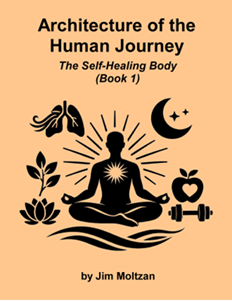
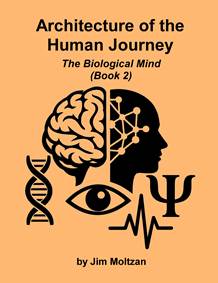
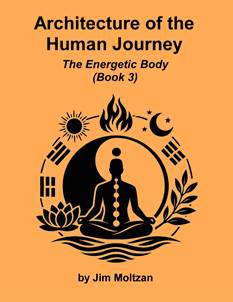
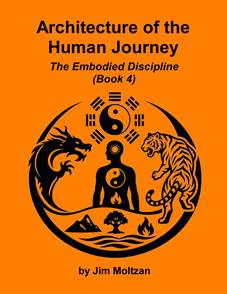
For over 40 years, I have been on my own search for a “Holy Grail” of health, wellness, fitness, and self-awareness. Along that journey, I have created a series of books and study guides that visually and conceptually map what I believe to be the essential components of a healthy, balanced, and meaningful life.

My books are comprehensive, deeply researched, and feature original, full-color illustrations designed to make complex ideas clear and accessible. Each volume reflects decades of firsthand learning, practice, teaching, and illustration across disciplines including holistic health, fitness, psychology, Traditional Chinese Medicine, qigong, martial arts, and yoga philosophy. These are not mass-market publications. They are intentionally crafted for thoughtful readers, practitioners, and lifelong learners who value depth, clarity, and authenticity.

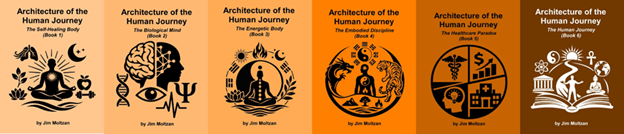
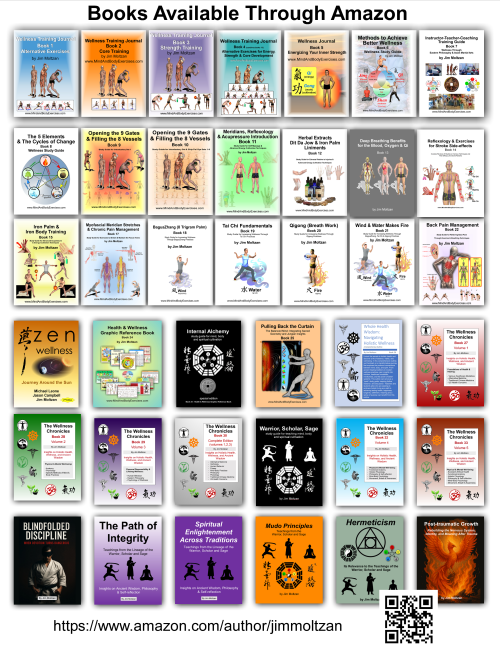
To date, I have published 39 books and study guides on Amazon. Some are primarily visual references that distill complex systems into clear graphic formats. Others explore theories of human development, psychology, movement, breathwork, rehabilitation, longevity, and overall quality of life. Many include practical exercise sets designed to support recovery, resilience, and long-term well-being.

These works represent the summation of more than four decades of training, education, teaching, and public speaking. Much of the qigong and breathing work draws from Chinese Kung Fu and Korean Dong Han medical qigong lineages, alongside extensive study with Traditional Chinese Medicine practitioners and martial arts masters. My background also includes acupressure, acupuncture principles, moxibustion, herbal preparation, and medical qigong, as well as formal academic training culminating in a Bachelor of Science degree in Holistic Health.

Similar in concept to Quick Study or PermaCharts, these guides are designed to “cut to the chase,” minimizing the time spent searching through dense textbooks while preserving the essential root knowledge of each subject. This format serves both beginners seeking a solid foundation and experienced practitioners looking for concise, high-quality reference materials.

If you are looking for a meaningful gift, one that supports health, awareness, and lifelong learning, these books are intended to be resources that grow with the reader over time.

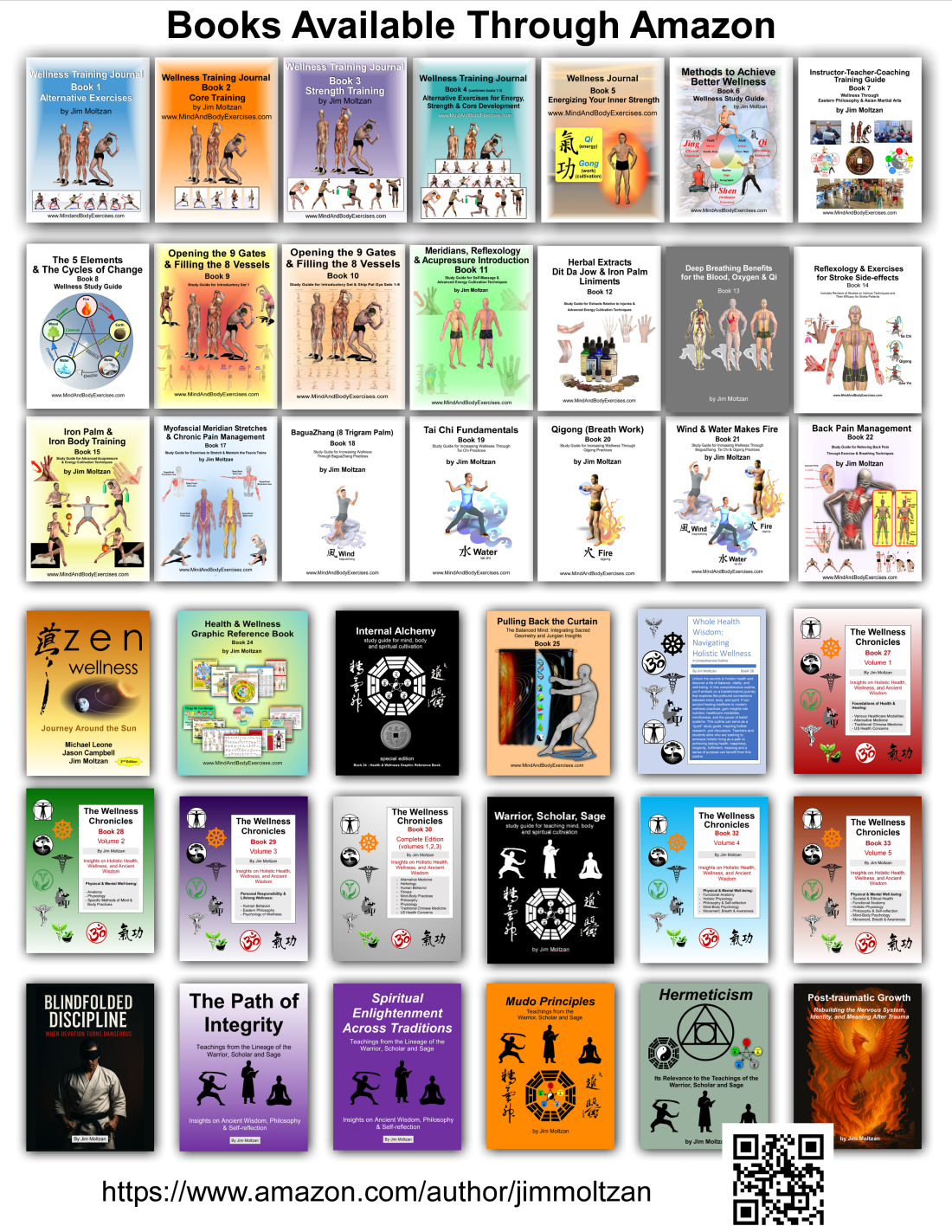
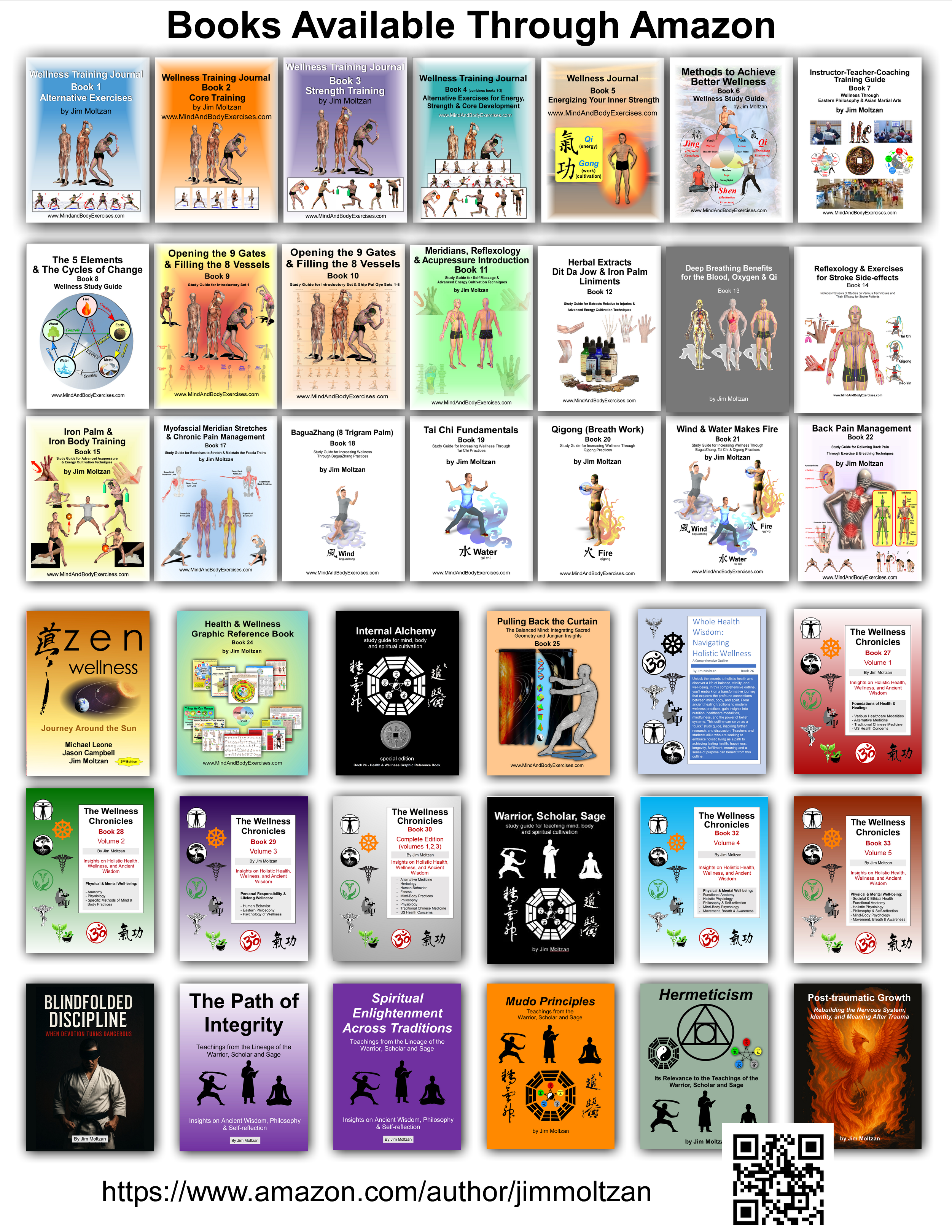
My titles are available on Amazon at: https://www.amazon.com/author/jimmoltzan

My titles are available on Amazon at: https://www.amazon.com/author/jimmoltzan

Book 1 – Alternative Exercises

Book 2 – Core Training

Book 3 – Strength Training

Book 4 – Combo of 1-3

Book 5 – Energizing Your Inner Strength

Book 6 – Methods to Achieve Better Wellness

Book 7 – Coaching & Instructor Training Guide

Book 8 – The 5 Elements & the Cycles of Change

Book 9 – Opening the 9 Gates & Filling 8 Vessels-Intro Set 1

Book 10 – Opening the 9 Gates & Filling 8 Vessels-sets 1 to 8

Book 11 – Meridians, Reflexology & Acupressure

Book 12 – Herbal Extracts, Dit Da Jow & Iron Palm Liniments

Book 13 – Deep Breathing Benefits for the Blood, Oxygen & Qi

Book 14 – Reflexology for Stroke Side Effects:

Book 15 – Iron Body & Iron Palm

Book 17 – Fascial Train Stretches & Chronic Pain Management

Book 18 – BaguaZhang

Book 19 – Tai Chi Fundamentals

Book 20 – Qigong (breath-work)

Book 21 – Wind & Water Make Fire

Book 22 – Back Pain Management

Book 23 – Journey Around the Sun-2nd Edition

Book 24 – Graphic Reference Book

Book 25 – Pulling Back the Curtain

Book 26 – Whole Health Wisdom: Navigating Holistic Wellness

Book 27 – The Wellness Chronicles (volume 1) 

Book 28 – The Wellness Chronicles (volume 2)

Book 29 – The Wellness Chronicles (volume 3)

Book 30 – The Wellness Chronicles (complete edition, volumes 1-3)

Book 31 – Warrior, Scholar, Sage

Book 32 – The Wellness Chronicles (volume 4)

Book 33 – The Wellness Chronicles (volume 5)

Book 34 – Blindfolded Discipline

Book 35 – The Path of Integrity

Book 36 – Spiritual Enlightenment Across Traditions

Book 37 – Mudo Principles: Teachings from the Warrior, Scholar, and Sage

Book 38 – Hermeticism: Its Relevance to the Teachings of the Warrior, Scholar and Sage

Book 39 – Post-traumatic Growth


How Medical Studies Get Published and Why It Matters

In the age of evidence-based medicine, published research is often viewed as the gold standard for guiding health decisions. However, behind the polished language of medical journals lies a complex web of funding, publication bias, and editorial politics. While many researchers uphold high standards, recent investigations reveal systemic vulnerabilities in how medical studies are published, even in the world’s most respected journals.

The Traditional Path to Publication

Medical studies generally follow a structured path to publication. Researchers begin by designing their study, obtaining ethical approval (e.g., IRB approval), and collecting data. A manuscript is then submitted to a peer-reviewed journal, where it undergoes scrutiny by field experts who evaluate its methodology, novelty, and clarity. The editorial team, taking reviewer feedback into account, decides whether the paper will be accepted, revised, or rejected.

This peer-review process is intended to serve as a quality filter. However, peer reviewers are unpaid, overburdened, and not always able to detect fraudulent or misleading work, especially in fields outside their specialty (Smith, 2006).

The Cost of Getting Published

One of the less visible aspects of medical publishing is the cost. While traditional journals may publish accepted articles without charge, many newer or open-access journals charge “article processing charges” (APCs) that range from $1,500 to over $5,000 per article (Solomon & Björk, 2012). These fees are often covered by research grants or institutional funding, but they can also create barriers for independent researchers and incentivize some journals to accept more articles, compromising rigor for revenue.

Moreover, the push toward open-access publishing has led to the rise of predatory journals, where publications charge authors but lack credible peer review. This has flooded the academic ecosystem with poorly vetted studies that masquerade as legitimate science.

Politics and Prestige in Editorial Decisions

Studies have shown that research from prestigious universities is more likely to be accepted for publication, a phenomenon known as the “Matthew Effect” (Merton, 1968). Additionally, journals tend to favor studies with statistically significant or “positive” results, leading to a well-documented “publication bias” (Dwan et al., 2013). Negative findings, though scientifically valuable, are less likely to be published, skewing the evidence base.

Even more concerning, high-impact journals have been shown to favor topics that align with social trends or commercial interests. For instance, an investigation by The Wall Street Journal in 2005 exposed how pharmaceutical companies employed ghostwriters to author studies that promoted their drugs, later assigning authorship to respected academics to add legitimacy (Armstrong, 2005). This practice, while not universally accepted, was alarmingly common at the time.

The Paper Mill Problem

In 2024, The Wall Street Journal released another bombshell: a flood of fraudulent research papers had forced the publisher Wiley to retract over 11,000 articles and shut down 19 academic journals (Marcus & Overland, 2024). These papers were often generated by “paper mills” which are organizations that produce fake scientific studies for a fee. Some even used AI to generate content that mimicked legitimate science, exposing deep vulnerabilities in the peer-review and editorial process.

This was not an isolated incident. Other publishers, including Elsevier and Taylor & Francis, have faced similar challenges, revealing how even major journals can be infiltrated by illegitimate science when editorial oversight fails.

The Problem with “Trust the Science”

In recent years, the phrase “trust the science” has become a cultural catchphrase used by media, governments, and institutions to affirm confidence in scientific guidance. While well-intentioned, this phrase can be misleading. It implies that science is monolithic and settled, when in fact it is a dynamic process subject to debate, revision, and crucially, accessibility. Not all valid scientific perspectives make it to publication. Financial constraints, editorial preferences, and publication bias mean that some high-quality studies are never seen by the public or professionals. This selective visibility creates an illusion of consensus, when in reality many opposing findings may have been filtered out of the mainstream conversation (Dwan et al., 2013). Thus, trusting “the science” too literally can obscure the fact that what gets published is only a portion of what is known or could be known on any given topic.

A Historical Case: Vioxx and the NEJM

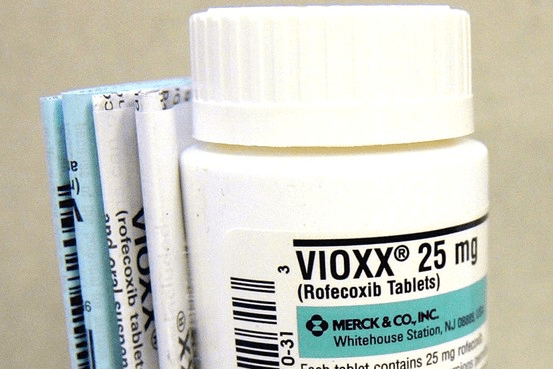
Concerns over editorial bias are not new. In 2006, The Wall Street Journal reported on how the New England Journal of Medicine failed to detect misleading data about the arthritis drug Vioxx, which was later withdrawn from the market due to cardiovascular risks (Martinez & Winslow, 2006). Critics argued that key risk data were omitted from published studies, undermining public safety.

This case became a turning point in the debate over transparency, conflict of interest, and pharmaceutical influence in academic publishing.

Navigating the Landscape: A Call for Awareness

For health-conscious individuals and practitioners in holistic wellness, the takeaway is not to reject scientific research, but to read it critically. The peer-reviewed system has value, but it is not infallible. Consider the funding source, author affiliations, and whether the journal itself is reputable and transparent about its processes.

Advocates for scientific reform are pushing for stronger peer-review standards, post-publication review systems, and the full disclosure of data and conflicts of interest. Platforms like Retraction Watch, PubPeer, and preprint servers like medRxiv offer tools for transparency.

–  Retraction Watch

–  PubPeer

–  MedRxiv

–  PLOS ONE Publication Criteria

–  WSJ science reporting

References:

Armstrong, D. (2005, December 13). At medical journals, writers paid by industry play big role. The Wall Street Journal. https://www.wsj.com/articles/SB113443606745420770

Dwan, K., Gamble, C., Williamson, P. R., & Kirkham, J. J. (2013). Systematic review of the empirical evidence of study publication bias and outcome reporting bias—An updated review. PLOS ONE, 8(7), e66844. https://doi.org/10.1371/journal.pone.0066844

Marcus, A., & Overland, C. (2024, February 22). Flood of fake science forces multiple journal closures. The Wall Street Journal. https://www.wsj.com/science/academic-studies-research-paper-mills-journals-publishing-f5a3d4bc

Martinez, B., & Winslow, R. (2006, May 18). How the New England Journal missed warning signs on Vioxx. The Wall Street Journal. https://www.wsj.com/articles/SB114765430315252591

Merton, R. K. (1968). The Matthew effect in science: The reward and communication systems of science are considered. Science, 159(3810), 56–63. https://doi.org/10.1126/science.159.3810.56

Smith, R. (2006). Peer review: A flawed process at the heart of science and journals. Journal of the Royal Society of Medicine, 99(4), 178–182. https://doi.org/10.1258/jrsm.99.4.178

Solomon, D. J., & Björk, B. C. (2012). A study of open access journals using article processing charges. Journal of the American Society for Information Science and Technology, 63(8), 1485–1495. https://doi.org/10.1002/asi.22673

Options for Managing Chronic Pain #1

Recently I presented a 3-session discussion of managing chronic pain and various health conditions without relying heavily on pharmaceuticals. Drawing on over four decades of experience in fitness, wellness, and martial arts, I shared practical alternatives for alleviating chronic pain, enhancing overall health, and addressing root causes of illness through natural and holistic methods. The presentation emphasizes lifestyle changes such as regular exercise, proper nutrition, adequate sleep, positive mindset, and maintaining good posture. In addition to physical activity, I introduced various therapies from traditional Chinese medicine like acupuncture, cupping, and herbal treatments, alongside modern tools such as massage guns, acupressure blankets, TENS units, and topical applications like Biofreeze and herbal extracts and oils.

This talk also highlights the important role of breathing techniques and managing thoughts and emotions to influence bodily health, noting the body-mind connection reflected in how emotions such as fear and anger affect organ function. I stressed the importance of building health-supportive habits, acknowledged the challenge of post-traumatic growth, and discussed the nuanced use of heat and cold therapies. Practical advice on selecting and safely using equipment and topical treatments is interwoven with cautions about chemical ingredients and the need for professional guidance when appropriate.

Traditional Chinese medicine explanations include the theory of meridians and fascia as pathways for energy and healing, while acknowledgment of the placebo effect underscores individual variability in treatment success. The presentation culminates with a discussion on herbal remedies and CBD products, encouraging personal experimentation with proper research and awareness of one’s unique constitution. Finally, I outlined future classes focusing on exercises for specific pain areas, breathing techniques, and addressing common ailments such as headaches.

Highlights

  • 🌿 Emphasis on managing chronic pain naturally through lifestyle changes and holistic methods.
  • 🧘‍♂️ Importance of regular exercise, stretching, and posture correction to alleviate joint and muscle pain.
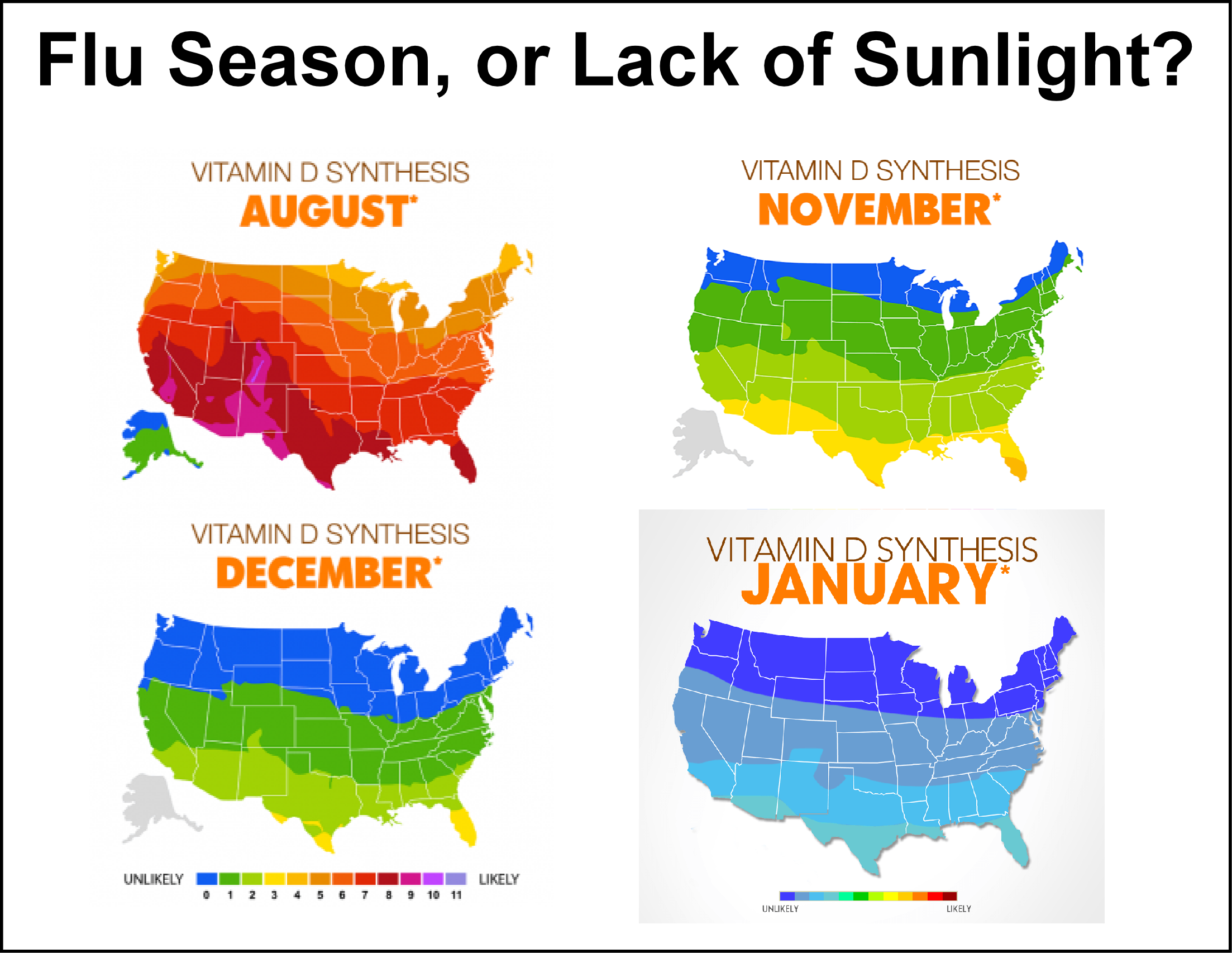
  • 🌞 Balanced exposure to sunlight recommended for overall health despite skin cancer concerns.
  • 🌬️ Deep, nasal breathing techniques help regulate hormones and reduce stress.
  • 💆‍♀️ Overview of traditional Chinese medicine therapies such as acupuncture, cupping, and reflexology.
  • ⚡ Introduction of modern tools like massage guns and TENS units for targeted pain relief.
  • 🌱 Discussion of herbal remedies and CBD products with a focus on personal research and safety.

Key Insights

  • 🌟 Holistic Approach to Chronic Pain Management: The presentation advocates a multi-faceted strategy that goes beyond drugs, focusing on physical activity, nutrition, sleep, mental health, and social connection. Chronic pain is not treated solely as a symptom requiring pills but as a condition that benefits from addressing root causes like posture, mobility, and emotional well-being.

  • 💪 Exercise as a Foundation of Health: Regular, thoughtful exercise not only builds strength and flexibility but also aids in maintaining joint integrity and reducing inflammation. Tailored rehabilitation exercises for injury-prone areas such as knees and back show how specific movements can promote healing and prevent surgery, underscoring the preventive value of physical training.

  • 🌞 Sunlight’s Dual Role: Despite warnings about sun exposure, moderate sunlight early in the day is beneficial for vitamin D synthesis and overall well-being. This nuanced advice counters extreme avoidance and highlights how balanced choices support immune function and energy metabolism.

  • 🧠 Mind-Body Connection Through Thought and Emotion: The concept that emotions influence physical health is grounded in both traditional Asian medicine and modern science. Chronic fear, anger, and depression affect hormone and nervous system balance, which in turn impacts organ health and pain perception. Cultivating positive attitudes is presented as an essential part of holistic health care.

  • 🧘 Breathing as a Regulatory Tool: Emphasizing nasal breathing, I explained its biological effects on the nervous system’s fight-or-flight response and hormone regulation. It’s a simple, often overlooked method to enhance relaxation, improve circulation, and support natural healing processes by shifting the body into a rest-and-digest state.

  • 🌿 Traditional Chinese Medicine and Modern Integration: The explanation of meridian theory in relation to fascia and connective tissue bridges ancient concepts with current anatomical understanding. Techniques like acupuncture, cupping, and acupressure stimulate circulation and nervous system responses, and while their scientific basis is still debated, many find them effective. The placebo effect is recognized as a legitimate contributor to therapeutic outcomes.

  • ⚙️ Safe and Informed Use of Therapeutic Tools and Topicals: Modern devices like massage guns and TENS units can provide effective relief when used properly, but self-education and professional guidance are critical to avoid injury. Similarly, topical treatments like Biofreeze and traditional herbal liniments are recommended with caveats regarding chemical content and appropriate application to prevent adverse reactions.

  • 🌱 Individual Variability and Habit Formation: Chronic pain management is highly personalized. What works for one person might not work for another, which places importance on trying different methods and establishing consistent habits to evaluate effectiveness. The 21-day habit-building model is cited to encourage persistence and gradual lifestyle change.

  • 🌿 Herbal Medicine and CBD’s Mixed Efficacy: Herbal remedies such as ashwagandha and valerian root, alongside emerging treatments like CBD oil, show promise but require careful individual assessment and research. The overlap with placebo effects means patients must remain open-minded yet discerning, guided by their body’s responses and external advice.

  • 🩺 Discerning Between Muscle and Nerve Pain: Understanding the distinction between muscular discomfort and nerve-related pain is key to selecting appropriate therapies. For example, nerve pain may radiate and be treated with different techniques compared to localized muscle soreness, necessitating professional diagnosis to optimize treatment choices.

  • 🔥 Heat vs. Cold Therapy Nuances: The presentation challenges simplistic views on hot and cold treatment by discussing recent medical perspectives on risks and timing. Cold is beneficial immediately post-injury to reduce inflammation but can cause cell damage if prolonged, while heat aids recovery after inflammation subsides, supporting personalized and time-sensitive application.

  • 🌱 Post-Traumatic Growth Emphasized Over Syndrome: Rather than dwelling on trauma as a limiting factor, I frame it as an opportunity for growth. Adopting this mindset fosters resilience, encouraging individuals to engage in rehabilitation, self-care, and lifestyle changes despite past injuries or stressors contributing to chronic pain.

  • 🤝 Value of Social Connection and Mental Health Support: Being part of a supportive community, such as a health class or social network, can distract from pain and enhance feelings of well-being. This social support acts synergistically with physical treatment and mental health practices to bolster overall recovery and health maintenance.

In conclusion, my video offers a rich and practical resource for anyone seeking alternatives or complements to pharmaceutical pain management. It integrates ancient wisdom with contemporary tools and scientific insights, advocating for an active, informed, and individualized approach to chronic pain and health challenges. The emphasis on self-care, preventive habits, and understanding the body-mind interplay positions viewers to take more control of their well-being without over-dependence on medication.

Science, Skepticism, and Self-Care: Navigating Modern Medicine

“Change what you can, don’t sweat what you can’t control.”

In contemporary society, the credibility of the healthcare system is frequently called into question. Despite significant investment in U.S. healthcare, exceeding $4 trillion annually, the system often prioritizes profit over prevention and wellness. This profit-driven approach, heavily influenced by pharmaceutical companies, insurance corporations, and healthcare systems, has resulted in patients being viewed as long-term customers rather than individuals empowered to manage their own health. Although emergency and acute care services in the U.S. are commendable, there is a concerning trend regarding the prevention of chronic diseases and the maintenance of long-term well-being (Hurley et al., 2024).

The Role of Trust in Healthcare

Skepticism regarding healthcare is understandable when one examines the statistics. For instance, the U.S. experiences a concerning 250,000 to 400,000 iatrogenic deaths annually, those resulting from medical intervention (Makary & Daniel, 2016). However, this represents only one perspective. The other perspective highlights that despite significant healthcare expenditure, the system performs poorly in terms of life expectancy and chronic disease management compared to other affluent nations (Health at a Glance 2019, 2019). Numerous factors contribute to this issue, including an over-reliance on medications and surgeries, which frequently result in complications rather than the prevention of diseases (Sackett, 2000).

Medical Dissent and the Cost of Speaking Out

Historically, medical professionals who question prevailing narratives have frequently encountered scrutiny, censorship, and professional consequences. Recently, numerous highly esteemed doctors and scientists have expressed concerns regarding public health policies, vaccine mandates, and the influence of pharmaceutical companies only to face discreditation or suppression.

While healthcare professionals with solid credentials have raised concerns about the current state of medicine, many have encountered backlash. Distinguished doctors such as Dr. Daniel Neides have questioned the safety and efficacy of certain medical interventions (Dyer, 2017), and Dr. Peter McCullough despite being one of the most published cardiologists in the world, had his medical board certifications challenged due to him expressing his concerns regarding the medical industry’s response to the COVID-19 pandemic (Hulscher et al., 2023). Despite their efforts to initiate important discussions, these professionals often experience a loss of credibility among the public and their peers, being labeled as outliers or conspiracy theorists (Hoffman et al., 2021).

Dr. Robert Malone, a scientist important in developing mRNA vaccine technology, has raised concerns about the safety and long-term effects of these vaccines. Despite his contributions, Malone was de-platformed from major social media platforms after questioning the COVID-19 vaccine rollout and advocating for caution (In-Depth: Did Robert Malone Invent mRNA Vaccines in San Diego? 2022). His case highlights the issue of scientists facing professional ostracization when their views diverge from mainstream policies.

Dr. Mary Talley Bowden, a specialist in ear, nose, and throat medicine, became involved in controversy due to her public support for alternative early treatments and her criticism of vaccine mandates. Consequently, she was suspended from Houston Methodist Hospital. Undeterred, she established her own independent practice, where she continues to treat patients based on her medical observations and research (Bowden, 2022). Her experience highlights the increasing divide between institutional medicine and the physicians who advocate for personalized care.

Dr. Alex Cole, a medical researcher and clinician, has expressed concerns about the transparency of vaccine safety data. He has emphasized the importance of open scientific debate and the inclusion of alternative viewpoints. The key issue is whether medical professionals should experience professional consequences for participating in legitimate scientific discussions (Professional, 2024).

Other doctors, including Dr. Pierre Kory, a critical care specialist, and Dr. Paul Marik, an intensive care expert, have discussed the perceived limitations of the mainstream approach to COVID-19 treatments. They have supported the use of repurposed drugs and alternative treatment protocols, which resulted in professional examination and debate. Dr. Kory and Dr. Marik encountered resistance when promoting these alternative COVID-19 treatment strategies (Marik et al., 2020).

These cases highlight a trend in modern medicine where differing opinions, even those from individuals with significant experience and expertise, are often dismissed rather than discussed. Scientific progress relies on thorough discussion and analysis, yet the current environment frequently favors conformity over inquiry. Regardless of individual perspectives on these particular matters, the marginalization of seasoned professionals poses ethical and scientific questions about transparency, accountability, and the impact of influential industries on medical dialogue.

The Case for Personal Responsibility in Health

With the system seemingly failing at times, many individuals are choosing to take responsibility for their own health. Rejecting the mainstream “sick care” model, which often prioritizes a “pill for every ill,” people are turning to alternative practices that emphasize prevention, self-care, and holistic wellness. Taking responsibility for one’s own health through practices like tai chi, qigong (VA Office of Patient Centered Care and Transformation, n.d.), martial arts, yoga, meditation, and even weight training have become powerful ways for individuals to manage stress, improve physical fitness, and maintain mental clarity.

For me, personally, the approach is clear: read labels, carefully monitor what goes in, on, and around the body, practice daily exercises to strengthen the body, and employ stress management techniques for the mind and soul. I limit my mental intake by reducing exposure to the news and social media, focusing instead on the bigger picture. While I cannot change the world, I know I can change myself and influence those around me in a positive way.

The Need for Change

Moving toward a preventative and holistic healthcare approach is crucial, despite challenges in a profit-driven system. The influence of pharmaceutical companies, insurance, and large healthcare interests often overlooks patient well-being (Dickinson, 2014). A shift to a system that rewards prevention, empowers individuals, and values overall well-being over chronic condition management is needed.

However, comprehensive change may be challenging to achieve at the national level. At the individual level, however, transformation is feasible. By taking personal responsibility for our health instead of solely relying on a system that may prioritize profit over care, we make an empowering choice. Engaging in alternative and preventive practices, such as tai chi, qigong, yoga, resistance training, or daily meditation, enables us to regain control over our wellness incrementally.

References

Bowden, M. T. (2022, March 6). Fighting Methodist Hospital — BREATHEMD | Optimal Airway Health. BREATHEmd | Optimal Airway Health. https://breathemd.org/blog/2022/2/27/the-story-behind-why-im-suing-the-hospital-who-suspended-me-for-prescribing-ivermectin

Dickinson, J. (2014, April 1). Deadly medicines and organised crime: How big pharma has corrupted healthcare. https://pmc.ncbi.nlm.nih.gov/articles/PMC4046551/

Dyer, O. (2017). Cleveland Clinic to re-evaluate its Wellness Institute after director questions vaccines. BMJ, j253. https://doi.org/10.1136/bmj.j253

Fleck, A. (2023, July 5). The healthiest (& unhealthiest) countries in the world. Statista Daily Data. https://www.statista.com/chart/30313/health-and-healthcare-systems-index-scores/

Health At a Glance 2019. (2019, November 7). OECD. https://www.oecd.org/en/publications/health-at-a-glance-2019_4dd50c09-en.html

Hoffman, D., Stewart, A., Breznay, J., Simpson, K., & Crane, J. (2021). Vaccine hesitancy narratives. Voices in Bioethics, 7. https://doi.org/10.52214/vib.v7i.8789

Hulscher, N., Procter, B. C., Wynn, C., & McCullough, P. A. (2023). Clinical Approach to Post-acute Sequelae After COVID-19 Infection and Vaccination. Cureus, 15(11), e49204. https://doi.org/10.7759/cureus.49204

Hurley, B., Lovett, S., D’Urso, J., & Smith, E. (2024, December 14). Three medical bills that show true cost of America’s ‘broken’ healthcare. The Times. https://www.thetimes.com/world/us-world/article/us-healthcare-insurance-companies-ceo-shooting-z597qlq2n?utm_source=chatgpt.com®ion=global

In-Depth: Did Robert Malone invent mRNA vaccines in San Diego? (2022, January 27). UC Irvine News. https://news.uci.edu/2022/01/27/in-depth-did-robert-malone-invent-mrna-vaccines-in-san-diego/

Makary, M. A., & Daniel, M. (2016). Medical error—the third leading cause of death in the U.S. BMJ, 353, i2139. https://doi.org/10.1136/bmj.i2139

Marik, P. E., Kory, P., Varon, J., Iglesias, J., & Meduri, G. U. (2020). MATH+ protocol for the treatment of SARS-CoV-2 infection: the scientific rationale. Expert Review of Anti-infective Therapy, 19(2), 129–135. https://doi.org/10.1080/14787210.2020.1808462

Professional, C. C. M. (2024, December 4). Informed consent. Cleveland Clinic. https://my.clevelandclinic.org/health/articles/24268-informed-consent

Sacket, D. (2000) Evidence-based medicine : how to practice and teach EBM : Free Download, Borrow, and Streaming : Internet Archive. (2000). Internet Archive. https://archive.org/details/evidencebasedmed00davi/mode/2up?q=reliance

VA Office of Patient Centered Care and Transformation. (n.d.). TAI CHI AND QI GONG. In VA Office of Patient Centered Care and Cultural Transformation (pp. 1–7). https://www.va.gov/WHOLEHEALTHLIBRARY/docs/Tai-Chi-and-Qi-Gong.pdf

I look forward to further sharing more of my message by partnering with hospitals, wellness centers, VA centers, schools on all levels, businesses, and individuals who see the value in building a stronger nation through building a healthier population.

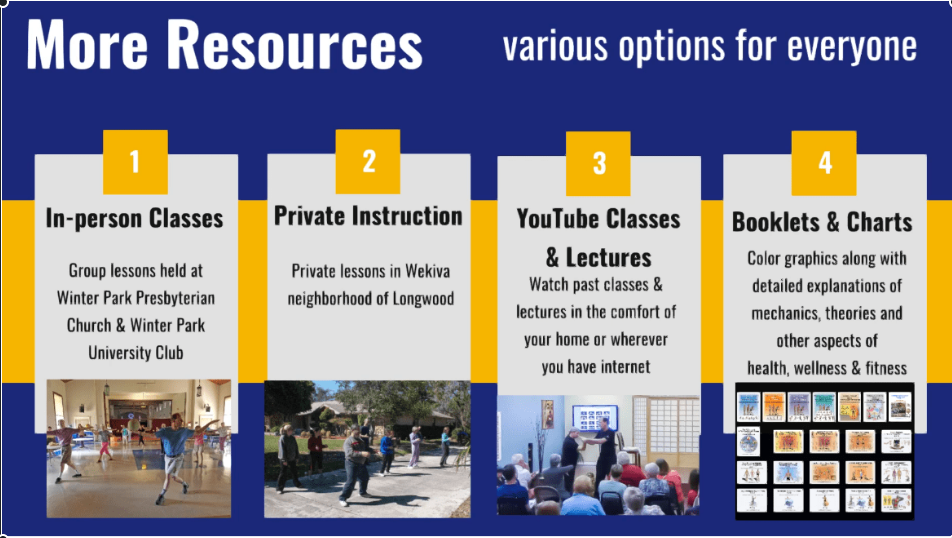
I also have hundreds of FREE education video classes, lectures, and seminars available on my YouTube channel at:

https://www.youtube.com/c/MindandBodyExercises

Many of my publications can be found on Amazon at:

http://www.Amazon.com/author/jimmoltzan

My holistic health blog is available at:

https://mindandbodyexercises.wordpress.com/

http://www.MindAndBodyExercises.com

Mind and Body Exercises on Google: https://posts.gle/aD47Qo

Jim Moltzan

407-234-0119

Metabolic Dysfunction and Concerns over Processed Food, Endocrine-Disrupting Chemicals (EDCs), and Toxins

People in the US are experiencing many mental and physical diseases, ailments, and chronic conditions that were not nearly as prominent in years past. Some experts believe there is a definite link between chemicals and the state of poor health in the US.

Metabolic Dysfunction Statistics: 93.2% of Americans have at least one marker of metabolic dysfunction according to a study published in the Journal of the American College of Cardiology. The study analyzed health data from over 55,000 Americans and found that only 6.8% were metabolically healthy. This alarming statistic highlights widespread issues like insulin resistance, high cholesterol, and high blood pressure, all linked to poor diet and lifestyle choices​. The study concluded that U.S. cardiometabolic health has been poor and worsening between 1999 and 2000 and 2017 and 2018, with only 6.8% of adults having optimal cardiometabolic health.

Processed Foods: Their concerns about the impact of ultra-processed foods are backed by extensive research in nutritional science. A 2019 study published in The BMJ found that higher consumption of ultra-processed foods was associated with an increased risk of all-cause mortality. Ultra-processed foods are often rich in refined sugars, unhealthy fats, and chemical additives, which have been linked to insulin resistance and chronic inflammation—key drivers of metabolic syndrome. The study concluded that “higher consumption of ultra-processed foods (>4 servings daily) was independently associated with a 62% relatively increased hazard for all-cause mortality. For each additional serving of ultra-processed food, all-cause mortality increased by 18%.”

Endocrine-Disrupting Chemicals (EDCs): The risks associated with chemicals like BPA and phthalates are well-documented. The Endocrine Review has published multiple position papers discussing how EDCs interfere with the body’s hormonal systems, contributing to obesity, diabetes, and reproductive health issues. The thyroid’s hormone signaling plays a critical role in metabolism, growth, and development. EDCs impact endocrine disruptors, from chemicals like bisphenol A (BPA), phthalates, and industrial pollutants like polychlorinated biphenyls (PCBs) and polybrominated diphenyl ethers (PBDEs). These substances, along with herbicides and pesticides like atrazine and DDT, can interfere with thyroid function, leading to various health issues.

Environmental Toxins: Heavy metals, pesticides, and airborne pollutants have been linked to numerous health issues, including mitochondrial dysfunction. A 2014 review in Environmental Research connected chronic exposure to environmental toxins like arsenic, lead, mercury, cadmium, chromium, aluminum, iron, and pesticides to metabolic diseases through their detrimental effects on mitochondrial function and oxidative stress. Failure to better manage the exposure of heavy metals will ultimately result in severe complications in the future, due to the adverse effects imposed by these elements and relative substances.

(Society, 2022)

References:

Metabolic Dysfunction Statistics:

  • O’Hearn, M., Lauren, B. N., Wong, J. B., Kim, D. D., & Mozaffarian, D. (2022). Trends and Disparities in Cardiometabolic Health among U.S. adults, 1999-2018. Journal of the American College of Cardiology, 80(2), 138–151. https://doi.org/10.1016/j.jacc.2022.04.046

Processed Foods:

  • Rico-Campà, A., Martínez-González, M. A., Alvarez-Alvarez, I., De Deus Mendonça, R., De La Fuente-Arrillaga, C., Gómez-Donoso, C., & Bes-Rastrollo, M. (2019). Association between consumption of ultra-processed foods and all cause mortality: SUN prospective cohort study. BMJ, l1949. https://doi.org/10.1136/bmj.l1949

Endocrine-Disrupting Chemicals (EDCs):

Environmental Toxins:

  • Jaishankar, M., Tseten, T., Anbalagan, N., Mathew, B. B., & Beeregowda, K. N. (2014). Toxicity, mechanism and health effects of some heavy metals. Interdisciplinary Toxicology, 7(2), 60–72. https://doi.org/10.2478/intox-2014-0009

I teach and offer lectures about holistic health, physical fitness, stress management, human behavior, meditation, phytotherapy (herbs), music for healing, self-massage (acupressure), Daoyin (yoga), qigong, tai chi, and baguazhang.

Please contact me if you, your business, organization, or group might be interested in hosting me to speak on a wide range of topics related to better health, fitness, and well-being.

I look forward to further sharing my message by partnering with hospitals, wellness centers, VA centers, schools on all levels, businesses, and individuals who see the value in building a stronger nation through a healthier population.

I also have hundreds of FREE education video classes, lectures, and seminars available on my YouTube channel at:

https://www.youtube.com/c/MindandBodyExercises

Many of my publications can be found on Amazon at:

http://www.Amazon.com/author/jimmoltzan

My holistic health blog is available at:

https://mindandbodyexercises.wordpress.com/

http://www.MindAndBodyExercises.com

Mind and Body Exercises on Google: https://posts.gle/aD47Qo

Jim Moltzan

407-234-0119