My Traditional Approach to Acupressure, Massage, and Herbal Therapy
As both a long-time practitioner and teacher of holistic wellness, martial arts, and Traditional Chinese Medicine (TCM), I have found that the health of our hands is often underestimated. Our hands connect us to the world, allowing us to create, heal, and express, but they are also vulnerable to stiffness, poor circulation, and overuse injuries, especially in our modern, screen-driven culture.
In my lecture and video presentation, I shared a traditional system of hand conditioning that I have personally practiced and taught for many years. This unique approach integrates acupressure, therapeutic trauma, herbal therapy, breathing techniques, and mindful movement. All designed to restore vitality, enhance flexibility, and promote whole-body energy flow.
A Philosophy of Health, Not Hardness
In the martial arts world, hand conditioning is often associated with building hardened fists and thick calluses. I take a different view.
The method I teach is not about brute strength or desensitization. It is about stimulating circulation, promoting healing, and enhancing energy (Qi) flow throughout the entire body.
Using bean-filled bags (I recommend soybeans, mung beans, or chickpeas), we create strategic trauma or gentle, controlled impacts that trigger the body’s natural healing response. This principle, rooted in ancient wisdom, leverages micro-trauma to increase blood flow, strengthen tissues, and support overall wellness (Zhou, 2009).
Hands as Microcosms of the Body
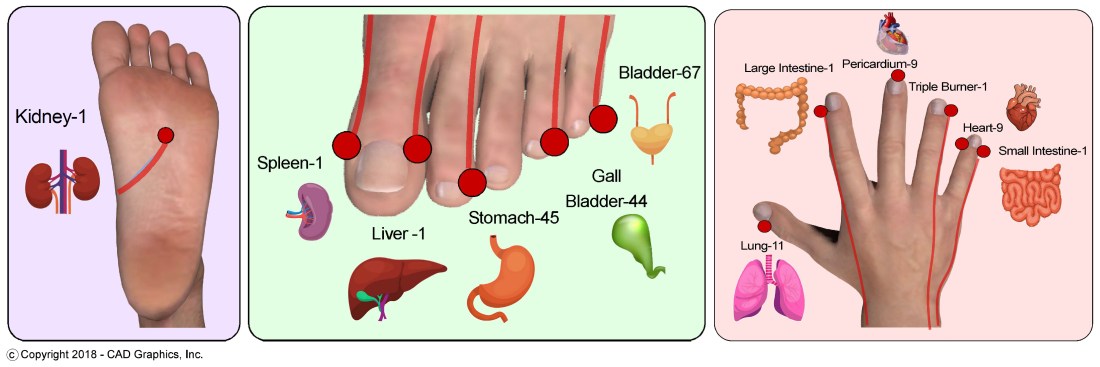
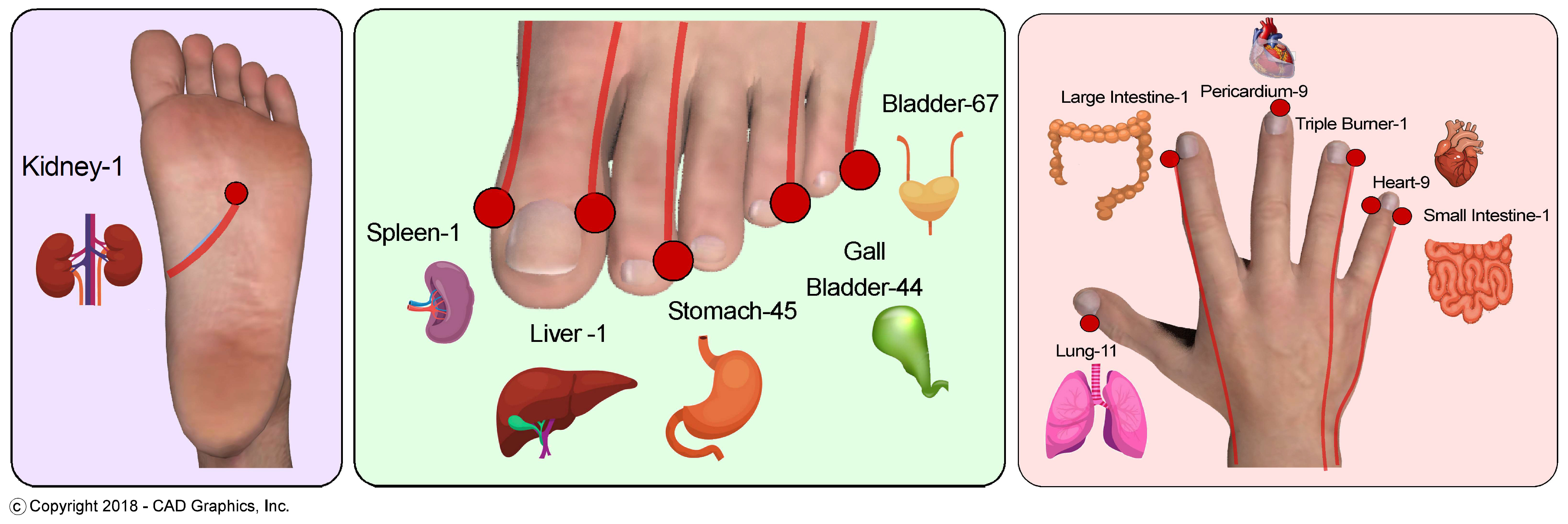
In my lineage or martial arts system, the hands are viewed as a map of the entire body, a concept validated by reflexology and TCM meridian theory.
We focus on stimulating Jing-well points located on the fingertips—powerful gateways for regulating energy flow (Deadman & Al-Khafaji, 2007).
I also reference Japanese and Korean reflexology maps, which beautifully illustrate how the fingers and palms correspond to internal organs and bodily systems (Ang et al., 2021).
When we work the hands with mindful techniques, we influence not just the hands themselves, but the entire body and mind.
Breathing: The Missing Link
A key element in my lineage is Qigong (breath work), a deep, nasal breathing pattern combined with proper tongue positioning on the upper palate.
This breathing technique activates the parasympathetic nervous system, promoting relaxation, improving circulation, and harmonizing Qi flow (Sancier, 2001).
When combined with hand exercises, this breathwork turns a simple routine into a powerful integrative practice that nourishes body, mind, and spirit.
The Practice in Action
During my presentation, I guided participants through a progressive series of hand conditioning techniques, including:
Pinching, clapping, and crab-finger movements to stimulate circulation and flexibility.
Percussion on bean bags to activate Jing-well points and trigger micro-trauma healing.
Twisting, stretching, and massage for the palms, knuckles, thumbs, and wrists.
External application of herbal tinctures, which I personally formulate using apple cider vinegar, frankincense, and traditional Chinese herbs, to reduce inflammation and enhance post-exercise recovery (Xu et al., 2013). (Note: these tinctures are for external use only and should not be ingested.)
Real-World Applications
One of the most exciting aspects of this practice is its practical value:
Certain finger acupressure points can be used to help revive a fainted person; a technique I demonstrate and encourage students to learn.
Regular practice can reduce symptoms of arthritis, improve joint mobility, and enhance overall hand resilience, making it valuable not just for martial artists, but for anyone seeking greater hand health and functional longevity (Kim et al., 2015).
Balance Is Key
In my teaching, I stress the importance of balance and recovery:
Do not overdo the hitting exercises! Allow at least one day of rest between sessions.
Always follow with herbal application to soothe the tissues and prevent over-inflammation.
Listen to your body. This is a lifelong practice, not a race for quick results.
This approach embodies the philosophy I teach in all of my wellness work: true progress comes from harmonizing stimulation with restoration.
Closing Thoughts
For me, this hand conditioning system is much more than an exercise routine. It is a gateway to whole-body vitality and a deeper connection with the subtle currents of energy that animate us.
By combining traditional acupressure, mindful breathwork, herbal therapy, and thoughtful movement, we can restore the natural vitality of the hands, which in turn enhances our overall health, energy balance, and functional well-being.
I encourage you to explore this practice with patience, mindfulness, and care. Your hands and your entire body will thank you.
References:
Deadman, P., & Al-Khafaji, M. (2007). A Manual of Acupuncture. Eastland Press.
Ang, L., Song, E., Lee, H., & Lee, M. (2021). Acupressure for Managing Osteoarthritis: A Systematic Review and Meta-Analysis. Applied Sciences, 11(10), 4457. https://doi.org/10.3390/app11104457
Sancier, K. M. (2001). Search for Medical Applications of Qigong with the Qigong DatabaseTM. The Journal of Alternative and Complementary Medicine, 7(1), 93–95. https://doi.org/10.1089/107555301300004574
Starr, P. (2020). Authentic Iron Palm: The Complete Training Manual. Blue Snake Books.
Xu, Q., Bauer, R., Hendry, B. M., Fan, T., Zhao, Z., Duez, P., Simmonds, M. S., Witt, C. M., Lu, A., Robinson, N., Guo, D., & Hylands, P. J. (2013). The quest for modernisation of traditional Chinese medicine. BMC Complementary and Alternative Medicine, 13(1). https://doi.org/10.1186/1472-6882-13-132
Winter, Immunity, and the Unsustainable Model of Modern Healthcare. Why Lifestyle Medicine Must Become the First Line of Defense
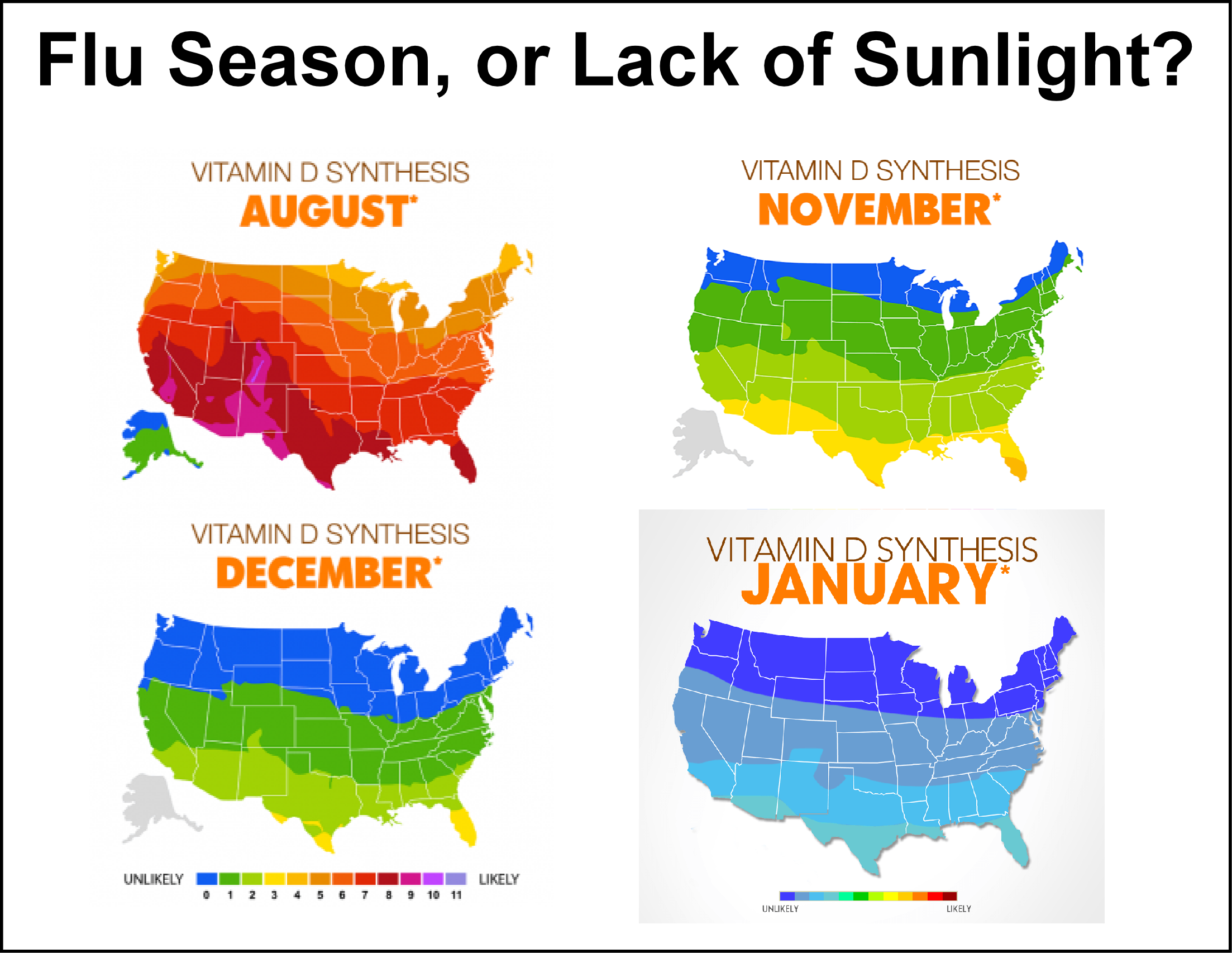
Winter has long been recognized as a season of heightened illness, commonly referred to as “flu season.” This pattern has existed for thousands of years, shaped by environmental conditions, reduced sunlight, behavioral changes, and altered activity patterns. Yet despite humanity’s long-standing awareness of these seasonal rhythms, modern healthcare systems, particularly in the United States, continue to respond with a predominantly pharmaceutical-centered model. Vaccines and medications are promoted as the primary line of defense, while foundational health behaviors such as nutrition, movement, sunlight exposure, sleep, and stress regulation receive comparatively little emphasis.
You can watch my short video on this topic at:
This strategy is proving unsustainable. The United States now faces a continuous decline in both physical and mental health, rising chronic disease burden, escalating healthcare costs, and worsening quality of life indicators. The growing reliance on pharmaceutical intervention without addressing underlying behavioral and environmental contributors has created a reactive, symptom-focused system rather than a proactive, resilience-based model of health. This essay argues that a fundamental reorientation toward lifestyle medicine as the primary foundation of public health is not only logical, but essential for reversing current health trajectories.
The Predictable Nature of Winter Illness
Seasonal illness is not random. Respiratory infections, influenza, and other viral illnesses consistently peak during winter months due to a convergence of physiological, behavioral, and environmental factors. These include increased indoor crowding, reduced physical activity, poorer dietary habits, higher alcohol consumption, disrupted sleep, and reduced exposure to sunlight (Eccles, 2002; Dowell & Ho, 2004).
Human physiology evolved in close relationship with seasonal rhythms. Historically, winter was a period of reduced food availability, lower caloric intake, and continued physical labor. In contrast, modern winter behavior is characterized by caloric excess, sedentary lifestyles, and prolonged indoor confinement, conditions that directly suppress immune function and metabolic health (Booth et al., 2012).
The seasonal rise in illness is therefore not an unavoidable biological fate, but a predictable consequence of modern lifestyle patterns layered onto ancient physiology.
Vitamin D Deficiency: A Global and Seasonal Crisis
One of the most significant contributors to winter immune vulnerability is widespread vitamin D deficiency. Vitamin D synthesis is dependent on ultraviolet B (UVB) radiation from sunlight, which is largely absent during winter months in northern latitudes. As a result, deficiency rates increase dramatically during this season.
Globally, over one billion people are estimated to be vitamin D deficient (Holick, 2007). In the United States, approximately 40–60% of adults have insufficient levels during winter months (Forrest & Stuhldreher, 2011). Vitamin D plays a central role in immune regulation, influencing innate immunity, T-cell function, and inflammatory control (Aranow, 2011).
Low vitamin D levels are associated with increased risk of respiratory infections, influenza, autoimmune disease, and poorer outcomes in viral illness (Martineau et al., 2017; Gombart et al., 2020). Yet despite this robust evidence base, vitamin D status is rarely assessed or addressed in routine clinical care.
Physical Inactivity and Immune Suppression
Physical activity is one of the most powerful modulators of immune function. Regular movement enhances immune surveillance, improves lymphatic circulation, reduces chronic inflammation, and improves metabolic health (Nieman & Wentz, 2019).
Conversely, physical inactivity, now widespread in industrialized nations, has been shown to increase susceptibility to infection, worsen vaccine response, and promote chronic low-grade inflammation (Booth et al., 2012; Hamer et al., 2020). Winter months exacerbate sedentary behavior, as colder temperatures and shorter daylight hours reduce outdoor activity.
The modern human body, designed for daily movement, now spends most of its time in chairs, cars, and climate-controlled environments. This mismatch between evolutionary design and modern behavior contributes directly to immune dysfunction and chronic disease.
Ultra-Processed Food and Immune Dysfunction
Diet quality is another central determinant of immune health. Modern winter diets are often dominated by ultra-processed foods high in refined carbohydrates, industrial seed oils, additives, preservatives, and sugar. These foods disrupt gut microbiota, promote insulin resistance, increase systemic inflammation, and impair immune signaling (Monteiro et al., 2018; Zinöcker & Lindseth, 2018).
The gut microbiome plays a critical role in immune regulation, with approximately 70% of immune cells residing in gut-associated lymphoid tissue (Belkaid & Hand, 2014). Diets rich in whole foods, vegetables, fruits, legumes, lean proteins, and healthy fats, support microbial diversity and immune resilience, while ultra-processed foods degrade this vital ecosystem.
The widespread replacement of traditional diets with industrial food products represents one of the most profound biological experiments in human history, and its results are increasingly evident in rising rates of obesity, diabetes, autoimmune disease, depression, and cardiovascular illness.
Mental Health Decline and Immune Consequences
The decline in mental health over recent decades parallels the deterioration of physical health. Rates of anxiety, depression, substance abuse, and suicide have risen sharply in the United States (Twenge et al., 2019; CDC, 2023). Chronic psychological stress suppresses immune function through dysregulation of the hypothalamic-pituitary-adrenal (HPA) axis and increased cortisol exposure (Glaser & Kiecolt-Glaser, 2005).
Social isolation, now increasingly common further compounds this effect. Loneliness has been shown to increase inflammatory signaling and reduce antiviral immune responses (Hawkley & Cacioppo, 2010). Winter confinement and digital substitution for human connection intensify this problem.
The modern epidemic of loneliness, combined with chronic stress and digital overexposure, represents a silent immune suppressant operating year-round.
The Reactive Model of Modern Healthcare
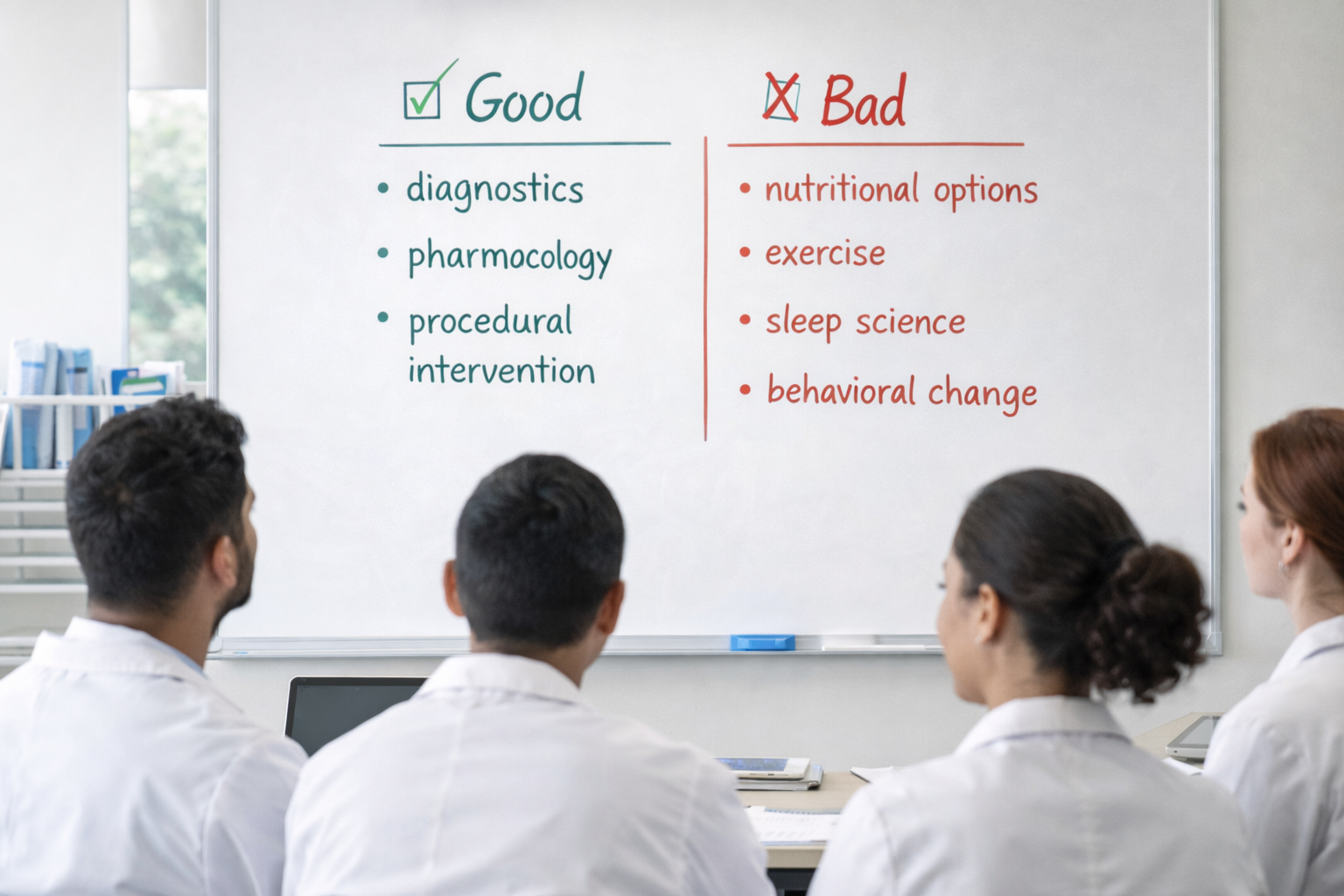
The current healthcare system in the United States is primarily structured around disease management rather than health creation. Physicians receive minimal training in nutrition, exercise physiology, sleep science, or behavioral change counseling (Adams et al., 2010; Devries et al., 2019). As a result, clinical encounters are dominated by diagnostics, pharmacology, and procedural intervention.
This model is highly effective for acute trauma and infectious disease management. However, it is poorly suited for addressing chronic, lifestyle-driven illnesses. The system is financially incentivized to treat disease after it develops rather than prevent it from occurring.
Vaccines and medications are promoted as population-level solutions because they can be standardized, deployed rapidly, and measured easily. Lifestyle change, by contrast, requires time, education, accountability, and cultural transformation.
The result is a healthcare system that waits for illness to emerge rather than building resilient physiology in advance.
The Unsustainable Trajectory of U.S. Health
Despite spending more on healthcare than any nation in the world, the United States ranks poorly in life expectancy, chronic disease burden, and quality-of-life metrics (Tikkanen & Abrams, 2020). Obesity rates exceed 40%, diabetes affects over 11% of adults, and cardiovascular disease remains the leading cause of death (CDC, 2023).
Mental health outcomes have deteriorated alongside physical health. The pharmaceutical expansion has not reversed these trends. Instead, the nation now consumes more prescription medications per capita than any other country while continuing to grow sicker.
This trajectory is not sustainable economically, biologically, or socially.
Reclaiming the Logical Hierarchy of Health
Human physiology evolved in an environment defined by:
Daily physical labor
Seasonal sunlight exposure
Whole-food nutrition
Natural circadian rhythms
Social cooperation
Environmental challenge
Modern life has inverted these conditions. The logical hierarchy of health must be restored:
Nutrition quality
Physical movement
Sleep hygiene
Sunlight exposure
Stress regulation
Social connection
Medical intervention when necessary
Pharmaceuticals should function as supportive tools—not the foundation of human health.
This integrative model does not reject medicine. It restores medicine to its proper role.
Winter illness is not merely a seasonal inconvenience, it is a symptom of a broader systemic failure to align modern life with human biology. The current healthcare model, built on pharmaceutical intervention rather than physiological resilience, is incapable of reversing the ongoing decline in physical and mental health.
Encouraging better nutrition, more movement, adequate sunlight exposure, sufficient sleep, stress regulation, and social connection is not alternative medicine. It is foundational medicine.
Without a return to these biological essentials, no number of pharmaceuticals will reverse the trajectory of modern disease. The future of healthcare must shift from managing illness to cultivating health. Only then can winter become a season of resilience rather than vulnerability.
References:
Adams, K. M., Kohlmeier, M., Powell, M., & Zeisel, S. H. (2010). Nutrition in medicine: nutrition education for medical students and residents. Nutrition in clinical practice : official publication of the American Society for Parenteral and Enteral Nutrition, 25(5), 471–480. https://doi.org/10.1177/0884533610379606
Booth, F. W., Roberts, C. K., & Laye, M. J. (2012). Lack of exercise is a major cause of chronic diseases. Comprehensive Physiology, 2(2), 1143–1211. https://doi.org/10.1002/cphy.c110025
Centers for Disease Control and Prevention. (2023). Chronic disease indicators and mental health statistics. https://www.cdc.gov
Devries, S., Dalen, J. E., Eisenberg, D. M., Maizes, V., Ornish, D., Prasad, A., Sierpina, V., Weil, A. T., & Willett, W. (2014). A deficiency of nutrition education in medical training. The American journal of medicine, 127(9), 804–806. https://doi.org/10.1016/j.amjmed.2014.04.003
Dowell, S. F., & Ho, M. S. (2004). Seasonality of infectious diseases and severe acute respiratory syndrome—What we don’t know can hurt us. The Lancet Infectious Diseases, 4(11), 704–708. https://doi.org/10.1016/S1473-3099(04)01177-6
Eccles, R. (2002). An explanation for the seasonality of acute upper respiratory tract viral infections. Acta Oto-Laryngologica, 122(2), 183–191. https://doi.org/10.1080/00016480252814207
Forrest, K. Y. Z., & Stuhldreher, W. L. (2011). Prevalence and correlates of vitamin D deficiency in US adults. Nutrition Research, 31(1), 48–54. https://doi.org/10.1016/j.nutres.2010.12.001
Glaser, R., & Kiecolt-Glaser, J. K. (2005). Stress-induced immune dysfunction. Nature Reviews Immunology, 5(3), 243–251. https://doi.org/10.1038/nri1571
Gombart, A. F., Pierre, A., & Maggini, S. (2020). A review of micronutrients and the immune system. Nutrients, 12(1), 236. https://doi.org/10.3390/nu12010236
Hamer, M., Kivimäki, M., Gale, C. R., & Batty, G. D. (2020). Lifestyle risk factors, inflammatory mechanisms, and COVID-19 hospitalization: A community-based cohort study of 387,109 adults in UK. Brain, behavior, and immunity, 87, 184–187. https://doi.org/10.1016/j.bbi.2020.05.059
Hawkley, L. C., & Cacioppo, J. T. (2010). Loneliness matters: a theoretical and empirical review of consequences and mechanisms. Annals of behavioral medicine : a publication of the Society of Behavioral Medicine, 40(2), 218–227. https://doi.org/10.1007/s12160-010-9210-8
Martineau, A. R., et al. (2017). Vitamin D supplementation to prevent acute respiratory tract infections. BMJ, 356, i6583. https://doi.org/10.1136/bmj.i6583
Monteiro, C. A., Cannon, G., Moubarac, J. C., Levy, R. B., Louzada, M. L. C., & Jaime, P. C. (2018, January 1). The un Decade of Nutrition, the NOVA food classification and the trouble with ultra-processing. Public Health Nutrition. Cambridge University Press. https://doi.org/10.1017/S1368980017000234
Nieman, D. C., & Wentz, L. M. (2019). The compelling link between physical activity and the body’s defense system. Journal of sport and health science, 8(3), 201–217. https://doi.org/10.1016/j.jshs.2018.09.009
Twenge, J. M., Cooper, A. B., Joiner, T. E., Duffy, M. E., & Binau, S. G. (2019). Age, period, and cohort trends in mood disorder indicators and suicide-related outcomes in a nationally representative dataset, 2005-2017. Journal of abnormal psychology, 128(3), 185–199. https://doi.org/10.1037/abn0000410
Zinöcker, M. K., & Lindseth, I. A. (2018). The Western Diet-Microbiome-Host Interaction and Its Role in Metabolic Disease. Nutrients, 10(3), 365. https://doi.org/10.3390/nu10030365
In the world of holistic health, awareness is everything. Cultivating mindfulness and tuning into both the body and the environment are foundational to wellness. But did you know that your body has specialized ways of sensing the world within and around you? Also, not just through the classic five senses, but through internal systems of perception that guide how you feel, move, and connect with life.
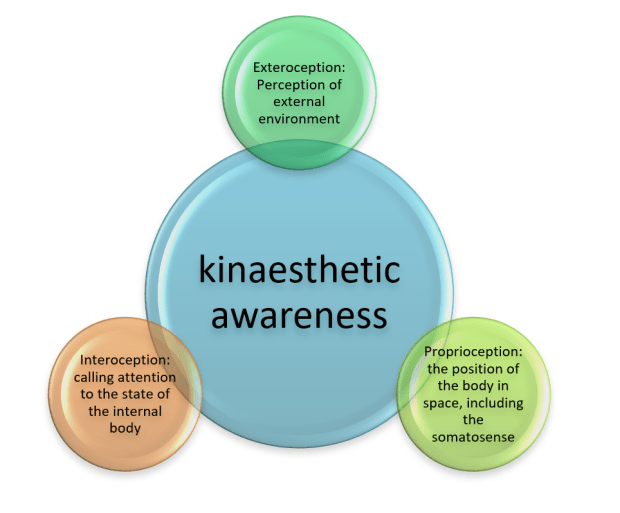
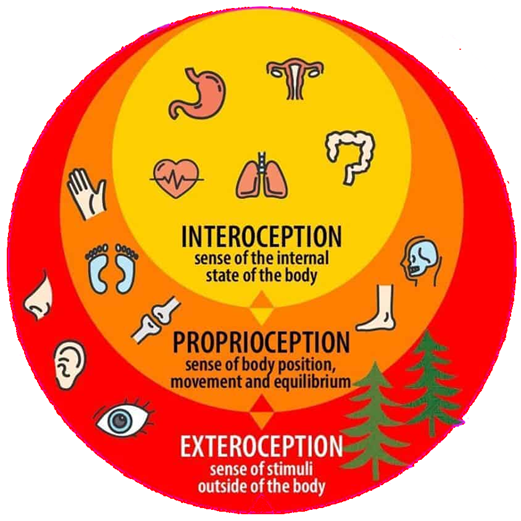
Let’s explore three vital sensory systems that shape our well-being: interoception, exteroception, and proprioception—along with kinesthesia, a close ally in movement awareness.
Interoception: Listening to the Body’s Inner Language
Interoception is your body’s ability to sense what’s happening inside. It’s how you know when you’re hungry, thirsty, full, tired, or anxious. It’s the feeling of your heart pounding during stress, or the warmth of calm spreading through your chest after deep breathing.
Wellness Tip: Enhancing interoception through practices like breathwork, mindful eating, or body scans can improve emotional regulation, reduce anxiety, and deepen your self-awareness.
Exteroception: Engaging with the Outside World
This is your ability to sense the external environment through sight, sound, smell, touch, and taste. It’s how you hear music, feel the breeze on your skin, or taste your morning tea.
Wellness Tip: Mindful sensory experiences such as walking barefoot in nature or savoring a meal, can ground you in the present and relieve over-stimulation from digital overload.
Proprioception: Knowing Where You Are in Space
Proprioception is your sense of body position and movement without needing to look. It lets you touch your nose with eyes closed or maintain balance on one foot.
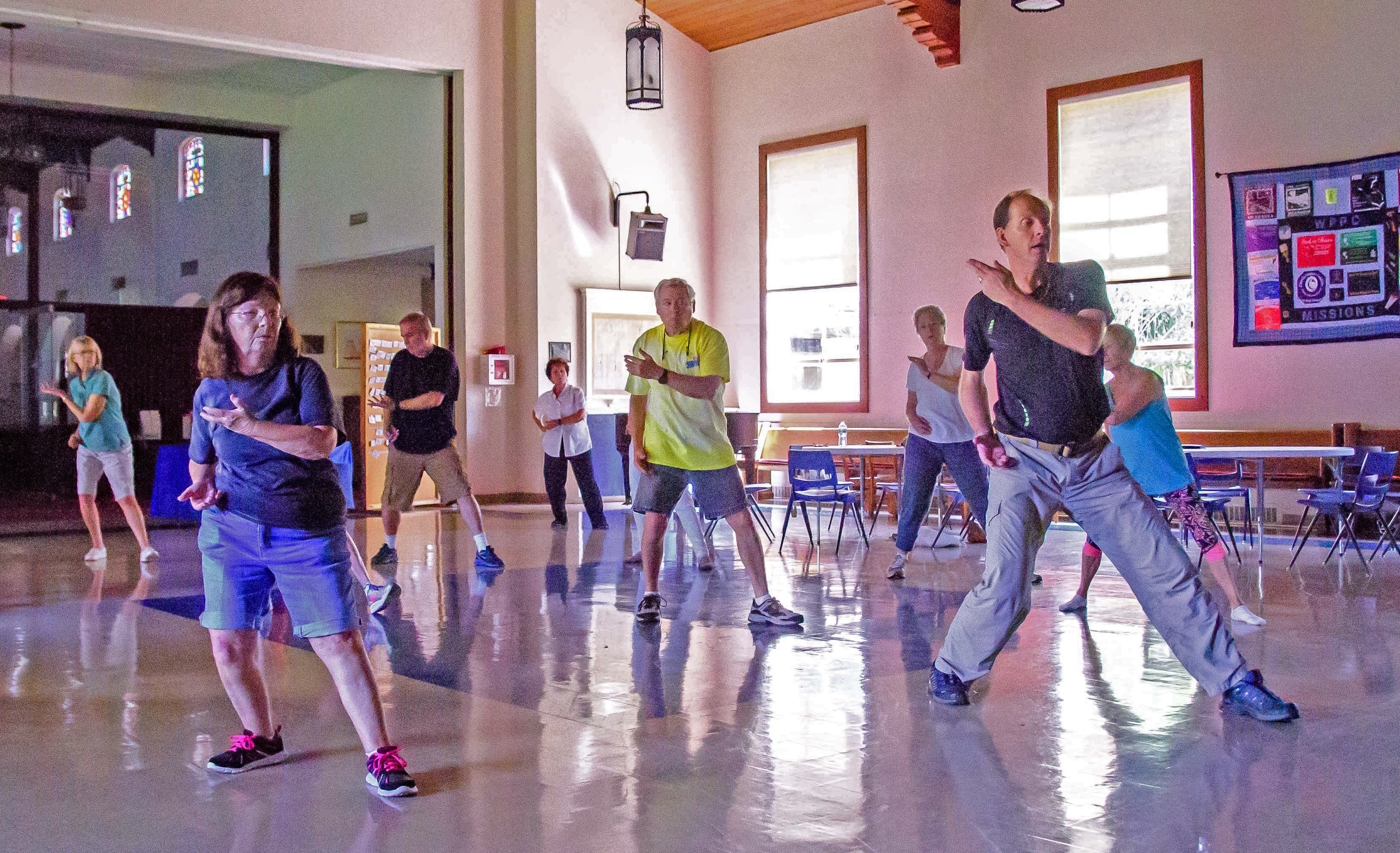
Wellness Tip: Proprioception is sharpened through methods such as yoga, tai chi, martial arts, and balance exercises. It’s essential for preventing falls, improving posture, and developing fluid movement.
Kinesthesia: The Sense of Movement
Closely related to proprioception, kinesthesia is your ability to sense the motion of your body parts. While proprioception tells you where your limbs are, kinesthesia tells you how they’re moving. It’s the awareness that lets dancers glide, athletes react, and everyday movements flow with grace.
Wellness Tip: Kinesthetic awareness grows through conscious movement with practices like qigong, dance, or somatic movement therapy awaken this sense and re-pattern the nervous system for ease and flow.
Why This Matters in Modern Life
In today’s fast-paced world, many people are “cut off” from their bodies and living mostly in their heads, overwhelmed by information, and physically stagnant. Reconnecting with these sensory systems isn’t just about moving better; it’s about living better.
Interoception helps us feel more emotionally in tune.
Exteroception draws us into the richness of the moment.
Proprioception keeps us balanced and safe.
Kinesthesia invites freedom and fluidity into our movement.
When we train these senses through stillness, movement, reflection, and sensation we reclaim our full human experience.
Wellness is not just about what we do, but about how deeply we sense and experience ourselves while doing it. By developing these subtle yet powerful senses, we become more grounded, responsive, and resilient—physically, mentally, and spiritually.
I teach and offer lectures about holistic health, physical fitness, stress management, human behavior, meditation, phytotherapy (herbs), music for healing, self-massage (acupressure), Daoyin (yoga), qigong, tai chi, and baguazhang.
Please contact me if you, your business, organization, or group, might be interested in hosting me to speak on a wide spectrum of topics relative to better health, fitness, and well-being.
I look forward to further sharing more of my message by partnering with hospitals, wellness centers, VA centers, schools on all levels, businesses, and individuals who see the value in building a stronger nation through building a healthier population.
I also have hundreds of FREE education video classes, lectures, and seminars available on my YouTube channel at:
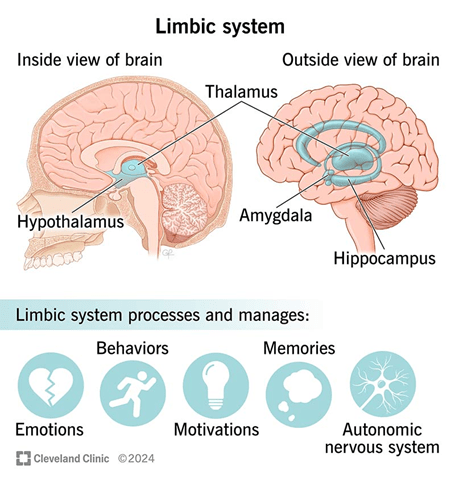
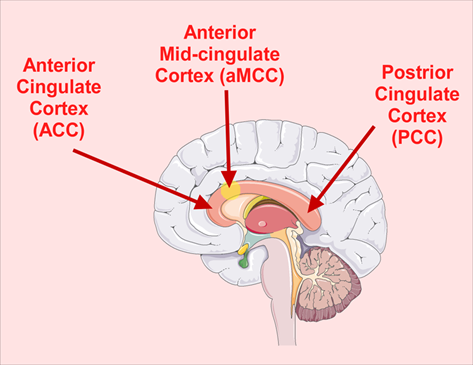
Pain is not solely a sensory experience. It is also deeply emotional, influenced by context, memory, expectation, and mood. While the somatosensory cortex processes the discriminative (sensory) aspects of pain, such as location, intensity, and duration, the limbic system, particularly the amygdala and the anterior cingulate cortex (ACC), mediates its affective (emotional) and motivational components (Apkarian et al., 2005; Leknes & Tracey, 2008).
1. The Amygdala: Fear, Salience, and Emotional Memory
The amygdala is a central structure in emotional processing, especially in the encoding and recall of fear and threat-related memories. It plays a critical role in the emotional coloring of pain and how we anticipate and respond to it.
The amygdala receives nociceptive input via the spino-parabrachial pathway and from higher-order cortical areas, allowing it to influence both immediate emotional reactions to pain and pain-related memory (Neugebauer et al., 2004).
It activates autonomic and behavioral responses to pain (e.g., anxiety, avoidance), especially when pain is perceived as threatening or unpredictable.
Amygdala hyperactivity has been linked with chronic pain conditions, where emotional reactivity and threat perception become amplified (Simons et al., 2014).
In other words, the amygdala adds emotional salience to nociceptive stimuli, transforming a mere sensory signal into a subjectively distressing experience.
2. The Anterior Cingulate Cortex (ACC): The Distress and Motivation Circuit
The ACC, particularly its rostral and dorsal regions, plays a central role in pain unpleasantness, emotional suffering, and motivational drive to escape or alleviate pain.
Studies show that ACC activation correlates with subjective pain unpleasantness, even when the physical intensity of pain is constant (Rainville et al., 1997).
The ACC is richly interconnected with limbic (amygdala, hippocampus), cognitive (prefrontal cortex), and motor systems, enabling it to integrate affective, attentional, and behavioral responses to pain (Shackman et al., 2011).
The ACC is involved in pain anticipation, which can amplify emotional distress even before the pain occurs (Koyama et al., 2005).
Chronic pain patients often show structural and functional changes in the ACC, suggesting a maladaptive feedback loop that reinforces pain-related suffering (Baliki et al., 2006).
Thus, the ACC is not responsible for detecting pain, but for how unpleasant and distressing it feels, and for driving the motivational state to take action.
3. Limbic Modulation and Homeostasis
Leknes & Tracey (2008) propose a framework for understanding how pain and pleasure share overlapping neurobiological systems, particularly in limbic circuits. They note that context, expectation, and emotional state can either amplify or dampen pain via top-down modulation of limbic and brainstem structures.
The ACC and amygdala are sensitive to emotional reappraisal, social support, and placebo analgesia, demonstrating that the emotional meaning of pain can drastically change the experience (Wager et al., 2004).
Pain that is interpreted as meaningful or self-chosen (e.g., in rituals or athletic endurance) can be experienced as less unpleasant, implicating limbic regulation of pain perception (Leknes & Tracey, 2008).
This suggests that the limbic system is central in determining whether pain is perceived as threatening and intolerable or manageable and meaningful.
4. Summary of Functional Roles
Region
Role in Pain Processing
Amygdala
Assigns emotional salience; fear, anxiety, memory of pain; enhances pain when perceived as threatening.
ACC
Encodes pain unpleasantness; mediates suffering, motivation to escape pain; modulated by expectation, attention, and emotional context.
Clinical Relevance
Chronic pain syndromes (e.g., fibromyalgia, neuropathic pain) often involve heightened activity in the amygdala and ACC, contributing to emotional suffering, catastrophizing, and avoidance behavior (Hashmi et al., 2013).
Cognitive-behavioral therapy (CBT), mindfulness, and biofeedback target these limbic circuits to reframe pain perception, reduce suffering, and restore functional coping.
The limbic-emotional dimension of pain underscores the importance of holistic and biopsychosocial models in treatment.
References:
Apkarian, A. V., Bushnell, M. C., Treede, R. D., & Zubieta, J. K. (2005). Human brain mechanisms of pain perception and regulation in health and disease. European Journal of Pain, 9(4), 463–484. https://doi.org/10.1016/j.ejpain.2004.11.001
Baliki, M. N., Geha, P. Y., Apkarian, A. V., & Chialvo, D. R. (2006). Beyond feeling: chronic pain hurts the brain, disrupting the default-mode network dynamics. Journal of Neuroscience, 28(6), 1398–1403. https://doi.org/10.1523/JNEUROSCI.4123-07.2008
Hashmi, J. A., Baliki, M. N., Huang, L., Baria, A. T., Torbey, S., Hermann, K. M., … & Apkarian, A. V. (2013). Shape shifting pain: chronification of back pain shifts brain representation from nociceptive to emotional circuits. Brain, 136(9), 2751–2768. https://doi.org/10.1093/brain/awt211
Koyama, T., McHaffie, J. G., Laurienti, P. J., & Coghill, R. C. (2005). The subjective experience of pain: Where expectations become reality. Proceedings of the National Academy of Sciences of the United States of America, 102(36), 12950–12955. https://doi.org/10.1073/pnas.0408576102
Leknes, S., & Tracey, I. (2008). A common neurobiology for pain and pleasure. Nature Reviews Neuroscience, 9(4), 314–320. https://doi.org/10.1038/nrn2333
Rainville, P., Duncan, G. H., Price, D. D., Carrier, B., & Bushnell, M. C. (1997). Pain affect encoded in human anterior cingulate but not somatosensory cortex. Science, 277(5328), 968–971. https://doi.org/10.1126/science.277.5328.968
Shackman, A. J., Salomons, T. V., Slagter, H. A., Fox, A. S., Winter, J. J., & Davidson, R. J. (2011). The integration of negative affect, pain and cognitive control in the cingulate cortex. Nature Reviews Neuroscience, 12(3), 154–167. https://doi.org/10.1038/nrn2994
Simons, L. E., Elman, I., & Borsook, D. (2014). Psychological processing in chronic pain: a neural systems approach. Neuroscience & Biobehavioral Reviews, 39, 61–78. https://doi.org/10.1016/j.neubiorev.2013.12.006
Wager, T. D., Rilling, J. K., Smith, E. E., Sokolik, A., Casey, K. L., Davidson, R. J., … & Cohen, J. D. (2004). Placebo-induced changes in FMRI in the anticipation and experience of pain. Science, 303(5661), 1162–1167. https://doi.org/10.1126/science.1093065
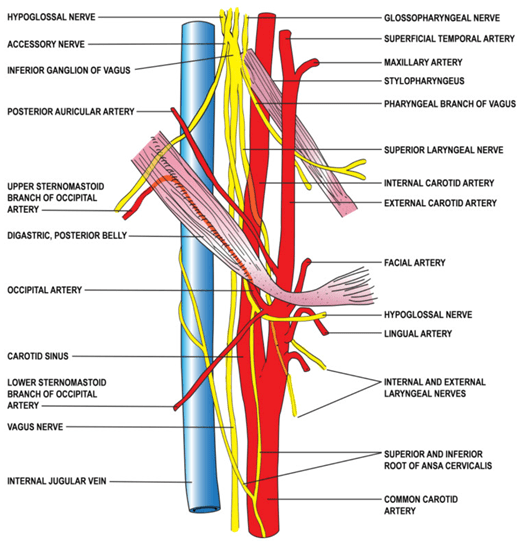
Although the vagus nerve is not directly stretched or compressed during normal cervical rotation, turning the head to the left produces well-documented functional effects on vagal tone. The vagus travels through the carotid sheath along with the internal jugular vein and carotid artery, all of which are influenced by head position. When the head rotates left, the right carotid sheath experiences mild elongation while the left side shortens, altering the tension patterns of the surrounding fascia and connective tissues. Studies show that cranial nerves, including the vagus, transmit mechanical forces through their perineural sheaths, meaning that changes in cervical fascial tension can influence the nerve’s functional environment without producing harmful compression (Wilke et al., 2017). Additionally, rotation modifies the hemodynamics of the internal jugular vein, subtly shifting the pressure dynamics adjacent to the vagus nerve (Zhou et al., 2022).
Head rotation also affects autonomic balance through the carotid sinus baroreceptors, which are located bilaterally along the internal carotid artery. These mechanosensitive receptors respond to tissue deformation during rotation, increasing afferent signals to the nucleus tractus solitarius (NTS) in the brainstem. The NTS integrates baroreceptor input and modulates parasympathetic output through the vagus nerve (Chapleau & Abboud, 2020). As a result, turning the head to the left can modestly increase vagal activity, leading to decreased sympathetic tone, mild reductions in heart rate, and an overall calming effect. This mechanism explains why some individuals experience relaxation, lightheadedness, or parasympathetic settling during slow, sustained cervical rotation.
These modern findings complement traditional practices in Tai Chi, Qigong, and Dao Yin, where gentle head turning is used to regulate internal balance and calm the mind. Cervical rotation influences both the fascial network and the autonomic nervous system, creating a physiological basis for classical teachings on opening meridians, regulating Qi in the upper Jiao, and settling the shen (spirit or consciousness). When practiced with coordinated breathing, head rotation enhances respiratory sinus arrhythmia and further strengthens vagal tone, aligning ancient somatic wisdom with contemporary neurophysiology. Thus, the simple act of turning the head becomes a multidimensional practice of neurological, physiological, and energetic, that harmonizes the mind-body system.
1. Vagus Nerve + Carotid Sheath + Effects of Head Turning
When the head rotates to the left:
The right carotid sheath (containing the vagus nerve, internal jugular vein, and carotid artery) becomes slightly elongated, increasing fascial tension around the right vagus nerve.
The left carotid sheath slightly shortens, reducing tension.
The carotid sinus on the left side may be gently stimulated as the tissues shift and rotate, activating baroreceptors.
Baroreceptor firing sends signals to the nucleus tractus solitarius (NTS) in the brainstem, which in turn increases parasympathetic (vagal) output and slightly decreases sympathetic tone.
The internal jugular vein, which lies directly adjacent to the vagus nerve, experiences flow changes during rotation—altering the mechanical environment of the vagus nerve without compressing it.
This creates a functional parasympathetic adjustment, not a structural change.
(Garner et al., 2023)
2. Tai Chi / Qigong / Dao Yin Interpretation
In traditional Tai Chi, Qigong, and Dao Yin systems, turning the head is never just a mechanical action, but rather it is an autonomic, energetic, and fascial balancing maneuver. Modern neurophysiology now helps explain why ancient practitioners described head turning as calming, centering, and “opening the channels.”
A. Cervical Spiraling Opens the Upper Jiao
Gentle rotational movements lengthen one side of the neck while softening the other. In TCM terms, this affects:
Lung meridian (Taiyin)
Large intestine meridian (Yangming)
Stomach/Spleen fascia
Upper Jiao Qi dynamics
In modern terms, this mirrors changes in:
Vagal tension
Baroreflex sensitivity
Jugular flow
Cervical proprioceptive input to the brainstem
This produces an immediate calming effect, what modern clinicians call increased vagal tone, and what classical teachers called settling the shen.
B. Head Turning + Breath = Amplified Parasympathetic Response
When the head turns left while breathing slowly, three systems synchronize:
Vagal afferent signaling (mechanically modulated via carotid sinus)
Cervical proprioception (upper spine movement reduces sympathetic output)
This synergy explains why Qigong forms such as:
“Looking Left and Gazing Right”
Ba Duan Jin #7 “Punching with Steady Eyes”
Dao Yin head/neck spirals
are profoundly relaxing and centering.
Ancient language: “Qi descends, Shen becomes clear.” Modern language: “Vagal tone rises, prefrontal cortex stabilizes.”
C. The Brainstem Connects the Energetic & Physiological Models
The vagus nerve’s nuclei:
NTS (sensory integration)
Dorsal motor nucleus
Nucleus ambiguus
are directly influenced by cervical rotation.
This provides the bridge between:
Energetic models: opening channels, balancing Yin/Yang of the neck
Neurophysiology: altering baroreflex input to stabilize heart rate, calm limbic reactivity
This is why even subtle head turning in Tai Chi or meditation immediately shifts internal state. It is both energetic and neurological.
References:
Chapleau, M. W., & Abboud, F. M. (2020). Autonomic regulation and baroreflex mechanisms. Comprehensive Physiology, 10(2), 675–702. https://doi.org/10.1002/cphy.c190015
Wilke, J., Schleip, R., Yucesoy, C. A., & Banzer, W. (2017). Not merely a protective packing organ? A review of fascia and its force transmission capacity. Journal of Applied Physiology, 124(1), 234–244. https://doi.org/10.1152/japplphysiol.00565.2017
Zhou, J., Khatri, M., & Hasan, D. M. (2022). Internal jugular venous dynamics during head rotation: Implications for cervical vascular flow. Journal of Vascular Research, 59(4), 215–226. https://doi.org/10.1159/000524993














 United Martial Arts Association