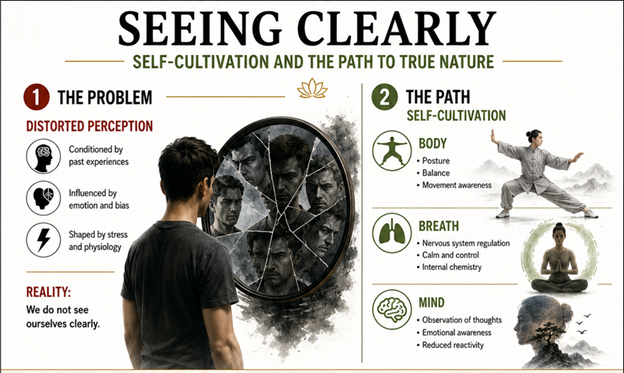
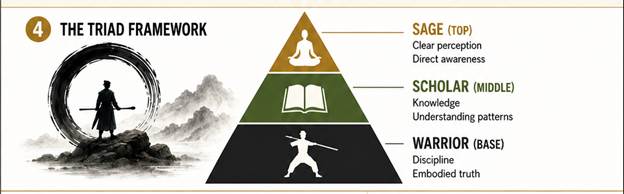
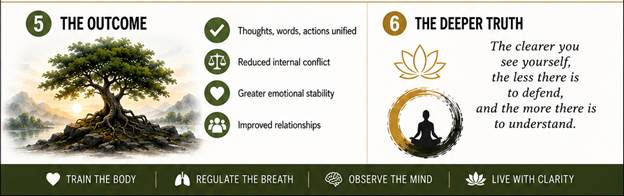
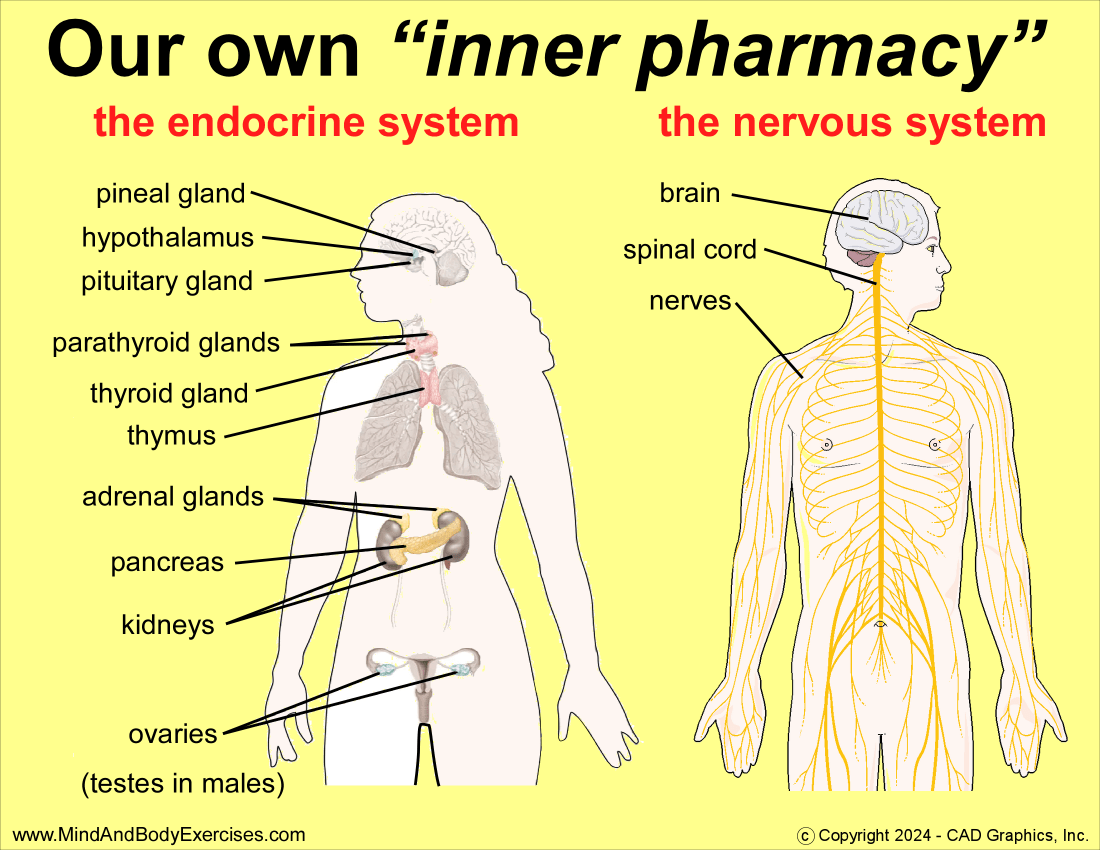
Human beings are not merely passive recipients of external chemicals. We carry within us an extraordinary “inner pharmacy” — a dynamic biochemical laboratory governed largely by the endocrine and nervous systems. At every moment, our bodies produce hormones, neurotransmitters, and signaling molecules that influence mood, energy, immunity, inflammation, motivation, and even perception.
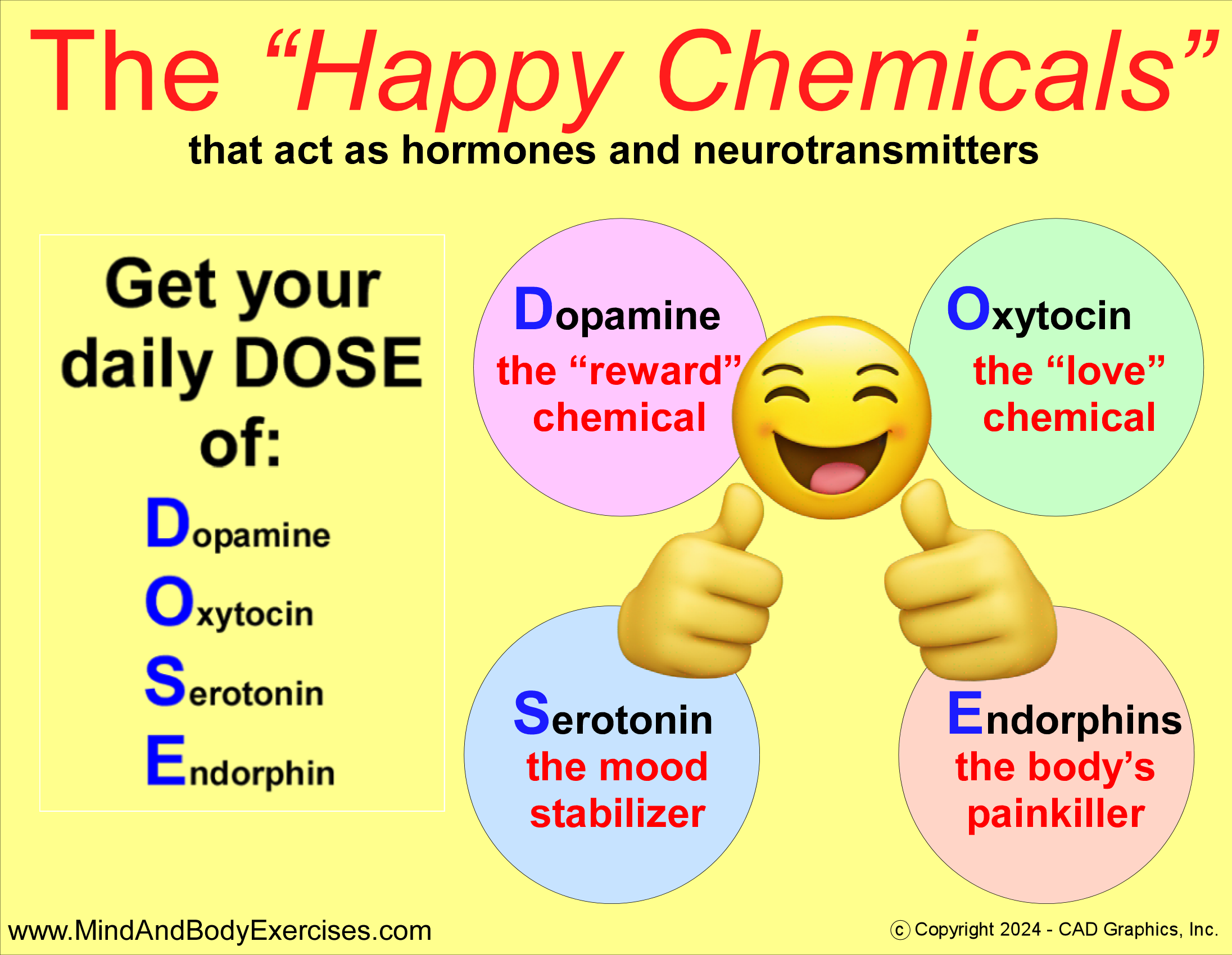
Stress hormones like cortisol and adrenaline can mobilize us for action. Endorphins can reduce pain. Oxytocin can deepen connection. Dopamine can enhance motivation and focus. Serotonin can stabilize mood. These substances are not foreign prescriptions; they are internally generated responses to how we live.
The remarkable reality is that we are not powerless in this process. Diet influences blood sugar stability, micronutrient availability, and hormone balance. Breath regulation can directly shift autonomic tone, moving us from sympathetic “fight-or-flight” dominance toward parasympathetic restoration. Thoughts and emotional patterns affect neurochemical cascades. Chronic rumination reinforces stress chemistry, while deliberate cognitive reframing can reduce it. Physical movement alters endocrine output. Sleep restores hormonal rhythms. Even posture and facial expression feed back into neurophysiology.
This does not mean we can will away disease or replace appropriate medical care. Rather, it means we possess meaningful influence over our internal chemistry. By consciously regulating diet, breathing, attention, emotional responses, and behavior, we participate in directing our own biochemistry.
The “inner pharmacy” is always open. The question is not whether chemicals are being dispensed, but which ones — and under what conditions.
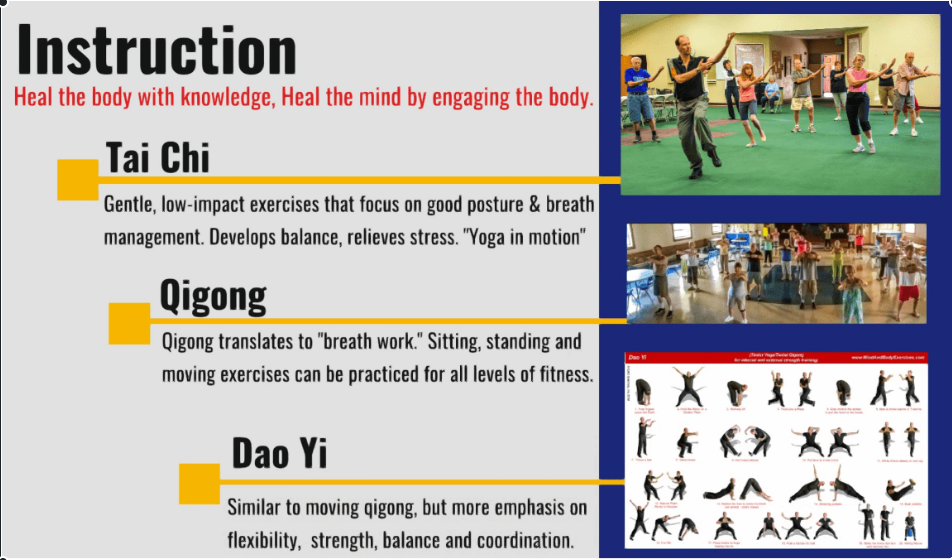
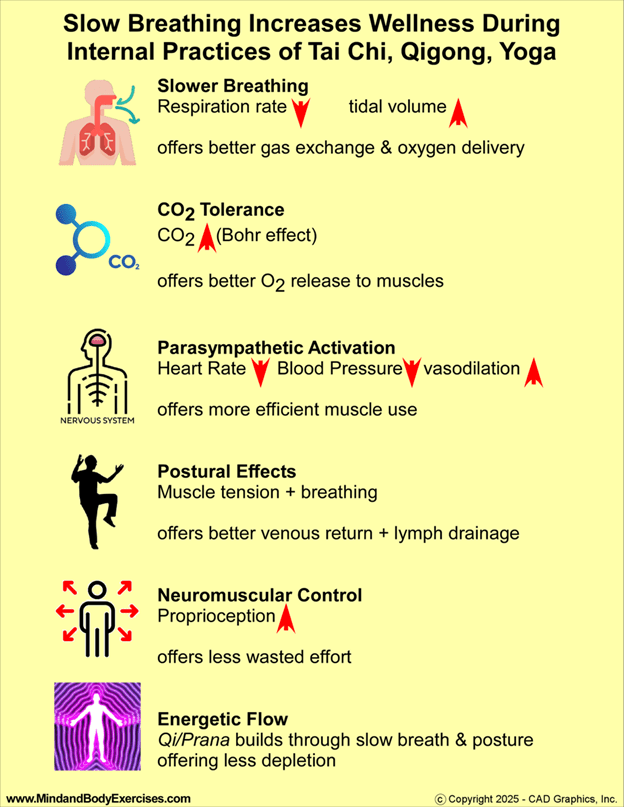
Internal practices like tai chi, qigong, and yoga: how slow, deep breathing can enhance rather than hinder oxygen delivery and energy during physically demanding postures. Let me unpack how this works from a Western physiological perspective, while also nodding to the energetic logic behind these practices.
Physiological Mechanisms at Play
1. Low Breathing Rate ≠ Low Oxygen Intake
When breathing frequency is reduced intentionally, it’s usually paired with deeper, more diaphragmatic breaths (also called “belly breathing”).
This increases tidal volume (the amount of air per breath), so although you’re breathing fewer times per minute, you may be getting the same or even more oxygen overall.
Slower breathing also enhances alveolar gas exchange because air stays in the lungs longer, allowing more thorough oxygen and CO₂ exchange.
Normal respiration rate: ~12 to 15 breaths/min (18 or more BPM when stressed) In skilled practice: ~4–6 breaths/min (or less), with full exhalation and longer pause phases
2. Parasympathetic Activation and Efficiency
Slow, conscious breathing activates the parasympathetic nervous system (rest and digest), which:
Slows heart rate
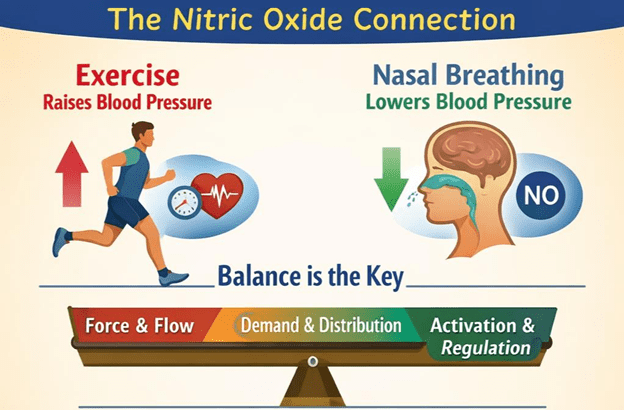
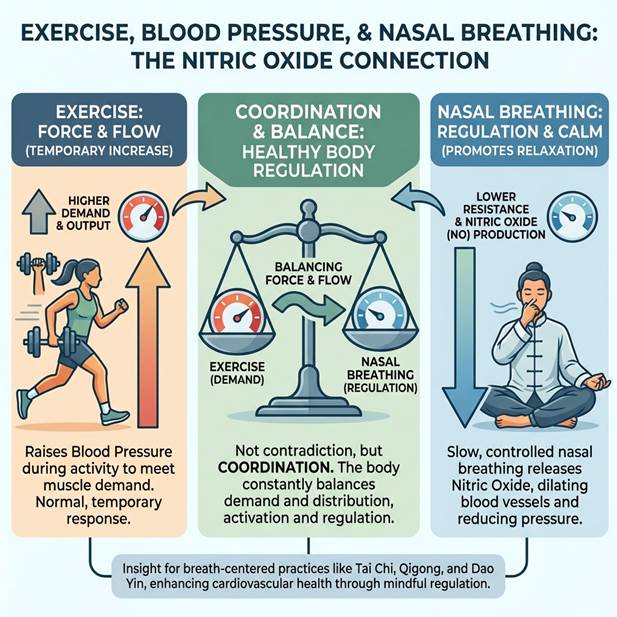
Lowers blood pressure
Enhances vasodilation (better blood flow to extremities)
This reduces physiological tension, allowing the muscles to function more efficiently with less oxygen demand per unit of work.
3. Increased CO₂ Tolerance and Oxygen Utilization
Practices that involve breath retention or very slow breathing increase carbon dioxide (CO₂) tolerance.
Contrary to popular belief, CO₂ is the key signal for oxygen release via the Bohr effect:
Higher CO₂ levels shift hemoglobin to release more O₂ into tissues.
So, by tolerating higher CO₂, you actually increase oxygen delivery where it’s needed, especially in muscles under tension.
4. Improved Circulatory and Lymphatic Flow
Many postures in tai chi, yoga, and qigong involve dynamic tension, twisting, and limb positioning that:
Gently compress and release blood vessels (like a pump)
Aid in venous return (blood going back to the heart)
Enhance lymphatic drainage, helping with detox and immune function
Combined with deep breathing (which changes intra-thoracic pressure), these techniques mimic a second circulatory pump, where the breath and posture work together.
5. Enhanced Proprioception and Motor Control
By slowing breath and motion, practitioners become more aware of subtle muscle activation and joint positioning.
The cerebellum and somatosensory cortex are engaged more deeply, improving neuromuscular efficiency, so less “effort” is needed for the same or better results.
Muscles co-contract (yin-yang balance) with greater harmony, reducing unnecessary energy output.
Energetic and Traditional Viewpoint
From Traditional Chinese Medicine (TCM) or yogic perspectives:
Breath (qi/prana) is not just oxygen; it’s vital energy that nourishes tissues.
Slower breathing “builds” qi rather than expending it.
Holding postures while breathing deeply and slowly opens energy meridians, improves energy flow, and harmonizes internal organs.
In yoga, this aligns with pranayama and bandhas (locks), which store and redirect prana rather than dissipating it.
Summary: Why It Works
Challenge
Physiological Adaptation
Low breath rate under tension
Increased tidal volume, better gas exchange
Increased CO₂
Enhanced oxygen delivery via Bohr effect
Muscle demand
Greater circulatory efficiency, less waste buildup
Nervous system stress
Parasympathetic dominance reduces overexertion
Static/dynamic postures
Lymphatic drainage, better venous return
Breath–movement harmony
Improved motor control, proprioception, energetic alignment
References
Brown, R. P., & Gerbarg, P. L. (2005). Sudarshan Kriya Yogic Breathing in the Treatment of Stress, Anxiety, and Depression: Part II—Clinical Applications and Guidelines. The Journal of Alternative and Complementary Medicine, 11(4), 711–717. https://doi.org/10.1089/acm.2005.11.711
Jerath, R., Edry, J. W., Barnes, V. A., & Jerath, V. (2006). Physiology of long pranayamic breathing: Neural respiratory elements may provide a mechanism that explains how slow deep breathing shifts the autonomic nervous system. Medical Hypotheses, 67(3), 566–571. https://doi.org/10.1016/j.mehy.2006.02.042
Bernardi, L., Gabutti, A., Porta, C., & Spicuzza, L. (2001). Slow breathing reduces chemoreflex response to hypoxia and hypercapnia, and increases baroreflex sensitivity. Journal of Hypertension, 19(12), 2221–2229. https://doi.org/10.1097/00004872-200112000-00016
Streeter, C., Gerbarg, P., Saper, R., Ciraulo, D., & Brown, R. (2012). Effects of yoga on the autonomic nervous system, gamma-aminobutyric-acid, and allostasis in epilepsy, depression, and post-traumatic stress disorder. Medical Hypotheses, 78(5), 571–579. https://doi.org/10.1016/j.mehy.2012.01.021
Lehrer, P. M., & Gevirtz, R. (2014). Heart rate variability biofeedback: how and why does it work? Frontiers in Psychology, 5. https://doi.org/10.3389/fpsyg.2014.00756
I look forward to further sharing more of my message by partnering with hospitals, wellness centers, VA centers, schools on all levels, businesses, and individuals who see the value in building a stronger nation through building a healthier population.
I also have hundreds of FREE education video classes, lectures, and seminars available on my YouTube channel at:
In the world of holistic health, quality sleep is foundational to healing, regeneration, and mental clarity. Yet many people struggle with falling or staying asleep, unaware that their sleeping environment, particularly the temperature, may be working against them. Interestingly, both science and traditional wisdom agree: a cooler room helps the body sleep more deeply. But perhaps more surprising is the fact that a hot shower before bed can actually help you fall asleep faster. How can both be true?
Let’s explore the physiology of thermoregulation, circadian rhythms, and the role of temperature in sleep and what this means for your wellness routine.
Cooler Temperatures Support the Body’s Natural Sleep Rhythms
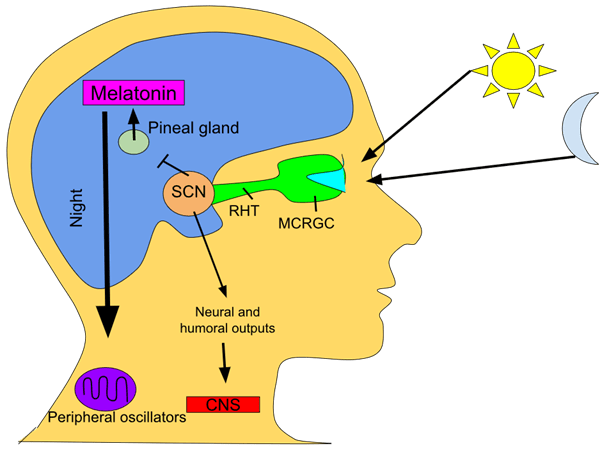
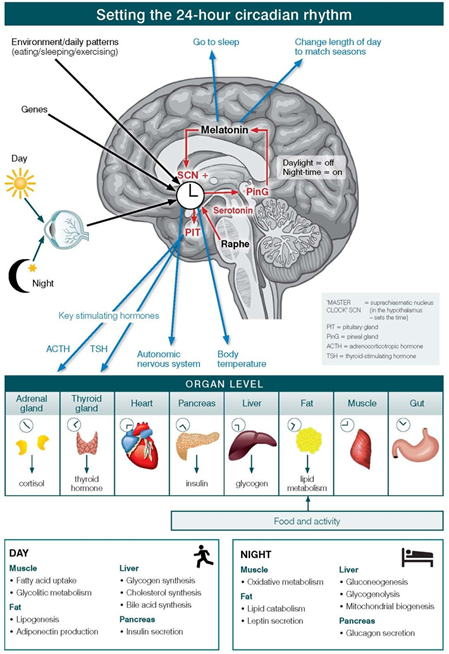
Human sleep is governed by the circadian rhythm, a 24-hour biological clock that regulates many body functions, including core body temperature. In a healthy cycle:
Core temperature begins to drop in the late evening, signaling the brain to prepare for sleep.
This drop continues through the night, reaching its lowest point around 4 a.m., then rising toward morning wakefulness.
A cooler ambient temperature supports this process, helping initiate and sustain deeper stages of sleep.
In essence, cooling the body acts as a natural signal for the nervous system to wind down. When the room is too warm, the body struggles to release heat, leading to more wakefulness, disrupted REM cycles, and less restorative sleep.
According to research, temperatures between 60–67°F (15–19°C) are optimal for most adults to achieve better sleep efficiency and fewer nighttime awakenings (Kräuchi et al., 2000).
Why a Hot Shower Before Bed Helps – Through Cooling
Here’s where it gets interesting. While cooler environments promote better sleep, a hot shower (or bath) about 1–2 hours before bed has also been shown to help people fall asleep faster. This isn’t a contradiction, it’s physiology in action.
Here’s how it works:
A hot shower raises skin temperature, prompting the blood vessels near the surface (especially in hands, feet, and face) to dilate.
This vasodilation enables the body to shed heat more effectively once you step out of the shower.
As a result, your core body temperature rapidly decreases, mimicking the natural nighttime drop and signaling your brain to initiate sleep.
This process supports the body’s thermoregulation and helps shorten sleep onset latency, the time it takes to fall asleep.
A 2019 meta-analysis found that warm showers or baths taken 1–2 hours before bedtime reduced sleep onset time by up to 10 minutes, especially when combined with a cool sleeping environment (Haghayegh et al., 2019).
Holistic Implications: Sleep as a Ritual of Restoration
From a holistic health perspective, sleep is not merely a pause in activity. It is the body’s most profound period of healing and integration. Optimizing temperature regulation supports:
Melatonin production, which rises as the core temperature drops
Activation of the parasympathetic nervous system, the body’s natural “rest-and-digest” state
Emotional regulation, immune repair, and neurocognitive processing during REM and deep sleep
In this context, a hot shower can become more than hygiene. It can become a pre-sleep ritual, one that invites the body into a state of balance. The transition from warmth (shower) to coolness (bedroom) becomes a symbolic and physiological descent into stillness.
This aligns beautifully with Eastern practices such as Taoist bath meditations and Ayurvedic evening routines (dinacharya), which emphasize gentle warming, grounding, and purification before rest.
Practical Tips for Holistic Sleep Support
If you’re struggling with sleep or just want to deepen your nightly restoration try this:
Take a warm shower (104–109°F / 40–43°C) about 90 minutes before bed.
Use the time to also slow your breathing, quiet your thoughts, and mentally disconnect from the day.
After drying off, transition to a cool, dark room (60–67°F).
Choose natural fiber bedding and avoid artificial light sources or screens.
Consider mindful breathing, gentle stretching, or herbal teas to further activate the parasympathetic nervous system.
Honor the Body’s Rhythms
The human body has an elegant wisdom built into its rhythms. By working with rather than against these cycles, we allow sleep to unfold more naturally. In holistic wellness, small shifts, like adjusting your room temperature or adding a warm shower to your evening routine can have a profound impact on your physical, emotional, and spiritual vitality.
Instead of forcing sleep through stimulants or sedatives, let the body return to its own balance. Honor the descent into stillness and let cool darkness and gentle ritual guide you into healing rest.
References:
Cagnacci, A., Elliott, J. A., & Yen, S. S. (1992). Melatonin: a major regulator of the circadian rhythm of core temperature in humans. The Journal of clinical endocrinology and metabolism, 75(2), 447–452. https://doi.org/10.1210/jcem.75.2.1639946
Haghayegh, S., Khoshnevis, S., Smolensky, M. H., Diller, K. R., & Castriotta, R. J. (2019). Before-bedtime passive body heating by warm shower or bath to improve sleep: A systematic review and meta-analysis. Sleep Medicine Reviews, 46, 124–135. https://doi.org/10.1016/j.smrv.2019.04.008
Kräuchi, K., Cajochen, C., Werth, E., & Wirz-Justice, A. (2000). Functional link between distal vasodilation and sleep-onset latency? American Journal of Physiology-Regulatory, Integrative and Comparative Physiology, 278(3), R741–R748. https://doi.org/10.1152/ajpregu.2000.278.3.R741
Through my exploration of the neuroscience of dopamine, I’ve come to appreciate its profound role in our emotional lives. Dopamine is far more than a “pleasure molecule”; it is essential for motivation, movement, and maintaining the delicate balance between pleasure and pain in the brain (Volkow & Morales, 2015). Understanding this balance has helped me see why addiction and mood disorders are so difficult to overcome.
One key insight is that our experience of pleasure or pain depends on fluctuations from a baseline level of dopamine, rather than absolute levels themselves. Chronic overstimulation, whether from substances, gambling, or social media, lowers this baseline over time, creating a dopamine-deficit state that can manifest as depression, anxiety, or compulsive behaviors (Koob & Le Moal, 2008; Grace, 2000).
The “pleasure-pain balance” in the brain acts like a seesaw: when dopamine surges from a pleasurable experience, the brain compensates by tilting toward pain to maintain homeostasis (Lembke, 2021). This explains why repeated highs can paradoxically lead to emotional lows, trapping people in cycles of craving and withdrawal.
It’s also clear to me that individual differences, including genetics, temperament, and life experiences, can play a powerful role in addiction vulnerability. For example, impulsiveness, a trait that may have been beneficial for survival in ancient environments, becomes a liability in today’s world of constant sensory stimulation, increasing the risk of addiction (Bickel et al., 2006).
Recognizing the value of a “dopamine reset,” I see the clinical wisdom in recommending about 30 days of abstinence from addictive substances or behaviors. This period allows dopamine receptor sensitivity and transmission to recover, helping restore emotional balance and reduce cravings. The first two weeks are typically the most challenging, but pushing through this phase can reset dopamine pathways and improve mood (Lembke, 2021).
Another powerful realization is that truth-telling can be a therapeutic tool. Honesty engages the prefrontal cortex, the part of the brain responsible for self-control and planning, helping to regulate the limbic system’s reward circuits and reducing the risk of relapse (Goldstein & Volkow, 2011). Even small daily acts of honesty can strengthen these neural pathways.
In addition, the emerging use of psychedelic-assisted therapy with substances like MDMA or psilocybin shows promise for treating addiction, but it is not a one-size-fits-all solution. These treatments must be approached cautiously and conducted in clinical settings with appropriate oversight to ensure safety and efficacy (Carhart-Harris & Goodwin, 2017).
Finally, I’ve come to view social media as a potent dopamine stimulator engineered to exploit the brain’s reward system in ways strikingly similar to addictive drugs. Excessive use can fragment attention, lower baseline dopamine, and erode real-life social connections. Intentional boundaries are crucial to prevent compulsive patterns and protect mental health in our increasingly digital world (Montag et al., 2019).
Key Takeaways
Dopamine is critical for motivation, movement, and pleasure; dysfunction disrupts mood and drive (Palmiter, 2008).
The brain’s pleasure-pain balance means each dopamine high is followed by a compensatory low, explaining emotional crashes after overstimulation (Lembke, 2021).
A “30-day dopamine reset” can restore healthy dopamine signaling and emotional stability (Lembke, 2021).
Psychedelic-assisted therapy shows promise but must be approached carefully with professional supervision (Carhart-Harris & Goodwin, 2017).
Social media exploits dopamine systems, requiring intentional boundaries to protect focus and well-being (Montag et al., 2019).
Conclusion
Reflecting on the neuroscience of dopamine has deepened my understanding of how pleasure and pain are intimately linked in the brain. Recognizing the risks of chronic overstimulation and the power of tools like dopamine resets, radical honesty, and mindful technology use provides a path forward in maintaining emotional health and resilience. These insights offer practical ways to navigate today’s dopamine-saturated world with greater awareness and balance.
References
Bickel, W. K., Miller, M. L., Yi, R., Kowal, B. P., Lindquist, D. M., & Pitcock, J. A. (2006). Behavioral and neuroeconomics of drug addiction: Competing neural systems and temporal discounting processes. Drug and Alcohol Dependence, 90, S85–S91. https://doi.org/10.1016/j.drugalcdep.2006.09.016
Carhart-Harris, R. L., & Goodwin, G. M. (2017). The therapeutic potential of psychedelic drugs: Past, present, and future. Neuropsychopharmacology, 42(11), 2105–2113. https://doi.org/10.1038/npp.2017.84
Goldstein, R. Z., & Volkow, N. D. (2011). Dysfunction of the prefrontal cortex in addiction: Neuroimaging findings and clinical implications. Nature Reviews Neuroscience, 12(11), 652–669. https://doi.org/10.1038/nrn3119
Grace, A. (2000). Gating of information flow within the limbic system and the pathophysiology of schizophrenia. Brain Research Reviews, 31(2–3), 330–341. https://doi.org/10.1016/s0165-0173(99)00049-1
Lembke, A. (2021). Dopamine nation: Finding balance in the age of indulgence. Dutton.
Montag, C., Wegmann, E., Sariyska, R., Demetrovics, Z., & Brand, M. (2019). How to overcome taxonomical problems in the study of Internet use disorders and what to do with “smartphone addiction”? Journal of Behavioral Addictions, 9(4), 908–914. https://doi.org/10.1556/2006.8.2019.59
Palmiter, R. D. (2008). Dopamine signaling in the dorsal striatum is essential for motivated behaviors: Lessons from dopamine-deficient mice. Annals of the New York Academy of Sciences, 1129(1), 35–46. https://doi.org/10.1196/annals.1417.003
Mind-body practices such as Tai Chi,Qigong, yoga, meditation, and breathwork have shown compelling effects on both pain regulation and emotional stability. These effects are largely mediated by changes in limbic system activity, particularly in the amygdala and anterior cingulate cortex (ACC), two structures centrally involved in the affective dimension of pain and mood modulation.
1. Downregulation of the Amygdala and Emotional Reactivity
The amygdala plays a critical role in emotional salience, particularly in the fear and anxiety components of pain. Mind–body interventions appear to reduce hyperactivity in the amygdala, which is often elevated in chronic pain conditions and mood disorders.
Mindfulness-based practices have been shown to reduce amygdala activation during exposure to emotional or painful stimuli (Hölzel et al., 2010).
This downregulation of emotional reactivity leads to a less catastrophizing and more neutral interpretation of pain, shifting the experience from distressing to manageable.
Long-term meditators often show reduced amygdala volume and improved emotional regulation (Taren et al., 2013).
2. Modulation of the Anterior Cingulate Cortex (ACC): Pain Unpleasantness and Attention
The ACC, which governs pain-related distress and motivational escape behaviors, is also modulated by focused mind–body training.
Regular practice of yoga or Tai Chi is associated with enhanced ACC activation during pain regulation, suggesting greater top-down control over emotional responses (Villemure et al., 2014).
The ACC is engaged during focused attention and cognitive reappraisal, key skills developed through qigong, breath regulation, and meditation.
By enhancing attentional control, practitioners can shift perception away from pain or reinterpret its meaning, reducing suffering even when nociceptive input remains constant.
3. Interoception and Limbic-Cortical Integration
Mind-body practices foster interoceptive awareness, or the ability to perceive internal bodily states, which is linked to insula, ACC, and medial prefrontal cortex activity.
Improved interoceptive accuracy allows for early recognition of emotional arousal or pain-related tension, enabling better regulation through breath or posture (Farb et al., 2013).
Tai Chi and Qigong practices emphasize sensing and refining internal energy (Qi), which can be seen as cultivating precise interoceptive sensitivity that buffers limbic reactivity.
4. Reduction in Mood Swings and Affective Dysregulation
Since pain and mood are tightly coupled in limbic circuits, emotional mood swings often accompany pain flare-ups. Mind-body practices support mood stability through:
Regular practice of mind–body disciplines such as Tai Chi and Qigong appear to reduce emotional distress and negative affect, which are mediated by limbic structures including the amygdala and ACC (Xu, Baker, & Ren, 2021). By combining gentle movement with mental focus and breath regulation, Tai Chi engages both somatosensory and emotional‑regulatory brain circuits, potentially dampening the emotional component of pain and improving mood stability.
References:
Farb, N. A. S., Segal, Z. V., & Anderson, A. K. (2013). Attentional modulation of primary interoceptive and exteroceptive cortices. Cerebral Cortex, 23(1), 114–126. https://doi.org/10.1093/cercor/bhr385
Hölzel, B. K., et al. (2010). Stress reduction correlates with structural changes in the amygdala. Social Cognitive and Affective Neuroscience, 5(1), 11–17. https://doi.org/10.1093/scan/nsp034
Leknes, S., & Tracey, I. (2008). A common neurobiology for pain and pleasure. Nature Reviews Neuroscience, 9(4), 314–320. https://doi.org/10.1038/nrn2333.
Tang, Y., Hölzel, B. K., & Posner, M. I. (2015). The neuroscience of mindfulness meditation. Nature Reviews. Neuroscience, 16(4), 213–225. https://doi.org/10.1038/nrn3916
Taren, A. A., Creswell, J. D., & Gianaros, P. J. (2013). Dispositional mindfulness co-varies with smaller amygdala and caudate volumes in community adults. PLoS ONE, 8(5), e64574. https://doi.org/10.1371/journal.pone.0064574
Villemure, C., Čeko, M., Cotton, V. A., & Bushnell, M. C. (2014). Insular cortex mediates increased pain tolerance in yoga practitioners. Cerebral Cortex, 24(10), 2732–2740. https://doi.org/10.1093/cercor/bht124
Xu, S., Baker, J. S., & Ren, F. (2021). The Positive Role of Tai Chi in Responding to the COVID-19 Pandemic. International Journal of Environmental Research and Public Health, 18(14), 7479. https://doi.org/10.3390/ijerph18147479