Reducing Daily Stress Experienced by High School Students – Mindfulness-based Stress Reduction (MBSR) Techniques

Our teenage youths have been in distress now and for many years past. So much talk, but so little action. I am trying to do something, and it is time-proven and with a clear plan and direction.

Reducing daily stress experienced by high school students is possible through Mindfulness-based Stress Reduction (MBSR) techniques. I believe this to be accurate, as I have practiced and taught many stress management techniques for over 40 years to adults of all ages.

The goal of my proposed intervention is to reduce the typical daily stress that teenagers experience regularly on the individual level, while in high school. Daily stress often leads to mental health ailments of anxiety, depression, impaired focus, and lack of quality sleep. The target audience for this intervention is high school students, 14-18 years of age. Promoting focusing on mental health and well-being is crucial for overall health. This will be accomplished by myself or a qualified professional guiding participants through the various stages of change within the Transtheoretical Model (TTM) to encourage the practices of mindfulness-based stress reduction (MBSR). MBSR therapy is a meditation strategy that is used to help with stress management, sleep disorders, depression, anxiety, hypertension, chronic pain, cancer, diabetes mellitus, and other disorders (Kabat-Zinn, 2013).

MBSR techniques have little risk and can increase the agency that individuals have in managing mood swings and physical pain, as well as enhancing the quality of their own lives (Niazi & Niazi, 2011). Research from recent studies supports that some college students who practiced mindfulness along with their coursework, reported cognitive and wellbeing benefits, when practicing for as little as five minutes twice a week, dependent upon the specific type of mindfulness method implemented (O’Hare & Gemelli, 2023).

The Transtheoretical Model (TTM) will be utilized with this intervention. TTM encompasses more than one health-related behavior theory, which to me seems that TTM offers a more comprehensive strategy to help individuals to better understand and manage stressors within their daily life. Within TTM there are four key constructs that are thought to produce significant behavioral changes. The constructs are:

• Stages of changes

• Decisions balance

• Self/Efficacy/Temptations

• Processes of change

The first construct of TTM suggests that there are stages of change where precontemplation, contemplation, preparation, action, and maintenance all affect human behavior. The second construct of decision balance suggests that when there are more pros than cons for a certain behavior, an individual will either move forward or backward within the stages. The third construct encourages a “can-do” attitude, where an individual may gain confidence and feel that they have more control and agency in their decisions.  The fourth construct delves more into the details of experiential versus behavioral changes (Simons-Morton & Lodyga, 2021) where a person moves from the “thinking” state to a more active “doing” state of being. Overall, the TTM will help me to show participants how mindfulness-based stress reduction techniques can help students move from the “contemplation” stage to “action” by highlighting its effectiveness in stress reduction and management.

This intervention can be implemented by first contacting a local high school’s administration to explain the goals and benefits of sponsoring such an event. Once the administration agrees to support, promote, and manage the registration of students for a group setting workshop (intervention), a trained and/or qualified professional will come to the school’s auditorium after school finishes on a predetermined day. They can then present an initial 10-minute introduction of the potential goals and benefits to the students. Using a whiteboard and handwriting a few notes and health statistics from the Center for Disease Control (CDC) and the American Heart Association (AHA) will help draw their focus. My message that can be conveyed, is how as young adults, they can individually have self-efficacy over their thoughts, emotions, and relative coping mechanisms for managing stress. A major portion of this presentation will be explaining in some detail what the TTM is and how it is related to stress management. Another major component of this presentation will be an explanation of the methods and benefits of MBSR.

The professional will then ask those students interested in participating further in this intervention to answer only to themselves by signing a contract of commitment form to attend 3 10-minute sessions for a total of 8 weeks. There will be no consequence if the student decides not to continue, however, they will not receive any credit or reward upon completion if they do not attend. Sessions will be just after school ends, giving the students 5-10 minutes to get to the auditorium. Parent’s knowledge and support of their children’s participation are key components needed to reinforce their child’s commitment to accept the challenge of doing some type of task or activity that will potentially affect not only the individual but the whole family’s well-being. I would also invite and encourage parents to attend the sessions if they are available to do so.

My intervention can address the key constructs of TTM throughout the presentation. More specifically, the stages of change will need to be targeted as follows:

Precontemplation – In this stage, participants may not yet recognize a need to reduce stress or might not view it as an important priority. If they were in the room and attending my presentation, they are already past precontemplation, or else they would not have made the effort to come to the event.

Contemplation – With a goal of raising awareness of current teen health issues, I seek to motivate and inspire individuals to think more about becoming equipped to manage the impact stress has on their health and well-being, I will offer information regarding the benefits of mindfulness techniques to reduce stress, thereby affecting and improving overall health and well-being.

Preparation – In this stage I will be explaining how we will need to take action and how this group will be readied, in order to achieve a greater sense of agency over individual stress management. I will provide resources such as guided meditation apps or YouTube classes that can help support their practice.

Action – The phase of action is where participants will actively engage in MBSR exercises. Each session will review and build upon prior sessions. I will be encouraging them to practice regularly and offer other strategies to overcome potential hurdles and maintain motivation. Setting reminders on their phones and finding quiet places for meditation will help reinforce their self-practice.

Maintenance – In this phase, individuals will have successfully adopted mindfulness techniques into their daily routine and are most likely experiencing the benefits of having less stress. I can offer further strategies to help maintain their practice and prevent relapse, such as further opportunities for learning and growth through other techniques and resources. After this intervention concludes, there will be a follow-up survey one month after the event to determine if participants are still engaged in practicing the self-regulation techniques that they learned.

The construct of decision balance will be addressed and discussed at each session, as participants will be reviewing the pros and cons of returning for future sessions. If they feel that they are improving their stress management, they will be inclined and more self-motivated to continue.

The construct of self-efficacy of individuals will most likely increase as participants move through the stages of change.

For the construct of the processes of change, I would not going to go into much detail to the whole group. I feel that this construct, while important may be a bit more complex than what will already have been covered up to this point as far as human behavior is concerned. A slide will be available in the presentation, and I can offer further explanations as necessary.

The intended outcome of the intervention will be to hopefully have the participants be able to better recognize and manage stressful experiences, whether from events such as tests, time management, social interactions, and other activities that often manifest into stress.

Please contact me if you, your school, your business, your organization, or your group, might be interested in hosting me to speak on a wide spectrum of topics relative to better health, wellness, and fitness.

References:

American Heart Association: Childhood stress linked to higher risk of high blood pressure, obesity, diabetes in adults. (2024, January 17). Contify Life Science News, NA. https://link.gale.com/apps/doc/A779587760/ITBC?u=vol_vsc&sid=ebsco&xid=ed427911

CDC. (2023) The Youth Risk Behavior Survey Data Summary & Trends Report: 2011–2021, https://www.cdc.gov/healthyyouth/mental-health/index.htm

Kabat-Zinn, J. (2013) Full Catastrophe Living (Revised Edition) (pp. 77-78, 351). Random House Publishing Group. Kindle Edition.

Niazi, A. K., & Niazi, S. K. (2011). Mindfulness-based stress reduction: A non-pharmacological approach for chronic illnesses. North American Journal of Medical Sciences, 3(1), 20. https://doi.org/10.4297/najms.2011.320

O’Hare, A. J., & Gemelli, Z. T. (2023). The effects of short interventions of focused-attention vs. self-compassion mindfulness meditation on undergraduate students: Evidence from self-report, classroom performance, and ERPs. PLoS ONE, 17(1), 1–20. https://doi.org/10.1371/journal.pone.0278826

Simons-Morton, B., & Lodyga, M. (2021). Behavior theory in public health practice and research. Jones & Bartlett Learning.

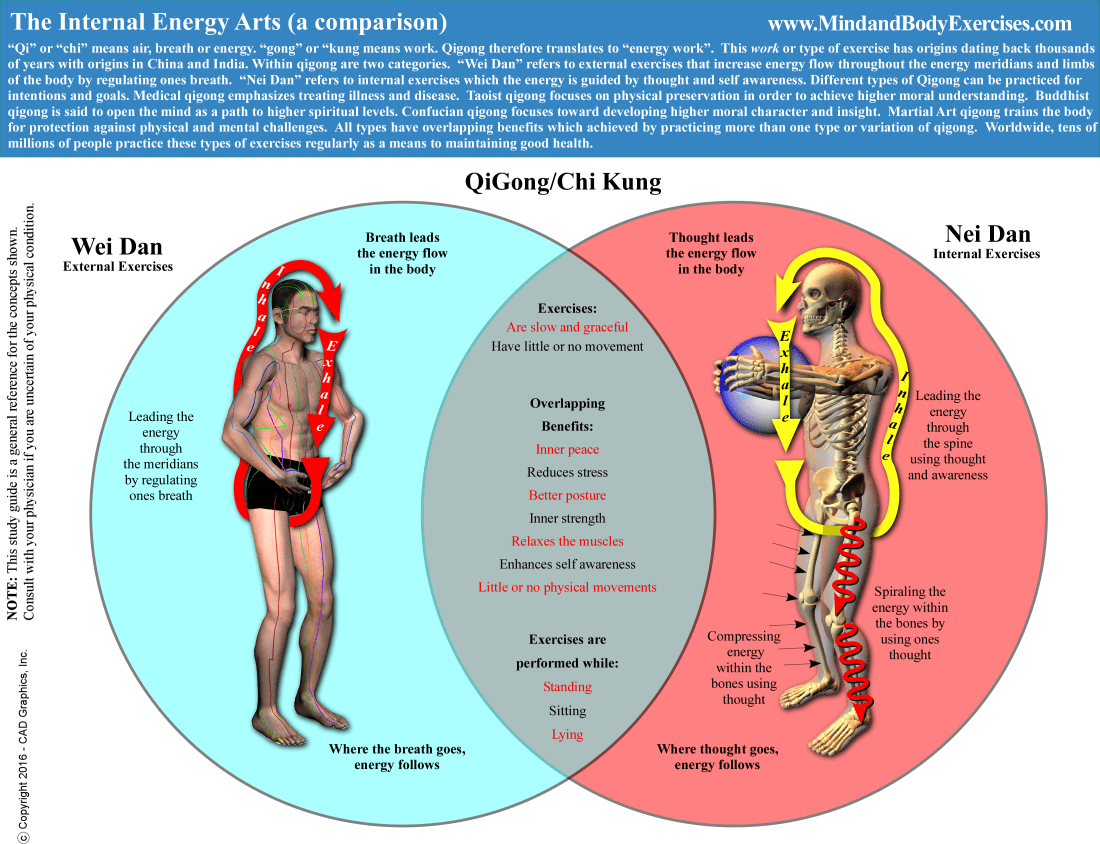
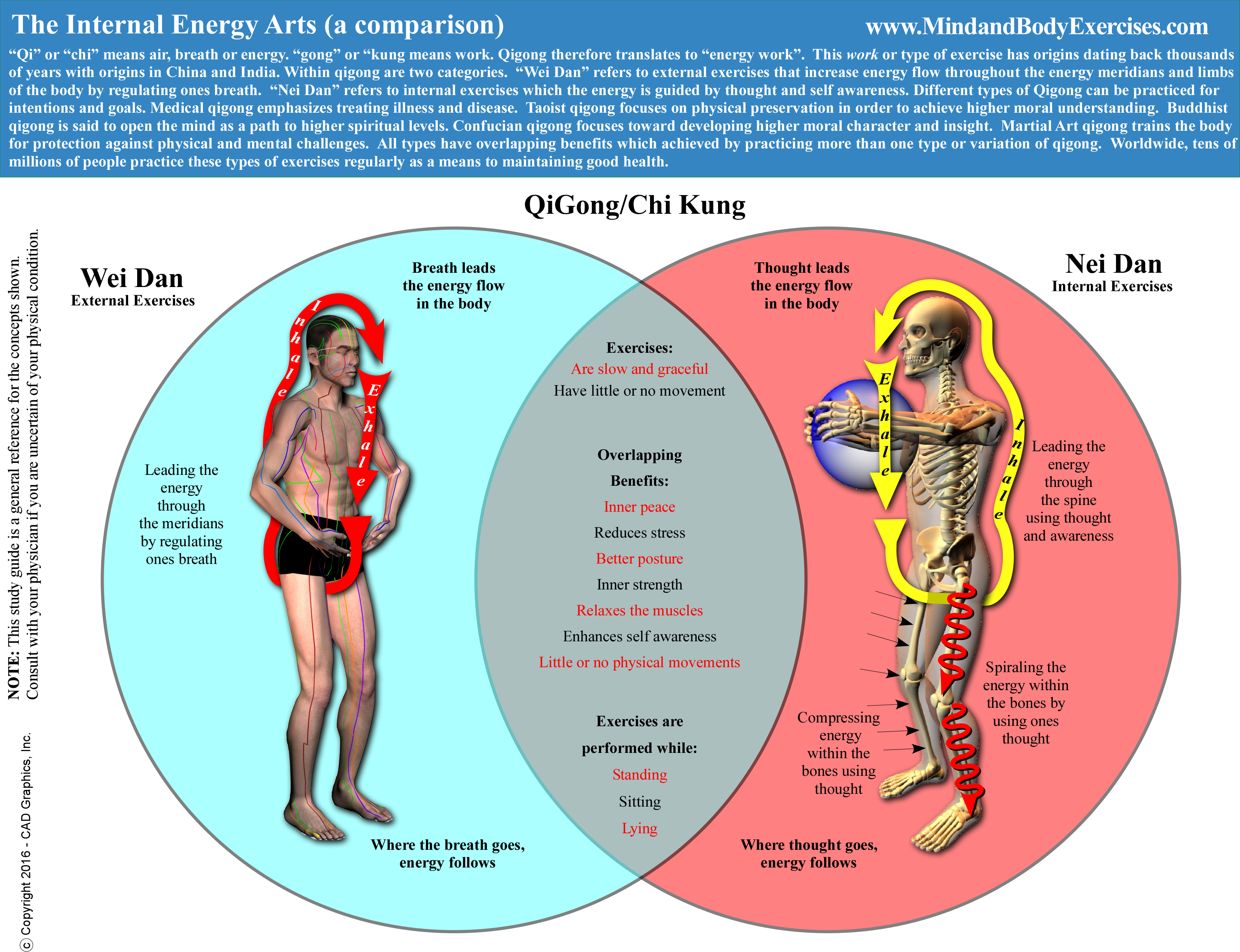
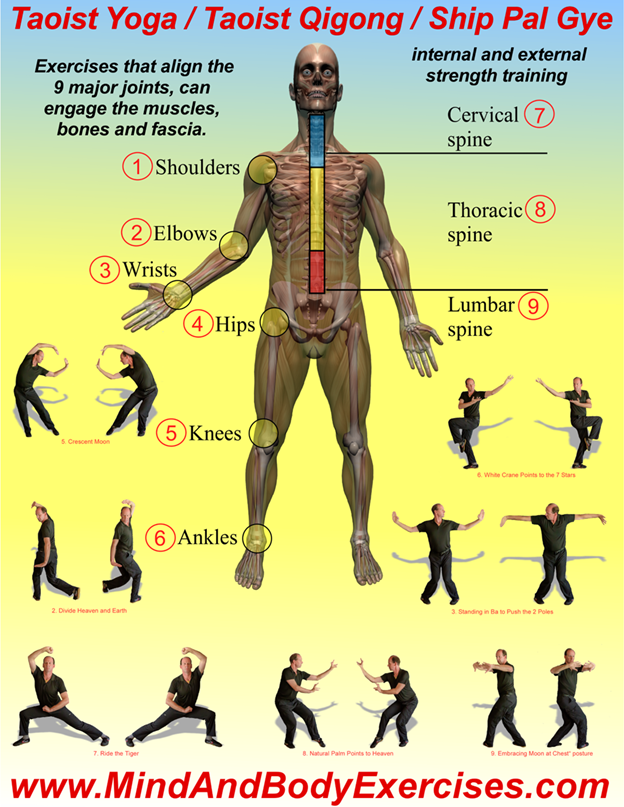
I teach and offer lectures about holistic health, stress management, qigong, tai chi, baguazhang, meditation, phytotherapy (herbs), music for healing, self-massage, and Daoyin (yoga).

Please contact me if you, your business, organization, or group, might be interested in hosting me to speak on a wide spectrum of topics relative to better health, wellness, and fitness.

I look forward to further sharing more of my message by partnering with hospitals, wellness centers, VA centers, schools on all levels, businesses and individuals that see the value in building a stronger nation through building a healthier population. I also have hundreds of FREE education video classes, lectures and seminars available on my YouTube channel at:

www.MindAndBodyExercises.com
https://www.facebook.com/MindAndBodyExercises/
https://www.youtube.com/c/MindandBodyExercises
https://mindandbodyexercises.wordpress.com/
https://umareg.com/masters-council/

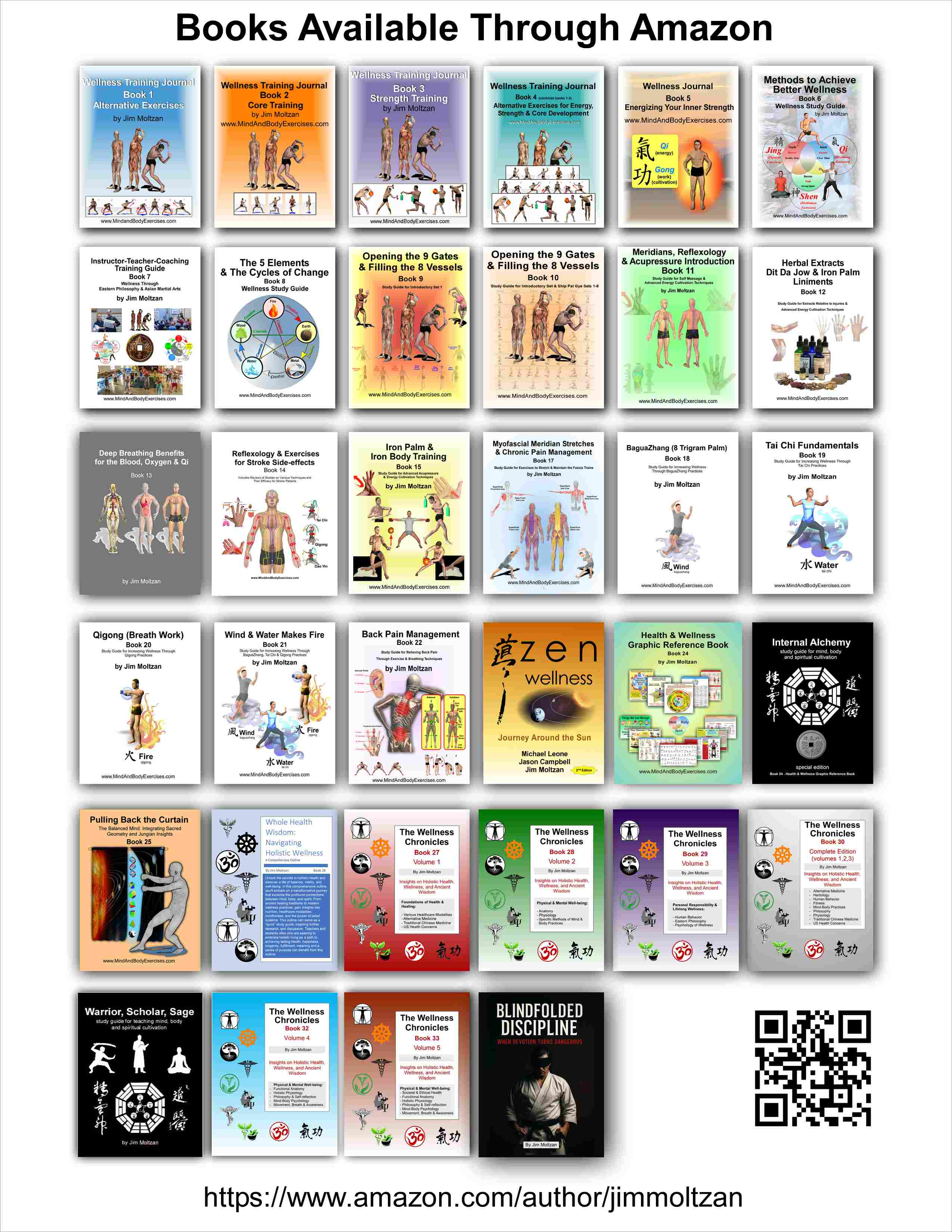
www.Amazon.com/author/jimmoltzan

Mind and Body Exercises on Google: https://posts.gle/aD47Qo

Jim Moltzan

  • 5th degree in Korean Kung Fu (Ship Pal Gye) 
  • Recognized by Zen Wellness as a Master Level Instructor (gold coin)
  • Recognized by the Doh Yi Masters as a Fellow Doh Yi Master, having completed 10000 hours of training
  • Bachelor’s degree in Holistic Health

407-234-0119

The DOSE, Feel Good Chemicals

The human body is an incredible pharmacy within all individuals, where our thoughts and relative emotions can manifest various chemical reactions that affect organ function, either in positive or negative manners. There are four main neurotransmitters that affect our nervous system in positive and beneficial aspects. These are also referred to as the key “feel-good chemicals” as they help contribute to positive emotions. I have come to understand these and remember them through the acronym of DOSE, where Dopamine, Oxytocin, Serotonin, Endorphins.

Dopamine is often called the “reward chemical,” as dopamine within the nervous system surges as we feel a sense of pleasure from achieving goals, or while anticipating and receiving something perceived as enjoyable. Dopamine motivates us to pursue rewarding experiences, while playing a role in learning and memory.

Serotonin is a neurotransmitter that contributes to our feelings of calmness, well-being, and emotional stability. Having low serotonin levels is linked to anxiety, depression, insomnia and other mental disorders. Serotonin production within the body can be increased through activities that promote relaxation and a sense of accomplishment.

Oxytocin is also called the “love hormone.” Oxytocin is released during events of physical contact, social bonding, and acts of kindness where it brings about a sense of trust, empathy, and connections with others.

Endorphins are the body’s natural painkillers that are released during exercise, eating of spicy foods and laughter. Endorphins have the ability to help to reduce stress and anxiety.

Understanding of the mind-body connection of these chemicals is well known throughout fields of study, such as biology, physiology, and chemistry, as to their roles in management of thoughts and emotions and their physiological effects on the body’s autonomic nervous system. There are various ways to illicit the physiological mechanisms that release these powerful chemicals, where proper nutrition, exercise, meditation practices and social interactions are the common denominators for all. Management of breathing is one of the most effective ways to self-regulate thoughts and emotions and relative overall health of the nervous system which manages organ function.

References:

Meet your feel-good chemicals. (2022, March). WellBeing, 74. https://link.gale.com/apps/doc/A736545392/OVIC?u=vol_vsc&sid=ebsco&xid=bb4ebd80

_________________________________

I teach and offer lectures about holistic health, stress management, qigong, tai chi, baguazhang, meditation, phytotherapy (herbs), music for healing, self-massage, and Daoyin (yoga).

I look forward to further sharing more of my message by partnering with hospitals, wellness centers, VA centers, schools on all levels, businesses and individuals that see the value in building a stronger nation through building a healthier population. I also have hundreds of FREE education video classes, lectures and seminars available on my YouTube channel at:

https://www.youtube.com/c/MindandBodyExercises

www.MindAndBodyExercises.com

www.Amazon.com/author/jimmoltzan

Mind and Body Exercises on Google: https://posts.gle/aD47Qo

Jim Moltzan

407-234-0119

Gratitude Attitude

The holidays often provide us a reminder for us to be grateful for we have within our lives, as well as what we don’t have. Shouldn’t we try to be grateful though, regardless of what time of the year it is?

We all live a certain amount of time, which will be different for everyone, where we engage and/or are exposed to a large amount of happiness as well as sadness in our lives. Good times as well as bad times, or maybe looked at as a constant ebb and flow of peaks and valleys. I feel that I have a high amount of gratitude for my life, for which I equate to having come to my own realization for what is most important in my life. These things being my own gifts of my mind, body, and spirit along with those family and friends that share in my life. I think as we all become older these things become more apparent and of higher priority as we may realize that time is somewhat limited. Consequently, my mindfulness strategy is to strive to maintain these factors with the goal of not having regrets for not doing so, when it is my eventual time to pass onto the next phase of whatever comes hereafter.  With consistent daily practice of methods such as the “loving-kindness,” “living deeply” and “embracing life” focused meditations, I feel confident in increasing my level of gratitude that I express as well as experience.

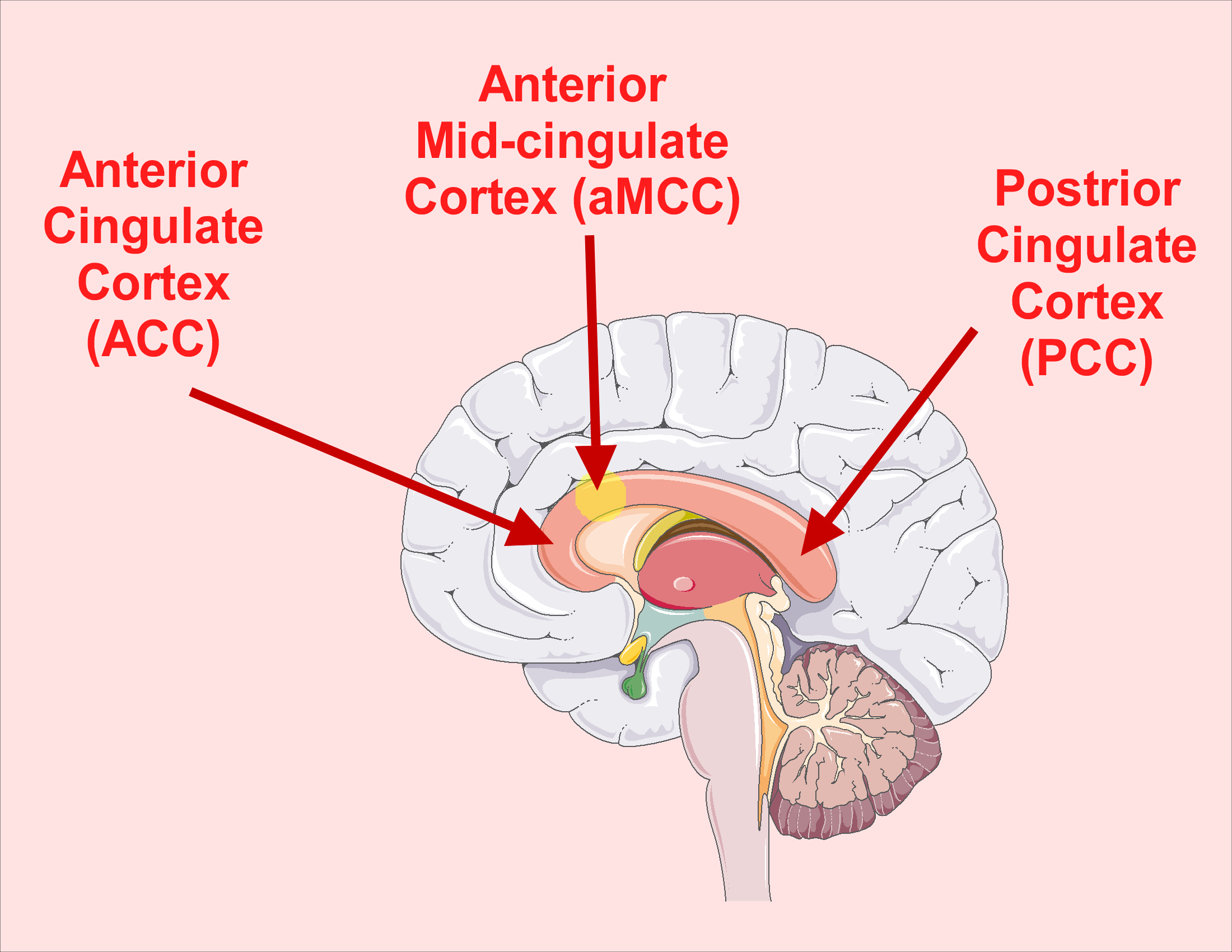
I think it does help quite a bit to understand the psychophysiology that affects our mind and body as we process gratitude. I have come to understand that all emotions elicit a response from particular areas of the brain and the autonomic nervous system (ANS) and more specifically the limbic system and relative components of the amygdala, anterior cingulate cortex, and the hypothalamus. These regulatory mechanisms of the ANS produce a variety of appearance changes that are related to specific emotions, such as reactions of skin coloration, moisture and secretions, protrusions, and appearance of eyes (Cacioppo & Tassinary, 2016, p.448). I think that gratitude is perceived as a more positive emotion like joy or happiness, rather than a negative or threat-reactive emotion like fear or anger. I would then propose that an individual experiencing gratitude would also simultaneously experience their pupils constricting, facial reddening, dryness of the palmar regions of the hands and soles of the feet, tears secretion and perhaps lack or increase in piloerection as these are all functions of the parasympathetic nervous system (PNS) in reciprocity with the sympathetic nervous system (SNS) (Cacioppo & Tassinary, 2016, p.455).

A 2022 study published in the Nephrology Nursing Journal reports on how nurses that care for sufferers of chronic kidney disease (CKD), are often highly emotionally stressed and often themselves suffer health issues of burnout. Researchers in Canada hoped to recruit up to 35 nephrology nurses to participate, but eventually had 13 with 12 nurses actually completing the study program. Nurse participants needed to work in an academic urban regional renal care program, of which were at 10 hospital-based facilities and one at a community-based facility. Participants were recruited via emails, posters, and educational in-services. Nurses were required to be of at least 18 years of age or older, speak English, and work within the renal care program. Anyone that was experiencing untreated severe depression/mental health illness was to be excluded from participating in this study. Once having attended a brief screening process, volunteers that met the inclusion/exclusion criteria were given a letter of information and asked to provide their signed, informed consent. The nurses had agreed to participate in an 8-week Mindful Self-compassion (MSC) research-tested program that integrated the skills of mindfulness, with the intent of practicing specific methods they would cultivate skills in self-compassion to nurture self-kindness, a better sense of common humanity, and mindfulness where they could better manage difficult thoughts in a more balanced perspective instead of reacting with an avoidance or fight/flight response. For each of the 8 weeks a different theme was focused upon. The first week was aimed at discovering mindful self-compassion, the second week was practicing mindfulness, the third week was practice Loving-Kindness meditations and so on, where week eight focused upon embracing your life. The last week was highly important in that along with the culmination of the study, participants were educated on ways to cultivate gratitude, self-appreciation, and happiness.  Also, they learned ways to transform one’s mind’s away from natural negativity bias, while actively embracing the negative and positive aspects within one’s life and inner self. At the end of the study, researchers reported that the participating nurses’ self-compassion scores increased with a statistically significant difference between the before and immediately after intervention time points. Similar improvements were reported in the self-kindness, common humanity, and mindfulness aspects, where self-judgment, isolation, and over-identification had decreased (Crandall et al., 2022).

A way to practice gratitude is to write a letter to one’s younger self. This can help to put into perspective what we as individuals have accomplished, while knowing there is more work to be done. As we write this letter we can contemplate if we will ultimately become either a warning or an inspiration to those in our lives and around our presence. I believe that if we take time to look at ourselves from this perspective, we can actually change our beliefs, views, actions and consequently our emotions as we move forward.

References:

Cacioppo, J. T., Tassinary, L. G., & Berntson, G. G. (2016). Handbook of Psychophysiology. Pgs. 448, 455. Cambridge University Press. Kindle Edition.

Crandall, J., Harwood, L., Wilson, B., & Morano, C. (2022). Mindful Self-Compassion Training and Nephrology Nurses’ Self-Reported Levels of Self-Compassion, Burnout, and Resilience: A Mixed Methods Study. Nephrology Nursing Journal, 49(5), 405–417. https://doi.org/10.37526/1526-744x.2022.49.5.405

____________________

I teach and offer lectures about holistic health, stress management, qigong, tai chi, baguazhang, meditation, phytotherapy (herbs), music for healing, self-massage, and Daoyin (yoga).

I look forward to further sharing more of my message by partnering with hospitals, wellness centers, VA centers, schools on all levels, businesses and individuals that see the value in building a stronger nation through building a healthier population. I also have hundreds of FREE education video classes, lectures and seminars available on my YouTube channel at:

https://www.youtube.com/c/MindandBodyExercises

www.MindAndBodyExercises.com

www.Amazon.com/author/jimmoltzan

Mind and Body Exercises on Google: https://posts.gle/aD47Qo

Jim Moltzan

407-234-0119

Learn How Stress Affects Our Bodies, to Better Manage Our Well-being

How do you deal with stress?

  • take a few deep breaths
  • drink a few alcoholic beverages
  • take pharmaceuticals
  • consume some form of Marijuana, hallucinogen, or psychedelic
  • physical exercise
  • listen to soothing music
  • do nothing

In order to better manage stress, wouldn’t it help to better understand what stress is, and how it affects our bodies physiologically? Do we truly manage our stressors or just go with the “band-aid” approach of treating symptoms rather than addressing root causes?

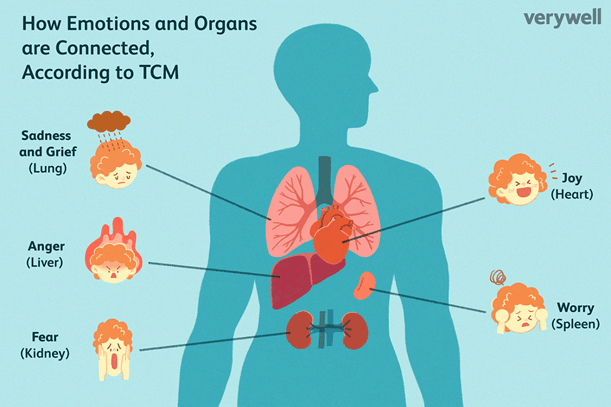
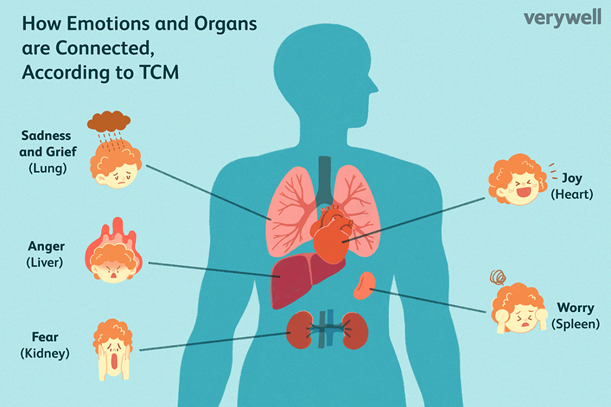
Life and the experiences that it offers, is constantly changing and evolving for all that exist. Our senses are continuously receiving and interpreting stimulus to determine what is good or bad for our survival. Consequently, this input often manifests into what we call stress. We deal with stress through our thoughts and emotions. Our emotions directly affect how our brain processes information that affects all of our physiological mechanism and organ functions through the autonomic nervous and endocrine systems. Basically, thoughts and emotions affect our health and well-being whether with positive or negative outcomes.

The HPA-Axis is the physiological mechanism for how the mind and body respond to stress.

1 – Receptors sense stress stimuli and send chemical signals to the hypothalamus, which releases corticotropic (CRH) to the pituitary gland. The pituitary gland then releases adrenocorticotropic (ACTH) to the adrenal glands.

2 – The adrenal glands respond with the secretion of cortisol, adrenaline, and noradrenaline to be released into the bloodstream.

3 – Immediate physiological changes are induced, including acceleration of heart and lung activity, elevated blood pressure, inhibition of digestive activity, tunnel vision, and sweating. Cortisol levels are then reported back to the hypothalamus completing a negative feedback loop to repeat the whole process as necessary.

Why is this important to understand? Because when cortisol levels are too high for prolonged periods of time, other physiological mechanisms become impaired. When levels are balanced cortisol plays in important role in regulating blood chemistry:

  • Increases gluconeogenesis
  • Mobilizes fatty acids from adipose
  • Breaks down stored proteins
  • Enhances SNS response
  • Puts brakes on inf‌lammation/immune response

Negative effects would include:

  • Increased insulin resistance
  • Altered perception & emotion in the central nervous system
  • Suppressed GH release
  • Suppressed TSH and inhibits peripheral activation of T4 into T3
  • Inhibited bone remodeling
  • Suppressed reproductive function

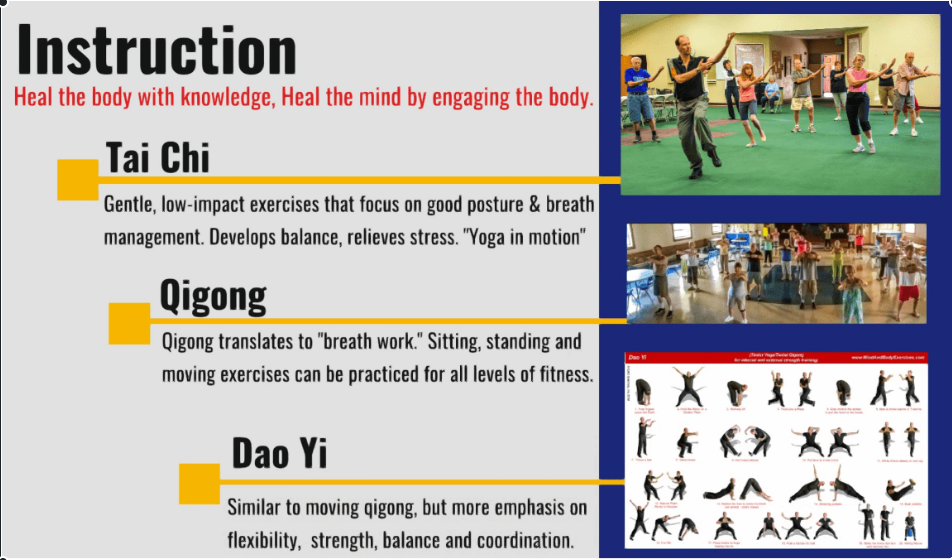
We do have the ability to consciously control and manage our stress whether through lifestyle choices, diet & nutrition, physical activity and attitude. A key component of managing stress is managing the parasympathetic (rest & digest) and sympathetic (fight or flight) nervous system through consistent regulation of our breathing frequency and relative volume of each breath. This is a topic addressed in many of my other posts. Yoga, tai chi, qigong, meditation, martial arts and other methods have been proven to help to proactively manage stress and relative cortisol levels.

________________

I write often about topics that affect our health and well-being. Additionally, I teach and offer lecture about qigong, tai chi, baguazhang, and yoga.

For more info, contact Jim Moltzan at info@mindandbodyexercises.com, 407-234-0119 or through my site at http://www.mindandbodyexercises.com

www.Amazon.com/author/jimmoltzan

Stress Response Leads to Obesity, Depression and Even More Stress

We all know what stress is, but how does it manifest and what can we do to manage it?

If we are to grow a garden, do we try to nourish the seeds in a healthy, safe and nutritional environment? Or do we just plant the seeds in sand in a mostly dark place where no one checks to see how they are sprouting? Well, metaphorically, this is how our nation cultivates our youth with little or no education in health, nutrition, fitness, stress management and accountability. No wonder why teenage depression and suicide has skyrocketed in the last few years. And no wonder our nation is a nation of overweight children soon to be obese and sickly adults. We need to move past the politics and cultural correctness of not addressing the American diet and lifestyle choices of being the root causes of obesity that lead to disease and health issues in our country.

For children and adolescents aged 2-19 years in 2017-2018:

  • The prevalence of obesity was 19.3% and affected about 14.4 million children and adolescents.
  • Obesity prevalence was 13.4% among 2- to 5-year-olds, 20.3% among 6- to 11-year-olds, and 21.2% among 12- to 19-year-olds. Childhood obesity is also more common among certain populations.
  • Obesity prevalence was 25.6% among Hispanic children, 24.2% among non-Hispanic Black children, 16.1% among non-Hispanic White children, and 8.7% among non-Hispanic Asian children.
Credit: Derek Thompson, The Atlantic; data from the CDC.
  • Anxiety and depression affects many children
    • 7.1% of children aged 3-17 years (approximately 4.4 million) have diagnosed anxiety.
    • 3.2% of children aged 3-17 years (approximately 1.9 million) have diagnosed depression.
  • Anxiety and depression have increased over time
    • “Ever having been diagnosed with either anxiety or depression” among children aged 6-17 years increased from 5.4% in 2003 to 8% in 2007 and to 8.4% in 2011–2012.
    • “Ever having been diagnosed with anxiety” among children aged 6-17 years increased from 5.5% in 2007 to 6.4% in 2011–2012.
    • “Ever having been diagnosed with depression” among children aged 6-17 years did not change between 2007 (4.7%) and 2011–2012 (4.9%).

In years past, recess and physical education (PE) were part of the school day from kindergarten through elementary school. High school students had PE every school day until graduation. Regular exercise has been known and proven to help manage stress and maintain better health and mental well being. Currently, many schools require only 1 credit of PE over 4 years of high school and often offer it as an online course. Today if students are not involved in school or extracurricular sports, few make the time or commitment to stay physically active. Unhealthy kids quickly turn into unhealthy adults. The health of our people is directly affecting the safety of our nation. For the sake of our youth and ultimately our country, put PE and maybe health education back into the school system, as a priority and not just a minimal requirement.

References:

https://www.cdc.gov/obesity/data/childhood.html

https://www.cdc.gov/nchs/data/hestat/obesity-child-17-18/obesity-child.htm

https://www.cdc.gov/childrensmentalhealth/features/anxiety-depression-children.html

I can help. I have almost 40 years worth of experience in practicing and teaching others to take control of their health and well-being. For more information, contact Jim Moltzan at 407-234-0119 or www.MindAndBodyExercises.com