Respiratory Mechanics and Nervous System Regulation
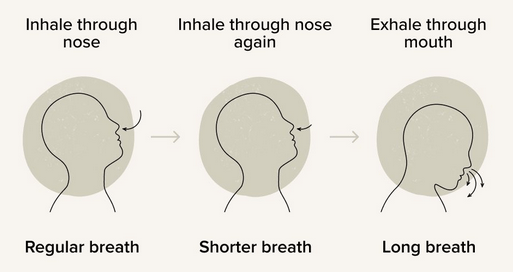
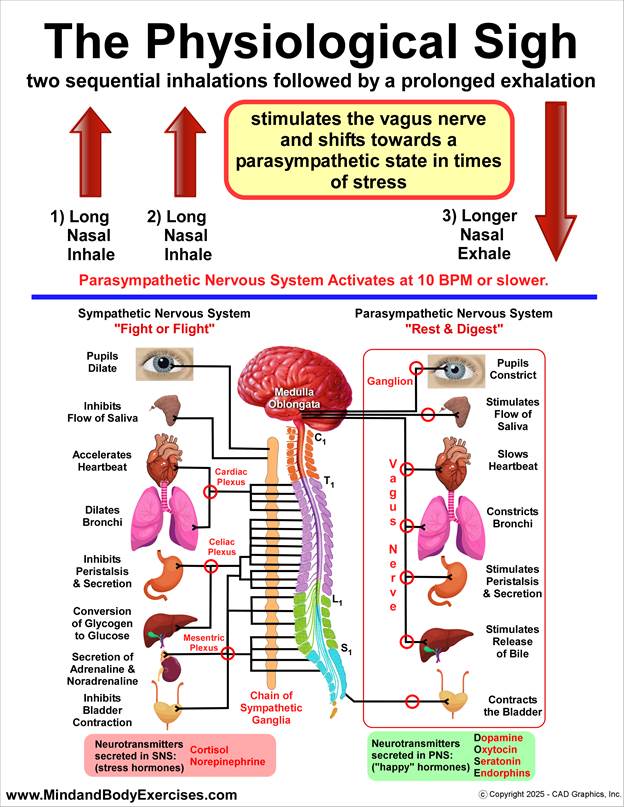
The physiological sigh is an innate respiratory pattern characterized by two sequential inhalations followed by a prolonged exhalation. This breathing reflex occurs spontaneously in healthy individuals at regular intervals, including during sleep, and serves an essential role in maintaining lung function and regulating the autonomic nervous system (Del Negro et al., 2018; West, 2012).
Unlike voluntary breathing techniques that rely on conscious control, the physiological sigh is generated by brainstem respiratory circuits, allowing it to function even during states of emotional distress, fatigue, or diminished cognitive capacity (Li et al., 2016).
Pulmonary Function and Alveolar Recruitment
One primary function of the physiological sigh is alveolar recruitment. During normal respiration, especially under conditions of stress, shallow breathing, or prolonged sitting, small clusters of alveoli may partially collapse, reducing gas exchange efficiency (West, 2012).
The second, brief inhalation increases transpulmonary pressure, allowing collapsed alveoli to reopen and restoring optimal lung compliance. Without periodic sighing, lung stiffness and impaired oxygen exchange may gradually develop (Del Negro et al., 2018).
Autonomic Nervous System Regulation
The extended exhalation phase of the physiological sigh plays a critical role in autonomic regulation. Prolonged exhalation enhances parasympathetic activity via the vagus nerve, resulting in reduced heart rate, decreased sympathetic arousal, and rapid attenuation of stress responses (Porges, 2011).
Research has shown that exhalation-weighted breathing patterns can quickly lower perceived anxiety and respiratory discomfort by improving carbon dioxide regulation and restoring respiratory rhythm stability (Lehrer et al., 2000).
Neurophysiological Basis
The physiological sigh is coordinated by respiratory rhythm-generating centers within the medulla, particularly the pre-Bötzinger complex and associated neural networks (Ramirez et al., 2013). Because these circuits operate independently of cortical processing, the sigh remains functional during emotional overwhelm, panic states, and trauma responses.
This brainstem dominance explains why sighing often occurs during crying, emotional release, or moments of relief, and why intentional imitation of the sigh can be effective when cognitive strategies fail.
Intentional Application
The physiological sigh can be voluntarily reproduced for acute nervous system regulation:
Inhale gently through the nose
Take a second short inhalation at the top of the breath
Slowly exhale until the lungs feel comfortably empty
Repeat one to three times
This method should not be performed continuously, as excessive repetition may cause lightheadedness.
Integrative Perspective
Traditional breath practices observed in yoga, Dao Yin and qigong systems (tai chi and other martial arts) describe sighing as a natural mechanism for releasing chest tension and restoring respiratory rhythm. Modern physiology now provides a mechanistic explanation for these observations, revealing a convergence between classical somatic practices and contemporary neuroscience.
The physiological sigh is a mechanical respiratory reset, not a relaxation technique dependent on belief or visualization. Its effectiveness lies in its ability to directly restore lung mechanics and autonomic balance through innate neural pathways.
Lehrer, P. M., Vaschillo, E., & Vaschillo, B. (2000). Resonant frequency biofeedback training to increase cardiac variability. Applied Psychophysiology and Biofeedback, 25(3), 177–191. https://doi.org/10.1023/A:1009554825745
Porges, S. W. (2011). The polyvagal theory: Neurophysiological foundations of emotions, attachment, communication, and self-regulation. W. W. Norton & Company.
Li, P., Janczewski, W. A., Yackle, K., Kam, K., Pagliardini, S., Krasnow, M. A., & Feldman, J. L. (2016). The peptidergic control circuit for sighing. Nature, 530(7590), 293–297. https://doi.org/10.1038/nature16964
West, J. B. (2012). Respiratory physiology: The essentials (9th ed.). Lippincott Williams & Wilkins.
A Neurophysiological and Holistic Framework for Adaptive Human Development
Human development is not formed solely through comfort and stability. Across biology, psychology, and philosophy, a consistent principle emerges: properly dosed challenge strengthens living systems. This principle is expressed biologically through hormesis, psychologically through adaptive stress exposure, and existentially through post traumatic growth (PTG). While trauma is traditionally framed as inherently damaging, modern research demonstrates that under specific conditions, adversity can catalyze resilience, meaning, and higher levels of functioning (Tedeschi & Calhoun, 2004; Southwick et al., 2014). This essay explores the interrelationship between hormetic stress, strategic trauma, and post traumatic growth as a unified framework for conscious adaptation at the physiological, psychological, and behavioral levels.
Hormetic Stress: The Biological Language of Adaptation
Hormesis refers to the phenomenon where low to moderate doses of stress stimulate beneficial adaptive responses, while excessive doses cause damage (Mattson, 2008; Calabrese & Baldwin, 2003). This dose dependent stress response is observable across multiple biological systems including cellular repair, mitochondrial function, immune regulation, metabolic efficiency, and neuroplasticity.
Common hormetic stressors include:
• Physical exercise • Intermittent fasting • Thermal exposure (heat and cold) • Hypoxic training • Cognitive challenge
At the cellular level, hormetic stress activates transcription factors such as Nrf2, FOXO, and PGC-1α, which upregulate antioxidant defenses, mitochondrial biogenesis, and metabolic efficiency (Mattson, 2012). In the nervous system, moderate stress enhances brain derived neurotrophic factor (BDNF), which supports synaptic plasticity, learning, and emotional regulation (Cotman & Berchtold, 2002).
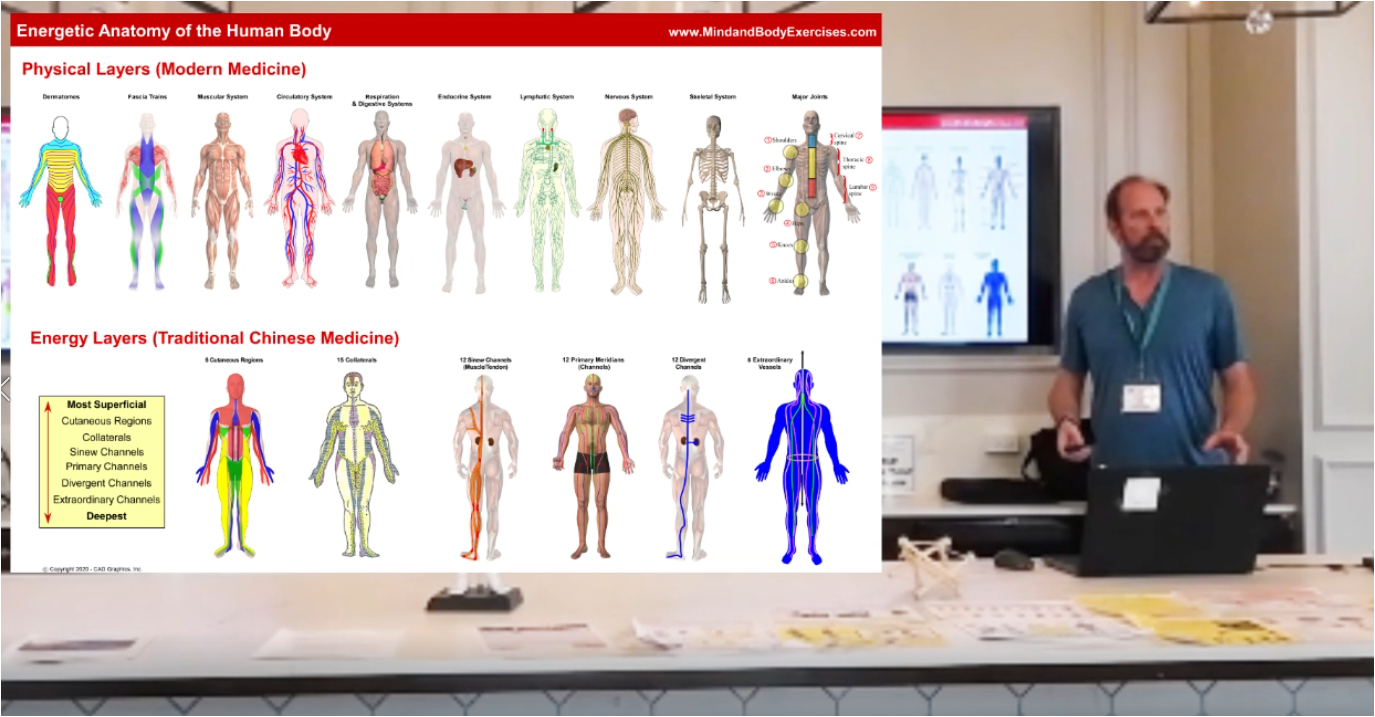
From a Traditional Chinese Medicine and martial cultivation perspective, these hormetic mechanisms mirror the progressive strengthening of jing (essence),qi(vital energy), andshen(consciousness) through controlled physical strain, breath discipline, and mental focus. What modern biology describes as cellular stress adaptation, Eastern systems describe as refinement of vital substance and spirit.
Strategic Trauma Versus Unbuffered Trauma
Not all stress is equal, and not all trauma is adaptive. A critical distinction must be made between unstructured traumatic overwhelm and strategic or titrated trauma exposure.
Unbuffered Trauma
Unbuffered trauma occurs when an individual is exposed to overwhelming threat without safety, agency, preparation, or recovery opportunity. This type of exposure dysregulates the hypothalamic pituitary adrenal (HPA) axis, elevates chronic cortisol, disrupts hippocampal memory encoding, and sensitizes the amygdala toward persistent hypervigilance (McEwen, 2007; van der Kolk, 2014). The result is often:
This distinction is supported by stress inoculation theory, which demonstrates that moderate stress exposure builds future resilience by training cognitive appraisal systems and autonomic recovery capacity (Meichenbaum, 2007; Southwick & Charney, 2012).
Examples of strategic trauma include:
• Structured martial training, yoga, qigong • Intense athletic conditioning • Therapeutic exposure therapy • Vision quests and rites of passage • Cold water immersion • Breath retention protocols
In these environments, stress is not endured passively. It is metabolized through agency, training, and narrative meaning. Neurobiologically, this transforms threat perception from amygdala dominance into prefrontal mediated regulation, strengthening executive control over fear circuitry (Arnsten, 2009).
Post Traumatic Growth: Beyond Recovery
Post traumatic growth is not the absence of suffering. It is the reconstruction of identity, values, and meaning following disruption of core assumptions (Tedeschi & Calhoun, 2004). PTG differs from resilience. Resilience returns a person to baseline functioning. PTG elevates a person above prior psychological functioning.
Five consistent dimensions of PTG have been identified:
Increased appreciation for life
Enhanced personal strength
Improved relationships
Recognition of new possibilities
Spiritual or existential transformation
These domains align closely with holistic frameworks of body, mind, and spirit development. Importantly, PTG does not arise from the trauma itself. It emerges from how the trauma is processed, integrated, and narrated (Joseph & Linley, 2006).
Neuroplasticity plays a central role. Trauma destabilizes existing neural networks. Growth emerges during the reorganization phase, especially when narrative meaning making, somatic regulation, and social connection are present (van der Kolk, 2014; Porges, 2011).
The Role of the Nervous System in Adaptive Stress Integration
The autonomic nervous system determines whether stress becomes destructive or transformative. According to polyvagal theory, physiological safety enables the body to shift from defensive survival states into social engagement and recovery pathways (Porges, 2011).
Practices such as breath control, Tai Chi, Dao Yin, meditation, and stance training directly stimulate vagal tone and proprioceptive integration. Through repeated exposure to physical and respiratory challenge with controlled regulation, the nervous system learns that stress does not equal danger. It becomes a signal for focused adaptation.
Meaning as the Catalyst of Growth
Trauma alone does not produce wisdom. Meaning transforms suffering into developmental coherence. Viktor Frankl demonstrated that individuals who interpreted suffering through purpose exhibited greater psychological endurance and recovery capacity (Frankl, 1959).
From the Warrior Scholar Sage model, meaning is not philosophical abstraction. It is a behaviorally embodied compass that directs effort into service, mastery, and ethical restraint. Without meaning, stress degenerates into pathology. With meaning, stress refines character.
Physical Systems as Trauma Integration Engines
Modern trauma research confirms what martial and somatic traditions have long taught: trauma is stored not only in memory but in the musculature, fascia, posture, and breath patterns (van der Kolk, 2014). Controlled physical stress restores integration through:
• Load bearing and skeletal feedback • Fascial hydration through movement • Intra abdominal pressure regulation • Respiratory rhythm stabilization
Standing meditation, heavy stance work, and slow eccentric strength training impose mechanical hormetic stress that recalibrates proprioceptive accuracy and embodied confidence. This restores the individual’s relationship with gravity, space, effort, and self trust.
Strategic Suffering and the Misunderstood Role of Discomfort
Contemporary culture increasingly equates well-being with comfort. This misguided model weakens adaptive capacity. Discomfort is not the enemy of health. It is the training ground of resilience. What matters is dose, recovery, and interpretation.
When suffering is voluntary, time limited, and purpose driven, it engrains self-respect rather than helplessness. This distinction explains why two individuals may endure similar stressors yet diverge entirely in outcome.
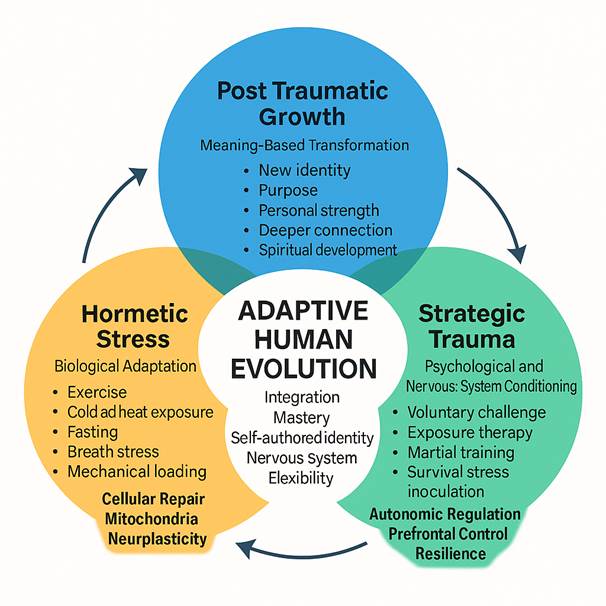
Integration of Hormesis, Strategic Trauma, and PTG
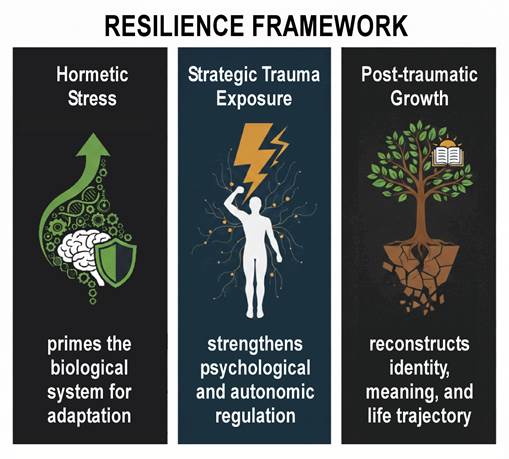
Strategic trauma exposure strengthens psychological and autonomic regulation
Post traumatic growth reconstructs identity, meaning, and life trajectory
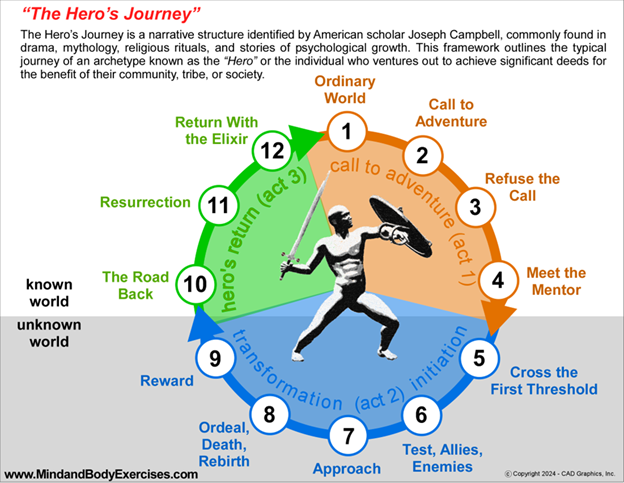
This triadic model reflects the ancient transformation archetype of descent, refinement, and return of Joseph Campbell’s Hero’s Journey (2014). It also aligns with neurobiological models of allostatic adaptation, somatic integration, and narrative restructuring.
Rather than minimizing stress, the goal becomes teaching individuals how to engage with stress skillfully, recover efficiently, and integrate meaningfully.
Hormetic stress teaches the body to adapt. Strategic trauma teaches the mind to regulate. Post traumatic growth teaches the soul how to transform. When these three forces are understood as complementary rather than contradictory, trauma becomes neither romanticized nor feared. It becomes raw developmental material.
True growth does not come from avoiding adversity, nor from drowning in it, but from meeting it with structure, meaning, regulation, and skill. This is the timeless engine of human evolution.
References:
Arnsten, A. F. T. (2009). Stress signalling pathways that impair prefrontal cortex structure and function. Nature Reviews Neuroscience, 10(6), 410–422. https://doi.org/10.1038/nrn2648
Calabrese, E. J., & Baldwin, L. A. (2003). Toxicology rethinks its central belief. Nature, 421, 691–692. https://doi.org/10.1038/421691a
Campbell, J. (2014). The hero’s journey. New World Library.
Cotman, C. W., & Berchtold, N. C. (2002). Exercise: A behavioral intervention to enhance brain health and plasticity. Trends in Neurosciences, 25(6), 295–301. https://doi.org/10.1016/S0166-2236(02)02143-4
Frankl, V. E. (1959). Man’s search for meaning. Beacon Press.
Joseph, S., & Linley, P. A. (2006). Growth following adversity: Theoretical perspectives and implications for clinical practice. Clinical Psychology Review, 26(8), 1041–1053. https://doi.org/10.1016/j.cpr.2005.12.006
Mattson M. P. (2012). Energy intake and exercise as determinants of brain health and vulnerability to injury and disease. Cell metabolism, 16(6), 706–722. https://doi.org/10.1016/j.cmet.2012.08.012
Meichenbaum, D. (2007). Stress inoculation training: A preventative and treatment approach. Pergamon Press.
Porges, S. W. (2011). The polyvagal theory: Neurophysiological foundations of emotions, attachment, communication, and self regulation. W. W. Norton.
Southwick, S. M., & Charney, D. S. (2012). Resilience: The science of mastering life’s greatest challenges. Cambridge University Press. https://doi.org/10.1017/CBO9781139013857
Southwick, S. M., Bonanno, G. A., Masten, A. S., Panter Brick, C., & Yehuda, R. (2014). Resilience definitions, theory, and challenges. European Journal of Psychotraumatology, 5, 25338. https://doi.org/10.3402/ejpt.v5.25338
Tedeschi, R. G., & Calhoun, L. G. (2004). Posttraumatic growth: Conceptual foundations and empirical evidence. Psychological Inquiry, 15(1), 1–18. https://doi.org/10.1207/s15327965pli1501_01
van der Kolk, B. A. (2014). The body keeps the score. Viking.
A Research-Supported Perspective on Human Energetic Influence
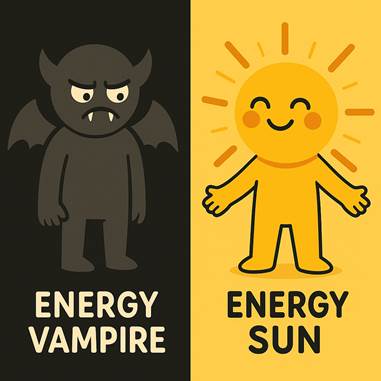
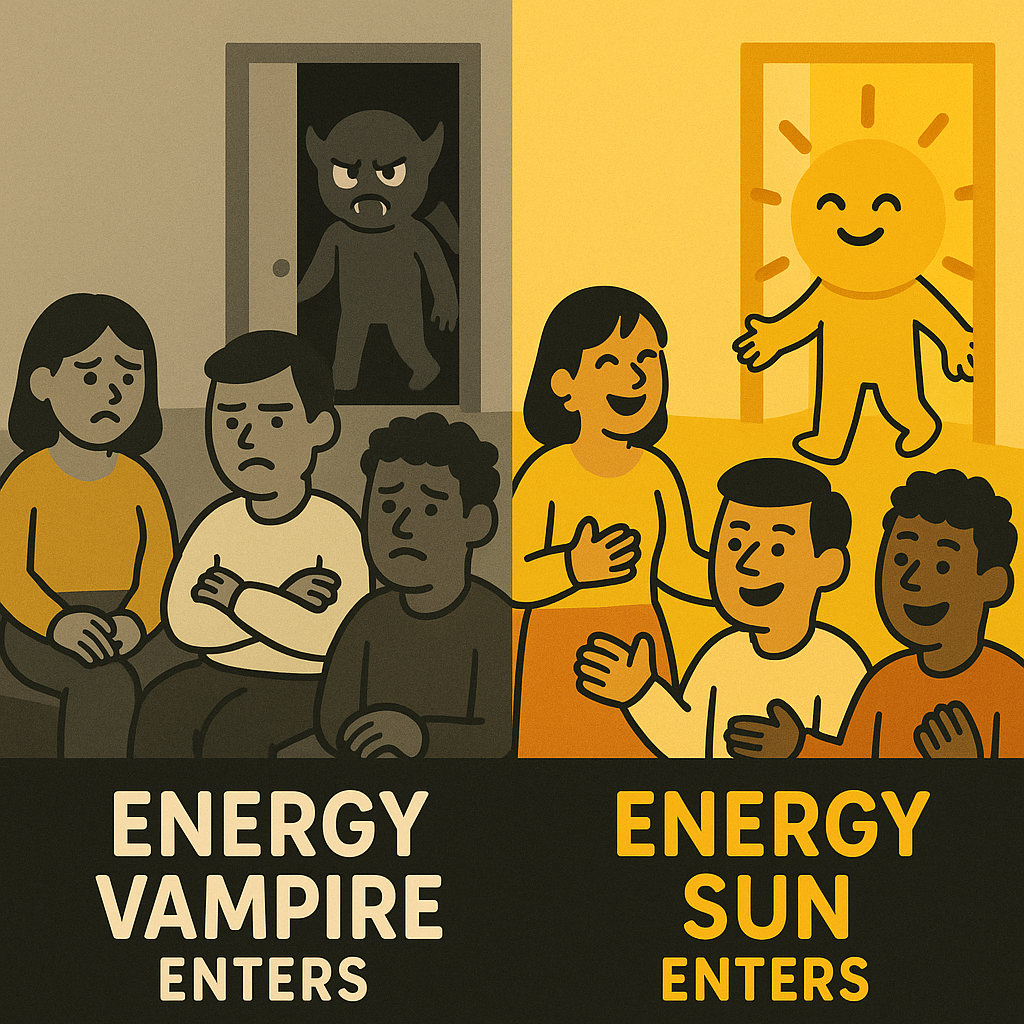
Human beings continuously influence one another through subtle behavioral, emotional, and physiological exchanges. Although the phrases “energy vampire” and “energy sun” originate from popular psychology, research from social neuroscience, organizational studies, and communication science supports the underlying concepts. These metaphors capture two recognizable interpersonal patterns. Some individuals leave others feeling depleted, tense, or emotionally burdened. Others create an atmosphere of ease, motivation, and uplift. Scientific findings show that these effects are not imagined. The emotional tone of individuals spreads through groups, shapes perceptions of social environments, influences health, and even alters network-level performance.
Emotional Contagion as the Foundation of Energetic Influence
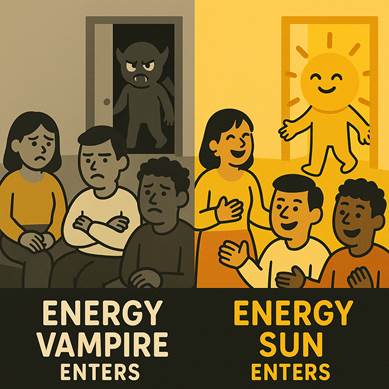
One of the most robust frameworks supporting these ideas is emotional contagion, the automatic transmission of mood between individuals. Hatfield, Cacioppo, and Rapson (1994) demonstrated that people unconsciously mimic facial expressions, posture, vocal tone, and behavioral cues. These physical micro-responses alter the observer’s own emotional state. When someone with chronic negativity enters a room, others may mirror their tension or irritability. When someone with warmth or enthusiasm enters, others tend to “catch” that energy instead.
Laboratory and field studies confirm this spreading effect. Group emotional tone shifts in measurable ways based on the mood of a single individual (Barsade, 2002). Even incidental exposure to positive or negative emotional expressions influences subsequent behavior. For instance, Kramer et al. (2014) found that altering the emotional content of social media feeds changed the emotional tone of users’ own posts. This suggests that emotional contagion is so fundamental that it occurs in digital environments without direct face-to-face interaction.
These findings support the core distinction between “energy vampires” and “energy suns.” The former transmits emotional states that narrow cognitive flexibility and elevate tension. The latter transmits states that promote openness, collaboration, and psychological ease.
Positive and Negative Energizers in Organizational Research
Within organizational psychology, there exists a well-developed framework that parallels this conceptual language. Researchers studying positive relational energy have identified individuals known as positive energizers. These people elevate motivation, creativity, and performance among peers (Cameron, 2012). Positive energizers are consistently described as supportive, trustworthy, solution oriented, and meaning oriented. They communicate hope, strength, and possibility. Teams with a high concentration of positive energizers demonstrate better job satisfaction, higher collaboration, and stronger organizational commitment.
Negative energizers are the opposite. They are sometimes referred to as “black holes” due to their draining effect (Baker, 2020). Their communication style often includes cynicism, complaint, emotional volatility, or self-focused interaction. Research mapping organizational networks shows that individuals who are widely perceived as negative energizers reduce the quality of teamwork and the performance of those around them. Notably, relational energy has been found to be more predictive of employee performance than information flow or hierarchical position (Cameron, 2012). In other words, how someone makes others feel is more important than how much technical authority they possess.
This research provides direct empirical support for distinguishing between “energy vampires” and “energy suns” in group dynamics.
Social Relationships, Stress Physiology, and Health
The effects of draining or nourishing individuals extend beyond mood. They influence physiology. Social isolation and chronically negative relationships are strongly associated with elevated stress hormones, heightened inflammation, and increased risk of depression and mortality (Holt-Lunstad et al., 2015). Conversely, emotionally supportive relationships act as buffers against stress. For example, women who received a brief supportive gesture from their romantic partners before a stressful task showed significantly reduced cortisol responses during the task (Grewen et al., 2003).
Physiological synchrony also occurs within relationships. Partners’ cortisol levels often rise and fall together, demonstrating a biochemical form of emotional contagion (Liu et al., 2013). A highly reactive or negative individual can elevate the stress physiology of those around them. A calm and emotionally regulated person can have the opposite effect.
These findings again support the idea that “energy vampires” consume psychological and physiological resources, while “energy suns” replenish them.
Social Networks and Life Satisfaction
Large-scale studies show that the structure and emotional quality of one’s social network predict well-being. People with more positive, frequent social contacts report greater life satisfaction, better cognitive functioning, and healthier aging (Litwin & Shiovitz-Ezra, 2011). Negative social ties predict stress, emotional exhaustion, and lower resilience.
Energy Vampire vs. Energy Sun: Comparison
Category
Energy Vampire
Energy Sun
General Impact
Drains emotional resources; leaves others feeling heavy or tense
Replenishes emotional resources; leaves others feeling uplifted and clear
Emotional Contagion
Spreads negativity, irritability, or fear
Spreads calm, optimism, and emotional ease
Communication Style
Dominates conversations; complains; criticizes; focuses on problems
Communicates supportively; encourages; listens with presence; focuses on solutions
Effect on Group Dynamics
Reduces cohesion; causes withdrawal and decreased creativity
Increases cohesion; enhances engagement and creativity
Physiological Influence
Elevates stress responses; contributes to tension and emotional fatigue
Lowers stress; promotes relaxation and psychological safety
Behavioral Patterns
Seeks attention or validation; projects blame; emotionally reactive
Creates toxic or draining relational patterns; weakens morale
Creates nourishing networks; strengthens morale and resilience
Resulting Environment
Heavy, tense, unmotivated atmosphere
Warm, collaborative, energized atmosphere
While the terminology of “energy vampire” is metaphorical, the pattern aligns with empirically observed toxic social exchanges, characterized by constant criticism, excessive neediness, hostility, or emotional unpredictability. These relationships create cognitive load and drain psychological resources. The opposite pattern, nourishing and emotionally attuned relationships, aligns with “energy sun” qualities that brighten and stabilize group interactions.
The metaphors of “energy vampires” and “energy suns” are vivid representations of patterns strongly supported by scientific research. Emotional contagion explains how individuals transmit their inner states to others. Organizational studies show that positive or negative energizers dramatically influence group performance and satisfaction. Social neuroscience demonstrates that supportive or hostile interactions directly influence stress physiology. Network studies confirm that emotionally nourishing relationships consistently predict well-being and resilience.
In holistic health, psychology, and social dynamics, these insights converge into a simple but powerful truth. Individuals who enter a room have the capacity to uplift or deplete the collective environment. Recognizing these patterns allows people to cultivate protective boundaries, encourage energizing relationships, and consciously embody the qualities that make them an “energy sun” in the lives of others.
References:
Baker, W., Cross, R., & Wooten, M. (2003). Positive organizational network analysis and energizing relationships. In K. S. Cameron, J. E. Dutton, & R. E. Quinn (Eds.), Positive Organizational Scholarship: Foundations of a New Discipline (pp. 328–342). San Francisco, CA: Berrett-Koehler.
Barsade, S. G. (2002). The ripple effect: Emotional contagion and its influence on group behavior. Administrative Science Quarterly, 47(4), 644–675. https://doi.org/10.2307/3094912
Cameron, K. S. (2012). Positive leadership: Strategies for extraordinary performance. Berrett-Koehler.
Grewen, K. M., Anderson, B. J., Girdler, S. S., & Light, K. C. (2003). Warm partner contact is related to lower cardiovascular reactivity. Behavioral Medicine, 29(3), 123–130. https://doi.org/10.1080/08964280309596065
Holt-Lunstad, J., Smith, T., Baker, M., Harris, T., & Stephenson, D. (2015). Loneliness and social isolation as risk factors for mortality. Perspectives on Psychological Science, 10(2), 227–237. https://doi.org/10.1177/1745691614568352
Kramer, A. D. I., Guillory, J. E., & Hancock, J. T. (2014). Experimental evidence of massive-scale emotional contagion through social networks. Proceedings of the National Academy of Sciences, 111(24), 8788–8790. https://doi.org/10.1073/pnas.1320040111
Litwin, H., & Shiovitz-Ezra, S. (2011). Social network type and subjective well-being in later life. The Gerontologist, 51(3), 379–388. https://doi.org/10.1093/geront/gnq094
Liu, S., Rovine, M. J., Klein, L. C., & Almeida, D. M. (2013). Synchrony of diurnal cortisol pattern in couples. Journal of Family Psychology, 27(4), 579–588. https://doi.org/10.1037/a0033735
Entrainment, Emotional Contagion, and Co-Regulation
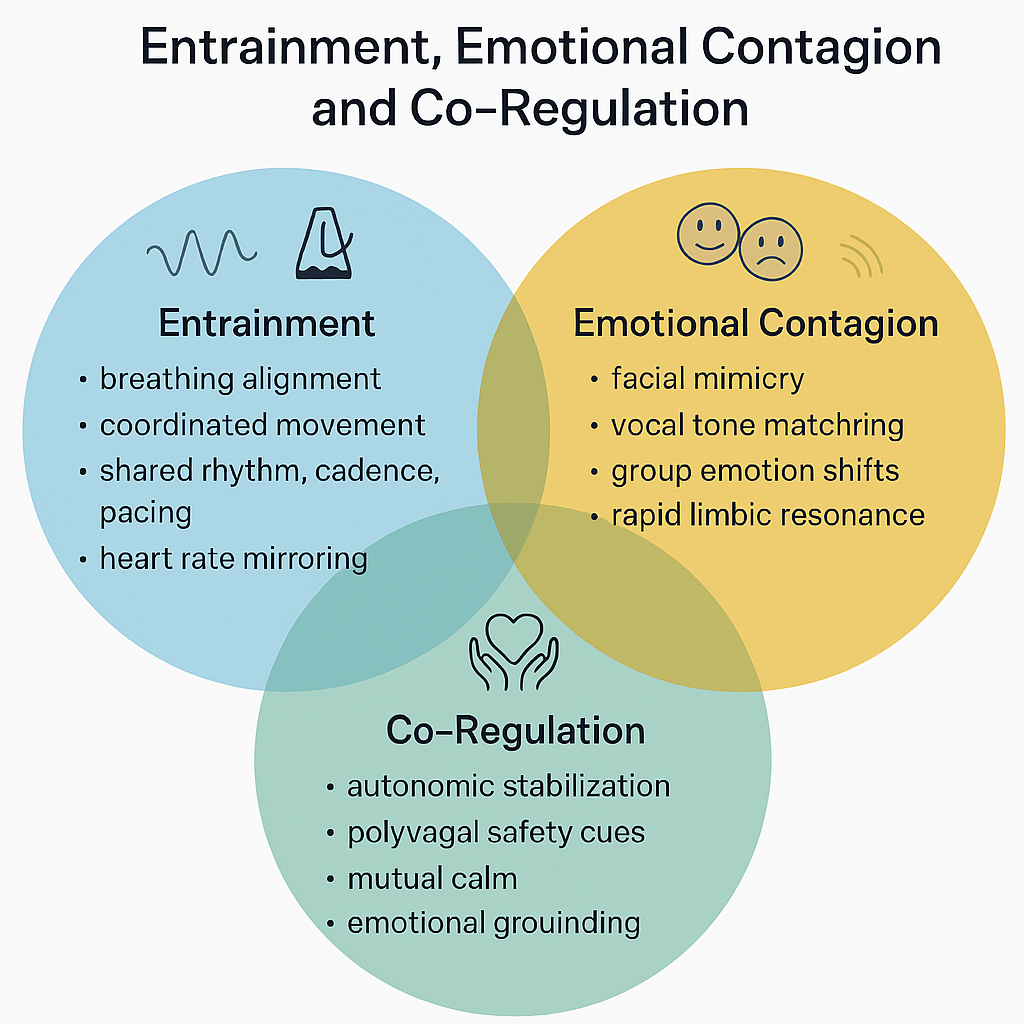
Human beings are inherently social organisms whose internal states are shaped by the people and environments around them. Modern affective neuroscience, psychology, and physiology increasingly show that when individuals share a space, their emotional expressions, nervous system activity, behavioral rhythms, and even biological oscillations begin to align. This subtle but powerful process has been described through three interconnected mechanisms: entrainment, emotional contagion, and co-regulation. Together, these processes help explain why the emotional “tone” of a room shifts when a certain person enters, how stress can spread through groups, and why calm individuals can stabilize others.
1. Entrainment: Synchronizing Rhythms and Biological Oscillations
Entrainment refers to the process by which two or more independent rhythmic systems become synchronized through interaction. Originally a physics term (Huygens’ discovery that pendulum clocks synchronize when placed near each other), entrainment is now recognized as a central phenomenon in human physiology and social behavior.
1.1 Physiological Entrainment
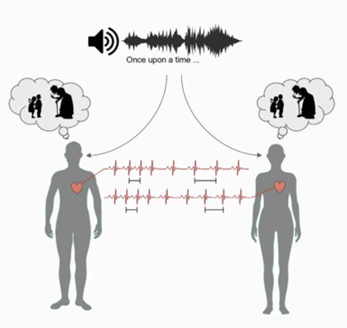
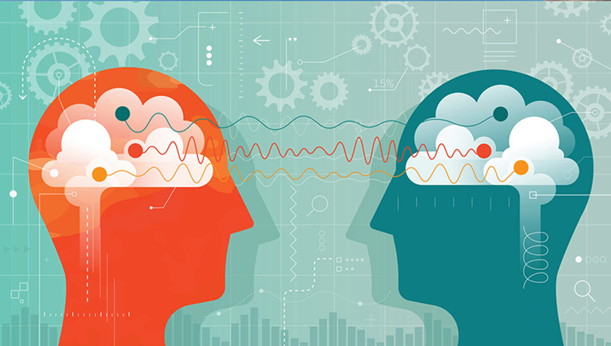
Human biological systems such as heart rate, breathing, neural oscillations, and circadian rhythms, are sensitive to the rhythms of others. When people interact, especially face-to-face, their internal states often fall into alignment. This synchronization can occur through respiration, posture, vocal patterns, or subtle movement cues.
Research shows that:
Breathing rhythms spontaneously synchronize during shared tasks, cooperative work, or group chanting and singing (Vickhoff et al., 2013).
Heart rate variability (HRV) and autonomic activity entrain between individuals during emotionally meaningful or coordinated interactions (Palumbo et al., 2017).
Brainwave patterns can synchronize between people who are making eye contact, cooperating, or experiencing shared emotions (Dumas et al., 2010).
This form of entrainment provides a nonverbal channel of communication that shapes how individuals relate and how groups function.
1.2 Social and Behavioral Entrainment
Humans also entrain on behavioral levels. Vocal tone, speech pace, posture, and gestures subtly influence and mirror each other in dyadic interactions. This is often unconscious and facilitates social bonding.
Bernieri and Rosenthal (1991) found that the degree of interpersonal coordination, sometimes called “interactional synchrony,” is strongly associated with perceptions of empathy, rapport, and cooperation.
2. Emotional Contagion: The Spread of Affect Through Social Networks
While entrainment focuses on rhythmic alignment, emotional contagion describes the spread of emotional states from one person to another. It occurs rapidly, automatically, and often outside conscious awareness.
Emotional contagion works through two primary mechanisms:
2.1 Mimicry and Feedback Loops
Humans instinctively mimic facial expressions, vocal patterns, and body language. This mimicry activates mirror-neuron and limbic circuits that generate similar feelings in the observer. Hatfield, Cacioppo, and Rapson (1994) demonstrated that people unconsciously imitate emotional expressions within milliseconds, leading their own physiological state to shift toward the emotion they are observing.
This means:
An anxious person can elevate others’ heart rates and muscle tension.
A relaxed or smiling person can reduce group stress levels.
A hostile or negative presence may shift the emotional climate of an entire room.
2.2 Group-Level Emotional Transmission
Emotional contagion also spreads through groups. Barsade (2002) showed that a single individual’s positive or negative mood significantly influences group cooperation, conflict, decision-making, and performance. This group-level emotional transmission occurs even when people believe they are not being influenced.
In organizational settings, research shows that leaders’ emotional expressions strongly predict team emotions, stress levels, and motivation (Sy, Côté, & Saavedra, 2005). This explains why “energy vampires” (chronically negative individuals) can drain a room, while “positive energizers” can elevate it.
3. Co-Regulation: Interpersonal Stabilization of the Nervous System
Co-regulation is a concept rooted in attachment theory and polyvagal theory. It refers to the process by which two people regulate each other’s emotional and physiological states through relational cues such as tone of voice, eye contact, posture, and presence.
3.1 The Polyvagal Basis of Co-Regulation
Stephen Porges’ polyvagal theory emphasizes that the human autonomic nervous system evolved to require social safety signals for stable functioning. According to Porges (2011), the vagus nerve and the social engagement system continuously scan the environment for threat or safety. The presence of a calm, attuned individual can activate safety pathways, lowering sympathetic arousal.
Co-regulation occurs when:
A calm person helps another down-regulate stress.
A dysregulated individual triggers sympathetic activation in others.
A pair or group maintains collective stability through mutual attunement.
Parents and infants co-regulate naturally, but adults also rely on interpersonal cues to stabilize their internal states.
3.2 Co-Regulation in Adult Relationships and Groups
Siegel (2012) describes co-regulation as a cornerstone of interpersonal neurobiology: humans maintain their emotional equilibrium largely through connection with others. In group settings, such as workplaces, classrooms, or family systems, members’ nervous systems are constantly responding to each other’s cues.
Co-regulation is especially strong under conditions of:
This explains why certain people feel grounding and others feel destabilizing.
4. How These Processes Interact in Real-World Settings
Although entrainment, emotional contagion, and co-regulation are often studied separately, in real life they operate simultaneously. When individuals enter a shared environment:
Autonomic states mutually regulate (co-regulation).
4.1 The Emotional Climate of a Room
Consider a meeting where one person enters feeling stressed:
Their breathing rate and vocal tension increase.
Others begin matching these cues (entrainment).
Within minutes, anxiety spreads (emotional contagion).
The group’s autonomic tone shifts toward sympathetic activation (co-regulation).
By contrast, the presence of a grounded, calm individual can entrain the group toward slower breathing and more regulated states, spreading emotional stability.
4.2 Health and Well-Being Implications
Positive co-regulation has been shown to:
Improve stress recovery (Messina et al., 2021)
Increase prosocial behavior.
Enhance learning environments.
Strengthen group cohesion and interpersonal trust.
Negative emotional contagion, conversely, is associated with:
Increased cortisol
Impaired cognitive performance
Defensive communication
Reduced social safety
Thus, the emotional composition of a room has measurable physiological consequences.
5. Implications for Leadership, Teaching, Therapy, and Everyday Life
These processes are essential to fields such as psychotherapy, education, leadership, and martial arts instruction, areas highly relevant to my own professional work.
Down-regulated sympathetic activity, increased vagal tone, calm restorative states.
Trust, emotional safety, improved learning and communication, conflict reduction.
Where They Overlap
All three shape interpersonal physiology and emotion.
Rhythmic, emotional, and autonomic alignment interact.
Shared arousal states; collective regulation.
A stable or unstable “room-wide” emotional atmosphere.
5.1 Leaders and Teachers
Leaders who maintain emotional regulation can set the tone for entire groups. Research in organizational behavior demonstrates that emotionally positive leaders measurably improve team performance and resilience through emotional contagion and co-regulation (Barsade & Gibson, 2007).
5.2 Therapists and Healers
Therapists use vocal tone, body language, and attuned presence to co-regulate clients’ nervous systems. Safety cues support trauma recovery by enabling the client to access regulated autonomic states (Schore, 2021).
5.3 Everyday Relationships
Couples, friends, and families are constantly co-regulating. A dysregulated household breeds chronic stress, whereas emotionally stable members can serve as regulatory anchors for others.
Humans are wired for connection, and our nervous systems continuously respond to the rhythms, emotions, and physiological states of those around us. Entrainment allows biological rhythms to synchronize. Emotional contagion transmits affective states through mimicry and neural resonance. Co-regulation provides interpersonal stability that supports health and emotional well-being.
Understanding these processes helps explain why some individuals elevate a room while others destabilize it, why certain relationships feel grounding, and how human beings are always shaping one another even in silence. In recognizing this dynamic, people can deliberately cultivate a presence that promotes harmony, safety, and collective well-being.
References:
Barsade, S. G. (2002). The ripple effect: Emotional contagion and its influence on group behavior. Administrative Science Quarterly, 47(4), 644–675. https://doi.org/10.2307/3094912
Barsade, S. G., & Gibson, D. E. (2007). Why does affect matter in organizations? Academy of Management Perspectives, 21(1), 36–59. https://doi.org/10.5465/amp.2007.24286163
Bernieri, F. J., & Rosenthal, R. (1991). Interpersonal coordination: Behavior matching and interactional synchrony. In R. S. Feldman & B. Rimé (Eds.), Fundamentals of nonverbal behavior (pp. 401–432). Cambridge University Press.
Dumas, G., Nadel, J., Soussignan, R., Martinerie, J., & Garnero, L. (2010). Inter-brain synchronization during social interaction. PLoS ONE, 5(8), e12166. https://doi.org/10.1371/journal.pone.0012166
Hatfield, E., Cacioppo, J. T., & Rapson, R. L. (1994). Emotional contagion. Cambridge University Press.
Messina, I., Calvo, V., Mastria, S., & Harvey, A. (2021). Interpersonal emotion regulation: A review of foundational frameworks and research directions. Frontiers in Psychology, 12, 636919. https://doi.org/10.3389/fpsyg.2021.636919
Palumbo, R. V., et al. (2017). Interpersonal autonomic physiology: A systematic review of the literature. Personality and Social Psychology Review, 21(2), 99–141. https://doi.org/10.1177/1088868316628405
Porges, S. W. (2011). The polyvagal theory: Neurophysiological foundations of emotions, attachment, communication, and self-regulation. W. W. Norton.
Schore, A. N. (2021). Right brain psychotherapy. W. W. Norton.
Siegel, D. J. (2012). The developing mind: How relationships and the brain interact to shape who we are (2nd ed.). Guilford Press.
Sy, T., Côté, S., & Saavedra, R. (2005). The contagious leader: Impact of the leader’s mood on the mood of group members. Journal of Applied Psychology, 90(2), 295–305. https://doi.org/10.1037/0021-9010.90.2.295
Vickhoff, B., et al. (2013). Music structure determines heart rate variability of singers. Frontiers in Psychology, 4, 334. https://doi.org/10.3389/fpsyg.2013.00334
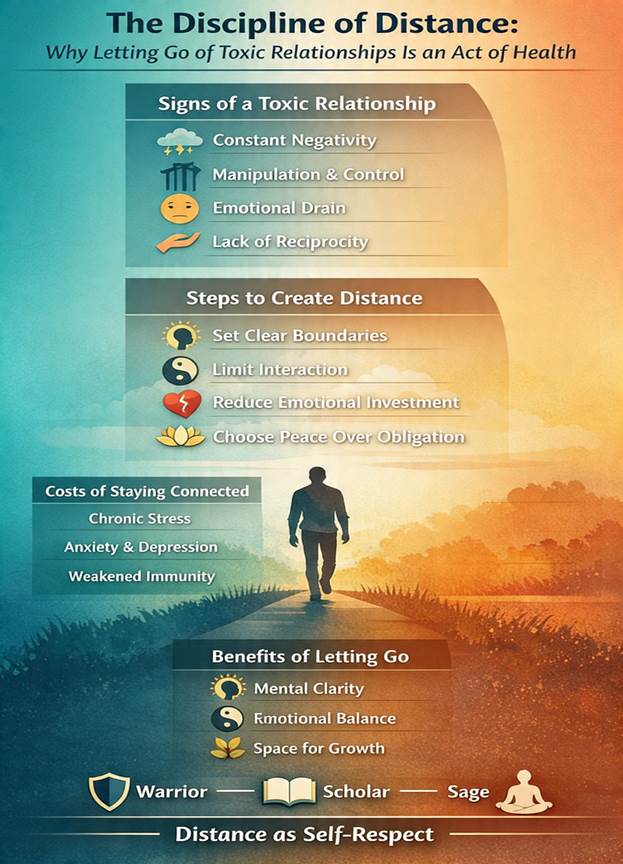
In the pursuit of holistic health, much attention is given to nutrition, exercise, sleep, and stress management. Yet one of the most overlooked determinants of well-being is the quality of our relationships. Just as the body is shaped by what we consume, the mind and spirit are shaped by the people we allow into our lives. When those relationships become toxic, distancing oneself is not only beneficial, but also often necessary.
There is a quiet devastation in staying too long near someone who diminishes you. It does not announce itself with sirens or visible wounds. Instead, it operates at the cellular level, eroding sleep, contracting breath, tightening the shoulders, flooding the bloodstream with cortisol long after the interaction has passed. The decision to distance oneself from a toxic relationship is not, as some would suggest, an act of selfishness or weakness. It is, in the deepest sense, an act of physiological and psychological survival.
Understanding Toxicity Beyond the Obvious
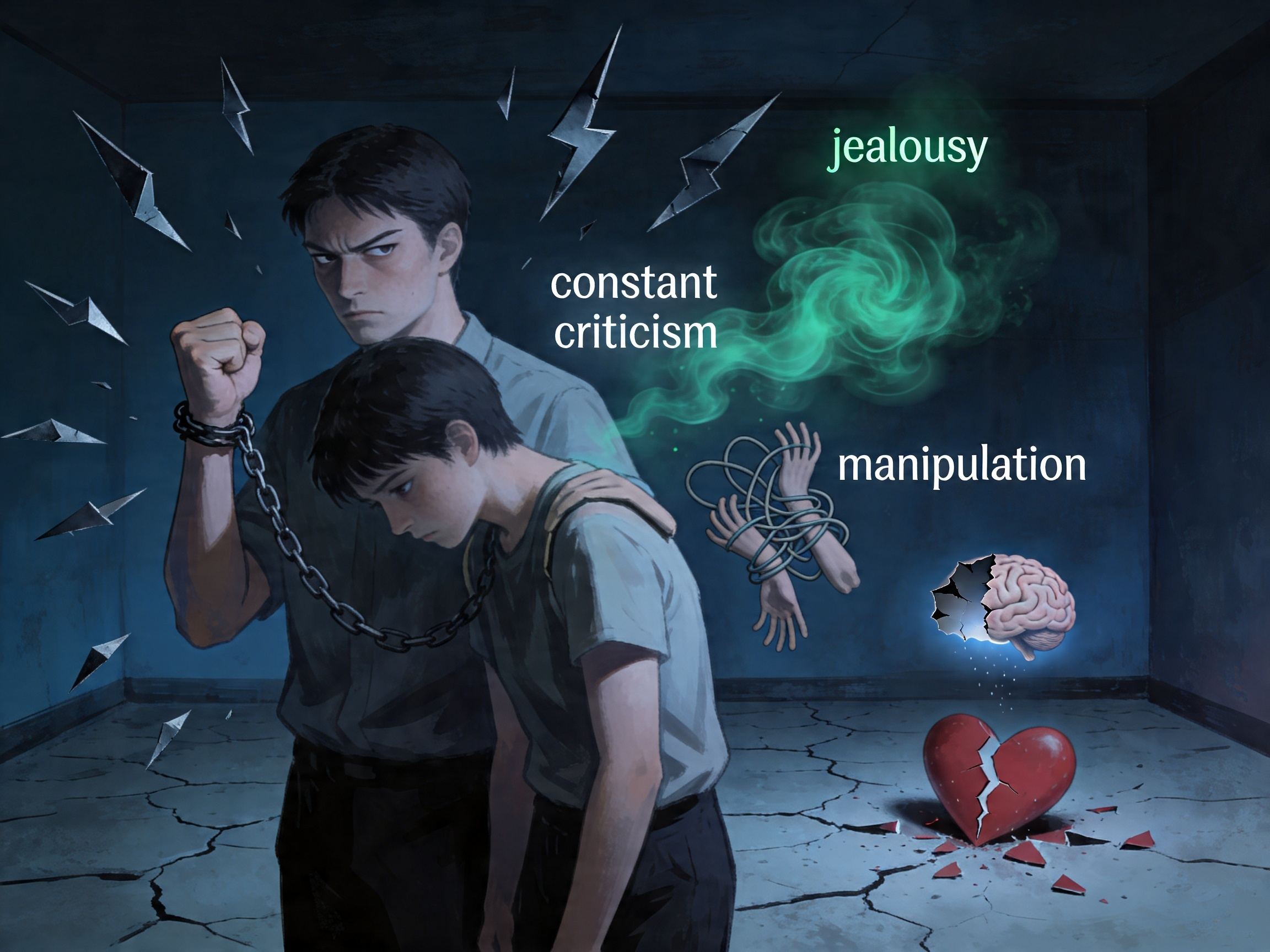
A toxic relationship is not always defined by overt abuse or dramatic conflict. More often, it manifests subtly, through chronic negativity, manipulation, emotional depletion, lack of reciprocity, or persistent disrespect. These dynamics can exist in friendships, family systems, workplaces, and even long-term partnerships.
In psychological and behavioral science, a toxic relationship is broadly defined as one in which a persistent pattern of behavior by one or more parties produces harm, emotional, cognitive, physical, or spiritual, in another (Lancer, 2014). What distinguishes a difficult relationship from a genuinely toxic one is the element of chronic harm with little or no reciprocal nourishment. From a psychological standpoint, toxic relationships are associated with increased stress responses, emotional dysregulation, and diminished self-worth (Lepore, 1992). Over time, this can contribute to anxiety, depression, and physical health issues such as hypertension and weakened immune function (Holt-Lunstad et al., 2010). In essence, the body does not differentiate between physical threats and emotional ones. The nervous system reacts accordingly.
The Body Keeps Score — and the Body Tells the Truth
When an individual remains in a toxic relational environment, the body operates in a prolonged state of sympathetic nervous system activation, the “fight or flight” response. The hypothalamic-pituitary-adrenal (HPA) axis, the body’s central stress response system, activates when we perceive threat. In healthy circumstances, this activation is brief and resolves once the stressor passes. In toxic relational environments, the stressor does not pass and the HPA axis remains chronically engaged.
The result is sustained elevation of cortisol, which over time suppresses immune function, disrupts sleep architecture, impairs cognitive performance, contributes to gastrointestinal dysfunction, and degrades cardiovascular health (McEwen, 2007). Chronic exposure to these stressors has also been linked to metabolic dysfunction and significantly elevated mortality risk (Holt-Lunstad et al., 2010).
From a Traditional Chinese Medicine perspective, such disturbances are understood as stagnation of qi, or of life energy, of vital flow, particularly affecting the Liver system, which governs the smooth flow of energy and emotions. Prolonged stagnation transforms into heat, contributing to irritability, tension, disrupted sleep, and internal imbalance (Maciocia, 2015). The emotional and the biological are not separate systems. They are one system, responding as one.
Psychological Roots: Attachment, Identity, and the Pull to Stay
One of the most painful paradoxes of toxic relationships is that they are often the hardest to leave. This is not weakness. It is neurobiological architecture.
Bowlby’s (1969) attachment theory established that human beings are neurologically wired to seek proximity to attachment figures, even when those figures are sources of fear or inconsistency. In fact, environments characterized by intermittent reinforcement, alternating between warmth and hostility, produce particularly powerful psychological bonds. The unpredictability itself triggers the reward system, creating a pattern not unlike that observed in addiction (Fisher et al., 2010).
Cultural conditioning compounds this. We are often taught by family systems, religious institutions, and social norms, that loyalty requires endurance, even at the expense of one’s own well-being. There is, however, a critical distinction between commitment and self-sacrifice. Healthy relationships are mutually nourishing. Toxic ones demand one-sided tolerance. Leaving requires not only courage but a fundamental renegotiation of one’s sense of self and worthiness.
The Warrior, Scholar, and Sage: An Integrated Framework
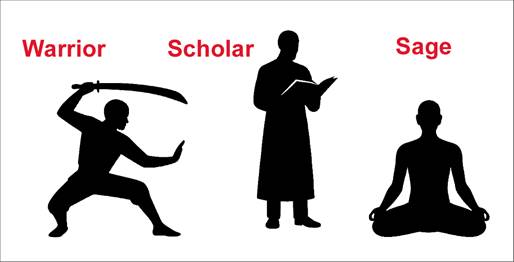
Perhaps no framework captures the full dimensionality of distancing from toxic relationships more completely than the integrated triad of the Warrior, the Scholar, and the Sage. Each archetype engages the challenge from a distinct but complementary orientation and together, they model a wholeness of response that neither psychology nor philosophy alone can provide.
The Warrior does not enter combat indiscriminately and neither does the trained martial mind engage every interpersonal conflict as though it must be won or endured. In classical martial philosophy, the highest expression of skill is not domination but strategic discernment: knowing when to engage and knowing when to withdraw. Sun Tzu’s principle that the supreme art of war is to subdue the enemy without fighting speaks directly to relational toxicity. The Warrior recognizes that remaining in a depleting relationship is not loyalty, but rather it is a drain on the very resources of energy, clarity, mental focus, and physical vitality, that martial and holistic training are designed to cultivate and protect. Boundaries, in this context, are not walls built from fear. They are the disciplined perimeter of a trained practitioner who understands that what enters one’s field shapes one’s capacity to function at full power.
The Scholar brings the discipline of observation and discernment. Where the emotional mind sees only pain, confusion, and the pull of familiar patterns, the Scholar steps back and reads the situation with the detachment of careful study. Patterns are examined: not once, but across time. The Scholar asks not only “what is this person doing to me?” but “what pattern in me allowed this dynamic to persist?” This is where the genuine education lives. Social learning theory confirms that we are continuously shaped by the relational environments we inhabit (Bandura, 1977). The Scholar understands that prolonged exposure to toxic patterns is not neutral, it is a curriculum, and it teaches us, slowly and reliably, to expect diminishment as normal. The act of studying the pattern, naming it, and choosing to no longer participate in it is itself a transformative scholarly act. An application of knowledge toward the cultivation of a wiser life.
The Sage operates from a register beyond strategy or analysis. The Sage perceives the whole — the arc of a life, the nature of interconnection, the cosmic principle that what we nourish, grows, and what we withdraw from, diminishes. In Taoist thought, the Sage does not struggle against what resists; like water, the softest of forces, the Sage flows where there is openness and withdraws from obstruction without bitterness or drama (Laozi, trans. Mitchell, 1988). Letting go, in the Sage’s understanding, is not abandonment. It is wisdom. It is the recognition that some connections, however long they have endured, are no longer aligned with the direction of growth and that releasing them is an act of love for both parties, freeing each to find their proper place in the larger pattern. The Sage also holds the deepest awareness of what Rogers (1961) called unconditional positive regard and understands that offering it does not require remaining in proximity to harm.
Together, the Warrior, Scholar, and Sage form a complete response: the Warrior protects, the Scholar discerns, and the Sage releases with grace. No single archetype alone is sufficient. The Warrior without the Scholar becomes combative. The Scholar without the Sage becomes cold. The Sage without the Warrior becomes passive. But integrated, as the ideal of holistic practice demands, they produce a practitioner capable of navigating one of life’s most difficult passages with both strength and wisdom.
Distance as a Form of Self-Respect
Creating distance does not always mean dramatic confrontation or complete severance. It can take many forms: reducing the frequency of interaction, setting clear and consistent boundaries, limiting emotional investment, or choosing not to engage in harmful patterns. For many people, a gradual reduction in contact, accompanied by internal boundary-setting and the cultivation of healthier relationships, is both safer and more sustainable than a sudden break.
This process requires awareness, discipline, and a willingness to endure the temporary discomfort of asserting one’s needs. There may be guilt, resistance, or even backlash from the other party. Yet this discomfort is typically temporary, while the benefits are enduring. From a behavioral psychology perspective, boundary-setting reinforces self-efficacy, or the belief in one’s ability to take meaningful control of personal circumstances (Bandura, 1997). Each act of distancing becomes a reaffirmation of personal agency.
It is also worth noting what distancing does not mean. It does not require hatred, bitterness, or a permanent severing in every circumstance. In cases where full physical separation is not possible, such as with co-parenting, professional settings, and family caregiving, emotional detachment remains a recognized, healthy coping strategy: a cognitive and emotional restructuring in which the person withdraws the energy and identity investment they once placed in a relationship, while maintaining necessary surface-level contact (Nolen-Hoeksema, 2001).
Reclaiming Space for Growth
When toxic influences are reduced or removed, space is created mentally, emotionally, and energetically. This space allows for clearer thinking, improved emotional regulation, greater alignment with personal values, and the emergence of healthier relationships. It is not uncommon for individuals to experience a distinct sense of lightness or renewed vitality after distancing themselves from chronically draining connections. This is not coincidental; it is the natural result of removing a sustained stressor from the relational field.
Social ecology matters profoundly to psychological development and ongoing maintenance of well-being. Research on social relationships consistently demonstrates that supportive, positive connections enhance longevity and resilience, while negative interactions produce measurably opposite effects (Holt-Lunstad et al., 2010). Choosing with intention who inhabits one’s relational field is not elitism. It is ecology, in the understanding that what we allow into our environment shapes who we become.
Somatic practices are among the most effective tools for navigating this transition. Tai Chi, qigong, and dao yin cultivate continuous awareness of the relationship between emotional states and physical form, training the practitioner to recognize the body’s responses to specific individuals and environments, and to distinguish genuine safety from mere familiarity. The discipline of daily practice creates an internal reference point: a felt sense of what balance, openness, and ease actually feel like in the body, making it harder to accept their absence as the price of connection.
A Necessary Act in a Culture of Overexposure
In a world of constant connectivity, social media, digital communication, and societal pressure to remain perpetually available, the ability to step back is no longer simply a psychological skill. It is a survival competency. Not every relationship deserves equal access to your time, attention, or emotional bandwidth. Just as the trained practitioner is selective about the food consumed, the information absorbed, and the training methods employed, so too must they be selective about the relational influences permitted to shape the internal environment.
The Warrior, Scholar, and Sage all agree on this point: discernment is not coldness. It is clarity. And clarity, in holistic health as in martial practice, is a prerequisite for power.
Conclusion: Distance Is Not Disconnection — It Is Alignment
Distancing oneself from toxic relationships is not about isolation, avoidance, or the abandonment of compassion. It is about alignment. Aligning one’s environment with one’s values, one’s health, and one’s long-term wholeness.
The Warrior calls it protection. The Scholar calls it discernment. The Sage calls it wisdom. Holistic health calls it necessary.
It is an act of discipline. It is an act of self-respect. And in many cases, perhaps most, it is an act of healing.
References
Bandura, A. (1977). Social learning theory. Prentice Hall.
Bandura, A. (1997). Self-efficacy: The exercise of control. W. H. Freeman.
Fisher, H. E., Brown, L. L., Aron, A., Strong, G., & Mashek, D. (2010). Reward, addiction, and emotion regulation systems associated with rejection in love. Journal of Neurophysiology, 104(1), 51–60. https://doi.org/10.1152/jn.00784.2009
Holt-Lunstad, J., Smith, T. B., & Layton, J. B. (2010). Social relationships and mortality risk: A meta-analytic review. PLoS Medicine, 7(7), e1000316. https://doi.org/10.1371/journal.pmed.1000316
Lancer, D. (2014). Conquering shame and codependency: 8 steps to freeing the true you. Hazelden Publishing.
Laozi. (1988). Tao Te Ching (S. Mitchell, Trans.). Harper & Row. (Original work attributed circa 6th–4th century BCE)
Lepore, S. J. (1992). Social conflict, social support, and psychological distress: Evidence of cross-domain buffering effects. Journal of Personality and Social Psychology, 63(5), 857–867. https://doi.org/10.1037/0022-3514.63.5.857
Maciocia, G. (2015). The foundations of Chinese medicine: A comprehensive text (3rd ed.). Elsevier.
McEwen, B. S. (2007). Physiology and neurobiology of stress and adaptation: Central role of the brain. Physiological Reviews, 87(3), 873–904. https://doi.org/10.1152/physrev.00041.2006
Nolen-Hoeksema, S. (2001). Abnormal psychology (2nd ed.). McGraw-Hill.
Rogers, C. R. (1961). On becoming a person: A therapist’s view of psychotherapy. Houghton Mifflin.