How Our Body Responds to Stress – The General Adaptation Syndrome

Feeling stressed out?

We are living in what some people feel, is the most stressful time in their lifetimes. I find it quite ironic that for much of the modernized world, people are no longer living with past daily stressors due to being chased or bitten by wild animals while in their quest for food, or having to find components to build their own shelter while enduring the heat or cold, but still ending up dying from stress related illnesses. Most people are no longer being attacked by a neighboring kingdom, tribe or clan, also in pursuit of more food or better living conditions, but live with daily stress regardless.. However, many people live constantly with other modern day stressors of relative to crime, violence, public healthcare, politics, job security, social issues and most recently – stress from engaging with social media and its various outlets.

Everyone experiences both negative as well as positive stressors. Regardless, of the source of stress, the human body’s autonomic nervous system responds to stressors, initially to defend the physical body, but after prolonged stress, eventually fatigues leading to disease and illness. Think of having the A/C or heat running all day, every day with no downtime. Eventually, the physical components will degrade and breakdown, if not properly checked and maintained before catastrophic failure occurs.

The General Adaptation Syndrome

General Adaptation Syndrome (GAS) is the continual physiological response to stressors. There are three stages of biological responses. Hans Selye first recognized this concept in 1936, GAS is seen as a modern biological formulation of stress. Understanding the physiology behind GAS, including how it is triggered, can help manage or reduce stress.

1. Alarm

A person’s ability to resist any type of stressor is lowered by the need to deal with the stressor, whether it is a scrape, a loss, a fear, a broken bone, the loss of a loved one, or the loss of a job.

Body’s immediate response to stress:

  • DHEA increases
  • Cortisol increases

Symptoms typical for this portion of the General Adaptation Syndrome alarm stage:

  • Rapid breathing
  • Low blood glucose levels
  • Heightened senses
  • Trembling
  • Tissue catabolism
  • Gastrointestinal erosion
  • Sleep issues
  • Dilated pupils
  • Increased heart rate
  • Pale or flushed skin

2. Resistance

The body responds and adapts to the sustained existence of the stressor by making more epinephrine which raises blood pressure, increases alertness, suppresses the immune system, and tenses muscles. lf interactions with the stressor become long-term, the ability to resist becomes reduced.

This stage is in place when cortisol is made at the expense of DHEA to sustain adaptability:

  • Cortisol increase
  • DHEA decreases
  • Epinephrine may increase to help maintain energy and blood sugar levels

Symptoms typical for this portion of the General Adaptation Syndrome stage:

  • Sleeplessness due to high cortisol level
  • Bowel issues
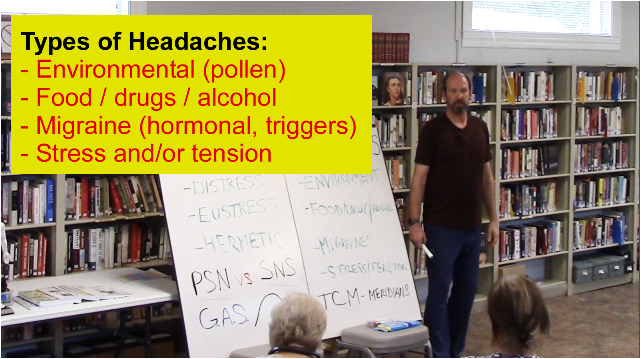
  • Headaches
  • Irritability
  • Sadness
  • Frustration
  • Poor concentration
  • Some individuals may remain in this phase for a lifetime, while others further deteriorate

3. Exhaustion

When the ability to respond and resist is decreased, the individual may become ill. Prolonged months or years of strain and stress may be present before the body’s resistance is exhausted. DIesease and illness may not manifest until long after the initial interaction occurs with the stressor.

The body loses the capacity to adapt as the body deteriorates from constant stress:

  • Cortisol level is low
  • DHEA level is low
  • Epinephrine level is low

Symptoms typical for this portion of the General Adaptation Syndrome stage:

  • Severe fatigue
  • Feelings of “burnout”
  • Inability to sleep well through the night
  • Salt cravings
  • Allergies
  • Decreased tolerance of stress

Management

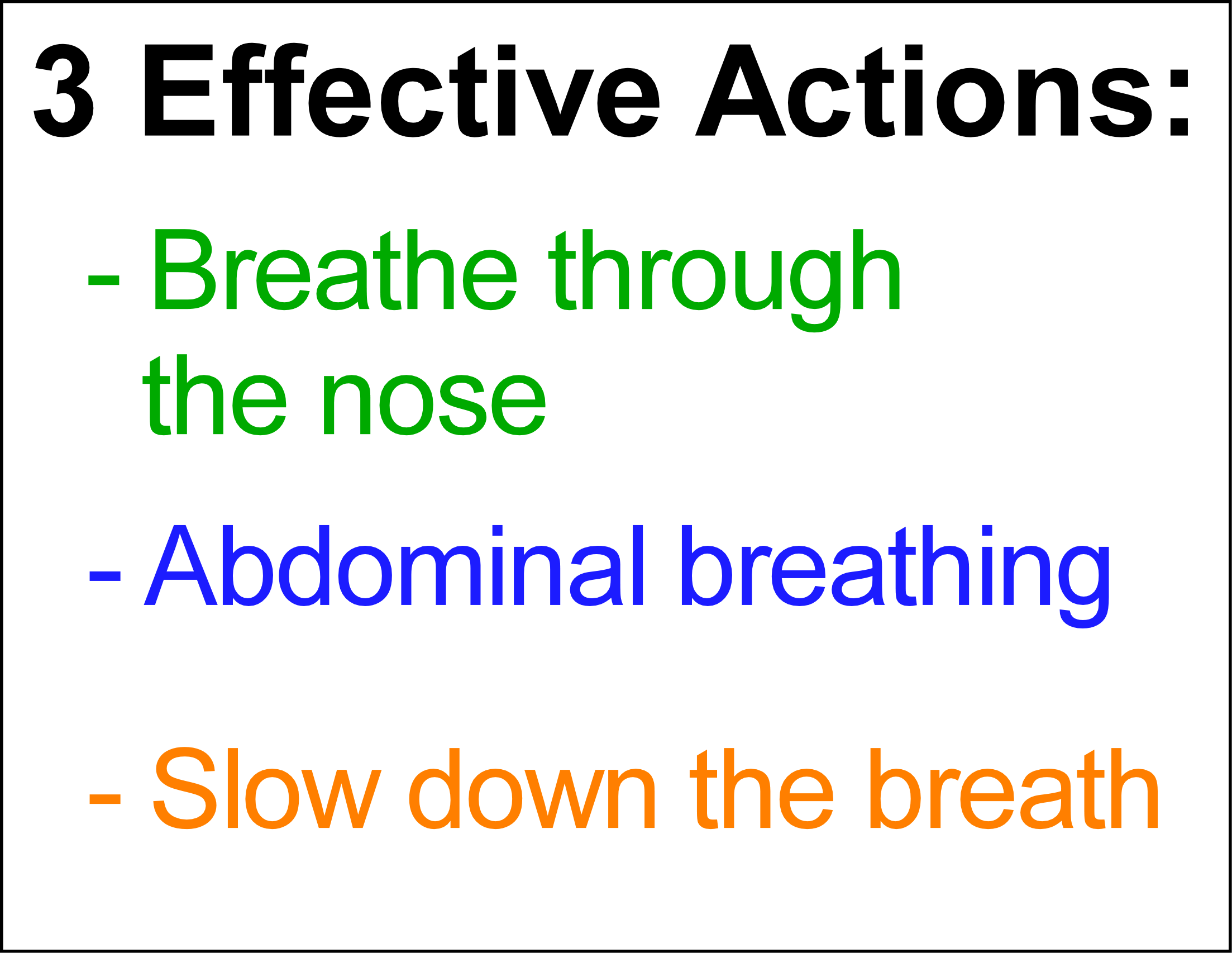
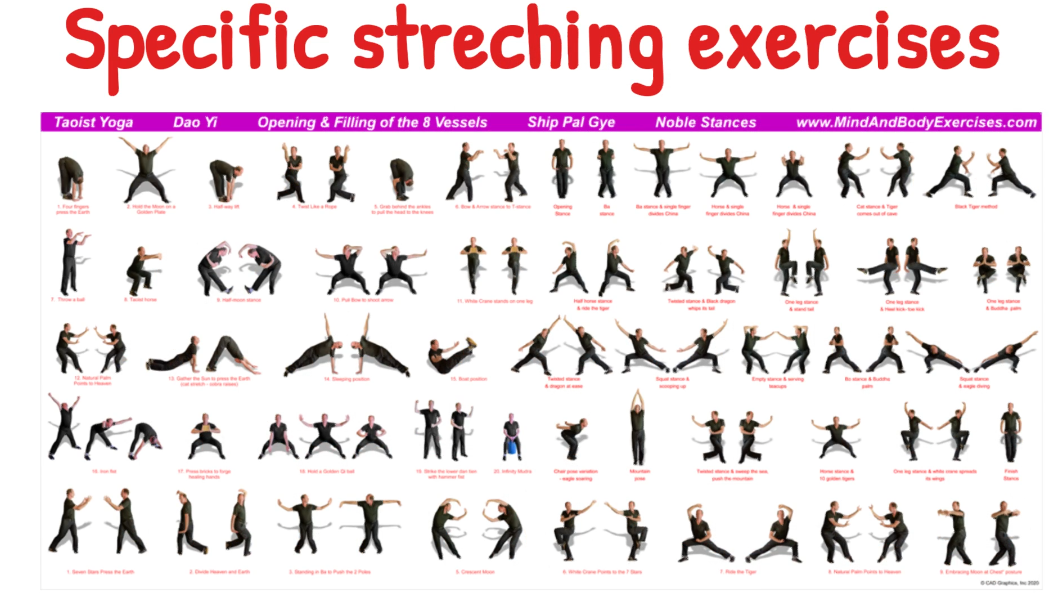
Everyone needs an outlet for regulating their stress. If there is no outlet and the stress stays internalized, eventually the physiological responses will take their toll by manifesting in disease, illness and even more stress, creating an endless vicious circle of pain and suffering. Stress management methods can help one to cope with stress and consequently, General Adaption Syndrome. Examples of some methods include:

References:

Edlin, G., & Golanty, E. (2018). Health & Wellness (13th ed.). Jones & Bartlett Learning.

http://www.sanescohealth.com/blog/general-adaptation-syndrome-stages/

https://www.verywellhealth.com/general-adaptation-syndrome-overview-5198270


Be well, get healthy, be wise.

I am currently available for health and wellness lectures and classes for group, & private instruction in the Orlando, Florida area. Mind and Body Exercises on Google: https://posts.gle/aD47Qo

Jim Moltzan

407-234-0119

www.MindAndBodyExercises.com

https://www.facebook.com/MindAndBodyExercises/

https://www.youtube.com/c/MindandBodyExercises

https://mindandbodyexercises.wordpress.com/

https://umareg.com/masters-council/

Fight or Flight, Rest & Digest – Managing Stress

Stress in managed within the human body through the nervous system. More specifically the interaction between the sympathetic and parasympathetic nervous systems. Most people pay no attention the functions until they are out of balance and begin to affect their health and happiness. Often people will deal with the imbalance through medications, drugs, alcohol, and sometimes diet. You might be surprised at how much control we have over managing our own stress through exercise, nutrition, social interactions and awareness of our emotions, and our breathing patterns.

The sympathetic nervous is system is often referred to as the “fight or flight” response. Here the brain receives stimuli that engages specific organs and their functions to make adjustments to respond to the threat of defending the individual. This could be the actions of increased eye pupil dilation to see better, dilated bronchi to bring more oxygen into the lungs and bloodstream and increased heartbeat for more blood flow to the muscles. These are the same adjustments that happen in everyday life to address normal stress in activities such as working, exercising, social interactions and others. However, the problems begin when these adjustments become the norm where the body is in a constant state of “fight or flight”. This could be looked upon similarly to having the heat and air-conditioning constantly running in the extreme direction one way or the other, all of the time, day and night, everyday. Being hot all of the time is usually not comfortable just as always be cold is not comfortable. Your body needs to adjust to your environment to find your comfort zone; your nervous system works similarly to deal with your ups and downs to find your physical as well as emotional comfort zone.

The compliment to the stress-reactive sympathetic is the “rest and digest” parasympathetic nervous system. The brain also receives stimuli to engage specific organs and their functions to make adjustments to respond to the becoming more calm and relaxed. Actions here are of decreased eye pupil dilation, constricted bronchi in the lungs and a slower heartbeat. These are the same adjustments that happen in everyday life to address normal relaxing in activities such as reading, relaxing, calm social interactions and food digestion. Too much time in this state is not healthy either as the human body needs to be able to cycle between dealing with stress and being able to relax and rejuvenate.

How Deep Breathing Affects Your Health

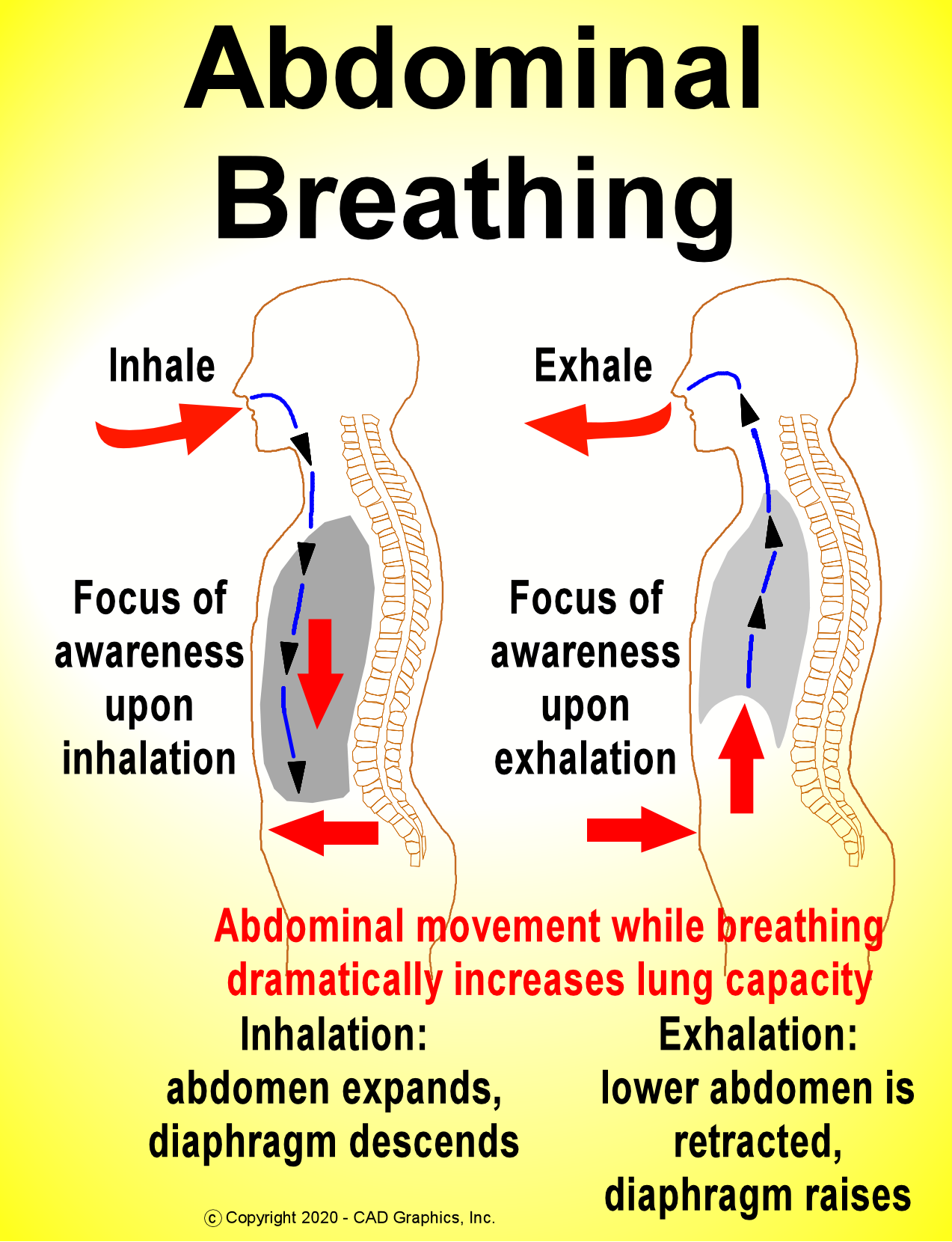
I write about proper breathing often. Our 1st breath as a newborn baby and the last breath before we die defines the physical human life span. Deeper breathing is a key component to having a long and healthy life. Through focused and deliberate breathing methods, many positive mental and physical benefits can be achieved.

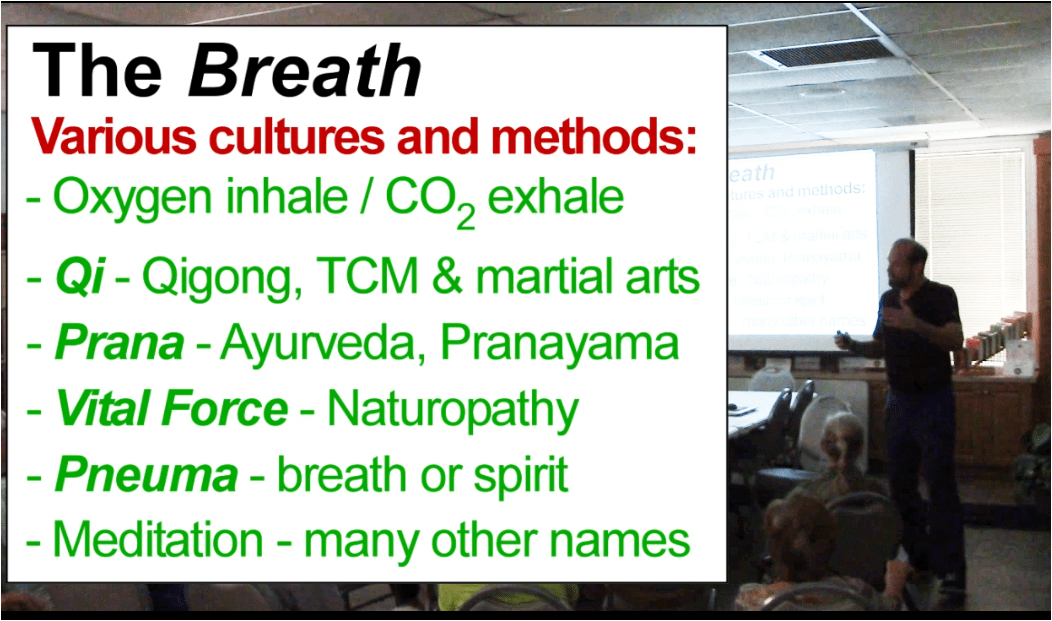
The average person breathes 12-18 breathes per minute (BPM) during regular activity of standing, sitting & walking, engaging the sympathetic nervous system (SNS). Constant duration in the SNS dumps neurotransmitters of cortisol and norepinephrine into the blood stream putting the vital organs in a state of constant high alert and stress. Health and fitness experts suggest that 6 BPM is optimal for the lungs to properly oxygenate the whole body, balance the blood chemistry and also remove toxins. The lungs are responsible for removing 70% of the body’s waste by-products through exhalation. This is more easily accomplished through mindful breathing patterns from exercises such as mediation, qigong, tai chi and yoga. During these types of exercises, the nervous system initiates functions to secrete the happy hormones of:

Dopamine – the brain’s reward system neurotransmitter

Oxytocin – helps promote trust, empathy, nurturing, bonding in relationships

Serotonin – helps regulate mood, sleep, appetite, memory

Endorphins- our body’s natural pain reliever

Take the first letter of each hormone and you get DOSE; a healthier dose of chemicals manufactured within our bodies that make us feel better and don’t tear the body down over time like cortisol does.

Most people breathe too shallow and too quickly!

Much recent research has linked stress to poor breathing habits and consequently many ailments. Many modern chronic conditions can be traced back to insufficient cell oxygenation otherwise known as cell hypoxia.

Breathing is one of the few bodily rhythms that we can consciously adjust, along with sleep and elimination. All of these rhythms directly effect our body’s delicate blood chemistry. However, our breath is the root power in bringing oxygen (qi) into our body to nourish it down to the cellular level.

I can help. I have almost 40 years worth of experience in practicing and teaching others to take control of their health and well-being. Wellness lectures, classes, study guides & booklets.For more information, contact Jim Moltzan at 407-234-0119 or www.MindAndBodyExercises.com

Be well!

Jim Moltzan

407-234-0119
http://www.MindAndBodyExercises.com

https://www.facebook.com/MindAndBodyExercises/

https://www.youtube.com/c/MindandBodyExercises

https://mindandbodyexercises.wordpress.com

/https://umareg.com/masters-council/

Slower Breathing & How Physiologically it is a Key Component in Longevity

How Deep Breathing Affects Your Health

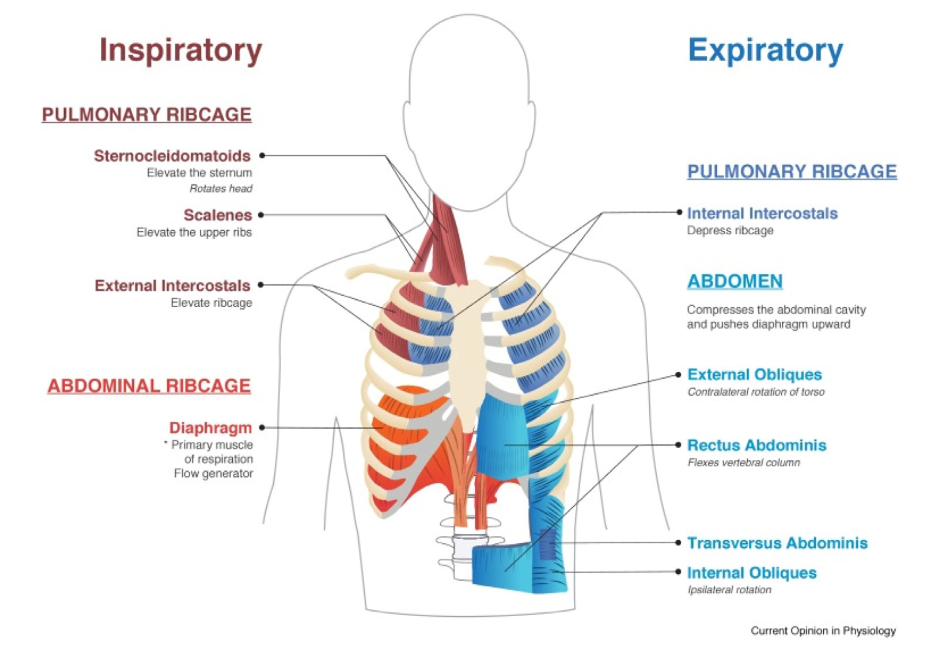
Deeper breathing is a key component to having a long and healthy life. Through focused and deliberate breathing methods, many positive mental and physical benefits can be achieved.

The average person breathes 12-18 breathes per minute (BPM) during regular activity of standing, sitting & walking, engaging the sympathetic nervous system (SNS). Constant duration in the SNS dumps neurotransmitters of cortisol and norepinephrine into the blood stream putting the vital organs in a state of constant high alert and stress. Health and fitness experts suggest that 6 BPM is optimal for the lungs to properly oxygenate the whole body, balance the blood chemistry and also remove toxins. The lungs are responsible for removing 70% of the body’s waste by-products through exhalation. This is more easily accomplished through mindful breathing patterns from exercises such as mediation, qigong, tai chi and yoga.

Most people breathe too shallow and too quickly!

Much recent research has linked stress to poor breathing habits and consequently many ailments. Many modern chronic conditions can be traced back to insufficient cell oxygenation otherwise known as cell hypoxia.

Breathing is one of the few bodily rhythms that we can consciously adjust, along with sleep and elimination. All of these rhythms directly affect our body’s delicate blood chemistry. However, our breath is the root power in bringing oxygen (qi) into our body to nourish it down to the cellular level.

Faster breathing is necessary when experiencing truly stressful situations, like being chased by an animal, running from a fire or similar life-threatening situations. However, continued breathing at this pace for an extended period of time puts accumulative stress on all of the body’s systems.

The following link has more information from the US National Library of Medicine, National Institutes of Health that goes a bit deeper into the science of why lower breaths per minute (BPM) is so beneficial.

https://www.ncbi.nlm.nih.gov/pmc/articles/PMC5709795/

I can help. I have almost 40 years worth of experience in practicing and teaching others to take control of their health and well-being. Wellness lectures, classes, study guides & booklets.For more information, contact Jim Moltzan at 407-234-0119 or www.MindAndBodyExercises.com

Be well!

Jim Moltzan

407-234-0119
http://www.MindAndBodyExercises.com

https://www.facebook.com/MindAndBodyExercises/

https://www.youtube.com/c/MindandBodyExercises

https://mindandbodyexercises.wordpress.com

/https://umareg.com/masters-council/

Effects of Stress on the Body

Effects of Stress on the Body

Stress effects the emotions.
Emotions effect the sympathetic nervous system which changes the blood chemistry.
The body releases cortisol into the bloodstream to counter stress.
Chronic elevation of cortisol effects other bodily functions in a negative manner.

Effects of Chronically Elevated Cortisol
– Decreases protein synthesis

– Increases blood sugar levels

– Diminishes lymphocyte numbers and functions

– Interferes with skin healing and regeneration

– Increases protein breakdown leading to muscle diminishing

– Lessons cellular utilization of glucose

– Leads to demineralization of bone that can lead to osteoporosis

– Causes shrinking of lymphatic tissue

Cortisol Side Effects

Tai Chi, yoga and qigong are all methods that regulate stress and increase the flow of energy ( and blood flow) within the body improving health and well-being.
Be well, stay healthy, be wise!

Neuroplasticity – Reroute, Rewire, Reorganize Your Brain

The brain has the ability to continuously form, change and relocate new neural connections to different neural networks throughout our lives. This phenomenon is called neourplasticity.
– This occurs at the beginning of life
– After experiencing a brain injury
– When new learning and memories are observed

Neural connections

Benefits of increase neuroplasticity or brain rerouting:
– Enhanced memory abilities
– More effective learning
– Recovery from brain events like strokes
– Recovery from traumatic brain injuries
– Ability to rewire functions in the brain
– Function loss in one area may enhance functions in other areas

Methods


Methods that have been known to enhance neuroplasticity include:

– Dancing, yoga, tai chi and other mind and body practices increases neural connectivity

– Expanding ones vocabulary increase memory processing and the visual and auditory processes

– Quality sleep enhances learning retention through the growth of the dendritic spines that serve as connections between neurons

– Creating artwork enhances the connectivity of the brain at rest which can boost introspection, memory, empathy, attention, and focus

– Occasional fasting can increases synaptic adaptation, promoting neuron growth

– Use of mnemonic devices with memory training can enhance connections in the prefrontal parietal network and help to prevent memory loss

– Learning musical instruments may increase connections between brain regions helping form new neural networks

– Non-dominant hand exercises can form new neural pathways strengthening the connectivity between neurons

– Reading fiction may increase and enhance connectivity in the brain

– Travel exposes the brain to new environments and various stimuli that forms new pathways and brain activity


Be well, stay healthy, be wise!

www.MindAndBodyExercises.com

https://www.facebook.com/MindAndBodyExercises/

https://www.youtube.com/c/MindandBodyExercises

https://mindandbodyexercises.wordpress.com/