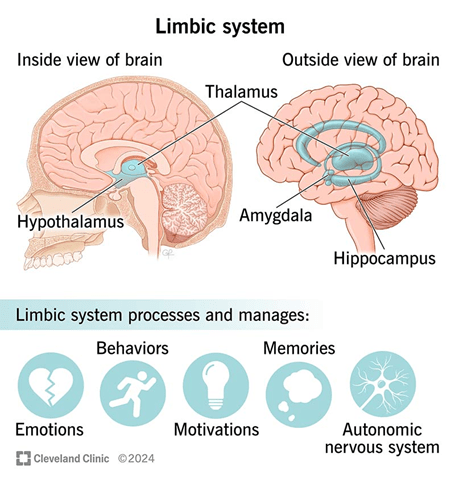
Limbic System and the Emotional Dimension of Pain

Pain is not solely a sensory experience. It is also deeply emotional, influenced by context, memory, expectation, and mood. While the somatosensory cortex processes the discriminative (sensory) aspects of pain, such as location, intensity, and duration, the limbic system, particularly the amygdala and the anterior cingulate cortex (ACC), mediates its affective (emotional) and motivational components (Apkarian et al., 2005; Leknes & Tracey, 2008).
1. The Amygdala: Fear, Salience, and Emotional Memory

The amygdala is a central structure in emotional processing, especially in the encoding and recall of fear and threat-related memories. It plays a critical role in the emotional coloring of pain and how we anticipate and respond to it.

  • The amygdala receives nociceptive input via the spino-parabrachial pathway and from higher-order cortical areas, allowing it to influence both immediate emotional reactions to pain and pain-related memory (Neugebauer et al., 2004).
  • It activates autonomic and behavioral responses to pain (e.g., anxiety, avoidance), especially when pain is perceived as threatening or unpredictable.
  • Amygdala hyperactivity has been linked with chronic pain conditions, where emotional reactivity and threat perception become amplified (Simons et al., 2014).

In other words, the amygdala adds emotional salience to nociceptive stimuli, transforming a mere sensory signal into a subjectively distressing experience.
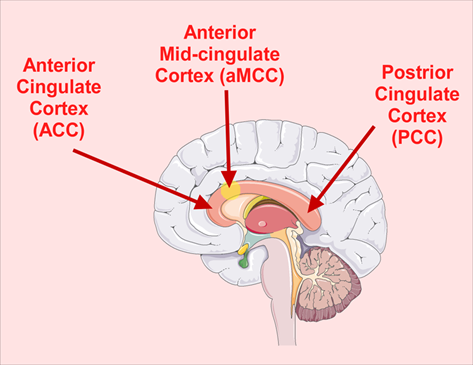
2. The Anterior Cingulate Cortex (ACC): The Distress and Motivation Circuit

The ACC, particularly its rostral and dorsal regions, plays a central role in pain unpleasantness, emotional suffering, and motivational drive to escape or alleviate pain.

  • Studies show that ACC activation correlates with subjective pain unpleasantness, even when the physical intensity of pain is constant (Rainville et al., 1997).
  • The ACC is richly interconnected with limbic (amygdala, hippocampus), cognitive (prefrontal cortex), and motor systems, enabling it to integrate affective, attentional, and behavioral responses to pain (Shackman et al., 2011).
  • The ACC is involved in pain anticipation, which can amplify emotional distress even before the pain occurs (Koyama et al., 2005).
  • Chronic pain patients often show structural and functional changes in the ACC, suggesting a maladaptive feedback loop that reinforces pain-related suffering (Baliki et al., 2006).

Thus, the ACC is not responsible for detecting pain, but for how unpleasant and distressing it feels, and for driving the motivational state to take action.

3. Limbic Modulation and Homeostasis

Leknes & Tracey (2008) propose a framework for understanding how pain and pleasure share overlapping neurobiological systems, particularly in limbic circuits. They note that context, expectation, and emotional state can either amplify or dampen pain via top-down modulation of limbic and brainstem structures.

  • The ACC and amygdala are sensitive to emotional reappraisal, social support, and placebo analgesia, demonstrating that the emotional meaning of pain can drastically change the experience (Wager et al., 2004).
  • Pain that is interpreted as meaningful or self-chosen (e.g., in rituals or athletic endurance) can be experienced as less unpleasant, implicating limbic regulation of pain perception (Leknes & Tracey, 2008).

This suggests that the limbic system is central in determining whether pain is perceived as threatening and intolerable or manageable and meaningful.

4. Summary of Functional Roles

RegionRole in Pain Processing
AmygdalaAssigns emotional salience; fear, anxiety, memory of pain; enhances pain when perceived as threatening.
ACCEncodes pain unpleasantness; mediates suffering, motivation to escape pain; modulated by expectation, attention, and emotional context.

Clinical Relevance

  • Chronic pain syndromes (e.g., fibromyalgia, neuropathic pain) often involve heightened activity in the amygdala and ACC, contributing to emotional suffering, catastrophizing, and avoidance behavior (Hashmi et al., 2013).
  • Cognitive-behavioral therapy (CBT), mindfulness, and biofeedback target these limbic circuits to reframe pain perception, reduce suffering, and restore functional coping.
  • The limbic-emotional dimension of pain underscores the importance of holistic and biopsychosocial models in treatment.

References:

Apkarian, A. V., Bushnell, M. C., Treede, R. D., & Zubieta, J. K. (2005). Human brain mechanisms of pain perception and regulation in health and disease. European Journal of Pain, 9(4), 463–484. https://doi.org/10.1016/j.ejpain.2004.11.001

Baliki, M. N., Geha, P. Y., Apkarian, A. V., & Chialvo, D. R. (2006). Beyond feeling: chronic pain hurts the brain, disrupting the default-mode network dynamics. Journal of Neuroscience, 28(6), 1398–1403. https://doi.org/10.1523/JNEUROSCI.4123-07.2008

Cleveland Clinic. (2024). Limbic system: What it is, function, parts & location [Illustration]. Cleveland Clinic. https://my.clevelandclinic.org/health/body/limbic-system

Hashmi, J. A., Baliki, M. N., Huang, L., Baria, A. T., Torbey, S., Hermann, K. M., … & Apkarian, A. V. (2013). Shape shifting pain: chronification of back pain shifts brain representation from nociceptive to emotional circuits. Brain, 136(9), 2751–2768. https://doi.org/10.1093/brain/awt211

Koyama, T., McHaffie, J. G., Laurienti, P. J., & Coghill, R. C. (2005). The subjective experience of pain: Where expectations become reality. Proceedings of the National Academy of Sciences of the United States of America, 102(36), 12950–12955. https://doi.org/10.1073/pnas.0408576102

Leknes, S., & Tracey, I. (2008). A common neurobiology for pain and pleasure. Nature Reviews Neuroscience, 9(4), 314–320. https://doi.org/10.1038/nrn2333

Neugebauer, V., Galhardo, V., Maione, S., & Mackey, S. C. (2009). Forebrain pain mechanisms. Brain Research Reviews, 60(1), 226–242. https://doi.org/10.1016/j.brainresrev.2008.12.014

Rainville, P., Duncan, G. H., Price, D. D., Carrier, B., & Bushnell, M. C. (1997). Pain affect encoded in human anterior cingulate but not somatosensory cortex. Science, 277(5328), 968–971. https://doi.org/10.1126/science.277.5328.968

Shackman, A. J., Salomons, T. V., Slagter, H. A., Fox, A. S., Winter, J. J., & Davidson, R. J. (2011). The integration of negative affect, pain and cognitive control in the cingulate cortex. Nature Reviews Neuroscience, 12(3), 154–167. https://doi.org/10.1038/nrn2994

Simons, L. E., Elman, I., & Borsook, D. (2014). Psychological processing in chronic pain: a neural systems approach. Neuroscience & Biobehavioral Reviews, 39, 61–78. https://doi.org/10.1016/j.neubiorev.2013.12.006

Wager, T. D., Rilling, J. K., Smith, E. E., Sokolik, A., Casey, K. L., Davidson, R. J., … & Cohen, J. D. (2004). Placebo-induced changes in FMRI in the anticipation and experience of pain. Science, 303(5661), 1162–1167. https://doi.org/10.1126/science.1093065

Post-traumatic Growth: Essays to Cultivate Healing, Integration, and Meaning

Trauma rarely arrives by invitation. For most people, it enters life unexpectedly, through loss, betrayal, illness, accidents, violence, neglect, coercion, or prolonged stress. Very few individuals seek out traumatic experiences, and just as rarely do most people consciously intend to harm or traumatize others. And yet, despite intent, all actions carry consequences. Words spoken in anger, choices made in fear, systems built on imbalance, and moments of inattention can send ripple effects outward for years, sometimes for generations. Trauma often lives in these ripples.

Long after the original event has passed, many people continue to feel unsettled inside, anxious, guarded, emotionally numb, reactive, ashamed, or unsure of who they have become. These experiences are not signs of weakness or personal failure. They are the natural imprint of overwhelming stress on the nervous system, identity, and relational trust. Trauma changes how the body responds to threat, how the mind interprets reality, how the self is organized, and how relationships are navigated.

My book Post-traumatic Growth – Essays to Cultivate Healing, Integration, and Meaning was written for those who have survived difficult experiences and now find themselves asking deeper questions, not only how to cope, but how to truly grow beyond survival. The gradual cultivation of healing and growth does not mean that trauma was good, necessary, deserved, or spiritually justified. It does not minimize suffering or attempt to frame pain as a gift. Rather, it acknowledges a well-documented truth: human beings possess a powerful capacity to adapt, integrate, mature, and rebuild their lives when safety, awareness, and agency are gradually restored.

For decades, my work has focused on the relationship between stress physiology, emotional regulation, behavior, identity, and resilience. Again and again, I have seen that trauma recovery is not only psychological. It is neurological. It is relational. It is embodied. Insight alone is not enough. Healing requires the reorganization of the nervous system, the development of emotional maturity, the rebuilding of boundaries, the restoration of agency, and the reconstruction of meaning.

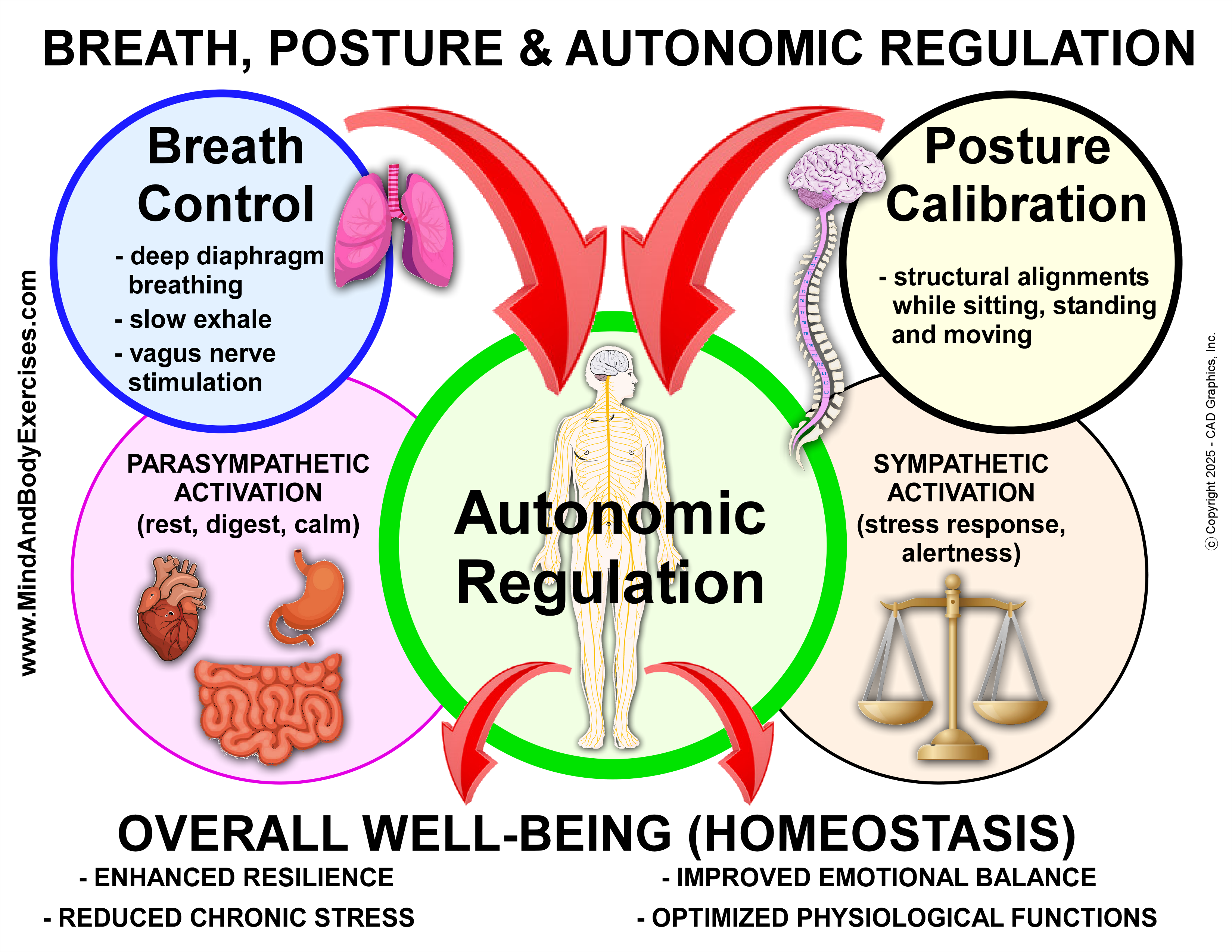
This book follows the full arc of transformation. It begins with how trauma disrupts regulation, perception, and identity. It then moves into the practical foundations of recovery by using breath, posture, emotional regulation, and stress resilience. From there, it addresses the deeper psychological work of boundaries, meaning-making, emotional maturity, and agency. Finally, it turns outward toward contribution, service, and the lifelong process of integration and wholeness.

If you are reading this, it is likely because some part of your life has been shaped by adversity, sudden or prolonged, visible or hidden. This book does not offer shortcuts. It offers something more enduring: a grounded path toward rebuilding stability, identity, agency, and meaning over time. These essays are not meant to be rushed or consumed linearly, but revisited as one’s capacity for regulation, reflection, and integration deepens. Growth does not erase the past. It allows you to live no longer defined by it.

Four-Phase Expansion of the Jing–Qi–Shen Developmental Model

Phase 1 — Foundational Awareness: Somatic Calibration (Jing)

Phase 1 represents the foundational stage where the practitioner learns to attune their physical body, the Jing level, through heightened somatic awareness and physiological regulation. At this level, the focus is on:

  • Interoception: sensing internal signals such as breath, heartbeat, and muscular tension
  • Proprioception: detecting body position and micro-adjustments
  • Regulatory Responsiveness: adjusting posture, breathing, and alignment

Somatic calibration stabilizes the “base material” of the human system. In Taoist internal arts, this is the earliest refinement of Jing: raw essence becoming cleaner, clearer, and more governable.

Neuroscientifically, this phase strengthens communication between the insula (interoceptive awareness), anterior cingulate cortex (attention and motivation), and prefrontal cortex (regulation and decision-making). When these systems integrate, the practitioner becomes capable of sensing imbalances long before they erupt into dysfunction (Khalsa et al., 2018).

This phase is therefore concerned with:

  • Cultivating “felt sense”
  • Stabilizing the nervous system
  • Learning to “hear” the body
  • Establishing physical coherence

Without Phase 1, progression into deeper phases becomes imbalanced or potentially unsafe.

Phase 2 — Cyclical Refinement: Iterative Self-cultivation (Qi)

Once somatic clarity is established, the practitioner advances toward the mental-energetic domain, the Qi level. This phase introduces iterative practice and self-correction, forming the living engine of personal development.

Here, the operating principle is iteration:

Across martial arts, meditation, and qigong lineages, this cyclical refinement is recognized as gongfu (kung fu), not mere skill, but the cultivated discipline earned through dedicated repetition. Each iteration reshapes:

  • Motor pathways
  • Emotional patterns
  • Cognitive habits
  • Energetic circulation

Modern neuroscience parallels this with experience-dependent neuroplasticity or the gradual restructuring of brain networks for resilience, emotional regulation, and attentional stability (Davidson & McEwen, 2012).

Spiritually and philosophically, Phase 2 is where one begins forging de (virtue, cultivated inner power). The practitioner transitions from merely feeling the body to shaping the self.

At this stage, Qi becomes more coherent and directed. Mental habits are tuned, intentions sharpen, and discipline becomes embodied.

Phase 3 — Synthetic Integration: Transmutation (Shen)

Phase 3 transitions from refinement into whole-system synthesis, corresponding to the Shen level, with awareness, meaning, and inner illumination.

Here the practitioner no longer simply adjusts the body (Phase 1) or trains the mind through iteration (Phase 2). Instead, they convert base tendencies into higher capacities. This includes:

  • fear → insight
  • pain → empathy
  • discipline → wisdom
  • adversity → meaning

This is the essence of transmutation in internal alchemy (neidan):

Physiologically, this level parallels harmonization of endocrine rhythms, autonomic coherence, and emotional centers that once produced reactivity but now produce calm presence.

Psychologically, the practitioner embodies authenticity rather than performance. Their presence becomes stabilizing to others, as they can become “the light that guides.”

Phase 3 is where:

  • the body listens
  • the mind learns
  • consciousness reorients toward clarity

Bring it all together – the Harmonization (Integration of Jing–Qi–Shen)

My diagrams and progression of images naturally imply a fourth phase, which is the integrative stage where Jing, Qi, and Shen no longer operate as separate domains but revolve in a recursive living spiral.

Here, the practitioner reaches a point where:

  • Somatic calibration is continuous and automatic
  • Iterative self-cultivation is self-initiating
  • Transmutation becomes a way of life
  • All three influence each other simultaneously

This is the phase where the circle completes itself yet continues upward, a spiral path rather than a linear one.

In this 4th Phase the practitioner embodies:

  1. Physical alignment (Jing)
    Effortless posture, efficient movement, regulated physiology.
  • Mental clarity and energetic coherence (Qi)
    Stable attention, balanced emotions, refined intentions.
  • Spiritual awareness (Shen)
    Insight, compassion, spaciousness, wisdom.
  • Harmonized integration
    The practitioner is no longer “performing techniques” as
    they have become the technique.

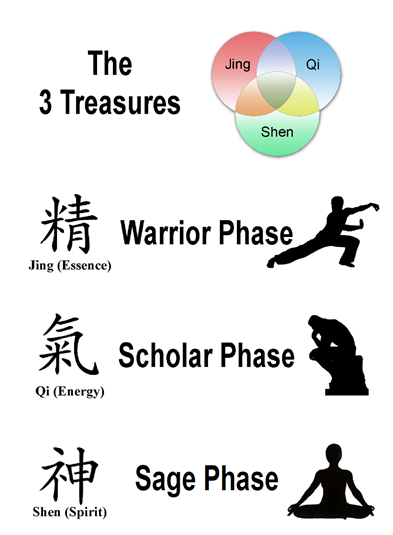
This is the lived outcome of the entire model of the Warrior, Scholar and Sage:

How the Four Phases Correspond to my Diagrams (Stages 1–4)

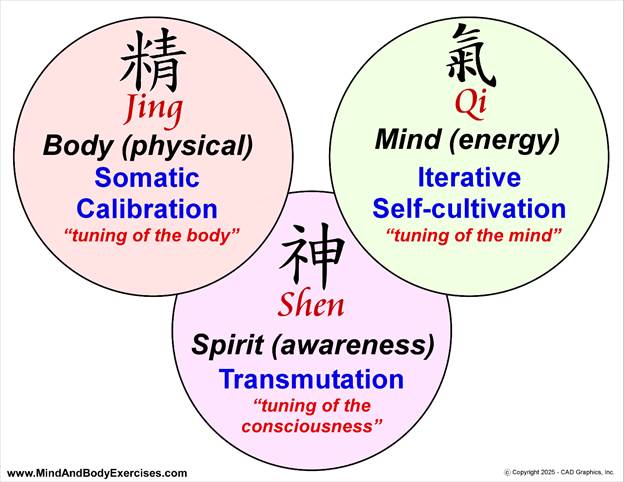
Stage 1 (Jing/Qi/Shen circles):

Introduces the classical triad, three aspects as separate yet related.


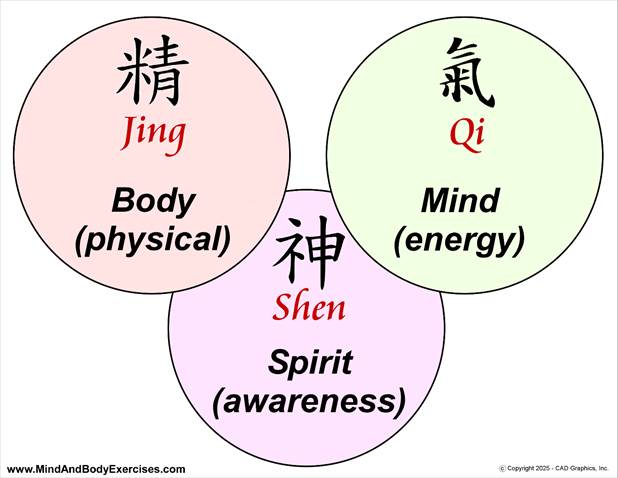
Stage 2 (Physiology/Psychology/Philosophy overlay):

Connects each classical aspect with modern disciplines.
This becomes the foundation of Phase 1.


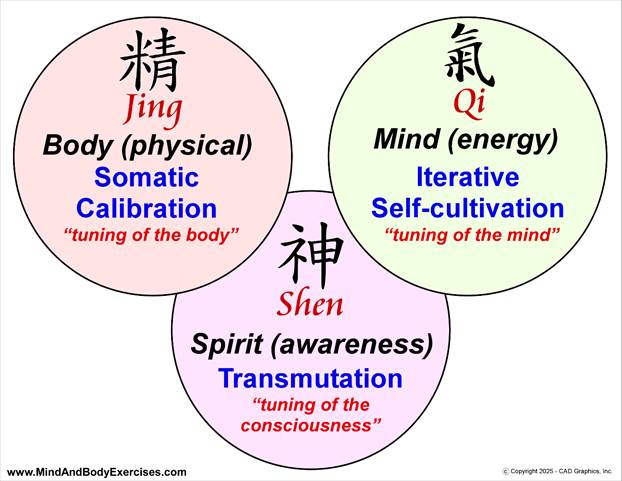
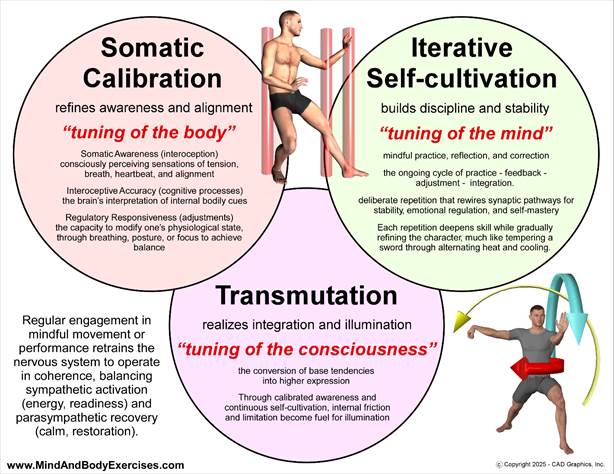
Stage 3 (Somatic Calibration / Iterative Self-cultivation / Transmutation overlay):

Maps each classical component into the three functional processes.
This is Phase 2 and Phase 3.


Stage 4 (Full elaborated diagram with figures):

Demonstrates the mature, embodied expression of all three components working in harmony.
This represents Phase 4.


Integrated Summary

  • Phase 1—Somatic Calibration: tuning the body (Jing), establishing stability and awareness.
  • Phase 2—Iterative Self-cultivation: tuning the mind (Qi), cultivating discipline, neuroplasticity, and virtuous habits.
  • Phase 3—Transmutation: tuning the consciousness (Shen), converting tendencies into illumination.
  • Phase 4—Recursive Harmonization: integrating Jing–Qi–Shen into a coherent, unified mode of being.

Together these phases describe a complete developmental alchemical model bridging Taoist tradition, neuroscience, psychology, and embodied martial philosophy.

Somatic Calibration

Turning Bodily Awareness into Conscious Regulation

Across disciplines of psychology, physiology, and embodied practice, there is growing recognition that the body is not merely a vessel for the mind. The physical body is an active participant in perception, emotion, and cognition. The emerging concept of somatic calibration describes the process by which a person develops refined awareness of internal bodily states (interoception), interprets them accurately, and adjusts posture, movement, or breath to maintain physical and psychological balance. This calibration is literally, “bringing the body into tune” and is essential for resilience, emotional regulation, and well-being (Fogel, as cited in Taylor, 2023). It can be deliberately trained and strengthened through mind–body disciplines such as yoga, qigong, tai chi, and baguazhang, as well as through musical and kinesthetic arts that require fine motor control, proprioceptive precision, and mindful attention.

Understanding Somatic Calibration

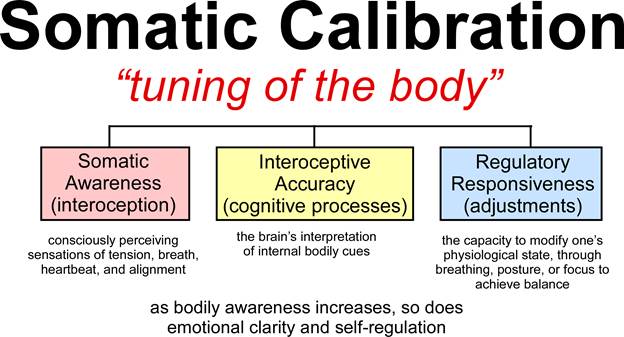
Somatic calibration merges three interdependent processes: somatic awareness, interoceptive accuracy, and regulatory responsiveness. Somatic awareness involves consciously perceiving sensations of tension, breath, heartbeat, and alignment. Interoception represents the brain’s interpretation of internal bodily cues, mediated largely by the insula and anterior cingulate cortex (Khalsa et al., 2018). Regulatory responsiveness describes the capacity to modify one’s physiological state—through breathing, posture, or focus to achieve balance.

When an individual becomes proficient in these domains, they can effectively tune their body like an instrument, sensing when they are “out of tune” (stressed, fatigued, tense) and adjusting accordingly. Somatic calibration thus serves as a biofeedback loop connecting the physical and psychological realms: as bodily awareness increases, so does emotional clarity and self-regulation (Mehling et al., 2011).

Yoga and Interoceptive Refinement

Yoga has long been recognized as a powerful practice for enhancing somatic awareness. Through sustained postures (āsanas), controlled breathing (prāṇāyāma), and meditative attention (dhyāna), practitioners learn to inhabit the body more fully, developing both interoceptive sensitivity and cognitive calm. Research shows that yoga increases vagal tone and improves regulation of the autonomic nervous system, thereby enhancing both physiological and emotional stability (Streeter et al., 2012). In the context of somatic calibration, yoga acts as a systematic alignment practice, and a method of perceiving subtle internal feedback from muscles, joints, and breath to fine-tune both movement and mind.

Qigong, Tai Chi, and the Subtle Body

Qigong and tai chi, rooted in Traditional Chinese Medicine, emphasize the coordinated movement of qi (vital energy) through the body’s meridian pathways. These practices require precise synchronization of breath, posture, and intention (yi), creating a cyclical feedback between proprioceptive and interoceptive systems (Jahnke et al., 2010). Tai chi and qigong improve kinesthetic sensitivity and help practitioners perceive micro-adjustments in balance, muscular tension, and internal energy flow, all core aspects of somatic calibration. A meta-analysis by Wayne et al. (2014) found that tai chi enhances balance, proprioception, and body awareness in older adults, while also reducing anxiety and depression, demonstrating how refining body mechanics concurrently refines emotional and mental regulation.

Baguazhang and Dynamic Calibration

Among the Chinese internal martial arts, BaguaZhang (Eight Trigram Palm) represents a dynamic, circular system of continuous transformation. Its spiraling steps, shifting weight, and changing palm positions require constant micro-adjustment of the spine, hips, and limbs. This active calibration of movement with breath and intention cultivates adaptive interoceptive intelligence, or the ability to sense and modulate physiological responses during complex motion. Internal martial arts like baguazhang promote “somatic intelligence,” where awareness, movement, and perception operate as one. Each turning step becomes a moment of recalibration strives to balance yin and yang, tension and release, stillness and motion.

Martial Arts as Applied Somatic Discipline

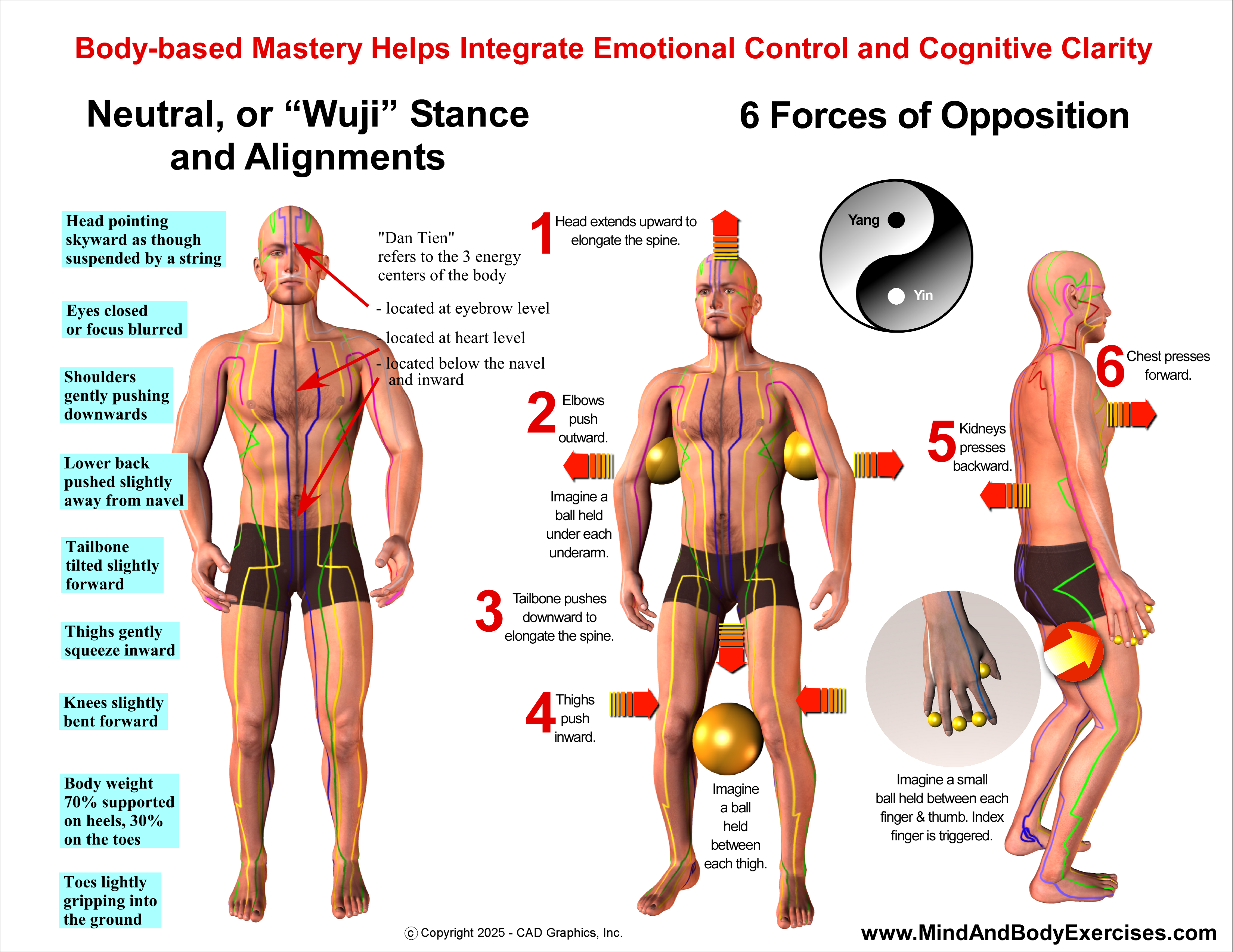
Beyond the meditative aspects, martial arts more broadly embody somatic calibration through functional stress-testing. The practitioner learns to manage fear, aggression, and arousal through breath and structure, while maintaining equilibrium under pressure. Studies show that martial arts training enhances proprioceptive acuity, sensorimotor coordination, and self-regulation (Lakes & Hoyt, 2004). This aligns with modern somatic psychology’s premise that body-based mastery helps integrate emotional control and cognitive clarity. Each strike, stance, or transition offers an opportunity to refine how the nervous system responds to stress, literally training the body-mind to self-regulate in motion.

Playing Musical Instruments and Fine Motor Calibration

Somatic calibration extends beyond movement disciplines into musicianship and performance arts, which demand acute proprioceptive and interoceptive tuning. Professional musicians display higher sensorimotor awareness, cortical plasticity, and fine-motor coordination than non-musicians (Herholz & Zatorre, 2012). Learning an instrument requires sensing pressure, breath, timing, and resonance, developing a nuanced relationship between internal cues and external feedback. In this way, musical practice mirrors somatic calibration: constant attunement between perception and output, between inner signal and outer sound.

Mechanisms of Mind–Body Calibration

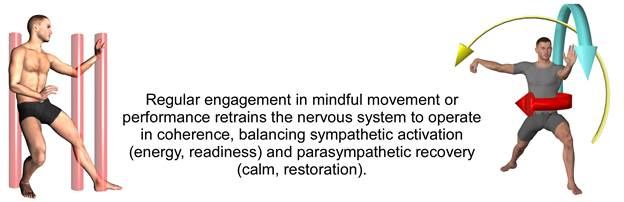
The unifying mechanism underlying all these disciplines lies in sensorimotor feedback loops that strengthen awareness and adaptability. Regular engagement in mindful movement or performance retrains the nervous system to operate in coherence, balancing sympathetic activation (energy, readiness) and parasympathetic recovery (calm, restoration). Slow, deliberate movement is characteristic of tai chi or yoga and allows the practitioner to perceive otherwise subtle cues such as joint angle, muscle tone, or internal vibration. As these perceptions sharpen, the practitioner gains conscious influence over states that were once automatic, such as tension, breath rate, or postural asymmetry (Mehling et al., 2011).

Through repeated practice, this refined self-perception translates into emotional and cognitive domains. For instance, noticing a tightening diaphragm before anxiety arises offers a chance to intervene somatically to slow the breath and prevent escalation. This is the essence of somatic calibration: turning bodily awareness into conscious regulation.

Somatic calibration represents a modern articulation of ancient principles: that self-mastery begins with bodily awareness. By refining perception and control of internal processes, one cultivates a harmonious relationship between the body and mind. Practices such as yoga, qigong, tai chi, and baguazhang, as well as musical training and other precise movement arts, can act as living laboratories for this process. They transform awareness into action, and action into alignment.

Ultimately, somatic calibration is not limited to therapy or training, but rather it is a lifelong practice of attuning to the ever-changing signals of one’s internal and external environment. In a world that often prioritizes cognition over embodiment, somatic calibration restores equilibrium, offering a path toward resilience, integration, and inner harmony.

References:

Herholz, S. C., & Zatorre, R. J. (2012). Musical training as a framework for brain plasticity: Behavior, function, and structure. Neuron, 76(3), 486–502. https://doi.org/10.1016/j.neuron.2012.10.011

Jahnke, R., Larkey, L., Rogers, C., Etnier, J., & Lin, F. (2010). A comprehensive review of health benefits of qigong and tai chi. American journal of health promotion : AJHP, 24(6), e1–e25. https://doi.org/10.4278/ajhp.081013-LIT-248

Khalsa, S. S., Adolphs, R., Cameron, O. G., Critchley, H. D., Davenport, P. W., Feinstein, J. S., … Paulus, M. P. (2018). Interoception and mental health: A roadmap. Biological Psychiatry: Cognitive Neuroscience and Neuroimaging, 3(6), 501–513. https://doi.org/10.1016/j.bpsc.2017.12.004

Lakes, K. D., & Hoyt, W. T. (2004). Promoting self-regulation through school-based martial arts training. Journal of Applied Developmental Psychology, 25(3), 283–302. https://doi.org/10.1016/j.appdev.2004.04.002

Mehling, W. E., Price, C., Daubenmier, J., Acree, M., Bartmess, E., & Stewart, A. (2011). The Multidimensional Assessment of Interoceptive Awareness (MAIA). PLoS ONE, 7(11), e48230. https://doi.org/10.1371/journal.pone.0048230

Streeter, C. C., Gerbarg, P. L., Saper, R. B., Ciraulo, D. A., & Brown, R. P. (2012). Effects of yoga on the autonomic nervous system, gamma-aminobutyric-acid, and allostasis in epilepsy, depression, and post-traumatic stress disorder. Medical Hypotheses, 78(5), 571–579. https://doi.org/10.1016/j.mehy.2012.01.021

Taylor, J. (2023). What is somatic awareness? Retrieved from https://janetaylor.net/what-is-somatic-awareness/

Wayne, P. M., & Yeh, G. Y. (2014). Effect of Tai Chi on cognitive performance in older adults: A systematic review. Journal of the American Geriatrics Society, 62(1), 25–39. https://pubmed.ncbi.nlm.nih.gov/24383523/

Still Looking for Gifts for Others?

Maybe consider giving a gift of knowledge.

Remember the Indiana Jones films, when Indiana discovers his father’s diary containing clues to the Holy Grail? The book itself was knowledge. Wisdom came from applying that knowledge through experience. Without knowledge and lived practice, wisdom is difficult to cultivate.

For over 40 years, I have been on my own search for a “Holy Grail” of health, wellness, fitness, and self-awareness. Along that journey, I have created a series of books and study guides that visually and conceptually map what I believe to be the essential components of a healthy, balanced, and meaningful life.

My books are comprehensive, deeply researched, and feature original, full-color illustrations designed to make complex ideas clear and accessible. Each volume reflects decades of firsthand learning, practice, teaching, and illustration across disciplines including holistic health, fitness, psychology, Traditional Chinese Medicine, qigong, martial arts, and yoga philosophy. These are not mass-market publications. They are intentionally crafted for thoughtful readers, practitioners, and lifelong learners who value depth, clarity, and authenticity.

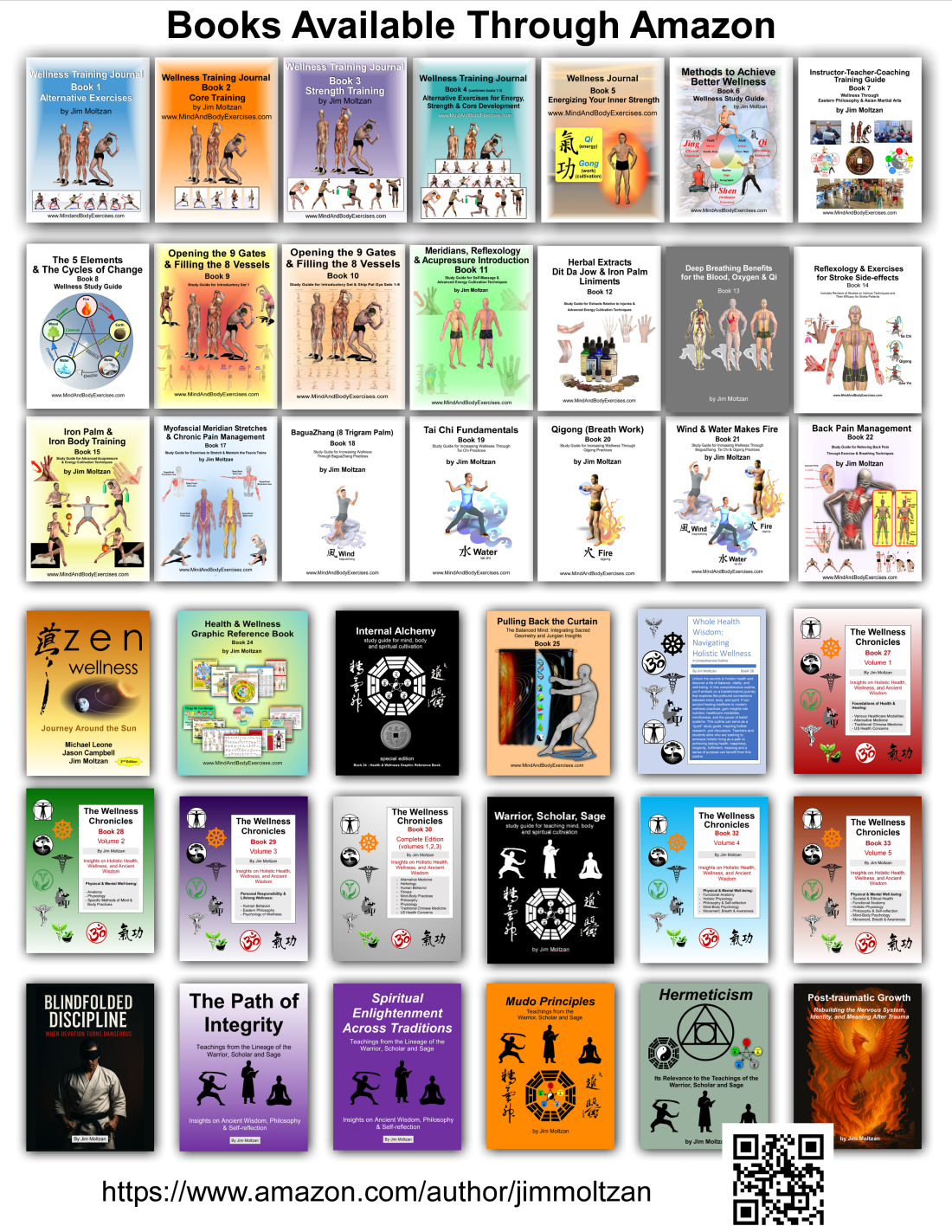
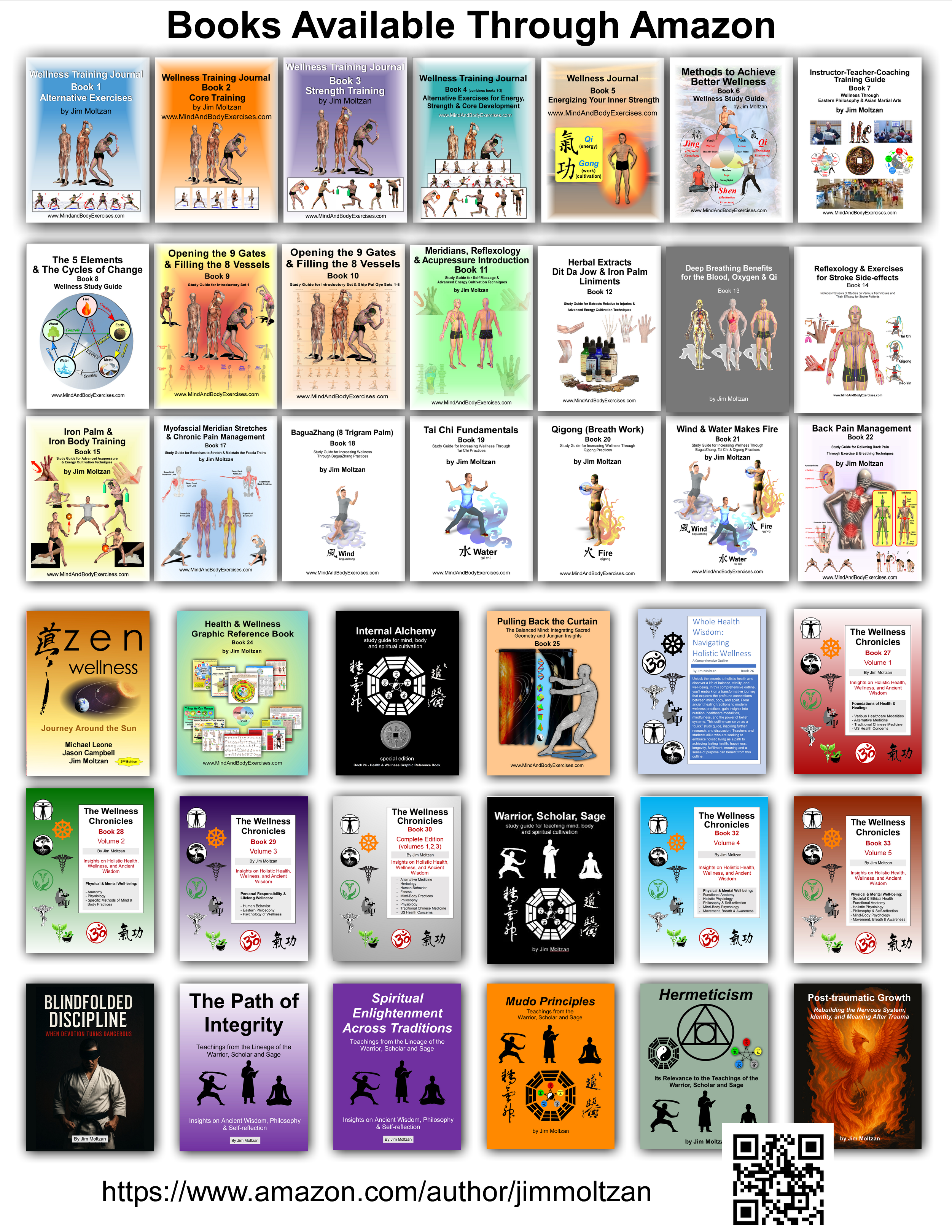
To date, I have published 39 books and study guides on Amazon. Some are primarily visual references that distill complex systems into clear graphic formats. Others explore theories of human development, psychology, movement, breathwork, rehabilitation, longevity, and overall quality of life. Many include practical exercise sets designed to support recovery, resilience, and long-term well-being.

These works represent the summation of more than four decades of training, education, teaching, and public speaking. Much of the qigong and breathing work draws from Chinese Kung Fu and Korean Dong Han medical qigong lineages, alongside extensive study with Traditional Chinese Medicine practitioners and martial arts masters. My background also includes acupressure, acupuncture principles, moxibustion, herbal preparation, and medical qigong, as well as formal academic training culminating in a Bachelor of Science degree in Holistic Health.

Similar in concept to Quick Study or PermaCharts, these guides are designed to “cut to the chase,” minimizing the time spent searching through dense textbooks while preserving the essential root knowledge of each subject. This format serves both beginners seeking a solid foundation and experienced practitioners looking for concise, high-quality reference materials.

If you are looking for a meaningful gift, one that supports health, awareness, and lifelong learning, these books are intended to be resources that grow with the reader over time.

My titles are available on Amazon at: https://www.amazon.com/author/jimmoltzan

My titles are available on Amazon at: https://www.amazon.com/author/jimmoltzan

Book 1 – Alternative Exercises

Book 2 – Core Training

Book 3 – Strength Training

Book 4 – Combo of 1-3

Book 5 – Energizing Your Inner Strength

Book 6 – Methods to Achieve Better Wellness

Book 7 – Coaching & Instructor Training Guide

Book 8 – The 5 Elements & the Cycles of Change

Book 9 – Opening the 9 Gates & Filling 8 Vessels-Intro Set 1

Book 10 – Opening the 9 Gates & Filling 8 Vessels-sets 1 to 8

Book 11 – Meridians, Reflexology & Acupressure

Book 12 – Herbal Extracts, Dit Da Jow & Iron Palm Liniments

Book 13 – Deep Breathing Benefits for the Blood, Oxygen & Qi

Book 14 – Reflexology for Stroke Side Effects:

Book 15 – Iron Body & Iron Palm

Book 17 – Fascial Train Stretches & Chronic Pain Management

Book 18 – BaguaZhang

Book 19 – Tai Chi Fundamentals

Book 20 – Qigong (breath-work)

Book 21 – Wind & Water Make Fire

Book 22 – Back Pain Management

Book 23 – Journey Around the Sun-2nd Edition

Book 24 – Graphic Reference Book

Book 25 – Pulling Back the Curtain

Book 26 – Whole Health Wisdom: Navigating Holistic Wellness

Book 27 – The Wellness Chronicles (volume 1) 

Book 28 – The Wellness Chronicles (volume 2)

Book 29 – The Wellness Chronicles (volume 3)

Book 30 – The Wellness Chronicles (complete edition, volumes 1-3)

Book 31 – Warrior, Scholar, Sage

Book 32 – The Wellness Chronicles (volume 4)

Book 33 – The Wellness Chronicles (volume 5)

Book 34 – Blindfolded Discipline

Book 35 – The Path of Integrity

Book 36 – Spiritual Enlightenment Across Traditions

Book 37 – Mudo Principles: Teachings from the Warrior, Scholar, and Sage

Book 38 – Hermeticism: Its Relevance to the Teachings of the Warrior, Scholar and Sage

Book 39 – Post-traumatic Growth