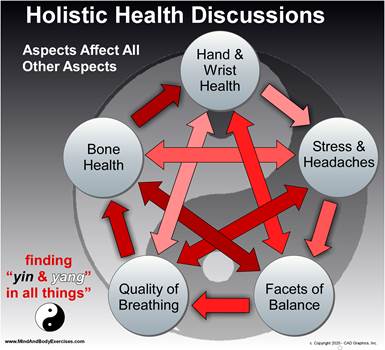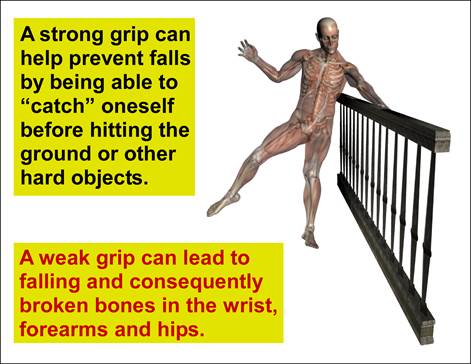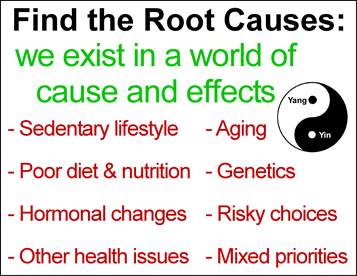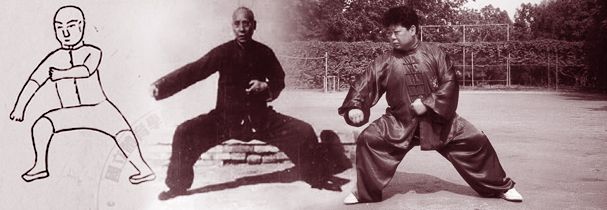
Somatic Calibration

Turning Bodily Awareness into Conscious Regulation

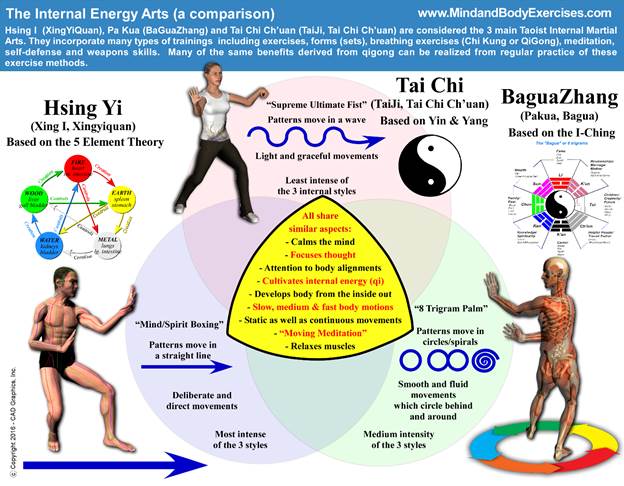
Across disciplines of psychology, physiology, and embodied practice, there is growing recognition that the body is not merely a vessel for the mind. The physical body is an active participant in perception, emotion, and cognition. The emerging concept of somatic calibration describes the process by which a person develops refined awareness of internal bodily states (interoception), interprets them accurately, and adjusts posture, movement, or breath to maintain physical and psychological balance. This calibration is literally, “bringing the body into tune” and is essential for resilience, emotional regulation, and well-being (Fogel, as cited in Taylor, 2023). It can be deliberately trained and strengthened through mind–body disciplines such as yoga, qigong, tai chi, and baguazhang, as well as through musical and kinesthetic arts that require fine motor control, proprioceptive precision, and mindful attention.

Understanding Somatic Calibration

Somatic calibration merges three interdependent processes: somatic awareness, interoceptive accuracy, and regulatory responsiveness. Somatic awareness involves consciously perceiving sensations of tension, breath, heartbeat, and alignment. Interoception represents the brain’s interpretation of internal bodily cues, mediated largely by the insula and anterior cingulate cortex (Khalsa et al., 2018). Regulatory responsiveness describes the capacity to modify one’s physiological state—through breathing, posture, or focus to achieve balance.

When an individual becomes proficient in these domains, they can effectively tune their body like an instrument, sensing when they are “out of tune” (stressed, fatigued, tense) and adjusting accordingly. Somatic calibration thus serves as a biofeedback loop connecting the physical and psychological realms: as bodily awareness increases, so does emotional clarity and self-regulation (Mehling et al., 2011).

Yoga and Interoceptive Refinement

Yoga has long been recognized as a powerful practice for enhancing somatic awareness. Through sustained postures (āsanas), controlled breathing (prāṇāyāma), and meditative attention (dhyāna), practitioners learn to inhabit the body more fully, developing both interoceptive sensitivity and cognitive calm. Research shows that yoga increases vagal tone and improves regulation of the autonomic nervous system, thereby enhancing both physiological and emotional stability (Streeter et al., 2012). In the context of somatic calibration, yoga acts as a systematic alignment practice, and a method of perceiving subtle internal feedback from muscles, joints, and breath to fine-tune both movement and mind.

Qigong, Tai Chi, and the Subtle Body

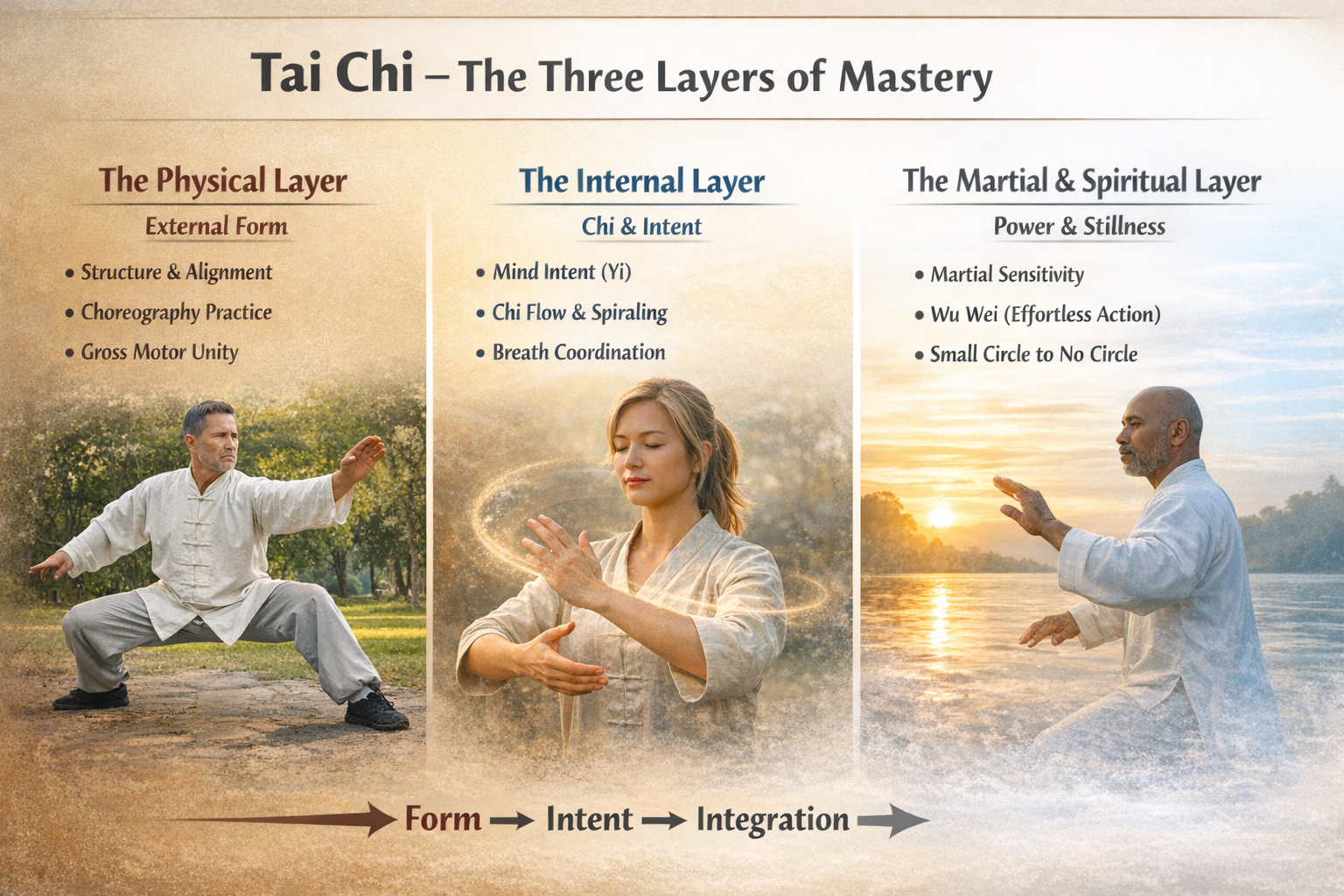
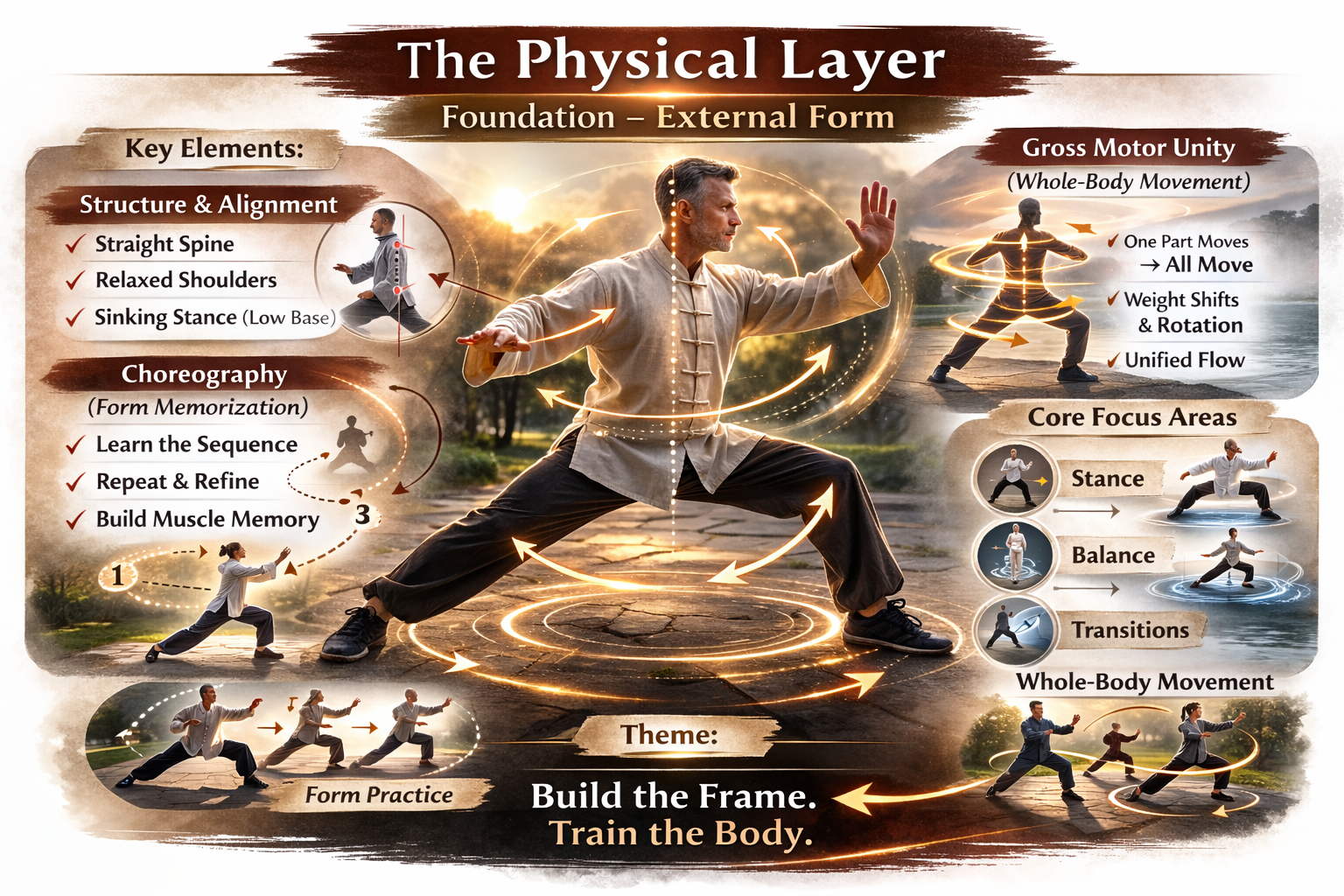
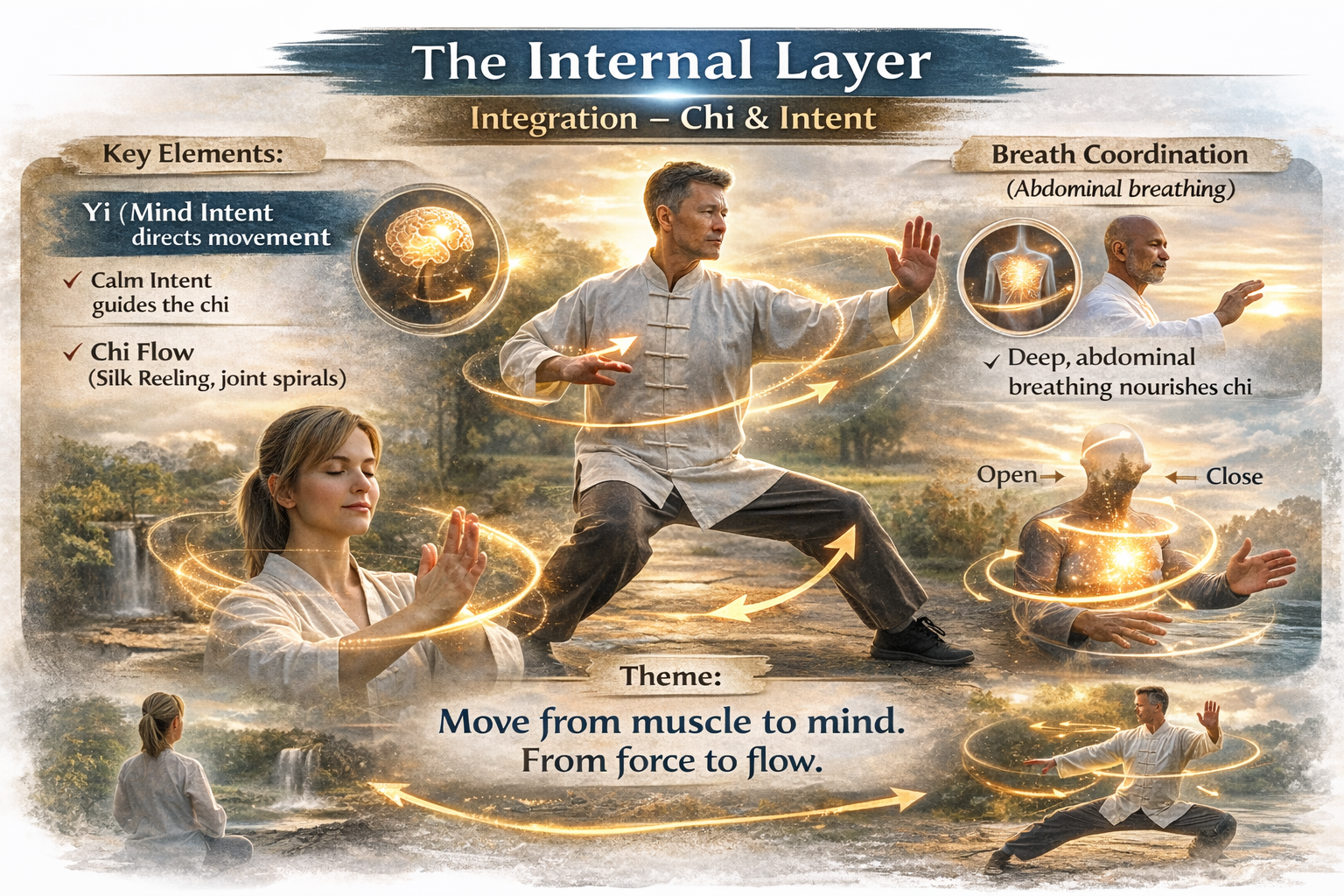
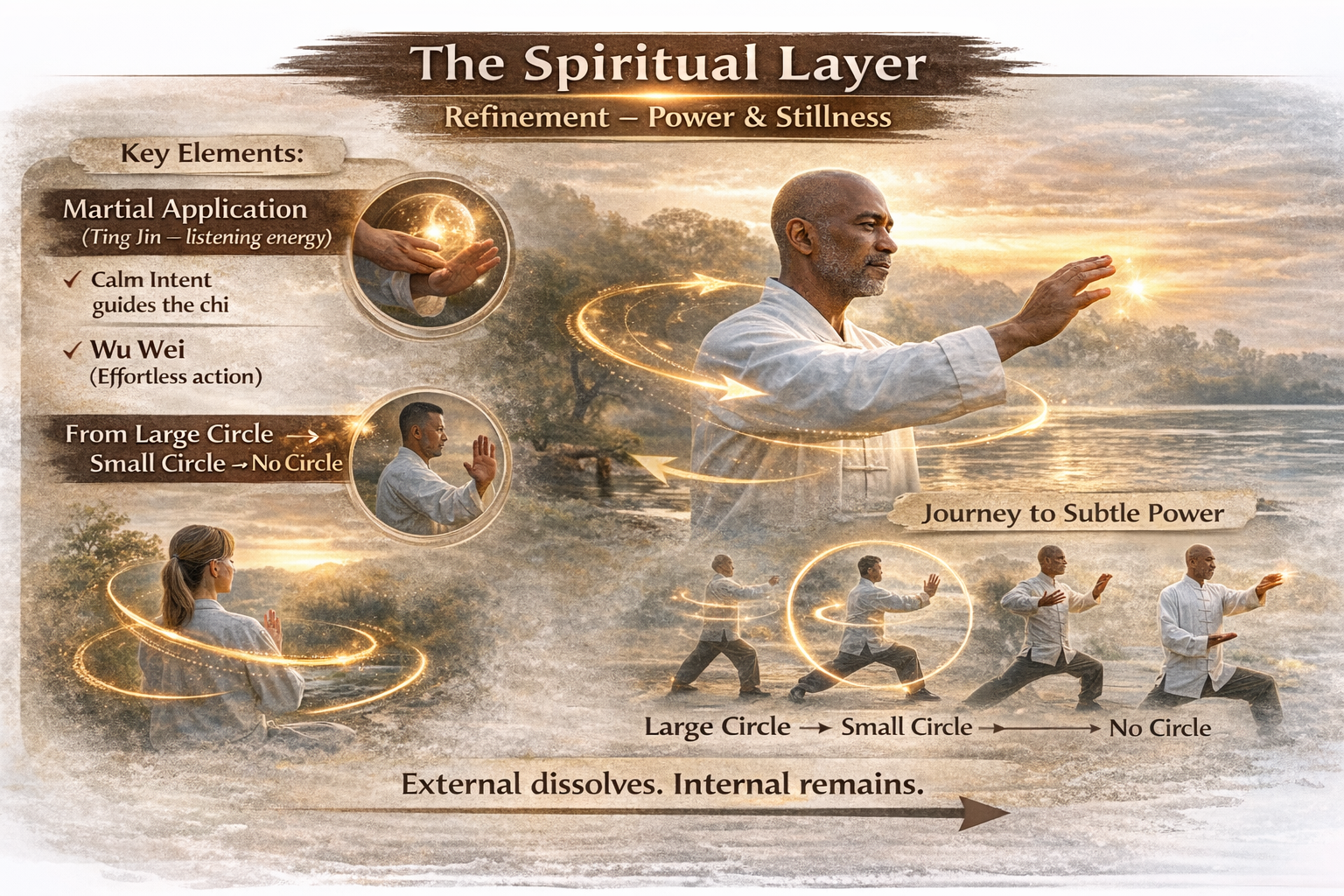
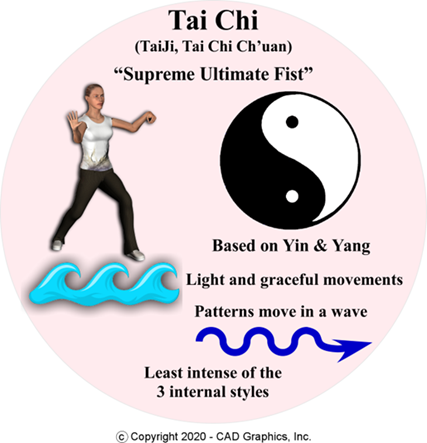
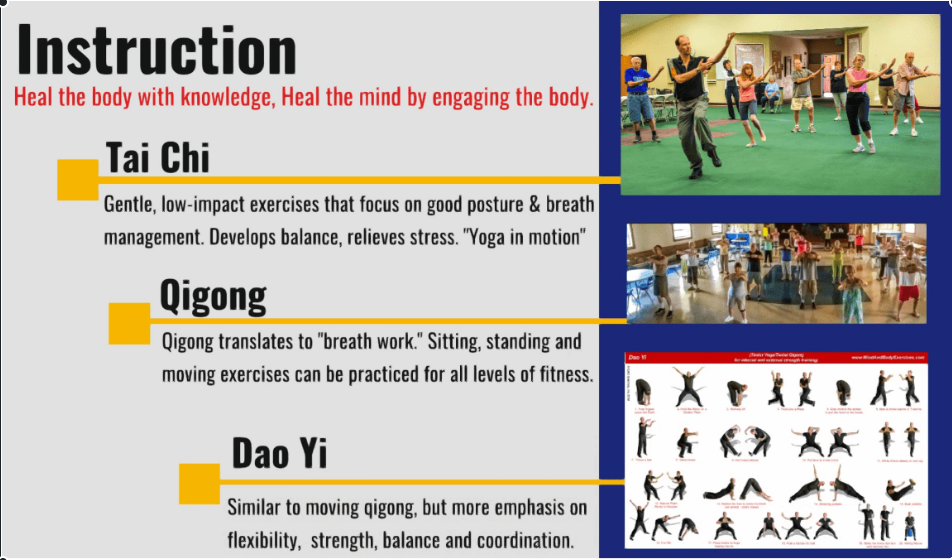
Qigong and tai chi, rooted in Traditional Chinese Medicine, emphasize the coordinated movement of qi (vital energy) through the body’s meridian pathways. These practices require precise synchronization of breath, posture, and intention (yi), creating a cyclical feedback between proprioceptive and interoceptive systems (Jahnke et al., 2010). Tai chi and qigong improve kinesthetic sensitivity and help practitioners perceive micro-adjustments in balance, muscular tension, and internal energy flow, all core aspects of somatic calibration. A meta-analysis by Wayne et al. (2014) found that tai chi enhances balance, proprioception, and body awareness in older adults, while also reducing anxiety and depression, demonstrating how refining body mechanics concurrently refines emotional and mental regulation.

Baguazhang and Dynamic Calibration

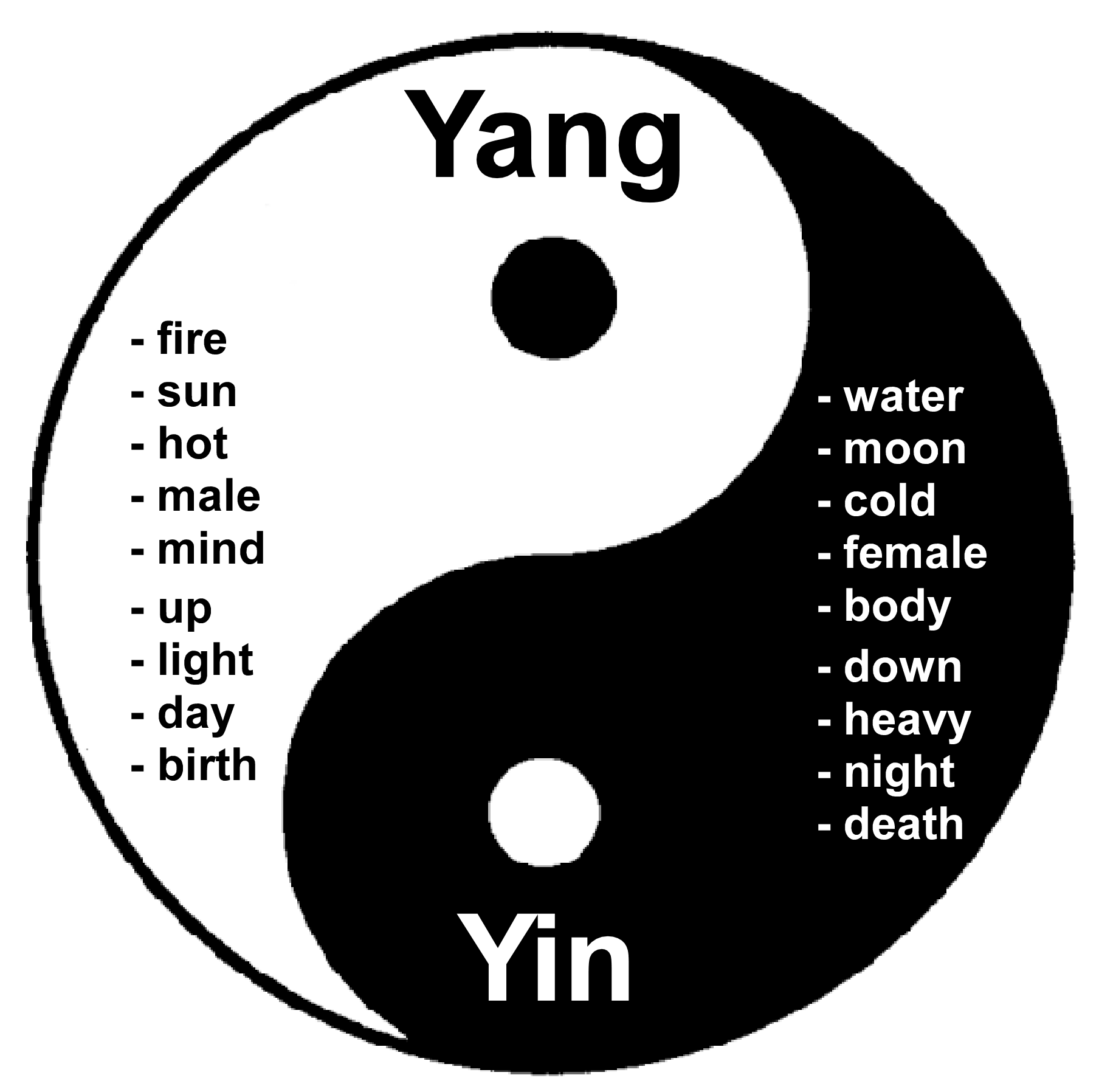
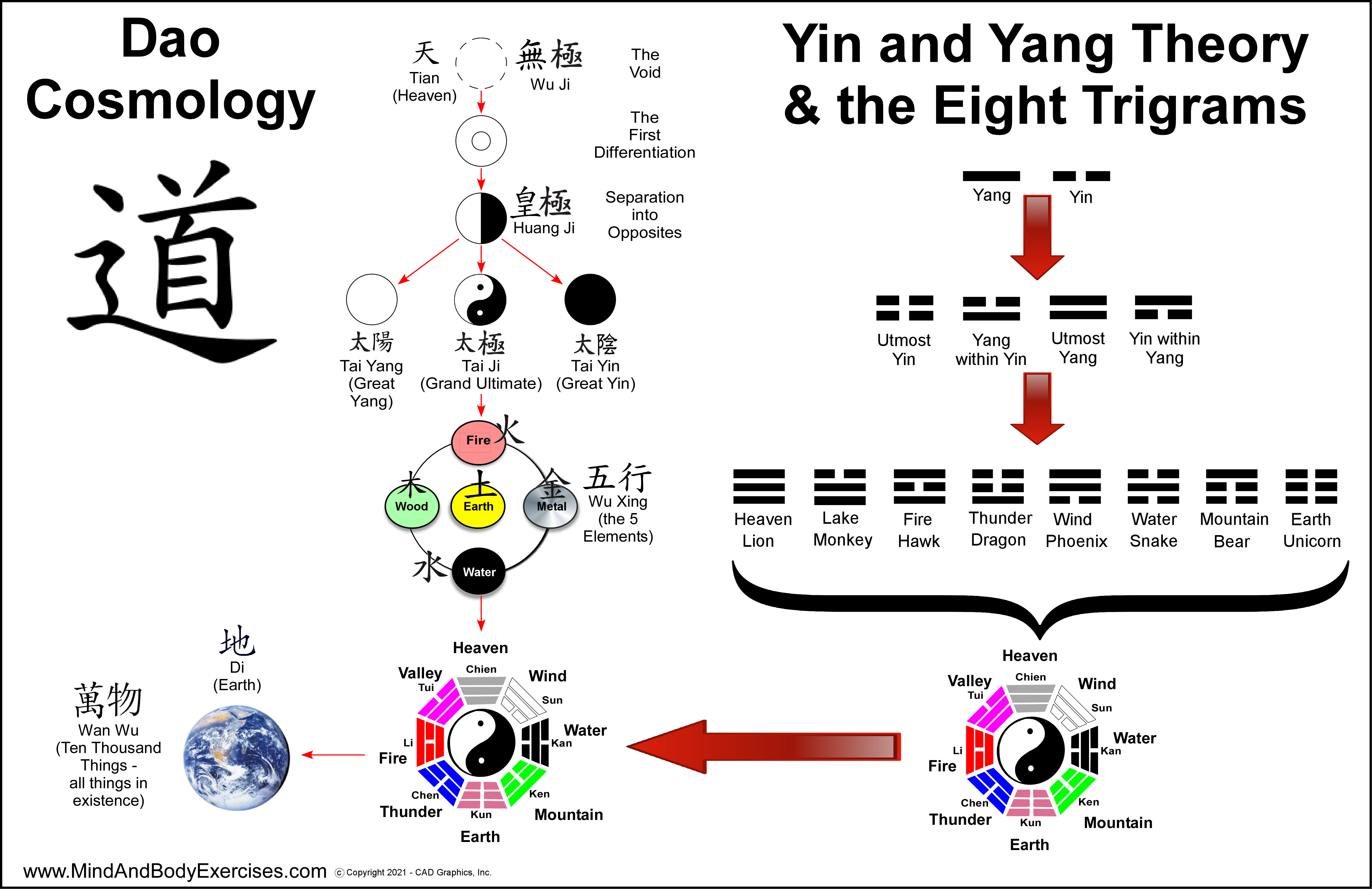
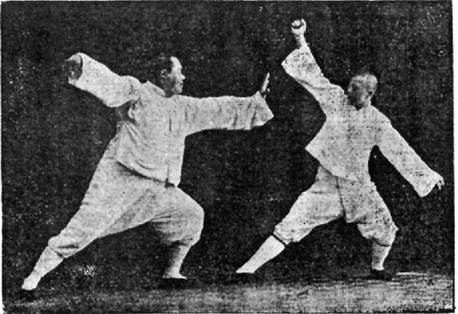
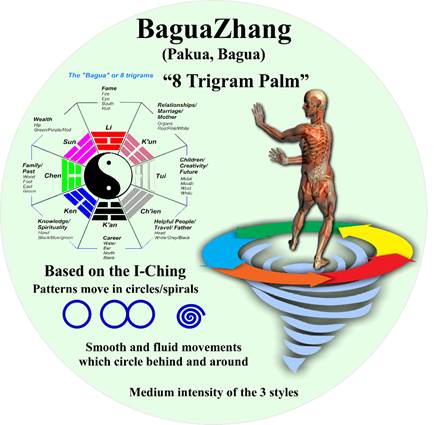
Among the Chinese internal martial arts, BaguaZhang (Eight Trigram Palm) represents a dynamic, circular system of continuous transformation. Its spiraling steps, shifting weight, and changing palm positions require constant micro-adjustment of the spine, hips, and limbs. This active calibration of movement with breath and intention cultivates adaptive interoceptive intelligence, or the ability to sense and modulate physiological responses during complex motion. Internal martial arts like baguazhang promote “somatic intelligence,” where awareness, movement, and perception operate as one. Each turning step becomes a moment of recalibration strives to balance yin and yang, tension and release, stillness and motion.

Martial Arts as Applied Somatic Discipline

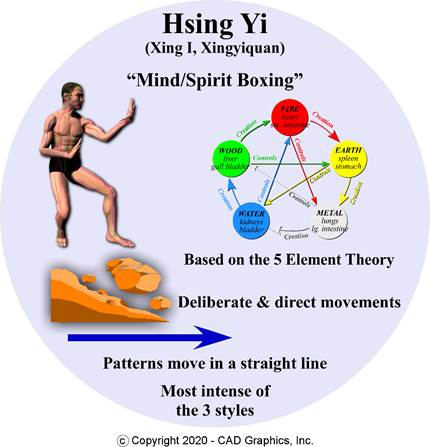
Beyond the meditative aspects, martial arts more broadly embody somatic calibration through functional stress-testing. The practitioner learns to manage fear, aggression, and arousal through breath and structure, while maintaining equilibrium under pressure. Studies show that martial arts training enhances proprioceptive acuity, sensorimotor coordination, and self-regulation (Lakes & Hoyt, 2004). This aligns with modern somatic psychology’s premise that body-based mastery helps integrate emotional control and cognitive clarity. Each strike, stance, or transition offers an opportunity to refine how the nervous system responds to stress, literally training the body-mind to self-regulate in motion.

Playing Musical Instruments and Fine Motor Calibration

Somatic calibration extends beyond movement disciplines into musicianship and performance arts, which demand acute proprioceptive and interoceptive tuning. Professional musicians display higher sensorimotor awareness, cortical plasticity, and fine-motor coordination than non-musicians (Herholz & Zatorre, 2012). Learning an instrument requires sensing pressure, breath, timing, and resonance, developing a nuanced relationship between internal cues and external feedback. In this way, musical practice mirrors somatic calibration: constant attunement between perception and output, between inner signal and outer sound.

Mechanisms of Mind–Body Calibration

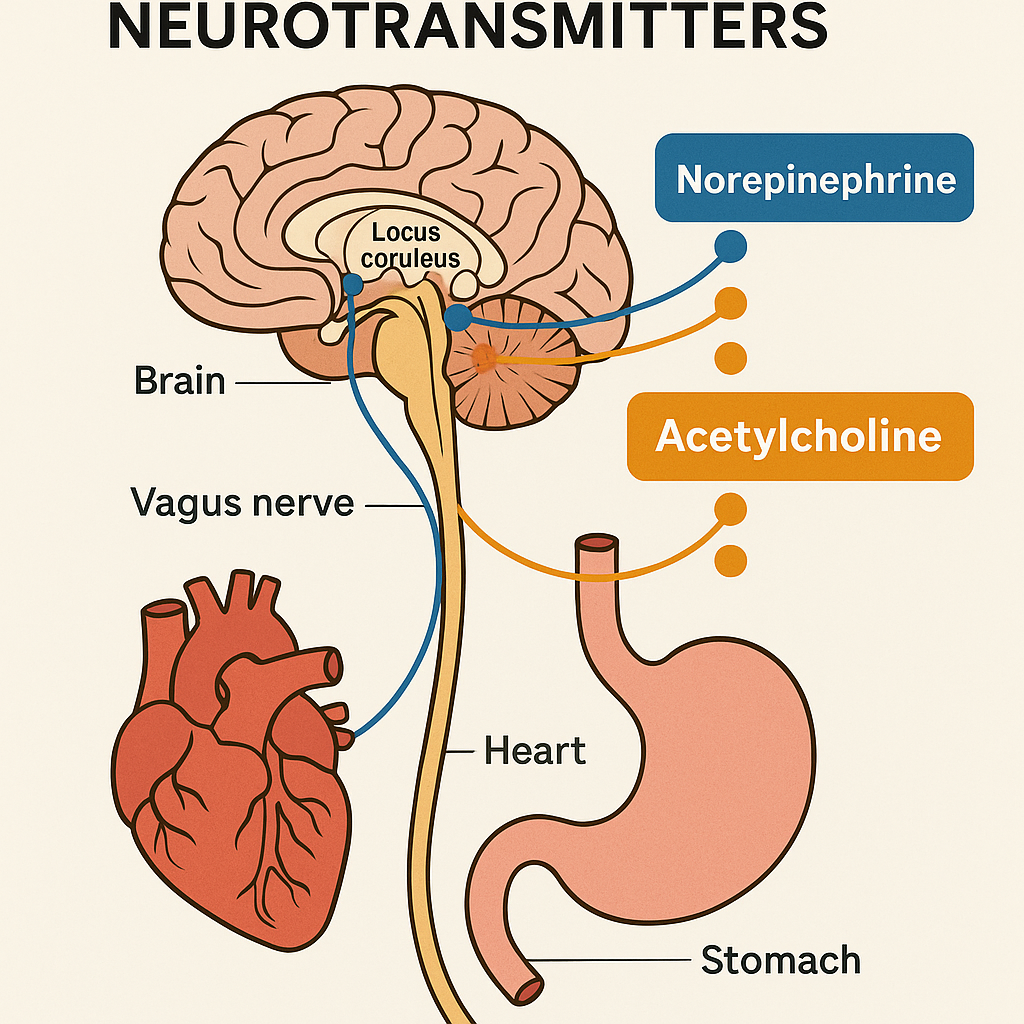
The unifying mechanism underlying all these disciplines lies in sensorimotor feedback loops that strengthen awareness and adaptability. Regular engagement in mindful movement or performance retrains the nervous system to operate in coherence, balancing sympathetic activation (energy, readiness) and parasympathetic recovery (calm, restoration). Slow, deliberate movement is characteristic of tai chi or yoga and allows the practitioner to perceive otherwise subtle cues such as joint angle, muscle tone, or internal vibration. As these perceptions sharpen, the practitioner gains conscious influence over states that were once automatic, such as tension, breath rate, or postural asymmetry (Mehling et al., 2011).

Through repeated practice, this refined self-perception translates into emotional and cognitive domains. For instance, noticing a tightening diaphragm before anxiety arises offers a chance to intervene somatically to slow the breath and prevent escalation. This is the essence of somatic calibration: turning bodily awareness into conscious regulation.

Somatic calibration represents a modern articulation of ancient principles: that self-mastery begins with bodily awareness. By refining perception and control of internal processes, one cultivates a harmonious relationship between the body and mind. Practices such as yoga, qigong, tai chi, and baguazhang, as well as musical training and other precise movement arts, can act as living laboratories for this process. They transform awareness into action, and action into alignment.

Ultimately, somatic calibration is not limited to therapy or training, but rather it is a lifelong practice of attuning to the ever-changing signals of one’s internal and external environment. In a world that often prioritizes cognition over embodiment, somatic calibration restores equilibrium, offering a path toward resilience, integration, and inner harmony.

References:

Herholz, S. C., & Zatorre, R. J. (2012). Musical training as a framework for brain plasticity: Behavior, function, and structure. Neuron, 76(3), 486–502. https://doi.org/10.1016/j.neuron.2012.10.011

Jahnke, R., Larkey, L., Rogers, C., Etnier, J., & Lin, F. (2010). A comprehensive review of health benefits of qigong and tai chi. American journal of health promotion : AJHP24(6), e1–e25. https://doi.org/10.4278/ajhp.081013-LIT-248

Khalsa, S. S., Adolphs, R., Cameron, O. G., Critchley, H. D., Davenport, P. W., Feinstein, J. S., … Paulus, M. P. (2018). Interoception and mental health: A roadmap. Biological Psychiatry: Cognitive Neuroscience and Neuroimaging, 3(6), 501–513. https://doi.org/10.1016/j.bpsc.2017.12.004

Lakes, K. D., & Hoyt, W. T. (2004). Promoting self-regulation through school-based martial arts training. Journal of Applied Developmental Psychology, 25(3), 283–302. https://doi.org/10.1016/j.appdev.2004.04.002

Mehling, W. E., Price, C., Daubenmier, J., Acree, M., Bartmess, E., & Stewart, A. (2011). The Multidimensional Assessment of Interoceptive Awareness (MAIA). PLoS ONE, 7(11), e48230. https://doi.org/10.1371/journal.pone.0048230

Streeter, C. C., Gerbarg, P. L., Saper, R. B., Ciraulo, D. A., & Brown, R. P. (2012). Effects of yoga on the autonomic nervous system, gamma-aminobutyric-acid, and allostasis in epilepsy, depression, and post-traumatic stress disorder. Medical Hypotheses, 78(5), 571–579. https://doi.org/10.1016/j.mehy.2012.01.021

Taylor, J. (2023). What is somatic awareness? Retrieved from https://janetaylor.net/what-is-somatic-awareness/

Wayne, P. M., & Yeh, G. Y. (2014). Effect of Tai Chi on cognitive performance in older adults: A systematic review. Journal of the American Geriatrics Society, 62(1), 25–39. https://pubmed.ncbi.nlm.nih.gov/24383523/

Physiological Effects of Cervical Rotation on the Vagus Nerve

Although the vagus nerve is not directly stretched or compressed during normal cervical rotation, turning the head to the left produces well-documented functional effects on vagal tone. The vagus travels through the carotid sheath along with the internal jugular vein and carotid artery, all of which are influenced by head position. When the head rotates left, the right carotid sheath experiences mild elongation while the left side shortens, altering the tension patterns of the surrounding fascia and connective tissues. Studies show that cranial nerves, including the vagus, transmit mechanical forces through their perineural sheaths, meaning that changes in cervical fascial tension can influence the nerve’s functional environment without producing harmful compression (Wilke et al., 2017). Additionally, rotation modifies the hemodynamics of the internal jugular vein, subtly shifting the pressure dynamics adjacent to the vagus nerve (Zhou et al., 2022).

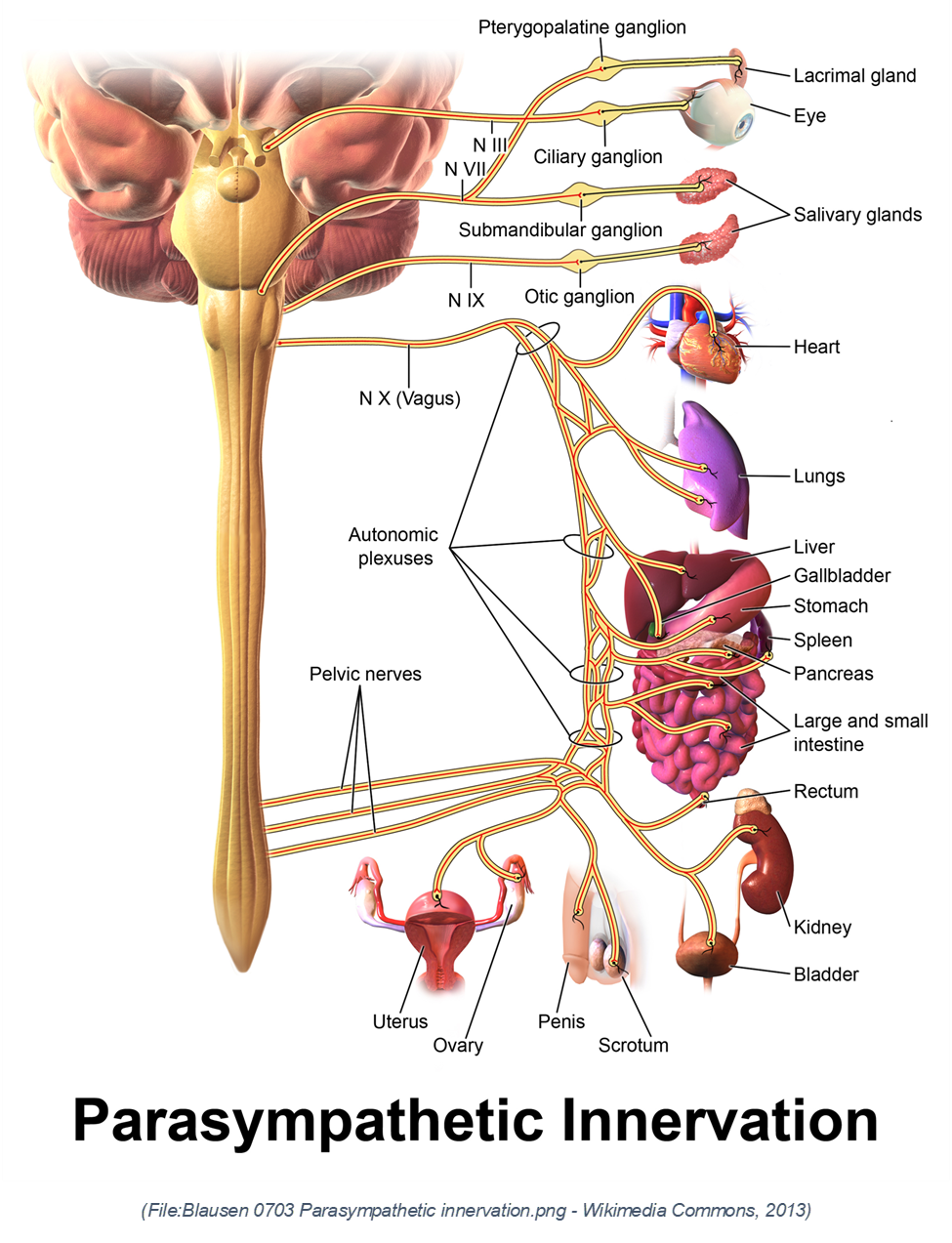
Head rotation also affects autonomic balance through the carotid sinus baroreceptors, which are located bilaterally along the internal carotid artery. These mechanosensitive receptors respond to tissue deformation during rotation, increasing afferent signals to the nucleus tractus solitarius (NTS) in the brainstem. The NTS integrates baroreceptor input and modulates parasympathetic output through the vagus nerve (Chapleau & Abboud, 2020). As a result, turning the head to the left can modestly increase vagal activity, leading to decreased sympathetic tone, mild reductions in heart rate, and an overall calming effect. This mechanism explains why some individuals experience relaxation, lightheadedness, or parasympathetic settling during slow, sustained cervical rotation.

These modern findings complement traditional practices in Tai Chi, Qigong, and Dao Yin, where gentle head turning is used to regulate internal balance and calm the mind. Cervical rotation influences both the fascial network and the autonomic nervous system, creating a physiological basis for classical teachings on opening meridians, regulating Qi in the upper Jiao, and settling the shen (spirit or consciousness). When practiced with coordinated breathing, head rotation enhances respiratory sinus arrhythmia and further strengthens vagal tone, aligning ancient somatic wisdom with contemporary neurophysiology. Thus, the simple act of turning the head becomes a multidimensional practice of neurological, physiological, and energetic, that harmonizes the mind-body system.

1. Vagus Nerve + Carotid Sheath + Effects of Head Turning

When the head rotates to the left:

  • The right carotid sheath (containing the vagus nerve, internal jugular vein, and carotid artery) becomes slightly elongated, increasing fascial tension around the right vagus nerve.
  • The left carotid sheath slightly shortens, reducing tension.
  • The carotid sinus on the left side may be gently stimulated as the tissues shift and rotate, activating baroreceptors.
  • Baroreceptor firing sends signals to the nucleus tractus solitarius (NTS) in the brainstem, which in turn increases parasympathetic (vagal) output and slightly decreases sympathetic tone.
  • The internal jugular vein, which lies directly adjacent to the vagus nerve, experiences flow changes during rotation—altering the mechanical environment of the vagus nerve without compressing it.

This creates a functional parasympathetic adjustment, not a structural change.

(Garner et al., 2023)

2. Tai Chi / Qigong / Dao Yin Interpretation

In traditional Tai Chi, Qigong, and Dao Yin systems, turning the head is never just a mechanical action, but rather it is an autonomic, energetic, and fascial balancing maneuver. Modern neurophysiology now helps explain why ancient practitioners described head turning as calming, centering, and “opening the channels.”

A. Cervical Spiraling Opens the Upper Jiao

Gentle rotational movements lengthen one side of the neck while softening the other. In TCM terms, this affects:

  • Lung meridian (Taiyin)
  • Large intestine meridian (Yangming)
  • Stomach/Spleen fascia
  • Upper Jiao Qi dynamics

In modern terms, this mirrors changes in:

  • Vagal tension
  • Baroreflex sensitivity
  • Jugular flow
  • Cervical proprioceptive input to the brainstem

This produces an immediate calming effect, what modern clinicians call increased vagal tone, and what classical teachers called settling the shen.

B. Head Turning + Breath = Amplified Parasympathetic Response

When the head turns left while breathing slowly, three systems synchronize:

  1. Vagal afferent signaling (mechanically modulated via carotid sinus)
  2. Respiratory sinus arrhythmia (slow diaphragmatic breathing increases vagal firing)
  3. Cervical proprioception (upper spine movement reduces sympathetic output)

This synergy explains why Qigong forms such as:

  • “Looking Left and Gazing Right”
  • Ba Duan Jin #7 “Punching with Steady Eyes”
  • Dao Yin head/neck spirals

are profoundly relaxing and centering.

Ancient language: “Qi descends, Shen becomes clear.”
Modern language: “Vagal tone rises, prefrontal cortex stabilizes.”

C. The Brainstem Connects the Energetic & Physiological Models

The vagus nerve’s nuclei:

  • NTS (sensory integration)
  • Dorsal motor nucleus
  • Nucleus ambiguus

are directly influenced by cervical rotation.

This provides the bridge between:

  • Energetic models: opening channels, balancing Yin/Yang of the neck
  • Neurophysiology: altering baroreflex input to stabilize heart rate, calm limbic reactivity

This is why even subtle head turning in Tai Chi or meditation immediately shifts internal state. It is both energetic and neurological.

References:

Chapleau, M. W., & Abboud, F. M. (2020). Autonomic regulation and baroreflex mechanisms. Comprehensive Physiology, 10(2), 675–702. https://doi.org/10.1002/cphy.c190015

Garner, D. H., Kortz, M. W., & Baker, S. (2023, March 11). Anatomy, head and neck: carotid sheath. StatPearls – NCBI Bookshelf. https://www.ncbi.nlm.nih.gov/books/NBK519577/

Wilke, J., Schleip, R., Yucesoy, C. A., & Banzer, W. (2017). Not merely a protective packing organ? A review of fascia and its force transmission capacity. Journal of Applied Physiology, 124(1), 234–244. https://doi.org/10.1152/japplphysiol.00565.2017

Zhou, J., Khatri, M., & Hasan, D. M. (2022). Internal jugular venous dynamics during head rotation: Implications for cervical vascular flow. Journal of Vascular Research, 59(4), 215–226. https://doi.org/10.1159/000524993

Still Looking for Gifts for Others?

Maybe consider giving a gift of knowledge.

Remember the Indiana Jones films, when Indiana discovers his father’s diary containing clues to the Holy Grail? The book itself was knowledge. Wisdom came from applying that knowledge through experience. Without knowledge and lived practice, wisdom is difficult to cultivate.

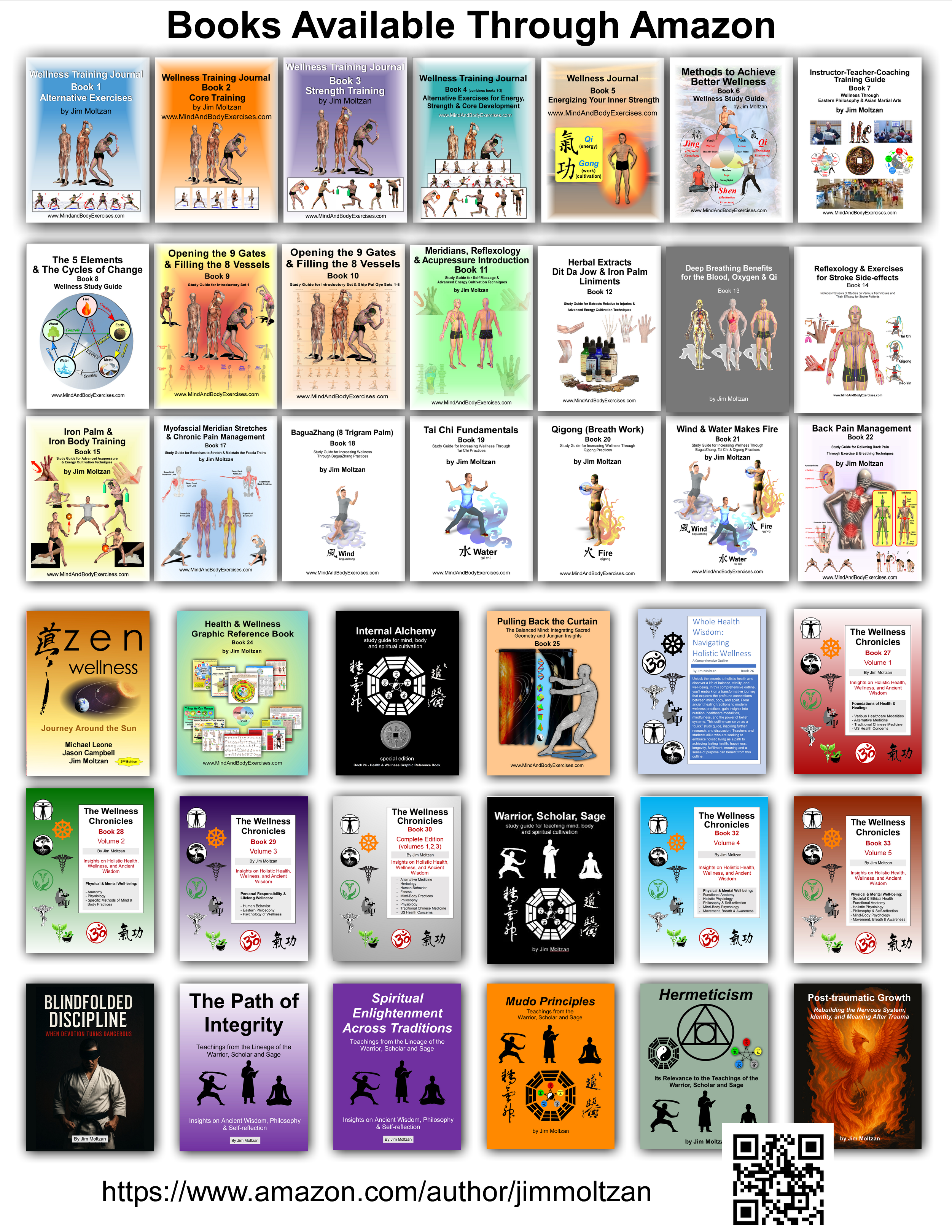
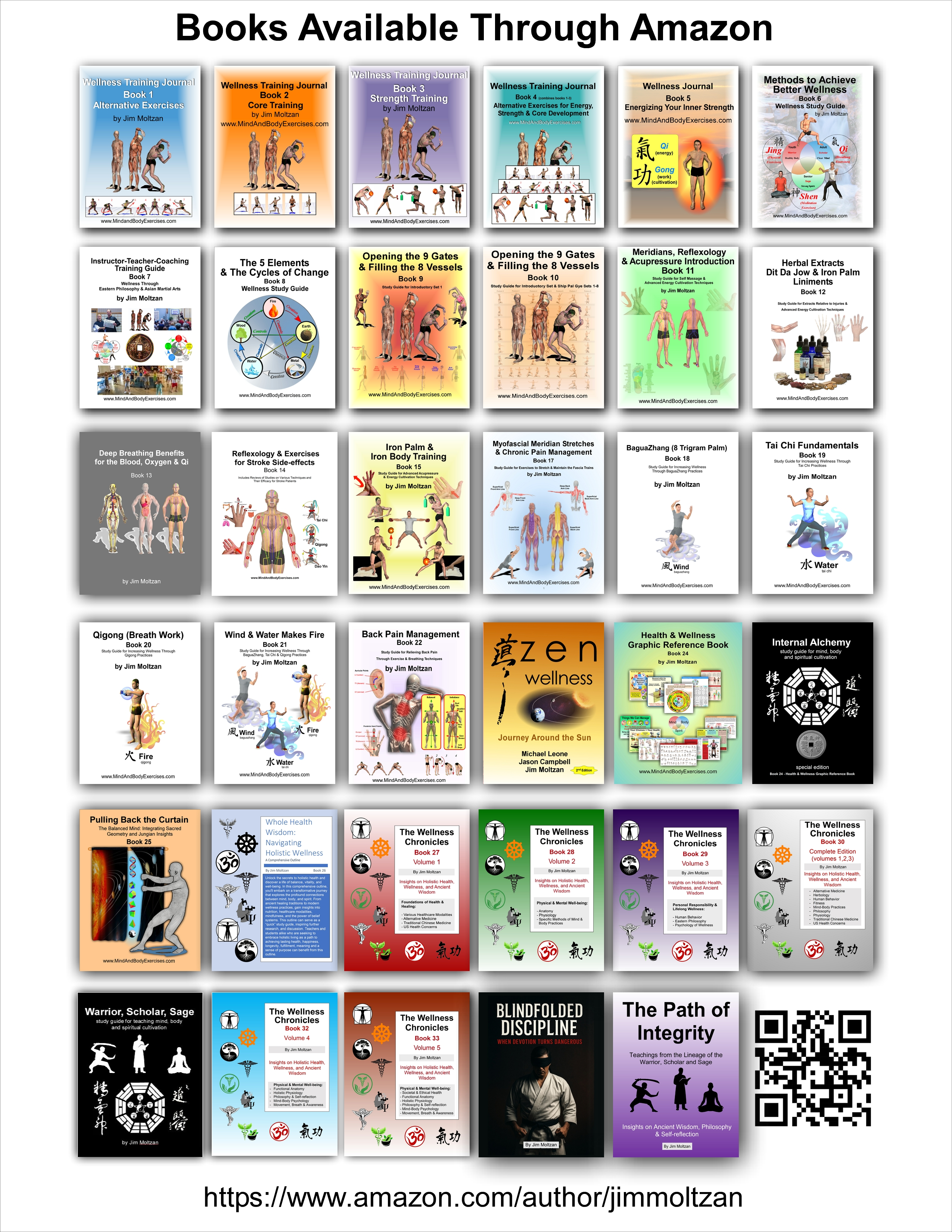
For over 40 years, I have been on my own search for a “Holy Grail” of health, wellness, fitness, and self-awareness. Along that journey, I have created a series of books and study guides that visually and conceptually map what I believe to be the essential components of a healthy, balanced, and meaningful life.

My books are comprehensive, deeply researched, and feature original, full-color illustrations designed to make complex ideas clear and accessible. Each volume reflects decades of firsthand learning, practice, teaching, and illustration across disciplines including holistic health, fitness, psychology, Traditional Chinese Medicine, qigong, martial arts, and yoga philosophy. These are not mass-market publications. They are intentionally crafted for thoughtful readers, practitioners, and lifelong learners who value depth, clarity, and authenticity.

To date, I have published 39 books and study guides on Amazon. Some are primarily visual references that distill complex systems into clear graphic formats. Others explore theories of human development, psychology, movement, breathwork, rehabilitation, longevity, and overall quality of life. Many include practical exercise sets designed to support recovery, resilience, and long-term well-being.

These works represent the summation of more than four decades of training, education, teaching, and public speaking. Much of the qigong and breathing work draws from Chinese Kung Fu and Korean Dong Han medical qigong lineages, alongside extensive study with Traditional Chinese Medicine practitioners and martial arts masters. My background also includes acupressure, acupuncture principles, moxibustion, herbal preparation, and medical qigong, as well as formal academic training culminating in a Bachelor of Science degree in Holistic Health.

Similar in concept to Quick Study or PermaCharts, these guides are designed to “cut to the chase,” minimizing the time spent searching through dense textbooks while preserving the essential root knowledge of each subject. This format serves both beginners seeking a solid foundation and experienced practitioners looking for concise, high-quality reference materials.

If you are looking for a meaningful gift, one that supports health, awareness, and lifelong learning, these books are intended to be resources that grow with the reader over time.

My titles are available on Amazon at: https://www.amazon.com/author/jimmoltzan

My titles are available on Amazon at: https://www.amazon.com/author/jimmoltzan

Book 1 – Alternative Exercises

Book 2 – Core Training

Book 3 – Strength Training

Book 4 – Combo of 1-3

Book 5 – Energizing Your Inner Strength

Book 6 – Methods to Achieve Better Wellness

Book 7 – Coaching & Instructor Training Guide

Book 8 – The 5 Elements & the Cycles of Change

Book 9 – Opening the 9 Gates & Filling 8 Vessels-Intro Set 1

Book 10 – Opening the 9 Gates & Filling 8 Vessels-sets 1 to 8

Book 11 – Meridians, Reflexology & Acupressure

Book 12 – Herbal Extracts, Dit Da Jow & Iron Palm Liniments

Book 13 – Deep Breathing Benefits for the Blood, Oxygen & Qi

Book 14 – Reflexology for Stroke Side Effects:

Book 15 – Iron Body & Iron Palm

Book 17 – Fascial Train Stretches & Chronic Pain Management

Book 18 – BaguaZhang

Book 19 – Tai Chi Fundamentals

Book 20 – Qigong (breath-work)

Book 21 – Wind & Water Make Fire

Book 22 – Back Pain Management

Book 23 – Journey Around the Sun-2nd Edition

Book 24 – Graphic Reference Book

Book 25 – Pulling Back the Curtain

Book 26 – Whole Health Wisdom: Navigating Holistic Wellness

Book 27 – The Wellness Chronicles (volume 1) 

Book 28 – The Wellness Chronicles (volume 2)

Book 29 – The Wellness Chronicles (volume 3)

Book 30 – The Wellness Chronicles (complete edition, volumes 1-3)

Book 31 – Warrior, Scholar, Sage

Book 32 – The Wellness Chronicles (volume 4)

Book 33 – The Wellness Chronicles (volume 5)

Book 34 – Blindfolded Discipline

Book 35 – The Path of Integrity

Book 36 – Spiritual Enlightenment Across Traditions

Book 37 – Mudo Principles: Teachings from the Warrior, Scholar, and Sage

Book 38 – Hermeticism: Its Relevance to the Teachings of the Warrior, Scholar and Sage

Book 39 – Post-traumatic Growth


The Still Mind and the Snow Globe

The human mind can be likened to a Christmas snow globe. When resting in stillness, it is calm and transparent, revealing its contents clearly. When shaken, the glittering particles obscure the view until motion ceases and calm returns. In much the same way, the human mind loses clarity when it is agitated by thought, emotion, or distraction. Yet, when stillness is restored, insight becomes visible again.

This analogy is ancient in spirit though modern in form. Taoist, Buddhist, and contemplative traditions have long taught that the unsettled mind is filled with “ten thousand thoughts” and is like muddy water that cannot reflect the sky. When the water is left alone, sediment sinks and the surface becomes clear, mirroring reality without distortion. Neuroscience has since confirmed that mental agitation disrupts attentional networks and self-regulation, whereas calm awareness engages prefrontal regions that enhance clarity and emotional balance (Vago & Silbersweig, 2016).

Agitation, Clarity, and the Nature of Mind

Just as the snowflakes in a globe swirl when shaken, so do thoughts and emotions when the mind is disturbed by stress, fear, or overstimulation. The more one reacts, the longer the “flakes” take to settle. Mindfulness teacher Jillian Pransky (2023) uses this same metaphor to describe how meditation allows the inner “snow” to fall to rest and thus revealing stillness and depth beneath the surface.

In a similar vein, meditation research shows that repeated exposure to calm awareness enhances the brain’s ability to disengage from habitual thinking and recover from agitation (Fox et al., 2016). Thus, stillness is not passivity; it is active regulation, a physiological return to balance. This capacity for returning to center is what Tai Chi and Qigong practitioners seek to cultivate daily.

The Snow Globe and the Internal Arts

In Qigong and Tai Chi, movement arises from stillness and returns to it. Between each form lies a subtle pause or an internal settling. When agitation arises, practitioners are taught to “let the mind sink to the dantian,” mirroring how snow settles to the bottom of the globe. Breath slows, the nervous system calms, and the clarity of awareness expands.

Daoist classics such as the Qingjing Jing emphasize this principle: “If the mind is pure and still, all things will become clear of themselves” (Li, 1981). Stillness (jing) is not an absence of life but the foundation for transformation. Without it, internal energy (qi) becomes scattered, and consciousness (shen) clouded. With it, harmony between body, breath, and mind is restored, a concept echoed in modern psychophysiology as “parasympathetic dominance,” when calm awareness stabilizes physiological rhythms (Mayo Clinic, 2023).

From this lens, the snow globe becomes a teaching instrument:

  • The glass represents the body—transparent but containing.
  • The water symbolizes consciousness.
  • The flakes represent thoughts, memories, and emotions.
  • The base is the dantian—the center of gravity, both physical and spiritual.
    When the practitioner “shakes” with stress or emotion, the particles rise and obscure vision. When stillness returns, the scene or the true nature of mind becomes visible once again.

Table: Mind States vs. Snow-Globe States

AspectSnow Globe StateMind State EquivalentPractical Cultivation Method
UnsettledShaken; snow whirling chaoticallyAgitated thoughts, anxiety, scattered focusPause; deep diaphragmatic breathing; grounding awareness in body
SettlingFlakes gradually fallThoughts subside; awareness re-centersGentle movement; slow Qigong; rhythmic breathing
StillWater clear and unmovingCalm mind; perceptual clarity; inner balanceMeditation; standing post; mindful observation
Re-agitatedGlobe shaken againEmotional disturbance or overstimulationRecognize trigger; respond with patience and non-reactivity
Restored ClarityScene visible againInsight, creativity, emotional regulationContinued practice of calm-abiding (samatha) and mindful awareness

Embodied Awareness and the Settling of Qi

In Tai Chi, teachers often say, “Where the mind goes, qi follows.” When the mind is disturbed, the qi scatters; when the mind is calm, qi gathers. The settling of mental “snow” mirrors the condensation of energy within the body’s core. The nervous system reflects this change: heart rate variability improves, cortisol decreases, and attention stabilizes (Fox et al., 2016; Mayo Clinic, 2023).

This internal stillness is not a withdrawal from life, but rather it is refinement. It allows the practitioner to perceive without distortion and to respond without haste. It is what the Zen tradition calls mushin, “no-mind,” where thought does not vanish but becomes transparent and responsive rather than turbulent (Li, 1981). The snow globe thus offers a contemporary bridge between contemplative science and ancient practice, a visualization of how calm leads to wisdom.

Transmutation Through Stillness

The deeper message of this metaphor lies in transformation. When one repeatedly allows the snow to settle, a new pattern of being forms. Neural pathways shift; emotional reactivity decreases; intuition sharpens. In Taoist alchemy, this is nei dan or the refinement of essence (jing) into energy (qi), and energy into spirit (shen). What begins as calming the surface mind evolves into inner transmutation or the awakening of clarity that is no longer dependent on circumstance.

Therefore, to train the mind is not to eliminate its contents but to see through them, to let every swirl of snow reveal rather than obscure. Through stillness, awareness refracts light instead of scattering it. Through daily practice, one learns to set down the globe and simply watch the snow fall.

References:

Fox, K. C. R., Dixon, M. L., Nijeboer, S., Girn, M., Lifshitz, M., Ellamil, M., Sedlmeier, P., & Christoff, K. (2016). Functional neuroanatomy of meditation: A review and meta-analysis of 78 functional neuroimaging investigations. arXiv preprint arXiv:1603.06342. https://arxiv.org/abs/1603.06342

Fox, K. C. R., Kang, Y., Lifshitz, M., & Christoff, K. (2016). Increasing cognitive-emotional flexibility with meditation and hypnosis: The cognitive neuroscience of de-automatization. arXiv preprint arXiv:1605.03553. https://arxiv.org/abs/1605.03553

Li, J. (1981). Qingjing Jing (清靜經): The Scripture of Clarity and Stillness. Beijing: Zhonghua Shuju. https://archive.org/details/daoist-scripture-qing-jing-jing-louis-komjathy/QJJ%20-%20Louis%20Komjathy%20%28Editor%29/

Mayo Clinic. (2023, December 14). Meditation: A simple, fast way to reduce stress. https://www.mayoclinic.org/tests-procedures/meditation/in-depth/meditation/art-20045858

Pransky, J. (2023, June 11). a meditation to create space in the midst of chaos — jillian pransky. Jillian Pransky. https://www.jillianpransky.com/blog/creating-space-snowglobe-meditation

Vago, D. R., & Zeidan, F. (2016). The brain on silent: mind wandering, mindful awareness, and states of mental tranquility. Annals of the New York Academy of Sciences1373(1), 96–113. https://doi.org/10.1111/nyas.13171

“Polishing the Sword with the Soul”

The Tao of Inner Refinement in MuDo Practice

(wikiHow, 2025)

The phrase “polish the sword with the soul” is rooted in Taoist and Mu-Do (武道) traditions and expresses a universal ideal of continuous self-cultivation through disciplined practice and moral awareness. Like a sword that must be repeatedly sharpened to retain its edge, the human being must refine body, mind, and spirit to express the full potential of Dao (道) or The Way. This teaching transcends martial technique; it symbolizes the transformation of the practitioner into a vessel of harmony, wisdom, and integrity.

1. The Sword as the Symbol of Self and Spirit

In both Chinese and Korean philosophical systems, the sword (jian) is not merely a weapon but a metaphor for consciousness itself. The Taoist classic Zhuangzi likens the true swordsman to one whose blade never dulls because his mind is empty of attachment (Watson, 2013). Within Mudo, the sword embodies the shin (mind-heart), which when pure, reflects truth without distortion. The practitioner’s journey is to temper this “inner blade,” learning balance between yang (activity, assertion) and yin (stillness, receptivity), a theme central to traditional Taoist cosmology (Kohn, 2009).

In the Korean context, this teaching resonates with the ideal of Su-shin, meaning “cultivation of the body/self.” Confucius placed Su-shin at the foundation of social and cosmic harmony: “When the self is cultivated, the family is regulated; when the family is regulated, the state is in order” (Great Learning, trans. Legge, 1893). Thus, polishing the sword is both personal and social, in refining oneself to act justly in the world.

2. The Polishing Process: Friction as Transformation

Polishing requires friction, an apt metaphor for life’s challenges, failures, and self-confrontations. In Taoist alchemy, this process is described through the San Bao or “Three Treasures” of jing (essence), qi (energy), and shen (spirit). Through disciplined practice, essence is refined into energy, energy into spirit, and spirit into emptiness (xu) (Chia, 2008). The polishing of the sword thus mirrors Neidan, or internal alchemy: the transformation of raw life energy into luminous awareness.

In Mudo philosophy, this transformation parallels the Way of the Warrior – Scholar- Sage, a triadic path uniting physical discipline, intellectual cultivation, and moral-spiritual awareness. The warrior’s physical training tempers jing; the scholar’s contemplation refines qi; and the sage’s insight elevates shen and ultimately leading to harmony between heaven, earth, and man. This mirrors Jung’s (1968) notion of individuation, where the conscious and unconscious are integrated into a unified Self through continual refinement of opposites.

3. The Soul as the Source of Mastery

To “polish with the soul” means to engage one’s innermost consciousness as the agent of refinement. The soul (hun) represents the luminous, yang aspect of spirit that animates purpose and creativity (Larre & de la Vallée, 1996). Without the engagement of the soul, practice becomes mechanical; a sword swung without intention. When the soul infuses the art, each motion reflects authenticity, compassion, and clarity.

Modern psychological parallels can be found in self-determination theory, where mastery arises from intrinsic motivation aligned with personal values (Ryan & Deci, 2017). The Mudo practitioner’s polishing, therefore, is not merely technical repetition but the alignment of inner motive and outer action, manifesting into a harmony of virtue (de) and expression (gong).

4. Integrative Reflection: The Sword as Mirror of the Way

In the broader context of Taoist cultivation, “polishing the sword with the soul” signifies a return to the Dao through continuous refinement. Each moment of training, contemplation, or service becomes a stroke of the whetstone against the blade of consciousness. The goal is not perfection, but rather clarity to remove the rust of ego and reveal the reflective surface of awareness.

As explored in prior discussions of the yin–yang dynamic, strength and vulnerability, action and stillness, are not opposites but mutually transformative forces (Kaptchuk, 2000). The act of polishing symbolizes this balance in assertive effort (yang) combined with humble introspection (yin). Ultimately, the soul becomes both the craftsman and the mirror, through which the practitioner perceives the infinite in the finite.

To polish the sword with the soul is to practice Mudo as a living Tao, where every strike, breath, and thought becomes an act of refinement. The practitioner becomes both the sword and the polisher: a self-reflective being who tempers strength with compassion, power with humility, and mastery with moral integrity. In this process, technique becomes transcendent, and the path of the warrior, scholar, and sage merges into one continuous motion of the soul returning to its source.

References:

Jung, C. G. (1968). The collected works of C. G. Jung: Vol. 9 (Part 2). Aion: Researches into the phenomenology of the self. Princeton University Press.

Kaptchuk, T. J. (2000). The web that has no weaver: Understanding Chinese medicine. McGraw-Hill.

Kohn, L. (2009). The Taoist experience: An anthology. State University of New York Press. https://archive.org/details/thetaoistexperienceliviakohn

Larre, C., & de la Vallée, E. (1996). The seven emotions: Psychology and health in ancient China. Monkey Press.

Legge, J. (1893). The Chinese classics: Vol. I. The Great Learning. Oxford University Press. https://archive.org/details/chineseclassics41legg/page/n5/mode/2up

Chia. M. (2008). Healing light of the Tao: Foundations of internal alchemy. Universal Tao Publications.

Ryan, R. M., & Deci, E. L. (2017). Self-determination theory: Basic psychological needs in motivation, development, and wellness. The Guilford Press. https://doi.org/10.1521/978.14625/28806

Watson, B. (2013). The complete works of Chuang Tzu. Columbia University Press.

wikiHow. (2025, February 7). How to Take Care of Swords (with Pictures) – wikiHow. wikiHow. https://www.wikihow.com/Take-Care-of-Swords