Rewiring the Human Nervous System: Adapting to a High-Voltage World

Rewiring the Nervous System: Ancient Practices for Modern Resilience

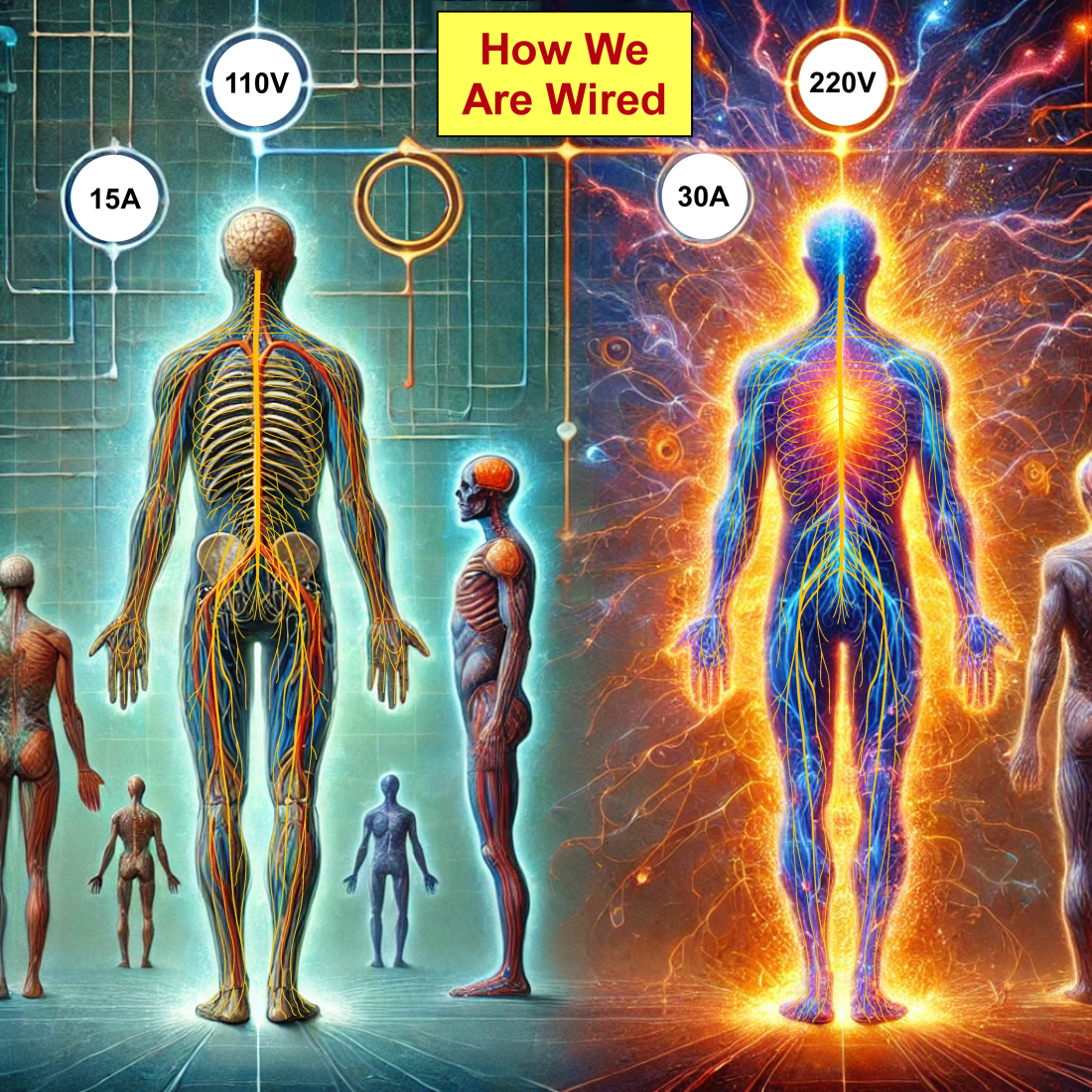
The human nervous system can be likened to an electrical system designed for specific voltage and amperage. Traditionally, it is assumed that most individuals are wired for 110 volts and 15 amps. However, contemporary society necessitates functioning at 220 volts and 30 amps, far exceeding the capacity originally intended by our biology. This increased “voltage” manifests as chronic stress, anxiety, burnout, and various physical ailments.

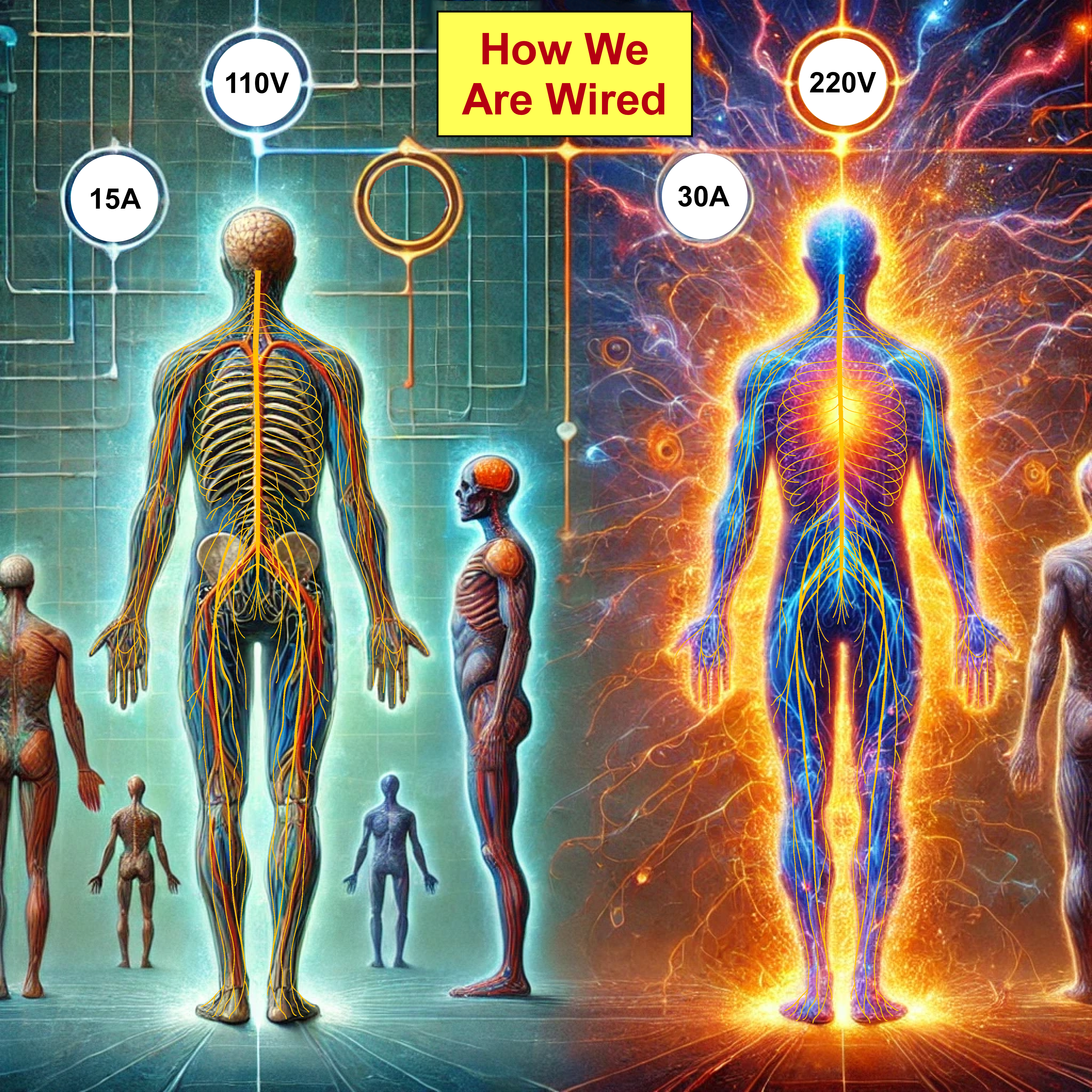
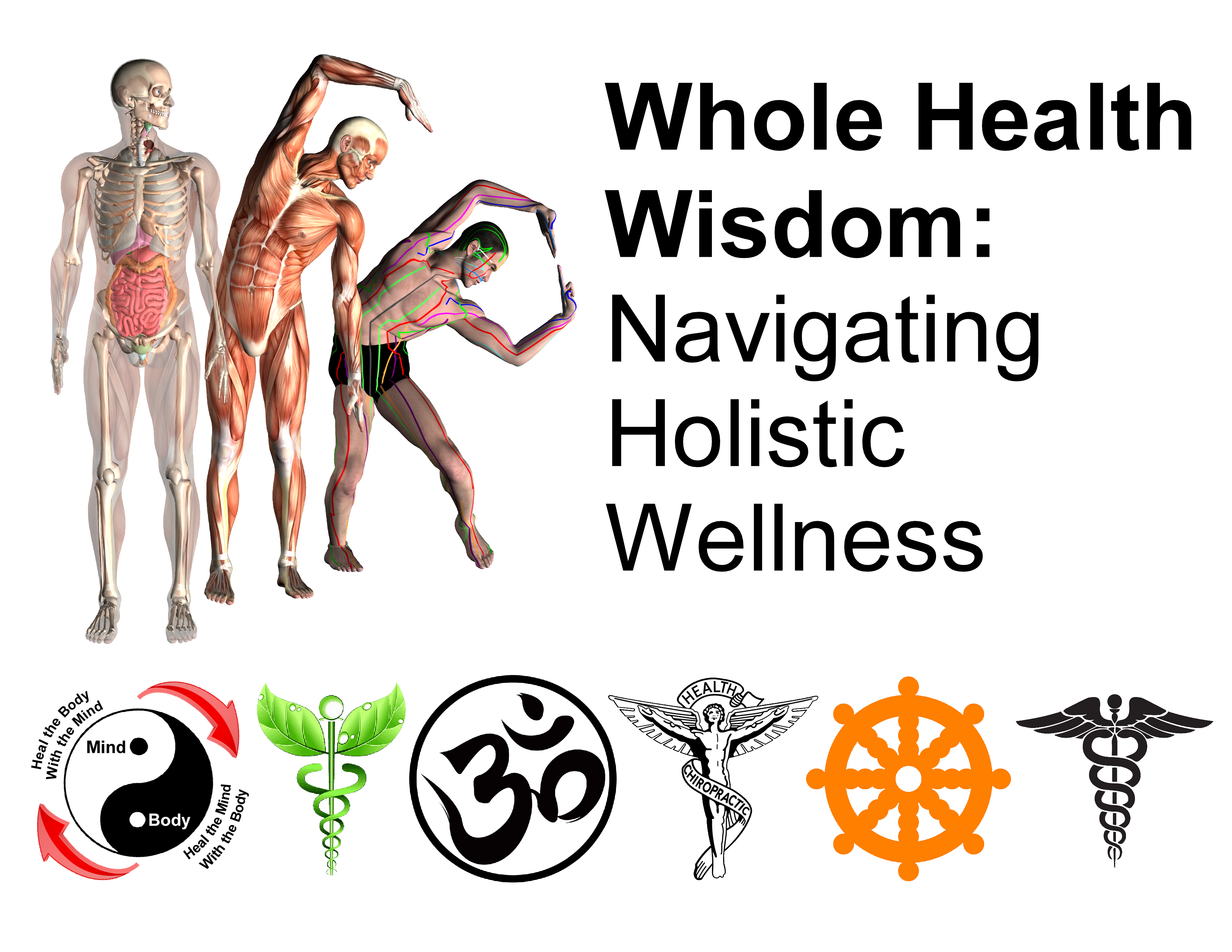
Nevertheless, just as an electrical system can be rewired to handle greater loads, the human nervous system can also be trained to adapt. Ancient practices such as martial arts, qigong, Dao Yin (Taoist yoga), yoga, and breathwork serve as effective interventions. These time-tested methods bridge the gap between the body’s inherent capabilities and the demands of modern life, enabling the nervous system to withstand higher levels of stress without succumbing to being overwhelmed.

The Role of Stance Training and Controlled Stress

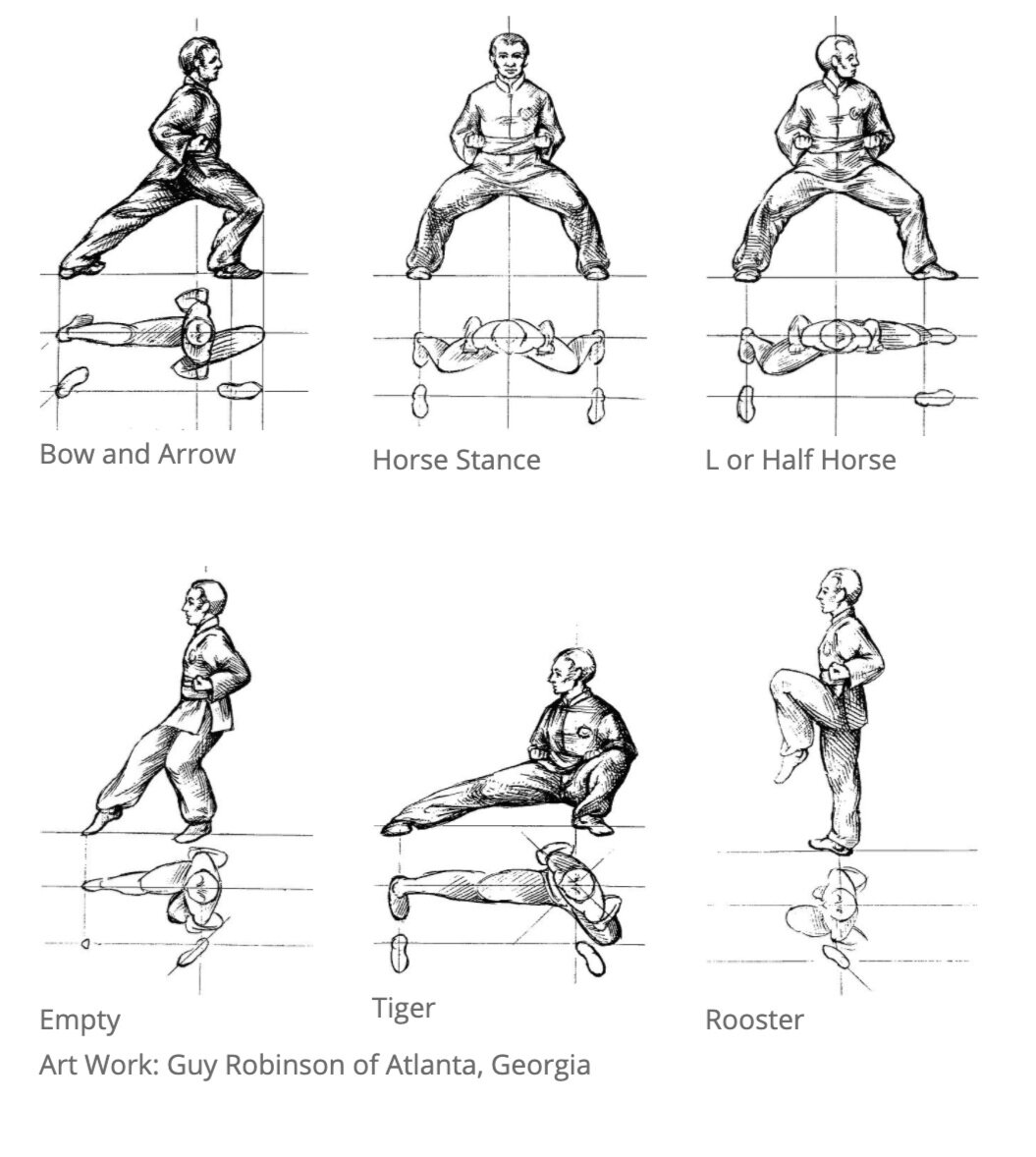
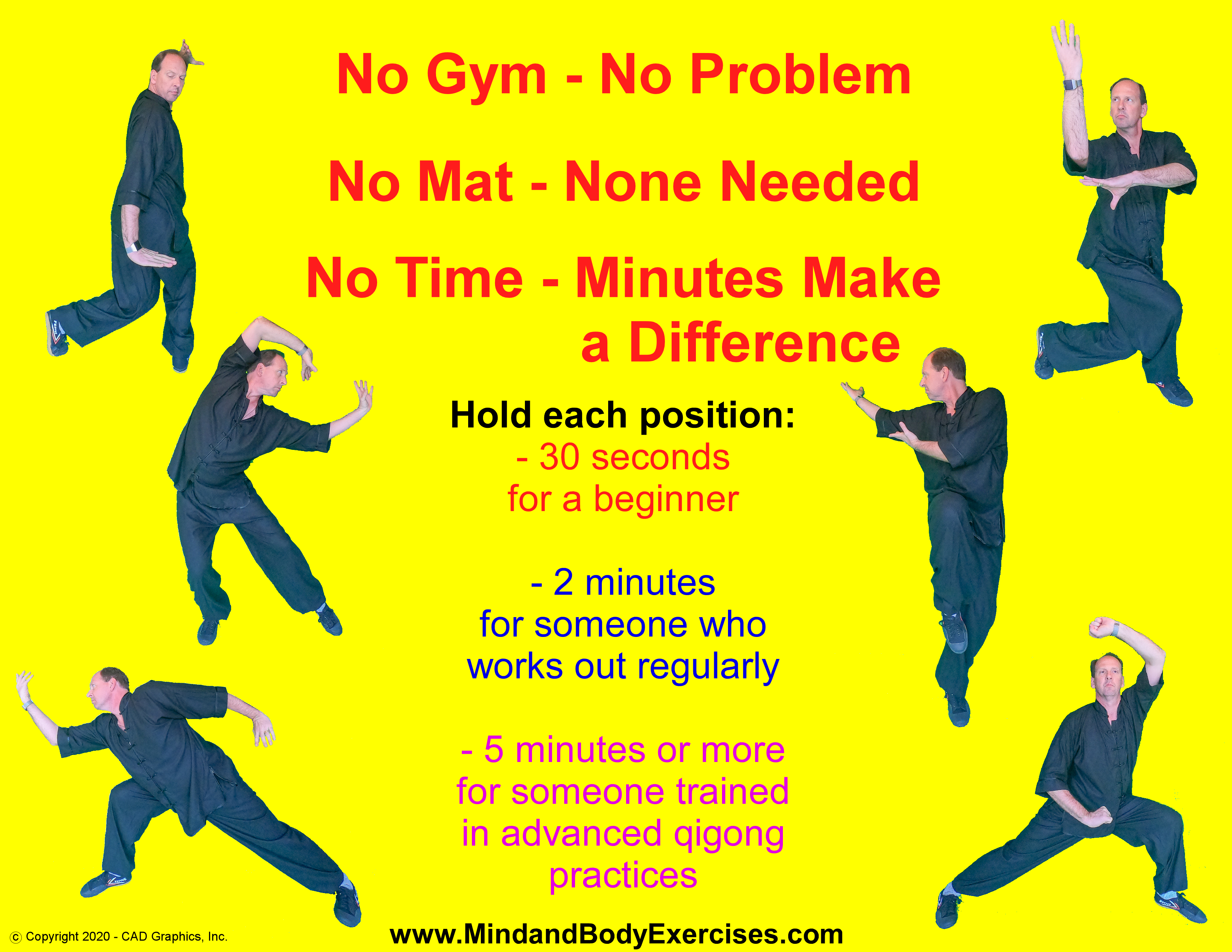
With over 45 years of experience in martial arts, qigong, Dao Yin, and yoga, it has been observed that certain methods can effectively enhance the nervous system. One such method is stance training, which involves holding postures for specific durations while integrating breath control.
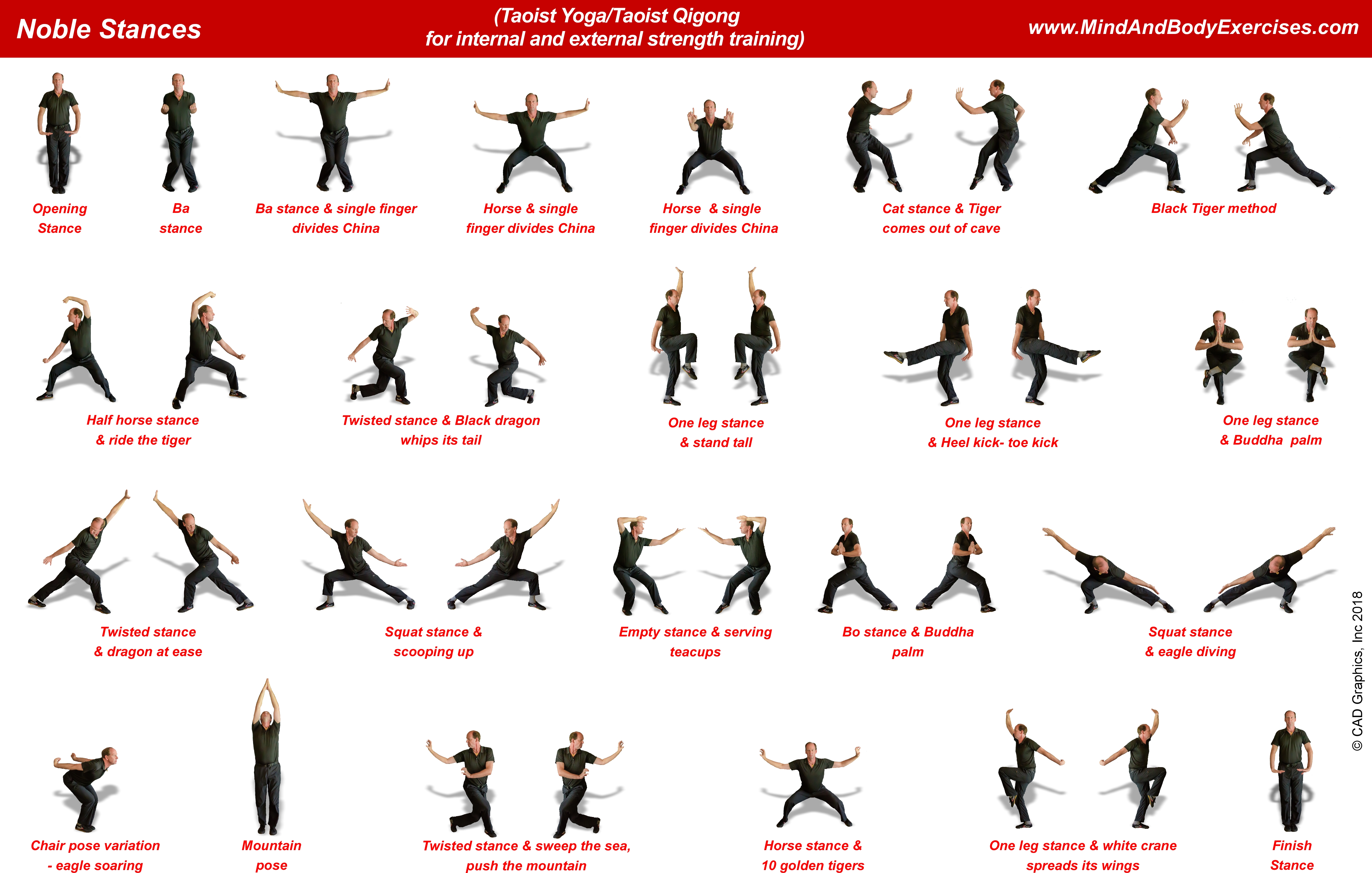
For beginners, basic stances are introduced in succession, initially without prolonged holds. As they progress, duration gradually increases. Once students can hold each stance for 30 seconds, controlled breathing is incorporated, typically three breaths per 30 seconds. With consistent practice, the duration is extended to one-minute holds, adjusting breath cycles to around four to six respirations per minute.

This approach serves multiple purposes. On a physical level, it strengthens the legs, core, and other stabilizing muscles. On a neurological level, it encourages the nervous system to adapt to discomfort, fostering resilience, endurance, and focus. On an energetic level, it stimulates the body’s internal pathways, potentially leading to enhanced vitality and internal balance.

The Science Behind the Training: The Anterior Midcingulate Cortex (aMCC)

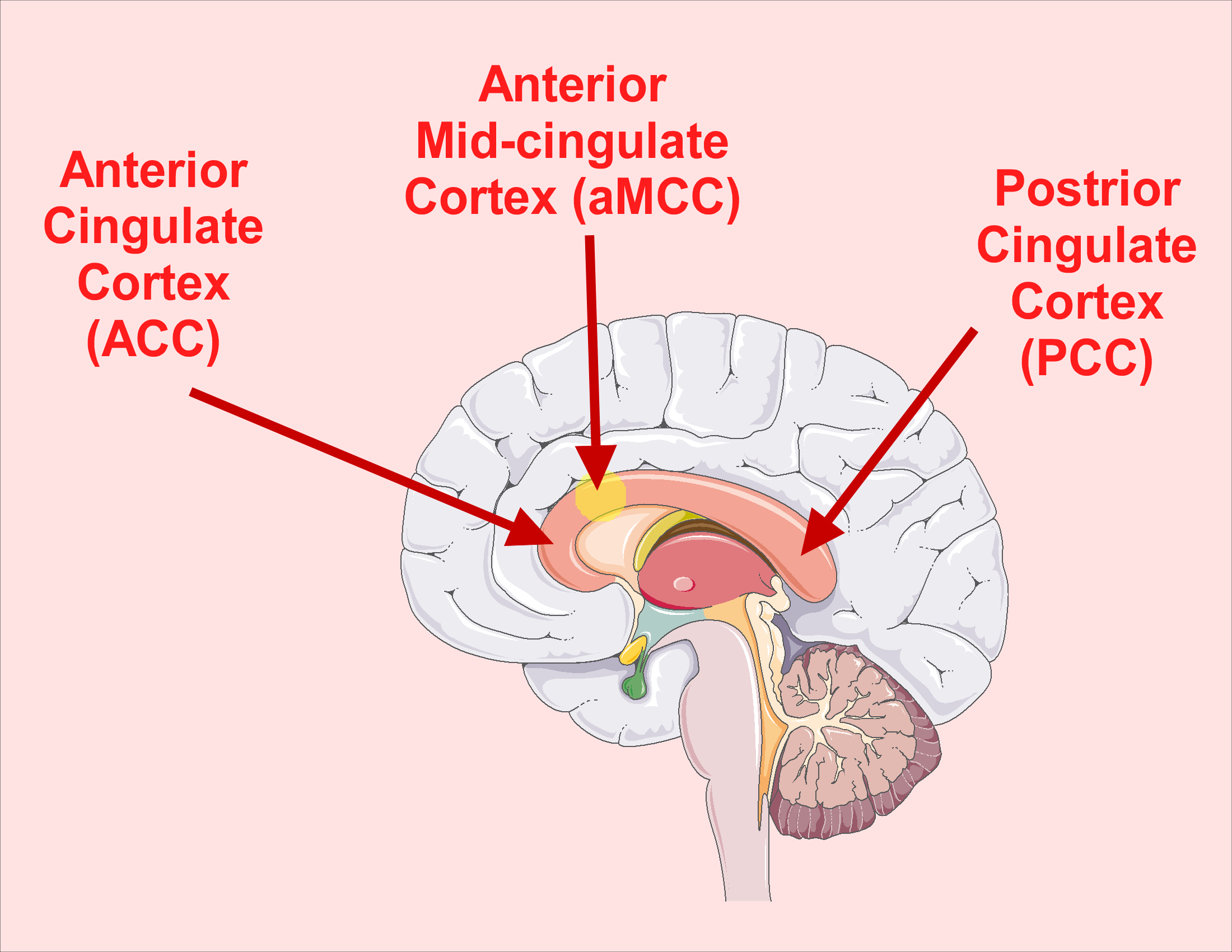
While these practices have been in use for centuries, contemporary neuroscience provides insight into their effectiveness. A critical region of the brain implicated in resilience is the anterior midcingulate cortex (aMCC).

The aMCC is responsible for effortful control, emotional regulation, and persistence in the face of challenges. Research indicates that engaging in controlled stress, such as maintaining difficult stances, regulating breath, or training under discomfort, strengthens and enlarges the aMCC. Consequently, individuals who practice these methods may enhance their ability to manage stress more effectively, increase mental toughness, and maintain composure under pressure.
In essence, deliberate training can augment our capacity to handle life’s challenges, analogous to how lifting heavier weights strengthens muscles. This concept is consistent with the principle of progressive overload, which is well-established in strength training and equally applicable to the nervous system and mental resilience.

“Burning the Chong Mai” – The Energetic Dimension

Beyond the physical and neurological aspects, these practices have deep roots in Taoist and Traditional Chinese Medicine (TCM). An important concept in energetic cultivation is “burning the Chong Mai.”
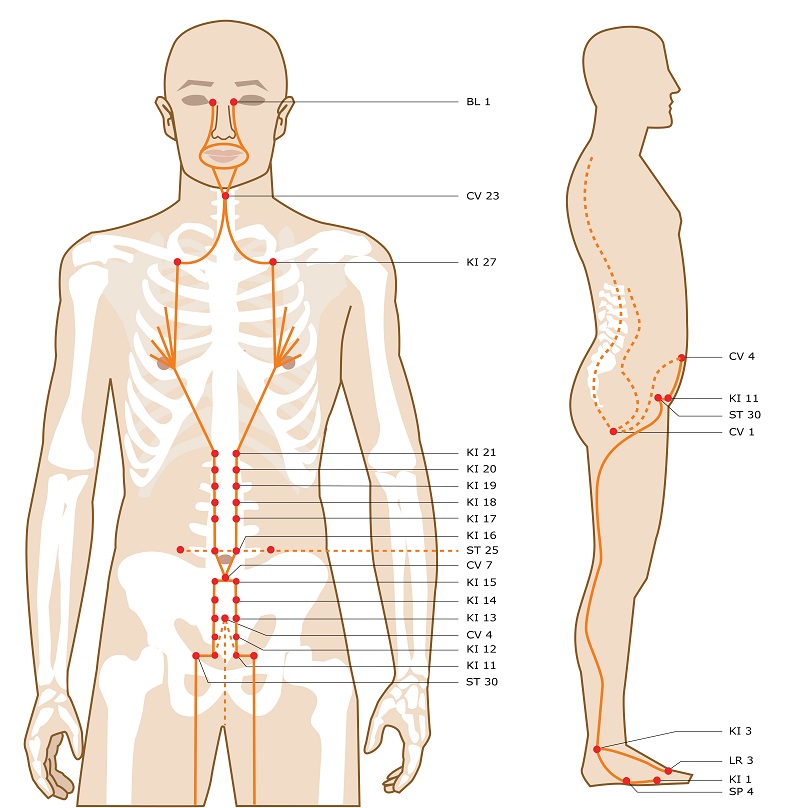
Chong Mai

The Chong Mai (penetrating or thrusting Vessel) is one of the eight extraordinary meridians in TCM. It serves as a primary channel for deep energy reserves, influencing the body’s overall energy flow. When stance work and controlled breathing are practiced regularly, this meridian can be activated, which may allow for greater energy circulation through the other seven extraordinary vessels and the twelve main meridians.

This process can be compared to upgrading a power grid. By increasing the capacity of the Chong Mai, the entire energetic system can become more efficient, stable, and resilient. This observation might explain why long-term practitioners of qigong, Dao Yin, and martial arts often report higher energy levels, improved focus, and a significant sense of internal strength.

Resilience Through Discomfort: The Path to Transformation

The old adage “That which does not kill us makes us stronger” perfectly encapsulates the philosophy behind these training methods. Rather than avoiding stress, we use it as a tool for growth.

  • Physically, stance training builds strength, endurance, and structural integrity.
  • Mentally, breath control and effortful posture-holding train the nervous system to remain calm under pressure.
  • Neurologically, the aMCC adapts and strengthens, improving stress management and persistence.
  • Energetically, activating the Chong Mai and meridian system enhances internal power and resilience.

Instead of being overwhelmed by modern life’s “220 volts,” we can upgrade our own internal wiring, ensuring that we remain grounded, adaptive, and powerful in an ever-changing world.

For those seeking true strength, not just physically, but mentally and spiritually- these ancient methods offer a proven path to transformation. The keys are consistency, patience, and a willingness to embrace discomfort as a gateway to resilience.

I look forward to further sharing more of my message by partnering with hospitals, wellness centers, VA centers, schools on all levels, businesses, and individuals who see the value in building a stronger nation through building a healthier population.

I also have hundreds of FREE education video classes, lectures, and seminars available on my YouTube channel at:

https://www.youtube.com/c/MindandBodyExercises

Many of my publications can be found on Amazon at:

http://www.Amazon.com/author/jimmoltzan

My holistic health blog is available at:

https://mindandbodyexercises.wordpress.com/

http://www.MindAndBodyExercises.com

Mind and Body Exercises on Google: https://posts.gle/aD47Qo

Jim Moltzan

407-234-0119

The Fabled History of the 108 Tai Chi Wudang Long Form

World Tai Chi Day 2025 will be celebrated on April 26th. It’s a global event aimed at promoting health, wellness, and mindfulness through Tai Chi practice. Note that not all qigong is tai chi. However, all tai chi is qigong. A distinction that is good to understand when an individual chooses to make the commitment of time, energy and resources to learn a time-proven and legitimate lineage of these practices.

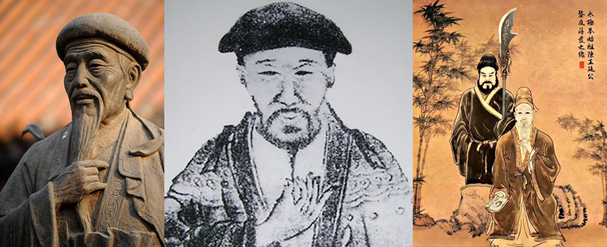
In 1314, at the age of 71, Chen Wangting (or Chen Sheng Feng, as sometimes referenced in folklore) is said to have moved to Wudang Mountain. Inspired by an intense encounter between a snake and a bird, he observed how softness could overcome hardness and how yielding could neutralize force. Combining the deadly precision of their movements with his extensive knowledge of military Longfist (Changquan) techniques, he began to refine his martial practice.

To this foundation, he integrated:

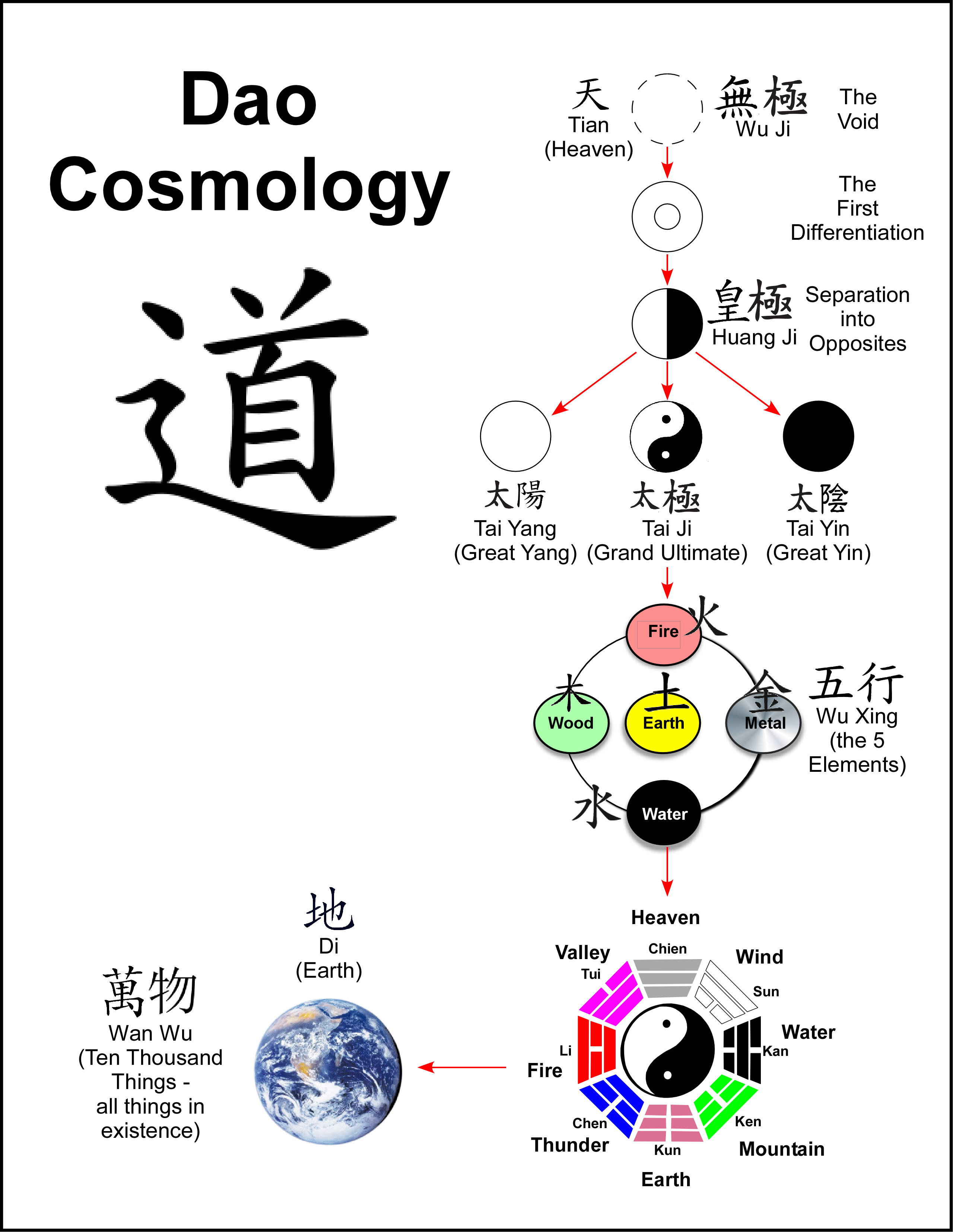
  • The dynamic interplay of Yin and Yang, expresses the natural balance of opposing forces.
  • The Five Element (Wu Xing) energy movements of ancient Taoists.
  • Ancient Dao Yin exercises promote internal health and longevity.
  • The environmental harmony of the I Ching emphasizes adaptability and flow.
  • The philosophy of the Tao Te Ching guides the practitioner toward a path of spiritual harmony and natural wisdom.

This synthesis evolved into what became known as Tai Chi Chuan (Taijiquan or “supreme ultimate fist”), later branching into the Five Element Tai Chi system.

Tai Chi can be likened to:

  • A doctor, as it promotes healing and internal balance.
  • A soldier, as it is an effective method of self-defense.
  • Vitality for the elderly and a focus for the young.

It is an exercise that strengthens the body, a meditation that calms the mind, a combat system that trains awareness and control, and a path of personal development that leads to deeper understanding. Tai Chi is like yoga in its pursuit of flexibility and balance, like dance in its graceful movements, and like self-defense in its strategic applications.

Ultimately, Tai Chi seeks to cultivate harmony with nature, instill discipline through spirituality, foster health and resilience in the individual, and align one’s being with the heavens. It is hundreds of years old, a living expression of the Dao, or the Way of Tai Chi Chuan.

I look forward to further sharing more of my message by partnering with hospitals, wellness centers, VA centers, schools on all levels, businesses, and individuals who see the value in building a stronger nation through building a healthier population.

I also have hundreds of FREE education video classes, lectures, and seminars available on my YouTube channel at:

https://www.youtube.com/c/MindandBodyExercises

Many of my publications can be found on Amazon at:

http://www.Amazon.com/author/jimmoltzan

My holistic health blog is available at:

https://mindandbodyexercises.wordpress.com/

http://www.MindAndBodyExercises.com

Mind and Body Exercises on Google: https://posts.gle/aD47Qo

Jim Moltzan

407-234-0119
Announcing a Powerful Collaboration for Inner and Outer Transformation

After decades of study, practice, and teaching, I’ve come to a simple but powerful truth: personal transformation is possible. through committed effort, self-reflection, and time-proven methods that honor both the body and the spirit.

For over 40 years, I’ve dedicated my life to exploring and sharing the profound wisdom of holistic health, qigong, tai chi, martial arts, and traditional Eastern systems of healing and self-realization. These practices were once dismissed as esoteric or somewhat “out there,” but have never been more relevant. In a culture dominated by distraction, disconnection, and stress, they offer a lifeline back to balance, clarity, strength, and peace.

Today, I’m excited to share something new. A step forward in expanding the reach of this message.

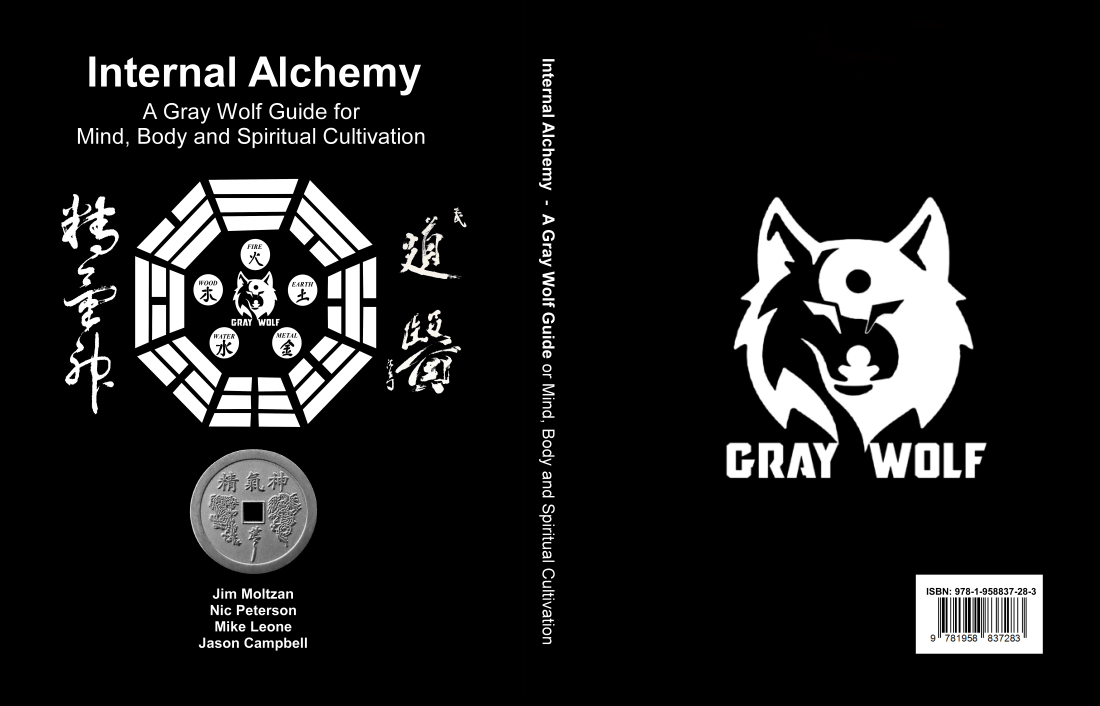
I’m partnering with Nic Peterson  (https:/www.nicpeterson.com/) a respected lineage holder of the Gray Wolf Clan, whose commitment to mastery, stewardship, and the preservation of traditional wisdom deeply aligns with my own. Nic recently wrote a powerful foreword for a private-label edition of one of my foundational works, newly titled Internal Alchemy: The Gray Wolf Guide to Body, Mind, and Consciousness. His contribution reflects the values we both hold dear of humility in teaching, discipline in practice, and the profound responsibility that comes with authentic knowledge.

We come from a warrior–scholar–sage tradition. Our masters are healers and fighters, philosophers and practitioners. They are as capable of restoring life as they are of taking it. Many other masters and grandmasters, though unnamed, have left their mark here too. That’s the nature of a true lineage: the teachings carry many hands, many voices.

Internal Alchemy is not a light read. It is a manual that is quite dense, and a deliberate reference that can (and should) be returned to time and again. Each page could be unpacked over days of study. It’s not meant to be skimmed; it’s meant to be integrated.

Alongside Nic, I am also honored to acknowledge the contributions of two remarkable individuals:

Michael Leone, my friend, peer, and sometimes teacher, a doctor of Chinese medicine, and a true warrior-scholar-sage, has been the wellspring of much of the knowledge this book is built upon. His insight into internal energetics, martial arts, and the healing systems of the East has deeply shaped my own understanding and practice. His teachings live within every page of Internal Alchemy, and his guidance continues to inform and inspire everything I share. Michael can be reached at: https://zenwellness.com/

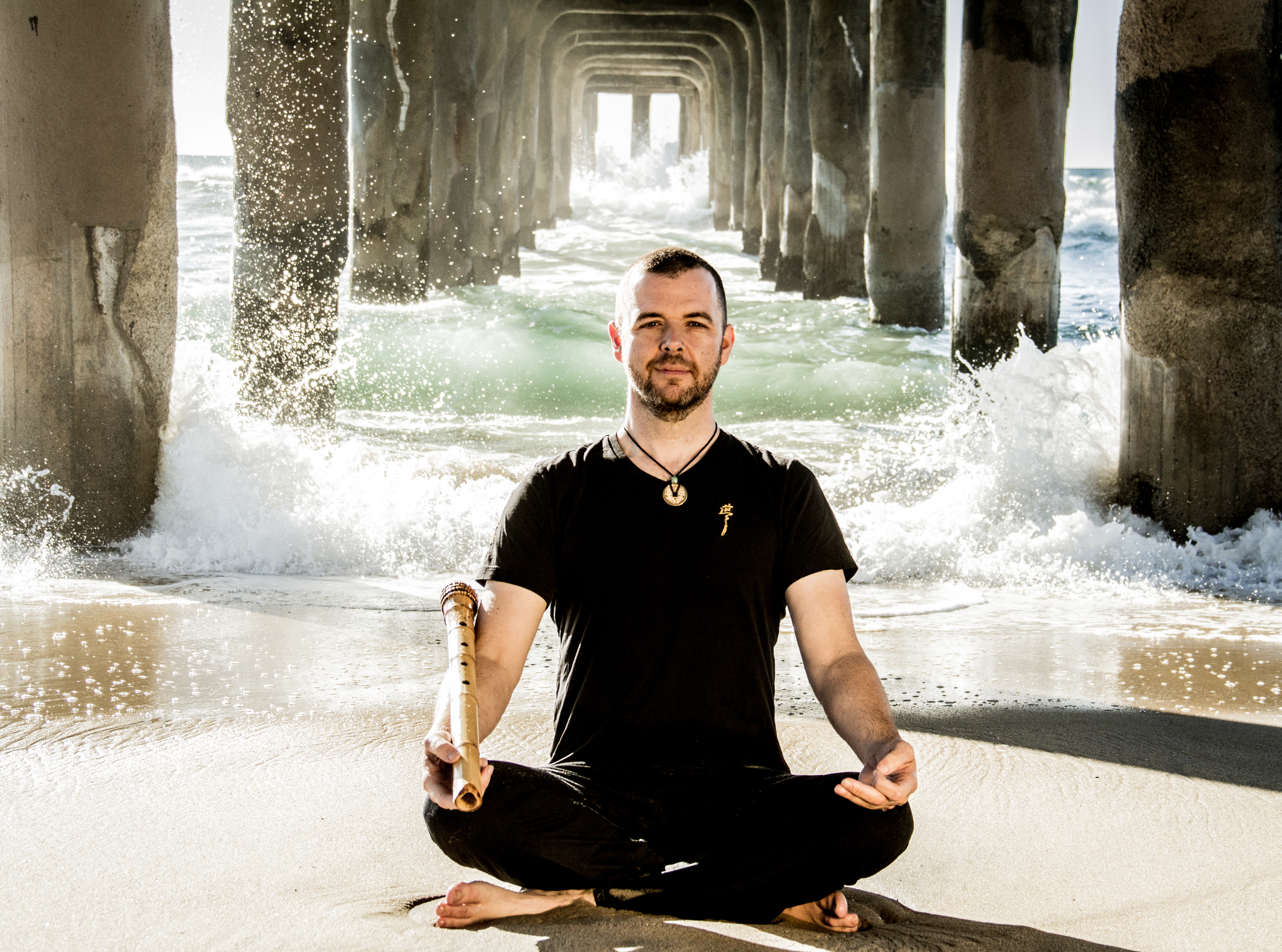
Jason Campbell, a highly recognized teacher, musician, and meditation guide, adds a profound layer to this collaboration. His work bridges the gap between ancient practices and modern lives, using sound, rhythm, and stillness to create doorways into deeper awareness. His presence in this effort expands our ability to reach those seeking peace not just in body and mind, but also in spirit and daily life. Jason’s works can be found at: https://www.jasoncampbellmusic.com/

Together, we represent a community of practitioners who believe that ancient knowledge must be preserved, respected, and made relevant in the modern age. Our collaboration is a commitment to serving the global community of seekers who value depth over trends, practice over theory, and legacy over ego.

Internal Alchemy is more than a book. It’s a living transmission of teachings designed to support your path toward self-mastery and inner freedom. Whether you are a beginner or a lifelong practitioner, we invite you to join us on this journey.

If you feel the call to the mountain, to the stillness, to something deeper within, you’re already on the path.

To learning, growing, and giving back.

Jim Moltzan
Author, Educator, Practitioner

I teach and offer lectures about holistic health, physical fitness, stress management, human behavior, meditation, phytotherapy (herbs), music for healing, self-massage (acupressure), Daoyin (yoga), qigong, tai chi, and baguazhang.

Please contact me if you, your business, organization, or group, might be interested in hosting me to speak on a wide spectrum of topics relative to better health, fitness, and well-being.

I look forward to further sharing more of my message by partnering with hospitals, wellness centers, VA centers, schools on all levels, businesses, and individuals who see the value in building a stronger nation through building a healthier population.

I also have hundreds of FREE education video classes, lectures, and seminars available on my YouTube channel at:

https://www.youtube.com/c/MindandBodyExercises

Many of my publications can be found on Amazon at:

http://www.Amazon.com/author/jimmoltzan

My holistic health blog is available at:

https://mindandbodyexercises.wordpress.com/

http://www.MindAndBodyExercises.com

Mind and Body Exercises on Google: https://posts.gle/aD47Qo

Jim Moltzan

407-234-0119
Deception in Education and Practice: Why Even Highly Educated Professionals Fall for Misinformation

As someone who has spent over four decades practicing, studying, and teaching martial arts and holistic health, I have witnessed firsthand the gradual erosion of authenticity and deception in traditional practices, particularly in the United States. With a Bachelor of Science in Holistic Health and formal studies in psychology, sociology, PTSD, physiopsychology, religion, philosophy, Eastern thought, and the U.S. healthcare system, I have sought to understand why deception in professional and educational settings is so prevalent.

Beyond martial arts, my experience includes 20 years at a high level within a highly insular, strongly hierarchical, and ideologically rigid organization that fostered a deeply immersive and echo-chamber environment. Within this structure, dogmatic teachings were reinforced, and critical inquiry was often discouraged. These insights have given me firsthand exposure to the power of groupthink, social conditioning, and blind trust in authority, leading me to question why even highly educated professionals, those who pride themselves on knowledge and integrity, can fall for deceptive practices, sometimes unknowingly, sometimes willingly.

The answer lies in a mix of psychological phenomena, social conditioning, and systemic complacency, all of which contribute to the uncritical acceptance of misinformation and misrepresented traditions.

How Deception Manifests in Professional Circles

The Bait-and-Switch Model

A classic example of deception is called the “bait-and-switch” model, orthe practice of marketing one thing while delivering something entirely different.

In martial arts, particularly tai chi, many instructors advertise lineage-based training but actually teach a mix of simplified qigong movements that lack the biomechanical structure, martial application, and philosophical depth of true tai chi. This bait-and-switch is not always done with malice, sometimes, these instructors were themselves misled.

The same pattern occurs in healthcare, education, and professional training programs. A wellness coach may be certified in “tai chi” after a weekend workshop that teaches nothing more than generic breathing exercises. A doctor might recommend a therapeutic method without investigating its legitimacy, relying solely on institutional backing.

Why does this happen? Because highly educated individuals are just as susceptible to deception as anyone else, sometimes even more so.

Understanding how misinformation spreads among professionals requires a closer examination of the psychological mechanisms at play. Many assume that education alone is enough to safeguard against deception, but the reality is more complex. The intersection of cognitive biases, institutional structures, and social pressures creates an environment where even well-meaning professionals may unknowingly perpetuate falsehoods.

Psychological Mechanisms That Enable Deception

1. Groupthink and Echo Chambers

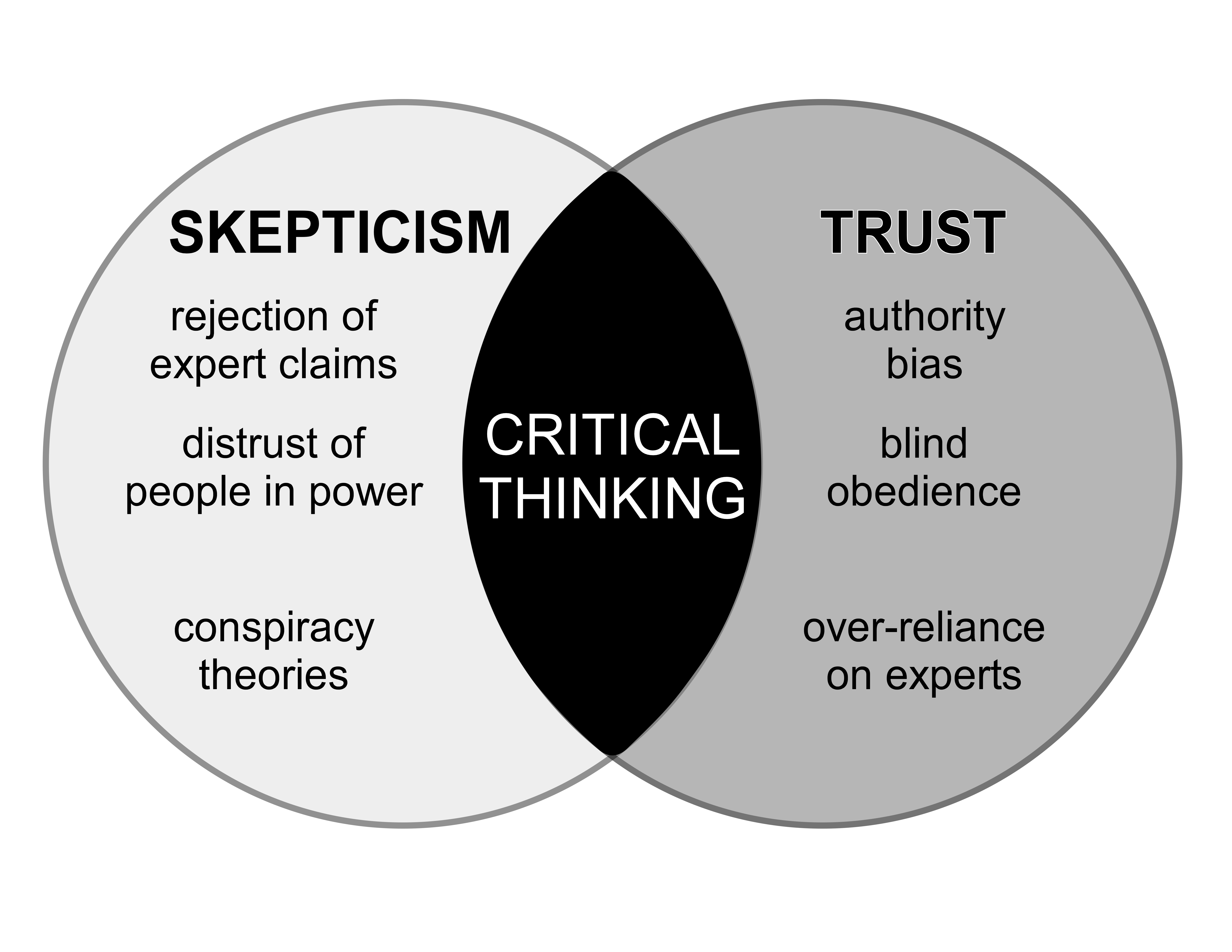
Groupthink occurs when individuals prioritize group cohesion over critical thinking. In professional circles, questioning widely accepted practices can be socially and professionally risky. If an institution, hospital, or wellness center endorses a particular method, many professionals will blindly accept it rather than challenge its legitimacy.

Similarly, echo chambers are where people are only exposed to information that reinforces their beliefs, creating an illusion of consensus. In other words, if “everyone” in the field is saying something is true, then it must be, right?

Example: A hospital integrates “tai chi” into patient care, but what they are actually promoting is a set of disconnected qigong exercises. Because multiple institutions endorse the same program, no one questions its authenticity.

2. Compliance and Institutional Authority

Many professionals trust authority figures and institutions over personal investigation. If a method is backed by a well-known organization, it is often assumed to be legitimate. Compliance within hierarchical structures, such as hospitals, universities, or corporate training programs, discourages critical inquiry.

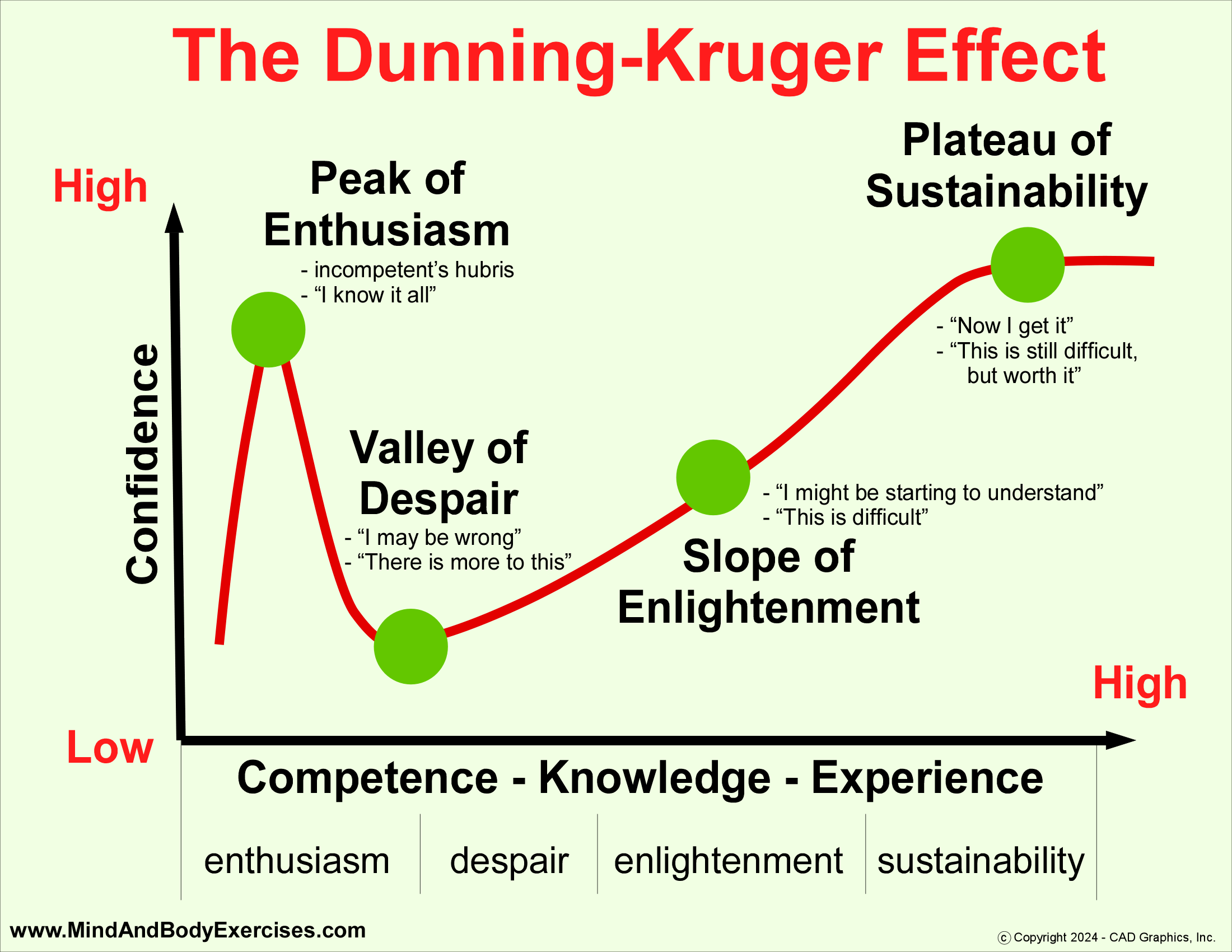
Another crucial factor is the Dunning-Kruger Effect, where individuals with limited knowledge overestimate their competence. This is particularly problematic in fields where professionals receive superficial training in a subject yet assume they have mastered it. A healthcare provider who attends a weekend seminar on tai chi, for example, may believe they fully grasp its principles and applications, despite lacking the years of rigorous training required for true expertise. This misplaced confidence can lead them to misrepresent tai chi, endorse incorrect practices, or dismiss criticisms from those with deeper knowledge.

Example: A university offers a “Tai Chi for Rehabilitation” certification, but the course is taught by individuals with no connection to lineage-based tai chi. Students accept the curriculum as valid because it comes from an academic institution.

3. Cognitive Dissonance and The Need to Justify Investment

Cognitive dissonance occurs when individuals experience psychological discomfort due to conflicting beliefs. Rather than admit they were misled, they will often rationalize their choices.

Example: A doctor who has been teaching “tai chi” to patients later discovers that what they learned has no real connection to tai chi principles. Instead of acknowledging the error, they convince themselves that what they teach is “good enough” because patients seem to benefit from it.

The greater the investment, whether in time, money, or personal reputation, the harder it becomes to admit fault.

4. Loss of Agency and The Illusion of Knowledge

Loss of agency happens when people rely too much on external validation rather than personal research. Many professionals believe that because they are educated, they are immune to deception, a form of bias of overconfidence.

Example: A physical therapist learns tai chi from a single continuing education course and assumes they now “know” tai chi. They never think to seek a lineage-based teacher because they believe their credentials alone make them competent.

This illusion of knowledge creates a false sense of expertise, making individuals less likely to seek out authentic sources.

5. The Hawthorne Effect and Operant Conditioning

The Hawthorne Effect refers to people modifying their behavior when they know they are being observed, often leading them to reinforce whatever system they are operating within. When professionals receive positive feedback for their work, they are more likely to continue it, even if it is flawed.

Example: A wellness instructor receives praise and recognition for teaching “tai chi” to seniors. Even if they later realize that what they are teaching lacks real tai chi principles, they continue anyway because the system rewards them for it.

Similarly, operant conditioning reinforces behaviors through rewards (career advancement, financial incentives, social approval), making individuals hesitant to challenge the status quo.

6. Professional Bias and Status Quo Thinking

Many educated professionals believe they are too intelligent to be misled, ironically making them more vulnerable to deception. They assume that because they have degrees or certifications, they are automatically capable of discerning truth from falsehood. This leads to status quo bias where established norms are favored, even when evidence suggests a better alternative.

Example: A medical board endorses a “tai chi” program without verifying its authenticity. Because it is institutionally approved, healthcare professionals continue promoting it even if they suspect it is inaccurate.

The Responsibility of Professionals to Seek Truth

Highly educated individuals, especially those who interact with the public, must be held to a higher standard of due diligence. Their decisions impact patients, students, and clients, and therefore, they have an ethical obligation to verify the accuracy of what they promote.

While many professionals fall for misinformation unintentionally, willful ignorance is not an excuse. In an era where information is readily available, professionals should be expected to:

  • Question the validity of institutional endorsements.
  • Seek primary sources and traditional lineages when applicable.
  • Acknowledge and correct misinformation rather than doubling down on errors.

Failure to do so not only undermine their credibility but also erodes public trust in education, healthcare, and martial arts traditions.

Conclusion: A Call for Intellectual Integrity

Deception in martial arts, healthcare, and other fields is not just an individual issue. It is a systemic problem rooted in cognitive biases, institutional authority, and social conditioning. By understanding the psychological mechanisms behind why professionals fall for misinformation, we can begin to challenge these patterns and restore integrity to our disciplines.

Education should not be about blind acceptance, but rather it should be about critical inquiry, truth-seeking, and personal responsibility. Those who pride themselves on knowledge must be willing to go beyond surface-level expertise and seek the depth that true mastery requires.

I look forward to further sharing more of my message by partnering with hospitals, wellness centers, VA centers, schools on all levels, businesses, and individuals who see the value in building a stronger nation through building a healthier population.

I also have hundreds of FREE education video classes, lectures, and seminars available on my YouTube channel at:

https://www.youtube.com/c/MindandBodyExercises

Many of my publications can be found on Amazon at:

http://www.Amazon.com/author/jimmoltzan

My holistic health blog is available at:

https://mindandbodyexercises.wordpress.com/

http://www.MindAndBodyExercises.com

Mind and Body Exercises on Google: https://posts.gle/aD47Qo

Jim Moltzan

407-234-0119

Tai Chi in the US: Tradition, Truth, and the Illusion of Authenticity

Tai chi, one of the most well-known Chinese martial arts, has evolved significantly as it has spread beyond China. Originally developed as an internal martial art (neijia) integrating martial applications, health benefits, and Daoist philosophical principles, tai chi has often been misrepresented in the United States. While many instructors have contributed positively to promoting its health benefits, others have mischaracterized the art, not necessarily by teaching bad practices, but by presenting something entirely different under the tai chi name.

Having practiced, studied, and researched martial arts for over 40 years and legitimate tai chi for the last 25 years, I have personally witnessed the “bait-and-switch” tactics used to market tai chi to Western audiences. Some instructors, either due to a lack of proper training or deliberate deception, have claimed to teach authentic tai chi while actually presenting simplified qigong exercises, unrelated movement drills, or incomplete systems. While qigong and tai chi are both respected Chinese internal arts, they are not interchangeable. All tai chi is qigong, but not all qigong is tai chi. This misrepresentation undermines the integrity of an institution built on discipline, honesty, and tradition.

This article examines the philosophical foundations of tai chi, its key physical components, and the ways to identify authentic practice, particularly within the Chen, Yang, and Wu styles, which are three prominent traditional lineages.

Firsthand Observations of Tai Chi’s Migration and “Bait-and-Switch”

When tai chi was first introduced in the United States, several Asian martial artists took advantage of the limited understanding of internal martial arts among Western practitioners. Some presented adjusted qigong sequences or simplified slow-motion movements as “tai chi,” presuming that American students would not discern the difference.

A fitting analogy for this phenomenon can be seen in the restaurant industry. Imagine going to a Chinese restaurant and ordering the Korean dish “bi bim bop.” The menu lists it clearly, so you expect to receive the correct dish. But when the server brings your meal, you are given “lo mein” noodles instead, and they insist that this is bi bim bop. While lo mein is still an Asian dish, and perhaps even delicious, it is NOT what you ordered.

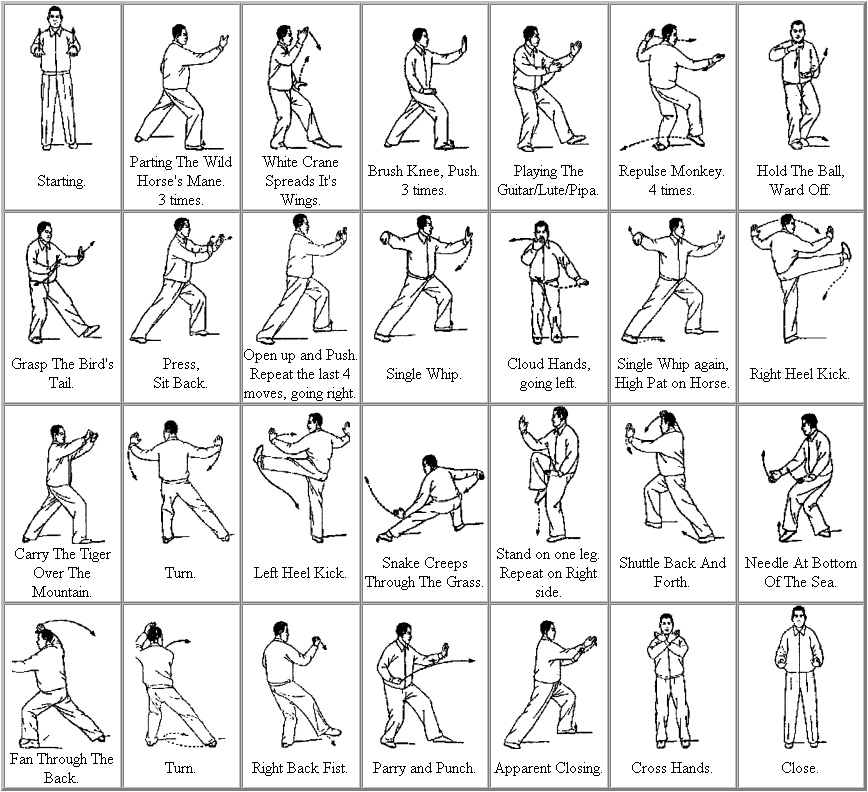
Yang style 24 – This IS tai chi, complete with names for each exercise

This is exactly what has happened with tai chi in the West. Many students sign up for classes expecting to learn a legitimate tai chi lineage, yet what they receive is a completely different system, usually a generic set of slow movements, breathwork, or unrelated qigong exercises.

Another analogy would be a student enrolling in a college program to earn a degree in Cantonese. They spend four years diligently studying, assuming they are learning the language they signed up for. However, upon graduation, they realize they have actually been taught Mandarin instead. While Mandarin is still a valuable language, the fact remains that the institution misled the student about what they were learning.

Similarly, in the world of tai chi, many instructors have claimed to teach legitimate Chen, Yang, or Wu styles tai chi, but in reality, what they teach lacks core structural components, martial applications, key internal mechanics and the philosophy of these arts as a whole. While what they offer may still provide health benefits, students deserve transparency about what they are actually learning.

I have personally encountered numerous instructors who claimed to teach authentic tai chi but omitted core elements such as silk-reeling energy (Chan Si Jin), fajin (explosive power), and martial applications. Similarly, other teachers abandoned tai chi’s rooting, structural integrity, and push hands training, reducing the practice to mere choreographed relaxation exercises or maybe physical fitness methods at best.

This misrepresentation, while sometimes unintentional and at other times deliberately misleading, is problematic because martial arts in general and tai chi in particular are institutions that pride themselves on high moral standards, integrity, and character. The issue is not that what these instructors teach is inherently bad or ineffective. Many of these adapted forms still provide great health and self-defense benefits. However, they have misrepresented their systems as part of a legitimate lineage when they are not.

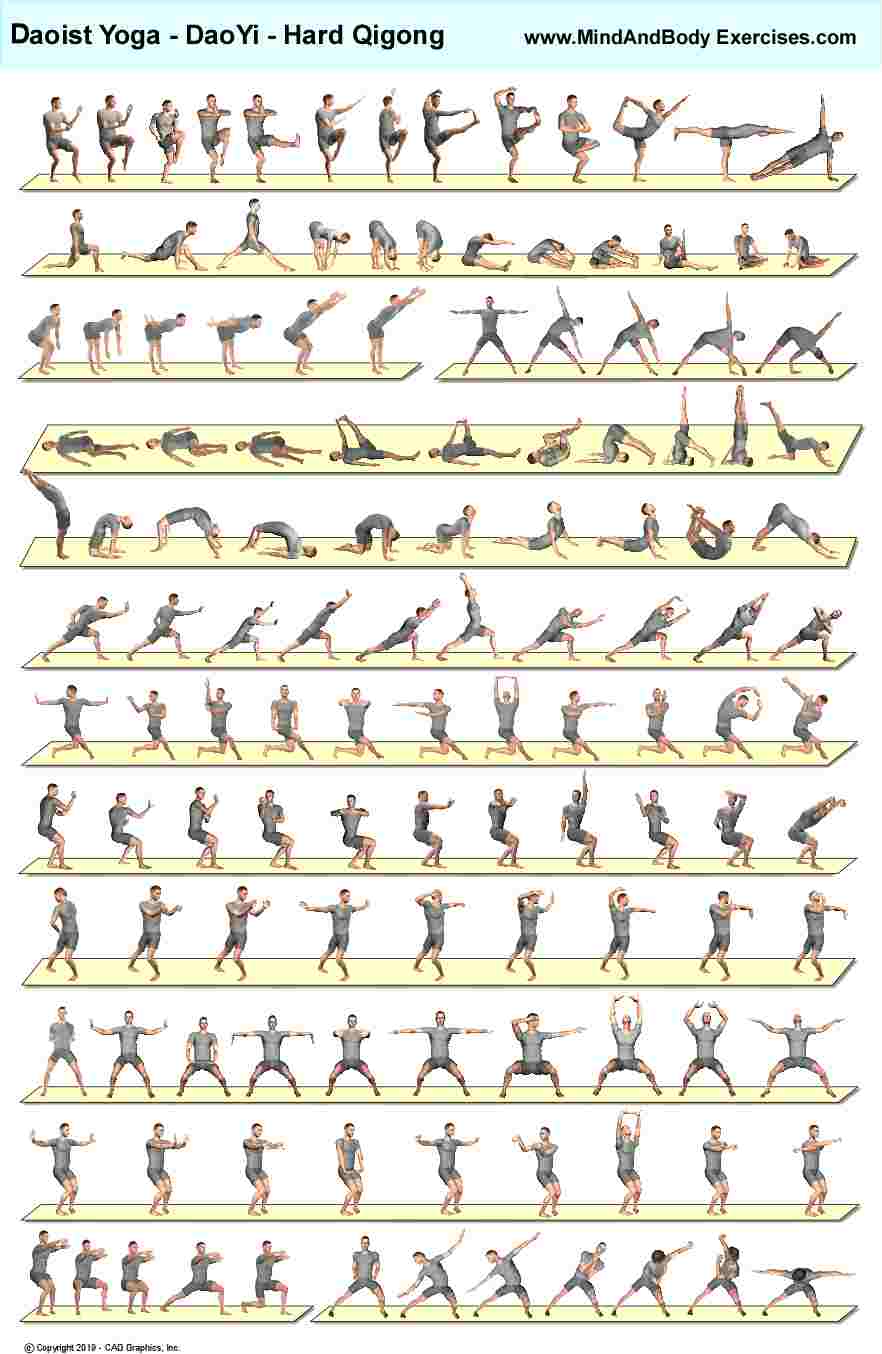
This is mostly NOT Tai Chi – however, legitimate static exercises of qigong or dao yin

With greater access to legitimate sources, historical records, and international training opportunities, modern practitioners can now recognize the discrepancies between traditional tai chi and commercialized adaptations. However, the impact of this bait-and-switch phenomenon still lingers in the tai chi landscape today.

Philosophical Foundations of Tai Chi

Tai chi is deeply rooted in Daoist and Confucian philosophy, incorporating yin-yang theory, Five Element Theory (Wu Xing), and Bagua (Eight Trigrams theory). These principles shape both the physical movements and the strategic martial applications of the art.

Yin and Yang: The Balance of Softness and Strength

Tai chi, literally translated as “Supreme Ultimate”, embodies the interplay of yin (softness, receptivity) and yang (hardness, action). Movements transition fluidly between yielding and attacking, expansion and contraction, in accordance with these principles.

This balance is evident across all major styles:

  • Chen-style integrates sudden explosive releases of energy (fajin) alongside soft, coiling movements.
  • Yang-style, derived from Chen, smooths out the transitions but retains the root structure and internal power.
  • Wu-style, known for its compact, small-frame movements, emphasizes yielding and subtle redirections over forceful exchanges.

The Five Elements (Wu Xing) in Tai Chi Practice

The Five Element Theory (Wu Xing) describes dynamic interactions in nature, which tai chi integrates into its movement and energy principles. Each element correlates with essential aspects of tai chi’s execution:

  • Metal (condensing, refining force) – The precision of structure and economy of movement, particularly in Wu-style’s compact footwork.

Bagua (Eight Trigrams) and Cycles of Transformation

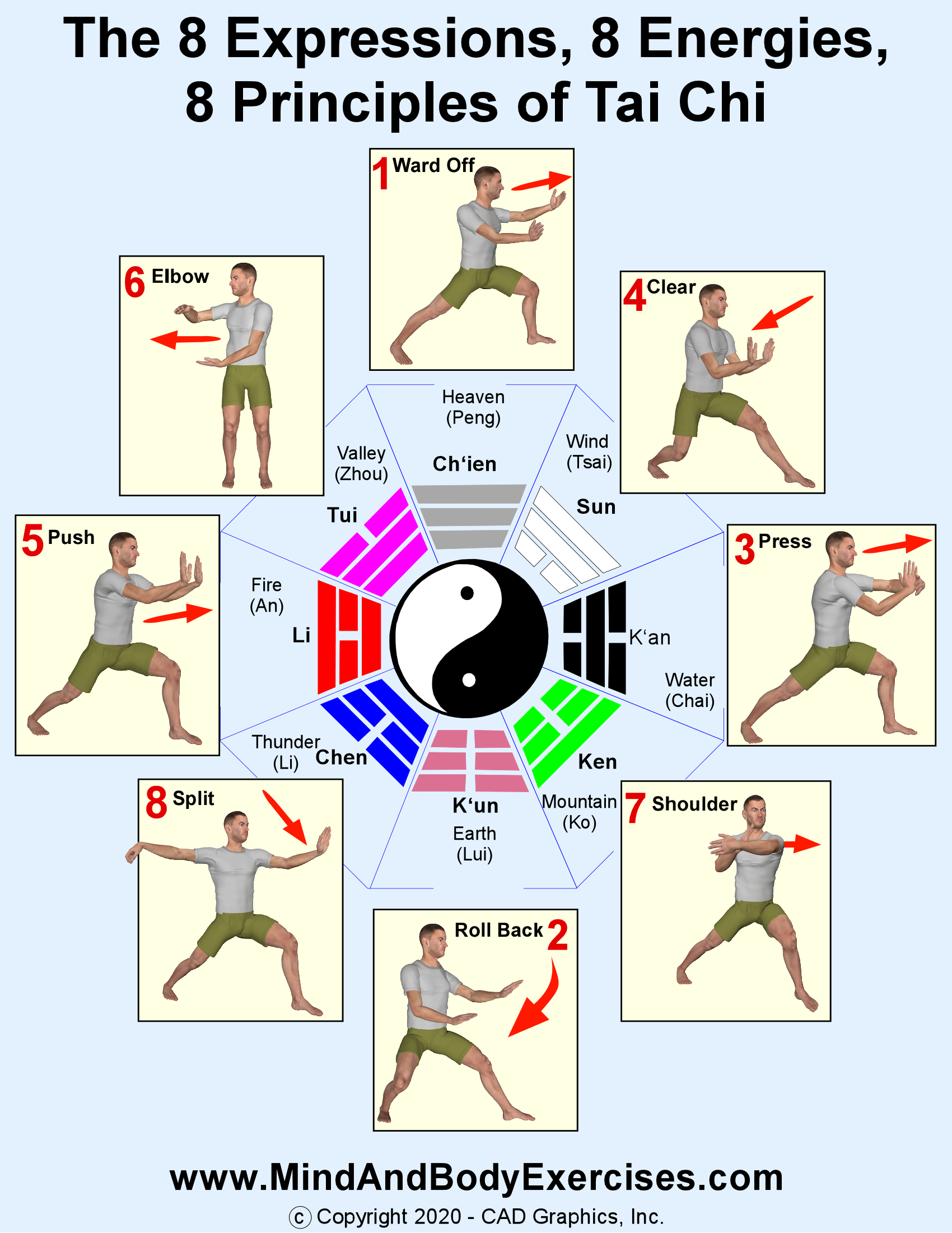
Tai chi shares conceptual similarities with Bagua Zhang (Eight Trigrams Palm), particularly in its circular stepping and understanding of transformation in combat. The eight trigrams (Bagua) symbolize the natural forces of heaven, earth, wind, thunder, water, fire, mountain, and valley, each influencing different movement qualities. The 8 energies of fundamental tai chi principles correspond with the 8 trigrams of the bagua:

  • Peng (heaven) – Ward Off: This energy is about expanding outwards and destabilizing an opponent, likened to a filling balloon.
  • Lu (earth) – Roll Back: This energy involves a rolling or drawing action while grounding and stabilizing, like drawing a line with a brush.
  • Ji (water) – Press: This energy involves a squeezing or pressing action, often used to control an opponent’s movement.
  • An (fire) – Push: This energy is a direct pushing action that moves an opponent away or creates an opening.
  • Tsai (wind) – Pluck: This energy is a plucking, pulling or grabbing action, used to disrupt an opponent’s balance.
  • Lieh (thunder) – Split: This energy involves a splitting or parting action, used to create space or to separate an opponent.
  • Zhou (valley) – Elbow: This energy uses the elbow as a weapon, either for striking or for blocking.
  • Kao (mountain) – Shoulder: This energy uses the shoulder to bump or lean into an opponent, creating an opportunity for attack or defense.

Physical Components of Authentic Tai Chi

Having personally trained with high-level practitioners from traditional tai chi lineages, I can confirm that authentic practice requires adherence to specific biomechanical principles. Many modern adaptations focus solely on relaxation, neglecting the essential physical structure required for both internal energy development and combat application.

Kinetic Linking: The Chain of Movement

Tai chi follows the principle of kinetic linking, where movement flows seamlessly through the entire body. This structure applies across all major styles:

  1. The feet root  – Power originates from the ground.
  2. The waist and spine direct  – The dantian (energy center) leads all movement.
  3. The arms and hands express – Energy manifests outward through an integrated whole-body structure.

Recognizing Authentic Chen, Yang, and Wu Tai Chi

Chen-Style Tai Chi

  • Alternating slow and fast movements – Not just slow-motion practice.
  • Silk-reeling drills – Without these, it is not real Chen-style tai chi.
  • Explosive fajin strikes – Demonstrating internal power expression.

Yang-Style Tai Chi

  • Large, flowing postures – Emphasis on balance and smoothness.
  • No abrupt power releases – Unlike Chen-style, Yang-style minimizes fajin.

Wu-Style Tai Chi

  • Smaller movements and compact footwork – Close-range efficiency.
  • Subtle redirections – Making use of yielding and sensitivity.

Conclusion

As someone who has spent over four decades practicing, studying, and researching tai chi and other martial arts, I have personally witnessed both authentic and misrepresented versions of tai chi in the United States. While many well-intentioned teachers have promoted tai chi’s health benefits, others have knowingly or unknowingly diluted the art, leading to confusion among students seeking traditional training. If a martial arts master, expert, or instructor is going to invest their time, effort, and passion in teaching others, why not spend that time learning one of the original, legitimate styles? Perhaps it is easier for them to perpetuate the deception rather than embrace the challenge of learning an authentic style. Is it pride, unwillingness to admit there’s more to learn, or simply a lack of access to true knowledge? Whatever the case, commit to authenticity and honor the lineage of the art.

The bait-and-switch marketing model has been a persistent issue, with many instructors selling qigong exercises as tai chi, stripping the art of its core biomechanical principles and martial applications. However, today’s practitioners have more access to knowledge than ever before. By asking the right questions, studying traditional principles, and seeking qualified lineage-based instruction, students can ensure they are learning true, authentic tai chi, rather than an imitation product rebranded for unknowing students and even healthcare professionals who associate with these practices.

This issue extends beyond martial arts circles. Healthcare professionals, wellness coaches, and others who incorporate tai chi into their practices should be held to a higher standard of ethical responsibility. Professions that pride themselves on education and evidence-based care must ensure that what they promote aligns with authentic traditions, not diluted versions repackaged for commercial appeal. By failing to verify authenticity, they risk misleading their patients and clients, ultimately undermining trust and diminishing the effectiveness of these ancient practices. In a world where information is readily available, there is little excuse for perpetuating misconceptions. Upholding the integrity of both martial arts and healthcare professions requires a commitment to truth, accountability, and respect for the original systems that have endured for centuries.

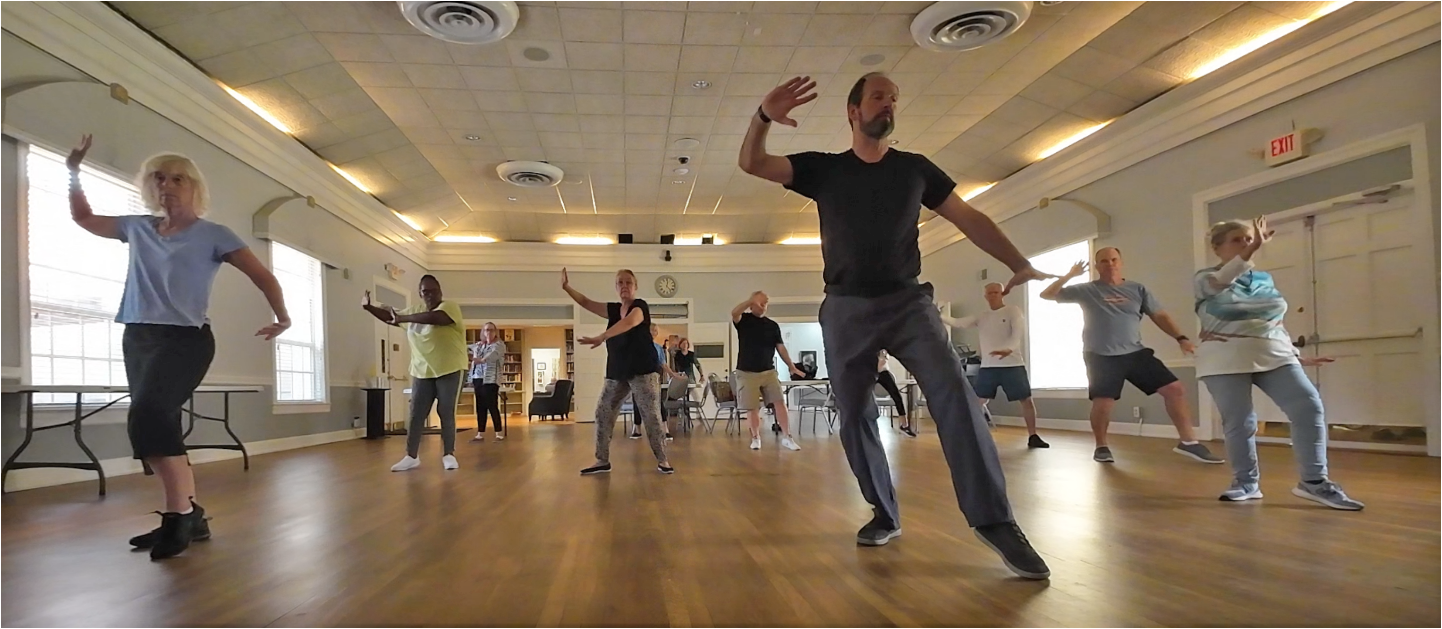
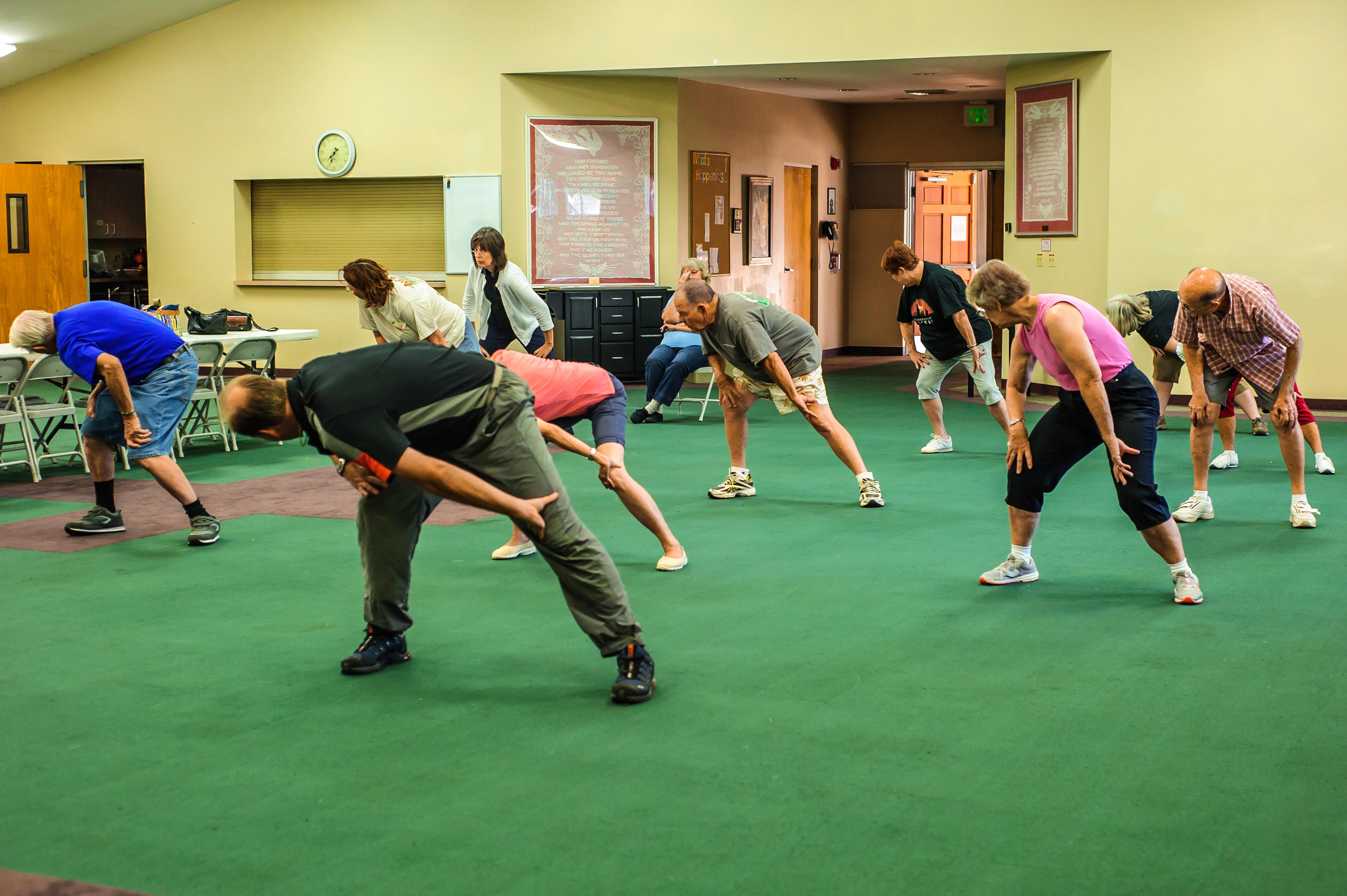
Qigong class
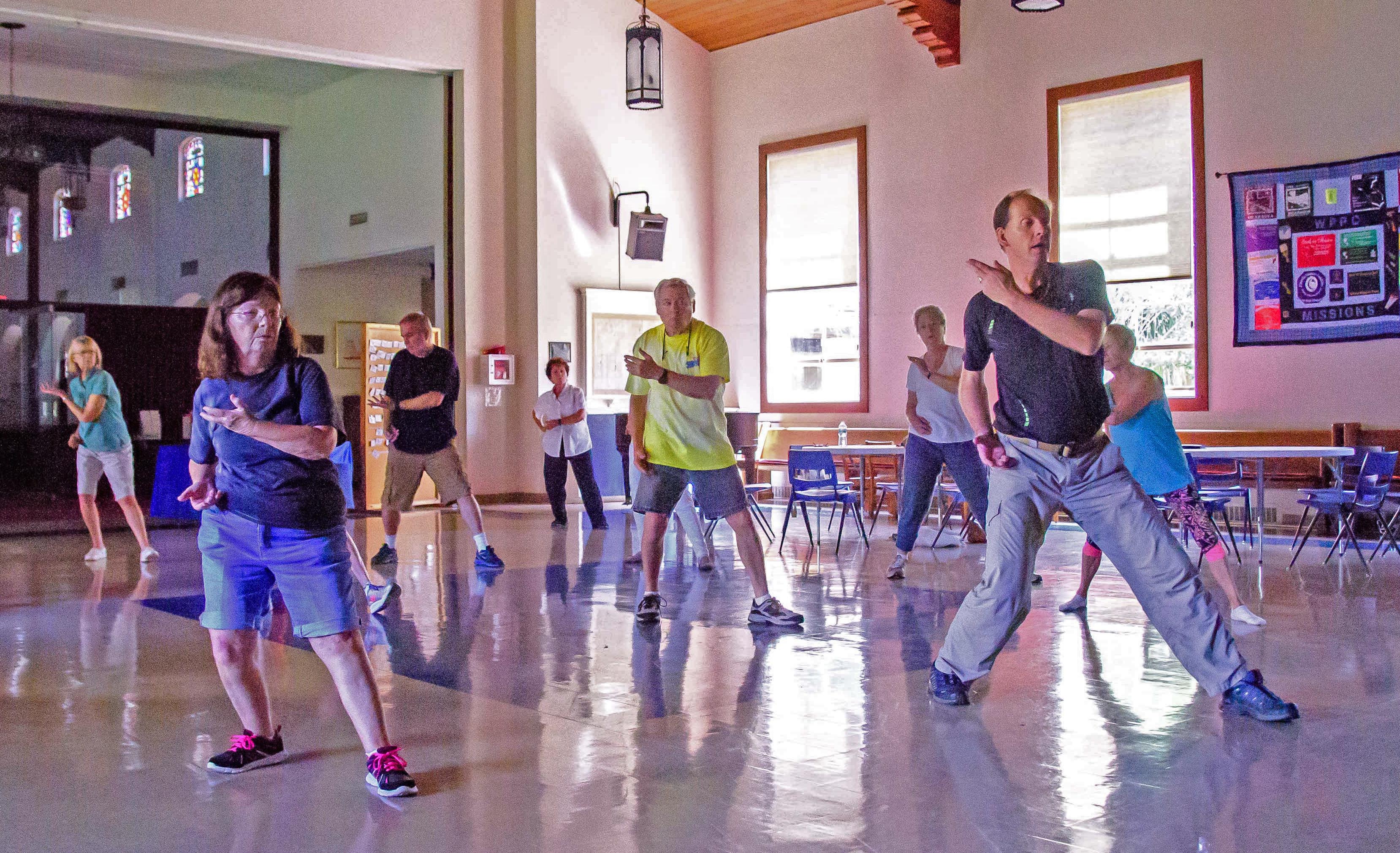
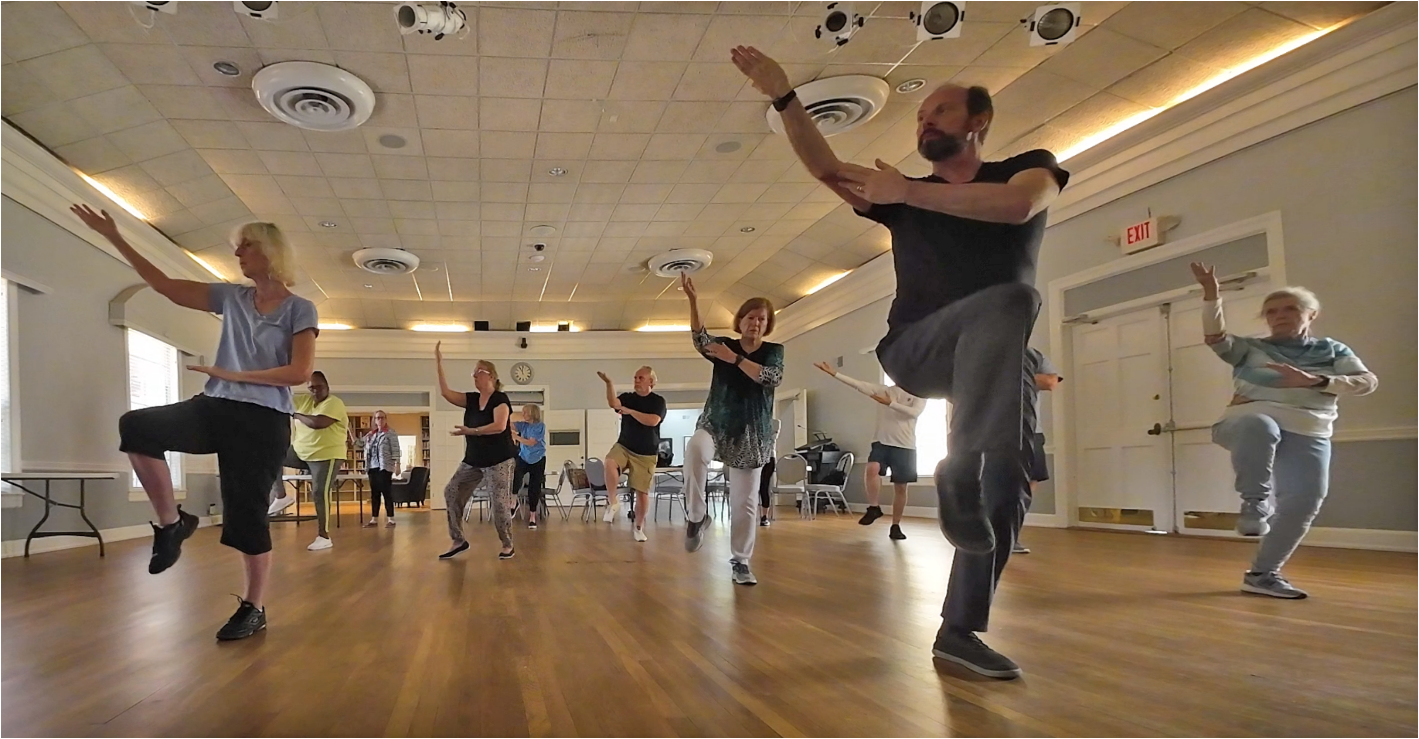
Tai Chi class
Silk Reeling – Tai Chi class
Qigong class- 8 Pieces of Brocade