The Power of Connection: Building a Life Beyond Suffering

From adolescence onward, many people witness the ways in which pain and suffering manifest in daily life. The young often see relatives struggle with chronic illnesses, neighbors burdened by poor health choices, and peers wrestling with emotional distress. Such early encounters plant seeds of awareness, where pain is unavoidable in the human journey, but suffering may be shaped, managed, and sometimes transformed.

The Path of Pain and Lifestyle Choices

Physical pain is often the result of neglecting foundational aspects of health such as nutrition, exercise, rest, and stress management. The body, a remarkably resilient organism, also has limits. When repeatedly deprived of balanced nourishment or consistent movement, it expresses its distress in the form of aches, fatigue, or chronic illness (Gaskin & Richard, 2012).

Modern societies exacerbate this reality by promoting convenience foods, sedentary work, and overstimulation. The cumulative effects are clear in rising rates of cardiovascular disease, diabetes, and musculoskeletal disorders. Such conditions create cycles of pain that can erode quality of life, often leading individuals to medical dependence rather than prevention. The lesson is that while pain may be unavoidable, much of it can be reduced or delayed through conscious lifestyle choices.

The Broader Dimension of Suffering

Yet suffering goes deeper than the body. Many people live with a sense of emptiness, disconnected from community and deprived of meaning. They may have food and shelter, yet suffer from emotional instability, loneliness, or lack of direction. This suffering often stems not from physical injury but from existential concerns of not knowing answers to questions of “Why am I here?” or “Does my life matter?” (Frankl, 2006).

Unlike pain, which often demands medical attention, suffering requires reflection, relationships, and a search for purpose. Without these, people drift into despair, self-destructive behaviors, or emotional volatility. Such suffering demonstrates that health is not only about the body but also about the mind, relationships, and spirit.

Loneliness and the Weight of Suffering

One of the most powerful drivers of suffering is loneliness. Being socially isolated not only worsens emotional health but also amplifies physical pain by magnifying stress responses and weakening resilience (Cacioppo & Patrick, 2008). Studies have shown that chronic loneliness can be as detrimental to health as smoking or obesity, leading to higher risks of depression, cardiovascular disease, and premature mortality (Holt-Lunstad et al., 2015).

Loneliness is particularly insidious because it often perpetuates itself. Those who feel isolated may withdraw further, avoiding opportunities to connect, which deepens their sense of separation. This cycle of isolation fuels suffering far beyond the body, affecting identity, hope, and self-worth.

Broken Hearts and Aging Connections

A striking example of how emotional suffering manifests in the body is “broken heart syndrome,” or stress-induced cardiomyopathy. This condition occurs when intense emotional distress, often from the loss of a spouse or loved one triggers severe, temporary heart dysfunction (Sato et al., 1990; Templin et al., 2015). The heart literally weakens under the weight of grief, illustrating the inseparable link between emotional suffering and physical health.

As people grow older, they often seek new or renewed connections to ease loneliness and sustain emotional well-being. Humans are inherently social creatures, and emotional relationships, whether with people or even pets, help fulfill this basic need. When a spouse or others that are close to us passes away or social networks shrink with age, individuals may experience profound loneliness, intensifying their suffering. In these cases, companionship becomes not a luxury but a lifeline.

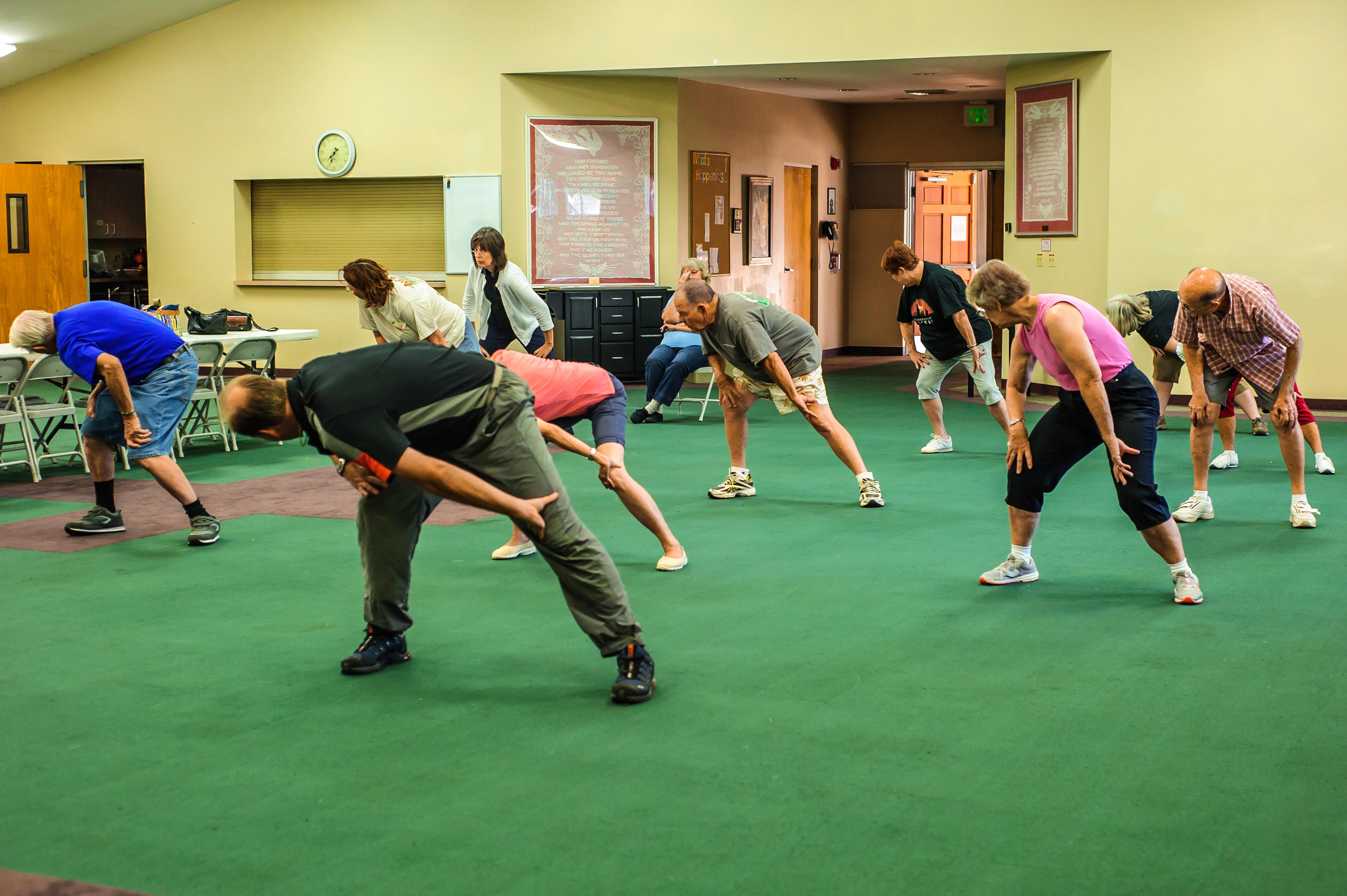
Opportunities for older adults to engage in community activities, intergenerational groups, or pet companionship can reduce both emotional and physical suffering. These connections reinforce the truth that resilience and health are not maintained in isolation but in relationships.

The Shared Human Path

One universal truth is that everyone will encounter both pain and suffering. No one escapes illness, injury, or loss entirely. The recognition of this shared path can bring humility and compassion. Yet what differs among individuals is how they respond. Some choose avoidance, denial, or bitterness, while others confront pain and suffering with acceptance, resilience, and even gratitude.

The difference lies not in the inevitability of these experiences but in the interpretation of them. As Viktor Frankl (2006) observed, while suffering cannot always be avoided, it can be given meaning and through meaning, it can be endured. This insight has been confirmed in modern psychology, where resilience and purpose are linked to better coping with both pain and adversity (Ryff & Singer, 2008).

Lessons from Research and Tradition

Insights from long-term studies and cultural traditions further illuminate how pain and suffering can be softened through meaning, purpose, and connection.

The Harvard Grant Study

The Harvard Study of Adult Development, often referred to as the Grant Study, followed participants for more than 80 years initiated in 1938, making it one of the longest longitudinal studies on human well-being. Its most consistent finding was that close relationships are the strongest predictor of happiness and health, more important than wealth, social class, or even genetics (Vaillant, 2012; Waldinger & Schulz, 2010). Good relationships not only reduce emotional suffering but also protect against physical pain by lowering stress and inflammation over time.

Ikigai: A Japanese Path to Meaning

In Japan, the concept of ikigai, literally translated as “a reason for being,” captures the balance of what one loves, what one is good at, what the world needs, and what one can contribute to. Ikigai provides a framework for resilience by encouraging individuals to align their daily lives with purpose and community (García & Miralles, 2017). Those who cultivate ikigai often report lower levels of existential suffering and higher life satisfaction, even in the face of aging and physical decline.

Blue Zones and Longevity

Research into the world’s “Blue Zones” or regions where people live significantly longer than average, reveals strikingly similar themes. Whether in Okinawa (Japan), Sardinia (Italy), or Nicoya (Costa Rica), communities with the greatest longevity consistently share features such as strong social ties, daily movement, plant-rich diets, and clear purpose in life (Buettner, 2012). These factors not only extend lifespan but also reduce suffering by integrating meaning, belonging, and resilience into everyday living.

Together, these insights affirm that pain and suffering are not best addressed in isolation. Instead, they are mitigated by community, purpose, and the daily practices of gratitude and connection that strengthen resilience over a lifetime.

Epilogue: Gratitude and Encounters That Shape Us

Life is short, and its brevity underscores the importance of gratitude. To practice gratitude is to recognize the gifts already present, in our love, our friends, our memories, our knowledge, and hopefully our wisdom. Gratitude does not deny pain or suffering, but rather it balances them by highlighting what is still good and enduring.

Along the way, we meet people who, whether for a moment, a year, or a lifetime, shape our paths. Sometimes these encounters steer us in new directions, open our hearts to deeper compassion, or recalibrate our perspectives. Influence is not measured by duration but by depth. Each interaction becomes part of the mosaic of our lives, enriching our journey with meaning.

In this sense, gratitude and human connection soften suffering. They remind us that while pain is unavoidable, we need not endure it in isolation or despair. By appreciating what we have and valuing the people who cross our paths, we transform life’s hardships into opportunities for growth and renewal. What might seem fleeting in time can, in fact, echo across a lifetime as a source of guidance and strength.
A Call to Action: Choosing Connection and Meaning

The challenge before us is clear. Pain will touch every life, and suffering will knock on every door. Yet within that reality lies our freedom to choose how we respond. Each of us has the capacity to soften suffering, both in ourselves and in others, by building healthier habits, nurturing relationships, and seeking meaning in everyday life.

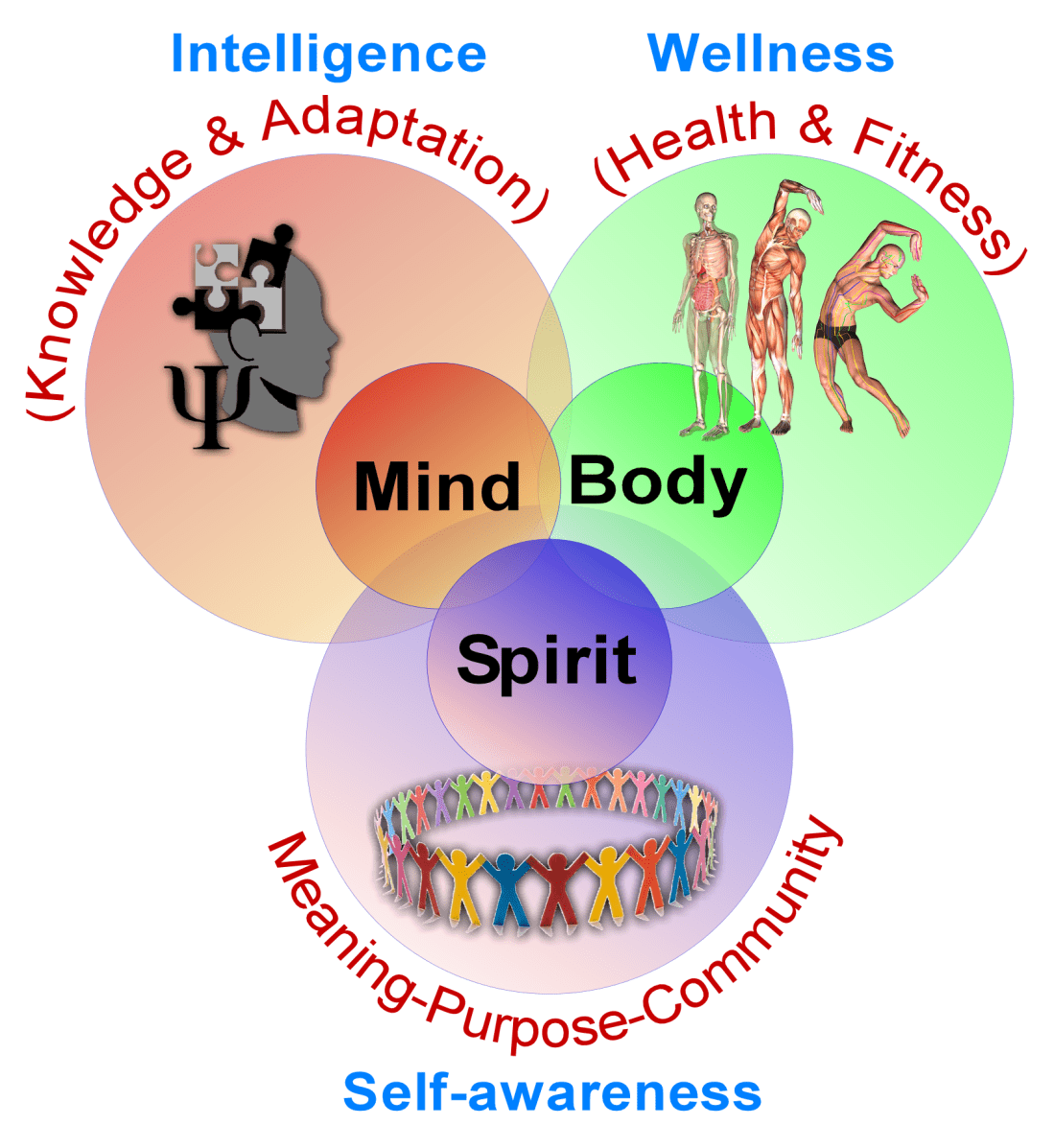
Take time to care for your body through movement, rest, and nourishment. Cultivate your mind through learning, reflection, and discipline. Strengthen your spirit by practicing gratitude and living with purpose. Most importantly, reach out to others, because connection is the antidote to isolation. Join a group, call a friend, volunteer, or simply open your heart to a neighbor.

If we each commit to these small but powerful choices, we not only transform our own experience of pain and suffering, but we also create ripples of compassion and resilience that extend into our families, communities, and beyond.

The gift of living is not just to endure but to grow, connect, and share. The time to begin is today.

References:

Buettner, D. (2012). The blue zones: 9 lessons for living longer from the people who’ve lived the longest. National Geographic Books.

Cacioppo, J. T., & Patrick, W. (2008). Loneliness: Human nature and the need for social connection. W. W. Norton & Company.

Frankl, V. E. (2006). Man’s search for meaning. Beacon Press. https://antilogicalism.com/wp-content/uploads/2017/07/mans-search-for-meaning.pdf

García, H., & Miralles, F. (2017). Ikigai: The Japanese secret to a long and happy life. Penguin Books.

Gaskin, D. J., & Richard, P. (2012). The economic costs of pain in the United States. Journal of Pain, 13(8), 715–724. https://doi.org/10.1016/j.jpain.2012.03.009

Holt-Lunstad, J., Smith, T. B., Baker, M., Harris, T., & Stephenson, D. (2015). Loneliness and social isolation as risk factors for mortality: A meta-analytic review. Perspectives on Psychological Science, 10(2), 227–237. https://doi.org/10.1177/1745691614568352

Ryff, C. D., & Singer, B. H. (2008). Know thyself and become what you are: A eudaimonic approach to psychological well-being. Journal of Happiness Studies, 9(1), 13–39. https://doi.org/10.1007/s10902-006-9019-0

Sato, H., Tateishi, H., Uchida, T., Dote, K., & Ishihara, M. (1990). Takotsubo-type cardiomyopathy due to multivessel spasm. Clinical Aspect of Myocardial Injury: From Ischemia to Heart Failure, 56, 56–64.

Templin, C., Ghadri, J. R., Diekmann, J., Napp, L. C., Bataiosu, D. R., Jaguszewski, M., … & Lüscher, T. F. (2015). Clinical features and outcomes of Takotsubo (broken heart) syndrome. New England Journal of Medicine, 373(10), 929–938. https://doi.org/10.1056/NEJMoa1406761

Vaillant, G. E. (2012). Triumphs of experience: The men of the Harvard Grant Study. Belknap Press.

Waldinger, R. J., & Schulz, M. S. (2010). What’s love got to do with it? Social functioning, perceived health, and daily happiness in married octogenarians. Psychology and Aging, 25(2), 422–431. https://doi.org/10.1037/a0019087

Living Meditation: Bright Reflection in Taoist and East Asian Traditions

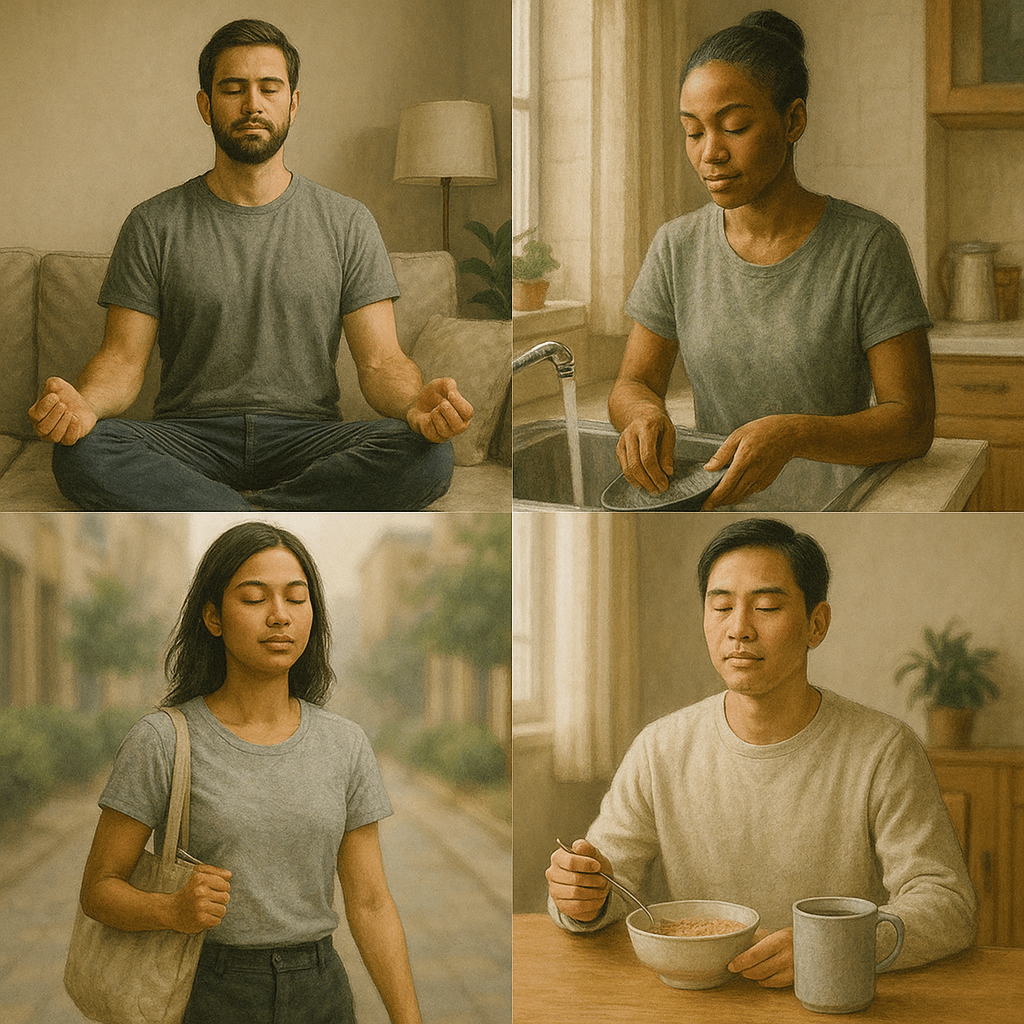
The Korean phrase Myung Sung literally translates as bright thought or clear reflection. In modern Korean, it is also the standard term for “meditation.” In English, the concept has been presented as Living Meditation, an embodied, everyday mindfulness woven into the fabric of ordinary life.

Although Myung Sung is distinctly Korean in name, its roots are Sino-Korean, derived from the Chinese characters 明 (ming, bright/clear) and 想 (xiang, thought/reflection). Comparable ideas appear across East Asian traditions: in Chinese Taoism, alignment with the Dao emphasizes clarity and flow; In Japanese, Meisō is the most direct equivalent, while Ichigyō Zanmai describes being fully absorbed in a single activity, similar to the idea of “Living Meditation.” Thus, “Living Meditation” is not confined to one culture, it is a shared practice of engaging fully and harmoniously with life.

This article critically examines the guiding principles of Living Meditation (Myung Sung), situating them within Taoist philosophy, Zen practice, and modern mindfulness research.

Taoist and Cultural Foundations of Living Meditation

Taoist philosophy views life as an ongoing process of aligning with the Tao, or the natural order of the universe. The Tao emphasizes balance, spontaneity, and effortless action (wu wei) (Kohn, 2020). In Korea, these ideas merged with Confucian ethics and Buddhist practices, producing unique expressions such as Myung Sung. In Japan, Zen Buddhism developed a parallel emphasis on mindfulness in daily activities, from tea ceremonies to martial arts (Suzuki, 1956).

The literal meaning of Myung Sung being “bright reflection” captures the essence of Taoist and Zen practice: illuminating the mind, clarifying perception, and cultivating awareness moment by moment. By viewing meditation as an active, daily process, Living Meditation stands apart from traditions that encourage withdrawal from worldly concerns. Instead, it insists that clarity, harmony, and enlightenment are found in the midst of life.

Mindfulness and Living Meditation

Western psychology defines mindfulness as “moment-to-moment awareness of one’s experience without judgment” (Kabat-Zinn, 2015, p. 148). Myung Sung aligns with this definition but extends it. Rather than being limited to seated practice, it emphasizes that every action, from working to communicating to parenting, can become an act of mindful clarity.

This mirrors Taoist teaching on yin-yang balance and Zen’s shikan taza (“just sitting”), but it goes further in emphasizing relational legacy. Myung Sung asks not only how one lives in the present, but also what seeds of goodness and compassion one leaves for future generations. This collectivist orientation aligns with East Asian traditions of intergenerational responsibility (Li, 2007).

Developments in mindfulness research indicate that these interventions can be successfully adapted to diverse environments, including schools, workplaces, clinical settings, prisons, and military contexts, confirming their wide applicability in contemporary society (Creswell, 2016).

1. Know Your True Self

Self-awareness is described as the foundation of all growth. To know the “true self” is to recognize both the visible and invisible aspects of being. Taoism encourages similar introspection, while Zen uses the term kenshō (“seeing one’s true nature”) to describe this realization.

2. The True-Right-Correct Method

Decision-making is guided by balancing the true (inner feelings), the right (socially beneficial actions), and the correct (harmonious integration of both). This echoes Taoist ethics of balance and the Confucian Doctrine of the Mean (zhongyong).

3. Stop Being Drunk on Your Own Thoughts

In Korean, the phrase Doe Chi literally means to be “drunk on” something or caught up, clouded, and overly attached to one’s own mental noise. This principle warns against excessive attachment to rigid beliefs. Taoism also cautions against clinging to fixed ideas, while Zen emphasizes detachment from discursive thinking.

4. How Will You Be Remembered?

Legacy is framed as the planting of seeds for future generations. Confucian philosophy similarly stresses filial piety and the continuation of virtue across time.

5. Seek Connectedness and Honor

All beings are interrelated, and honor means living with respect, integrity, and compassion. Taoist cosmology views humans as part of a larger web of qi (vital energy), while Confucian ren emphasizes relational humaneness.

6. Change Your Reality for the Better

Living Meditation insists that inner states shape external realities. Taoist practice of aligning qi with the environment parallels this principle, while modern psychology recognizes the transformative power of reframing thought patterns (Beck, 2011).

7. It Only Takes One Match to Light a Thousand

Small actions produce ripple effects. Taoist yin-yang dynamics and Zen karmic teachings both affirm that even minor choices influence larger outcomes.

8. Be Like Bamboo

Bamboo, strong yet flexible, symbolizes resilience. Taoist writings and Zen poetry both use natural metaphors to highlight adaptability, balance, and endurance.

The Three Pillars: Meditation, Medicine, and Movement

Living Meditation is supported by three interconnected practices:

  1. Meditation – continuous mindfulness integrated into daily activity.
  2. Medicine – natural remedies and holistic care, paralleling Chinese and Japanese traditional medicine.
  3. Movement – practices such as Qigong, Tai Chi, or martial arts, uniting body, mind, and spirit.

These three dimensions resemble integrative health frameworks that modern medicine increasingly recognizes (Rakel, 2017).

Conclusion

Though the term Myung Sung originates in Korea and literally means “bright reflection,” its essence transcends culture. Chinese Taoism calls for clarity and balance through the Tao; Japanese Zen offers expressions such as meisō, ichigyō zanmai, and kenshō. English captures it as “Living Meditation,” underscoring its practical, everyday application.

Across languages and traditions, the message is consistent: meditation is not withdrawal from life but illumination within it. By practicing Living Meditation, individuals cultivate clarity, resilience, compassion, and legacy becoming, in essence, living embodiments of bright reflection.

LanguageTermLiteral MeaningCommon Use / Context
KoreanMyung SungBright reflection, clear thoughtGeneral word for meditation; reframed as “Living Meditation”
ChineseMíng XiǎngBright reflectionClassical and modern meditation term
JapaneseMeisōClosing the eyes and reflectingGeneral meditation term, closest literal match to Myung Sung
JapaneseIchigyō ZanmaiSamadhi in one activityZen concept of mindfulness in everyday action, similar to Living Meditation
JapaneseKenshōSeeing one’s true natureZen awakening experience, parallels “Know Your True Self”
EnglishLiving MeditationPractical mindfulness in daily lifeTranslation/adaptation of Myung Sung for modern contexts

References:

Beck, J. S. (2011). Cognitive behavior therapy: Basics and beyond (2nd ed.). Guilford Press.

Creswell, J. D. (2016). Mindfulness interventions. Annual Review of Psychology, 68, 491–516. https://doi.org/10.1146/annurev-psych-042716-051139

Kabat-Zinn, J. (2015). Mindfulness. Mindfulness, 6(6), 1481–1483. https://doi.org/10.1007/s12671-015-0456-x

Kohn, L. (2020). The Taoist experience: An anthology. SUNY Press. https://archive.org/details/thetaoistexperienceliviakohn

Li, C. (2007). An Introduction to Chinese Philosophy: From Ancient Philosophy to Chinese Buddhism ? by JeeLoo Liu. Journal of Chinese Philosophy, 34(3), 458–461. https://doi.org/10.1111/j.1540-6253.2007.00432.x

Rakel, D. (2017). Integrative Medicine: Fourth Edition. ResearchGate. https://www.researchgate.net/publication/328497403_Integrative_Medicine_Fourth_Edition

Suzuki, D. T. (1956). Zen Buddhism: Selected writings. Grove Press. https://archive.org/details/zenbuddhismselec00dais

Kung – Mudo – Budo

Three Martial Worlds, One Shared Philosophy

Across East Asia, the martial arts are far more than systems of combat. In their deepest form, they are paths of personal transformation that unify physical skill, mental discipline, and moral responsibility. While each culture frames this idea differently, the underlying message is consistent: mastery of technique is inseparable from mastery of self.

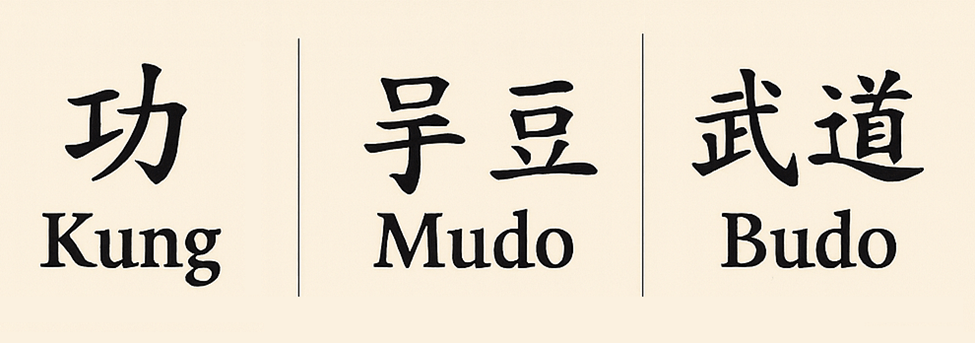
In China, this idea finds expression in the concept of Kung (功), the refined skill and capability gained through sustained effort, whether in martial arts or any other discipline. Kung is not simply physical power; it is the culmination of patient, deliberate cultivation of mind and body over years or decades.

In Korea, the term Mudo (무도), literally “The Martial Way,” places emphasis on the journey of training. It describes a life lived according to the values and discipline of martial practice, with skill as the natural outcome of a moral and dedicated path.

In Japan, Budo (武道), also “The Martial Way,” draws from Bushido, Zen, and Shinto traditions. It frames martial training as a lifelong spiritual and ethical endeavor, where combat proficiency is a vehicle for self-perfection and service to others.

While the terminology and historical contexts differ, Kung, Mudo, and Budo all hold to a shared truth: martial arts are not solely about defeating an opponent, but about shaping character, nurturing wisdom, and aligning one’s actions with a higher ethical standard.

Kung (功) in the Chinese Context

In Kung Fu: History, Philosophy and Technique, (Chow, 1978) Kung (功) refers to skill acquired through hard, disciplined effort, especially in the martial arts.

In this context, it’s about the internal and external mastery that results from persistent training, including moral discipline, mental focus, and physical conditioning.

While it’s rooted in Chinese martial culture, it’s not limited to combat; Kung can apply to any art or craft perfected over years of dedicated practice.

It emphasizes process and cultivation, not just end results.

Mudo (무도) in the Korean Context

Mudo literally means “Martial Way” (武道) — mu (무, 武) = martial/military; do (도, 道) = path/way.

It is a broader ethical and philosophical concept, referring to martial practice as a path of personal development, much like Budo in Japan.

Mudo includes:

  • Physical discipline (techniques, forms, application)
  • Moral integrity (using skill responsibly, respect for life)
  • Character development (patience, humility, perseverance)

In Korean martial traditions (Hapkido, Taekwondo, traditional sword arts), Mudo is both a lifestyle and a moral code.

Budo (武道) in the Japanese Context

Budo literally means “Martial Way” — bu (武) = martial/warrior; do (道) = path/way.

It represents the unification of martial training with moral character and spiritual refinement, drawing from the traditions of Bushido, Zen, and Shinto philosophy.

Budo includes:

  • Mastery of martial technique (kenjutsu, judo, aikido, kendo, karate, and others)
  • Ethical conduct (honor, integrity, respect for life)
  • Personal growth and self-discipline as lifelong endeavors

In Japanese tradition, budo is as much about cultivating the spirit and serving society as it is about combat skill. It treats martial practice as a lifelong path toward self-perfection.

Where They Overlap

Kung, Mudo, and Budo each frame martial arts as a lifelong practice that refines mind, body, and spirit.

All three require ethical restraint, or the principle that skill is to be used justly, never recklessly.

All three value internal development as much as technical proficiency, seeing martial arts as a vehicle for character formation as well as self-defense.

In practice, a master of Kung, a practitioner living by Mudo, and a devotee of Budo would share similar daily disciplines, values, and moral outlooks.

Key Differences

  • Kung emphasizes effort and skill mastery as the result of disciplined training.
  • Mudo emphasizes the path and philosophy as a journey of living according to martial ethics.
  • Budo emphasizes harmonizing martial skills with moral character as the way of the warrior in service to self and others.

Kung is what a practitioner has after years of training.
Mudo is how a practitioner lives while they train.
Budo is how a practitioner walks the path, using martial skill to perfect the self and serve a greater purpose.

The following chart explores the philosophical, linguistic, and cultural parallels between these three concepts, revealing their unique nuances and shared spirit.

Side-by-Side Cultural Comparison: Kung – Mudo – Budo

AspectKung (功, China)Mudo (무도, Korea)Budo (武道, Japan)
Literal MeaningAchievement/skill through effort; “work” or “merit”Martial Way (Mu = martial, Do = way/path)Martial Way (Bu = martial/warrior, Do = way/path)
Cultural RootChinese martial arts & philosophyKorean martial arts & Confucian/Buddhist/Taoist influenceJapanese martial arts & Zen/Shinto/Bushido influence
Core FocusMastery of skill through disciplined training; balance of internal (Yin) & external (Yang)Moral/ethical cultivation through martial practice; path of personal growthSelf-perfection, discipline, and moral living through martial training
ScopeCan apply beyond martial arts to any discipline mastered over timePrimarily martial arts but also a life philosophyPrimarily martial arts but with deep ethical, spiritual, and cultural elements
EmphasisThe result of sustained effort and cultivationThe journey of training and living ethicallyThe way of the warrior — combining martial skill with spiritual growth
Internal vs ExternalExplicit balance of Yin/soft/internal and Yang/hard/externalOften integrated, with emphasis on discipline and form as gateways to internal growthOften integrated, but with clear philosophical codification (e.g., Zen influence)
Ethical FoundationRooted in Taoist balance, Confucian ethics, and Shaolin moral disciplineRooted in Confucian ethics and Korean cultural valuesRooted in Bushido, Zen, and Shinto moral codes
Symbolic GoalHarmonizing mind, body, and spirit to achieve exceptional skill and moral integrityLiving the martial path as a means of becoming a better personWalking the martial path to embody honor, discipline, and self-control
Training ViewSkill as proof of effort; mastery is the culminationMartial art as a continuous personal journeyMartial art as a lifelong path to enlightenment and service

References:

“Kung Fu” in Chinese martial arts. (n.d.). Wikipedia. Retrieved from https://en.wikipedia.org/wiki/Chinese_martial_arts Wikipedia

Cynarski, W. J. (2022). New concepts of budo internalised as a philosophy of life. Philosophies (MDPI). MDPI

Japanese martial arts. (n.d.). Wikipedia. Retrieved from https://en.wikipedia.org/wiki/Japanese_martial_arts Wikipedia+1

Hirose, A. (2022). Budo (martial arts). mc craftsmanship. MASTER CRAFTSMANSHIP

Sasaki, T. (2008). Budo (the Martial Arts) as Japanese Culture – The outlook on the techniques and the outlook on the human being. ARCH BUDO. archbudo.com

Moenig, U., Kim, M., & Choi, H. M. (2023). Traditional martial arts versus martial sports: The philosophical and historical academic discourse. Revista de Artes Marciales Asiáticas (RAMA), 18(1), 41–58. ResearchGate

Holt, J. (2023). Physical philosophy: Martial arts as embodied wisdom. Philosophies (MDPI). MDPI

Holistic Health & Wellness Discussions

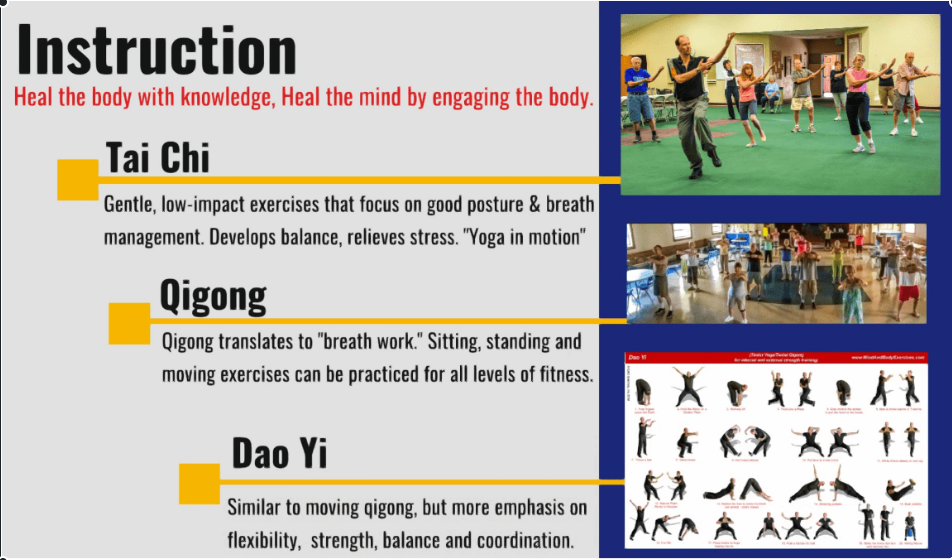
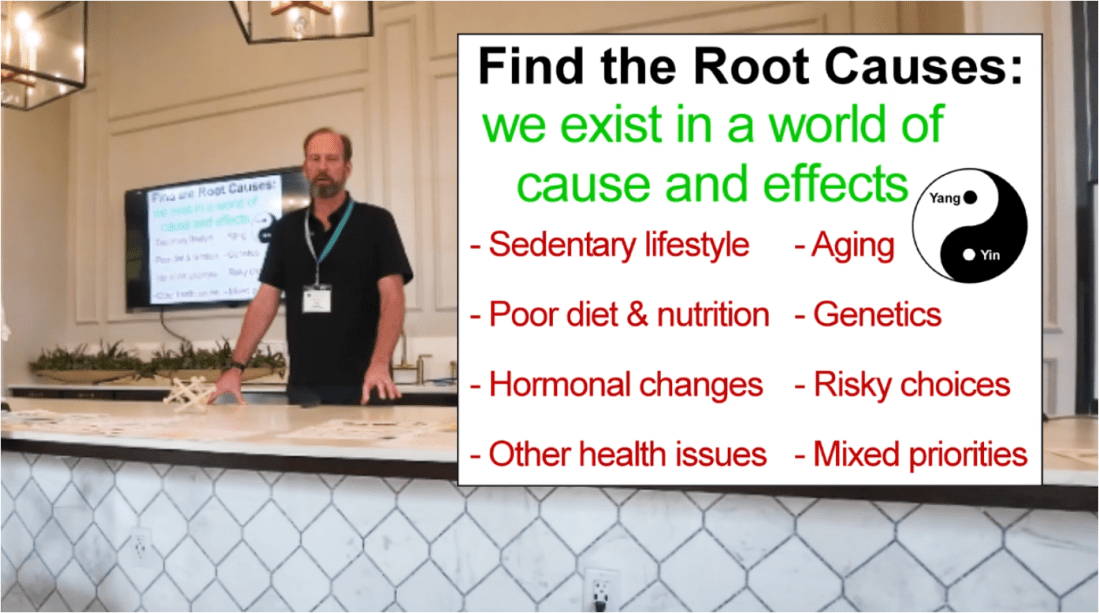
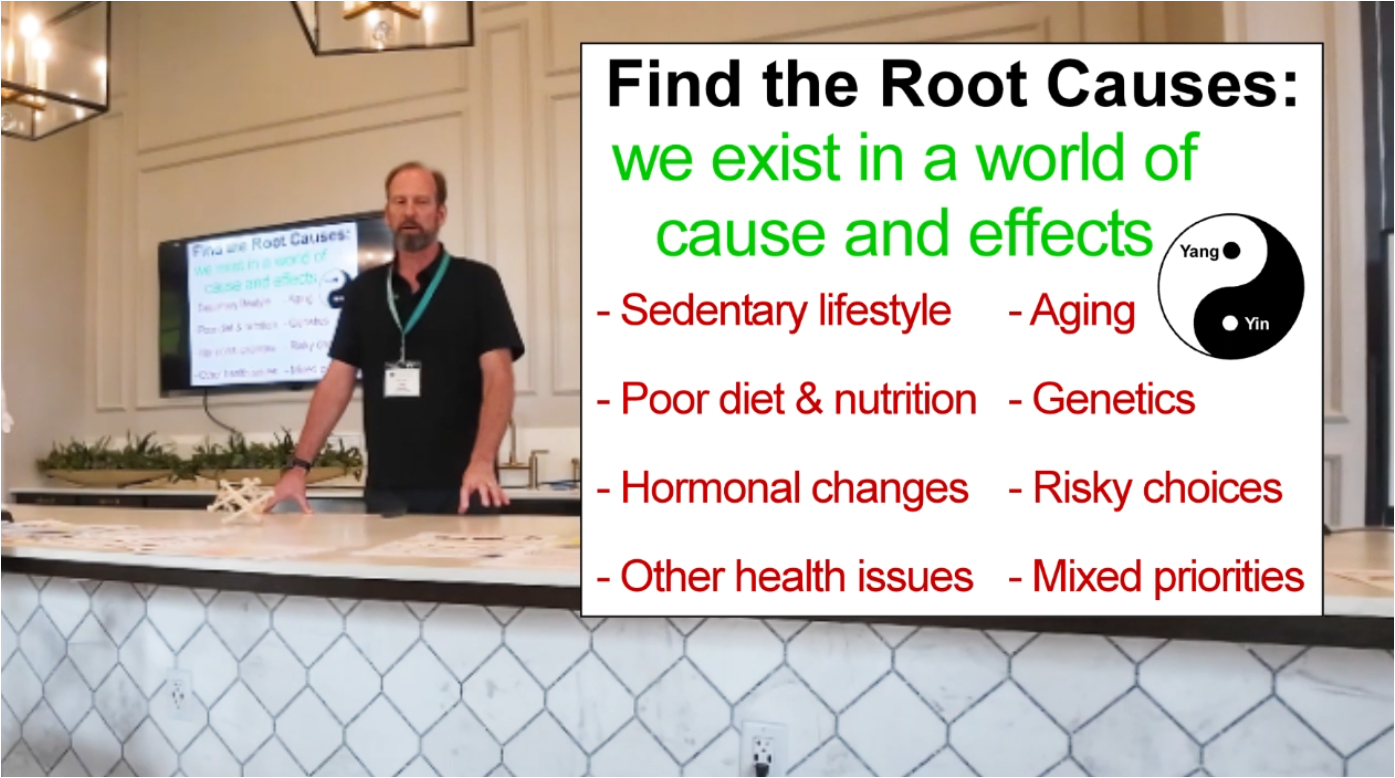
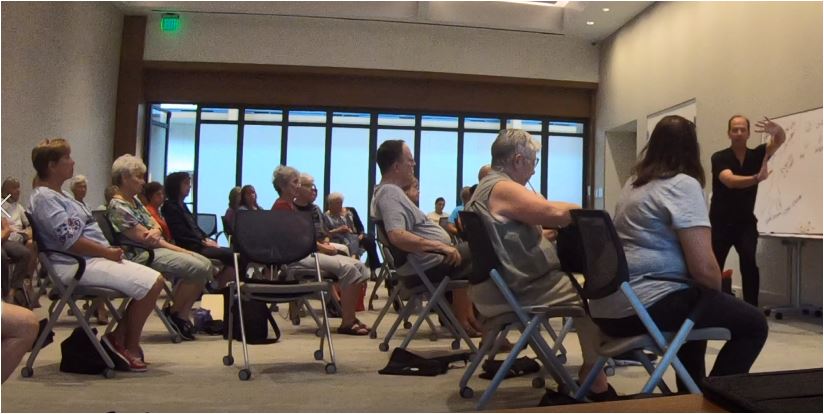
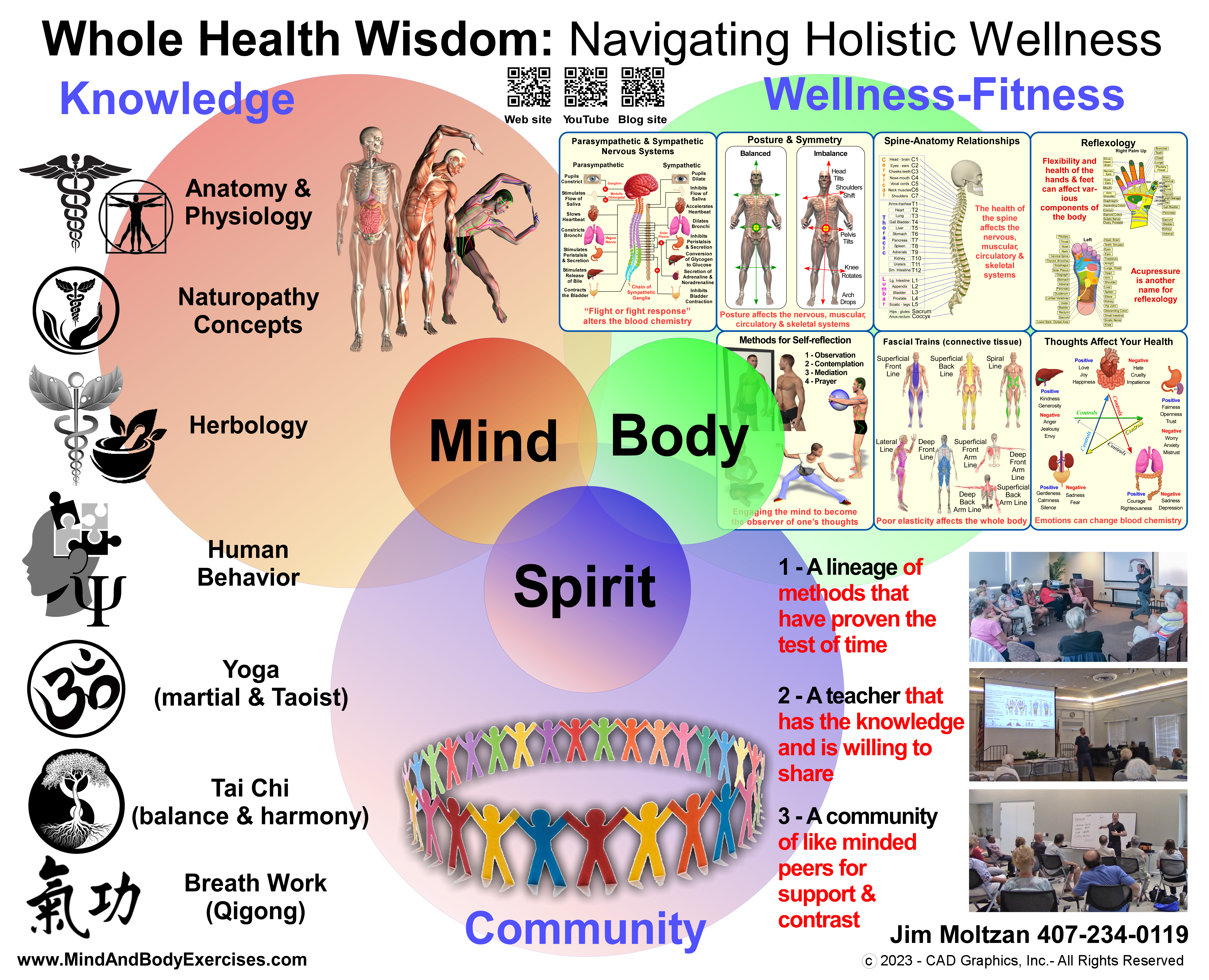
I have been learning, practicing and studying health and wellness for 45 years, teaching and sharing for 42 years. I feel that I have a lot to share that can benefit the mind, body & spirit. Watch my video of various venues that I have held holistic health discussions.

Contact me to discuss options for you, your business, your group, etc. Good health and wellness are a journey that doesn’t happen overnight. We will all experience some pain and suffering throughout our lives. Learn how to manage it before it comes it comes knocking at your door.

Jim Moltzan – 407-234-0119 or info@MindAndBodyExercises.com

The Dynamics of Kung

Essence, Training, and Mastery

Kung is the essential concentrated force, both mental and physical, that underlies all Chinese martial arts, particularly Kung Fu. It is not mere muscular power, but a highly focused and potent concentration of will, attention, and energy that amplifies every physical technique. Without Kung, even the most refined martial skills remain incomplete; with it, a practitioner achieves exceptional power, resilience, and mastery.

The information presented here is an overview of traditional Kung concepts and techniques as described in Kung Fu: History, Philosophy and Technique (Chow, 1978). While these methods are part of historical martial arts culture, they range from well-documented conditioning practices to legendary or symbolic feats.

Internal and External Kung

Kung manifests in two primary forms:

  • Internal Kung (Yin or Negative Kung) emphasizes the cultivation of Qi (ch’i, chi, ki, gi) the vital life-breath through breathing, meditation, and calm concentration. It often favors subtlety and passive defense, enabling the practitioner to mentally subdue an opponent without direct physical contact. Its effects may be invisible, yet profound.
  • External Kung (Yang or Positive Kung) focuses on physical strength and conditioning, with energy flowing outward through the body. It subdivides into Soft Kung (Yin) and Hard Kung (Yang):
    • Soft Kung is difficult to master, emphasizing invisibility, precision, and mental control, but is sometimes viewed with suspicion for its potential unethical use.
    • Hard Kung is overtly physical, conditioning muscles and nerves to withstand and counter heavy blows or weapon strikes.

A well-rounded martial artist seeks balance between these forms, harmonizing Yin and Yang according to Taoist principles.

Discipline and Moral Foundation

Kung is as much a moral and spiritual discipline as it is a physical one. Practitioners must adhere to behavioral and emotional codes designed to preserve vital energy and mental clarity:

  • Five Restrictions to avoid:
    • Frivolity
    • Conceit
    • Impatience
    • Negligence
    • Lasciviousness
  • Seven Detriments:
    • Fornication (energy depletion)
    • Anger (breathing harm)
    • Worry (mental numbness)
    • Over trust (emotional vulnerability)
    • Overdrinking (blood dilution)
    • Laziness (muscular weakness)
    • Tenseness (weak bones).

Violating these principles disrupts energy flow and undermines training. The Shaolin tradition stresses purification of spirit, breath regulation, and ethical conduct using Kung only for defense or just causes, never for malicious harm. Misuse inevitably leads to personal ruin.

Stages of Training

Mastery requires patience, persistence, and often decades of disciplined practice. Training typically progresses through:

  1. Skin and Muscle Stimulation – Vigorous rubbing to improve circulation and tone.
  2. Tendon Conditioning – Stretching and calisthenics to enhance elasticity and force transmission.
  3. Joint Strengthening – Weight training and impact drills for endurance and striking power.
  4. Qi Development – Meditation and breath control to cultivate and store vital energy, directing it for specific purposes.

This gradual progression ensures the body and mind are prepared for advanced techniques without risk of injury.

Qi: The Power Source of Kung

Qi transforms raw physical ability into directed, dynamic force. Concentrating Qi in specific body parts creates specialized capabilities, such as an iron abdomen, immovable stance, or penetrating strike. Its development must be patient and natural; forcing the process is ineffective and potentially harmful. In rare cases, Qi manifests spontaneously in emergencies, hinting at latent human potential.

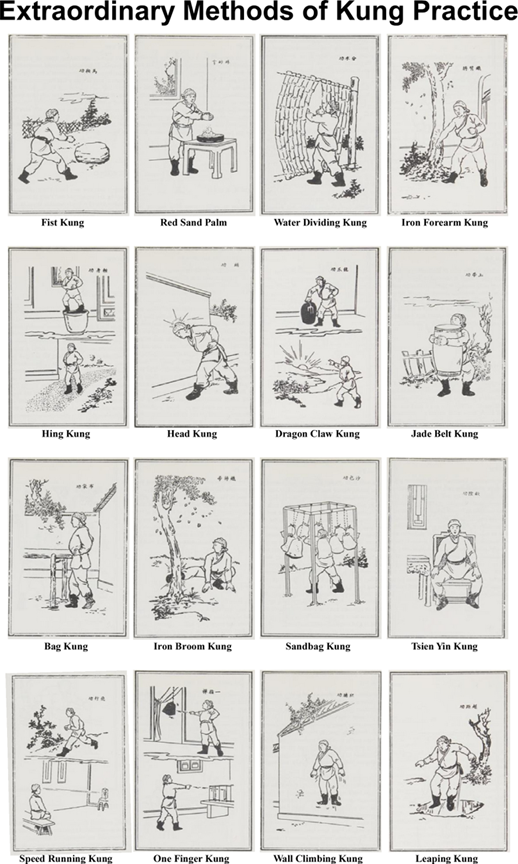
Extraordinary Kung Techniques

Through disciplined training, practitioners can achieve remarkable feats, some practical, others legendary in reputation. These include:

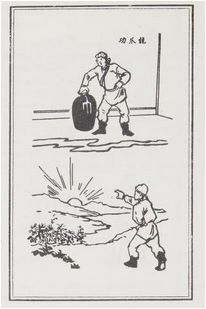
  • Red Sand Palm – Yin Kung capable of inflicting damage without physical contact, developed through progressive conditioning from fine sand to heavy objects.
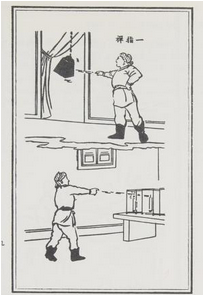
  • One Finger Kung – Focused finger strikes that can move heavy objects or extinguish flames from a distance.
  • Dragon Claw Kung – Grip strength and joint control using progressive resistance, applied to immobilize opponents.
  • Water Dividing Kung – Palm and arm strength sufficient to part rigid bamboo poles.
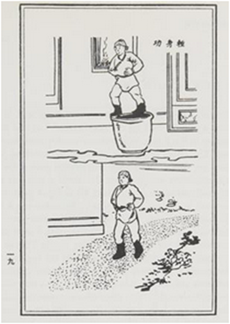
  • Hing Kung (Lightness Kung) – Ability to move silently and lightly, even on fragile surfaces.
  • Speed Running Kung – Leg and eyesight conditioning for swift, sustained movement.
  • Leaping Kung – Explosive leg power built by jumping from progressively deeper trenches or with added weights.
  • Wall Climbing Kung – Vertical and horizontal wall movement using elbows and heels.
  • Tsien Yin Kung – Qi-based internal protection of vital areas.
  • Bag Kung – Abdominal conditioning to absorb and redirect strikes.
  • Iron Forearm Kung, Fist Kung, Sandbag Kung – Impact conditioning for devastating strikes and multi-angle attack defense.
  • Iron Broom Kung – Powerful sweeping kicks to fell opponents or break obstacles.
  • Jade Belt Kung – Crushing arm strength developed through tree hugging and stone lifting.
  • Head Kung – Progressive hardening of the skull for safe head strikes.

Many of these require 10–15 years of committed training and precise energy control to master.

Health, Longevity, and Mental Clarity

Beyond combat, Kung offers profound physical and mental benefits. Long-term practice strengthens circulation, tendons, joints, and immunity; enhances concentration and calmness; and may contribute to longevity. It is both a martial art and a holistic health system.

Modern Rarity and Preservation

In ancient times, Kung masters devoted decades to perfection, often beginning in childhood. Today, the demands of modern life, coupled with the secrecy of true training, make genuine mastery rare. Most authentic techniques are still transmitted privately to protect their integrity. Demonstrations by skilled masters, such as generating heat without contact, bending steel, or breaking stone, attest to the enduring power of these methods.

Anyone interested in studying these skills should understand that:

  • Authentic instruction is rare. Many of these methods require years of careful, incremental training under a knowledgeable teacher who understands both the physical and internal aspects.
  • Improper training can cause harm. Without correct supervision, certain conditioning practices can lead to serious injury, long-term health problems, or mental strain.
  • Ethics matter. True Kung training is rooted in discipline, self-control, and moral conduct. Any instruction that promotes reckless aggression, neglects safety, or bypasses ethical principles should be avoided.
  • Due diligence is essential. Seek a reputable teacher with verifiable lineage, recognized skill, and a proven track record of developing students safely. Research the school’s philosophy, teaching methods, and student experiences before committing.
  • Respect your limits. Not every method is appropriate for every individual. Health conditions, age, and personal goals should all factor into how one approaches training.

Approaching Kung with patience, humility, and discernment will help ensure that the art becomes a source of growth and empowerment, not injury or disillusionment.

Conclusion

The Dynamics of Kung reveal that true Kung Fu mastery transcends physical fighting skill. It is a lifelong path of self-cultivation, uniting body, mind, and spirit through disciplined practice, ethical conduct, and the harmonious balance of internal and external forces. The extraordinary abilities it promises—whether practical, legendary, or symbolic—stand as testimony to the heights of human potential when effort, patience, and moral purpose are perfectly aligned.

Reference:

Chow, D., & Spangler, R. (1978). Kung Fu: history, philosophy and techniques. Lulu.com. https://archive.org/details/kungfuhistoryphi0000chow