Benefits of Nose-breathing

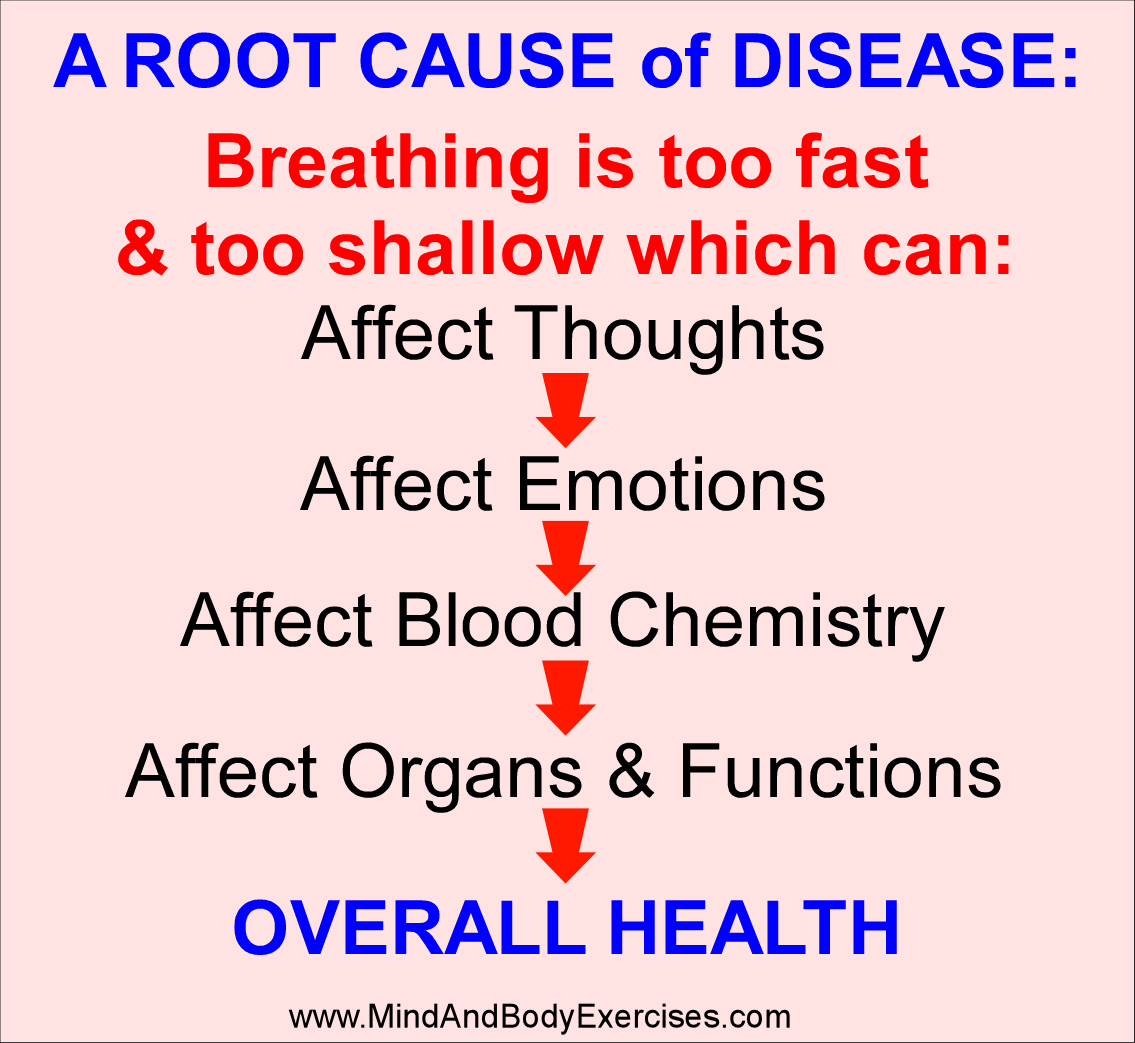
Breathing through the nose (nasal breathing) is a scientifically proven coping mechanism that helps to manage stress and has many other physiological benefits. Nasal breathing promotes more effective diaphragm engagement than mouth breathing. Nasal breathing encourages diaphragmatic breathing by allowing a slower, deeper breath, which supports the downward movement of the diaphragm. This type of breathing activates the lower part of the lungs, which have a higher blood flow and oxygen exchange concentration, resulting in more efficient oxygen delivery throughout the whole body.

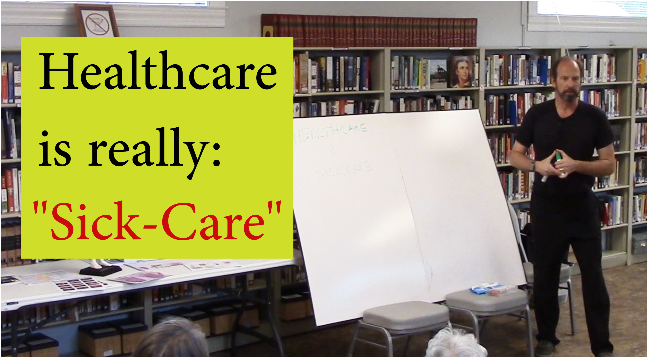
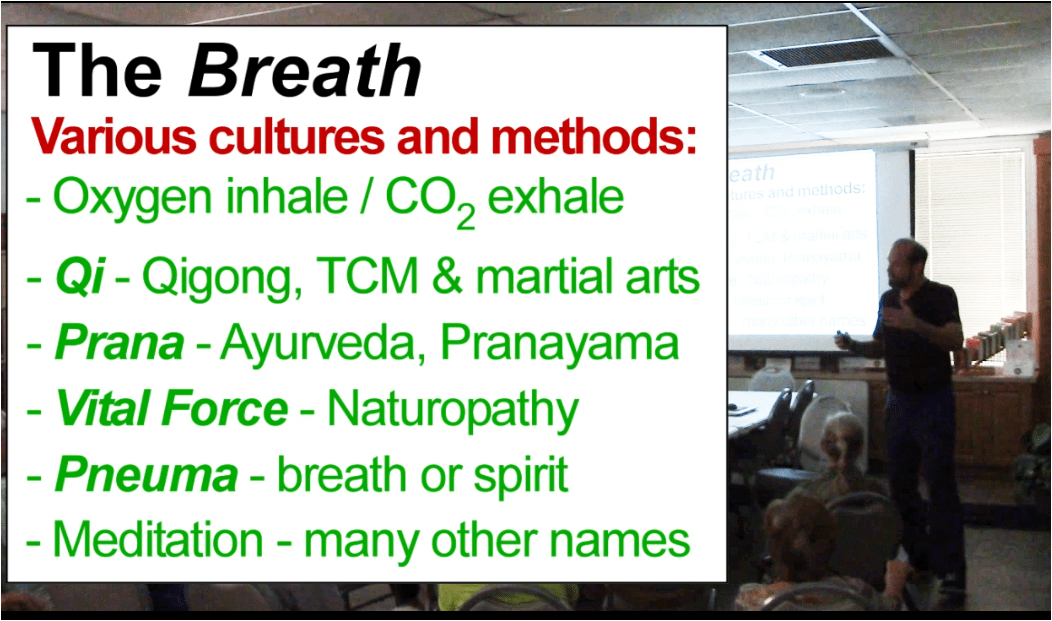
I led a discussion on this topic and better breathing methods last week at the University Club of Winter Park. View the full hour-long talk here at: https://youtu.be/C9xL2k-Eosk?si=9At8PXiV8nXQutPR
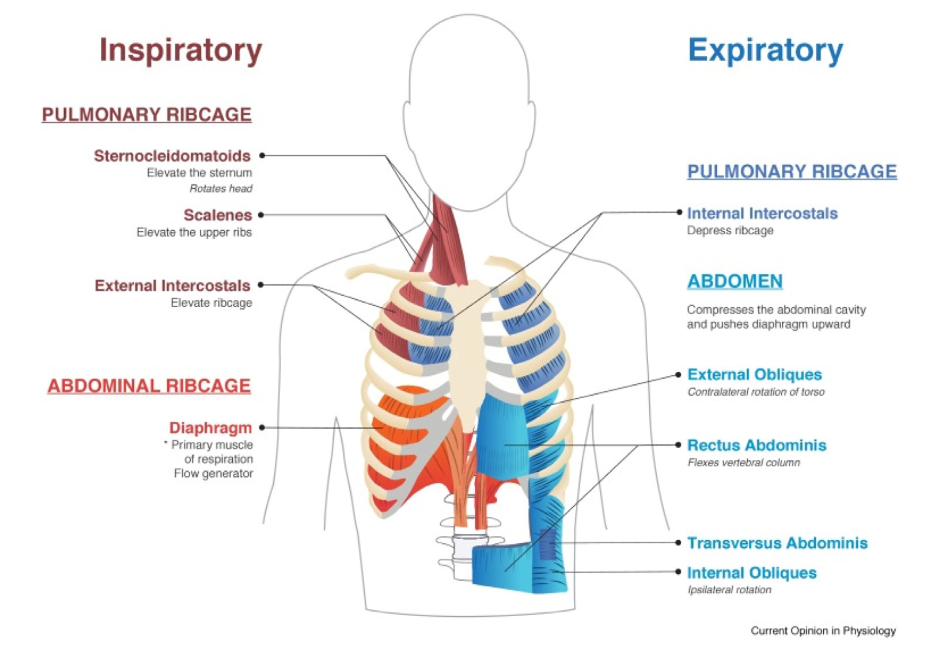
When you breathe through the nose, other respiratory muscles are also engaged more fully, helping to maintain core stability and improve posture. Nasal breathing encourages parasympathetic (rest and digest) activity, which can help to reduce stress, promotes relaxation and natural healing.

Breathing through the nose has a wide range of additional physiological benefits:

  • Air Filtration and Humidification: The nasal passages filter out pollen, allergens, dust, and other particles, while also humidifying and warming the air prior to it reaching the lungs. This mechanism reduces respiratory tract irritation and keeps lung tissues moist and better protected against environmental irritants.
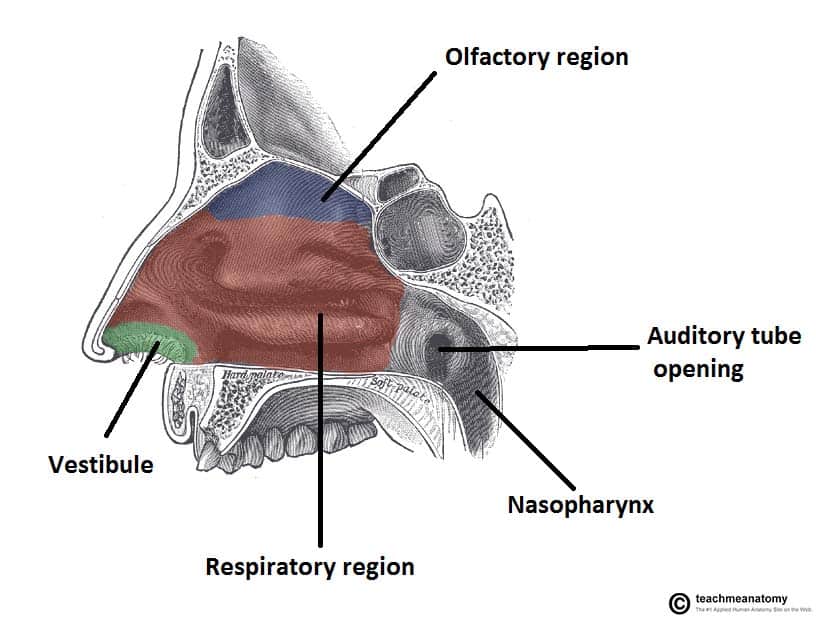
  • Nitric Oxide Production: Nasal breathing produces nitric oxide (NO), a messenger molecule that has powerful vasodilating effects, which means that it helps dilate blood vessels and improve circulation. This in turn, allows for more efficient oxygen delivery throughout the body, supporting cardiovascular health and enhancing physical endurance.

  • Increased Lung Capacity and Respiratory Efficiency: Nasal breathing helps to promote a slower, more regulated intake of air, which can improve respiratory efficiency and lung capacity over time. This action enables the lungs to expand more fully, contributing to a better exchange of oxygen and carbon dioxide, thus promoting more effective overall oxygenation.
  • Increased Diaphragmatic Muscle Tone: Nasal breathing exercises the diaphragm, improving respiratory efficiency and also stabilizing core muscles. This can improve posture and reduce the occurrence of back and neck tension, as the diaphragm works in tandem with abdominal and pelvic floor muscles.
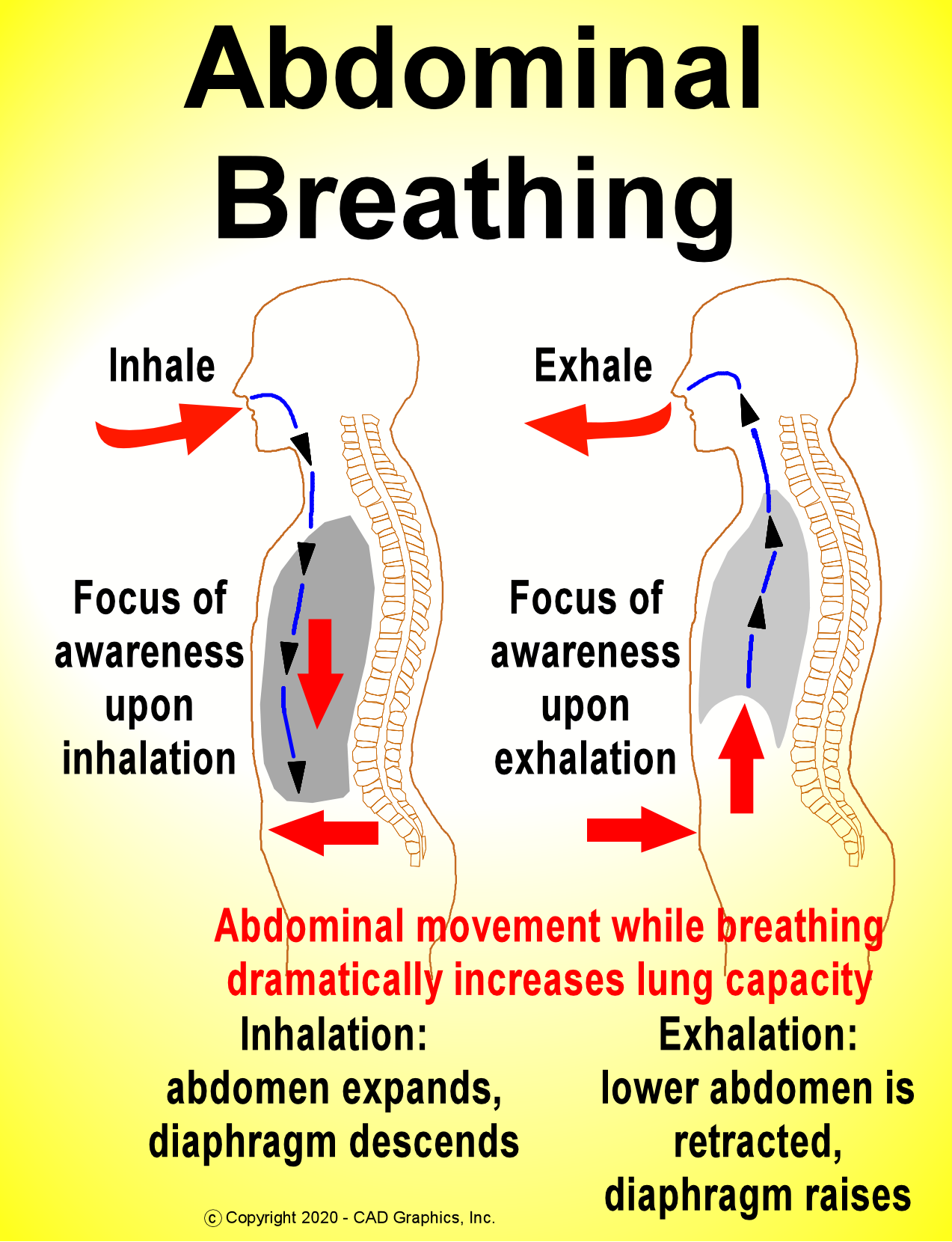
  • Lowered Stress and Anxiety Levels: Breathing through the nose activates the parasympathetic nervous system, which helps to reduce stress. Deeper, slower breathing stimulates the vagus nerve, associated with calming the body, by lowering heart rate and cortisol (stress hormone) levels.

  • Improved Sleep Quality: Breathing through the nose helps regulate a more consistent breathing rhythm and encourages higher oxygen levels during sleep, reducing the risk of sleep disorders such as snoring and sleep apnea.

Understanding how these mechanisms operate can be highly beneficial for health, fitness, and well-being, as consistent nasal breathing can bring about both short-term benefits such as relaxation, long-term respiratory efficiency and cardiovascular health.

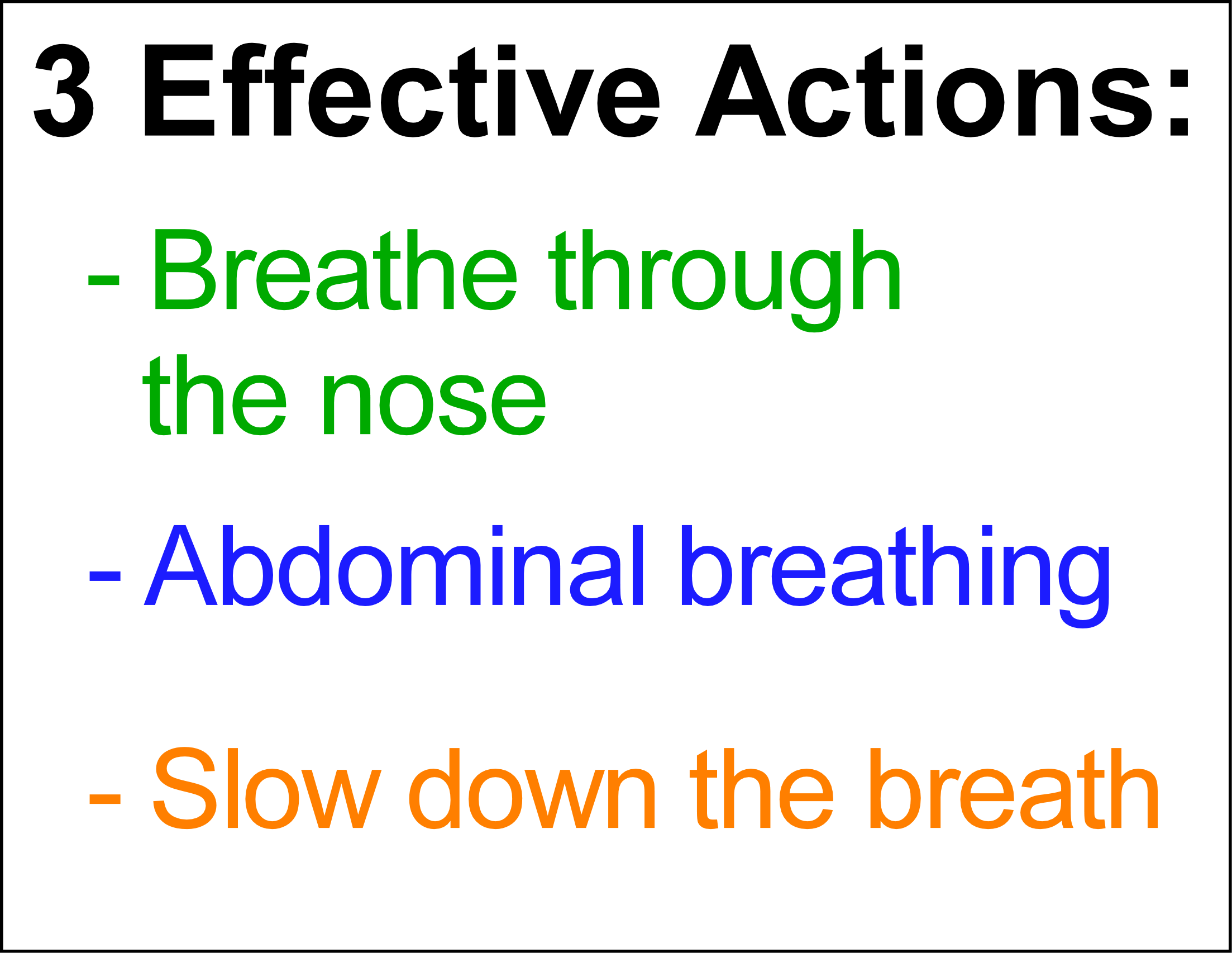
Three effective methods to breathe more efficiently:

  • Breathe through the nose
  • Breathe deeper by moving the abdominal area to engage the diaphragm
  • Become mindful of your breathing rate or breaths per minute (BPM)
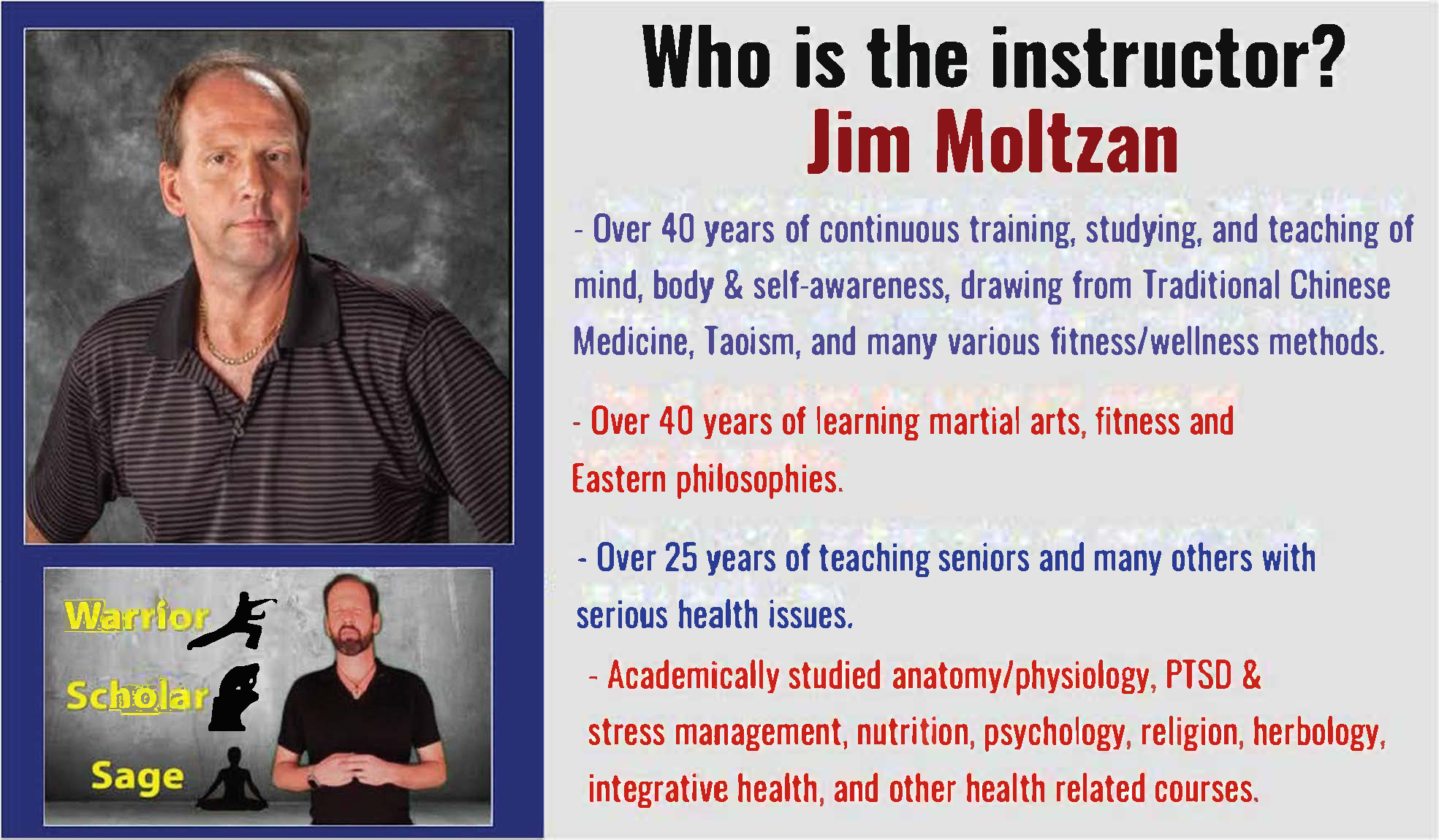
I teach and offer lectures about holistic health, physical fitness, stress management, human behavior, meditation, phytotherapy (herbs), music for healing, self-massage (acupressure), Daoyin (yoga), qigong, tai chi, and baguazhang.

Please contact me if you, your business, organization, or group might be interested in hosting me to speak on a wide range of topics related to better health, fitness, and well-being.

I look forward to further sharing my message by partnering with hospitals, wellness centers, VA centers, schools on all levels, businesses, and individuals who see the value in building a stronger nation through a healthier population.

I also have hundreds of FREE education video classes, lectures, and seminars available on my YouTube channel at:

https://www.youtube.com/c/MindandBodyExercises

Many of my publications can be found on Amazon at:

http://www.Amazon.com/author/jimmoltzan

My holistic health blog is available at:

https://mindandbodyexercises.wordpress.com/

http://www.MindAndBodyExercises.com

Mind and Body Exercises on Google: https://posts.gle/aD47Qo

Jim Moltzan

Perspectives on Managing Stress

Johann Wolfgang von Goethe (1749-1832), the German author of Faust and other literary works, once wrote:

“Things which matter most must never be at the mercy of things which matter least.”

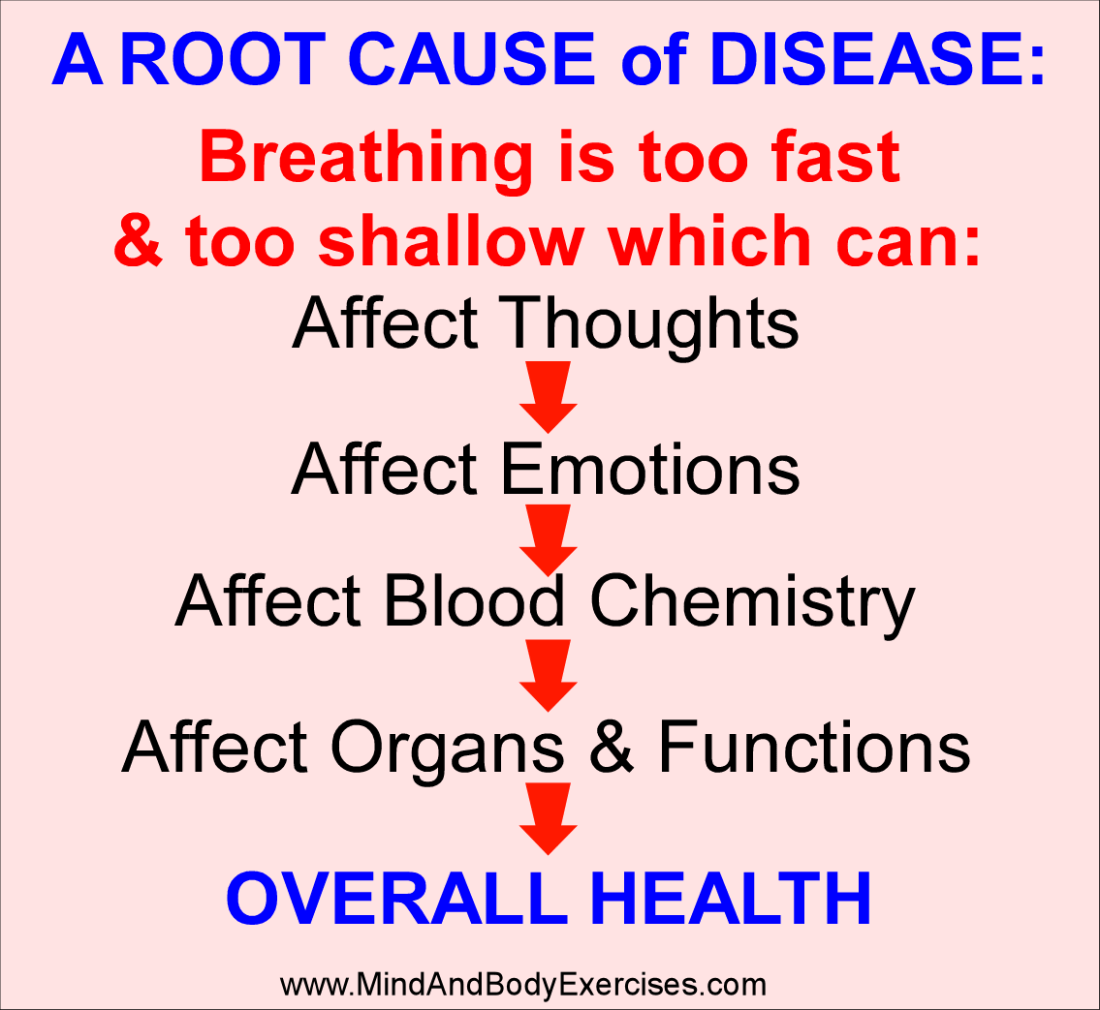
We need to have our priorities in proper order for our own individual goals and responsibilities. It is easy to become caught up in trivial issues that have no real impact on the more important issues that may actually affect our health and well-being. My understanding of stress is an excess of focused attention to a particular issue that may become a detriment to one’s health and well-being of their mind, body, or spiritual awareness. This extra attention can make its way into our thoughts through our senses of sight, hearing, touch, smell, and taste. As our sensory organs receive potential negative input, and relay signals to the brain, our nervous system will make adjustments to the various organ systems and chemistry of the blood throughout our bodies. Stress hormones affect the organs and overall health of the individual leading us back to a potential vicious circle of our health affecting our thoughts and emotions and causing more stress back throughout the body.

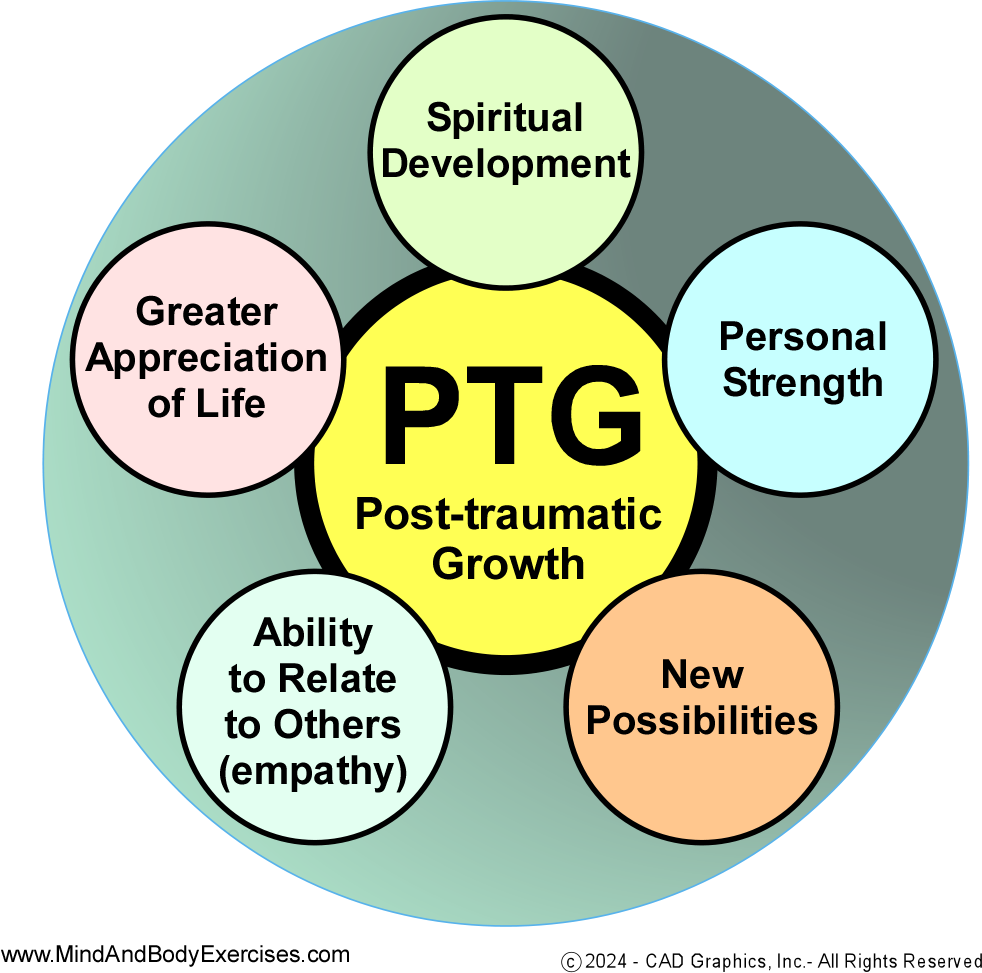
Some stress is actually needed for us to be able to manage the ups and downs we encounter in daily life. I have come to understand that everyone manages stress with their own unique skill set of coping mechanisms and available resources. What is quite stressful for one person may be a minor inconvenience for others. Similarly, when someone experiences some type of traumatic event, they may later experience post-traumatic stress disorder (PTSD), whereas another individual with different coping skills may come to experience post-traumatic growth (PTG). PTG is the term for what may happen when a person who struggles psychologically from trauma and adversity, may come to experience positive, transformative changes in their behavior and mindset (Collier, 2016). Either way, I think that most people try not to be stressed or traumatized, but when they do experience either, there is a wide variety of self-regulation skills that one can access. I have been introduced to various theories such as self-efficacy theory (SET) and self-determination theory (SDT) where individuals can be active participants in how they manage their own thoughts, emotions, and relative actions (Simons-Morton & Lodyga, 2021).

I think everyone has stress on some level in their daily lives. However, I have been fortunate to figure out at an early age that the most important things in my life is my mind, body and spiritual awareness. Once I learned that this is a universal truth that is hard to debate, I realized that everything is connected to the balance and well-being of our physical body, our mental understanding, and an awareness of a higher power along with a sense of purpose or life direction. With the prior being said, I still do experience the daily mundane stresses of tasks, work-related circumstances, interactions with people, studying for this course and a host of other issues many others deal with also. However, I realize that I am the one controlling my thoughts, emotions, and actions, and consequently, I determine how much or how little stress I allow to manifest in my life.

I am currently managing my stress by monitoring my diet and appropriate nutrition, exercising consistently by practicing of sitting, standing, and moving meditation methods like tai chi, qigong, and other martial arts, as well as some resistance/weight training, and cardiovascular exercises, while trying to get about 7-8 hours of sleep. I have studied and practiced many sleep methods/behaviors and their relationship with exercise, meditation, and other mind/body practices. What we do or don’t do during our waking hours can determine the quality of our sleep at night. Conversely, how well we sleep, and duration can affect the quality of our waking hours also. Practicing stress relieving exercises and behaviors during the day such as yoga, mindful breathing, meditation, tai chi, (A Prescription for Tai Chi? A UCLA Researcher Works to Position This Ancient Mind-body Practice Into Mainstream Medicine Nationwide. – Document – Gale General OneFile, 2024) and many other physical exercise methods, can help the mind and body to better process information and rejuvenate during the sleep stages. Mental output and activity often become stressful when we try to work, manage family duties, solve finances, and manage hundreds of other daily tasks. A good night’s rest is most often earned by what we eat, what we think, and what types of physical activity/exercise we practice throughout the day. This is what I have learned and experienced from my own anecdotal experiences.

References:

Collier, L. (2016). Growth after trauma. https://www.apa.org. https://www.apa.org/monitor/2016/11/growth-trauma

Simons-Morton, Bruce; Lodyga, Marc. (2021) Behavior Theory in Public Health Practice and Research. Jones & Bartlett Learning. Kindle Edition. 

A Prescription for Tai Chi? A UCLA researcher works to position this ancient mind-body practice into mainstream medicine nationwide. (2024, March). Healthy Years, 21(3), 1+. https://link.gale.com/apps/doc/A783577598/ITOF?u=vol_vsc&sid=bookmark-ITOF&xid=07847cf8

I teach and offer lectures about holistic health, physical fitness, stress management, human behavior, meditation, phytotherapy (herbs), music for healing, self-massage (acupressure), Daoyin (yoga), qigong, tai chi, and baguazhang.

Please contact me if you, your business, organization, or group might be interested in hosting me to speak on a wide range of topics related to better health, fitness, and well-being.

I look forward to further sharing my message by partnering with hospitals, wellness centers, VA centers, schools on all levels, businesses, and individuals who see the value in building a stronger nation through a healthier population.

I also have hundreds of FREE education video classes, lectures, and seminars available on my YouTube channel at:

https://www.youtube.com/c/MindandBodyExercises

Many of my publications can be found on Amazon at:

http://www.Amazon.com/author/jimmoltzan

My holistic health blog is available at:

https://mindandbodyexercises.wordpress.com/

http://www.MindAndBodyExercises.com

Mind and Body Exercises on Google: https://posts.gle/aD47Qo

Jim Moltzan

407-234-0119

Balancing Mind, Body & Spirit Awareness – a graphical presentation

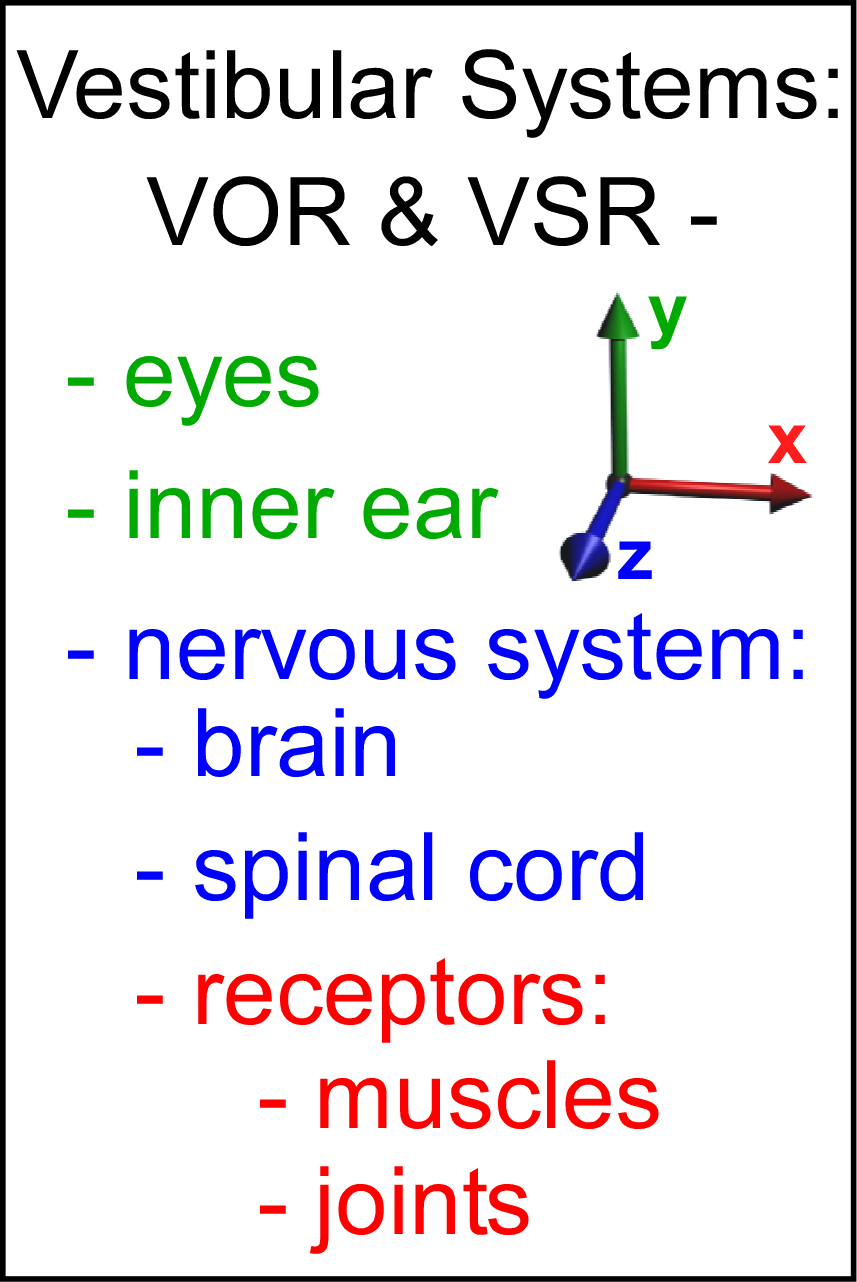
This is a graphical summary of my recent public discussion emphasizing the interconnectedness of physical, mental, and spiritual health in maintaining balance. A large portion of my discussion touched upon vestibular balance and how to prevent falls not just by cleaning up your walkways, but by increasing one’s ability to manage their center of gravity, increase leg strength, improving range of motion and the need to become more self-aware of one’s attention, one’s physical body as well as surrounding envirnment.

The role of knowledge, intelligence, and cognitive processes in balance.

The connection between beliefs, morals, values, and spiritual awareness.

The impact of mental health and emotional well-being on balance.

The concept of “deep roots” and their connection to physical balance.

The influence of diet, medications, and lifestyle choices on balance.

The potential negative effects of recreational drug use.

The importance of environmental factors and injury prevention.    

The relationship between the feet and overall health, including the concept of “death begins in the big toe.”

The importance of sleep hygiene and quality sleep for overall health.

The use of technology, such as LED lights, and its potential impact on sleep and well-being.

The role of the feet in overall balance and stability.

The impact of injuries and falls on balance, particularly the “fracture cascade.”

The importance of maintaining physical fitness and strength for balance.

Engaging in regular physical activity, such as tai chi or yoga.

Improving posture and body alignment.

Being mindful of surroundings and potential hazards.

Practicing deep breathing exercises to regulate the nervous system.

Use “3 points of contact” when standing, sitting, climbing, hiking, etc. for a more stable structure.

Understand that the human body is very similar to a tree with roots (lower body), trunk (middle or core), and branches and leaves (arms and hands).

Become more self-aware that you have a purpose, a calling, bliss or “ikigai,” a Japanese term for a sense of purpose and meaning that can affect others beyond the self.

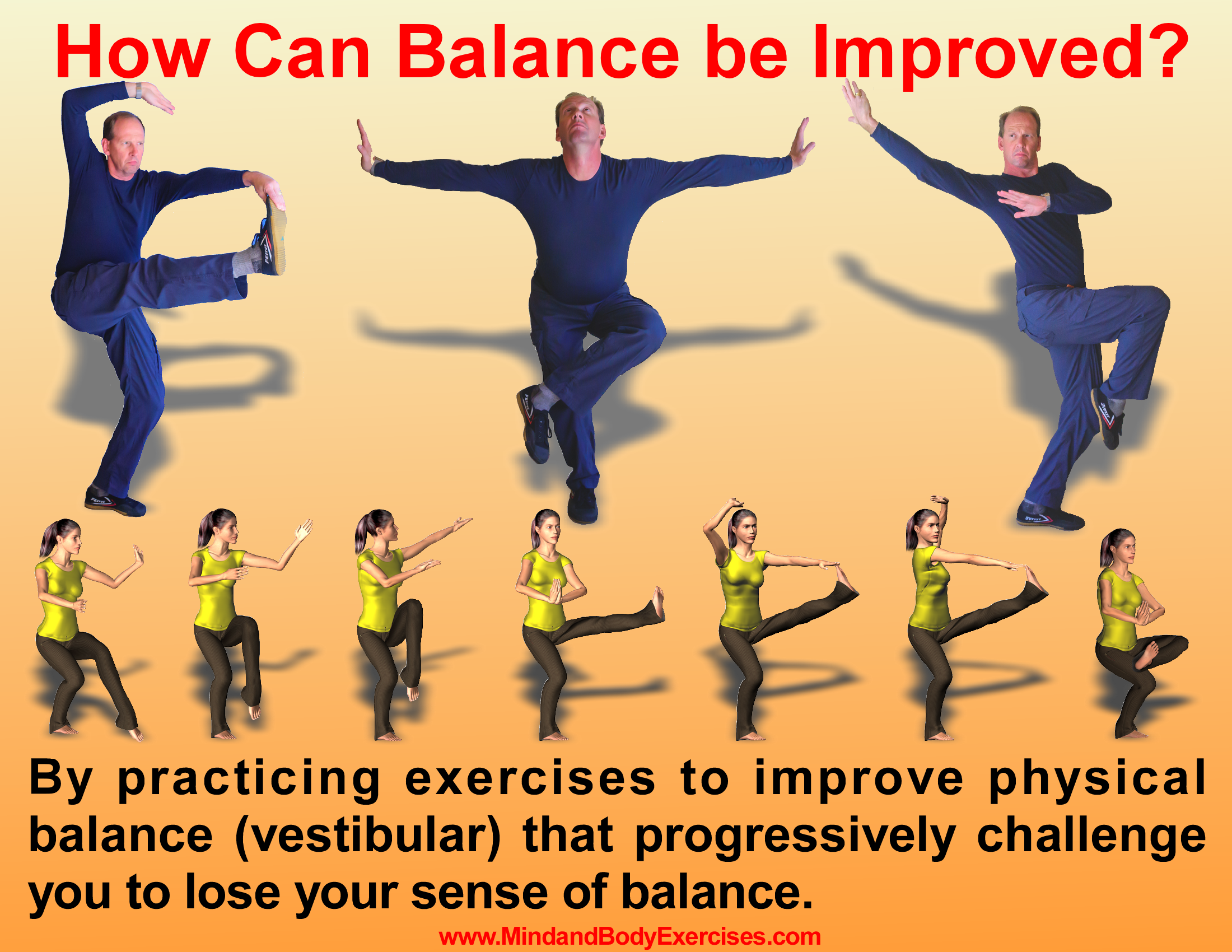
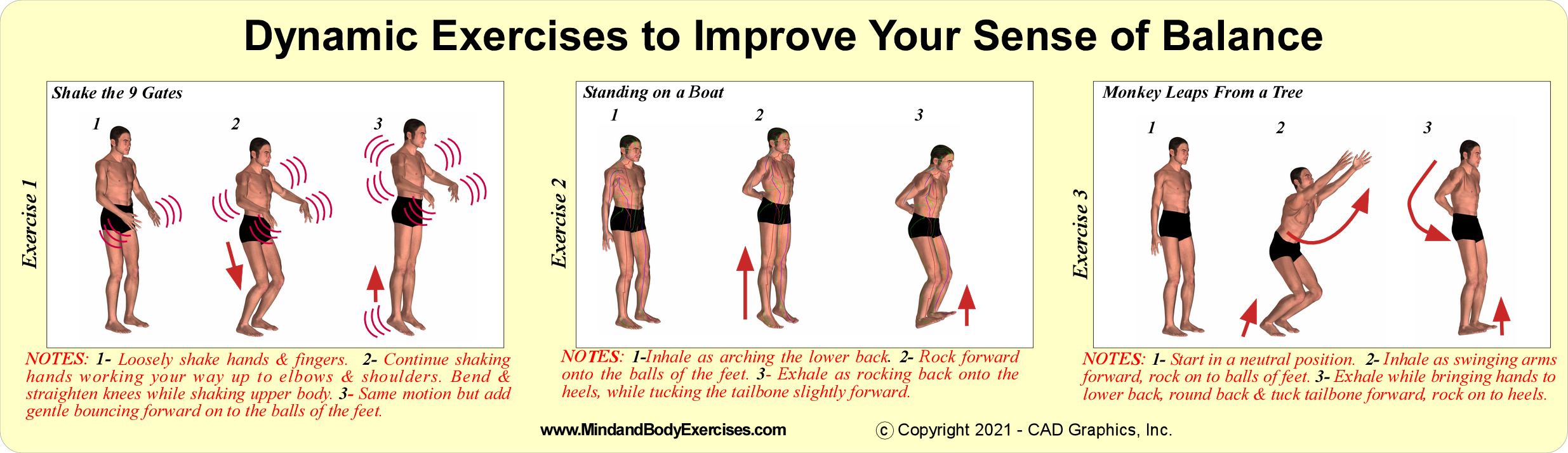
One has to put in the time and effort to achieve anything of value. One can be non-active, proactive, or reactive, depending upon their attitude, goals, and resources. Physical exercises to improve balance can consist of a combination of static, dynamic, and locomotive movements and methods.

I teach and offer lectures about holistic health, physical fitness, stress management, human behavior, meditation, phytotherapy (herbs), music for healing, self-massage (acupressure), Daoyin (yoga), qigong, tai chi, and baguazhang.

Please contact me if you, your business, organization, or group, might be interested in hosting me to speak on a wide spectrum of topics relative to better health, fitness, and well-being.

I look forward to further sharing more of my message by partnering with hospitals, wellness centers, VA centers, schools on all levels, businesses, and individuals who see the value in building a stronger nation through building a healthier population.

I also have hundreds of FREE education video classes, lectures, and seminars available on my YouTube channel at:

https://www.youtube.com/c/MindandBodyExercises

Many of my publications can be found on Amazon at:

www.Amazon.com/author/jimmoltzan

My holistic health blog is available at:

https://mindandbodyexercises.wordpress.com/

www.MindAndBodyExercises.com

Mind and Body Exercises on Google: https://posts.gle/aD47Qo

Jim Moltzan
Balancing Mind, Body & Spirit

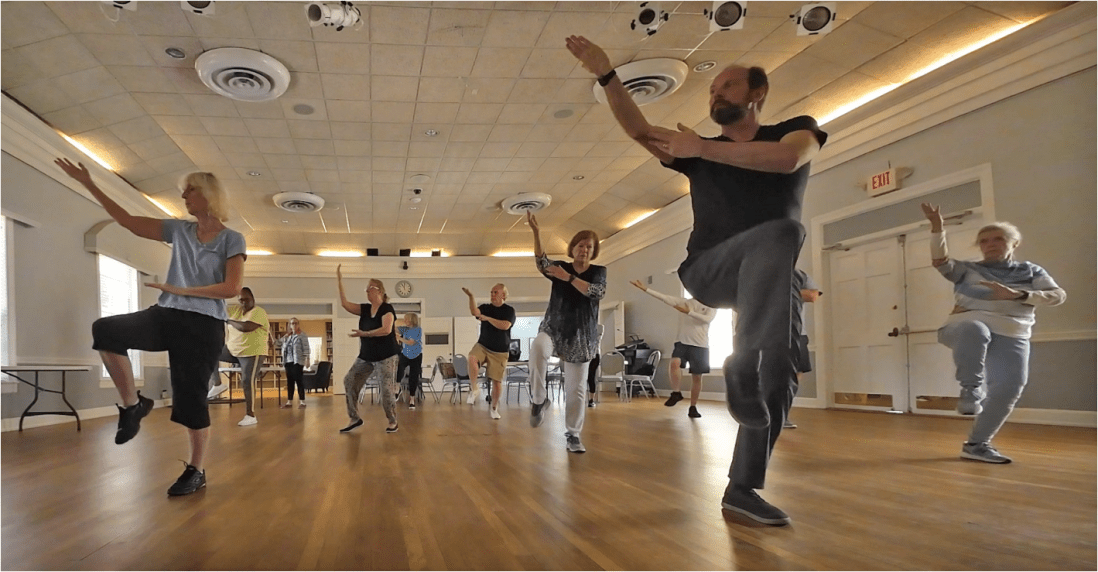
Last week I led a discussion on improving balance (mental, physical, and spiritual awareness) at the University Club of Winter Park, I would gladly speak again at other locations if anyone cares to reach out to me. Below is a brief summary of the topics that were discussed.

https://youtu.be/ayivzXu-TKI?si=9iD0vtEUf1KoCbTr

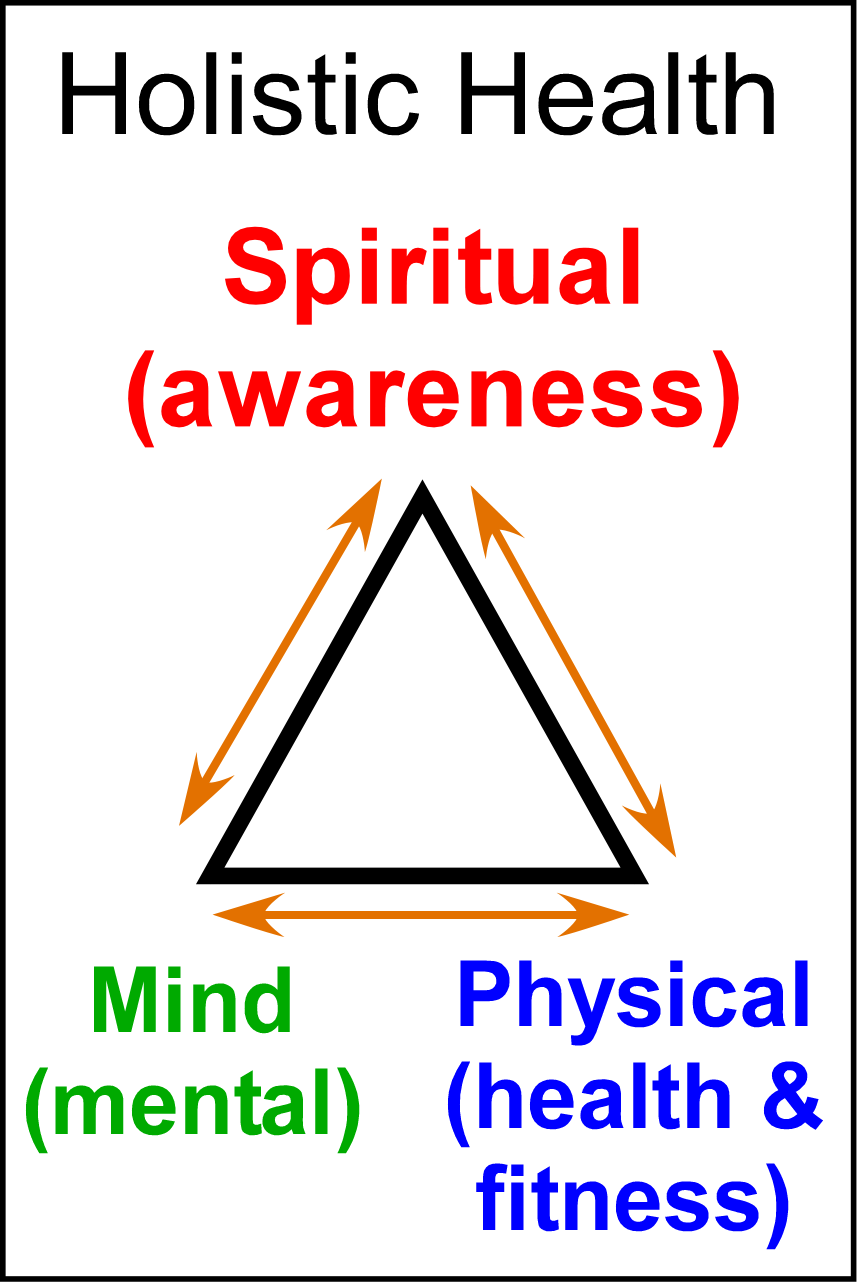
This video was a discussion about holistic health, which is a way of looking at the whole person, including the physical, mental, and spiritual aspects. Harmony is achieved when the physical, mental, and spiritual aspects are in balance. These components are all deeply interconnected. If you are physically balanced, you are more likely to feel mentally balanced. If you are mentally balanced, you are more likely to be able to connect with your spirituality.

The following main components of balance:

  • Physical balance: This refers to the ability to maintain your equilibrium. It is important for many activities, such as walking, running, and playing sports.
  • Mental balance: This refers to the ability to manage your thoughts and emotions. It is important for your overall well-being and for your ability to cope with stress.
  • Spiritual balance: This refers to your sense of connection to something larger than yourself. It can be a connection to nature, to other people, or to a higher power.

I offered some tips on how to improve balance. These tips include:

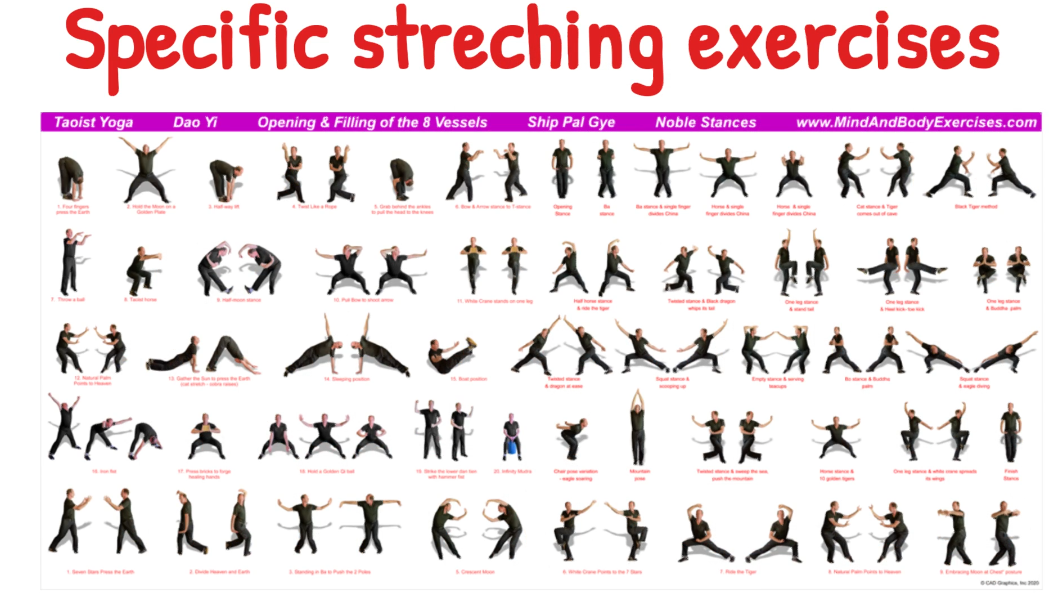
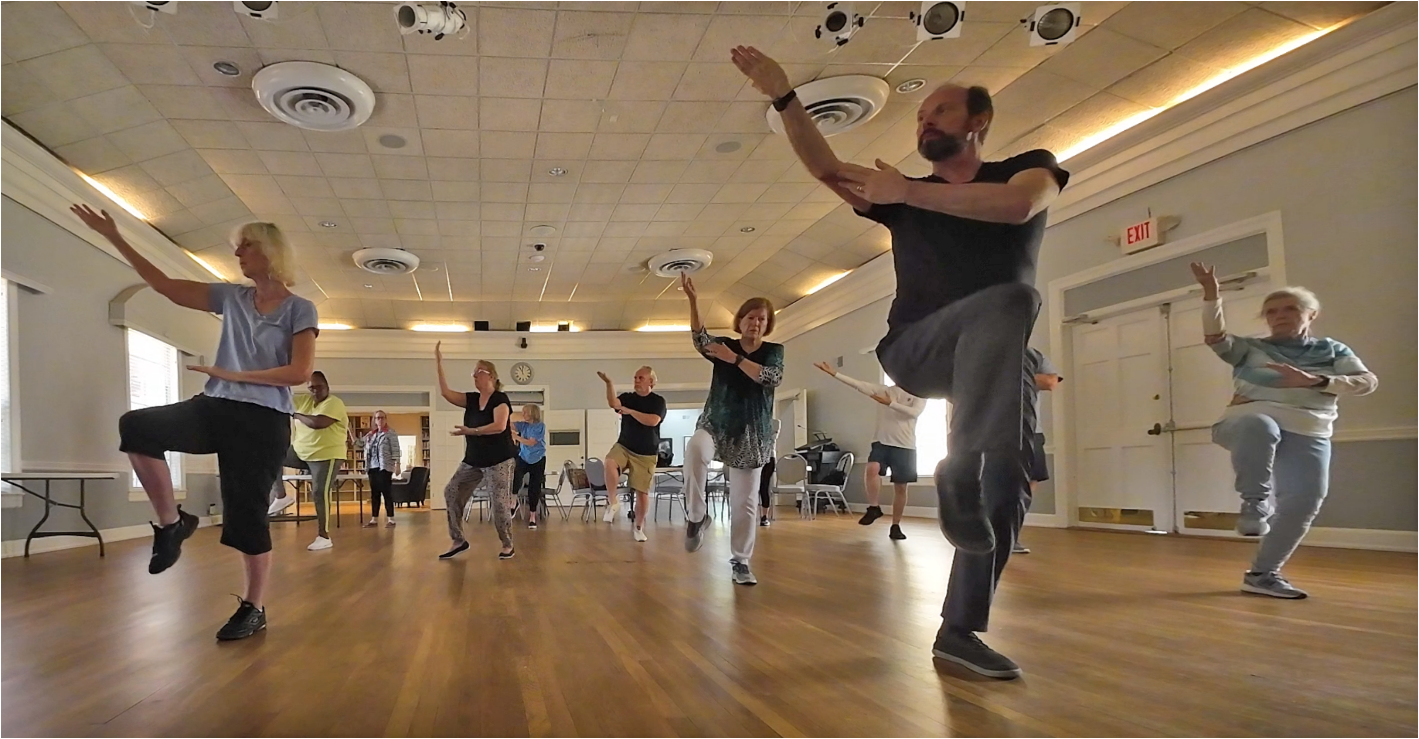
  • Doing balance exercises regularly. There are many different balance exercises that you can do, such as practicing tai chi, qigong, yoga, pilates, standing on one leg, or even walking on uneven surfaces.
  • Practicing mindfulness. Mindfulness is the practice of paying attention to the present moment without judgment. It can help you to reduce stress and improve your mental balance.  

____________

I teach and offer lectures about holistic health, physical fitness, stress management, human behavior, meditation, phytotherapy (herbs), music for healing, self-massage (acupressure), Daoyin (yoga), qigong, tai chi, and baguazhang.

Please contact me if you, your business, organization, or group, might be interested in hosting me to speak on a wide spectrum of topics relative to better health, fitness, and well-being.

I look forward to further sharing more of my message by partnering with hospitals, wellness centers, VA centers, schools on all levels, businesses, and individuals who see the value in building a stronger nation through building a healthier population.

I also have hundreds of FREE education video classes, lectures, and seminars available on my YouTube channel at:

https://www.youtube.com/c/MindandBodyExercises

Many of my publications can be found on Amazon at:

www.Amazon.com/author/jimmoltzan

My holistic health blog is available at:

https://mindandbodyexercises.wordpress.com/

www.MindAndBodyExercises.com

Mind and Body Exercises on Google: https://posts.gle/aD47Qo

Jim Moltzan
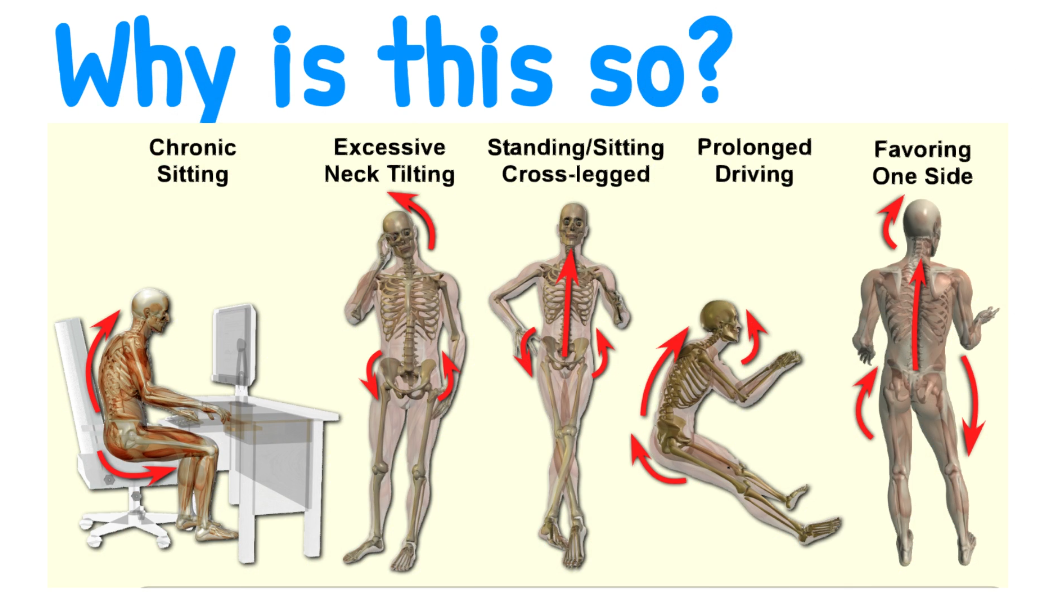
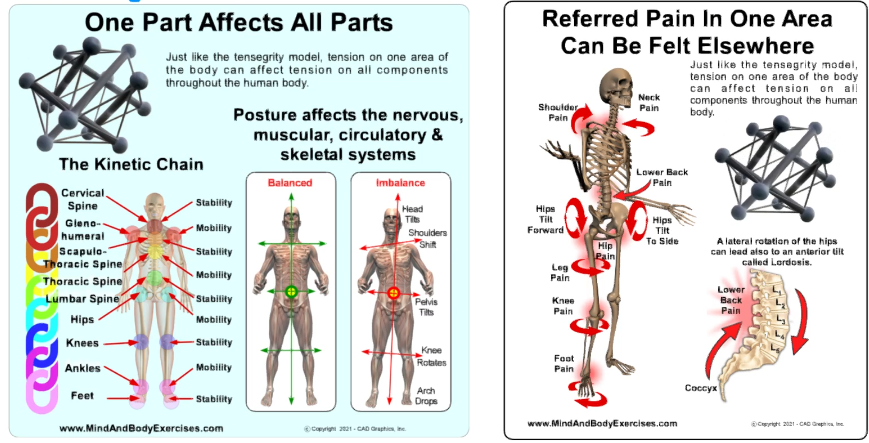
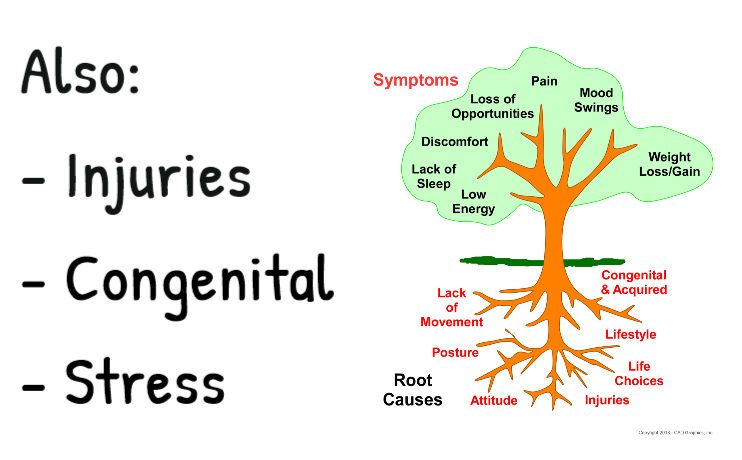
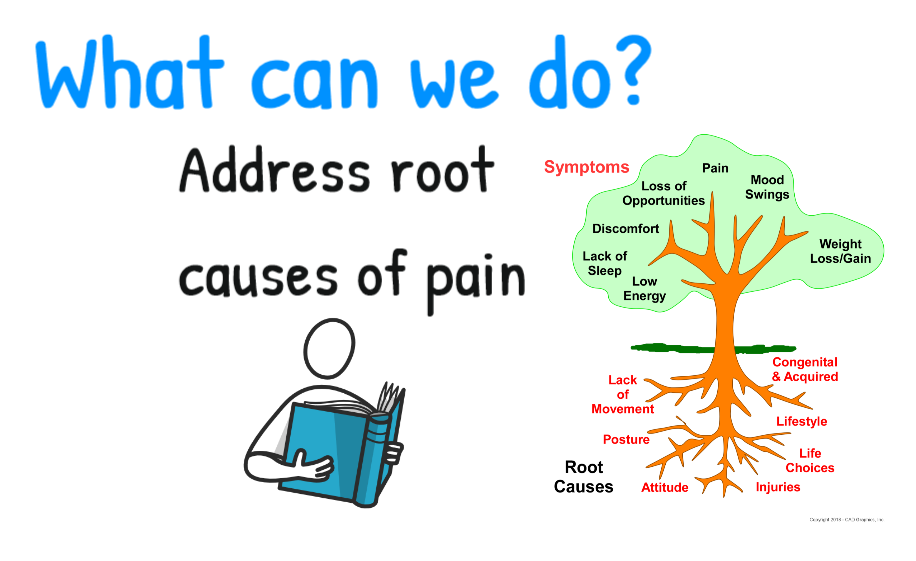
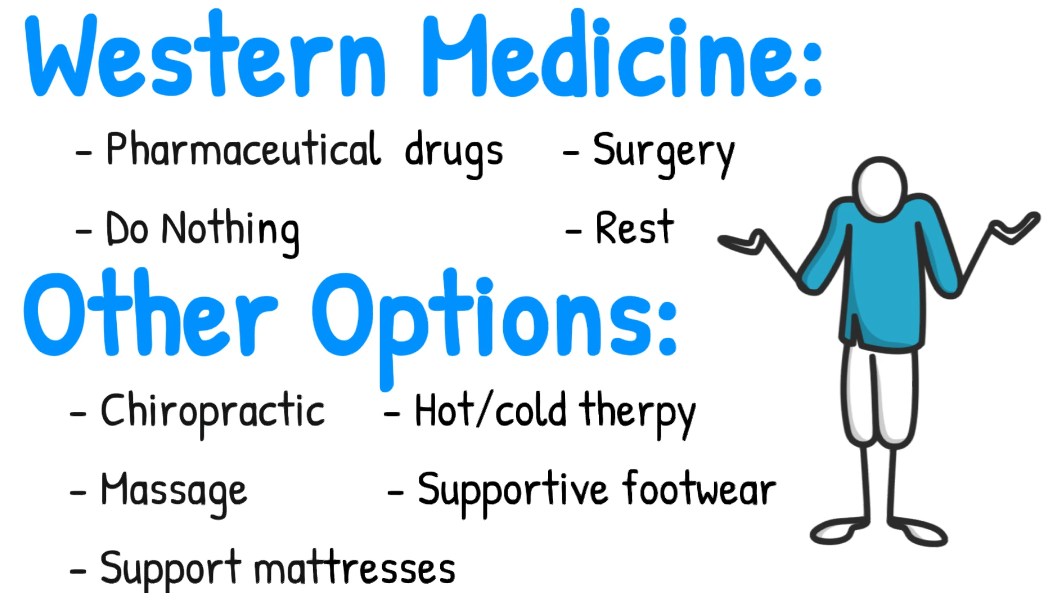
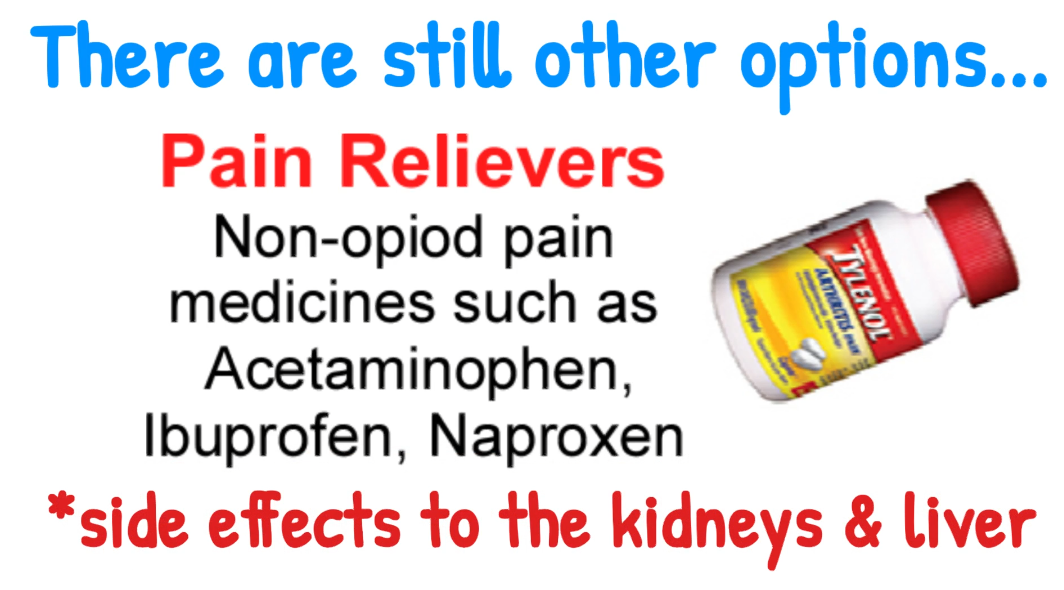
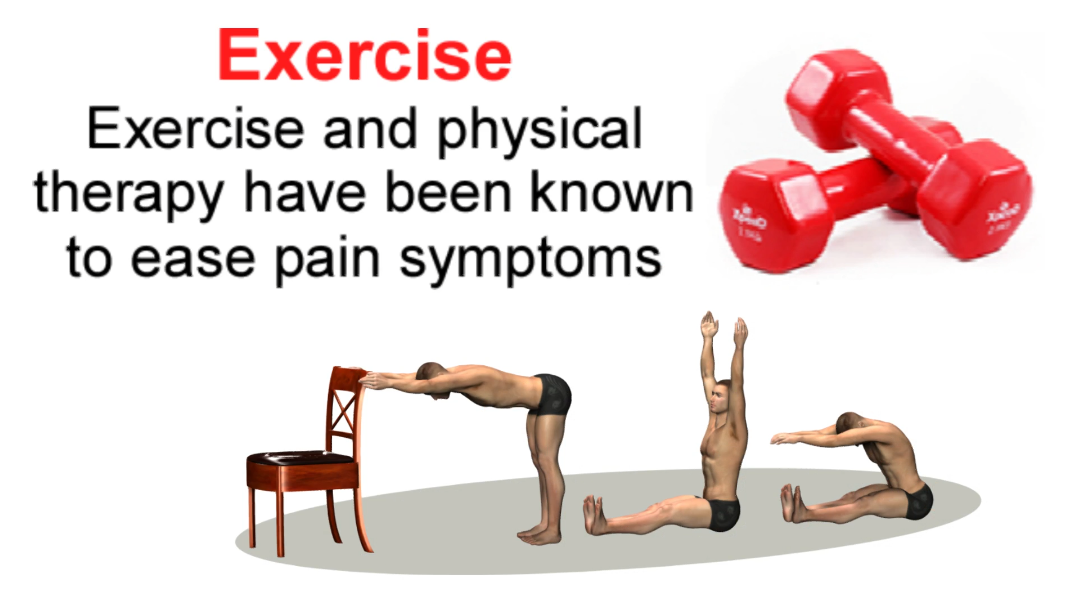
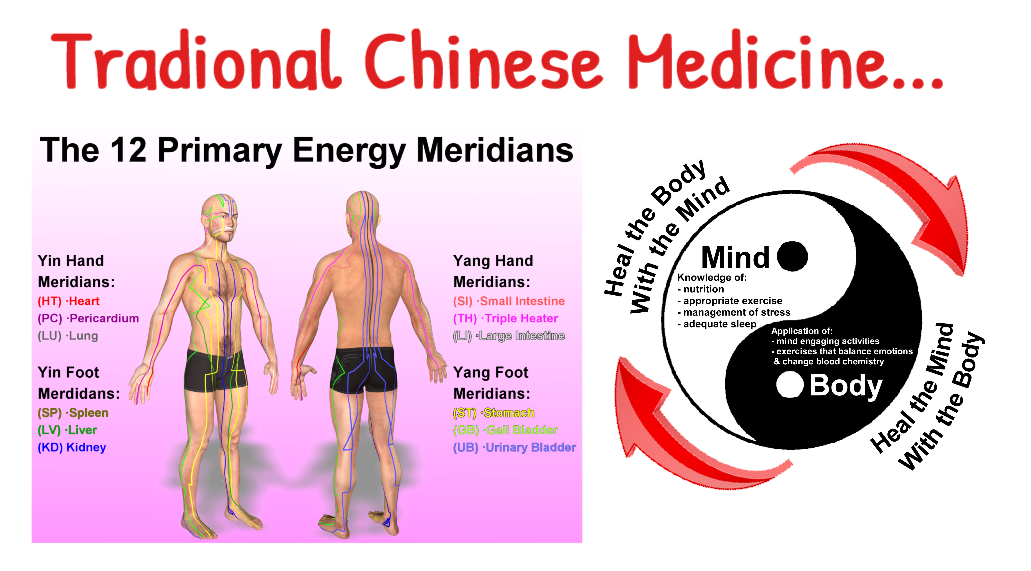
Managing Back Pain – You Have Options

My goal is to present an education for holistic health to increase longevity and quality of life (heathspan), that brings awareness to these time-proven methods. With an intent to de-mystify and simplify explanations, hopefully, more people can come to realize that we are all accountable for our own well-being.

I teach and offer lectures about holistic health, physical fitness, stress management, human behavior, meditation, phytotherapy (herbs), music for healing, self-massage (acupressure), Daoyin (yoga), qigong, tai chi, and baguazhang.

Please contact me if you, your business, organization, or group, might be interested in hosting me to speak on a wide spectrum of topics relative to better health, fitness, and well-being.

I look forward to further sharing more of my message by partnering with hospitals, wellness centers, VA centers, schools on all levels, businesses, and individuals who see the value in building a stronger nation through building a healthier population.

I also have hundreds of FREE education video classes, lectures, and seminars available on my YouTube channel at:

https://www.youtube.com/c/MindandBodyExercises

Many of my publications can be found on Amazon at:

www.Amazon.com/author/jimmoltzan
My holistic health blog is available at:

https://mindandbodyexercises.wordpress.com/

www.MindAndBodyExercises.com

Mind and Body Exercises on Google: https://posts.gle/aD47Qo