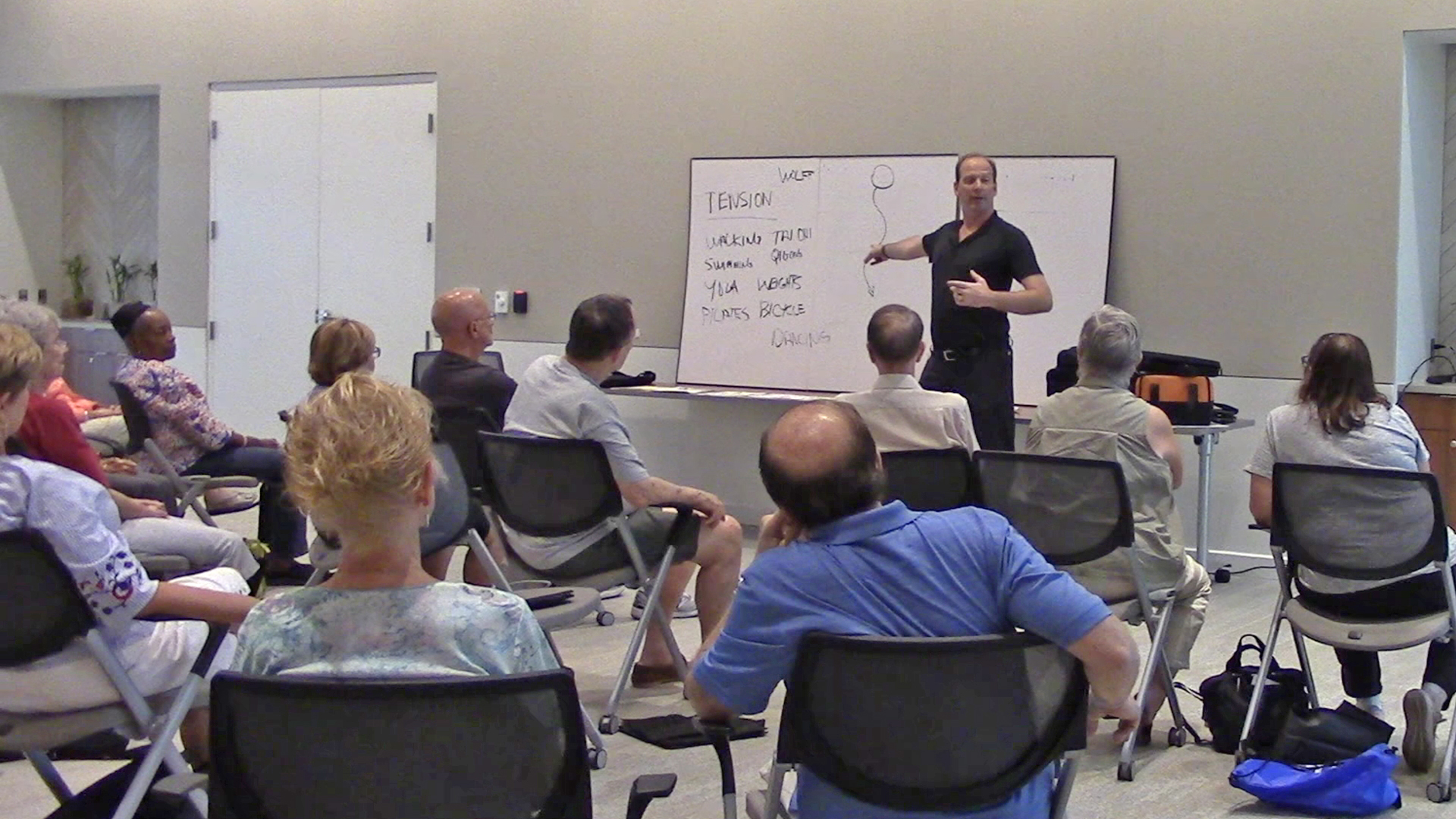
My classes and discussions go way beyond the teaching of tai chi and qigong alone. My last public discussion at the University Club of Winter Park covered many topics, such as:
– types of stress
– strategic trauma
– parasympathetic and sympathetic nervous systems
– general adaption syndrome (GAS)
– coping mechanisms
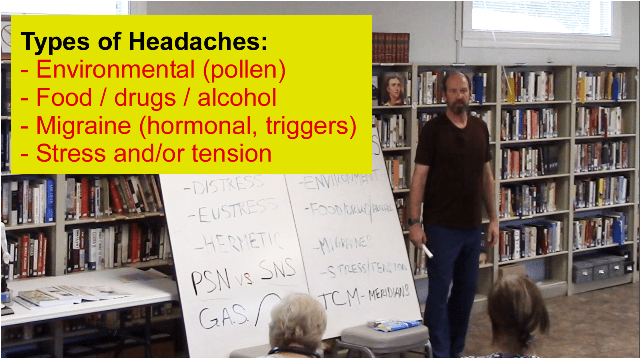
– types of headaches
– herbs for managing sinus headaches
– methods to manage specific types of headaches
– the 12 primary energy meridians
– various acupressure techniques for managing stress and headaches
My 1-hour discussion can be viewed at:
My goal is to present an education for holistic health to increase longevity and quality of life (heathspan), that brings awareness to these time-proven methods. With an intent to de-mystify and simplify explanations, hopefully, more people can come to realize that we are all accountable for our own well-being.
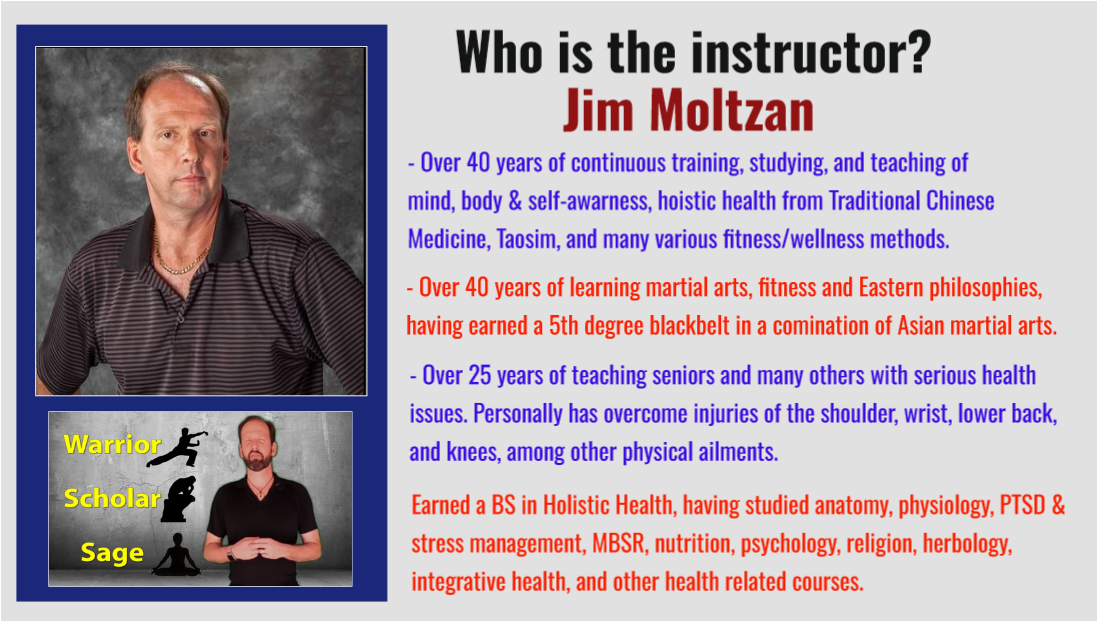
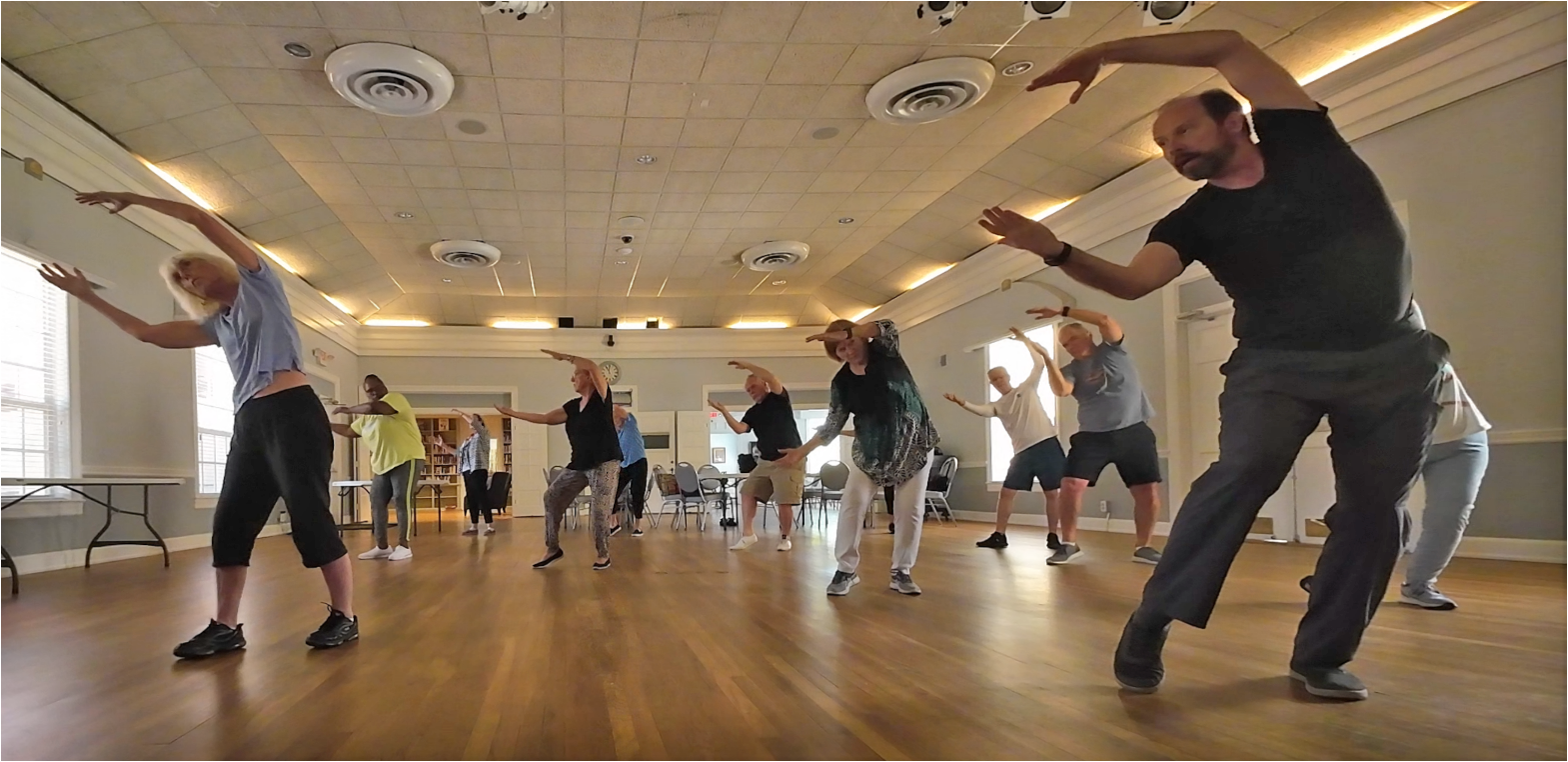
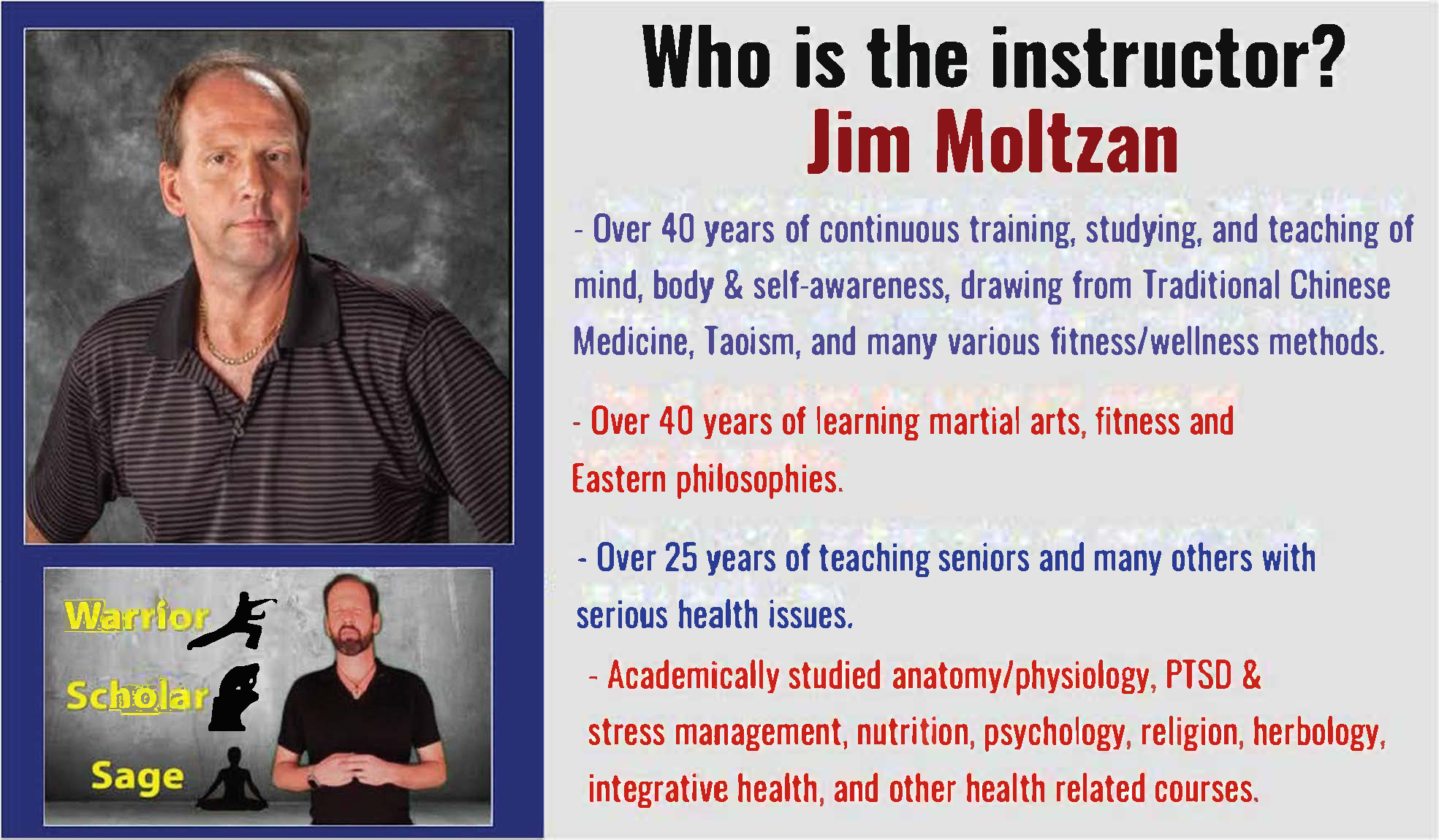
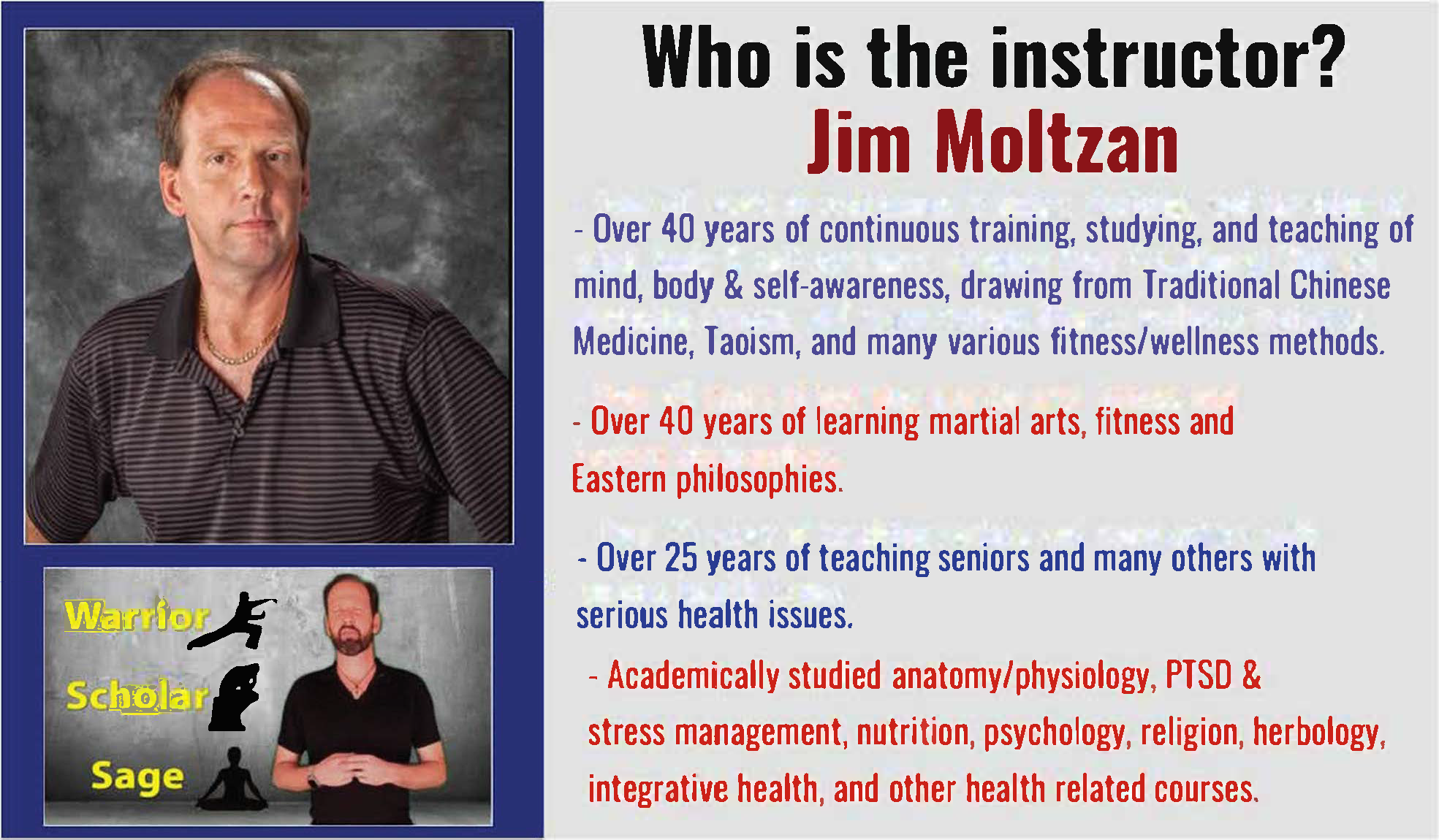
I teach and offer lectures about holistic health, physical fitness, stress management, human behavior, meditation, phytotherapy (herbs), music for healing, self-massage (acupressure), Daoyin (yoga), qigong, tai chi, and baguazhang.
Please contact me if you, your business, organization, or group, might be interested in hosting me to speak on a wide spectrum of topics relative to better health, fitness, and well-being.
I look forward to further sharing more of my message by partnering with hospitals, wellness centers, VA centers, schools on all levels, businesses, and individuals who see the value in building a stronger nation through building a healthier population.
I also have hundreds of FREE education video classes, lectures, and seminars available on my YouTube channel at:
See something, say something, right? Do something!
Our teenage youths have been in distress now and for many years past. So much talk, but so little action. I am trying to do something, and it is time-proven and with a clear plan and direction.
Reducing daily stress experienced by high school students is possible through Mindfulness-based Stress Reduction (MBSR) techniques. I believe this to be accurate, as I have practiced and taught many stress management techniques for over 40 years to adults of all ages.
The goal of my proposed intervention is to reduce the typical daily stress that teenagers experience regularly on the individual level, while in high school. Daily stress often leads to mental health ailments of anxiety, depression, impaired focus, and lack of quality sleep. The target audience for this intervention is high school students, 14-18 years of age. Promoting focusing on mental health and well-being is crucial for overall health. This will be accomplished by myself or a qualified professional guiding participants through the various stages of change within the Transtheoretical Model (TTM) to encourage the practices of mindfulness-based stress reduction (MBSR). MBSR therapy is a meditation strategy that is used to help with stress management, sleep disorders, depression, anxiety, hypertension, chronic pain, cancer, diabetes mellitus, and other disorders (Kabat-Zinn, 2013).
MBSR techniques have little risk and can increase the agency that individuals have in managing mood swings and physical pain, as well as enhancing the quality of their own lives (Niazi & Niazi, 2011). Research from recent studies supports that some college students who practiced mindfulness along with their coursework, reported cognitive and wellbeing benefits, when practicing for as little as five minutes twice a week, dependent upon the specific type of mindfulness method implemented (O’Hare & Gemelli, 2023).
The Transtheoretical Model (TTM) will be utilized with this intervention. TTM encompasses more than one health-related behavior theory, which to me seems that TTM offers a more comprehensive strategy to help individuals to better understand and manage stressors within their daily life. Within TTM there are four key constructs that are thought to produce significant behavioral changes. The constructs are:
• Stages of changes
• Decisions balance
• Self/Efficacy/Temptations
• Processes of change
The first construct of TTM suggests that there are stages of change where precontemplation, contemplation, preparation, action, and maintenance all affect human behavior. The second construct of decision balance suggests that when there are more pros than cons for a certain behavior, an individual will either move forward or backward within the stages. The third construct encourages a “can-do” attitude, where an individual may gain confidence and feel that they have more control and agency in their decisions. The fourth construct delves more into the details of experiential versus behavioral changes (Simons-Morton & Lodyga, 2021) where a person moves from the “thinking” state to a more active “doing” state of being. Overall, the TTM will help me to show participants how mindfulness-based stress reduction techniques can help students move from the “contemplation” stage to “action” by highlighting its effectiveness in stress reduction and management.
This intervention can be implemented by first contacting a local high school’s administration to explain the goals and benefits of sponsoring such an event. Once the administration agrees to support, promote, and manage the registration of students for a group setting workshop (intervention), a trained and/or qualified professional will come to the school’s auditorium after school finishes on a predetermined day. They can then present an initial 10-minute introduction of the potential goals and benefits to the students. Using a whiteboard and handwriting a few notes and health statistics from the Center for Disease Control (CDC) and the American Heart Association (AHA) will help draw their focus. My message that can be conveyed, is how as young adults, they can individually have self-efficacy over their thoughts, emotions, and relative coping mechanisms for managing stress. A major portion of this presentation will be explaining in some detail what the TTM is and how it is related to stress management. Another major component of this presentation will be an explanation of the methods and benefits of MBSR.
The professional will then ask those students interested in participating further in this intervention to answer only to themselves by signing a contract of commitment form to attend 3 10-minute sessions for a total of 8 weeks. There will be no consequence if the student decides not to continue, however, they will not receive any credit or reward upon completion if they do not attend. Sessions will be just after school ends, giving the students 5-10 minutes to get to the auditorium. Parent’s knowledge and support of their children’s participation are key components needed to reinforce their child’s commitment to accept the challenge of doing some type of task or activity that will potentially affect not only the individual but the whole family’s well-being. I would also invite and encourage parents to attend the sessions if they are available to do so.
My intervention can address the key constructs of TTM throughout the presentation. More specifically, the stages of change will need to be targeted as follows:
Precontemplation – In this stage, participants may not yet recognize a need to reduce stress or might not view it as an important priority. If they were in the room and attending my presentation, they are already past precontemplation, or else they would not have made the effort to come to the event.
Contemplation – With a goal of raising awareness of current teen health issues, I seek to motivate and inspire individuals to think more about becoming equipped to manage the impact stress has on their health and well-being, I will offer information regarding the benefits of mindfulness techniques to reduce stress, thereby affecting and improving overall health and well-being.
Preparation – In this stage I will be explaining how we will need to take action and how this group will be readied, in order to achieve a greater sense of agency over individual stress management. I will provide resources such as guided meditation apps or YouTube classes that can help support their practice.
Action – The phase of action is where participants will actively engage in MBSR exercises. Each session will review and build upon prior sessions. I will be encouraging them to practice regularly and offer other strategies to overcome potential hurdles and maintain motivation. Setting reminders on their phones and finding quiet places for meditation will help reinforce their self-practice.
Maintenance – In this phase, individuals will have successfully adopted mindfulness techniques into their daily routine and are most likely experiencing the benefits of having less stress. I can offer further strategies to help maintain their practice and prevent relapse, such as further opportunities for learning and growth through other techniques and resources. After this intervention concludes, there will be a follow-up survey one month after the event to determine if participants are still engaged in practicing the self-regulation techniques that they learned.
The construct of decision balance will be addressed and discussed at each session, as participants will be reviewing the pros and cons of returning for future sessions. If they feel that they are improving their stress management, they will be inclined and more self-motivated to continue.
The construct of self-efficacy of individuals will most likely increase as participants move through the stages of change.
For the construct of the processes of change, I would not going to go into much detail to the whole group. I feel that this construct, while important may be a bit more complex than what will already have been covered up to this point as far as human behavior is concerned. A slide will be available in the presentation, and I can offer further explanations as necessary.
The intended outcome of the intervention will be to hopefully have the participants be able to better recognize and manage stressful experiences, whether from events such as tests, time management, social interactions, and other activities that often manifest into stress.
Please contact me if you, your school, your business, your organization, or your group, might be interested in hosting me to speak on a wide spectrum of topics relative to better health, wellness, and fitness.
Kabat-Zinn, J. (2013) Full Catastrophe Living (Revised Edition) (pp. 77-78, 351). Random House Publishing Group. Kindle Edition.
Niazi, A. K., & Niazi, S. K. (2011). Mindfulness-based stress reduction: A non-pharmacological approach for chronic illnesses. North American Journal of Medical Sciences, 3(1), 20. https://doi.org/10.4297/najms.2011.320
O’Hare, A. J., & Gemelli, Z. T. (2023). The effects of short interventions of focused-attention vs. self-compassion mindfulness meditation on undergraduate students: Evidence from self-report, classroom performance, and ERPs. PLoS ONE, 17(1), 1–20. https://doi.org/10.1371/journal.pone.0278826
Simons-Morton, B., & Lodyga, M. (2021). Behavior theory in public health practice and research. Jones & Bartlett Learning.
I teach and offer lectures about holistic health, stress management, qigong, tai chi, baguazhang, meditation, phytotherapy (herbs), music for healing, self-massage, and Daoyin (yoga).
Please contact me if you, your business, organization, or group, might be interested in hosting me to speak on a wide spectrum of topics relative to better health, wellness, and fitness.
I look forward to further sharing more of my message by partnering with hospitals, wellness centers, VA centers, schools on all levels, businesses and individuals that see the value in building a stronger nation through building a healthier population. I also have hundreds of FREE education video classes, lectures and seminars available on my YouTube channel at:
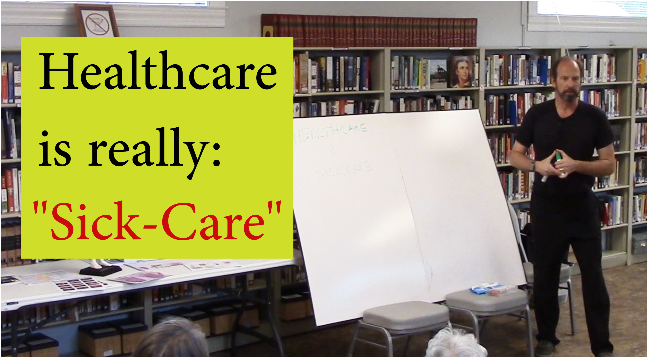
Sick-Care to Self-Care: Transforming Health Through Holistic Practices (this week’s FREE discussion at the University Club of Winter Park)
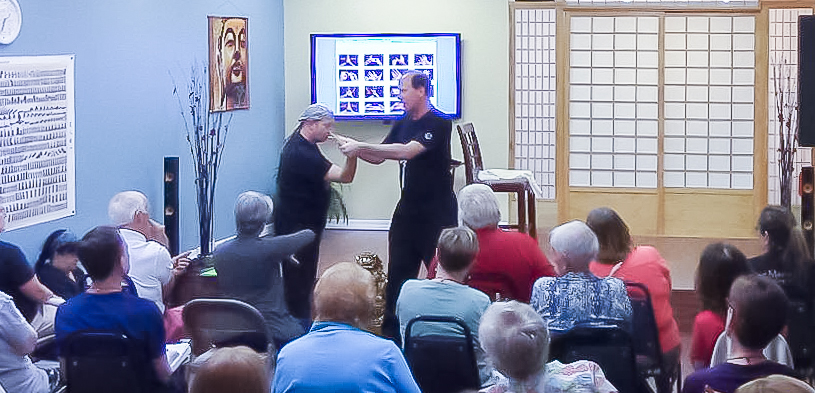
This week I will again speak at the University Club of Winter Park, to share information about health and wellness practices. This month, I will discuss the many factors that play a role in our health and well-being, as well as those “Mind and Body” practices that Western medicine increasingly recognizes as important to our health.
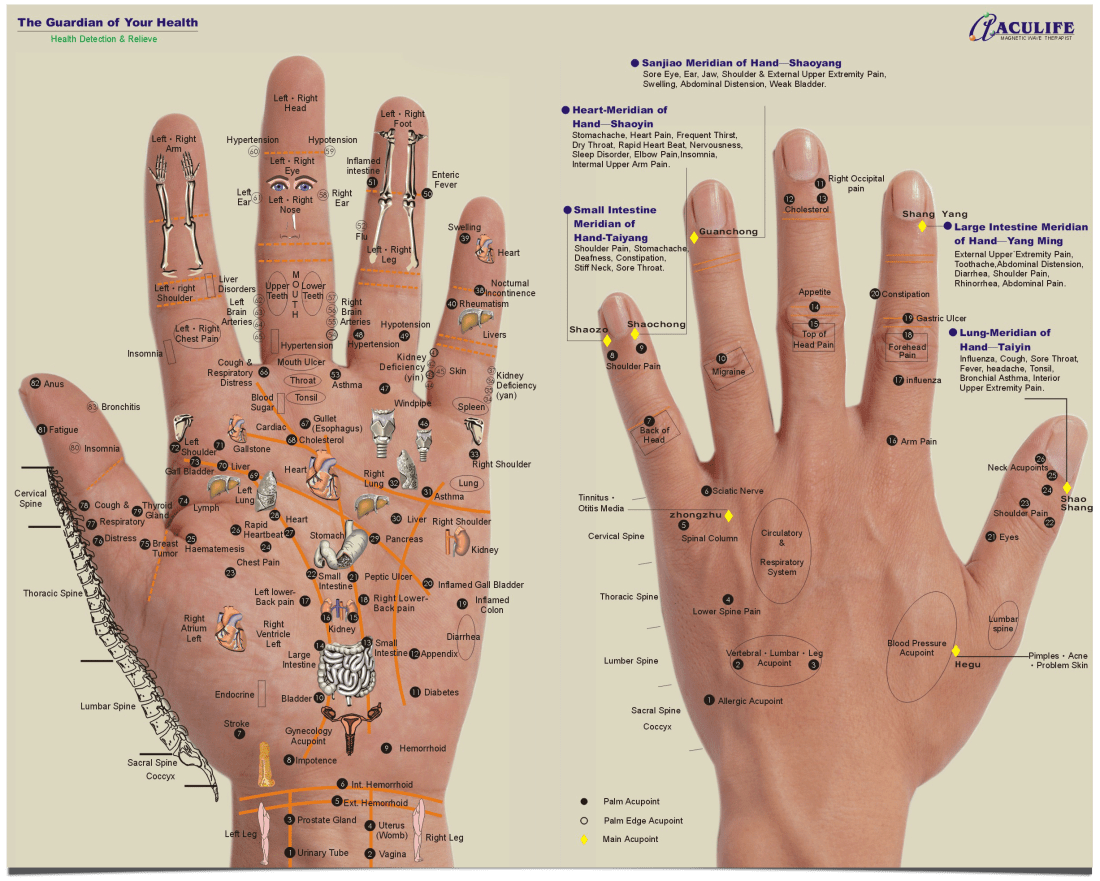
I will be discussing topics such as qi, and how to increase its flow through acupressure (reflexology) on the hands, fingers, and wrists. These exercises can help reduce pain while also increasing grip strength. A strong grip can help reduce falling for those with balance issues.
The concept of “sick-care” is to wait until you get sick to get care. The idea of “self-care” empowers the individual to manage their own well-being by taking active control to prioritize healthy lifestyle choices and consider options beyond traditional Western medicine. It’s never too late to start caring for yourself, so join us to learn how!
UCWP is located at 841 N. Park Avenue, Winter Park, at 2pm Thursday, July 11th. Contact me to confirm attendance at 407-234-0119
Having difficulty getting started on a fitness routine? No local gyms? No money in the budget for managing your health, fitness, and overall wellness?
How about adding more walking into your day? Walk your neighborhood. Hike in the woods or local parks, or try “nature bathing,” a topic for another post. Climb stairs in your home, apartment, or at nearby malls, offices, and other businesses. The options are abundant if one is motivated. Other types of exercise might offer more benefits than walking and are perhaps more appropriate for specific body types and issues. However, walking is the most available form of exercise that most people are already doing daily, to some degree. Walking can be therapeutic for some as a way to manage stress and anxiety, a much-needed tool in our current hectic society.
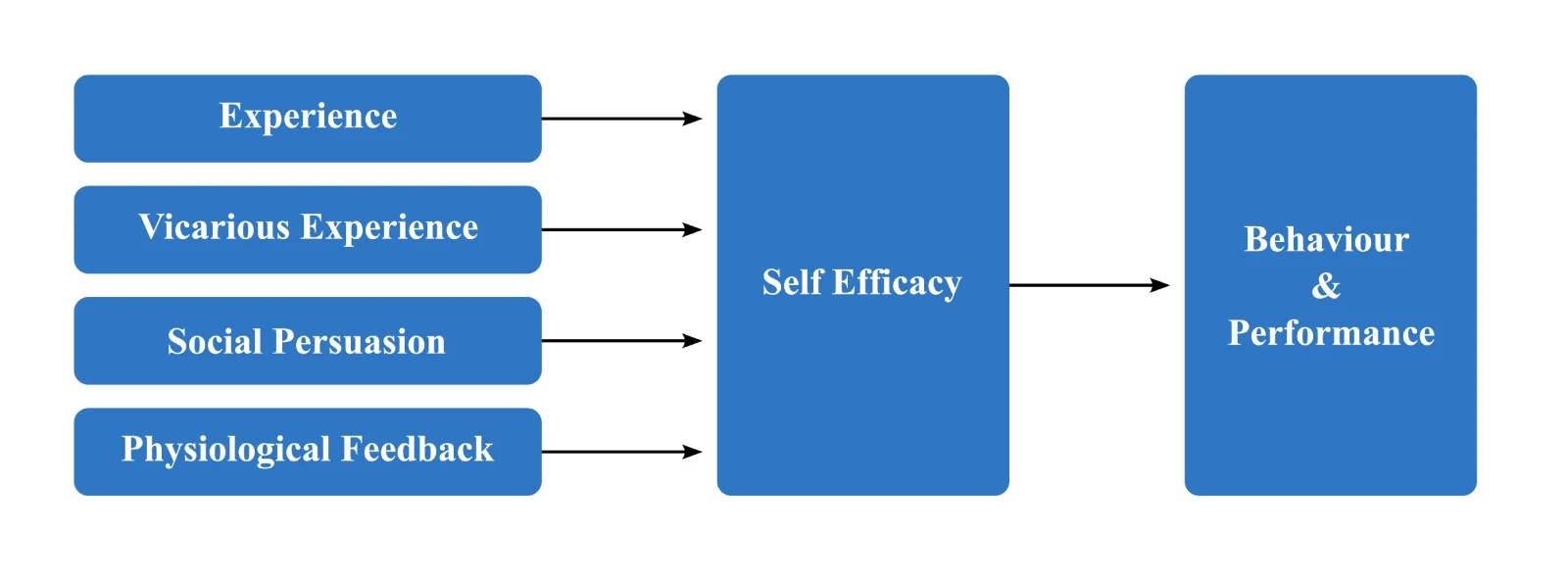
Here is a step-by-step method that offers some of the psychological mechanisms that can help someone to become motivated to get started with a fitness routine. By implementing the Self-Efficacy Theory (SET) I encourage any individual’s belief in their ability to perform specific behaviors relative to personal fitness and well-being. With the goal of increasing an individual’s health (young and old alike) through physical activities, I suggest expounding upon this goal by using appropriate, safe, and effective methods, such as walking. Why not implement more walking into your day? Consistent walking has many potential health benefits. Walking can help to increase overall physical health and mental well-being, as can be seen in adults of all ages who walk regularly. Some communities offer organized group walks where people can join and see others in similar health being able to engage in regular physical activity.
Once an individual becomes engaged in more simple and easily obtainable goals of walking activities, they can begin tracking and recording walking sessions on a daily basis. As the person increases their consistency of walking, they can gradually increase the distance and/or amount of time walking. As the individual sees their own progress increase through self-recording, they can further increase their own goals and consequently begin to achieve mastery in their own ability to maintain their health. Later they may invest in a fitness tracker, which could encourage more self-mastery of the individual’s health goals. Fitness trackers like Fitbit or Apple Watch can offer the person other ways to track not only their walking but also heart rate and calories burned in the process of walking. By acknowledging and celebrating their own achievements of specific goals, the individual again is receiving a feeling of mastery in their own achievements helping to instill their confidence and determination to continue further with their program of walking.
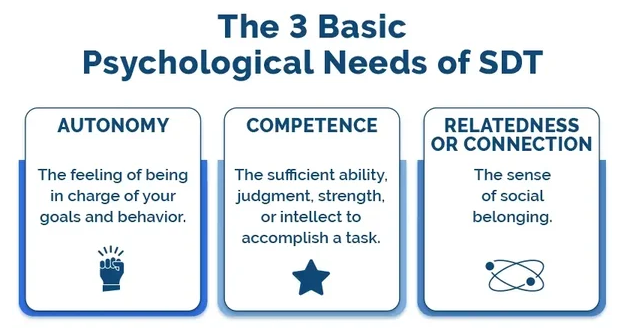
After some amount of time walking regularly, an individual will most likely begin to feel and experience somatic or emotional responses as they may feel less emotional stress after walking. They may even begin to feel the “runners’ high” where endorphins are released into their bloodstream, thus giving them a sense of temporary euphoria. By adding in some additional activities such as gentle stretching or warmup exercises at the beginning and/or end of each walking session, an individual may be able to better manage physical soreness, muscle tightness, or even emotional stress. As a person improves their own health, loved ones may offer emotional and maybe physical support if needed. An individual then may also begin to feel that others do indeed care about their health and well-being. This can further help them to become more intrinsically motivated to continue their exercise program knowing and believing that they can do it on their own but have more support if necessary. I think that all of the constructs that I discussed from SET and also with the self-determination theory (SDT), will give an individual over a short amount of time, the tools that they need to have more self-control, agency, and autonomy over their own health and well-being.
The Physiology of Walking for Fitness
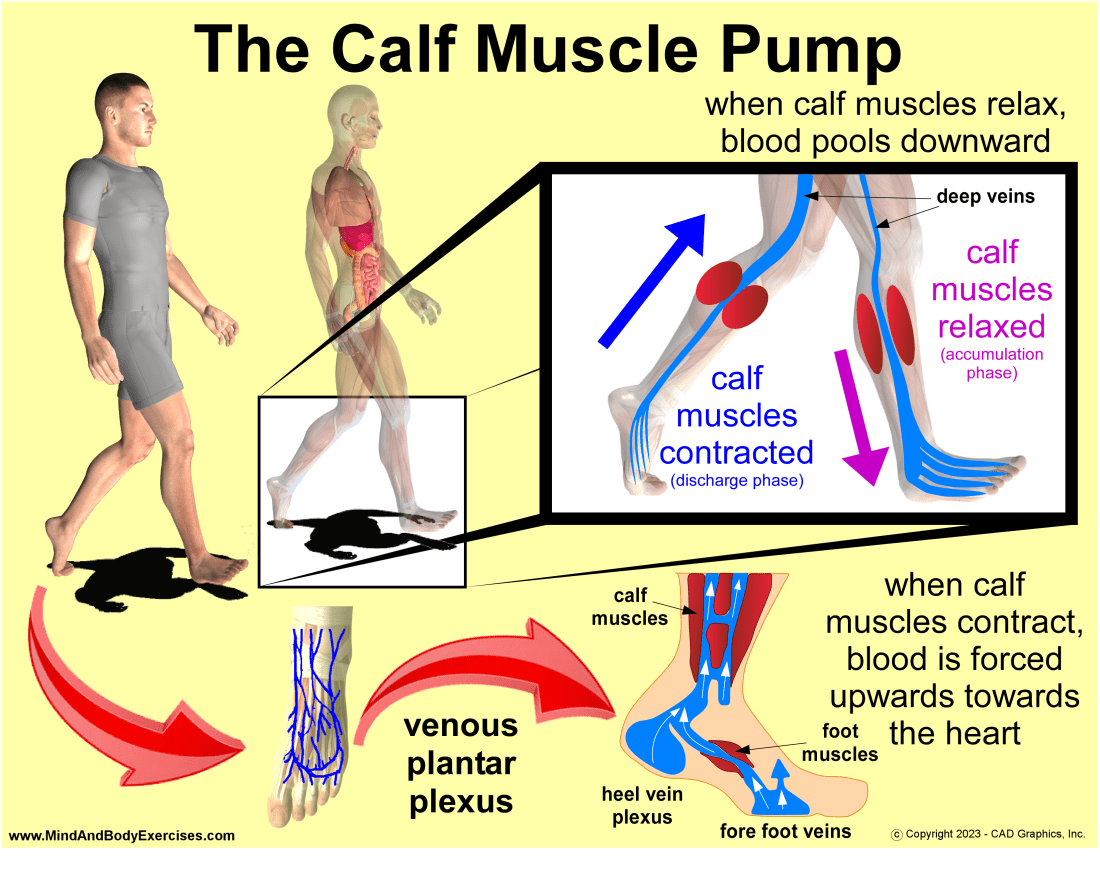
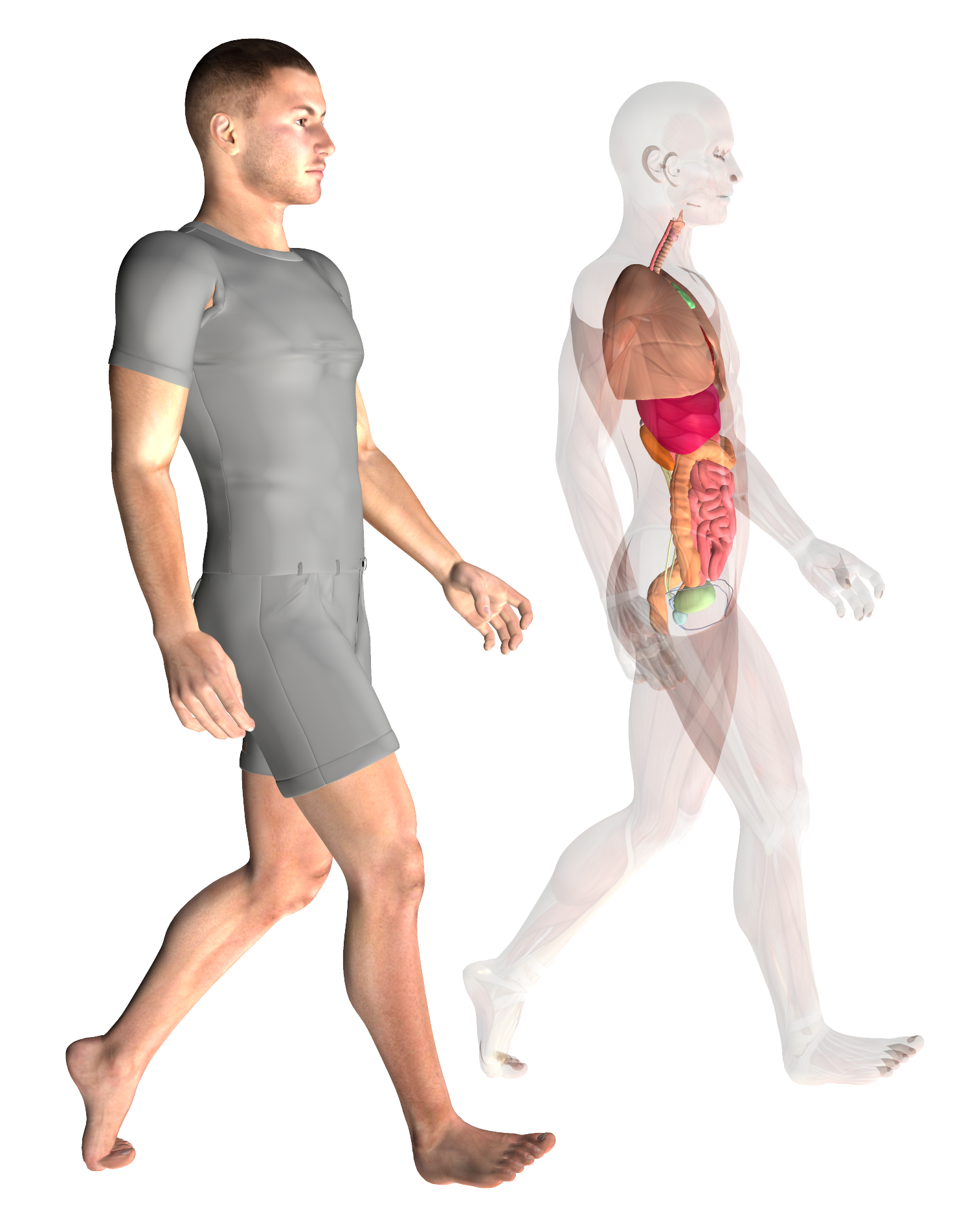
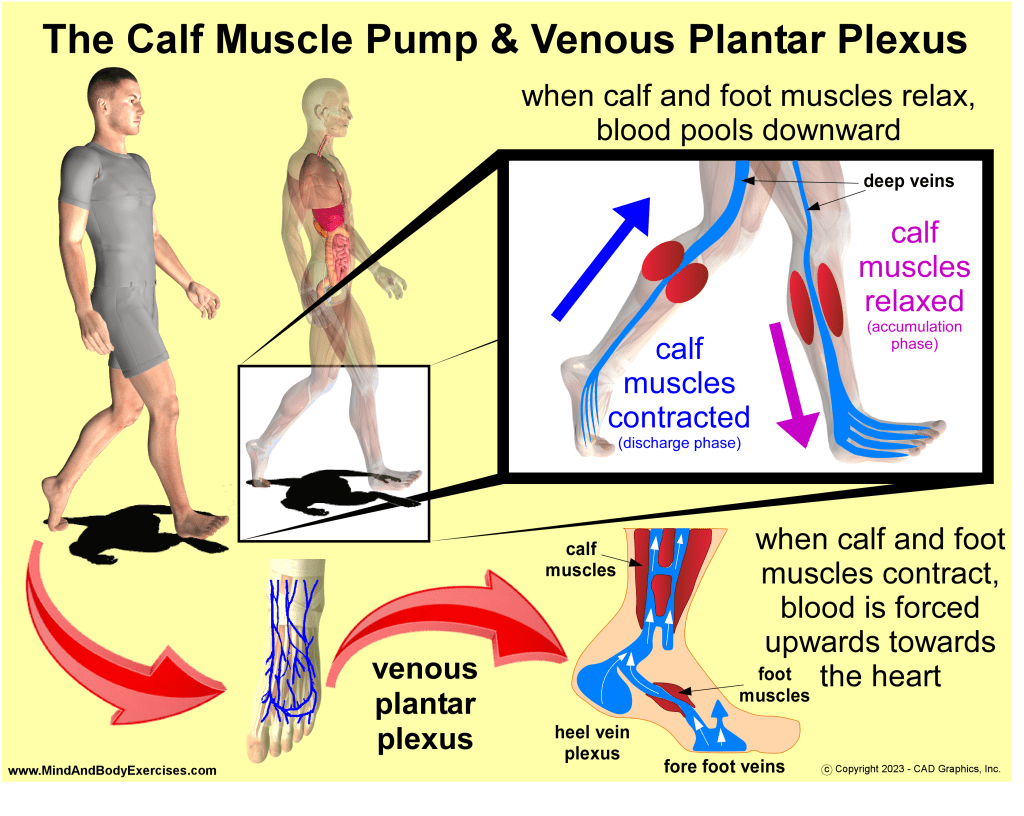
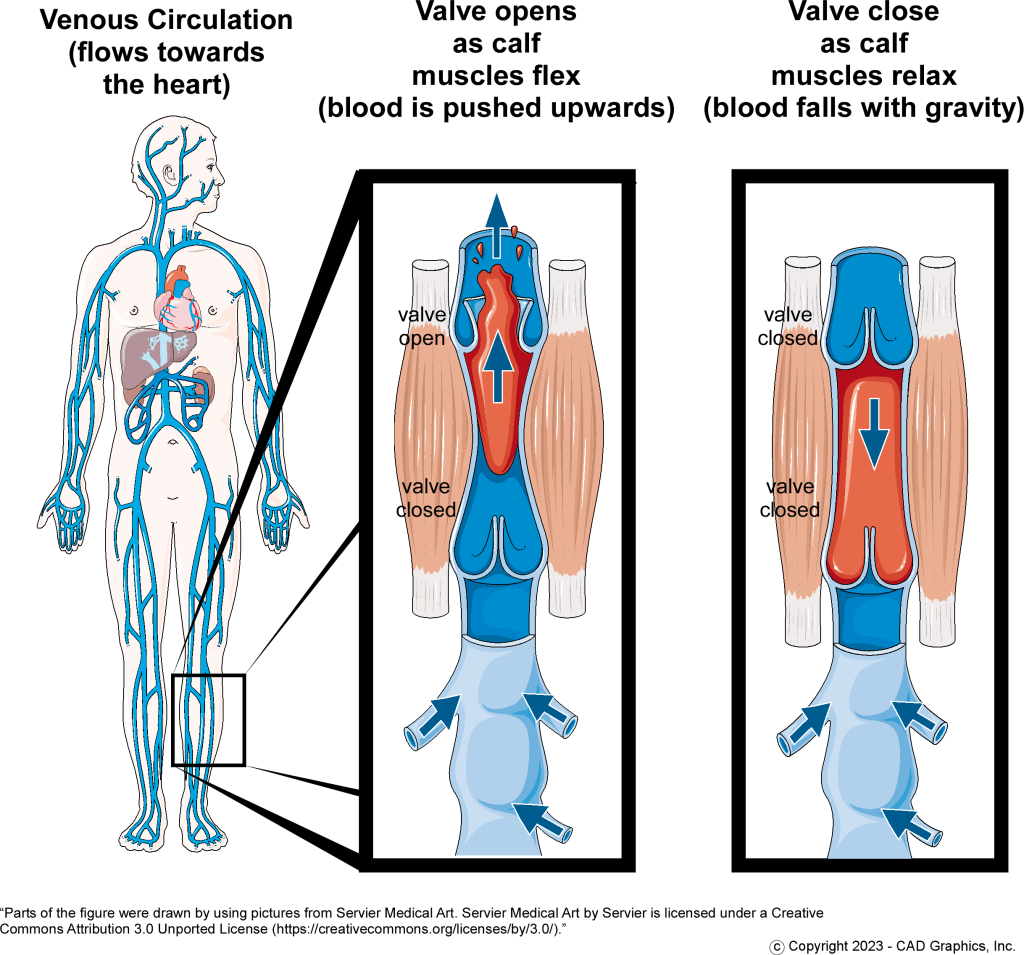
Walking and other weight-bearing activities that engage the muscles in the feet, calves, and thighs illicit a pumping effect that aids in moving blood back to the heart. Rhythmic patterns of relaxation and contraction of these muscles, in addition to the movement of the ankle and toe joints, help to increase venous return and help prevent blood pooling in the lower extremities. Lack of physical movement such as walking and an increase in sitting within our modern American sedentary lifestyle, are major factors that are contributing to the drastic decline in physical and mental wellness of our population within the last decades. More sitting for hours on end at work, behind computer screens, playing video games, and engaging with social media are the norm now. In past years physical activity was more prevalent whether from occupations, recreation, social interactions, or other reasons. A return to a more active lifestyle is what is necessary to get our nation back on track for better health and wellness, instead of harsh pharmaceuticals for all that ails us (a pill for every ill), and pursuing living a life without consequences. We are the architects of our own well-being and relative health and happiness.
The venous plantar plexus of the foot, the venous pump of the calf, and the thigh muscle pump all work together as part of the venous return mechanism, which sends blood back to the heart. The venous pump of the calf, also referred to as the calf muscle pump, is a very important component of this whole mechanism involving the relaxation and contraction of the calf and foot muscles during specific activities such as walking, climbing, exercising, and others. The primary muscles of the calf muscle pump are the gastrocnemius and soleus. This engagement of the calf muscles compresses the veins and pushes blood upwards against gravity. The venous plantar plexus is a bundle of veins found in the sole of the foot, having a primary function of collecting deoxygenated blood from tissues within the foot and moving it back upwards towards the heart. Other muscles in the foot, such as the flexor hallucis brevis, flexor digitorum brevis, and lumbrical muscles, influence toe flexion and extension and consequently help with increasing blood circulation. Both of these mechanisms within the calves and feet contribute to providing efficient blood circulation back up to the heart, as well as preventing blood pooling (edema) in the lower extremities.
Nose-breathing while walking also helps the body to produce nitric oxide (NO) a now well-known messenger molecule that is produced in the nasal cavity and other tissues throughout the body and more specifically in the veins as arteries. NO increases blood flow through dilation of the veins and arteries.
References:
Parts of the figure were drawn by using pictures from Servier Medical Art. Servier Medical Art by Servier is licensed under a Creative Commons Attribution 3.0 Unported License (https://creativecommons.org/licenses/by/3.0/).
___________
I teach and offer lectures about holistic health, stress management, qigong, tai chi, baguazhang, meditation, phytotherapy (herbs), music for healing, self-massage, and Daoyin (yoga).
I look forward to further sharing more of my message by partnering with hospitals, wellness centers, VA centers, schools on all levels, businesses and individuals that see the value in building a stronger nation through building a healthier population. I also have hundreds of FREE education video classes, lectures and seminars available on my YouTube channel at:
Motivation played a critical role in my recent journey to hike Utah’s “Mighty Five” national parks. With the right motivation, one can literally achieve new heights in mental, physical, and spiritual development. The desire to explore these majestic parks and push my limits fueled my determination. This motivation helped me overcome physical challenges, stay mentally focused, and experience profound spiritual moments. When properly motivated, the potential for personal growth is limitless. Visiting Utah’s renowned “Mighty Five” national parks—Arches, Bryce Canyon, Canyonlands, Capitol Reef, and Zion—was an adventure that profoundly impacted me on mental, physical, and spiritual levels. Each park offered unique landscapes and challenges that pushed my limits and transformed my perspective on life. Additionally, a hike to the Lower Calf Creek Falls in Grand Staircase-Escalante added a refreshing and memorable experience to our journey.
Preparation and Training
Before embarking on this journey, I increased the intensity of my physical training three months prior. Although I have been practicing and teaching martial arts, tai chi, and qigong for over 40 years, I knew that I needed further mental and physical strength. Consequently, I added in 1-1/2 hour weight training, treadmill, and stairmaster routines 5-6 days per week for 12 weeks. This preparation was crucial for building more stamina, and endurance, and aiding the rehab of an old injured ACL on one knee and a torn meniscus on the other. The rigorous training paid off immensely, allowing me to tackle the demanding hikes with confidence and resilience. Additionally, some other minor chronic aches and pains resolved themselves after a few weeks of this increased schedule. My martial arts training greatly helped me with my self-discipline, overall flexibility, and core strength.
Mental Renewal
Arches National Park: Home to over 2,000 natural stone arches, this park sparked a sense of wonder and creativity. The iconic Delicate Arch, standing alone against a backdrop of fiery sunsets, inspired introspection and clarity. The surreal landscapes made me reflect on the passage of time and the enduring beauty of nature’s creations.
Bryce Canyon National Park: The vibrant hoodoos—tall, thin spires of rock—stood like sentinels in the amphitheater. Hiking among these geological formations felt like stepping into another world. The silence and majesty of Bryce Canyon offered a space for meditation, helping me to clear my mind of everyday clutter and focus on the present moment.
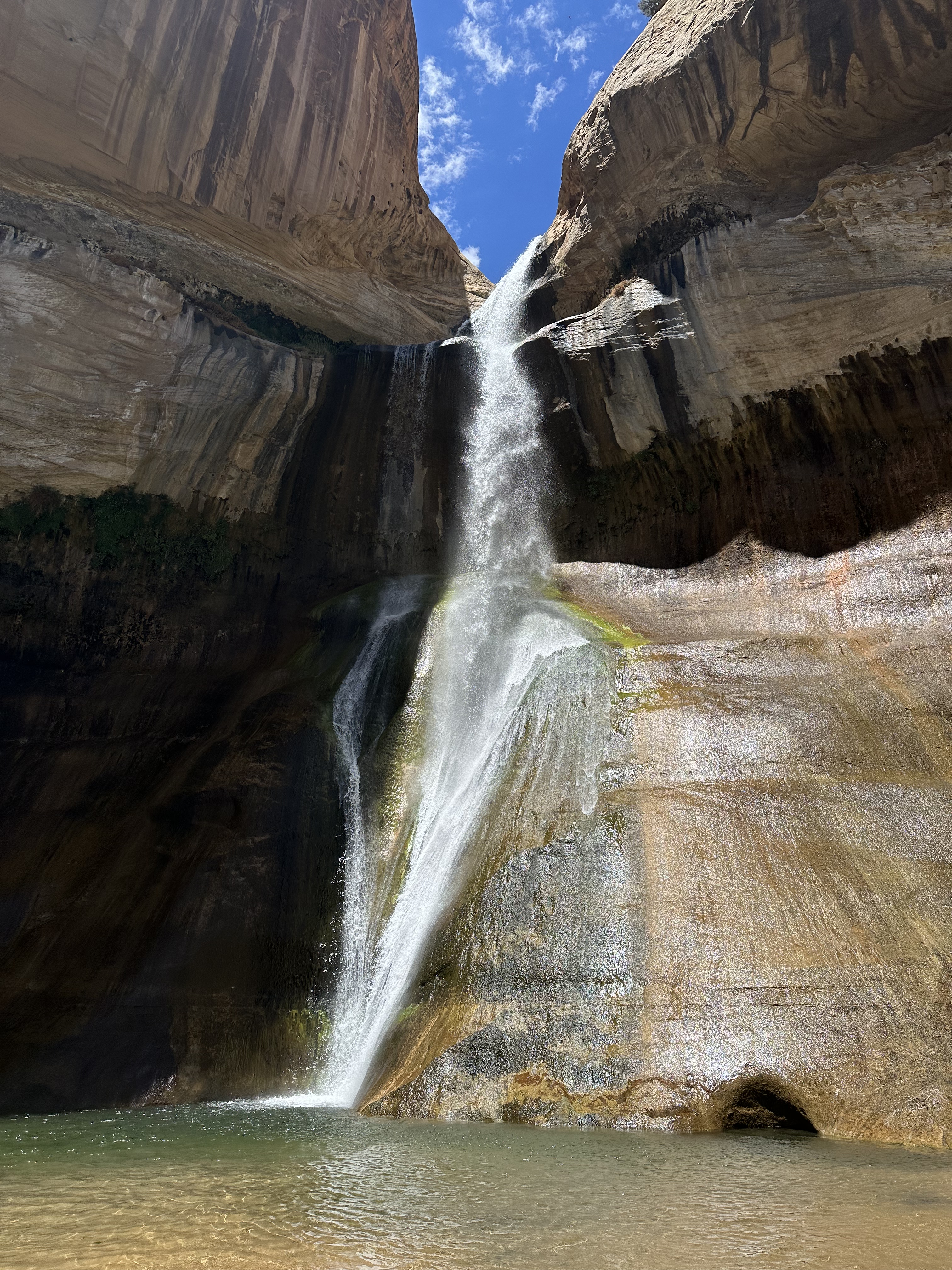
Lower Calf Creek Falls: The hike to Lower Calf Creek Falls was a refreshing mental escape. The sound of cascading water and the lush, green surroundings contrasted sharply with the arid landscapes of the other parks. This serene oasis provided a perfect spot for contemplation and mental rejuvenation.
Physical Challenges
Canyonlands National Park: This vast park, divided into four districts, tested my endurance and resilience. The Island in the Sky region, known for its challenging terrain, pushed me to my physical limits. Navigating the rugged paths and towering mesas required strength and determination, reinforcing the importance of perseverance and preparation.
Capitol Reef National Park: Hiking the Waterpocket Fold, a 100-mile-long wrinkle in the Earth’s crust, was a physical feat. The diverse trails, ranging from easy walks to strenuous climbs, improved my fitness and coordination. The sense of accomplishment after conquering these trails boosted my confidence and physical well-being.
Spiritual Awakening
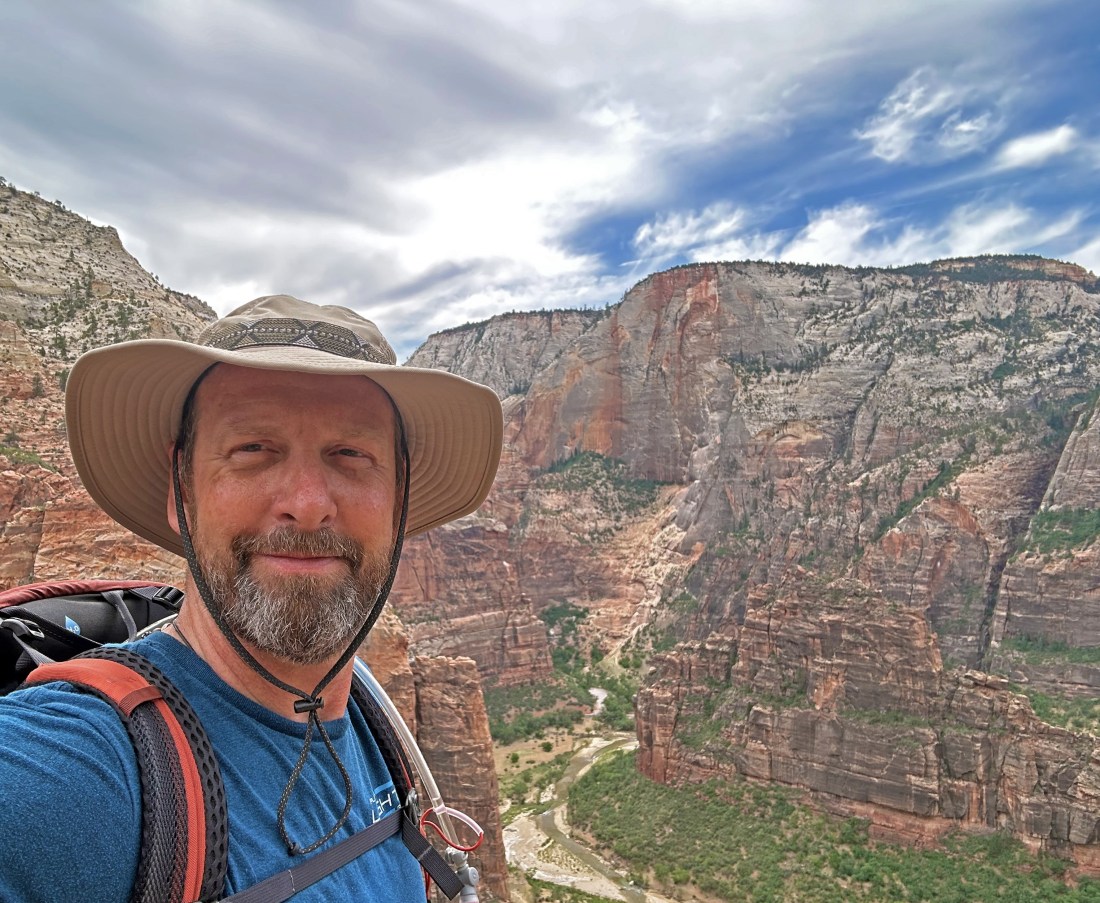
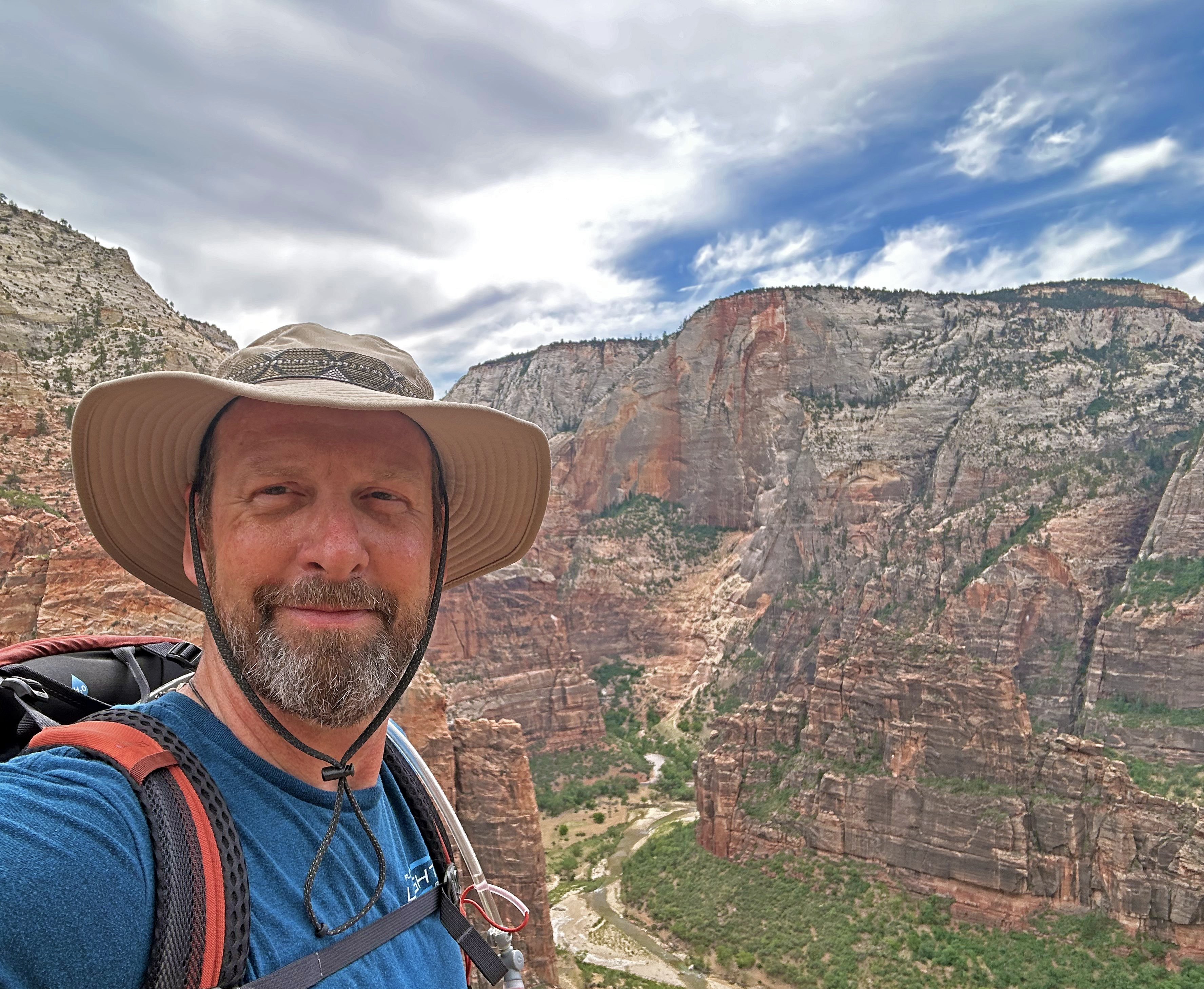
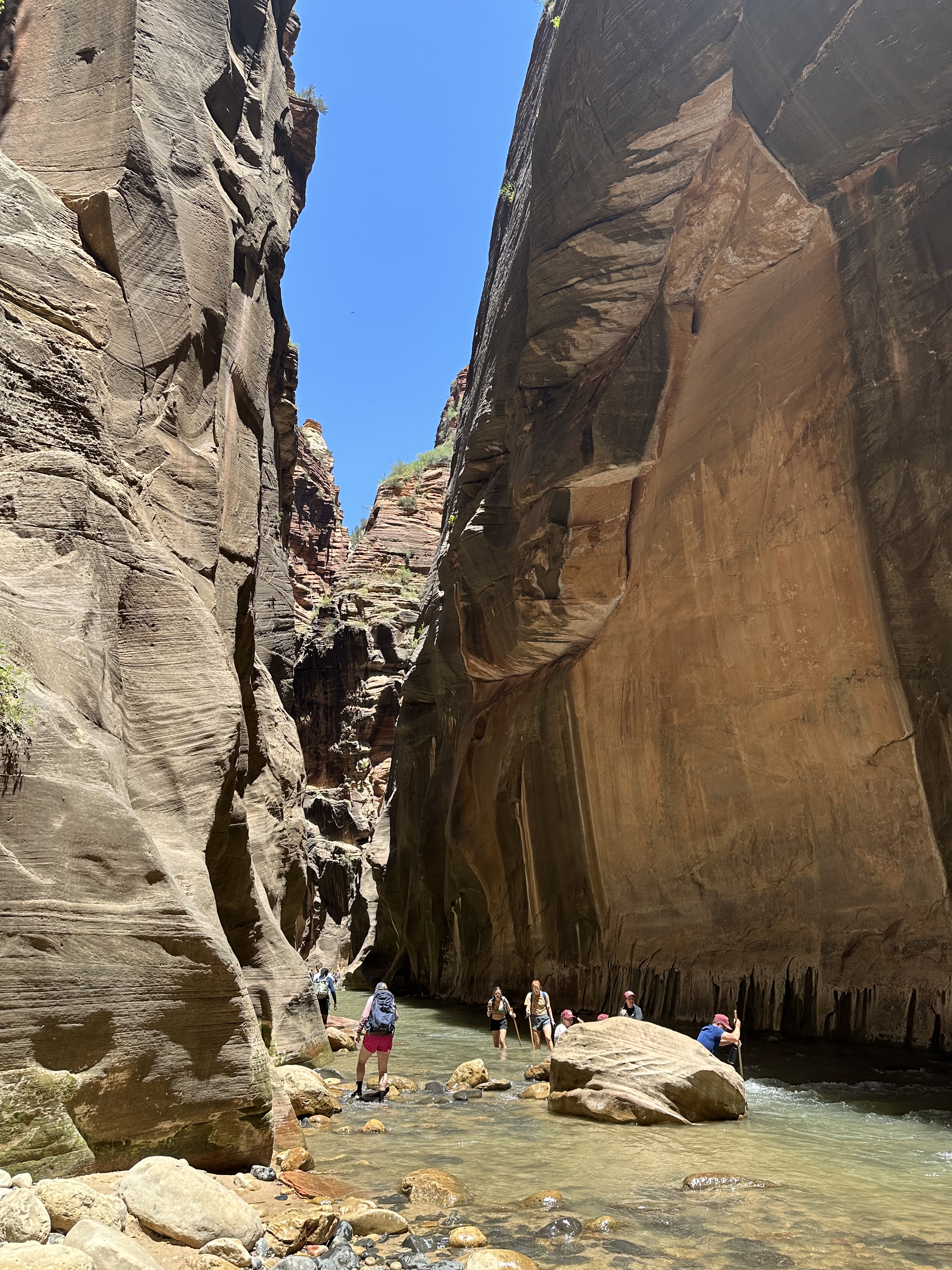
Zion National Park: The soaring cliffs and deep canyons of Zion are awe-inspiring. We hiked the Narrows, wading through the Virgin River with towering canyon walls on either side, which was both a physically and spiritually invigorating experience. Additionally, the hike to Scout’s Landing, with its panoramic views, invoked a sense of humility and connection to something greater than myself. These trails offered a profound sense of peace and spiritual renewal.
Conclusion
The “Mighty Five” national parks of Utah, along with the Lower Calf Creek Falls, are not just destinations for outdoor enthusiasts; they are sanctuaries for personal growth and transformation. The mental clarity gained from Arches and Bryce Canyon, the physical challenges met in Canyonlands and Capitol Reef, and the spiritual awakening experienced in Zion have left an indelible mark on my life. These parks reminded me of the beauty, strength, and resilience inherent in nature—and within myself.
I encourage everyone to explore these natural wonders, not just to witness their breathtaking beauty but to embark on a journey of self-discovery and transformation.
Tips for Future Visitors
Preparation is Key: Ensure you have the right gear and physical conditioning for the hikes.
Respect Nature: Stay on designated trails, pack out all trash, and respect wildlife.
Take Your Time: Allow yourself to fully experience the beauty and serenity of each park.
Reflect and Journal: Take notes or journal your thoughts and feelings during your visit to capture the transformative moments.
Embarking on this journey through Utah’s Mighty Five is more than just a travel experience; it’s an opportunity to reconnect with yourself and the natural world in a deeply meaningful way. Feel free to reach out to me if you have more questions about this adventure or how to prepare to undertake the challenge.
Read my detailed gear and trip logistics review (JR Moltz) of our outfitter REI at:
I teach and offer lectures about holistic health, stress management, qigong, tai chi, baguazhang, meditation, phytotherapy (herbs), music for healing, self-massage, and Daoyin (yoga).
Please contact me if you, your business, organization, or group, might be interested in hosting me to speak on a wide spectrum of topics relative to better health, wellness, and fitness.
I look forward to further sharing more of my message by partnering with hospitals, wellness centers, VA centers, schools on all levels, businesses and individuals that see the value in building a stronger nation through building a healthier population. I also have hundreds of FREE education video classes, lectures and seminars available on my YouTube channel at:






 United Martial Arts Association