Deception in Education and Practice: Why Even Highly Educated Professionals Fall for Misinformation

As someone who has spent over four decades practicing, studying, and teaching martial arts and holistic health, I have witnessed firsthand the gradual erosion of authenticity and deception in traditional practices, particularly in the United States. With a Bachelor of Science in Holistic Health and formal studies in psychology, sociology, PTSD, physiopsychology, religion, philosophy, Eastern thought, and the U.S. healthcare system, I have sought to understand why deception in professional and educational settings is so prevalent.

Beyond martial arts, my experience includes 20 years at a high level within a highly insular, strongly hierarchical, and ideologically rigid organization that fostered a deeply immersive and echo-chamber environment. Within this structure, dogmatic teachings were reinforced, and critical inquiry was often discouraged. These insights have given me firsthand exposure to the power of groupthink, social conditioning, and blind trust in authority, leading me to question why even highly educated professionals, those who pride themselves on knowledge and integrity, can fall for deceptive practices, sometimes unknowingly, sometimes willingly.

The answer lies in a mix of psychological phenomena, social conditioning, and systemic complacency, all of which contribute to the uncritical acceptance of misinformation and misrepresented traditions.

How Deception Manifests in Professional Circles

The Bait-and-Switch Model

A classic example of deception is called the “bait-and-switch” model, orthe practice of marketing one thing while delivering something entirely different.

In martial arts, particularly tai chi, many instructors advertise lineage-based training but actually teach a mix of simplified qigong movements that lack the biomechanical structure, martial application, and philosophical depth of true tai chi. This bait-and-switch is not always done with malice, sometimes, these instructors were themselves misled.

The same pattern occurs in healthcare, education, and professional training programs. A wellness coach may be certified in “tai chi” after a weekend workshop that teaches nothing more than generic breathing exercises. A doctor might recommend a therapeutic method without investigating its legitimacy, relying solely on institutional backing.

Why does this happen? Because highly educated individuals are just as susceptible to deception as anyone else, sometimes even more so.

Understanding how misinformation spreads among professionals requires a closer examination of the psychological mechanisms at play. Many assume that education alone is enough to safeguard against deception, but the reality is more complex. The intersection of cognitive biases, institutional structures, and social pressures creates an environment where even well-meaning professionals may unknowingly perpetuate falsehoods.
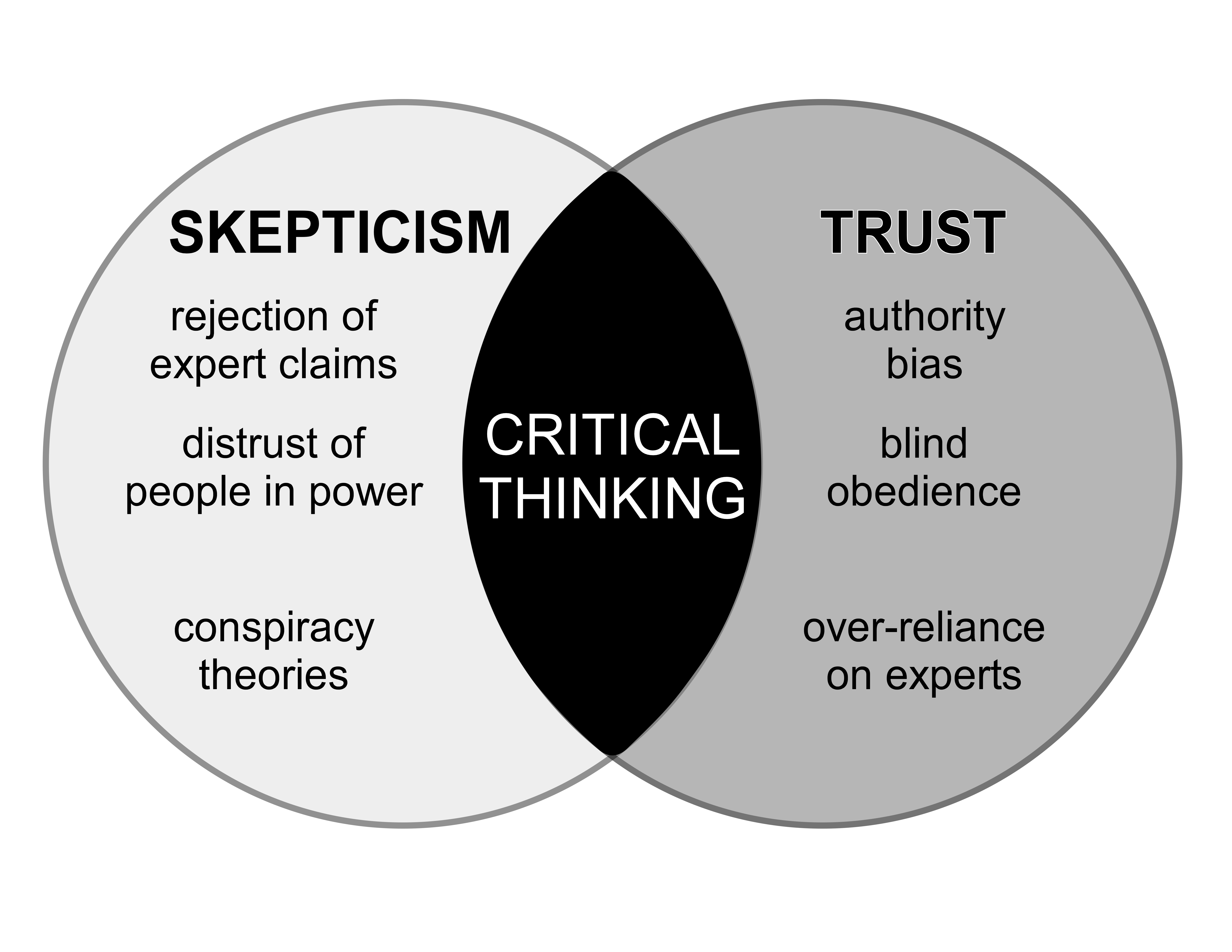
Psychological Mechanisms That Enable Deception

1. Groupthink and Echo Chambers

Groupthink occurs when individuals prioritize group cohesion over critical thinking. In professional circles, questioning widely accepted practices can be socially and professionally risky. If an institution, hospital, or wellness center endorses a particular method, many professionals will blindly accept it rather than challenge its legitimacy.

Similarly, echo chambers are where people are only exposed to information that reinforces their beliefs, creating an illusion of consensus. In other words, if “everyone” in the field is saying something is true, then it must be, right?

Example: A hospital integrates “tai chi” into patient care, but what they are actually promoting is a set of disconnected qigong exercises. Because multiple institutions endorse the same program, no one questions its authenticity.

2. Compliance and Institutional Authority

Many professionals trust authority figures and institutions over personal investigation. If a method is backed by a well-known organization, it is often assumed to be legitimate. Compliance within hierarchical structures, such as hospitals, universities, or corporate training programs, discourages critical inquiry.

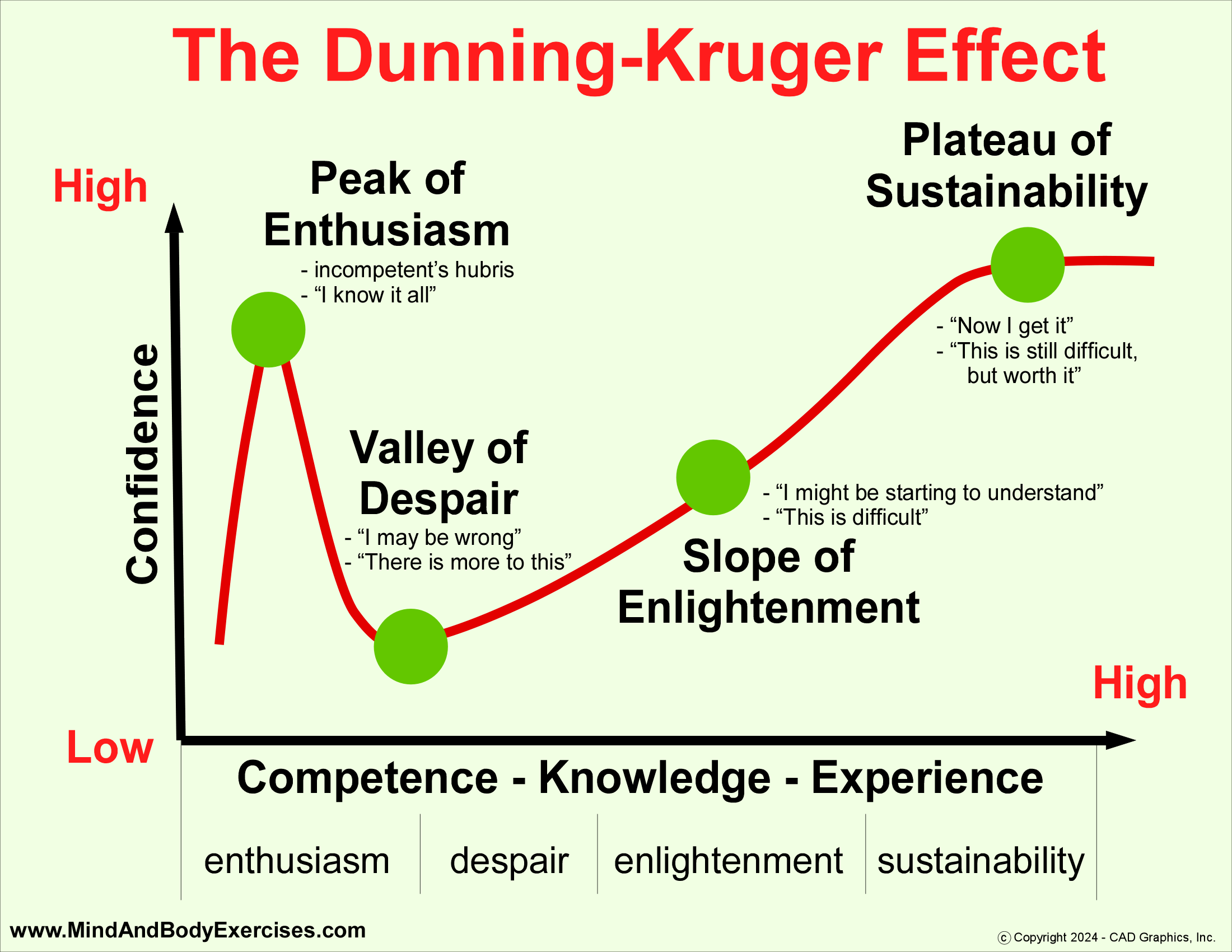
Another crucial factor is the Dunning-Kruger Effect, where individuals with limited knowledge overestimate their competence. This is particularly problematic in fields where professionals receive superficial training in a subject yet assume they have mastered it. A healthcare provider who attends a weekend seminar on tai chi, for example, may believe they fully grasp its principles and applications, despite lacking the years of rigorous training required for true expertise. This misplaced confidence can lead them to misrepresent tai chi, endorse incorrect practices, or dismiss criticisms from those with deeper knowledge.

Example: A university offers a “Tai Chi for Rehabilitation” certification, but the course is taught by individuals with no connection to lineage-based tai chi. Students accept the curriculum as valid because it comes from an academic institution.
3. Cognitive Dissonance and The Need to Justify Investment

Cognitive dissonance occurs when individuals experience psychological discomfort due to conflicting beliefs. Rather than admit they were misled, they will often rationalize their choices.

Example: A doctor who has been teaching “tai chi” to patients later discovers that what they learned has no real connection to tai chi principles. Instead of acknowledging the error, they convince themselves that what they teach is “good enough” because patients seem to benefit from it.

The greater the investment, whether in time, money, or personal reputation, the harder it becomes to admit fault.

4. Loss of Agency and The Illusion of Knowledge

Loss of agency happens when people rely too much on external validation rather than personal research. Many professionals believe that because they are educated, they are immune to deception, a form of bias of overconfidence.

Example: A physical therapist learns tai chi from a single continuing education course and assumes they now “know” tai chi. They never think to seek a lineage-based teacher because they believe their credentials alone make them competent.

This illusion of knowledge creates a false sense of expertise, making individuals less likely to seek out authentic sources.

5. The Hawthorne Effect and Operant Conditioning

The Hawthorne Effect refers to people modifying their behavior when they know they are being observed, often leading them to reinforce whatever system they are operating within. When professionals receive positive feedback for their work, they are more likely to continue it, even if it is flawed.

Example: A wellness instructor receives praise and recognition for teaching “tai chi” to seniors. Even if they later realize that what they are teaching lacks real tai chi principles, they continue anyway because the system rewards them for it.

Similarly, operant conditioning reinforces behaviors through rewards (career advancement, financial incentives, social approval), making individuals hesitant to challenge the status quo.

6. Professional Bias and Status Quo Thinking

Many educated professionals believe they are too intelligent to be misled, ironically making them more vulnerable to deception. They assume that because they have degrees or certifications, they are automatically capable of discerning truth from falsehood. This leads to status quo bias where established norms are favored, even when evidence suggests a better alternative.

Example: A medical board endorses a “tai chi” program without verifying its authenticity. Because it is institutionally approved, healthcare professionals continue promoting it even if they suspect it is inaccurate.

The Responsibility of Professionals to Seek Truth

Highly educated individuals, especially those who interact with the public, must be held to a higher standard of due diligence. Their decisions impact patients, students, and clients, and therefore, they have an ethical obligation to verify the accuracy of what they promote.

While many professionals fall for misinformation unintentionally, willful ignorance is not an excuse. In an era where information is readily available, professionals should be expected to:

  • Question the validity of institutional endorsements.
  • Seek primary sources and traditional lineages when applicable.
  • Acknowledge and correct misinformation rather than doubling down on errors.

Failure to do so not only undermine their credibility but also erodes public trust in education, healthcare, and martial arts traditions.

Conclusion: A Call for Intellectual Integrity

Deception in martial arts, healthcare, and other fields is not just an individual issue. It is a systemic problem rooted in cognitive biases, institutional authority, and social conditioning. By understanding the psychological mechanisms behind why professionals fall for misinformation, we can begin to challenge these patterns and restore integrity to our disciplines.

Education should not be about blind acceptance, but rather it should be about critical inquiry, truth-seeking, and personal responsibility. Those who pride themselves on knowledge must be willing to go beyond surface-level expertise and seek the depth that true mastery requires.

I look forward to further sharing more of my message by partnering with hospitals, wellness centers, VA centers, schools on all levels, businesses, and individuals who see the value in building a stronger nation through building a healthier population.

I also have hundreds of FREE education video classes, lectures, and seminars available on my YouTube channel at:

https://www.youtube.com/c/MindandBodyExercises

Many of my publications can be found on Amazon at:

http://www.Amazon.com/author/jimmoltzan

My holistic health blog is available at:

https://mindandbodyexercises.wordpress.com/

http://www.MindAndBodyExercises.com

Mind and Body Exercises on Google: https://posts.gle/aD47Qo

Jim Moltzan

407-234-0119

Tai Chi in the US: Tradition, Truth, and the Illusion of Authenticity

Tai chi, one of the most well-known Chinese martial arts, has evolved significantly as it has spread beyond China. Originally developed as an internal martial art (neijia) integrating martial applications, health benefits, and Daoist philosophical principles, tai chi has often been misrepresented in the United States. While many instructors have contributed positively to promoting its health benefits, others have mischaracterized the art, not necessarily by teaching bad practices, but by presenting something entirely different under the tai chi name.

Having practiced, studied, and researched martial arts for over 40 years and legitimate tai chi for the last 25 years, I have personally witnessed the “bait-and-switch” tactics used to market tai chi to Western audiences. Some instructors, either due to a lack of proper training or deliberate deception, have claimed to teach authentic tai chi while actually presenting simplified qigong exercises, unrelated movement drills, or incomplete systems. While qigong and tai chi are both respected Chinese internal arts, they are not interchangeable. All tai chi is qigong, but not all qigong is tai chi. This misrepresentation undermines the integrity of an institution built on discipline, honesty, and tradition.

This article examines the philosophical foundations of tai chi, its key physical components, and the ways to identify authentic practice, particularly within the Chen, Yang, and Wu styles, which are three prominent traditional lineages.

Firsthand Observations of Tai Chi’s Migration and “Bait-and-Switch”

When tai chi was first introduced in the United States, several Asian martial artists took advantage of the limited understanding of internal martial arts among Western practitioners. Some presented adjusted qigong sequences or simplified slow-motion movements as “tai chi,” presuming that American students would not discern the difference.

A fitting analogy for this phenomenon can be seen in the restaurant industry. Imagine going to a Chinese restaurant and ordering the Korean dish “bi bim bop.” The menu lists it clearly, so you expect to receive the correct dish. But when the server brings your meal, you are given “lo mein” noodles instead, and they insist that this is bi bim bop. While lo mein is still an Asian dish, and perhaps even delicious, it is NOT what you ordered.

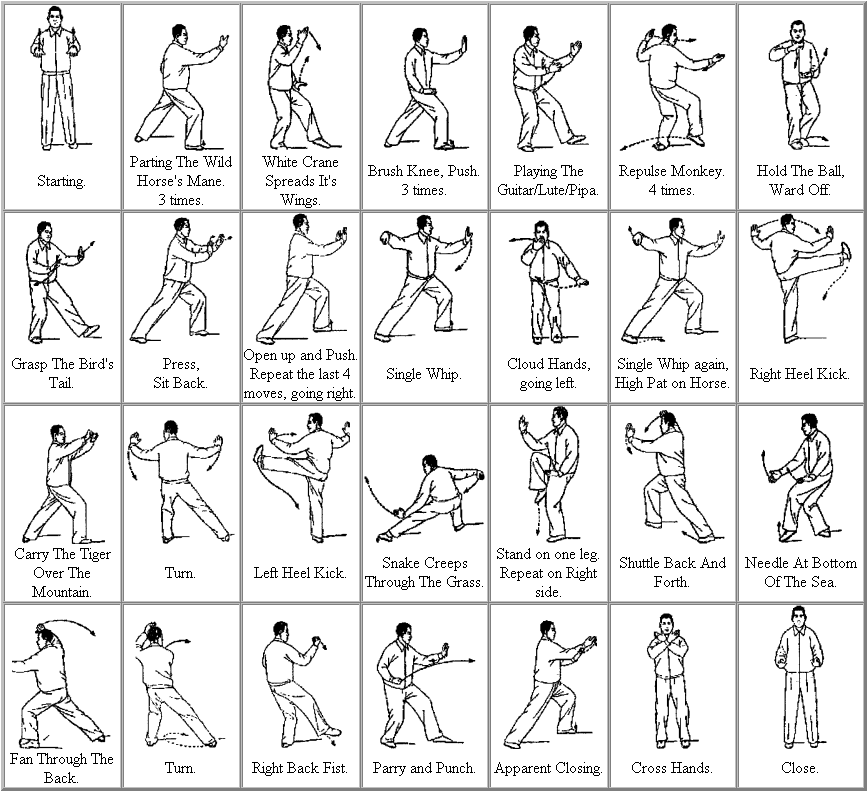
Yang style 24 – This IS tai chi, complete with names for each exercise

This is exactly what has happened with tai chi in the West. Many students sign up for classes expecting to learn a legitimate tai chi lineage, yet what they receive is a completely different system, usually a generic set of slow movements, breathwork, or unrelated qigong exercises.

Another analogy would be a student enrolling in a college program to earn a degree in Cantonese. They spend four years diligently studying, assuming they are learning the language they signed up for. However, upon graduation, they realize they have actually been taught Mandarin instead. While Mandarin is still a valuable language, the fact remains that the institution misled the student about what they were learning.

Similarly, in the world of tai chi, many instructors have claimed to teach legitimate Chen, Yang, or Wu styles tai chi, but in reality, what they teach lacks core structural components, martial applications, key internal mechanics and the philosophy of these arts as a whole. While what they offer may still provide health benefits, students deserve transparency about what they are actually learning.

I have personally encountered numerous instructors who claimed to teach authentic tai chi but omitted core elements such as silk-reeling energy (Chan Si Jin), fajin (explosive power), and martial applications. Similarly, other teachers abandoned tai chi’s rooting, structural integrity, and push hands training, reducing the practice to mere choreographed relaxation exercises or maybe physical fitness methods at best.

This misrepresentation, while sometimes unintentional and at other times deliberately misleading, is problematic because martial arts in general and tai chi in particular are institutions that pride themselves on high moral standards, integrity, and character. The issue is not that what these instructors teach is inherently bad or ineffective. Many of these adapted forms still provide great health and self-defense benefits. However, they have misrepresented their systems as part of a legitimate lineage when they are not.

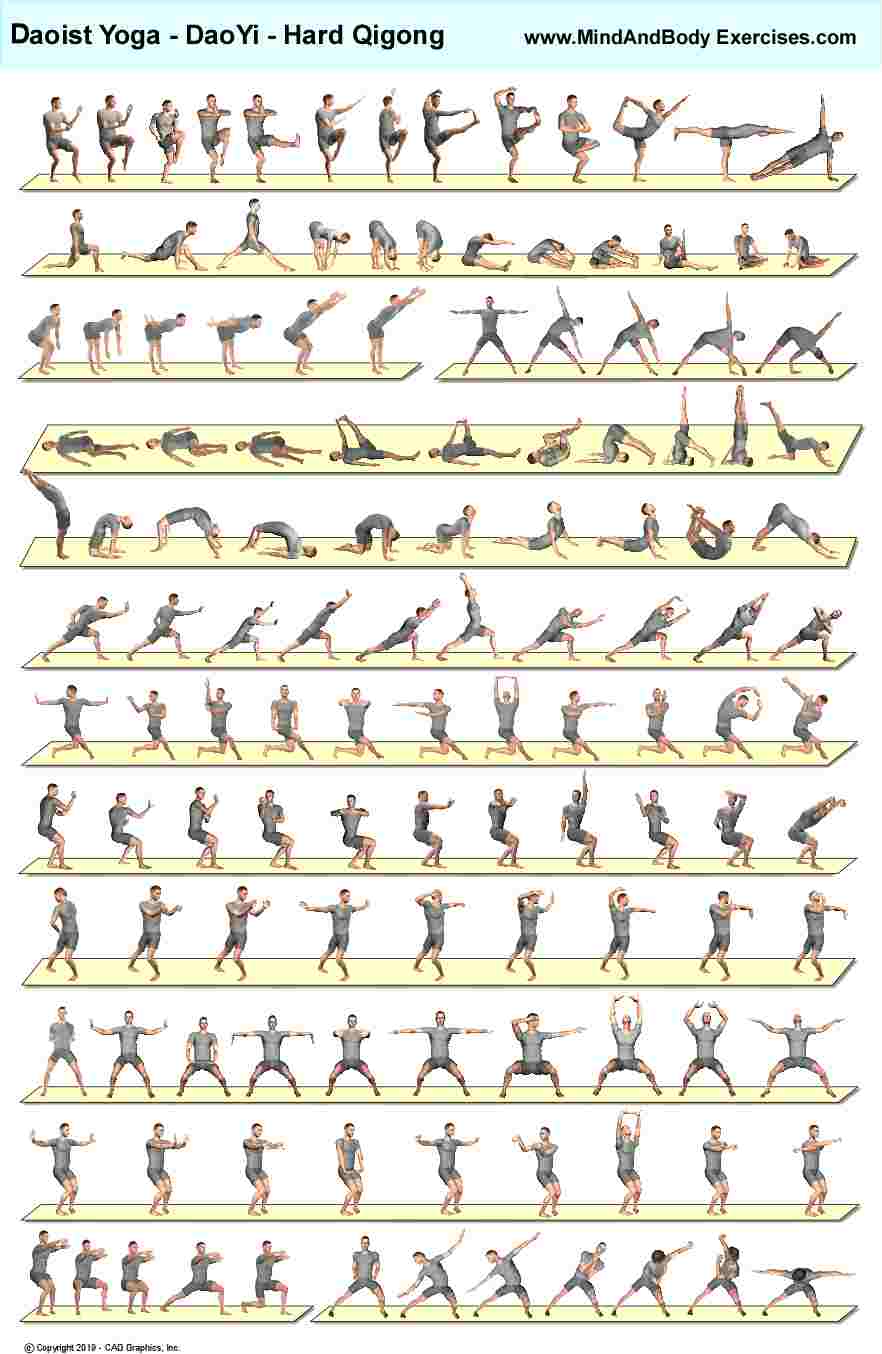
This is mostly NOT Tai Chi – however, legitimate static exercises of qigong or dao yin

With greater access to legitimate sources, historical records, and international training opportunities, modern practitioners can now recognize the discrepancies between traditional tai chi and commercialized adaptations. However, the impact of this bait-and-switch phenomenon still lingers in the tai chi landscape today.

Philosophical Foundations of Tai Chi

Tai chi is deeply rooted in Daoist and Confucian philosophy, incorporating yin-yang theory, Five Element Theory (Wu Xing), and Bagua (Eight Trigrams theory). These principles shape both the physical movements and the strategic martial applications of the art.

Yin and Yang: The Balance of Softness and Strength

Tai chi, literally translated as “Supreme Ultimate”, embodies the interplay of yin (softness, receptivity) and yang (hardness, action). Movements transition fluidly between yielding and attacking, expansion and contraction, in accordance with these principles.

This balance is evident across all major styles:

  • Chen-style integrates sudden explosive releases of energy (fajin) alongside soft, coiling movements.
  • Yang-style, derived from Chen, smooths out the transitions but retains the root structure and internal power.
  • Wu-style, known for its compact, small-frame movements, emphasizes yielding and subtle redirections over forceful exchanges.

The Five Elements (Wu Xing) in Tai Chi Practice

The Five Element Theory (Wu Xing) describes dynamic interactions in nature, which tai chi integrates into its movement and energy principles. Each element correlates with essential aspects of tai chi’s execution:

  • Metal (condensing, refining force) – The precision of structure and economy of movement, particularly in Wu-style’s compact footwork.

Bagua (Eight Trigrams) and Cycles of Transformation

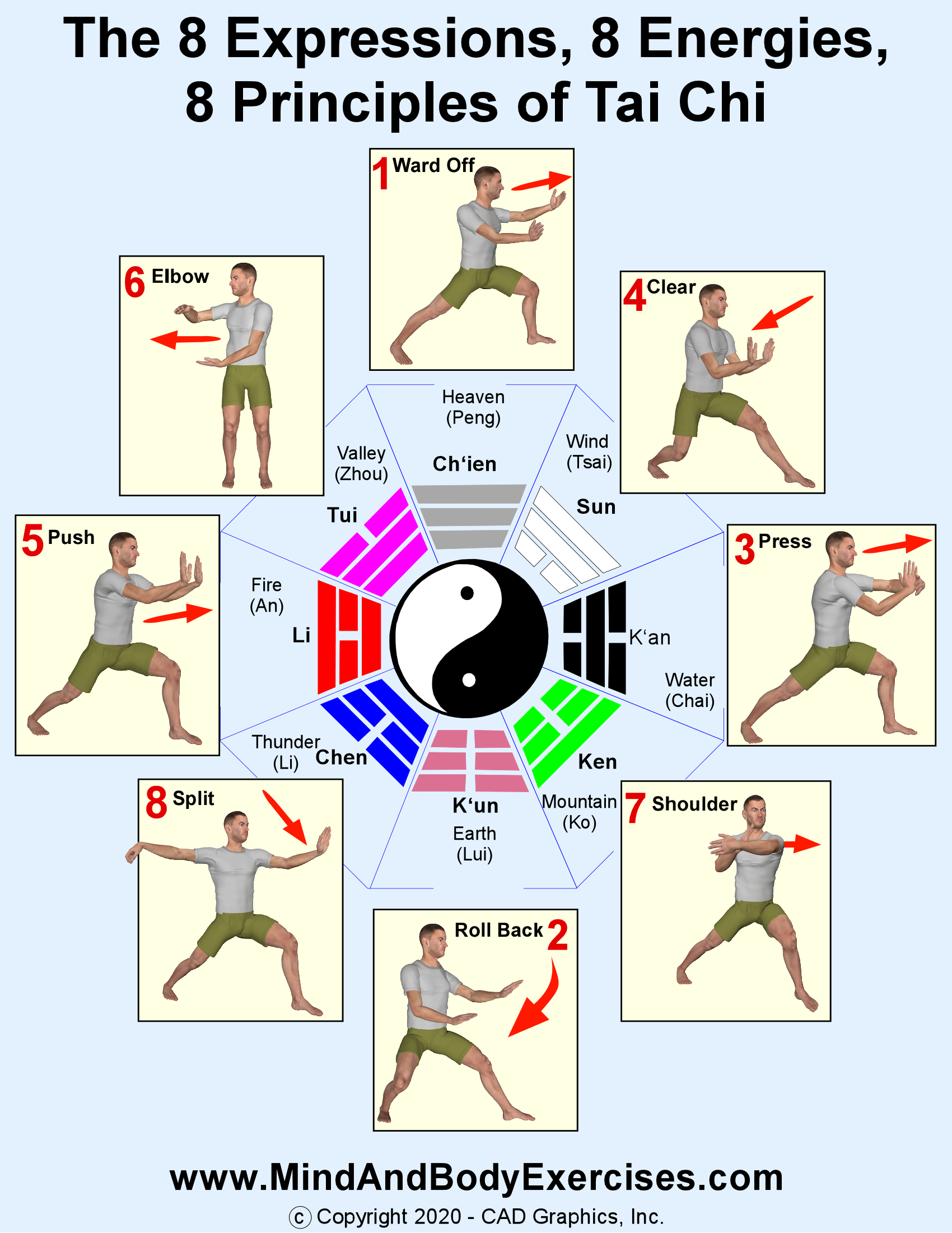
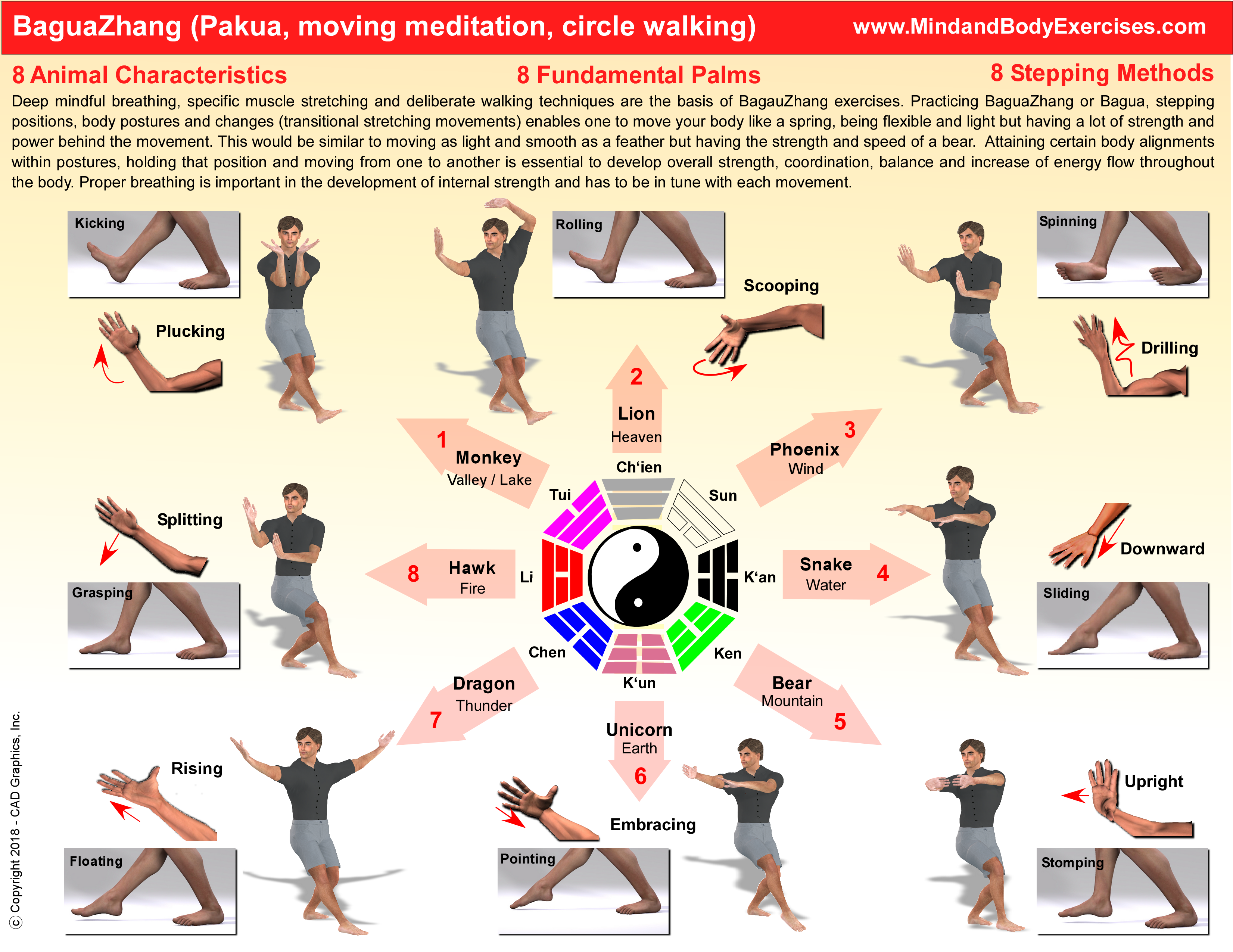
Tai chi shares conceptual similarities with Bagua Zhang (Eight Trigrams Palm), particularly in its circular stepping and understanding of transformation in combat. The eight trigrams (Bagua) symbolize the natural forces of heaven, earth, wind, thunder, water, fire, mountain, and valley, each influencing different movement qualities. The 8 energies of fundamental tai chi principles correspond with the 8 trigrams of the bagua:

  • Peng (heaven) – Ward Off: This energy is about expanding outwards and destabilizing an opponent, likened to a filling balloon.
  • Lu (earth) – Roll Back: This energy involves a rolling or drawing action while grounding and stabilizing, like drawing a line with a brush.
  • Ji (water) – Press: This energy involves a squeezing or pressing action, often used to control an opponent’s movement.
  • An (fire) – Push: This energy is a direct pushing action that moves an opponent away or creates an opening.
  • Tsai (wind) – Pluck: This energy is a plucking, pulling or grabbing action, used to disrupt an opponent’s balance.
  • Lieh (thunder) – Split: This energy involves a splitting or parting action, used to create space or to separate an opponent.
  • Zhou (valley) – Elbow: This energy uses the elbow as a weapon, either for striking or for blocking.
  • Kao (mountain) – Shoulder: This energy uses the shoulder to bump or lean into an opponent, creating an opportunity for attack or defense.

Physical Components of Authentic Tai Chi

Having personally trained with high-level practitioners from traditional tai chi lineages, I can confirm that authentic practice requires adherence to specific biomechanical principles. Many modern adaptations focus solely on relaxation, neglecting the essential physical structure required for both internal energy development and combat application.

Kinetic Linking: The Chain of Movement

Tai chi follows the principle of kinetic linking, where movement flows seamlessly through the entire body. This structure applies across all major styles:

  1. The feet root  – Power originates from the ground.
  2. The waist and spine direct  – The dantian (energy center) leads all movement.
  3. The arms and hands express – Energy manifests outward through an integrated whole-body structure.

Recognizing Authentic Chen, Yang, and Wu Tai Chi

Chen-Style Tai Chi

  • Alternating slow and fast movements – Not just slow-motion practice.
  • Silk-reeling drills – Without these, it is not real Chen-style tai chi.
  • Explosive fajin strikes – Demonstrating internal power expression.

Yang-Style Tai Chi

  • Large, flowing postures – Emphasis on balance and smoothness.
  • No abrupt power releases – Unlike Chen-style, Yang-style minimizes fajin.

Wu-Style Tai Chi

  • Smaller movements and compact footwork – Close-range efficiency.
  • Subtle redirections – Making use of yielding and sensitivity.

Conclusion

As someone who has spent over four decades practicing, studying, and researching tai chi and other martial arts, I have personally witnessed both authentic and misrepresented versions of tai chi in the United States. While many well-intentioned teachers have promoted tai chi’s health benefits, others have knowingly or unknowingly diluted the art, leading to confusion among students seeking traditional training. If a martial arts master, expert, or instructor is going to invest their time, effort, and passion in teaching others, why not spend that time learning one of the original, legitimate styles? Perhaps it is easier for them to perpetuate the deception rather than embrace the challenge of learning an authentic style. Is it pride, unwillingness to admit there’s more to learn, or simply a lack of access to true knowledge? Whatever the case, commit to authenticity and honor the lineage of the art.

The bait-and-switch marketing model has been a persistent issue, with many instructors selling qigong exercises as tai chi, stripping the art of its core biomechanical principles and martial applications. However, today’s practitioners have more access to knowledge than ever before. By asking the right questions, studying traditional principles, and seeking qualified lineage-based instruction, students can ensure they are learning true, authentic tai chi, rather than an imitation product rebranded for unknowing students and even healthcare professionals who associate with these practices.

This issue extends beyond martial arts circles. Healthcare professionals, wellness coaches, and others who incorporate tai chi into their practices should be held to a higher standard of ethical responsibility. Professions that pride themselves on education and evidence-based care must ensure that what they promote aligns with authentic traditions, not diluted versions repackaged for commercial appeal. By failing to verify authenticity, they risk misleading their patients and clients, ultimately undermining trust and diminishing the effectiveness of these ancient practices. In a world where information is readily available, there is little excuse for perpetuating misconceptions. Upholding the integrity of both martial arts and healthcare professions requires a commitment to truth, accountability, and respect for the original systems that have endured for centuries.

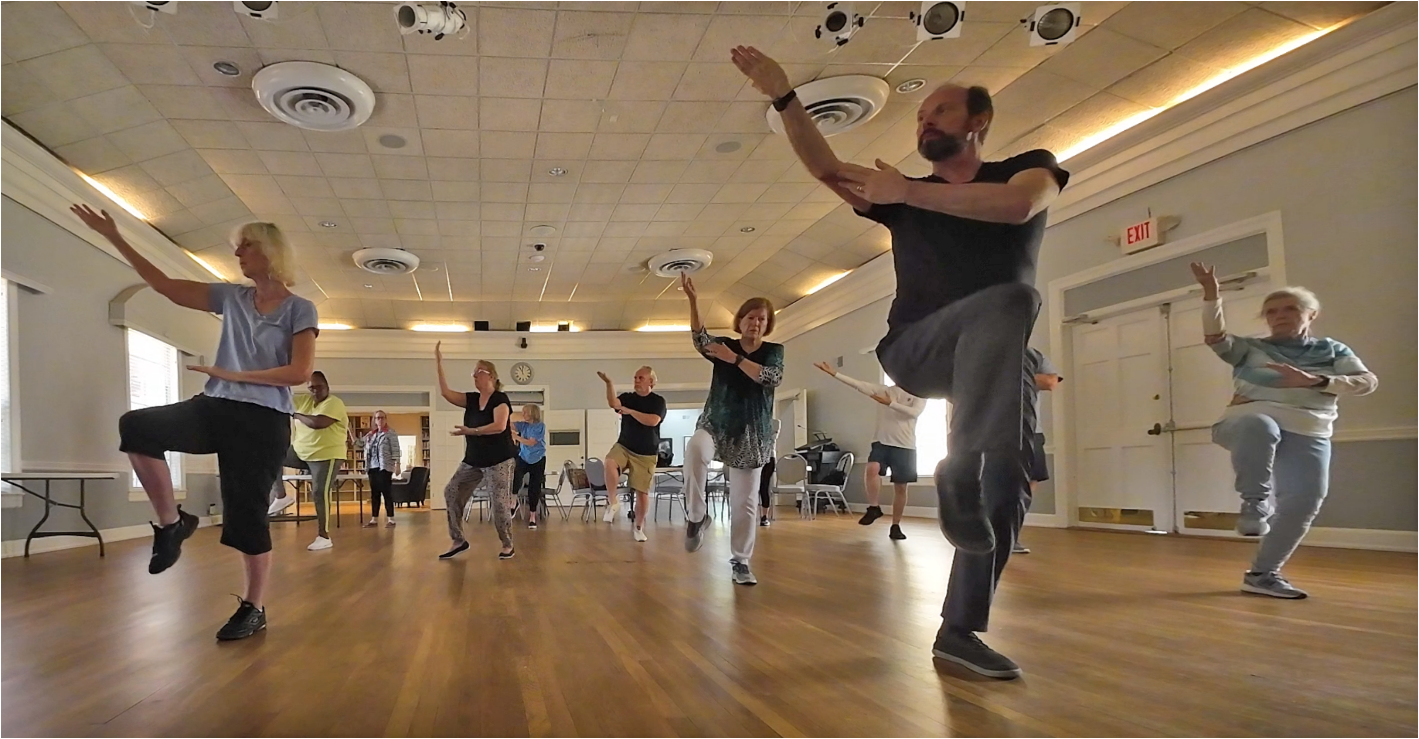
Qigong class
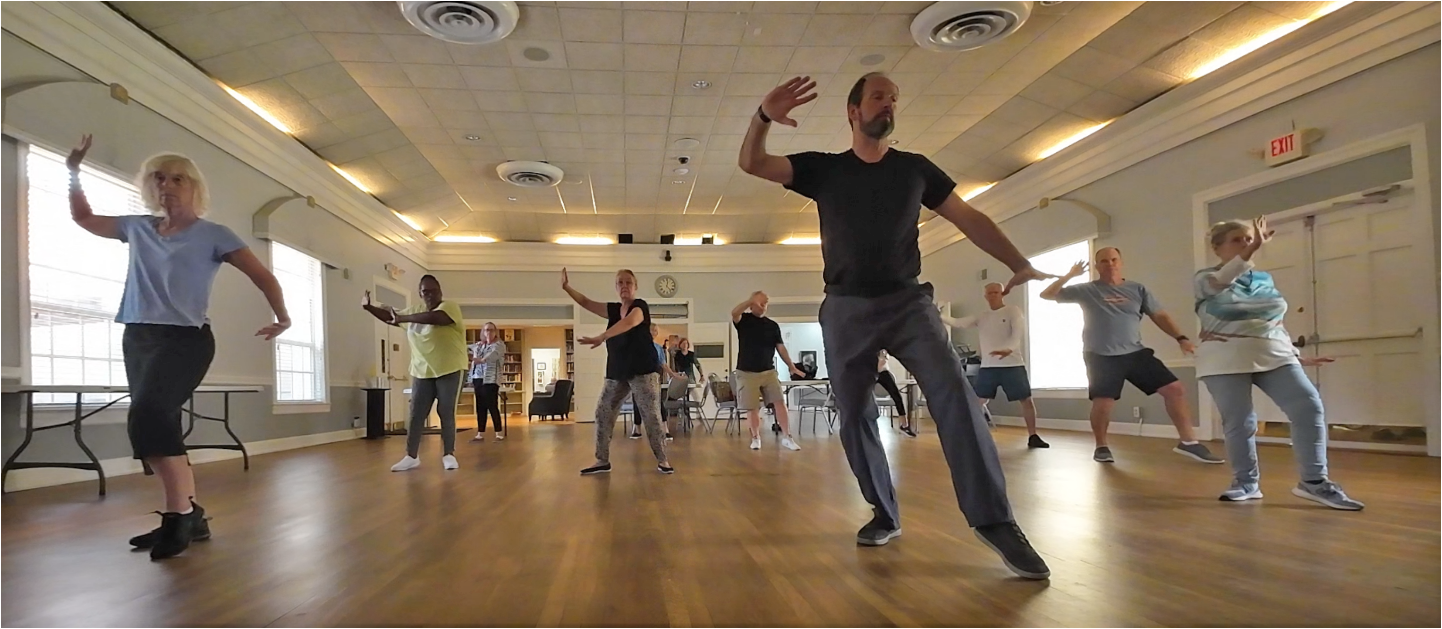
Tai Chi class
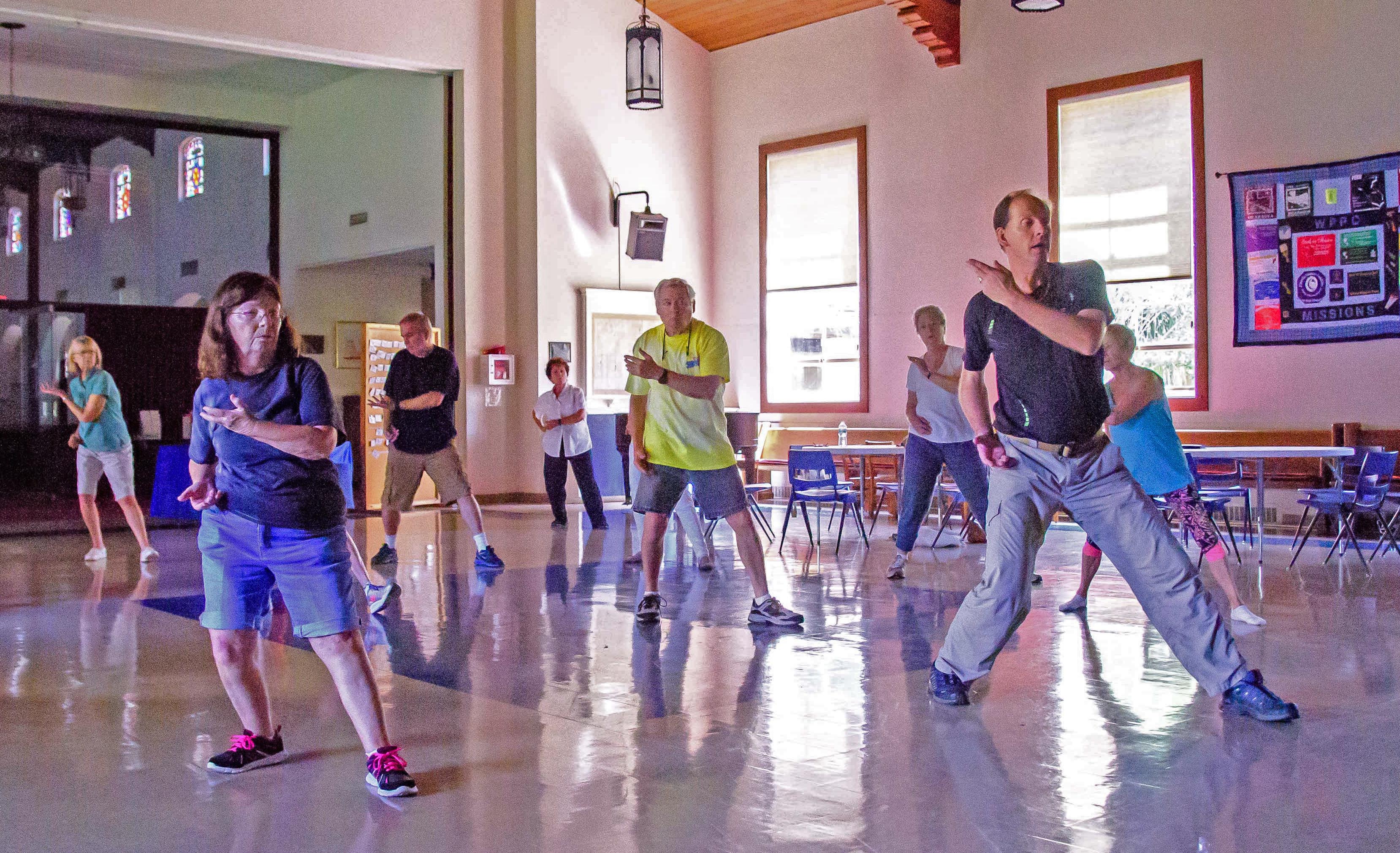
Silk Reeling – Tai Chi class
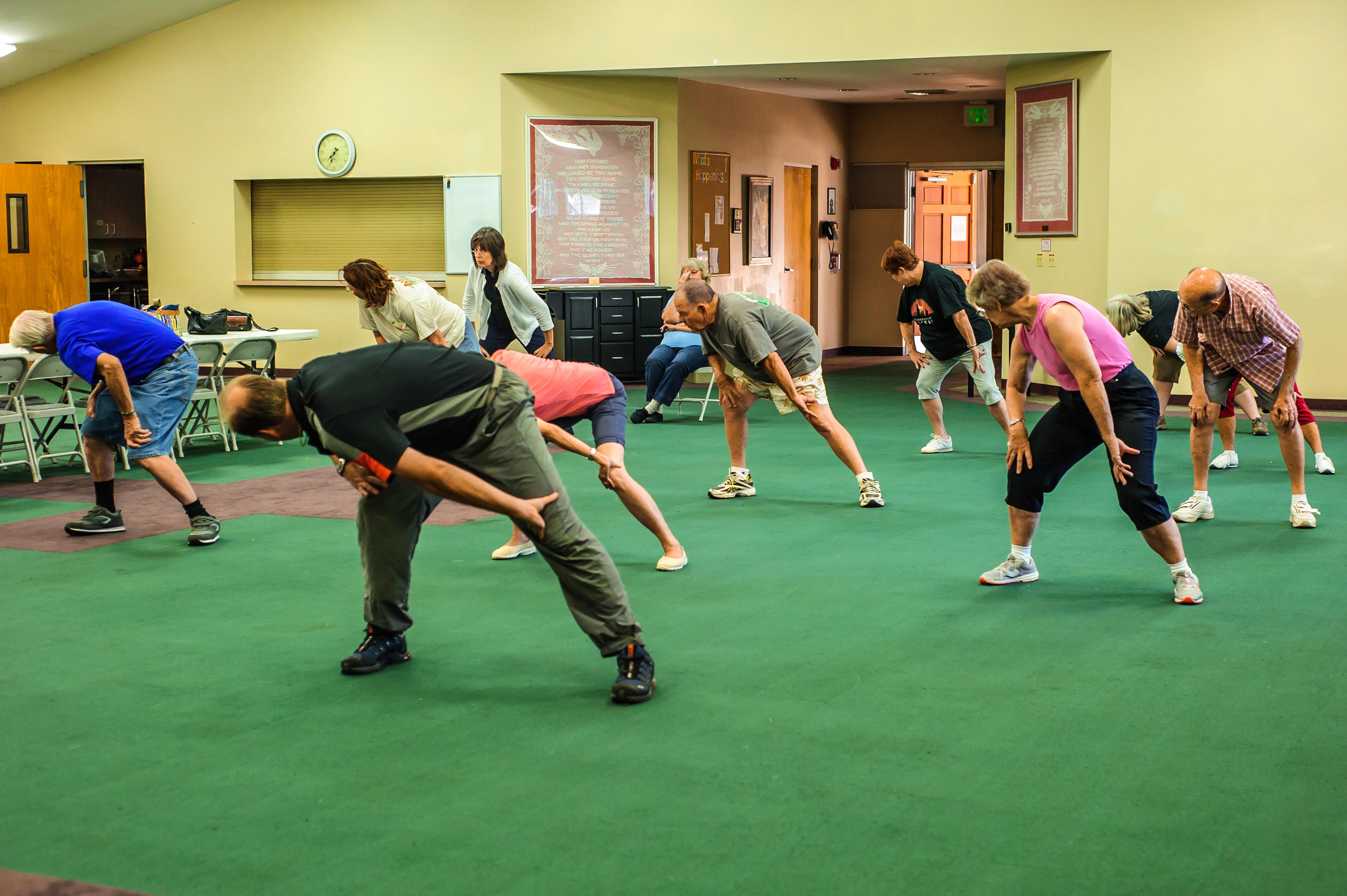
Qigong class- 8 Pieces of Brocade

Why is Spinal Movement Important for CSF Circulation?

The brain and spinal cord use a specialized fluid known as cerebrospinal fluid (CSF) to transport nutrients, remove waste, and offer protection. Unlike blood, which the heart actively pumps, CSF circulation relies on movement, respiration, and sleep-related brain activity. Maintaining adequate CSF flow is important for brain health, detoxification, and reducing the risk of neurological conditions such as Alzheimer’s, Parkinson’s, and cognitive decline.

This article examines the enhancement of cerebrospinal fluid circulation and activation of the brain’s glymphatic system, the body’s inherent “brain cleansing” process, through spinal movement, breathwork, and quality sleep.

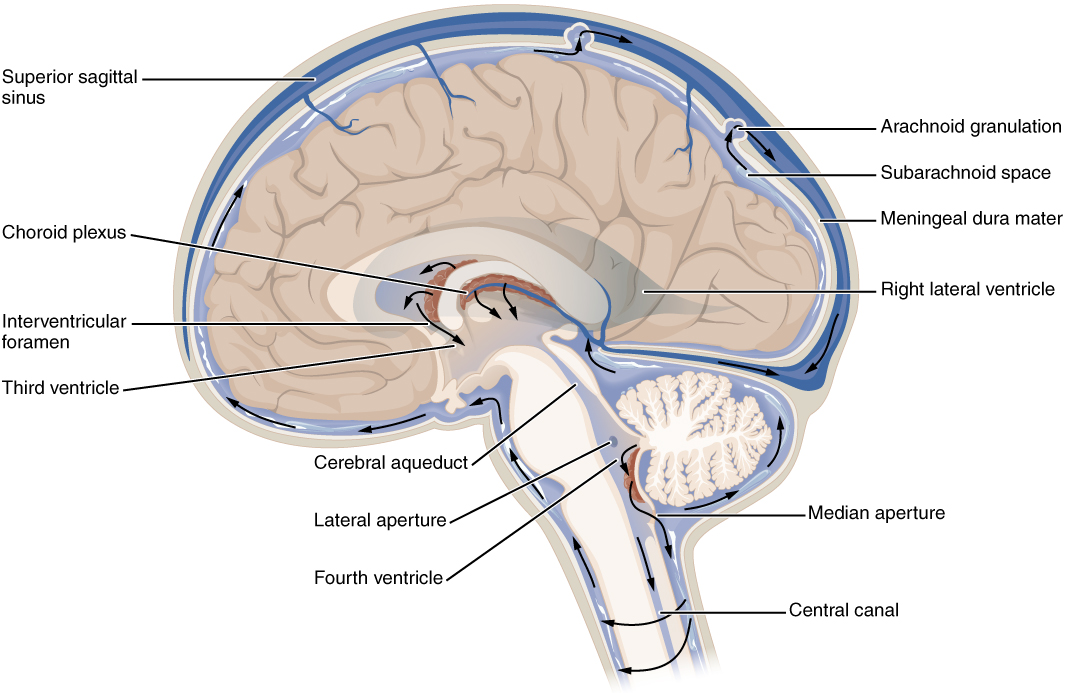
Cerebrospinal fluid (CSF) is produced by the choroid plexuses within the brain’s ventricles and circulates through the ventricular system before entering the subarachnoid space, which envelops both the brain and spinal cord. This circulation adheres to a defined pathway:

From the Brain to the Spinal Cord – CSF proceeds down the spinal canal, reaching the lumbar cistern near the sacral region.

Return Flow to the Brain – CSF is ultimately reabsorbed into the venous system via arachnoid granulations located in the superior sagittal sinus.

In the absence of a dedicated pump for CSF, its circulation depends on spinal movement, respiratory mechanics, and sleep-related pressure fluctuations.

The spine houses the spinal cord and dural tube, and movement of the spine serves as a natural pump for CSF circulation. Restricted mobility, due to factors such as sedentary lifestyles, poor posture, or aging, can contribute to stagnant CSF flow, which may affect waste clearance from the brain.

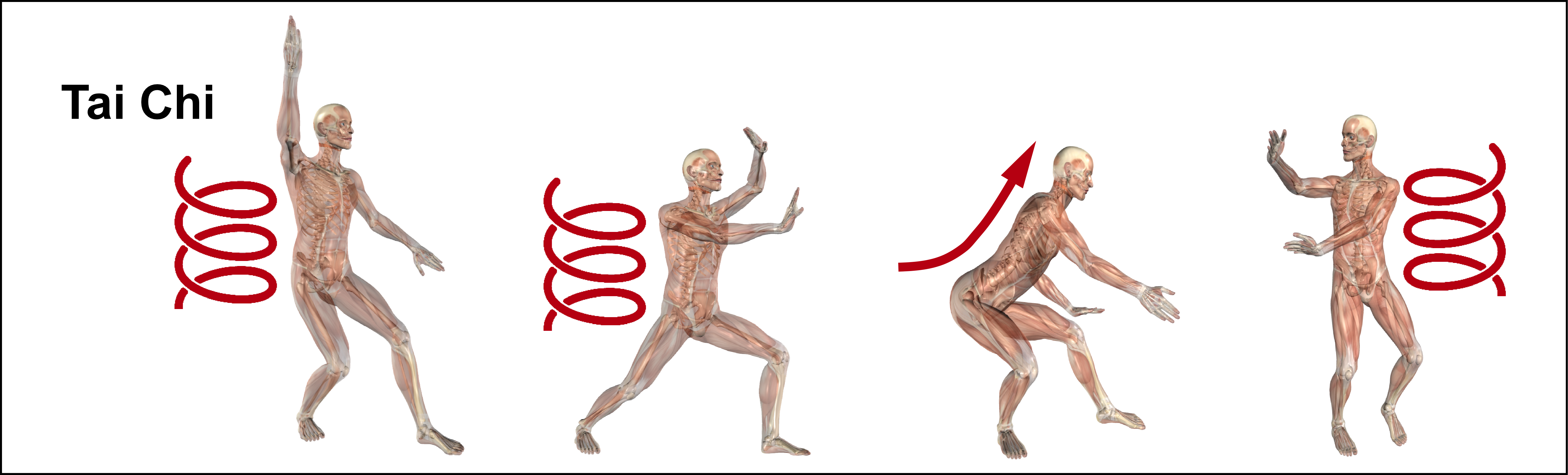
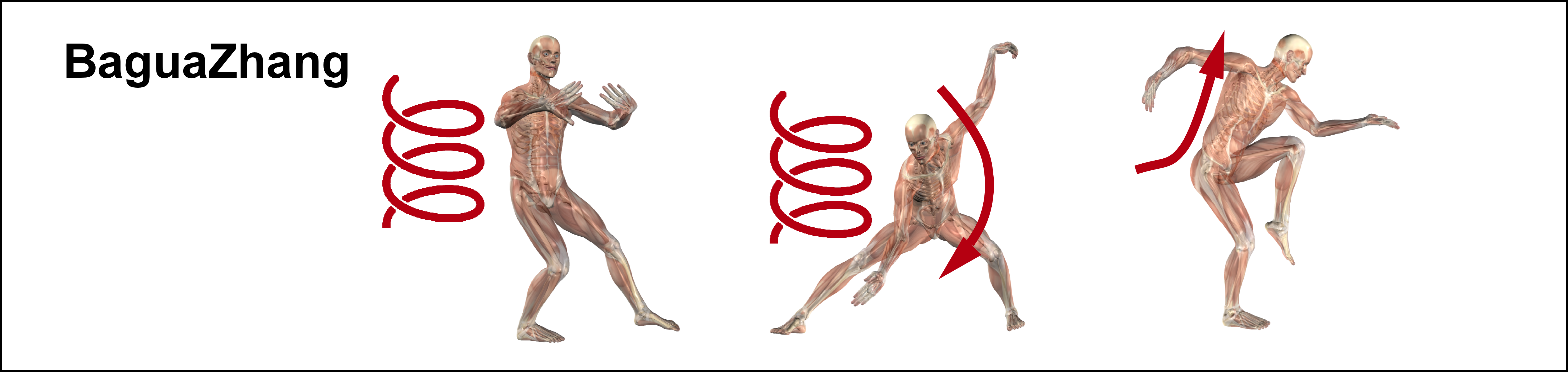
Holistic movement practices such as yoga, qigong, tai chi and BaguaZhang, are particularly effective in promoting CSF flow. Key spinal movements include:

  1. Flexion and Extension (Forward & Backward Bending)
    • Cat-Cow Pose (Yoga): Alternating between spinal flexion and extension helps mobilize CSF.
    • Spinal Rocking (Qigong): Gentle rocking movements from the pelvis stimulate lumbar and sacral CSF flow.
  2. Rotation and Twisting Movements
    • Seated Spinal Twists: Compresses and releases different regions of the spinal column, enhancing CSF dynamics.
    • Dragon Whips Its Tail (Tai Chi): A controlled twisting motion that supports fluid movement in the spine.
    • BaguaZhang: The whole mind and body martial art practice is based upon the coiling and spiraling of the waist, spine and upper extremities.
  3. Inversions and Gravity-Assisted Flow
    • Downward Dog (Yoga): Allows gravity to assist CSF movement back toward the brain.
    • Rebounding (Mini-Trampoline Exercise): Rhythmic spinal compression enhances CSF pulsation.

These movements maintain the openness of the spinal canal, alleviate tension within the dura mater, and promote proper cerebrospinal fluid circulation, thereby optimizing the functioning of the brain and nervous system.

One of the most critical aspects of CSF circulation occurs during sleep, when the glymphatic system, the brain’s built-in waste removal process, becomes highly active.

Why Does the Glymphatic System Work Best During Sleep?

  1. Brain Cell Shrinkage Increases CSF Flow
    • During deep sleep (slow-wave sleep), brain cells shrink by up to 60%, increasing the space between them.
    • This expansion allows CSF to flow more freely, flushing out toxic waste, including beta-amyloid plaques, which are linked to Alzheimer’s disease.
  2. Reduced Sympathetic Nervous System Activity
    • While awake, the sympathetic nervous system (fight-or-flight mode) restricts CSF flow.
    • During deep sleep, the parasympathetic nervous system takes over, allowing CSF to circulate more efficiently.
  3. Slow-Wave Brain Activity Acts as a CSF Pump
    • Research shows that slow-wave brain activity (delta waves) coincides with pulses of CSF flow, helping clear waste from the brain.
  4. Melatonin Enhances Glymphatic Function
    • The sleep hormone melatonin has been linked to increased glymphatic activity and improved beta-amyloid clearance.

As the glymphatic system becomes fully active only during sleep, insufficient sleep can result in the accumulation of toxins in the brain. This increases the risk of several conditions, including:

  • Alzheimer’s and Parkinson’s diseases
  • Cognitive decline and memory impairment
  • Mental fatigue and reduced clarity of thought

Breathing directly influences intracranial and spinal pressure, aiding in the movement of cerebrospinal fluid (CSF). Intentional breathwork practices may support brain detoxification and enhance relaxation, facilitating glymphatic function.

Diaphragmatic Breathing (Dantien Breathing in Qigong/Tai Chi/BaguaZhang): Deep, slow abdominal breathing creates rhythmic pressure changes that affect CSF flow.

Alternate Nostril Breathing (Pranayama, Yoga): May help regulate intracranial pressure and improve brain function.

Box Breathing (4-4-4-4 pattern): A structured breath cycle that can enhance CSF pulsation and balance the nervous system.

To ensure efficient CSF flow, glymphatic activation, and brain detoxification, incorporate the following habits:

Prioritize deep sleep – Aim for 7-9 hours of quality sleep each night.


Move your spine daily – Engage in yoga, qigong, tai chi, BaguaZhang or other spinal exercises to keep CSF circulating.


Sleep on your side – Studies suggest the lateral sleeping position improves glymphatic drainage.


Practice breathwork – Deep breathing techniques help regulate CSF dynamics and nervous system function.


Stay hydrated – Proper hydration supports CSF production and circulation.

In summary, spinal movement, proper breathing, and deep sleep are important for maintaining brain and nervous system health. By incorporating holistic movement practices and optimizing sleep quality, it is possible to enhance CSF circulation, support the glymphatic system, and reduce the risk of neurological disease.

A healthy spine, mindful breath, and restful sleep contribute to a clearer, healthier mind.

Contact me if you’d like a detailed movement and breathwork routine designed to enhance CSF circulation and brain detox.

References:

Xu, Q., Shao, C., Zhang, Y., Zhang, Y., Liu, C., Chen, Y., Wang, X., Chi, Y., Yu, S., & Sui, H. (2021). Head-nodding: a driving force for the circulation of cerebrospinal fluid. Scientific Reports, 11(1). https://doi.org/10.1038/s41598-021-93767-8

Xu, Q., Yu, S., Zheng, N., Yuan, X., Chi, Y., Liu, C., Wang, X., Lin, X., & Sui, H. (2016). Head movement, an important contributor to human cerebrospinal fluid circulation. Scientific Reports, 6(1). https://doi.org/10.1038/srep31787

Wichmann, T. O., Damkier, H. H., & Pedersen, M. (2022). A brief overview of the cerebrospinal fluid system and its implications for brain and spinal cord diseases. Frontiers in Human Neuroscience, 15. https://doi.org/10.3389/fnhum.2021.737217

Yogic breathing affects cerebrospinal fluid dynamics during breathing practice. (n.d.). NCCIH. https://www.nccih.nih.gov/research/research-results/yogic-breathing-affects-cerebrospinal-fluid-dynamics-during-breathing-practice?utm_source=chatgpt.com

Cui, L., Yin, H., Lyu, S., Shen, Q., Wang, Y., Li, X., Li, J., Li, Y., & Zhu, L. (2019). Tai Chi Chuan vs General Aerobic Exercise in Brain Plasticity: A Multimodal MRI Study. Scientific Reports, 9(1). https://doi.org/10.1038/s41598-019-53731-z

I look forward to further sharing more of my message by partnering with hospitals, wellness centers, VA centers, schools on all levels, businesses, and individuals who see the value in building a stronger nation through building a healthier population.

I also have hundreds of FREE education video classes, lectures, and seminars available on my YouTube channel at:

https://www.youtube.com/c/MindandBodyExercises

Many of my publications can be found on Amazon at:

http://www.Amazon.com/author/jimmoltzan

My holistic health blog is available at:

https://mindandbodyexercises.wordpress.com/

http://www.MindAndBodyExercises.com

Mind and Body Exercises on Google: https://posts.gle/aD47Qo

Jim Moltzan

407-234-0119
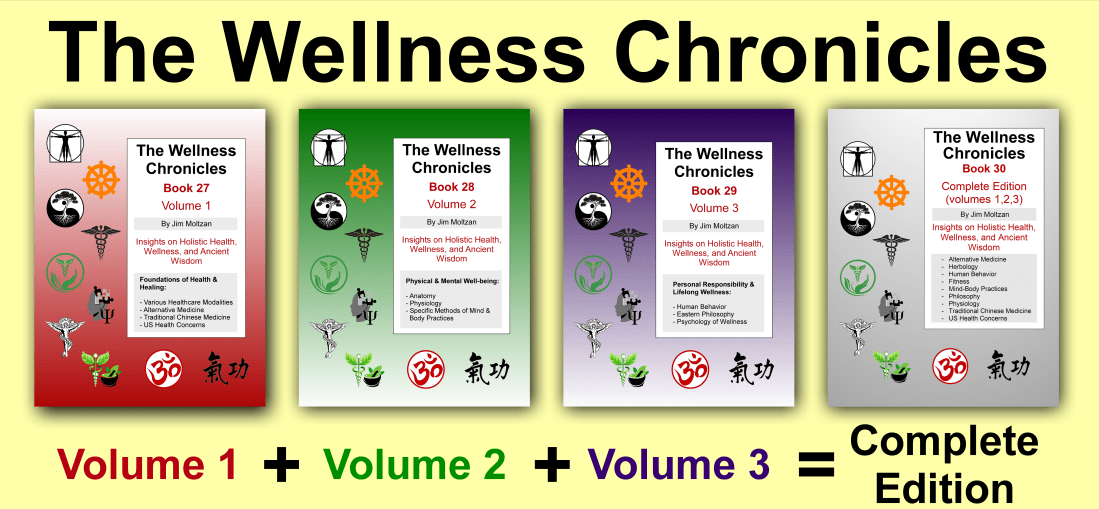
The Wellness Chronicles

I am excited to present The Wellness Chronicles, a culmination of insights gathered from my many years of writing on holistic health. These books distill key concepts from hundreds of my articles, offering a practical and thought-provoking guide to achieving well-being through a balanced approach to life.

In today’s fast-paced world, where stress and pharmaceutical dependency often overshadow self-care and preventative health, The Wellness Chronicles serves as a beacon for those seeking a deeper understanding of the mind-body-spirit connection. Each volume explores a broad spectrum of topics, including nutrition, physiology, healthcare modalities, meditation, psychology, and philosophy, all with an underlying focus on empowering individuals to take charge of their own well-being.

Readers will discover time-honored healing traditions such as Traditional Chinese Medicine (TCM) and Ayurveda alongside modern holistic approaches emphasizing balance and harmony. These books encourage self-awareness and practical application, addressing injuries and ailments through natural, non-pharmaceutical solutions while advocating for movement, breathwork, and mindfulness as essential tools for health.

Beyond physical well-being, The Wellness Chronicles delves into the intricate connections between the mind and body, and how emotions, thought patterns, and beliefs influence our nervous system, stress responses, and overall vitality. These principles are supported by both ancient wisdom and contemporary insights, illustrating the profound interplay between psychology, philosophy, and personal transformation.

As a visual complement to these insights, I have included many of my original graphics throughout these books. These illustrations highlight self-regulation techniques, eclectic exercises, and Eastern methodologies, demonstrating how the intentional control of breath (wind), circulation (water), and mental focus can cultivate resilience, restore balance, and increase vitality (fire)—a reflection of the Taoist concept that “wind and water create fire.”

The Wellness Chronicles are more than just a guide; they are an invitation to reflect, explore, and apply holistic principles in everyday life. My hope is that this book serves as both a resource and an inspiration, encouraging deeper inquiry into the art of living well.

Thank you for your engagement with this work. I am eager to share this journey with you and contribute to the collective pursuit of enduring health, happiness, and fulfillment.

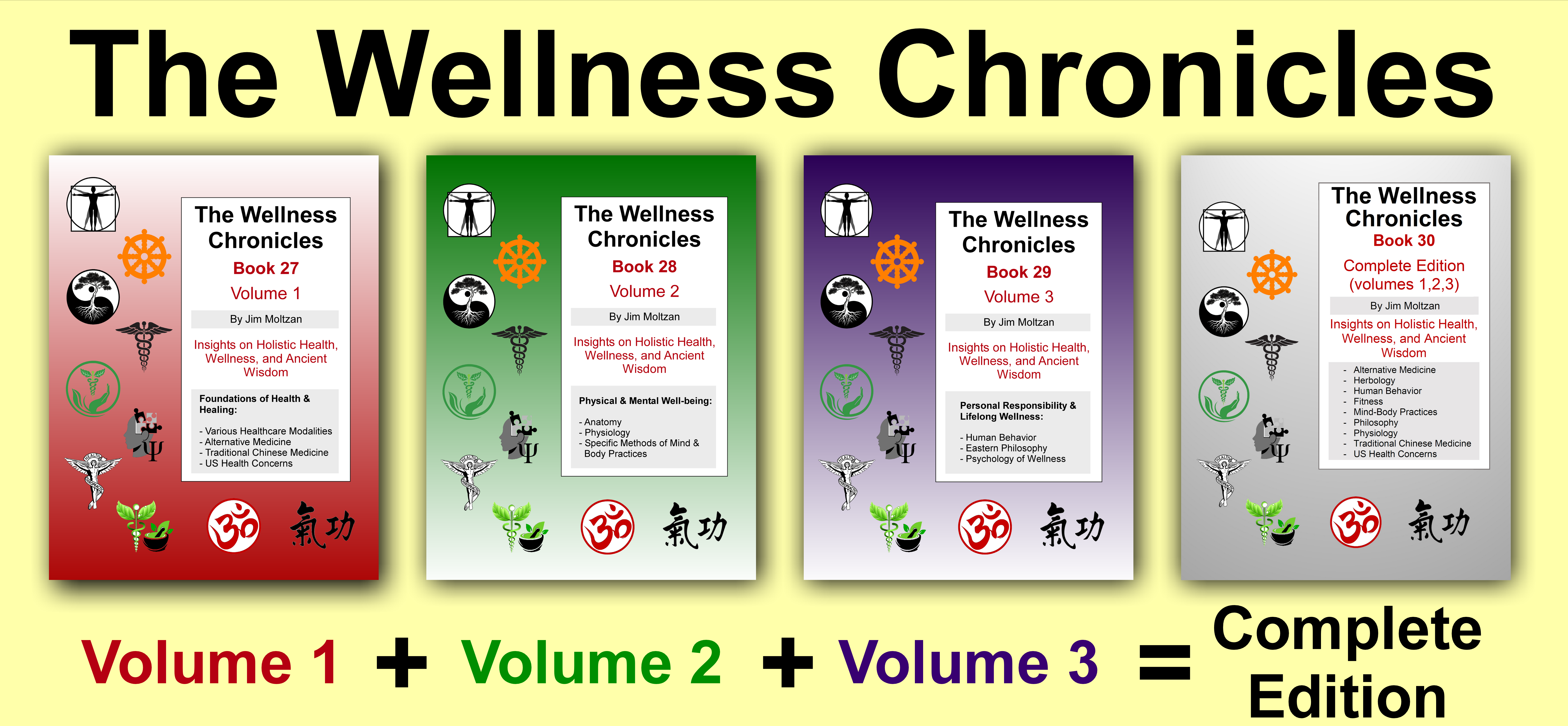
Thus far, I have volumes 1, 2 & 3, which are available individually or currently as one complete edition of all 3 in one book. Additional volumes may be added as I compose more content. Books are available at: https://www.amazon.com/dp/B0DYPFZ46F?binding=hardcover&searchxofy=true

The Wellness Chronicles is a comprehensive exploration of holistic health, offering practical insights into achieving balance in mind, body, and spirit.

Complete Edition: The Definitive Guide – All three volumes combined in one masterwork, providing a full-spectrum resource for lifelong health and transformation. (515 pages)

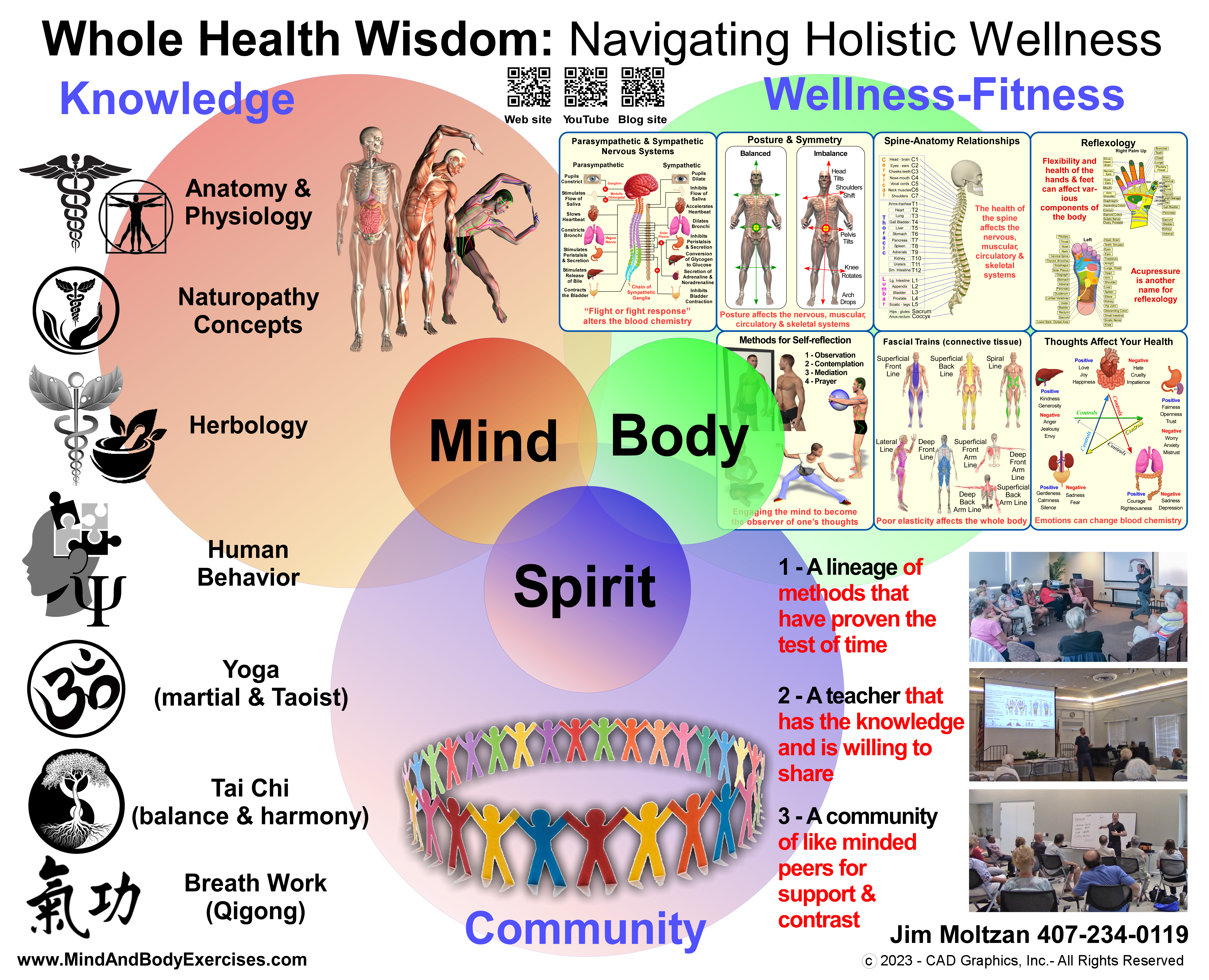
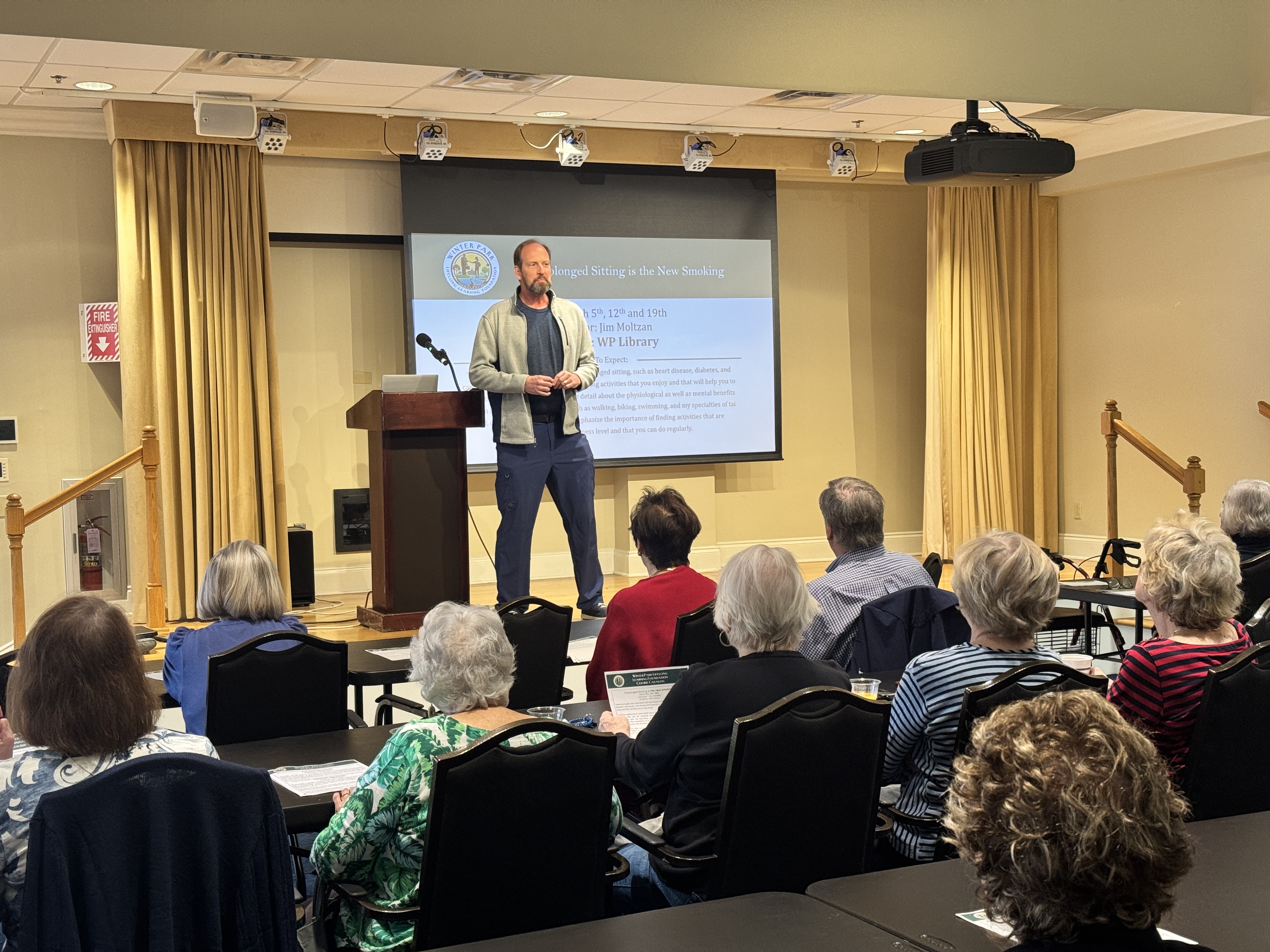
I teach and offer lectures about holistic health, physical fitness, stress management, human behavior, meditation, phytotherapy (herbs), music for healing, self-massage (acupressure), Daoyin (yoga), qigong, tai chi, and baguazhang.

Please contact me if you, your business, organization, or group, might be interested in hosting me to speak on a wide spectrum of topics relative to better health, fitness, and well-being.

I look forward to further sharing more of my message by partnering with hospitals, wellness centers, VA centers, schools on all levels, businesses, and individuals who see the value in building a stronger nation through building a healthier population.

I also have hundreds of FREE education video classes, lectures, and seminars available on my YouTube channel at:

https://www.youtube.com/c/MindandBodyExercises

Many of my publications can be found on Amazon at:

http://www.Amazon.com/author/jimmoltzan

My holistic health blog is available at:

https://mindandbodyexercises.wordpress.com/

http://www.MindAndBodyExercises.com

Mind and Body Exercises on Google: https://posts.gle/aD47Qo

Jim Moltzan

407-234-0119
Pulling Back the Curtain

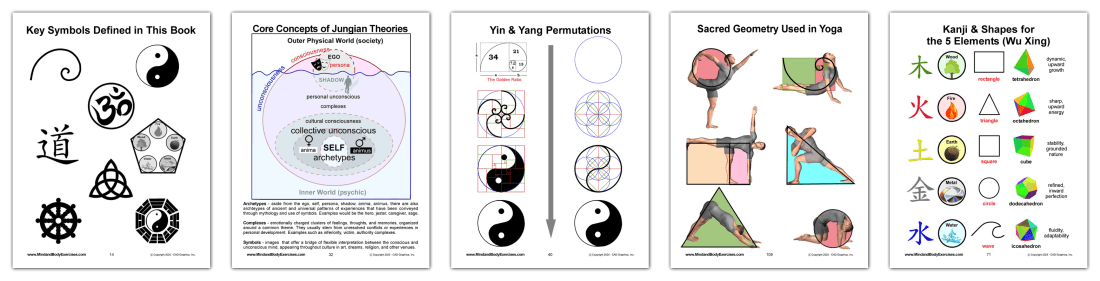
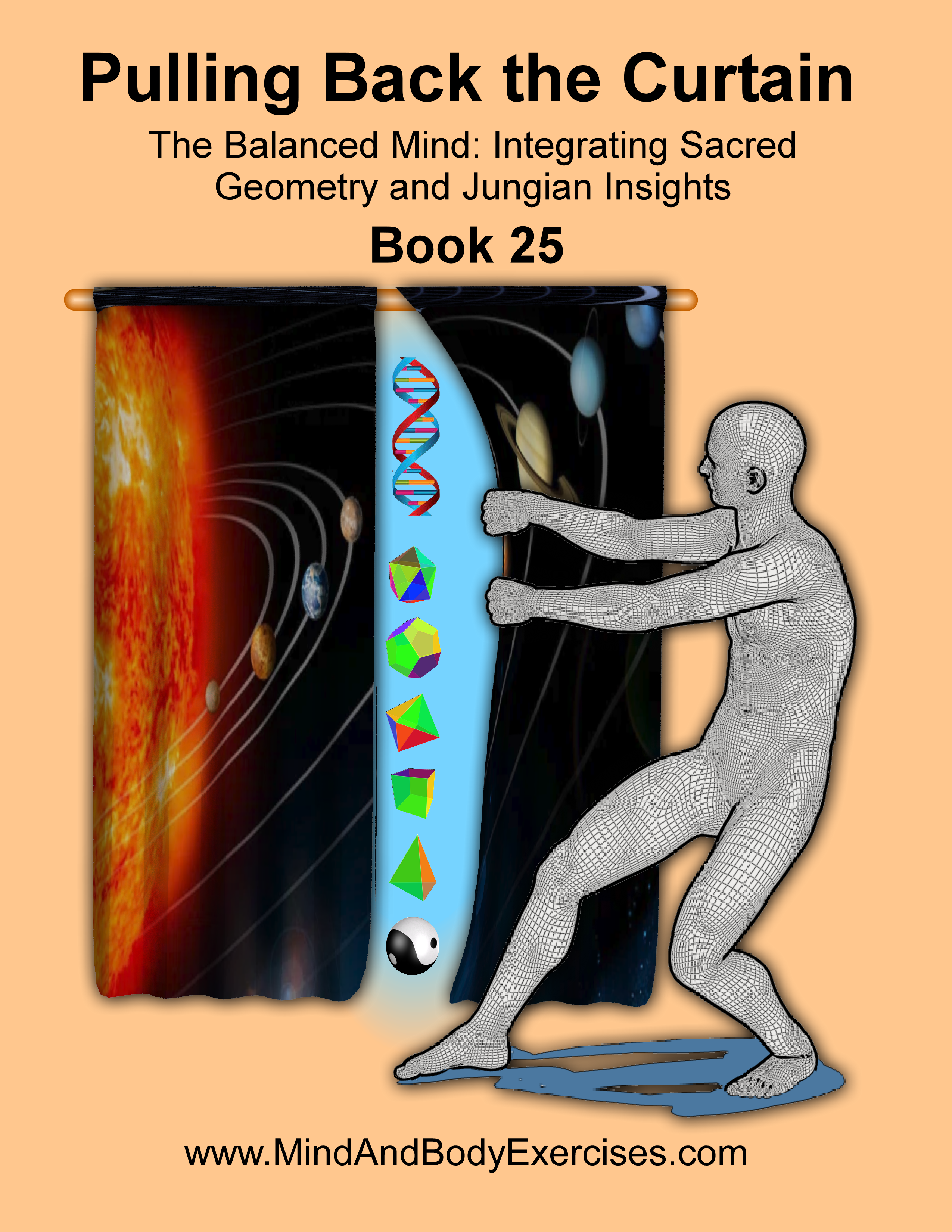
My new book Pulling Back the Curtain is now available through Amazon (https://a.co/d/09malCv). I offer a color reference guide for Sacred Geometry, Carl Jung’s theories, and their relevance to human behavior and symbolism. If you practice yoga, tai chi, qigong, BaguaZhang, other mind-body methods or are just looking to expand your understanding of our reality, my new book will help you organize all seemingly complex concepts.


Throughout human history, profound truths about the universe and our place within it have been explored and expressed through archetypes, geometry, psychology and philosophy. From the earliest cave drawings to the intricate mandalas of Eastern traditions, humanity has sought to map the intangible forces that shape our existence. These universal patterns reveal not only the structures of the cosmos but also the dynamics of our own inner worlds. It is this interplay between the external and internal, the visible and invisible, that this book illuminates. My intent for this book is to provide a graphical study guide that summarizes complex concepts for those already familiar with these topics, while offering an introduction for those just beginning to pursue this type of information.


The Taoist concept of yin and yang further underscores the dynamic dualities that shape our world: light and shadow, masculine and feminine, chaos and order. This dance of opposites, echoed in Jung’s theories, reminds us that life’s challenges and joys are part of a larger, harmonious whole. At the heart of these inquiries lies the work of Carl Jung, whose pioneering insights into the collective unconscious provide a framework for understanding the interconnectedness of all things. Jung’s exploration of archetypes and opposites, including the balance of yin and yang, offers profound guidance for navigating the complexities of modern life. His fascination with symbols, geometry, and universal patterns serves as a bridge between ancient wisdom and contemporary thought.


Similarly, the Platonic solids – those perfect, symmetrical forms revered by both philosophers and mystics, stand as metaphors for the foundational elements of existence. These shapes, deeply intertwined with sacred geometry, reflect the harmony and order inherent in nature. Their significance transcends mere mathematics, inviting us to ponder the deeper truths they represent. Sacred geometry ties these threads together, offering a visual language of the divine. Found in the spirals of galaxies, the structure of DNA, and the design of ancient temples, sacred geometry is both a scientific marvel and a spiritual guide. It reminds us that beauty and meaning exist not only in grand cosmic designs but also in the smallest details of our daily lives. Furthermore, sacred geometry finds profound expression in the realm of mind-body practices such as yoga, tai chi, qigong and even martial arts. These disciplines incorporate geometric principles in their movements and postures, fostering harmony within the body and between the individual and the universe. The exploration of these practices and their connection to sacred geometry will reveal how these ancient systems of movement and mindfulness embody universal truths.

This book invites you to journey into these interconnected realms, where the principles of psychology, philosophy, geometry, and physical movement converge. It explores how these timeless ideas remain relevant, offering practical insights for finding balance, purpose, and connection in a world that often feels fragmented. As you delve into these pages, may you uncover the patterns that shape your own existence. May you find not only knowledge but also inspiration to integrate these timeless truths into your everyday life, creating harmony within and around you.

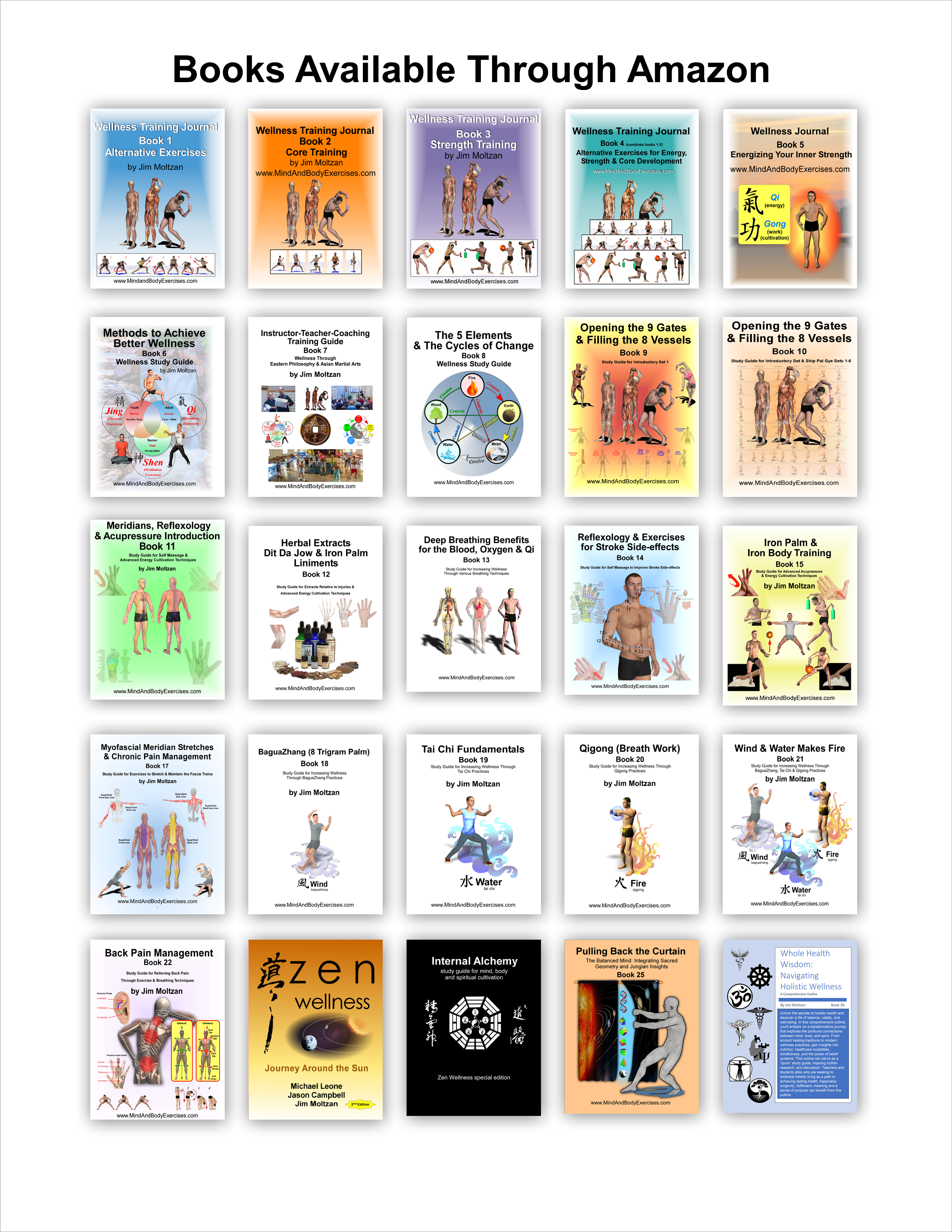
My books are comprehensive, deeply researched, and feature original, high-quality illustrations. I have invested over 40 years of learning, practicing, and illustrating these topics myself. providing full-color printing, detailed graphics, and specialized knowledge require premium pricing. Most of my publications offer rare insights not found elsewhere, justifying their premium nature. I have specifically designed my books for serious practitioners and scholars, while also offering information for beginners to get acquainted with complex topics and concepts. Each book contains a lifetime of experience condensed into each volume. These books are for those who seek authentic, high-quality study materials rather than mass-market books.

I teach and offer lectures about holistic health, physical fitness, stress management, human behavior, meditation, phytotherapy (herbs), music for healing, self-massage (acupressure), Daoyin (yoga), qigong, tai chi, and baguazhang.

Please contact me if you, your business, organization, or group, might be interested in hosting me to speak on a wide spectrum of topics relative to better health, fitness, and well-being.

I look forward to further sharing more of my message by partnering with hospitals, wellness centers, VA centers, schools on all levels, businesses, and individuals who see the value in building a stronger nation through building a healthier population.

I also have hundreds of FREE education video classes, lectures, and seminars available on my YouTube channel at:

https://www.youtube.com/c/MindandBodyExercises

Many of my publications can be found on Amazon at:

http://www.Amazon.com/author/jimmoltzan

My holistic health blog is available at:

https://mindandbodyexercises.wordpress.com/

http://www.MindAndBodyExercises.com

Mind and Body Exercises on Google: https://posts.gle/aD47Qo

Jim Moltzan

407-234-0119