Serious as a Heart Attack

If you follow the news these days, it seems like people are dropping dead left and right. Violence, shootings, suicides, drug overdoses, cardiac arrest and a host of other health-related issues have seemingly increased dramatically over the last few years. I encourage you to do your own diligent research, if these issues are of importance to you.

Do you know how to perform CPR?

Do you know how to perform the Heimlich Maneuver for a person who is choking?

Can you help someone who is bleeding profusely?

What do you do if someone is having a seizure?

Do you consider yourself to have the sufficient mental and physical fortitude to step up when the call comes?

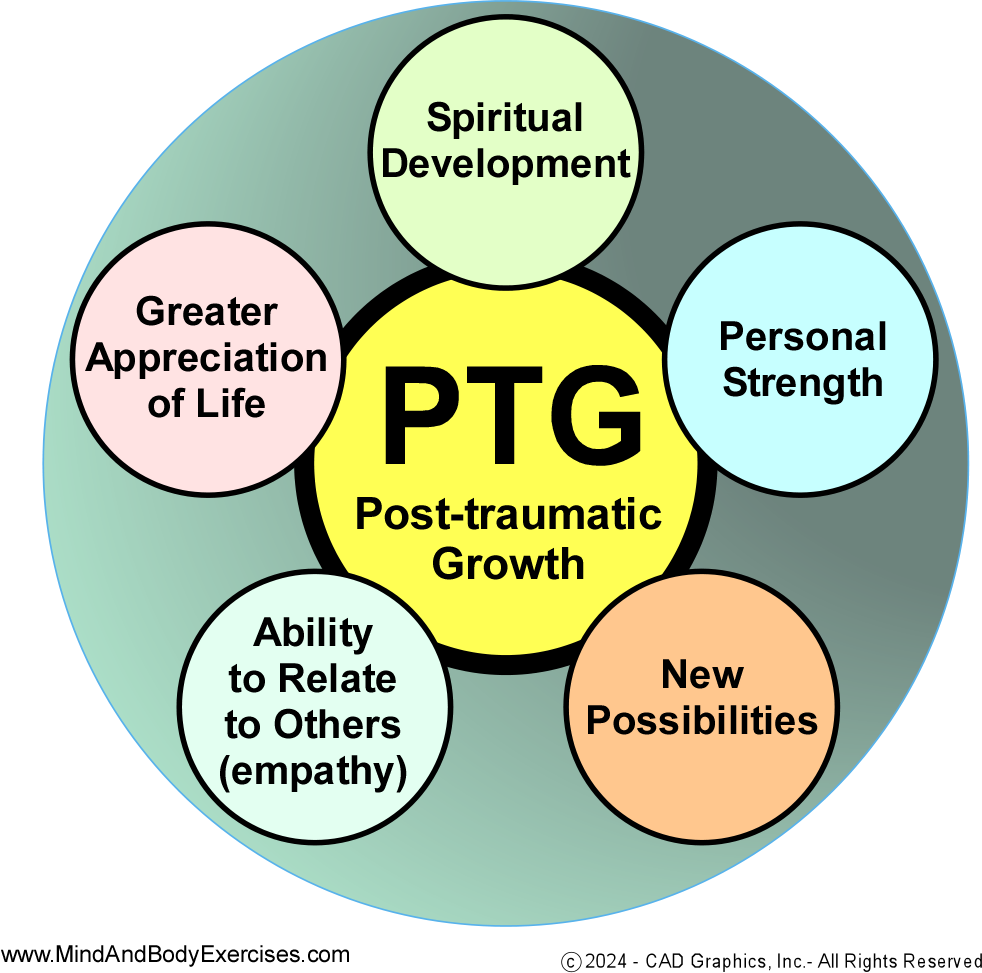
Trauma, when experienced personally or through others in our presence, has the tendency to show us the true reality of our character. Will you be part of the bystander effect, where a group does nothing to help, or the Good Samaritan, where one reacts selflessly in the face of danger? As the saying goes, “when seconds matter, help is minutes away.

In our extremely polarized society of today, people are often shamed, shunned or ostracized for not caring enough about others’ health. But are any of us capable of preserving another’s life in their time of need? First responders? Hopefully. The average person, NO. Most people cannot even save themselves in a life-threatening situation, let alone another in drastic circumstances. If we choose to pontificate on how much we care about others, maybe we should actually learn how to save a life. More accurate would be to hopefully “preserve” or “prolong” a life, as we are mere humans and cannot save anyone or any living thing from their inevitable demise. We can only offer to do our best.

Far below is a graphic for understanding the basic steps of CPR. GO LEARN HOW TO DO IT!

I am additionally offering here some priceless tools to help revive someone if they become unconscious. Acupressure (no needles) and its parent of acupuncture (needles) from Traditional Chinese medicine, has been around for a few thousand years. There are specific techniques that can be used to help resuscitate in addition to CPR training. If you are in need of more information or instruction beyond what is available here on applying these techniques, contact me or other qualified experts in this field.

These are techniques that I was taught over 40 years ago from my martial arts masters and Traditional Chines Medicine teachers to help with stress, headaches and especially LOSS of CONSCIOUSNESS. If you are concerned about the legitimacy or efficacy of these types of techniques, I encourage you to do some of your own research as I have for many years. I have actually used these techniques to help revive others either from over-exertion, illness or trauma, more times than I can remember; maybe 50-100 times. Most often acupoints 1-10 work quite well for feinting and dizziness, and where 11-18 are used progressively for loss of consciousness, lack of breath and weak or nonexistent pulse. Striking of the perineum, also know as the huiyin point, conception vessel-1, or CV-1, is quite invasive and used only for the most dire of circumstances. Kidney-1 (KI-1) is just below the ball on the bottom of the foot, as is often used instead of CV-1.

It is no coincidence that most of these acupoints are the same ones used to strike and disable a physical attacker.

Copy, print, or share this image – it might come in handy!

Auriculotherapy is another method of acupuncture and/or acupressure, where the qi or energy meridians are accessed from the inner and outer portions of the ear (auricle). Acupuncture needles are often used for treatments but there are also small seeds or steel pellets can be adhered to the skin to provide longer lasting stimulation usually lasting a few days. For some issues of pain, relief can be experienced within minutes from the start of the procedures. There are usually no complications nor side-effects while patients are subjected to very little or no discomfort.

I have had auricular therapy in the past from my TCM doctor at the time.  I learned some of the techniques from her at the time and have since learned even more from other TCM doctors as well as qigong and martial arts masters, enabling me to provide my own successful treatments for backache, headaches, and seasonal allergies. 

Almost 13 years ago the U.S. Air Force begin training physicians deployed in Iraq and Afghanistan on how to use these methods. These techniques are quite easy and quick for most people to learn. The doctors would apply small and fine needles to wounded service members and local patients for pain relief.

At the time, the term “battlefield acupuncture” was used, even though these techniques have been in use probably for hundreds of years and not necessarily to soldiers nor on the battlefield. This battlefield acupuncture was not purposely designed to replace conventional medical care for war-related injuries, but rather to help in pain relief and possibly eliminate the need for pain medications for acute and chronic pain.

Other TCM doctors are using auricular therapy for various issues or other benefits such as studies on the use of auriculotherapy with distance runners to increase performance.

I have found some information to be somewhat critical of auricular therapy (and TCM in general as well). Usually, it is the same issues with Western medicine having lack of scientific data or a desire not to deviate from the allopathic medical model.  If these methods have existed in other cultures for hundreds, if not thousands of years, maybe there is something there to be studied further.

Traditional Chinese Medicine offers an amazing amount of knowledge, methods and alternative options to manage trauma, chronic pain and many other issues, beyond using surgery, opiates and anti-inflammatories.

References:

https://www.medicalnewstoday.com/articles/324712#cpr-quick-reference

Battlefield Acupuncture for the Clinical Practitioner (acupuncturetoday.com)

https://www.mcgill.ca/oss/article/pseudoscience/bad-science-lends-friendly-ear-ear-seeds

Battlefield Acupuncture in the U.S. Military: A Pain-Reduction Model for NATO | Medical Acupuncture (liebertpub.com)

Battlefield Acupuncture » Battlefield Acupuncture Seminars | Battlefield acupuncture, Advanced battlefield acupuncture, battlefield acupuncture seminars,acupuncture, auricular therapy, auriculothrapy, ear acupuncture

How to perform CPR: Guidelines, procedure, and ratio

_________________

I teach classes, seminars, and private instruction focusing on methods of wellness from Traditional Chinese Medicine, Tai Chi, Qigong, acupressure and exercises from martial arts for fitness and improved health. 407-234-0119.

More education products can be found at:

https://www.mindandbodyexercises.com/f82557669

I write often about topics that affect our health and well-being. Additionally, I teach and offer lecture about qigong, tai chi, baguazhang, and yoga.

For more info, contact Jim Moltzan at info@mindandbodyexercises.com, 407-234-0119 or through my site at http://www.mindandbodyexercises.com

www.Amazon.com/author/jimmoltzan

Not Your Basic Wrist Roller Exercise (Shim Yuk)

Shim Yuk – A practice to engage the mind and body

Health and fitness enthusiasts often are on the search for the next best fitness gadget to take them to the next challenge or maybe just increase variety in their routine. For hundreds of years and probably more, martial arts has offered a wide spectrum of what is today marketed as flow-yoga, Cross Fit, function training, high intensity training (HIT) and others. Usage of simple apparatus that can be obtained from Home Depot or other retailers can offer unlimited options to achieve whatever fitness levels are desired, without ridiculous membership fees or equipment costs. An example of how our culture still thinks that we can buy our way to wellness, is paying $1500-$3000 for a stationary exercise bike when $50 worth of odds and ends can do the job (and often better). Either way, YOU have to do the work to achieve YOUR fitness, wellness and relative happiness.

Unique to this exercise called “Shim Yuk”, is the body posture combined with holding a weighted object and the extra awareness required to hold it stable while also maintaining the correct body alignments. By holding the pole level, moving only the hands and wrists, the fascia trains, the nervous, muscular and skeletal systems are all engaged throughout the entire body. Theories abound regarding the activation of our inherit ability to heal our own illnesses, also known as “vis medicatrix”. Exercises like this, engage our mind, body and spirit thereby, helping to engage “the healing power of nature”.

Developing a strong grip is directly relative to preventing falls.

The strength of ones grip when they begin to lose their balance, can be the difference between free-falling to the ground and potential bone fracture, or catching ones balance by grabbing a rail or other stationary structure. Shim Yuk practice definitely goes way beyond being just a hand/wrist strengthening exercise. However, this exercise will produce phenomenal hand and wrist strength if practiced diligently.

Try to hold the static position while performing the wrist exercise, from 1, 2, 3, etc. consecutive repetitions. Holding the stance generally develops overall strength where as repetitive rolling develops stamina, endurance and determination. Relax the body into the positions in spite of any tension in the muscles. Deep and relaxed breathing is essential while performing this exercise.

From my experience of over 40 years of martial arts, fitness and wellness training and teaching, I have seen some amazing benefits coming from shim yuk practice. For those in fairly good shape, one can develop an amazing amount of strength in the wrists, forearms, shoulders, lower back and the legs. I have also trained individuals that have had more serious issues such as cerebral palsy, knee injuries, severe trauma to the spine and hip and other ailments that have shown great improvement.

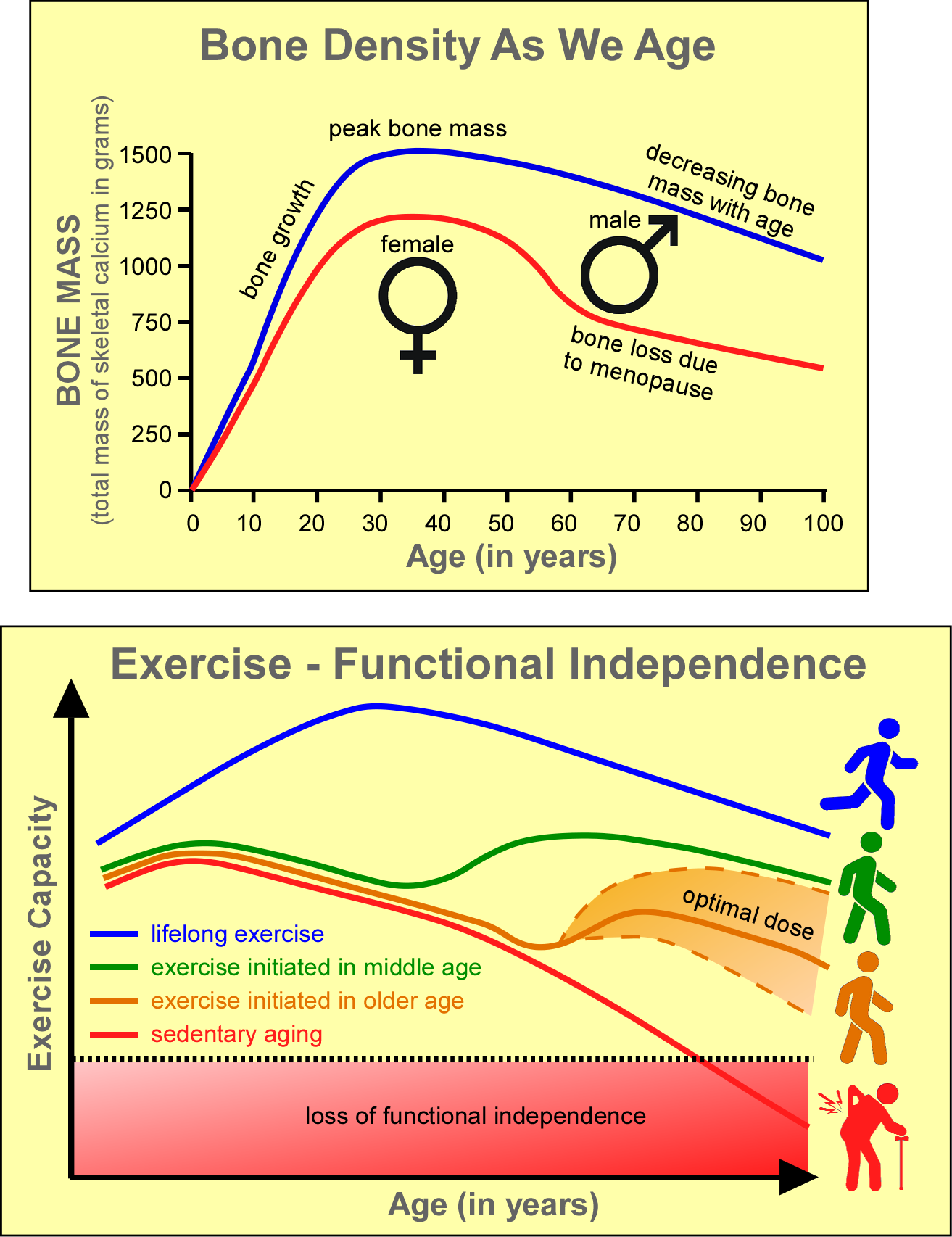
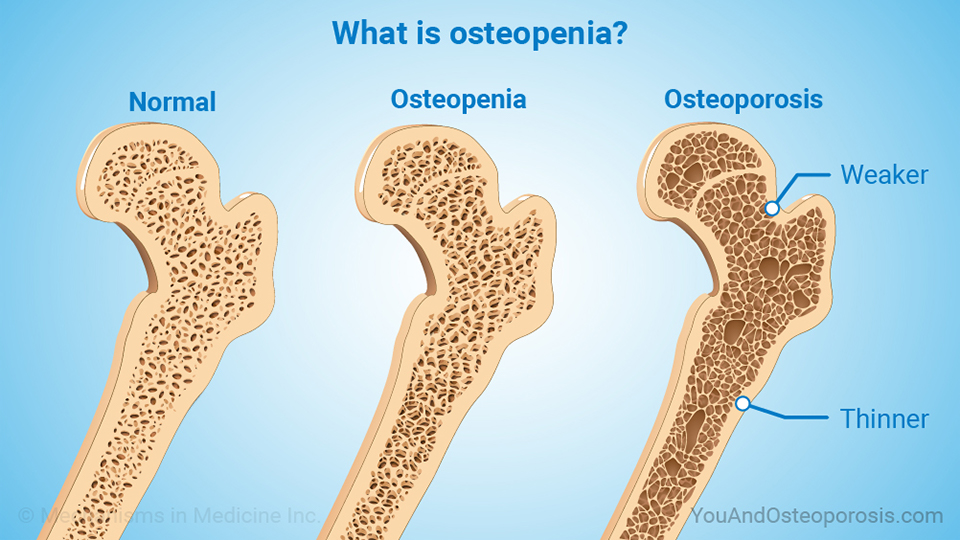
Strong bones prevent fractures from falls, osteopenia and osteoporosis

Shim Yuk practice strengthens muscles which consequently strengthens bones, which helps to prevent osteopenia (bone loss) and osteoporosis (severe bone density loss). Wolff’s Law states that bones become stronger and thicker over time to resist forces placed upon them and weaker and thinner if there are no forces to act against. This principle is important for preventing injuries. Thicker bones are harder to break.

Learning from information on the internet, from video or books can be good. However, to truly get proper instruction, in-person training is usually the best method. Contact me if you have a desire to learn this methods correctly.

______________

I write often about topics that affect our health and well-being. Additionally, I teach and offer lecture about qigong, tai chi, baguazhang, and yoga. I also have hundreds of FREE education video classes, lectures and seminars available on my YouTube channel at:

https://www.youtube.com/c/MindandBodyExercises

Mind and Body Exercises on Google: https://posts.gle/aD47Qo

Jim Moltzan

407-234-0119

www.MindAndBodyExercises.com

www.Amazon.com/author/jimmoltzan

Mind & Body Exercises – the Original CrossFit Training

Before there was Crossfit, there was isometric, aerobic and anaerobic training. Before there was functional training, martial arts utilized exercises that were performance as well as fitness and wellness. Before organized martial arts, there was qigong and its parent of yoga, where exercises were focused on achieving a balanced relationship between the mind, body and self-awareness (spiritual). Many modern exercise and wellness concepts, draw from ancient knowledge and understanding of how humans coexist within nature and not separate from it.

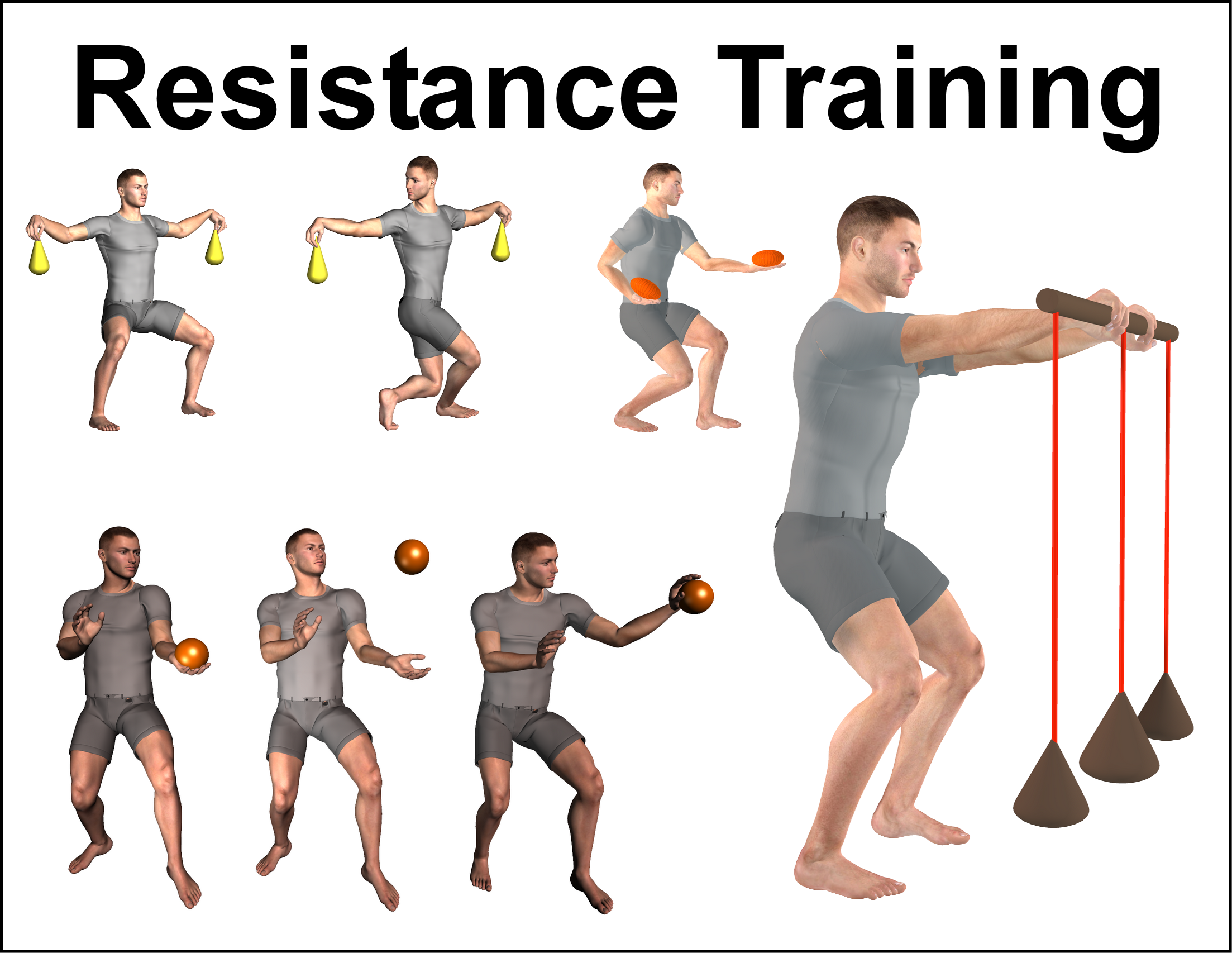
Good health of the lower back starts with good posture. The following set of exercises develop strength, increase muscular range of motion and to a lesser degree – flexibility. Strength in the back, hips and abdomen, provide a strong cage that houses the internal organs. Flexibility in these areas helps to maintain good blood circulation to the organs and lower body. Unique to this set of exercises is the body postures combined with holding a weighted object and the extra awareness required to hold it while also maintaining the correct body alignments. By holding the bottle at the top using only the fingertips, the nervous system is engaged throughout the whole body. Try to hold the static positions or perform moving exercises from 20 seconds to longer intervals such as 1, 2, 5 minutes or longer, to achieve advanced levels of development physically and mentally. Holding positions generally develops strength where as repetitive movements develop flexibility and endurance. Relax the body into the positions in spite of any tension in the muscles. Deep and relaxed breathing is essential while performing these exercises.

Advanced levels of physical and mental strength can be achieved by holding these positions for longer periods of time. Start slowly by holding on one side for a few seconds and then switching to the opposite side. Your determination will increase by trying to hold the bottles up without allowing them to drop from your fingertips. Also, holding the postures longer without failure, will dramatically increase mental strength and tolerance to pain and stress. After diligent practice, over a few months of continuous training, 1-5 minutes can be an obtain able amount of time to hold the bottles and body positions without taking a break from switching to the opposite side. Another variation of these exercises would be to adjust the amount of weight or water in the bottles. Begin with a near empty 16 ounce bottle. Eventually, add more water working up to a 2 liter soda bottle over a few months time.

I write often about topics that affect our health and well-being. Additionally, I teach and offer lecture about qigong, tai chi, baguazhang, and yoga.

For more info, contact Jim Moltzan at info@mindandbodyexercises.com, 407-234-0119 or through my site at http://www.mindandbodyexercises.com

www.Amazon.com/author/jimmoltzan

Methods to Relieve Sciatica & Lower Back Pain

A key concept in relieving pain is to increase flexibility (range of motion) while building strength,
to provide stability and support in the injured areas.

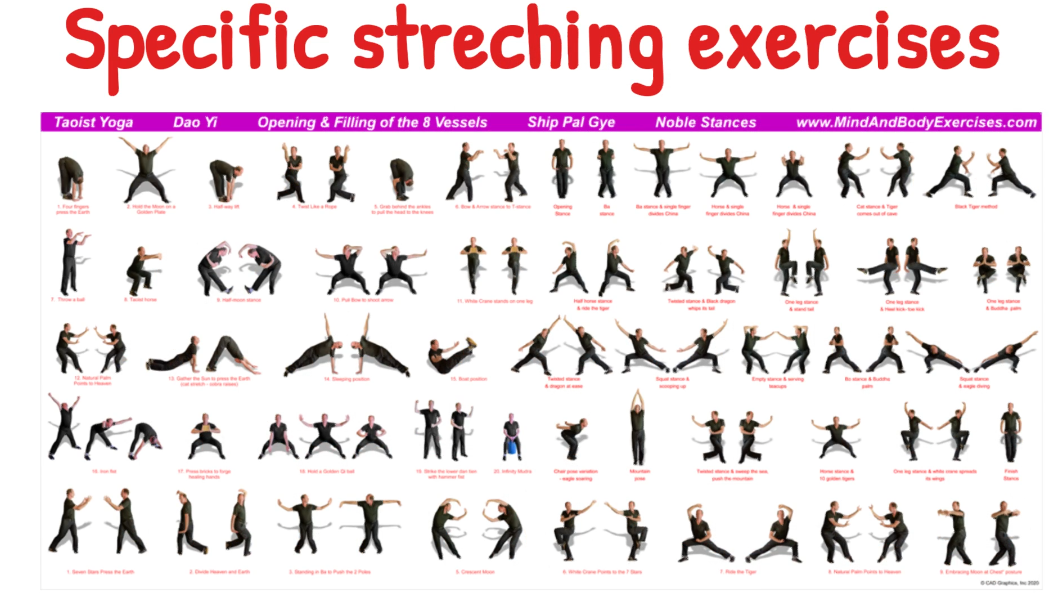
Try to match your body position similar to those as shown. Don’t be discouraged by not being able to achieve these stretches but rather do what your body is capable of. Stretches can be performed on the floor, on a mattress or even in a swimming pool or hot tub. Try for a few seconds in each position for a total of a few minutes. As your flexibility increases in the hamstrings, less tension will be placed on the lower back muscles. Use discretion when attempting any exercise that may cause pain or further discomfort. Exercises where the back is arched forward should be practiced with extreme caution and patience.

Attempt to do some of the exercises everyday for at least a few days in a row. As the pain is relieved, try to add more time for each exercise working up to a total of a half-hour or full hour. As less pain is present, try to maintain a regular schedule of performing these exercises to keep the problem from reoccurring. All stretches should be performed on both sides. Relax the body into the positions in spite of any tension in the muscles. Deep and relaxed breathing (qigong) is essential while performing these exercises.

I am currently offering lectures and classes for group, small group & private instruction in Wekiva, Longwood and Winter Park.

Mind and Body Exercises on Google: https://posts.gle/aD47Qo
Jim Moltzan
407-234-0119
www.MindAndBodyExercises.com
www.Amazon.com/author/jimmoltzan

Ritual Postures

I saw many similarities with the ritual body postures from Felicitas Goodman and my own practices of qigong and daoyin (martial arts yoga). Consequently, I decided to purchase her book, Where the Spirits Ride the Wind, to do more research on these methods. Goodman writes about how a specific posture; the “bear posture” can help heal not only the practitioner but for others in the group setting who were not able to hold the posture (Goodman,1990, pg. 33). This goes beyond the thought that we practice healing methods not just for ourselves, but for others in our group or community, quite similar to why people pray for themselves and/or others.

Goodman has named another posture the “Mayan Empowerment posture” and describes it as being able to help generate healing energies (Monaghan, 1999, pg.41). I have again learned and practiced similar exercises in my qigong training. I think as other cultures, such as Eastern Asian, Native American, South American and others merge into Western and US culture there may be more of a need for scientific research. Documented research may help some of these practices to become more acceptable and mainstream instead of being considered alternative, metaphysical, or even a bit far-fetched for some. Unfortunately, many of these practices do not translate well into the standard of randomized double-blind studies.

In spite of this factor, I learned that the holding of physical postures engages specific muscles group while simultaneously engaging the nervous systems. Either the parasympathetic nervous system (rest and digest response) is engaged with the slow rhythmic breathing or the sympathetic nervous system (fight or flight response) with a rapid rhythmic breathing cadence. Either of these processes can change the blood chemistry to promote healing on different levels. This physiological process can be seen in the other moving meditations practices of yoga, and its offspring of qigong and further spawn of tai chi. I have found (and personally practiced) all of these methods with either slow or fast breathing patterns can put the practitioner in either the meditative or trance state, depending upon background music/sounds, the individual and their intent. This is very much in line with Monaghan’s description of entrainment, where the practitioner’s heartbeat synchronizes with the beat of a drum or other percussion sound (Monaghan, 1999, pg.33). I have learned to practice qigong, tai chi and other martial arts exercises with music consisting of bells, chimes and other percussion instruments with this exact purpose of slowing (or increasing) the heart and breathing rate in order to enter into the meditative state of being.

Some of the postures explained seem simple enough, until one tries to hold the posture for 1 minute, 5 minutes, 15 minutes and maybe even longer. Often times people try a posture the first time for say, 15 minutes or so. But their body and more specifically their muscles and nervous system have not been conditioned much to hold the positions. So their body may begin to fatigue and tremble. Then the blood begins to shunt or pool in the muscles under tension and duress, which draws the blood and oxygen away from the brain which is farthest from the legs, where the blood is pooling. Then the person becomes a little light-headed or faint which leads them to believe they are having some type of weird or spiritual experience, where they probably are not but rather at the beginning steps of trial and error. 

So my advice is to stay relaxed (especially in the neck, face and shoulders) in spite of the tension that will accompany the holding of the posture. Additionally, take the time to build up the length of holding the stationary positions or postures. 

References:

Monaghan, Patricia; Viereck, Eleanor G. (1999) Meditation: The Complete Guide (pg. 33- 41). New World Library. Kindle Edition.

Goodman, Felicitas D. (1990) Where the Spirits Ride the Wind (p. 108). Indiana University Press. Kindle Edition.

__________