Yang Style 24 tai chi

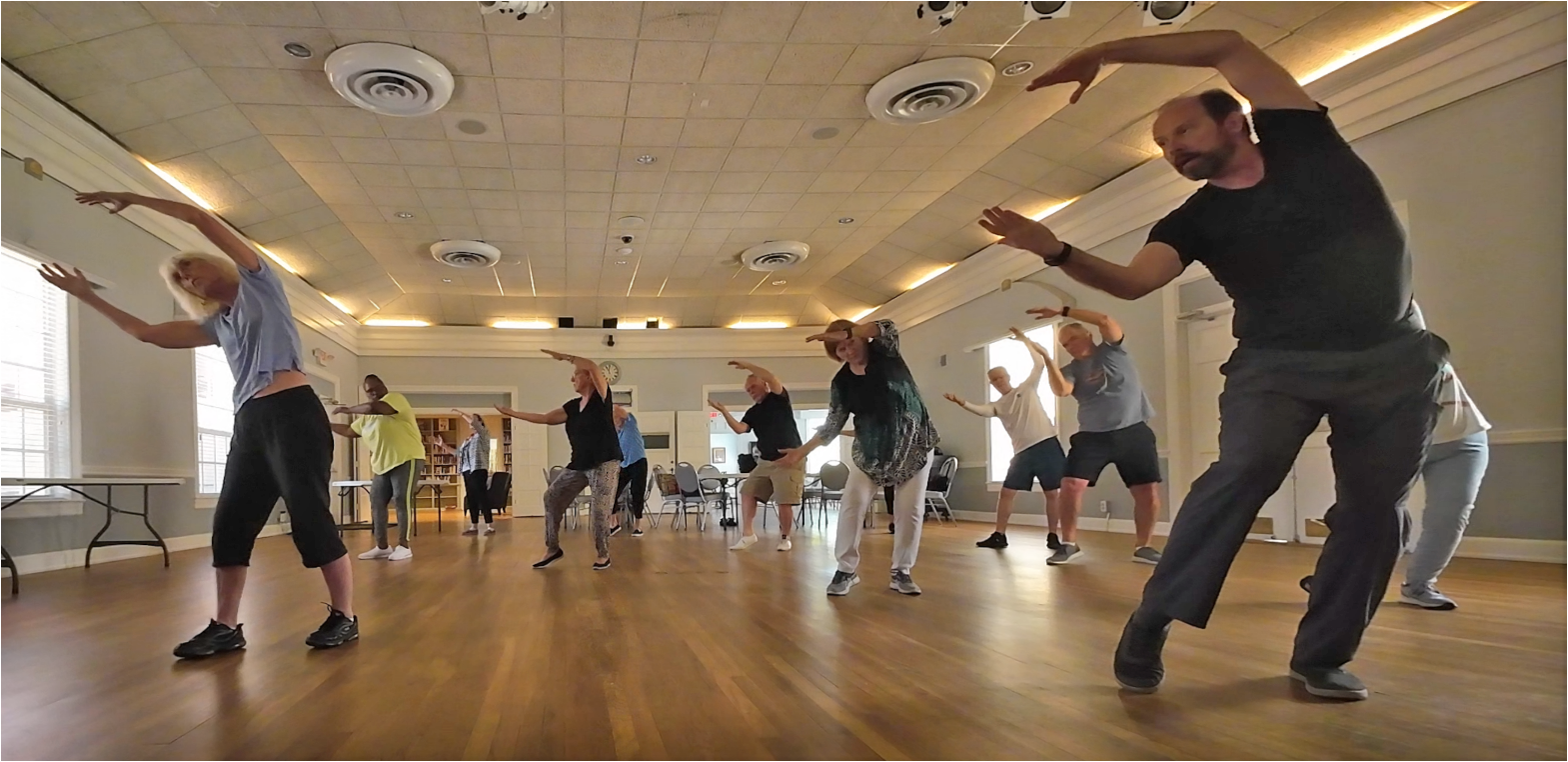
Tai Chi is a powerful art of immense depth consisting of exercise, self-defense and philosophy. The “sets” or “forms” are the structure or the foundation. Forms are individual exercises linked together to form a long flowing series of movements. According to Yang Chan Fu (who is known as the modern father of Tai Chi) “to start learning Tai Chi you have to start with the forms”. There are many styles of Tai Chi, and within each style, each has its different Forms. Even with one well-known form, there are many versions. Students might feel confused facing so many options, or one could take it as an advantage to have so many choices available.

Be well, stay healthy, be wise!

Jim Moltzan

www.MindAndBodyExercises.com

https://www.facebook.com/MindAndBodyExercises/

https://www.youtube.com/c/MindandBodyExercises

https://mindandbodyexercises.wordpress.com/

BaguaZhang (8 trigram palm)

Bagua, Baguazhang, Bagwa, Pakua, Walking Meditation or “walking of the circle” are all names for this style of Kung Fu training. Translated to English is “8 trigram palm”. Bagua is an internal developing style similar to Tai chi and Hsing Yi. Tai chi is often considered to be the softest, Bagua somewhat harder and Hsing Yi the hardest style of the three main internal styles. Hard and soft refer to the control applied to the various movements practiced. Bagua develops stability in motion amongst many other things. Cheng, Chung, Emei, Sun are all styles of Baguazhang.

Benefits include:

  • Calming of the mind
  • Focuses thought
  • Strengthens and relaxes muscles
  • Can be practices as “Moving Meditation”
  • Attention to body alignments
  • Cultivates internal energy (qi)
  • Develops the physical body from the inside out
  • Slow, medium & fast body motions
  • Static (isometric) as well as continuous (isotonic) movements

Deep mindful breathing, specific muscle stretching and deliberate walking techniques are the basis of BagauZhang exercises. Practicing BaguaZhang or Bagua, stepping positions, body postures and changes (transitional stretching movements) enables one to move your body like a spring, being flexible and light but having a lot of strength and power behind the movement. This would be similar to moving as light and smooth as a feather but having the strength and speed of a bear.

Attaining certain body alignments within postures, holding that position and moving from one to another is essential to develop overall strength, coordination, balance and increase of energy flow throughout the body. Proper breathing is important in the development of internal strength and has to be in tune with each movement. These postures can be practiced as static exercises for any length of time (typically 20 seconds to 5 minutes or more), or dynamically while performing the different stepping methods.

__________

Often we look to point the finger how others should be better. Another perspective would be to make ourselves better. Be the best version of ourselves that we can be. Set the example because this action alone can be contagious in a positive way.

Wisdom is a recipe of knowledge and experience obtained over time (age) allowing one to differentiate when is the correct timing to react or not to react. When to do, when not to do. Coming up to a stop sign, you really don’t care to stop your vehicle (your true feeling) but you do because it is the right action (the law) to stop. If a blaring fire engine were to suddenly appear in your rear view mirror, you might choose to move through the intersection and to a space clear of the oncoming 370,000 pounds of moving metal and water (correct action for this situation).

Learn how to maintain health, fitness and wellness with tai chi, gigong and other time-proven methods. Private, small or group instruction.

Take care of yourself because no one else should care more about you than you. Eat better, move more, stress less, be nicer. Be well!

.Jim Moltzan 407-234-0119
www.MindAndBodyExercises.com

https://www.facebook.comMindAndBodyExercises

https://www.youtube.com/c/MindandBodyExercises

https://mindandbodyexercises.wordpress.com/

Masters Council

3 Internal Martial Arts

3 Internal Martial Arts – Tai Chi, BaguaZhang & Hsing Yi

Tai Chi, (TaiJi, Tai Chi Ch’uan), Pa Kua (BaGuaZhang), Hsing Yi (XingYi Quan), and are considered the 3 main Taoist Internal Martial Arts. They incorporate many types of trainings including exercises, forms (sets), breathing exercises (Chi Kung or QiGong), meditation, self-defense and weapons skills. Many of the same benefits derived from qigong can be realized from regular practice of these exercise methods.

Tai Chi, Taiji, T’ai Chi Ch’üan, is an internal Chinese martial art practiced for both its defense training and its health benefits. The term Tai chi (translates to the ”Supreme Ultimate”) refers to a philosophy of the forces of yin and yang, related to the exercises. Though originally conceived as a martial art, it is also typically practiced for a variety of other personal reasons such as stress relief, physical fitness and achieving greater longevity and self awareness. As a result, many training forms exist, both traditional and modern, which correspond to those aims with differing emphasis. Some training forms of Tai chi are especially known for being practiced with relatively slow movements. Chen, Yang and Wu are all styles of Tai chi.

__________

Bagua, Baguazhang, Bagwa, Pakua, Walking Meditation or “walking of the circle” are all names for this style of Kung Fu training. Translated to English is “8 trigram palm”. Bagua is an internal developing style similar to Tai chi and Hsing Yi. Tai chi is often considered to be the softest, Bagua somewhat harder and Hsing Yi the hardest style of the three main internal styles. Hard and soft refer to the control applied to the various movements practiced. Bagua develops stability in motion amongst many other things. Cheng, Chung, Emei, Sun are all styles of Baguazhang.

__________

“San Ti Shi” is Chinese for “Trinity Posture”, also known as the “3 Elements
Form/Posture” or “3 Body Posture”.San Ti Chi is the fundamental posture used in Hsing Yi Chuan (Xing Yi Quan). Hsing Yi is one of the 3 major internal martial arts along with Tai Chi and BaguaZhang. The “three bodies” refers to the three phases all together; heaven-earth-and the human being. It corresponds to the head, hands, and feet in Hsing Yi. These phases are again divided into three sections; spirit-mind-body.

__________

All three styles have many overlapping benefits such as:

  • Calming of the mind
  • Focuses thought
  • Strengthens and relaxes muscles
  • Can be practices as “Moving Meditation”
  • Attention to body alignments
  • Cultivates internal energy (qi)
  • Develops the physical body from the inside out
  • Slow, medium & fast body motions
  • Static as well as continuous movements

__________

Often we look to point the finger how others should be better. Another perspective would be to make ourselves better. Be the best version of ourselves that we can be. Set the example because this action alone can be contagious in a positive way.

Wisdom is a recipe of knowledge and experience obtained over time (age) allowing one to differentiate when is the correct timing to react or not to react. When to do, when not to do. Coming up to a stop sign, you really don’t care to stop your vehicle (your true feeling) but you do because it is the right action (the law) to stop. If a blaring fire engine were to suddenly appear in your rear view mirror, you might choose to move through the intersection and to a space clear of the oncoming 370,000 pounds of moving metal and water (correct action for this situation).

Learn how to maintain health, fitness and wellness with tai chi, gigong and other time-proven methods. Private, small or group instruction.

Take care of yourself because no one else should care more about you than you. Eat better, move more, stress less, be nicer. Be well!

.Jim Moltzan 407-234-0119
www.MindAndBodyExercises.com

https://www.facebook.comMindAndBodyExercises

https://www.youtube.com/c/MindandBodyExercises

https://mindandbodyexercises.wordpress.com/

Masters Council

How to Breathe Deeper

How to Breathe Deeper

Take a deep breath, relax. Do you? Can you?

Take a deep breath-relax

Often when someone tells someone else to relax by taking a deep breath, they do just the opposite and don’t relax. Most people don’t like to be told to relax. Let’s assume you are somewhat stressed, experiencing shortness of breath from minimal activity or know that you are not as healthy as you would like to be. How do you go about breathing deeper in order to reduce stress or just feel more relaxed?

I see people try to take a deep breath (usually one only) when frustrated, angry or anxious. It is usually a big gulp of air coming from an exaggerated sucking action from their mouth. This amounts to taking in one mouthful more of air for about 1 or 2 seconds.  That doesn’t really accomplish much.

Instead of the gulping air method, I suggest trying abdominal breathing. by moving the abdomen outward during inhalation, the diaphragm is engaged allowing the lungs to draw in more oxygen. Squishing the stomach muscles on the exhale pushes more of the carbon dioxide enriched air out of the lungs. Breathing all through the nose also helps with this method of breathing. If you can breath like this regularly and not just once in a while, you can gain more benefits over time. This is how babies and young children breathe instinctively; we change to chest breathing by our habits as we age.

Breathing Patterns2

Diaphragm movement pushes lymph throughout the body, eliminating toxic waste consequently strengthening the immune system.

Other benefits of deep breathing include:

  • Improves blood circulation and oxygenation of cells
  • Changes the blood chemistry to produce “happy” hormones beneficial to organs
  • Toxic C02 waste is eliminated through your breath
  • Stimulates the parasympathetic nervous system
  • Abdominal breathing acts as a pump to massage internal organs
  • Reduces mental and physical fatigue

Ok great, you now know how to breath somewhat deeper.  The other important factors is breathing slower. Why is slower better than faster breathing?

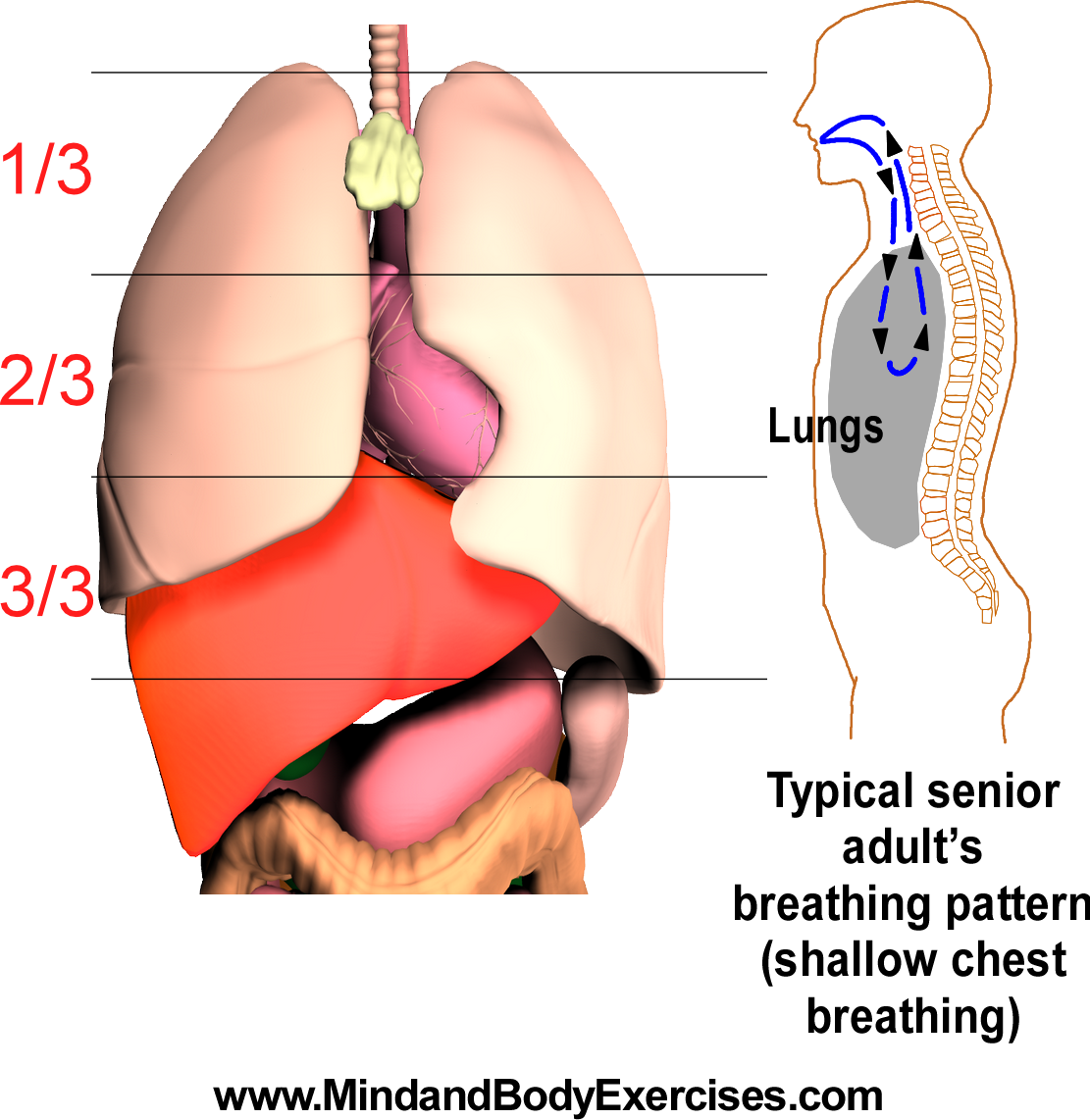
Most humans are breathing on the average, with normal activity about 12-18 breaths per minute (BPM). This amounts to very shallow breaths, using primary the top 1/3 of the lung’s capacity. Shallow chest breathing fills only the upper portion of the lungs. This reduces the ability to effectively oxygenate the circulation system.

Shallow breathing graphic

This “over-breathing” and “under-inhaling” causes an imbalance in oxygen/carbon dioxide gas exchange. This further leads to a ripple effect of other chemical (and hormonal) imbalances.

Poor oxygenation is linked to many modern chronic conditions such as asthma, COPD, obesity, diabetes, insomnia and cancer.

  • Emotions affects breathing rhythms.
  • Emotions effect the sympathetic nervous system which changes the blood chemistry.
  • The body releases cortisol into the bloodstream to counter stress.
  • Chronic elevation of cortisol effects other bodily functions in a negative manner.

How do you get the breath to be slower? With a concentrated effort to change your breathing rhythm. Breathing is one of the few bodily rhythms that we can consciously adjust, along with sleep and elimination. All of these rhythms directly effect our body’s delicate blood chemistry. However, our breath is the root power in bringing oxygen (qi) into our body to nourish it down to the cellular level.

Sitting or standing while trying to deliberately slow your breathing rhythm is sometimes considered meditation; some just call it mindful breathing exercises. Certain activities can help to slow the breathing by just following the rhythm of the activity. Examples of this are slow walking, relaxed swimming, tai chi, qigong, yoga and Pilates.

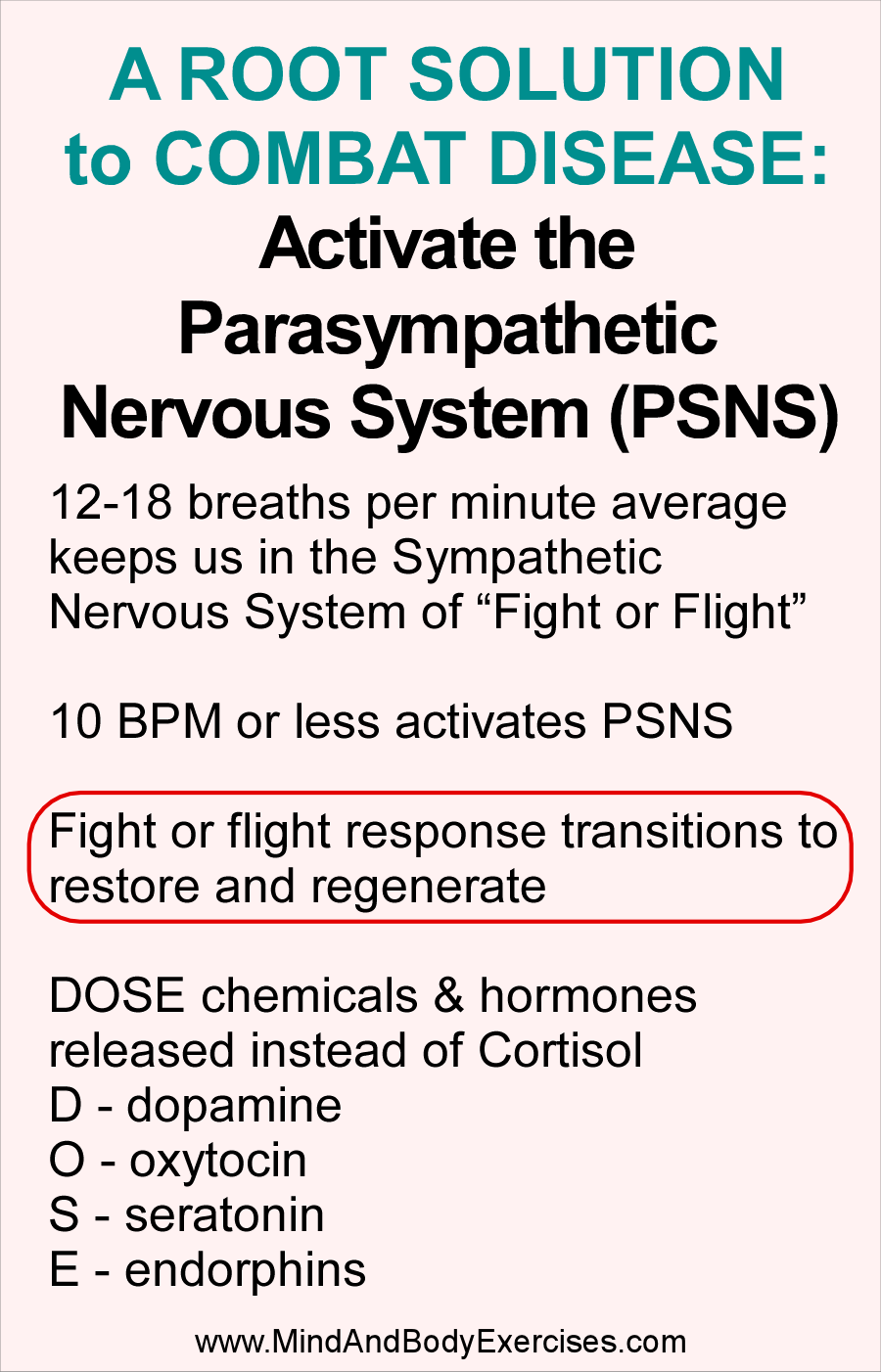
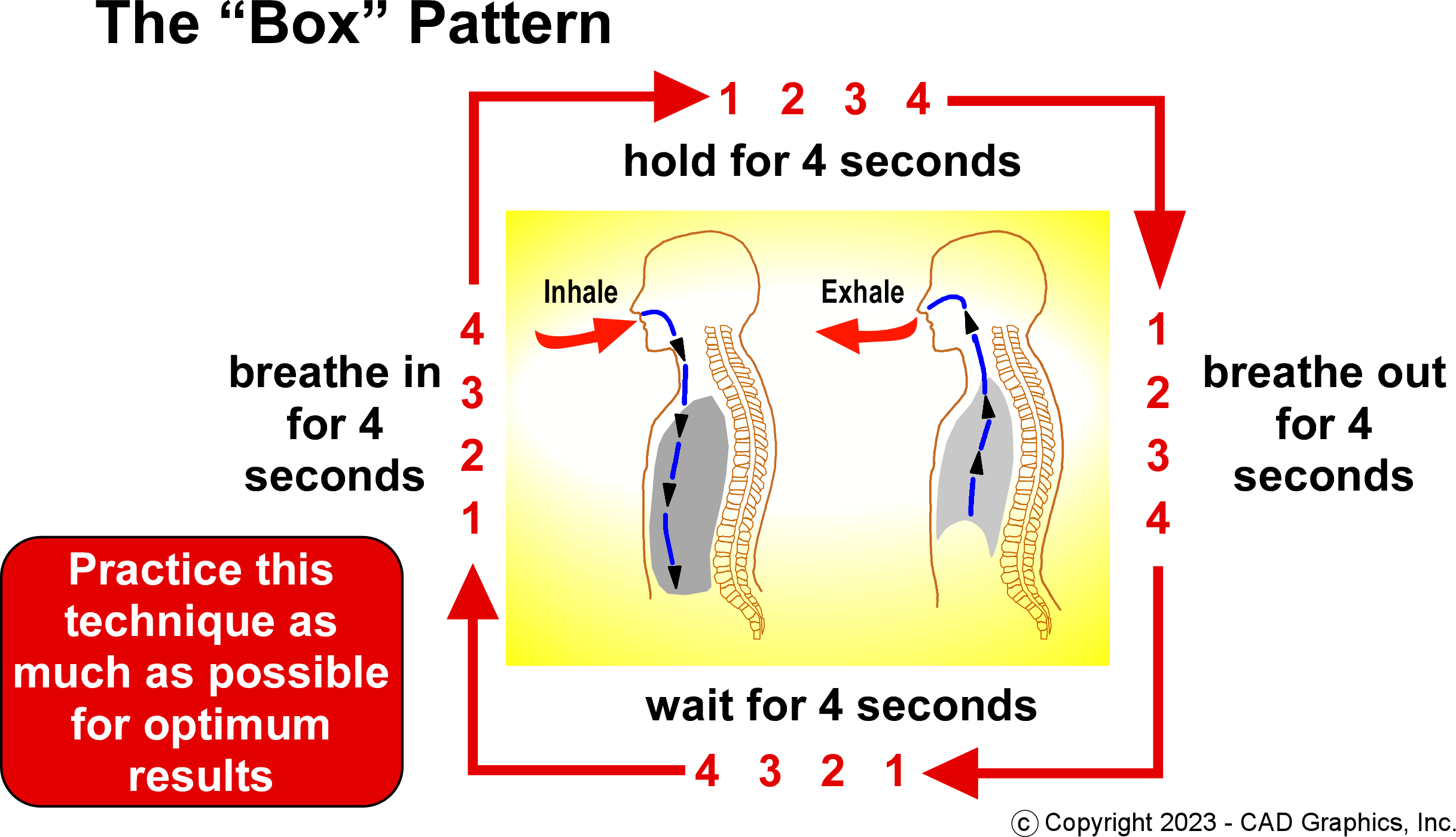
Study the chart to see that if a deliberate effort is made to take a 4 second inhale, followed by a 4 second exhale, one can drop the breaths per minute (BPM) to 7.5 BPM.  10 breaths per minute or less activates the parasympathetic nervous system and the chemical release of dopamine, oxytocin, serotonin and endorphins. Add a 4 second pause before and after the exhale brings the BPM even lower for more health benefits.

Changing Your Breathing Rhythm

The following graphic might give you a better idea of the pros and cons of managing the frequency of your breaths.

Breaths per minute graphic

_______________

For more info, contact Jim Moltzan at info@mindandbodyexercises.com, 407-234-0119 or through my site at http://www.mindandbodyexercises.com
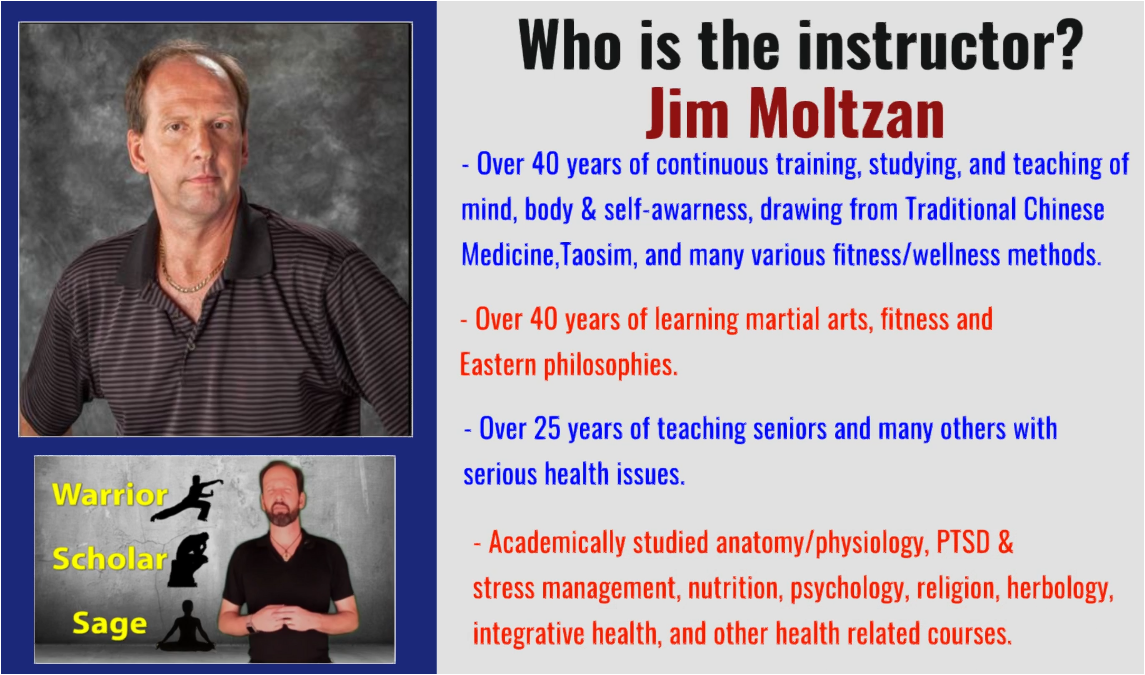
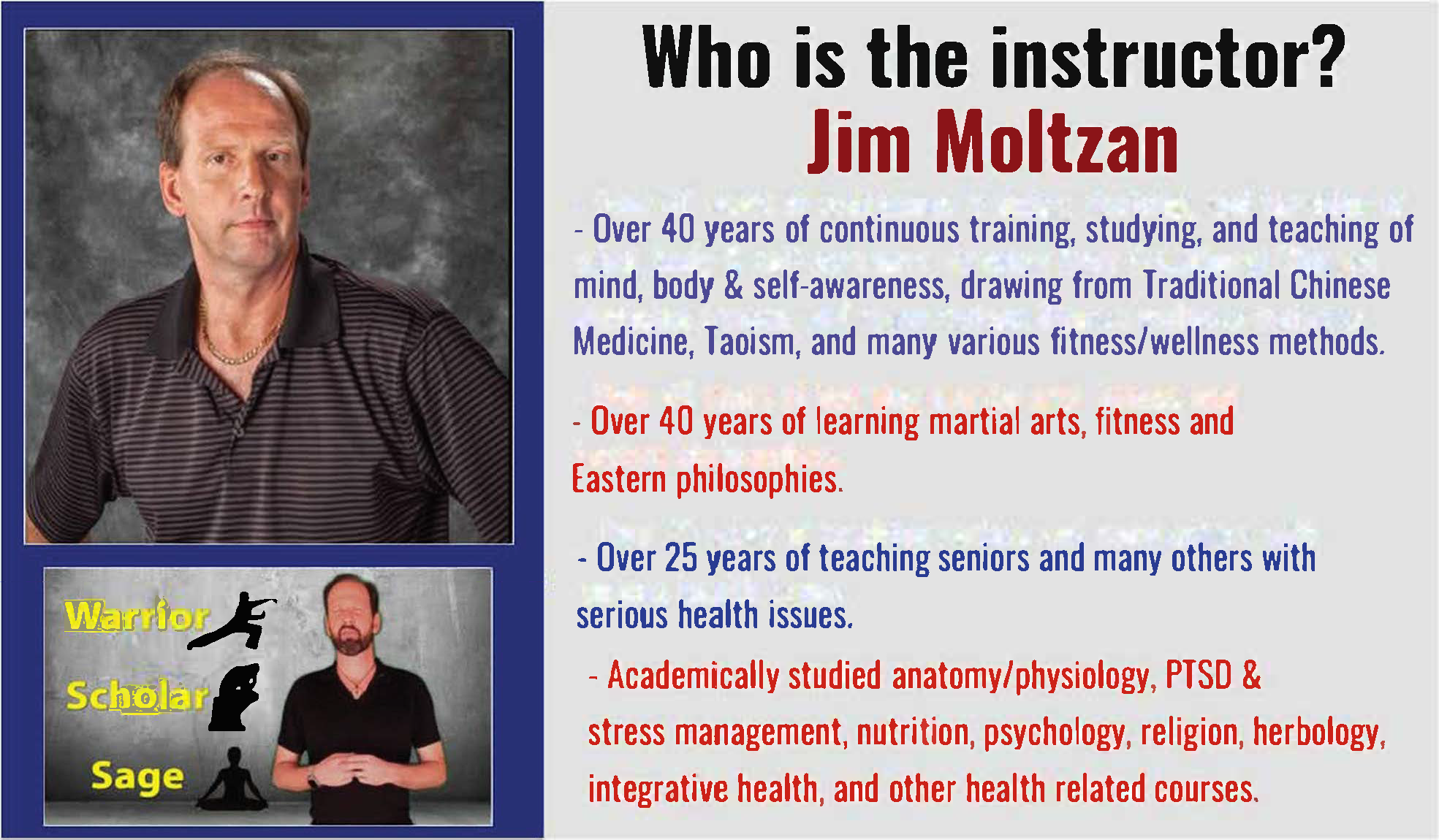
Jim Moltzan started his martial arts training at the age of 16, starting with Korean martial arts and evolving into BaguaZhang, Tai Chi, and Qigong. Jim has been training, studying and teaching for almost 40 years effectively educating hundreds of students.

Master Instructor Jim Moltzan has trained with a diverse group of masters and high-level martial arts teachers of many different disciplines. Jim’s specialty is teaching exercises to improve chronic conditions, working with people of all ages, especially senior adults. Offering guidance and instruction, Jim has also worked with Parkinson Disease patients through Florida Hospital. Jim gives regular lectures as requested by AdventHealth (Florida Hospital) regarding the benefits of Eastern practices.

He is the author and graphic artist of numerous journals, graphic charts and study guides relative to the mind and body connection and how it relates to martial arts, fitness and self-improvement.

Jim continues his training and teaching in the Orlando, Florida area conducting classes, seminars and lectures as his schedule allows. He balances his teachings and businesses with his own personal cultivation and time spent with his wife and two college-age kids.

24 Yang Style Tai Chi

section1

What are “forms” or “sets” of Tai Chi Exercises?
Tai Chi is a powerful art of immense depth consisting of exercise, self-defense and philosophy. The “sets” or “forms” are the structure or the foundation. Forms are individual exercises linked together to form a long flowing series of movements. According to Yang Chan Fu (who is known as the modern father of Tai Chi) “to start learning Tai Chi you have to start with the forms”. There are many styles of Tai Chi, and within each style, each has its different Forms. Even with one well-known form, there are many versions. Students might feel confused facing so many options, or one could take it as an advantage to have so many choices available.

section2

It is helpful and interesting to understand the structure and background history of the forms. Similar to an artist playing a musical composition, it is possible to play music well. To play it as a piece of art, it becomes necessary to understand the inner meaning, intention and structure of the piece.

section3

The Origin of the 24 Forms
The Chinese National Sports Committee authorized the country’s four most renowned Tai Chi experts to compose the 24 Forms in order to popularize Tai Chi; . Based on the Yang style, and by eliminating many repetitions and retaining the essential principles of Tai Chi, the 88 Forms was condensed to only 24 Forms. The 24 Forms is easier to learn, remember and practice taking about five minutes to practice. Anyone can do four times through the form in about 20 minutes. The 24 Forms has become the most popular tai chi form in the world.

section4

The Structure of the 24 Forms
The 24 Forms is divided into five sections. The first section consists of moderate stretching of the upper and lower limbs, which works as warming up for the later exercises. The second section is more challenging with further stretching and turning of the body. The third section contains the most challenging parts with balance exercise and a few kicking movements. The fourth section contains the most technically difficult movements. Lastly, slower movements work as winding down exercises. The 24 Forms has incorporated the essential tai chi principles.

section5

Many Benefits of Tai Chi-2

Be well, stay healthy, be wise!

Jim Moltzan

www.MindAndBodyExercises.com

https://www.facebook.com/MindAndBodyExercises/

https://www.youtube.com/c/MindandBodyExercises

https://mindandbodyexercises.wordpress.com/

https://umareg.com/masters-council/