Mindful Breathing Practices as an Option for Coping with Trauma

This is yet another of my posts on my scholarly research into the benefits of exercise, and more specifically methods of mindfulness (such as qigong) as treatments for mental health ailments.

Various types of traumas exist such as that of child abuse, sexual abuse, domestic violence, community violence, non-interpersonal trauma, death, or serious illness of a loved one, being bullied, physical assault, threats of aggression, exposure to combat among others. Various types of traumas can have a wide range of different psychological effects and outcomes. Potentially traumatic life events (PTLE) are negative incidents that may potentially compromise an individual’s ability to cope with a considerable amount of stress, resulting in a fear of death, destruction, or even insanity. Recent research has found that exposure to trauma is much more prevalent than previously recognized, where between 50% – 75% of individuals have encountered potentially traumatic situations. Self-medicating through use of various substances may be utilized to counter adverse psychological symptoms, however substances can also increase affective dysregulation and mental discomfort. This may lead to a vicious cycle of an increased desire to further self-medicate, creating a possible opportunity for other addictive behaviors (Levin et al., 2021).

There is evidence supporting that mindful breathing practices can be an effective alternative to using pharmaceuticals for treating those that suffer from past trauma. Mindful breathing practices encourage empowerment of the individual to be proactive towards their own wellbeing. Mindful breathing classes are becoming more popular with those suffering from trauma. While some sufferers of trauma may find mindful breathing practices to be time consuming or not worth the effort, mindful breathing practices can be effective in helping people better cope with trauma, are relatively easy to learn and practice, are generally inexpensive and available to most people.

It is estimated that more than 80% of the US population will be subject to some type of traumatic event during some time in their lives, with over 8% of those exposed going on to develop post-traumatic stress disorder or PTSD (Schein et al., 2021b). While there are many types of traumas, post-traumatic stress disorder (PTSD) is one of the most common. PTSD sufferers are more prone to experience symptoms of substance abuse, anger, irritability, depression, distractibility, irritability, sleep disorders, relationship conflicts, issues in their workplace, chronic pain, suicide, and other medical issues (Colgan et al., 2017).

A recent study reports of PTSD’s 1-year prevalence spanning from 2.6% – 6.0% with civilians and ranging from 6.7% – 11.7% with US veterans. The lifetime prevalence spanned from 3.4% – 8.0% with civilians and from 7.7% – 13.4% with veterans. Women have almost twice the 1-year prevalence of PTSD compared to men, as do veterans also having roughly twice the prevalence of that of civilians. Overall estimates are quite varied due to the underdiagnosed character of this psychiatric disorder, the heterogeneity or diversity of a population, and the potential for misdiagnosis. Various subpopulations have been reported to have higher prevalence of being diagnosed with PTSD such as emergency 1st responders, American Indian/Alaska Natives, trans-masculine individuals, persons with substantial substance use, those having attempted suicide, females with previous military sexual trauma, and refugees. Additional risk factors would be young persons, females, lower income individuals, and those with mental health disorders (Schein et al., 2021b).

Mindfulness is based on philosophical perspectives from Buddhist teachings, where one would focus on sustaining their attention in a specific manner, with intent, without judgement, and having a purpose, while striving to be present in the moment (Kabat-Zinn, 2003). Mindful based interventions (MBI) are rooted in methods that had been distilled over thousands of years in Eastern philosophies. Most of these methods require the individual to become strongly motivated to commit to making conscious changes in their everyday lives (Marzillier 2014). Researchers have classified 12 various categories of mindfulness-based interventions (MBIs) which would include focused attention, redirecting disturbing thoughts of events, letting go of negative thoughts, emotions, or physical pain. Also, relaxing/calming and slowing down, coping with sleep disorders, thinking logically and rationally, mantra techniques, reduction in flashbacks, sharing of thoughts and feelings more constructively, and self-awareness of spirituality (Colgan et al., 2017). MBI methods also may include breathing-based meditation (with rhythmic breathing), mindfulness meditation (participants strive to remain present), compassion meditation (loving‐kindness meditation) and Transcendental meditation (practitioners repeat or focus upon a mantra) (Haider 2021). Consistent practice with personal experience in applying mindfulness to one’s own life on a daily basis, is a basic requirement that is found with all the MBIs. Mindfulness-based stress reduction (MBSR) has integrated basic techniques from yoga and meditation to the benefit of people who had never imagined implementing such methods (Marzillier 2014). Mindfulness-based stress reduction (MBSR) was first introduced by John Kabat-Zinn, focuses on the practice and refinement of mindfulness techniques, specifically of sitting meditation, body scanning, and mindful movement of the body with methods of yoga and tai chi (Reangsing 2021). It is important to note that not all mindfulness-based interventions are considered as being yoga, tai chi and qigong. However, by their definition yoga, tai chi and qigong are mindfulness-based interventions in that they all utilize within their practices the concept of mindful breathing (MB). MB is basically where the practitioner attempts to bring sustained awareness to their breath as it enters through their nostrils and then rises and falls in their lungs with each following respiration. There are many more methods that vary in their specific benefits and relative complexity.
A study was conducted for 6-weeks as part of a bigger study at the Oregon Health and Science University (OHSU) Neurology Department ongoing from 2009-2013, with 102 veterans (96 males and 6 females) having been previously diagnosed with chronic PTSD and averaging 52 years of age. The goal of this study was to research the physiological benefits of slow breathing (SB) compared to mindfulness, in people with PTSD. The participants were tasked with engaging with 1 of 4 mindfulness methods consisting of mindful breathing (MB), slow breathing, body scanning (BS) or sitting quietly (SQ). Participants using MB techniques used a tape or CD of a 20-minute guided meditation, where they were to practice daily at their homes. They were directed to sit upright while attempting to bring their awareness to that of their breath as it entered through the nostrils and then fell to their chest and abdomen. If their focus strayed from the breath, they were directed to just acknowledge the distracting thought, allow it to pass, and then return awareness to their breath. The study results reported six key benefits from the participants’ responses, which consisted of a greater ability to relax, an improvement in coping skills, an enhanced awareness of being in the present, an increase in nonreactivity, an improvement in nonjudgmental acceptance, a reduction in stress reactivity and less physiological arousal. The participants in the body scan and mindful breathing groups, reported more positive benefits in reducing PTSD symptoms, then those in the slow breathing or quiet sitting groups (Colgan et al., 2017).

A randomized control trial from 2014 included 21 US veterans diagnosed with PTSD. Participants were introduced to breathing-based meditation utilizing Sudarshan Kriya Yoga, where they took part in a 7-day, 21-hour total intervention with a daily group yoga class lasting for 3 hours. At the end of the intervention, members reported reductions in anxiety symptoms, and a lower rate of breathing. In a similar study with 102 veterans in 2016, participants were randomized to 3 different types of MBI being that of sitting quietly (SQ), slow breathing (SB), mindfulness meditation (MM), MM with SB, and SB with a biofeedback device. SB and MM groups met once a week for 6 weeks while practicing at home and on their own for 20-minintes a day. The results reported the most improvements in PTSD symptom scores in the MM group, with the next most being the MM plus SB group, followed by the SQ group and finally the SB group (Haider 2021).

Depersonalization disorder (DPD) is another condition that may result from exposure to traumatic events. Symptoms of DPD would be delusions, or a feeling of being an outside observer to one’s own actions, feelings, thoughts, and sensations, while also experiencing a detachment in regard to their surroundings. Research supports that mindful breathing may immediately help DPD patients reduce feelings of depersonalization by increasing feelings of being grounded. The theory is that by directing self-awareness towards the physical sensations of one’s own breathing while listening to particular sounds, patients become more grounded in focusing on their breathing than losing themselves in ruminative self-observation. Ruminative and detached self-observation are thought to be key components in mechanisms that regulate depersonalization. Mindfulness exercises may allocate cognitive resources to limbic and insular cortices pathways that process emotional stimuli and thereby aid in managing damaged self-awareness (Michal et al., 2013).

Other research finds that there is a strong correlation between reduced orbitofrontal and ventromedial prefrontal cortex (vmPFC) blood circulation derived from childhood emotional abuse, where individuals had experienced repetitive stressful events over a particular length of time. The orbitofrontal and vmPFC sends signals to the amygdala. There is speculation that a deficiency in consistent orbitofrontal and vmPFC activity, along with hyperactivity of the amygdala responding to repetitive stress, might be a strong indicator of being susceptible to depression. Further research indicates that healthy adults may be able to consciously control their emotions by increasing their vmPFC activity if exposed repetitively to a stressor. This is important to note that from previous research, that repeated mindful breathing over a prolonged period of time, can result in reduced agitation of areas of the brain that regulate emotional status such as the amygdala and thalamus, and imagery memory management from the hippocampus and fusiform gyrus (Wang et al., 2013).

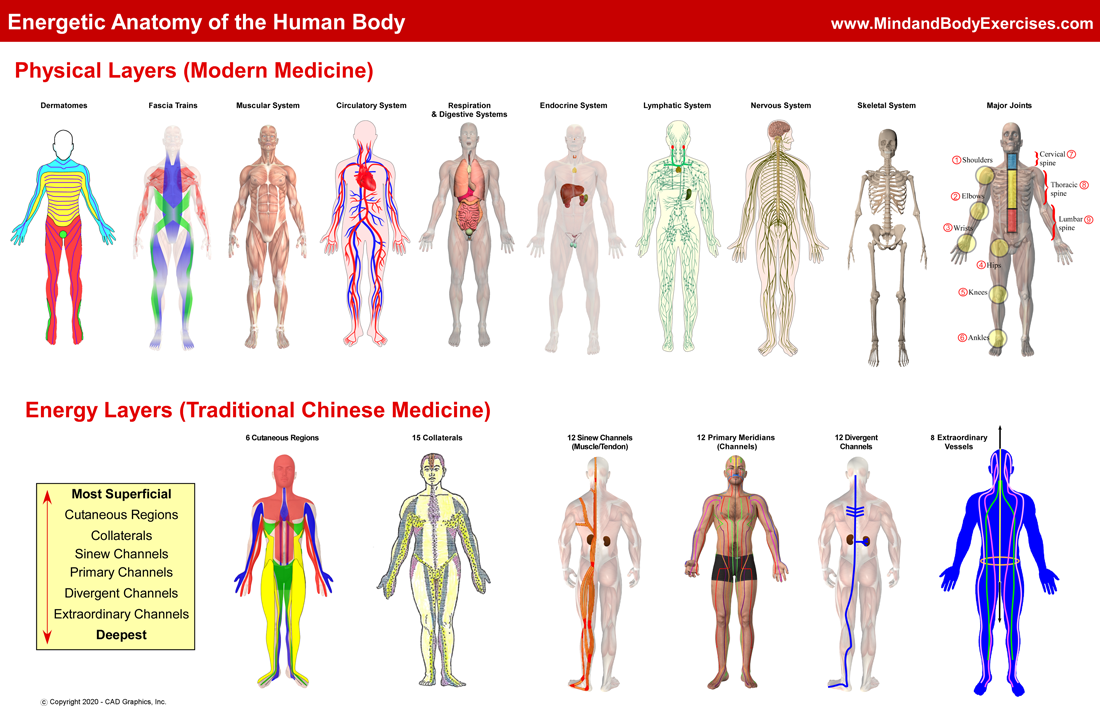
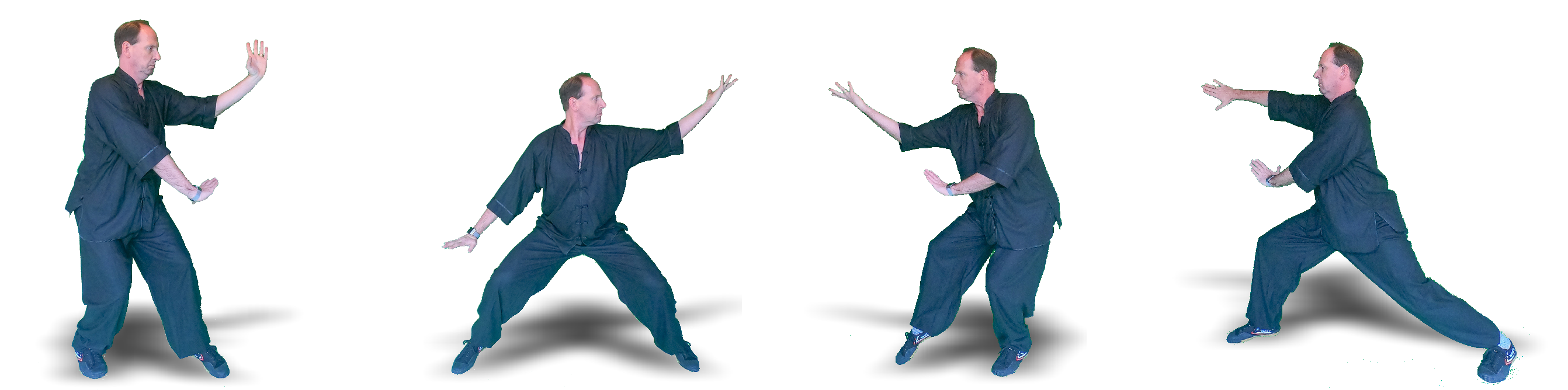
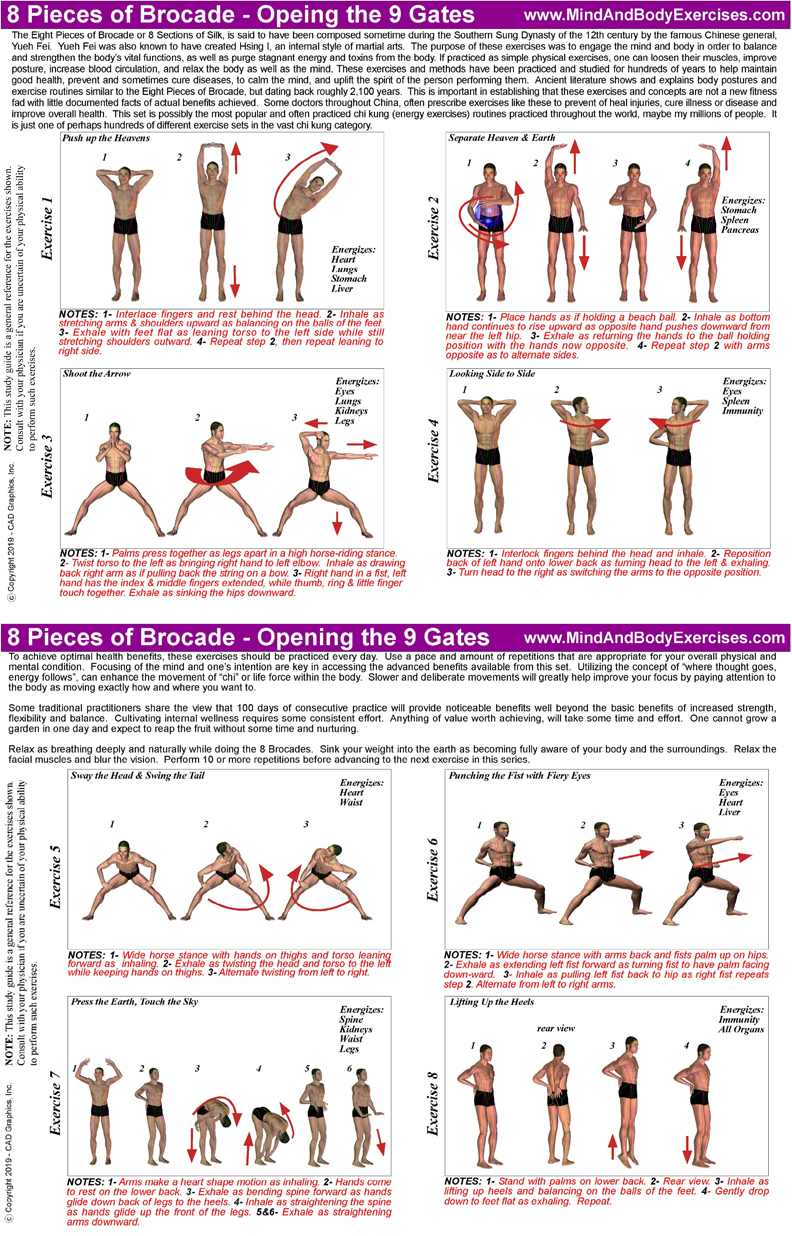
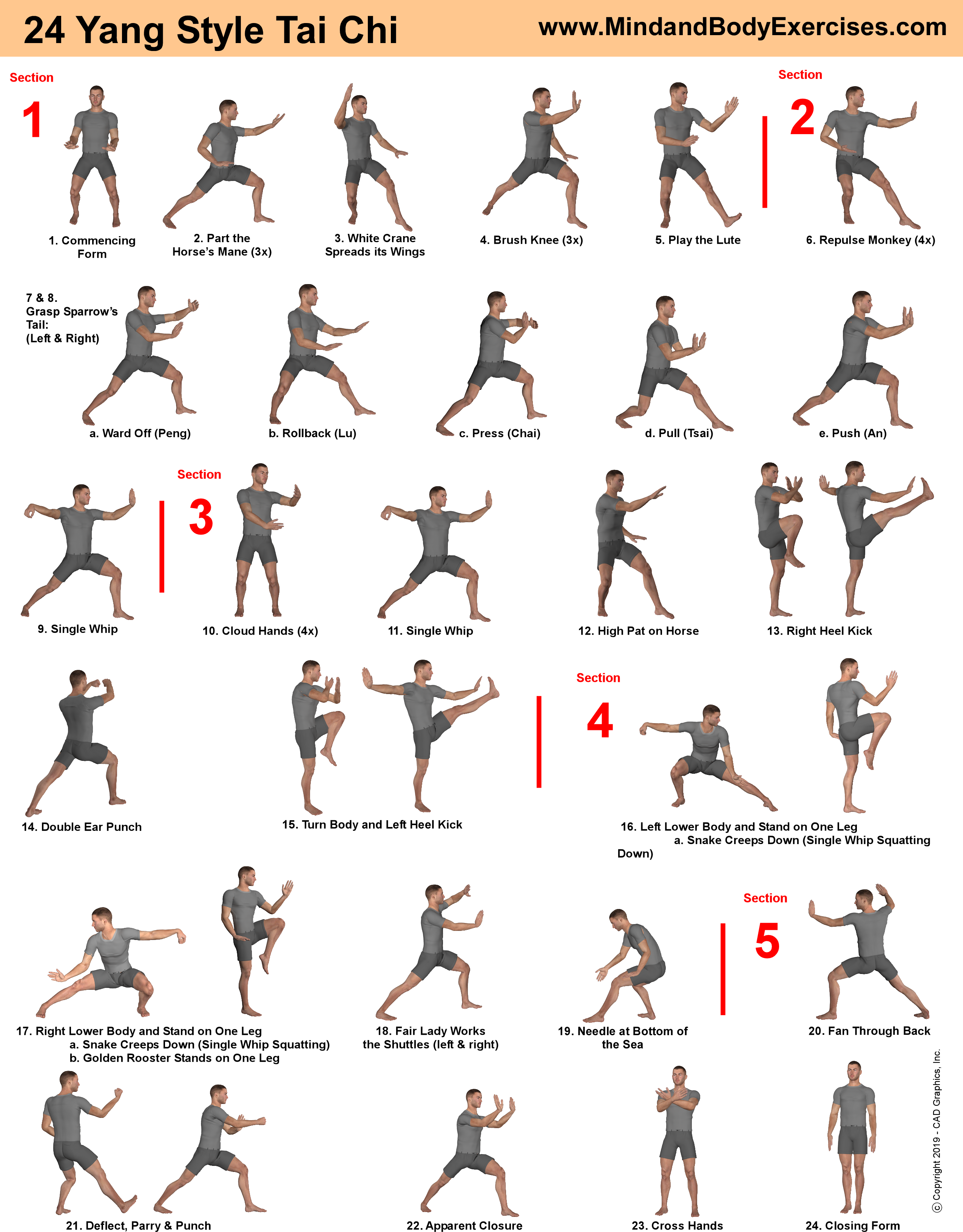
Traditional Chinese Medicine (TCM) offers a much different perspective on trauma, from that of allopathic medicine. TCM views our life force or qi, which can become blocked, depleted, scattered, and even injured by a wide spectrum of environmental and psychological causes, such as trauma. TCM recognizes that trauma can be directly experienced and even inherited from our parents. Injuries to one’s qi from external factors as well as traumatic events, affect the energy meridians which transport qi, as well as the physiological organ systems (Aanavi, 2014). One of TCM’s branches of treatment is qigong, or literally translated to “breath work”. Taijiquan (tai chi or taiji) is perhaps the most commonly known type of qigong practice. Qigong offers a huge curriculum of traditional practices that can cultivate, increase, focus, and even heal one’s qi through specific physical exercises and deliberate regulated breathing methods. Qigong offers both medical and martial applications through mindfulness and self-awareness. Recent studies regarding Tai chi qigong (TCQ) practice reported overall high satisfaction. There were no apparent negative reactions nor side effects. In one study participants noted muscle soreness that decreased later in the treatment duration. Other reported that participants found the sessions to reduce stress, were relaxing and/or calming and showed a reduction in mental health symptoms of PTSD, such as anxiety and depression. Other studies reported of increased feelings of empowerment and control over their symptoms. Also, better sleep quality, reduction in pain, improvement in physical functioning, increased ability to focus. One study did note some obstacles in their participation, like scheduling conflicts, emotional issues, work conflicts, transportation challenges and physical or health-related limitations (Niles et al., 2022).
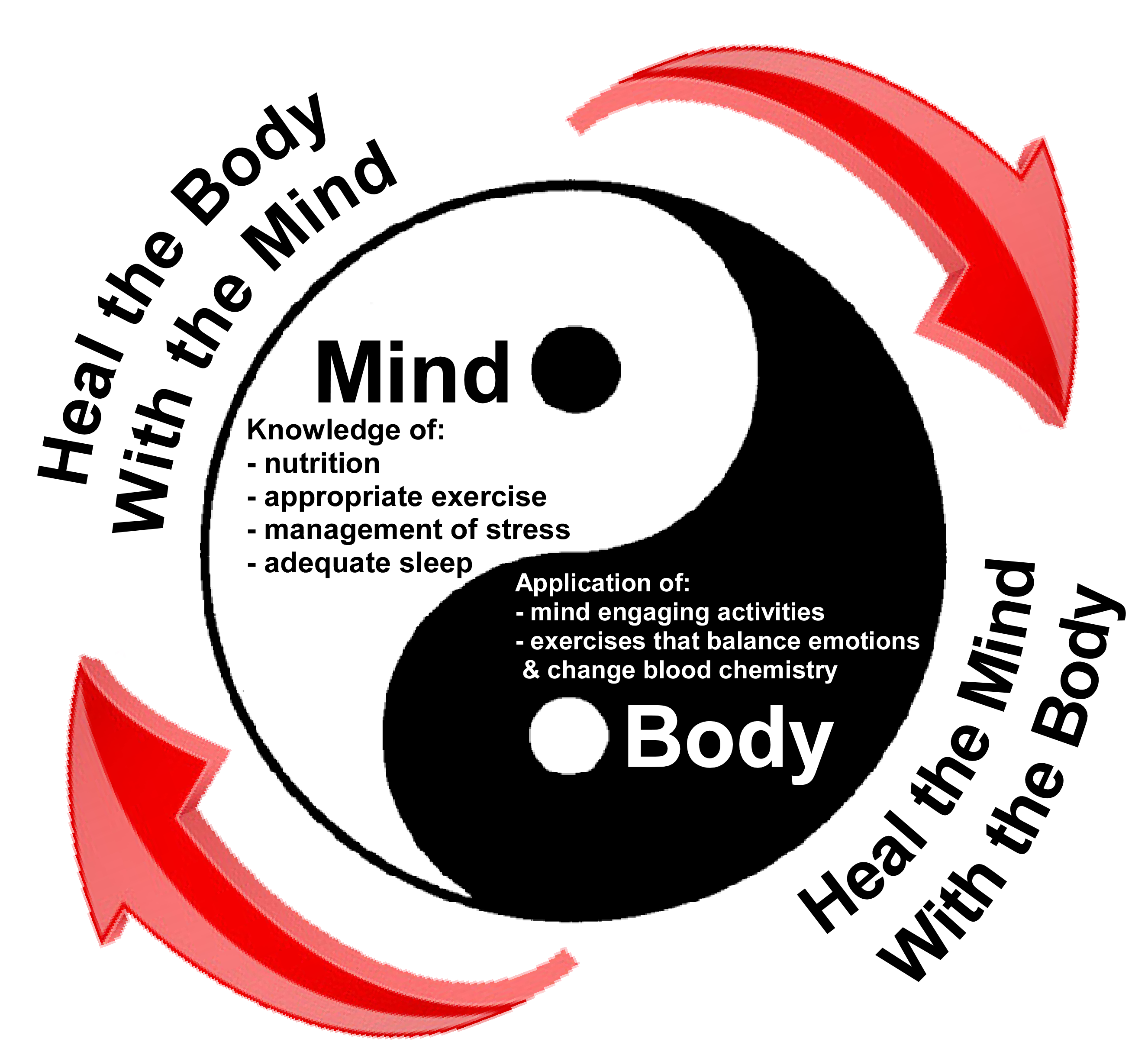
While these studies do offer much to contemplate regarding the many psychological and physical benefits from such practices, the data needs to be more accurately and purposefully organized and compiled. There are many more factors that come into play regarding the efficacy of mindful breathing practices that many of these studies did not address, such as length, duration, and intensity of a particular practice session. Additionally, the type or style of the methods as well as the attitude, experience, and qualification level of the instructor, and sometimes the student/patient can have effects on desired outcomes from practicing these methods. Regardless of these factors, studies do support mindful breathing practices as being an effective treatment option for coping with past experiences from trauma events.
References

Aanavi, M. (2014). Trauma, Qigong, And Trust. California Journal of Oriental Medicine (CJOM), 25(1), 23–25.
Colgan DD, Wahbeh H, Pleet M, Besler K, Christopher M. (2017). A Qualitative Study of Mindfulness Among Veterans With Posttraumatic Stress Disorder: Practices Differentially Affect Symptoms, Aspects of Well-Being, and Potential Mechanisms of Action. Journal of Evidence-Based Complementary & Alternative Medicine. 2017;22(3):482-493. doi:10.1177/2156587216684999


Haider, T., M.P.H., Dai, C., PhD., & Sharma, M., PhD. (2021, Winter). Efficacy of meditation-based interventions on post-traumatic stress disorder (PTSD) among veterans: A narrative review. Advances in Mind – Body Medicine, 35, 16-24. Retrieved from https://northernvermont.idm.oclc.org/login?url=https://www.proquest.com/magazines/efficacy-meditation-based-interventions-on-post/docview/2494554894/se-2

Kabat-Zinn, J. (2003). Mindfulness-based interventions in context: Past, present, and future. Clinical Psychology: Science and Practice, 10(2), 144–156. https://doi.org/10.1093/clipsy.bpg016


Levin, Y., Lev Bar-Or, R., Forer, R., Vaserman, M., Kor, A., & Lev-Ran, S. (2021). The association between type of trauma, level of exposure and addiction. Addictive Behaviors, 118. https://doi-org.northernvermont.idm.oclc.org/10.1016/j.addbeh.2021.106889

Marzillier, J. (2014). The Trauma Therapies: Vol. First edition. OUP Oxford.
Michal, M., Koechel, A., Canterino, M., Adler, J., Reiner, I., Vossel, G., Beutel, M. E., & Gamer, M. (2013). Depersonalization disorder: Disconnection of cognitive evaluation from autonomic responses to emotional stimuli. PLoS ONE, 8(9). https://doi-org.northernvermont.idm.oclc.org/10.1371/journal.pone.0074331


Niles, B. L., Reid, K. F., Whitworth, J. W., Alligood, E., Williston, S. K., Grossman, D. H., McQuade, M. M., & Mori, D. L. (2022). Tai Chi and Qigong for trauma exposed populations: A systematic review. Mental Health and Physical Activity, 22. https://doi-org.northernvermont.idm.oclc.org/10.1016/j.mhpa.2022.100449

Reangsing, C., Punsuwun, S., & Schneider, J. K. (2021). Effects of mindfulness interventions on depressive symptoms in adolescents: A meta-analysis. International Journal of Nursing Studies, 115. https://doi-org.northernvermont.idm.oclc.org/10.1016/j.ijnurstu.2020.103848


Schein, J., Houle, C., Urganus, A., Cloutier, M., Patterson-Lomba, O., Wang, Y., King, S., Levinson, W., Guérin, A., Lefebvre, P., & Davis, L. L. (2021b). Prevalence of post-traumatic stress disorder in the United States: a systematic literature review. Current Medical Research and Opinion, 37(12), 2151–2161. https://doi.org/10.1080/03007995.2021.1978417

Wang, L., Paul, N., Stanton, S. J., Greeson, J. M., & Smoski, M. J. (2013). Loss of sustained activity in the ventromedial prefrontal cortex in response to repeated stress in individuals with early-life emotional abuse: implications for depression vulnerability. Frontiers in psychology, 4, 320. https://doi-org.northernvermont.idm.oclc.org/10.3389/fpsyg.2013.00320

I write often about topics that affect our health and well-being. Additionally, I teach and offer lecture about qigong, tai chi, baguazhang, and yoga. I also have hundreds of FREE education video classes, lectures and seminars available on my YouTube channel at:

https://www.youtube.com/c/MindandBodyExercises

Mind and Body Exercises on Google: https://posts.gle/aD47Qo

Jim Moltzan

407-234-0119

www.MindAndBodyExercises.com

www.Amazon.com/author/jimmoltzan

Yoga as a Treatment for Post-Traumatic Stress Disorder

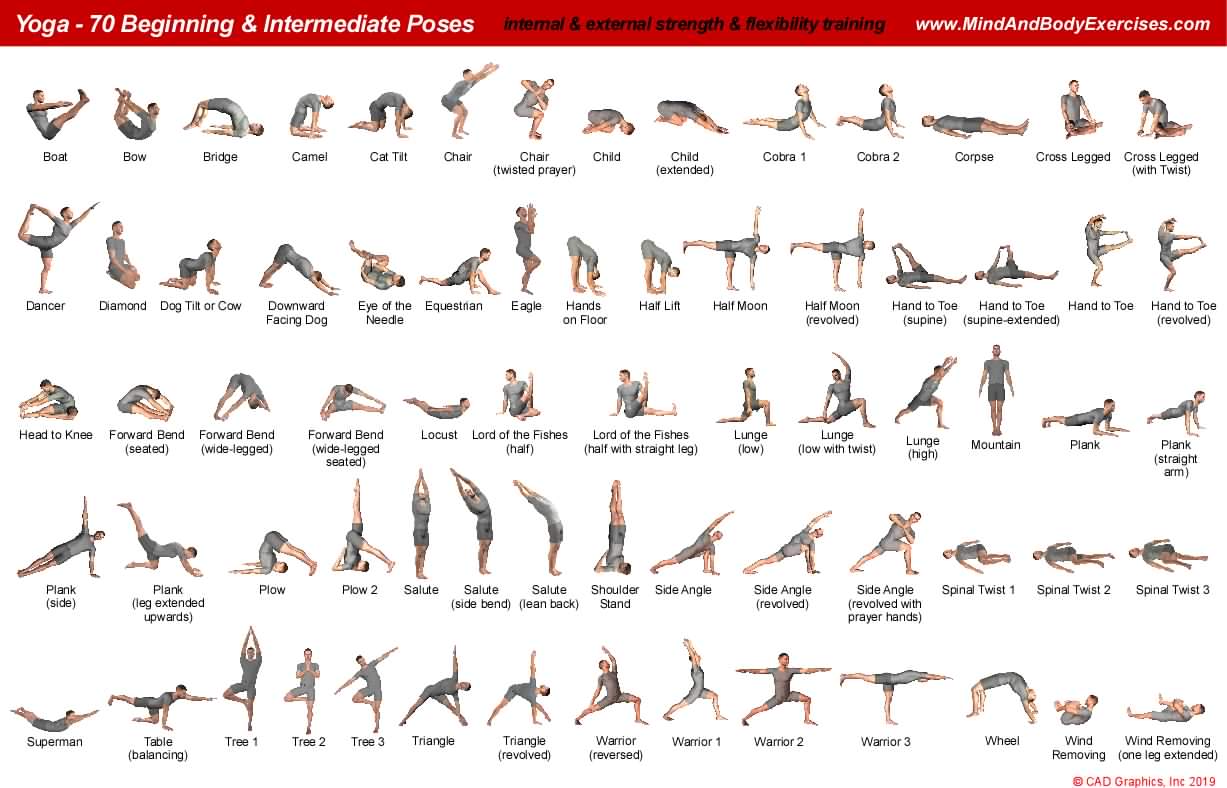
This post continues my scholarly research into the benefits of exercise, and more specifically yoga, its sibling of qigong and other methods of mindfulness as treatments for mental health ailments.

The Center for Disease Control and Prevention (CDC) conducted a large-scale web-based survey of 5000 adults in the United States with results reflecting that almost all were affected by at least one adverse mental or behavioral health issue related to the COVID-19 pandemic. Results also showed that more than one-quarter of the participants experienced symptoms of post-traumatic stress-related disorder or PTSD (Nagarajan et al., 2022). Post-traumatic stress disorder is described as a psychological health condition that may emerge in response to experiencing traumatic events, such as severe injuries, assault, natural disasters, and war. PTSD is a worldwide health issue and of concern in the United States, occurring across many demographics but with prevalence in affecting post-war veterans (Piotrowski et al., 2022). Alternative methods have been becoming more acceptable within the field of PTSD treatment. The purpose of this paper is to help determine how effective practices such as yoga and similar mindfulness practices can be an option when treating symptoms of PTSD. Veterans and others with PTSD can possibly benefit immensely from yoga and mindfulness methods based upon past and recent research (Neukirch et al., 2019).

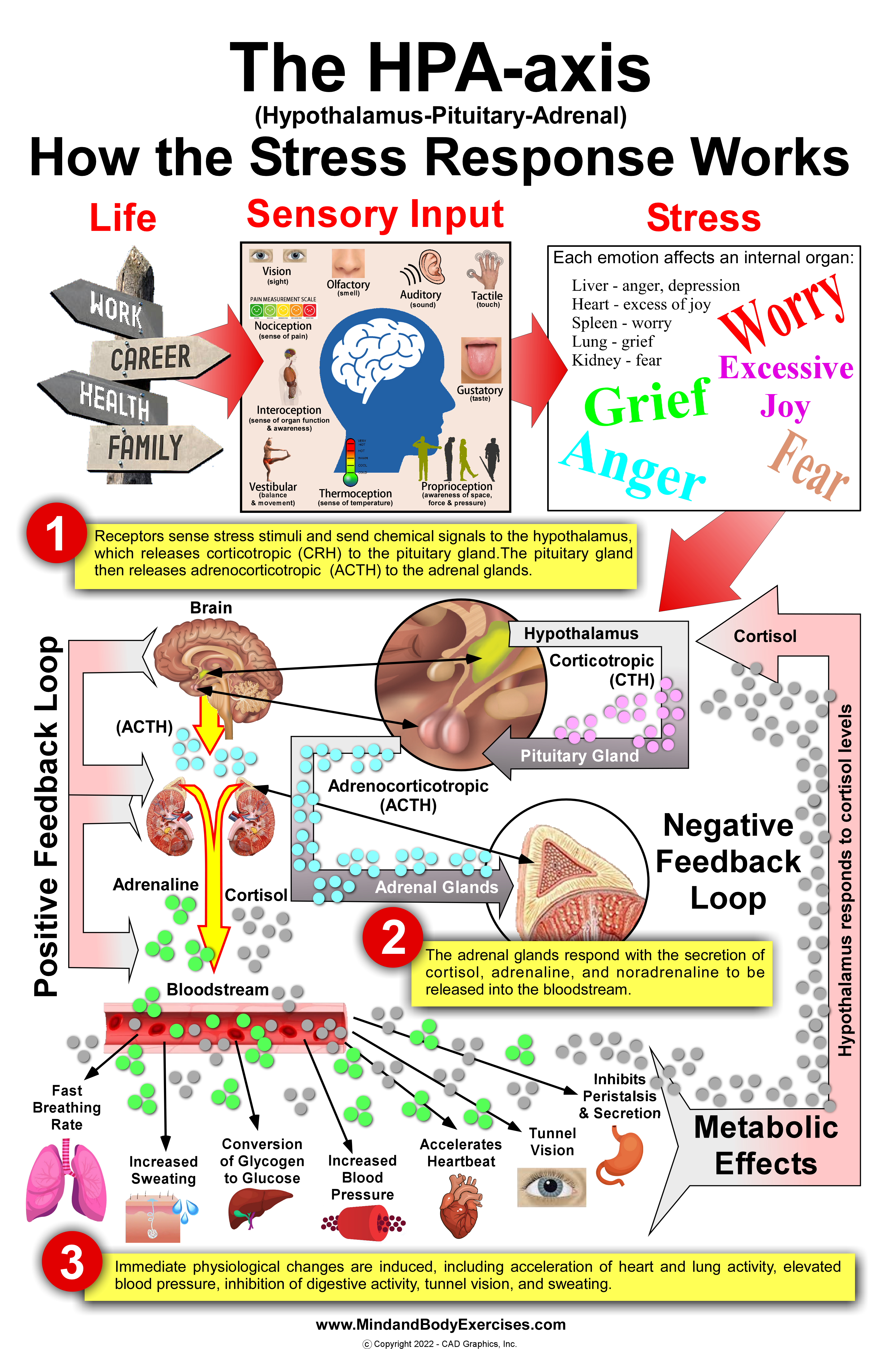
Yoga and mindfulness techniques have shown to be beneficial in reducing symptoms of anxiety, depression, and other psychological health conditions in veterans as well as other demographics. These techniques can continue to be effective if individuals practice what they have learned from experiments and continue the practices while on their own at home. An important side-effect of yoga practice is the decrease in the hypothalamus-adrenal-pituitary-axis (HPA-axis) activity from physiological arousal. The HPA-axis is the main mechanism that regulates the adrenal hormone cortisol, in response to coping with stress. Prolonged elevated levels of cortisol are correlated to compromised cognitive functions (Zaccari et al., 2020).

The COVID-19 pandemic has threatened the lives of millions of people worldwide, making it a traumatic phenomenon of its own, regardless of those having suffered from the disease. Additionally, those previously hospitalized with having severe COVID-19 infection may be more likely to be diagnosed with PTSD. Separate from the disease itself, hospitalized patients may have encountered other challenges such as time away from home and loved ones, social stigmatism, and financial hardships relative to receiving treatment (Nagarajan et al., 2022).

Demographic factors such as race, age, ethnicity, education, and gender have been associated with notable variations in amounts of exposure to trauma, available support resources, and subjection to other stressors. Younger, less educated, female, and ethnic minorities may be more systematically disadvantaged with having PTSD. Experiences of specific types of traumas such as exposure to combat, moral injury situations and military sexual trauma (MST), as well as increasing trauma and other life stressors also have been connected to an increased risk of PTSD with veterans (Copeland et al., 2022).

Some of the defining symptoms of PTSD would include diminished interest in activities, irritability, recklessness, aggression, aggressiveness, avoidance, detachment from others, depression, anxiety, mood swings, sleep disorders, suicidal thoughts and tendencies, hyperarousal symptoms, intrusive memories of the trauma, reoccurring and disturbing dreams or nightmares, outbursts of anger, self-destructive behavior, difficulty with concentration and sometimes a continual and distorted sense of blame of oneself or others (Piotrowski et al., 2022).

The National Comorbidity Survey Replication (NCS-R), administered from February 2001 to April 2003, determined that Americans aged 18 years and older, had an estimated lifetime prevalence of PTSD among men at 3.6% and among women at 9.7%. The National Vietnam Veterans Readjustment Study (NVVRS), administered from November 1986 to February 1988 determined that of those veterans having served in the military during the Vietnam era, the estimated lifetime prevalence of PTSD was 30.9% for men and 26.9% for women. The prevalence of PTSD for Gulf War Veterans and Operation Iraqi Freedom is estimated to be 10.1%. Veterans having served in Afghanistan and Iraq have an estimated prevalence of 13.8%. Studies show that children having exposure to traumatic events may be subject to having a higher prevalence of PTSD, when compared to adults in the same population. Adolescents between the ages of 12 and 17 were estimated to suffer from PTSD at a rate of 3.7% for males and 6.3% for females (VA.gov | Veterans Affairs, n.d.-b).

Various treatment techniques and therapies exist that have known to offer improvement in some areas while lacking in other certain environments. Issues with unavailability of access to medical care, increased expense of prescription drugs, and the negative attitude that is often attached to those seeking mental health care. This stigma can discourage or prevent those coping with PTSD from fully realizing benefits from therapy. Common treatments for PTSD consist of cognitive-based psychotherapies and pharmacotherapies, but research reflects that 60-72% of sufferers continue to be diagnosed with PTSD in spite of receiving cognitive processing. Additionally, both cognitive-based psychotherapies and pharmacotherapies have significant dropout rates (Zaccari et al., 2020).

Sleep disturbance and disturbing dreams are considered the main symptoms of PTSD due to these being the most commonly reported in up to 70% of individuals diagnosed with PTSD. Sleep disturbance is a typical physiological response to having experienced trauma and is associated with negative emotional, behavioral, and cognitive ramifications and relative sequelae. Studies show evidence supporting dispositional mindfulness providing an important adaptive strategy for managing trauma related sleep and emotion regulation disturbances. Mindfulness activities may help the practitioner to minimize trauma-related emotional struggles and hyperarousal by becoming more aware of immediate or current emotions and combined with a nonjudgmental viewpoint in the processing of these emotions that may lead to PTSD-related sleep disturbances (Nagy, et al., 2022). Research supports that the practice of yoga can help to enhance cognitive functioning that correlates to reducing PTSD symptoms while simultaneously increasing sleep quality and quality of life (Zaccari et al., 2020).

A pilot study was conducted with 27 veteran participants diagnosed with PTSD and were recruited from mental health clinics of the Veteran Affairs Portland Health Care System (VAPORHCS). All participants had engaged in some previous type of trauma therapy. However, they were not to be simultaneously enrolled in another trauma processing therapy. The main goal of the study was to analyze the influence of specific yoga practices on response inhibition, PTSD symptoms, and relative cortisol levels in response to stress. The study incorporated trauma-sensitive yoga (TSY) that was based upon hatha-style yoga. Adjustments were incorporated for trauma sensitivity, such as instruction utilizing verbal guidance, elimination of hands-on physical adjustments, class format of a half-circle to allow participants to view the instructor and one another, and use of postures that specifically were not to facilitate adrenaline secretion. Of the 27 veterans who signed-up for this study, seventeen completed the intervention and postintervention assessment. They were required to self-report their symptoms of PTSD, and also their salivary cortisol levels at various intervals before and after practice sessions. Those that participated attended from 3 to 8 sessions total. Results showed improvements in sleep quality along with reductions in symptoms of depression, which support the previously known correlation linking sleep to depression. The change in reduced cortisol levels coincides with increases in the quality of life. This study indicated that yoga interventions such as trauma-sensitive yoga may enhance cognitive response inhibition, reduce symptoms of depression, improve sleep quality, reduce other PTSD symptoms and relative complaints (Zaccari et al., 2020).

In another study supporting that yoga and other mindfulness-based practices offer other potential benefits for treatment of PTSD. Further research highlights that yoga promotes interoceptive awareness that can be channeled to address root difficulties related to PTSD, Interoceptive awareness helps to enhance the ability to palliatively process trauma symptoms without becoming severely overloaded. Participants reported an increase in their focus on body sensations, prolonged awareness of these sensations and self-regulation of stress by addressing these sensations. (Neukirch et al., 2019). Increased interoceptive awareness as well as self-regulation of the HPA-Axis through the practice of yoga, can potentially empower those suffering from PTSD to better self-manage cognitive-based therapies, and aid in successful management of thoughts, emotions, and behaviors which affect overall health and well-being.

References

Copeland, L. A., Finley, E. P., Rubin, M. L., Perkins, D. F., & Vogt, D. S. (2022). Emergence of probable PTSD among US veterans over the military-to-civilian transition. Psychological Trauma: Theory, Research, Practice, and Policy. https://doi-org.northernvermont.idm.oclc.org/10.1037/tra0001329.supp (Supplemental)

Nagarajan, R., Krishnamoorthy, Y., Basavarachar, V., & Dakshinamoorthy, R. (2022). Prevalence of post-traumatic stress disorder among survivors of severe COVID-19 infections: A systematic review and meta-analysis. Journal of Affective Disorders, 299, 52–59. https://doi-org.northernvermont.idm.oclc.org/10.1016/j.jad.2021.11.040

Nagy, S. M., Pickett, S. M., & Hunsanger, J. A. (2022). The relationship between mindfulness, PTSD-related sleep disturbance, and sleep quality: Contributions beyond emotion regulation difficulties. Psychological Trauma: Theory, Research, Practice, and Policy, 14(7), 1073–1079. https://doi-org.northernvermont.idm.oclc.org/10.1037/tra0000572

Neukirch, N., Reid, S., & Shires, A. (2019). Yoga for PTSD and the role of interoceptive awareness: A preliminary mixed-methods case series study. European Journal of Trauma & Dissociation, 3(1), 7–15. https://doi-org.northernvermont.idm.oclc.org/10.1016/j.ejtd.2018.10.003Piotrowski, N. A., PhD, & Range, L. M., PhD. (2022). Post-traumatic stress disorder. Magill’s Medical Guide (Online Edition).VA.gov | Veterans Affairs. (n.d.-b). Retrieved October 23, 2022, from https://www.ptsd.va.gov/professional/treat/essentials/epidemiology.asp

Zaccari, B., Callahan, M. L., Storzbach, D., McFarlane, N., Hudson, R., & Loftis, J. M. (2020). Yoga for veterans with PTSD: Cognitive functioning, mental health, and salivary cortisol. Psychological Trauma: Theory, Research, Practice, and Policy, 12(8), 913–917. https://doi-org.northernvermont.idm.oclc.org/10.1037/tra0000909.supp (Supplemental)

I write often about topics that affect our health and well-being. Additionally, I teach and offer lecture about qigong, tai chi, baguazhang, and yoga. I also have hundreds of FREE education video classes, lectures and seminars available on my YouTube channel at:

https://www.youtube.com/c/MindandBodyExercises

Mind and Body Exercises on Google: https://posts.gle/aD47Qo

Jim Moltzan

407-234-0119

www.MindAndBodyExercises.com

www.Amazon.com/author/jimmoltzan
Serious as a Heart Attack

If you follow the news these days, it seems like people are dropping dead left and right. Violence, shootings, suicides, drug overdoses, cardiac arrest and a host of other health-related issues have seemingly increased dramatically over the last few years. I encourage you to do your own diligent research, if these issues are of importance to you.

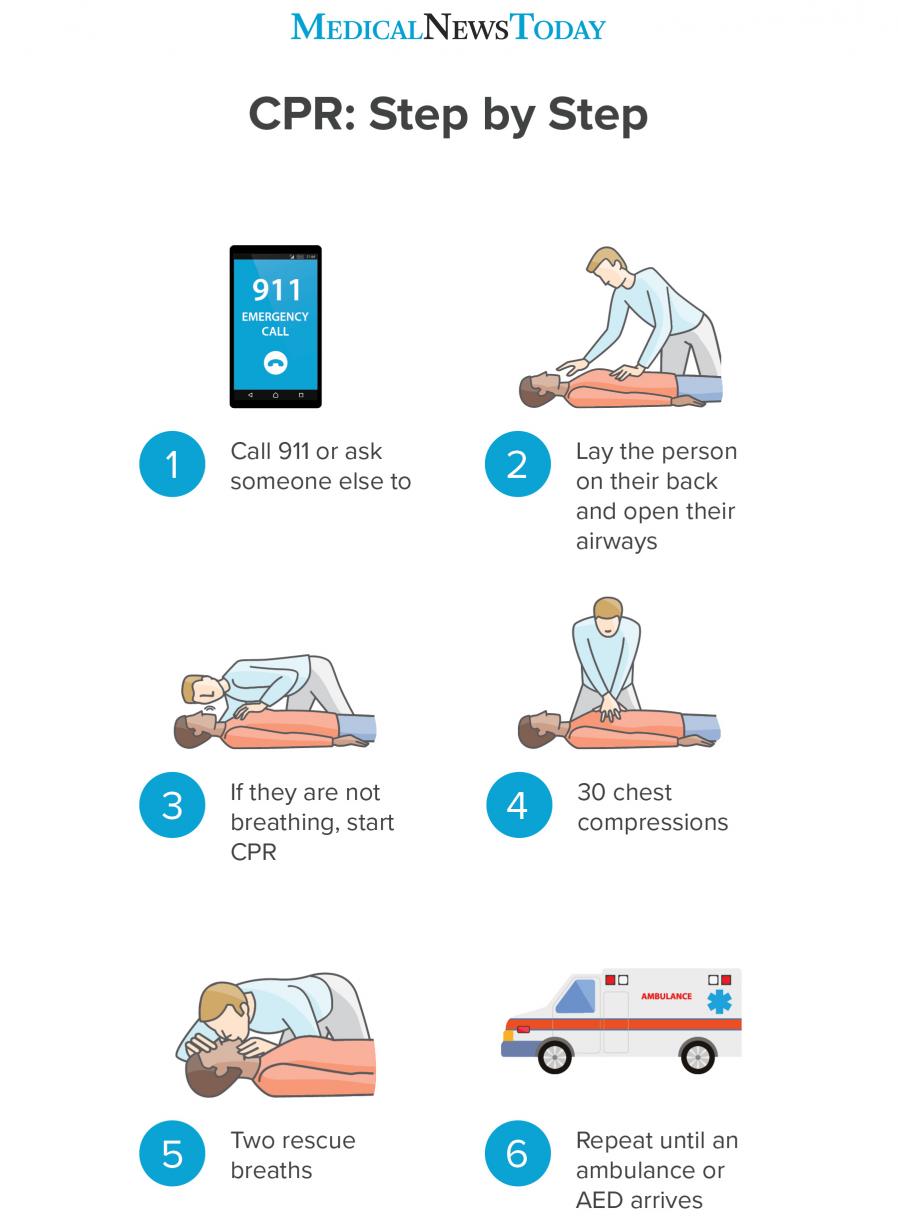
Do you know how to perform CPR?

Do you know how to perform the Heimlich Maneuver for a person who is choking?

Can you help someone who is bleeding profusely?

What do you do if someone is having a seizure?

Do you consider yourself to have the sufficient mental and physical fortitude to step up when the call comes?

Trauma, when experienced personally or through others in our presence, has the tendency to show us the true reality of our character. Will you be part of the bystander effect, where a group does nothing to help, or the Good Samaritan, where one reacts selflessly in the face of danger? As the saying goes, “when seconds matter, help is minutes away.

In our extremely polarized society of today, people are often shamed, shunned or ostracized for not caring enough about others’ health. But are any of us capable of preserving another’s life in their time of need? First responders? Hopefully. The average person, NO. Most people cannot even save themselves in a life-threatening situation, let alone another in drastic circumstances. If we choose to pontificate on how much we care about others, maybe we should actually learn how to save a life. More accurate would be to hopefully “preserve” or “prolong” a life, as we are mere humans and cannot save anyone or any living thing from their inevitable demise. We can only offer to do our best.

Far below is a graphic for understanding the basic steps of CPR. GO LEARN HOW TO DO IT!

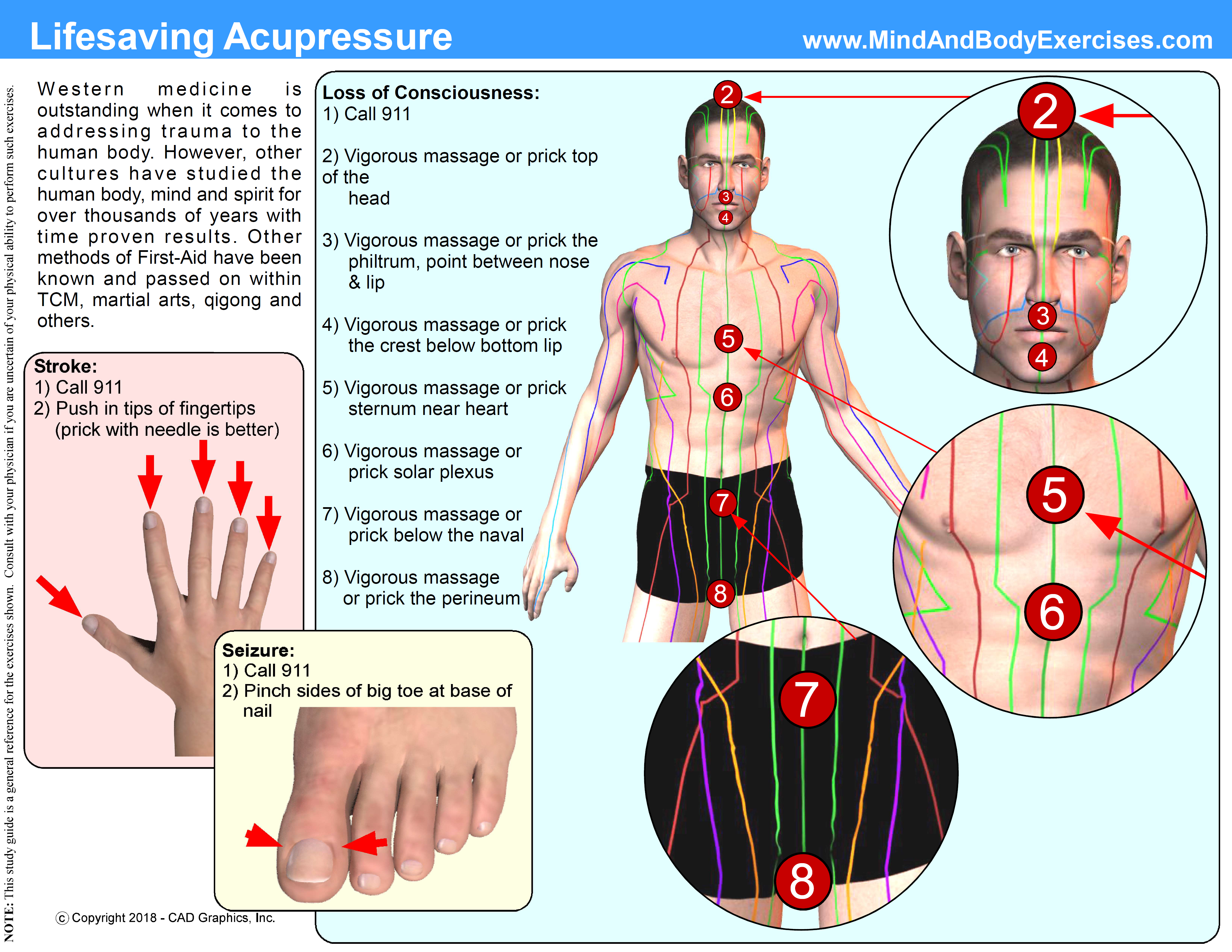
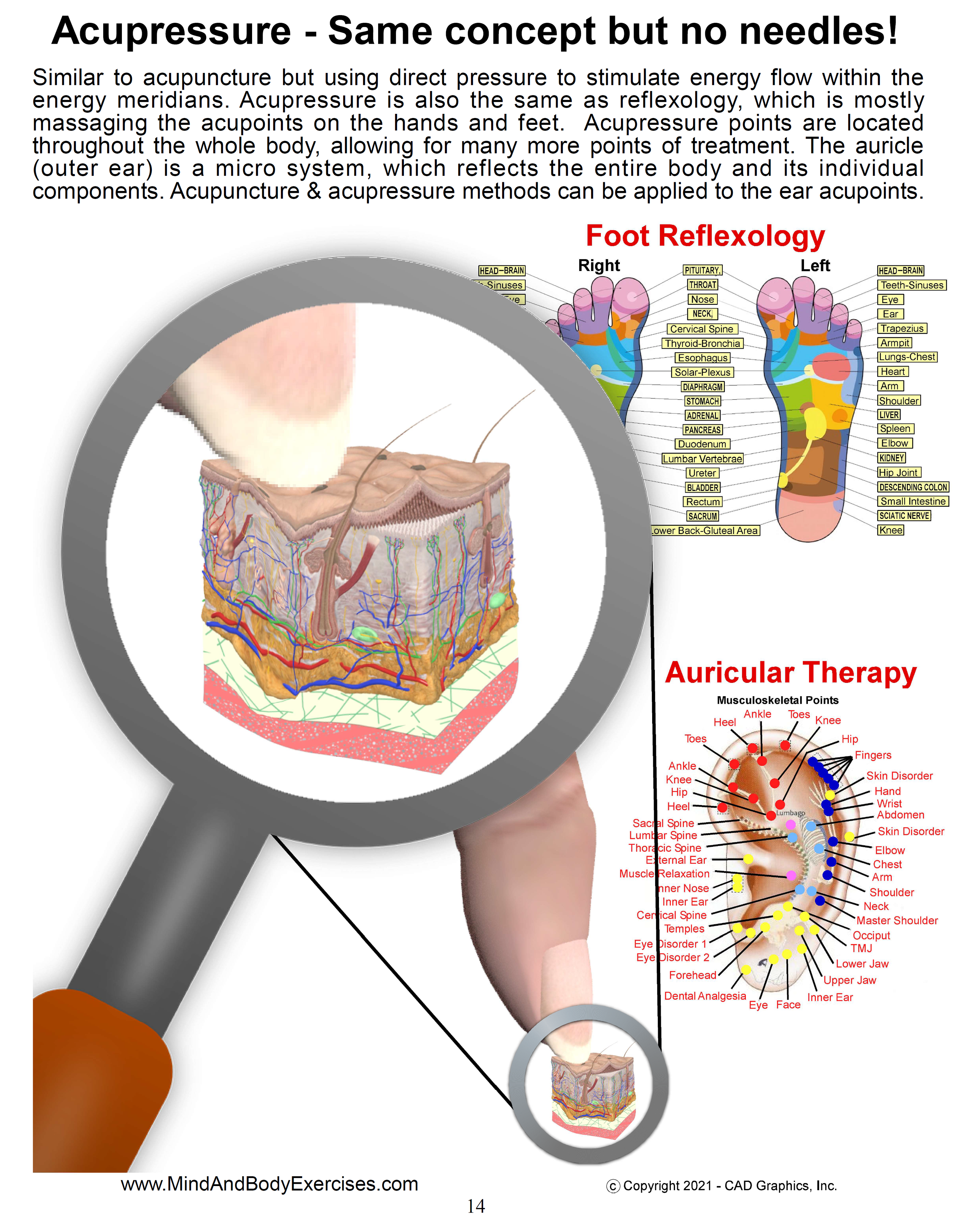
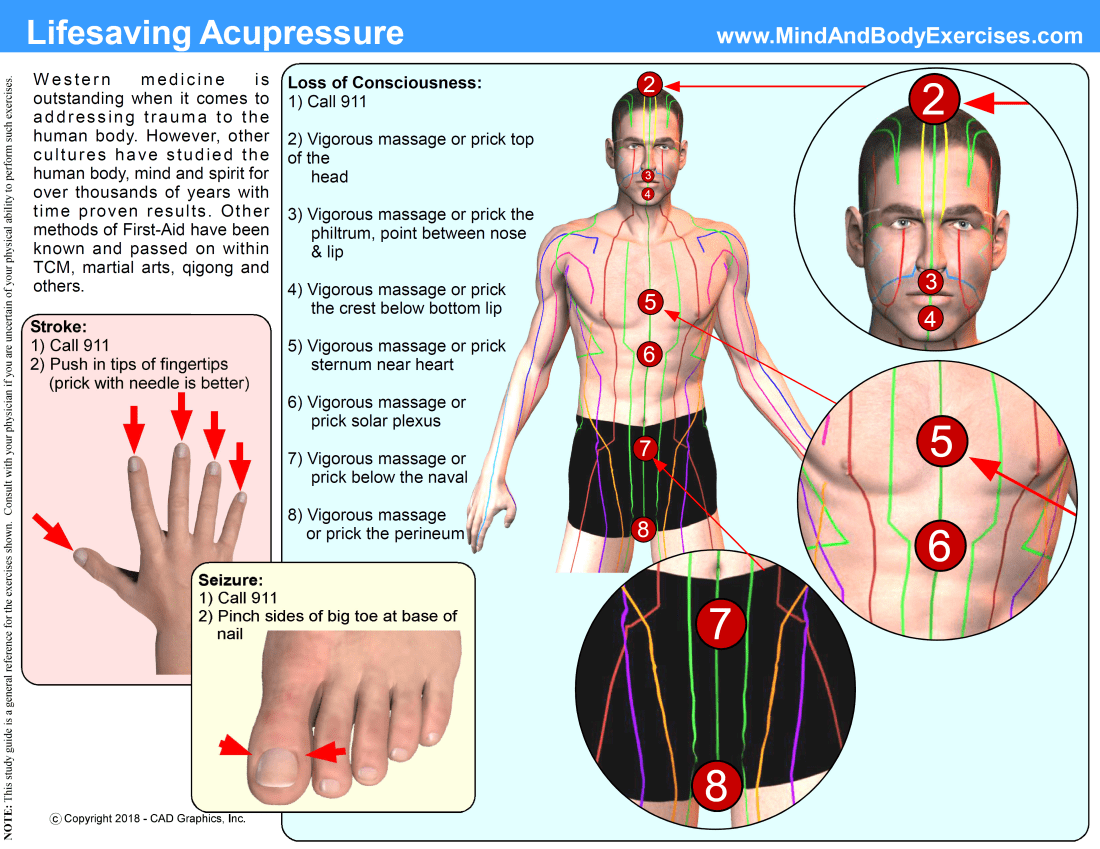
I am additionally offering here some priceless tools to help revive someone if they become unconscious. Acupressure (no needles) and its parent of acupuncture (needles) from Traditional Chinese medicine, has been around for a few thousand years. There are specific techniques that can be used to help resuscitate in addition to CPR training. If you are in need of more information or instruction beyond what is available here on applying these techniques, contact me or other qualified experts in this field.

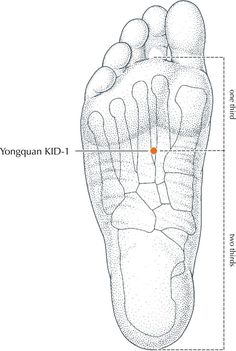
These are techniques that I was taught over 40 years ago from my martial arts masters and Traditional Chines Medicine teachers to help with stress, headaches and especially LOSS of CONSCIOUSNESS. If you are concerned about the legitimacy or efficacy of these types of techniques, I encourage you to do some of your own research as I have for many years. I have actually used these techniques to help revive others either from over-exertion, illness or trauma, more times than I can remember; maybe 50-100 times. Most often acupoints 1-10 work quite well for feinting and dizziness, and where 11-18 are used progressively for loss of consciousness, lack of breath and weak or nonexistent pulse. Striking of the perineum, also know as the huiyin point, conception vessel-1, or CV-1, is quite invasive and used only for the most dire of circumstances. Kidney-1 (KI-1) is just below the ball on the bottom of the foot, as is often used instead of CV-1.

It is no coincidence that most of these acupoints are the same ones used to strike and disable a physical attacker.

Copy, print, or share this image – it might come in handy!

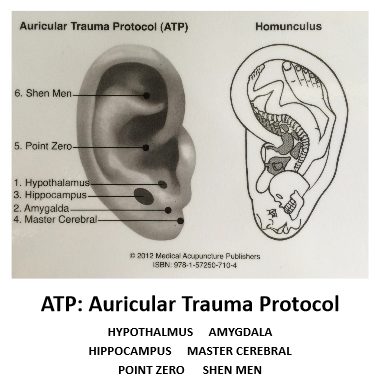
Auriculotherapy is another method of acupuncture and/or acupressure, where the qi or energy meridians are accessed from the inner and outer portions of the ear (auricle). Acupuncture needles are often used for treatments but there are also small seeds or steel pellets can be adhered to the skin to provide longer lasting stimulation usually lasting a few days. For some issues of pain, relief can be experienced within minutes from the start of the procedures. There are usually no complications nor side-effects while patients are subjected to very little or no discomfort.

I have had auricular therapy in the past from my TCM doctor at the time.  I learned some of the techniques from her at the time and have since learned even more from other TCM doctors as well as qigong and martial arts masters, enabling me to provide my own successful treatments for backache, headaches, and seasonal allergies. 

Almost 13 years ago the U.S. Air Force begin training physicians deployed in Iraq and Afghanistan on how to use these methods. These techniques are quite easy and quick for most people to learn. The doctors would apply small and fine needles to wounded service members and local patients for pain relief.

At the time, the term “battlefield acupuncture” was used, even though these techniques have been in use probably for hundreds of years and not necessarily to soldiers nor on the battlefield. This battlefield acupuncture was not purposely designed to replace conventional medical care for war-related injuries, but rather to help in pain relief and possibly eliminate the need for pain medications for acute and chronic pain.

Other TCM doctors are using auricular therapy for various issues or other benefits such as studies on the use of auriculotherapy with distance runners to increase performance.

I have found some information to be somewhat critical of auricular therapy (and TCM in general as well). Usually, it is the same issues with Western medicine having lack of scientific data or a desire not to deviate from the allopathic medical model.  If these methods have existed in other cultures for hundreds, if not thousands of years, maybe there is something there to be studied further.

Traditional Chinese Medicine offers an amazing amount of knowledge, methods and alternative options to manage trauma, chronic pain and many other issues, beyond using surgery, opiates and anti-inflammatories.

References:

https://www.medicalnewstoday.com/articles/324712#cpr-quick-reference

Battlefield Acupuncture for the Clinical Practitioner (acupuncturetoday.com)

https://www.mcgill.ca/oss/article/pseudoscience/bad-science-lends-friendly-ear-ear-seeds

Battlefield Acupuncture in the U.S. Military: A Pain-Reduction Model for NATO | Medical Acupuncture (liebertpub.com)

Battlefield Acupuncture » Battlefield Acupuncture Seminars | Battlefield acupuncture, Advanced battlefield acupuncture, battlefield acupuncture seminars,acupuncture, auricular therapy, auriculothrapy, ear acupuncture

How to perform CPR: Guidelines, procedure, and ratio

_________________

I teach classes, seminars, and private instruction focusing on methods of wellness from Traditional Chinese Medicine, Tai Chi, Qigong, acupressure and exercises from martial arts for fitness and improved health. 407-234-0119.

More education products can be found at:

https://www.mindandbodyexercises.com/f82557669

I write often about topics that affect our health and well-being. Additionally, I teach and offer lecture about qigong, tai chi, baguazhang, and yoga.

For more info, contact Jim Moltzan at info@mindandbodyexercises.com, 407-234-0119 or through my site at http://www.mindandbodyexercises.com

www.Amazon.com/author/jimmoltzan
Not Your Basic Wrist Roller Exercise (Shim Yuk)

Shim Yuk – A practice to engage the mind and body

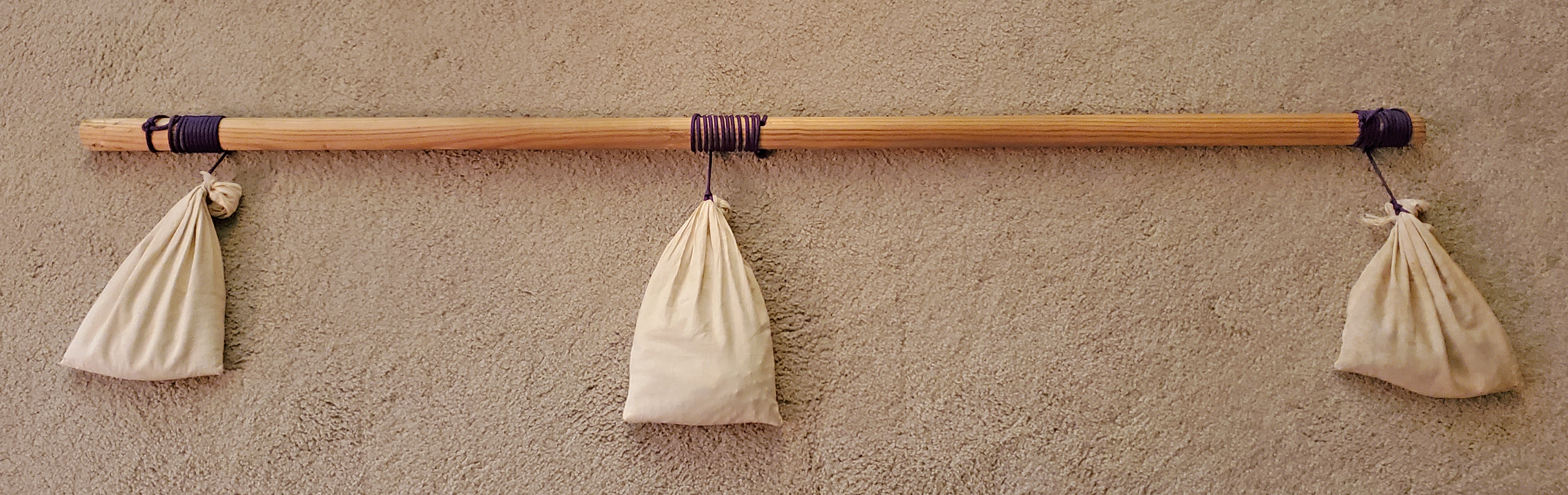
Health and fitness enthusiasts often are on the search for the next best fitness gadget to take them to the next challenge or maybe just increase variety in their routine. For hundreds of years and probably more, martial arts has offered a wide spectrum of what is today marketed as flow-yoga, Cross Fit, function training, high intensity training (HIT) and others. Usage of simple apparatus that can be obtained from Home Depot or other retailers can offer unlimited options to achieve whatever fitness levels are desired, without ridiculous membership fees or equipment costs. An example of how our culture still thinks that we can buy our way to wellness, is paying $1500-$3000 for a stationary exercise bike when $50 worth of odds and ends can do the job (and often better). Either way, YOU have to do the work to achieve YOUR fitness, wellness and relative happiness.

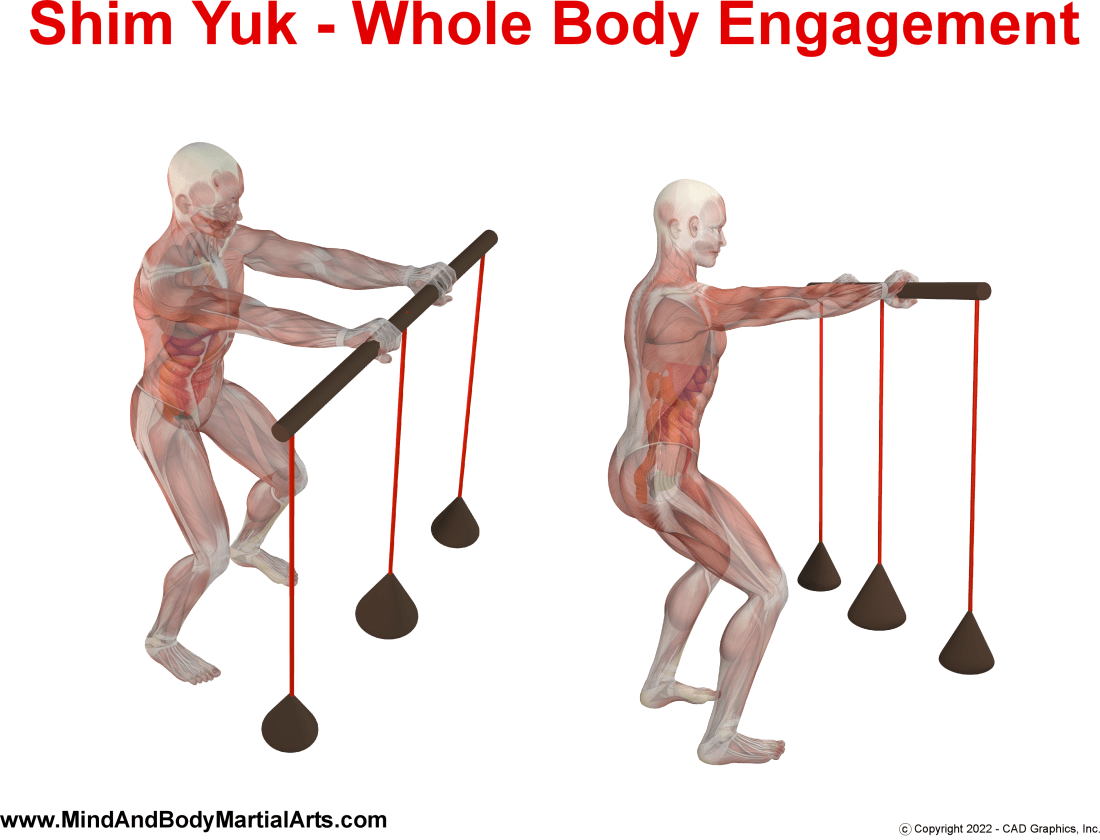
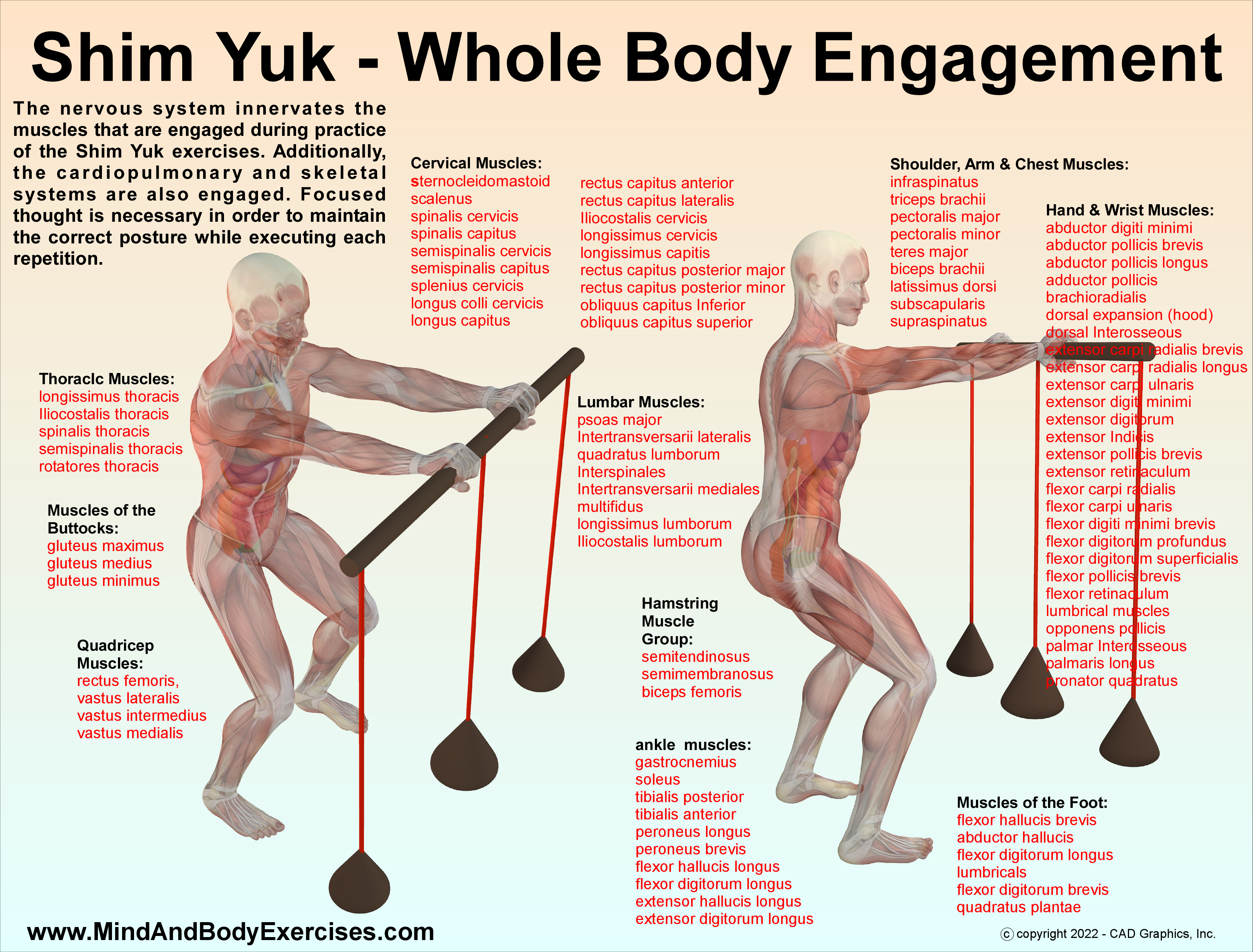
Unique to this exercise called “Shim Yuk”, is the body posture combined with holding a weighted object and the extra awareness required to hold it stable while also maintaining the correct body alignments. By holding the pole level, moving only the hands and wrists, the fascia trains, the nervous, muscular and skeletal systems are all engaged throughout the entire body. Theories abound regarding the activation of our inherit ability to heal our own illnesses, also known as “vis medicatrix”. Exercises like this, engage our mind, body and spirit thereby, helping to engage “the healing power of nature”.

Developing a strong grip is directly relative to preventing falls.

The strength of ones grip when they begin to lose their balance, can be the difference between free-falling to the ground and potential bone fracture, or catching ones balance by grabbing a rail or other stationary structure. Shim Yuk practice definitely goes way beyond being just a hand/wrist strengthening exercise. However, this exercise will produce phenomenal hand and wrist strength if practiced diligently.

Try to hold the static position while performing the wrist exercise, from 1, 2, 3, etc. consecutive repetitions. Holding the stance generally develops overall strength where as repetitive rolling develops stamina, endurance and determination. Relax the body into the positions in spite of any tension in the muscles. Deep and relaxed breathing is essential while performing this exercise.

From my experience of over 40 years of martial arts, fitness and wellness training and teaching, I have seen some amazing benefits coming from shim yuk practice. For those in fairly good shape, one can develop an amazing amount of strength in the wrists, forearms, shoulders, lower back and the legs. I have also trained individuals that have had more serious issues such as cerebral palsy, knee injuries, severe trauma to the spine and hip and other ailments that have shown great improvement.

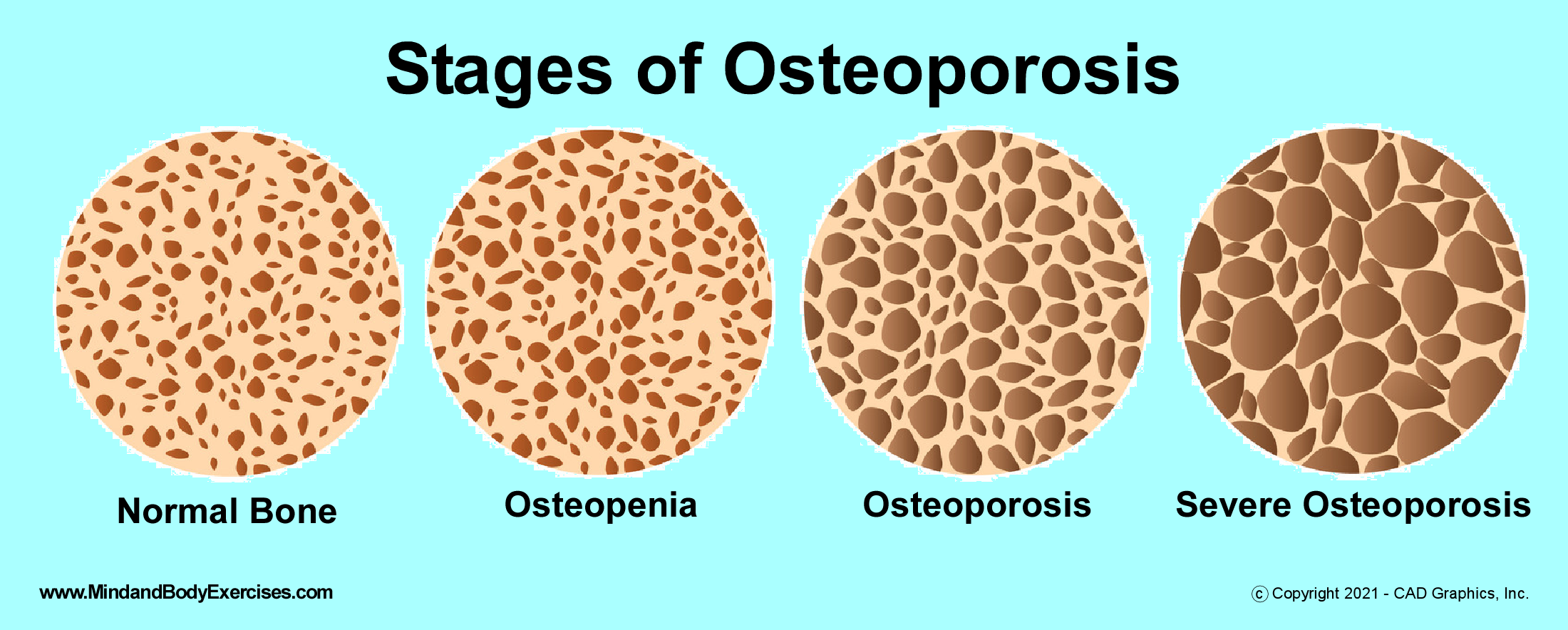
Strong bones prevent fractures from falls, osteopenia and osteoporosis

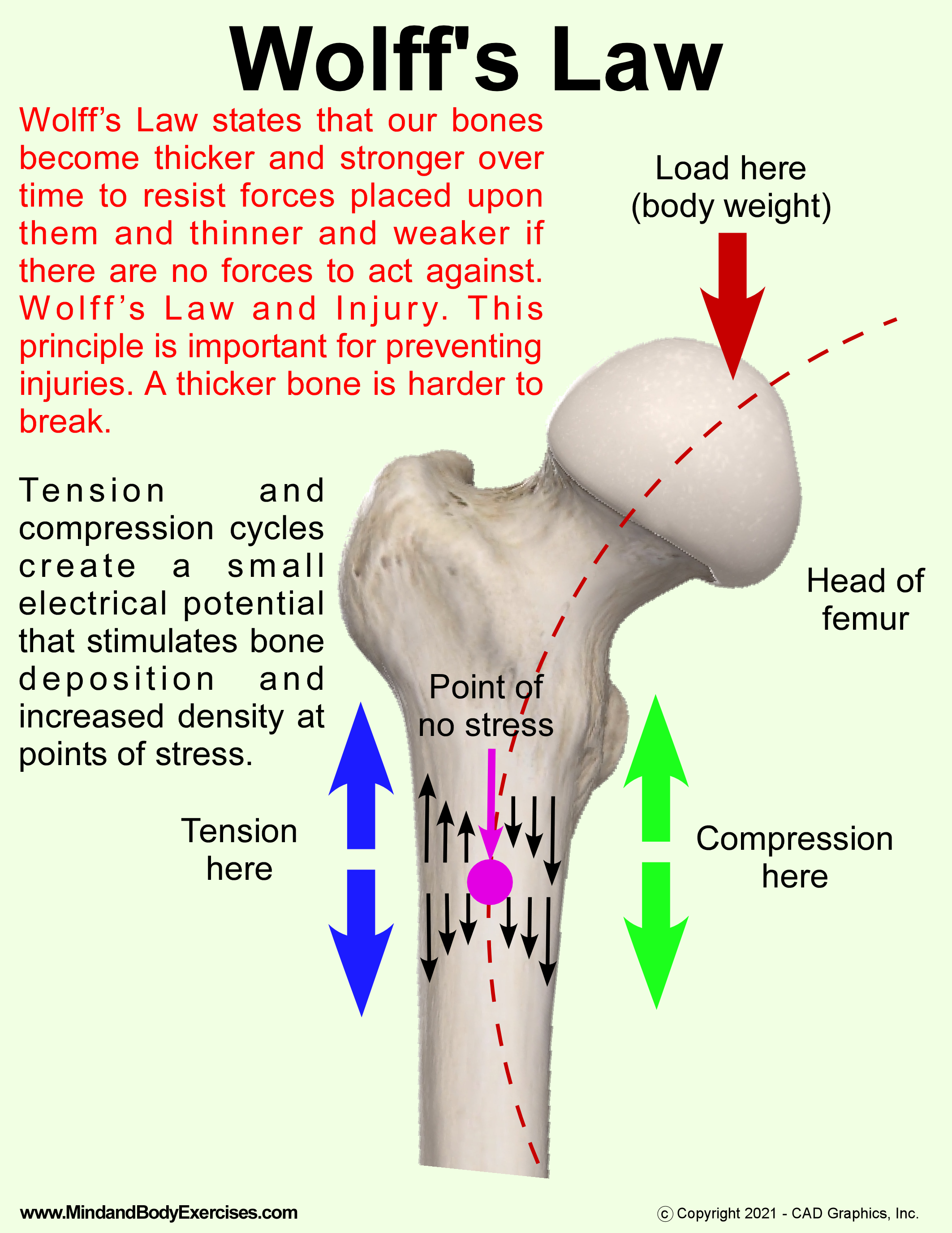
Shim Yuk practice strengthens muscles which consequently strengthens bones, which helps to prevent osteopenia (bone loss) and osteoporosis (severe bone density loss). Wolff’s Law states that bones become stronger and thicker over time to resist forces placed upon them and weaker and thinner if there are no forces to act against. This principle is important for preventing injuries. Thicker bones are harder to break.

Learning from information on the internet, from video or books can be good. However, to truly get proper instruction, in-person training is usually the best method. Contact me if you have a desire to learn this methods correctly.

______________

I write often about topics that affect our health and well-being. Additionally, I teach and offer lecture about qigong, tai chi, baguazhang, and yoga. I also have hundreds of FREE education video classes, lectures and seminars available on my YouTube channel at:

https://www.youtube.com/c/MindandBodyExercises

Mind and Body Exercises on Google: https://posts.gle/aD47Qo

Jim Moltzan

407-234-0119

www.MindAndBodyExercises.com

www.Amazon.com/author/jimmoltzan
Mind & Body Exercises – the Original CrossFit Training

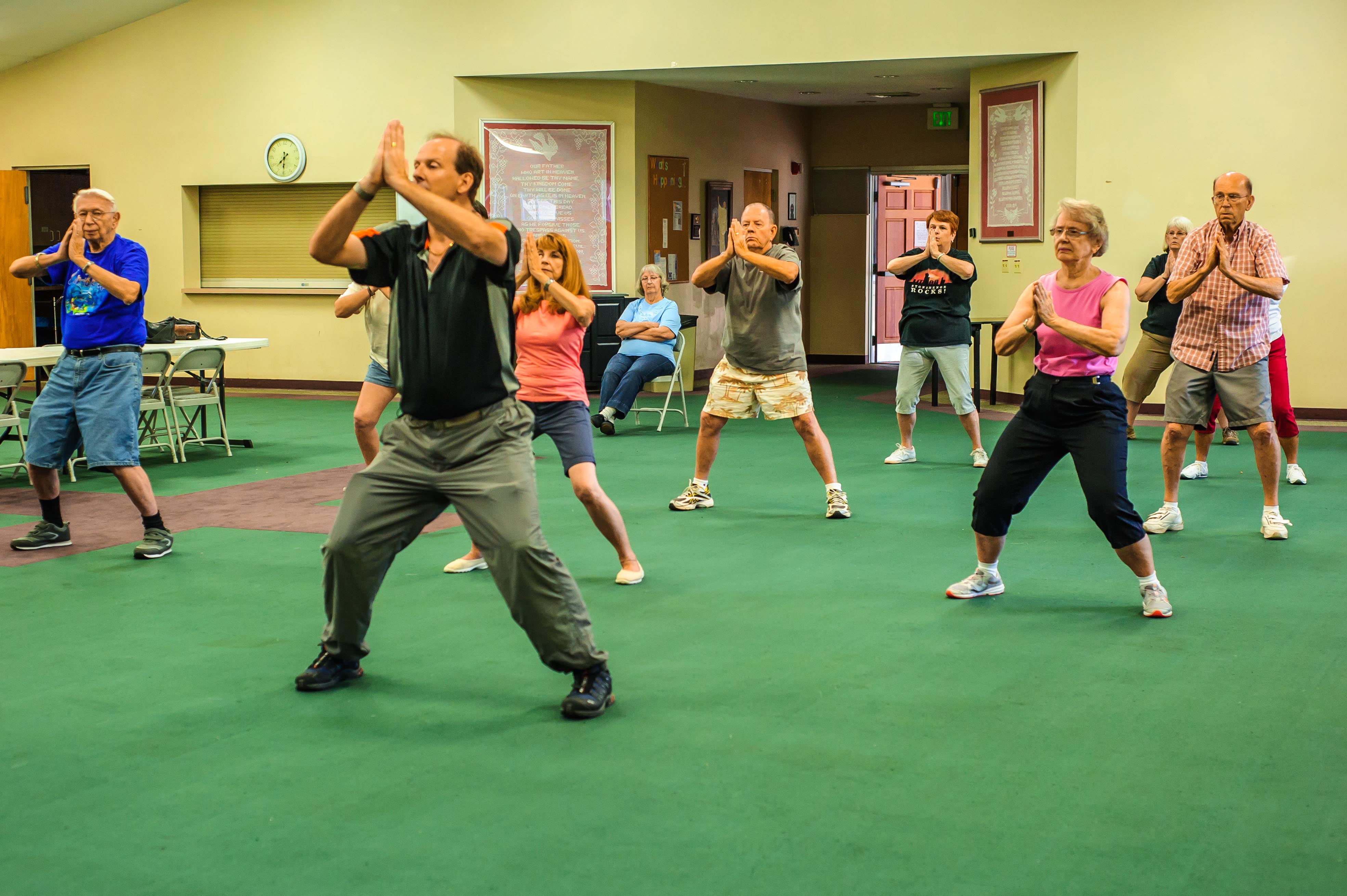
Before there was Crossfit, there was isometric, aerobic and anaerobic training. Before there was functional training, martial arts utilized exercises that were performance as well as fitness and wellness. Before organized martial arts, there was qigong and its parent of yoga, where exercises were focused on achieving a balanced relationship between the mind, body and self-awareness (spiritual). Many modern exercise and wellness concepts, draw from ancient knowledge and understanding of how humans coexist within nature and not separate from it.

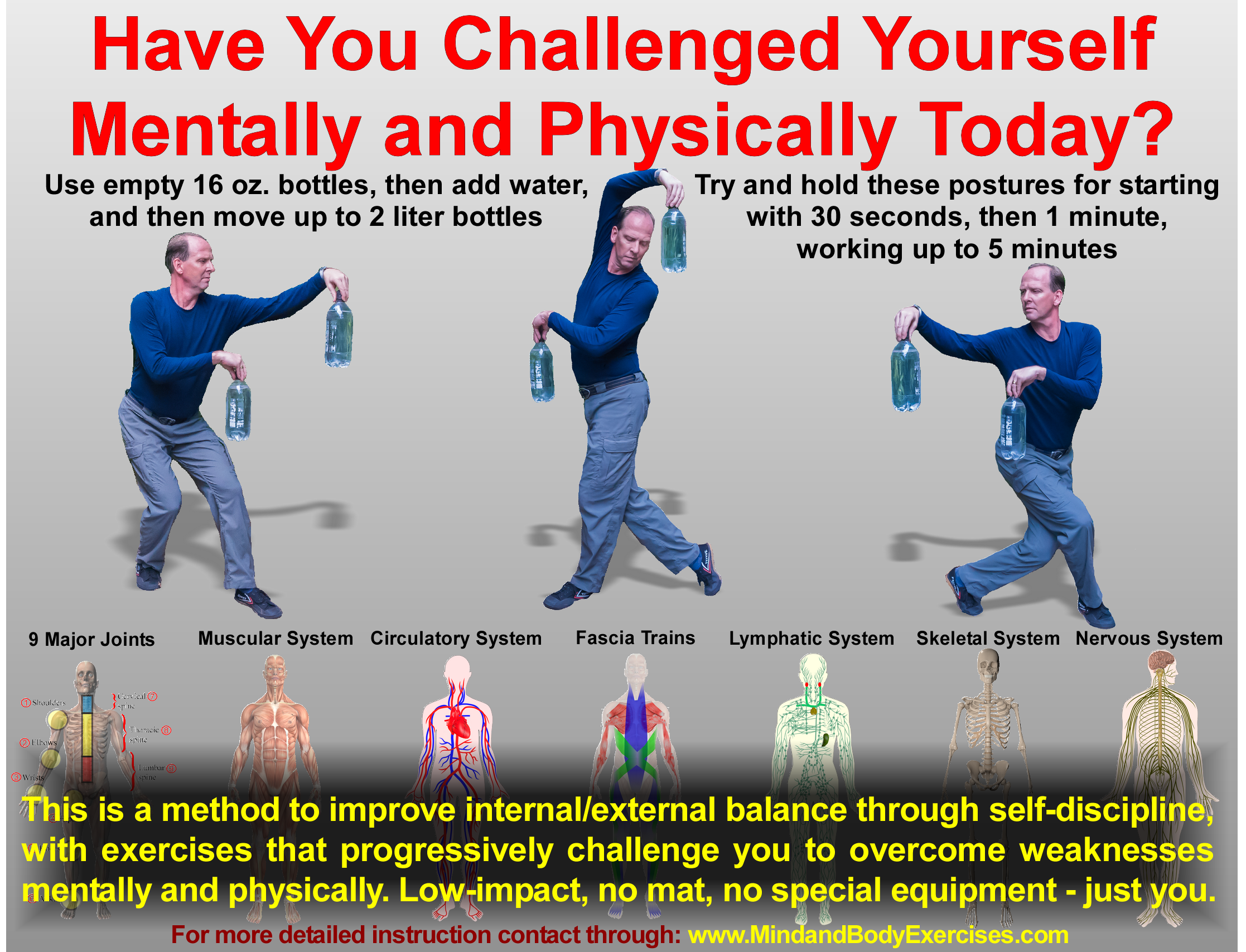
Good health of the lower back starts with good posture. The following set of exercises develop strength, increase muscular range of motion and to a lesser degree – flexibility. Strength in the back, hips and abdomen, provide a strong cage that houses the internal organs. Flexibility in these areas helps to maintain good blood circulation to the organs and lower body. Unique to this set of exercises is the body postures combined with holding a weighted object and the extra awareness required to hold it while also maintaining the correct body alignments. By holding the bottle at the top using only the fingertips, the nervous system is engaged throughout the whole body. Try to hold the static positions or perform moving exercises from 20 seconds to longer intervals such as 1, 2, 5 minutes or longer, to achieve advanced levels of development physically and mentally. Holding positions generally develops strength where as repetitive movements develop flexibility and endurance. Relax the body into the positions in spite of any tension in the muscles. Deep and relaxed breathing is essential while performing these exercises.

Advanced levels of physical and mental strength can be achieved by holding these positions for longer periods of time. Start slowly by holding on one side for a few seconds and then switching to the opposite side. Your determination will increase by trying to hold the bottles up without allowing them to drop from your fingertips. Also, holding the postures longer without failure, will dramatically increase mental strength and tolerance to pain and stress. After diligent practice, over a few months of continuous training, 1-5 minutes can be an obtain able amount of time to hold the bottles and body positions without taking a break from switching to the opposite side. Another variation of these exercises would be to adjust the amount of weight or water in the bottles. Begin with a near empty 16 ounce bottle. Eventually, add more water working up to a 2 liter soda bottle over a few months time.

I write often about topics that affect our health and well-being. Additionally, I teach and offer lecture about qigong, tai chi, baguazhang, and yoga.

For more info, contact Jim Moltzan at info@mindandbodyexercises.com, 407-234-0119 or through my site at http://www.mindandbodyexercises.com

www.Amazon.com/author/jimmoltzan