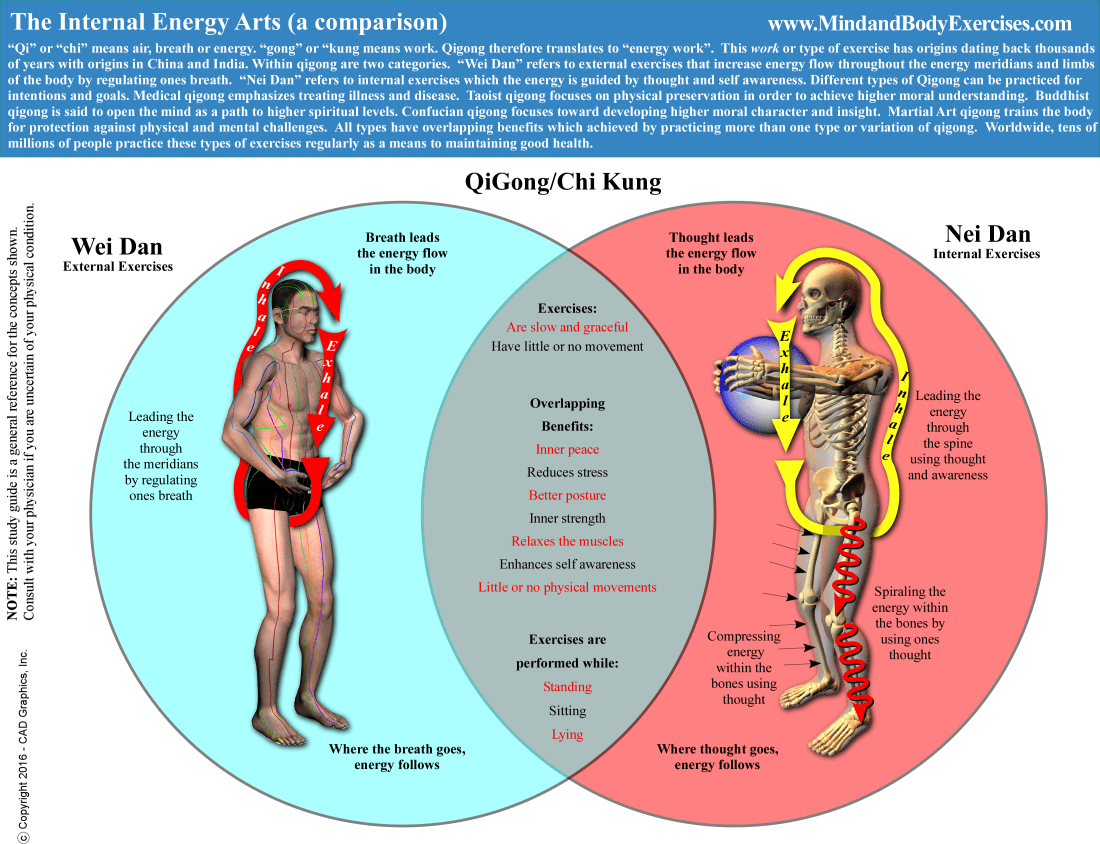
Exploring Wei Dan, Qigong, and Nei Dan

A Detailed Summary to Daoist Alchemy from Chinese and Korean Internal Arts

Traditional Chinese internal arts offer a rich system of physical, energetic, and spiritual practices. Key concepts include Wei Dan (外丹), Qigong (气功), and Nei Dan (内丹). Understanding these three terms alongside their Korean martial arts parallels, clarifies important distinctions in the pursuit of health, self-mastery, and spiritual growth.

Definition: “Outer Elixir.” Wei Dan refers to ancient Daoist alchemical practices that sought to create physical elixirs for longevity or immortality by processing minerals and herbs externally (Pregadio, 2018).

Methods: Involves chemical experimentation with substances like mercury, arsenic, and cinnabar, (often highly toxic) which were ingested or used topically in pursuit of physical immortality.

Goals: Attain longevity or immortality by altering the body through external means.

Philosophy: Belief that the secrets of life and transformation can be discovered and harnessed in the material world outside the practitioner, reflecting an outward search for transcendence.

Definition: “Energy Work.” Qigong encompasses practices that combine breath control, movement, visualization, and meditation to regulate and cultivate qi, the vital energy believed to animate life (Jahnke, 2002).

Method: Includes dynamic routines (e.g., Ba Duan Jin), static postures (e.g., Zhan Zhuang), breath regulation, and mental focus to circulate qi along the body’s meridians.

Goals: Promote health, increase vitality, balance emotions, and prepare body and mind for advanced practices.

Philosophy: The human body is a microcosm of the universe, and by harmonizing breath, movement, and mind, practitioners align themselves with natural laws (Yang, 1997).

Definition: “Inner Elixir.” Nei Dan is the highest level of Daoist internal cultivation, dedicated to refining one’s essence (jing), energy (qi), and spirit (shen) through advanced meditative and energetic practices (Mitchell, 2011).

Method: Involves breath retention, microcosmic orbit meditation, sexual energy control, visualization of energy flows, and progressive transformation of jing → qi → shen → emptiness (xu).

Goals: Achieve spiritual immortality, realization of one’s true nature, and union with the Dao.

Philosophy: Transformation must occur internally; by purifying one’s own mind-body-spirit, practitioners embody the Daoist ideal of returning to original emptiness and harmony with the cosmos.
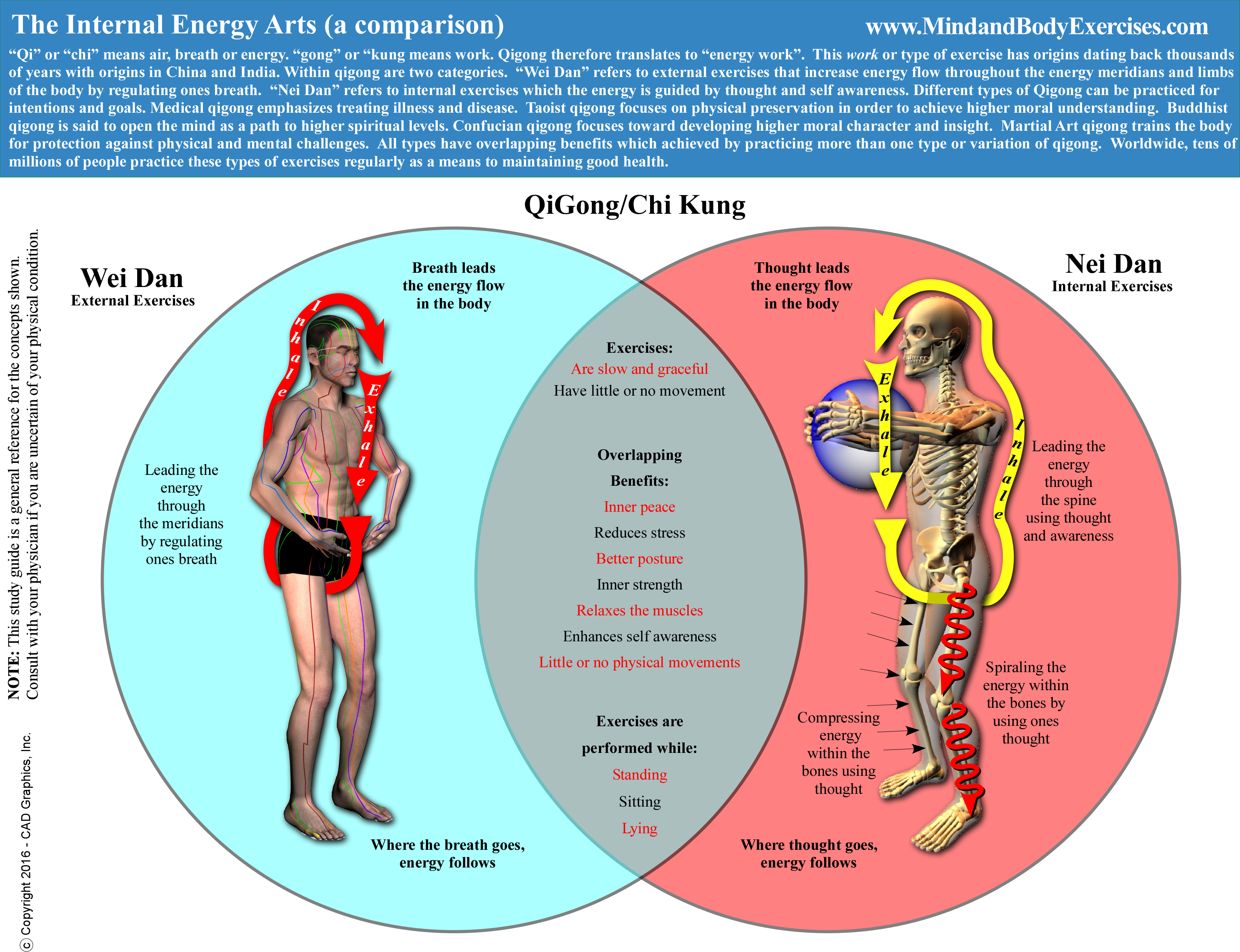
Comparing Chinese and Korean Terms

Korean martial arts use similar-sounding terms of Wae Gong, Gi Gong, and Nae Gong, which overlap but don’t always match the Chinese Daoist meanings:

Korean TermHangul / HanjaSimilar Chinese ConceptSame Practice?Notes
Wae Gong외공 / 外功Wei Dan (外丹)NoRefers to physical conditioning in martial arts, not Wei Dan’s alchemy
Gi Gong기공 / 氣功Qigong 气功YesPractices are nearly identical; focuses on breath, energy, and movement
Nae Gong내공 / 內功Nei Dan 内功PartiallyInternal energy work similar to Nei Gong; not necessarily advanced Nei Dan alchemy (Yang, 2007).

Etymological Breakdown of Chinese Characters

Understanding the roots of the Chinese characters deepens appreciation of these arts:

  • 外 (Wài): 6 strokes. Components 夕 (evening) + 卜 (divination) → symbolizes seeking knowledge outside oneself.
  • 气 (Qì): 4 strokes. Ancient forms depict swirling vapor → breath, vital energy.
  • 内 (Nèi): 4 strokes. 冂 (enclosure) + 人 (person) → shows a person inside boundaries → introspection.

These etymologies reflect core Daoist themes of balancing inside (内) and outside (外), and cultivating qi (气) to align with the Dao (Qiu, 2000).

Integrated Comparison Table

AspectWei Dan (外丹)Qigong (气功)Nei Dan (内丹)
MeaningExternal elixir/alchemyEnergy skill/cultivationInternal elixir/alchemy
MethodChemical concoctionsBreath, movement, meditationAdvanced meditative transformation
GoalPhysical immortalityHealth, vitality, stress reliefSpiritual immortality/enlightenment
Korean ParallelWae Gong (not equivalent)Gi Gong (equivalent)Nae Gong (partially equivalent)

Conclusion

Wei Dan, Qigong, and Nei Dan represent distinct layers of Daoist health and spiritual practices: Wei Dan’s external focus, Qigong’s energy cultivation, and Nei Dan’s profound internal alchemy. Meanwhile, Korean martial arts terms like Wae Gong, Gi Gong, and Nae Gong reflect overlapping ideas but emphasize martial conditioning, energy work, and internal strength, respectively.

Understanding these differences empowers practitioners to choose a path aligned with their goals, whether health, martial skill, or spiritual awakening.

References

Jahnke, R. (2002). The Healing Promise of Qi: Creating Extraordinary Wellness Through Qigong and Tai Chi. Contemporary Books.

Mitchell, D. (2011). Daoist Nei Gong: The Philosophical Art of Internal Alchemy. Singing Dragon

Pregadio, F. (2018). The Taoist Alchemy: Nei Dan and Wei Dan in Chinese Tradition. Golden Elixir Press.

Qiu, X. (2000). Chinese Writing. The Society for the Study of Early China & The Institute of East Asian Studies.

Yang, J. M. (2007). Qigong for Health & Martial Arts: Exercises & Meditation. YMAA Publication Center.

Note: I could find no single authoritative English-language source compiling the terminology of Wae Gong, Gi Gong, and Nae Gong. These terms are part of Korean martial arts oral traditions and school teachings, with meanings overlapping but not identical to the Chinese concepts discussed here.

12 Meridians vs. 8 Extraordinary Vessels

Traditional Chinese Medicine (TCM) views the human body as an intricate network of energy channels that govern physical, emotional, and spiritual health. Two key components of this system are the 12 Primary Meridians and the 8 Extraordinary Vessels. Though they are interconnected, they serve distinctly different roles in maintaining balance and vitality. Understanding this distinction provides deeper insight into how TCM approaches healing, longevity, and self-cultivation (Maciocia, 2005).

The 12 Primary Meridians: The Body’s Main Rivers of Life

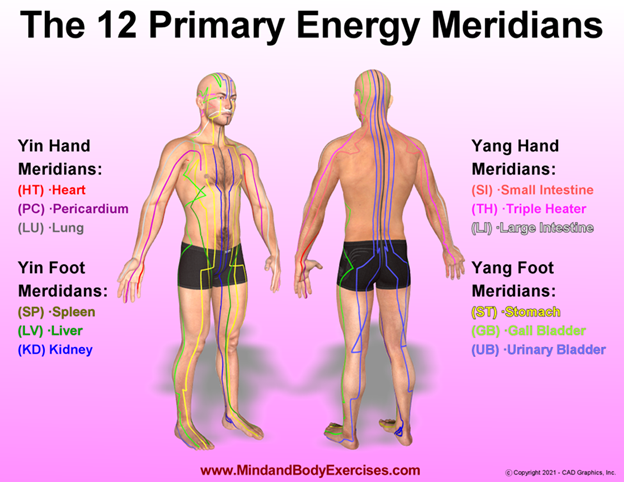
The 12 Primary Meridians are the foundational pathways through which Qi (vital energy) and blood flow to nourish the entire body (Deadman et al., 2007). These channels are intimately linked to the Zang-Fu organs of the five Yin organs (Lung, Heart, Spleen, Liver, Kidney) and six Yang organs (Large Intestine, Small Intestine, Stomach, Gallbladder, Urinary Bladder, and San Jiao/Triple Burner) (Maciocia, 2005).

Each meridian runs a defined, bilateral path along the body, connecting exterior regions (skin, muscles) with interior organs. This ensures that nutritive Qi (Ying Qi) and protective Qi (Wei Qi) are continuously circulated, supporting physiological functions such as immunity, metabolism, digestion, and mental clarity (Kaptchuk, 2000).

Because they regulate the daily functional balance of the body, the Primary Meridians are often the primary focus in acupuncture treatments and other therapeutic practices like acupressure and Tuina massage(Deadman et al., 2007). When these channels are blocked or imbalanced, symptoms such as pain, fatigue, or organ dysfunction can arise.

The 8 Extraordinary Vessels: The Deeper Reservoirs of Vital Energy

In contrast to the Primary Meridians, the 8 Extraordinary Vessels operate at a deeper energetic level. They are not directly tied to the Zang-Fu organs, nor do they participate in the body’s regular organ-based circulation (Maciocia, 2005). Instead, they act as reservoirs and regulators of Qi and Blood, particularly Yuan Qi (Original or Prenatal Qi), which governs growth, development, and constitutional strength (Hsu, 1999).

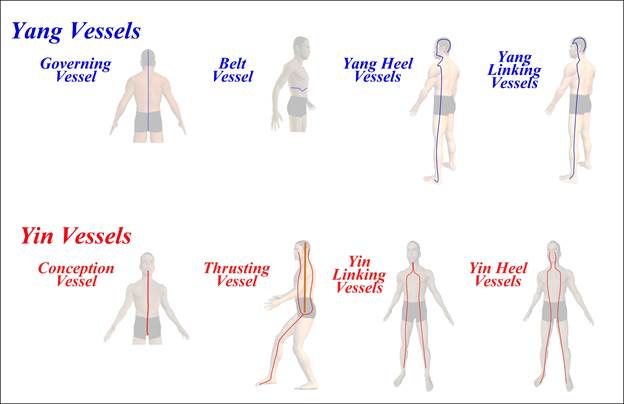
While the Primary Meridians are paired and bilateral, several Extraordinary Vessels run along the midline of the body (such as the Du Mai or Governing Vessel and the Ren Mai or Conception Vessel), forming the body’s central energetic axis. Others, such as the Chong Mai (Penetrating Vessel) and Dai Mai (Belt Vessel), regulate more specialized functions like reproductive health and structural integration (Deadman et al., 2007).

The Extraordinary Vessels become especially important during times of:

  • Life transitions (puberty, pregnancy, menopause)
  • Chronic illness
  • Emotional trauma
  • Deep constitutional imbalance (Birch & Felt, 1999)

In such cases, they provide a reservoir of Qi and Blood that can be mobilized to restore balance and support healing. Advanced acupuncture treatments often target these vessels to address long-standing patterns of disease or to promote profound transformation (Birch & Felt, 1999).

Comparing the Two Systems: A Summary Table

Feature12 Primary Meridians8 Extraordinary Vessels
Number128
Connection to OrgansDirectly connected to major Zang-Fu organsNot directly connected to Zang-Fu; deeper level
Flow of QiCirculates protective and nutritive Qi (Wei & Ying)Regulates and stores Yuan Qi (Original Qi)
PathwayRelatively superficial, follows defined body pathsDeep, more latent or reservoir-like pathways
Main FunctionMaintains daily physiological function and organ balanceActs as reservoirs of Qi and Blood; regulate overflow; integrate all meridians
SymmetryPaired and bilateral (left and right sides)Some are midline (single), others bilateral
Origin and CirculationContinuous circulation in a closed loopOriginate from the Kidney/Yuan Qi level; flow in special patterns
Activation in PracticeCommonly used in acupuncture and daily therapiesUsed in advanced, constitutional, or chronic condition treatments
ExamplesLung, Heart, Kidney, Spleen, Stomach meridians, etc.Du Mai, Ren Mai, Chong Mai, Dai Mai, and others

The Dynamic Dance of Qi: Rivers and Reservoirs

One way to visualize this relationship is to think of the 12 Primary Meridians as the body’s main rivers of energy flow (Kaptchuk, 2000). They nourish the landscape (organs and tissues) with a steady stream of Qi and Blood. In contrast, the 8 Extraordinary Vessels serve as reservoirs and aqueducts that hold, regulate, and distribute this energy as needed during times of surplus or deficiency (Hsu, 1999).

This layered system allows TCM to address health at multiple levels, from acute, surface-level imbalances to deep constitutional healing that shapes one’s vitality, longevity, and adaptability (Birch & Felt, 1999).

Practical Implications for Wellness

For modern practitioners and wellness seekers, understanding this distinction helps guide personal practices:

  • Daily self-care and lifestyle habits (nutrition, breathwork, basic movement practices) primarily support the flow of the 12 Primary Meridians.
  • Deeper practices such as Qi Gong, Nei Gong, and meditative breathwork can engage the Extraordinary Vessels to cultivate life force and restore balance at a core level (Deadman et al., 2007).
  • Clinical interventions (like specialized acupuncture protocols) can be designed to activate specific Extraordinary Vessels to address chronic or deeply rooted issues (Birch & Felt, 1999).

Conclusion

Both the 12 Primary Meridians and the 8 Extraordinary Vessels are essential components of the TCM energy system, working together to maintain health, resilience, and harmony throughout life (Maciocia, 2005). By appreciating their complementary roles, we gain a richer understanding of how traditional practices can support modern well-being in a profound and holistic way.

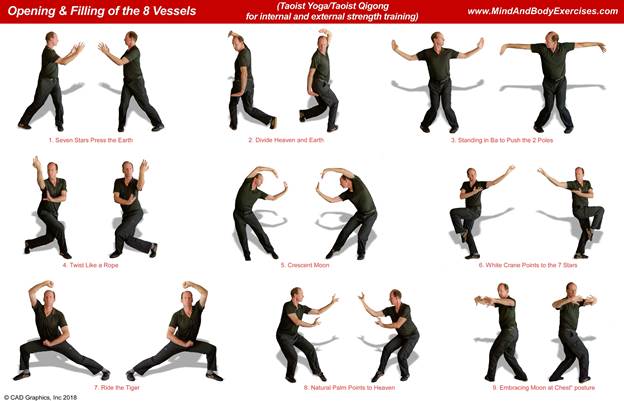
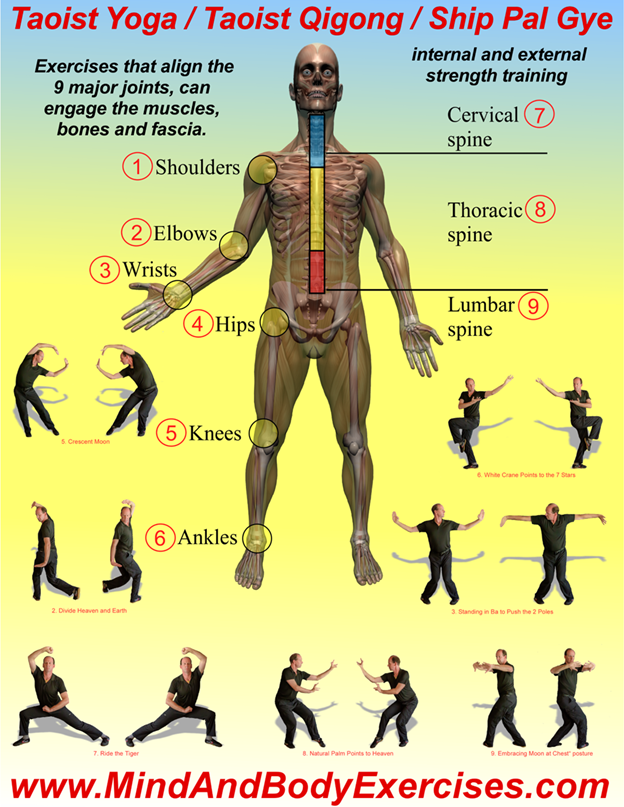
8 Vessels Qigong (ship pal gye)

References:

Birch, S., & Felt, R. L. (1999). Understanding acupuncture. Churchill Livingstone.

Deadman, P., Al-Khafaji, M., & Baker, K. (2007). A manual of acupuncture. Journal of Chinese Medicine Publications.

Hsu, E. (1999). The transmission of Chinese medicine. https://doi.org/10.1017/cbo9780511612459

Kaptchuk, T. J. (2000). The web that has no weaver: Understanding Chinese medicine (2nd ed.). Contemporary Books.

Maciocia, G. (2005). The foundations of Chinese medicine: A comprehensive text for acupuncturists and herbalists (2nd ed.). Churchill Livingstone.

Early Summer in Traditional Chinese Medicine

Fire Element, Circulation, and the Nervous System

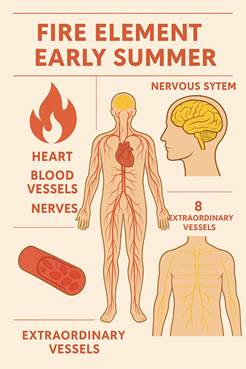
As nature enters early summer, Traditional Chinese Medicine (TCM) views this vibrant season through the lens of the Fire element, a phase of maximum Yang, warmth, expansion, and communication. Fire governs not only the Heart and blood vessels, but also the nervous system, emotions, and spiritual awareness. This inner fire fuels both our physical vitality and our mental clarity. In this unique seasonal phase, the flow of Qi, Blood, and Shen (spirit), especially through the veins, arteries, and the Eight Extraordinary Meridians takes center stage.

Understanding the dynamic between the Fire element, cardiovascular and neurological systems, and the deeper energetic channels allows us to harmonize body, mind, and spirit during this high-energy time of year.

🔥 Fire Element and Its Associations

In TCM’s Five Phase (Wu Xing) framework, Fire is associated with:

  • Season: Early Summer
  • Organs: Heart (Yin) and Small Intestine (Yang)
  • Emotions: Joy, enthusiasm, overexcitement, or mania
  • Body Tissue: Blood vessels and the nervous system
  • Sense Organ: Tongue
  • Color: Red
  • Climate: Heat
  • Direction: South
  • Taste: Bitter (Maciocia, 2005; Deadman et al., 2007)

Fire energy is expansive and expressive, symbolizing circulation, communication, and consciousness. When well-regulated, Fire fuels love, clarity, movement, and insight. When excessive, it can consume the mind and disturb the spirit.

❤️ Heart, Blood Vessels, and Nervous Regulation

The Heart (Xin) is considered the “Emperor” of the body, orchestrating the flow of Qi and Blood and serving as the seat of Shen (mind/spirit). TCM describes its functions as:

  • Governing the blood and blood vessels
  • Housing the Shen, which includes consciousness, thought, memory, and emotions
  • Regulating mental activity and sleep (Maciocia, 2005)

The blood vessels, seen as pathways of both Blood and Qi, rely on the Heart’s warmth and rhythm to remain supple and open. But TCM also suggests that nerve-like communication and coordination are part of the Heart’s governance.

In modern integrative interpretations:

  • The autonomic nervous system (ANS), particularly the parasympathetic “rest-and-digest” functions, mirrors the Heart’s role in maintaining emotional and physical balance.
  • Excess Fire may overstimulate the sympathetic nervous system, leading to agitation, insomnia, hypertension, palpitations, and anxiety.
  • Deficient Heart Fire may lead to neurovegetative fatigue, poor concentration, and low vitality (Kaptchuk, 2000).

Thus, the vascular and neurological systems are harmonized through Fire’s balance affecting everything from blood pressure to mood and mental performance.

🧠 Fire Element and the Nervous System

TCM may not anatomically label the nervous system as Western medicine does, but the concepts of Shen, Yi (intellect), and Zhi (willpower) reflect cognitive and neurological activity.

In early summer:

  • Shen becomes more active and outward, seeking expression, connection, and joy.
  • The Du Mai (Governing Vessel) linked with the brain and spine, rises in importance, guiding mental alertness and emotional regulation.
  • The Fire element’s influence supports neurotransmitter balance, sleep-wake cycles, and emotional processing.

From a modern neurobiological point of view, this aligns with the brain-heart connection:

  • Heart Rate Variability (HRV), a marker of nervous system resilience, increases with parasympathetic tone, a goal of Heart-focused qigong and meditation
  • Practices that balance Heart Fire can directly impact the vagus nerve, thereby stabilizing emotions and stress responses (Porges, 2011)

🩸 Extraordinary Meridians and Fire Circulation

The Eight Extraordinary Meridians function as deep energetic reservoirs, regulating circulation, constitutional energy, and emotional integration (Larre et al. (1996). In early summer, these vessels help modulate the Fire element’s rise and distribute Qi and Blood in ways that nourish the whole system.

1. Chong Mai (Penetrating Vessel)

  • Sea of Blood, linked to Heart and uterus
  • Balances hormonal and emotional rhythms
  • When Fire is excess: anxiety, chest oppression, uterine bleeding

2. Ren Mai (Conception Vessel)

  • Nourishes Yin; anchors the Heart through calming fluids
  • Connects deeply to Heart-Yin and Shen stabilization

3. Du Mai (Governing Vessel)

  • Axis of Yang energy; influences brain, spine, and nervous system
  • Becomes overactive when Fire flares upward, causing insomnia or hyperarousal

4. Dai Mai (Belt Vessel)

  • Regulates Qi flow around the waist, harmonizes rising Fire from middle and lower burners

By supporting these vessels through breathwork, meditation, herbs, and seasonal living, we can help regulate the Fire element’s effects on circulatory, emotional, and neurological functions.

🌿 Seasonal Strategies for Summer Balance

🔹 Qigong & Meditation

  • Heart-centered qigong and the Inner Smile meditation bring Shen home to the Heart
  • Breathing practices that lengthen the exhale can calm the nervous system and increase vagal tone
  • Include “Cooling the Fire” meditations to harmonize Du Mai and Shen

🔹 Lifestyle Adjustments

  • Avoid overstimulation, especially from social media, caffeine, or excess sun
  • Go to bed earlier, maintain emotional equanimity
  • Emphasize connection over excitement
  • Prioritize joyful stillness rather than external thrill-seeking

🌀 Summary: Fire’s Intelligence in the Body

Early summer is the season of Shen and circulation, a time when the Fire element stimulates outward movement, connection, and the full flowering of human potential. Yet this power must be anchored. Overexertion, excess heat, and emotional overload can disrupt the Heart, destabilize the nervous system, and drain the blood vessels and extraordinary meridians.

Through awareness, breath, and regulation, we can cultivate a sovereign Heart, a resilient mind, and an inner flame that warms but never burns.

8 Vessels Qigong

References:

Deadman, P., Al-Khafaji, M., & Baker, K. (2007). A Manual of Acupuncture. Journal of Chinese Medicine Publications.

Kaptchuk, T. J. (2000). The Web That Has No Weaver: Understanding Chinese Medicine (2nd ed.). McGraw-Hill.

Larre, C., de la Vallée, E., & Rochat de la Vallée, E. (1996). The Eight Extraordinary Meridians: Spirit of the Vessels. Monkey Press.

Maciocia, G. (2005). The Foundations of Chinese Medicine: A Comprehensive Text for Acupuncturists and Herbalists (2nd ed.). Elsevier Churchill Livingstone.

Porges, S. W. (2011). The polyvagal theory: Neurophysiological foundations of emotions, attachment, communication, and self-regulation. W. W. Norton & Company.

The Golgi Reflex: Nature’s Brake System for Safer Movement

Deep within our muscles and tendons lies a sophisticated intelligence. One that operates beyond conscious control, regulating our strength, flexibility, and safety in every movement. Among the body’s built-in protective systems, the Golgi tendon reflex (also known as the inverse myotatic reflex) plays a pivotal role in preventing injury and maintaining neuromuscular balance.

Whether you’re a martial artist mastering internal softness and explosive force, an older adult regaining balance, or a rehab patient rebuilding function, this reflex is one of the silent forces shaping your movement.

The Golgi Tendon Reflex: A Safety Mechanism Against Overload

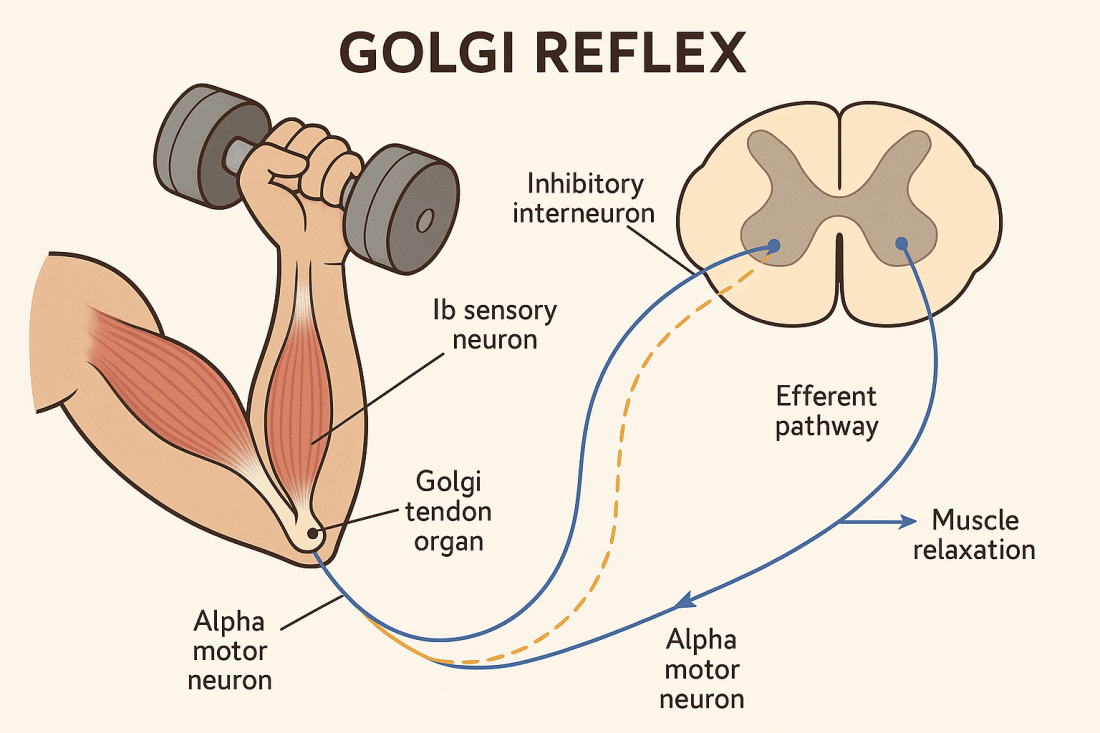
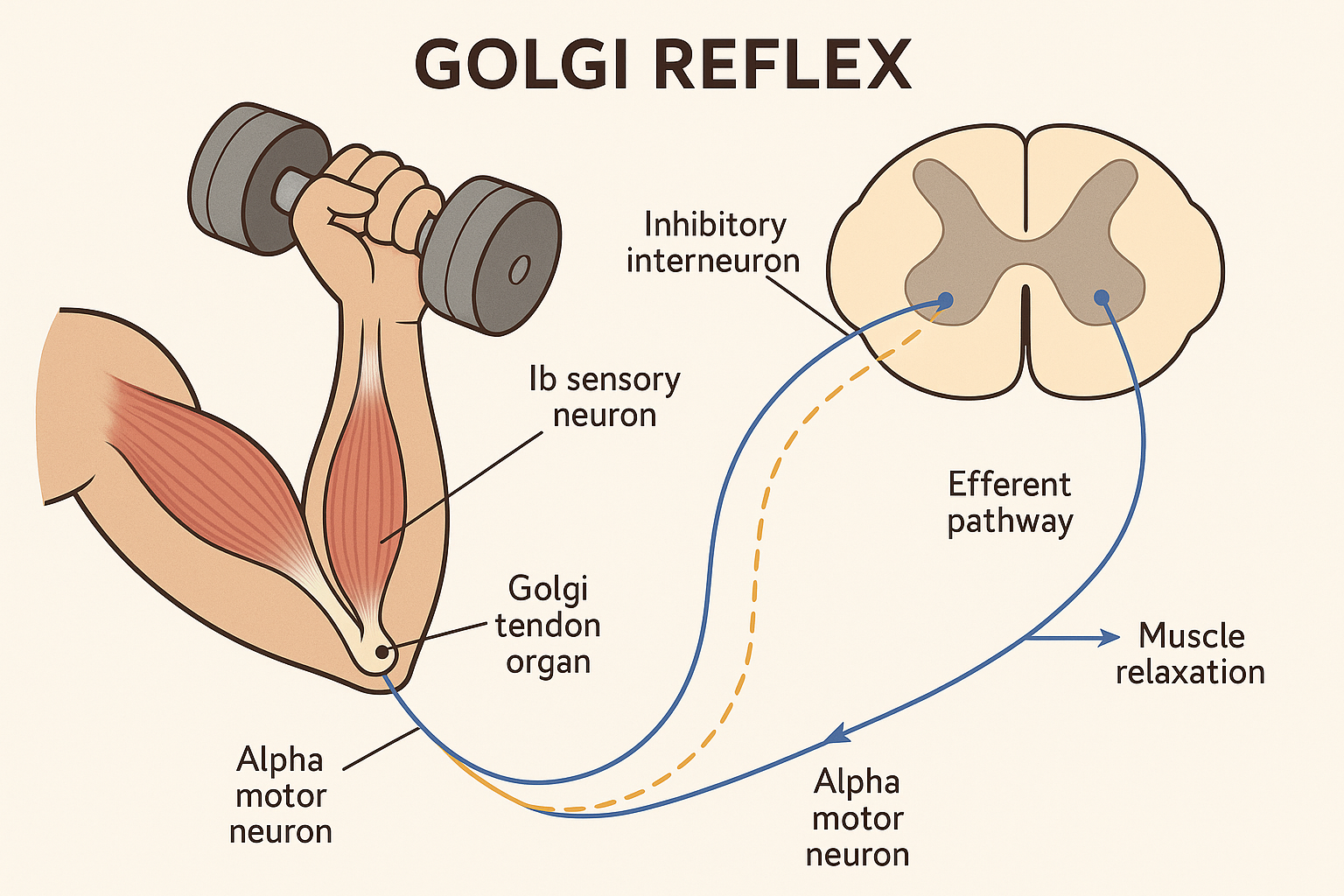
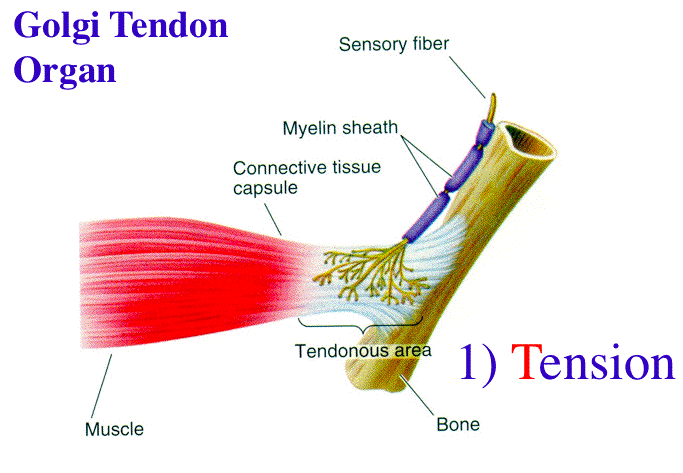
The Golgi tendon organs (GTOs) are tiny sensory receptors embedded within the tendons, especially near where muscle fibers attach. These structures monitor tension, not length. When a muscle generates excessive force, the GTOs activate and send signals through Ib afferent neurons to the spinal cord. In response, inhibitory interneurons suppress the alpha motor neurons of the same muscle, causing it to relax,a reflexive release that protects against tendon tears and muscle damage (Kandel et al., 2013).

This response is involuntary, immediate, and essential when lifting something too heavy, absorbing shock from a fall, or stabilizing during sudden force.

(Muscle Spindle and Golgi Tendon Organ, n.d.)

Application in Martial Arts and Internal Cultivation

In martial disciplines, particularly internal arts like Tai Chi, Baguazhang, and Aikido, awareness of the body’s reflex arcs can inform a practitioner’s ability to flow with force rather than oppose it. Here’s how the Golgi reflex relates:

  • Iron Palm training along with Dit Da Jow herbal extracts help to gradually condition the body to tolerate greater tendon strain. Controlled stress during impact training subtly recalibrates the GTO sensitivity over time.
  • Soft styles like Tai Chi and Baguazhang avoid jarring, stretch-activated movements. Instead, working slow, and with controlled tension that stimulates Golgi response, allows the body to yield and remain supple under pressure.
  • In dynamic grappling or throws, as seen in Chin Na, Judo or Hapkido, reflexive yielding through the Golgi pathway helps reduce injury by inhibiting over-tensed muscles at the point of joint load.

Advanced practitioners learn not only to listen to these reflexes, but to train around them, balancing contraction and surrender, strength and softness.

Beyond Martial Arts: Who Else Benefits from the Golgi Reflex?

This reflex isn’t just for warriors or athletes. It’s a vital part of movement safety and performance for everyone:

  • General Population

Everyday actions like lifting groceries, catching a falling object, or stepping off a curb involve sudden shifts in tension. The Golgi reflex modulates effort and prevents injury in such moments.

  • Seniors and Fall Recovery

Age-related proprioceptive decline can dampen these reflexes. That’s why gentle resistance training, balance work, and slow-motion practices (e.g., Tai Chi or aquatic movement) help reengage GTOs, reducing fall risk and enhancing muscular responsiveness (Howe et al., 2011).

  • Stretch and Flexibility Work

Proprioceptive Neuromuscular Facilitation (PNF) stretching uses the GTO mechanism: by contracting a muscle group before passively stretching it, you activate the Golgi reflex, causing deeper relaxation and elongation. This principle is used in yoga, physical therapy, and high-level athletic warmups (Sharman et al., 2006).

  • Rehabilitation

After injury or surgery, the neuromuscular system often becomes overly protective. Isometric contractions, gradual load-bearing, and eccentric movement help reset healthy GTO thresholds. Therapists use these principles to reestablish functional movement patterns without triggering pain or spasm.

Stretch Reflex vs. Golgi Reflex: A Neuromuscular Balancing Act

Reflex TypeGolgi Tendon ReflexStretch Reflex (Myotatic)
TriggerExcessive tension in tendonSudden lengthening of muscle
Sensory ReceptorGolgi tendon organMuscle spindle
ResultInhibits contraction (relaxation)Initiates contraction
PurposeProtects tendon/muscle from ruptureMaintains posture and joint stability
Used InFlexibility work, yielding reflexesPosture, explosive movement

Together, these two reflexes keep the body in dynamic equilibrium, preventing collapse on one end and rupture on the other.

Training Neuromuscular Wisdom

By understanding and training with these reflexes, rather than against them, we unlock more than just flexibility or safety. We cultivate body intelligence.

  • In meditative movement arts, such as Qigong or Tai Chi, this intelligence is described as developing “song” or a state of relaxed, alert readiness.
  • In Western terms, it aligns with developing sensorimotor awareness and reflexive strength: tension when needed, release when wise.
  • In rehab or daily movement, it’s the difference between bracing unnecessarily and moving efficiently.

Whether you’re planting a garden, throwing a punch, or rising from a chair, your Golgi reflex is part of the feedback system keeping you safe, supple, and strong.

References:

Howe, T. E., Rochester, L., Jackson, A., Banks, P. M., Blair, V. A., & Ballinger, C. (2011). Exercise for improving balance in older people. Cochrane Database of Systematic Reviews, (11). https://doi.org/10.1002/14651858.CD004963.pub3

Kandel, E. R., Schwartz, J. H., Jessell, T. M., Siegelbaum, S. A., & Hudspeth, A. J. (2013). Principles of Neural Science (5th ed.). McGraw-Hill Education. https://accessbiomedicalscience.mhmedical.com/content.aspx?bookid=1049&sectionid=59138139

Muscle spindle and golgi tendon organ. (n.d.). https://www.unm.edu/~lkravitz/Exercise%20Phys/spindleGTO.html

Sharman, M. J., Cresswell, A. G., & Riek, S. (2006). Proprioceptive neuromuscular facilitation stretching. Sports Medicine, 36(11), 929–939. https://doi.org/10.2165/00007256-200636110-00002

Options for Managing Chronic Pain #2

Managing Chronic Pain Naturally: Integrating Traditional Wisdom with Modern Science

Chronic pain and stress affect millions of people today, often leading to dependency on pharmaceutical interventions that merely mask symptoms. But there are time-tested, natural ways to promote healing and resilience by working with the body’s innate intelligence.

In a recent lecture, I shared insights from over 40 years of practice in Traditional Chinese Medicine (TCM), holistic movement, breathwork, and energy therapies. This article summarizes key concepts and practical tools from that presentation, blending ancient wisdom with contemporary research to empower your self-care journey.

A Holistic Approach to Chronic Pain

TCM views chronic pain not as an isolated symptom but as the result of disharmony in the body’s energy systems. Through modalities such as acupuncture, cupping, herbal therapy, and breathwork, TCM helps restore balance, encourage circulation, and reduce inflammation.

Yet the modern view adds valuable understanding: chronic stress, shallow breathing, emotional suppression, and sedentary lifestyles all contribute to nervous system dysregulation and persistent pain. The solution lies in integrating breath, movement, awareness, and lifestyle shifts, all of which support long-term healing.

Breathing: The Foundation of Resilience

We often overlook the quality of our breath. Most adults default to shallow chest breathing, reducing oxygen intake and maintaining a low-level fight-or-flight state. In contrast, deep diaphragmatic (abdominal) breathing, as seen in babies and trained performers, nourishes the body and calms the nervous system.

By practicing techniques such as “box breathing” (inhaling, holding, exhaling, holding in equal segments), we can retrain our breathing patterns. Studies show this can lower the respiratory rate from 12–15 breaths per minute to as few as 4, promoting parasympathetic (“rest and digest”) activation and improving resilience (Jerath et al., 2006).


Autogenic training, which combines breath with mental imagery (e.g., sensations of lightness or warmth), offers another powerful tool to redirect the mind away from pain and tension (Fuster, 1959).

Emotions and Organ Health: The TCM Perspective

Traditional Chinese Medicine teaches that emotions are deeply connected to organ systems:

  • Grief affects the lungs
  • Fear affects the kidneys
  • Anger affects the liver
  • Joy affects the heart

Chronic emotional states can block energy (Qi) flow, weakening organ function and fostering illness. Western research supports this: stress hormones like cortisol impair digestion, immunity, and tissue repair (McEwen, 1998).

Mindfulness, breathwork, and emotional regulation are not optional — they are essential for maintaining health and preventing chronic disease.

Movement and Reflexology: Tools for Daily Practice

Pain often leads to inactivity, which worsens circulation and energy stagnation. Safe, enjoyable movement is key. Practices like Tai Chi, swimming, gentle yoga, and controlled resistance training engage respiratory and postural muscles without exacerbating pain.

In addition, reflexology offers a simple method for self-care. Using tools like a golf ball or spiky massage ball to stimulate reflex zones on the feet, hands, and ears enhances circulation and soothes nerve pathways. Reflexology aligns with both TCM meridian theory and Western understanding of dermatomes and nerve reflex arcs (Ernst, 2009).

Sensory Input: A Subtle Yet Powerful Factor

We are constantly influenced by sensory stimuli: sound, light, smell, touch, and temperature.

  • Soothing music and pleasant aromas can promote relaxation
  • Harsh noise and unnatural lighting can trigger stress responses

Creating an intentional sensory environment is a subtle but powerful lever for healing and nervous system regulation (Ulrich et al., 1991).

Integrating Traditional and Modern Tools

Lasting relief from chronic pain comes from addressing its root causes, not just numbing the symptoms. An integrated approach combines:

  • Traditional therapies: acupuncture, moxibustion, herbal remedies
  • Breath practices: box breathing, autogenic training
  • Movement: gentle, customized exercise
  • Emotional awareness: mindfulness, journaling, supportive community
  • Sensory care: cultivating nourishing environments
  • Self-care tools: reflexology, energy work

Quick pharmaceutical fixes may offer temporary relief but do not build long-term resilience. A holistic model supports healing from within, empowering you to become an active participant in your well-being.

Conclusion

Pain is a complex experience woven from physical, emotional, and energetic threads. By understanding this interconnectedness and by applying time-tested practices we can shift from passive suffering to empowered self-care.

Breath, movement, emotional balance, and sensory awareness are accessible to all. With consistent practice, these simple tools can transform not only how we experience pain but how we experience life itself.

References:

Ernst, E. (2009). Is reflexology an effective intervention? A systematic review of randomised controlled trials. The Medical Journal of Australia, 191(5), 263–266. https://doi.org/10.5694/j.1326-5377.2009.tb02780.x

Fuster, J. M. (1959, November 1). AUTOGENIC TRAINING: A psychophysiologic approach in psychotherapy. https://pmc.ncbi.nlm.nih.gov/articles/PMC1577930/

Jerath, R., Edry, J. W., Barnes, V. A., & Jerath, V. (2006). Physiology of long pranayamic breathing: Neural respiratory elements may provide a mechanism that explains how slow deep breathing shifts the autonomic nervous system. Medical Hypotheses, 67(3), 566–571. https://doi.org/10.1016/j.mehy.2006.02.042


McEwen, B. S. (1998). Protective and damaging effects of stress mediators. New England Journal of Medicine, 338(3), 171–179. https://doi.org/10.1056/nejm199801153380307

Ulrich, R. S., Simons, R. F., Losito, B. D., Fiorito, E., Miles, M. A., & Zelson, M. (1991). Stress recovery during exposure to natural and urban environments. Journal of Environmental Psychology, 11(3), 201–230. https://doi.org/10.1016/s0272-4944(05)80184-7