Early Summer in Traditional Chinese Medicine

Fire Element, Circulation, and the Nervous System

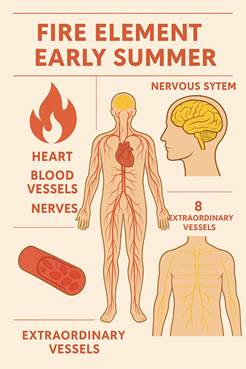
As nature enters early summer, Traditional Chinese Medicine (TCM) views this vibrant season through the lens of the Fire element, a phase of maximum Yang, warmth, expansion, and communication. Fire governs not only the Heart and blood vessels, but also the nervous system, emotions, and spiritual awareness. This inner fire fuels both our physical vitality and our mental clarity. In this unique seasonal phase, the flow of Qi, Blood, and Shen (spirit), especially through the veins, arteries, and the Eight Extraordinary Meridians takes center stage.

Understanding the dynamic between the Fire element, cardiovascular and neurological systems, and the deeper energetic channels allows us to harmonize body, mind, and spirit during this high-energy time of year.

🔥 Fire Element and Its Associations

In TCM’s Five Phase (Wu Xing) framework, Fire is associated with:

  • Season: Early Summer
  • Organs: Heart (Yin) and Small Intestine (Yang)
  • Emotions: Joy, enthusiasm, overexcitement, or mania
  • Body Tissue: Blood vessels and the nervous system
  • Sense Organ: Tongue
  • Color: Red
  • Climate: Heat
  • Direction: South
  • Taste: Bitter (Maciocia, 2005; Deadman et al., 2007)

Fire energy is expansive and expressive, symbolizing circulation, communication, and consciousness. When well-regulated, Fire fuels love, clarity, movement, and insight. When excessive, it can consume the mind and disturb the spirit.

❤️ Heart, Blood Vessels, and Nervous Regulation

The Heart (Xin) is considered the “Emperor” of the body, orchestrating the flow of Qi and Blood and serving as the seat of Shen (mind/spirit). TCM describes its functions as:

  • Governing the blood and blood vessels
  • Housing the Shen, which includes consciousness, thought, memory, and emotions
  • Regulating mental activity and sleep (Maciocia, 2005)

The blood vessels, seen as pathways of both Blood and Qi, rely on the Heart’s warmth and rhythm to remain supple and open. But TCM also suggests that nerve-like communication and coordination are part of the Heart’s governance.

In modern integrative interpretations:

  • The autonomic nervous system (ANS), particularly the parasympathetic “rest-and-digest” functions, mirrors the Heart’s role in maintaining emotional and physical balance.
  • Excess Fire may overstimulate the sympathetic nervous system, leading to agitation, insomnia, hypertension, palpitations, and anxiety.
  • Deficient Heart Fire may lead to neurovegetative fatigue, poor concentration, and low vitality (Kaptchuk, 2000).

Thus, the vascular and neurological systems are harmonized through Fire’s balance affecting everything from blood pressure to mood and mental performance.

🧠 Fire Element and the Nervous System

TCM may not anatomically label the nervous system as Western medicine does, but the concepts of Shen, Yi (intellect), and Zhi (willpower) reflect cognitive and neurological activity.

In early summer:

  • Shen becomes more active and outward, seeking expression, connection, and joy.
  • The Du Mai (Governing Vessel) linked with the brain and spine, rises in importance, guiding mental alertness and emotional regulation.
  • The Fire element’s influence supports neurotransmitter balance, sleep-wake cycles, and emotional processing.

From a modern neurobiological point of view, this aligns with the brain-heart connection:

  • Heart Rate Variability (HRV), a marker of nervous system resilience, increases with parasympathetic tone, a goal of Heart-focused qigong and meditation
  • Practices that balance Heart Fire can directly impact the vagus nerve, thereby stabilizing emotions and stress responses (Porges, 2011)

🩸 Extraordinary Meridians and Fire Circulation

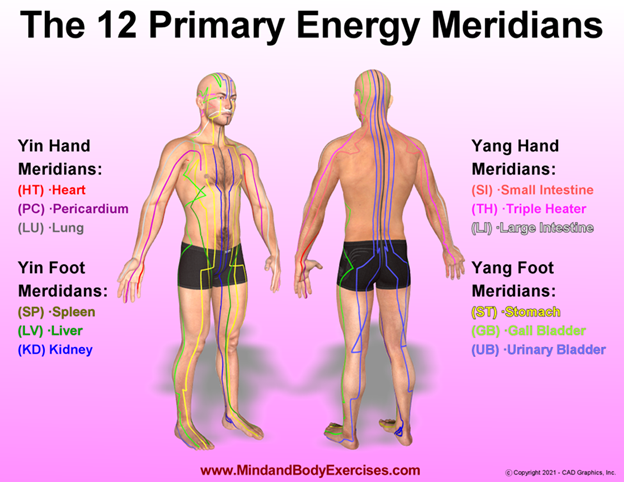
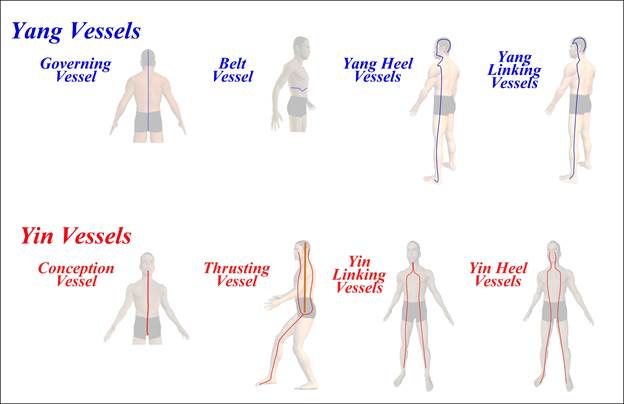
The Eight Extraordinary Meridians function as deep energetic reservoirs, regulating circulation, constitutional energy, and emotional integration (Larre et al. (1996). In early summer, these vessels help modulate the Fire element’s rise and distribute Qi and Blood in ways that nourish the whole system.

1. Chong Mai (Penetrating Vessel)

  • Sea of Blood, linked to Heart and uterus
  • Balances hormonal and emotional rhythms
  • When Fire is excess: anxiety, chest oppression, uterine bleeding

2. Ren Mai (Conception Vessel)

  • Nourishes Yin; anchors the Heart through calming fluids
  • Connects deeply to Heart-Yin and Shen stabilization

3. Du Mai (Governing Vessel)

  • Axis of Yang energy; influences brain, spine, and nervous system
  • Becomes overactive when Fire flares upward, causing insomnia or hyperarousal

4. Dai Mai (Belt Vessel)

  • Regulates Qi flow around the waist, harmonizes rising Fire from middle and lower burners

By supporting these vessels through breathwork, meditation, herbs, and seasonal living, we can help regulate the Fire element’s effects on circulatory, emotional, and neurological functions.

🌿 Seasonal Strategies for Summer Balance

🔹 Qigong & Meditation

  • Heart-centered qigong and the Inner Smile meditation bring Shen home to the Heart
  • Breathing practices that lengthen the exhale can calm the nervous system and increase vagal tone
  • Include “Cooling the Fire” meditations to harmonize Du Mai and Shen

🔹 Lifestyle Adjustments

  • Avoid overstimulation, especially from social media, caffeine, or excess sun
  • Go to bed earlier, maintain emotional equanimity
  • Emphasize connection over excitement
  • Prioritize joyful stillness rather than external thrill-seeking

🌀 Summary: Fire’s Intelligence in the Body

Early summer is the season of Shen and circulation, a time when the Fire element stimulates outward movement, connection, and the full flowering of human potential. Yet this power must be anchored. Overexertion, excess heat, and emotional overload can disrupt the Heart, destabilize the nervous system, and drain the blood vessels and extraordinary meridians.

Through awareness, breath, and regulation, we can cultivate a sovereign Heart, a resilient mind, and an inner flame that warms but never burns.

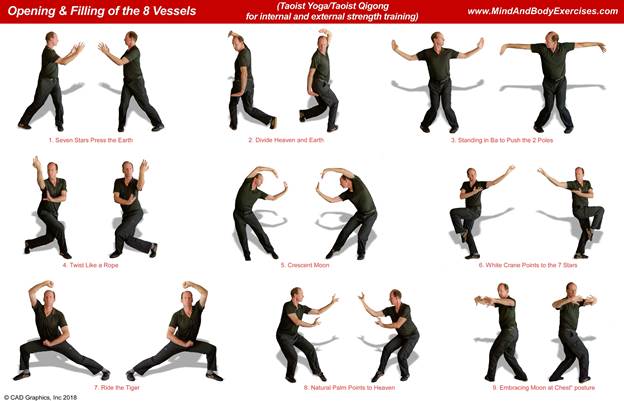
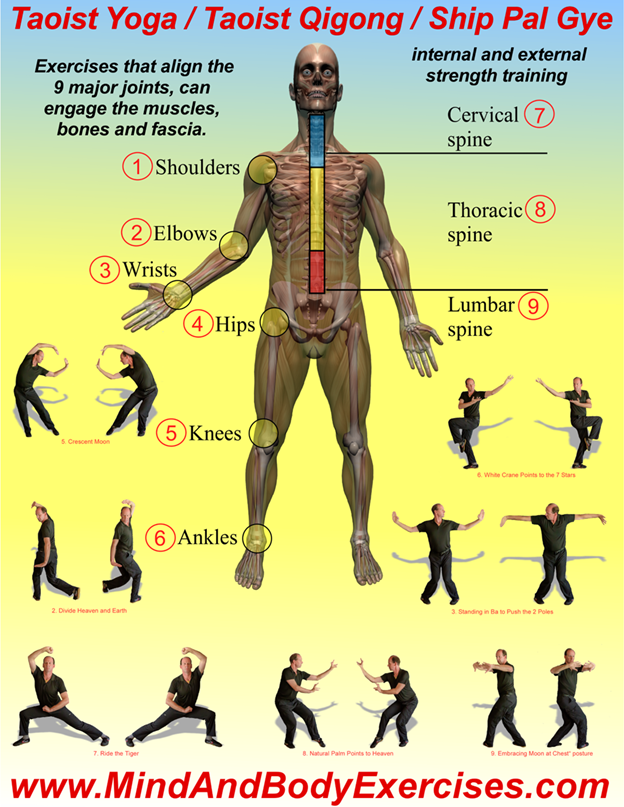
8 Vessels Qigong

References:

Deadman, P., Al-Khafaji, M., & Baker, K. (2007). A Manual of Acupuncture. Journal of Chinese Medicine Publications.

Kaptchuk, T. J. (2000). The Web That Has No Weaver: Understanding Chinese Medicine (2nd ed.). McGraw-Hill.

Larre, C., de la Vallée, E., & Rochat de la Vallée, E. (1996). The Eight Extraordinary Meridians: Spirit of the Vessels. Monkey Press.

Maciocia, G. (2005). The Foundations of Chinese Medicine: A Comprehensive Text for Acupuncturists and Herbalists (2nd ed.). Elsevier Churchill Livingstone.

Porges, S. W. (2011). The polyvagal theory: Neurophysiological foundations of emotions, attachment, communication, and self-regulation. W. W. Norton & Company.

Options for Managing Chronic Pain #2

Managing Chronic Pain Naturally: Integrating Traditional Wisdom with Modern Science

Chronic pain and stress affect millions of people today, often leading to dependency on pharmaceutical interventions that merely mask symptoms. But there are time-tested, natural ways to promote healing and resilience by working with the body’s innate intelligence.

In a recent lecture, I shared insights from over 40 years of practice in Traditional Chinese Medicine (TCM), holistic movement, breathwork, and energy therapies. This article summarizes key concepts and practical tools from that presentation, blending ancient wisdom with contemporary research to empower your self-care journey.

A Holistic Approach to Chronic Pain

TCM views chronic pain not as an isolated symptom but as the result of disharmony in the body’s energy systems. Through modalities such as acupuncture, cupping, herbal therapy, and breathwork, TCM helps restore balance, encourage circulation, and reduce inflammation.

Yet the modern view adds valuable understanding: chronic stress, shallow breathing, emotional suppression, and sedentary lifestyles all contribute to nervous system dysregulation and persistent pain. The solution lies in integrating breath, movement, awareness, and lifestyle shifts, all of which support long-term healing.

Breathing: The Foundation of Resilience

We often overlook the quality of our breath. Most adults default to shallow chest breathing, reducing oxygen intake and maintaining a low-level fight-or-flight state. In contrast, deep diaphragmatic (abdominal) breathing, as seen in babies and trained performers, nourishes the body and calms the nervous system.

By practicing techniques such as “box breathing” (inhaling, holding, exhaling, holding in equal segments), we can retrain our breathing patterns. Studies show this can lower the respiratory rate from 12–15 breaths per minute to as few as 4, promoting parasympathetic (“rest and digest”) activation and improving resilience (Jerath et al., 2006).


Autogenic training, which combines breath with mental imagery (e.g., sensations of lightness or warmth), offers another powerful tool to redirect the mind away from pain and tension (Fuster, 1959).

Emotions and Organ Health: The TCM Perspective

Traditional Chinese Medicine teaches that emotions are deeply connected to organ systems:

  • Grief affects the lungs
  • Fear affects the kidneys
  • Anger affects the liver
  • Joy affects the heart

Chronic emotional states can block energy (Qi) flow, weakening organ function and fostering illness. Western research supports this: stress hormones like cortisol impair digestion, immunity, and tissue repair (McEwen, 1998).

Mindfulness, breathwork, and emotional regulation are not optional — they are essential for maintaining health and preventing chronic disease.

Movement and Reflexology: Tools for Daily Practice

Pain often leads to inactivity, which worsens circulation and energy stagnation. Safe, enjoyable movement is key. Practices like Tai Chi, swimming, gentle yoga, and controlled resistance training engage respiratory and postural muscles without exacerbating pain.

In addition, reflexology offers a simple method for self-care. Using tools like a golf ball or spiky massage ball to stimulate reflex zones on the feet, hands, and ears enhances circulation and soothes nerve pathways. Reflexology aligns with both TCM meridian theory and Western understanding of dermatomes and nerve reflex arcs (Ernst, 2009).

Sensory Input: A Subtle Yet Powerful Factor

We are constantly influenced by sensory stimuli: sound, light, smell, touch, and temperature.

  • Soothing music and pleasant aromas can promote relaxation
  • Harsh noise and unnatural lighting can trigger stress responses

Creating an intentional sensory environment is a subtle but powerful lever for healing and nervous system regulation (Ulrich et al., 1991).

Integrating Traditional and Modern Tools

Lasting relief from chronic pain comes from addressing its root causes, not just numbing the symptoms. An integrated approach combines:

  • Traditional therapies: acupuncture, moxibustion, herbal remedies
  • Breath practices: box breathing, autogenic training
  • Movement: gentle, customized exercise
  • Emotional awareness: mindfulness, journaling, supportive community
  • Sensory care: cultivating nourishing environments
  • Self-care tools: reflexology, energy work

Quick pharmaceutical fixes may offer temporary relief but do not build long-term resilience. A holistic model supports healing from within, empowering you to become an active participant in your well-being.

Conclusion

Pain is a complex experience woven from physical, emotional, and energetic threads. By understanding this interconnectedness and by applying time-tested practices we can shift from passive suffering to empowered self-care.

Breath, movement, emotional balance, and sensory awareness are accessible to all. With consistent practice, these simple tools can transform not only how we experience pain but how we experience life itself.

References:

Ernst, E. (2009). Is reflexology an effective intervention? A systematic review of randomised controlled trials. The Medical Journal of Australia, 191(5), 263–266. https://doi.org/10.5694/j.1326-5377.2009.tb02780.x

Fuster, J. M. (1959, November 1). AUTOGENIC TRAINING: A psychophysiologic approach in psychotherapy. https://pmc.ncbi.nlm.nih.gov/articles/PMC1577930/

Jerath, R., Edry, J. W., Barnes, V. A., & Jerath, V. (2006). Physiology of long pranayamic breathing: Neural respiratory elements may provide a mechanism that explains how slow deep breathing shifts the autonomic nervous system. Medical Hypotheses, 67(3), 566–571. https://doi.org/10.1016/j.mehy.2006.02.042


McEwen, B. S. (1998). Protective and damaging effects of stress mediators. New England Journal of Medicine, 338(3), 171–179. https://doi.org/10.1056/nejm199801153380307

Ulrich, R. S., Simons, R. F., Losito, B. D., Fiorito, E., Miles, M. A., & Zelson, M. (1991). Stress recovery during exposure to natural and urban environments. Journal of Environmental Psychology, 11(3), 201–230. https://doi.org/10.1016/s0272-4944(05)80184-7

Options for Managing Chronic Pain #1

Recently I presented a 3-session discussion of managing chronic pain and various health conditions without relying heavily on pharmaceuticals. Drawing on over four decades of experience in fitness, wellness, and martial arts, I shared practical alternatives for alleviating chronic pain, enhancing overall health, and addressing root causes of illness through natural and holistic methods. The presentation emphasizes lifestyle changes such as regular exercise, proper nutrition, adequate sleep, positive mindset, and maintaining good posture. In addition to physical activity, I introduced various therapies from traditional Chinese medicine like acupuncture, cupping, and herbal treatments, alongside modern tools such as massage guns, acupressure blankets, TENS units, and topical applications like Biofreeze and herbal extracts and oils.

This talk also highlights the important role of breathing techniques and managing thoughts and emotions to influence bodily health, noting the body-mind connection reflected in how emotions such as fear and anger affect organ function. I stressed the importance of building health-supportive habits, acknowledged the challenge of post-traumatic growth, and discussed the nuanced use of heat and cold therapies. Practical advice on selecting and safely using equipment and topical treatments is interwoven with cautions about chemical ingredients and the need for professional guidance when appropriate.

Traditional Chinese medicine explanations include the theory of meridians and fascia as pathways for energy and healing, while acknowledgment of the placebo effect underscores individual variability in treatment success. The presentation culminates with a discussion on herbal remedies and CBD products, encouraging personal experimentation with proper research and awareness of one’s unique constitution. Finally, I outlined future classes focusing on exercises for specific pain areas, breathing techniques, and addressing common ailments such as headaches.

Highlights

  • 🌿 Emphasis on managing chronic pain naturally through lifestyle changes and holistic methods.
  • 🧘‍♂️ Importance of regular exercise, stretching, and posture correction to alleviate joint and muscle pain.
  • 🌞 Balanced exposure to sunlight recommended for overall health despite skin cancer concerns.
  • 🌬️ Deep, nasal breathing techniques help regulate hormones and reduce stress.
  • 💆‍♀️ Overview of traditional Chinese medicine therapies such as acupuncture, cupping, and reflexology.
  • ⚡ Introduction of modern tools like massage guns and TENS units for targeted pain relief.
  • 🌱 Discussion of herbal remedies and CBD products with a focus on personal research and safety.

Key Insights

  • 🌟 Holistic Approach to Chronic Pain Management: The presentation advocates a multi-faceted strategy that goes beyond drugs, focusing on physical activity, nutrition, sleep, mental health, and social connection. Chronic pain is not treated solely as a symptom requiring pills but as a condition that benefits from addressing root causes like posture, mobility, and emotional well-being.

  • 💪 Exercise as a Foundation of Health: Regular, thoughtful exercise not only builds strength and flexibility but also aids in maintaining joint integrity and reducing inflammation. Tailored rehabilitation exercises for injury-prone areas such as knees and back show how specific movements can promote healing and prevent surgery, underscoring the preventive value of physical training.

  • 🌞 Sunlight’s Dual Role: Despite warnings about sun exposure, moderate sunlight early in the day is beneficial for vitamin D synthesis and overall well-being. This nuanced advice counters extreme avoidance and highlights how balanced choices support immune function and energy metabolism.

  • 🧠 Mind-Body Connection Through Thought and Emotion: The concept that emotions influence physical health is grounded in both traditional Asian medicine and modern science. Chronic fear, anger, and depression affect hormone and nervous system balance, which in turn impacts organ health and pain perception. Cultivating positive attitudes is presented as an essential part of holistic health care.

  • 🧘 Breathing as a Regulatory Tool: Emphasizing nasal breathing, I explained its biological effects on the nervous system’s fight-or-flight response and hormone regulation. It’s a simple, often overlooked method to enhance relaxation, improve circulation, and support natural healing processes by shifting the body into a rest-and-digest state.

  • 🌿 Traditional Chinese Medicine and Modern Integration: The explanation of meridian theory in relation to fascia and connective tissue bridges ancient concepts with current anatomical understanding. Techniques like acupuncture, cupping, and acupressure stimulate circulation and nervous system responses, and while their scientific basis is still debated, many find them effective. The placebo effect is recognized as a legitimate contributor to therapeutic outcomes.

  • ⚙️ Safe and Informed Use of Therapeutic Tools and Topicals: Modern devices like massage guns and TENS units can provide effective relief when used properly, but self-education and professional guidance are critical to avoid injury. Similarly, topical treatments like Biofreeze and traditional herbal liniments are recommended with caveats regarding chemical content and appropriate application to prevent adverse reactions.

  • 🌱 Individual Variability and Habit Formation: Chronic pain management is highly personalized. What works for one person might not work for another, which places importance on trying different methods and establishing consistent habits to evaluate effectiveness. The 21-day habit-building model is cited to encourage persistence and gradual lifestyle change.

  • 🌿 Herbal Medicine and CBD’s Mixed Efficacy: Herbal remedies such as ashwagandha and valerian root, alongside emerging treatments like CBD oil, show promise but require careful individual assessment and research. The overlap with placebo effects means patients must remain open-minded yet discerning, guided by their body’s responses and external advice.

  • 🩺 Discerning Between Muscle and Nerve Pain: Understanding the distinction between muscular discomfort and nerve-related pain is key to selecting appropriate therapies. For example, nerve pain may radiate and be treated with different techniques compared to localized muscle soreness, necessitating professional diagnosis to optimize treatment choices.

  • 🔥 Heat vs. Cold Therapy Nuances: The presentation challenges simplistic views on hot and cold treatment by discussing recent medical perspectives on risks and timing. Cold is beneficial immediately post-injury to reduce inflammation but can cause cell damage if prolonged, while heat aids recovery after inflammation subsides, supporting personalized and time-sensitive application.

  • 🌱 Post-Traumatic Growth Emphasized Over Syndrome: Rather than dwelling on trauma as a limiting factor, I frame it as an opportunity for growth. Adopting this mindset fosters resilience, encouraging individuals to engage in rehabilitation, self-care, and lifestyle changes despite past injuries or stressors contributing to chronic pain.

  • 🤝 Value of Social Connection and Mental Health Support: Being part of a supportive community, such as a health class or social network, can distract from pain and enhance feelings of well-being. This social support acts synergistically with physical treatment and mental health practices to bolster overall recovery and health maintenance.

In conclusion, my video offers a rich and practical resource for anyone seeking alternatives or complements to pharmaceutical pain management. It integrates ancient wisdom with contemporary tools and scientific insights, advocating for an active, informed, and individualized approach to chronic pain and health challenges. The emphasis on self-care, preventive habits, and understanding the body-mind interplay positions viewers to take more control of their well-being without over-dependence on medication.

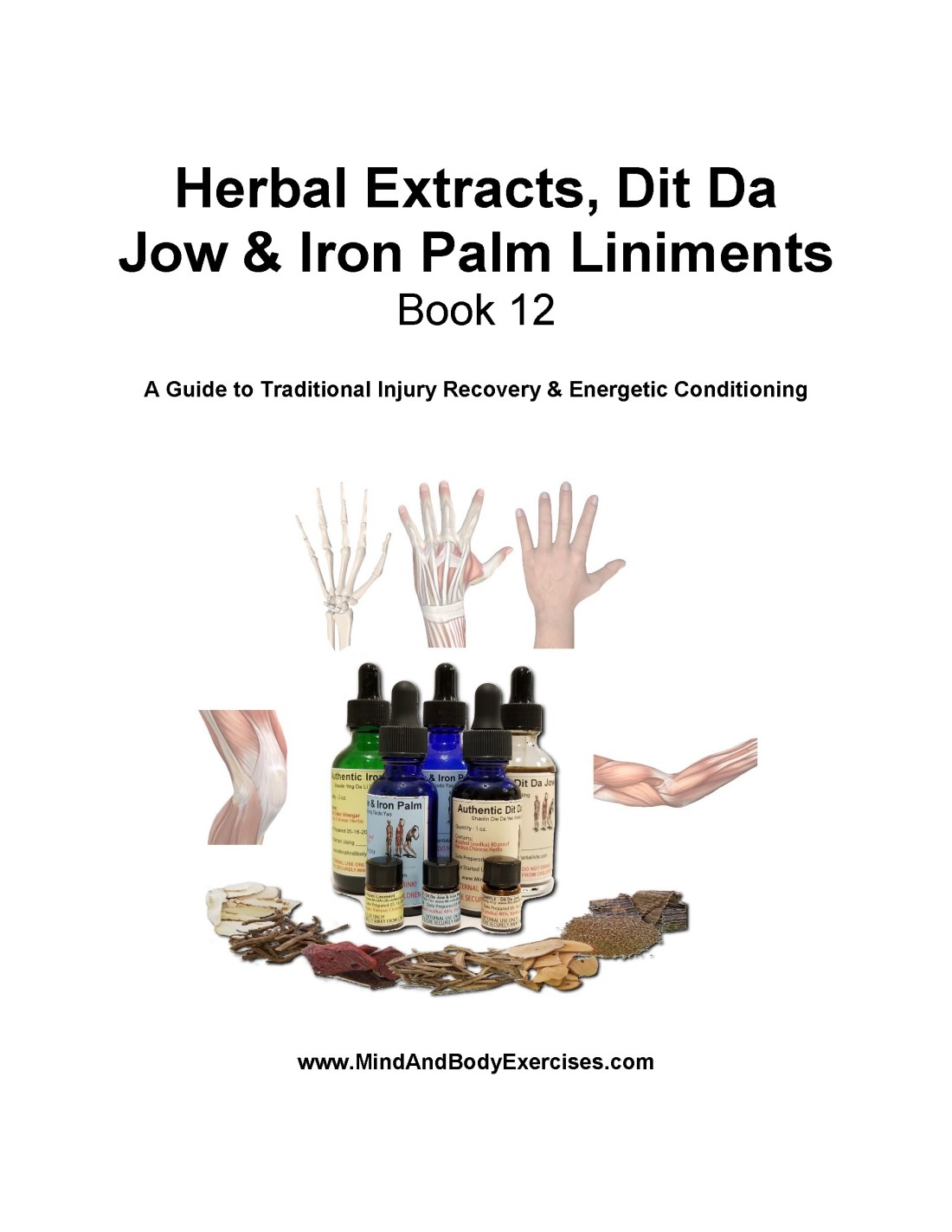
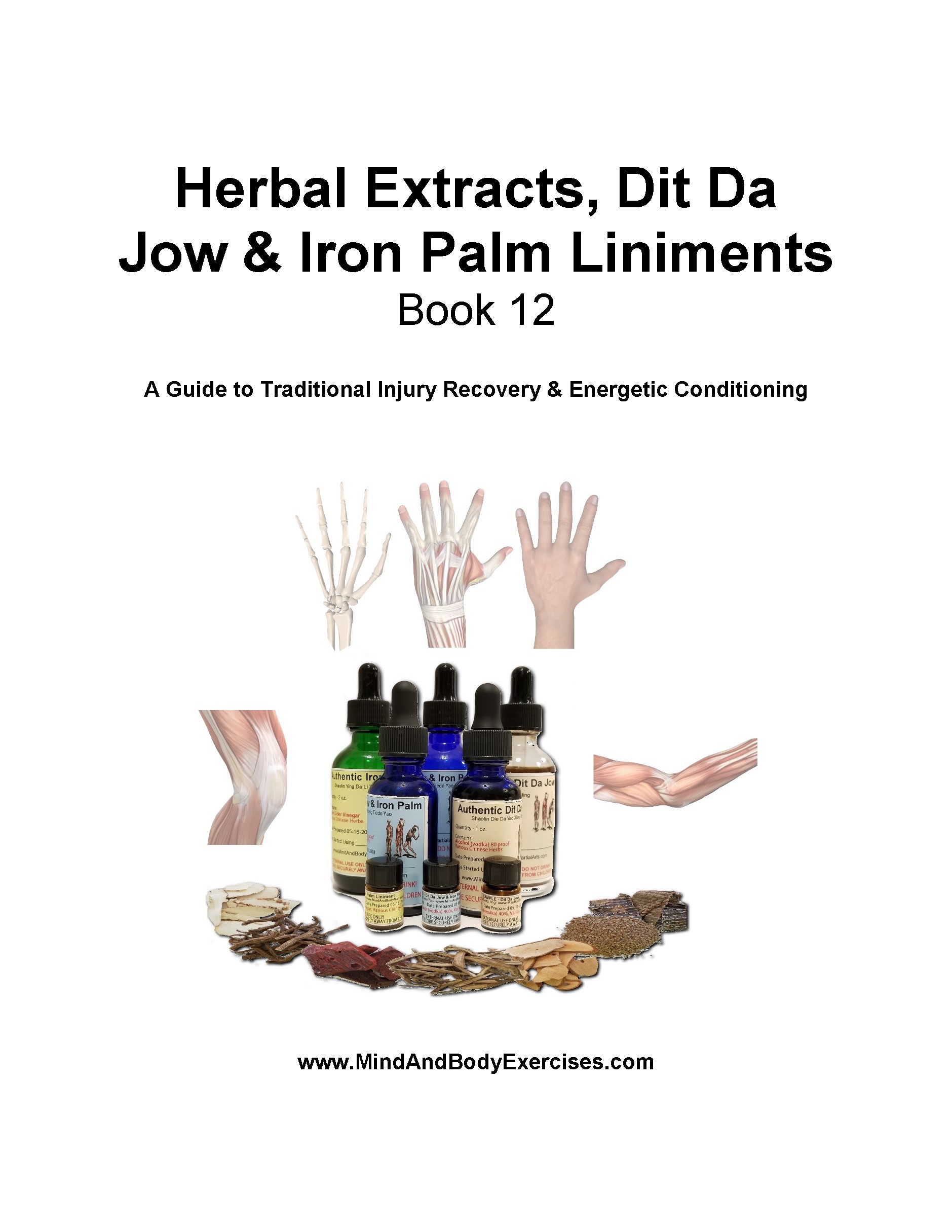
Herbal Extracts, Dit Da Jow & Iron Palm Liniments

Unlock the ancient wisdom of Traditional Chinese Medicine with Book 12-Herbal Extracts, Dit Da Jow & Iron Palm Liniments, a focused study guide on the use of Dit Da Jow and Iron Palm liniments for injury recovery, martial conditioning, and energy cultivation. Drawing from decades of hands-on training in martial arts, qigong, and Eastern wellness systems, this guide introduces the reader to external herbal applications designed to support healing, reduce inflammation, and stimulate the body’s natural energetic flow.

Explore the distinctions and complementary uses of these two potent liniments, Dit Da Jow for bruises, sore muscles, and soft tissue repair, and Iron Palm liniment for conditioning bones, tendons, and ligaments under stress from training or impact. Detailed charts, herb descriptions, and usage instructions offer insights into over 100 traditional herbs, including their Chinese names, botanical profiles, and therapeutic properties.

Ideal for martial artists, bodyworkers, holistic health seekers, and anyone pursuing non-invasive methods of physical recovery, this book also demystifies why chronic pain resists conventional treatments—and how natural remedies can play a key role in long-term wellness.

Key Features:

  • Practical applications of Chinese liniments for injury support and advanced conditioning
  • Explanation of Qi flow and energetic blockages in the context of pain and healing
  • Comparison charts between Dit Da Jow and Iron Palm formulas
  • Extensive list of herbs with their functions and energetic roles
  • Author insights drawn from 40+ years of study and teaching in martial and healing arts

Whether you’re a practitioner or a curious learner, Herbal Extracts offers timeless healing strategies rooted in tradition yet highly relevant to modern self-care.

Deep Breathing Benefits for the Blood, Oxygen & Qi

My latest book is the result of more than four decades of study, practice, healing, teaching, and reflection. It has been shaped through a lifetime of learning, from the grind of physical training to the quiet revelations of stillness. I’ve experienced injury and recovery, frustration and discovery, disillusionment and renewal. I’ve worked with athletes and seniors, martial artists and skeptics, students in pain and seekers of peace. And in all of this, I’ve come to a clear and powerful truth: how we breathe determines how we live.

Breath is our most intimate connection to life. It is the first thing we do when we are born and the last act of the physical body before death. In between, we take tens of thousands of breaths each day yet few of us are ever taught how to breathe well. Breath is assumed, automatic, and too often ignored until it becomes impaired. But for those who learn to pay attention, the breath is also a teacher, a tool, and a gateway to better health, greater awareness, and inner strength.

Available on Aamzon

From physiology to philosophy, Eastern medicine to Western science, every tradition I’ve explored acknowledges the power of breath. What this book offers is a bridge between those worlds. It is not just a technical manual or a philosophical essay, it is a lived map. It charts what I’ve seen work, what I’ve tested, and what I’ve returned to again and again, both for myself and my students.

This book is also a response to a culture that too often seeks complex fixes while ignoring the fundamentals. We have machines that track every heartbeat, yet people feel exhausted. Medications suppress symptoms but rarely resolve the cause. In contrast, breathing with awareness costs nothing, requires no equipment, and is available to you at any moment. It can regulate blood pressure, balance hormones, release chronic tension, improve digestion, enhance mental clarity, and restore emotional balance. It can return you to yourself.

Whether you’re new to breathwork or a seasoned practitioner, this book is designed to meet you where you are. It begins with the body, your physiology and posture, then moves through traditional practices, energetic systems, and meditative tools. By the end, you’ll understand not just how to breathe better, but why doing so changes everything.

My hope in writing this is not just to inform, but to awaken, to stir in you a sense of curiosity, empowerment, and agency. You do not need to be a guru, athlete, or mystic to reclaim your breath. You only need to begin. Each chapter in this book is an invitation to return to that beginning again, more skillfully each time.