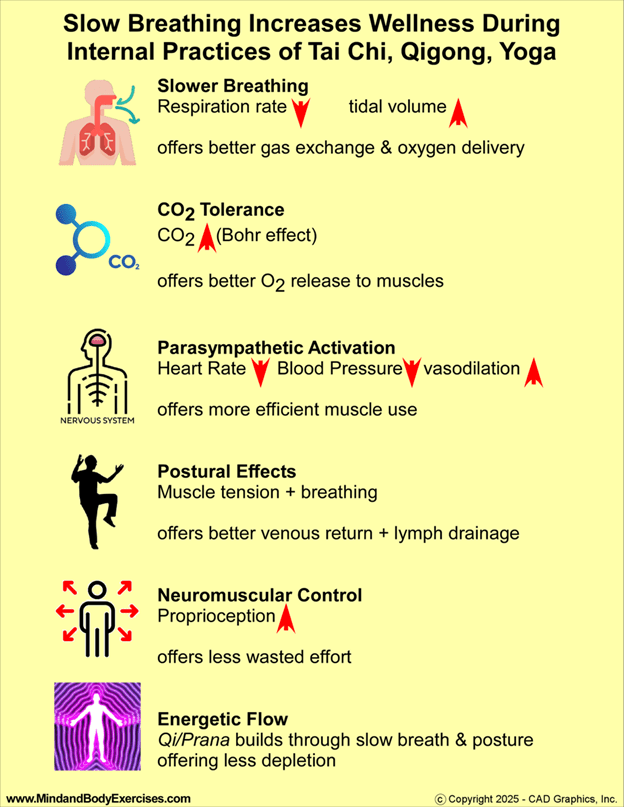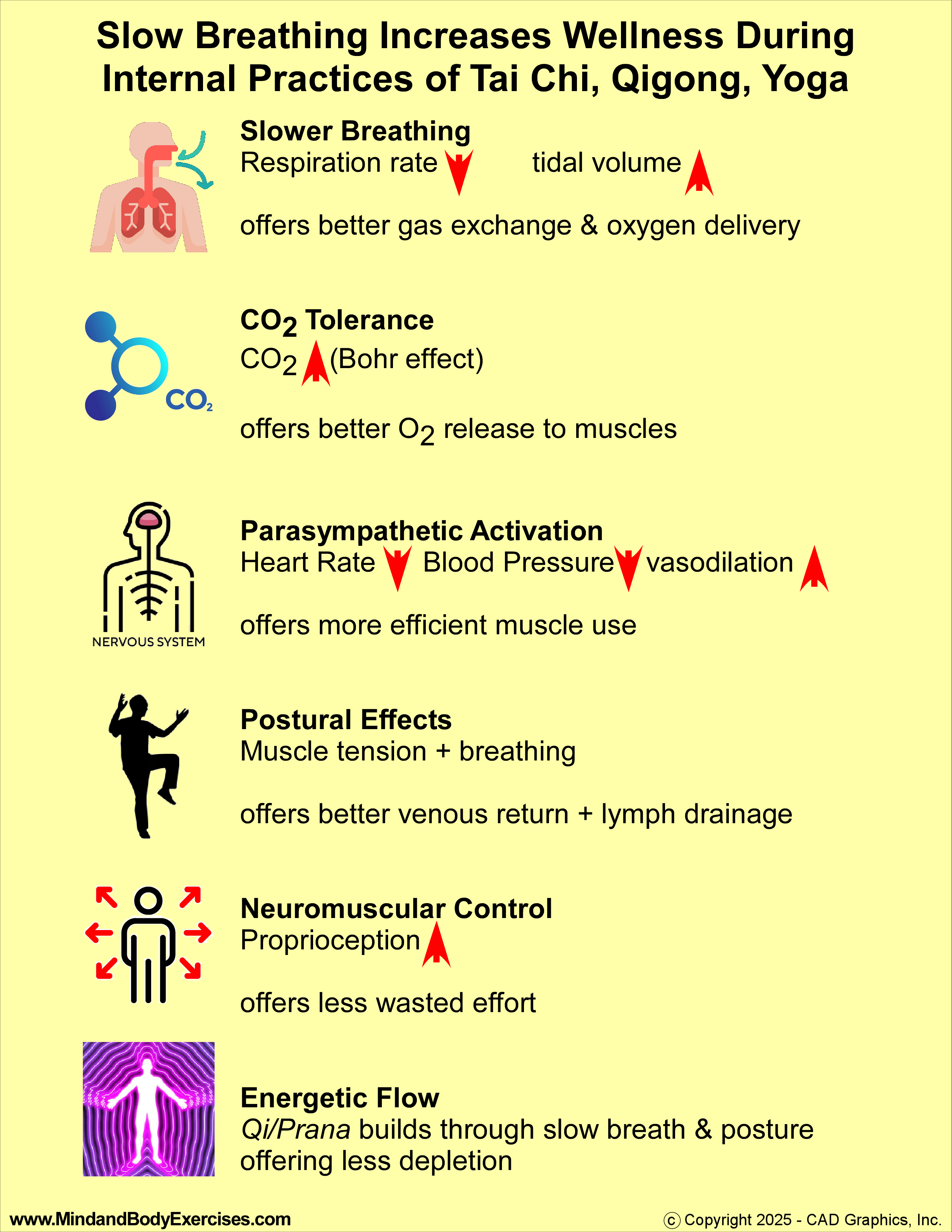
Slow Breathing, why is This Beneficial?

Internal practices like tai chi, qigong, and yoga: how slow, deep breathing can enhance rather than hinder oxygen delivery and energy during physically demanding postures. Let me unpack how this works from a Western physiological perspective, while also nodding to the energetic logic behind these practices.

Physiological Mechanisms at Play

1. Low Breathing Rate ≠ Low Oxygen Intake

  • When breathing frequency is reduced intentionally, it’s usually paired with deeper, more diaphragmatic breaths (also called “belly breathing”).
  • This increases tidal volume (the amount of air per breath), so although you’re breathing fewer times per minute, you may be getting the same or even more oxygen overall.
  • Slower breathing also enhances alveolar gas exchange because air stays in the lungs longer, allowing more thorough oxygen and CO₂ exchange.

Normal respiration rate: ~12 to 15 breaths/min (18 or more BPM when stressed)
In skilled practice: ~4–6 breaths/min (or less), with full exhalation and longer pause phases

2. Parasympathetic Activation and Efficiency

  • Slow, conscious breathing activates the parasympathetic nervous system (rest and digest), which:
    • Slows heart rate
    • Lowers blood pressure
    • Enhances vasodilation (better blood flow to extremities)
  • This reduces physiological tension, allowing the muscles to function more efficiently with less oxygen demand per unit of work.

3. Increased CO₂ Tolerance and Oxygen Utilization

  • Practices that involve breath retention or very slow breathing increase carbon dioxide (CO₂) tolerance.
  • Contrary to popular belief, CO₂ is the key signal for oxygen release via the Bohr effect:
    • Higher CO₂ levels shift hemoglobin to release more O₂ into tissues.
  • So, by tolerating higher CO₂, you actually increase oxygen delivery where it’s needed, especially in muscles under tension.

4. Improved Circulatory and Lymphatic Flow

  • Many postures in tai chi, yoga, and qigong involve dynamic tension, twisting, and limb positioning that:
    • Gently compress and release blood vessels (like a pump)
    • Aid in venous return (blood going back to the heart)
    • Enhance lymphatic drainage, helping with detox and immune function
  • Combined with deep breathing (which changes intra-thoracic pressure), these techniques mimic a second circulatory pump, where the breath and posture work together.

5. Enhanced Proprioception and Motor Control

  • By slowing breath and motion, practitioners become more aware of subtle muscle activation and joint positioning.
  • The cerebellum and somatosensory cortex are engaged more deeply, improving neuromuscular efficiency, so less “effort” is needed for the same or better results.
  • Muscles co-contract (yin-yang balance) with greater harmony, reducing unnecessary energy output.

Energetic and Traditional Viewpoint

From Traditional Chinese Medicine (TCM) or yogic perspectives:

  • Breath (qi/prana) is not just oxygen; it’s vital energy that nourishes tissues.
  • Slower breathing “builds” qi rather than expending it.
  • Holding postures while breathing deeply and slowly opens energy meridians, improves energy flow, and harmonizes internal organs.
  • In yoga, this aligns with pranayama and bandhas (locks), which store and redirect prana rather than dissipating it.

Summary: Why It Works

ChallengePhysiological Adaptation
Low breath rate under tensionIncreased tidal volume, better gas exchange
Increased CO₂Enhanced oxygen delivery via Bohr effect
Muscle demandGreater circulatory efficiency, less waste buildup
Nervous system stressParasympathetic dominance reduces overexertion
Static/dynamic posturesLymphatic drainage, better venous return
Breath–movement harmonyImproved motor control, proprioception, energetic alignment

References

Brown, R. P., & Gerbarg, P. L. (2005). Sudarshan Kriya Yogic Breathing in the Treatment of Stress, Anxiety, and Depression: Part II—Clinical Applications and Guidelines. The Journal of Alternative and Complementary Medicine, 11(4), 711–717. https://doi.org/10.1089/acm.2005.11.711

Jerath, R., Edry, J. W., Barnes, V. A., & Jerath, V. (2006). Physiology of long pranayamic breathing: Neural respiratory elements may provide a mechanism that explains how slow deep breathing shifts the autonomic nervous system. Medical Hypotheses, 67(3), 566–571. https://doi.org/10.1016/j.mehy.2006.02.042

Bernardi, L., Gabutti, A., Porta, C., & Spicuzza, L. (2001).
Slow breathing reduces chemoreflex response to hypoxia and hypercapnia, and increases baroreflex sensitivity.
Journal of Hypertension, 19(12), 2221–2229.
https://doi.org/10.1097/00004872-200112000-00016

Slow breathing reduces chemoreflex response to hypoxia and. . . : Journal of Hypertension. (n.d.). LWW. https://journals.lww.com/jhypertension/abstract/2001/12000/slow_breathing_reduces_chemoreflex_response_to.16.aspx

Streeter, C., Gerbarg, P., Saper, R., Ciraulo, D., & Brown, R. (2012). Effects of yoga on the autonomic nervous system, gamma-aminobutyric-acid, and allostasis in epilepsy, depression, and post-traumatic stress disorder. Medical Hypotheses, 78(5), 571–579. https://doi.org/10.1016/j.mehy.2012.01.021

Lehrer, P. M., & Gevirtz, R. (2014). Heart rate variability biofeedback: how and why does it work? Frontiers in Psychology, 5. https://doi.org/10.3389/fpsyg.2014.00756

I look forward to further sharing more of my message by partnering with hospitals, wellness centers, VA centers, schools on all levels, businesses, and individuals who see the value in building a stronger nation through building a healthier population.

I also have hundreds of FREE education video classes, lectures, and seminars available on my YouTube channel at:

https://www.youtube.com/c/MindandBodyExercises

Many of my publications can be found on Amazon at:

http://www.Amazon.com/author/jimmoltzan

My holistic health blog is available at:

https://mindandbodyexercises.wordpress.com/

http://www.MindAndBodyExercises.com

Mind and Body Exercises on Google: https://posts.gle/aD47Qo

Jim Moltzan

407-234-0119

The 8 Active Ingredients of Tai Chi: A Warrior, Scholar & Sage Perspective

We often hear that Tai Chi is good for balance, relaxation, and overall health. But the deeper question is this:

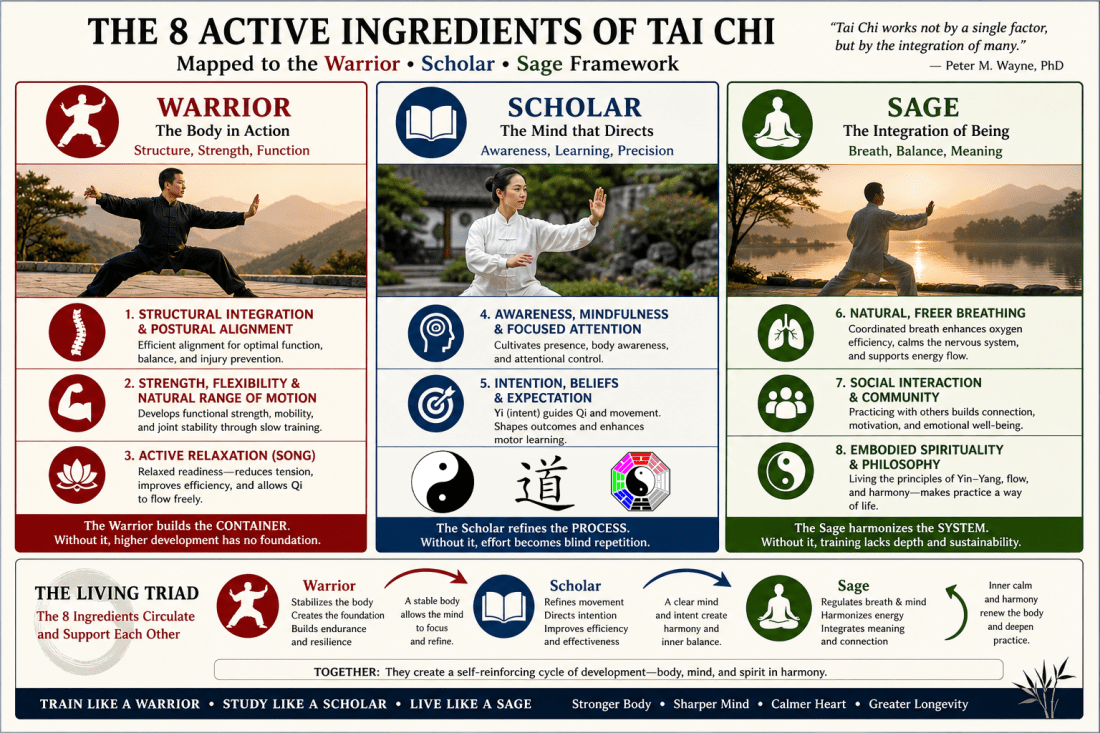
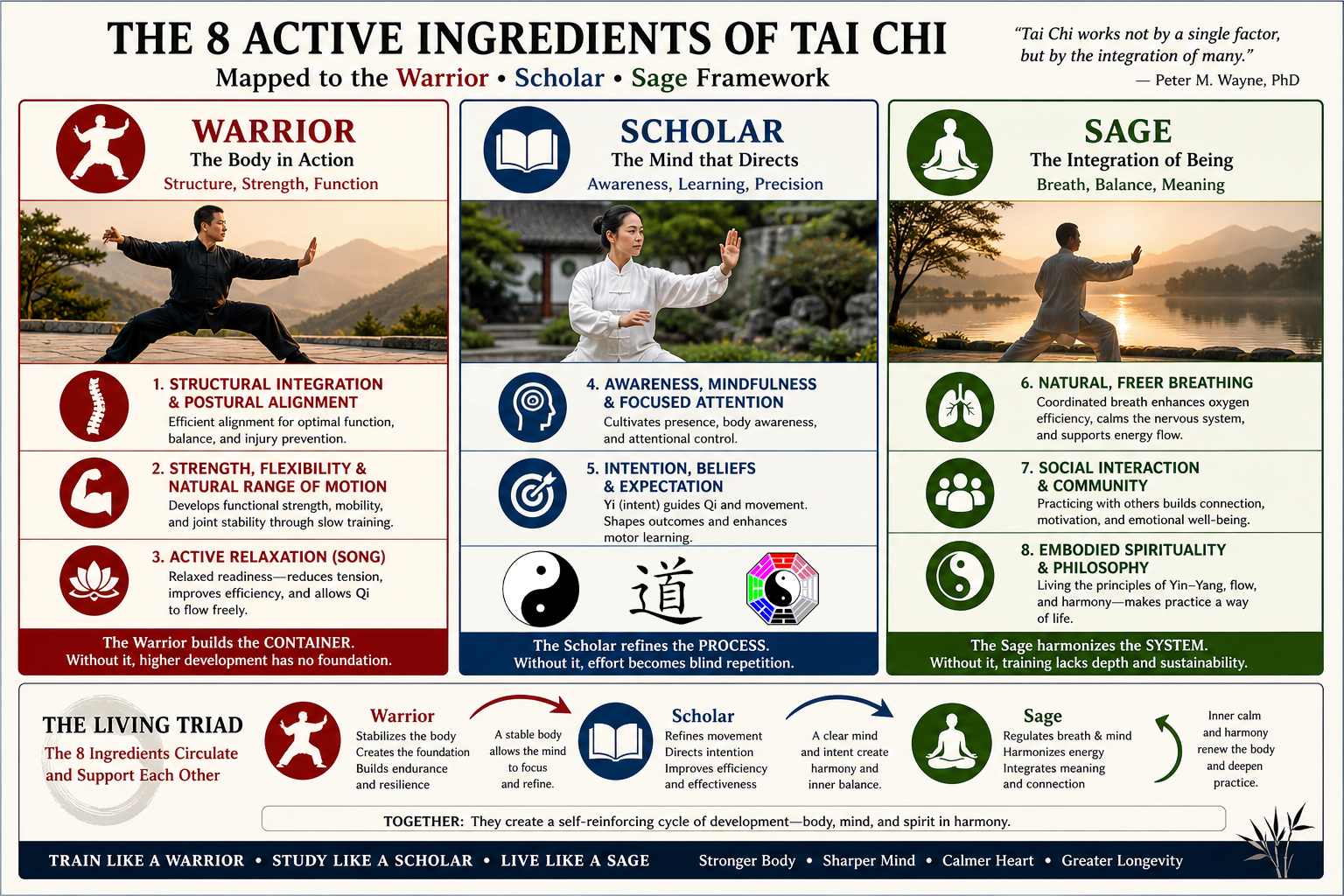
In The Harvard Medical School Guide to Tai Chi, Peter M. Wayne introduces the concept of the “8 active ingredients” of Tai Chi. His research-based perspective frames Tai Chi not as a single exercise, but as a multi-system method that integrates body, mind, and breath into a unified practice (Wayne & Fuerst, 2013; Wayne, 2014).

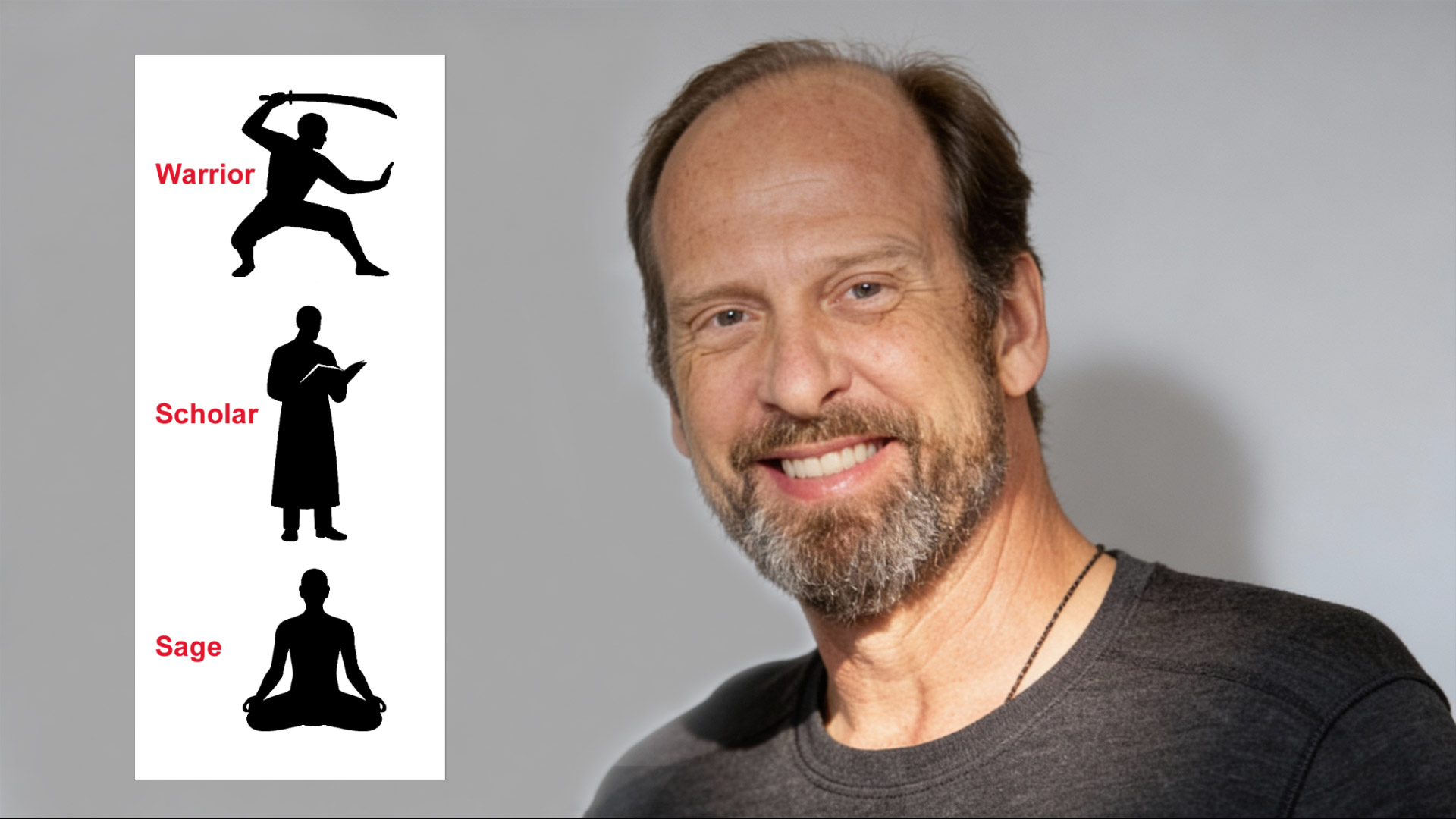
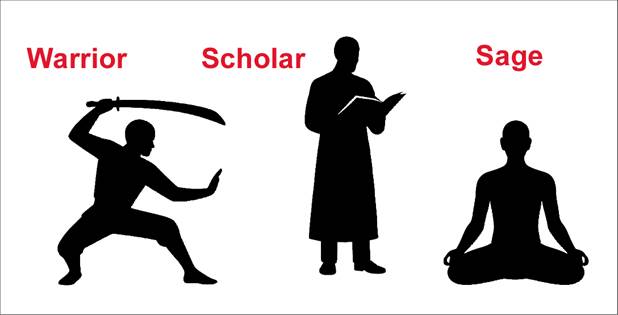
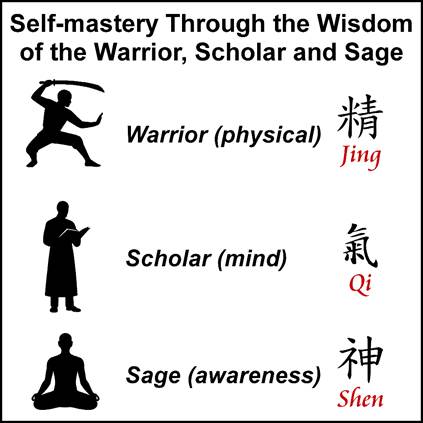
From my perspective, after more than four decades of training, teaching, and living these methods, these “ingredients” map clearly into a timeless framework:

This triad provides a practical and philosophical lens to understand how Tai Chi truly develops the human being.

Tai Chi as a Complete System

Wayne’s eight ingredients include:

  • Awareness and mindfulness
  • Intention and expectation
  • Structural alignment
  • Active relaxation (song)
  • Strength and flexibility
  • Breathing
  • Social interaction
  • Philosophy and meaning

Individually, each has value. But together, they create something far more powerful:

A self-reinforcing system of physical conditioning, mental refinement, and internal regulation (Wayne & Fuerst, 2013).

Research on Tai Chi consistently shows improvements across multiple systems, including musculoskeletal strength, balance, cardiovascular health, and psychological well-being, supporting its role as a multicomponent intervention rather than a single-modality exercise (Wang et al., 2010; Wayne et al., 2014).

The Warrior represents the physical foundation of practice.

This includes:

  • Structural alignment and posture (somatic re-calibration)
  • Functional strength and mobility
  • Active relaxation under load

Through stance training, controlled movement, and progressive endurance, the body becomes:

  • Stable
  • Rooted
  • Reliable under stress

This is not bodybuilding. It is functional integrity.

Modern research supports Tai Chi’s ability to improve balance, lower extremity strength, and reduce fall risk, particularly in aging populations (Li et al., 2005; Wayne et al., 2014).

In Traditional Chinese terms, this develops the body’s Jing, the physical essence that supports all higher functions.

_____

The Scholar represents awareness, learning, and intention.

This includes:

  • Mindfulness and focused attention
  • The use of intention (Yi) to guide movement
  • Continuous self-correction and refinement (iterative cultivation)

This is where practice shifts from repetition to intelligent training.

You begin to notice:

  • Where tension exists
  • Where alignment breaks down
  • Where effort is wasted

The mind becomes an active participant, not a passive observer.

Research in neuroscience shows that mindful movement practices like Tai Chi enhance attention, cognitive function, and neuroplasticity, while also reducing stress-related reactivity (Larkey et al., 2009; Wayne et al., 2014).

This aligns with the cultivation of Qi, the functional energy that animates movement and coordination.

_____

The Sage represents balance, breath, and meaning.

This includes:

  • Natural, coordinated breathing
  • Nervous system regulation
  • Philosophical understanding (yin and yang, flow, harmony)
  • Connection with others through shared practice
  • All of the above = transmutation

At this level, Tai Chi becomes more than exercise. It becomes:

  • Restorative
  • Meditative
  • Sustainable for a lifetime

Breathing practices associated with Tai Chi have been shown to enhance parasympathetic activity, improve heart rate variability, and support emotional regulation (Brown & Gerbarg, 2005; Wayne et al., 2014).

Social engagement and group-based movement practices also contribute to improved adherence and psychological well-being (Wayne & Fuerst, 2013).

This is the cultivation of Shen, the spirit or integrated awareness.

_____

The Living Triad: How It All Works Together

These are not separate stages. They are interdependent processes.

And in return:

  • A calm mind improves movement
  • Better movement improves structure
  • Strong structure supports deeper relaxation

This creates a continuous loop of development:

Body → Mind → Breath → Awareness → Back to Body

This systems-based interaction is precisely why Tai Chi produces broad, cross-domain health benefits, influencing physical, cognitive, and emotional systems simultaneously (Wayne et al., 2014; Wang et al., 2010).

A Practical Takeaway

If you are practicing—or teaching—Tai Chi, consider this simple framework:

  • Train like a Warrior
    Build strength, structure, and endurance
  • Study like a Scholar
    Refine awareness, intention, and precision
  • Live like a Sage
    Breathe, balance, and harmonize

When all three are present, practice becomes complete.

Modern science is beginning to validate what traditional systems have long understood:

True development is not isolated. It is integrated.The body, mind, and spirit are not separate systems to be trained independently, but aspects of a single, living process.

Tai Chi, when practiced correctly, is one of the clearest expressions of this truth (Wayne & Fuerst, 2013; Wayne et al., 2014).

References

Brown, R. P., & Gerbarg, P. L. (2005). Sudarshan Kriya yogic breathing in the treatment of stress, anxiety, and depression: Part I—Neurophysiologic model. Journal of Alternative and Complementary Medicine, 11(1), 189–201. https://doi.org/10.1089/acm.2005.11.189

Larkey, L., Jahnke, R., Etnier, J., & Gonzalez, J. (2009). Meditative movement as a category of exercise: Implications for research. Journal of Physical Activity and Health, 6(2), 230–238. https://doi.org/10.1123/jpah.6.2.230

Li, F., Harmer, P., Fisher, K. J., & McAuley, E. (2005). Tai Chi and fall reductions in older adults: A randomized controlled trial. Journals of Gerontology Series A: Biological Sciences and Medical Sciences, 60(2), 187–194. https://doi.org/10.1093/gerona/60.2.187

Wang, C., Collet, J. P., & Lau, J. (2004). The effect of Tai chi on health outcomes in patients with chronic conditions. Archives of Internal Medicine, 164(5), 493. https://doi.org/10.1001/archinte.164.5.493

Wayne, P. M., Berkowitz, D. L., Litrownik, D. E., Buring, J. E., & Yeh, G. Y. (2014). What do we really know about the safety of tai chi?: A systematic review of adverse event reports in randomized trials. Archives of Physical Medicine and Rehabilitation, 95(12), 2470–2483. https://doi.org/10.1016/j.apmr.2014.05.005

Wayne, P. & Mark Fuerst. (2012). The Harvard Medical School Guide to Tai Chi: 12 weeks to a healthy body, strong heart, and Sharp mind [Health]. In The Harvard Medical School Guide to Tai Chi (12 Weeks). Harvard Health Publications. https://honhuhai.wordpress.com/wp-content/uploads/2016/08/tai-chi-the_harvard_m.pdf

Wayne, P. M. (2014). The active ingredients of Tai Chi. Harvard Health Publishing.

The “Naegong House”: Internal Energy, Transmission, and the Reality Behind Esoteric Martial Traditions

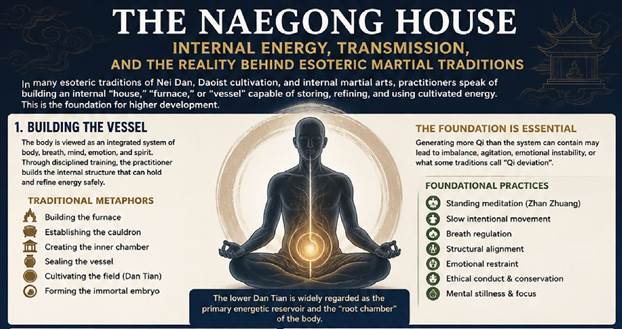
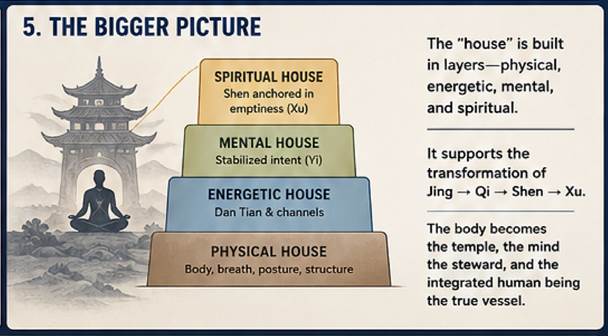
Within the worlds of Neidan, Daoist cultivation, and certain internal martial arts traditions, there are recurring references to building an internal “house,” “furnace,” “cauldron,” or “vessel” capable of storing and refining cultivated energy. While terminology varies among lineages, the underlying concept remains remarkably consistent: before one can safely cultivate higher levels of internal development, one must first develop the structure capable of containing it.

In some traditions this concept is associated with Nei Dan (internal alchemy), while in Korean systems it may be discussed under Naegong or internal power cultivation. Although modern practitioners sometimes interpret these teachings literally or mystically, many of the ideas may also correspond to practical physiological, psychological, and neurological adaptations developed through long-term training.

Building the Vessel

Traditional internal systems often describe the body as more than flesh and bone. The practitioner is viewed as an integrated system of body, breath, mind, emotion, and spirit. Through years of disciplined training, the individual gradually “builds the vessel” capable of stabilizing cultivated internal force.

Classical Daoist literature frequently uses symbolic language such as:

  • Building the furnace
  • Establishing the cauldron
  • Creating the inner chamber
  • Sealing the vessel
  • Cultivating the field
  • Forming the immortal embryo

These metaphors are generally associated with the development of the Dan Tian, especially the lower Dan Tian, which many traditions regard as the primary energetic reservoir of the body (Kohn, 2008).

The concept is not merely about accumulating “energy,” but about refining and integrating the practitioner as a whole. Traditional teachers often warned that attempting advanced energetic practices without sufficient preparation could result in imbalance, emotional instability, agitation, or what some systems referred to as “Qi deviation” (Despeux & Kohn, 2003).

For this reason, authentic systems historically emphasized foundational practices such as:

  • Standing meditation (Zhan Zhuang)
  • Slow intentional movement
  • Breath regulation
  • Structural alignment
  • Emotional restraint
  • Ethical conduct
  • Mental stillness
  • Conservation of vitality

In martial systems, these methods were believed to strengthen the body’s capacity to tolerate increased internal pressure, focus, and energetic intensity.

A Modern Physiological Perspective

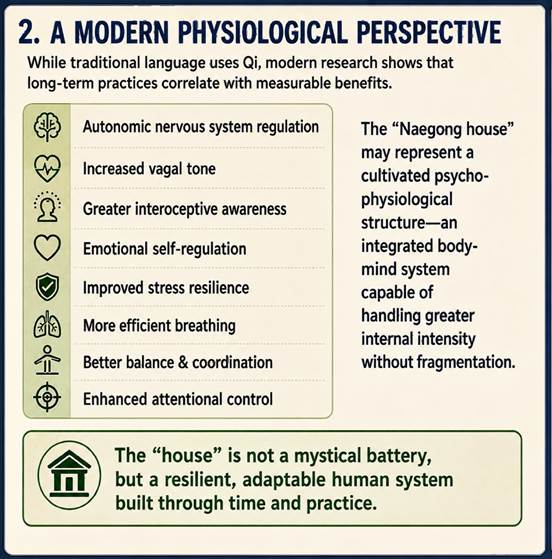
Although traditional terminology uses the language of Qi and internal energy, some aspects of these practices may correlate with modern understandings of human physiology and psychology.

Long-term breath training, posture work, meditative focus, and slow movement practices have been associated with improvements in:

  • Autonomic nervous system regulation
  • Vagal tone
  • Interoceptive awareness
  • Emotional self-regulation
  • Stress resilience
  • Breath efficiency
  • Balance and coordination
  • Attentional control

Research on contemplative movement systems such as Tai Chi and Qigong has shown measurable effects on stress reduction, mood regulation, balance, and psychophysiological health (Wayne & Kaptchuk, 2008; Wang et al., 2010).

From this perspective, the “Naegong house” may represent a metaphor for developing a more integrated and resilient body-mind system. The practitioner gradually becomes capable of handling greater internal intensity without fragmentation, impulsivity, or emotional instability.

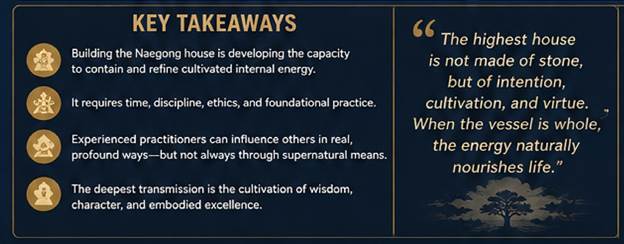
In other words, the “house” may not be a mystical battery storing supernatural force, but rather a cultivated psychophysiological structure developed through years of disciplined practice.

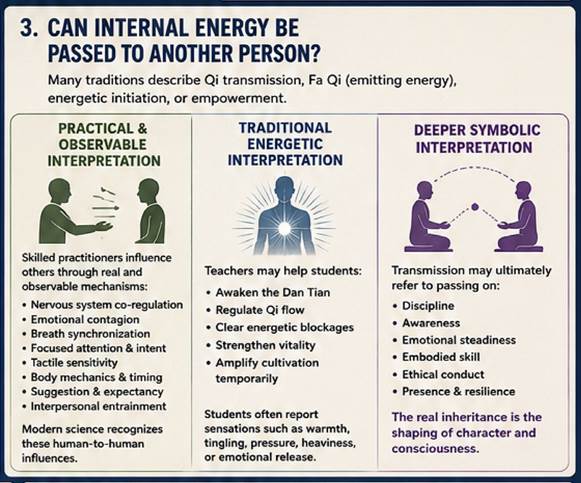
Can Internal Energy Be Passed to Another Person?

One of the more controversial aspects of internal martial and alchemical traditions involves the belief that cultivated energy or internal force can be transmitted from teacher to student.

Many traditional systems discuss concepts such as:

  • Qi transmission
  • Fa Qi (“emitting energy”)
  • Energetic initiation
  • Empowerment
  • Transmission of the “seed”
  • Establishing the furnace
  • Opening the channels

Some practitioners report sensations during such experiences including warmth, tingling, heaviness, emotional release, pressure, or involuntary movement. These reports are common across many contemplative and spiritual traditions worldwide.

However, interpretations of these experiences vary significantly.

The Practical and Observable Interpretation

A grounded interpretation suggests that experienced practitioners can indeed strongly influence others through mechanisms that are entirely real and observable.

These include:

  • Nervous system co-regulation
  • Emotional contagion
  • Breath synchronization
  • Focused attention
  • Tactile sensitivity
  • Body mechanics
  • Suggestion and expectancy
  • Interpersonal entrainment

Modern neuroscience and psychology recognize that human beings constantly influence one another physiologically and emotionally (Porges, 2011). A calm and highly regulated practitioner may affect another person’s breathing patterns, muscular tension, emotional state, and sense of safety.

Likewise, highly skilled internal martial artists often demonstrate remarkable efficiency through coordinated biomechanics, fascial connectivity, timing, and intent rather than brute muscular force alone.

To an outside observer, these effects may appear mysterious or “energetic,” even when rooted primarily in refined physical and neurological skill.

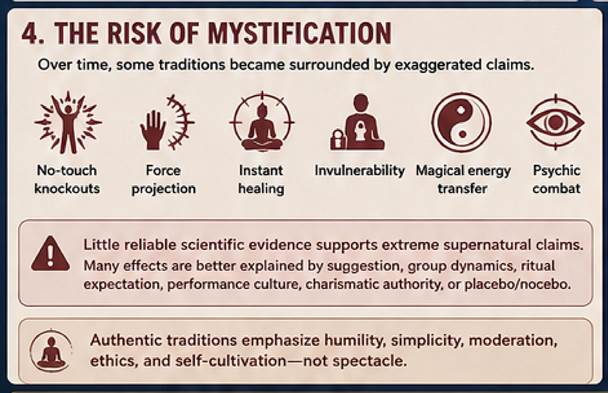
The Risk of Mystification

As with many esoteric traditions, internal martial arts also accumulated layers of mythologizing over time. Stories emerged involving:

  • No-touch knockouts
  • Supernatural force projection
  • Psychic combat
  • Instant healing abilities
  • Magical energy transfer
  • Invulnerability

While such claims remain popular in some circles, there is little reliable scientific evidence supporting extreme supernatural interpretations.

Many demonstrations of extraordinary “Qi powers” have failed under controlled testing conditions. In some cases, the effects may be better explained by:

  • Suggestion
  • Group dynamics
  • Compliance
  • Ritual expectation
  • Performance culture
  • Charismatic authority
  • Placebo and nocebo responses

This becomes especially important in high-control environments where mystical narratives can reinforce hierarchy, dependency, and unquestioned authority.

Historically, many authentic traditions actually warned against obsession with displays of power. Classical Daoist teachings frequently emphasized humility, simplicity, moderation, ethics, and self-cultivation over spectacle (Kohn, 2008).

The Deeper Meaning of Transmission

At its highest level, the idea of “passing the house” may not refer to transferring mystical energy at all. Instead, it may symbolize the transmission of cultivated human qualities developed through disciplined practice and lived experience.

A mature teacher may pass on:

  • Emotional steadiness
  • Discipline
  • Awareness
  • Presence
  • Resilience
  • Embodied knowledge
  • Ethical conduct
  • Refined perception

These qualities profoundly affect students over time.

In this sense, the real “transmission” may not be supernatural energy storage, but the gradual shaping of the practitioner’s nervous system, awareness, behavior, and character through years of intentional cultivation.

The body becomes the temple, the mind becomes the steward, and the “house” becomes the integrated human being itself.

References

Despeux, C., & Kohn, L. (2003). Women in Daoism. Three Pines Press. https://archive.org/details/womenindaoism0000desp

Kohn, L. (2008). Chinese healing exercises: The tradition of Daoyin. University of Hawai‘i Press. https://archive.org/details/chinesehealingex0000kohn

Porges, S. W. (2011). The polyvagal theory: Neurophysiological foundations of emotions, attachment, communication, and self-regulation. W. W. Norton & Company. https://archive.org/details/polyvagaltheoryn0000porg

Wang, C., Collet, J. P., & Lau, J. (2004). The effect of Tai Chi on health outcomes in patients with chronic conditions. Archives of Internal Medicine, 164(5), 493–501. https://doi.org/10.1001/archinte.164.5.493

Wang, F., Lee, E. K. O., Wu, T., Benson, H., Fricchione, G. L., Wang, W., & Yeung, A. S. (2010). The effects of Tai Chi on depression, anxiety, and psychological well-being: A systematic review and meta-analysis. International Journal of Behavioral Medicine, 17(4), 261–271. https://www.ncbi.nlm.nih.gov/books/NBK164598/

Wayne, P. M., & Kaptchuk, T. J. (2008). Challenges inherent to T’ai Chi research: Part I—T’ai Chi as a complex multicomponent intervention. Journal of Alternative and Complementary Medicine, 14(1), 95–102. https://doi.org/10.1089/acm.2007.7170A

Dom/Dam – Trapped Air and Energetic Stagnation

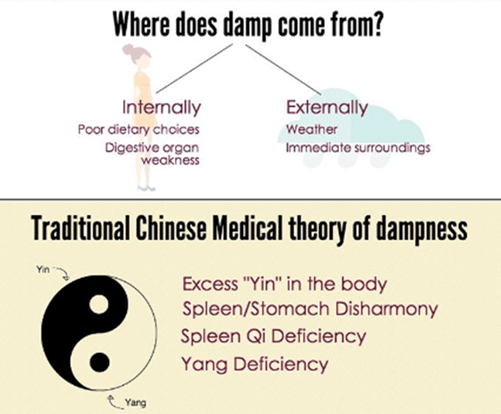
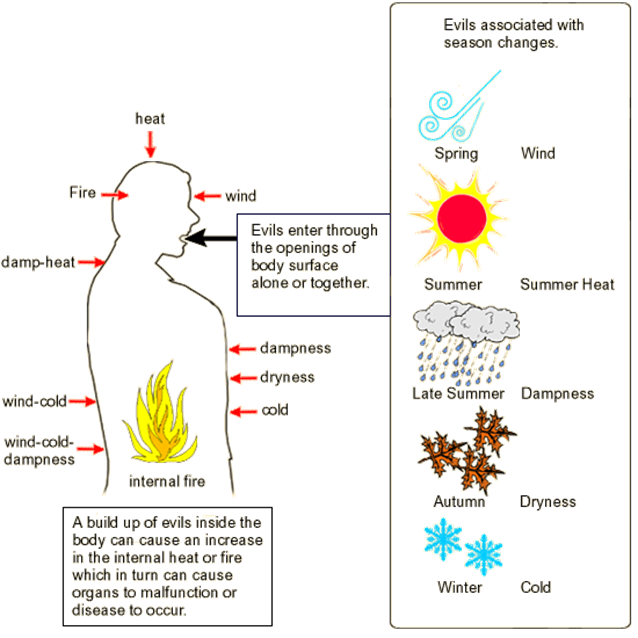
In some Korean martial and healing traditions, the term dom (often a variant of dam) describes a condition thought to arise from exposure to cold drafts or sleeping with a window open. Symptoms include lack of vitality, discomfort, heaviness, and energetic stagnation. While not commonly discussed in English by this name, the concept closely parallels the Traditional Chinese Medicine (TCM) categories of phlegm–dampness and wind–cold invasion.

Traditional Medical Background

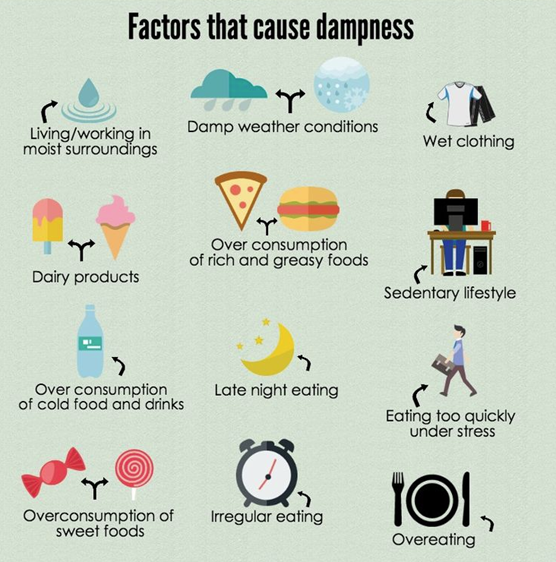
In TCM, pathogenic factors such as wind and cold are considered external influences that can enter the body when its defenses are lowered. This invasion disrupts the circulation of qi (vital energy) and blood, leading to stiffness, fatigue, and discomfort (Dashtdar et al., 2016). Similarly, dampness and phlegm are understood as byproducts of impaired fluid metabolism, often linked to cold exposure or digestive weakness. These accumulations obstruct energetic pathways, creating heaviness, fogginess, and stagnation (Zhang et al., 2020).

The Korean medicine concept of dam-eum, or “phlegm fluids,” corresponds to these pathological states, describing the presence of stagnant fluids that may not be visible but are experienced as internal fullness, lack of energy, or digestive discomfort (Li et al., 2012). Martial and Taoist teachers often simplified this into the shorthand dom, framing it as “trapped air” or “blocked energy.”

Symptoms and Manifestations

English language descriptions of phlegm–dampness and wind–cold invasion list many of the same features attributed to dom/dam:

  • Fatigue, sluggishness, and heaviness in the body (Wang et al., 2013).
  • Cold sensitivity, stiffness, and discomfort after exposure to drafts (Me & Qi, 2023).
  • Digestive issues such as bloating and poor appetite, associated with damp accumulation (Zhang et al., 2020).
  • Mental cloudiness or lack of clarity, often linked to phlegm obstructing the head and chest (Dashtdar et al., 2016).

Prevention and Treatment Approaches

Traditional approaches emphasize prevention, such as avoiding exposure to drafts during sleep, especially after exertion or sweating. Lifestyle recommendations include warming foods, avoiding raw or cold diets, and using movement or breathwork to restore circulation (Allina Health, 2023). In clinical TCM practice, herbal formulas like Er Chen Tang for phlegm–dampness or Ma Huang Tang for wind–cold invasion are applied (Me & Qi, 2023).

TCM/Korean‐medicine TermWhat It Means / RoleHow It Relates to Dom/Dam
Wind-Cold InvasionAn external pathogenic factor (wind + cold) enters the body’s surface (defensive Qi layer), disturbing the balance, causing symptoms like chills, stiffness, aversion to cold, lack of warmth, heaviness.The triggering condition in dom/dam is often cold or draft exposure. The cold “invasion” idea explains how external air (wind/cold) is believed to penetrate and cause internal stagnation. Sources: Me & Qi (“Wind-Cold invading the Lungs”) overview. (meandqi.com)
Phlegm-Dampness / phlegm-damp)When the body’s fluid metabolism is impaired (often via weak spleen/stomach function in TCM), fluids accumulate, become turbid, sticky, heavy. These can become invisible but felt as heaviness, fullness, sluggishness, obstructing Qi flow. Also called “damp-phlegm.”Dom/dam’s description of “trapped air,” heaviness, discomfort matches many symptoms of phlegm-dampness. Also, sleep in damp/cold drafts can promote formation of dampness + phlegm in TCM doctrine. Sources: Phlegm-Dampness Constitution studies; “What is Phlegm?” overview. (Wang et al., 2013)
Exterior Cold / Tai Yang PatternIn the Six Stages theory (e.g. Shang Han Lun), exposure to cold at the exterior (surface) level can produce Tai Yang syndromes: stiff neck or muscles, chills, sensitivity to cold, no sweat, etc. Early cold invasion that, if not resolved, can lead to deeper pathology. (Wikipedia)Dom/dam appears sometimes as a mild or chronic form of cold exposure: not always acute chills or fever, more an ongoing discomfort, stagnation, and lowered function. This maps to weaker or lingering exterior cold/dampness invasion.

The martial arts term dom can thus be understood as a culturally adapted expression of the broader East Asian medical concepts of phlegm–dampness and wind–cold invasion. It highlights the belief that environmental exposure, particularly to cold drafts, can impair vitality, obstruct energy flow, and lead to discomfort or stagnation. In both martial and medical contexts, the focus is on protecting the body from harmful influences while maintaining balance through lifestyle, environment, and practice.

References:

Allina Health. (2023). Fight the cold and flu with Chinese medicine. Allina Health. https://www.allinahealth.org/healthysetgo/care/fight-the-cold-and-flu-with-chinese-medicine

Chan, D., & Chan, D. (2023, October 14). Dampness – Everything you need to know |. ‣. https://dougleschan.com/health/dampness/

Dashtdar, M., Dashtdar, M. R., Dashtdar, B., Kardi, K., & Shirazi, M. K. (2016). The concept of wind in traditional Chinese medicine. Journal of Pharmacopuncture, 19(4), 293–302. https://doi.org/10.3831/kpi.2016.19.030

Me & Qi. (2023). Wind–cold invading the lungs. Me & Qi Traditional Chinese Medicine Education Center. https://www.meandqi.com/tcm-education-center/patterns/wind-cold-invading-the-lungs

Wang, J., Wang, Q., Li, L., Li, Y., Zhang, H., Zheng, L., Yang, L., Zheng, Y., Yang, Y., Peng, G., Zhang, Y., & Han, Y. (2013). Phlegm-Dampness Constitution: Genomics, Susceptibility, Adjustment and Treatment with Traditional Chinese Medicine. The American Journal of Chinese Medicine, 41(02), 253–262. https://doi.org/10.1142/s0192415x13500183

Wikipedia contributors. (2025, May 6). Shanghan Lun. Wikipedia. https://en.wikipedia.org/wiki/Shanghan_Lun?utm_source=chatgpt.com

Zhang, Y., Wang, Z., Zhang, Y., Tong, H., Zhang, Y., & Lu, T. (2020). Potential mechanisms for traditional Chinese medicine in treating airway mucus hypersecretion associated with coronavirus Disease 2019. Frontiers in Molecular Biosciences, 7. https://doi.org/10.3389/fmolb.2020.577285

Introducing a New Series: The Architecture of the Human Journey

In a world saturated with fragmented advice on health, fitness, and personal development, there remains a need for something more complete, structured, integrated, and grounded in both lived experience and timeless principles.

Over the course of several decades of study, practice, and teaching across the fields of holistic health, martial arts, and human development, a unifying framework has gradually taken shape. This framework does not isolate the body from the mind, nor the mind from the spirit. Instead, it recognizes that human growth unfolds through the dynamic interaction of multiple systems of physical, biological, energetic, behavioral, and philosophical.

It is from this perspective that a new six-part book series emerges:

The Architecture of the Human Journey

This series is not simply a collection of books. It is a structured exploration of what it means to develop as a human being: physically, mentally, energetically, and ethically within the realities of modern life.

Each volume builds upon the others, forming a progressive pathway toward greater awareness, resilience, and self-mastery.

Book 1: The Self-Healing Body

The journey begins with the body—not as a machine to be pushed or punished, but as a living system designed for adaptation, repair, and resilience.

The Self-Healing Body explores the foundational principles of movement, posture, breathing, and recovery. It challenges the modern tendency toward inactivity and over-reliance on external interventions, instead emphasizing the body’s innate capacity to restore balance when given the proper conditions.

Readers are guided toward a deeper understanding of how daily habits of sitting, standing, walking, breathing shape long-term health outcomes. The message is clear: the body is not broken; it is often simply underused, misused, or misunderstood.

Book 2: The Biological Mind

If the body is the foundation, the mind is the regulator.

The Biological Mind examines how thoughts, emotions, stress responses, and neurological patterns influence both behavior and physiology. Rather than viewing the mind as something abstract or separate, this book presents it as a biological system, deeply connected to the nervous system, hormones, and physical health.

Topics include stress conditioning, attention, perception, and the ways in which modern environments can dysregulate natural mental processes. Readers are encouraged to recognize how their internal dialogue and external inputs shape their lived experience.

Book 3: The Energetic Body

Beyond the physical and biological lies a more subtle, yet equally important dimension: the energetic system.

The Energetic Body draws from Traditional Chinese Medicine, Daoist practices, and internal martial arts to explore concepts such as qi, meridians, breath, and internal flow. While often overlooked in Western models, these systems have guided health and movement practices for thousands of years.

This volume bridges the gap between ancient insight and modern understanding, offering practical ways to cultivate energy through breathwork, posture, and intentional movement.

Book 4: Embodied Discipline

Knowledge without application remains incomplete.

Embodied Discipline focuses on the integration of body, mind, and energy through consistent practice. It is here that theory becomes lived experience. Discipline is reframed not as rigid control, but as the steady cultivation of habits that align with one’s values and goals.

Drawing from martial arts training, this book explores how structure, repetition, and intentional challenges build not only physical capacity, but mental clarity and emotional resilience.

Book 5: The Healthcare Paradox

Modern healthcare offers remarkable advancements, yet widespread chronic illness continues to rise.

The Healthcare Paradox examines this contradiction. It explores how systems designed to treat disease often overlook the foundational behaviors that prevent it. Nutrition, movement, stress, environment, and personal responsibility all play a role, yet are frequently underemphasized.

This book does not reject modern medicine but rather places it within a broader context. One that encourages individuals to become active participants in their own health rather than passive recipients of care.

Book 6: The Human Journey

The final volume steps back to consider the broader question: What is all of this for?

The Human Journey explores meaning, purpose, relationships, and the realities of growth over a lifetime. It integrates the lessons of the previous volumes into a larger philosophical perspective, drawing from both Eastern and Western traditions.

It recognizes that strength, clarity, and health are not ends in themselves, but tools that support a more meaningful and connected life.

A Complete Framework for Modern Living

Taken together, these six books form a cohesive system:

  • The body provides structure
  • The mind provides direction
  • The energy system provides flow
  • Discipline provides integration
  • Awareness of systems provides context
  • Meaning provides purpose

This is the architecture – not of a building, but of a life.

In a time when information is abundant, but wisdom is scattered, The Architecture of the Human Journey offers a way to reconnect the pieces. It invites readers not just to learn, but to observe, reflect, and ultimately take responsibility for their own development.

This is not a quick fix or a temporary program. It is a long-term approach to living with greater awareness, strength, and integrity.

The journey is ongoing. The architecture is yours to build.