Still Looking for Gifts for Others?

Maybe consider giving a gift of knowledge.

Remember the Indiana Jones films, when Indiana discovers his father’s diary containing clues to the Holy Grail? The book itself was knowledge. Wisdom came from applying that knowledge through experience. Without knowledge and lived practice, wisdom is difficult to cultivate.

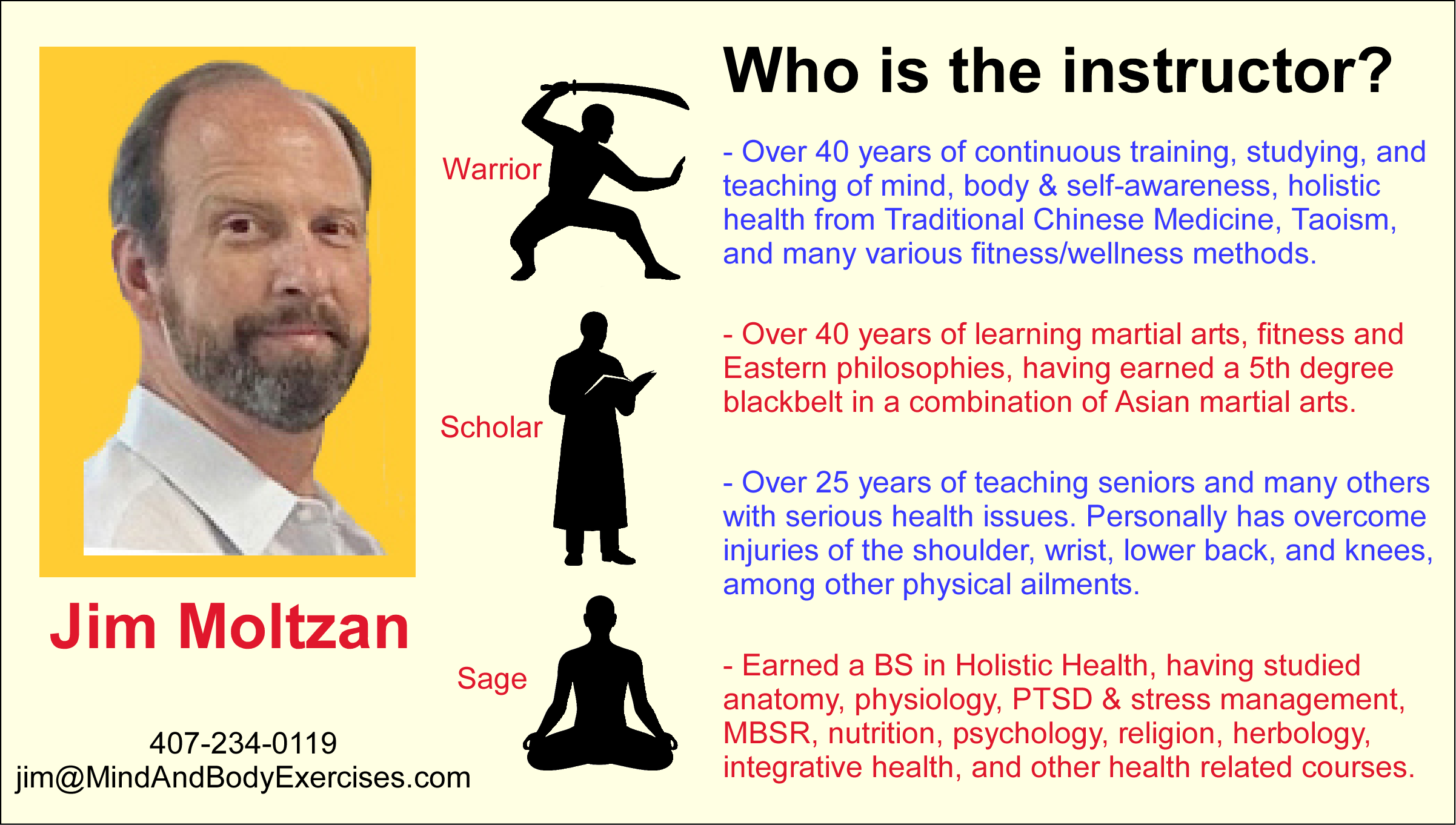
For over 40 years, I have been on my own search for a “Holy Grail” of health, wellness, fitness, and self-awareness. Along that journey, I have created a series of books and study guides that visually and conceptually map what I believe to be the essential components of a healthy, balanced, and meaningful life.

My books are comprehensive, deeply researched, and feature original, full-color illustrations designed to make complex ideas clear and accessible. Each volume reflects decades of firsthand learning, practice, teaching, and illustration across disciplines including holistic health, fitness, psychology, Traditional Chinese Medicine, qigong, martial arts, and yoga philosophy. These are not mass-market publications. They are intentionally crafted for thoughtful readers, practitioners, and lifelong learners who value depth, clarity, and authenticity.

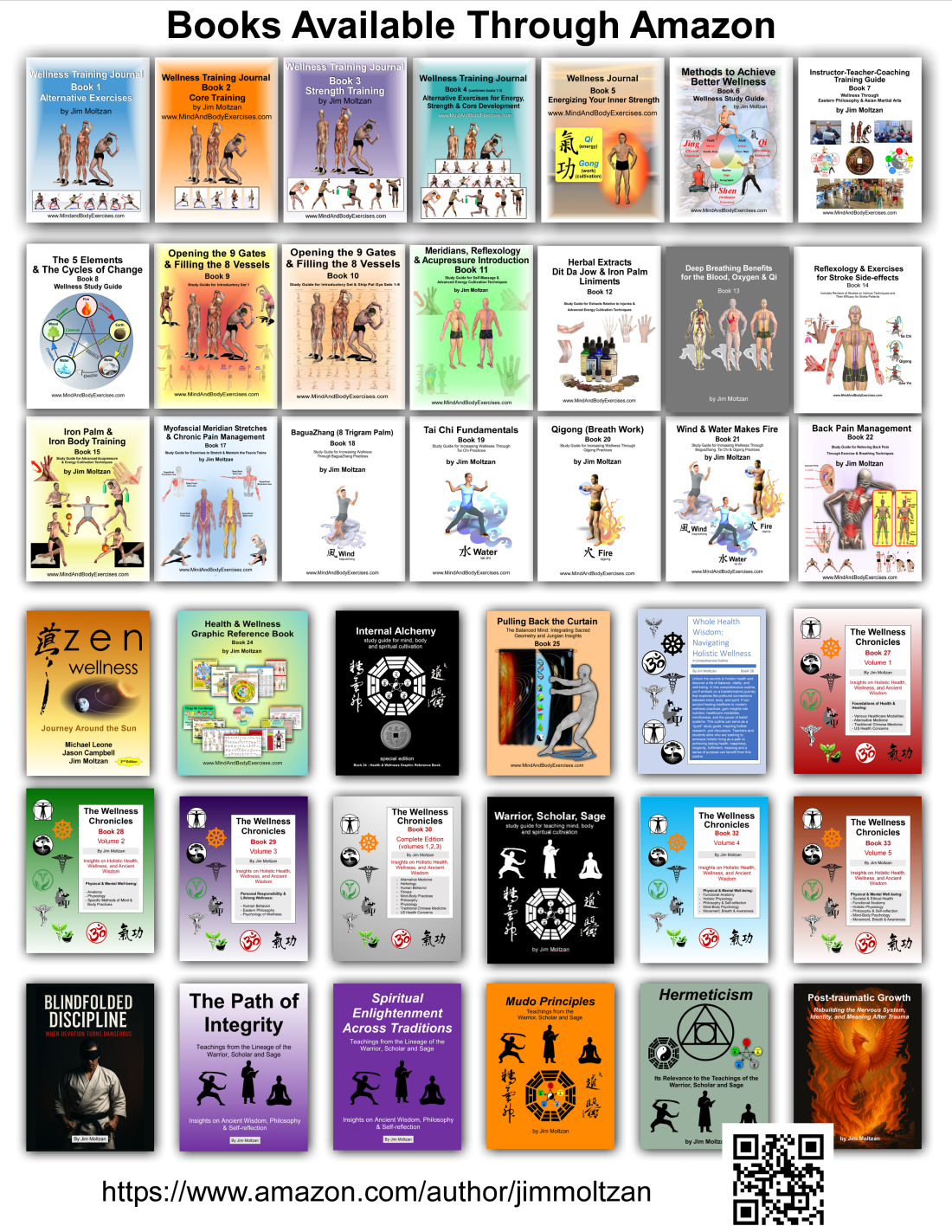
To date, I have published 39 books and study guides on Amazon. Some are primarily visual references that distill complex systems into clear graphic formats. Others explore theories of human development, psychology, movement, breathwork, rehabilitation, longevity, and overall quality of life. Many include practical exercise sets designed to support recovery, resilience, and long-term well-being.

These works represent the summation of more than four decades of training, education, teaching, and public speaking. Much of the qigong and breathing work draws from Chinese Kung Fu and Korean Dong Han medical qigong lineages, alongside extensive study with Traditional Chinese Medicine practitioners and martial arts masters. My background also includes acupressure, acupuncture principles, moxibustion, herbal preparation, and medical qigong, as well as formal academic training culminating in a Bachelor of Science degree in Holistic Health.

Similar in concept to Quick Study or PermaCharts, these guides are designed to “cut to the chase,” minimizing the time spent searching through dense textbooks while preserving the essential root knowledge of each subject. This format serves both beginners seeking a solid foundation and experienced practitioners looking for concise, high-quality reference materials.

If you are looking for a meaningful gift, one that supports health, awareness, and lifelong learning, these books are intended to be resources that grow with the reader over time.

My titles are available on Amazon at: https://www.amazon.com/author/jimmoltzan

My titles are available on Amazon at: https://www.amazon.com/author/jimmoltzan

Book 1 – Alternative Exercises

Book 2 – Core Training

Book 3 – Strength Training

Book 4 – Combo of 1-3

Book 5 – Energizing Your Inner Strength

Book 6 – Methods to Achieve Better Wellness

Book 7 – Coaching & Instructor Training Guide

Book 8 – The 5 Elements & the Cycles of Change

Book 9 – Opening the 9 Gates & Filling 8 Vessels-Intro Set 1

Book 10 – Opening the 9 Gates & Filling 8 Vessels-sets 1 to 8

Book 11 – Meridians, Reflexology & Acupressure

Book 12 – Herbal Extracts, Dit Da Jow & Iron Palm Liniments

Book 13 – Deep Breathing Benefits for the Blood, Oxygen & Qi

Book 14 – Reflexology for Stroke Side Effects:

Book 15 – Iron Body & Iron Palm

Book 17 – Fascial Train Stretches & Chronic Pain Management

Book 18 – BaguaZhang

Book 19 – Tai Chi Fundamentals

Book 20 – Qigong (breath-work)

Book 21 – Wind & Water Make Fire

Book 22 – Back Pain Management

Book 23 – Journey Around the Sun-2nd Edition

Book 24 – Graphic Reference Book

Book 25 – Pulling Back the Curtain

Book 26 – Whole Health Wisdom: Navigating Holistic Wellness

Book 27 – The Wellness Chronicles (volume 1) 

Book 28 – The Wellness Chronicles (volume 2)

Book 29 – The Wellness Chronicles (volume 3)

Book 30 – The Wellness Chronicles (complete edition, volumes 1-3)

Book 31 – Warrior, Scholar, Sage

Book 32 – The Wellness Chronicles (volume 4)

Book 33 – The Wellness Chronicles (volume 5)

Book 34 – Blindfolded Discipline

Book 35 – The Path of Integrity

Book 36 – Spiritual Enlightenment Across Traditions

Book 37 – Mudo Principles: Teachings from the Warrior, Scholar, and Sage

Book 38 – Hermeticism: Its Relevance to the Teachings of the Warrior, Scholar and Sage

Book 39 – Post-traumatic Growth


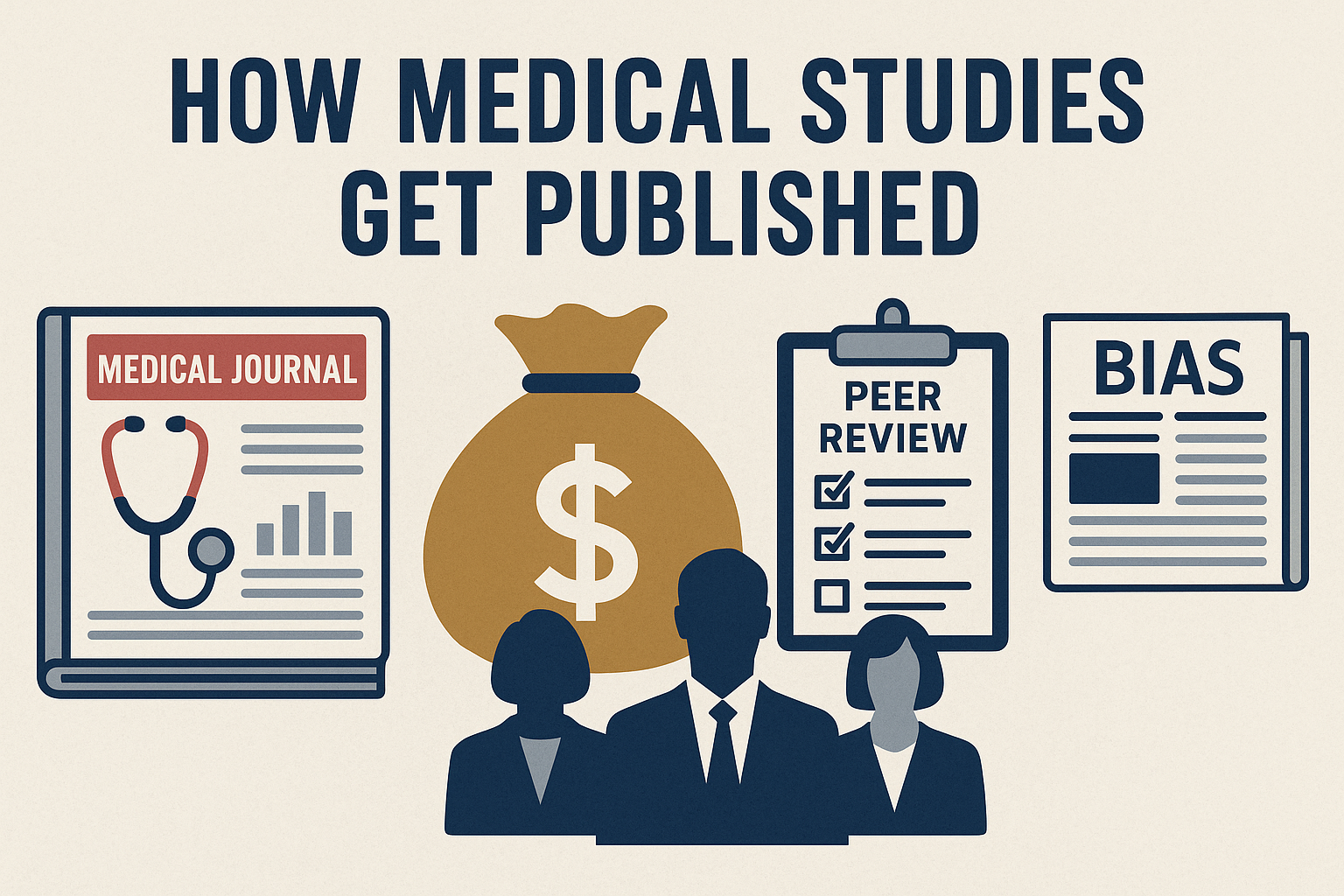
How Medical Studies Get Published and Why It Matters

In the age of evidence-based medicine, published research is often viewed as the gold standard for guiding health decisions. However, behind the polished language of medical journals lies a complex web of funding, publication bias, and editorial politics. While many researchers uphold high standards, recent investigations reveal systemic vulnerabilities in how medical studies are published, even in the world’s most respected journals.

The Traditional Path to Publication

Medical studies generally follow a structured path to publication. Researchers begin by designing their study, obtaining ethical approval (e.g., IRB approval), and collecting data. A manuscript is then submitted to a peer-reviewed journal, where it undergoes scrutiny by field experts who evaluate its methodology, novelty, and clarity. The editorial team, taking reviewer feedback into account, decides whether the paper will be accepted, revised, or rejected.

This peer-review process is intended to serve as a quality filter. However, peer reviewers are unpaid, overburdened, and not always able to detect fraudulent or misleading work, especially in fields outside their specialty (Smith, 2006).

The Cost of Getting Published

One of the less visible aspects of medical publishing is the cost. While traditional journals may publish accepted articles without charge, many newer or open-access journals charge “article processing charges” (APCs) that range from $1,500 to over $5,000 per article (Solomon & Björk, 2012). These fees are often covered by research grants or institutional funding, but they can also create barriers for independent researchers and incentivize some journals to accept more articles, compromising rigor for revenue.

Moreover, the push toward open-access publishing has led to the rise of predatory journals, where publications charge authors but lack credible peer review. This has flooded the academic ecosystem with poorly vetted studies that masquerade as legitimate science.

Politics and Prestige in Editorial Decisions

Studies have shown that research from prestigious universities is more likely to be accepted for publication, a phenomenon known as the “Matthew Effect” (Merton, 1968). Additionally, journals tend to favor studies with statistically significant or “positive” results, leading to a well-documented “publication bias” (Dwan et al., 2013). Negative findings, though scientifically valuable, are less likely to be published, skewing the evidence base.

Even more concerning, high-impact journals have been shown to favor topics that align with social trends or commercial interests. For instance, an investigation by The Wall Street Journal in 2005 exposed how pharmaceutical companies employed ghostwriters to author studies that promoted their drugs, later assigning authorship to respected academics to add legitimacy (Armstrong, 2005). This practice, while not universally accepted, was alarmingly common at the time.

The Paper Mill Problem

In 2024, The Wall Street Journal released another bombshell: a flood of fraudulent research papers had forced the publisher Wiley to retract over 11,000 articles and shut down 19 academic journals (Marcus & Overland, 2024). These papers were often generated by “paper mills” which are organizations that produce fake scientific studies for a fee. Some even used AI to generate content that mimicked legitimate science, exposing deep vulnerabilities in the peer-review and editorial process.

This was not an isolated incident. Other publishers, including Elsevier and Taylor & Francis, have faced similar challenges, revealing how even major journals can be infiltrated by illegitimate science when editorial oversight fails.

The Problem with “Trust the Science”

In recent years, the phrase “trust the science” has become a cultural catchphrase used by media, governments, and institutions to affirm confidence in scientific guidance. While well-intentioned, this phrase can be misleading. It implies that science is monolithic and settled, when in fact it is a dynamic process subject to debate, revision, and crucially, accessibility. Not all valid scientific perspectives make it to publication. Financial constraints, editorial preferences, and publication bias mean that some high-quality studies are never seen by the public or professionals. This selective visibility creates an illusion of consensus, when in reality many opposing findings may have been filtered out of the mainstream conversation (Dwan et al., 2013). Thus, trusting “the science” too literally can obscure the fact that what gets published is only a portion of what is known or could be known on any given topic.

A Historical Case: Vioxx and the NEJM

Concerns over editorial bias are not new. In 2006, The Wall Street Journal reported on how the New England Journal of Medicine failed to detect misleading data about the arthritis drug Vioxx, which was later withdrawn from the market due to cardiovascular risks (Martinez & Winslow, 2006). Critics argued that key risk data were omitted from published studies, undermining public safety.

This case became a turning point in the debate over transparency, conflict of interest, and pharmaceutical influence in academic publishing.

Navigating the Landscape: A Call for Awareness

For health-conscious individuals and practitioners in holistic wellness, the takeaway is not to reject scientific research, but to read it critically. The peer-reviewed system has value, but it is not infallible. Consider the funding source, author affiliations, and whether the journal itself is reputable and transparent about its processes.

Advocates for scientific reform are pushing for stronger peer-review standards, post-publication review systems, and the full disclosure of data and conflicts of interest. Platforms like Retraction Watch, PubPeer, and preprint servers like medRxiv offer tools for transparency.

–  Retraction Watch

–  PubPeer

–  MedRxiv

–  PLOS ONE Publication Criteria

–  WSJ science reporting

References:

Armstrong, D. (2005, December 13). At medical journals, writers paid by industry play big role. The Wall Street Journal. https://www.wsj.com/articles/SB113443606745420770

Dwan, K., Gamble, C., Williamson, P. R., & Kirkham, J. J. (2013). Systematic review of the empirical evidence of study publication bias and outcome reporting bias—An updated review. PLOS ONE, 8(7), e66844. https://doi.org/10.1371/journal.pone.0066844

Marcus, A., & Overland, C. (2024, February 22). Flood of fake science forces multiple journal closures. The Wall Street Journal. https://www.wsj.com/science/academic-studies-research-paper-mills-journals-publishing-f5a3d4bc

Martinez, B., & Winslow, R. (2006, May 18). How the New England Journal missed warning signs on Vioxx. The Wall Street Journal. https://www.wsj.com/articles/SB114765430315252591

Merton, R. K. (1968). The Matthew effect in science: The reward and communication systems of science are considered. Science, 159(3810), 56–63. https://doi.org/10.1126/science.159.3810.56

Smith, R. (2006). Peer review: A flawed process at the heart of science and journals. Journal of the Royal Society of Medicine, 99(4), 178–182. https://doi.org/10.1258/jrsm.99.4.178

Solomon, D. J., & Björk, B. C. (2012). A study of open access journals using article processing charges. Journal of the American Society for Information Science and Technology, 63(8), 1485–1495. https://doi.org/10.1002/asi.22673

Options for Managing Chronic Pain #1

Recently I presented a 3-session discussion of managing chronic pain and various health conditions without relying heavily on pharmaceuticals. Drawing on over four decades of experience in fitness, wellness, and martial arts, I shared practical alternatives for alleviating chronic pain, enhancing overall health, and addressing root causes of illness through natural and holistic methods. The presentation emphasizes lifestyle changes such as regular exercise, proper nutrition, adequate sleep, positive mindset, and maintaining good posture. In addition to physical activity, I introduced various therapies from traditional Chinese medicine like acupuncture, cupping, and herbal treatments, alongside modern tools such as massage guns, acupressure blankets, TENS units, and topical applications like Biofreeze and herbal extracts and oils.

This talk also highlights the important role of breathing techniques and managing thoughts and emotions to influence bodily health, noting the body-mind connection reflected in how emotions such as fear and anger affect organ function. I stressed the importance of building health-supportive habits, acknowledged the challenge of post-traumatic growth, and discussed the nuanced use of heat and cold therapies. Practical advice on selecting and safely using equipment and topical treatments is interwoven with cautions about chemical ingredients and the need for professional guidance when appropriate.

Traditional Chinese medicine explanations include the theory of meridians and fascia as pathways for energy and healing, while acknowledgment of the placebo effect underscores individual variability in treatment success. The presentation culminates with a discussion on herbal remedies and CBD products, encouraging personal experimentation with proper research and awareness of one’s unique constitution. Finally, I outlined future classes focusing on exercises for specific pain areas, breathing techniques, and addressing common ailments such as headaches.

Highlights

  • 🌿 Emphasis on managing chronic pain naturally through lifestyle changes and holistic methods.
  • 🧘‍♂️ Importance of regular exercise, stretching, and posture correction to alleviate joint and muscle pain.
  • 🌞 Balanced exposure to sunlight recommended for overall health despite skin cancer concerns.
  • 🌬️ Deep, nasal breathing techniques help regulate hormones and reduce stress.
  • 💆‍♀️ Overview of traditional Chinese medicine therapies such as acupuncture, cupping, and reflexology.
  • ⚡ Introduction of modern tools like massage guns and TENS units for targeted pain relief.
  • 🌱 Discussion of herbal remedies and CBD products with a focus on personal research and safety.

Key Insights

  • 🌟 Holistic Approach to Chronic Pain Management: The presentation advocates a multi-faceted strategy that goes beyond drugs, focusing on physical activity, nutrition, sleep, mental health, and social connection. Chronic pain is not treated solely as a symptom requiring pills but as a condition that benefits from addressing root causes like posture, mobility, and emotional well-being.

  • 💪 Exercise as a Foundation of Health: Regular, thoughtful exercise not only builds strength and flexibility but also aids in maintaining joint integrity and reducing inflammation. Tailored rehabilitation exercises for injury-prone areas such as knees and back show how specific movements can promote healing and prevent surgery, underscoring the preventive value of physical training.

  • 🌞 Sunlight’s Dual Role: Despite warnings about sun exposure, moderate sunlight early in the day is beneficial for vitamin D synthesis and overall well-being. This nuanced advice counters extreme avoidance and highlights how balanced choices support immune function and energy metabolism.

  • 🧠 Mind-Body Connection Through Thought and Emotion: The concept that emotions influence physical health is grounded in both traditional Asian medicine and modern science. Chronic fear, anger, and depression affect hormone and nervous system balance, which in turn impacts organ health and pain perception. Cultivating positive attitudes is presented as an essential part of holistic health care.

  • 🧘 Breathing as a Regulatory Tool: Emphasizing nasal breathing, I explained its biological effects on the nervous system’s fight-or-flight response and hormone regulation. It’s a simple, often overlooked method to enhance relaxation, improve circulation, and support natural healing processes by shifting the body into a rest-and-digest state.

  • 🌿 Traditional Chinese Medicine and Modern Integration: The explanation of meridian theory in relation to fascia and connective tissue bridges ancient concepts with current anatomical understanding. Techniques like acupuncture, cupping, and acupressure stimulate circulation and nervous system responses, and while their scientific basis is still debated, many find them effective. The placebo effect is recognized as a legitimate contributor to therapeutic outcomes.

  • ⚙️ Safe and Informed Use of Therapeutic Tools and Topicals: Modern devices like massage guns and TENS units can provide effective relief when used properly, but self-education and professional guidance are critical to avoid injury. Similarly, topical treatments like Biofreeze and traditional herbal liniments are recommended with caveats regarding chemical content and appropriate application to prevent adverse reactions.

  • 🌱 Individual Variability and Habit Formation: Chronic pain management is highly personalized. What works for one person might not work for another, which places importance on trying different methods and establishing consistent habits to evaluate effectiveness. The 21-day habit-building model is cited to encourage persistence and gradual lifestyle change.

  • 🌿 Herbal Medicine and CBD’s Mixed Efficacy: Herbal remedies such as ashwagandha and valerian root, alongside emerging treatments like CBD oil, show promise but require careful individual assessment and research. The overlap with placebo effects means patients must remain open-minded yet discerning, guided by their body’s responses and external advice.

  • 🩺 Discerning Between Muscle and Nerve Pain: Understanding the distinction between muscular discomfort and nerve-related pain is key to selecting appropriate therapies. For example, nerve pain may radiate and be treated with different techniques compared to localized muscle soreness, necessitating professional diagnosis to optimize treatment choices.

  • 🔥 Heat vs. Cold Therapy Nuances: The presentation challenges simplistic views on hot and cold treatment by discussing recent medical perspectives on risks and timing. Cold is beneficial immediately post-injury to reduce inflammation but can cause cell damage if prolonged, while heat aids recovery after inflammation subsides, supporting personalized and time-sensitive application.

  • 🌱 Post-Traumatic Growth Emphasized Over Syndrome: Rather than dwelling on trauma as a limiting factor, I frame it as an opportunity for growth. Adopting this mindset fosters resilience, encouraging individuals to engage in rehabilitation, self-care, and lifestyle changes despite past injuries or stressors contributing to chronic pain.

  • 🤝 Value of Social Connection and Mental Health Support: Being part of a supportive community, such as a health class or social network, can distract from pain and enhance feelings of well-being. This social support acts synergistically with physical treatment and mental health practices to bolster overall recovery and health maintenance.

In conclusion, my video offers a rich and practical resource for anyone seeking alternatives or complements to pharmaceutical pain management. It integrates ancient wisdom with contemporary tools and scientific insights, advocating for an active, informed, and individualized approach to chronic pain and health challenges. The emphasis on self-care, preventive habits, and understanding the body-mind interplay positions viewers to take more control of their well-being without over-dependence on medication.

Challenging the Narrative: Why Some Doctors Risk Their Careers to Question Mainstream Medicine

Public trust in physicians and hospitals has decreased significantly since the COVID-19 pandemic, with a notable drop from 71.5% in April 2020 to 40.1% in January 2024. This decline in trust is associated with factors like age, gender, lower educational level, income, and rural living (Hibbert, 2024). However, In recent years, a growing number of doctors and medical professionals have taken bold and often controversial stances that challenge mainstream medical paradigms. These individuals, many of whom have established careers and financial stability, risk their reputations and livelihoods to question the safety and efficacy of widely accepted interventions, particularly vaccination. Their actions raise an important question: Why would accomplished professionals jeopardize their careers when there is seemingly little to gain? The answer lies in a convergence of ethical convictions, clinical observations, and growing concerns about the influence of industry on public health.

Moral and Ethical Convictions

For many dissenting doctors, the decision to speak out is rooted in their ethical obligation to protect patient well-being. The Hippocratic Oath, which emphasizes “doing no harm,” compels these professionals to prioritize the safety of their patients, even when their views place them at odds with the medical establishment. Dr. Suzanne Humphries, a nephrologist and co-author of Dissolving Illusions: Disease, Vaccines, and the Forgotten History, is one such example. Humphries transitioned from conventional nephrology to integrative medicine after observing patterns in her patients that led her to question the safety and effectiveness of vaccines (Humphries & Bystrianyk, 2013). Her journey reflects a broader trend among doctors who feel morally compelled to share their findings despite the potential consequences.

Firsthand Experiences and Clinical Pattern Recognition

Many of these professionals cite their clinical experiences as the catalyst for their change in perspective. They report encountering unexpected adverse reactions, inconsistencies between patient outcomes and established guidelines, and patterns that contradict the mainstream narrative. When such observations accumulate, they often prompt these doctors to dig deeper into medical history, epidemiological data, and alternative research, leading them to challenge conventional wisdom. Humphries (2013) highlights that her shift in perspective began after observing kidney patients suffering from vaccine-related complications, which prompted her to investigate the history of vaccines and public health.

Disillusionment with the Medical System

A growing number of physicians have become disillusioned with the modern medical system, which they believe prioritizes pharmaceutical interventions over addressing the root causes of disease. These doctors argue that the system operates within a profit-driven framework that emphasizes symptom management rather than long-term health promotion. As medical protocols increasingly align with pharmaceutical interests, some professionals feel constrained by hospital policies and insurance limitations that discourage holistic or preventative approaches to care.

Scientific Integrity and the Spirit of Inquiry

Another motivating factor for these dissenting professionals is their commitment to scientific integrity and open inquiry. Science, by its very nature, thrives on questioning established paradigms and re-evaluating conclusions in light of new evidence. However, many of these doctors argue that the current medical landscape discourages open debate, often labeling dissenting voices as “misinformation” without addressing their concerns. Humphries and Bystrianyk (2013) emphasize the importance of revisiting historical data and re-examining the role of vaccines in disease decline, advocating for a more nuanced understanding of public health history.

Concerns About Censorship and Suppression

Many doctors who speak out also point to the growing suppression of alternative viewpoints in medicine and public health. They argue that meaningful scientific progress requires open dialogue and that silencing dissenting voices undermines public trust. When legitimate concerns about vaccine safety, adverse reactions, and long-term consequences are dismissed without consideration, these doctors feel compelled to advocate for a more balanced discussion.

Intrinsic Motivation and Legacy

For some, the decision to challenge mainstream medical practices stems from a profound sense of purpose and desire to make a lasting impact. After decades of practice, these professionals often feel they have little to lose but much to gain by advocating for what they believe is right. Their motivation extends beyond financial gain or career advancement, reflecting a genuine desire to protect public health and encourage informed decision-making.

(Gai & Gai, 2024)

Are They on to Something?

Given the risks involved, it is worth considering whether these professionals might be highlighting genuine gaps and biases in the medical establishment. Their critiques often align with concerns about:

  • Over-reliance on pharmaceutical interventions.
  • Insufficient emphasis on lifestyle, nutrition, and preventive care.
  • Long-term consequences of mass vaccination and immune system dysregulation.
  • Lack of informed consent and transparency regarding potential risks.

While their views challenge mainstream paradigms, history has shown that dissenting voices have often been instrumental in driving scientific progress. Galileo’s heliocentric theory and Semmelweis’s (1861) advocacy for handwashing were once considered heretical but eventually transformed scientific understanding. Likewise, today’s dissenting doctors may be raising critical questions that deserve serious consideration and further investigation.

Conclusion

The decision of respected doctors and medical professionals to challenge established medical norms is most often not driven by financial gain or career advancement. Rather, it is rooted in ethical convictions, clinical observations, and a commitment to scientific inquiry. As these voices grow louder, they encourage a much-needed conversation about medical interventions’ safety, efficacy, and long-term consequences. Their willingness to question prevailing narratives may lead to a more balanced, patient-centered approach to healthcare.

References

Gai, & Gai. (2024, August 1). When you’ve lost trust in doctors. . . » Global Autoimmune Institute. Global Autoimmune Institute ». https://www.autoimmuneinstitute.org/articles/when-youve-lost-trust-in-doctors/

Hibbert, C. M. (2024, August 7). Trust in physicians and hospitals plummeted since the COVID pandemic, Northeastern research says. Northeastern Global News. https://news.northeastern.edu/2024/08/07/trust-in-physicians-hospitals-research/

Humphries, S., & Bystrianyk, R. (2013). Dissolving illusions: Disease, vaccines, and the forgotten history. CreateSpace Independent Publishing Platform.

Semmelweis, I. (1861). Die Ätiologie, der Begriff und die Prophylaxis des Kindbettfiebers. C.A. Hartleben’s Verlags-Expedition.

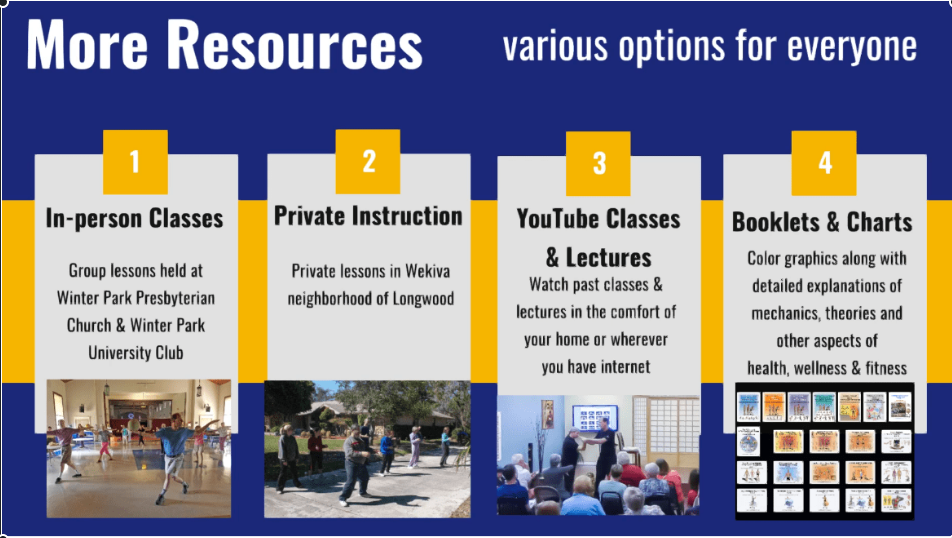
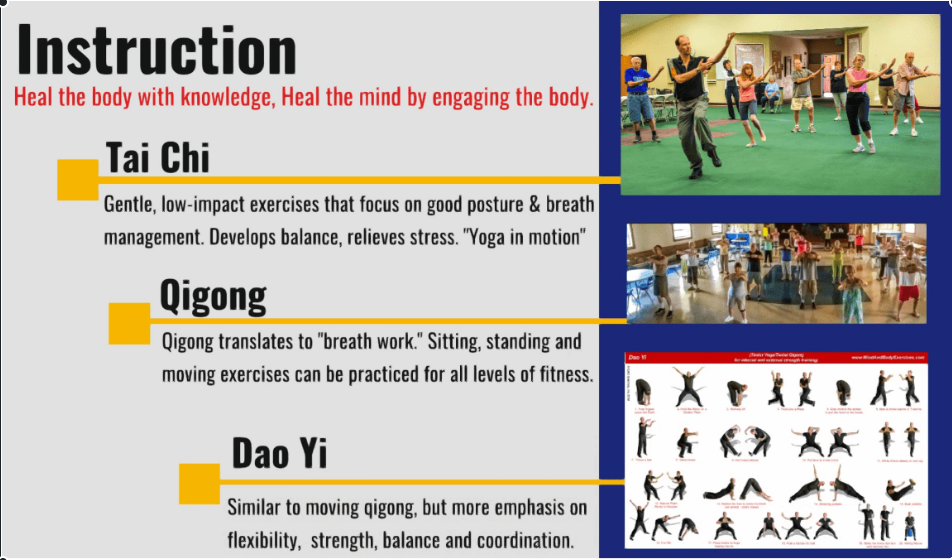
I teach and offer lectures about holistic health, physical fitness, stress management, human behavior, meditation, phytotherapy (herbs), music for healing, self-massage (acupressure), Daoyin (yoga), qigong, tai chi, and baguazhang.

Please contact me if you, your business, organization, or group, might be interested in hosting me to speak on a wide spectrum of topics relative to better health, fitness, and well-being.

I look forward to further sharing more of my message by partnering with hospitals, wellness centers, VA centers, schools on all levels, businesses, and individuals who see the value in building a stronger nation through building a healthier population.

I also have hundreds of FREE education video classes, lectures, and seminars available on my YouTube channel at:

https://www.youtube.com/c/MindandBodyExercises

Many of my publications can be found on Amazon at:

http://www.Amazon.com/author/jimmoltzan

My holistic health blog is available at:

https://mindandbodyexercises.wordpress.com/

http://www.MindAndBodyExercises.com

Mind and Body Exercises on Google: https://posts.gle/aD47Qo

Jim Moltzan

407-234-0119

The Great American Contradiction: Why We Say One Thing and Do Another

My posts are mostly about holistic health, wellness, and various methods to achieve balance in our lives. Human behavior or psychology are subjects I have delved deeper into, as our behavior dramatically affects our mental, physical, and spiritual well-being.

The United States is a nation built on ideals of freedom, opportunity, and justice, but beneath these principles lies a web of contradictions. Many Americans know systemic issues, broken systems, and political dysfunction, yet they often feel powerless to enact meaningful change. Some believe they have no viable alternatives, while others simply don’t care as long as the consequences don’t affect them directly. Lack of agency (ability to act and make choices independently) and lack of control (exerting power or influence over others or outcomes) can have deep psychological effects, leading to many chronic cognitive ailments such as depression, anxiety, insecurity, and others. It’s time for a collective reckoning. Perhaps it’s time to ask not just, “Are we part of the problem?” but also, “What can we do to be part of the solution?”

Here’s a closer look at some of the most glaring contradictions or cognitive dissonance (the discomfort of holding conflicting beliefs or values) in American society, grouped by their interrelated themes:


1. Term Limits vs. Career Politicians

There is widespread support for imposing term limits on politicians, yet career politicians dominate Washington. Many Americans believe fresh perspectives would benefit governance, but efforts to enforce limits consistently stall. Voters complain about corruption but continue re-electing the same people.


2. Politicians and Insider Trading vs. Public Trust

Most Americans believe politicians should not benefit from insider trading, yet cases of elected officials profiting from privileged information persist. Despite this, the same politicians often get re-elected. We claim to detest corruption but keep endorsing those who abuse their positions.


3. Foreign Wars vs. Public Opinion

A large portion of the population opposes foreign military interventions, yet the U.S. remains entangled in conflicts worldwide. Public sentiment rarely translates into policy changes, highlighting the disconnect between the will of the people and government actions.


4. Perceived Misuse of Tax Dollars vs. Continued Compliance

Taxpayers express frustration over how their money is spent, with glaring examples of inefficiency and corruption. For instance, California spent $24 billion to address homelessness, yet the crisis has only worsened. In November 2024, the Pentagon failed to pass its annual audit, meaning that it wasn’t able to fully account for how its $824 billion budget was used. This was the 7th failed audit in a row, since the Department of Defense became required to undergo yearly audits in 2018. Despite this, people continue paying taxes while feeling powerless to demand accountability.


5. Daylight Saving Time vs. Public Opinion

Twice a year, Americans grumble about the disruption caused by changing the clocks. Studies show that daylight saving time may increase health risks and reduce productivity, yet it persists. Despite widespread dissatisfaction, legislative inertia keeps the practice alive.


6. Limited Political Choices vs. Frustration with the Two-Party System

Americans lament the lack of political diversity and the stranglehold of the two-party system, yet alternative parties remain marginalized. Even though many feel disillusioned, they continue to choose between the “lesser of two evils.” Real change remains elusive because the system favors the status quo.


7. Support for Public Education vs. Private School Enrollment

Public education is hailed as the cornerstone of equal opportunity, yet families who can afford it often opt for private schooling. This creates a disconnect between advocating for public education and personal choices that contribute to inequality.


8. Supporting Local Businesses vs. Shopping Online

We talk about the importance of supporting local businesses, yet giants like Amazon, Walmart, and Starbucks continue to dominate, often putting small businesses out of business. Convenience, competitive pricing, and free shipping lure consumers away from their local economies.


9. Income Inequality vs. Celebrity Worship

While many decry income inequality and the wealth gap, America remains obsessed with celebrity culture and extravagant lifestyles. This fascination with the ultra-wealthy perpetuates distorted perceptions of success and value.


10. Perceived Value vs. Price Sensitivity

Consumers often complain about the declining quality of goods and services but continue purchasing cheap, mass-produced items instead of supporting higher-quality alternatives. The desire for instant gratification and low prices outweighs long-term sustainability.


11. Fast Food Consumption vs. Health Awareness

We know fast food is unhealthy. Obesity, diabetes, and other ailments continue to soar, yet fast-food chains thrive. Parents claim they care about their children’s health but often default to convenience, feeding them processed foods while allowing endless hours of screen time. Nutrition takes a backseat to ease, and the consequences are generational.


12. Sedentary Lifestyles vs. Advocacy for Healthy Living

We advocate for fitness, movement, and healthy living, yet modern lifestyles promote sedentary habits such as long hours at desks, excessive screen time, and minimal physical activity. Knowledge doesn’t always translate to action.


13. Healthcare System Criticism vs. Reliance on It

Americans recognize that the healthcare system is broken, yet they remain reliant on it. Pharmaceutical companies flood the media with advertisements, influencing consumers and doctors alike. Few healthcare professionals advocate for changes in lifestyle, diet, and exercise favoring “a pill for every ill.” The system favors profits over people, but viable alternatives are scarce, leaving many trapped in a cycle of dependency.


14. Body Positivity vs. Unrealistic Beauty Standards

The body positivity movement advocates for acceptance and inclusivity, but media, advertising, and Hollywood continue to promote unrealistic beauty standards. Thinness, youth, and perfection remain the ideal, perpetuating negative body image and self-esteem issues.


15. Desire for Work-Life Balance vs. Overworking Culture

Many Americans yearn for a better work-life balance, yet the culture of overwork persists. Long hours, limited vacation time, and a “hustle mentality” lead to burnout and mental health struggles. We value personal well-being in theory but often sacrifice it in practice.


16. Environmental Awareness vs. Consumerism

Many Americans express concern about climate change and environmental degradation but continue consuming at unsustainable levels. Convenience, affordability, and habit often override sustainable choices. The “Not in My Backyard” (NIMBY) mentality prevails, as people want solutions without altering their lifestyles.


17. Recycling Rhetoric vs. Minimal Action

Americans advocate for recycling and environmental protection, yet most recycling programs are underutilized or ineffective. Many items placed in recycling bins end up in landfills, and people often lack awareness of proper recycling practices.


18. Privacy Concerns vs. Social Media Addiction

Many express concerns over privacy and data security in the digital age, yet millions willingly share intimate details of their lives on platforms that harvest personal data. We fear surveillance but continue scrolling, liking, and posting. Convenience and entertainment often outweigh the fear of losing control over our private information.


19. Spam, Telemarketers, and Privacy Violations vs. Acceptance of Invasions

Americans complain about the relentless onslaught of spam calls, telemarketers, and digital intrusions, yet many accept these invasions as a normal part of modern life. We express frustration over privacy violations but rarely take steps to secure our information or demand accountability from corporations that exploit personal data.


20. Community Engagement vs. Social Isolation

Americans value community engagement and connection, yet the rise of digital communication and urbanization has led to increased social isolation. We crave connection but often retreat into virtual worlds, losing the sense of belonging that real communities provide. We see electronic devices as babysitters for children and adults alike, and then wonder why so many are depressed, anxious, and unable to be comfortable in real-life social settings.


21. Mistrust of Big Tech vs. Dependence on It

Americans frequently express mistrust of big tech companies, citing concerns about monopolies, privacy, and censorship. Yet, dependence on platforms like Google, Facebook, and Amazon remains pervasive. We resent their power but rely on their convenience.


22. Human Rights Advocacy vs. Selective Outrage

Many advocate for human rights and justice but remain selective in their outrage, often influenced by political affiliations or cultural biases. Genuine concern for equality should transcend partisanship, yet inconsistencies persist.


23. Religious Values vs. Material Pursuits

America prides itself on being a nation of faith, yet materialism and consumerism often overshadow spiritual values. Many profess religious beliefs but prioritize wealth, status, and success over moral and ethical principles.


24. Public Demand for Change vs. Fear of Disruption

Perhaps the most significant contradiction is that while Americans express a desire for change, they also fear the disruption that change may bring. Breaking free from familiar systems requires effort, sacrifice, and discomfort—something many are unwilling to endure.


25. The Forgotten Victims: Native Americans and Historical Amnesia

America celebrates its history of freedom and democracy while ignoring the ongoing consequences of genocide and displacement inflicted on Native American communities. Treaties were broken, lands were stolen, and entire cultures were nearly erased. Yet, mainstream narratives often gloss over these atrocities, perpetuating historical amnesia. The plight of Native Americans remains a footnote in history books, even as they continue to face systemic inequalities.


26. Advocacy for Social Justice vs. Ignoring Indigenous Struggles

While advocating for social justice and equality, many overlook the ongoing struggles of indigenous communities. Issues such as land sovereignty, environmental degradation, and broken treaties remain unresolved, highlighting a glaring inconsistency in America’s commitment to justice.


America’s contradictions are not just individual dilemmas—they reflect the collective psyche of a nation grappling with competing values and desires. To move forward, we must confront these inconsistencies with honesty and courage. True change starts not just by acknowledging these contradictions but by taking deliberate action to align our values with our behavior. “Change the world!” “Fix the system!”

I look forward to further sharing more of my message by partnering with hospitals, wellness centers, VA centers, schools on all levels, businesses, and individuals who see the value in building a stronger nation through building a healthier population.

I also have hundreds of FREE education video classes, lectures, and seminars available on my YouTube channel at:

https://www.youtube.com/c/MindandBodyExercises

Many of my publications can be found on Amazon at:

http://www.Amazon.com/author/jimmoltzan

My holistic health blog is available at:

https://mindandbodyexercises.wordpress.com/

http://www.MindAndBodyExercises.com

Mind and Body Exercises on Google: https://posts.gle/aD47Qo

Jim Moltzan

407-234-0119