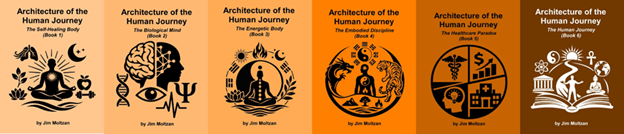
Introducing a New Series: The Architecture of the Human Journey

In a world saturated with fragmented advice on health, fitness, and personal development, there remains a need for something more complete, structured, integrated, and grounded in both lived experience and timeless principles.

Over the course of several decades of study, practice, and teaching across the fields of holistic health, martial arts, and human development, a unifying framework has gradually taken shape. This framework does not isolate the body from the mind, nor the mind from the spirit. Instead, it recognizes that human growth unfolds through the dynamic interaction of multiple systems of physical, biological, energetic, behavioral, and philosophical.

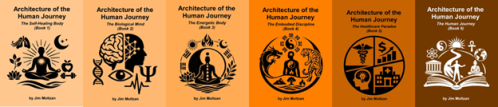
It is from this perspective that a new six-part book series emerges:

The Architecture of the Human Journey

This series is not simply a collection of books. It is a structured exploration of what it means to develop as a human being: physically, mentally, energetically, and ethically within the realities of modern life.

Each volume builds upon the others, forming a progressive pathway toward greater awareness, resilience, and self-mastery.

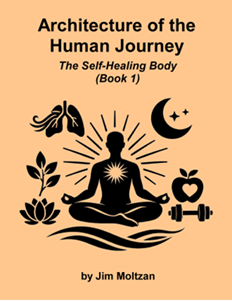
Book 1: The Self-Healing Body

The journey begins with the body—not as a machine to be pushed or punished, but as a living system designed for adaptation, repair, and resilience.

The Self-Healing Body explores the foundational principles of movement, posture, breathing, and recovery. It challenges the modern tendency toward inactivity and over-reliance on external interventions, instead emphasizing the body’s innate capacity to restore balance when given the proper conditions.

Readers are guided toward a deeper understanding of how daily habits of sitting, standing, walking, breathing shape long-term health outcomes. The message is clear: the body is not broken; it is often simply underused, misused, or misunderstood.

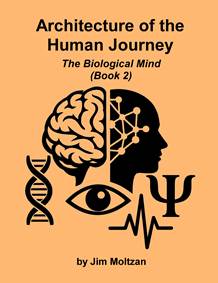
Book 2: The Biological Mind

If the body is the foundation, the mind is the regulator.

The Biological Mind examines how thoughts, emotions, stress responses, and neurological patterns influence both behavior and physiology. Rather than viewing the mind as something abstract or separate, this book presents it as a biological system, deeply connected to the nervous system, hormones, and physical health.

Topics include stress conditioning, attention, perception, and the ways in which modern environments can dysregulate natural mental processes. Readers are encouraged to recognize how their internal dialogue and external inputs shape their lived experience.

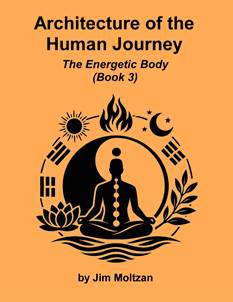
Book 3: The Energetic Body

Beyond the physical and biological lies a more subtle, yet equally important dimension: the energetic system.

The Energetic Body draws from Traditional Chinese Medicine, Daoist practices, and internal martial arts to explore concepts such as qi, meridians, breath, and internal flow. While often overlooked in Western models, these systems have guided health and movement practices for thousands of years.

This volume bridges the gap between ancient insight and modern understanding, offering practical ways to cultivate energy through breathwork, posture, and intentional movement.

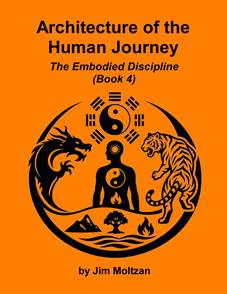
Book 4: Embodied Discipline

Knowledge without application remains incomplete.

Embodied Discipline focuses on the integration of body, mind, and energy through consistent practice. It is here that theory becomes lived experience. Discipline is reframed not as rigid control, but as the steady cultivation of habits that align with one’s values and goals.

Drawing from martial arts training, this book explores how structure, repetition, and intentional challenges build not only physical capacity, but mental clarity and emotional resilience.

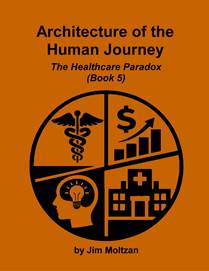
Book 5: The Healthcare Paradox

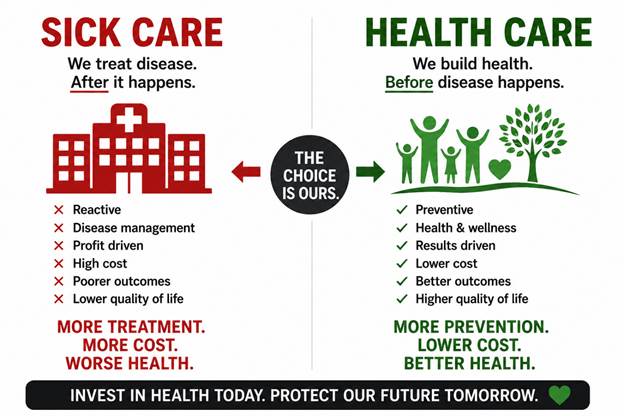
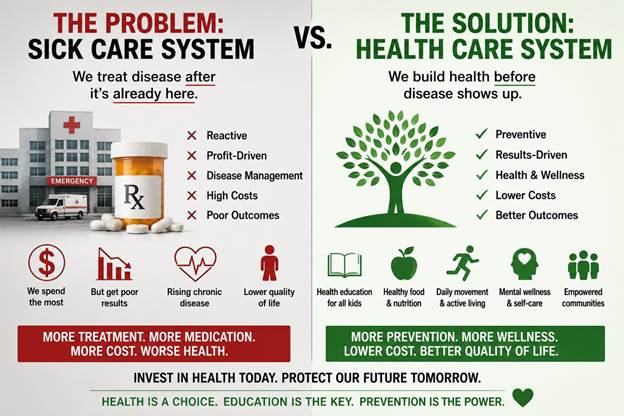
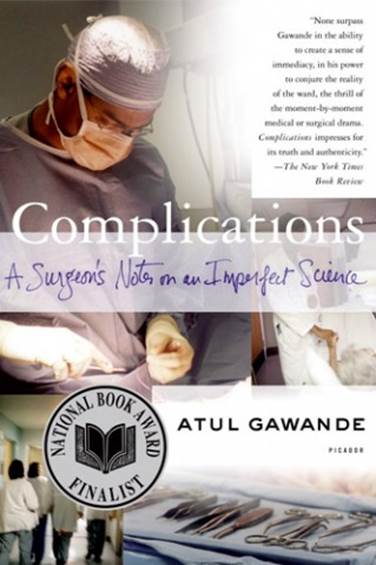
Modern healthcare offers remarkable advancements, yet widespread chronic illness continues to rise.

The Healthcare Paradox examines this contradiction. It explores how systems designed to treat disease often overlook the foundational behaviors that prevent it. Nutrition, movement, stress, environment, and personal responsibility all play a role, yet are frequently underemphasized.

This book does not reject modern medicine but rather places it within a broader context. One that encourages individuals to become active participants in their own health rather than passive recipients of care.

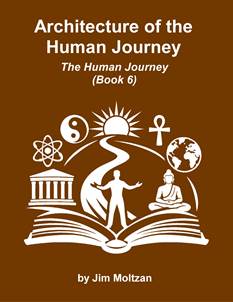
Book 6: The Human Journey

The final volume steps back to consider the broader question: What is all of this for?

The Human Journey explores meaning, purpose, relationships, and the realities of growth over a lifetime. It integrates the lessons of the previous volumes into a larger philosophical perspective, drawing from both Eastern and Western traditions.

It recognizes that strength, clarity, and health are not ends in themselves, but tools that support a more meaningful and connected life.

A Complete Framework for Modern Living

Taken together, these six books form a cohesive system:

  • The body provides structure
  • The mind provides direction
  • The energy system provides flow
  • Discipline provides integration
  • Awareness of systems provides context
  • Meaning provides purpose

This is the architecture – not of a building, but of a life.

In a time when information is abundant, but wisdom is scattered, The Architecture of the Human Journey offers a way to reconnect the pieces. It invites readers not just to learn, but to observe, reflect, and ultimately take responsibility for their own development.

This is not a quick fix or a temporary program. It is a long-term approach to living with greater awareness, strength, and integrity.

The journey is ongoing. The architecture is yours to build.

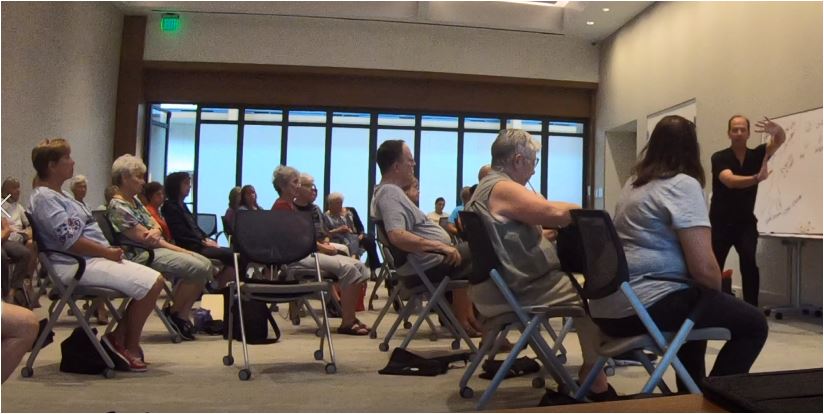
Build Stronger Bones – University Club Holistic Health Discussion 12-12-2024

This video lecture offers a comprehensive exploration of bone health within the broader framework of holistic wellness. It connects the anatomy and physiology of bones to lifestyle factors, emphasizing the intricate links between physical, mental, and spiritual health. Starting with a review of prior wellness topics such as balance, breathing, and acupressure meridians, I strived to situate bone health in a systems view, explaining how weak bones affect balance and mobility. Key causes of bone weakening, such as sedentary lifestyle, poor diet, hormonal changes, genetics, stress, and insufficient vitamin D, are examined in detail.

The lecture highlights the importance of regular exercise, including weight-bearing activities, Tai Chi, yoga, and functional fitness, to stimulate bone remodeling and maintain strength across the lifespan. Additionally, it addresses the role of calcium, vitamin D, and supplements, as well as medical interventions like acupuncture and TENS (Transcutaneous Electrical Nerve Stimulation) for pain management. I spoke of integrating traditional Chinese medicine concepts, stress benefits, and mindful breathing into the discussion, reinforcing a holistic view of health. Practical tips for maintaining bone integrity, improving balance, and avoiding falls are offered along with a call for consistent, varied physical activity as the cornerstone of healthy aging. The video finishes with a Q&A style wrap-up that stresses individual variability and the importance of personalized healthcare guidance.

Interconnectedness of Systems: The presentation emphasizes that bone health is not isolated but deeply intertwined with muscular, neurological, and even spiritual health. For example, weak bones increase fall risk, which can cascade into fractures and loss of mobility, illustrating the systemic nature of health challenges. The concept of yin and yang underscores the balance between internal wellness and external fitness, highlighting that physical strength alone is insufficient without emotional and mental well-being. This integrated approach reflects contemporary holistic health paradigms.

Vitamin D’s Crucial Role and Sunlight Exposure: A significant insight is the critical role of vitamin D in calcium absorption and bone integrity. I highlighted how modern lifestyles have evolved our indoor activities, sunscreen use, geographic latitude, and seasonal changes, contributing to widespread vitamin D deficiency. This deficiency links to multiple conditions including osteoporosis, osteomalacia, rickets, and compromised immunity. The discussion about timing and duration of sun exposure elucidates practical strategies to optimize vitamin D without risking skin damage, encouraging mindful balance.

Exercise as a Primary Modulator of Bone Strength: Wolf’s Law explains how mechanical strain on bones via muscle tension prompts remodeling and strengthening. The presentation breaks down exercise types, from gentle Tai Chi to rigorous weight training and their suitability across age groups, stressing the importance of consistency and variety. I caution that overly repetitive or limited-exercise regimens may enhance one skill set but neglect others (e.g., flexibility, cardiovascular health), advocating for a multi-dimensional fitness approach. Use of weighted vests, wrist weights, and grip exercises further illustrates how progressive tension can be tailored to individual capacity.

Balance and Grip Strength are Vital for Injury Prevention: Falls are a leading cause of fractures in older adults; thus, balance training and grip strength are crucial preventive measures. The lecture connects muscle strength, proprioception, and neuromuscular coordination as key to maintaining postural stability. Grip strength matters not only for daily function but also as an indicator of overall health and balance recovery capability during falls, making it a practical focus area for exercise programs.

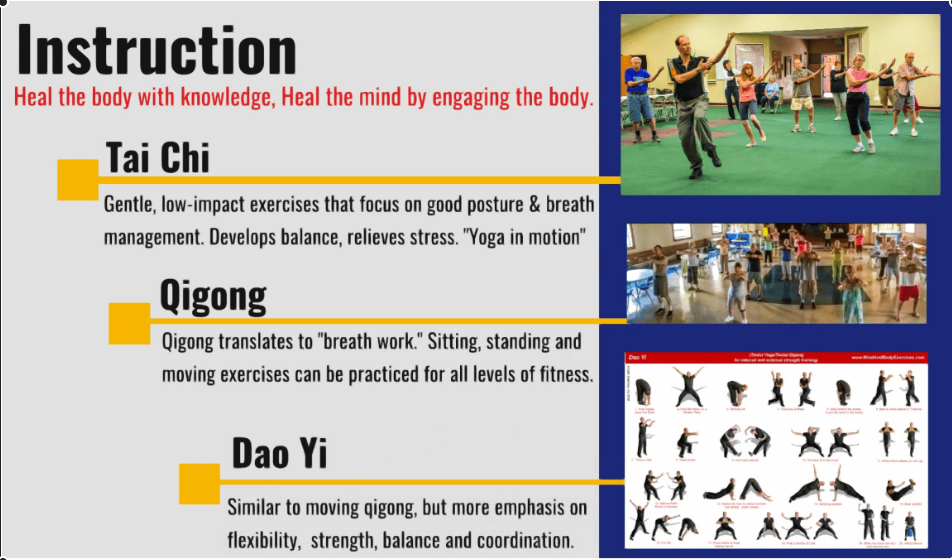
Holistic Fitness and Organ Health through Movement: Unlike traditional fitness focused solely on muscles and cardiovascular systems, the talk introduces the idea that practices like Tai Chi and yoga actively stimulate internal organs by promoting diaphragmatic movement and circulation. This ‘soft fitness’ concept aligns with traditional Chinese medicine, promoting blood flow and nervous system activation via acupressure meridians. This insight expands the definition of fitness towards holistic bodily integration and organ vitality.

Complementary Modalities for Pain and Bone Health: The acceptance and use of acupuncture, acupressure, and TENS units are discussed as effective tools for pain relief without drugs, especially for arthritis and bone-related discomfort. While these do not cure structural issues, their value in managing symptoms and enabling movement enhances quality of life. The lecture also discusses complexities around calcium supplements and pharmaceuticals, emphasizing nutritional balance and caution due to potential side effects like kidney stones or brittle bones.

Stress Hormones Impact Bone Remodeling: Chronic stress elevates cortisol levels, which negatively affects bone formation and increases breakdown, illustrating the biochemical pathways connecting emotional health and bone physiology. The analogy to a microwave running empty underscores how unrelenting stress can burn out the system. Incorporating stress management, mindful breathing, and spiritual awareness into daily practice is thus integral to sustaining bone health, emphasizing mind-body unity in disease prevention and health promotion.

Highlights

  • Holistic health views bones as interconnected with muscles, organs, and energy meridians.
  • Vitamin D deficiency is widespread and profoundly impacts bone strength and immunity.
  • Weight-bearing exercise and diverse physical activity stimulate bone remodeling at any age.
  • Balance, grip strength, and neuromuscular coordination are critical for fall and injury prevention.
  • Soft movement practices like Tai Chi and yoga engage muscles and organs for whole-body wellness.
  • Acupuncture and TENS offer non-pharmaceutical options for managing bone-related pain.
  • Stress and mental health considerably affect bone physiology via hormonal pathways like cortisol.

I feel that this discussion offers an in-depth, well-rounded discussion on bone health, rooting it firmly in a holistic wellness model. It broadens the narrative beyond simple calcium intake or exercise regimens, weaving in mental health, stress, spirituality, and modern lifestyle factors. Practical, evidence-backed advice coupled with traditional medicine knowledge and personal anecdotes make it accessible. Viewers are encouraged to adopt a varied, consistent exercise routine, mind their nutrition and sunlight exposure, manage stress, and consider complementary therapies to maintain strong bones and overall vitality through aging.

The Dark History of “Safe” Products: Lessons from Thalidomide, DDT, and More

Throughout history, some products initially approved by regulatory agencies such as the U.S. Food and Drug Administration (FDA) and the Environmental Protection Agency (EPA) have later been found to pose risks to human health and the environment. While human error is sometimes unavoidable, minimizing it is crucial for public safety and welfare. From pharmaceuticals to household products, these instances underscore the importance of thorough testing and evaluation. This article examines notable cases such as thalidomide, DDT, and OxyContin, and discusses strategies to prevent similar issues in the future.

Thalidomide: The Drug That Never Reached the U.S. (Officially)

Thalidomide was introduced in the 1950s by the German company Chemie Grünenthal as a sedative and treatment for morning sickness in pregnant women. It was marketed in Europe, Canada, and other countries as a completely safe medication. However, by the late 1950s, a significant number of children were born with severe congenital disabilities, including missing or deformed limbs, organ damage, and other critical conditions (Kim & Scialli, 2011).

(File:NCP14053.jpg – Wikimedia Commons, n.d.)

Why Wasn’t Thalidomide Approved in the U.S.?

The pharmaceutical company submitted the drug for FDA approval, but Dr. Frances Kelsey, a physician and pharmacologist at the FDA, halted its approval. She requested additional safety data due to suspected potential hazards. As a result of her diligence, the United States avoided a significant public health disaster (Daemmrich, 2004).

Although not approved, certain U.S. doctors were able to access the drug through experimental trials. Approximately 17 children in the United States were born with birth defects associated with thalidomide (Kim & Scialli, 2011). While this figure is relatively small compared to the over 10,000 cases worldwide, it underscores the risks involved with unregulated drug distribution. Thalidomide resulted in significant modifications to drug approval processes globally, including enhanced testing for fetal safety and stricter FDA guidelines that continue today (Daemmrich, 2004).


DDT: The Miracle Pesticide Turned Environmental Nightmare

DDT (Dichlorodiphenyltrichloroethane) was introduced in the 1940s as a pesticide to address malaria and typhus. It was widely used by the U.S. military during World War II and subsequently gained popularity in agriculture and public health programs (Eskenazi et al., 2009).

By the 1960s, concerns about the environmental and health impacts of DDT became more prominent. Rachel Carson’s seminal book, Silent Spring (1962), documented the bioaccumulation of DDT in wildlife, which resulted in the thinning of bird eggshells and contributed to the near-extinction of bald eagles. Additionally, Carson highlighted the potential carcinogenic effects of DDT on humans (Carson, 1962).

DDT was prohibited in the United States in 1972; however, it continues to be utilized in certain regions globally for malaria control (Eskenazi et al., 2009).


OxyContin & the Opioid Epidemic: A Tragic Case of Corporate Deception

In 1996, Purdue Pharma launched OxyContin, promoting it as a non-addictive pain medication. The Food and Drug Administration (FDA) approved the drug based on Purdue’s assertions that its time-release formulation would mitigate the potential for abuse (Van Zee, 2009).

OxyContin has been associated with high addiction rates, and its widespread prescription contributed to a national opioid crisis. Purdue Pharma and other manufacturers later faced lawsuits, with evidence suggesting that they did not fully disclose the drug’s risks to doctors and regulators (Van Zee, 2009).

The opioid crisis has led to over 500,000 overdose deaths in the United States since the late 1990s (Uncovering the Opioid Epidemic, n.d.). Although current opioid regulations are significantly stricter, the consequences of the crisis persist.


Vioxx: The Painkiller That Led to Heart Attacks

Vioxx (Rofecoxib), a medication for arthritis, was released in 1999 and marketed as an alternative to older anti-inflammatory drugs. Subsequent studies indicated that Vioxx was associated with an increased risk of heart attacks and strokes (Graham et al., 2005).

(Rockoff, 2009)

By the time Vioxx was withdrawn from the market, it is estimated that 20 million Americans had taken the drug. Research later published in the medical journal Lancet estimates that 88,000 Americans experienced heart attacks due to taking Vioxx, with 38,000 fatalities (Prakash, 2007). This case underscored the inadequacy of drug companies in disclosing safety risks and led to the implementation of more stringent post-market drug surveillance policies.


Other Notable Cases of “Safe” Products That Became Harmful

🔹 Tobacco: Once promoted as doctor-approved, later linked to lung cancer and heart disease (Centers for Disease Control and Prevention (US), 2014)


🔹 Lead Paint & Leaded Gasoline: Used for decades despite known toxicity, leading to widespread neurological damage in children (Needleman, 2004).


🔹 Asbestos: Used in construction for insulation but later found to cause mesothelioma and lung disease (Bolan et al., 2023)


🔹 Baby Powder (Talc): Contaminated with asbestos, leading to lawsuits over ovarian cancer risks (Cramer et al., 2015)


🔹 Frontal Lobotomies: Once considered a treatment for mental illness, but resulted in severe cognitive impairment and even death (Faria, 2013)


🔹 Agent Orange: A herbicide used during the Vietnam War, later linked to cancer and birth defects (Stellman & Stellman, 2018)


🔹 PFAS (“Forever Chemicals”): Found in water supplies and linked to cancer, infertility, and immune disorders (Ayodele & Obeng-Gyasi, 2024)


Lessons Learned & How to Protect Ourselves Today

Question Corporate Claims: Research beyond marketing as companies may prioritize profits over safety.

Demand Rigorous Testing: Ensure drugs and chemicals undergo long-term studies before use.

Advocate for Transparency: Pressure is crucial to release hidden data on harmful products.

Support Independent Research: Prioritize independent, peer-reviewed research over industry-funded studies.

Stay Informed: Be vigilant about new risks like microplastics in food and AI-driven medical decisions.

References

Ayodele, A., & Obeng-Gyasi, E. (2024). Exploring the Potential Link between PFAS Exposure and Endometrial Cancer: A Review of Environmental and Sociodemographic Factors. Cancers, 16(5), 983. https://doi.org/10.3390/cancers16050983

Bolan, S., Kempton, L., McCarthy, T., Wijesekara, H., Piyathilake, U., Jasemizad, T., Padhye, L. P., Zhang, T., Rinklebe, J., Wang, H., Kirkham, M., Siddique, K. H., & Bolan, N. (2023). Sustainable management of hazardous asbestos-containing materials: Containment, stabilization and inertization. The Science of the Total Environment, 881, 163456. https://doi.org/10.1016/j.scitotenv.2023.163456

Carson, R. (1962). Silent spring. Houghton Mifflin.

Centers for Disease Control and Prevention (US). (2014). The Health Consequences of Smoking—50 years of progress. NCBI Bookshelf. https://www.ncbi.nlm.nih.gov/books/NBK179276/

Cramer, D. W., Vitonis, A. F., Terry, K. L., Welch, W. R., & Titus, L. J. (2015). The association between Talc use and ovarian cancer. Epidemiology, 27(3), 334–346. https://doi.org/10.1097/ede.0000000000000434

Daemmrich, A. (2004). Pharmacopolitics: Drug regulation in the United States and Germany. UNC Press Books.

Eskenazi, B., Chevrier, J., Rosas, L. G., Anderson, H. A., Bornman, R., Bouwman, H., … & Warner, M. (2009). The Pine River statement: Human health consequences of DDT use. Environmental Health Perspectives, 117(9), 1359-1367.

Faria, M. (2013). Violence, mental illness, and the brain – A brief history of psychosurgery: Part 1 – From trephination to lobotomy. Surgical Neurology International, 4(1), 49. https://doi.org/10.4103/2152-7806.110146

File:NCP14053.jpg – Wikimedia Commons. (n.d.). https://commons.wikimedia.org/wiki/File:NCP14053.jpg

Graham, D. J., Campen, D., Hui, R., Spence, M., Cheetham, C., Levy, G., Shoor, S., & Ray, W. A. (2005). Risk of acute myocardial infarction and sudden cardiac death in patients treated with cyclo-oxygenase 2 selective and non-selective non-steroidal anti-inflammatory drugs: nested case-control study. The Lancet, 365(9458), 475–481. https://doi.org/10.1016/s0140-6736(05)17864-7

Kim, J. H., & Scialli, A. R. (2011). Thalidomide: The tragedy of birth defects and the effective treatment of disease. Toxicological Sciences, 122(1), 1-6.

Needleman, H. (2004). Lead poisoning. Annual Review of Medicine, 55(1), 209–222. https://doi.org/10.1146/annurev.med.55.091902.103653

Prakash, S. (2007, November 10). Timeline: The rise and fall of Vioxx. NPR. https://www.npr.org/2007/11/10/5470430/timeline-the-rise-and-fall-of-vioxx

Rockoff, J. (2009, November 24). Vioxx and heart attack linked in 2001. WSJ. https://www.wsj.com/articles/SB10001424052748704779704574554071807123380

Stellman, J. M., & Stellman, S. D. (2018). Agent Orange during the Vietnam War: the lingering issue of its civilian and military health impact. American Journal of Public Health, 108(6), 726–728. https://doi.org/10.2105/ajph.2018.304426

Van Zee, A. (2009). The promotion and marketing of OxyContin: Commercial triumph, public health tragedy. American Journal of Public Health, 99(2), 221-227. https://doi.org/10.2105/AJPH.2007.131714

Uncovering the opioid epidemic. (n.d.). https://www.cdc.gov/museum/pdf/cdcm-pha-stem-uncovering-the-opioid-epidemic-lesson.pdf

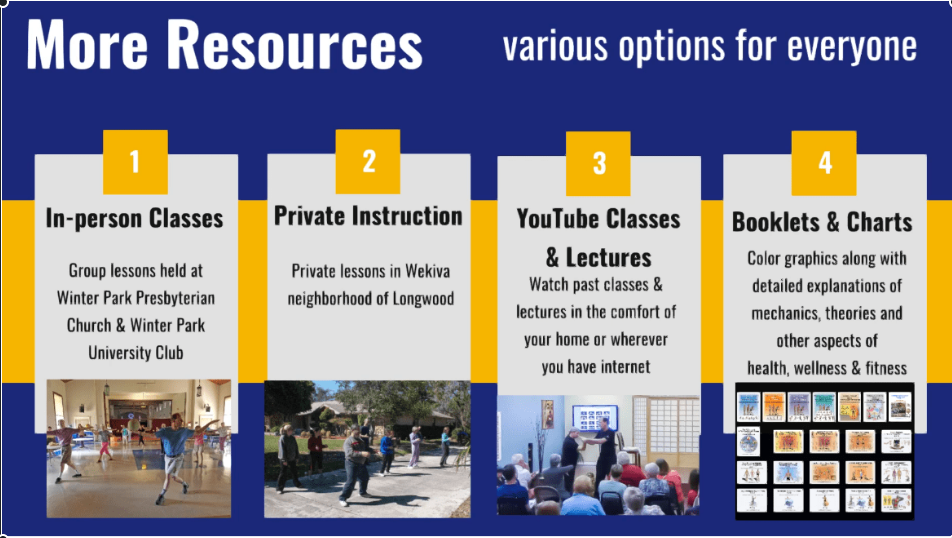
I look forward to further sharing more of my message by partnering with hospitals, wellness centers, VA centers, schools on all levels, businesses, and individuals who see the value in building a stronger nation through building a healthier population.

I also have hundreds of FREE education video classes, lectures, and seminars available on my YouTube channel at:

https://www.youtube.com/c/MindandBodyExercises

Many of my publications can be found on Amazon at:

http://www.Amazon.com/author/jimmoltzan

My holistic health blog is available at:

https://mindandbodyexercises.wordpress.com/

http://www.MindAndBodyExercises.com

Mind and Body Exercises on Google: https://posts.gle/aD47Qo

Jim Moltzan

407-234-0119

Sleep Deprivation

Sleep is a natural regularly occurring physiological function, where humans and other animals reduce physical and mental activity, lessen responsiveness to stimuli, and particular patterns of brain activity occur (Ettinger 2018). Prolonged lack of sleep or sleep deprivation can cause impaired memory formation as well as adverse effects on the brain’s other cognitive functions such as learning, language, reason, and perception. Sleep deprivation has also been linked to significant mental diseases, such as depression, psychosis, and bipolar disorder (Horowitz, 2020). Physical problems attributed to consistent lack of sleep include weakening of the immune system, headaches, heart disease, fainting, weight gain or weight loss, blurred vision, and hernias. Other related ailments may include obesity, cancer, stroke, asthma, high blood pressure, diabetes, arthritis, and kidney failure. Severe sleep deprivation in humans can also be fatal, where a rare neurological ailment called fatal familial insomnia, results in damage to areas of the thalamus
(Horowitz, 2020).


Studies with REM-deprived sleep participants showed the effects of decreased ability to concentrate on tasks, increased irritability, hostility, anxiousness, and aggressiveness. Studies also showed that REM-starved participants entered into REM sleep almost as soon as they were permitted to nod off, over the course of a one-week experiment. Participants experienced a REM rebound effect, where they spent roughly 50 percent more time in REM than they did before the start of the experiment. This REM rebound effect seems to occur immediately after a duration of forced wakefulness during a night’s sleep. Physiological changes in animals have been observed in other studies regarding REM deprivation, with effects of weight loss, deteriorated appearance, skin lesions, increased energy expenditure, decreased body temperature, and even death. Researchers think that if humans experienced similar circumstances of sleep deprivation used in animal studies, similar outcomes would present (Ettinger 2018).

Studies show that sleep is necessary, but exactly why is not clear. Theories exist that we require sleep to conserve energy, avoid predation, and memory aid. However, none of these theories are widely accepted by psychologists. Another theory is that sleep helps in mental and physical restoration. Sleep is thought to restore resources that are drained during our daily activities. Studies show that people often sleep longer after particularly tiring events helps to support this theory. Unsettled evidence shows that specific types of tissue restoration might happen during sleep. Growth hormone is secreted at increased levels during Stage 4 sleep as well as brain neurotransmitters possibly being restored during sleep. Other research indicates that sleep is essential for brain homeostasis. Additionally, research suggests that metabolic waste that accumulates from neural activity is eliminated from the brain and cerebral spinal fluid, while only occurring during sleep (Ettinger 2018). This theory has merit, as other relative studies offer further evidence of sleep quality affecting health and well-being, specifically with intensive care unit (ICU) patients (Pisani, 2015). I find it hard to discredit this theory, just based on personal experience with almost everyone I have ever known or met, expressing how much more restored, refreshed, and energetic they are when they have regular quality sleep.


I feel that American culture in general, does not pay much attention to preventing disease and illness, let alone the specific issue of sleep deprivation. We have gradually grown into a nation where we live for our pleasures today, with little regard for the consequences that will come tomorrow. Many see modern allopathic medicine and its many pharmaceutical options, as the only path to fix all of our ills. There is a plethora of medications that we can take to keep us awake when we don’t get enough sleep. Conversely, we also have a wide variety of other pharmaceuticals to help us sleep when we are too awake, anxious, or stressed.

I see many college-aged kids, who are learning how to manage and navigate their college lives of studies and social life, while also trying to stay safe and healthy in the process. I don’t really think the issue of college student sleep deprivation has changed much over the last few decades, as far as young adults exercising their independence and learning of their limits. What has changed, I believe is the acceptance of legal as well as illegal drugs being used to manage the ups and downs of coping with the on-campus “college life”. Additionally, the last 2 years of dealing with the COVID-19 pandemic have greatly added to the recipe for potential psychological issues. Many people of all ages have experienced stress as they attempt to balance their relative circumstances. Many people were inside more which may have led to a more sedentary lifestyle, eating more poor-quality food, drinking more alcohol, consuming more recreation and medicinal drugs, and other issues that can affect the quality of sleep. Consequently, I think the more relative issue that is yet to unfold, is how has the management of the pandemic affected sleep quality across many demographics? This topic will probably take years to study in order to draw any logical conclusions.

References:
Ettinger, R. H. (2018). Psychology: The Science of Behavior (6th ed.). BVT Publishing.


Horowitz, D. (2020). Sleep deprivation. Salem Press Encyclopedia of Health.


Pisani, M. (2015). Sleep in the intensive care unit: An oft-neglected key to health restoration.


Heart & Lung : The Journal of Critical Care, 44(2), 87. https://doi-org.northernvermont.idm.oclc.org/10.1016/j.hrtlng.2015.01.007

I teach and offer lectures about holistic health, physical fitness, stress management, human behavior, meditation, phytotherapy (herbs), music for healing, self-massage (acupressure), Daoyin (yoga), qigong, tai chi, and baguazhang.

Please contact me if you, your business, organization, or group, might be interested in hosting me to speak on a wide spectrum of topics relative to better health, fitness, and well-being.

I look forward to further sharing more of my message by partnering with hospitals, wellness centers, VA centers, schools on all levels, businesses, and individuals who see the value in building a stronger nation through building a healthier population.

I also have hundreds of FREE education video classes, lectures, and seminars available on my YouTube channel at:

https://www.youtube.com/c/MindandBodyExercises

Many of my publications can be found on Amazon at:

http://www.Amazon.com/author/jimmoltzan

My holistic health blog is available at:

https://mindandbodyexercises.wordpress.com/

http://www.MindAndBodyExercises.com

Mind and Body Exercises on Google: https://posts.gle/aD47Qo

Jim Moltzan

407-234-0119

Still Looking for Gifts for Others?

Maybe consider giving a gift of knowledge.

Remember the Indiana Jones films, when Indiana discovers his father’s diary containing clues to the Holy Grail? The book itself was knowledge. Wisdom came from applying that knowledge through experience. Without knowledge and lived practice, wisdom is difficult to cultivate.

For over 40 years, I have been on my own search for a “Holy Grail” of health, wellness, fitness, and self-awareness. Along that journey, I have created a series of books and study guides that visually and conceptually map what I believe to be the essential components of a healthy, balanced, and meaningful life.

My books are comprehensive, deeply researched, and feature original, full-color illustrations designed to make complex ideas clear and accessible. Each volume reflects decades of firsthand learning, practice, teaching, and illustration across disciplines including holistic health, fitness, psychology, Traditional Chinese Medicine, qigong, martial arts, and yoga philosophy. These are not mass-market publications. They are intentionally crafted for thoughtful readers, practitioners, and lifelong learners who value depth, clarity, and authenticity.

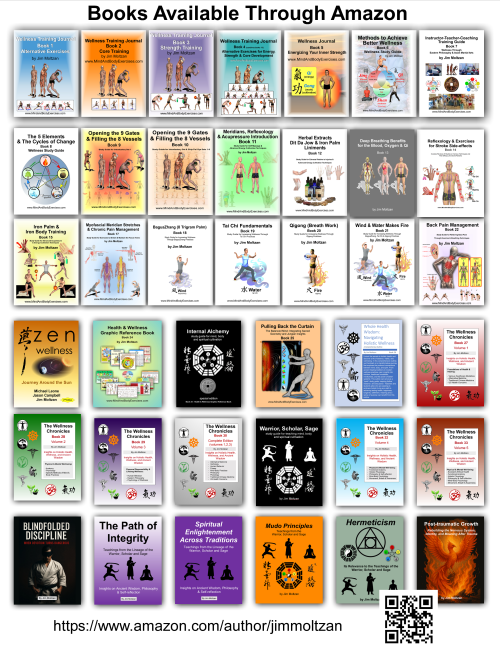
To date, I have published 39 books and study guides on Amazon. Some are primarily visual references that distill complex systems into clear graphic formats. Others explore theories of human development, psychology, movement, breathwork, rehabilitation, longevity, and overall quality of life. Many include practical exercise sets designed to support recovery, resilience, and long-term well-being.

These works represent the summation of more than four decades of training, education, teaching, and public speaking. Much of the qigong and breathing work draws from Chinese Kung Fu and Korean Dong Han medical qigong lineages, alongside extensive study with Traditional Chinese Medicine practitioners and martial arts masters. My background also includes acupressure, acupuncture principles, moxibustion, herbal preparation, and medical qigong, as well as formal academic training culminating in a Bachelor of Science degree in Holistic Health.

Similar in concept to Quick Study or PermaCharts, these guides are designed to “cut to the chase,” minimizing the time spent searching through dense textbooks while preserving the essential root knowledge of each subject. This format serves both beginners seeking a solid foundation and experienced practitioners looking for concise, high-quality reference materials.

If you are looking for a meaningful gift, one that supports health, awareness, and lifelong learning, these books are intended to be resources that grow with the reader over time.

My titles are available on Amazon at: https://www.amazon.com/author/jimmoltzan

My titles are available on Amazon at: https://www.amazon.com/author/jimmoltzan

Book 1 – Alternative Exercises

Book 2 – Core Training

Book 3 – Strength Training

Book 4 – Combo of 1-3

Book 5 – Energizing Your Inner Strength

Book 6 – Methods to Achieve Better Wellness

Book 7 – Coaching & Instructor Training Guide

Book 8 – The 5 Elements & the Cycles of Change

Book 9 – Opening the 9 Gates & Filling 8 Vessels-Intro Set 1

Book 10 – Opening the 9 Gates & Filling 8 Vessels-sets 1 to 8

Book 11 – Meridians, Reflexology & Acupressure

Book 12 – Herbal Extracts, Dit Da Jow & Iron Palm Liniments

Book 13 – Deep Breathing Benefits for the Blood, Oxygen & Qi

Book 14 – Reflexology for Stroke Side Effects:

Book 15 – Iron Body & Iron Palm

Book 17 – Fascial Train Stretches & Chronic Pain Management

Book 18 – BaguaZhang

Book 19 – Tai Chi Fundamentals

Book 20 – Qigong (breath-work)

Book 21 – Wind & Water Make Fire

Book 22 – Back Pain Management

Book 23 – Journey Around the Sun-2nd Edition

Book 24 – Graphic Reference Book

Book 25 – Pulling Back the Curtain

Book 26 – Whole Health Wisdom: Navigating Holistic Wellness

Book 27 – The Wellness Chronicles (volume 1) 

Book 28 – The Wellness Chronicles (volume 2)

Book 29 – The Wellness Chronicles (volume 3)

Book 30 – The Wellness Chronicles (complete edition, volumes 1-3)

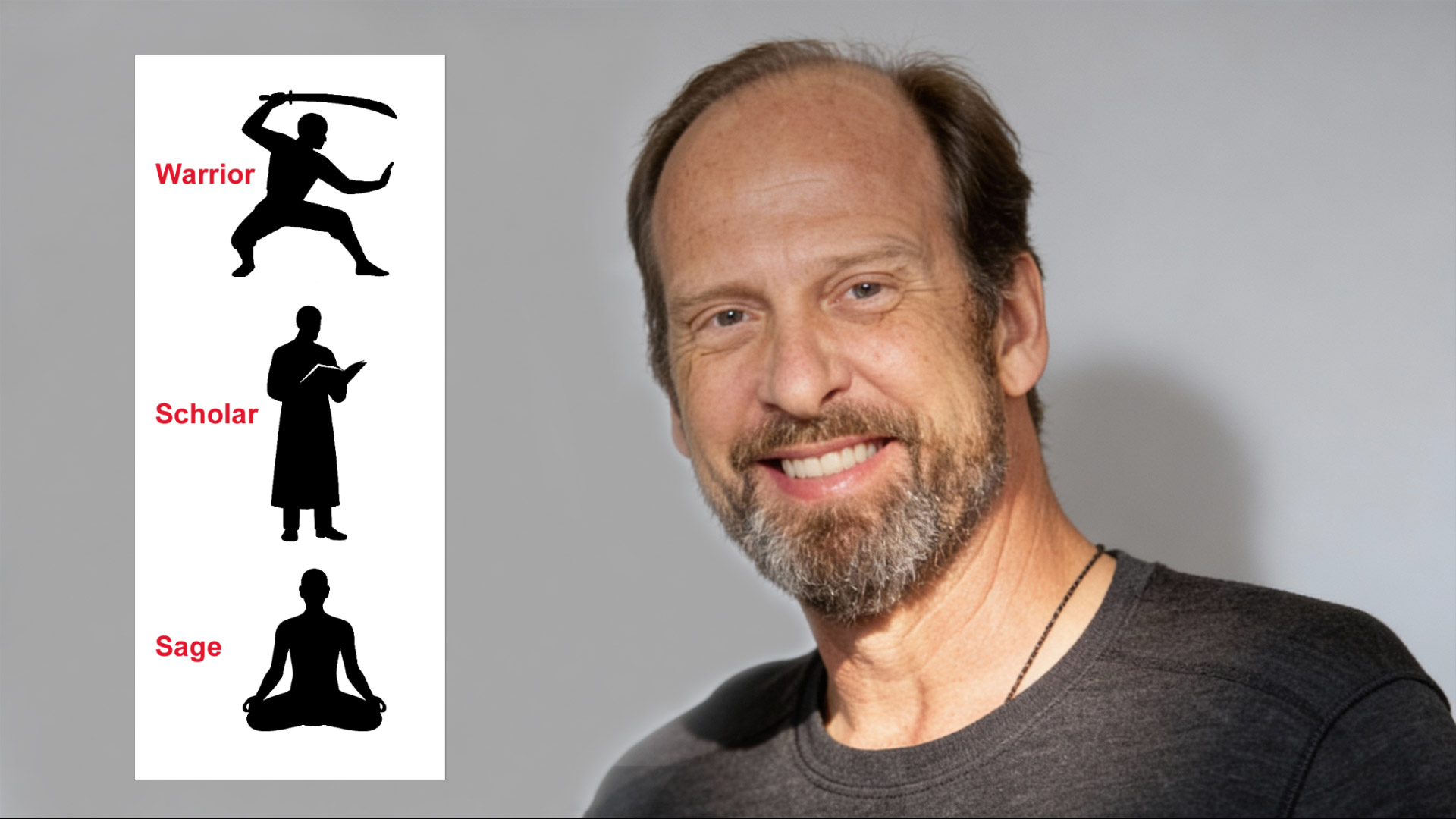
Book 31 – Warrior, Scholar, Sage

Book 32 – The Wellness Chronicles (volume 4)

Book 33 – The Wellness Chronicles (volume 5)

Book 34 – Blindfolded Discipline

Book 35 – The Path of Integrity

Book 36 – Spiritual Enlightenment Across Traditions

Book 37 – Mudo Principles: Teachings from the Warrior, Scholar, and Sage

Book 38 – Hermeticism: Its Relevance to the Teachings of the Warrior, Scholar and Sage

Book 39 – Post-traumatic Growth