Health and Wellness Issues Have Worsened in Recent Decades

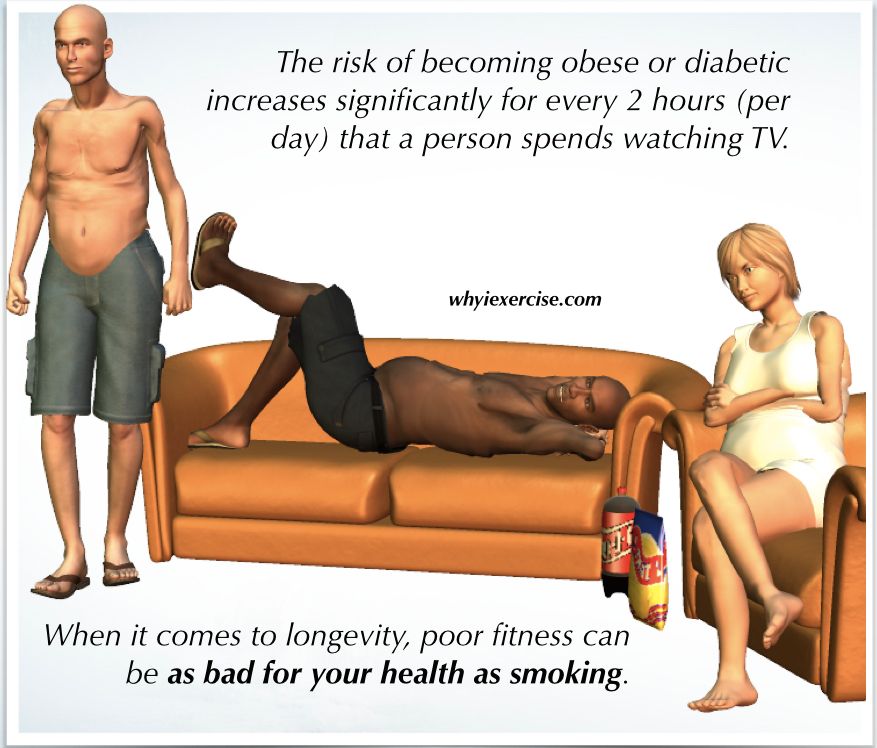
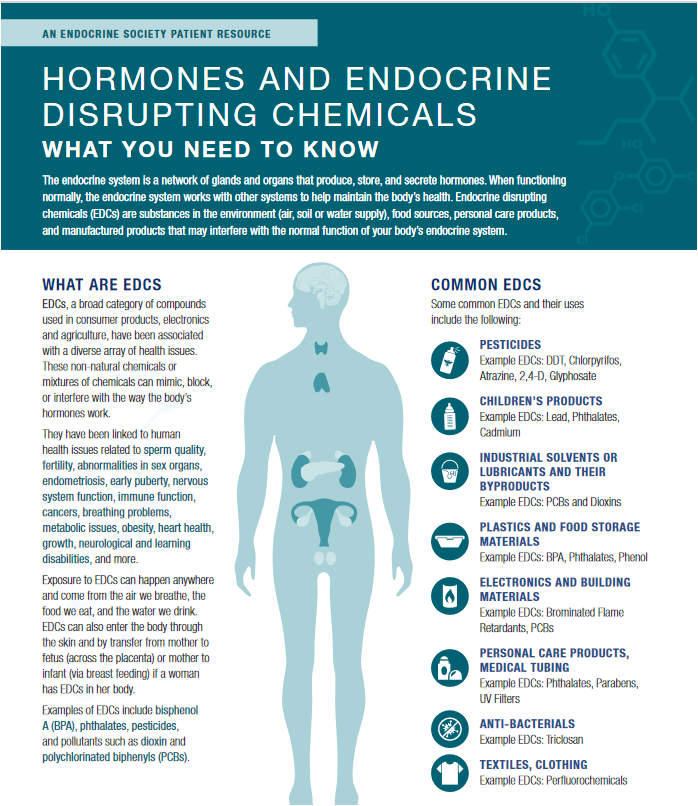
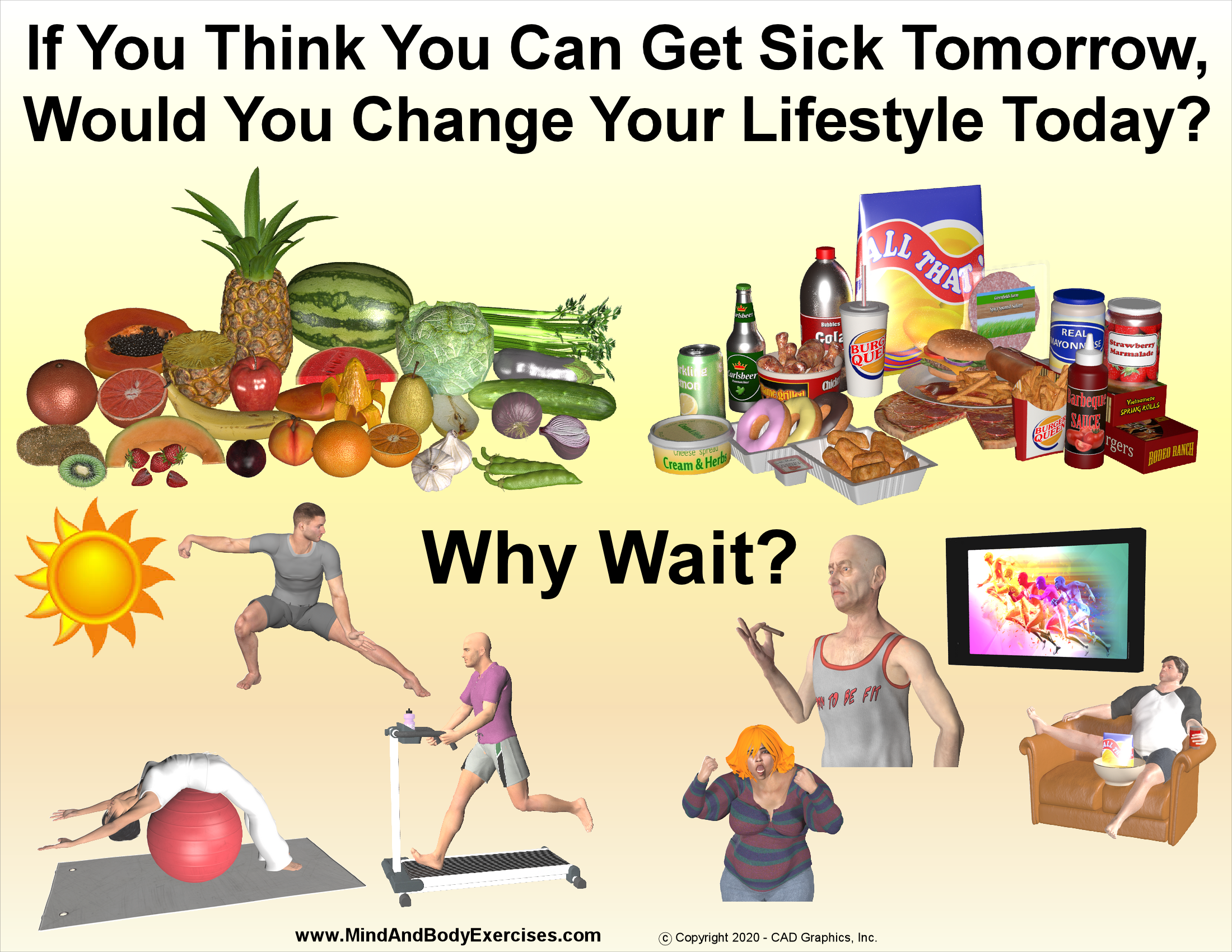
People in the US are experiencing many mental and physical diseases, ailments, and chronic conditions that were not nearly as prominent in years past. Many diseases and issues previously experienced by adults, are now seen in children. Some experts believe there is a definite link between our food, lack of physical activity, chemicals, other lifestyle choices, and the state of poor health in the US.

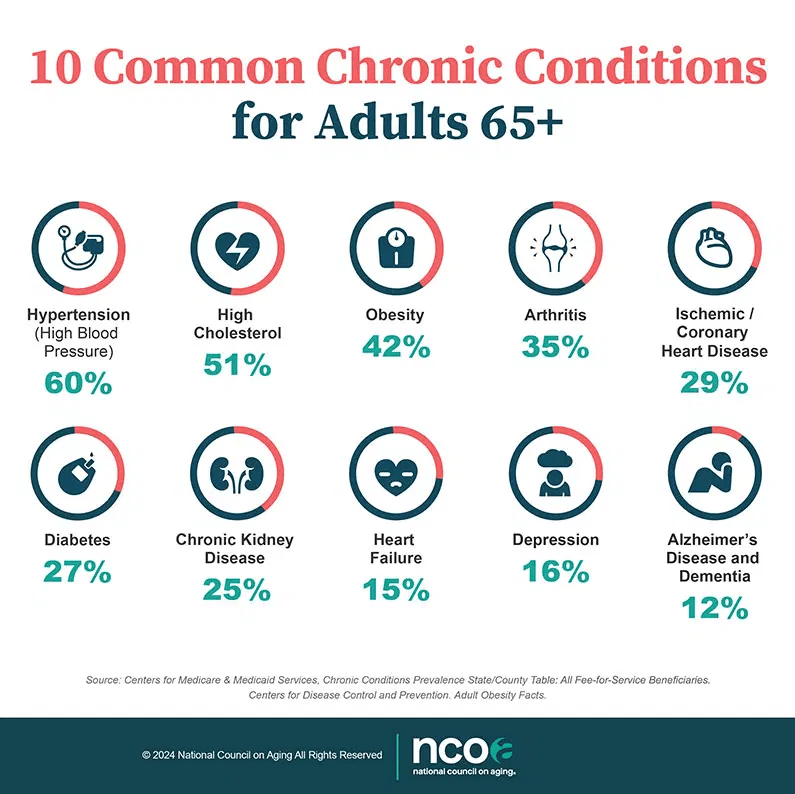
https://www.ncoa.org/article/the-top-10-most-common-chronic-conditions-in-older-adults/

General Prevalence:

  • Approximately 60 million adults (23.08%) in the U.S. experienced a mental illness in the past year, and nearly 13 million adults (5.04%) reported serious thoughts of suicide ​NAMIMental Health America.
  • Among youth aged 12-17, one in five experienced at least one major depressive episode, with over 56% not receiving any treatment ​Mental Health America.

Specific Disorders:

  • Anxiety Disorders: Affect 19.1% of U.S. adults ​NAMI.
  • Major Depressive Disorder: Approximately 8.3% of adults experience a major depressive episode ​NAMI.
  • Bipolar Disorder: Affects about 2.8% of the population ​NAMI.
  • Substance Use Disorders:
  • Over 45 million adults (17.82%) and 2.3 million youth (8.95%) are experiencing substance use disorders Mental Health America.

Barriers to Treatment:

  • The ratio of people to mental health providers is concerning, with around 340 individuals for every provider in many areas ​Mental Health America.
  1. Chronic Conditions:
    • Obesity: Over 42% of U.S. adults are classified as obese​ National Institute of Mental Health. This condition is linked to various other health issues, including diabetes and heart disease.
    • Cardiovascular Diseases: Conditions like hypertension and heart disease remain prevalent, contributing to high morbidity and mortality rates ​National Institute of Mental Health.
  2. Diabetes:
  3. Respiratory Conditions:
  4. Musculoskeletal Disorders:
  1. Prevalence of Mental Health Conditions:
    • Approximately 1 in 5 children (19%) aged 3-17 years has a diagnosed mental, emotional, or behavioral disorder ​CDCNAMI.
    • Mental health issues, including anxiety and depression, are particularly prominent, with anxiety disorders affecting 9.4% and major depressive episodes affecting 7.8% of this age group​PediatricsAmerican Psychological Association.
    • Developmental Disorders: Conditions such as ADHD and autism spectrum disorder are becoming more commonly diagnosed. Approximately 9.4% of children aged 2-17 have been diagnosed with ADHD, while around 1 in 36 children are diagnosed with autism​ HHS.govCDC.
  2. Suicidal Thoughts and Behaviors:
    • In 2023, 29% of high school students reported experiencing persistent feelings of sadness or hopelessness, and 14% reported seriously considering suicide​ CDCPediatrics.
    • Among LGBTQ+ youth, rates of suicidal ideation are alarmingly high, with 20% having attempted suicide ​CDCAmerican Psychological Association.
  3. Impact of Socioeconomic Factors:
    • Factors such as food insecurity, housing instability, and exposure to community violence contribute significantly to mental health challenges ​PediatricsAmerican Psychological Association. Structural racism also plays a critical role, particularly affecting Indigenous and Black children, who face higher rates of mental health issues and trauma ​Pediatrics.
  4. Access to Treatment:
    • Despite the high prevalence of mental health conditions, many children lack access to necessary care. For instance, 50.6% of youth aged 6-17 with mental health disorders received treatment​NAMI. There are significant disparities based on socioeconomic status and race​ PediatricsAmerican Psychological Association.
  5. Improvements and Challenges:
    • Some improvements have been noted recently, such as a decrease in persistent sadness among students overall, but increases in experiences of bullying and school safety concerns have been observed ​CDC. The ongoing challenges underscore the need for more comprehensive support systems in schools and communities ​PediatricsNAMI.
  1. Obesity: Childhood obesity is a significant concern, affecting approximately 19.7% of children aged 2 to 19 years as of 2020. This prevalence is higher among Hispanic (26.2%) and Black (24.8%) children compared to their White (16.6%) and Asian (9.0%) counterparts​ CDC. The annual medical costs related to obesity for U.S. children is estimated to be $1.3 billion CDC.
  2. Asthma: Approximately 7.5% of children in the U.S. have asthma, making it one of the most common chronic respiratory diseases. Asthma rates have been shown to vary with socioeconomic status, with children from lower-income families more likely to be affected​ CDC.
  3. Allergies: Allergic conditions, including food allergies and allergic rhinitis (hay fever), are prevalent among children. It’s estimated that 8% of children have food allergies, with increases seen in recent years​ CDC.
  4. Diabetes: The prevalence of diagnosed diabetes (both Type 1 and Type 2) among children is around 1.5%. There has been a notable increase in Type 2 diabetes, attributed to rising obesity rates​ CDC.
  5. Sleep Disorders: Conditions such as sleep apnea affect an estimated 2% to 5% of children, often linked to obesity and resulting in various physical and mental health issues​ CDC.
  6. Vision and Hearing Impairments: Around 5% of children have some form of visual impairment, while 1.4% experience hearing loss​ CDC.
  7. Injuries: Unintentional injuries remain a leading cause of morbidity among children, with thousands of emergency department visits annually related to accidents​ CDC.

The combined rise in mental health issues and chronic physical conditions points to a pressing health crisis in the U.S. The COVID-19 pandemic has exacerbated these challenges, leading to increased stress, anxiety, and social isolation, which further complicate access to care and treatment​

Mental Health America. It’s crucial for healthcare systems and policymakers to address these issues, focusing on improving access to mental health resources and integrating physical health strategies to support overall well-being.

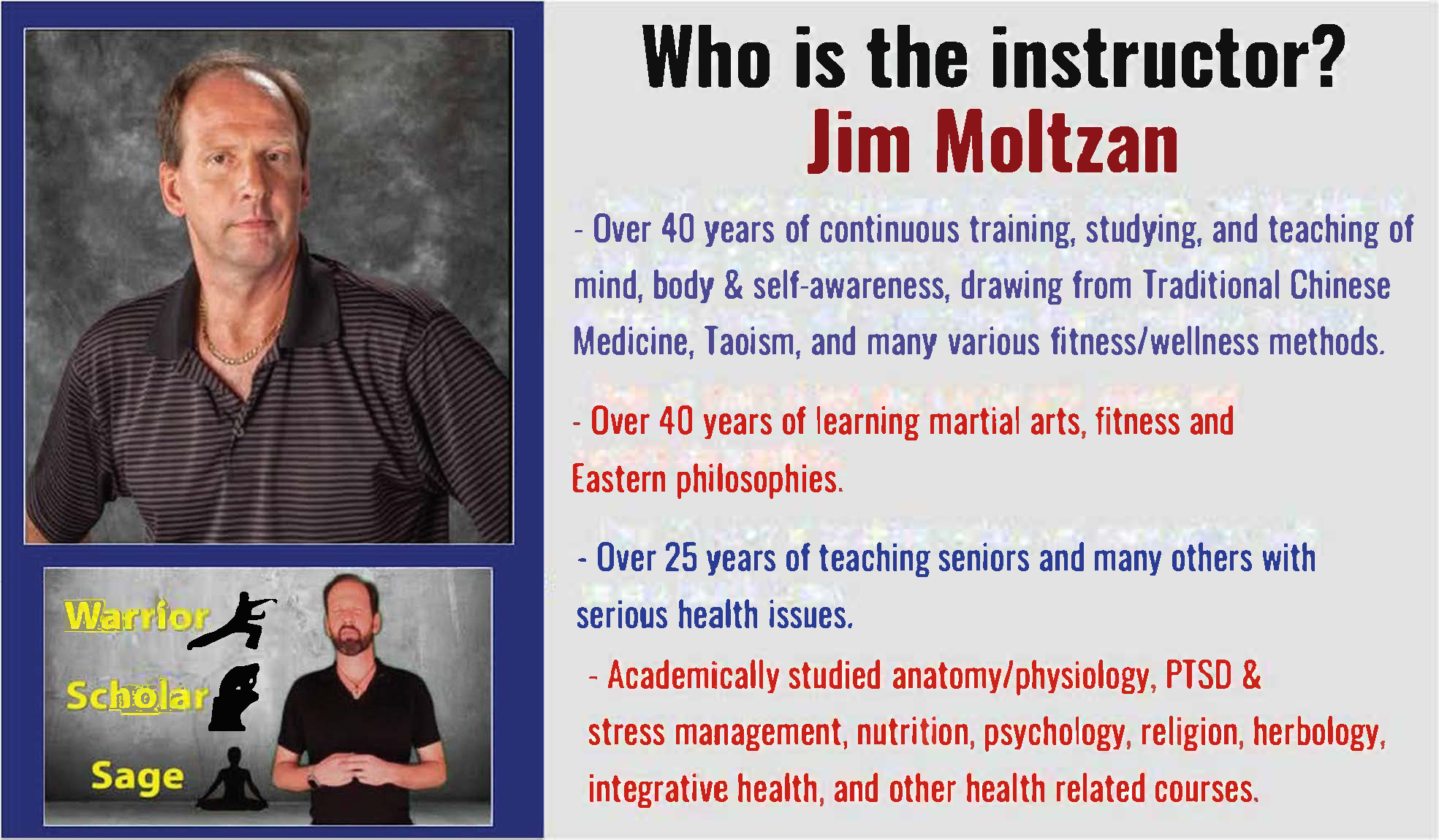
I teach and offer lectures about holistic health, physical fitness, stress management, human behavior, meditation, phytotherapy (herbs), music for healing, self-massage (acupressure), Daoyin (yoga), qigong, tai chi, and baguazhang.

Please contact me if you, your business, organization, or group might be interested in hosting me to speak on a wide range of topics related to better health, fitness, and well-being.

I look forward to further sharing my message by partnering with hospitals, wellness centers, VA centers, schools on all levels, businesses, and individuals who see the value in building a stronger nation through a healthier population.

I also have hundreds of FREE education video classes, lectures, and seminars available on my YouTube channel at:

https://www.youtube.com/c/MindandBodyExercises

Many of my publications can be found on Amazon at:

http://www.Amazon.com/author/jimmoltzan

My holistic health blog is available at:

https://mindandbodyexercises.wordpress.com/

http://www.MindAndBodyExercises.com

Mind and Body Exercises on Google: https://posts.gle/aD47Qo

Jim Moltzan

“A pill for every ill.” Thank or Blame, Rockefeller and Carnegie for Monopolizing Western Medicine?

Western allopathic medicine with its use of pharmaceuticals, surgery and other invasive treatments are truly technological amazing feats. Especially for treatments for traumatic injuries, genetic disorders and other specific he ailments. But are pharmaceuticals and surgery necessary or the best option for every cough, sneeze, wheeze, ache or pain? There are other options available such as diet and lifestyle choices, exercise, herbs and other seemingly “alternative” methods. Some of these options have been used for thousands of years, standing the test of time. However, many in the US favor Western allopathic (biomedicine) and often have never heard of, been informed or educated to specific alternative or traditional healthcare (self-care) treatments and methods. This is not by mere happenstance but more likely from a carefully orchestrated marketing plan initiated around the early 1900’s by extremely wealthy businessmen John D. Rockerfeller and Andrew Carnegie.

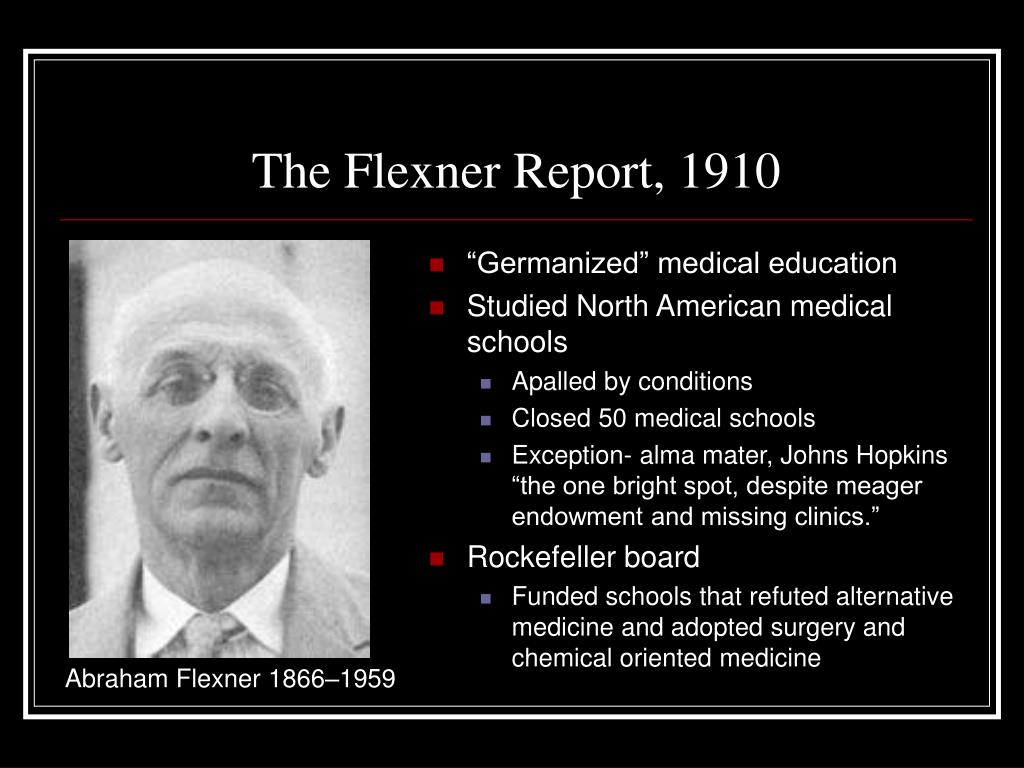
The influence of Carnegie and Rockefeller on Western medicine played a large role in shifting the focus away from traditional medical practices toward more scientific, evidence-based medicine. Carnegie and Rockefeller, two of America’s most prominent industrialists, wielded significant influence over the development and implementation of Western allopathic or biomedicine medicine. Their impact, while enormous, was a complex relationship of positive and negative consequences. The Flexner Report was funded in 1910 by the Rockefeller Foundation and authored by Abraham Flexner which helped to reform medical education and care in the United States, thereby leading to higher standards and a more rigorous, scientifically based medical curriculum.


Standardization of Medical Education: Both Carnegie and Rockefeller were greatly involved in funding the Flexner Report, a revolutionary study that led to the standardization of medical education in the United States. This resulted in a consequential improvement in the quality of medical training and relative patient care. The reforms that came about from this report helped to reduce the prevalence of unproven or harmful treatments.

Advancement of Medical Research: Their philanthropic support established research institutions and funded new methods of medical research. This support influenced many medical advancements.

Improved Public Health: Rockefeller’s philanthropy impacted treatments for diseases through The Rockefeller Foundation, founded in 1913, such as yellow fever and hookworm, greatly improving public health and reducing mortality rates. Also, the foundation supported the development of public health schools, including the Harvard School of Public Health and the Johns Hopkins Bloomberg School of Public Health.

Scientific Rigor: The increased focus on scientific research and evidence-based practices led to major advancements in medical knowledge and treatment efficacy.

Public Health Improvements: Public health initiatives and medical research helped to eradicate and manage many infectious diseases.

Suppression of Alternative Medicine: The standardization of medical education under the Flexner Report, while helping to improve overall medical treatment and relative quality, also led to much stifling of alternative medical practices. This consequently impacted the exploration of diverse healing modalities and potential benefits from such treatments.

Marginalization of Traditional Practices: Many traditional and holistic practices that were deeply embedded in various cultures, were disregarded or labeled as quackery or ineffective. Practices that lacked scientific validation, despite potentially being effective, were often dismissed, as Western medicine became more dominant.

Closure of Alternative Medical Schools: Schools that did not meet the new rigorous standards were closed. This included institutions that taught naturopathy, homeopathy, and other alternative medical practices.

Focus on Profit: Critics believe that the intimate relationship between the pharmaceutical industry and Rockefeller’s philanthropy created a system that prioritizes profit over patient well-being. This profit-based healthcare system is thought to have influenced the direction of medical research and drug development since its inception over one hundred years ago.

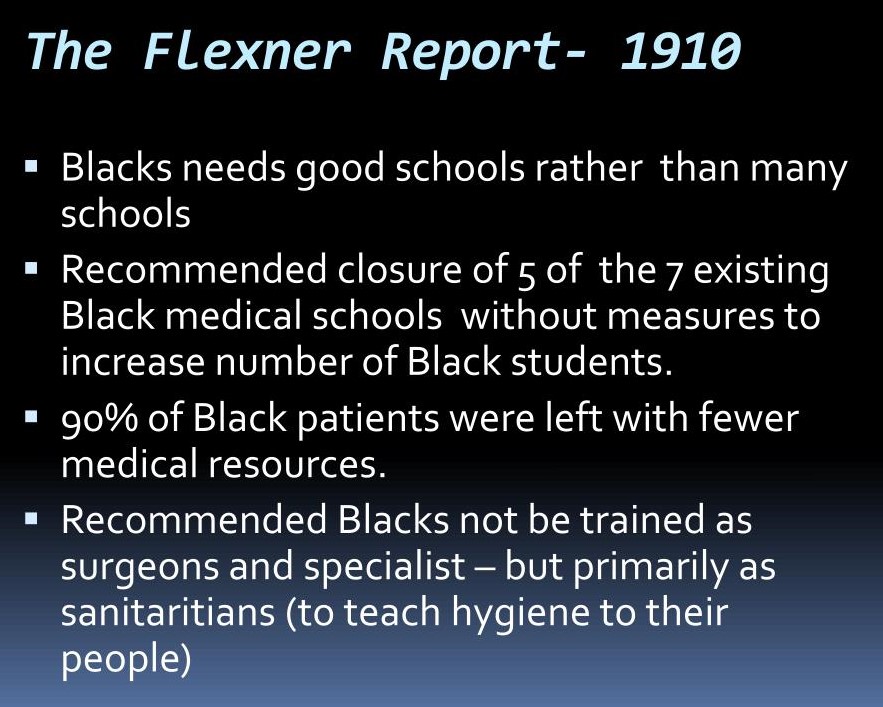
Disparities in Healthcare: While Rockefeller and Carnegie’s philanthropic efforts are notable, some are more critical in seeing their roles as having purposely or inadvertently contributed to healthcare disparities. Critics focus on the closure of many African American medical schools following the Flexner Report, which led to limiting opportunities for Black physicians and impacting healthcare access within Black communities.

Medical Monopolies: The rise of a more standardized medical system led to the formation of medical monopolies, reducing the diversity of medical treatments and approaches.

Pharmaceutical Focus: The focus on pharmaceutical treatment solutions and surgical interventions often takes precedence over other potentially effective traditional therapies, such as herbal medicine and other holistic approaches.

The Flexner Report led to the closure of a wide variety of medical schools, in particular those that focused on alternative medical practices, for-profit proprietary schools, and Black medical schools. The long-term ramifications included the consolidation of medical education under a more scientifically rigorous, allopathic (biomedicine) model, but it also contributed to the gradual erosion of medical diversity, helping to bring about more racial and gender disparities in medical training. Out of approximately 155 medical schools in existence at the time, over 50% (more than 80 schools) were closed within the decade following the report’s publication. The schools affected can be categorized into different types based on their fields of study and student populations:

Alternative Medical Schools:

Homeopathic and Alternative Medicine: These schools were specifically targeted by the Flexner Report because they did not align with the allopathic or conventional medicine model, which the report strongly favored. Homeopathic and alternative schools either converted to follow allopathic principles or ceased to remain open.

Naturopathic and Osteopathic Schools: Some osteopathic schools remained operating by aligning their curricula more closely with the scientific, evidence-based model that the Flexner Report promoted. Naturopathic schools faced an eventual decline.

Proprietary Schools (For-Profit Schools):

A large amount of the schools closed were proprietary, also referred to as “for-profit institutions.” These schools often required less rigorous admissions standards, less equiped laboratory facilities, and less access to teaching hospitals. These would include some medical schools that taught natural remedies, herbal medicine, homeopathy and other alternative practices. Many alternative or non-allopathic medical schools were shut down after being deemed insufficiently scientific by the Flexner standards.

Black Medical Schools:

Access to Medical Education: With the onset of fewer medical schools accessible to Black students, opportunities to pursue medical education and careers in medicine were more severely reduced within the Black demographic at the time. This in turn, increased healthcare disparities within Black communities, both in the immediate aftermath and in the years that followed the report.

Long-Term Impact: The ripple effect of these closures continues today to affect the diversity within the medical profession and the quality of healthcare in underserved communities. Out of the seven Black medical schools that existed at the time, only two survived after the report. Those would have been Howard University College of Medicine (Washington, D.C.) and Meharry Medical College (Nashville, Tennessee).

Five Black medical schools that were closed included:

  • Leonard Medical School at Shaw University (Raleigh, NC)
  • Flint Medical College at New Orleans University (New Orleans, LA)
  • Knoxville College Medical Department (Knoxville, TN)
  • Louisville National Medical College (Louisville, KY)
  • University of West Tennessee College of Medicine and Surgery (Memphis, TN)

The Flexner report quite heavily criticized these schools for lacking adequate faculty, funding, and facilities, leading to the closure of most Black medical schools. This consequently had a damaging impact on the number of Black physicians, increasing racial disparities in healthcare.

Women’s Medical Schools:

Many medical schools for women also endured closure after the Flexner Report. Women’s schools had already been facing discrimination, but the report further limited their operations by requiring them to have the same scientific standards as the other male institutions, while not taking into account the limited support, resources and funding available to them. Smaller women’s medical colleges either closed or merged with coeducational institutions in order to survive. The Woman’s Medical College of Pennsylvania would go on to survive due to eventual reforms.

Introduction of Petroleum Products into Healthcare:

Petroleum products have had a major impact on pharmaceutical production and implementation. The rise of the petroleum industry, in which figures like John D. Rockefeller played a central role, facilitated the development of various synthetic chemicals and pharmaceuticals. Here are several significant ways in which petroleum products influenced the pharmaceutical industry:

Development of Synthetic Drugs

  1. Raw Materials: Petroleum products provide raw materials for the production of many drugs. Petrochemicals, refined from petroleum, have become essential building blocks in pharmaceutical chemistry.
  2. Cost and Efficiency: The ease and availability of petroleum-based raw materials made the production of synthetic drugs more cost-effective and efficient, enabling the manufacturing of pharmaceuticals on a large scale.
  3. Innovation: The ability to create synthetic chemical compounds has led to the discovery and development of new pharmaceutical drugs that were previously impossible to produce utilizing natural sources alone.

Expansion of the Pharmaceutical Industry

  1. Growth of Big Pharma: The development of synthetic drugs and the ability to mass-produce them has greatly aided the growth of major pharmaceutical companies. These companies have often invested in research and development, thereby further advancing the field of medicine.
  2. Increased Accessibility: The grand-scale production of pharmaceuticals has made drugs more accessible to a broader population, sometimes enhancing public health improvements. Other times, not so much as when particular drugs are recalled or banned due to lack of efficacy and/or discovery of detrimental longterm side effects.

Impact on Drug Manufacturing

  1. Solvents and Excipients: Petroleum-derived solvents and excipients are crucial in the production of many pharmaceuticals. These substances play a major role in the processing and stabilization of active pharmaceutical ingredients (APIs).
  2. Packaging Materials: Petroleum products are used to make plastics and other materials for pharmaceutical packaging. This has helped to improve the transportation, storage, transportation, and shelf-life of medications.

Examples of Petroleum-Influenced Pharmaceuticals

  1. Antibiotics: Penicillin, an antibiotic, has benefited from petrochemical solvents and various industrial processes developed through the petroleum industry.
  2. Aspirin: The large-scale synthesis of aspirin was due to advances in chemical engineering and the availability of petrochemical raw materials.

Conclusion

The impact of Andrew Carnegie and John D. Rockefeller on Western allopathic medicine is multifaceted. While their contributions to medical research, education, and public health are undeniable, their influence also shaped the direction of medicine in ways that had both positive and negative consequences. It is important to recognize that, although Carnegie and Rockefeller advanced Western allopathic medicine by promoting scientific rigor and public health initiatives, they also contributed to the decline of many traditional medical practices. The shift toward a more scientific approach brought numerous benefits but also led to the marginalization of traditional and holistic methods once considered effective and safe. Moreover, the Flexner Report backed by their funding, had long-lasting detrimental effects on Black medical schools, which in turn affected the training of Black physicians and healthcare in Black communities. This dual influence critically shaped their legacies within the medical field.

References:

Andrew Carnegie and John D. Rockefeller’s Influence on Medicine:

  • Brown, E. R. (1979). Rockefeller Medicine Men: Medicine and Capitalism in America. This book discusses the influence of the Rockefeller Foundation on American medicine, including its role in the establishment of medical research institutions and public health initiatives.
  • Flexner, A. (1910). Medical Education in the United States and Canada: A Report to the Carnegie Foundation for the Advancement of Teaching. The original Flexner Report, commissioned by the Carnegie Foundation, played a central role in the reform of medical education, including the closure of many medical schools.
  • Marks, H. M. (1997). The Progress of Experiment: Science and Therapeutic Reform in the United States, 1900-1990. This book explores how the philanthropic efforts of individuals like Rockefeller shaped the modernization of medicine through scientific research and public health reforms.

Impact of the Flexner Report on Black Medical Schools:

  • Savitt, T. L. (2002). “Abraham Flexner and the Black Medical Schools.” Journal of the National Medical Association, 94(3), 246-257. This article specifically addresses the impact of the Flexner Report on Black medical schools and how it led to the closure of most Black medical institutions, exacerbating racial disparities in medical education.
  • Byrd, W. M., & Clayton, L. A. (2000). An American Health Dilemma: A Medical History of African Americans and the Problem of Race (Vol. 1). Routledge. This book provides an in-depth history of the challenges faced by Black medical professionals and institutions, including the long-term effects of the Flexner Report.

Marginalization of Traditional Medical Practices:

  • Hirschkorn, K. A. (2006). “Exclusive Versus Everyday Forms of Professional Medical Knowledge: Legitimacy Claims in Conventional and Alternative Medicine.” Sociology of Health & Illness, 28(5), 533-557. This article discusses how the rise of evidence-based medicine marginalized alternative and traditional medical practices in favor of standardized scientific approaches.
  • Whorton, J. C. (2002). Nature Cures: The History of Alternative Medicine in America. This book provides historical context for how alternative and traditional medical practices, such as homeopathy and naturopathy, were sidelined by the rise of scientific medicine promoted by figures like Carnegie and Rockefeller.

Petroleum’s Role in Pharmaceutical Development:

  • Torrance, A. W. (1998). “From Coal to Oil: The Role of the Petrochemical Industry in Medicine.” Chemical Heritage Magazine. This article explores how the rise of the petroleum industry contributed to advancements in synthetic chemistry, which was crucial for pharmaceutical development.
  • Hounshell, D. A., & Smith, J. K. (1988). Science and Corporate Strategy: DuPont R&D, 1902-1980. This book examines how major chemical companies like DuPont, using petroleum products, played a crucial role in developing synthetic chemicals for pharmaceuticals.
  • Sneader, W. (2005). Drug Discovery: A History. This comprehensive history of pharmaceuticals includes details on how the availability of petrochemical raw materials revolutionized drug manufacturing.

I teach and offer lectures about holistic health, physical fitness, stress management, human behavior, meditation, phytotherapy (herbs), music for healing, self-massage (acupressure), Daoyin (yoga), qigong, tai chi, and baguazhang.

Please contact me if you, your business, organization, or group, might be interested in hosting me to speak on a wide spectrum of topics relative to better health, fitness, and well-being.

I look forward to further sharing more of my message by partnering with hospitals, wellness centers, VA centers, schools on all levels, businesses, and individuals who see the value in building a stronger nation through building a healthier population.

I also have hundreds of FREE education video classes, lectures, and seminars available on my YouTube channel at:

https://www.youtube.com/c/MindandBodyExercises

Many of my publications can be found on Amazon at:

http://www.Amazon.com/author/jimmoltzan

My holistic health blog is available at:

https://mindandbodyexercises.wordpress.com/

http://www.MindAndBodyExercises.com

Mind and Body Exercises on Google: https://posts.gle/aD47Qo

Jim Moltzan

407-234-0119

Why do insurance companies cover pharmaceuticals and surgeries, but seldom cover non-invasive nor cheaper interventions?

Oh please, come on now… we all know there is no profit in treating healthy individuals. No business by definition will operate at a loss, let alone a lesser profit when so much money is left sitting on the table. Companies cannot stay in business for too long if they do not continue to grow from existing and new customers. Often people with chronic ailments are customers of drugs for the duration of their life span. US healthcare (truly sick-care) is a profit-driven system where it benefits from people remaining sick enough to require daily meds, but well enough to function in society. This is blatantly obvious where every fall medical experts warn us of the impeding “flu season” and a need to get vaccinated once again. Why not suggest instead or addition to this, that people take better care of themselves, get more sunlight (vitamin D) and exercise more? This is the time of year when temps drop, people bundle-up and cover their exposed skin or stay indoors more and thereby become even more Vitamin D deficient than they are normally anyway. Poor diet choices help fuel this deficiency also. Any qualified medical expert knows this and also know that Vitamin D levels are directly relevant to the immune system’s ability to function properly.

Similarly, look how difficult it is to find insurance policies that cover hearing aids, eyeglasses or dental treatments, as if these are not major health issues that often dictate our everyday tasks and responsibilities. If you need to be able to see better, hear better or eat properly, the former are all basic health requirements. Insurance companies need not cover these because they know most people will spend their own money regardless of if they can afford such luxuries as glasses, hearing aids or healthy teeth and gums.

So, how does this relate to the insurance companies? Insurance coverage decisions are a reflection of the current healthcare system’s business strategy, that is often in a state of constant change and adjustment. In today’s US health climate, there is a strong emphasis on pharmaceutical interventions and surgery in lieu of lifestyle modifications. Insurance coverage decisions regarding treatments with pharmaceuticals and surgeries are influenced by various factors of claimed cost-effectiveness, clinical evidence, medical guidelines, and the choices of pharmacy benefit managers who quite often base decisions upon profit over treatment effectiveness. It is important to note that insurance coverage decisions may not always coincide with individual preferences or beliefs towards certain treatments.

Surgical procedures may be covered if are seen as necessary, while chiropractic or physical therapy coverage varies based on upon perceived effectiveness of the specific condition being treated. I have had firsthand experience with this exact situation on many occasions. Nasacort for allergies is $26-36 or Flonase $14-21 with insurance, both covered but also offered me side-effects of anxiety and jitteriness. Over time, my body became accustomed to these medications and were no longer effective, but the side-effects remained. Insurance doesn’t cover herbs or supplements which I found to be quite effective for managing seasonal allergies. The cost for a microdiscectomy on a herniated disc can range between $20,000 and $50,000 which would be covered, but rest for a few weeks followed by chiropractic treatments at about $100 per session – 5 total, were not. Yoga sessions at $20 a class for about 20 classes, not covered. Both of these methods worked for those that I knew could fare better from options other than surgery. An osteopathic surgeon looked at me and shook his head in bewilderment when I declined to have a covered knee surgery procedure ($5000-$30000) for something I was able to manage through appropriate exercise, free of cost other than time and effort on my part. Some sufferers have no option but to have surgery or use pharmaceuticals, especially if they have suffered some type of traumatic injury.

Most of us know that chiropractic and appropriate exercises such as stretching, yoga and others are viable and effective methods of managing chronic pains. We also mostly know that insurance companies will not be covering these treatments because they generate little or no profit to their bottom lines. We know this but go along with it (cognitive dissonance) because most of us feel that we are helpless (learned helplessness) against a system that favors profits over patients. However, there is hope as we all have the ability to make our own decisions regarding our own health and well-being. I have personally trained and/or helped many of my students over the years to better manage chronic issues with their knees, lower back, neck, shoulders, headaches, allergies, anxiety, depression, PTSD and other ailments, through appropriate exercise and lifestyle modifications. Anecdotal experiences and academic studies abound if one cares to do a bit of research. I encourage all to perform their due diligence when it comes to pursuing and treatment, whether pharmaceuticals, surgery, chiropractic, herbs, physical exercise or any other methods of healthcare/self-care.

Several factors influence insurance companies’ decisions on coverage, including but not limited to the following:

  1. Regulatory approval of pharmaceuticals and surgical procedures – specific medicines and surgeries should go through a rigorous approval process by regulatory agencies, which can hopefully offer credibility to their usage in medical treatment. However, there has been an erosion in public trust towards regulatory agencies in recent years, as it has been proven that many are actually paid to perform research by the same companies that fall under their regulation.
  2. Clinical evidence – pharmaceuticals and surgical procedures often have established clinical evidence demonstrating their effectiveness in treating certain conditions, however as stated previously some research studies are funded by pharmaceutical companies leading to a conflict of interest. Some companies seek out specific academic institutions or scientist that agree with their particular goals (Jureidini, 2022).
  3. Quick fixes or a pill for all our ills – pharmaceuticals and surgeries can often offer relatively quick relief from symptoms, which may be desirable to both patients and healthcare providers. Time-consuming and effort to modify one’s lifestyle can require more time in order to gain significant results.
  4. Patient compliance – a certain percentage of patients might find it difficult or challenging to commit to making and managing lifestyle changes. Consequently, this makes pharmaceuticals and/or surgeries more practical, reliable and seemingly better options for particular patients.

There does seem to be a small but growing acknowledgement of the importance of lifestyle choices and relative modifications, such as managing a more nutritious diet, regular and consistent exercise, and taking some preventative measures towards various health conditions. Particular insurance providers might cover preventive services or programs focused upon encouraging healthier lifestyles. As this field of preventive medicine continues to evolve, there may be some amount of increased emphasis on adding some lifestyle interventions into healthcare coverage. In the meantime, realize that we truly are the architects of our own health, happiness and well-being.

Reference:

https://www.forbes.com/sites/sallypipes/2023/10/16/this-healthcare-reform-could-finally-bring-democrats-and-republicans-together/?sh=2b4ceb5b43cb

Jureidini, J. (2022, March 16). The illusion of evidence based medicine. The BMJ. https://www.bmj.com/content/376/bmj.o702

________________________

I teach and offer lectures about holistic health, stress management, qigong, tai chi, baguazhang, meditation, phytotherapy (herbs), music for healing, self-massage, and Daoyin (yoga).

I look forward to further sharing more of my message by partnering with hospitals, wellness centers, VA centers, schools on all levels, businesses and individuals that see the value in building a stronger nation through building a healthier population. I also have hundreds of FREE education video classes, lectures and seminars available on my YouTube channel at:

https://www.youtube.com/c/MindandBodyExercises

www.MindAndBodyExercises.com

www.Amazon.com/author/jimmoltzan

Mind and Body Exercises on Google: https://posts.gle/aD47Qo

Jim Moltzan

407-234-0119

US Infant Mortality Rate Explodes in Recent Years

Anthropologists have studied and concluded that there are many varying perspectives and beliefs in defining what good health looks like within different cultures. While some views on healthcare are shared, some are quite different in their culture’s approach. For example, childbirth in the US is often viewed as an emergency medical event (medicalization of a natural human biological function) involving a hospital, various pregnancy specialists and quite often pharmaceuticals. It is important to realize that some births may be more complicated that others that may require a allopathic medical doctor to perform specific procedures to ensure the safety of the mother and infant child. Other developed countries like Holland and Sweden use the hospital but with less specialist intervention. Cultures within Yucatan Mexico use their homes and family members in the birthing process more similar to how humans have given birth for thousands of years of human history (James, 2020).

Interesting to note and requiring further discussion is that, the US is far behind other countries in the use of midwives for delivery of babies than most other wealthy and developed nations, in spite of the US by far having a higher infant mortality rate in recent years. Correlation does not necessarily imply causation, however…..

I think it is important to understand why the US has moved more towards medical physicians, pharmaceuticals and surgeries not only for childbirth but for many if not most health issues, ailments and diseases. Basically, we have been sold that western medicine is better than alternatives and often methods that have been time-proven for many years past, e.g. diet vs. pills. Severe trauma, yes use a medical doctor; high blood pressure, anxiety, depression – check your food intake, exercise, activity and stress levels.

“Several important milestones happened in the early part of the 1900’s that had a profound impact on midwifery: The 1910 Flexner Report recommended hospital deliveries and the abolition of midwifery. The study has since been recognized for its racist, sexist, and classist approach to medical education”

“A stark divide began to take root in the 1800’s, when white male physicians began to explore childbirth with greater interest. Their approach was based on a colonialization framework, which devalued birth as ceremony and focused instead on the physical aspect of wellbeing.  

Many doctors opposed midwife-assisted births. They launched campaigns against the profession, promoting Western science and the pain relief that hospitals could offer. By the turn of the century, they attended approximately half of births, despite having little training in obstetrics.  

In rural America, however, midwives continued to attend births. In the Southern states, Black midwives, sometimes called “granny” midwives, attended up to 75% of births until the 1940’s. A combination of laws, educational restrictions, and campaigns against the profession led to the dismantling of their practice” (A Brief History of Midwifery in America | OHSU, n.d.).

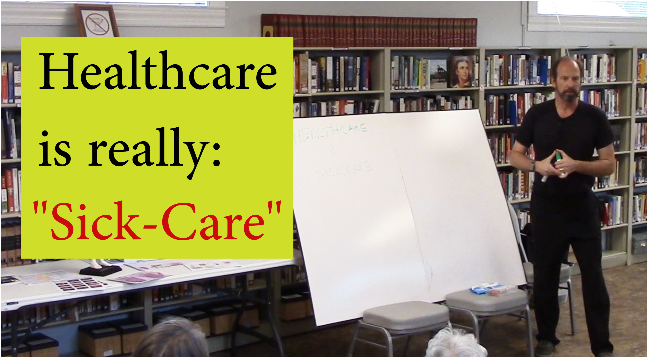
So here we are once again, especially over the last 3 years, that the US medical community and astonishing US politicians often tout how great the US’s healthcare system is at providing the best, the safest, the most effective, the most innovative and best technological healthcare in the world. Do your own research and you will find out that the US is often none of these aforementioned. The charade, the fallacy, the wizard behind the curtain, is often the way the US healthcare system works. It is indeed not “healthcare” but “sickcare”.

A Closer Look at America's Infant Mortality Rate

References:

James, R. (2020, July 24). Medical Anthropology 101 [Movie]. YouTube. https://www.youtube.com/watch?v=4SvvLnrk77I

https://tcf.org/content/commentary/worsening-u-s-maternal-health-crisis-three-graphs/

https://www.healthify.us/healthify-insights/a-closer-look-at-americas-infant-mortality-rate

https://www.statista.com/chart/23559/midwives-per-capita/

https://www.ohsu.edu/womens-health/brief-history-midwifery-america

I write often about topics that affect our health and well-being. Additionally, I teach and offer lecture about qigong, tai chi, baguazhang, and yoga. I also have hundreds of FREE education video classes, lectures and seminars available on my YouTube channel at:

https://www.youtube.com/c/MindandBodyExercises

Mind and Body Exercises on Google: https://posts.gle/aD47Qo

Jim Moltzan

407-234-0119
www.MindAndBodyExercises.com

www.Amazon.com/author/jimmoltzan

Luxury Taxing of Medical Procedures

Tax US citizens for medical procedures due to relative lifestyle choices? This type of reasoning could also be used then to penalize and tax people who eat fast or junk food by saying that they have an option to eat healthier or otherwise. Or perhaps we begin to tax parents for providing orthodontic services which are often not covered by insurance due to the cosmetic nature of the procedures. Where does this type of rationing end? I do not think it is the responsibility of the government to be the morality or vanity police, but support and create legislation that does not have the potential to divide people, due to their choosing procedures that may be considered to some and not others as essential or not to the individual.

There are many studies and reports of wasted tax income that goes to frivolous expenditures like those reported by Forbes such as taxpayers funded story time at laundromats ($248,200); sex education for prostitutes in Ethiopia ($2.1 million) and Ivy League, Inc. (the eight Ivy universities) received $9.8 billion in federal grants despite having a collective endowment of $140 billion, up $20 billion since 2016.

Forbes goes on to report that of the US governmental agencies receiving the highest amount of funding for 2017-2019 was the Department of Health and Human Services (HHS) having received $1.5 trillion in grants – which was approximately seven of every ten dollars. Twenty-one other governmental agencies were awarded $1 billion or more in grants. Obviously, these are very big dollar numbers and not knowing exactly how the monies were spent can open a debate of if the funds were actually used wisely for the American people. So, where I don’t think, the government should move to impose a “cosmetic tax” I do think the government should be held more accountable for the vast amounts of money that is possibly being spent on frivolous projects that do not help the American people as whole.

There are many good points on many sides of this issue. As long there is open dialogue by whomever ultimately make these decisions to pass legislation, there is some hope for fair and reasonable measures to be installed. I am all in for helping those who need assistance and cannot work or pay for their basic needs; not so much for those who choose to not work for their needs and wants. Our government has the resources to provide for those in need, but I feel the root problem is in the poor administration and/or management of the already existing resources.

With that being said, there are many types of cosmetic or elective procedures/surgeries that are not necessarily covered by insurance companies. Some of these procedures could be deemed as a positive factor whether physically or mentally to the patient. Or perhaps detrimental to the patient in not just physical appearance but in accompanying mental issues, such as depression, low self-esteem, bullying and probably others. Who gets to decide if these are necessary procedures or luxury items to be taxed? I see the following cosmetic examples as being questionable:

  • Craniofacial Surgery – examples would be birth defects, cleft palates, auricular issues, etc.
  • Reconstructive Surgery After Disease or Injury – examples like animal bites, injury from trauma, scarring from disease
  • Correction of a Deviated Septum – example such as sinus issues, breathing problems, injury or trauma, snoring which affects sleep quality
  • Breast Reduction – can cause back, neck and shoulder issues
  • Breast Reconstruction – cancers, but also traumatic injury, abuse
  • Eyelid Procedures – issues can affect sight, ability to drive, work, etc.

There is the discussion if straight teeth are considered cosmetic or otherwise? Also, wisdom teeth removal. Both of these issues can be lived with, but there is much information that the straightness of the teeth can affect eating habits resulting in better or worth chewing of certain foods, which can lead someone to choose some foods that are easier to chew but less nutritional over ones that are healthier but require more mastication. A healthy smile also improves self-esteem which lowers stress and relative stress hormones.

References:

https://www.ncbi.nlm.nih.gov/books/NBK279590/

https://www.northtexasplasticsurgery.com/blog/6-examples-of-when-plastic-surgery-is-medically-necessary

https://www.forbes.com/sites/adamandrzejewski/2020/09/30/wheres-the-pork-us-taxpayers-funded-a-lot-of-wasteful-spending-2017-2019/?sh=79aae41d3dc0

_______________

I write often about topics that affect our health and well-being. Additionally, I teach and offer lecture about qigong, tai chi, baguazhang, and yoga. I also have hundreds of FREE education video classes, lectures and seminars available on my YouTube channel at:

https://www.youtube.com/c/MindandBodyExercises

Mind and Body Exercises on Google: https://posts.gle/aD47Qo

Jim Moltzan

407-234-0119

www.MindAndBodyExercises.com

www.Amazon.com/author/jimmoltzan