Assuming Responsibility for your Healthcare (sickcare) Decisions

The predominant medical system in the US is the allopathic model. I have found from personal experience that this system works usually quite well for diagnostics, trauma, conditions requiring surgical intervention, as well as treatments for prolonging life.

Where I feel our allopathic model falls short is encouraging prevention of illnesses and avoidable conditions, treating certain types of chronic conditions, and providing quality of life in spite of prolonging it. A wise doctor I visited once told me that a way to make a decision to have or not have a procedure, was to determine if you have more good days or more bad days, within a particular time frame. His next question was, are you willing to live with the outcome if the results are not 100% successful and possibly giving side-effects that are worse than the original issues?

I think many people put all of their trust and faith into their doctor’s opinions or suggestions without doing much research of their own. Therefore, they lack the information to better determine what is best for their individual conditions.  When confronted with a serious condition, they feel they lack medical knowledge and therefore options beyond what their doctor might suggest. When things don’t go well with the treatments, procedures, surgeries, etc., they can’t always understand that doctors are human and don’t always make the best decisions in spite of trying their best to do so. 

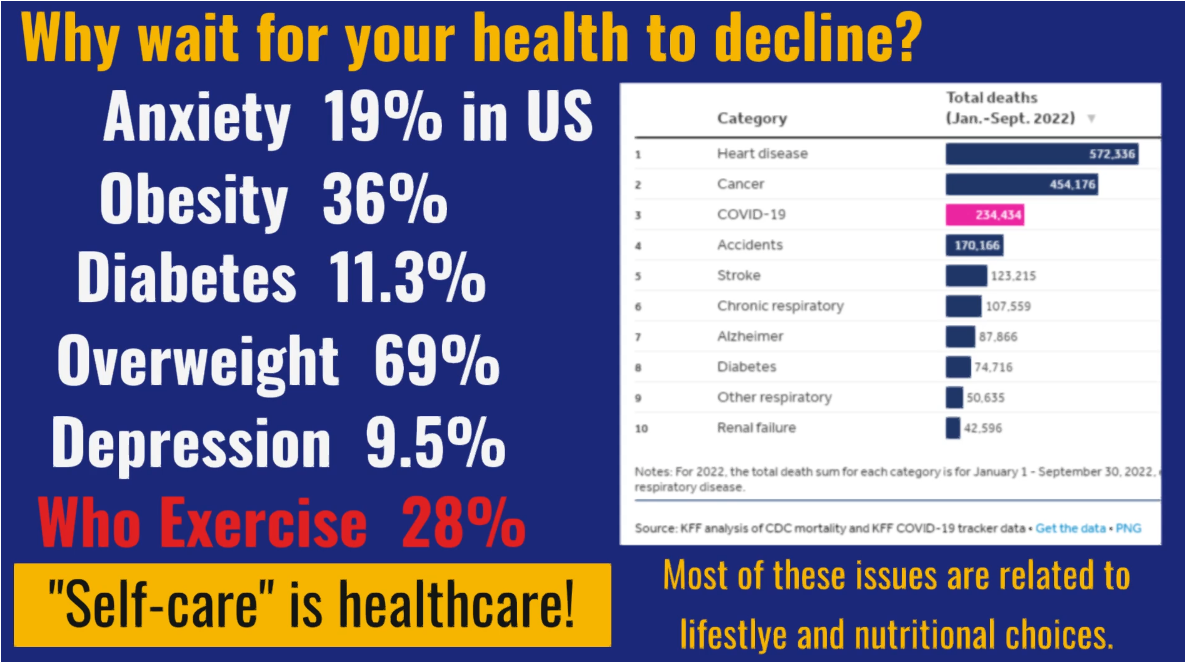
I think if people would take more responsibility towards their knowledge of healthcare and their own health status prior to finding themselves in critical situations, we would have a much different healthcare system. The CDC reported the top causes of death in the US as of 2019 were heart disease, cancer, and unintended injuries1. Overall, the risks of the top 10 causes of death all can be lowered with lifestyle choices of diet, exercise, and management of stress. A John Hopkins report of 2018 reported that medical errors was the 3rd highest cause of death in the US2. My point in noting these statistics is that if the total number of these illnesses and errors was much less, then there would be less people having to deal with these critical types of decisions with or without their doctor’s input. I am aware that this is really an unrealistic expectation as the numbers go up every year. However, if doctors are to be held to such a high standard of perfection, why shouldn’t the individual have similar accountability for their own level of self-care?

Obviously, some situations warrant a decision at the moment, regardless of how the person got to the point of immediate concern.  In this type of event, I would hope that the healthcare professionals involved would have much relative knowledge and medical experience at this point to exercise wisdom in making the correct decisions. From there the patient needs to decide whether to trust in what they know to be true and accurate and/or to have faith in what is unknown and unseen.

References:

1 https://www.cdc.gov/nchs/products/databriefs/db395.htm

2https://www.hopkinsmedicine.org/news/media/releases/study_suggests_medical_errors_now_third_leading_cause_of_death_in_the_us

I write often about topics that affect our health and well-being. Additionally, I teach and offer lecture about qigong, tai chi, baguazhang, and yoga. I also have hundreds of FREE education video classes, lectures and seminars available on my YouTube channel at:https://www.youtube.com/c/MindandBodyExercisesMind and Body Exercises on Google: https://posts.gle/aD47Qo

Jim Moltzan

407-234-0119

www.MindAndBodyExercises.comwww.Amazon.com/author/jimmoltzan

Box Breathing: A Method to Manage Stress

So much inner conflict, anxiety, depression, PTSD. We have tools to combat this that don’t include pharmaceuticals, therapy or other harsh interventions. Americans have been conditioned (operant conditioning, B.F. Skinner) to rely upon others for their own well-being, health and happiness. Happiness comes from within. Most figure this out at some time in their life. Never for some.

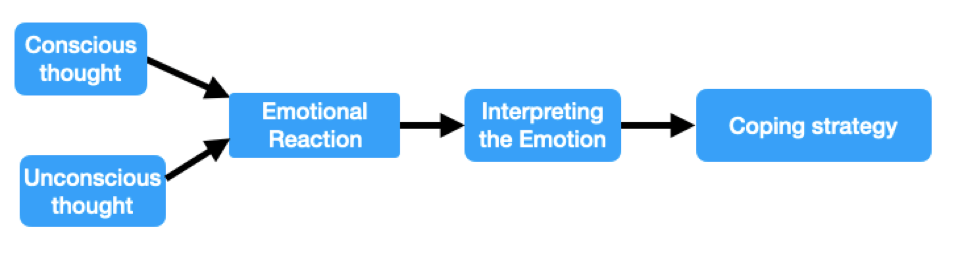
Learning to manage our own breath, leads to managing our emotions, which affects our blood chemistry, relative organ function and overall health. Box breathing and other methods cost nothing but time, effort and a realization that our nation’s healthcare crises can be improved when people take responsibilities for their own health and relative outcomes.

From a report from the White House:

“There are several indications that Americans were experiencing a mental health crisis prior to the pandemic. Between 2008 and 2019, the percentage of adolescents (ages 12 to 17) that reported having experienced at least one major depressive episode in the past year increased nearly 90 percent, from 8.3 percent in 2008 to 15.7 percent in 2019, while the percentage of young adults (ages 18 to 25) reporting at least one major depressive episode in the past year increased a similar 81 percent from 8.4 percent in 2008 to 15.2 percent in 2019 (Figure 1). Over roughly the same period, suicide death rates among individuals 10 to 24 years of age increased 47 percent. Although rates of depression were highest among adolescents and young adults, more broadly in 2019, over one in five adults age 18 or older were classified as having a mental illness, and more than 13.1 million (or 5 percent) of adults had disorders that were classified as serious because they substantially interfered with or limited one or more major life activities. Rates of mental illness were highest among those age 18 to 25, females, and those reporting their race as other, as shown in Figure 2.

Among children age 3-17, the most commonly diagnosed mental disorders from 2013 to 2019 were ADHD (9.8 percent), anxiety (9.4 percent), behavioral problems (8.9 percent), and depression (4.4 percent). These disorders often begin in early childhood: approximately one in six U.S. children age 2-8 had a diagnosed mental, behavioral or developmental disorder.”

Deeper breathing is a key component to having a long and healthy life. Through focused and deliberate breathing methods, many positive mental and physical benefits can be achieved. Box breathing is a technique to slow one’s breathing rate per minute (BPM). Slower BPM allows precise self-regulation of the parasympathetic nervous system, also referred to as the or the “rest and digest” response or the sympathetic nervous system also known as “flight or fight” response. Both of these responses regulate our blood chemistry which can affect emotions as well as organ function. This technique needs to practice regularly and often in order to gain the benefits of deep and regulated breathing. One time will not do much.

____________

____________

____________

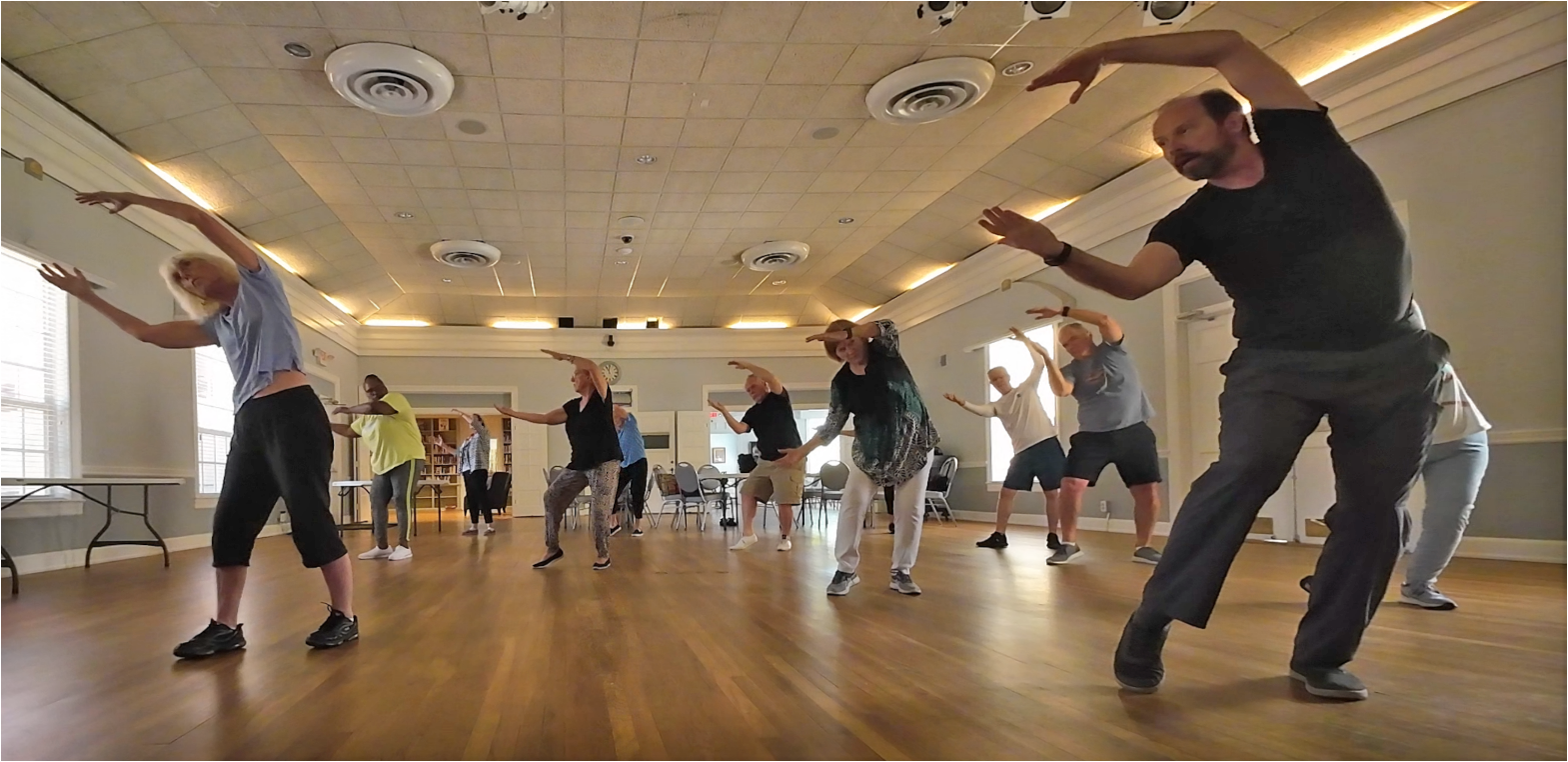
Tai chi, qigong, martial arts, meditation, yoga and some other exercise curriculum often offer box breathing techniques and many others. I have been practicing, studying and teaching these methods for almost 40 years with incredible results for myself and the hundreds of others that I have shared this knowledge with.

Reference:

https://www.whitehouse.gov/cea/written-materials/2022/05/31/reducing-the-economic-burden-of-unmet-mental-health-needs/

I write often about topics that affect our health and well-being. Additionally, I teach and offer lecture about qigong, tai chi, baguazhang, and yoga. I also have hundreds of FREE education video classes, lectures and seminars available on my YouTube channel at:https://www.youtube.com/c/MindandBodyExercisesMind and Body Exercises on Google: https://posts.gle/aD47Qo

Jim Moltzan

407-234-0119

www.MindAndBodyExercises.comwww.Amazon.com/author/jimmoltzan

Grip Strength Affects Overall Health & Wellness

Weight-bearing exercises can help prevent osteoporosis by stimulating bone growth and increasing bone density. This is because weight-bearing exercises put stress on your bones, which signals your body to build more bone tissue to handle the stress.

When you perform weight-bearing exercises like walking, running, and weightlifting, the weight and impact of these exercises on your bones stimulate the bone-forming cells called osteoblasts. These cells create new bone tissue, which can help increase bone density and prevent osteoporosis.

Additionally, weight-bearing exercises help to maintain muscle mass and strength, which is also important for preventing osteoporosis. Strong muscles help to support your bones and reduce the risk of falls and fractures.

It’s important to note that not all exercises are weight-bearing. Non-weight-bearing exercises like swimming and cycling, for example, don’t provide the same impact on your bones as weight-bearing exercises. Therefore, incorporating weight-bearing exercises into your exercise routine can be an effective way to prevent osteoporosis. However, it’s always a good idea to talk to your doctor or a qualified fitness professional before starting any new exercise program.

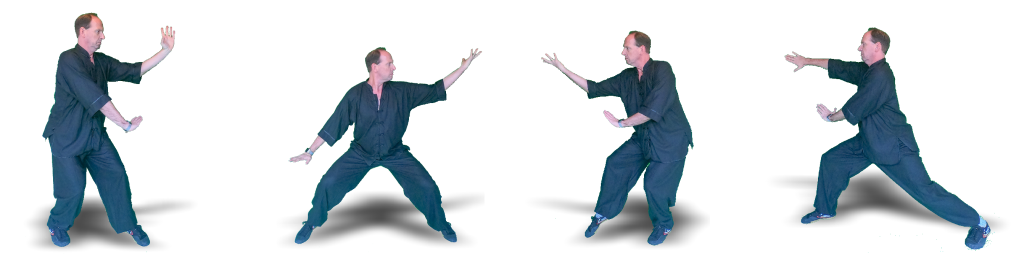
Tai chi, qigong, yoga and various other exercises from martial arts offer weight-bearing, and often low impact exercises. These systems have a wide spectrum of these types of exercise within their respective curriculum, for which I have been studying, practicing and teaching for almost 40 years, with truly amazing results.

I write often about topics that affect our health and well-being. Additionally, I teach and offer lecture about qigong, tai chi, baguazhang, and yoga. I also have hundreds of FREE education video classes, lectures and seminars available on my YouTube channel at:https://www.youtube.com/c/MindandBodyExercisesMind and Body Exercises on Google: https://posts.gle/aD47Qo

Jim Moltzan

407-234-0119

www.MindAndBodyExercises.comwww.Amazon.com/author/jimmoltzan

Mind and Body Exercises – Heal the Body With the Mind, Heal the Mind by Engaging the Body

Remember the Indiana Jones movies, where he found his father’s diary which had clues to his search for the Holy Grail?

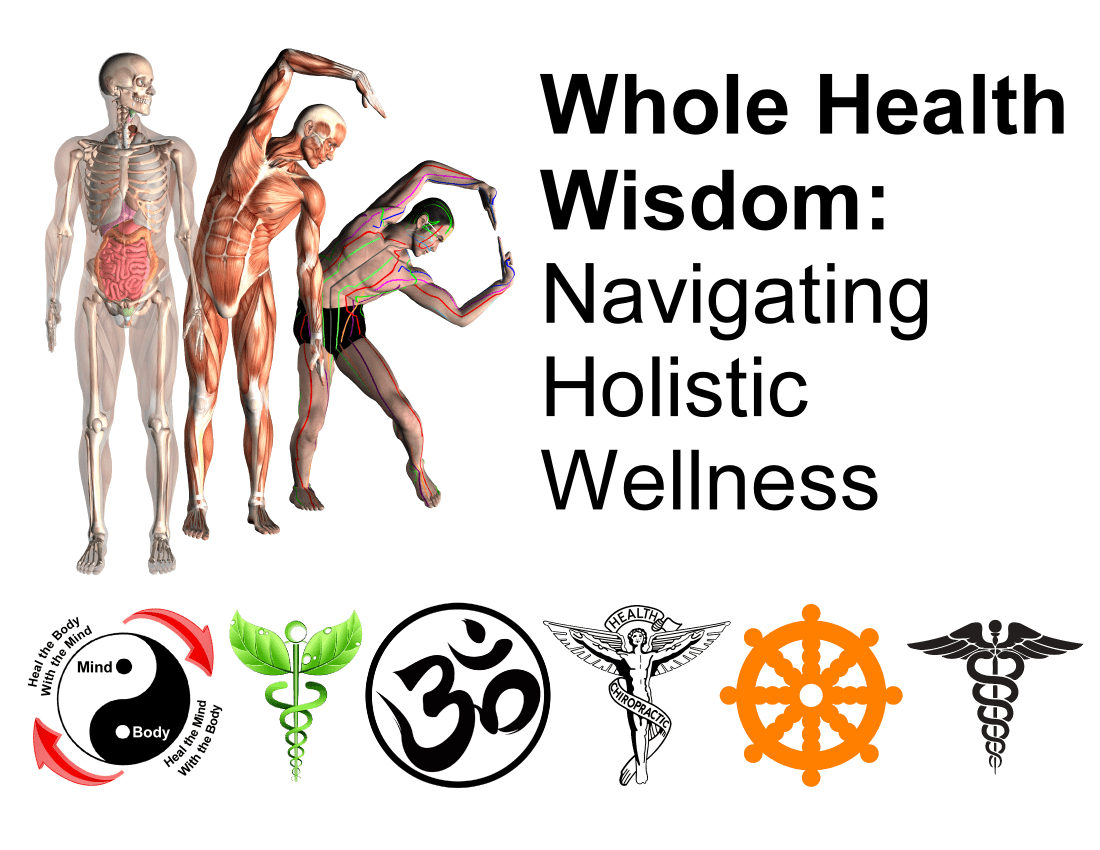
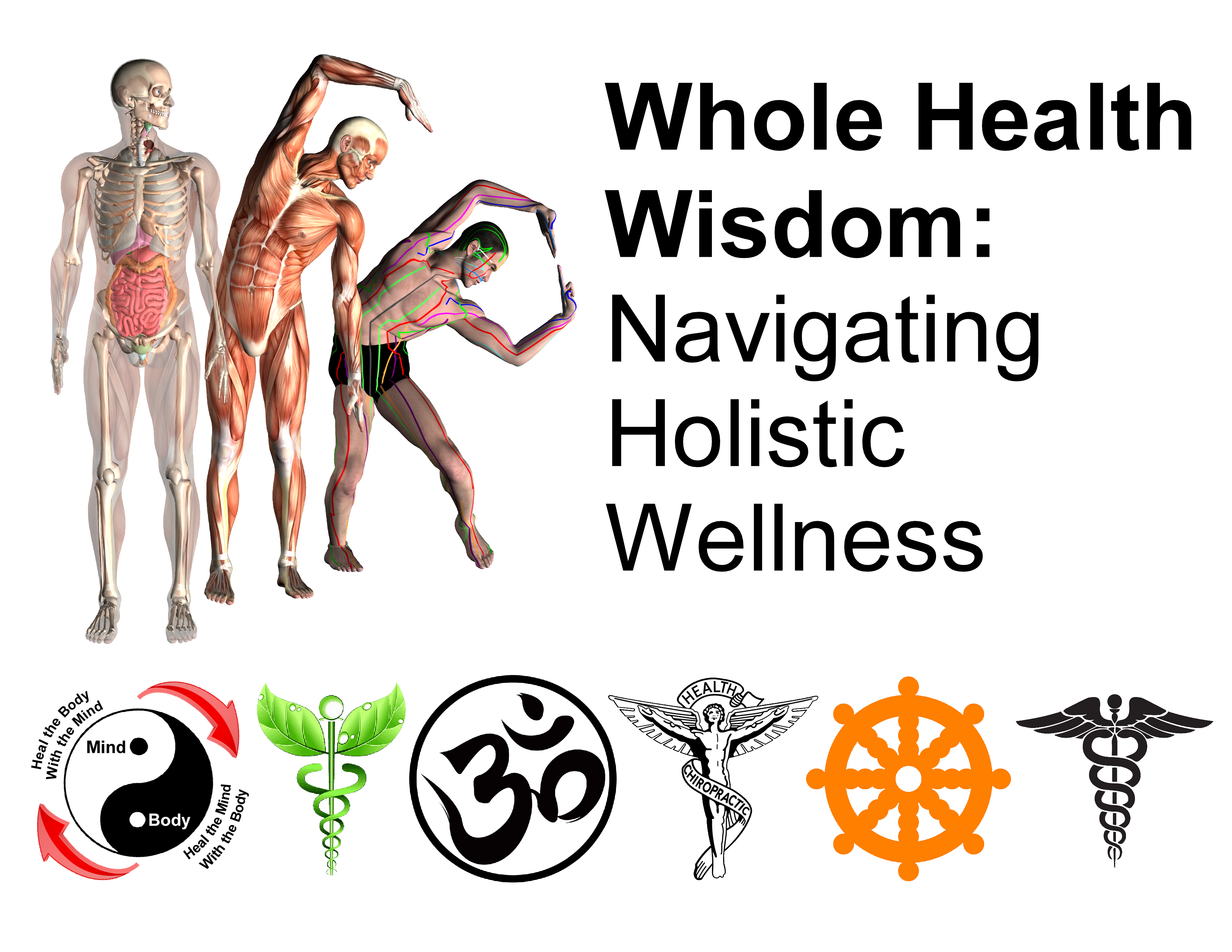
Well, I have been searching for over 40 years for the Holy Grail of health, wellness, fitness and self-awareness. I have been producing graphics to depict what I believe to be the key components of health and happiness.

Find my graphics and/or booklets on my website or Amazon at:

www.MindAndBodyExercises.com

https://www.amazon.com/author/jimmoltzan

I write often about topics that affect our health and well-being. Additionally, I teach and offer lecture about qigong, tai chi, baguazhang, and yoga. I also have hundreds of FREE education video classes, lectures and seminars available on my YouTube channel at:https://www.youtube.com/c/MindandBodyExercisesMind and Body Exercises on Google: https://posts.gle/aD47Qo

Jim Moltzan407-234-0119

www.MindAndBodyExercises.comwww.Amazon.com/author/jimmoltzan

Yoga as a Treatment for Post-Traumatic Stress Disorder

This post continues my scholarly research into the benefits of exercise, and more specifically yoga, its sibling of qigong and other methods of mindfulness as treatments for mental health ailments.

The Center for Disease Control and Prevention (CDC) conducted a large-scale web-based survey of 5000 adults in the United States with results reflecting that almost all were affected by at least one adverse mental or behavioral health issue related to the COVID-19 pandemic. Results also showed that more than one-quarter of the participants experienced symptoms of post-traumatic stress-related disorder or PTSD (Nagarajan et al., 2022). Post-traumatic stress disorder is described as a psychological health condition that may emerge in response to experiencing traumatic events, such as severe injuries, assault, natural disasters, and war. PTSD is a worldwide health issue and of concern in the United States, occurring across many demographics but with prevalence in affecting post-war veterans (Piotrowski et al., 2022). Alternative methods have been becoming more acceptable within the field of PTSD treatment. The purpose of this paper is to help determine how effective practices such as yoga and similar mindfulness practices can be an option when treating symptoms of PTSD. Veterans and others with PTSD can possibly benefit immensely from yoga and mindfulness methods based upon past and recent research (Neukirch et al., 2019).

Yoga and mindfulness techniques have shown to be beneficial in reducing symptoms of anxiety, depression, and other psychological health conditions in veterans as well as other demographics. These techniques can continue to be effective if individuals practice what they have learned from experiments and continue the practices while on their own at home. An important side-effect of yoga practice is the decrease in the hypothalamus-adrenal-pituitary-axis (HPA-axis) activity from physiological arousal. The HPA-axis is the main mechanism that regulates the adrenal hormone cortisol, in response to coping with stress. Prolonged elevated levels of cortisol are correlated to compromised cognitive functions (Zaccari et al., 2020).

The COVID-19 pandemic has threatened the lives of millions of people worldwide, making it a traumatic phenomenon of its own, regardless of those having suffered from the disease. Additionally, those previously hospitalized with having severe COVID-19 infection may be more likely to be diagnosed with PTSD. Separate from the disease itself, hospitalized patients may have encountered other challenges such as time away from home and loved ones, social stigmatism, and financial hardships relative to receiving treatment (Nagarajan et al., 2022).

Demographic factors such as race, age, ethnicity, education, and gender have been associated with notable variations in amounts of exposure to trauma, available support resources, and subjection to other stressors. Younger, less educated, female, and ethnic minorities may be more systematically disadvantaged with having PTSD. Experiences of specific types of traumas such as exposure to combat, moral injury situations and military sexual trauma (MST), as well as increasing trauma and other life stressors also have been connected to an increased risk of PTSD with veterans (Copeland et al., 2022).

Some of the defining symptoms of PTSD would include diminished interest in activities, irritability, recklessness, aggression, aggressiveness, avoidance, detachment from others, depression, anxiety, mood swings, sleep disorders, suicidal thoughts and tendencies, hyperarousal symptoms, intrusive memories of the trauma, reoccurring and disturbing dreams or nightmares, outbursts of anger, self-destructive behavior, difficulty with concentration and sometimes a continual and distorted sense of blame of oneself or others (Piotrowski et al., 2022).

The National Comorbidity Survey Replication (NCS-R), administered from February 2001 to April 2003, determined that Americans aged 18 years and older, had an estimated lifetime prevalence of PTSD among men at 3.6% and among women at 9.7%. The National Vietnam Veterans Readjustment Study (NVVRS), administered from November 1986 to February 1988 determined that of those veterans having served in the military during the Vietnam era, the estimated lifetime prevalence of PTSD was 30.9% for men and 26.9% for women. The prevalence of PTSD for Gulf War Veterans and Operation Iraqi Freedom is estimated to be 10.1%. Veterans having served in Afghanistan and Iraq have an estimated prevalence of 13.8%. Studies show that children having exposure to traumatic events may be subject to having a higher prevalence of PTSD, when compared to adults in the same population. Adolescents between the ages of 12 and 17 were estimated to suffer from PTSD at a rate of 3.7% for males and 6.3% for females (VA.gov | Veterans Affairs, n.d.-b).

Various treatment techniques and therapies exist that have known to offer improvement in some areas while lacking in other certain environments. Issues with unavailability of access to medical care, increased expense of prescription drugs, and the negative attitude that is often attached to those seeking mental health care. This stigma can discourage or prevent those coping with PTSD from fully realizing benefits from therapy. Common treatments for PTSD consist of cognitive-based psychotherapies and pharmacotherapies, but research reflects that 60-72% of sufferers continue to be diagnosed with PTSD in spite of receiving cognitive processing. Additionally, both cognitive-based psychotherapies and pharmacotherapies have significant dropout rates (Zaccari et al., 2020).

Sleep disturbance and disturbing dreams are considered the main symptoms of PTSD due to these being the most commonly reported in up to 70% of individuals diagnosed with PTSD. Sleep disturbance is a typical physiological response to having experienced trauma and is associated with negative emotional, behavioral, and cognitive ramifications and relative sequelae. Studies show evidence supporting dispositional mindfulness providing an important adaptive strategy for managing trauma related sleep and emotion regulation disturbances. Mindfulness activities may help the practitioner to minimize trauma-related emotional struggles and hyperarousal by becoming more aware of immediate or current emotions and combined with a nonjudgmental viewpoint in the processing of these emotions that may lead to PTSD-related sleep disturbances (Nagy, et al., 2022). Research supports that the practice of yoga can help to enhance cognitive functioning that correlates to reducing PTSD symptoms while simultaneously increasing sleep quality and quality of life (Zaccari et al., 2020).

A pilot study was conducted with 27 veteran participants diagnosed with PTSD and were recruited from mental health clinics of the Veteran Affairs Portland Health Care System (VAPORHCS). All participants had engaged in some previous type of trauma therapy. However, they were not to be simultaneously enrolled in another trauma processing therapy. The main goal of the study was to analyze the influence of specific yoga practices on response inhibition, PTSD symptoms, and relative cortisol levels in response to stress. The study incorporated trauma-sensitive yoga (TSY) that was based upon hatha-style yoga. Adjustments were incorporated for trauma sensitivity, such as instruction utilizing verbal guidance, elimination of hands-on physical adjustments, class format of a half-circle to allow participants to view the instructor and one another, and use of postures that specifically were not to facilitate adrenaline secretion. Of the 27 veterans who signed-up for this study, seventeen completed the intervention and postintervention assessment. They were required to self-report their symptoms of PTSD, and also their salivary cortisol levels at various intervals before and after practice sessions. Those that participated attended from 3 to 8 sessions total. Results showed improvements in sleep quality along with reductions in symptoms of depression, which support the previously known correlation linking sleep to depression. The change in reduced cortisol levels coincides with increases in the quality of life. This study indicated that yoga interventions such as trauma-sensitive yoga may enhance cognitive response inhibition, reduce symptoms of depression, improve sleep quality, reduce other PTSD symptoms and relative complaints (Zaccari et al., 2020).

In another study supporting that yoga and other mindfulness-based practices offer other potential benefits for treatment of PTSD. Further research highlights that yoga promotes interoceptive awareness that can be channeled to address root difficulties related to PTSD, Interoceptive awareness helps to enhance the ability to palliatively process trauma symptoms without becoming severely overloaded. Participants reported an increase in their focus on body sensations, prolonged awareness of these sensations and self-regulation of stress by addressing these sensations. (Neukirch et al., 2019). Increased interoceptive awareness as well as self-regulation of the HPA-Axis through the practice of yoga, can potentially empower those suffering from PTSD to better self-manage cognitive-based therapies, and aid in successful management of thoughts, emotions, and behaviors which affect overall health and well-being.

References

Copeland, L. A., Finley, E. P., Rubin, M. L., Perkins, D. F., & Vogt, D. S. (2022). Emergence of probable PTSD among US veterans over the military-to-civilian transition. Psychological Trauma: Theory, Research, Practice, and Policy. https://doi-org.northernvermont.idm.oclc.org/10.1037/tra0001329.supp (Supplemental)

Nagarajan, R., Krishnamoorthy, Y., Basavarachar, V., & Dakshinamoorthy, R. (2022). Prevalence of post-traumatic stress disorder among survivors of severe COVID-19 infections: A systematic review and meta-analysis. Journal of Affective Disorders, 299, 52–59. https://doi-org.northernvermont.idm.oclc.org/10.1016/j.jad.2021.11.040

Nagy, S. M., Pickett, S. M., & Hunsanger, J. A. (2022). The relationship between mindfulness, PTSD-related sleep disturbance, and sleep quality: Contributions beyond emotion regulation difficulties. Psychological Trauma: Theory, Research, Practice, and Policy, 14(7), 1073–1079. https://doi-org.northernvermont.idm.oclc.org/10.1037/tra0000572

Neukirch, N., Reid, S., & Shires, A. (2019). Yoga for PTSD and the role of interoceptive awareness: A preliminary mixed-methods case series study. European Journal of Trauma & Dissociation, 3(1), 7–15. https://doi-org.northernvermont.idm.oclc.org/10.1016/j.ejtd.2018.10.003Piotrowski, N. A., PhD, & Range, L. M., PhD. (2022). Post-traumatic stress disorder. Magill’s Medical Guide (Online Edition).VA.gov | Veterans Affairs. (n.d.-b). Retrieved October 23, 2022, from https://www.ptsd.va.gov/professional/treat/essentials/epidemiology.asp

Zaccari, B., Callahan, M. L., Storzbach, D., McFarlane, N., Hudson, R., & Loftis, J. M. (2020). Yoga for veterans with PTSD: Cognitive functioning, mental health, and salivary cortisol. Psychological Trauma: Theory, Research, Practice, and Policy, 12(8), 913–917. https://doi-org.northernvermont.idm.oclc.org/10.1037/tra0000909.supp (Supplemental)

I write often about topics that affect our health and well-being. Additionally, I teach and offer lecture about qigong, tai chi, baguazhang, and yoga. I also have hundreds of FREE education video classes, lectures and seminars available on my YouTube channel at:

https://www.youtube.com/c/MindandBodyExercises

Mind and Body Exercises on Google: https://posts.gle/aD47Qo

Jim Moltzan

407-234-0119
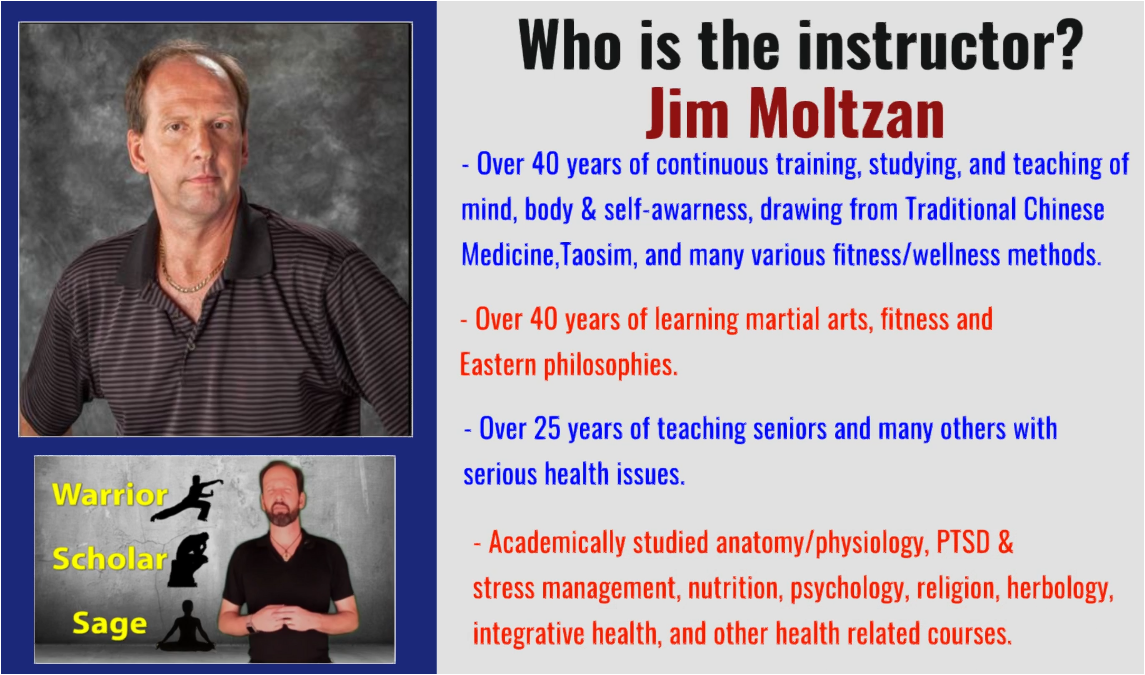
www.MindAndBodyExercises.com

www.Amazon.com/author/jimmoltzan